A WRITER’S JUDGEMENT

“There is Simply Too Much to Think About” is a time-consuming read with a depth of understanding about writing that gives one “…Too Much to Think About” because of its author’s humbling intelligence. The fundamental point Bellow makes is that art is as important as science for the advance of society.

Books of Interest
 Website: chetyarbrough.blog

There Is Simply too Much to Think About (Collected Nonfiction) 

Author: Saul Bellow

Narration by: Malcolm Hillgartner
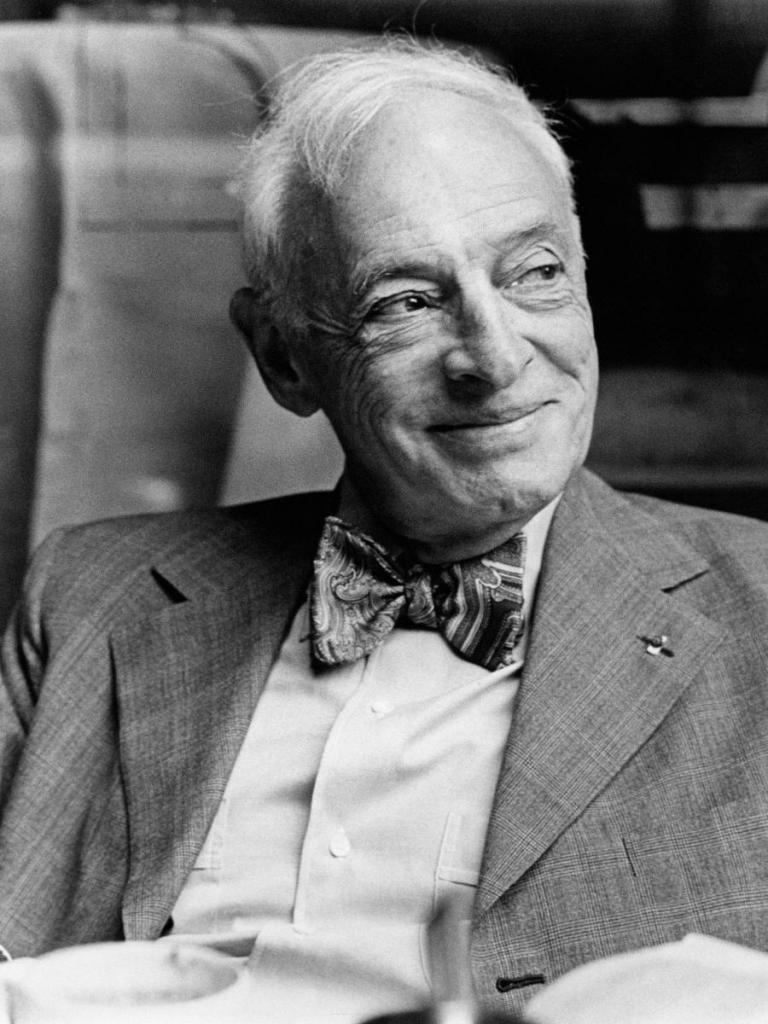
Saul Bellow (Author, Canadian-American novelist who has been awarded the Nobel Prize in Literature, and the Pulitzer Prize.)

This is a daunting book by an accomplished novelist who explains what makes reading fiction and nonfiction worth one’s time and attention. The range of subjects Bellow covers is immense. He not only writes about literature but politics, philosophy, Jewish identity, American culture, history, and other subjects that overwhelm a reader/listener. Bellow suggests good nonfiction and fiction are about characters who write about life that makes them important enough to have meaning to readers and purpose for writers. A writer creates an understanding of characters in the context of a society in which they live. A good writer’s attention is given to the contradictions and complexity of living life. What Bellow means by nonfiction writers is those who witness life unfolding and relate that understanding from a perspective which may or may not resonate or at least be understood by a reader.

Though Bellow mentions few female authors, he shows strong opinions about famous male authors.
Bellow offers a tour of twentieth century writers he believes are examples of good nonfiction writers. He notes Ralph Ellison, Phillip Roth, and J.D. Salinger as examples of great nonfiction writers. At the same time, Bellow explains how deeply his life feeds into his writing. He reveals his own strengths and weaknesses. He acknowledges being drawn into trendy ideas of others that gloss over truth and mislead readers with contradictions. Like all human beings, Bellow can be misled by second-hand assertions about historic events and characters that lack verifiable truth. The result may be misrepresentation and sometimes cruel judgements about private lives and the history of humanity. Written misrepresentations reveal as much about the writer as the subject.
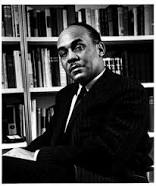
Ralph Ellison (Author of “Invisible Man”)

Bellow offers some warnings to readers of both good and bad writers. He suggests a reader should be careful about reading too much into writer’s characters or experience in a story. One thinks of Ellison’s “Invisible Man” and how it reshaped many readers understanding of race and identity. Ellison is not writing a protest novel. It is about social invisibility, Black identity, politics, and the meaning of life. Phillip Roth’s Colman Silk is accused of racism and forced to retire but he is not a racist. He is obviously falsely accused because he is secretly African American passing as white. Truth of a story is revealed in detail created by good writing.

Though not having personally read Bellow’s books, he notes that his writing is largely based on episodes from his own life.

Being born in a Montreal Jewish slum and raised as an immigrant in Chicago he experiences discrimination as a baby born in a Montreal slum and as an immigrant on Chicago streets. The working-class environment of Chicago streets gave Bellow a level of freedom and exposure to life as just another young boy finding his way in life. He could measure himself against more diverse life experiences in Chicago without losing his Jewish identity. As an immigrant, it added to his identity and broadened his understanding of life as a human being. He became streetwise in responding to the world.
The experience of life.

Bellow clearly illustrates a personal belief and understanding about life. He is an obvious master of American language. His intellect and curiosity are overwhelming. There is an emotional and moral seriousness that is sometimes funny and at others quite confrontational. He masterfully turns lived experience into art. There is a level of overconfidence in his judgement and personal contradictions crop up in his writing. On the one hand he distrusts ideology but writes a highly ideological view of writing. He defends the importance of art but criticizes culture. He lauds intellectual independence while insisting on his own beliefs. He is a bit combative toward academics, critics, and seems somewhat dismissive or impatient with those who struggle with his opinions. The title of Bellow’s book says it all–“There is Simply Too Much to Think About”.

Bellow believes the arts are the essential ingredient of what Martin Luther King’s quote depends upon.

Bellow is very judgmental about the writers he reviews in his “…Much to Think About” book. His greatest praise goes to Ralph Ellison, Phillip Roth, James Joyce, and Franz Kafka. His sharpest criticism is of Updike, Hemmingway, T.S. Eliot, Salinger, and James Baldwin. Updike is called too polished, Hemingway too emotionally shallow, Eliot too culturally conservative, Salinger too mystical, and Baldwin too damaged by ethnic prejudice. Despite his criticism, Bellow finds their works have power and meaning implying they are worth reading. Most who recognize or have read some or all of these authors will likely find them worth the time and effort to read them and come to their own conclusions.

“There is Simply Too Much to Think About” is a time-consuming read with a depth of understanding about writing that gives one “…Too Much to Think About” because of its author’s humbling intelligence. The fundamental point Bellow makes is that art is as important as science for the advance of society.

LEWIS & CLARK’S AMERICA

Robert Frost wrote “In three words I can sum up everything I’ve learned about life: it goes on.” That is the essential truth of “The Vast Enterprise” about the Lewis and Clark Expedition.

Books of Interest
 Website: chetyarbrough.blog

The Vast Enterprise (A New History of Lewis & Clark) 

Author: Craig Fehrman

Narration by: Jason Culp & 5 more

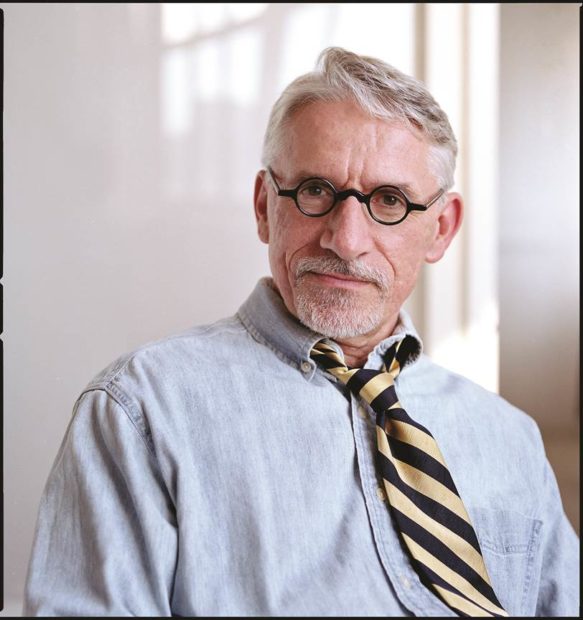
Craig Fehrman (Author, journalist, historian of Presidents and American history.)

Craig Fehrman writes an excellent history of the Lewis and Clark expedition. It entertains and informs reader/listeners of the lives of Meriwhether Lewis, William Clark, an enslaved man named York, and a tribal native named Sacagawea. From President Thomas Jefferson’s reasoning and his decision to create an expedition from Kentucky to the Pacific, one learns something new, old, and troubling about America.

Thomas Jeffereson (1743-1826, President of the U.S. 1801-1809.)

Thomas Jefferson is characterized as a shrewd, partisan, and forceful political operator who had a clear vision for the future of continental America. That prescient vision of America by Jefferson hides his blindness to the truth of human equality of Black men and women as inferior to white men. However, Fehrman notes Jefferson believes natives of this continent had the potential to be the equal of white Americans. Jefferson’s shrewdness and forceful opinion is illustrated by his understanding of the importance of trading posts as a way to expand control of land possessed by native inhabitants and held by Spanish and French interests. Lewis and Clark’s western expedition is, in Jefferson’s opinion, critical to America’s future land interests.

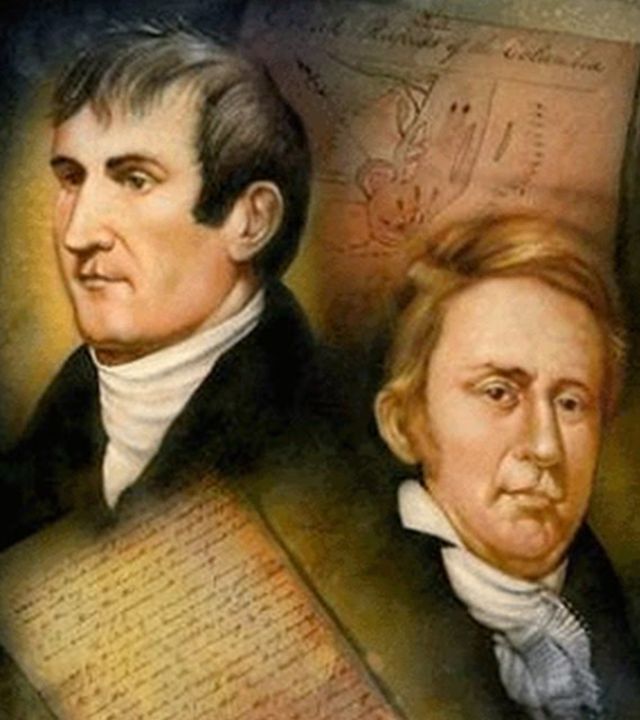
Meriwhether Lewis and William Clark (American Explorers.)

Both Meriwhether Lewis and William Clark are characterized as relatively educated colonial citizens suited for an expedition from Kentucky to the Pacific. Though both leaders for the expedition were heroic, their personalities, leadership styles, and temperaments were quite different. Lewis is characterized as brilliant but an inwardly volatile man, while Clark is a steady, self-confident manager of people. Lewis is the visionary who works in the Jefferson’ administration as secretary to the President while Clark is former military officer who gets things done with people who report to him. Lewis clearly understood Jefferson’s objective in exploring the west, its diplomatic purpose, and geopolitical importance. Clark’s frontier experience, military discipline, and surveying skill served Lewis’s understanding of Jefferson’s objectives.

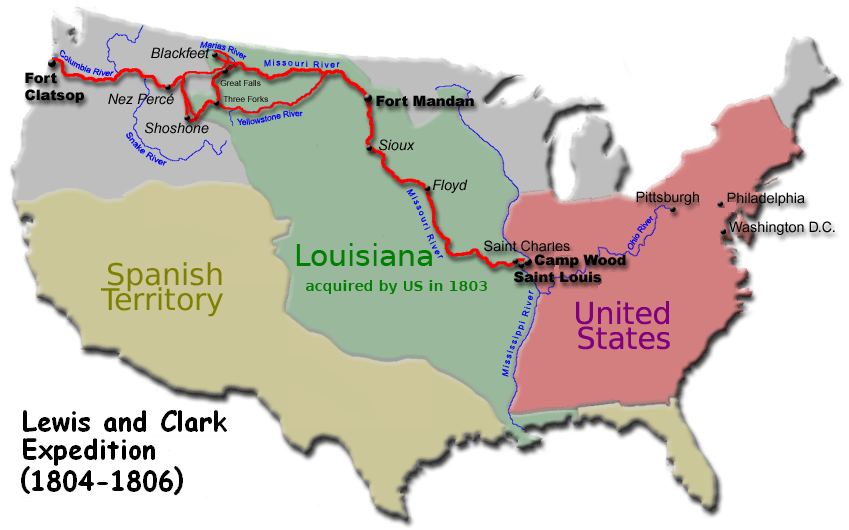
Lewis & Clark Expedition

Both Lewis and Clark understood they were not only entering a wilderness but a continent full of other nations which made them effective negotiators and intermediaries with native tribes. Lewis’s intellectual understanding of Jefferson’s objectives is complimented by Clark’s skill in managing native tribe relationships. With the help of a Black slave owned by Clark and a native Shoshone woman married to a French trader, this former military man manages to gain the aid of the Lakota, Shoshone, and other tribes to save the Lewis and Clark expedition from failure.

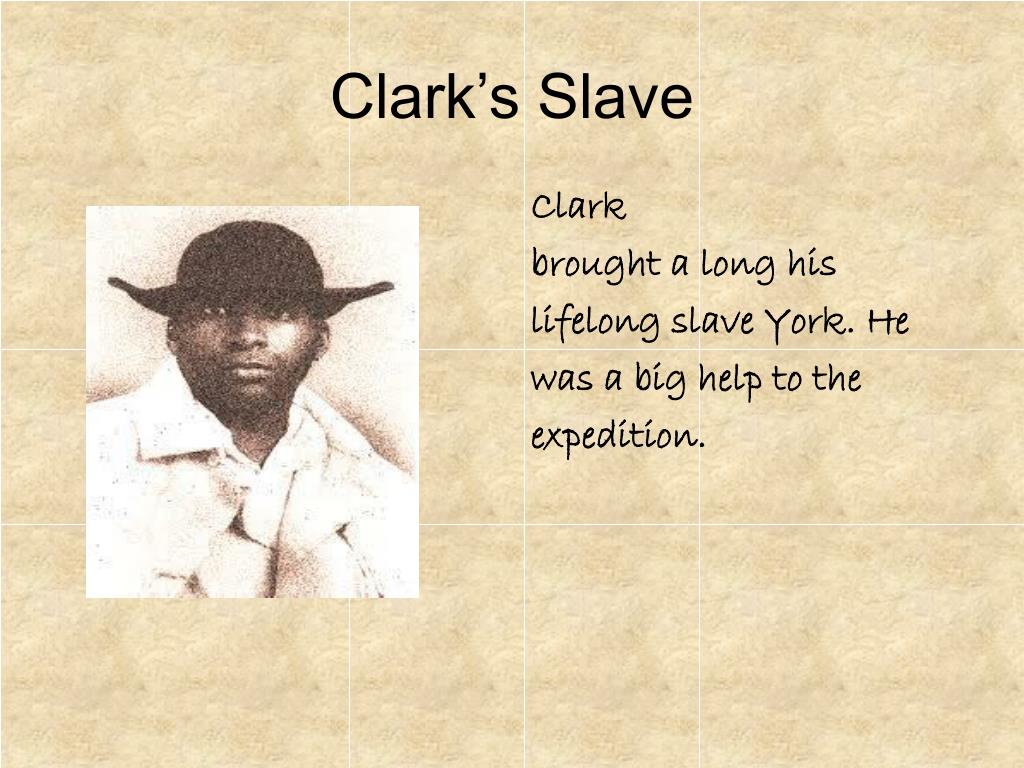
Image of York (Slave owned by William Clark.)

The history of York (Clark’s owned slave) in the expedition is interesting. What the author, York, and enlisted members of the expedition show is that Lewis and Clark were dependent on their crew for the success of the mission. Men like York provide the labor and skill needed to complete the journey. As a young adult, York shows the value of all human beings to the success of the expedition while being a slave. The sad fact is that York is never released from his bondage to Clark. Despite York’s alleged inferiority, Clark relies on him for his field abilities and reminds reader/listeners of the importance of other cultures and ethnicities that make America. Fehrman infers York is a symbolic bridge between ethnic worlds; i.e. not just the Black and White world but the native and English American world. York is an example the difference of human beings in America; i.e., from people of color to native tribes in a dominant white culture. Fehrman’s story infers human difference reinforces belief that native tribes (Black, white, or other) could co-exist though not be treated as equal human beings. This is no stretch of a reader/listener’s imagination based on America’s history of Indian/American wars and slavery. There is one native American that travels with Lewis and Clark. She is Sacagawea, the only woman on the expedition. Her story reflects on America’s view of women as property despite their contribution to life and their contribution to social and economic society.

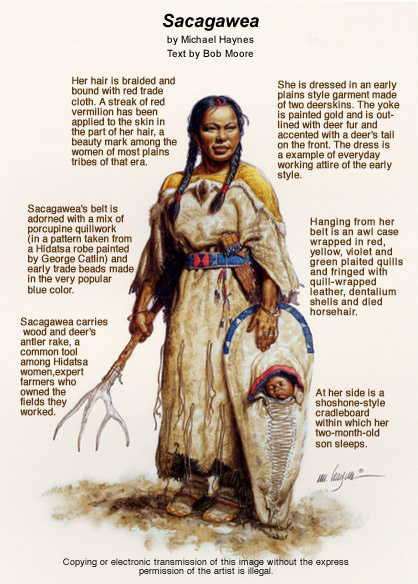
Image of Sacagawea on the Lewis and Clark Expedition.

Fehrman suggests Sacagawea is a full participant in the expedition. To Fehrman she represents a symbol of Native nations. Sacagawea and York became part of the diplomatic fabric of the journey demonstrating the truth of human equality. Sacagawea became pregnant from her husband, Toussaint Charbonneau, a French-Canadian trapper. Her baby is born on the expedition. Charbonneau had two native wives, the first of which did not accompany them on the expedition. Sacagawea had been kidnapped by the Hidatsa tribe in a war with the Shoshone when she is 12. Charbonneau is 20 years older than Sacagawea. Sacagawea is 13 when she is forced to marry Charbonneau by the Hidatsa. The tribe had traded goods with Charbonneau. Sacagawea and Charbonneau are reluctantly hired by Lewis and Clark for the expedition. Both act as interpreters on the expedition but Fehrman argues Sacagawea represents more than being a translator because of her heritage and knowledge of the territory through which they will travel. Sacagawea’s Shoshone tribal heritage had diplomatic value beyond mere language interpretation. On the other hand, Charbonneau seems more a liability than asset to Lewis and Clark.

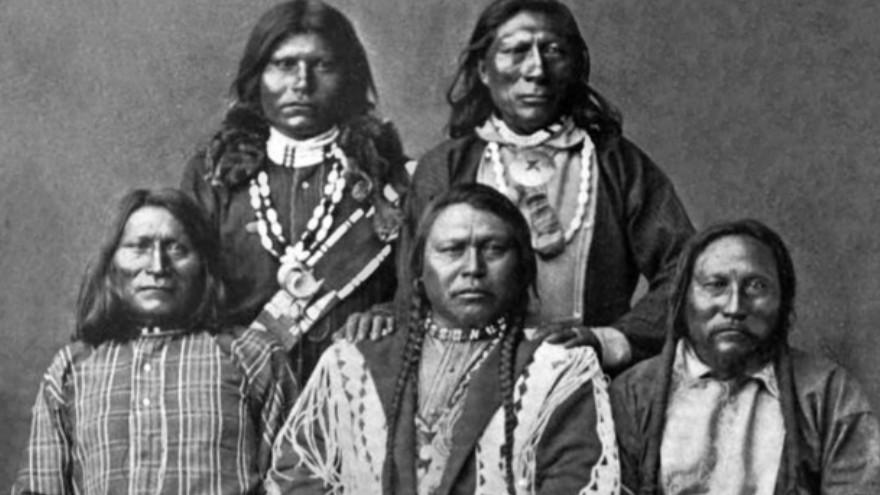
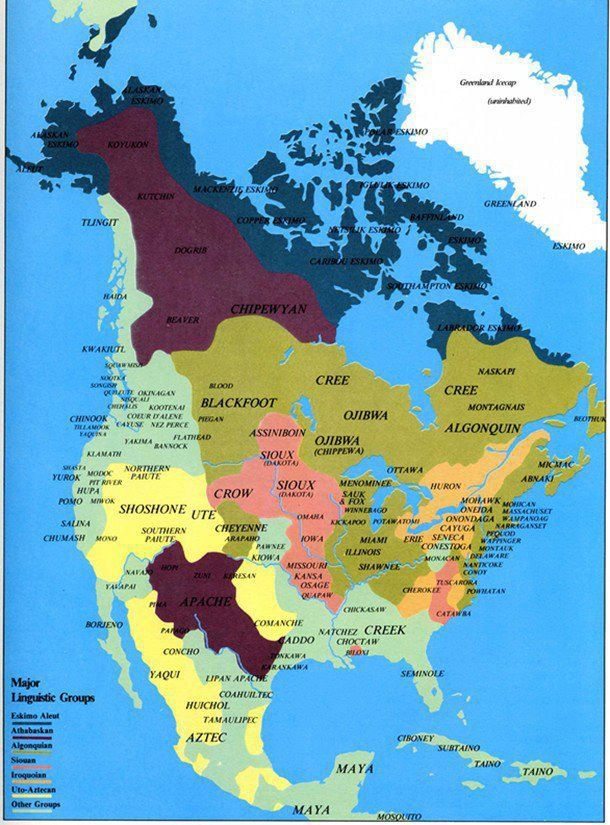
Shoshone Tribe in western America.

Fehrman shows the expeditionary Americans were not dominant actors in their relationships with native tribes. In the wilderness, they acted more as guests or supplicants in their dealings with various tribes. They recognized they were outsiders that needed political alliances with native tribes because they had meager knowledge of the territory and customs of indigenous tribes who controlled the river lands they explored. Their need for food, horses, guides, and knowledge of the land depends on their relationships with indigenous tribes. Without tribal help and guidance, they would have no protection or chance of safe passage. Native tribes provide horses and information that kept them on their course to the west and saved them from starvation and death. It is a combination of Jefferson’s somewhat arrogant plan for the country’s consolidation for the expeditionary force to be dependent upon indigenous tribes who are repeatedly deprived of their land in America’s growth as a nation. It is the explorer’s humbleness and humility that allows Lewis and Clark to succeed in growing an American continent that historically suppresses indigenous land ownership and use.

Most Shoshone Tribes appear more southwestern than northwestern.

Indigenous tribes were politically naive in their aid to American explorers. Without tribal’ naivete, the early days of America’s influence and growth as a singular nation would have failed. One presumes, the continent would have remained a land of tribal ownership and internecine conflicts over land and natural resources. In the early years of American government, it is humbleness, humility, and the growth of trade between natives and early Americans that transform a land of native tribal presence into a singular nation among nations. In Fehrman’s opinion the prime mover of that accomplishment began with Thomas Jefferson and “The Vast Enterprise” of explorers like Lewis and Clark.

The last chapters of Fehrman’s book leave listener/readers with notes about Lewis, Clark, York, and Sacagawea that are sad to read or hear. Lewis becomes an alcoholic and commits suicide. Clark refuses to give York his freedom. York dies from cholera while Clark lives a life of success and power. Clark becomes governor of -Missouri Territory and Superintendent of Indian Affairs. Sacagawea is leaves her French husband and dies at Fort Manuel in 1812.

Robert Frost (1874-1963.)

Robert Frost wrote “In three words I can sum up everything I’ve learned about life: it goes on.” That is the essential truth of “The Vast Enterprise”.

NON-FICTION BOOKS

Kenneth Davis does more to add than subtract from one’s understanding of what others have written. Davis’s reviews of non-fiction books seem objective, but they are subjectively chosen.

Books of Interest
 Website: chetyarbrough.blog

The World in Books (523 Works of Great Short Nonfiction) 

Author: Kenneth C. Davis

Narration by: Adenrele Ojo & 2 more

Kenneth C. Davis (Author, lecturer, contributor to The New York Times, Newsday and other publications.)

A criticism of Kenneth Davis’s “The World in Books” is its spartan overview of nonfiction. On the other hand, these reviews are an important overview of many of the most politically and socially important subjects of life.

Religion, humanism, sexism, and racism are the most eminent of Davis’s subjects. Like all brief summaries of important writers of the past, one’s personal views interfere with fundamentally important subjects. Of course, our personal biases seep into our own writing and understanding of other’s beliefs. What seems missing from Davis’s book is not wide analysis of different political and social beliefs but a perspective on the negative consequences of known forms of government or societal beliefs. Of course, criticism of his choice of works is unreasonable because of the wide number of non-fiction books from which to choose. Fairness is in the eyes, ears, and memory of the beholder.

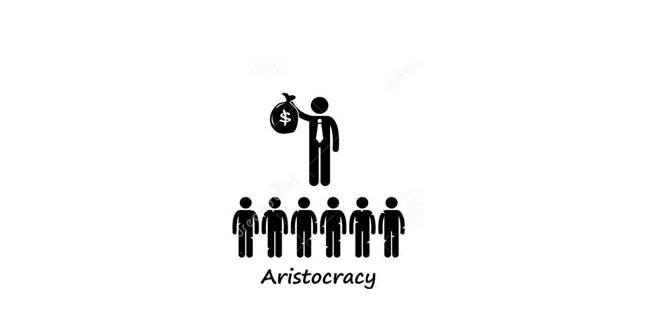
The aristocracy of government.

On the one hand, one sees Davis’s view of communism, democracy, authoritarianism, and humanism as important constructs of society. On the other, Davis offers little consideration of their societal impact. One may argue societal impact is not Davis’s objective. He alludes to race, gender, and climate consequences but does not explore connections with a broad analysis of government or society. As with all writers of history, his own bias is in his choice of non-fiction books. He writes of Socrates, Plato, Frederick Douglass, W.E.B. Du Bois, James Baldwin, Elie Wiesel, Malcolm X, George Orwell, Virginia Woolf, Alice Toklas, Gertrude Stein, Mary Wollstonecraft, Ernest Hemingway, and others. He recognizes liberal humanists for their ideological and social contribution to human understanding, not for expressed personal opinion but for broad exposure to good or great writers.

General criticism of Davis seems unfair because he offers historical information about a “…World of Books” that are often ignored by reader/listeners of non-fiction writers. How many of us have read ancient texts, or modern writers like Elizabeth Kolbeert, Frankl, Harriet Jacobs, Isabel Wilderson, Simone de Beauvoir, and other less well-known writers about human society. Davis seems to represent a host of lesser-known works to simply offer enlightenment to reader/listeners. He provides excellent summaries of many books this reviewer has never read or listened to.

All reviewers bring their own biases in reviewing another’s book.

Davis does more to add than subtract from one’s understanding of what others have written. Davis’s reviews of non-fiction books are objective, but they are subjectively chosen. The author may have had a curation bias. How could he not; i.e. there are too many non-fiction books for one person to know; let alone review. Davis may or may not have an ideological liberal humanist bias, but it is because of the sheer volume of published non-fiction books. Every person has a point of view. The point is that a reader/listener is benefited by an author like Davis who intends to be objective about what non-fiction authors hope and try to tell reader/listeners.

Ukrainian Independence

Trofimov argues Ukraine will survive Russia’s invasion and remain a sovereign nation, but it will remain a long struggle. Considering the age of Putin, i.e., he is 73, and growing discontent of some Russian oligarchs, the war may be ended sooner rather than later.

Books of Interest
 Website: chetyarbrough.blog

Our Enemies Will Vanish (The Russian Invasion and Ukraine’s War of Independence) 

Author: Yaroslav Trofimoy

Narration by: David Furr

Yaroslav Trofimov (Author, Ukrainian-born Italian author and journalist, foreign correspondent.)

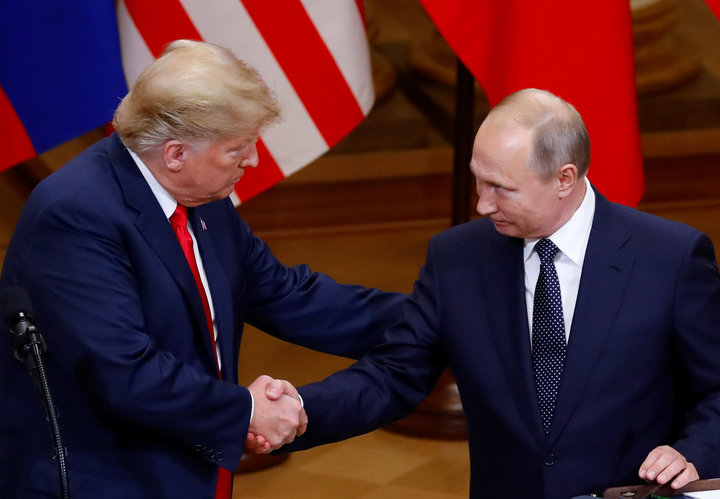
“Our Enemies Will Vanish” is a brutal eyewitness account of the beginning of Russia’s invasion and war in Ukraine. Yaroslav Trofimov explains why Putin fails to achieve a takeover and annexation of Ukraine despite having an overwhelming military and economic advantage. Putin had a well provisioned and professional military force. Trofimov’s book is an insightful follow up on Karatnycky’s history of Ukraine’s leadership in “Battleground Ukraine”. Trofimov reminds one of the role Viktor Yanukovchy played in surreptitiously aiding Russia’s takeover of Crimea. Yanukovchy had fled to Russia and was waiting to return to the Presidency of Ukraine when and if Russia won the war. Having read “Battleground…” Ukraine’s resistance owes a debt to former President Yuschenko’s role in reinforcing a pro-Western leaning of Ukraine’s citizens. At the same time, Petro Proshenko (President of Ukraine before Zelensky) is shown to be equally important for having begun the rebuilding of Ukraine’s military.

Frenemies are defined as people who look friendly on the surface but contain underlying rivalry, and distrust.

Trofimov clearly explains why Putin fails to takeover Ukraine. He underestimated the capabilities of Ukrainian resistance. Putin’s predilection for complete control of the invasion created ground action confusion that could not adapt to circumstances of Ukrainian resistance. Russia’s ground forces could not effectively coordinate their actions because of Putin’s insistence on direct command and control. In contrast, the Ukrainian leadership made decisions based on ground circumstances rather than centralized command and control. Putin clearly underestimated Ukraine’s national awakening. The early atrocities of Bucha and Irpin where 400 civilians were murdered and many were imprisoned and tortured are examples of Russia’s brutal tactics. The heavy shelling of Irpin destroyed neighborhoods, homes, and schools. Satellite imagery and eyewitness accounts reinforced Ukraine’s moral and political resolve to defend their country.

Access to drugs for infection are a concern for Ukranian fighters.

Trofimov characterizes Russia’s attack of Mariupol as an attempt to “wipe a city off the face of the earth”. He vivifies the scale of destruction with a view of residential districts that are flattened, civilians are left without food, water, or heat and hospitals, theaters, and shelters are bombed. If one is wounded in combat, Ukrainians have no access to drugs to treat infection. A relatively minor wound could become a death sentence. Nevertheless, Mariupol became a heroic last stand and a symbol of Ukraine’s resolve to remain free of Russian occupation.

The brutality and slaughter of war is clearly brought to a reader/listener’s attention by Trofimov. The atrocity in Bucha occurs early in the Russian invasion. Families hide in basements without heat or electricity. People are shot with their bodies left in the street as Russians begin moving house to house to take food, phones, and whatever they wanted. Men who were captured were interrogated and tortured. Citizens were executed at checkpoints for being suspected of helping local Ukrainians. Door to door killings and summary executions were made on all who were viewed as enemies of Russia. Russian troops were spreading systemic terror to control the population. The immorality of war is brought home in Russia’s Bucha campaign. In Trofimov’s opinion, Bucha is an example of why Putin will fail to remake Ukraine a part of Russia.
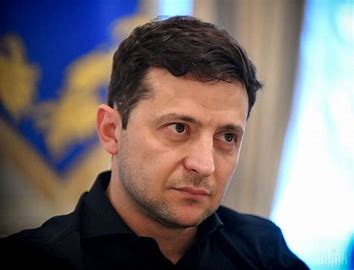
Trofimov suggests Zelensky’s wartime leadership became critically important for the survival of Ukraine.

Trofimov argues Zelensky’s personal bravery changed the course of the war. One remembers the video of Zelensky on American TV standing with fellow Ukrainians saying, “we are all here” in Kyiv. He believes Zelensky united Ukrainian society against Putin’s invasion. He rejects evacuation offers, maintains government continuity, and enlists the Western world in resistance to Russia’s invasion. Trofimov feels Zelensky’s leadership became critically important for the survival of Ukraine as an independent nation.

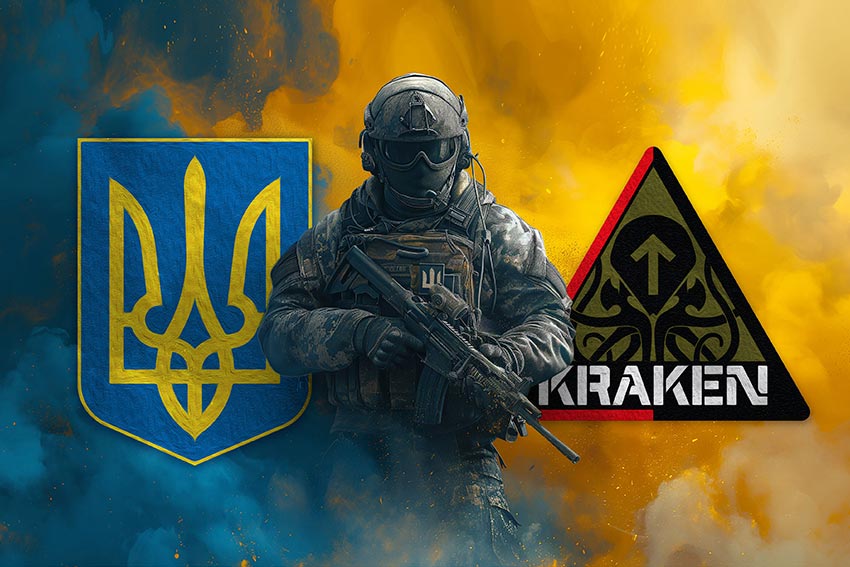
Kraken fighters in Ukraine.

The creation of what becomes known as the Kraken fighters illustrates the ferocity, professionalization, and psychology of volunteer Ukrainian fighters in comparison to Russian conscripts. The Kraken unit’s utilization of urban combat and high-risk operations contribute to many of Ukraine’s territorial reversals of Russian land confiscations. Ukraine’s military competence grows with the Kraken’s successes. Though the Kraken were not the largest Ukrainian warrior group, they were a unit from Kharkiv that motivated frontline fighters.

Mariupol occupation by Russia.

Trofimov does not ignore the territorial gains made by Russia in their invasion of Ukraine. Their early success in Eastern Ukraine is stalled despite their gains. They did capture Mariupol, but it became a symbol of Russia’s brutality that hardened Ukrainian resistance. The Russians capture Severodonetsk and Lysychansk in 2022 and inflict a great deal of damage on Ukrainian infrastructure. However, Trofimov argues these were tactical, not strategic successes. Importantly, Trofimov notes Kyiv is not captured, Ukrainian morale has been maintained, and the West’s support remains strong. He believes Ukraine will ultimately retain its independence.

Ukraine’s fight for independence.

Trofimov argues Ukraine will survive Russia’s invasion and remain a sovereign nation, but it will remain a long struggle. Considering the age of Putin, i.e., he is 73, and growing discontent of some Russian oligarchs, the war may be ended sooner rather than later. Men like Andrey Meinichenko, one of Russia’s richest men, and several others complain about high interest rates and the war’s economic strain on Russia. It is not that they are anti-Putin, but they have economic interests that are being challenged by the war. One wonders how long Putin will last if the Ukraine war continues.

TOO LATE

Van der Kolk outlines some of today’s psychiatric breakthroughs. New psychiatric discoveries have helped reveal childhood abuse memories and war’s traumatic events to give survivors some peace of mind.

Books of Interest
 Website: chetyarbrough.blog

The Body Keeps the Score (Brain, Mind, and Body in the Healing of) 

Author: Bessel van der Kolk M.D.

Narration by: Sean Pratt

Bessel van der Kolk (Author, Boston-based Dutch American psychiatrist.)

As a parent, “The Body Keeps the Score” is a difficult book to read or listen to because of fear about mistakes a parent may have made in raising their children. The trauma of war is well documented as a cause of psychological imbalance and the truth of “The Body Keeps the Score”. What makes van der Kolk’s book even more concerning is the realization that our behavior as parents can leave scars on our children’s minds. It is not just because of an abhorrent parent or priest who has molested or seriously distorted a child’s view of the world but on more subtle missteps by parents that may have had lasting effects on their children’s growth to adulthood. Every family has differences. Some have one parent who is absent from the day to day lives of their children because of their job. Another parent may fail to show enough respect or affection for their child’s accomplishments. Some parents (usually women) are left by their husbands or mates to raise children on their own. In single parent families, a parent is faced with having to make a living while caring for a child who has no idea of how stressful life can be when their mother is on her own. On the other side of a child care spectrum, there is the doting mother and father who overwhelms their children with meaningless praise and falsely grandiloquent appreciation of their behavior. Van der Kolk’s point is the mistakes parents make in raising their children can have lasting effects on their children as they grow into adulthood.

Child abuse is an abhorrent reality in America and other cultures.

The events that Dr. Kolk addresses are serious and harmful adult actions toward their children, but the concern any reader/listener may have is in the responsibility they have in raising their children to be decent emotionally centered human beings. Americans live in a society that highly regards wealth, physical and emotional maturity as important characteristics of adulthood. The pressure of making a living often interferes with the attention husbands, wives, or caregivers provide for children’s healthy emotional and physical growth. Kolk’s focus is on abusive or neglectful people who interact with children in ways that leave psychological scars that cause behavioral dysfunction. What is troubling to reader/listeners of “The Body Keeps the Score” is the pressure and trauma that American parents feel in their lives that affects the social and psychological health of their children.

Employment.

On the one hand, van der Kolk explains how parents may inadvertently distress their children by verbal or physical behaviors that are related to the pressures and expectations of a working life. Those pressures can cause parental meltdowns between parents and children. The consequences can have an emotional and consequential impact on the lives of the children for which adults are responsible. The effect on family members can range from a rageful response to a child’s moodiness to fear or lasting resentment that may create emotional scars that affect a child’s later behavior. A parent’s meltdown can become an indelible scar on a child’s mind. Van der Kolk calls them the injuries of American culture; not because it is only in America, but that it occurs in all cultures.

Social inequality in American culture.

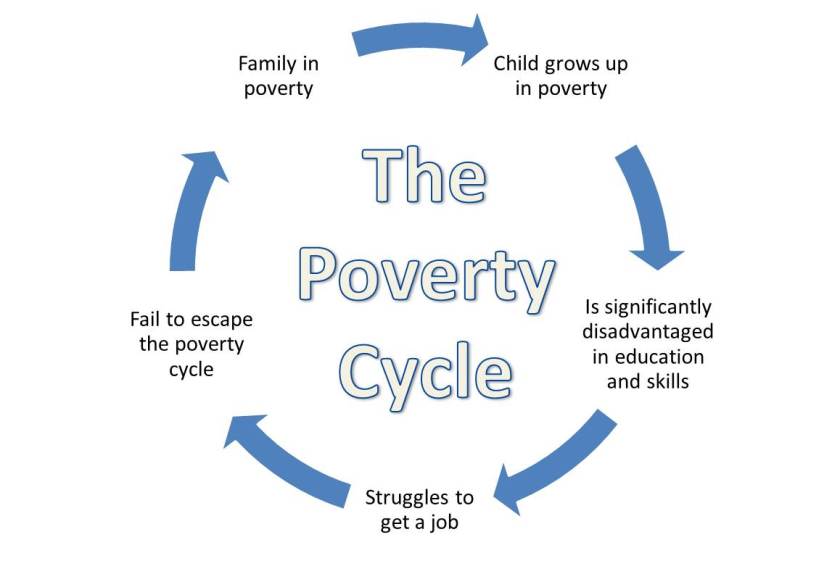
A reality in American life is that it is fed by wealth, poverty, and unequal opportunity. Inequality of opportunity creates pockets of poverty reinforced by racism, family instability, and societal breakdown. All of these social impacts bare down on the development of children and future generations. Working families often do not have time or inclination to take care of their children because of their jobs. These are fundamental issues that have broader consequence to children than the horrendous stories of child abuse that van der Kolk recounts. Of course, it is appalling to know of priests that molest children or fathers who rape their daughters, but it is the general observation that adult behavior toward children can negatively affect children’s lives. Horrendous acts like child molestation undoubtedly have immense impact on the future of those who bare them. However, the realization that day to day experiences of parents’ lives can also have negative consequences in their child’s lives. What is of more concern is a culture riven with poverty, sexual infidelity, and divorce that sets a table for future generations of broken lives.
“The Body Keeps the Score” infers much about the weaknesses of American capitalism. It recognizes suffering in American society and shows how trauma in one generation passes on to the next. Bad behavior has consequences beyond the perpetrator and victim. It offers some solutions to the mistakes parent’s and society make in raising their children.

Van der Kolk outlines some of today’s psychiatric breakthroughs. New psychiatric discoveries have helped reveal childhood abuse memories and war’s traumatic events to give survivors some peace of mind. Trauma is a neurobiological event that can come from the violence of war or parental upbringing. It affects human behavior because trauma changes brain structure, hormonal regulation, and human feelings. Traumatic events become encoded in memory and affect humans’ future. Van der Kolk explains how psychiatric science has evolved to treat the consequences of life’s experience of traumatic events.

COLD WAR ORIGINS

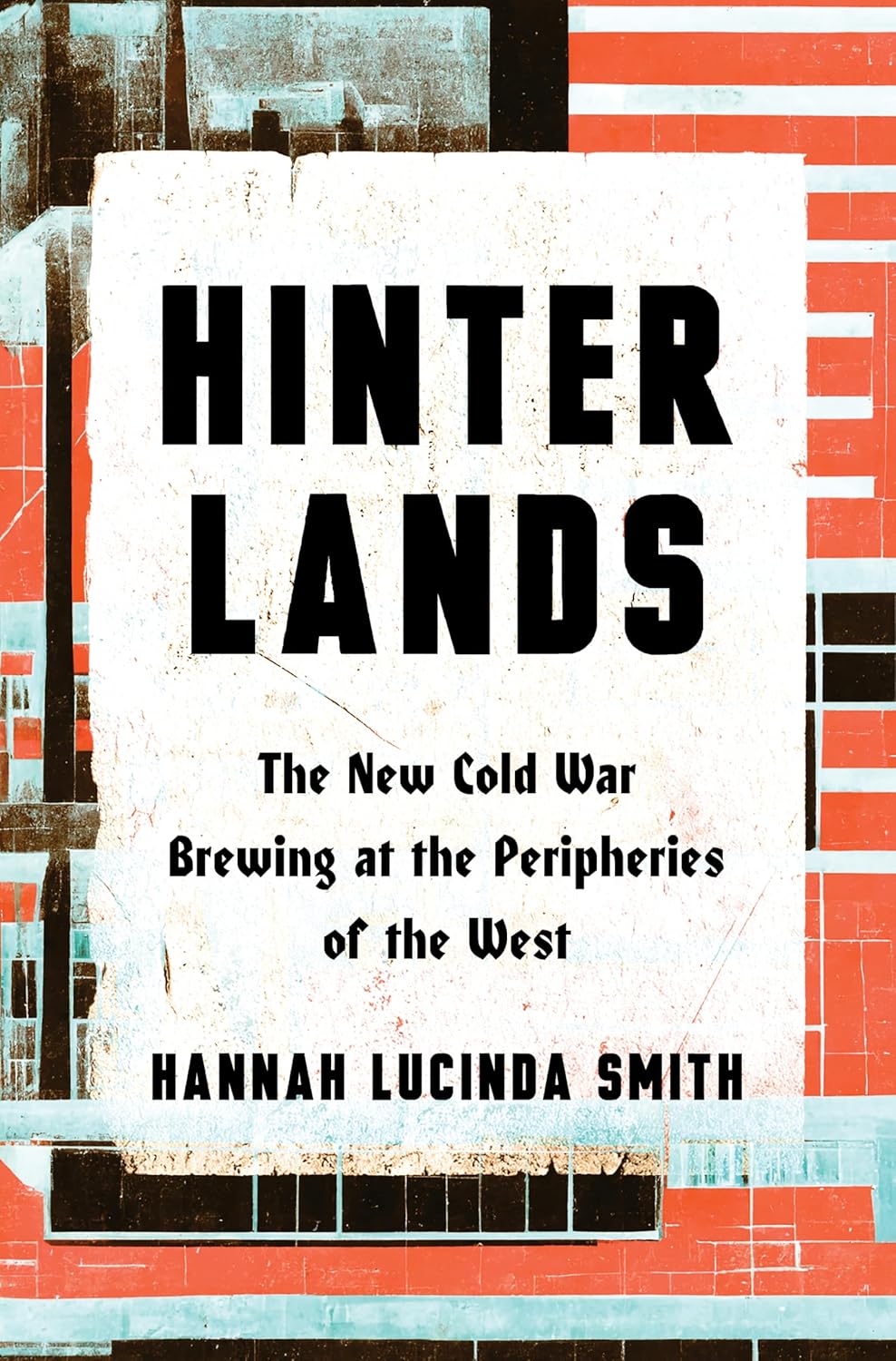
Hannah Lucinda Smith’s “Hinterlands” is an eye opener for the uniformed but it’s a bit of a slog for non-historians to absorb.

Books of Interest
 Website: chetyarbrough.blog

Hinterlands (The New Cold War Brewing at the Peripheries of the West.) 

Author: Hannah Lucinda Smith

Narration by: Hannah Lucinda Smith

Hannah Lucinda Smith (Author, British journalist based in Istanbul, Turkey. Published in The Times, The Atlantic, Foreign Policy, and wrote “Erdogan Rising”, presumably about the President of Turkey.

Smith has written a complicated book about what she calls “a new cold war”. It is complicated because most people’s knowledge of some of the territories she writes about like Transnistria, Respublika Srpska, and Nagorno-Karabakh are not known by the general public. Of course, she would not have titled her book “Hinterlands” if it only addresses major nations or organizations like Russia, Turkey, China, the EU, NATO, or the U.S.

Today’s conflicts between Russia/Ukraine and America/Iran may turn into world conflagrations. The same might be said of the following countries that make up Smith’s “Hinterlands”. “Hinterlands” is a reminder that there are other conflicts, less well known, that have the same disastrous potential. Smith identifies six low-visibility conflicts that may rise to the level of the Russia/Ukraine and American/Iran wars or worse. They are as follows:

Nagorno‑Karbala

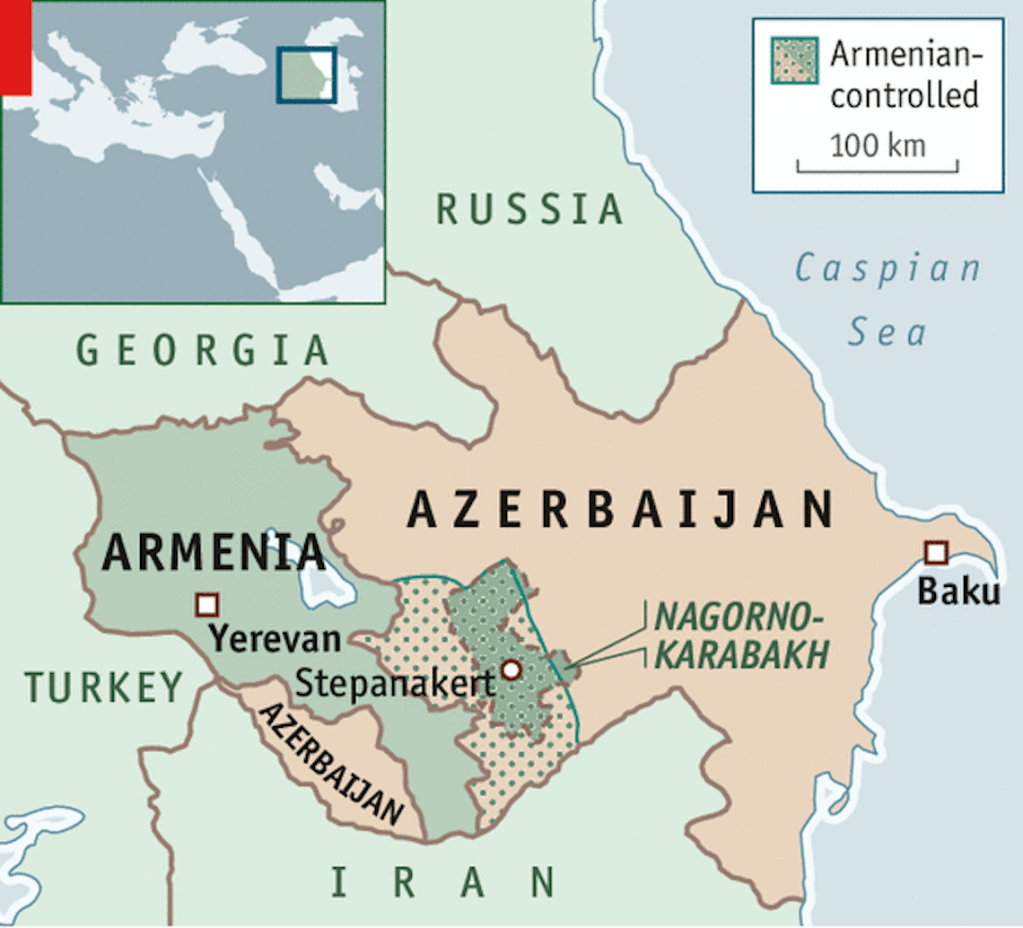
Nagorno-Karabakh became an independent nation between Azerbaijan and Armenia which is just south of Russia, north of Iran, and between Armenia and Azerbaijan.

Russia, Turkey, and Iran have dogs in Nagorno-Karabakh’s fight. Nagorno-Karabakh is mostly populated by ethnic Armenians who declared independence which is settled by a war that ended in 1994. The conflict is fed by interference from Russia, Turkey, and Iran that have their own agendas for the people who live in this territory. Russia plays the role of peacekeeper while ironically supplying arms to its citizens. Turkey is an ally of Azerbaijan that reluctantly allowed Nagorno/Karabakh’s independence. The author notes Iran has interest in the territory’s independence because of an Azeri ethnic population in Iran that is larger than the Armenian population in Nagorno Karabakh. Nagorno Karbakh’s independence creates a kind of jealousy about its ethnic independence versus a larger Azeri minority in the adjacent country of Iran. Of course, this is confusing because it seems more a concern for Iran’s leadership than Nagorno Karabakh’s independence from Azerbaijan. The threat seems that Iran may worry more about an independence drive by Azeri’s in Iranian territory because of the example set by the Azeri’ Armenians in Azerbaijan.

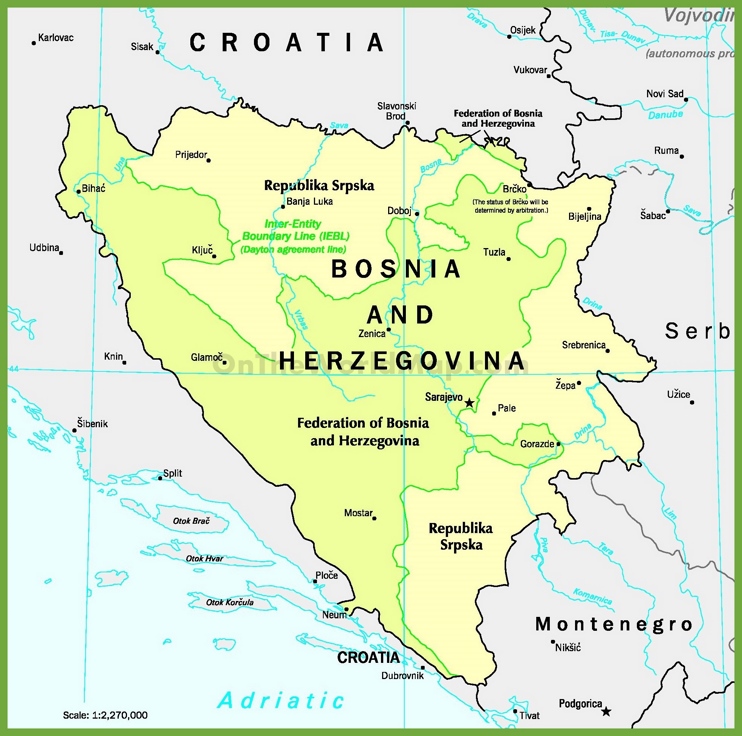
Respublika Srpska (Northern part of Bosnia and Herzegovina.)

Bosnia (Respublika Srpska)

Having traveled to the former Yugoslavia, the ravages of its dismantling may be seen in pockmarked buildings from battles that occurred during Yugoslavia’s dismantling. As Smith notes, there is a Serbian majority inside Bosnia. It identifies itself as Respublika Srpska (RS). This faction wants independence from Bosnia, but the Bosnia constitution forbids it. Russia supports the RS desire for independence. According to Smith, Russia is simply pursuing its desire to see the weakening of Western Institutions which RS’ independence would engender. The RS leader Milorad Dodik is pushing for a referendum for independence. The U.S. pushes for constitutional reform which in one sense puts U.S. on the fence rather than being for or against independence. Serbia supports RS ambitions. The EU is not unified in an opinion either for or against independence. Turkey supports Bosnia’s RS’ desire because of their Muslim religion and Erdojan’s hope for Putin’s continued economic support of Turkey. This seems resolvable but it has the makings for a hot war if independence is denied by Bosnia’s government. If independence is achieved, the concern will be for the minorities that choose to remain in a newly independent Serbian country. (As noted, this is an example of Smith’s complicated history.)

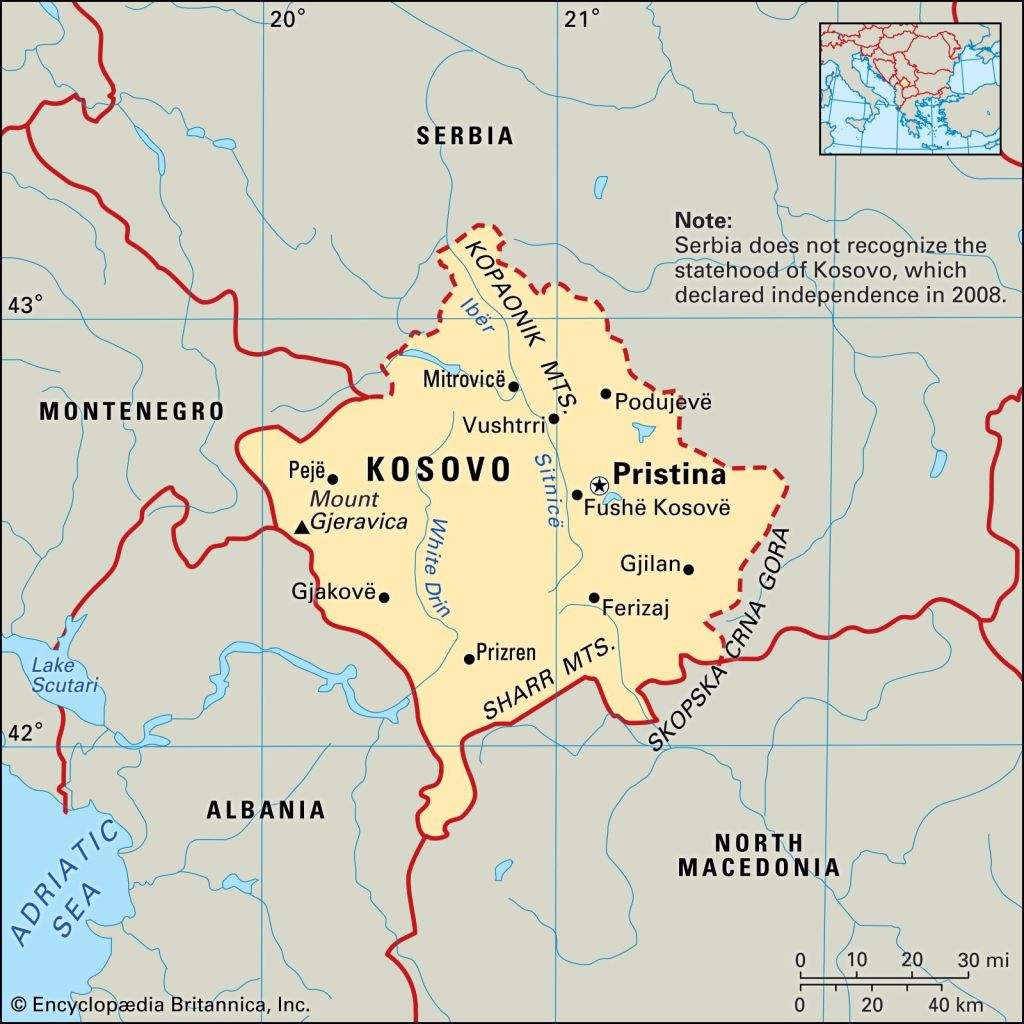
Kosovo.

Kosovo

The fight for independence is always a potential flashpoint for unrest that can widen into war between internal as well as outside nation-state interference. Outside interference can be based on economic, religious, or strategic interests of outside nation-state powers. Russia, Turkey, and Iran as immediate neighbors may call on any of these reasons to interfere and spark a wider confrontation and consequence in their region of interest.

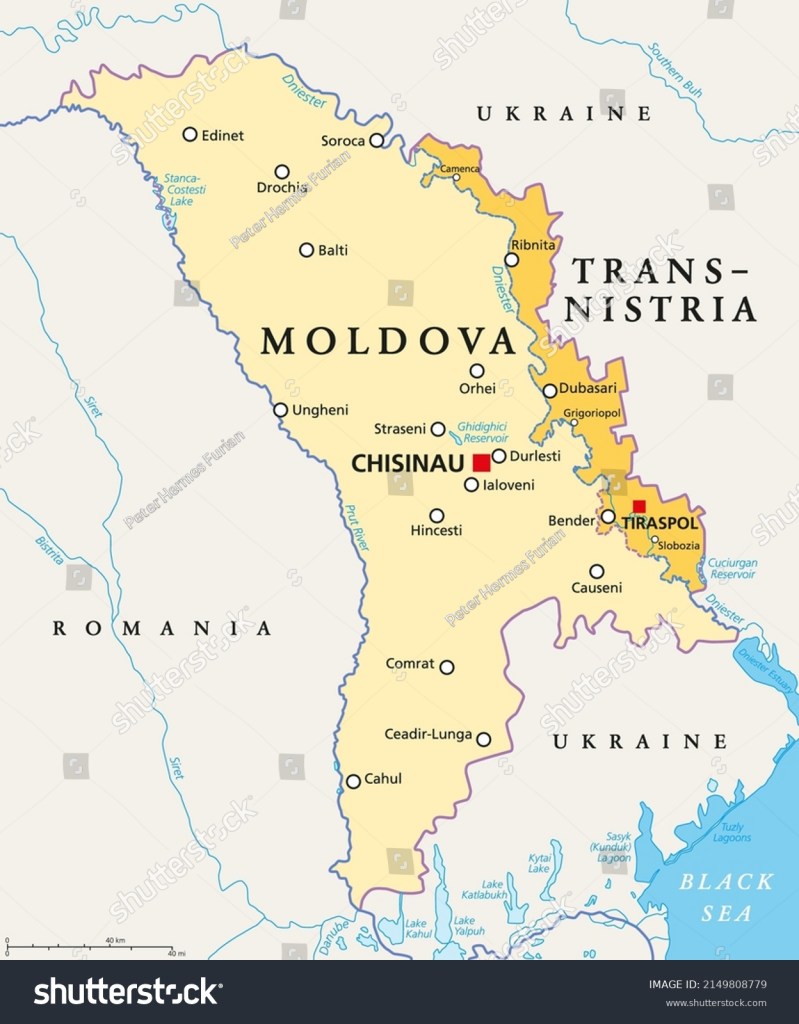
Transnistria

Transnistria is a little-known de facto breakaway from Moldova that is not recognized by the international community.

Smith explains Transnistria is a region that broke away from Moldova when the USSR collapsed. Smith notes Russia protects its independence as a Russian client territory. She notes Russian troops are stationed in Transnistria while its existence is subsidized by the Russian government. It is a strategic foothold for Russia in their plan to takeover Ukraine. It is a conflict zone that remains a part of the nation of Moldova, under the control of Putin with Transnistria’s own government made up of a president, parliament, and military. It is a potential flashpoint in the Russian/Ukraine war.

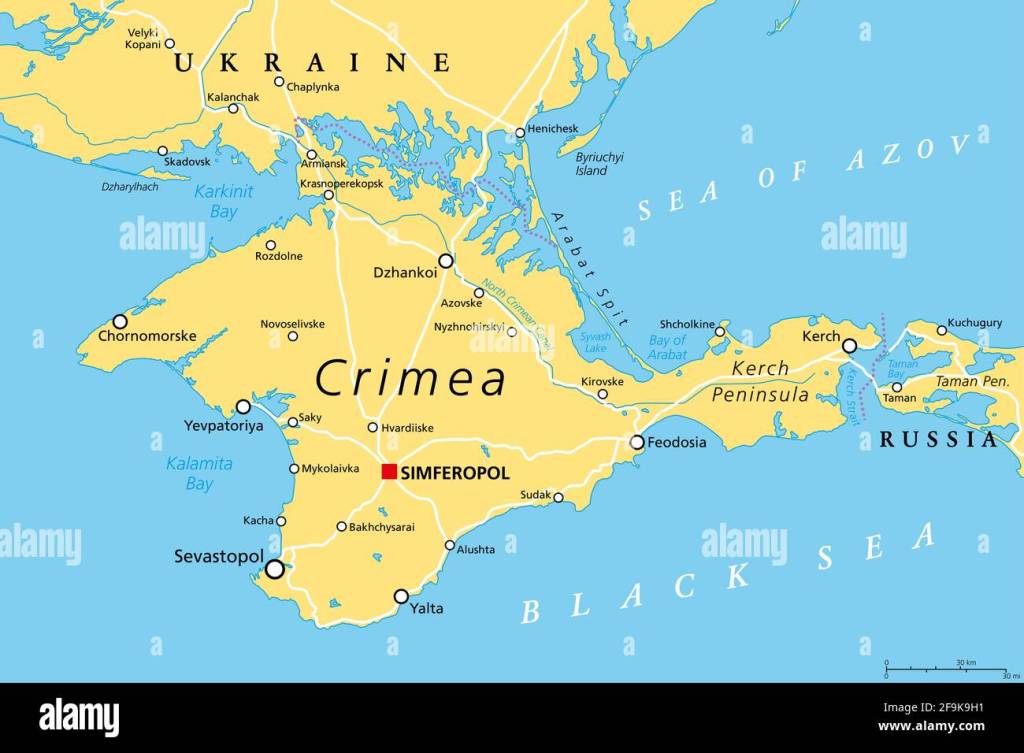
Crimea / broader Ukraine conflict

Crimea annexation by Russia from the nation-state of Ukraine.

Crimea remains un unresolved border problem in Smith’s view of Soviet occupation. When the USSR dissolved, Crimea became a part of an independent Ukraine. Smith notes Russia has made immense financial investments in Crimea to lure its citizens to become a part of Putin’s Russia. Obviously, Crimea is a potential conflict in the making because of its former existence as a part of Ukraine. One wonders how Russian influence will affect Crimea’s interest in being a part of Russia or Ukraine in the future.

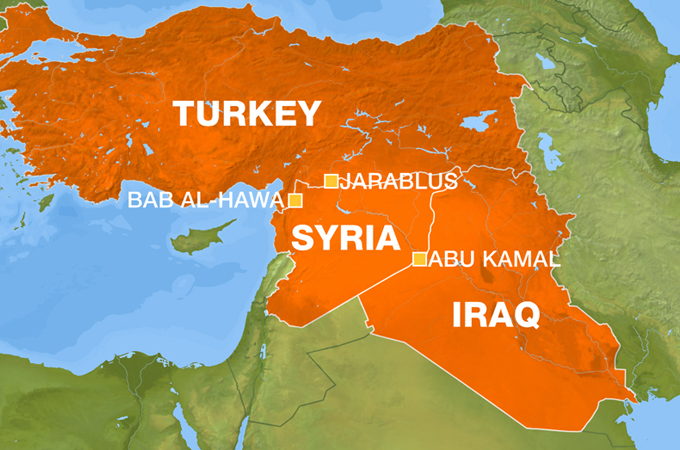
Turkey–Kurdish regions (Syria/Iraq)

There is concern about the influence of a Kurdish separatist movement that might spread from Syria and Iraq to Turkey.

Turkey has already created a military footprint in Syria and Iraq. Turkey has had several violent conflicts with the PKK, a Kurdish militant group that is classified as a terrorist organization that has caused thousands of deaths and conducted military operations in southeastern Turkey beginning in 2015 and continuing through 2016. That terrorism began long before the election of Erdogan. The Kurds seek their own nation-state, which was proposed back in 1920, after WWI. However, the disparate beliefs of Kurd’ factions make nation building and independence a tough objective to achieve. They allege a wish for autonomy, local democracy, pluralism, and decentralized governance whether living in Syria, Iraq, or Turkey. Of course, they are not the only ethnic group in each of these countries and the PKK’s objectives conflict with existing territorial governments. For various reasons ranging from different Kurdish beliefs to the existence of existing governments, the Kurds remain stateless and a threat to Syria’s, Iraq’s, and Turkey’s governments.

In the end reward is destroyed by the selfishness of each against the other.

Hannah Lucinda Smith’s “Hinterlands” is an eye opener for the uniformed but it’s a bit of a slog for non-historians to absorb.

VALUE OF JUSTICE

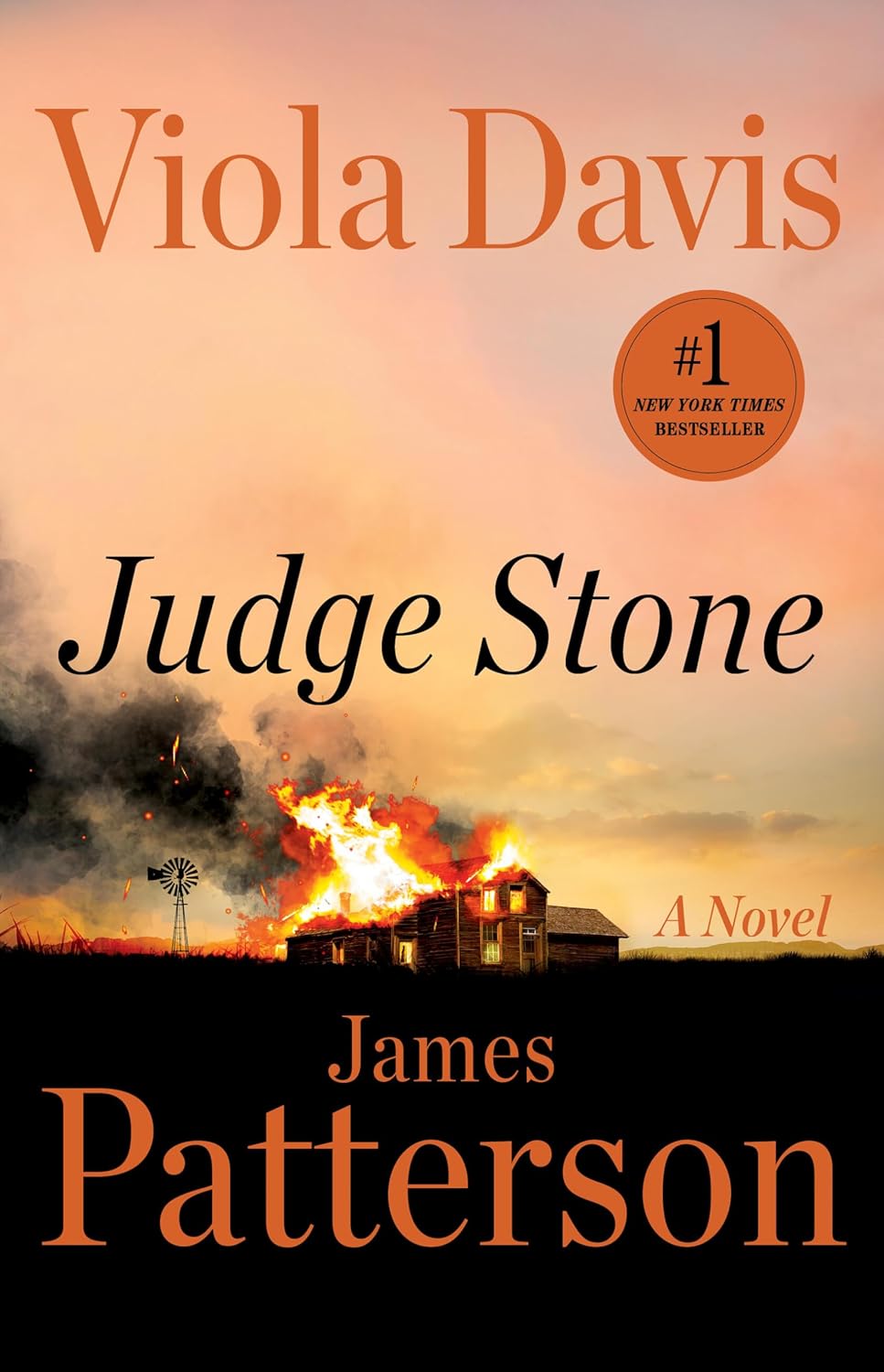
“Judge Stone” is a story about the conflicts accompanying personal trauma, public discontent, social violence, discrimination, individual integrity, and public responsibility. The ending is a surprise and makes the reading journey a pleasure.

Books of Interest
 Website: chetyarbrough.blog

Judge Stone (A Novel)

Author: Viola Davis & James Patterson

Narration by: Viola Davis

“Judge Stone” is a legal thriller written by both its narrator, Viola Davis, and the famous and highly successful author, James Patterson. It is not a diatribe for or against abortion but a primer on the tension between those who agree or disagree with a woman’s or doctor’s right to end life in utero. It is about the morality, human conflict, and drama of addressing the right of the State of Alabama, or any government body, to make abortion a crime.

The story is made more troubling because of America’s history of discrimination.

It is a complicated story because it involves a young Black girl, born in the south where Black discrimination is a part of America’s history of slavery. It is further complicated by a girl being 13 years old who is raped by two white boys. Because of a pregnancy complication, she is taken to a local doctor because of abnormal vaginal bleeding. This is a view of abortion driven by drama rather than a polemic about right or wrong, legal history, or women’s rights. Davis and Patterson show how abortion is a source of bias while demonstrating the reality of gender and racial discrimination engendered by social inequality and how private rights often conflict with laws of the land.

The character of Judge Stone is one of stern moral seriousness who is emotionally offended by discrimination while showing herself to be a professionally formidable judge, elected by a majority of Alabamans in her district. She strives to be judicially neutral, disciplined, and intellectually sharp. Her goal is to be fair while being deeply constrained by the letter of the law. Like many Black and like-minded Americans, she struggles with race, ethnicity, and gender as something that affects success in life. She strives to be impartial and uphold the law even when it conflicts with her personal life and beliefs. Like all judges who wish to do the right thing, being neutral in the interpretation of the law is an inward journey with outward affects. She is a symbol of the best of what justice is intended to be, i.e., a system that attempts to channel human power into fairness.

Blind justice is a fiction.

The main characters are Mary Stone, the judge, Dr. Bria Gaines, the doctor, who performs an illegal abortion on Nova Jones, a pregnant 13-year-old who is treated for abnormal bleeding from her pregnancy. Starla Jones, the 13-year old’s mother, and Cocheta Bass, the nurse who led Nova to the doctor; both of which are witnesses to the doctor’s ministrations. Cocheta explains the desperation Nova has over her condition. The out-of-town attorney that represents Dr. Gaines is an important character but only to show Gaines is represented by a competent, unbiased attorney.

“Judge Stone” is a well written drama that is unlikely to change people’s minds about the morality of abortion. The story is an emotional journey, not a balanced opinion about abortion. “Judge Stone” is about judicial ethics, American discrimination, and social dysfunction. It is a story about the conflicts accompanying personal trauma, public discontent, social violence, discrimination, individual integrity, and public responsibility. The ending is a surprise and makes the reading/listening journey a pleasure.

ALIENS AMONG US

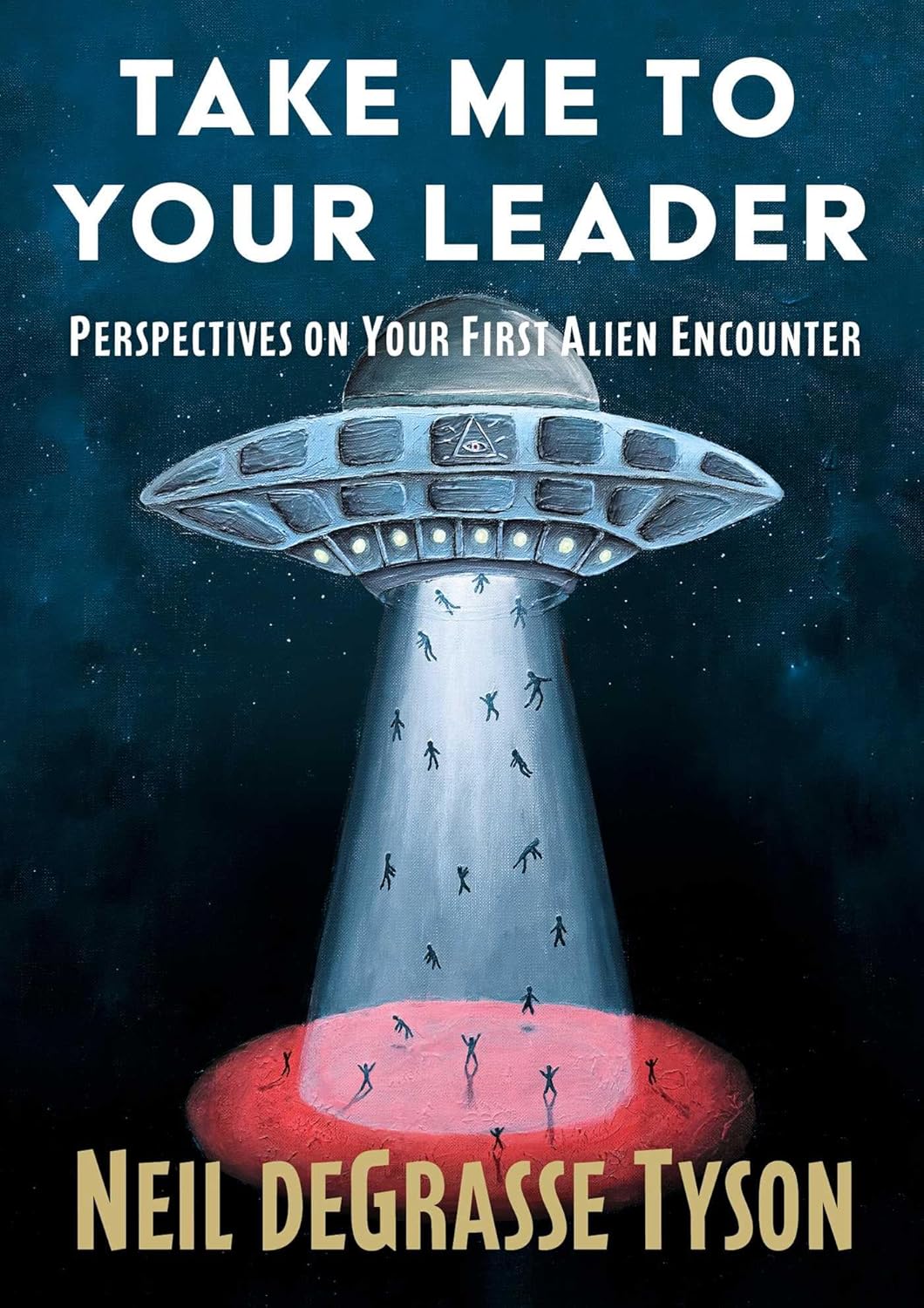
Tyson’s “Take Me to Your Leader” is an interesting exploration of alien beings but there seems little solace for we who are not blessed with his scientific, insightful but flawed political view of history and human life.

Books of Interest
 Website: chetyarbrough.blog

Take Me to Your Leader (Perspectives on Your First Alien Encounter)

Author: Neil deGrasse Tyson

Narration by: Neil deGrasse Tyson

Neil deGrasse Tyson (Author, astrophysicist.)

Neil deGrasse Tyson’s scientific knowledge and experience is well represented in his book about extraterrestrial life. Interestingly, he suggests it is likely that there is life in the universe beyond our own understanding. The sheer number of galaxies, their stars and planets, make it likely that sentient life exists somewhere beyond earth. He argues it is unlikely to be humanoid because of the radical differences in the environment in which an extraterrestrial might evolve. If an extraterrestrial were to arrive on earth before humans are able to physically explore other universes, they are likely to be more intelligent and scientifically advanced. Tyson suggests they are more likely to understand us than we would be able or inclined to understand them.

The reason Tyson believes there is alien life is because Earth is not the only place that elements of life, whether different or the same, might evolve. Life may evolve differently depending on raw materials and chemical combinations in a different world of sentient beings. Science history suggests the serendipitous creation of life on earth is not unique. The science proven phenomenon of evolution is likely to occur in other environments whether the elements of creation are different or alike. Water, organic molecules, amino acids and other potential elements of combinatory life exist throughout the universe. Tyson implies the vastness of the universe is beyond imagining and likely will create some form of alien life. Our own knowledge of human evolution shows intelligent life is a process that can take place in other parts of this universe or universes beyond our observation. Tyson reminds listener/readers that humans have only existed in the last 300,000 years on a planet that is 13.8 billion years old.

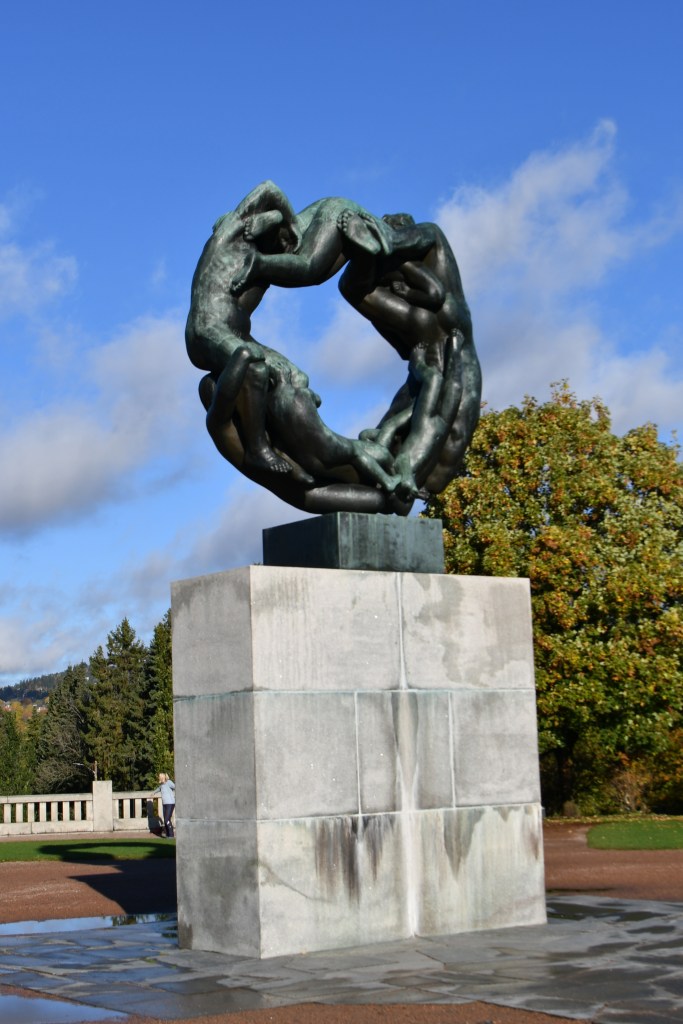
Nothing keeps another form of life from coming into existence in a process either similar or different from our own.

Tyson does not believe aliens have visited Earth. However, when and if it happens, human history suggests people will likely feel threatened but not surprised. The many claims of aliens on earth, though found to be false, have set the table for most human’s belief in alien life. The points Tyson makes are that the universe we know is immense and that chemistry is universal. It is as likely for an alien culture to grow and evolve as a sentient life form as it was for human beings from the combination of water, amino acids, and various elements of life on earth.

A surprise in Tyson’s reasoning is that aliens will be no threat to humanity because of their superior intelligence and technology.

Tyson believes the difference between us and an alien will be like the difference between a chimp and a human on earth. This argument is not comforting. Chimp’s bite humans when they feel threatened. How many human beings will shoot an alien because of fear and ignorance? How would an alien respond to unwarranted violence? Intellect and superiority are no assurance for considered response by a more intelligent life form. A table might be set for elimination of our ignorant life forms because of our fear and instinctive reactions. The danger will always be misinterpretation whether by a superior life form or dumber humans.

Tyson’s “Take Me to Your Leader” is an interesting exploration of alien beings but there seems little solace for we who are not blessed with his scientific, insightful but flawed political view of history and human life.

HUMAN FOLLY

The weakness in Goldfarb’s idea of beaver management is that human society has never been good at “managing” animal behavior. The laws of unintended consequences seem to always get in the way.

Books of Interest
 Website: chetyarbrough.blog

Eager (The Surprising, Secret Life of Beavers and Why They Matter) 

Author: Ben Goldfarb

Narration by: William Damron

Ben Goldfarb (Author, environmental writer, journalist based in Colorado.)

Goldfarb has written a book about beavers, a nocturnal, thick furred, waterproof coated animal with teeth powerful enough to fell trees, strip bark, build natural dams, and carve channels through wood. His history of beavers is a mixture of positives and negativities about an animal that is both ecologically beneficial and destructive. Goldfarb clearly comes down on the side of ecological value for society to endorse beaver preservation and growth.

Beaver species.

A fairly balanced history of beavers is given by Goldfarb but those who take the time to listen/read his book are likely to be skeptical. Beavers naturally create wetland habitats that store water, filter pollutants, and create habitats for fish, birds, amphibians, and insects. Beavers are natural hydrological engineers that slow water erosion, restore groundwater, and mitigate drought. The ponds and wetlands they naturally create become fire safety breaks. Beavers create ponds that store carbon, buffer heat, and aid human climate-adaptation. On the other hand, beavers cause flooding of roads, basements, and farmland fields. They destroy trees, flood crops, and interfere with irrigation systems. They naturally propagate themselves to aggravate negative impacts on human farming and habitation.

Wetland management.

Goldfarb suggests the negative impact of beavers can be mitigated by human management of their behavior in natural habitats. To prevent flooding, he notes human actions can be taken to control water levels with flow regulation. Goldfarb notes beaver deception devices have been created by humans that effectively prevent flooding by deceiving beaver’s natural building habits that raise water levels. Goldfarb notes beavers natural dam building can continue with human oversight to control water levels with culvert diversions. Particular trees can be fenced or protected by wire mesh from being destroyed. The population of beavers can be managed by moving species to other sites or by limiting their areas of colonization. The advantage of beaver management is that beaver productivity would benefit society at less cost than human engineering and building of water management systems.

Natural beaver habitat?

With proper management by society, natural beaver habitats can improve water storage, buffer for fire damage, create natural fisheries, and restore the benefits of wetlands to the environment. Beavers could become the engineers and laborers needed to create an improved natural environment.

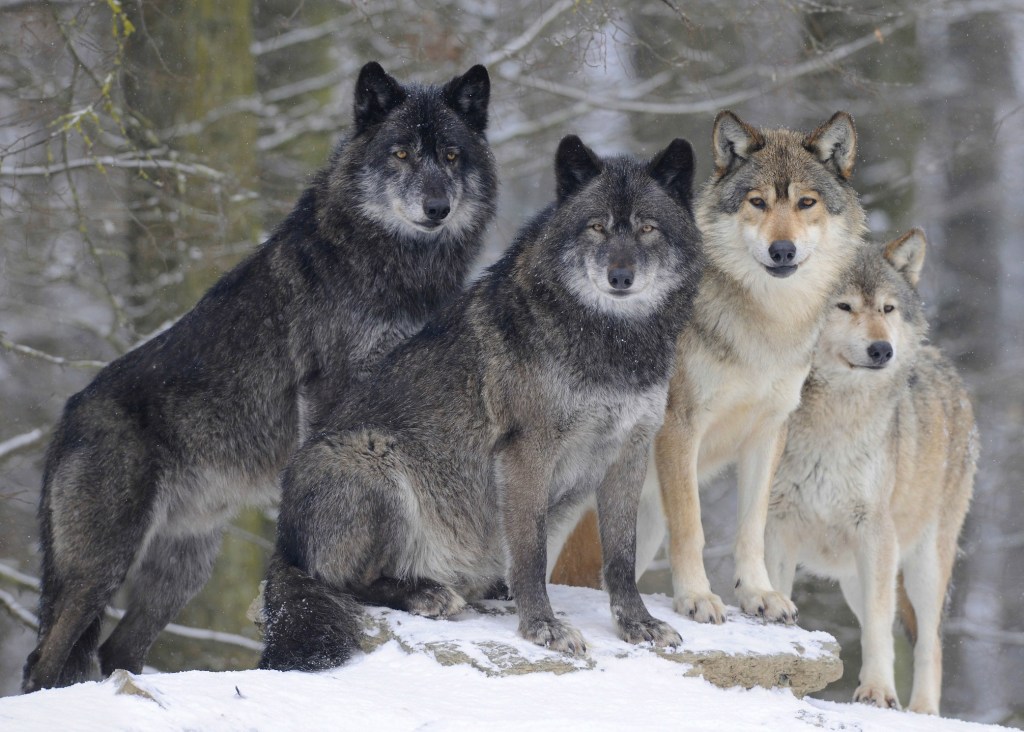
However, history shows humans have overfished habitats of Atlantic cod, Bluefin tuna, and salmon which has been exacerbated by poor hatchery management and dam construction. Predator eradication by humans wiped out wolves across Europe and North America causing explosions in deer and elk populations that overgrazed forests and caused excessive river erosion. Bison killed by human hunters nearly disappeared on the Great Plains in the 19th century. Their eradication is partly responsible for prairie ecosystem deterioration from invasive grasses, soil carbon depletion, and increasing dust storms. Mass poisoning campaigns of rats and mice led to their resistance to poisons and indirectly killed owls, hawks, and foxes.

The weakness in Goldfarb’s idea of beaver management is that human society has never been good at “managing” animal behavior. The laws of unintended consequences seem to always get in the way.

GUILT

A company and its employees can be convicted for insider trading and be sentenced to prison but a company’ owner can walk away with a fine and no criminal penalty or prison time.

Books of Interest
 Website: chetyarbrough.blog

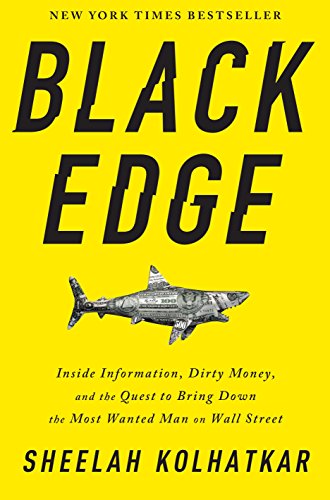
Black Edge (Inside Information, Dirty Money, and the Quest to Bring Down the Most Wanted Man on Wallstreet) 

Author: Sheelah Kohatkar

Narration by: Kaleo Griffith

Sheelah Kohatkar (Author, staff writer for the New Yorker.)

“Black Edge” is about insider information that will give an advantage to a stock market’ investor. There is an elusive line crossed when an investor solicits information from an informed source that is not available to all investors. The line seems blurred by how the question is asked and whether the information given is available to everyone that is interested. Because the solicitation of information is not publicly provided information, the law defines it as illegal advantage to a singular investor rather than the general public. What makes this difficult to grasp is a diligent investor might do more research than the general public before investing in a stock. Is diligence a crime? Who is the criminal–the investor, the person who reveals proprietary company information, or the information pursuer? “Black Edge” implies all three are guilty but only one is criminally chargeable.

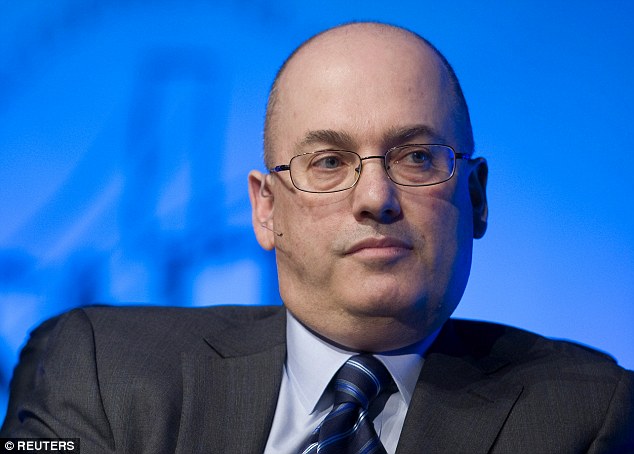
Steven A. Cohen (Former owner of SAC Capital.)

Sheelah Kohatkar researches the rise of Steven A. Cohen and SAC Capital to explain how complicated and difficult it is to prosecute an investor or his/her company for insider trading based on “Black Edge” information. One might argue Steven Cohen simply created an investment company focused on researching possible stock investments or sales based on the best information that can be found by diligent research on a company’s activities. Cohen gambled on that information by making large investments short sales or divestments of a subject company’s stock. SAC Capital became extraordinarily successful in buying, shorting, or selling publicly held stock based on that research. Kohatkar shows how those actions became criminal because of employee’ researchers that fed information to SAC Capital that is not readily available to the public. This became a violation of the law because Cohen’s company bet on what is classified as “insider information” found by SAC employees. Of course, that information may have been acquired by any investor who is willing to create an organization designed to research a target companies’ product before making a decision to invest in, short, or sell its stock.

SAC Capital is fined $1.8 billion dollars and is dismantled when found guilty of insider trading.

Cohen is never found personally guilty of insider trading, but SAC Capital is fined $1.8 billion dollars and is dismantled as part of a plea. The firm is found guilty with Cohen forbidden the right to manage outside money for two years with a payment of a $90 million dollar penalty. After expiration of the ban, he starts a new company, Point72 Asset Management, that manages billions of dollars for himself and his investors.

Cohen is never imprisoned for his investment activities but two of his employees were found guilty, fined, and imprisoned.

Cohen is never imprisoned for his investment activities but some of his employees were found guilty, imprisoned, and taken from their families. Cohen insulated himself from researchers in his firm and avoided direct communication with publicly held’ companies in which he chose to invest, short, or sell stock in. Cohen paid a penalty but served no time in prison for insider trading. In contrast, people he employed to get insider information went to prison, were fined, and endured family hardship caused by that imprisonment.

Kafka’s hell exists in today’s world just as it did when it was published in 1925.

Cohen’s attorneys manage to show prosecutors that he never knowingly participated in the collection of insider information. However, Mathew Martoma and Michael Steinberg, two of Cohen’s employees, were convicted because they were proven to have directly obtained non-public information, traded on it and personally profited from insider information. These two employees gathered (from personal conversations and private reports of publicly held companies) information not available to the general public. Their personal trades on non-public information made them guilty of “insider information” crime. In contrast, Cohen is not criminally prosecuted because he could not be affirmatively proven to have instructed his employees to gather insider information. Cohen is found to have failed to supervise his employees but that is only a civil, not criminal act.

This is a troubling history. “Black Edge” shows that an investment company’s structure can be set up to pressure employees to break the law without being held criminally liable for the use of insider information.

Even though an owner creates a company designed to solicit insider information, they shield themselves from criminal liability. The employees who actually gather insider information are guilty but the owner of a company who profits from their work is not guilty of the same crime. A company and its employees can be convicted for insider trading and be sentenced to prison but a company’ owner may walk away with a fine and no criminal penalty or prison time. As Lord Acton noted in 1887, “Power tends to corrupt, and absolute power corrupts absolutely”.