
Books of Interest
Website: chetyarbrough.blog
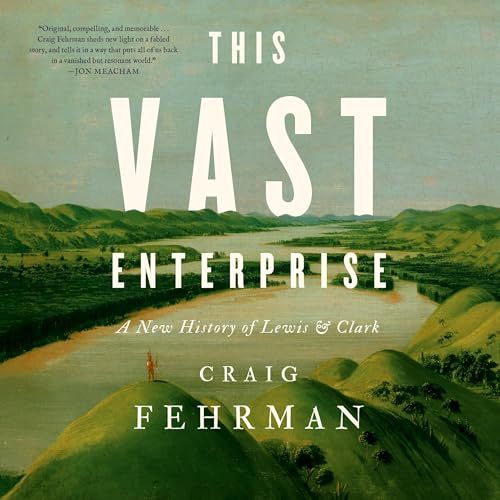
The Vast Enterprise (A New History of Lewis & Clark)
Author: Craig Fehrman
Narration by: Jason Culp & 5 more

Craig Fehrman (Author, journalist, historian of Presidents and American history.)
Craig Fehrman writes an excellent history of the Lewis and Clark expedition. It entertains and informs reader/listeners of the lives of Meriwhether Lewis, William Clark, an enslaved man named York, and a tribal native named Sacagawea. From President Thomas Jefferson’s reasoning and his decision to create an expedition from Kentucky to the Pacific, one learns something new, old, and troubling about America.

Thomas Jeffereson (1743-1826, President of the U.S. 1801-1809.)
Thomas Jefferson is characterized as a shrewd, partisan, and forceful political operator who had a clear vision for the future of continental America. That prescient vision of America by Jefferson hides his blindness to the truth of human equality of Black men and women as inferior to white men. However, Fehrman notes Jefferson believes natives of this continent had the potential to be the equal of white Americans. Jefferson’s shrewdness and forceful opinion is illustrated by his understanding of the importance of trading posts as a way to expand control of land possessed by native inhabitants and held by Spanish and French interests. Lewis and Clark’s western expedition is, in Jefferson’s opinion, critical to America’s future land interests.
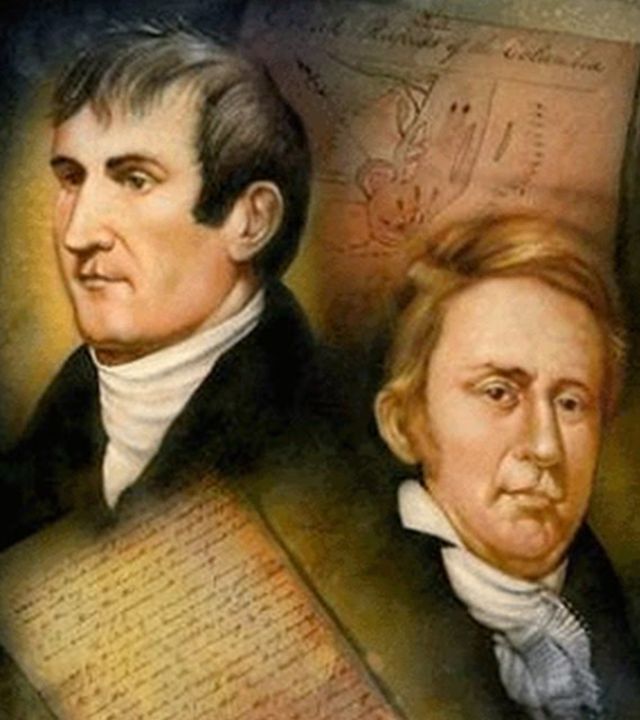
Meriwhether Lewis and William Clark (American Explorers.)
Both Meriwhether Lewis and William Clark are characterized as relatively educated colonial citizens suited for an expedition from Kentucky to the Pacific. Though both leaders for the expedition were heroic, their personalities, leadership styles, and temperaments were quite different. Lewis is characterized as brilliant but an inwardly volatile man, while Clark is a steady, self-confident manager of people. Lewis is the visionary who works in the Jefferson’ administration as secretary to the President while Clark is former military officer who gets things done with people who report to him. Lewis clearly understood Jefferson’s objective in exploring the west, its diplomatic purpose, and geopolitical importance. Clark’s frontier experience, military discipline, and surveying skill served Lewis’s understanding of Jefferson’s objectives.
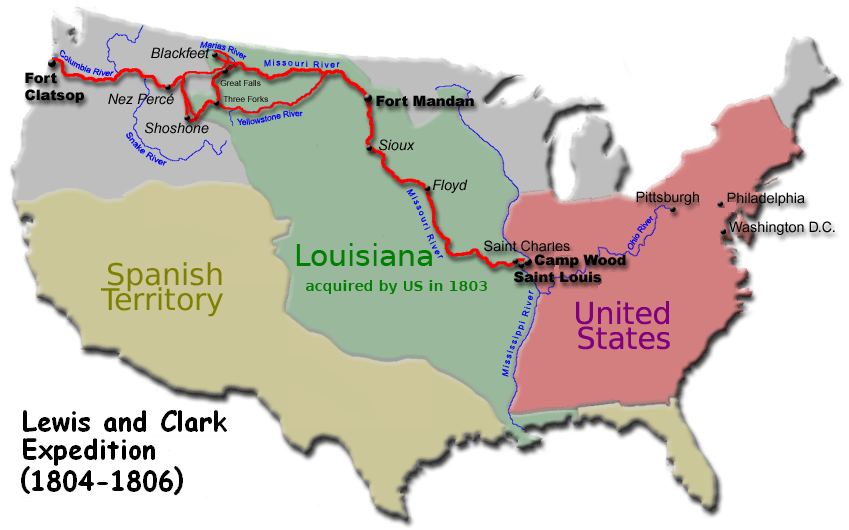
Lewis & Clark Expedition
Both Lewis and Clark understood they were not only entering a wilderness but a continent full of other nations which made them effective negotiators and intermediaries with native tribes. Lewis’s intellectual understanding of Jefferson’s objectives is complimented by Clark’s skill in managing native tribe relationships. With the help of a Black slave owned by Clark and a native Shoshone woman married to a French trader, this former military man manages to gain the aid of the Lakota, Shoshone, and other tribes to save the Lewis and Clark expedition from failure.
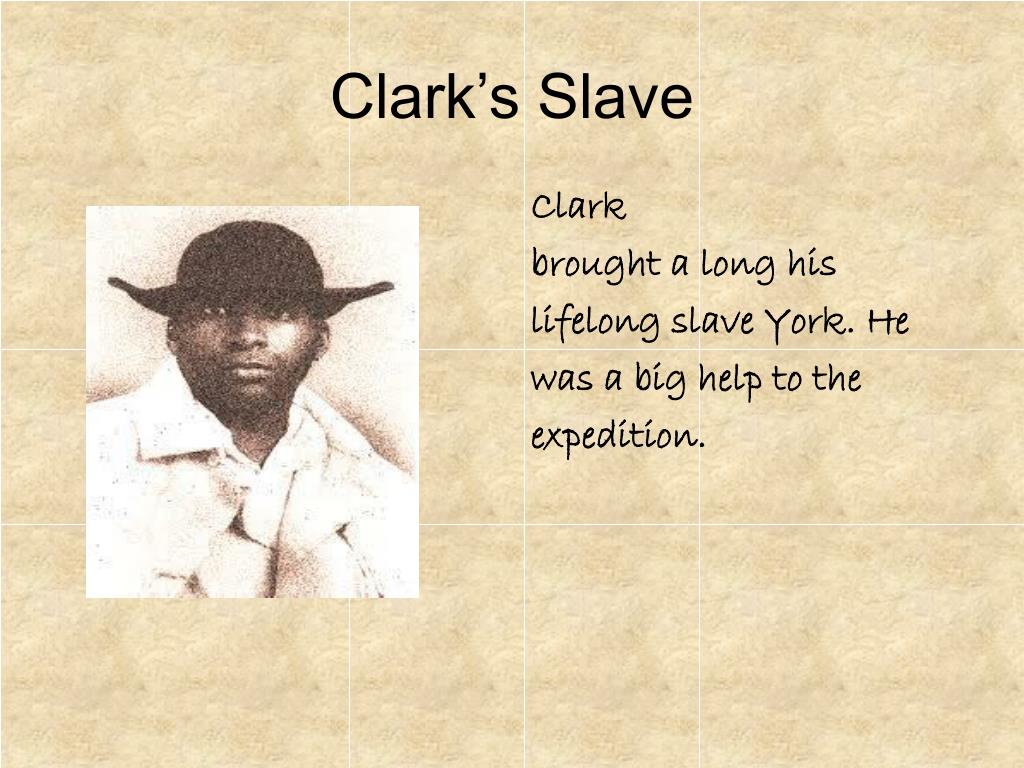
Image of York (Slave owned by William Clark.)
The history of York (Clark’s owned slave) in the expedition is interesting. What the author, York, and enlisted members of the expedition show is that Lewis and Clark were dependent on their crew for the success of the mission. Men like York provide the labor and skill needed to complete the journey. As a young adult, York shows the value of all human beings to the success of the expedition while being a slave. The sad fact is that York is never released from his bondage to Clark. Despite York’s alleged inferiority, Clark relies on him for his field abilities and reminds reader/listeners of the importance of other cultures and ethnicities that make America. Fehrman infers York is a symbolic bridge between ethnic worlds; i.e. not just the Black and White world but the native and English American world. York is an example the difference of human beings in America; i.e., from people of color to native tribes in a dominant white culture. Fehrman’s story infers human difference reinforces belief that native tribes (Black, white, or other) could co-exist though not be treated as equal human beings. This is no stretch of a reader/listener’s imagination based on America’s history of Indian/American wars and slavery. There is one native American that travels with Lewis and Clark. She is Sacagawea, the only woman on the expedition. Her story reflects on America’s view of women as property despite their contribution to life and their contribution to social and economic society.
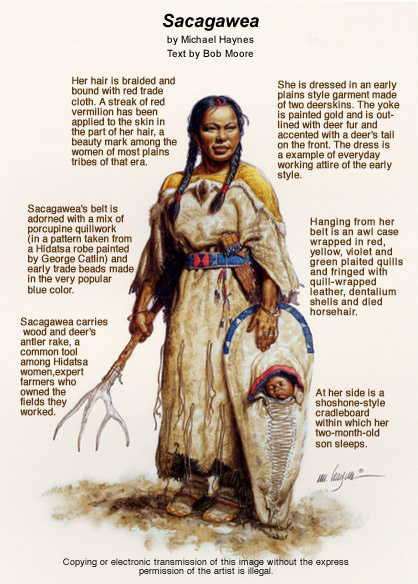
Image of Sacagawea on the Lewis and Clark Expedition.
Fehrman suggests Sacagawea is a full participant in the expedition. To Fehrman she represents a symbol of Native nations. Sacagawea and York became part of the diplomatic fabric of the journey demonstrating the truth of human equality. Sacagawea became pregnant from her husband, Toussaint Charbonneau, a French-Canadian trapper. Her baby is born on the expedition. Charbonneau had two native wives, the first of which did not accompany them on the expedition. Sacagawea had been kidnapped by the Hidatsa tribe in a war with the Shoshone when she is 12. Charbonneau is 20 years older than Sacagawea. Sacagawea is 13 when she is forced to marry Charbonneau by the Hidatsa. The tribe had traded goods with Charbonneau. Sacagawea and Charbonneau are reluctantly hired by Lewis and Clark for the expedition. Both act as interpreters on the expedition but Fehrman argues Sacagawea represents more than being a translator because of her heritage and knowledge of the territory through which they will travel. Sacagawea’s Shoshone tribal heritage had diplomatic value beyond mere language interpretation. On the other hand, Charbonneau seems more a liability than asset to Lewis and Clark.
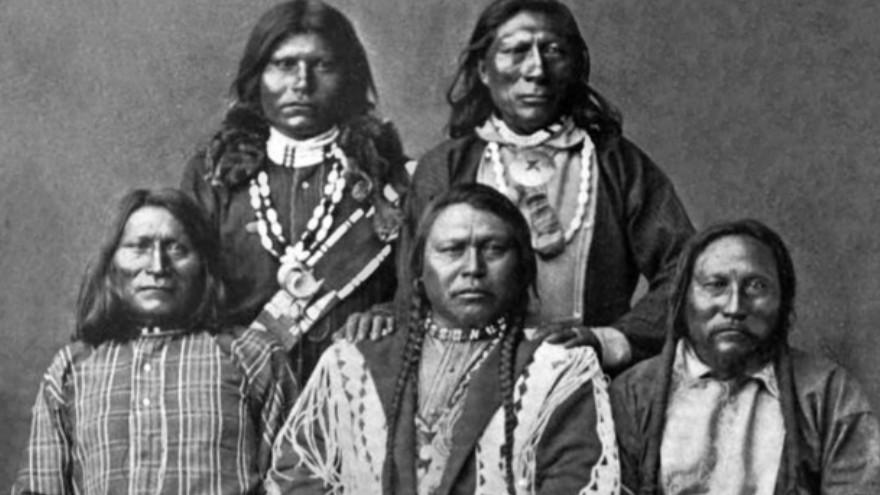
Shoshone Tribe in western America.
Fehrman shows the expeditionary Americans were not dominant actors in their relationships with native tribes. In the wilderness, they acted more as guests or supplicants in their dealings with various tribes. They recognized they were outsiders that needed political alliances with native tribes because they had meager knowledge of the territory and customs of indigenous tribes who controlled the river lands they explored. Their need for food, horses, guides, and knowledge of the land depends on their relationships with indigenous tribes. Without tribal help and guidance, they would have no protection or chance of safe passage. Native tribes provide horses and information that kept them on their course to the west and saved them from starvation and death. It is a combination of Jefferson’s somewhat arrogant plan for the country’s consolidation for the expeditionary force to be dependent upon indigenous tribes who are repeatedly deprived of their land in America’s growth as a nation. It is the explorer’s humbleness and humility that allows Lewis and Clark to succeed in growing an American continent that historically suppresses indigenous land ownership and use.
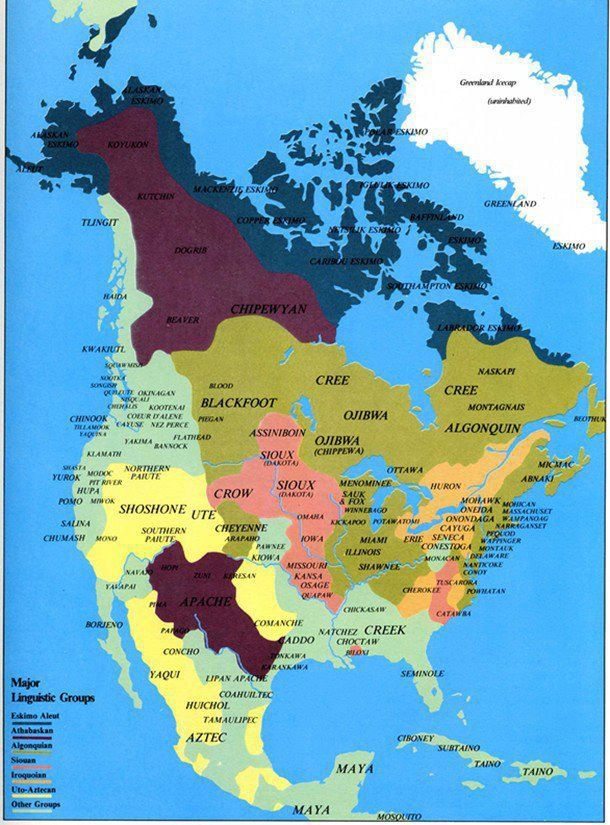
Most Shoshone Tribes appear more southwestern than northwestern.
Indigenous tribes were politically naive in their aid to American explorers. Without tribal’ naivete, the early days of America’s influence and growth as a singular nation would have failed. One presumes, the continent would have remained a land of tribal ownership and internecine conflicts over land and natural resources. In the early years of American government, it is humbleness, humility, and the growth of trade between natives and early Americans that transform a land of native tribal presence into a singular nation among nations. In Fehrman’s opinion the prime mover of that accomplishment began with Thomas Jefferson and “The Vast Enterprise” of explorers like Lewis and Clark.
The last chapters of Fehrman’s book leave listener/readers with notes about Lewis, Clark, York, and Sacagawea that are sad to read or hear. Lewis becomes an alcoholic and commits suicide. Clark refuses to give York his freedom. York dies from cholera while Clark lives a life of success and power. Clark becomes governor of -Missouri Territory and Superintendent of Indian Affairs. Sacagawea is leaves her French husband and dies at Fort Manuel in 1812.
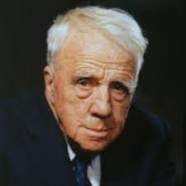
Robert Frost (1874-1963.)
Robert Frost wrote “In three words I can sum up everything I’ve learned about life: it goes on.” That is the essential truth of “The Vast Enterprise”.


