

Books of Interest
Website: chetyarbrough.blog
The World in Books (523 Works of Great Short Nonfiction)
Author: Kenneth C. Davis
Narration by: Adenrele Ojo & 2 more
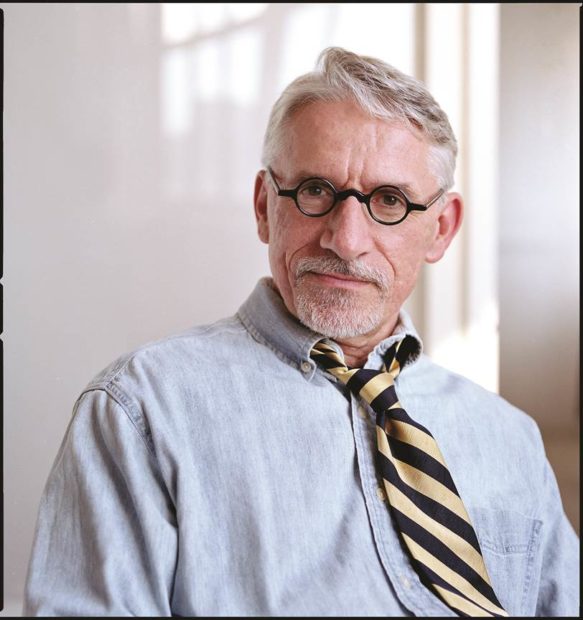
Kenneth C. Davis (Author, lecturer, contributor to The New York Times, Newsday and other publications.)
A criticism of Kenneth Davis’s “The World in Books” is its spartan overview of nonfiction. On the other hand, these reviews are an important overview of many of the most politically and socially important subjects of life.

Religion, humanism, sexism, and racism are the most eminent of Davis’s subjects. Like all brief summaries of important writers of the past, one’s personal views interfere with fundamentally important subjects. Of course, our personal biases seep into our own writing and understanding of other’s beliefs. What seems missing from Davis’s book is not wide analysis of different political and social beliefs but a perspective on the negative consequences of known forms of government or societal beliefs. Of course, criticism of his choice of works is unreasonable because of the wide number of non-fiction books from which to choose. Fairness is in the eyes, ears, and memory of the beholder.
The aristocracy of government.
On the one hand, one sees Davis’s view of communism, democracy, authoritarianism, and humanism as important constructs of society. On the other, Davis offers little consideration of their societal impact. One may argue societal impact is not Davis’s objective. He alludes to race, gender, and climate consequences but does not explore connections with a broad analysis of government or society. As with all writers of history, his own bias is in his choice of non-fiction books. He writes of Socrates, Plato, Frederick Douglass, W.E.B. Du Bois, James Baldwin, Elie Wiesel, Malcolm X, George Orwell, Virginia Woolf, Alice Toklas, Gertrude Stein, Mary Wollstonecraft, Ernest Hemingway, and others. He recognizes liberal humanists for their ideological and social contribution to human understanding, not for expressed personal opinion but for broad exposure to good or great writers.

General criticism of Davis seems unfair because he offers historical information about a “…World of Books” that are often ignored by reader/listeners of non-fiction writers. How many of us have read ancient texts, or modern writers like Elizabeth Kolbeert, Frankl, Harriet Jacobs, Isabel Wilderson, Simone de Beauvoir, and other less well-known writers about human society. Davis seems to represent a host of lesser-known works to simply offer enlightenment to reader/listeners. He provides excellent summaries of many books this reviewer has never read or listened to.
All reviewers bring their own biases in reviewing another’s book.
Davis does more to add than subtract from one’s understanding of what others have written. Davis’s reviews of non-fiction books are objective, but they are subjectively chosen. The author may have had a curation bias. How could he not; i.e. there are too many non-fiction books for one person to know; let alone review. Davis may or may not have an ideological liberal humanist bias, but it is because of the sheer volume of published non-fiction books. Every person has a point of view. The point is that a reader/listener is benefited by an author like Davis who intends to be objective about what non-fiction authors hope and try to tell reader/listeners.


