Decisions We Make

Our decisions, when faced with good and bad events, make us who we are in life.

Books of Interest
 Website: chetyarbrough.blog

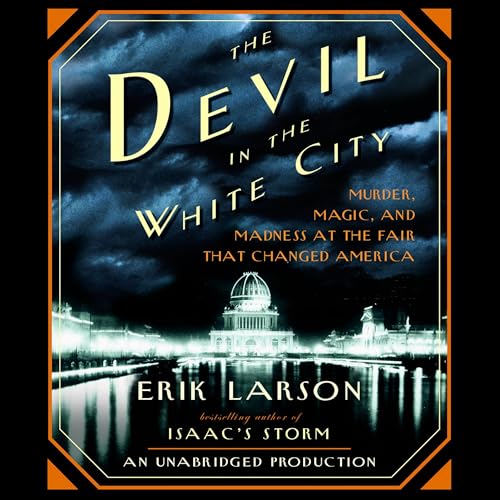
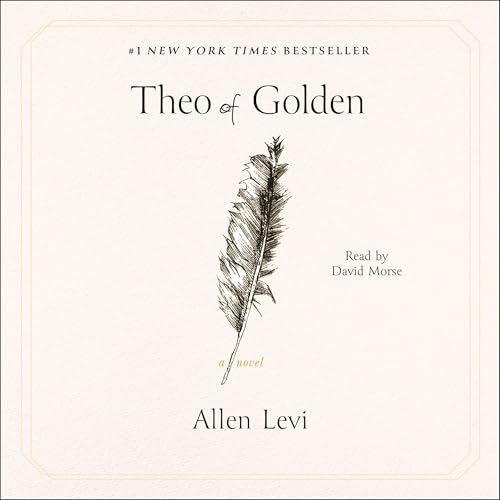
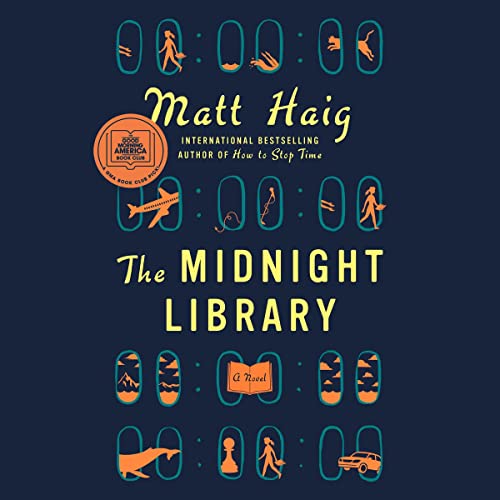
The Midnight Library (A Novel)

Author: Matt Haig

Narration by: Carey Muligan

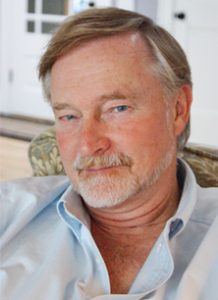
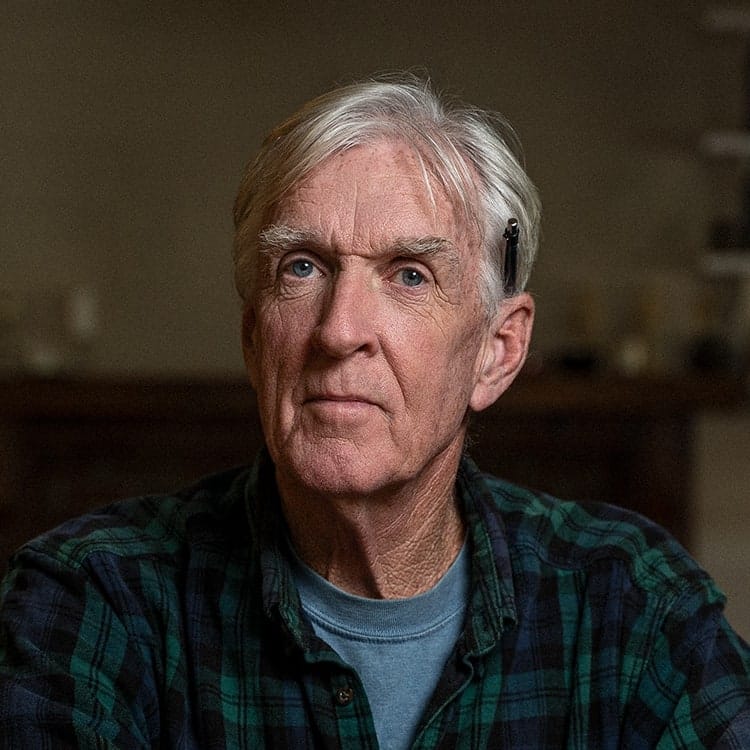
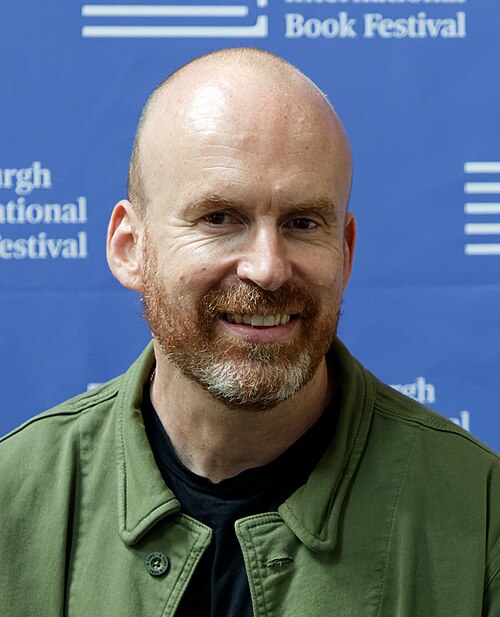
Matt Haig (Author, English journalist.)

Looking back at one’s life one wonders what our lives may have been if we chose differently. “The Midnight Library” cleverly explores that idea with a character named Nora. Nora decides to commit suicide by overdosing. With the effect of whatever drugs Nora has chosen, she enters a state between life and death. The reader/listener and Nora enter a surreal library filled with books about Nora’s many lives. It is called “The Midnight Library”. It is a library of books about an infinity of lives that Nora has lived and different decisions she has made when faced with good and bad events in her life.

The decisions we make as we grow older change our lives in an infinite number of ways. Every book in “The Midnight Library” is based on different lives Nora has lived. Her age and experience in each book differ based on decisions she has made during each life she has lived. Her decisions and their consequences are recorded in the books of her “…Midnight Library”.

Nora enters an in-between world managed by a librarian named Mrs. Elm. Elm is a guide or gatekeeper of Nora’s many lives based on decisions she has made in each singular life. Mrs. Elm is a re-creation of Nora’s school librarian who had given her attention, advice, and care as a schoolgirl. Mrs. Elm becomes Nora’s guide in “The Midnight Library”. The library is filled with books of an infinite number of Nora’s lives based on different personal decisions she has made in her nuclear family, i.e., in each library book, Nora is a daughter with the same mother, father, and brother.

History of one person’s life with many different outcomes.

One’s life experience has consequences.

Mrs. Elm appears to be the embodiment of Nora’s will to live and would undoubtedly disappear if Nora dies from her attempt at suicide. It seems Elm is trying to show Nora life’ opportunities are infinite based on the smallest and biggest decisions she makes in her life. Of course, this is meant to suggest a truth about all lives. However, one wonders how human beings can know their future based on decisions they have made in their life. Knowing that one will either regret, despair, or benefit from big and small decisions seems dependent on too many variables for our intelligence or nature to know or predict.

The author argues every decision we make has a consequence in our lives.

A midnight library illustrates the value of knowing the results of our decisions in life, but it tells little about the cumulative impact of regrets that accompany those decisions. Making decisions in life may end with regret because of unexpected consequences to ourselves or those close to us. The result of decisions we make in our lives unfold slowly. In that unfolding, we change our minds, we adapt to new circumstances that were unforeseen. There are too many things that happen in the course of one’s life to assure any end result we seek. Perfect understanding of the consequences of decisions we make is impossible to know. What Haig infers is that life and living are imperfect, often filled with pain, and unanticipated consequences. It is how we deal with good and bad events in our life that make us who we become.

Nora risks her life to enter “The Midnight Library”. The consequence of overdose can be incapacity, brain damage, or death.

One continues to listen to Haig’s story and wonders if Nora survives her overdose. One may think this is a novel about a “many worlds” hypothesis created by Hugh Everett III in 1957, but it is not a story about alternative universes. It is a story about human beings on earth with a point of view about human decision making and its consequence in our lives. One comes away from “The Midnight Library” knowing no life is perfect. Just being alive and learning how to cope with what is good and bad in life is all that counts.

All humans make decisions based on incomplete information. Our ability to cope, our curiosity, and participation in life keeps us connected with society. Haig implies being connected to our humanity is the best we can do as human beings. Our decisions, when faced with good and bad events, make us who we are in life.

A CONSCIOUS WORLD

Van Pelt shows human connection comes from unexpected places. Her story shows what it means to belong to a family and how truth, as painful as it may be, is something one must accept and move on. One can imagine the book being read to or by all generations.

Books of Interest
 Website: chetyarbrough.blog

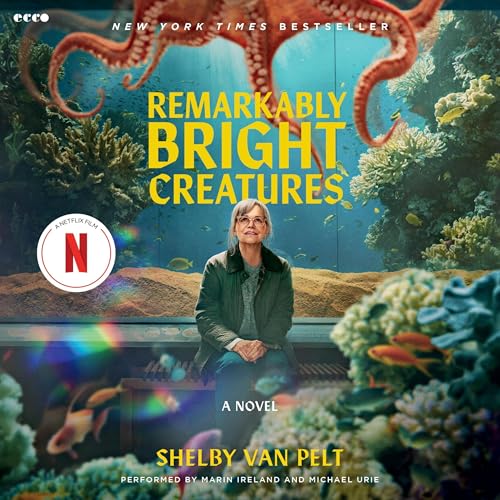
Remarkably Bright Creatures (A Novel)

Author: Shelby Van Pelt

Narration by: Marin Ireland, Michael Urie

Shelby Van Pelt (Author, debut novel for American author who was raised in the Pacific NW but now lives in the Chicago area with her husband and children.)

Van Pelt’s first book is an entertaining novel about every generation of conscious living things in the world. The main characters are Tova Sullivan, Cameron Cassmore (both of which are humans), and Marcellus who is an octopus living in an aquarium. One can imagine reader/listeners from children to adults being entertained by the author’s view of sentient life.

Van Pelt’s story is about every generation of life.

Tova is a 70-year-old widow who works as a cleaner for an aquarium in which Marcellus, the octopus, lives. Tova has lost her husband and son but chooses to work at an aquarium until she has a tripping accident that makes her realize it is time to retire. Tova learns of Marcellus’s consciousness when the octopus reaches out to grasp her arm. He leaves suction marks on her arm but does no harm.

Cameron Cassmore is 30, mostly unemployed and a directionless adult looking for a father he has never known. He is abandoned by his mother at age 9 to an aunt that looks after him and wonders about a father he knows nothing about. He finds his mother’s high school yearbook to find a picture that suggests his mother dated a boy that might be his father. The boy who might be his father had become a well-known and successful developer in the state of Washington, so he decides to track him down.

A story about life and living.

A reader/listener gets drawn into the story because of Marcellus, the octopus, that happens to be in the Washington town Cameron travels to in search of his father. Cameron is characterized as a person with high intelligence and a photographic memory. He needs a job when he arrives in Washington because his effort to find his father is taking more time than expected. He contacts his alleged father’s corporation, but contact is delayed by the corporation’s slow response to his request for a meeting. The reason for the delay is unclear but eventually they meet.

Octopus aquarium.

The job Cameron finds in the meantime is at the Washington aquarium while Tovah is recovering from an injury to her ankle that keeps her from her job as a custodian. Cameron is introduced to Marcellus who preternaturally knows about a secret about Tovah’s relationship to Cameron. Tovah is Cameron’s grandmother.

The story retains its interest because of the characterization of Marcellus and the fate of Cameron and his grandmother, but its complexity is a bit tiresome. “Remarkably Bright Creatures” is a story that suggests all life in the animal kingdom has consciousness that is underestimated by human beings.

FAMILY.

Van Pelt shows human connection comes from unexpected places. Her story shows what it means to belong to a family and how truth, as painful as it may be, is something one must accept and move on. One can imagine the book being read to or by all generations.

CHINA YESTERDAY

Winchester’s biography of Needham offers valuable insight to scientific discovery and its intersection with socio/political structure of government. Government bureaucracy can either aid or impede nation-state’ discovery and innovation.

Books of Interest
 Website: chetyarbrough.blog

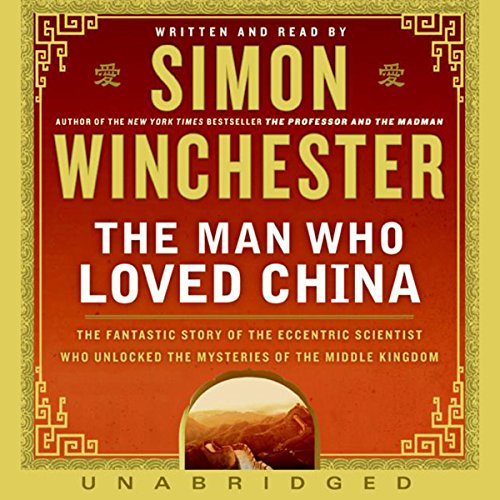
The Man Who Loved China (The Fantastic Story of the Eccentric Scientist Who Unlocked the Mysteries of the Middle Kingdom)

Author: Simon Winchester

Narration by: Simon Winchester

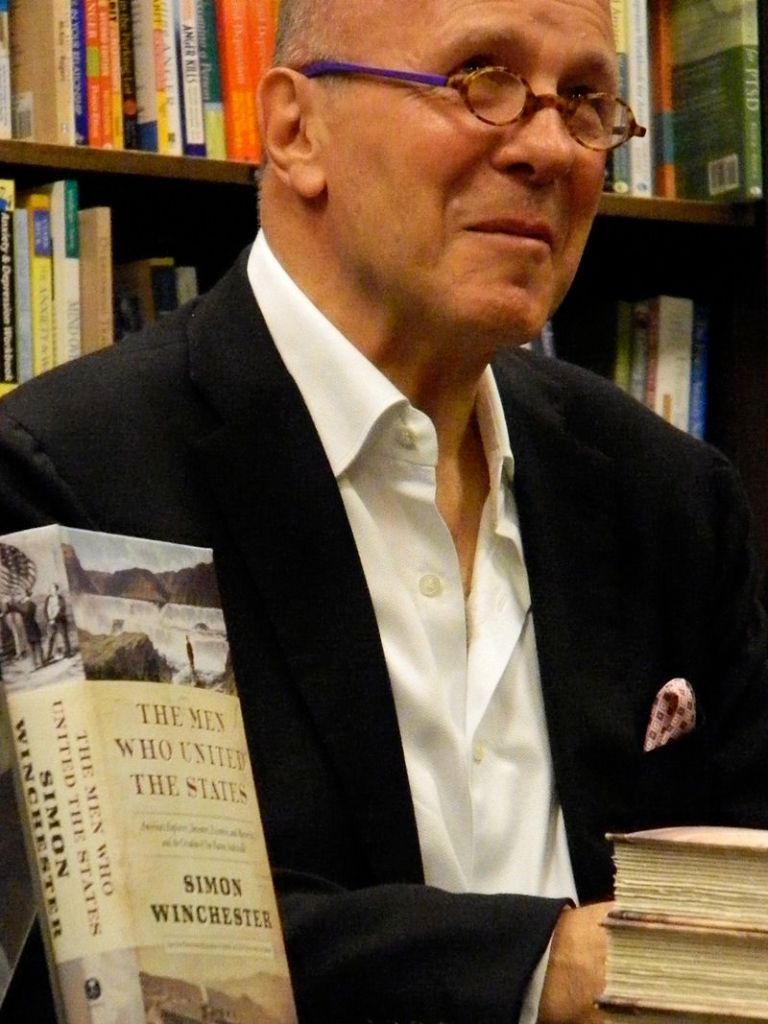
Simon Winchester (Author, historian, British American author, journalist, and broadcaster.)

Having traveled to China a few years ago, it is interesting to listen to Simon Winchester’s biography of Joseph Needham, who is considered one of the foremost historians of Chinese science and technology.

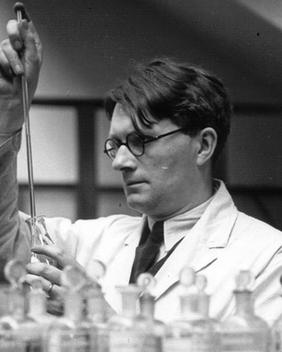
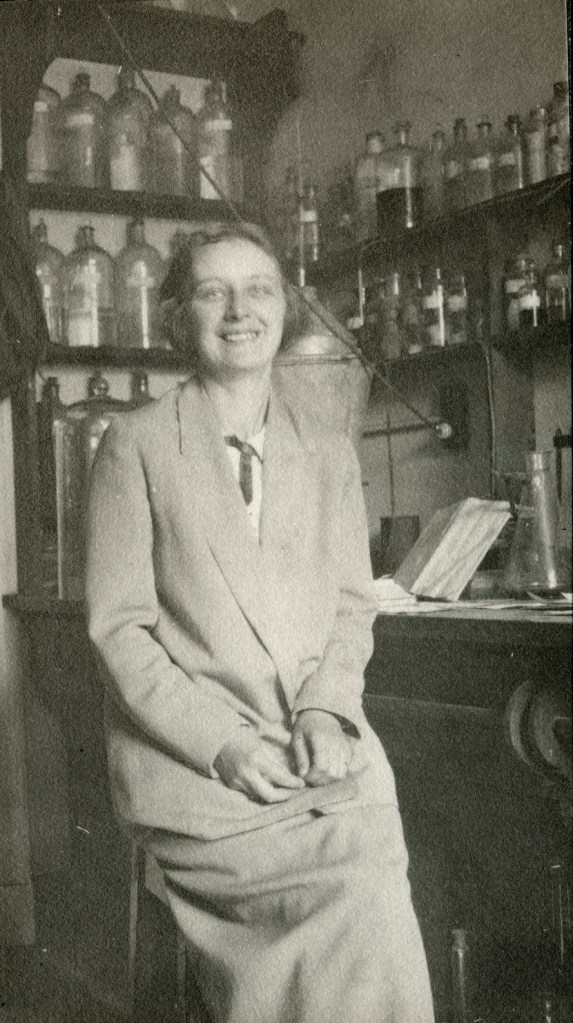
Noel Joseph Terence Montgomery Needham (1900-1995, British biochemist, historian of science and sinologist who wrote a history of Chinese science and technology based on his British education and experience in China during the 1940s.)

Discovery of the new can improve or impede society. In listening to this biography of Joseph Needham, one wonders how farther ahead science might be if it was more widely shared between countries of the world. Needham is characterized as a polymath who became educated as a biochemist at Cambridge. Needham is a freethinking eccentric, a nudist, a folk dancer, and a thoroughly unconventional human being.

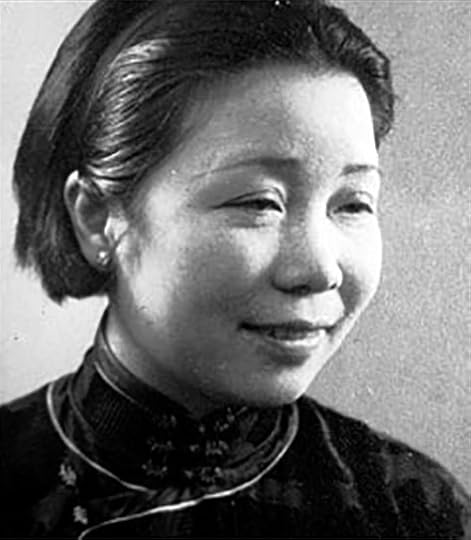
Needham meets a fellow student at Cambridge with whom he pursues a scientific/intellectual partnership and an “open” marriage that lasts until the death of his wife in 1987. Needham’s first wife, Dorothy Moyle Needham, offers stability to his life while accepting a second woman, Lu Gwei-djen, as an intimate in Needham’s life during their marriage. Dr. Gwei-djen was also a biochemist who studied at Cambridge. When Needham’s wife dies in 1987, after 63 years of marriage, he marries Lu Gwei-djen.

Japan creates what is misogynistically characterized as “comfort women” in their attack and domination of China in the early years of WWII.

As WWII began and the Japanese were attacking China, Needham is engaged by the Sino-British Science Cooperation Office to document scientific manuscripts, meet Chinese scholars, and build a record of China’s scientific networks. His wife joins Needham in 1944 just before Needham’s return to Great Britain. Needham’s separation from his wife gave him time to become an important historian of Chinese Science. His grasp of the Chinese language from his association with Lu Gwei-djen is a great aid to his accumulation of China’s extraordinary advances in science that created many discoveries–long before the rest of the world.

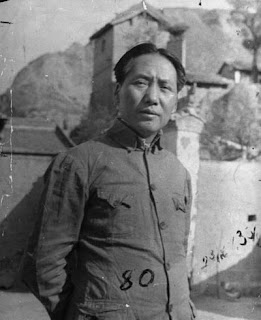
Needham fell in love with China and became acquainted with the war years of China and its communist movement. Needham looked favorably on the communist philosophical movement. However, his political leanings were inconsequential because his primary focus is on China’s scientific history.

Early discoveries in China.

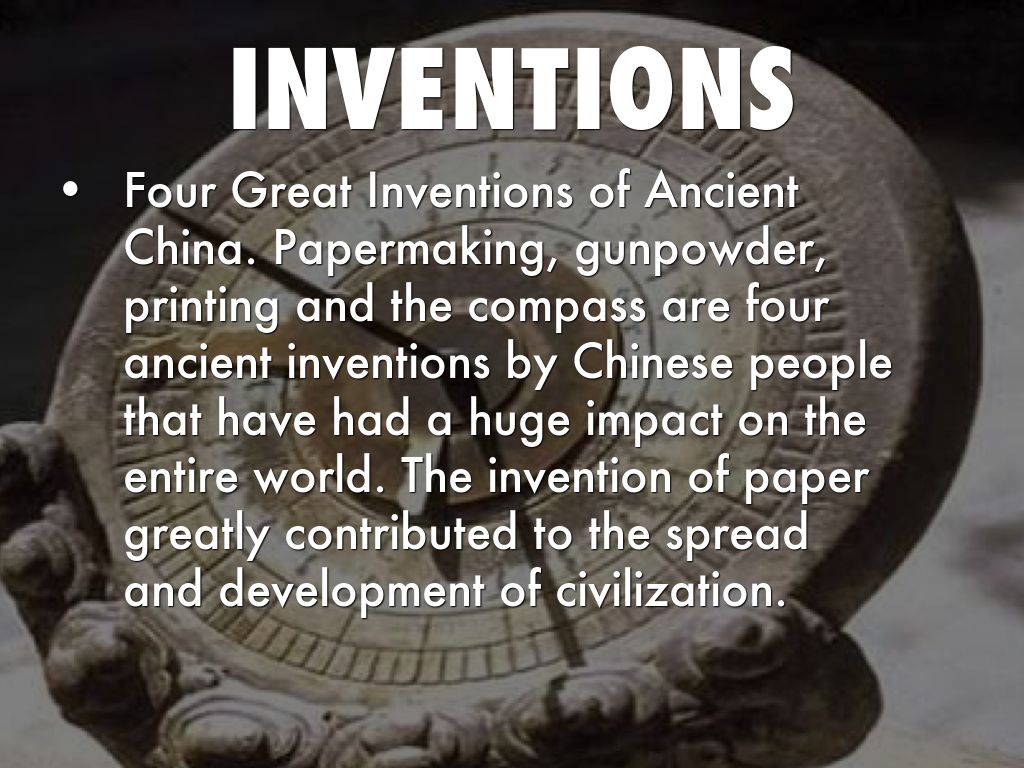
Needam’s research results in a book titled “Science and Civilization in China”. With the help of Lu Gwei-djen, his book became a societal corrective to the West’s bias about China’s technological backwardness. Needam reveals amazing discoveries made by China long before the rest of the world. He found papermaking is developed in the 2nd century BCE, the magnetic compass was used in China in the 11th century, gunpowder is discovered in the 9th century, and printing began in the 7th century. Adding to these discoveries are the many engineering and mechanical innovations of China. They discovered the value of differential gears to aid vehicle function, the idea of a sternpost to guide ships, water power to aid clockworks with escapements for timekeeping.

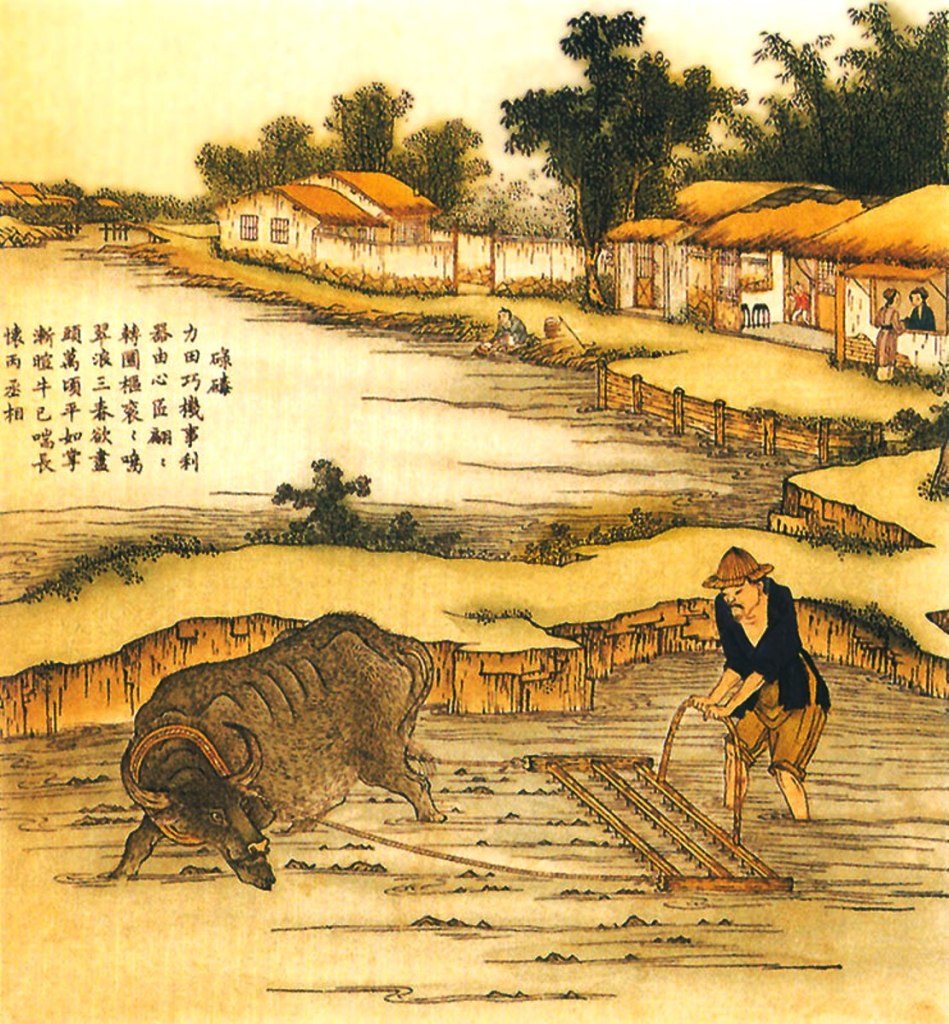
Agricultural invention in early China.

Needham discovers the agricultural and industrial breakthroughs of China. They used multi-tube seed drills and advanced iron plows to improve agricultural yields centuries before European innovations. Between the 5th and 3rd century BCE, China had developed blast furnaces and iron-working innovations that were not discovered in the west until the medieval period. The Song dynasty in the 10th century pioneered the use of paper money backed by the government.

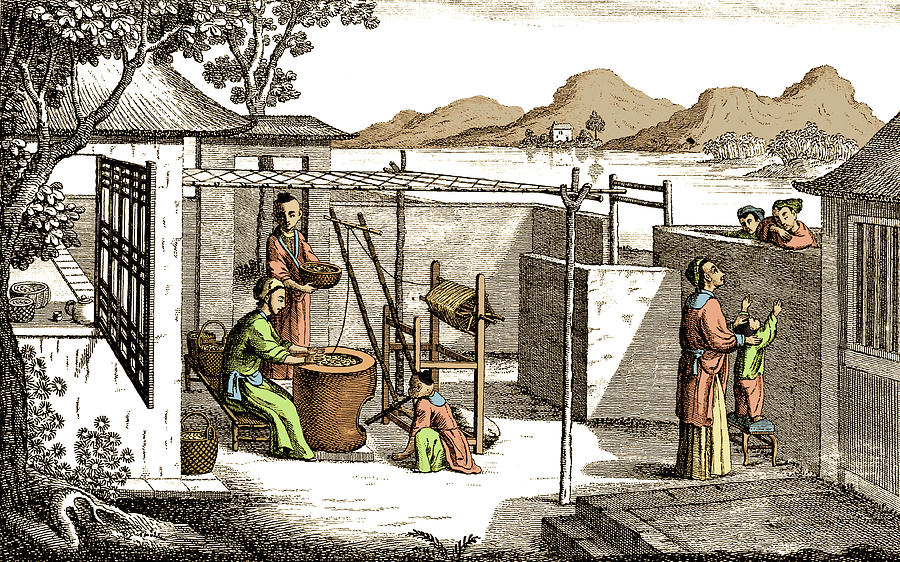
Silk making in early China.

In the science of chemistry, silk production began thousands of years before the west understood its value. Porcelain innovation with hardening through a high-temperature process was used long before its discovery in Europe in the 18th century. Natural gas drilling was discovered with the invention of bamboo derricks and piping for industrial use. Chinese gas drilling dated back to when Roman legions were invading Europe.

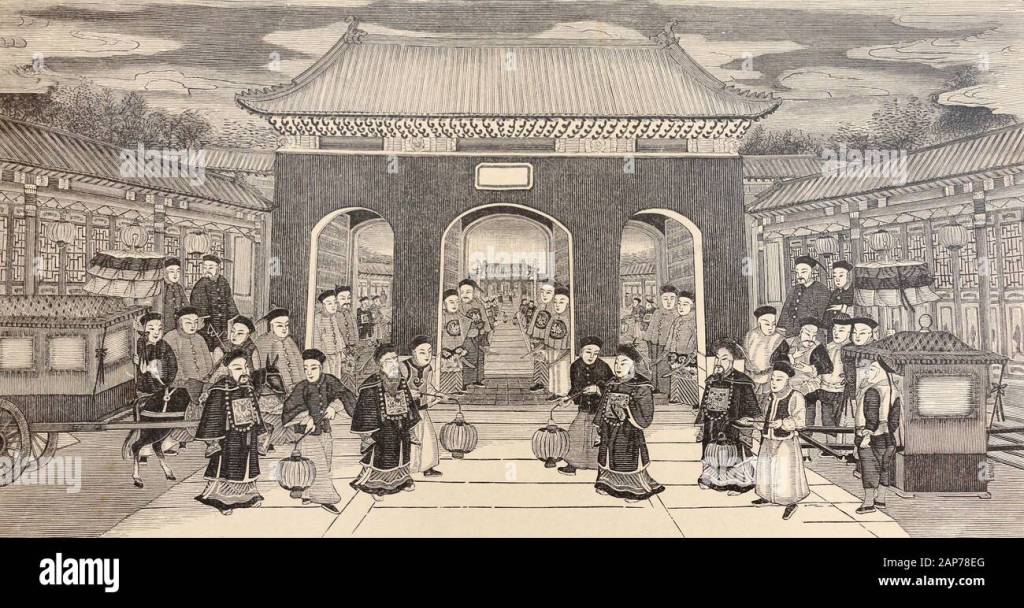
China’s centralized bureaucracy.

What is puzzling about Needham’s book is not only how early these discoveries were made in China, but why these remarkable innovation capabilities did not continue through the twentieth century. He argues the foundation of their advances is its powerful, centralized bureaucratic state, a culture that valued practical knowledge, and a worldview that is comfortable with pattern, process, and observation of nature.

Management of China’s waterways is critical for agriculture and flood risk to those who lived near rivers. Life experience with the threats and benefits of water demanded Chinese attention. Literacy and standardized examinations in China created a cadre of technically motivated officials. With systematic observation of nature, these technocrats harnessed the power of water. So why has there been nothing like the scientific revolution that happened in Europe. To this reviewer, something changed with the rise of communism.

China’s education system.

Needham’s book argues the bureaucracy of China became too conservative and discouraged independent initiatives while emphasizing stability through exam-driven education. Conformity became more important than innovation. Needham infers the scientific revolution went into hibernation in China while blossoming in Europe. One may speculate that is partly due to emphasis on communism, a socio/political rather than a science/nature focused view of life, i.e. a view toward social stability more than one of curious exploration,

CHINA

Winchester’s biography of Needham offers valuable insight to scientific discovery and its intersection with socio/political structure of government. Government bureaucracy can either aid or impede nation-state’ discovery and innovation.

COMPATIBILITY

What one finds in “Funny Story” is that human relationships are always works in progress. Nothing in a long-term relationship is without conflict.

Books of Interest
 Website: chetyarbrough.blog

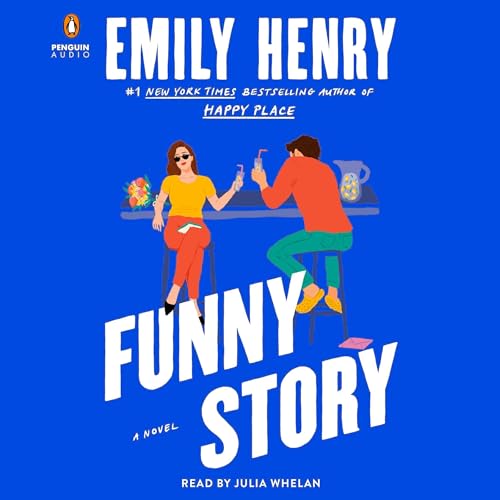
Funny Story

AuthorEmily Henry

Narration by: Julia Whelan

Emily Henry (Author, American writer of NYT’s bestselling romance novels.)

This is a “Funny Story”, written with the same skill that is noted in a previous review of this author’s writing in, “Great Big Beautiful Life“. “Funny Story” reminds one of human relationships when one is young and unattached. Of course, it is written from a woman’s point of view, but it reveals some truths about love, partnering, and marriage.

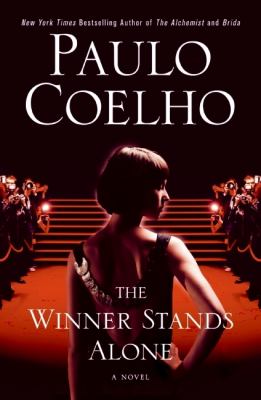
Every life is a world.  Paulo Coelho’s The Winner Stands Alone magnifies the ephemeral nature of money, power, and fame. 

For some people, living life alone is liberating but emotionally unfulfilling. Living with or marrying someone is like placing a bet on a roulette table. It can reward or deprive you of some level of joy. Henry’s story begins with a single woman, with modest ambition and little money, who falls in love with a wealthy, handsome man whom she marries. The woman’s name is Daphne. Her new husband, Peter, buys a house but soon chooses to leave and divorce Daphne to marry another woman. The other woman, named Petra, is a childhood friend raised in a family of similar wealth. Petra had been living with a male lover named Miles, a working man of modest means who is employed at a winery. Miles is a friend of Peter and sexual partner of Petra but is yet to meet Daphne.

Love and marriage.

Once one knows of the relationships between the main characters, the story moves along with the jilted wife, Daphne, and Miles’s becoming housemates after the abrupt departure and divorce by Peter who believes he is in love with Petra. The author creates a “Funny Story” with an odd arrangement with Daphne becoming a house mate with Miles because she is broken hearted and too broke to be able to live on her own. One can quit listening to the book because the table seems set to show the jilted wife will fall in love with Miles and live happily ever after.

One who believes “birds of a feather flock together” presumes two wealthy families are more likely to have offspring who marry each other because of their similarities of experience and wealth in their families’ backgrounds. One may either quit the book or keep listening to the story in expectation of a “happy ever after” ending.

What “Funny Story” says about life is that marriage between people of similar backgrounds is more likely to be happy than marriage of people with different backgrounds. Of course, this is not a hard and fast rule. Good relationships or marriages can be based on complimentary ways of dealing with life where two people make each other more complete human beings. The accoutrements of similar wealth and education aid compatibility but are not sole determinants of intimate relationship success. A listener/reader stays with “Funny Story” to find out which social relationship the main characters achieve, i.e., complimentary partners, partners in misery, or single unattached loners.

What one finds in “Funny Story” is that human relationships are always works in progress.

Nothing in a long-term relationship is without conflict. Those who recognize their complimentary compatibility are more likely to remain attached through marriage, partnership, or long friendship. Those who have too much in common and too little that complements their differences seem more likely to part company.

HUMAN TRUST

Susan Choi shows how trust and experience change human lives. She illustrates how power, desire, memory, and storytelling are engines of that change.


Books of Interest
 Website: chetyarbrough.blog

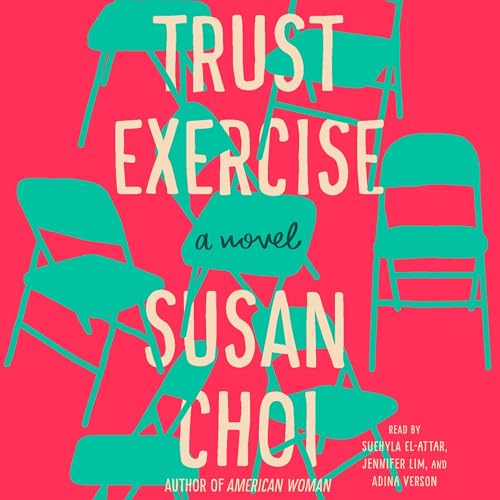
Trust Exercise (A Novel)

AuthorSusan Choi

Narration by: Adina Verson, Jennifer Lim, Suehyla El-Attar

Susan Choi (American novelist, received the Nation Book Award for Fiction with “Trust Exercise”)

Susan Choi attended a High School of Performing Arts in Texas. “Trust Exercise” is a reminder of life as a teenager in America. There are a number of High Schools of Performing Arts in America. Having personally visited Las Vegas’s High School, Choi’s story reminds one of the remarkable students who choose to supplement their education in a performing art’s school.

Choi’s story shows the hyper emotional character of teenage life. Placing her characters in a Performing Arts’ high school makes her story somewhat more plausible but teenage sex in a school hallway when classes are in session seems more imagination than reality. On the other hand, it reminds one of fantasies that run rampant in one’s teenage years.

The importance of teachers in the world.

Getting past Choi’s sensationalism, there is an underlying truth in her story. Teachers in our high school years can have a great impact on who we become as adults. Choi creates a charismatic teacher who conducts a theatre class for high school students. His influence demonstrates how power shapes teenager’s lives in both good and bad ways. The memories of childhood are shown to be unreliable, but their impact on a mature adult’s life is immutable whether their memory is accurate or not.

Growing to adulthood.

From high school and other life experiences a teenager grows to adulthood, in part, through exercises in trust. Often children consciously or unconsciously note power imbalances between themselves and others. One thinks they are not as smart, sexually attractive, or capable as someone else. Choi shows human nature grows based on relationship trust even though trust is ambiguous. Trust begins between parents and children, grows between friends, our teachers, lovers, book readers and listeners. Choi’s point is that adults become who they are through trust relationships.

Versions of who we are.

Choi creates versions of people to show how they process trust with others. Choi’s main characters are Sarah, David, Karen, and Mr. Kingsley. Sarah is a secret keeper who is highly vulnerable to what others think of her. David is closed into himself and looks to others for what life can offer him. Karen is a steady observer who becomes confrontational in accordance with her perception of other’s beliefs or criticisms. Mr. Kingsley is a manipulative and, at times, coercive teacher. He challenges his students to expose their emotions to strengthen their character but creates dependence on himself more than themselves.

There is a sense of being back in high school in Choi’s novel.

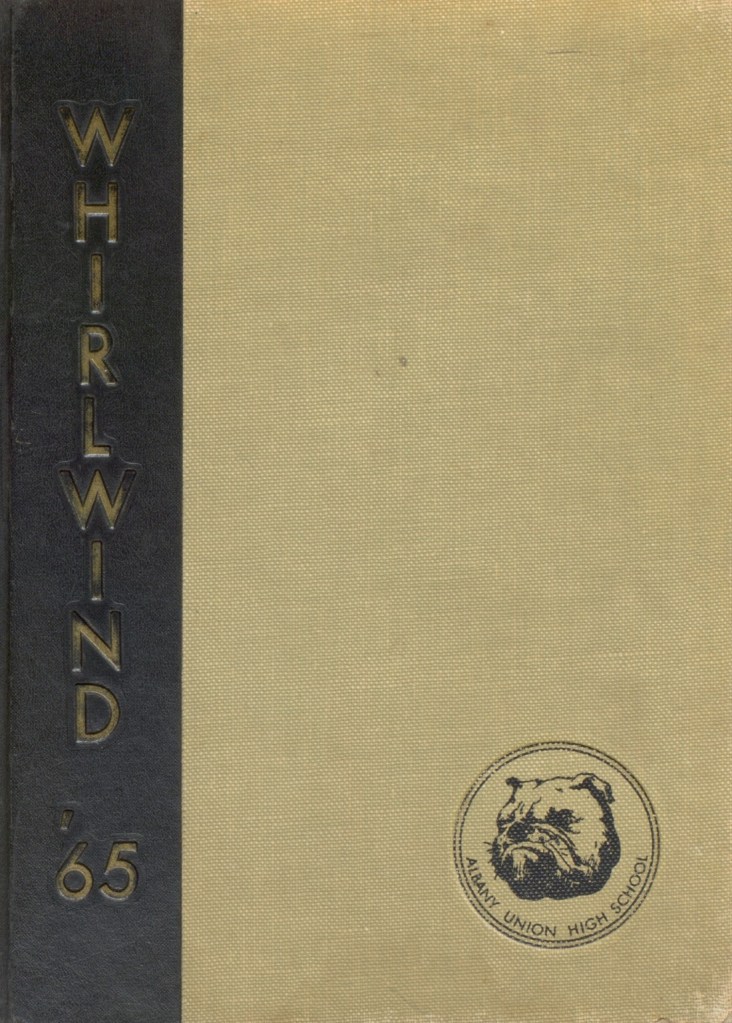
High School Year Book Albany Union High School, Albany, Or. 1965.

Choi’s novel shows people, even in a high school for the performing arts rarely achieve fame. Presuming Choi is telling a story of people she knew in high school, none appear to become famous. Neither Sarah, Karen, David, nor Mr. Kingsley seem to achieve much public recognition. Karen becomes a therapist. David seems to have exceptional talent, charisma, and potential in high school but becomes another faceless American worker. Interestingly, the most successful character is Sarah who becomes a published novelist. Choi infers the scale of her success is ambiguous at best, but she does have a career that seems more successful than many who are classmates. (Good for Sarah or is her name Susan?) “Trust Exercise” reminds reader/listeners of their high school years and makes one wonder what happened to their classmates.

Choi shows how trust and experience change human lives. She illustrates how power, desire, memory, and storytelling are engines of that change. Teenagers trust too easily, some adults exploit trust, and some story tellers manipulate the truth. One can only learn from life and experience what we should or should not trust.

AMERICAN IDENTITY

One can appreciate Vuong’s picture of two immigrant Americans lives but his story is too maudlin for this listener.

Books of Interest
 Website: chetyarbrough.blog

The Emperor of Gladness 

AuthorOcean Vuong

Narration by: James Aaron Oh

Vương Quốc Vinh (Author, poet, professor at NYU and the University of Massachusetts, born and raised in rural Vietnam who is now an American citizen.)

“The Emperor of Gladness” is like “Alice in Wonderland”. The author’s story draws one down into a rabbit hole of personal experience and imagination. It tells what life is like for people who become lost to themselves because of advanced age or youthful experiment with drugs and addiction. It begins with a young addict who is teetering on suicide and is rescued by an old woman nearing senile dementia. It is largely the backstory of two immigrants and their lives in America.

American immigrants.

The old woman is from Lithuania. The young boy is a Vietnam immigrant brought to the United States by his family near the end of America’s misbegotten war. Both live in poverty in America. Their stories tell how they survive the grief and trauma of their lives. The elderly woman has lost her husband, lives alone, and had a social services person visit her for a time but is never replaced. Some of the trauma that occurs in the boys and aged mother of a daughter is brought on by themselves, particularly with the young boy. For the elderly woman, it seems brought on by living in poverty in a country that has great wealth but is unable to offer adequate care for the elderly poor.

One who has traveled to Lithuania has some understanding of the tragedy of Stalin’s dictatorial control and displacement of the Lithuanian people. That is partly what draws one to stay in the story. However, it is not enough to maintain this listener’s interest in the story. The young boy is raised in poverty and succumbs to addiction which is hard for some to understand because they have not fallen into that addictive trap. The author does a fine job of showing how these two characters meet each other and become a family that cares for each other. The growing dementia of the old woman is managed by the young boy in a way that is endearing and insightful for those who do not have the patience to deal with infirmity and elderly dementia.

There are lessons about being poor in America in Vuong’s story.

Vuong notes immigrants who have reached a certain age in their native countries are faced with learning a new language and culture when they arrive in a foreign country. All human beings gain understanding from the experience of living, but post-infancy immigrants are faced with translating language and experience understood in their home countries that are different in American culture. That by itself is a struggle.

Immigrants often grow up in silence because they are unsure of unaccustomed experiences that native-born children take for granted. Translation seems a matter of survival for an immigrant whereas a native feels experience is just part of living life that one runs from or towards.

The details of being a poor immigrant in America seem the same as a natives’ views of life but Vuong explains why they are not. To those who have been born and raised in a white privileged but economically challenged society, discrimination associated with being an immigrant minority or drug user is too unrelatable. The underlying message by the author is that in the age of “Make America Great Again”, being an immigrant makes one feel even more of an outsider.

GUILT

In the end of “The Life We Bury”, the mystery of a murderer is solved. However, the real reveal of the story is how every human being is guilty of self-absorption.

Books of Interest
 Website: chetyarbrough.blog

THE LIFE WE BURY (A Novel)

AuthorAllen Eskens

Narration by: Zach Villa

Allen Eskens (Author, former defense attorney who lives in Minnesota.)

Reading/listening to a book is motivated by one’s ignorance, public popularity, author reputation, or subject of interest. “The Life We Bury” is similar to an earlier murder mystery by Allen Eskens. “The Life We Bury” deals with a crime but has no famous historical allusions like the mystery in “The Quiet Librarian”. However, it does have a similar theme. “The Life We Bury” is about injustice and a human desire to right what is wrong. As a popular author and an attorney by profession, both novels show Eskens intimate knowledge of the legal system and its faults.

The characters of life.

The main characters of “The Life We Bury” are Joe Talbert, a 21-year-old college student working his way through college, Carl Iverson, a Vietnam War Veteran convicted of raping and murdering a young girl, and Lila Nash, a next-door neighbor to the college student. Hardship of life is illustrated by Joe who lives 2 hours away from a younger autistic brother that lives with their mother. She is an alcoholic. Their mother’s addiction makes care of the younger brother perilous. The mother’s alcoholism and her social life often leave the autistic boy at home to fend for himself. Joe deals with his mother’s neglect as well as he can with a job as a bouncer and college student who lives two hours away from the family home.

Assisted living facility.

An assignment from college for Joe is to interview a senior citizen who is living in an assisted living facility. Joe visits a retirement community near his apartment and asks the manager if he could interview one of their elderly occupants for his college assignment. They agree and Joe meets a terminally ill resident who is staying at the care facility from a prison which could not care for “end of life” needs of an imprisoned inmate who is convicted of rape and murder of a teenage girl.

Autism.

Lila, Joe’s next-door neighbor, becomes aware of Joe’s younger brother’s autism and is drawn into their awkward lives. She goes to the same college and by happenstance has some knowledge of the American justice system which leads her to help Joe with his interview and writing assignment. With her knowledge of the justice system, Joe is able to get the police file of the convicted rapist/murderer. The file is damning but a friend of the convicted and terminally ill patient tells Joe that his interview subject would not and could not have murdered the young girl.

Influence of others on our lives.

“The Life We Bury” is a person we know from our past that we no longer know but who has had a profound influence on our lives. “The Life We Bury” are people we know but often never reconnect with for either thanks or explanation of their effect on our lives. Eskens creates a story that on the one hand reveals how ignorant we are of other people’s lives and on the other how little we realize the impact others have had on our lives.

We all have some kind of guilt.

Carl Iverson is not guilty of killing and raping a young girl for which he is convicted and imprisoned. The search for the real killer is what moves Esken’s story along, but its theme is about guilt, and our ignorance about others and ourselves. Human beings live in their own worlds and often are unable to see others with the same clarity we think we see in ourselves. Eskens shows we neither understand ourselves, the people we think we know, or what impact they have on our lives.

In the end of “The Life We Bury”, the mystery of a murderer is solved. However, the real reveal of the story is how every human being is guilty of self-absorption. The race is on to arrest and convict the guilty rapist and murderer before the death of Carl Iverson. The last chapters of Eskens’ book are a nicely written denouement of his interesting story.

BOYS TO MEN

The most judgmental part of Szalay’s story is that a boy raised in wealth can be spoiled by drug addiction while a poor “go along to get along” boy may end up just as dissolute from sexual addiction.

Books of Interest
 Website: chetyarbrough.blog

FLESH (A Novel)

AuthorDavid Szalay

Narration by: Daniel Weyman

David Szalay (Canadian Author, winner of the Booker Prize in 2025 for “Flesh”.)

Every child is raised in different circumstances. The variables are legion ranging from genetics to economic environment to parenting and the experiences of life. David Szalay tells of a young boy growing to manhood. Every male will have some experience that relates to his primary character’s life. That explains the popularity and literary acclaim that “Flesh” achieves.

Szalay captures different pathways for “every boy’s” journey through the physical and mental anxieties of life.

The specific circumstances of the life for boys (and undoubtedly girls) show how complicated growth to adulthood can become. The father of one boy is a very wealthy businessman who has married a woman many years younger than him. They have a son named Thomas who has been raised in wealth and privilege. The second boy is, István, a poor Hungarian who lives a “go along to get along” life. This poor Hungarian grows to be a handsome man who is attractive to women because of his life experience and attitude about life and relationships.

Effects of inherited wealth.

István and a wealthy husband meet as a result of an attack by street thugs who beat the wealthy husband and nearly kill him. István happens to be passing by when the thugs are scared away by his sudden appearance. István calls 911 or its equivalent to get an ambulance. The wealthy husband is taken to a hospital and is grateful to István which he feels has saved his life. He offers István a job in his security firm as a protector of wealthy clients. István shows himself to be a very competent bodyguard. The wealthy husband decides to have him become his personal family guard and driver.

The wealthy husband’s much younger wife falls in love with the bodyguard and they become lovers.

The wealthy husband dies, and István marries the wife of her former wealthy husband. The son of the wealthy husband is destined for college when István marries the deceased husband’s wife. This college bound son will inherit all of the family wealth when he reaches the age of 25 based on a Trust that allows his mother and her new husband to use the Trust to make investments for the future until the son reaches 25. István becomes a land investor and developer with the wealth of the trust.

Human differences.

The table is set for comparison of two sons who are different with one raised in great wealth and another in the lower middleclass. A crisis occurs when an 80-million-dollar investment by István is needed from the trust that requires disclosure to the son who is to inherit the trust. This son raises enough public objection to the investment that it is not made, and the investment deal falls apart. To this reviewer, the dynamics of the genetic influence of two boys from different economic classes is the most insightful value of the novel.

The influence of genetics, wealth, and poverty.

One can judge from the life of István what influence genetics, wealth, and poverty may have had on the life of a boy growing to become a man. The author seems to have an opinion about boys raised by a family of wealth versus those raised by a family with a “go along to get along” belief in life. At the books end, one wonders if being born in wealth is as likely to make an adult male better or worse. István seems sympathetically written into life by the author. He is true to his character throughout the story, but his sexual life is a mess. Though he appears to be a resourceful, hardworking, and decent human being, he is led through life by his libido.

The most judgmental part of Szalay’s story is that a boy raised in wealth can be spoiled by drug addiction while a poor “go along to get along” boy may end up just as dissolute from sexual addiction.

INFIDELITY

“The Silent Patient” deserves its popularity. The ending is a surprise and offers a credible picture of how extreme human behavior comes from both nature and nurture.

Books of Interest
 Website: chetyarbrough.blog

THE SILENT PATIENT 

Author: Alex Michaelides

Narration by: Jack Hawkins & 1 more

Alex Michaelides (Author, British-Cypriot writer, won the Goodreads Choice Award for “The Silent Patient”, studied psychotherapy, and worked at a mental health clinic.)

Michaelides wrote a clever mystery about a 33-year-old wife named Alicia Berenson who is accused, convicted, and committed to an asylum for shooting her husband in the face with his own rifle. Alicia becomes “The Silent Patient”. She is arrested by the police with blood on her clothes in a non-speaking catatonic state. A psychotherapist, Theo Faber, is hired by the asylum and becomes interested in Alicia’s silence. On the one hand, it reminds him of his troubled childhood and a reaction to his wife’s infidelity in his own life. On the other, there is an undisclosed reason for his interest in Berenson’s silence and her judicial’ commitment to an asylum. “The Silent Patient” implies infidelity is in the nature of all human beings but that it can lead to violence and, in extraordinary circumstances, murder.

Michaelides infers infidelity is an inherent quality of all human beings.

Maybe infidelity is because of human nature’s intent to preserve itself but the consequences of, when experienced personally, can lead to mayhem. The primary characters of “The Silent Patient” are Alicia Berenson, a 33-year-old painter accused of murdering her husband–Theo Faber, a psychotherapist who tells the story of Alicia’s life–and Alicia’s husband who appears to love his wife but chooses to have a passionate extramarital affair. In the course of Theo’s story, he writes about infidelity of his own wife and his response to her betrayal.

Who shot Alicia’s husband?

The principle mysteries are revealed at the end of Michaelides’ book. Who murdered Alicia’s husband and how infidelity affects humanity are primary subjects of “The Silent Patient”. The cleverness of the story is in its twists and turns and the truth it reveals about human nature. We grow up to be adults from parents who create us while instilling all the contradictions of life that no child, who becomes an adult, escapes. Every human being and all societies are flawed. Societies and individuals pass on both the good and bad qualities of life to their children.

Coming to grips with infidelity is different for every child grown to adulthood.

A younger person who falls in love with another sometimes searches for someone to live with through the experiences of their future lives. Those who choose to be together bring their own life experiences to the relationship that may or may not be the same. It seems those life experiences that are similar are likely to preserve a relationship while those that are different cause conflicts. Michaelides shows how those conflicts, as well as the nature of human beings, can lead to destructive human behavior.

“The Silent Patient” deserves its popularity. The ending is a surprise and offers a credible picture of how extreme human behavior comes from both nature and nurture.

A WRITER’S LIFE

Bogg’s biography of James Baldwin shows human beings should not be judged by their racial identity or sexual orientation.

Books of Interest
 Website: chetyarbrough.blog

BALDWIN (A Love Story)

AuthorNicholas Boggs

Narration by: Ron Butler

Nicholas Boggs (Author, born in Washington D.C., a civil rights activist, raised in Cleveland as the son of a civil rights lawyer who was also a music teacher. Received a BA from Yale and PhD in English from Columbia University.)

Nicholas Boggs shows why his biography of James Baldwin is “A Love Story”. Baldwin’s difficult life as a young Black American raised in Harlem offers speculative insight to homosexuality and racism. Baldwin grew up with a stepfather he feared. His stepfather was a stern, authoritarian, and abusive man who worked as a Pentecostal preacher who “raised” James from the age of two or three. His stepfather is said to have beaten him, told Baldwin he was ugly and would never amount to anything. His stepfather died in 1943 when James Baldwin was 19 years old, James became caregiver for his mother and eight siblings.

Treavor Noah’s autobiography writes of his abusive stepfather.

As a voracious reader of books and early sexual liaisons, Baldwin leaves Harlem to go to Paris.

As a 24-year-old, Baldwin scrapes enough money together to travel to Paris where he grew to become a great writer, not just another Black American. Despite a stepfather who disliked white people, James grew to overcome physical and mental abuse through belief in God in his youth and belief in humanity as an adult.

In Paris, the 24-year-old Baldwin falls in love with a white 17-year-old youngster who influences his life with experiences that lead to his success as a writer. Lucian Happersberger and Baldwin become life-long friends.

Lucien Happersberger and James Baldwin in their youth.

Having lived in the household of a Pentecostal Preacher, James initially chose to become a preacher. But, at the age of 17, he left the pulpit and rejected belief in God. Boggs infers Baldwin’s pursuit of literature replaced his belief in God because Christianity sanctifies rather than condemns racism. He felt the church was limiting and dogmatic. His stepfather embodied a religion of fear and bitterness that his stepson would not accept.

The themes of “Go Tell It on the Mountain”, Baldwin’s first published book, is about faith, religion, sin, morality, race, racism, gender, patriarchy, and one’s search for identity.

“Go Tell It on the Mountain” is an autobiographical view of life and growth to manhood as a child raised in Harlem. It took ten years to write “…the Mountain”. It released him from the ghost of his stepfather’s cruelty and set the stage for his exploration of race, religion, sexuality, and personal identity.

Beaufort Delaney (Artist who befriended and became a mentor to James Baldwin.)

Boggs identifies four men that had the greatest influence on Baldwin’s life. His mentor becomes Beauford Delaney, a gay Black American painter he met when he was 16 years old. Delaney was 39 when he met Baldwin. Delaney became a major figure in American modernist painting and the Harlem Renaissance in the 1930s and 40s. He introduced Baldwin to life and encouraged him to become an artist. Delany’s homosexuality helped Baldwin deal with his race and sexual orientation. He helped Baldwin believe in himself and put him on a path toward becoming a literary artist. They were friends for forty years when Delaney died in 1979. Baldwin died 8 years later, acknowledging Delaney as his mentor and guide through his tumultuous life.

Lucien Happersberger (On the far left of James Baldwin.)

The success of “Go Tell It on the Mountain” confirmed Baldwin’s reputation as a writer. Baldwin found truth in the books he read and the life he began to live in Paris. At the age of 24, Baldwin left his family in Harlem to become a writer in Paris. In Paris he falls in love with Lucien Happersberger, a 17-year-old white bisexual who became more relevant to his life than the fire and brimstone of religion. Baldwin grew to believe in the underlying equality of all human beings regardless of the color of their skin or their sexual orientation. His journey to this understanding is what makes the biography the “…Love Story” of Baldwin’s life. Though Lucien and Baldwin remain lifelong friends, Lucien chooses to marry an actress in 1964 which ends Baldwin’s romantic relationship but not Lucien’s outsized influence on his life.

An ironic vignette in Boggs story is Baldwin meeting Richard Wright in America, and later in Paris. Wright’s published book “Native Son” made him famous. “Native Son” is published in the 1940s. The main character in Wright’s book is Bigger Thomas, an impoverished, unemployed, African American, 20-year-old living in a 1930’s Chicago ghetto.  He lives with his mother, sister, and brother in a rat infested one room tenement, owned by a wealthy family that is about to offer him a job. Though Baldwin admired Wright’s achievement, he felt “Native Son” identified Bigger Thomas (Wright’s main character) as a symbol of oppression rather than a fully realized human being. This is an interesting insight to what Baldwin does in “Go Tell It on the Mountain”. Baldwin introduces more complexity to the Black experience of life. I’m not sure either Boggs or Baldwin are offering a fair assessment of “Native Son” because Wright clearly shows the environment in which Bigger Thomas lives. Any human being raised in Bigger Thomas’s circumstance is likely to be emotionally challenged and unbalanced.

Richard Wright (Author of “Native Son”)

History shows a rift is created between Wright and Baldwin because of Baldwin’s criticism. To this reader/listener, both are great writers of what is wrong with white or any dominant sexually or racially dominant society.

Baldwin’s abusive domineering stepfather and submissive mother.

Boggs explains why Baldwin’s biography is “A Love Story”. The cruelty of his stepfather drove Baldwin away from belief in God to a love for humanity. One wonders what his stepfather’s cruelty may have had to do with Baldwin’s sexual orientation. The artist, Beaufort Delaney, offers a refuge to Baldwin from his stepfather’s cruelty and helps him reconcile to his sexual identity and a belief in all humans’ equal rights. Lucien helped Baldwin understand love, intimacy, and the equality of human beings. Lucien decides to marry an actress in 1964 but remains a lifelong friend to Baldwin.

Boggs’ biography of Baldwin shows sexual orientation is not, and should never be, a crime. One cannot know what makes a person homosexual, bisexual, asexual, or heterosexual. Bogg’s biography of James Baldwin shows human beings should not be judged by their racial identity or sexual orientation.