Books of Interest
Website: chetyarbrough.blog
“The House of Broken Angels”
By: Luis Alberto Urrea
Narrated By: Luis Alberto Urrea

Luis Alberto Urrea (Author, Mexican American poet, novelist, and essayist.)
“The House of Broken Angels” tells many Americans what they may not know about Latino Mexican culture. Luise Alberto Urrea explains what it is like to be Mexican American and/or raised in Mexico before emigrating. The Mexican American’ picture is harsh, but Urrea’s picture of being raised in Mexico is heart rending.

Not surprisingly, emigrating to America raises more social barriers for non-white immigrants than white immigrants.
The first barrier is skin color, but there is also language, education, and most importantly gainful employment. When a Mexican enters the country, all four barriers make their lives hard. If they were raised in Mexico, Urrea suggests they are poor and misogynistic but spiritually tough.
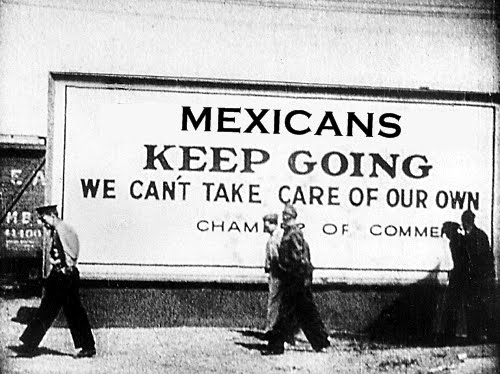
Poverty in Mexico and America comes from low wages and few jobs.
Misogyny lives in most countries of the world, but it is exacerbated by the strong patriarchal nature of families in Mexico. On the other hand, spiritual toughness comes from patriarchal parents (when they are present) because of influences like the Catholic Church in Mexican culture. Urrea explains how some Mexican fathers beat their male children to make them understand life is hard with belief that physical beatings will make them tough. He goes on to suggest Mexican’ girls are raised as bearers of children and companions or servers of men. Mexican fathers set the stage for their sons to be either tough or hopeless. Urrea infers Mexican mothers and fathers insist their children be raised to believe in God because the way people live make heaven or hell life’s only destination.
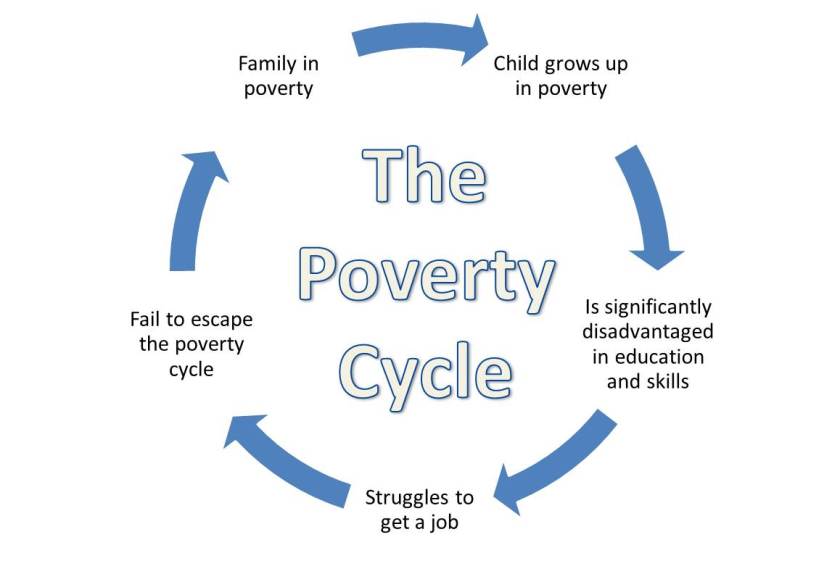
He infers a table is set for many Mexican Americans who use their spiritual toughness and survival experience to get ahead. Women seem relegated to being wives, sex-objects, or mothers, rather than independent, potentially successful human beings. Spiritual toughness may lead to excelling in a job, or at school for men, and a minority of women, to become productive citizens of their new country. Urrea infers the spiritual and physical toughness can take different courses in an immigrant’s life, one is criminal, and the other is not.
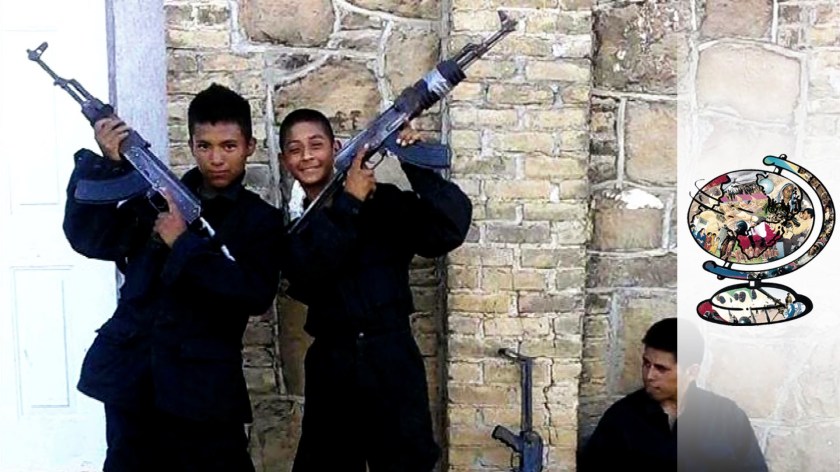
Urrea’s story notes some Mexican immigrants choose to join gangs and use their toughness to fight for higher position, more money, and power within a gang.
Education and jobs are one of the ladders, but gang membership and crime become a less difficult path to follow in a foreign culture. Both ladders suffer from macho and misogynistic views of life, but Urrea argues Mexican immigrant life is tempered by the strength of paternalistic family hierarchies and religion.
The main character in “The House of Broken Angels” is Big Angel, the patriarch of a family with many sons, daughters, and grandchildren.

Big Angel is born in Mexico and is raised by a mother whose husband leaves his mother with nothing but a motorcycle which she is compelled to sell to feed her family. Big Angel chooses to leave home. He tries to make a living in Mexico but leaves under suspicious circumstances to join his father in America. Big Angel becomes a self-educated technology programmer through hard work and self-discipline. His offspring in Urrea’s story is about immigrant offspring and their lives in America.
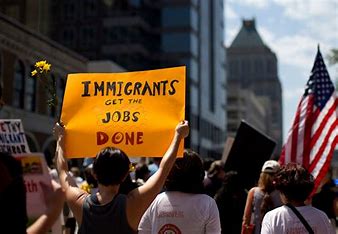
America is shown to be less hospitable than one would hope considering how valuable immigrants have been to its economic growth.
Some like Big Angel choose to stay within the culture of their new homeland with the intent of becoming a positive contribution to society. They take the best lessons of their lives to adjust to a new culture despite unequal treatment. The generations that are related to Big Angel, like all humans, make their own choices in life. Their innate intelligence and life experiences are not the same as Big Angel’s, but they are influenced by his paternal care.
Some listener/readers will use Urrea’s story to argue immigration is bad for America because some choices made by descendants of immigrants have violently robbed, injured, or murdered others.

The fallacy of their argument is that bad actors come from all walks of life. Mexican culture, like all cultures that have survived history, have good and bad qualities. Immigrants treated equitably are more likely to bring positive additions to countries in which they choose to live. That is not Urrea’s story, but he explains how one Mexican immigrant overcame unfair treatment to become a contributor to his adopted country. Big Angel brought something valuable from Mexico to America. Big Angel’s story brought hard work, family, and caring for others as examples of what truly makes America Great.