John Sedgwick gives a glimmer of hope for world comity in his history of American Southwest railroad construction. It may be just a matter of time as long as humans do not destroy the world.
From the River to the Sea (The Untold Story of the Railroad War That Made the West )
Author: John Sedgwick
Narrated by: John Bedford Lloyd
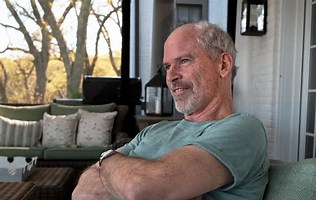
John Sedgwick (Author, American writer and historian who died at the age of 72 in 2o26.)
John Sedgwick’s history of the growth of railroads in America is well written and entertaining. The impact of his history reminds one of the advances of A.I. in America and around the world. His history recounts the movers and shakers of the 19th century that created a rail system that transported physical goods and connected American citizens of the Southwest to the United States.
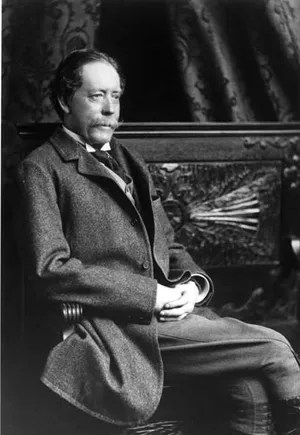
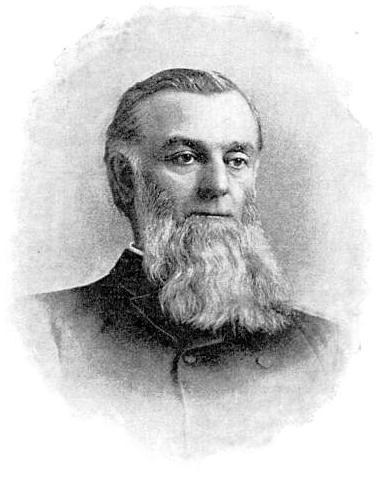
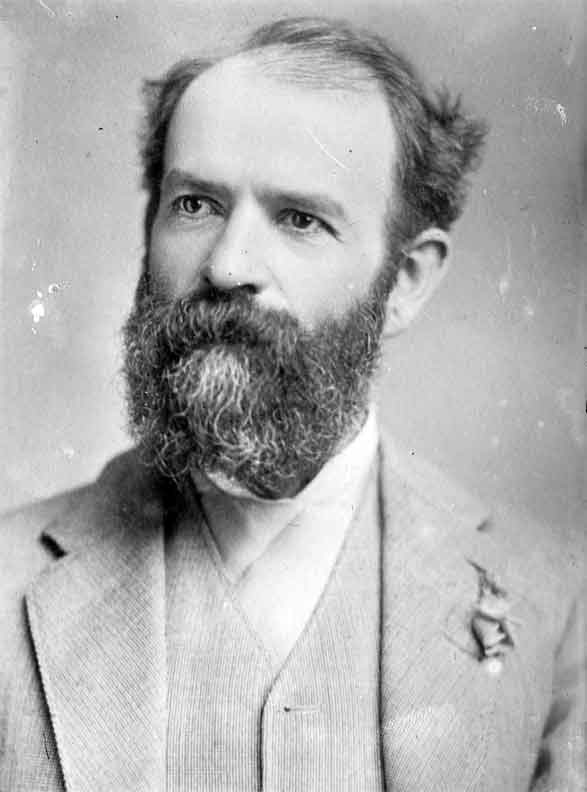
General Willima Jacson PalmerWilliam Barstow StrongJay Gould
General William Jackson Palmer, William Barstow Strong, and Jay Gould built railroad empires. Palmer built the railroad through the Rockies into the Southwest. Strong built the Santa Fe Railway that moved the rails westward from Kansas. Later, the wealth of Jay Gould raises the stakes and competition between Palmer and Strong. In effect, these men became nation builders who integrated the Southwest into the United States. They shaped rail routes that connected and integrated the Southwest to the economy of America.
Today, it is not railroads but A.I. and the internet that is connecting not only Americans but the entire world’s citizens, both economically and socially. A.I. and the internet spread ideas and information rather than physical goods, but the end result is economic and societal change. A.I.’s effect is to connect citizens of the world, like railroad rails connected citizens of the Southwest to the United States with product availability, cultural understanding, and sadly, many differences and misunderstandings that are evident throughout the world today.
A.I. and the internet.
Business models grew from singular entrepreneurs’ prerogative to build railroads to improve trade opportunities among America’s States. Just as entrepreneurs of the railroad industry created connections and trade in America’s early history, companies like Amazon in America, and the Alibaba Group in China have created connections and trade in the world. As A.I. and the internet grows–world markets, human knowledge, and decision-making became a possibility for the world in the same way railroad growth connects the Southwest to the United States.
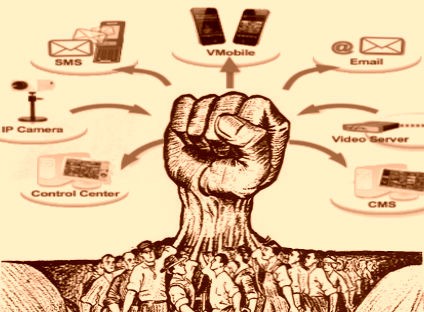
The railroad expansion noted by Sedgwick shows how railroad construction hubs might be compared to today’s scramble for A.I. data centers.
The fiber networks of today are like railroad construction hubs sought by entrepreneurs of the 19th century. For China there is China Mobile, China Telecom, and China Unicom. For America, there is AT&T, Verizon, Comcast, and others. These internet models resemble the hubs of early railroad conglomerates. The similarities of rail construction that changed America is like today’s internet that is connecting the world.
Railroads unified American States in a similar way that a worldwide web connects cultures of the world.
Specialization, science research, and coordination of new discoveries have greater potential with the interconnectedness of A.I. systems in ways that remind one of railroad connections of 19th century Southwestern American States. Interconnectedness is shown by Sedgwick’s history of railroads to have hugely benefited American society. The growth of railroads in America is not a perfect story of progress because of the grasping nature of human beings which reminds one of the leaders of all nations that seek power and influence. All of the movers and shakers of the railroad business pass into history but their legacy remains.
One hopes world interconnectedness from A.I. and the worldwide web will, like America’s rail expansion, become the seeds for worldwide improvement.
Sedgwick’s excellent history of railroads in Southwestern America offers insight to technology’s potential for world comity and greater economic prosperity for citizens of the world. The story of railroad construction as the glue that makes the Southwest part of America suggests A.I. and the world wide web may have a long way to go but world unity is at least conceivable if not guaranteed.
John Sedgwick shows how human nature gets in the way of national unity, let alone, international unity. Sedgwick gives a glimmer of hope for world comity in his history of American Southwest railroad construction. It may be just a matter of time as long as humans do not destroy the world.
The rise of Artificial Intelligence is a concern of both politicians and the “Nerd…” generation. One doubts the American government will endorse or succumb to a “Nerd Reich” despite the threat of AI in the wrong hands.
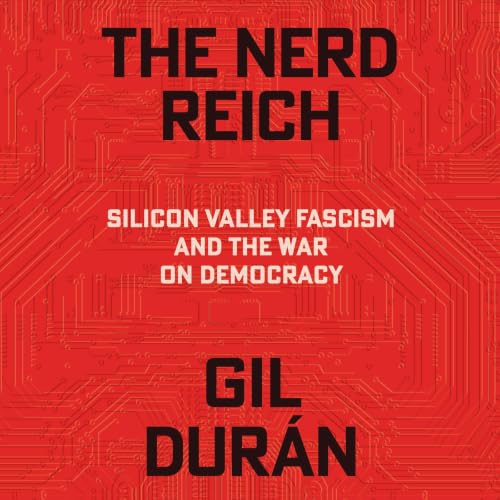
The Nerd Reich (Silicon Valley Fascism and the War on Democracy)
Author: Gil Duran
Narrated by: Vincent Price & 1 more
Gil Duran (Author, American journalist based in San Francisco.)
Duran has written a provocative book suggesting there is a cabal of tech entrepreneurs like Peter Thiel, Elon Musk and others who are engineering a potential master control system that will influence and eventually dominate society. He argues this system of control and influence is creating a “…Nerd Reich” in the sense of Hitler’s Third Reich that initiated WWII.
Leaders of a “Nerd Reich”?
The weakness of Duran’s argument is that most, if not all, human beings have self-interests that are different in ways that are great and small. Theil has strong opinions about what society gets wrong and seeks tech solutions to change societal belief. In contrast, Musk focuses on specific goals, like exploration of space, rocketry, and driverless cars. On the other hand, both show a desire to control humanity’s future like the biblical belief in God’s infallibility. Thiel pursues independent human thought by entrepreneurs not constrained by formal education. Musk pursues civilization-scale engineering based on technological education of the work force. The point is that these two entrepreneurs, like every human being, looks at life differently and emphasizes their personal biases in achieving their goals. Thiel looks for ways to change society by creating entrepreneurs while Musk looks to build things that do not exist with public/private education of workers. The point is that there is no entrepreneurial Tech cabal. There are Tech individuals looking for ways to change the world but in different ways.
Brilliant minds do not pursue the same goals. Revelation comes from different pursuits by those interested in different things. Some look for universal truths of science like Einstein while others look for truth about morality like Friedrich Nietzsche. Technologists will pursue both fields of study. They may agree on one avenue of exploration and not the other. There is no single cabal of interest by technologists, there are many different interest groups. Science and philosophical revelation generally come from an individual, not a consortium of people whether technologists, or scientists, or one person. Franklin Roosevelt and Adolph Hitler were leaders with immense power, but their power came from the people they led. The same is as true today as in the times of Roosevelt and Hitler. It is up to society to decide which path, which leader, we will follow.
Peter Thiel and Elon Musk.
The “Nerd Reich” is an exaggerated view of human revelation, discovery, creation, and execution. It does not give a complete picture but only a sliver of life, a period of temporary societal success or temporary failure. There will be and surely are tech cabals today, but that is and always will be the nature of human association or what is called society. Human beings associate with each other because of common interests and pursuits. Revelation always comes from the individual with hangers on that may have played a role in new discoveries, but social change comes from the “many”; not the “one”.
Technology is a widely held interest of millions of citizens of every country in the world. However, it is only one discipline among many. Tech association within society is not a singular controller of action or outcome.
General human judgments are often based on “confirmation bias”. The nature of thought and belief of human beings is often based on evidence that others say is true without personally investigating the basis for their judgement. In addition, we tend to understand information based on things that are compatible with views we already believe. We also have selective memory and tend to forget contradictory evidence. We often fail to consider alternative explanations because of preconceived beliefs that comport with what is being stated as fact or fiction. Further, many are not willing to clearly look at the evidence that supports or denies drawn conclusions.
Reviewing the “Nerd Reich”, one must ask themselves what they have seen that suggests there is a “Nerd Reich”. Does Musk’s actions as an American government employee who fires Department heads and employees at the general direction of President Trump make him a member of the “Nerd Reich”. I think not, in view of his position of Trump’s Presidential appointment and Trump’s ordered direction. President Trump is not, by any stretch of imagination, a “Nerd…”. Trump is simply an autocrat who has risen to the level of his incompetence.
The rise of Artificial Intelligence is a concern of both politicians and the “Nerd…” generation. One doubts the American government will endorse or succumb to a “Nerd Reich” despite the threat of AI in the wrong hands. At least to those of us who believe AI is a tool of humanity, not a superior form of intelligence.
Timothy W. Ryback (Author, historian, director of the Institute for Historical Justice and Reconciliation in The Hague, former lecturer on Concentration of History and Literature at Harvard.)
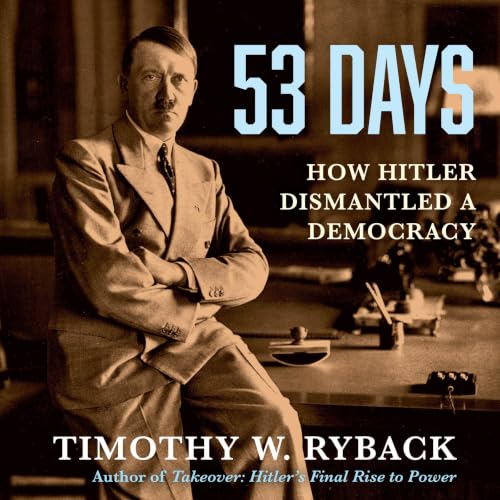
In writing “53 Days” Timothy Ryback identifies warning signs of democratic policy violations in Germany by Adolph Hitler in the 1930s. Hitler’s methodology is to attack institutions of government like the court system, the election process, government employment, and the media while blaming communist sympathizers trying to capture the government. The condition of the German economy is dire. Between 24 percent and 30 percent of Germany’s population were unemployed. Industrial output fell by 46%. A growing number of middle-class workers were losing their savings because of job losses. Faith in democracy collapses with citizens turning toward a belief in something different; i.e., either Communism or Nazism.
The Nazi party became the largest political force, though not a majority, in the 1932 election which gave legitimacy to the rise of Adolph Hitler.
Hitler preached power and refuses compromise. This nearly kills his appeal to the German majority but as Hitler exploits divisions among his rivals, their disorganization and infighting creates a vacuum that reduces resistance to the public’s interest in Hitler’s party. Most conservative leaders miscalculated the political appeal of Hitler. They took comfort in the appointment of President Hindenburg who expressed disdain for Hitler and his party platform. The tide soon turns with the suspicious Reichstag fire. (The suspicion is whether the fire is started by Nazis, the communists, or a lone arsonist unassociated with either party. The inference of the author is that it was a lone arsonist, but Hitler used the incident to inflame a political fire among fence sitters who sought governmental change.)
Surprisingly, Rybeck notes Hitler did not defeat democracy or the communist movement through a simple exercise of power but by using legal and constitutional procedures to overthrow a German democracy based on a distortion of democratic principles. Hitler’s rise, in Rybeck’s opinion, was not inevitable. However, many political leaders underestimated Hitler’s ability to undermine democracy by using democratic principles to undermine its efficacy. Rybeck believes democracy is a workable form of government rule in Germany’s time of economic strife, even in the 1930s. If constitutional safeguards, political parties, courts, and leaders upheld democratic norms, Rybeck believes real democracy could have restored the German economy. Of course, that is a road not taken because Hitler’s distortion of democratic norms gains control over the German government that turns into an autocracy. A listener/reader wonders whether America is at risk of being ruled by a clever tyrannical leader like Hitler.
The erosion of trust in elections is apparent in America from outsized influence of wealthy Americans and corporations that have agendas that are as likely to support as impede democratic ideals. Challenges to American Democracy have appeared from the influence of the politically and financially powerful in America. The independence of the judiciary and restrictions on news media access by the President are examples of challenges to the norms of American Democracy. Actions by today’s American President lean toward making America more autocratic than democratic. Trump’s vilification of the press, arbitrary firing of government employees, reliance on sycophancy as a measure of ability to manage government departments, undermining America’s election system, and the weakening of Constitutional checks and balances are examples of growing autocracy in America.
As one listens to Rybeck’s book, one sees parallels between Germany’s economy in the 1930s and rising economic insecurity in America. Like the society in Germany of the 1930s, America shows growing economic inequality, and declining trust in government departments from the arbitrary firing of competent employees. The rising political polarization of America is magnified by the election of an autocrat to govern an America that is founded on the principles of democracy. The wealth of people like Elon Musk, Jeff Bezos, Larry Page, Michael Dell and corporations like Google, AOL, Meta, Comcast, Walt Disney Company, Fox and other media conglomerates have inordinate power to influence public opinion; largely based on “what government policies benefit them”.
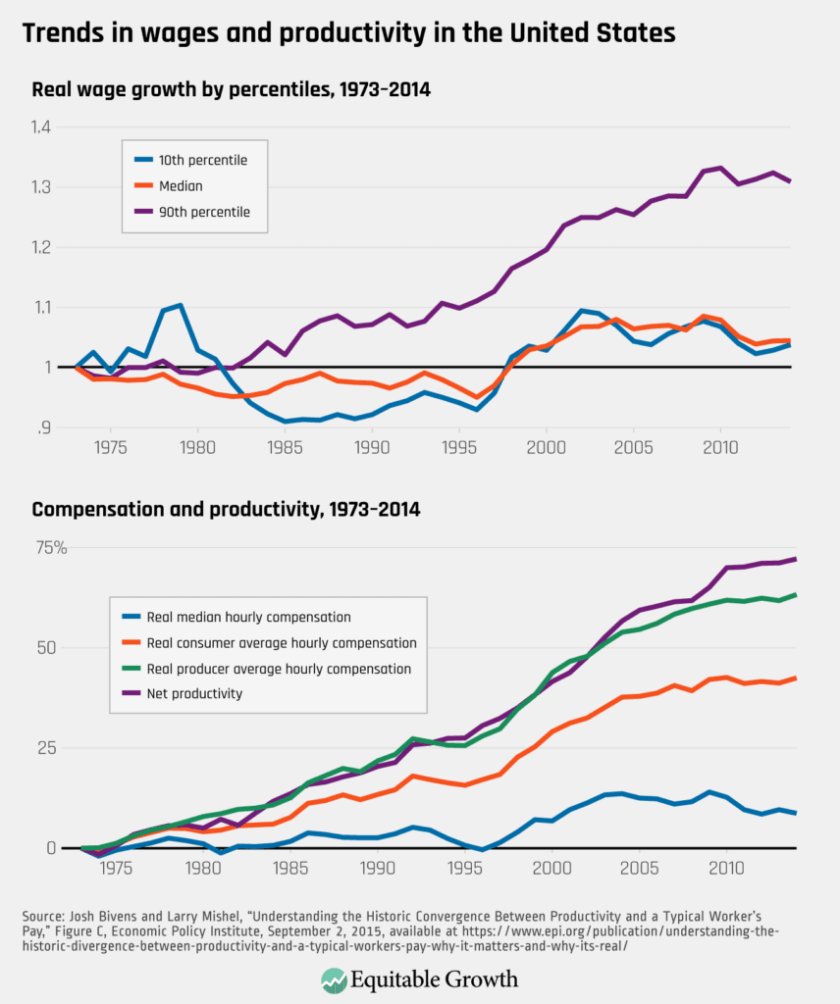
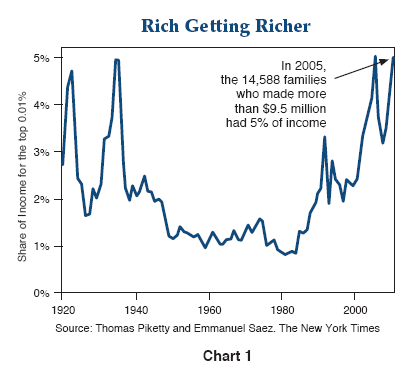
“One person, one vote” as the power of democracy is seriously challenged in today’s America. America’s economic situation is nothing as dire as Germany’s in the 1930s. American democratic institutions are firmly established by the Constitution. We are not recovering from a world war. However, a concern remains because of the rising gap between rich and poor in America.
The rising Gap between the rich and poor in America.
Politicians seem more focused on winning elections than defending democratic norms. Democratic ideals are being undermined by major influencers that have money and power in America. Independence of the courts needs to be reinforced. Elections must remain free and competitive without threats from a President that undermines the integrity of Americans right to vote. News media must retain its independence and a fundamental right of access to public government meetings. Federal government departments must have a level of independence with continuing education to professionalize their management skills. Constitutional limits must be respected by government representatives. Political parties and the elites of America need to constrain political leaders who violate the ideals of democracy.
Ryback’s history of Hitler’s rise in Germany is a reminder of how fragile democracy can be.
Profits, Prophets, Coaches and Kings (When Do Leaders Matter?)
By: Jared Diamond
Narrated by: Christopher Ragland
Jared Diamond (American author, scientist, and historian. Considered as one of the top 100 public intellectuals who also wrote “Guns, Germs, and Steel” that received the 1998 Pulitzer Prize.)
Diamond has written a ponderous history of world leaders, sports coaches, famous entrepreneurs, and founders of religion. Why and how great leaders change the course of history, corporations, winning sports teams, and religious belief are the subjects of “Profits, Prophets, Coaches and Kings”. He eventually concludes that leaders do matter but the time and social circumstances in which they live have a great deal to do with what they accomplish. By accomplish one presumes he means what leaders have done whether it is for the good or harm for those they lead. He offers no particular revelatory conclusion other than great leaders are driven to succeed.
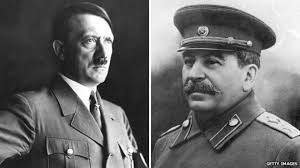
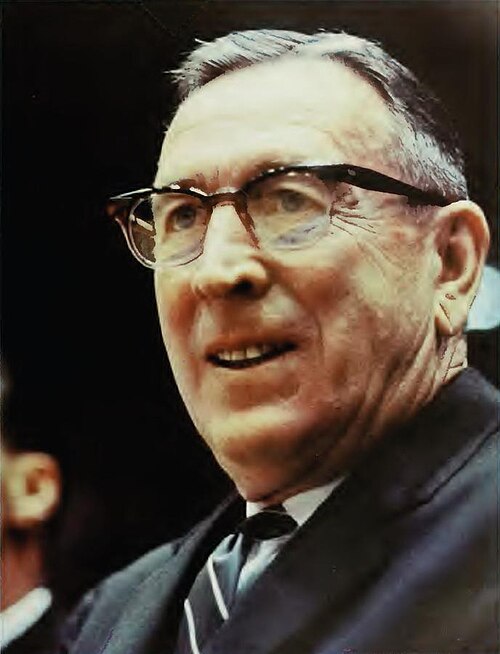
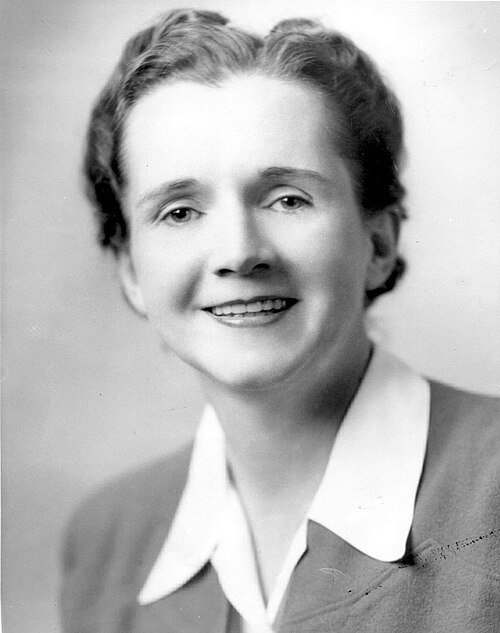
Hitler & StalinBill GatesJesusJohn WoodenRachel Carson
Historians have struggled with Diamond’s idea of great leaders for centuries. He offers a conclusion that sits on a fence between leader’s strengths, weaknesses, and the social conditions of the time in which they lead. Diamond argues leaders’ matter, but their impact depends on energetic ambition, personal drive, and, most importantly, the social circumstances of the era in which they live.
Opportunity and risk.
Historical conditions create opportunities and risks. A leader capitalizes on personal attitude, and a vision of the time in which they live. A leaders’ interpretation of experiences in their personal lives and the events of the society in which they live, at the time of their rise to leadership, determine their success or failure. All of these characteristics are noted in “Profits, Prophets, Coaches and Kings (When Do Leaders Matter?)”.
WINSTON CHURCHILL (1874-1965)
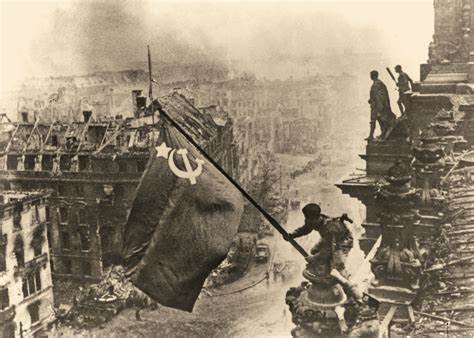
A political example of Diamond’s point is the advent of WWII. When analyzing an event like WWII, Winston Churchill’s life experience and the society and economy of the country in which he is raised are entirely different from what Adoph Hitler’s life experience and German society foretells. Churchill and Hitler tapped into the strengths and weaknesses of their societies to exercise similar but different leadership skills. Hitler uses his military experience, abhorrent prejudices, and oratorical skills to create a fascist state. The personal experiences of Hitler’s life are imprisonment, poverty, and created prejudices that resonate with Germany’s roaring twenties feelings of powerlessness. The burden of WWI reparations is crippling German society. In contrast to Hitler, Churchill uses his war experience, oratorical skill, and patrician life of privilege to martial the forces of the West against Germany’s invasion of Poland, the precursor to WWII.
The fall of Germany in WWII.
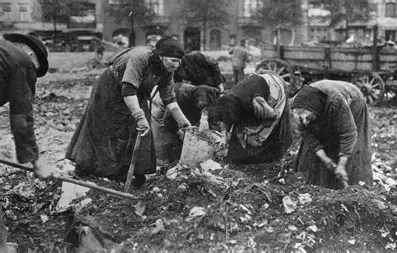
Germany’s hyper-inflation caused by the financial burden of reparation imbued German citizens with a sense of powerlessness in their lives. Hyper-inflation and a weakened German economy made Western Powers’ reparations an impossible obligation for the German people to meet.
Hitler appears to have overcome personal hardship and gained ground in German politics by cleverly currying favor with German leaders in this time of economic hardship. Hitler gains a platform for addressing German citizen’s social discontent. He offers a message that resonates and rewards citizens who are drawn into Hitler’s belief that the world unjustly penalizes Germany for WWI. Hitler capitalizes on citizens’ powerlessness by rebuilding the German army as he gains political power. By invading Poland, and blaming others (particularly Jews) for the condition of German society, Hitler’s power and influence increases. He appeals to German society in ways that diminish rationality by blaming others for the ills of a collapsing the economy.
Poverty, raised taxes, and helplessness in Germany before WWII.
Hitler operates within social conditions that are present in Germany at the time of his leadership ascension. Hitler is suited to the moment because of his personal life and developed oratorical skill that overcome feelings of powerlessness. His idea is to blame others for German poverty and hyperinflation which resonates with many German citizens.
Invading Poland becomes the western world’s cost for unfair reparations that make Hitler an early hero of many German citizens. It is a small step for Hitler to organize blame for Germany’s economic crisis on Jews with tacit, if not complicit, cooperation of many who wished for a scapegoat for Germany’s economic collapse. Hitler uses learned oratorial skill to capitalize on feelings of citizen powerlessness to become Germany’s autocratic leader.
Hitler starts acting like a King.
Once the general population accepts Hitler as leader, he has sovereign authority to act like a King. He chooses to invade Poland. As Germany’s new leader, Hitler creates a nationalist agenda to rebuild Germany as one of the great powers. Initially, the international community is not prepared to respond. Another world war appears in the offing. Is that because of Hitler’s decisions or the circumstances of the time and the mistakes engendered by the Treaty of Versailles?
Diamond implies WWII is not solely because of Adolph Hitler but of a confluence of his leadership skill and the social condition brought about by WWI reparations. That is the theme of Diamond’s argument for “When Leaders do Matter”. They matter when a society, a business, a sports team, or a religion is floundering and seeks someone to lead them out of a crisis. The tragedy of that truth is that it is as possible for there to be a Hitler as a Lincoln to come to the aid of a society in crisis.
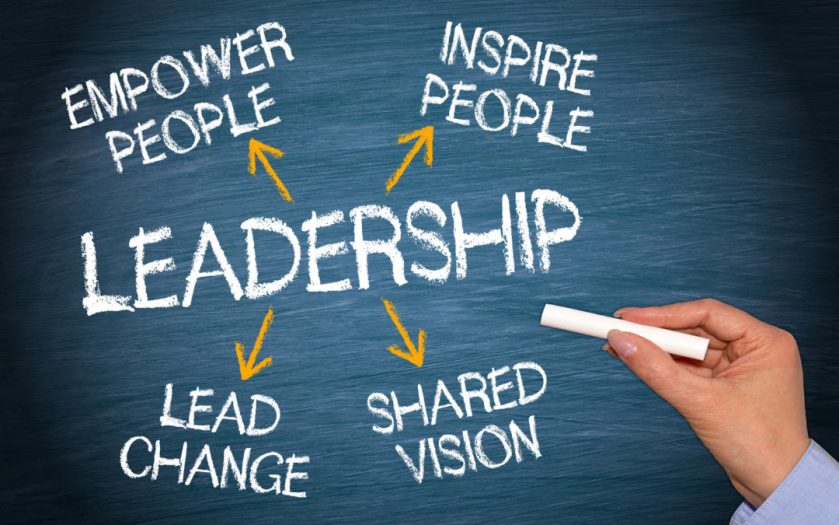
Qualities of leadership.
The author concludes powerful political, economic, religious, and sport’s leaders are driven personalities who serendipitously capitalize on social crises. Diamond implies no great leader, or entrepreneur is likely to succeed without an evident political, economic, religious or sport’s crisis felt by a concerned societal group. Of course, talent, intelligence, and ambition are essential for a leader to become successful (meaning powerfully good or bad), but a societies geographic, economic, and institutional environment play a big part in their success as leaders. Diamond concludes that if great leaders of an era are taken out of their time, their success or failure is likely to be different.
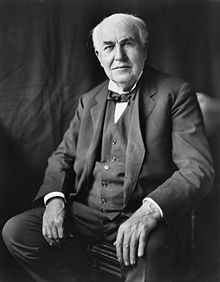
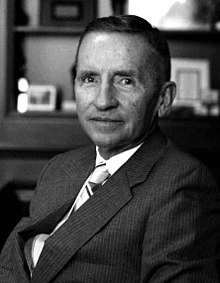
THOMAS EDISION (1847-1931, AMERICAN INVENTOR, BUSINESSMAN CONSIDERED BY SOME TO BE AMERICA’S GREATEST INVENTOR)John Wooden (Basketball Coach)Ross PerotWILLIAM KOCH (AMERICAN BUSINESSMAN, SAILOR, AND COLLECTOR)JAY-Z (BUSINESS MOGUL, ENTERTAINER)
Diamond argues this is true, not only for political leaders, but business moguls, sports coaches, and religion leaders. Every successful leader has followers that are grounded in societal influences that reinforce leaders’ success.
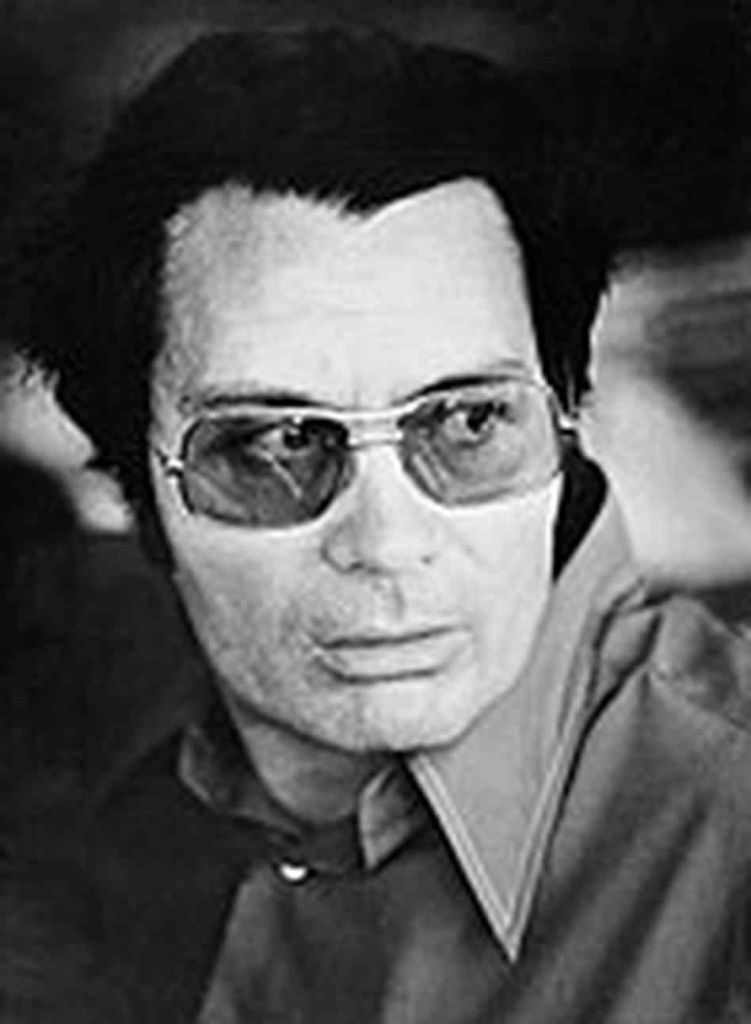
Those leaders who succeed have independent skill, but their success lies not only with their personal skill but with the people who choose to follow. Three examples given by Diamond are Bill Gates, John Wooden, and the infamous Jim Jones.
Computer generation.
The personal computer revolution had already begun when Bill Gates hit the scene. Semiconductor technology was advancing rapidly. Large markets for software were being developed. New companies were popping up every day. Diamond explains that Gates gained technical competence in the field of computers with a vision for licensing software and creating a platform for computing. Gates plowed fertile ground because of the many people who were interested in the technology of computers. He helped shape the wave of computer technology but only because of the society in which he lived. He is aided by his parents and the education he received but market recognition of the potential of computerization was already there for the taking. It is the same acceptance Hitler received from the German people before the advent of WWII.
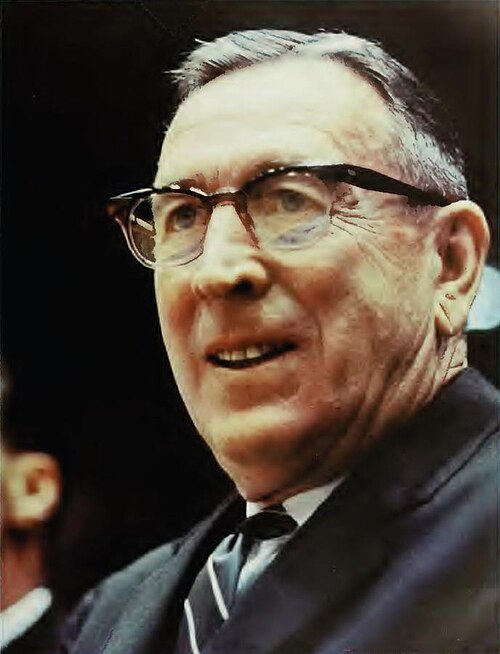
John Wooden (Led UCLA to 10 NCAA championships, the first to enter the Basketball Hall of Fame.)
The legendary John Wooden is Diamond’s example of great coaches who excelled in basketball. The measure of his success is not the wealth he gained from his coaching skill but from the number of championships his teams achieved in his career. Wooden won 10 NCAA men’s basketball national championships in 12 seasons as the coach of the UCLA Bruins. Seven of those wins were consecutive between 1967 and 1973, an unbroken record. His teams achieved 12 Final Four appearances. In his career he had a record of 664 wins which is over 80 percent of the games his team played. Wooden’s success has never been equaled which shows how important a great leader can be, but he is supported by the wealth of UCLA and an athlete recruitment system that brings great athletes to the university.
Religious leaders.
The last chapters of Diamond’s book address religious leadership. To many listener/readers, his analysis is likely to be offensive. To this reviewer, Diamond’s history is insightful but somewhat biased in that religion has been a builder as well as a destroyer of society. His emphasis is on religion’s destructive history. As a personal non-believer, Diamond reinforces atheism. History shows that religion has aided human care for others despite its ongoing destructive history which is evidenced today in the hostility between America and Iran that is supported by many religious believers. Innocent people on both sides of conflicts about religion are inevitably killed.
Diamond also gives the example of Jim Jones–
As a leader of a purported religion, Jim Jones induces men, women, and children to drink a cyanide concoction that kills 918 followers in Jonestown, Guyana on the northern coast of South America in the 1970s.
Diamond shows leaders are human which by definition makes them imperfect.
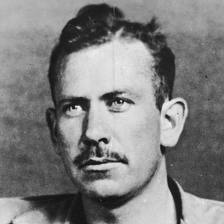
John Steinbeck (1902-1968, author, Nobel prize winner who wrote 25 novels.)
John Steinbeck’s ability to vivify the lives of the middle and lower classes make stories like “Cannery Row” clear and poignant visions of America. Though published in 1945, “Cannery Row” focuses on a segment of working-class people in Monterey, California, a community about 120 miles south of San Francisco. It is located in an industrial waterfront area lined with boat docks and fish canneries.
Cannery Row as it was in the 1940s.
As a community of people who are mostly manual laborers with immigrants and a few professionals, Steinbeck paints a picture of America that resonates with the 21st century; i.e., at least before the current government administration. The sardine industry, like ocean harvesting today, is teetering on collapse in the late 1940s because of overfishing and environmental change. However, Steinbeck shows the human truth of how an industry grows out of the value of immigrants and the middle class in capitalist America. He offers a historical snapshot of the importance of both immigrant and born-in-America citizens that demonstrate the best of what capitalism offers working families.
Working in America.
Working families in the era of midcentury America came from all over the world. Steinbeck paints a picture of a Chinese immigrant who measures the worth of human beings and makes the best of what they offer by recognizing “no” is often the wrong answer to those who try to take advantage of others. This Chinese American opens a grocery store and measures his success by working within the limits of Americans’ ability to pay for what they need to survive. He offers credit, with limits, to his customers and works with them to maintain his livelihood and invest in other properties when opportunities present themselves. He is approached by homeless laborers about living in a warehouse property that has been vacant for some time. He has purchased the property as an investment. They offer no payment for the shelter, but he reasons if he says no, they will take what they are not given, damage his building, and ruin its potential value. On the other hand, if he says yes, they will occupy the building, be customers of his store, improve his income, and take care of his property that will increase in value over time.
Community leaders.
A highlight of Steinbeck’s insightful story is a doctor who is the center of the community’s stability who exemplifies the best of what American life offers. The doctor is a highly respected, vociferous reader of books and a music lover, who cares for the health of those who live in Cannery row. Whether a woman who is working in a house of prostitution, a delinquent who breaks the law, or a fisherman who brings his crew to stir up a fight, the doctor is the glue that holds the community together.
America is and always should be a melting pot if one takes Steinbeck’s view of America as relevant.
Steinbeck’s stories show what makes capitalist America a melting pot of the world. Whether an immigrant, working person, delinquent juvenile, or community leader, every human being has value. Life in America is not easy, but it is worth everything that a sense of community can offer.
“Big Sister, Little Sister, Red Sister” shows that wealth, belief in something greater than oneself, and human relationship are the powers behind revolution.
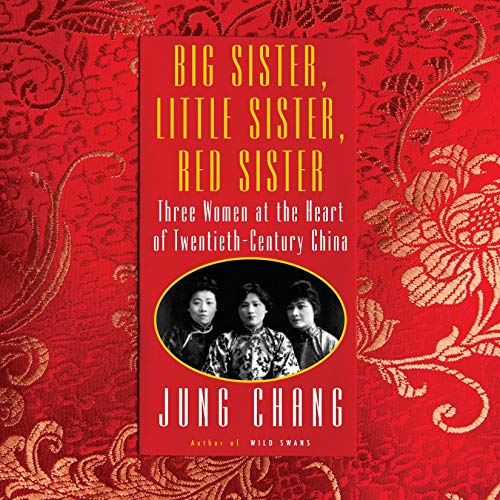
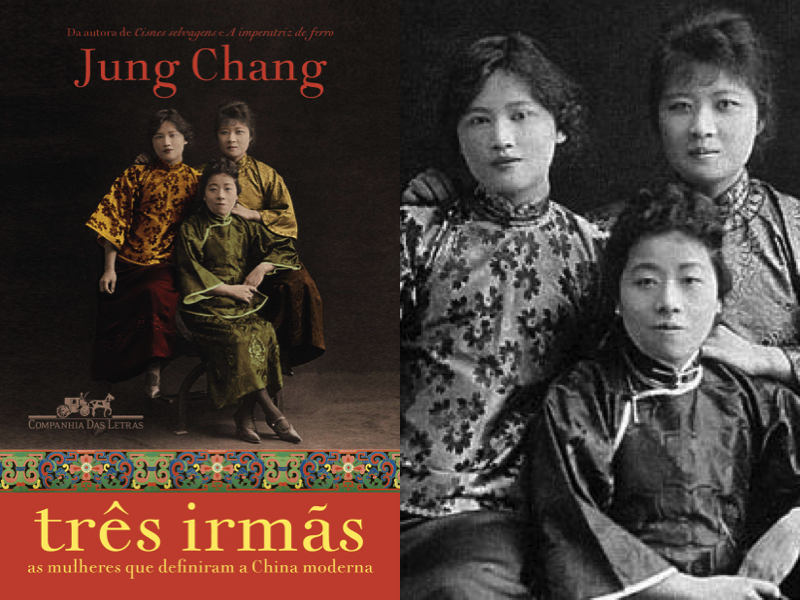
Big Sister, Little Sister, Red Sister (Three Women at the Heart of Twentieth-Century China.)
By: Jung Change
Narrated by: Catherine Ho
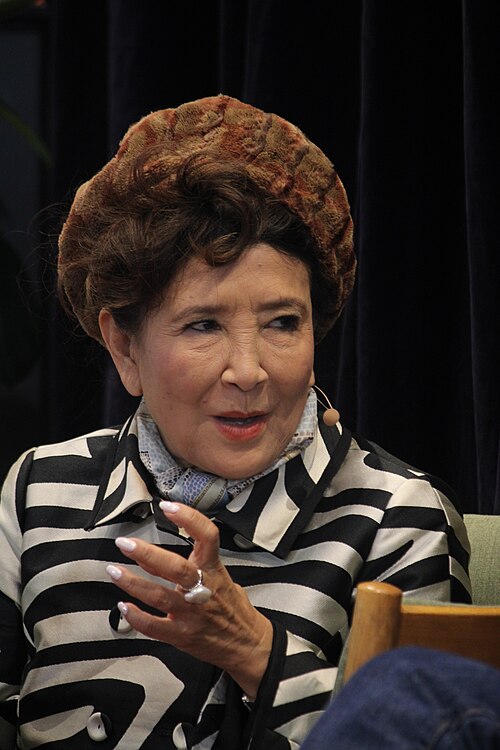
Jung Change (Author, Chinese-born British writer whose autobiography is banned in the Peoples Republic of China.)
“Big Sister, Little Sister, Red Sister” is an historically important book about major political struggles that have shaped modern China. It is a story of three sisters who were closely connected to early twentieth century China when it was teetering between being a Republic, independent of the West, and later a communist autocracy. Though China is not yet, by definition, a republic, twentieth century China seems destined to follow Sun Yat-sen’s “Three Principles of the People”. 1) Nationalism-being independent and sovereign. 2) Democracy with Executive, Legislative, Judicial, Examination, and Yuan Control branches 3) A government that attends to people’s livelihood concern including land reform, regulation of capital, and improved living standards for all.
Sun Yat-sen notes the Qing Empire’s decline and emphasizes a need for China’s sovereignty and unity as a singular nation. He insists on independence from the influence of the West. He demands reduction of foreign influence in China from unequal treaties between the West and China. He seeks political unity by reinforcing Chinese national identity. His goal is to establish China as a constitutional democracy in stages beginning with initial military rule but evolving through political tutelage of the people about democracy. His goals are delayed (if not defeated) by the class revolution led by Mao Zedong. China’s historical transition is viewed through the history of three sisters, one which is married to Sun Yat-sen, a second who marries Chiang Kai-shek, and a third older sister who holds the wealth behind the influences of their marriages.
The three sisters of the Soong family.
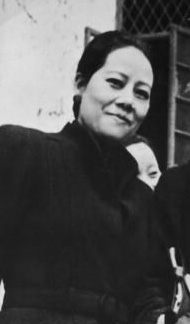
The oldest of the three sisters creates wealth through personal effort and a marriage to H. H. Kung, one of the wealthiest financiers and businessmen in China. All three sisters are educated in the United States. Their father was a Methodist Christian minister educated in America. The oldest sister (Big Sister), Soong Ai-ling became one of China’s wealthiest women. “Red Sister” married Sun Yat-sen, the founder of the Chinese Republic who served as a high-ranking member of early 20th century rule of China. “Little Sister” married Chiang Kai-shek, the leader of Nationalist China.
Soong Ai-ling (Graduated for Wesleyan College, became a secretary for Sun Yat-sen.)
CHIANG KAI-SHEK (China’s ruler from 1928-1948)
Jung Change’s story unfortunately obscures the momentous differences between Chiang Kai-shek’s and Mao Zedong’s rule of China with a somewhat ponderous history of the marriages of two of three daughters born in the Soong family. All three sisters are raised as Methodists in America. Chiang Kai-shek ruled China from 1928 to 1948 and governed Taiwan until 1975. His rule is guided by the political beliefs of Sun Yat-sen.
Chiang Kai-shek ruled China as a nationalist one-party state under the Kuomintang (KMT) while Mao ruled China under the Chinese Communist Party. Mao also used the KMT to enforce his rule as leader of the CCP. The contrast between these two rulers is poorly organized in the writing of “Big Sister, Little Sister, Red Sister”. The author’s history obscures, if not diminishes, the book’s historical importance. It reveals many interesting and surprising facts about early and mid-century China, but the author’s focus is too fragmented.
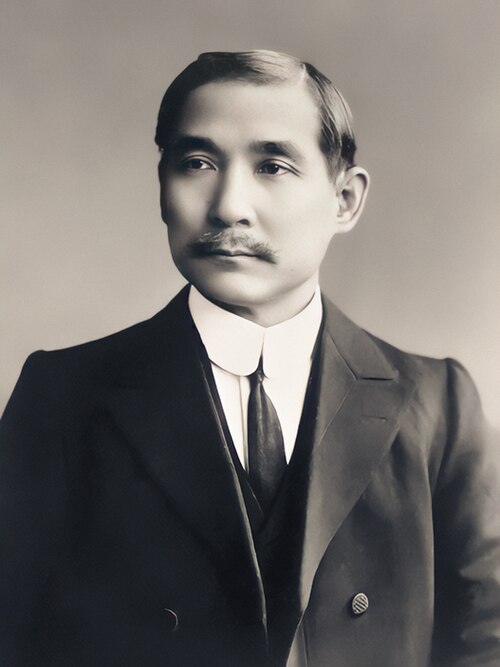
Sun Yat-sen (Chinese physician, revolutionary and political philosopher who founded the Kuomintang and set the table for what became Taiwan.)
Chiang Kai-shek adopts Sun Yat-sen’s “Three Principles of the People” in his rule of China. The Kuomintang enforces the principle of unity of China with the presumed intent to democratize the government in the future as was envisioned by Sun Yat-sen. Democratization would take time to educate citizens on the principals of political representation. The KMT would exercise military rule until the principals of representation could be understood by China’s citizens. Even when Chiang is exiled in Taiwan, the KMT is in control of its citizens until Chiang’s death. Chiang dies from pneumonia and other ailments in 1975. Taiwan did evolve, as Sun predicted, into a democracy similar to America’s after Chiang’s death. Taiwan endorsed fully competitive elections in 1992 and had its first direct presidential election in 1996. This seems a fulfillment of Sun Yat-sen’s longer-term goal in the “Three Principles of the People”. Sun Yat-sen died from liver cancer in 1925. He was 58 years old.
Rules of nation-state leadership and representation had to be taught to the citizens in Sun’s view of China’s future.
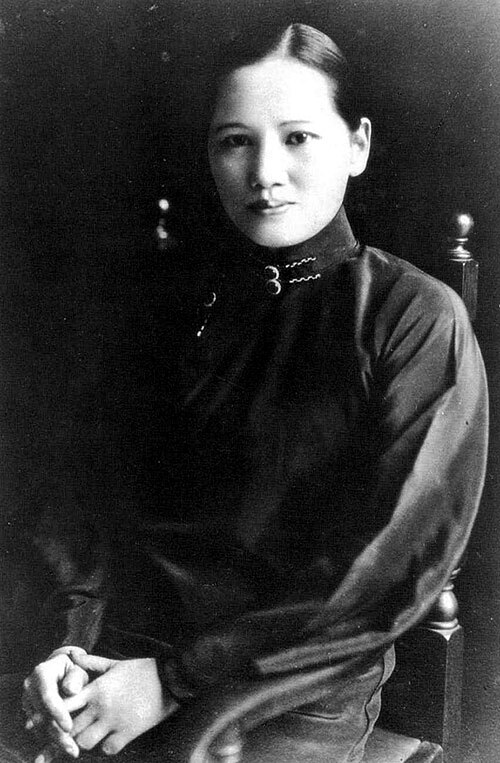
The two sisters of the wealthy Soong family are shown to have had an important impact on the philosophy of rule in China. Sun Yat-sen’s ambition and beliefs gained credibility by being married to a daughter of the wealthy Soong family. Soong Ching-ling is celebrated as the “Mother of Modern China”. She becomes the bridge between Sun Yat-sen’s political beliefs and what became Communist China when Mao Zedong rose to power. Sun Yat-sen’s wife stayed in mainland China and supported the new Communist government.
Soong Mei-ling (First Lady of the Republic of China, wife of Chiang Kai-shek.)
As the wife of Chiang Kai-shek, Soong Mei-ling became the ambassador of China to the West. Because of her fluency in the English language, she helped America understand Chinese government’s relationship to the West. She secures American sympathy during China’s war against Japan and acts as an intermediary between Chinese and American leaders with her intimate understanding of both cultures.
Soong Ching-ling (Chinese politician and activist wife of Sun Yat-sen.)
In contrast to Soong Ching-ling, Soong Mei-ling leaves mainland China to follow her husband to Taiwan. After her husband’s death in 1975, she returns to the United States and dies in New York at the age of 105. In the end, the three sisters were closely allied with China but ended up on opposite sides of the 2oth century’s greatest ideological divide. Soong Ching-ling (Sun Yat-sen’s widow) became a firm believer in Communist China. Soong Mei-ling sided with her husband and became a leading figure in Nationalist Taiwan, while Soong Ai-ling, the oldest and wealthiest of the three, chose to leave China and return to the United States.
It is surprising to find that three Chinese sisters with American Christian backgrounds had prominent roles in China’s twentieth century leadership. “Big Sister, Little Sister, Red Sister” shows that wealth, belief in something greater than oneself, and human relationship are the powers behind revolution.
Simone de Beauvoir’s argument for women’s equality may be broadened to argue that every human being should have an equal opportunity to achieve social equality and economic independence.
Books of Interest Website: chetyarbrough.blog
“The Second Sex”
Author: Simone de Beauvoir & 2 more
Narration by: Ellen Archer & 1 more
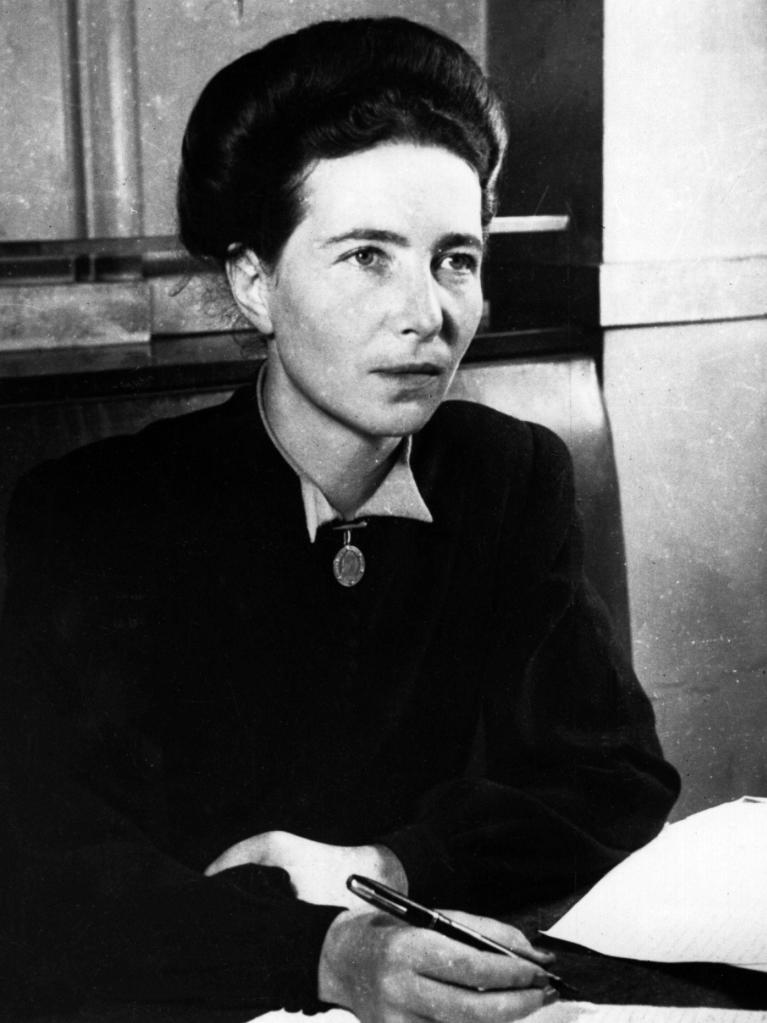
Simone de Beauvoir (French existential philosopher, writer, social theorist, and feminist activist.)
Because “The Second Sex” is a translation, there are two translators who interpret the writing of this brilliant French author. Simone de Beauvoir’s social, cultural, and historical analysis of women’s societal inequality forcibly reinforces the need for human equality in the world. Despite that truth, women and minorities throughout history have been treated unequally.
It is absurd to think that 49.7% of the world population may be treated less equally than men.
Simone de Beauvoir’s history shows women are not afforded the equal opportunity of men despite baring children who sustain the human race. In the early days of human existence de Beauvoir notes difference in strength between men and women may have led to a mistaken belief that the sexes are unequal. As the centuries pass, de Beauvoir argues strength difference undoubtedly influenced the perceived role of women in the world. In the industrial age, with the advance of machine power, strength became less and less a distinction between the sexes. Machine power should have led to a better understanding of human equality. However, de Beauvoir suggests experience and history of past lives seems to have set a societal belief in sexual inequality that is, at best, only slowly being reversed.
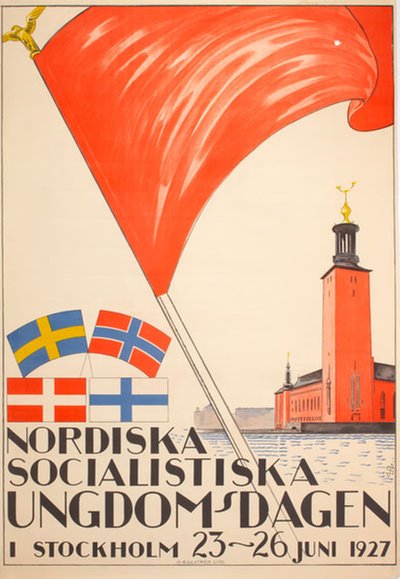
Sweden begins to rectify inequality in the early 20th century but even it fails to change entrenched belief in sexual inequality.
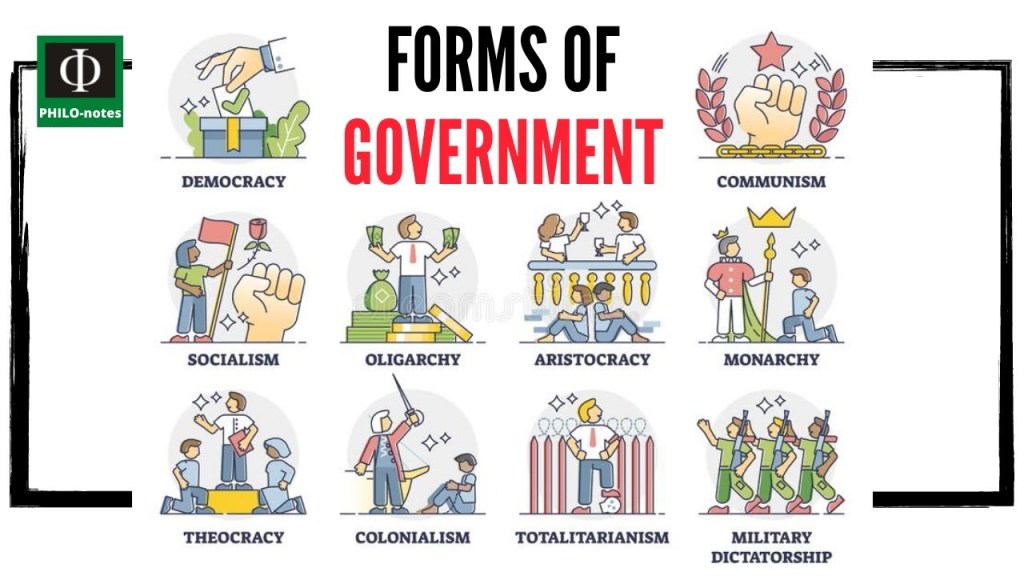
The rise of communism in 1917 became a frontline movement for sexual equality. The role of women in Russia changes in both war and peace with women assuming roles of combatant, worker, as well as child bearer. Ms. de Beauvoir believes neither communism nor Sweden’s policies eliminate sexual inequality. Socialism and communism helped but patriarchy is not eliminated by equal economic opportunity or alleged women’s liberation. Despite Sweden’s formalization of legal equalization of the sexes, the cultural expectations about femininity, motherhood, and men’s domination have been accepted in most, if not all, nations of the world. Neither socialism nor communism fully remove the learned behaviors of human history. Simone de Beauvoir’s point is that laws and economic systems have not erased generations of human history but rather assumed or endorsed sexual discrimination.
The conclusion de Beauvoir has is that no form of government by itself has successfully eliminated discrimination based on sexual identity.
The interpretation of natural bodily functions in women’s lives like menstruation is noted by de Beauvoir as interpreted by men and accepted by society as a biological “otherness” that is (at least in 1949) viewed as impure and pathological. Menstruation is viewed as a symptom of women that makes them less than fully human. This natural cleansing of a female reproductive system is viewed as a time of emotional instability that makes women unclean and an example of their being less equal to men. Menstruation is something that identifies women as the “other” rather than the equal of human beings. (The truth only changes beliefs slowly.)
Simone de Beauvoir’s argument for women’s equality is expandable in that every human being should have an equal opportunity to achieve social equality and economic independence. The designers of the American Constitution understood this principle but, like the rest of the world’s population, fail to practice it. Social inequality remains a problem for democracy and all known forms of government.
Simone de Beauvoir explains women’s natural reproductive system differences are interpreted by society as a measure of human inequality.
One listens to de Beauvoir’s book and realizes what she has written about sexual inequality as a person who has experienced it. Inequality has diminished in 21st century America with increases in women’s opportunities without marrying or committing to a relationship with a male. Though de Beauvoir published her book in 1949, the difference today is in degree because economic independence remains a greater struggle for women than men in America. Too many young women are working for wages that require help from a relationship with men to meet their cost-of-living for a decent life. Being able to make a decent living is true of all poor Americans, but it is more widely experienced by women because they are half the human race.
Because the author’s focus is on women, she argues every woman should have control over their reproductive rights, be treated equally in the culture in which they live and be able to transform false beliefs of inferiority based on accomplishment, not on false societal beliefs. In some ways, today’s America is regressing as is evidenced by 21st century policies on reproductive rights. Simone de Beauvoir goes on to give many examples of how differences between men and women reinforce the false belief of sexual inequality.
Boyne writes an enlightening story about human judgement and feelings and how one may respond to memories of horrific events in one’s life.
Books of Interest Website: chetyarbrough.blog
“All the Broken Places” (A Novel)
Author:John Boyne
Narration by: Kristin Atherton & 1 more
John Boyne (Irish novelist and writer.)
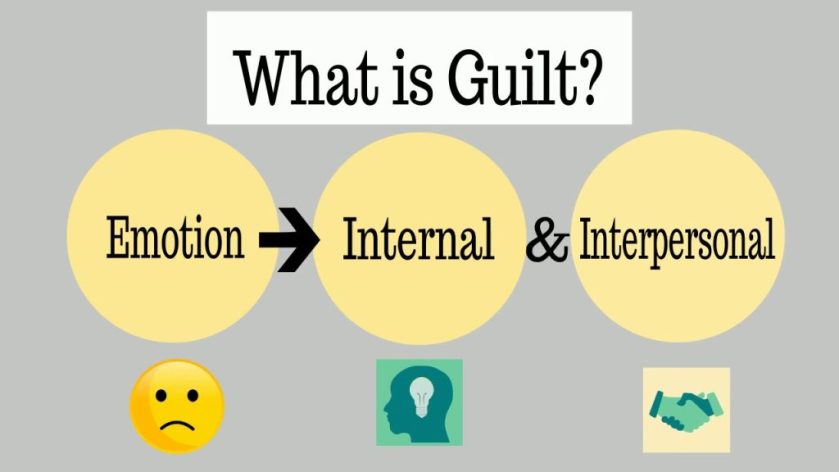
“All the Broken Places” is a creative story about guilt, memory, responsibility, and redemption. It jumps back and forth in time with too many characters. However, it reflects on the terrible consequences of WWII and its survivors who are victims of Nazi Germany’s holocaust. It is about one woman’s long life who is a child when her father is a German Commandant and a mother, who is aware, if not complicit, of holocaust’ crimes at Auschwitz.
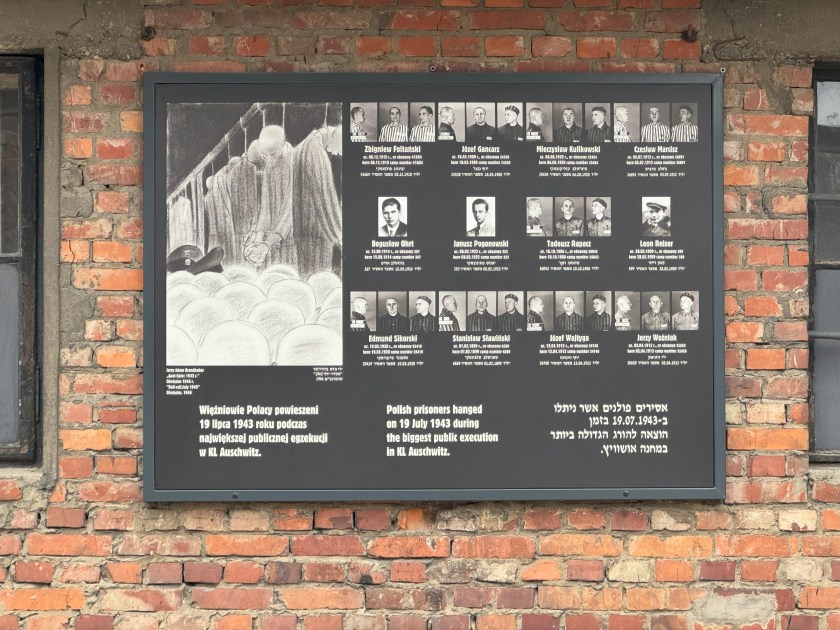
Photo of victims taken in a 2024 trip to Auschwitz.
There seems an injustice to punishing a 12-year old’s growth to adulthood for the crimes of her father, despite his horrific acts as a commandant at Auschwitz. The pain of those who lost their loved ones from WWII and the atrocities of Germany in death camps is unimaginable to most who are alive in the 21st century. The injustice of the main character’s punishment from those who lost loved ones is equally unimaginable, but John Boyne writes a fictional story of Gretel who is a young girl punished by WWII allied survivors when she and her mother move to Paris.
Teenager on the cusp of sexual awakening.
Gretel is at the age of development that has enough understanding of guilt to feel it for what her father did during the war. She is also at the age of sexual awakening. The story is about Gretel from the age of 12 to 91 when she is living in London near the end of her life. At the age of 12, she is aware of her father’s role as a commandant at Auschwitz. A reader/listener is put in the position of asking oneself if that makes Gretel complicit in the horror of the holocaust? Because her mother relies on her husband for their financial well-being, is she guilty of the crimes her husband is perpetrating at the order of the Nazi government? Can one think a 12-year-old is complicit?
Can one be guilty of events for which they have no control over, or responsibility.
The life of Gretel is an exploration of one’s guilt, memory, and responsibility for the holocaust and deaths from WWII. Gretel keeps her childhood connection to Nazi Germany secret throughout her adult life. She is the older sister of Bruno, her brother, who dies as a child during the war. His death occurs at Auschwitz in circumstances that reinforce the horror of the camp. Elsa is Gretel’s mother who searches for a husband to take care of them in their move to Paris. As Gretel matures, her guilt about her father’s role in Nazi Germany rises.
As Gretel’s mother finds a match for a husband, Gretel is experiencing the teenage years of maturity where sexuality increasingly occupies her thoughts.
Gretel becomes obsessed with a handsome young boy whose father owns a small business in Paris. She puts herself forward to the boy as a possible companion for her sexual awakening. Ironically, this young boy becomes an accomplice to a punishment organized by the community to attack Gretel and her mother for being associated with the Auschwitz’ commandant. Gretel and her mother are attacked and brutally scalped by an organized mob of local residents.
The author recounts Gretel’s years of life and travels that take her from France to Australia and a retirement home in London. She never escapes her feelings of guilt and memories of a life unhappily lived. To complicate her life, she sees one of the German officers who worked for her father when she lives in Australia. Kurt Kozel, whose name is actually Kurt Kotler, has survived the war, hidden his war identity, is married, and has a young son. What happens next draws one further into the theme of the author’s story about guilt and how it can affect one’s behavior.
Boyne writes an enlightening story about human judgement and feelings and how one may respond to memories of horrific events in one’s life.
H.G. Well’s interesting message is that human beings may not be able to save themselves from a technologically superior foreign invasion, but established societies and culture are more enduring than technological superiority. Wells is suggesting an invasion by a technologically superior force does not eradicate a society but changes it.
Books of Interest Website: chetyarbrough.blog
“The War of the Worlds”
Author: H. G. Wells
Narration by: Christopher Hurt
H. G. Wells (1866-1946, English novelist, journalist, sociologist, and historian.)
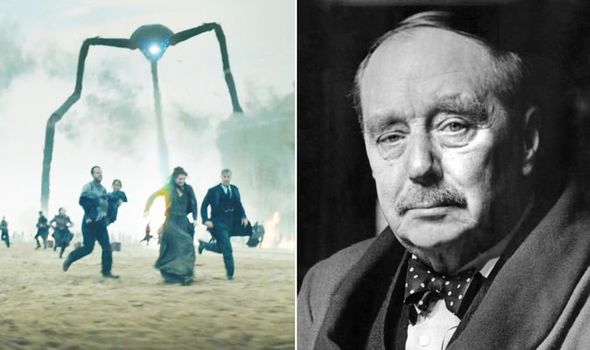
“The War of the Worlds” is an odd book. Published in 1898 when the British Empire was near the height of its global power and prestige. It shakes the foundations of world hegemonic ambition. Listening to the book in the 21st century, it has relevance but in today’s hearing it seems too long and melodramatic. Giant fighting machines, heat rays, black smoke chemical weapons, city panic, and refugee flight are too familiar in today’s world. The shock value of a Martian invasion is lost. However, in the reality of a horrific war by Russia on the Ukrainian people, America’s bombing of Iran’s citizens, and Iran’s brutalization and torture of its people make “The War of the Worlds” as important and relevant today as when it was written.
H.G. Well’s Martian Invasion
Most of Wells’ book appears to say an invasion by technologically superior Martians will dominate the earth. What Wells shows is that technological superiority is not enough to conquer the world. As the British army and its weaponry fail to defeat the Martians, Earth’s natural pathogens and environment is shown to seriously challenge Martian’ survival. Technological superiority is not enough to win a war. A combination of nature’s pathogens and human resistance are challenges that suggest, despite technological superiority, singular societies ultimately prevail. History shows that eternal domination of an independent distinct society is unlikely to prevail. A distinct society may change from the influence of an invasion, but it does not disappear, it adapts. Glasnost is evidence of that truth when the former nations that were part of the U.S.S.R. reestablish themselves as independent societies that do not entirely abandon the influence of Russian domination. Native tribes that lived in what became the United States retain much of their social identity despite America’s English occupiers.
H.G. Well’s interesting message is that human beings may not be able to save themselves from a technologically superior foreign invasion, but established societies and culture are more enduring than technological superiority. Wells is suggesting an invasion by a technologically superior force does not eradicate a society but changes it.
One remains skeptical of Landemore’s solution, but America and other purported democracies need to wake up to unequal representation in government rule.
Books of Interest Website: chetyarbrough.blog
Politics Without Politicians (The Case for Citizen Rule)
Author: Hélène Landemore
Narration by: Hélène Landemore
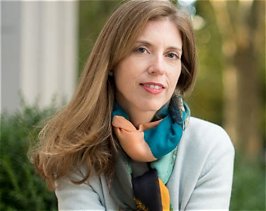
Hélène Landemore, (French professor of political science at Yale University. Received a PhD from Harvard with a thesis on the idea of collective intelligence.)
Hélène Landemore has a radical idea to replace professional politicians like those leading America, Great Britain, and her home country of France by a random selection of citizens to become their government’s legislators. Landemore is obviously an accomplished and well-educated person, but her idea of reform is a problem of scale and the faults of human nature. The complexity of managing any form of nation-state’ government requires more than inexperienced leaders whether elected or arbitrarily chosen. Her weak example is the ancient government of Athens. The size of Athen’s population was miniscule in comparison to today’s democratic countries. Athens is hardly a reasonable comparison to 21st century democracies. However, Landemore notes a fundamental truth about modern democracies.
The fundamental truth of Landemore’s political idea is better representation of the population needs to be created for democracy to survive and prosper.
Governance certainly requires more than deliberation. However, the solution cannot be arbitrary selection of representatives. There have to be fundamental qualifications for those who can represent their economic constituencies. They cannot have a criminal record, and their qualifications must conform to the characteristics of the constituency which they represent.
Capability and accountability become murkier with elected representatives that are inexperienced.
As popularly elected managers of people and bureaucracies, one’s ability to be re-elected may be the best measure of qualification for office. The length of a representative’s term would be limited based on equal representation and an age limit based on an annual mental competency assessment by a board of physicians beginning at age 65. One may argue voter representation would improve over time with popular re-election by those who continue to vote for the person they have chosen to represent their needs, subject to the age 65 competency assessments. This is a controversial issue but with the availability of social security in America, this seems a responsible way of assuring competent constituent representation.
One should keep in mind that ambition is not always bad because people like Lincoln, FDR, Mandela, and Havel were driven personalities. However, poor representative elections of the mostly financially secure and privileged undermines equal representation. Professional politicians elected by wealthy supporters encourage corruption, self-serving legislation, and detachment from the general population. But critics argue that in large societies some form of political specialization is unavoidable, just as medicine requires doctors and law requires lawyers. The question may not be whether politics can exist without politicians, but how politicians can be more representative of all; i.e., including the rich, poor and those who have chosen to be or are inadequately educated.
Presidents can be corrupt, self-serving, and detached. In theory, checks and balances by a wider swarth of Congressional representatives would counter polices of a corrupt President.
Scaling of a more representative body would be the greatest challenge to democracies like America, Great Britain, and France. Potential elected representatives who know or can learn how to assemble interested participants in governance must represent their constituency. The big “ask” of these new representatives is that they also work to gain some understanding of foreign policy, government military action, budgets, international trade, and pandemic management. Legitimacy of a constituency representative would be tied to elections that are central to the demographic interests they represent. One way for America to become more representative is to increase the size of the House of Representatives. The limit of 435 members was created in 1929 when the population was 1/3rd of what it is today.
Fairer representation of all is the preeminent goal of democratic governance. Trump is the antithesis of that goal.
One remains skeptical of Landemore’s solution, but America and other purported democracies need to wake up to unequal representation in government rule. The strongest single objection to Landemore’s political idea is in a method of election and government policy creation that offers fairer representation of all nation-states’ citizens. Her fundamental truth is that today’s professional politicians fail to represent the diversity of democracies’ citizens.