
Books of Interest
Website: chetyarbrough.blog
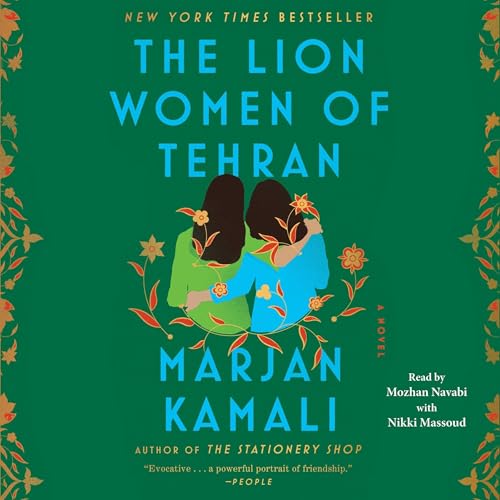
The Lion Women of Tehran
Author: Marjan Kamali
Narration by: Mozhan Navabi & 1 more

Marjan Kamali (Author, Iranian-American novelist, born in Turkey to Iranian parents, lived in Kenya and Iran before moving to the U.S. in 1982, received a BA in English literature from U. of California, an MBA from Columbia, and MFA from NY University.)
Marjan Kamali’s book is an informed fictional view of Iran in its transition from monarchy to Islamic Republic to an unknown future, i.e., a future made more complicated by America’s invasion. Its two main characters are Ellie and Homa, two pre-school children that grow to adulthood in Tehran. It is written by an author with Iranian parents that gives some credibility to her story about women in Iran during rule by a former Shah and today’s ayatollahs.


Kamali describes an upper-class Iranian family that experiences a fall from wealth and a return to the upper middle-class during the Shah’s reign. Ellie’s mother loses her husband to tuberculosis and has to leave their upper-class home because of his death. They move to a home in a lower-class neighborhood near the beginning of Ellie’s grade-school years. Ellie’s mother is crest-fallen by her move but appears to make the best of what she seems to believe is a temporary circumstance. In their fall from wealth, Ellie meets a precocious young girl of the same age. Her name is Homa.
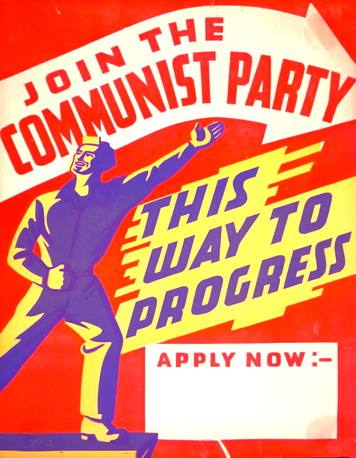
The ideals of communism is a preferred alternative to royal leadership by some Iranians.
Homa becomes Ellie’s friend and gives one an idea of the difference between families in the 1950s that have no wealth who might challenge monarchy for a different form of government. Homa’s father believes in communism and is imprisoned by the shah for his activity.
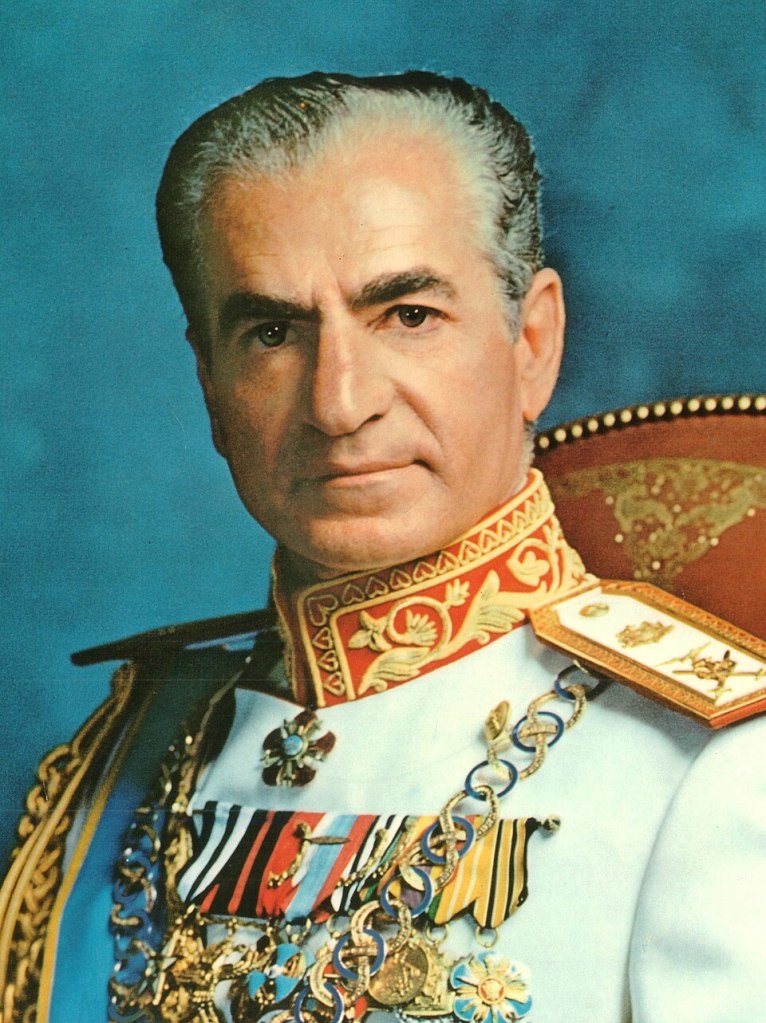
MOHAMMAD REZA SHA PAHLAVI (The deposed shah of Iran in 1979.)
Ellie, because of her upper-class upbringing, is initially reluctant to engage Homa but is lured into her orbit by her exuberant personality and Homa’s family’s friendliness. They become close friends despite their different economic backgrounds. What one gathers from Kamali’s story is an historical view of the circumstances of Iran before the revolution. Homa believes communism is a better form of government than rule by a King and chooses to follow her father’s beliefs. Homa is eventually imprisoned. However, her sentence includes being raped by her imprisoner. A daughter is born from that rape when she is eventually released. Iran of the 1950s is a country of the rich and poor with growing discontent with a monarchal government that seems to care little about the circumstances of the poor. An attempted coup in 1953 illustrates the rising dissent of the Iranian people.
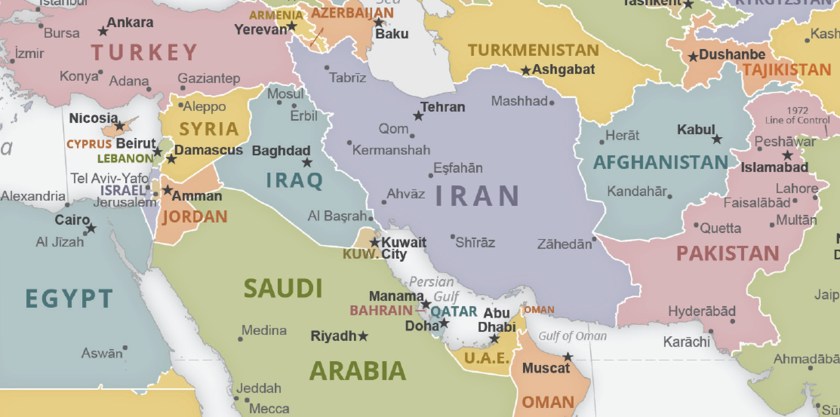
Ellie’s mother remarries and returns to an upper-class life and Ellie loses touch with Homa. In the 1960s, Ellie pursues higher education and re-connects with Homa at a school that Homa attends because of her intelligence, her earned income from part time work, and help from her family that supports her interest in becoming well-educated. The renewed friendship becomes a focus of great changes that eventually lead to the 1979 revolution.
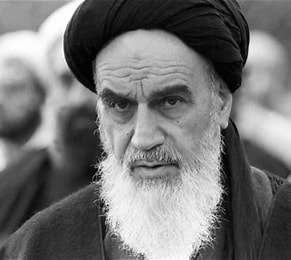

Kamali cleverly tells a story of three generations of women from Tehran who survive the 1979 revolution and the repression of the Ayatollahs in Iran. Ellie and Homa are the principal characters of “The Lion Women of Iran” but two girl descendants of Homa are meant to show the strength and continuity of Iran’s people. Whether Kamali’s fictional characters are real or not, the author’s point is that many Iranians are determined to have a country that is ruled better than by either a Shah or Ayatollah.
This is a powerful story that shows the strength and importance of women in Iran despite their harsh and unequal treatment.


