Books of Interest
Website: chetyarbrough.blog
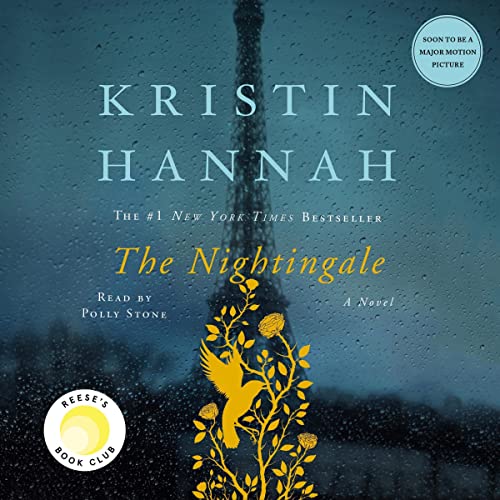
The Nightingale
By: Kristin Hannah
Narrated By: Polly Stone

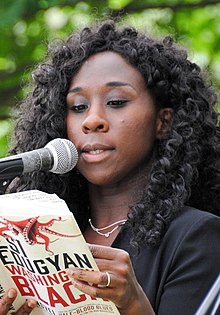
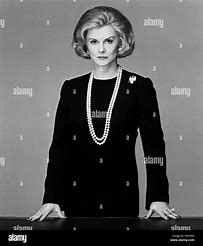
Kristin Hannah (Author)
History offers an opportunity to recognize mistakes of the past. Fiction offers tests for a future yet to be realized. The experience of history and written fiction offer behavioral change that can alter the future. However, the difficulty of future change is in understanding history and the limits of testing behavioral recommendations. “The Nightingale” is historical fiction.
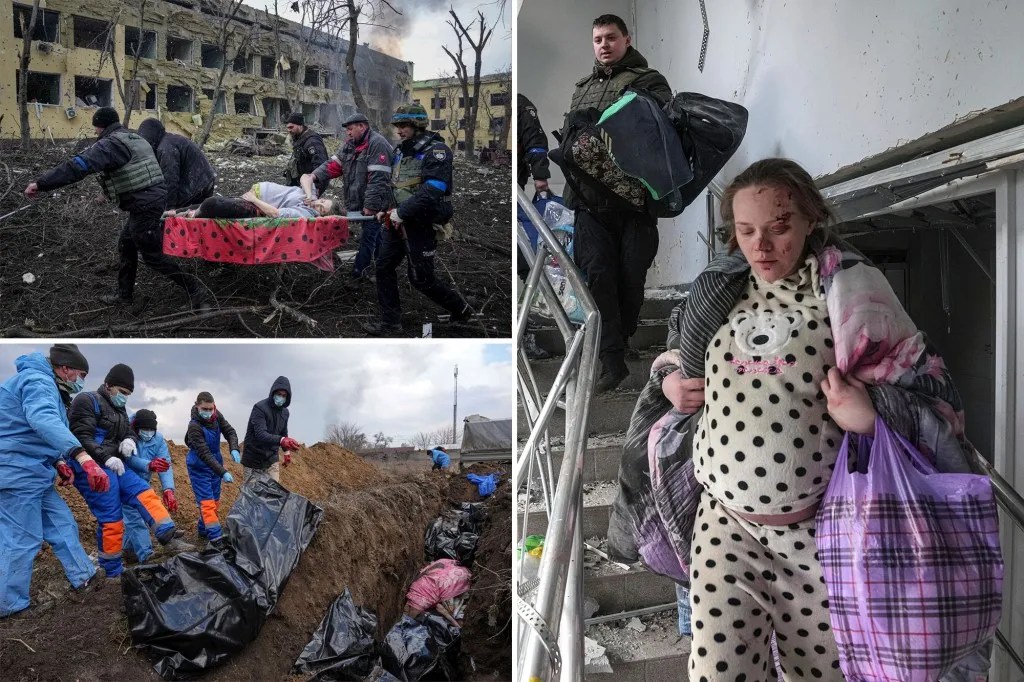

Importantly, it offers relevance to today’s war in Ukraine and Israel’s actions in the Middle East.
Kristin Hannah creates a French family during Germany’s occupation of France during WWII. The story begins with an elderly woman nearing the end of her life who climbs the stairs into her attic to pull out an old chest filled with memories of her life in France. Isabelle Rossignol is a fictional character who joins the resistance. Isabelle’s experience is a lesson to the world about occupation of foreign countries by others, whether democratic or authoritarian.

“The Nightingale” is about the French reaction to Nazi Germany’s occupation of France during WWII. Germany’s occupation of France did not Nazify the French just as Putin will not Russianize Ukraine or Israel will Israelize Palestine. War is not an act of diplomacy and occupation never offers peace.
Isabelle, from a cultural perspective, is a patriot of France. She fervently believes in the sovereignty of her country just as most who have lived in any culture in which they grow to become adults. A country that tries to dominate another sovereign nation takes on a cultural and economic burden too hard to bear in perpetuity. The difficulty lies in cultural ignorance and the hardship of changing a native population that is culturally reinforced by generations of human life.
(In a recent trip to the Baltics, the dislike of Russians is palpable. Part of the tour is of the terrible Russian jails, the stories of Russian torture and murder of dissidents, and the fear that was felt by the now grown children of parents who lived during the long Russian occupation of their countries. Today the Baltics are among the most modern countries in Eastern Europe, but that accomplishment only began after their liberation from Russian occupation.)
Upon occupation of a French town in which Isabelle lives, German soldiers are billeted in local residences.
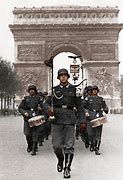
Isabelle lives in one of these residences as a teenage sister of Vianne whose French husband is alleged to be a POW in Germany. A German pilot is assigned to Vianne’s home. She has no realistic alternative to accepting the presence of a German officer in her home. He is a young man with a wife in Germany who politely explains he will be staying in their home while assigned to the Luftwaffe that occupies their town. Vianne objects but realizes she has little choice and takes the German officer into her house.
Wolfgang Beck, the German officer, speaks broken French but is able to communicate well enough to make the French family understand his demands. Isabelle, Vianne’s sister, is incensed by the intrusion and objects to his presence but realizes there is nothing she can do about it. As the story progresses, the Germans begin to exercise increasing control over the French population. The newly billeted officer at the Rossignol’ house seems respectful and apologetic as he moves into the family house.

An unspoken reason Vianne cooperates, though she has no choice, is she wishes to know the fate of her husband. A German officer might be able to find what happened to her husband.
The officer recognizes an opportunity to ingratiate himself to the family. He compiles a list of alleged POWs. Vianne finds her husband is at a particular POW camp, along with other captured combatants. The list Beck creates is an opportunity for wives, mothers, children, and girlfriends to send postcards to their loved ones. Vianne asks the German officer if he would send the postcards for wives wishing to communicate with their husbands and lovers who are now POWs. He agrees, and a strained level of cooperation is established.
As a local teacher, Vianne is asked by Officer Beck to provide a list of fellow teachers who are either Jewish or communist sympathizers.

At first, Vianne resists but eventually names names. The identified teachers mysteriously disappear from the school which is explained by known history of Nazi’ gas chambers and mass murders. Vianne belatedly realizes her error and is deeply remorseful for having given the names to the commander. She goes to a Catholic nun to explain her mistake and asks for advice. The nun treats her kindly and tells her to be careful about naming anyone that is requested by the Nazis. The nun offers advice about life being out of her control and that she should pray to God for guidance. This gives Vianne some comfort, but she recognizes her mistake while accepting the nun’s council. One thinks that was good for her but not for the missing Jews and communists. Vianne chooses to hide Jewish children from deportation as a way of compensating for her foolish mistake in listing Jewish teachers.
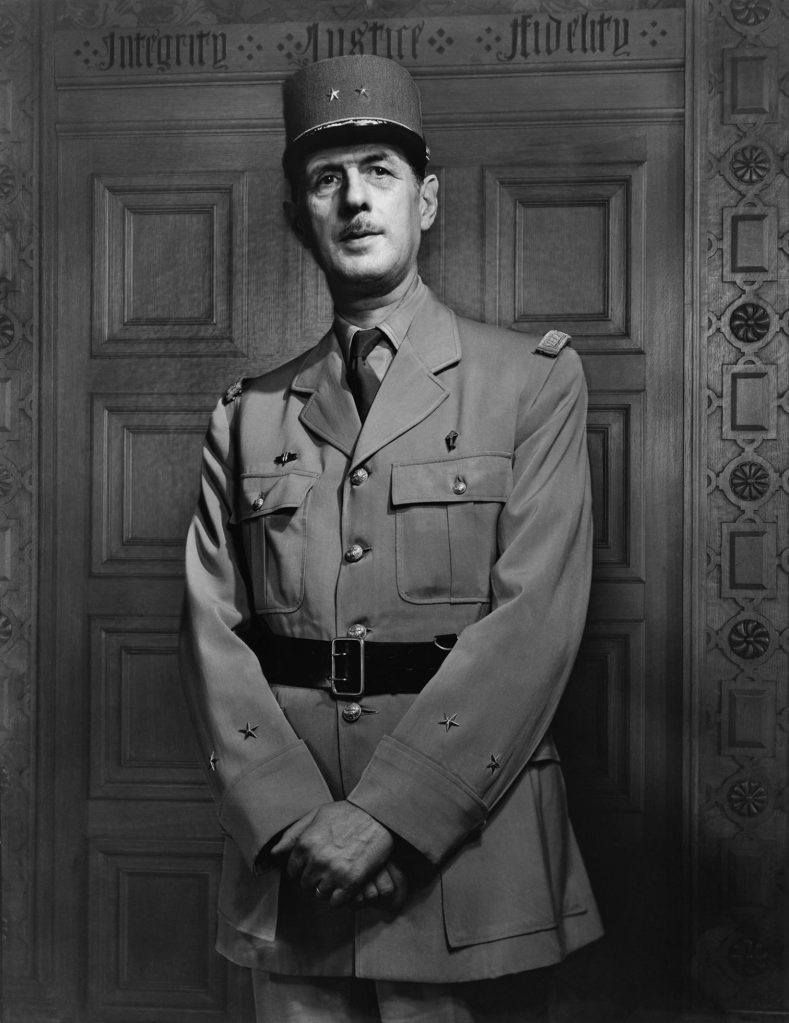
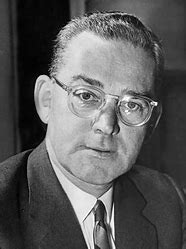
Charles de Gaulle (Leader of the Free French Forces during the Nazi occupation.)
Despite the outward appearing cooperation with German occupiers from some French citizens, there is a growing underground opposition. Isabelle becomes part of that opposition by distributing anti-German posters and aiding French resistance fighters who are wounded by German occupiers. The author offers many stories of the heroism of the French people and its underground during the war.
As the German army is nearing defeat, the brutality of the Germans in France escalates. The brutality of the story becomes numbing but gives one a clearer understanding of how humans endure under circumstances that can hardly be believed. Isabelle is caught, tortured and confesses to her identity as “The Nightingale”. She is sent to RAVENSBRüCK concentration camp. Her older sister is brutalized by her German guest who only becomes more brutal as the war nears its end. Both women survive the war in Hannah’s fictional story while reader/listeners are left to think about the brutality of war and occupation.

War and foreign countries occupation’ costs far exceed their value to either the victim’ countries or their victimizers.
So, what is the lesson of “The Nightengale”. Occupation may work for many years as it did in the Baltic countries. There are three reasons for occupation failures. One is failure to understand cultural difference, two is the rationale for one countries occupation of another, and three–the occupier’s failure to understand the real cost of occupation.
“The Nightengale” is a story that shows how occupation begins, how occupation fails, and why it’s tragic economic and human costs never end. Occupation is not an answer for Russia’s war on Ukraine or Israel’s war on Palestine. Occupation is only war by other means.