DEMOCRACY

Timothy Ryback’s history of Hitler’s rise in Germany is a reminder of how fragile democracy can be.

Audio-book Review
By Chet Yarbrough

(Blog:awalkingdelight)
 Website: chetyarbrough.blog

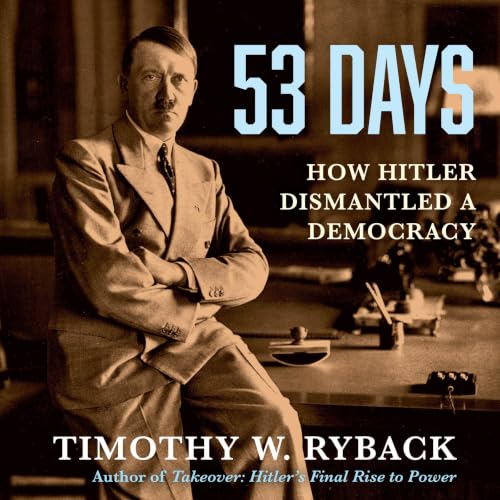
53 Days (How Hitler Dismantled a Democracy)

By: Timothy W. Ryback

Narrated by: Jacques Roy

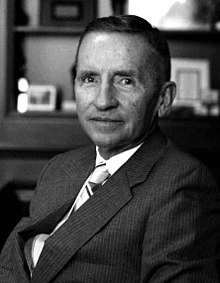
Timothy W. Ryback (Author, historian, director of the Institute for Historical Justice and Reconciliation in The Hague, former lecturer on Concentration of History and Literature at Harvard.)

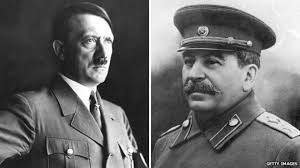
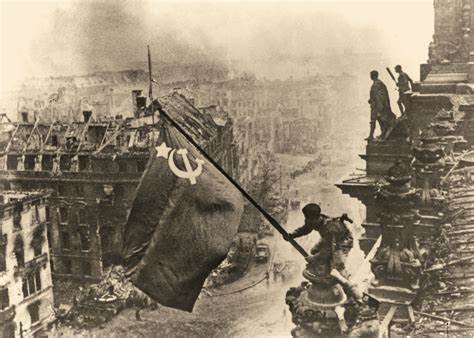
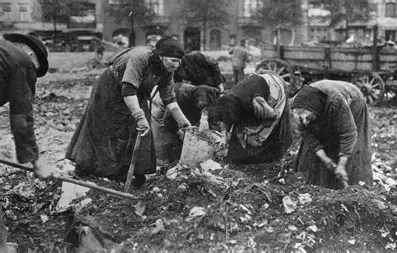
In writing “53 Days” Timothy Ryback identifies warning signs of democratic policy violations in Germany by Adolph Hitler in the 1930s. Hitler’s methodology is to attack institutions of government like the court system, the election process, government employment, and the media while blaming communist sympathizers trying to capture the government. The condition of the German economy is dire. Between 24 percent and 30 percent of Germany’s population were unemployed. Industrial output fell by 46%. A growing number of middle-class workers were losing their savings because of job losses. Faith in democracy collapses with citizens turning toward a belief in something different; i.e., either Communism or Nazism.
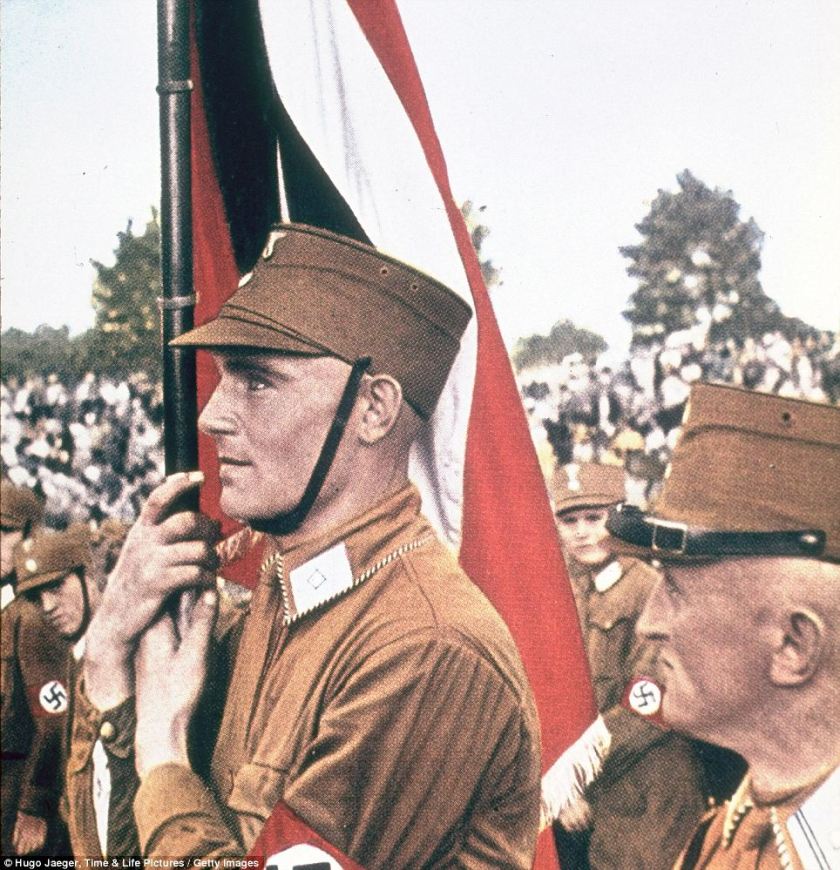
The Nazi party became the largest political force, though not a majority, in the 1932 election which gave legitimacy to the rise of Adolph Hitler.

Hitler preached power and refuses compromise. This nearly kills his appeal to the German majority but as Hitler exploits divisions among his rivals, their disorganization and infighting creates a vacuum that reduces resistance to the public’s interest in Hitler’s party. Most conservative leaders miscalculated the political appeal of Hitler. They took comfort in the appointment of President Hindenburg who expressed disdain for Hitler and his party platform. The tide soon turns with the suspicious Reichstag fire. (The suspicion is whether the fire is started by Nazis, the communists, or a lone arsonist unassociated with either party. The inference of the author is that it was a lone arsonist, but Hitler used the incident to inflame a political fire among fence sitters who sought governmental change.)
Surprisingly, Rybeck notes Hitler did not defeat democracy or the communist movement through a simple exercise of power but by using legal and constitutional procedures to overthrow a German democracy based on a distortion of democratic principles. Hitler’s rise, in Rybeck’s opinion, was not inevitable. However, many political leaders underestimated Hitler’s ability to undermine democracy by using democratic principles to undermine its efficacy. Rybeck believes democracy is a workable form of government rule in Germany’s time of economic strife, even in the 1930s. If constitutional safeguards, political parties, courts, and leaders upheld democratic norms, Rybeck believes real democracy could have restored the German economy. Of course, that is a road not taken because Hitler’s distortion of democratic norms gains control over the German government that turns into an autocracy. A listener/reader wonders whether America is at risk of being ruled by a clever tyrannical leader like Hitler.

The erosion of trust in elections is apparent in America from outsized influence of wealthy Americans and corporations that have agendas that are as likely to support as impede democratic ideals. Challenges to American Democracy have appeared from the influence of the politically and financially powerful in America. The independence of the judiciary and restrictions on news media access by the President are examples of challenges to the norms of American Democracy. Actions by today’s American President lean toward making America more autocratic than democratic. Trump’s vilification of the press, arbitrary firing of government employees, reliance on sycophancy as a measure of ability to manage government departments, undermining America’s election system, and the weakening of Constitutional checks and balances are examples of growing autocracy in America.
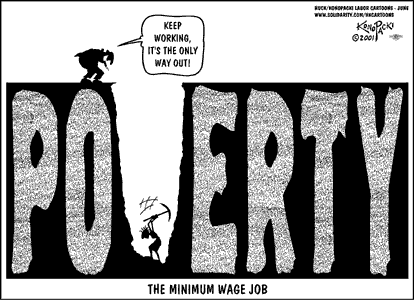
As one listens to Rybeck’s book, one sees parallels between Germany’s economy in the 1930s and rising economic insecurity in America. Like the society in Germany of the 1930s, America shows growing economic inequality, and declining trust in government departments from the arbitrary firing of competent employees. The rising political polarization of America is magnified by the election of an autocrat to govern an America that is founded on the principles of democracy. The wealth of people like Elon Musk, Jeff Bezos, Larry Page, Michael Dell and corporations like Google, AOL, Meta, Comcast, Walt Disney Company, Fox and other media conglomerates have inordinate power to influence public opinion; largely based on “what government policies benefit them”.

“One person, one vote” as the power of democracy is seriously challenged in today’s America. America’s economic situation is nothing as dire as Germany’s in the 1930s. American democratic institutions are firmly established by the Constitution. We are not recovering from a world war. However, a concern remains because of the rising gap between rich and poor in America.
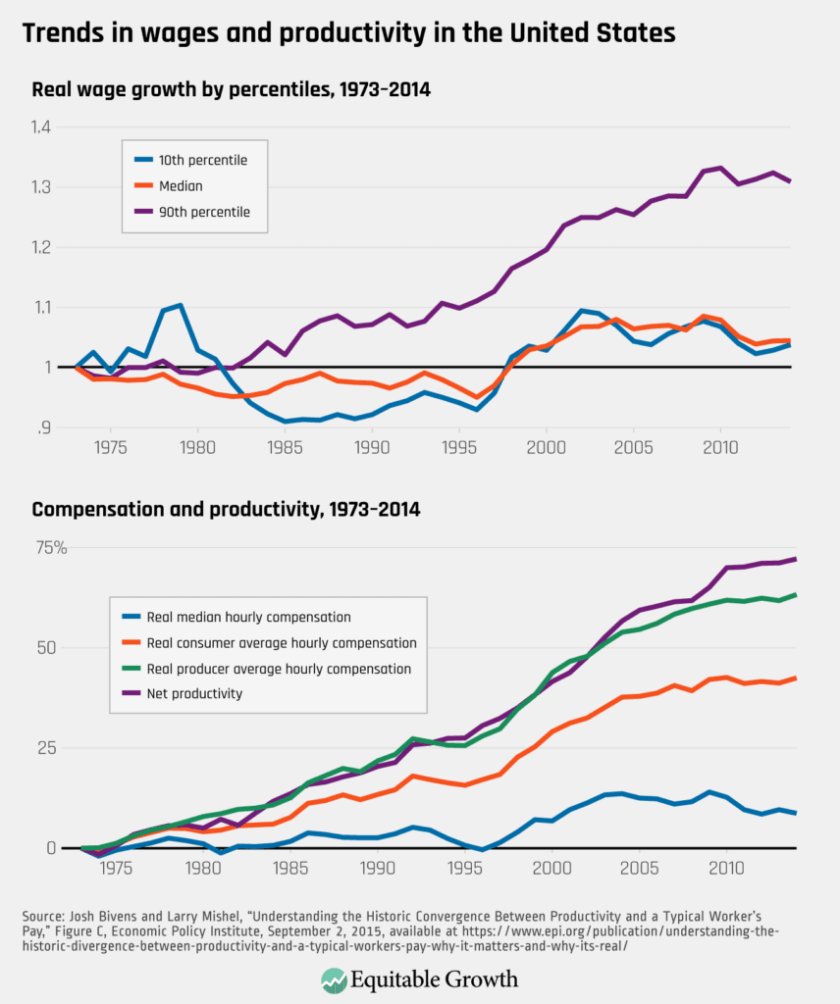
The rising Gap between the rich and poor in America.

Politicians seem more focused on winning elections than defending democratic norms. Democratic ideals are being undermined by major influencers that have money and power in America. Independence of the courts needs to be reinforced. Elections must remain free and competitive without threats from a President that undermines the integrity of Americans right to vote. News media must retain its independence and a fundamental right of access to public government meetings. Federal government departments must have a level of independence with continuing education to professionalize their management skills. Constitutional limits must be respected by government representatives. Political parties and the elites of America need to constrain political leaders who violate the ideals of democracy.

Ryback’s history of Hitler’s rise in Germany is a reminder of how fragile democracy can be.
LEADERS

Diamond shows leaders are human which by definition makes them imperfect.

Audio-book Review
By Chet Yarbrough

(Blog:awalkingdelight)
 Website: chetyarbrough.blog

Profits, Prophets, Coaches and Kings (When Do Leaders Matter?)

By: Jared Diamond

Narrated by: Christopher Ragland

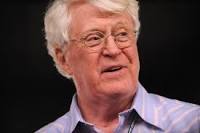
Jared Diamond (American author, scientist, and historian. Considered as one of the top 100 public intellectuals who also wrote “Guns, Germs, and Steel” that received the 1998 Pulitzer Prize.)

Diamond has written a ponderous history of world leaders, sports coaches, famous entrepreneurs, and founders of religion. Why and how great leaders change the course of history, corporations, winning sports teams, and religious belief are the subjects of “Profits, Prophets, Coaches and Kings”. He eventually concludes that leaders do matter but the time and social circumstances in which they live have a great deal to do with what they accomplish. By accomplish one presumes he means what leaders have done whether it is for the good or harm for those they lead. He offers no particular revelatory conclusion other than great leaders are driven to succeed.

Historians have struggled with Diamond’s idea of great leaders for centuries. He offers a conclusion that sits on a fence between leader’s strengths, weaknesses, and the social conditions of the time in which they lead. Diamond argues leaders’ matter, but their impact depends on energetic ambition, personal drive, and, most importantly, the social circumstances of the era in which they live.

Opportunity and risk.

Historical conditions create opportunities and risks. A leader capitalizes on personal attitude, and a vision of the time in which they live. A leaders’ interpretation of experiences in their personal lives and the events of the society in which they live, at the time of their rise to leadership, determine their success or failure. All of these characteristics are noted in “Profits, Prophets, Coaches and Kings (When Do Leaders Matter?)”.

WINSTON CHURCHILL (1874-1965)

A political example of Diamond’s point is the advent of WWII. When analyzing an event like WWII, Winston Churchill’s life experience and the society and economy of the country in which he is raised are entirely different from what Adoph Hitler’s life experience and German society foretells. Churchill and Hitler tapped into the strengths and weaknesses of their societies to exercise similar but different leadership skills. Hitler uses his military experience, abhorrent prejudices, and oratorical skills to create a fascist state. The personal experiences of Hitler’s life are imprisonment, poverty, and created prejudices that resonate with Germany’s roaring twenties feelings of powerlessness. The burden of WWI reparations is crippling German society. In contrast to Hitler, Churchill uses his war experience, oratorical skill, and patrician life of privilege to martial the forces of the West against Germany’s invasion of Poland, the precursor to WWII.

The fall of Germany in WWII.

Germany’s hyper-inflation caused by the financial burden of reparation imbued German citizens with a sense of powerlessness in their lives. Hyper-inflation and a weakened German economy made Western Powers’ reparations an impossible obligation for the German people to meet.

Hitler appears to have overcome personal hardship and gained ground in German politics by cleverly currying favor with German leaders in this time of economic hardship. Hitler gains a platform for addressing German citizen’s social discontent. He offers a message that resonates and rewards citizens who are drawn into Hitler’s belief that the world unjustly penalizes Germany for WWI. Hitler capitalizes on citizens’ powerlessness by rebuilding the German army as he gains political power. By invading Poland, and blaming others (particularly Jews) for the condition of German society, Hitler’s power and influence increases. He appeals to German society in ways that diminish rationality by blaming others for the ills of a collapsing the economy.

Poverty, raised taxes, and helplessness in Germany before WWII.

Hitler operates within social conditions that are present in Germany at the time of his leadership ascension. Hitler is suited to the moment because of his personal life and developed oratorical skill that overcome feelings of powerlessness. His idea is to blame others for German poverty and hyperinflation which resonates with many German citizens.

Invading Poland becomes the western world’s cost for unfair reparations that make Hitler an early hero of many German citizens. It is a small step for Hitler to organize blame for Germany’s economic crisis on Jews with tacit, if not complicit, cooperation of many who wished for a scapegoat for Germany’s economic collapse. Hitler uses learned oratorial skill to capitalize on feelings of citizen powerlessness to become Germany’s autocratic leader.

Hitler starts acting like a King.

Once the general population accepts Hitler as leader, he has sovereign authority to act like a King. He chooses to invade Poland. As Germany’s new leader, Hitler creates a nationalist agenda to rebuild Germany as one of the great powers. Initially, the international community is not prepared to respond. Another world war appears in the offing. Is that because of Hitler’s decisions or the circumstances of the time and the mistakes engendered by the Treaty of Versailles?

Diamond implies WWII is not solely because of Adolph Hitler but of a confluence of his leadership skill and the social condition brought about by WWI reparations. That is the theme of Diamond’s argument for “When Leaders do Matter”. They matter when a society, a business, a sports team, or a religion is floundering and seeks someone to lead them out of a crisis. The tragedy of that truth is that it is as possible for there to be a Hitler as a Lincoln to come to the aid of a society in crisis.

Qualities of leadership.

The author concludes powerful political, economic, religious, and sport’s leaders are driven personalities who serendipitously capitalize on social crises. Diamond implies no great leader, or entrepreneur is likely to succeed without an evident political, economic, religious or sport’s crisis felt by a concerned societal group. Of course, talent, intelligence, and ambition are essential for a leader to become successful (meaning powerfully good or bad), but a societies geographic, economic, and institutional environment play a big part in their success as leaders. Diamond concludes that if great leaders of an era are taken out of their time, their success or failure is likely to be different.

Diamond argues this is true, not only for political leaders, but business moguls, sports coaches, and religion leaders. Every successful leader has followers that are grounded in societal influences that reinforce leaders’ success.

Those leaders who succeed have independent skill, but their success lies not only with their personal skill but with the people who choose to follow. Three examples given by Diamond are Bill Gates, John Wooden, and the infamous Jim Jones.

Computer generation.

The personal computer revolution had already begun when Bill Gates hit the scene. Semiconductor technology was advancing rapidly. Large markets for software were being developed. New companies were popping up every day. Diamond explains that Gates gained technical competence in the field of computers with a vision for licensing software and creating a platform for computing. Gates plowed fertile ground because of the many people who were interested in the technology of computers. He helped shape the wave of computer technology but only because of the society in which he lived. He is aided by his parents and the education he received but market recognition of the potential of computerization was already there for the taking. It is the same acceptance Hitler received from the German people before the advent of WWII.

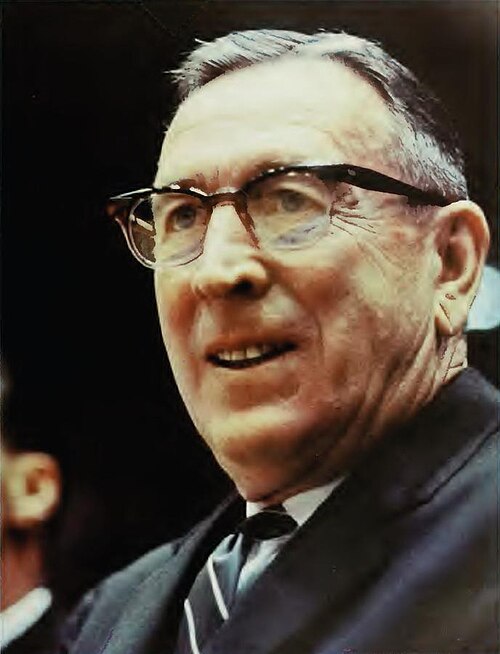
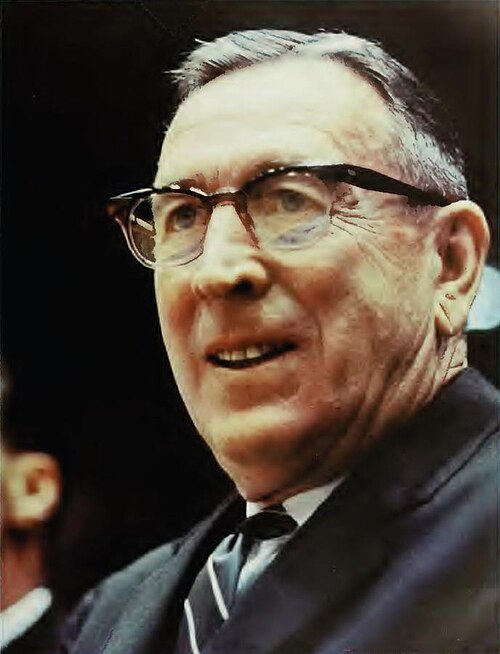
John Wooden (Led UCLA to 10 NCAA championships, the first to enter the Basketball Hall of Fame.)

The legendary John Wooden is Diamond’s example of great coaches who excelled in basketball. The measure of his success is not the wealth he gained from his coaching skill but from the number of championships his teams achieved in his career. Wooden won 10 NCAA men’s basketball national championships in 12 seasons as the coach of the UCLA Bruins. Seven of those wins were consecutive between 1967 and 1973, an unbroken record. His teams achieved 12 Final Four appearances. In his career he had a record of 664 wins which is over 80 percent of the games his team played. Wooden’s success has never been equaled which shows how important a great leader can be, but he is supported by the wealth of UCLA and an athlete recruitment system that brings great athletes to the university.

Religious leaders.

The last chapters of Diamond’s book address religious leadership. To many listener/readers, his analysis is likely to be offensive. To this reviewer, Diamond’s history is insightful but somewhat biased in that religion has been a builder as well as a destroyer of society. His emphasis is on religion’s destructive history. As a personal non-believer, Diamond reinforces atheism. History shows that religion has aided human care for others despite its ongoing destructive history which is evidenced today in the hostility between America and Iran that is supported by many religious believers. Innocent people on both sides of conflicts about religion are inevitably killed.

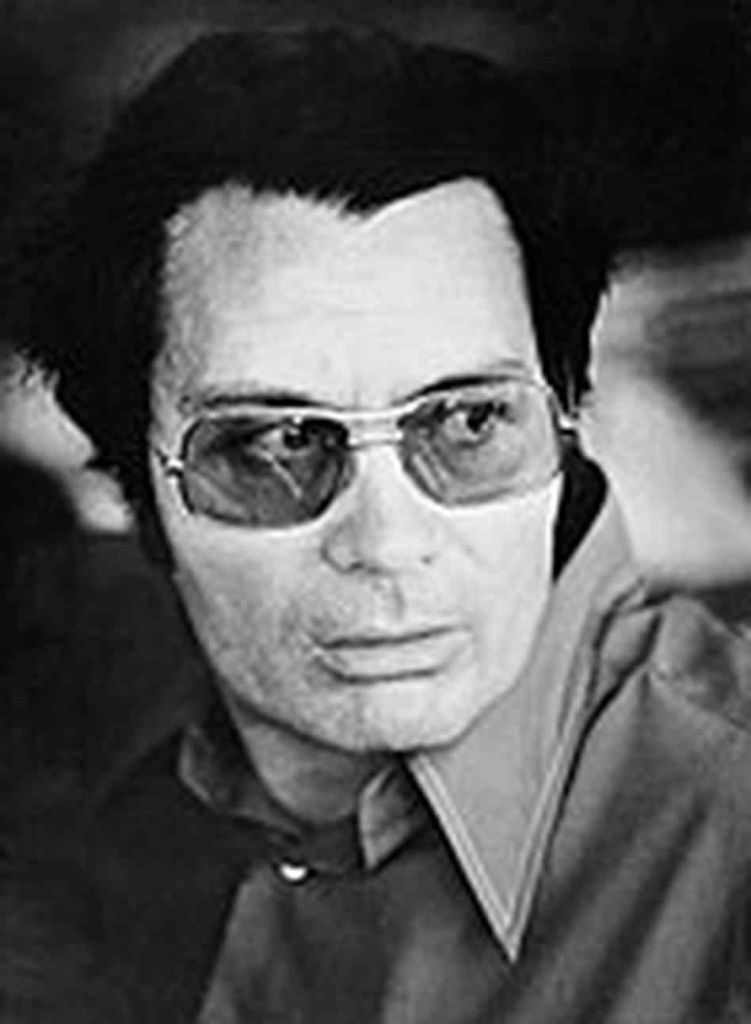
Diamond also gives the example of Jim Jones–

As a leader of a purported religion, Jim Jones induces men, women, and children to drink a cyanide concoction that kills 918 followers in Jonestown, Guyana on the northern coast of South America in the 1970s.

Diamond shows leaders are human which by definition makes them imperfect.

OCCUPATION

“The Nightengale” is a story that shows how occupation begins, how occupation fails, and why it’s tragic economic and human costs never end. Occupation is not an answer for Russia’s war on Ukraine or Israel’s war on Palestine. Occupation is only war by other means.

Books of Interest
 Website: chetyarbrough.blog

The Nightingale 

By: Kristin Hannah

Narrated By: Polly Stone

Kristin Hannah (Author)

History offers an opportunity to recognize mistakes of the past. Fiction offers tests for a future yet to be realized. The experience of history and written fiction offer behavioral change that can alter the future. However, the difficulty of future change is in understanding history and the limits of testing behavioral recommendations. “The Nightingale” is historical fiction.

Importantly, it offers relevance to today’s war in Ukraine and Israel’s actions in the Middle East.

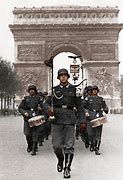
Kristin Hannah creates a French family during Germany’s occupation of France during WWII. The story begins with an elderly woman nearing the end of her life who climbs the stairs into her attic to pull out an old chest filled with memories of her life in France. Isabelle Rossignol is a fictional character who joins the resistance. Isabelle’s experience is a lesson to the world about occupation of foreign countries by others, whether democratic or authoritarian.

“The Nightingale” is about the French reaction to Nazi Germany’s occupation of France during WWII. Germany’s occupation of France did not Nazify the French just as Putin will not Russianize Ukraine or Israel will Israelize Palestine. War is not an act of diplomacy and occupation never offers peace.

Isabelle, from a cultural perspective, is a patriot of France. She fervently believes in the sovereignty of her country just as most who have lived in any culture in which they grow to become adults. A country that tries to dominate another sovereign nation takes on a cultural and economic burden too hard to bear in perpetuity. The difficulty lies in cultural ignorance and the hardship of changing a native population that is culturally reinforced by generations of human life.

(In a recent trip to the Baltics, the dislike of Russians is palpable. Part of the tour is of the terrible Russian jails, the stories of Russian torture and murder of dissidents, and the fear that was felt by the now grown children of parents who lived during the long Russian occupation of their countries. Today the Baltics are among the most modern countries in Eastern Europe, but that accomplishment only began after their liberation from Russian occupation.)

Upon occupation of a French town in which Isabelle lives, German soldiers are billeted in local residences.

Isabelle lives in one of these residences as a teenage sister of Vianne whose French husband is alleged to be a POW in Germany. A German pilot is assigned to Vianne’s home. She has no realistic alternative to accepting the presence of a German officer in her home. He is a young man with a wife in Germany who politely explains he will be staying in their home while assigned to the Luftwaffe that occupies their town. Vianne objects but realizes she has little choice and takes the German officer into her house.

Wolfgang Beck, the German officer, speaks broken French but is able to communicate well enough to make the French family understand his demands. Isabelle, Vianne’s sister, is incensed by the intrusion and objects to his presence but realizes there is nothing she can do about it. As the story progresses, the Germans begin to exercise increasing control over the French population. The newly billeted officer at the Rossignol’ house seems respectful and apologetic as he moves into the family house.

An unspoken reason Vianne cooperates, though she has no choice, is she wishes to know the fate of her husband. A German officer might be able to find what happened to her husband.

The officer recognizes an opportunity to ingratiate himself to the family. He compiles a list of alleged POWs. Vianne finds her husband is at a particular POW camp, along with other captured combatants. The list Beck creates is an opportunity for wives, mothers, children, and girlfriends to send postcards to their loved ones. Vianne asks the German officer if he would send the postcards for wives wishing to communicate with their husbands and lovers who are now POWs. He agrees, and a strained level of cooperation is established.

As a local teacher, Vianne is asked by Officer Beck to provide a list of fellow teachers who are either Jewish or communist sympathizers.

At first, Vianne resists but eventually names names. The identified teachers mysteriously disappear from the school which is explained by known history of Nazi’ gas chambers and mass murders. Vianne belatedly realizes her error and is deeply remorseful for having given the names to the commander. She goes to a Catholic nun to explain her mistake and asks for advice. The nun treats her kindly and tells her to be careful about naming anyone that is requested by the Nazis. The nun offers advice about life being out of her control and that she should pray to God for guidance. This gives Vianne some comfort, but she recognizes her mistake while accepting the nun’s council. One thinks that was good for her but not for the missing Jews and communists. Vianne chooses to hide Jewish children from deportation as a way of compensating for her foolish mistake in listing Jewish teachers.

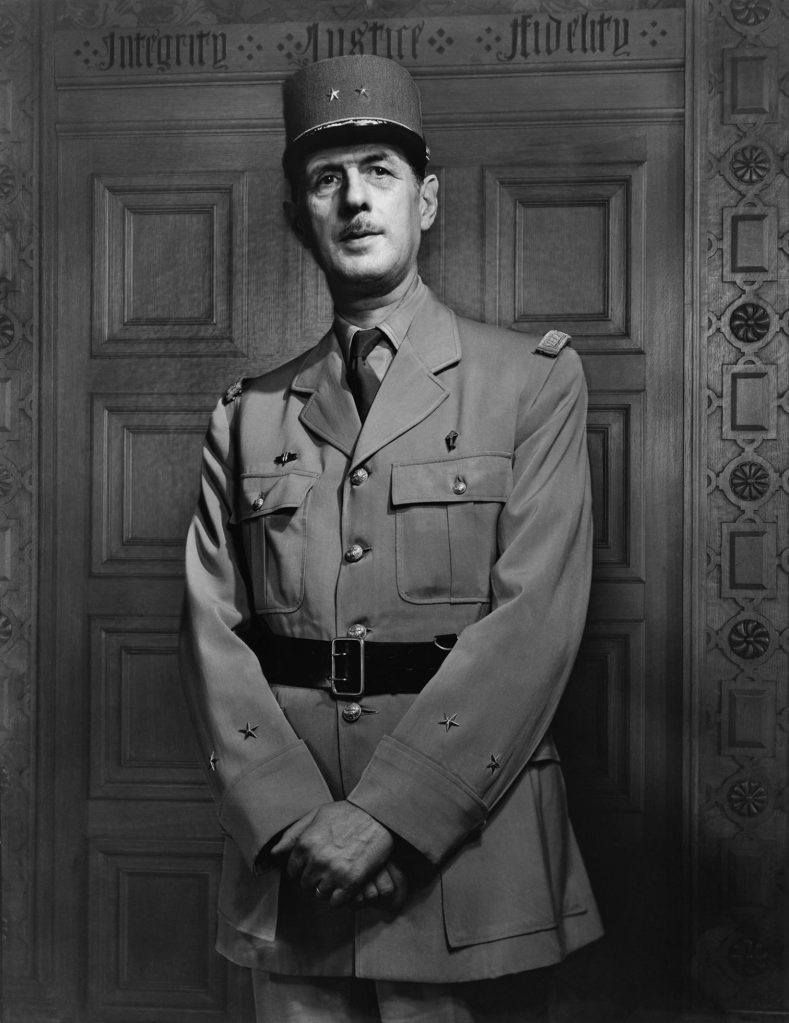
Charles de Gaulle (Leader of the Free French Forces during the Nazi occupation.)

Despite the outward appearing cooperation with German occupiers from some French citizens, there is a growing underground opposition. Isabelle becomes part of that opposition by distributing anti-German posters and aiding French resistance fighters who are wounded by German occupiers. The author offers many stories of the heroism of the French people and its underground during the war.

As the German army is nearing defeat, the brutality of the Germans in France escalates. The brutality of the story becomes numbing but gives one a clearer understanding of how humans endure under circumstances that can hardly be believed. Isabelle is caught, tortured and confesses to her identity as “The Nightingale”. She is sent to RAVENSBRüCK concentration camp. Her older sister is brutalized by her German guest who only becomes more brutal as the war nears its end. Both women survive the war in Hannah’s fictional story while reader/listeners are left to think about the brutality of war and occupation.

War and foreign countries occupation’ costs far exceed their value to either the victim’ countries or their victimizers.

So, what is the lesson of “The Nightengale”. Occupation may work for many years as it did in the Baltic countries. There are three reasons for occupation failures. One is failure to understand cultural difference, two is the rationale for one countries occupation of another, and three–the occupier’s failure to understand the real cost of occupation.

“The Nightengale” is a story that shows how occupation begins, how occupation fails, and why it’s tragic economic and human costs never end. Occupation is not an answer for Russia’s war on Ukraine or Israel’s war on Palestine. Occupation is only war by other means.