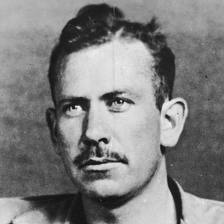
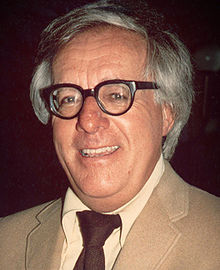
John Steinbeck (1902-1968, author, Nobel prize winner who wrote 25 novels.)
John Steinbeck’s ability to vivify the lives of the middle and lower classes make stories like “Cannery Row” clear and poignant visions of America. Though published in 1945, “Cannery Row” focuses on a segment of working-class people in Monterey, California, a community about 120 miles south of San Francisco. It is located in an industrial waterfront area lined with boat docks and fish canneries.
Cannery Row as it was in the 1940s.
As a community of people who are mostly manual laborers with immigrants and a few professionals, Steinbeck paints a picture of America that resonates with the 21st century; i.e., at least before the current government administration. The sardine industry, like ocean harvesting today, is teetering on collapse in the late 1940s because of overfishing and environmental change. However, Steinbeck shows the human truth of how an industry grows out of the value of immigrants and the middle class in capitalist America. He offers a historical snapshot of the importance of both immigrant and born-in-America citizens that demonstrate the best of what capitalism offers working families.
Working in America.
Working families in the era of midcentury America came from all over the world. Steinbeck paints a picture of a Chinese immigrant who measures the worth of human beings and makes the best of what they offer by recognizing “no” is often the wrong answer to those who try to take advantage of others. This Chinese American opens a grocery store and measures his success by working within the limits of Americans’ ability to pay for what they need to survive. He offers credit, with limits, to his customers and works with them to maintain his livelihood and invest in other properties when opportunities present themselves. He is approached by homeless laborers about living in a warehouse property that has been vacant for some time. He has purchased the property as an investment. They offer no payment for the shelter, but he reasons if he says no, they will take what they are not given, damage his building, and ruin its potential value. On the other hand, if he says yes, they will occupy the building, be customers of his store, improve his income, and take care of his property that will increase in value over time.
Community leaders.
A highlight of Steinbeck’s insightful story is a doctor who is the center of the community’s stability who exemplifies the best of what American life offers. The doctor is a highly respected, vociferous reader of books and a music lover, who cares for the health of those who live in Cannery row. Whether a woman who is working in a house of prostitution, a delinquent who breaks the law, or a fisherman who brings his crew to stir up a fight, the doctor is the glue that holds the community together.
America is and always should be a melting pot if one takes Steinbeck’s view of America as relevant.
Steinbeck’s stories show what makes capitalist America a melting pot of the world. Whether an immigrant, working person, delinquent juvenile, or community leader, every human being has value. Life in America is not easy, but it is worth everything that a sense of community can offer.
Simone de Beauvoir’s argument for women’s equality may be broadened to argue that every human being should have an equal opportunity to achieve social equality and economic independence.
Books of Interest Website: chetyarbrough.blog
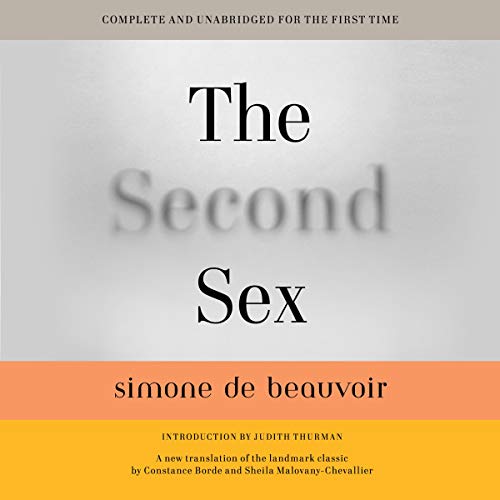
“The Second Sex”
Author: Simone de Beauvoir & 2 more
Narration by: Ellen Archer & 1 more
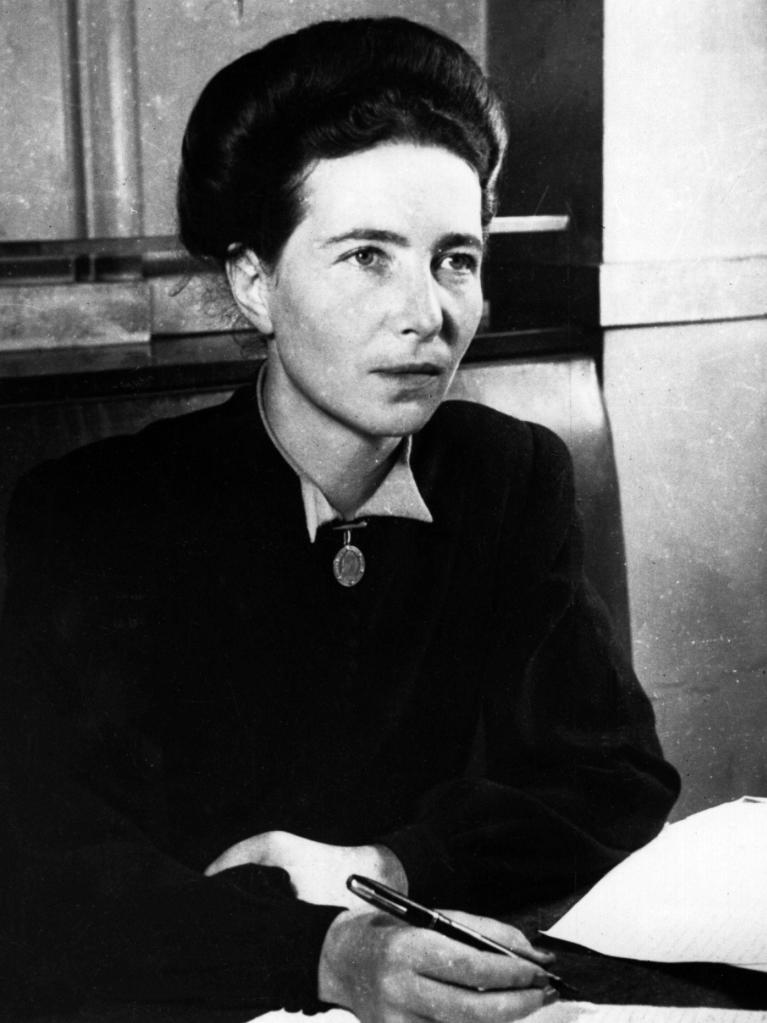
Simone de Beauvoir (French existential philosopher, writer, social theorist, and feminist activist.)
Because “The Second Sex” is a translation, there are two translators who interpret the writing of this brilliant French author. Simone de Beauvoir’s social, cultural, and historical analysis of women’s societal inequality forcibly reinforces the need for human equality in the world. Despite that truth, women and minorities throughout history have been treated unequally.
It is absurd to think that 49.7% of the world population may be treated less equally than men.
Simone de Beauvoir’s history shows women are not afforded the equal opportunity of men despite baring children who sustain the human race. In the early days of human existence de Beauvoir notes difference in strength between men and women may have led to a mistaken belief that the sexes are unequal. As the centuries pass, de Beauvoir argues strength difference undoubtedly influenced the perceived role of women in the world. In the industrial age, with the advance of machine power, strength became less and less a distinction between the sexes. Machine power should have led to a better understanding of human equality. However, de Beauvoir suggests experience and history of past lives seems to have set a societal belief in sexual inequality that is, at best, only slowly being reversed.
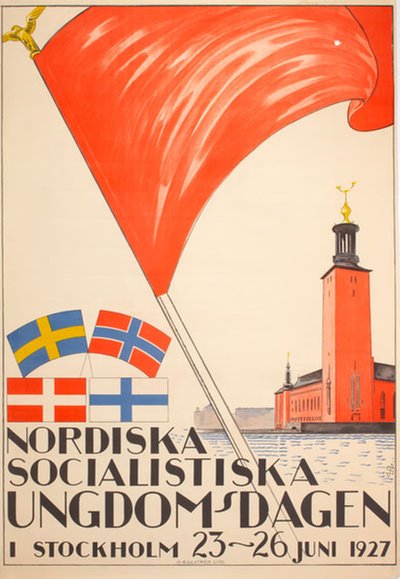
Sweden begins to rectify inequality in the early 20th century but even it fails to change entrenched belief in sexual inequality.
The rise of communism in 1917 became a frontline movement for sexual equality. The role of women in Russia changes in both war and peace with women assuming roles of combatant, worker, as well as child bearer. Ms. de Beauvoir believes neither communism nor Sweden’s policies eliminate sexual inequality. Socialism and communism helped but patriarchy is not eliminated by equal economic opportunity or alleged women’s liberation. Despite Sweden’s formalization of legal equalization of the sexes, the cultural expectations about femininity, motherhood, and men’s domination have been accepted in most, if not all, nations of the world. Neither socialism nor communism fully remove the learned behaviors of human history. Simone de Beauvoir’s point is that laws and economic systems have not erased generations of human history but rather assumed or endorsed sexual discrimination.
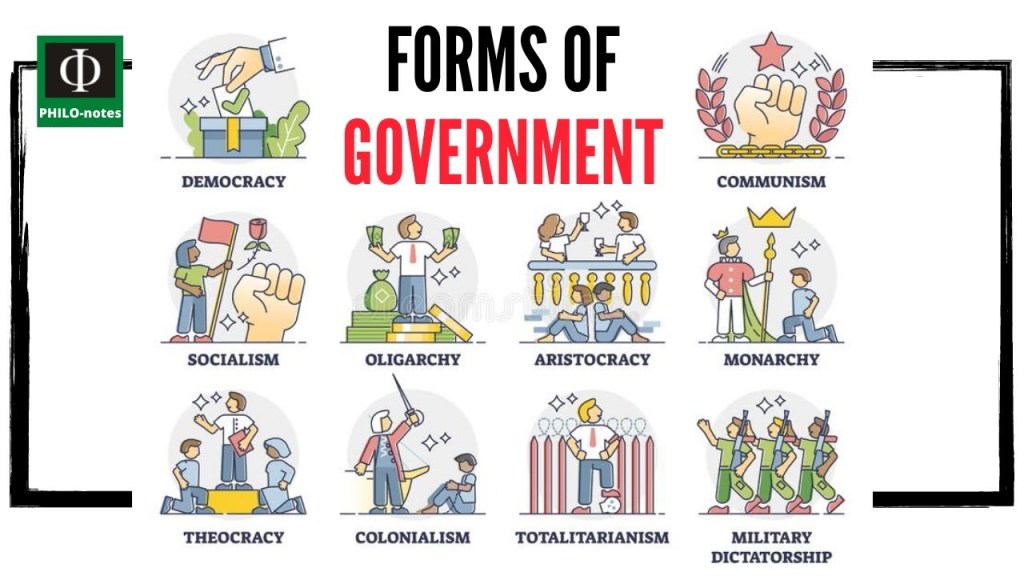
The conclusion de Beauvoir has is that no form of government by itself has successfully eliminated discrimination based on sexual identity.
The interpretation of natural bodily functions in women’s lives like menstruation is noted by de Beauvoir as interpreted by men and accepted by society as a biological “otherness” that is (at least in 1949) viewed as impure and pathological. Menstruation is viewed as a symptom of women that makes them less than fully human. This natural cleansing of a female reproductive system is viewed as a time of emotional instability that makes women unclean and an example of their being less equal to men. Menstruation is something that identifies women as the “other” rather than the equal of human beings. (The truth only changes beliefs slowly.)
Simone de Beauvoir’s argument for women’s equality is expandable in that every human being should have an equal opportunity to achieve social equality and economic independence. The designers of the American Constitution understood this principle but, like the rest of the world’s population, fail to practice it. Social inequality remains a problem for democracy and all known forms of government.
Simone de Beauvoir explains women’s natural reproductive system differences are interpreted by society as a measure of human inequality.
One listens to de Beauvoir’s book and realizes what she has written about sexual inequality as a person who has experienced it. Inequality has diminished in 21st century America with increases in women’s opportunities without marrying or committing to a relationship with a male. Though de Beauvoir published her book in 1949, the difference today is in degree because economic independence remains a greater struggle for women than men in America. Too many young women are working for wages that require help from a relationship with men to meet their cost-of-living for a decent life. Being able to make a decent living is true of all poor Americans, but it is more widely experienced by women because they are half the human race.
Because the author’s focus is on women, she argues every woman should have control over their reproductive rights, be treated equally in the culture in which they live and be able to transform false beliefs of inferiority based on accomplishment, not on false societal beliefs. In some ways, today’s America is regressing as is evidenced by 21st century policies on reproductive rights. Simone de Beauvoir goes on to give many examples of how differences between men and women reinforce the false belief of sexual inequality.
H.G. Well’s interesting message is that human beings may not be able to save themselves from a technologically superior foreign invasion, but established societies and culture are more enduring than technological superiority. Wells is suggesting an invasion by a technologically superior force does not eradicate a society but changes it.
Books of Interest Website: chetyarbrough.blog
“The War of the Worlds”
Author: H. G. Wells
Narration by: Christopher Hurt
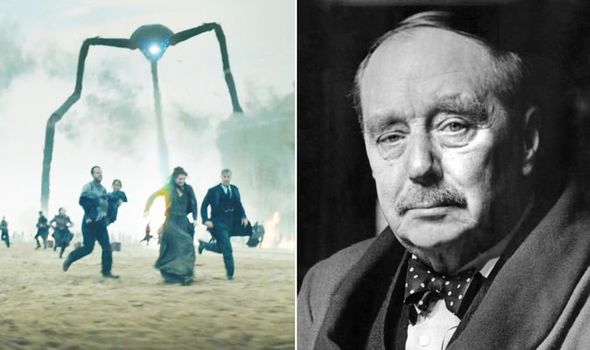
H. G. Wells (1866-1946, English novelist, journalist, sociologist, and historian.)
“The War of the Worlds” is an odd book. Published in 1898 when the British Empire was near the height of its global power and prestige. It shakes the foundations of world hegemonic ambition. Listening to the book in the 21st century, it has relevance but in today’s hearing it seems too long and melodramatic. Giant fighting machines, heat rays, black smoke chemical weapons, city panic, and refugee flight are too familiar in today’s world. The shock value of a Martian invasion is lost. However, in the reality of a horrific war by Russia on the Ukrainian people, America’s bombing of Iran’s citizens, and Iran’s brutalization and torture of its people make “The War of the Worlds” as important and relevant today as when it was written.
H.G. Well’s Martian Invasion
Most of Wells’ book appears to say an invasion by technologically superior Martians will dominate the earth. What Wells shows is that technological superiority is not enough to conquer the world. As the British army and its weaponry fail to defeat the Martians, Earth’s natural pathogens and environment is shown to seriously challenge Martian’ survival. Technological superiority is not enough to win a war. A combination of nature’s pathogens and human resistance are challenges that suggest, despite technological superiority, singular societies ultimately prevail. History shows that eternal domination of an independent distinct society is unlikely to prevail. A distinct society may change from the influence of an invasion, but it does not disappear, it adapts. Glasnost is evidence of that truth when the former nations that were part of the U.S.S.R. reestablish themselves as independent societies that do not entirely abandon the influence of Russian domination. Native tribes that lived in what became the United States retain much of their social identity despite America’s English occupiers.
H.G. Well’s interesting message is that human beings may not be able to save themselves from a technologically superior foreign invasion, but established societies and culture are more enduring than technological superiority. Wells is suggesting an invasion by a technologically superior force does not eradicate a society but changes it.
Every human being has the potential of choosing their way of dealing with life. Whatever one’s role may be, the best one can hope for is to choose what makes them the best they can be.
Books of Interest Website: chetyarbrough.blog
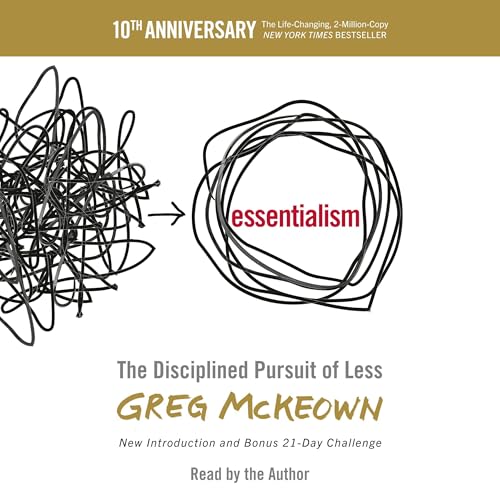
“essentialism” (The Disciplined Pursuit of Less)
Author: Greg McKeown
Narration by: Greg McKeown
Greg McKeown (English author, public speaker, leadership and business strategist.)
McKeown earned an MBA from Stanford University after receiving a BA in communications and journalism at BYU. He reflects on the trials and tribulations of being a manager of events in the modern world where one is faced with psychological overload. Management is the skill of being who you are and getting things done through other people. McKeown explains how to become a more effective and productive manager. It begins with a clear understanding of what self-management is and what may get in the way of that accomplishment.
As a manager of someone else’s business, the job is simpler because the goals are determined by ownership but as a manager of one’s own time it is complicated by poor personal management skill. The idea of “essentialism” is in clearly understanding the goal to be achieved and to understand oneself well enough not to be distracted by what is to be achieved and how to organize and motivate the people who are to accomplish desired results. Once the goal is clearly understood, the end must be what ownership and oneself chooses. If the goal is to manufacture widgets, the steps of manufacturing are labor to produce a product, neither more nor less than what ownership directs. A good manager is not to focus on “more is better” but on the steps of manufacturing with an eye to trade-offs that are a consequence of labor organization and productivity.
The problem from a personal perspective is that company goals are easier to understand because they are determined by others.
Clearly understanding oneself is harder because of self-interest blind spots from being both the observer and observed; not to mention– knowing what actions are required to feel fulfilled as a human being.
The best choice in life is to be who you are, not who you wish to be.
As a manager of others to accomplish a goal, there are times when the response to a worker’s idea is no. This should never be meant to diminish the worker but to keep a worker’s eye on the goals of ownership. A good manager is respectful of a worker who offers ideas but always keeps the goal of ownership in the minds of workers to make it clear that a “no” is not to discourage a worker’s labor or idea for improvement. That which does not focus on achievement of the goal should be eliminated with a “no” but with praise and protection of those who are employed to accomplish ownership’ objectives. With clear understanding of the goal and those actions that benefit its accomplishment, a good manager offers focus to labor and reduces decision fatigue for both manager and worker.
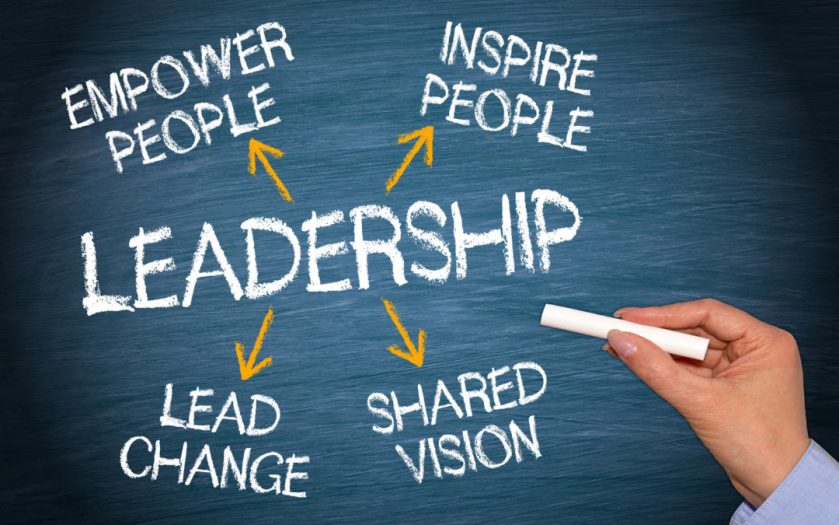
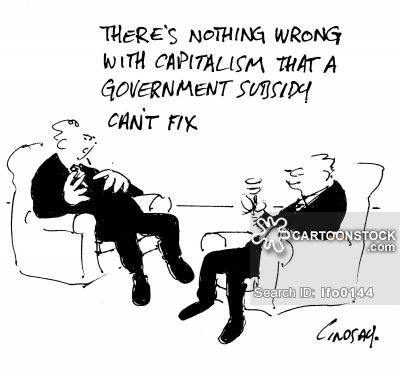
Has capitalism lost its way in America?
There is room for criticism in McKeown’s book from the perspective of labor. As an individual working for a manager, one generally does not have the authority to decline meetings called by a manager. As a worker, one is hired to do a job or task, not to work on their own schedule, or to drop what they are doing at their own discretion. A good manager listens and learns from labor but always keeps in mind the goals of ownership. A good manager looks to labor as seeds for future managers by encouraging self-actualization and promotion but without sacrifice of ownership’s specified goals. Institutional realities cannot be ignored by laborers. McKeown implies everyone is a manager when in fact, from a business enterprise’s perspective, that is not true. Some who think they are managers, are not managers and it is important for a good manager to judge others based on achieving the goals of ownership. A good manager will rise from labor based on doing what they were hired to do, not what they think they are capable of doing. This is not to discourage labor’s advancement but to encourage it through performance in accordance with ownership goals.
Peter Drucker. (A consultant who clearly understood the role, importance, and value of competent managers.)
Peter Drucker is often quoted in this book which is a tribute to McKeown’s management judgement. McKeown also mentions Warren Buffett and the principles that made him a multimillionaire. There is a great deal of good advice in “essentialism” for those who aspire to be managers. As McKeown notes, a manager can fail when he/she becomes overloaded with workplace expectations, poor labor management, ignorance of the digital age, poor organization design, or an organizational culture that demands too much from its employees. Every human being has the potential of choosing their way of dealing with life. Whatever one’s role may be, the best one can hope for is to choose what makes them the best they can be.
China’s 19th century corruption and the opium war are penultimate examples of China’s golden age decline. One fears Ameica’s golden age may be in a similar decline in the 21st century.
Books of Interest Website: chetyarbrough.blog
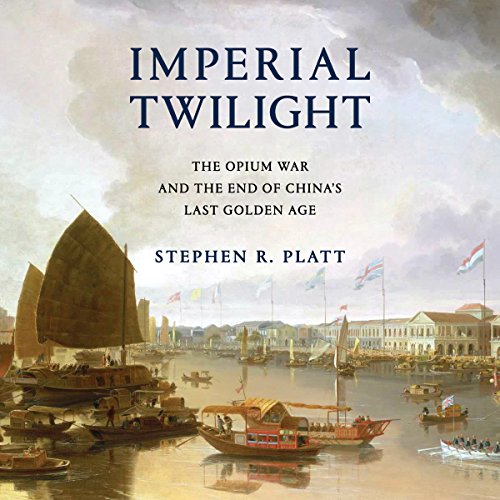
Imperial Twilight (The Opium War and the End of China’s Last Golden Age)
Author: Stephen R. Platt
Narration by: Mark Deakins
Stephen R. Platt (Author, American historian, professor of Chinese history at the University of Massachusetts.)
As an audiobook listener and fortunate traveler of the world, books about China are an unquenchable thirst for knowledge. Stephen Platt’s “Imperial Twilight” reinforces one’s understanding of how different and alike China’s strengths and weaknesses are to younger nations of the world. America is a newly born baby in comparison to China. One comes away from “Imperial Twilight” with the feeling that China is at the dawn of a new “…Golden Age” in the 21st century. Platt’s history clearly explains the fall of one of China’s earlier golden ages that is accelerated by the rise of Great Britain and “The Opium War…” of the 19th century.
Platt explains the opium trade accelerated the decline of China in the early 19th century.
The Qing dynasty arguably created a golden age in China between 1661 and 1796. Emperor Kangxi (1661-1722) consolidated Qing family rule by defeating three feuding factions in China. He manages to reach a diplomatic settlement with Russia that had been encroaching on Chinese territory. Kangxi patronized scholarship, science, and cartography during his reign. He is compared to Louis XIV and Peter the Great for the length and effectiveness of his reign. His two heirs carried on China’s golden age up to the end of the 18th century when Great Britain arguably grew into its second golden age (the Victorian Age of 1837 to 1901).
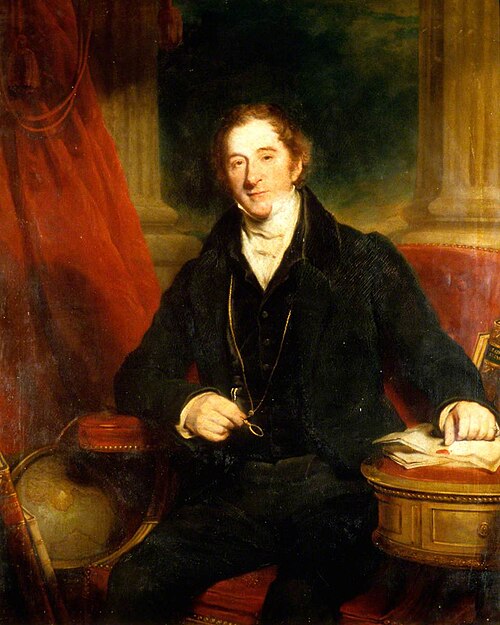
William Jardine (1784-1843, Scottish physician, merchant and opium dealer who co-founded the Hong Kong based conglomerate Jardine/Matheson & Co.)
Platt argues William Jardine and James Matheson were key Englishmen that grew wealthy from the opium trade in China in the early 19th century. Britain had a massive trade imbalance because the rest of the world coveted the tea, silk, and porcelain produced by China. Jardine and Matheson capitalized on the opium trade because it was not regulated by either Britain or China with China becoming a massive importer of the deadly drug. Belief in free trade exacerbated opium sales in the most populated countries of the world with China having the greatest number of users. The Qing dynasty attempts to quell the opium trade but were met with derision by British insistence on free trade despite the addictive and deadly effects of opium.
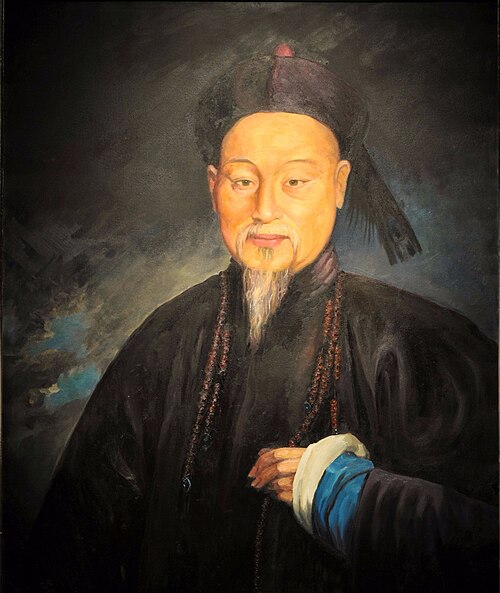
Lin Zexu (1785-1850, Chinese political philosopher and politician who led China during the decline of the Qing Dynasty.)
Jardine and Matheson are challenged by Lin Zexu, the Qing dynasty official who is ordered by China’s emperor to suppress the opium trade. Zexu confiscates and destroys large stocks of British opium in Canton in 1839. His campaign triggers the Opium war. Platt characterizes Zexu as an intelligent Chinese patriot with imprecise information about Britain and its concern about the opium trade. The emperor of China has contradictory reports about Britain’s concerns about the opium trade and their intent to regulate or eliminate its role in trade with China.
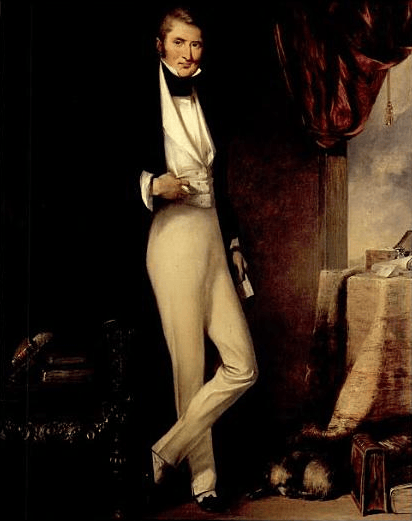
Sir George Thomas Staunton (At the age of 12, Staunton was left by his father in China to learn the Chinese language. He became employed by the East India Company and rose to be a member of parliament.)
Platt ponderously explains the history of important British citizens who live in Canton and learn the Chinese language. George Staunton, as a young child, is left to live in China by his father to learn Chinese to become a conduit for Britain’s trade in Canton, China. Staunton eventually becomes a member of British parliament that supports the Opium war waged on China. Despite the length of Platt’s book, it is an amazing story to find a father who essentially farms out his son to learn Chinese without much financial support. The advent of the Opium war is characterized by Platt as a tragic and avoidable conflict that marked the end of China’s last golden age.
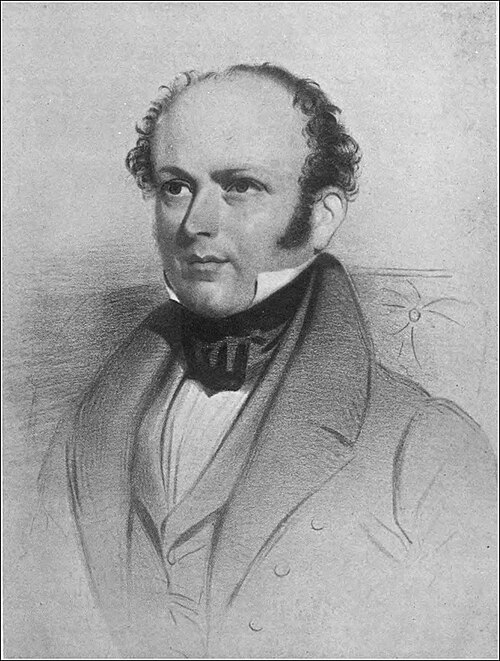
Sir John Francis Davis (British diplomat and sinologist who became the second Governor of Hong Kong from 1844 to 1848.)
John Francis Davis also seriously studies Chinese and works for East India Companies that produce most of the opium that is traded in Canton. Davis becomes Governor of Hong Kong. Davis is shown to believe Britain should stand firm in pursuit of fair trade but questions the need for military confrontation. The war is strongly supported by men like William Jardine, undoubtedly because of his lucrative opium business, but surprisingly George Staunton, an Englishman who had a lifetime understanding of Chinese suzerainty and understood the Chinese language and culture, also endorses the war.
Government corruption.
Despite the length of Platt’s book, it is enlightening to hear of the rise and fall of China and the corruption that existed before the Qing dynasty. It reminds one of reports of Xi’s efforts to eliminated Chinese corruption in the 21st century. Whether Xi will succeed in restoring another golden age for China remains to be seen. Corruption in America today seems as appalling as the history of China in the early 19th century. President Trump seems more interested in increasing his family’s wealth and creating monuments to himself than serving the interests of the American public. America, like China in Platt’s history of the Opium war, has a drug problem.
China’s 19th century corruption and the opium war are penultimate examples of China’s golden age decline. One fears Ameica’s golden age may be in a similar decline in the 21st century.
“The Black Shield” is a disjointed story that inexpertly reveals the truth of organizational discrimination in American society. Inequality based on sex and race is a fact of American life and most, if not all, nations of the world. Cooper’s story is not revelatory but a sad truth about human nature.
Books of Interest Website: chetyarbrough.blog
The Black Shield (An American Memoir of Family and Power)
Author: Wilbert L. Cooper
Narration by: Wilbert L. Cooper
Wilbert L. Cooper (Author, graduate of Ohio University and New York University with a master’s degree in publishing.)
As a writer for national publications like The Guardian, The New York Times, and the Wall street Journal, Wilbur L. Cooper investigates a “2020 police killing” in his former hometown of Cleveland, Ohio. He profiles the president (Vincent Montague) of a Black police organization called Black Shield. Surprisingly, the leader of the Black police organization shoots a young unarmed Black man he thought would run him over. He is not charged. The shooting is ruled as justified and Montague is suspended for one-day for using poor tactics and unreasonable force. What Cooper reveals in “The Black Shield” is partly about Black discrimination despite recruitment that is presumably meant to reduce police force discrimination in Cleveland.
Police training is no joke despite it being often-represented humorously.
Cooper argues the long-standing pattern of hiring and promotion in Cleveland’s police force reinforces Black discrimination in its training and recruitment of both white and Black officers. To be promoted in the department, whether one is Black or white, is influenced by an officer’s reputation as a believer in stereotypes of people based on the color of their skin more than their character. Cooper argues it is a socio/political and acculturation feature of Cleveland’s police recruitment that undoubtedly exists in all human organizations.
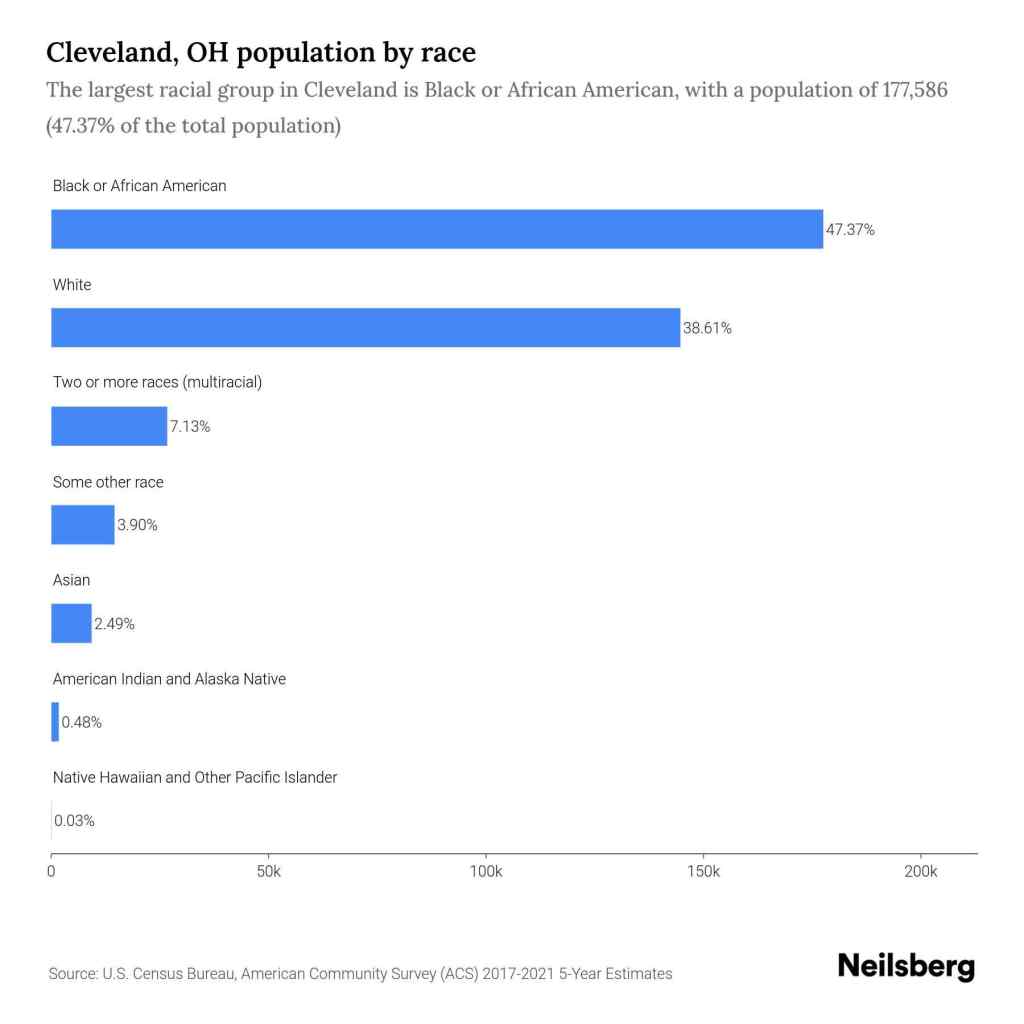
Cleveland’s population is approximately 50% Black, but the police force is nearly 75% white.
Cooper notes the department fails to hire minorities based on changing demographics in Cleveland. Cleveland’s population is approximately 50% Black, but the police force is nearly 75% white. His Black father is a Sergeant in the police force who is ironically in the department of “Office of Professional Standards”. (Cooper notes his mother also sought employment in the police department but is rejected. In fairness, that could be based on something other than discrimination.)
Cooper’s point is that experience of living as a white person in America fails to understand or fairly address the socio/economic realities of being Black in America. He believes Black discrimination is embedded in the recruitment and advancement opportunities of the Cleveland police department. Cooper notes that early Black applicants to the Cleveland police had to sue to be hired or promoted in the Department. He suggests his mother’s rejection from being hired is because of her sex and color. He argues his father’s career advancement is inhibited by the management structure of the department. The story of Sergeant Victor Montague is more complicated because of his deadly force use in the death of a Black citizen.
Sergeant Victor Montague (fired by the Cleveland Division of Police in 2021 for ethical violations.)
Cooper tells the story of Victor Montague, a charismatic and outspoken Black leader in the department. He became the public face of “Black Shield” and spoke openly about racism in the department. He pushes for accountability and reform but comes up against entrenched power in the police department. Montague became a target of internal hostility and is closely supervised by his immediate superiors. His confrontational attitude and unwillingness to play politics offended the Department hierarchy. Montague set himself up for a second policy violation by putting himself in a position with a private company that offered to donate to Black Shield in return for security service for a bar owner’s business. This would have been a violation of department policy. It also appears as a potential avenue for bribery of Montague. Similar arrangements had been considered by white officers without noted consequences according to Cooper. This episode undermines leadership in “The Black Shield” organization.
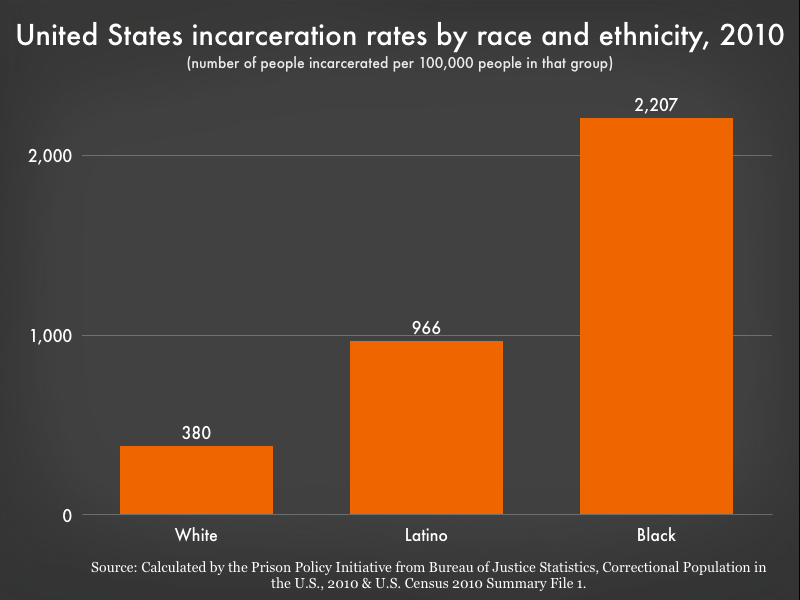
A measure of race and ethnic inequality.
“The Black Shield” is a disjointed story that inexpertly reveals the truth of organizational discrimination in American society. Inequality based on sex and race is a fact of American life and most, if not all, nations of the world. Cooper’s story is not revelatory but a sad truth about human nature.
“Gilead” is a difficult story to listen to or read because one begins with attachment to its main character but ends with recognition that we are all human which by definition makes us flawed.
Books of Interest Website: chetyarbrough.blog
Gilead (A Novel)
Author: Marilynne Robinson
Narration by: Jim Jerome
Marilynne Robinson (Author, born in 1943, winner of the Pulitzer Prize for Fiction in 2005. Time magazine lists her among 100 of the most influential people in America.)
As one grows older, Marilynne Robinson’s Gilead reflects on what it is like to be nearer the end than the beginning of life. Some thought is obviously given to Robinson’s title for her book. Considering the fame of Robinson’s writing, one might look up the word Gilead and find it has a biblical meaning as a place of healing and a place of iniquity. Robinson’s point seems that we live in a world of profound moral wrongdoing that is always in the process of healing. One looks back on life and presumes they know Robinson’s reason for writing “Gilead” as a picture of one who tries to be a healer of humanity for our imperfect, sin-burdened lives.
Being a preacher who is also a father, husband, and fellow human being.
“Gilead” is a story of an older husband and father who is heir to generations of preachers in a small mid-western town. The author’s subject is a preacher who is nearing the end of his life. It is about a preacher who lives among people who live in a town populated with educated atheists and deeply serious believers in God and heaven. Putting aside its argument about the value of belief in existence beyond death, it is an entertaining story of a preacher in his 70s. Whether one believes in God or not, Robinson’s story of old age is a reminder of our imperfect lives.
The preacher falls in love twice in his life. His first wife dies in childbirth. The preacher marries a second time, and his new wife bares a son. He loves his life and hopes to raise a son who he hopes will carry on the tradition of a preachers’ life. However, his son seems disinterested in becoming a preacher. The pains of an older life are detailed and show how even a believer in God and good will toward others does not protect one from the faults of human judgement and society.
At this point in the story, one sees the preacher as a good man with a family history that shows his grandfather served in the civil war as a union soldier that fought for the freedom of enslaved Americans. In returning to civilian life, he is guardedly received by his adult son (also a preacher) for his role in the war. One actively served in the Union army while his son polished his credentials as a town preacher. This town preacher appears to disagree with his Preacher father’s decision to fight for racial justice; presumably because of reservations about killing fellow Americans for the cause of racial justice. A tension between the son and the returning father is evident in the way the town preacher buries his father’s gun and disposes of his father’s presumed clothing from the Union army. The town preacher shows a level of judgementalism that hints at unspoken prejudice and an emotional reserve that hides a human flaw; i.e. namely, disbelief in the equality of all human beings.
The remainder of “Gilead” addresses the town preacher’s son who becomes a preacher and is the main character of the book.
The catalyst of the story is a returning son of the preacher’s closest friend of 40 years who is also a preacher in this small Iowa town. The prodigal son is viewed as a “good for nothing” highly intelligent young man who broke many rules in his life in Gilead. He left town in disgrace for having impregnated a local girl without marrying her. In his life away from Iowa, he has a son from an interracial relationship that is revealed to the primary preacher of the author’s story. The prodigal son asks the preacher for his blessing. At first the preacher seems reluctant but eventually offers God’s blessing to the now 40 something man who is leaving town. His initial reservation of offering a blessing shows the limits of the preacher’s character. In the end, the preacher shows the boundlessness of his belief in God and heaven with his compassion for what he seems to view as a lost “boy-man”.
“Gilead” is a difficult story to listen to or read because one begins with attachment to its main character but ends with recognition that we are all human which by definition makes us flawed.
Public input to AI policy needs to be solicited and incorporated in the direction of AI research.
Books of Interest Website: chetyarbrough.blog
Empire of AI (Dreams and Nightmares in Sam Altman’s OpenAI)
Author: Karen Hao
Narration by: Karen Hao
Karen Hao (Author, American journalist, former engineer and specialist in AI and its societal impacts.)
Karen Hao knows what she is writing about. As a senior member of MIT Technology Review and the Wall Street Journal she has the skill of a first-rate journalist to profile AI. She is an independent academic with a journalist eye view of what is happening in AI research and development.
Artificial intelligence offers reward and peril for society. On the one hand, AI can aid the world in preventing and curing disease, mitigating global warming, discovering solutions for interstellar travel, and improving the welfare of diverse cultures. However, AI opens the door to Ray Bradbury’s surveillance society, Aldous Huxley’s “Brave New World” and Philip Dick’s “…Man in the High Castle”.
AI can lead to behavior monitors that detail every person’s life and predict whether a person will benefit or harm society. Artificial Intelligence has potential for centralizing control by a minority of human beings to influence and potentially control human behavior. Human discretion and actions become probabilistically predictable by AI monitoring. Aside from the fear of centralized control by AI, Hao recounts the harm being done TODAY in developing a product that no one clearly understands.
AI labor exploitation.
Hao writes of the exploitation of Kenyan data workers who are working on Elon Musk’s OpenAI for grossly unfair low wages. AI data centers are being developed in fragile natural environments that divert the use of freshwater in poorly provisioned nations like Chile. The environmental costs of AI labs on use of energy and natural resources compete with the fundamental needs of local people. The consolidation of corporate power and use of AI is disproportionately consuming global resources like labor, land, and water at the expense of basic needs of local populations.
The theories of the utopian value of AI are, in Hao’s opinion, hiding the real harms being done to society today. AI development by a minority of businesses like Musk’s Open AI and Google’s DeepMind are changing human society today. Hao is not just predicting a future. She is reporting on present-day empire building by two companies that will impact the future of society. Hao argues massive models of AI being developed by two companies need to be modified to focus on singular societal issues rather than unfocused broad Artificial General Intelligence.
Broad international agreement needs to be created to make AI research accountable for today’s environmental impacts and tomorrows use, ownership, and influence on human behavior.
Sam Altman (American entrepreneur, investor and CEO of Open AI.)
Public input needs to be solicited and incorporated in the direction of AI research and development. The billions of dollars being spent on AI should not be limited to two or three companies without oversight. Communities and workers that are affected by AI need to have public oversight, labor, and environmental protections incorporated in the research and development of AI engaged corporations.
Like American capitalism, Chinese communism has its faults. One big difference is American capitalism offers a higher level of individual freedom with legal rights to defend oneself in a court of law (that is, of course, if you are not an immigrant).
Books of Interest Website: chetyarbrough.blog
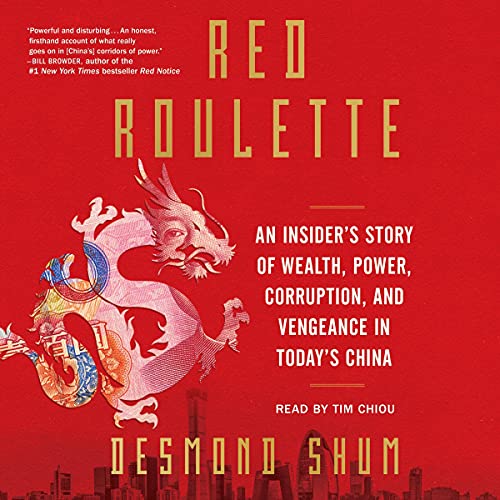
Red Roulette (An Insider’s Story of Wealth, Power, and Vengeance in Today’s China.)
Author: Desmond Shum
Narration by: Tim Chiou
Desmond Shum (Author, born in Shanghai in 1968, former Hong Kong businessman who lives in the UK. with a son born in the U.S.)
“Red Roulette” is an amazing personal story of a former Chinese citizen who marries a successful Chinese woman, Whitney Duan. She is disappeared by the Xi government in 2017. Shum and Duan were married from 2004 to 2015. His wife’s fate is unknown to Shum as he writes this book. Amazingly, Ms. Duan calls Shum four years after she is disappeared by China to ask him to not publish his book. Shum believes this is the first public contact by Duan since her disappearance in 2017.
Ms. Duan had chosen to capitalize on a system of doing business in China the way it had been done for many years. That system is riven with a kind of societal corruption revealed in “Red Roulette” that has grown with communism in China.
Desmond Shum reveals surprises to many Americans about China’s culture. Despite a presumption of many non-Chinese, Shum explains power is personal, not institutional in China. One might presume that CCP’s control of wealth and power in China comes from the party and its leaders. However, wealth in China is only influenced by the communist government through a social network of beliefs. Shum explains personal relationships and connections are built on favors, gifts, and mutual obligations that are debts that carry the reality of power in China. This explains the title of the book “Red Roulette” in the sense that success in Chinese society is a game of chance based on bets placed on the value of favors, and gifts that CCP members believe have worth.
Debt for favors and gifts is in the eye of the beholder which makes fair payment a mysterious and chance driven calculation. Adding to that complexity is the power of a CCP leader to erase a citizen socially, legally, and economically. By erasure, Shum explains citizens may be detained, prevented from family contact, denied legal representation, arrested, impoverished, and isolated from any social contact. Shum explains his ex-wife, Whitney Duan, vanished for years with no charges, no trial, and no record of her disappearance.
Xi Jinping (Leader of the CCP in China.)
The CCP elite govern China through relationships among themselves, not by official meetings or party leadership orders that are necessarily based on definable communist dogma. Everything happens behind the scenes. Official meetings, if there are any, are strictly “for show”. Shum’s admits in his personal story that he and his ex-wife became wealthy through a corrupt relationship with Zhang Beili, one of the CCP apparatchiks and power brokers. One may argue the CCP is similar to the Congress of the United States. Wealthy capitalists, like CCP apparatchiks, game the stock market and society through political connection with elected government officials
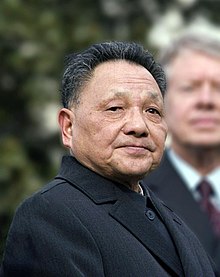
Deng Xiaoping launched an initial shift away from Maoist central planning despite ordering the crackdown on Tiananmen Square in 1989.
As somewhat of a realist, one understands governance is based on leaders presumed power, wealth, and political influence. Shum argues China’s economic modernization and capitalism began with Deng Xiaoping who rose to power after Tiananmen with Hu Jintao continuing China’s economic boom. Shum argues today’s Xi is increasing control of the CCP and the economy with the traditions of Chinese society. In the author’s opinion, China is reinstituting a Mao-style autocracy that is spreading fear across the country.
In fairness to Shum’s assessment of China, there is evidence of America’s slip into autocracy in today’s economy.
Shum believes Xi Jinping’s CCP anti-corruption campaign is only a pretext for power consolidation. In Shum’s opinion, Xi’s targeted removal of CCP apparatchiks is not because of their corruption but because they rival his power over the party. Xi’s campaign on corruption increases fear among CCP members and influencers that reinforce traditions of China’s rule by personal relationship and connection. Xi’s goal is to increase personal loyalty to himself which is part and parcel of the history of Chinese social norms. Shum’s evidence of corruption is the increase in disappearances, secret detentions, arrests of businesspeople without charges, and insistence on what is characterized as party discipline.
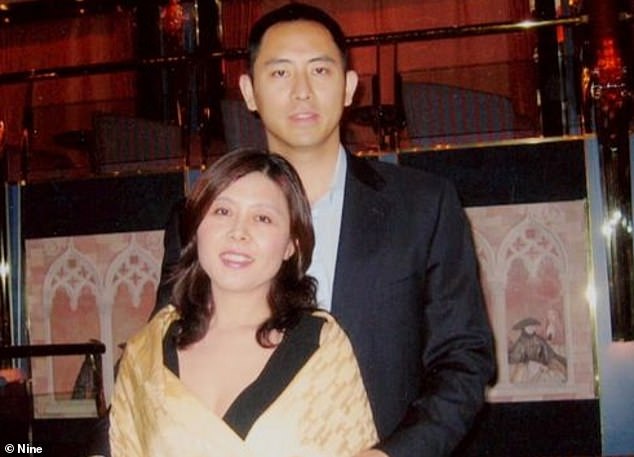
Whitney Duan and Shum when they were married.
Whitney Duan’s disappearance is Shum’s primary example of Xi’s Chinese governance. Duan is characterized as ambitious, brilliant, and determined. Her rise to power in Chinas is from close relationships she develops with people who have influence in the communist party. She befriends Zhang Beili, the wife of the Vice Premier of the CCP, Wen Jiabao. Because of that association, Duan has privileged access to information about land deals and major real-estate projects in China. She uses that information to make deals with advanced knowledge that result in great economic wealth for her and her former husband. Shum marries Duan and they both capitalize on insider information they gain from Duan’s relationships. One presumes the marriage ends because of the stresses and political dangers involved in their common business interests.
The quality of Kafka’s story in “The Trial” is the human desire for freedom that is not extinguished even in the darkest times of a country’s repression. This is a hope one presumes for both China and America, but human nature gets in the way.
In 2017, two years after the author’s divorce, Whitney Duan disappears. There are no charges, no trial, no public disclosure, and she is unable to contact any of her family including the son she has with Shum. No one knows if she is dead or alive. The state refuses to say she has been detained. One presumes, she is arrested because of Xi Jinping’s anti-corruption campaign and his purge of some party members like Wen Jiabao. Interestingly, just before the book is to be published, Whitney Duan calls Shum to ask him not to publish. Obviously, she is alive.
One big difference between American capitalism and Chinese communism is a higher level of individual freedom with legal rights to defend oneself in a court of law (that is, of course, if you are not an immigrant). That is a significant difference between China and America. However, both countries are impacted by bad actors that game the system based on personal relationship and influence with political leaders.
On the one hand, this story reinforces belief that Xi is trying to reform the CCP. On the other, the methodology of autocracy offers no defense against the injustice of being condemned without trial.
One concludes Whitney Duan lost in the game of Chinese Roulette by being part of a relationship that gave her inside information from the CCP. Her disappearance is proof of the theme of Shun’s book about the importance of relationships and connections to gain power and financial success in Chinese society. Like American capitalism, Chinese communism has its faults.
Roth shows acculturation is both an opportunity and danger in “The Plot Against America”.
Books of Interest Website: chetyarbrough.blog
The Plot Against America
Author: Philip Roth
Narration by: Ron Silver
PHILLIP ROTH (WINNER OF THE PULITZER PRIZE FOR FICTION, MAN BOOKER INTERNATIONAL PRIZE AND MORE)
Roth’s “The Human Stain”, and “The Plot Against America” are troubling fictional stories of American society. Roth’s imagination seems somewhat out of control in “The Plot…” but his point is that American democracy, like all forms of government, is flawed by the nature of human beings. Popular election is no guarantee of government probity because the public is as easily led by lies as the truth; i.e., something we see in today’s American government. “The Plot Against America” creates a fictional story of the advance of a racist to the Presidency of the United States at the time of Hitler’s government putsch in Germany.
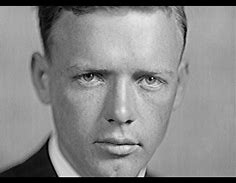
Charles Lindbergh (Famous aviator who expressed suspicion of Jews and is characterized as a supporter of Hitler.)
America had several famous supporters of Hitler’s ascension in Germany; i.e., not only Charles Lindbergh, but Henry Ford, Father Charles Coughlin, and Jospph P. Kennedy Sr., to name a few. Lindbergh believes in white supremacy but excludes those of Jewish ethnicity because he believes Jews are not a part of the American or Western racial community. He believes Jews are a separate people with separate loyalties. This conforms to Hitler’s view of German society as superior to all others. Added to Lindbergh’s racism is his belief that communism threatens individual liberty, a foundational democratic belief. Lindbergh is vociferously anti-communist even though Russia is led by white rulers. Lindbergh believes centralized state control, state suppression of dissent, and forced conformity are anti-American. This is an ironic view because Hitler insists on state control, suppression of dissent, and a forced conformity; i.e., beliefs Lindbergh infers he abhors.
Roth writes a story suggesting Lindbergh run against Franklin Roosevelt for President. Lindbergh wins in this fictional story. In truth, Lindbergh never runs for President. History actually shows the Republican party approaches Lindbergh in the late 1930s to run against Roosevelt because of his celebrity, anti-war message, and isolationist beliefs. However, Lindbergh turns the Republicans down.
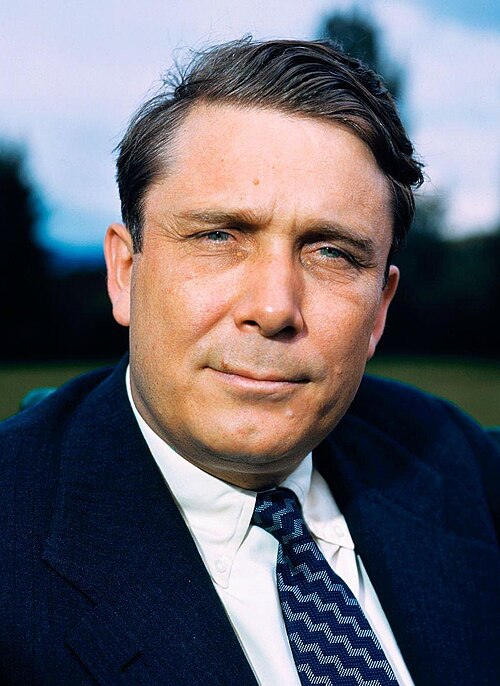
Wendell Lewis Wilkie becomes the nominee for President by the Republicans in 1940. (1892-1944, an American lawyer.)
Wendell Willkie is the Republican Party’s choice for President. What makes Roth’s story interesting is his concern for loss of Jewish ethnic identity from the influence of Americanization. Two fundamental points are made in the title of the book. There is the obvious “…Plot Against America” with Lindbergh as an America candidate for President who supports Hitler. A less obvious point is Roth’s more subtle “…Plot…” by American society to diminish ethnicity. In Roth’s story, Lindbergh is elected as President of the United States.
Drawing the line between cultural disintegration and acculturation is different in an autocracy than in a democracy. A perfect democracy allows ethnicity to flourish within the boundaries of common societal norms while an autocracy demands conformity to specific societal norms that, in some autocratic countries, become demands. Roth’s point in “The Plot Against America” is that ethnic identity is a fundamental right of human beings that should not be denied by any government. This is not to say that ethnic identity is not influenced by society, but that ethnicity should only be a natural, not governmentally enforced influence. Roth’s story shows a fine line that is crossed by America in influencing Jewish culture to become less ethnic. He tells the story of a government endorsed program to offer Jewish children the opportunity to become laborers on American farms. That experience leads to a Jewish child’s exposure to eating pork which is explicitly forbidden by the Torah because it is considered unclean. Roth shows “old world” ethnic’ cautions are sometimes abandoned because of life experiences that diminsh ethnic taboos.
Discrimination based on ethnicity, race, or sex diminishes democracy.
Roth shows acculturation is both an opportunity and danger in “The Plot Against America”. One may read into Roth’s story that he regrets the Americanization of Jewish ethnicity. To the extent that the discipline of education may be harmed by acculturation, one is inclined to agree with Roth. On the other hand, ethnic identification has led to unequal opportunity based on ethnicity, race, or sex which should have nothing to do with innate capability.