Books of Interest
Website: chetyarbrough.blog
Eager (The Surprising, Secret Life of Beavers and Why They Matter)
Author: Ben Goldfarb
Narration by: William Damron

Ben Goldfarb (Author, environmental writer, journalist based in Colorado.)
Goldfarb has written a book about beavers, a nocturnal, thick furred, waterproof coated animal with teeth powerful enough to fell trees, strip bark, build natural dams, and carve channels through wood. His history of beavers is a mixture of positives and negativities about an animal that is both ecologically beneficial and destructive. Goldfarb clearly comes down on the side of ecological value for society to endorse beaver preservation and growth.
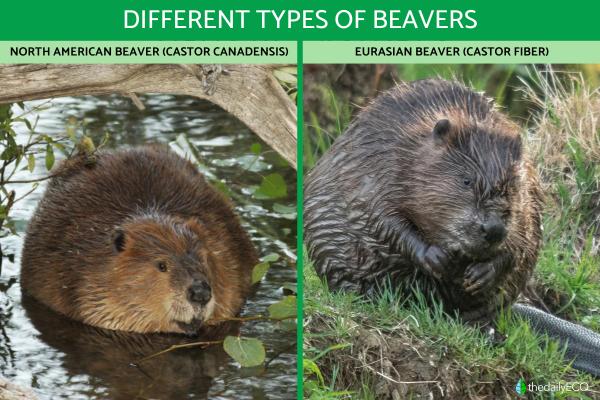
Beaver species.
A fairly balanced history of beavers is given by Goldfarb but those who take the time to listen/read his book are likely to be skeptical. Beavers naturally create wetland habitats that store water, filter pollutants, and create habitats for fish, birds, amphibians, and insects. Beavers are natural hydrological engineers that slow water erosion, restore groundwater, and mitigate drought. The ponds and wetlands they naturally create become fire safety breaks. Beavers create ponds that store carbon, buffer heat, and aid human climate-adaptation. On the other hand, beavers cause flooding of roads, basements, and farmland fields. They destroy trees, flood crops, and interfere with irrigation systems. They naturally propagate themselves to aggravate negative impacts on human farming and habitation.
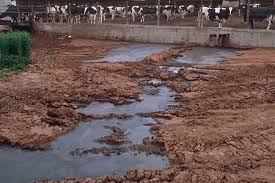
Wetland management.
Goldfarb suggests the negative impact of beavers can be mitigated by human management of their behavior in natural habitats. To prevent flooding, he notes human actions can be taken to control water levels with flow regulation. Goldfarb notes beaver deception devices have been created by humans that effectively prevent flooding by deceiving beaver’s natural building habits that raise water levels. Goldfarb notes beavers natural dam building can continue with human oversight to control water levels with culvert diversions. Particular trees can be fenced or protected by wire mesh from being destroyed. The population of beavers can be managed by moving species to other sites or by limiting their areas of colonization. The advantage of beaver management is that beaver productivity would benefit society at less cost than human engineering and building of water management systems.
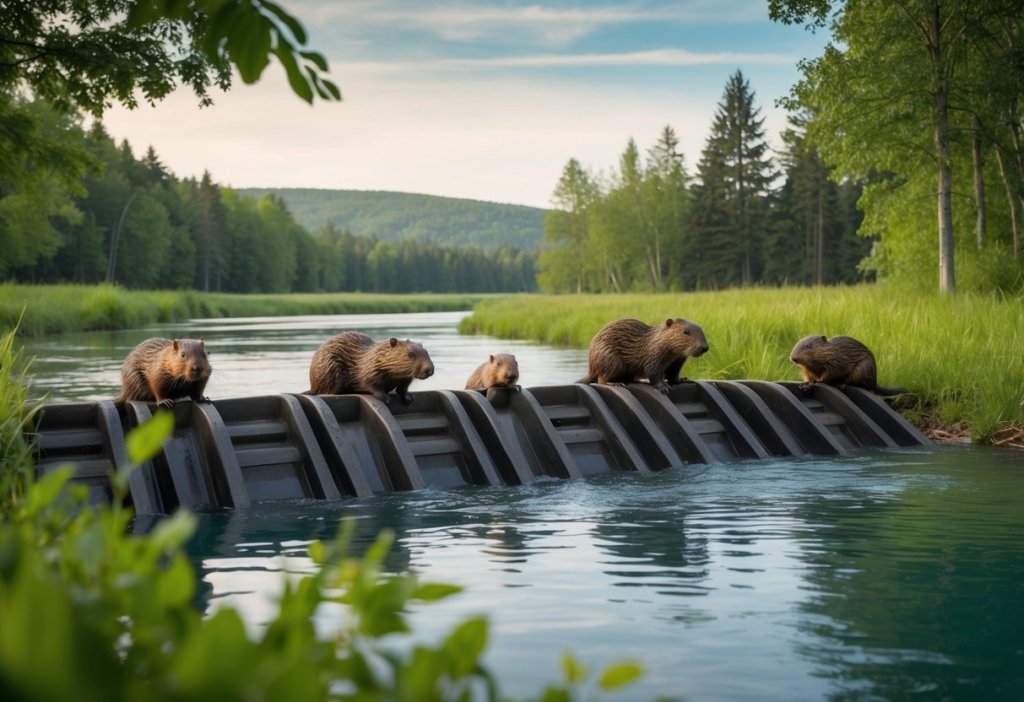
Natural beaver habitat?
With proper management by society, natural beaver habitats can improve water storage, buffer for fire damage, create natural fisheries, and restore the benefits of wetlands to the environment. Beavers could become the engineers and laborers needed to create an improved natural environment.
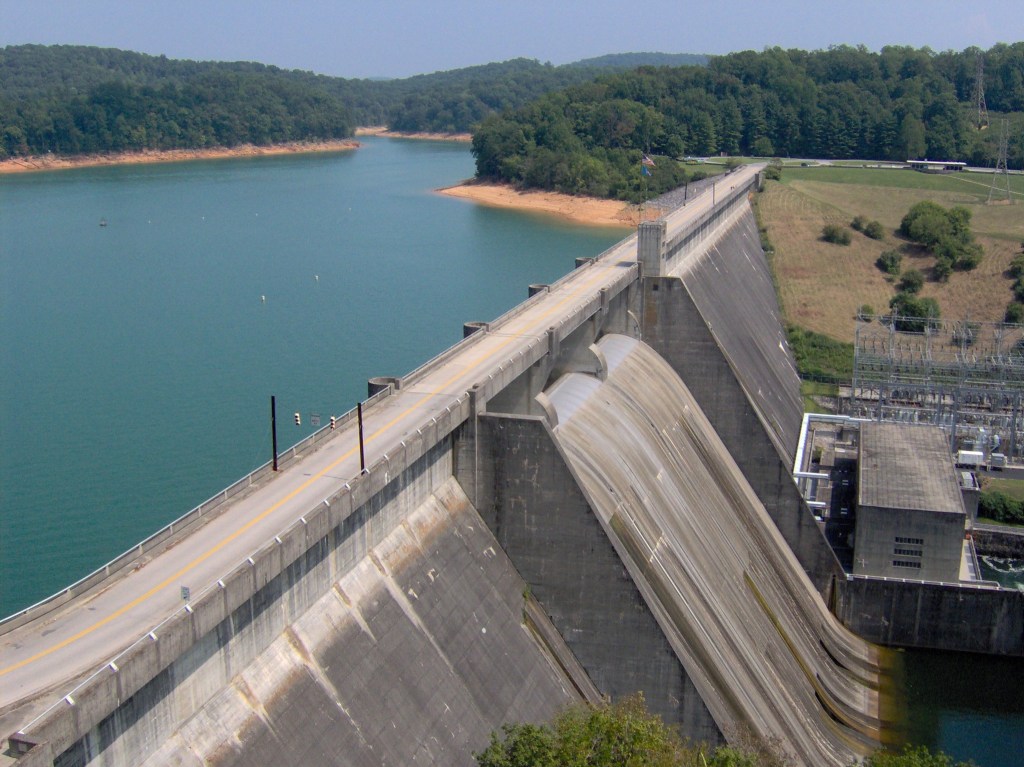
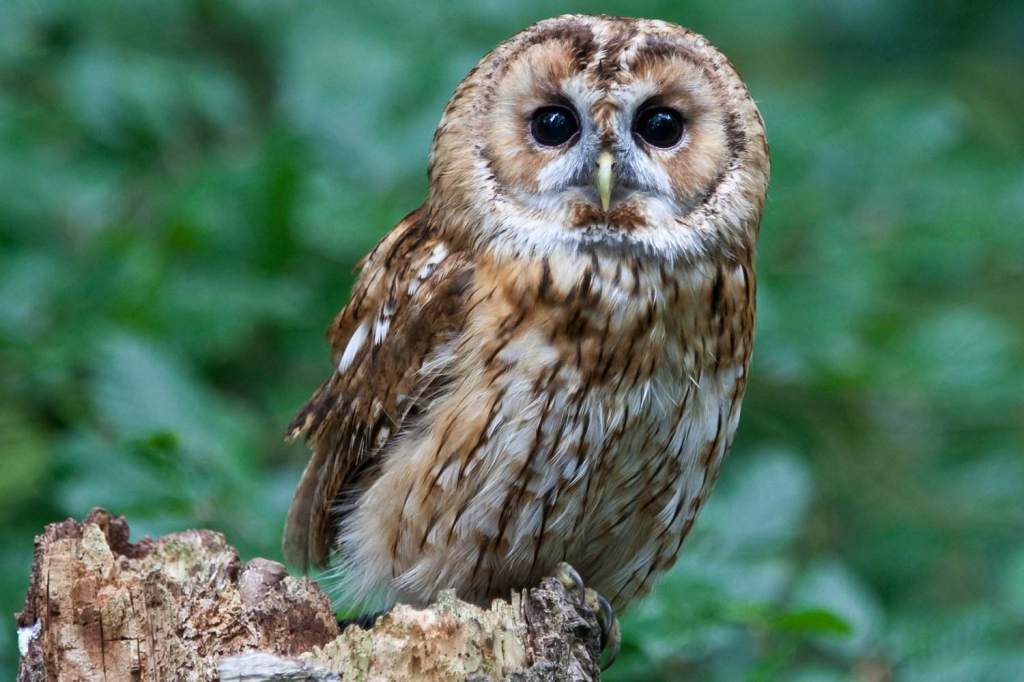
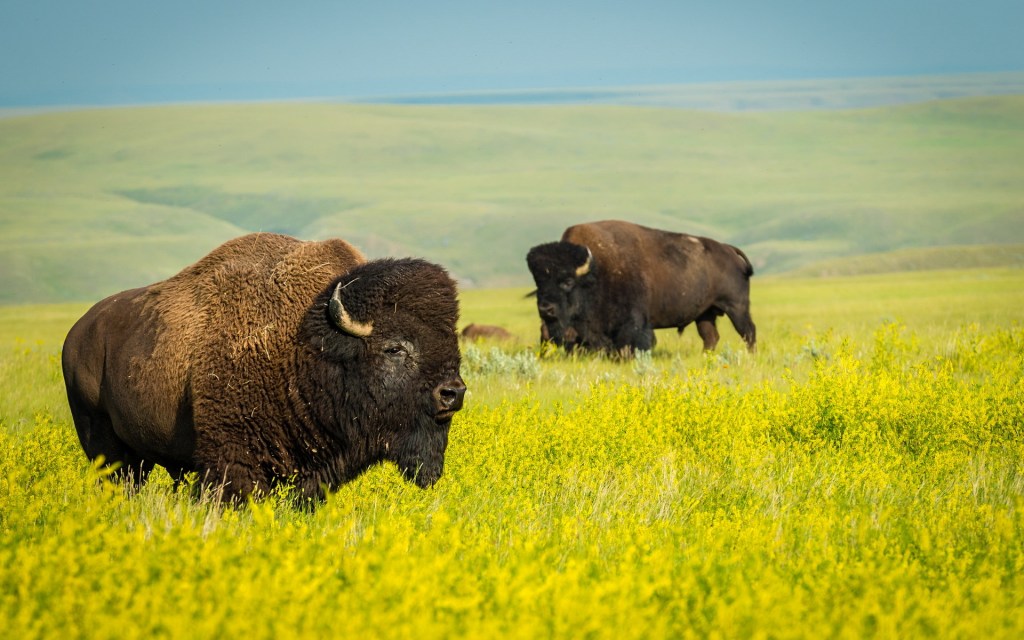
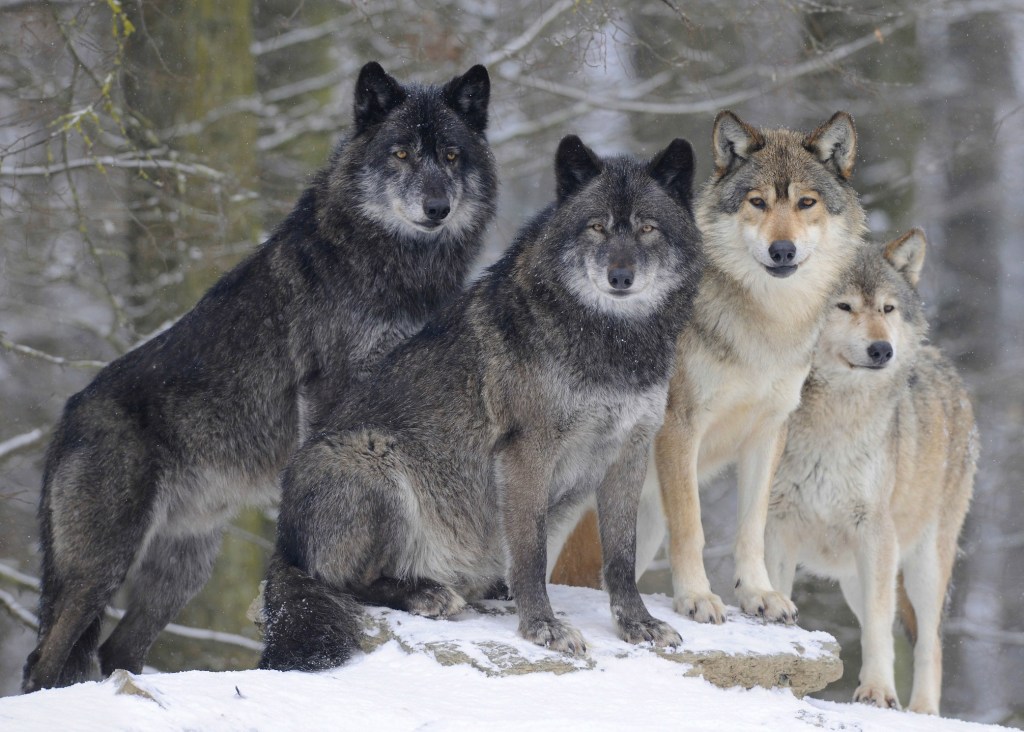
However, history shows humans have overfished habitats of Atlantic cod, Bluefin tuna, and salmon which has been exacerbated by poor hatchery management and dam construction. Predator eradication by humans wiped out wolves across Europe and North America causing explosions in deer and elk populations that overgrazed forests and caused excessive river erosion. Bison killed by human hunters nearly disappeared on the Great Plains in the 19th century. Their eradication is partly responsible for prairie ecosystem deterioration from invasive grasses, soil carbon depletion, and increasing dust storms. Mass poisoning campaigns of rats and mice led to their resistance to poisons and indirectly killed owls, hawks, and foxes.
The weakness in Goldfarb’s idea of beaver management is that human society has never been good at “managing” animal behavior. The laws of unintended consequences seem to always get in the way.