
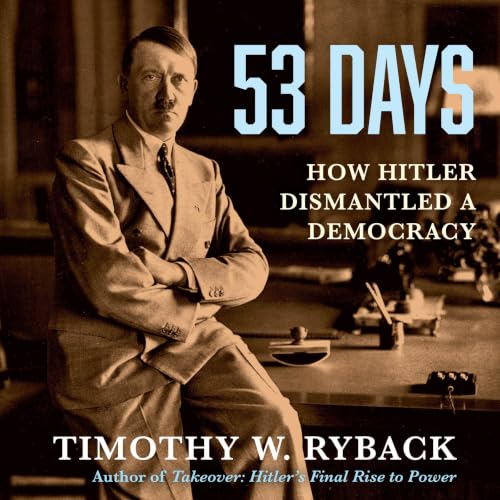
Audio-book Review
By Chet Yarbrough
(Blog:awalkingdelight)
Website: chetyarbrough.blog
53 Days (How Hitler Dismantled a Democracy)
By: Timothy W. Ryback
Narrated by: Jacques Roy

Timothy W. Ryback (Author, historian, director of the Institute for Historical Justice and Reconciliation in The Hague, former lecturer on Concentration of History and Literature at Harvard.)
In writing “53 Days” Timothy Ryback identifies warning signs of democratic policy violations in Germany by Adolph Hitler in the 1930s. Hitler’s methodology is to attack institutions of government like the court system, the election process, government employment, and the media while blaming communist sympathizers trying to capture the government. The condition of the German economy is dire. Between 24 percent and 30 percent of Germany’s population were unemployed. Industrial output fell by 46%. A growing number of middle-class workers were losing their savings because of job losses. Faith in democracy collapses with citizens turning toward a belief in something different; i.e., either Communism or Nazism.
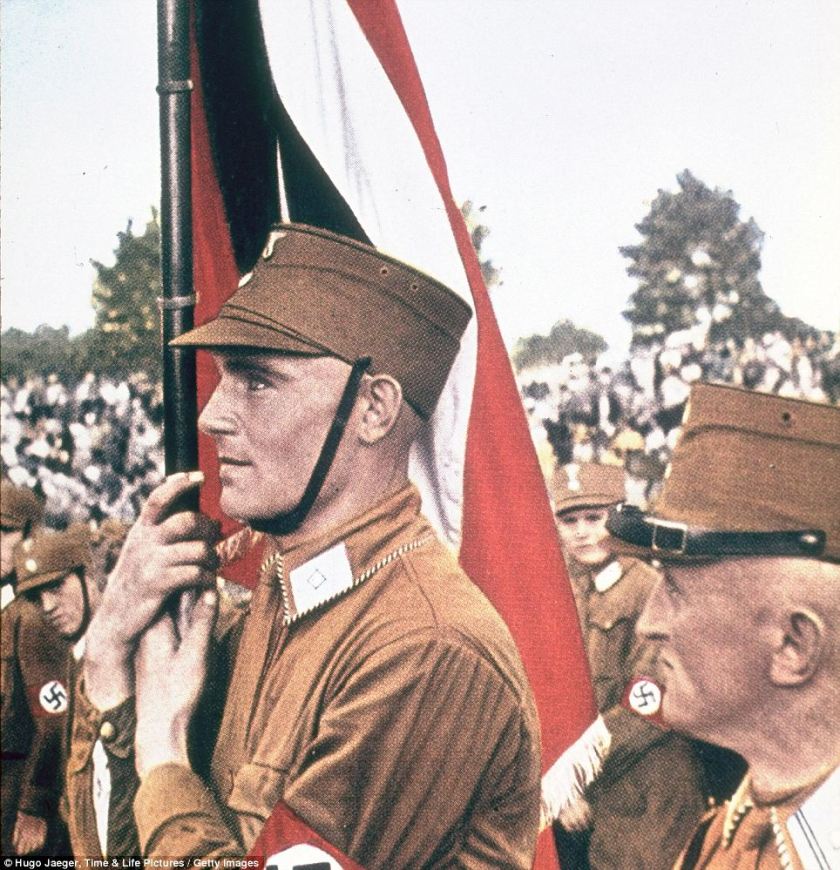
The Nazi party became the largest political force, though not a majority, in the 1932 election which gave legitimacy to the rise of Adolph Hitler.
Hitler preached power and refuses compromise. This nearly kills his appeal to the German majority but as Hitler exploits divisions among his rivals, their disorganization and infighting creates a vacuum that reduces resistance to the public’s interest in Hitler’s party. Most conservative leaders miscalculated the political appeal of Hitler. They took comfort in the appointment of President Hindenburg who expressed disdain for Hitler and his party platform. The tide soon turns with the suspicious Reichstag fire. (The suspicion is whether the fire is started by Nazis, the communists, or a lone arsonist unassociated with either party. The inference of the author is that it was a lone arsonist, but Hitler used the incident to inflame a political fire among fence sitters who sought governmental change.)
Surprisingly, Rybeck notes Hitler did not defeat democracy or the communist movement through a simple exercise of power but by using legal and constitutional procedures to overthrow a German democracy based on a distortion of democratic principles. Hitler’s rise, in Rybeck’s opinion, was not inevitable. However, many political leaders underestimated Hitler’s ability to undermine democracy by using democratic principles to undermine its efficacy. Rybeck believes democracy is a workable form of government rule in Germany’s time of economic strife, even in the 1930s. If constitutional safeguards, political parties, courts, and leaders upheld democratic norms, Rybeck believes real democracy could have restored the German economy. Of course, that is a road not taken because Hitler’s distortion of democratic norms gains control over the German government that turns into an autocracy. A listener/reader wonders whether America is at risk of being ruled by a clever tyrannical leader like Hitler.

The erosion of trust in elections is apparent in America from outsized influence of wealthy Americans and corporations that have agendas that are as likely to support as impede democratic ideals. Challenges to American Democracy have appeared from the influence of the politically and financially powerful in America. The independence of the judiciary and restrictions on news media access by the President are examples of challenges to the norms of American Democracy. Actions by today’s American President lean toward making America more autocratic than democratic. Trump’s vilification of the press, arbitrary firing of government employees, reliance on sycophancy as a measure of ability to manage government departments, undermining America’s election system, and the weakening of Constitutional checks and balances are examples of growing autocracy in America.
As one listens to Rybeck’s book, one sees parallels between Germany’s economy in the 1930s and rising economic insecurity in America. Like the society in Germany of the 1930s, America shows growing economic inequality, and declining trust in government departments from the arbitrary firing of competent employees. The rising political polarization of America is magnified by the election of an autocrat to govern an America that is founded on the principles of democracy. The wealth of people like Elon Musk, Jeff Bezos, Larry Page, Michael Dell and corporations like Google, AOL, Meta, Comcast, Walt Disney Company, Fox and other media conglomerates have inordinate power to influence public opinion; largely based on “what government policies benefit them”.
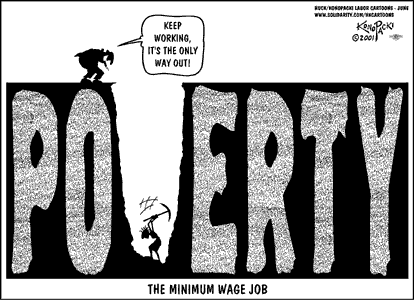
“One person, one vote” as the power of democracy is seriously challenged in today’s America. America’s economic situation is nothing as dire as Germany’s in the 1930s. American democratic institutions are firmly established by the Constitution. We are not recovering from a world war. However, a concern remains because of the rising gap between rich and poor in America.
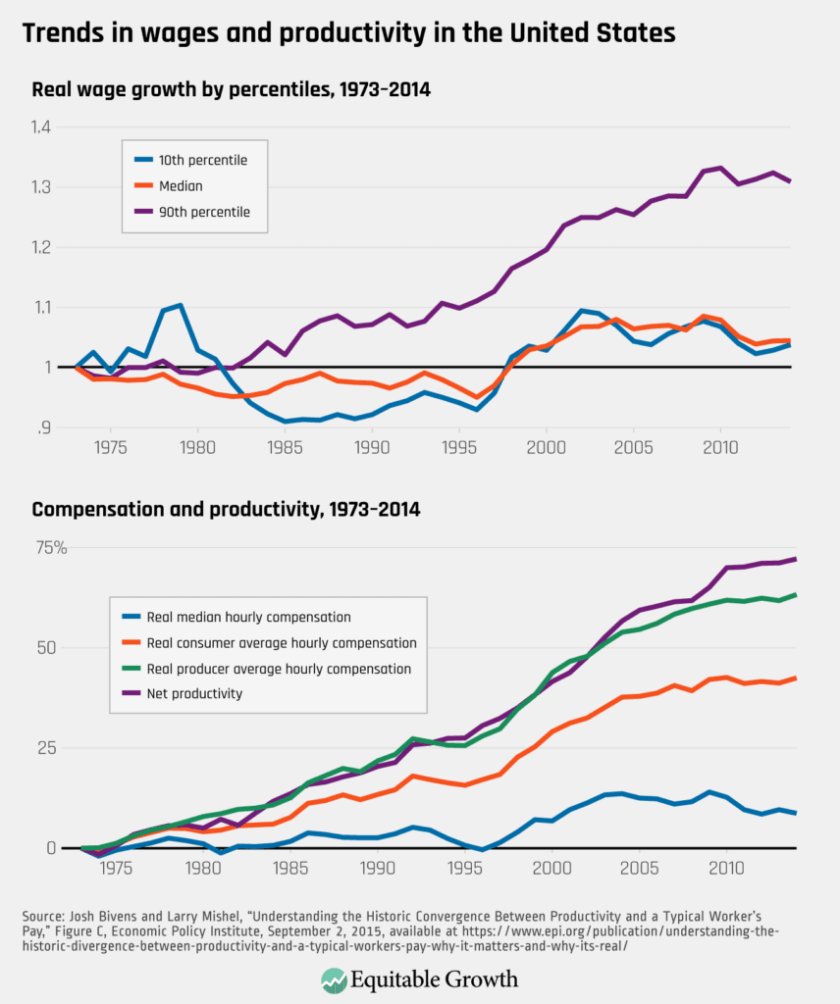
The rising Gap between the rich and poor in America.
Politicians seem more focused on winning elections than defending democratic norms. Democratic ideals are being undermined by major influencers that have money and power in America. Independence of the courts needs to be reinforced. Elections must remain free and competitive without threats from a President that undermines the integrity of Americans right to vote. News media must retain its independence and a fundamental right of access to public government meetings. Federal government departments must have a level of independence with continuing education to professionalize their management skills. Constitutional limits must be respected by government representatives. Political parties and the elites of America need to constrain political leaders who violate the ideals of democracy.
Ryback’s history of Hitler’s rise in Germany is a reminder of how fragile democracy can be.


