DEMOCRACY

Timothy Ryback’s history of Hitler’s rise in Germany is a reminder of how fragile democracy can be.

Audio-book Review
By Chet Yarbrough

(Blog:awalkingdelight)
 Website: chetyarbrough.blog

53 Days (How Hitler Dismantled a Democracy)

By: Timothy W. Ryback

Narrated by: Jacques Roy

Timothy W. Ryback (Author, historian, director of the Institute for Historical Justice and Reconciliation in The Hague, former lecturer on Concentration of History and Literature at Harvard.)

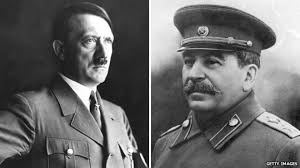
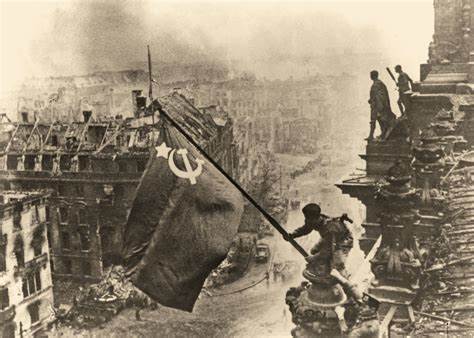
In writing “53 Days” Timothy Ryback identifies warning signs of democratic policy violations in Germany by Adolph Hitler in the 1930s. Hitler’s methodology is to attack institutions of government like the court system, the election process, government employment, and the media while blaming communist sympathizers trying to capture the government. The condition of the German economy is dire. Between 24 percent and 30 percent of Germany’s population were unemployed. Industrial output fell by 46%. A growing number of middle-class workers were losing their savings because of job losses. Faith in democracy collapses with citizens turning toward a belief in something different; i.e., either Communism or Nazism.
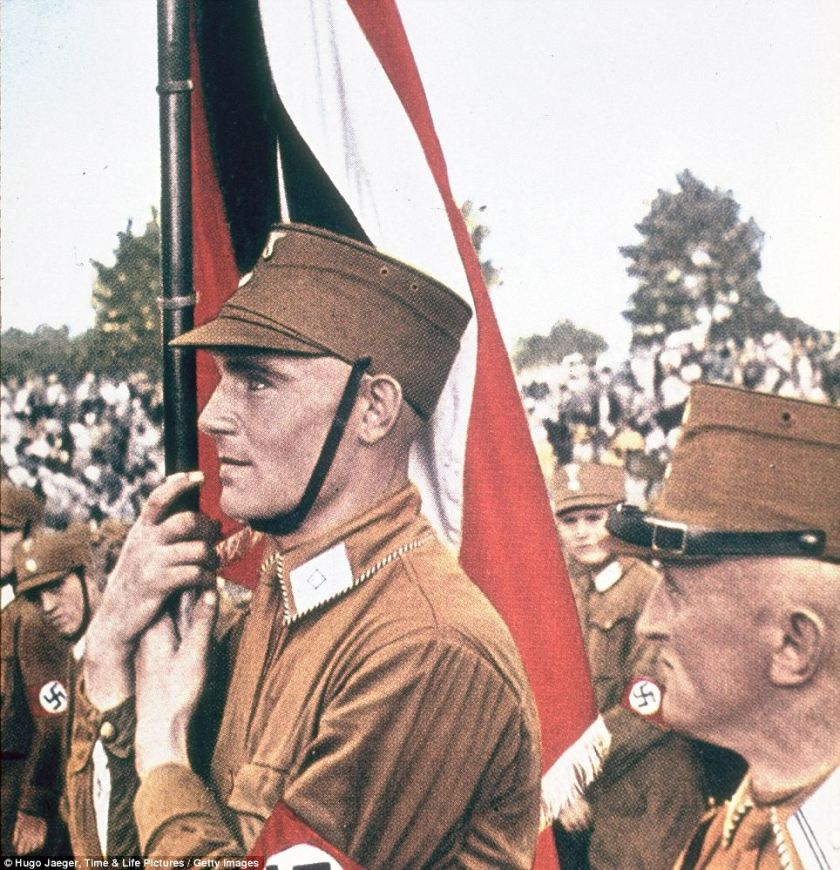
The Nazi party became the largest political force, though not a majority, in the 1932 election which gave legitimacy to the rise of Adolph Hitler.

Hitler preached power and refuses compromise. This nearly kills his appeal to the German majority but as Hitler exploits divisions among his rivals, their disorganization and infighting creates a vacuum that reduces resistance to the public’s interest in Hitler’s party. Most conservative leaders miscalculated the political appeal of Hitler. They took comfort in the appointment of President Hindenburg who expressed disdain for Hitler and his party platform. The tide soon turns with the suspicious Reichstag fire. (The suspicion is whether the fire is started by Nazis, the communists, or a lone arsonist unassociated with either party. The inference of the author is that it was a lone arsonist, but Hitler used the incident to inflame a political fire among fence sitters who sought governmental change.)
Surprisingly, Rybeck notes Hitler did not defeat democracy or the communist movement through a simple exercise of power but by using legal and constitutional procedures to overthrow a German democracy based on a distortion of democratic principles. Hitler’s rise, in Rybeck’s opinion, was not inevitable. However, many political leaders underestimated Hitler’s ability to undermine democracy by using democratic principles to undermine its efficacy. Rybeck believes democracy is a workable form of government rule in Germany’s time of economic strife, even in the 1930s. If constitutional safeguards, political parties, courts, and leaders upheld democratic norms, Rybeck believes real democracy could have restored the German economy. Of course, that is a road not taken because Hitler’s distortion of democratic norms gains control over the German government that turns into an autocracy. A listener/reader wonders whether America is at risk of being ruled by a clever tyrannical leader like Hitler.

The erosion of trust in elections is apparent in America from outsized influence of wealthy Americans and corporations that have agendas that are as likely to support as impede democratic ideals. Challenges to American Democracy have appeared from the influence of the politically and financially powerful in America. The independence of the judiciary and restrictions on news media access by the President are examples of challenges to the norms of American Democracy. Actions by today’s American President lean toward making America more autocratic than democratic. Trump’s vilification of the press, arbitrary firing of government employees, reliance on sycophancy as a measure of ability to manage government departments, undermining America’s election system, and the weakening of Constitutional checks and balances are examples of growing autocracy in America.
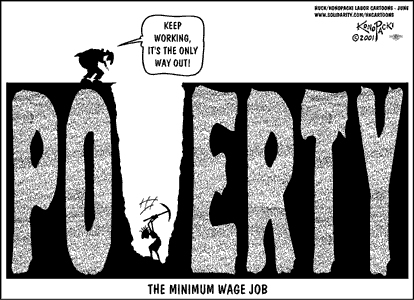
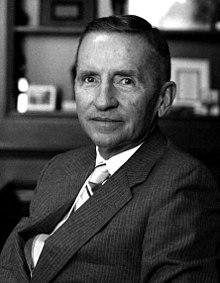
As one listens to Rybeck’s book, one sees parallels between Germany’s economy in the 1930s and rising economic insecurity in America. Like the society in Germany of the 1930s, America shows growing economic inequality, and declining trust in government departments from the arbitrary firing of competent employees. The rising political polarization of America is magnified by the election of an autocrat to govern an America that is founded on the principles of democracy. The wealth of people like Elon Musk, Jeff Bezos, Larry Page, Michael Dell and corporations like Google, AOL, Meta, Comcast, Walt Disney Company, Fox and other media conglomerates have inordinate power to influence public opinion; largely based on “what government policies benefit them”.

“One person, one vote” as the power of democracy is seriously challenged in today’s America. America’s economic situation is nothing as dire as Germany’s in the 1930s. American democratic institutions are firmly established by the Constitution. We are not recovering from a world war. However, a concern remains because of the rising gap between rich and poor in America.
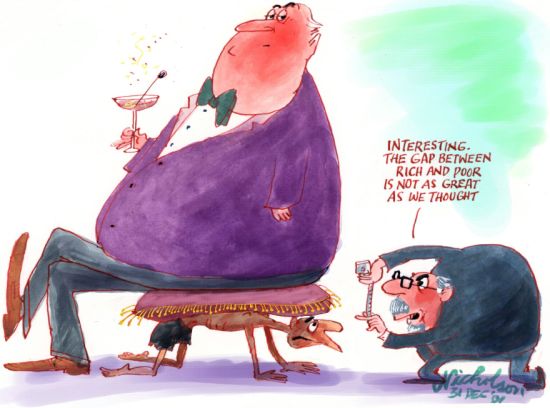
The rising Gap between the rich and poor in America.

Politicians seem more focused on winning elections than defending democratic norms. Democratic ideals are being undermined by major influencers that have money and power in America. Independence of the courts needs to be reinforced. Elections must remain free and competitive without threats from a President that undermines the integrity of Americans right to vote. News media must retain its independence and a fundamental right of access to public government meetings. Federal government departments must have a level of independence with continuing education to professionalize their management skills. Constitutional limits must be respected by government representatives. Political parties and the elites of America need to constrain political leaders who violate the ideals of democracy.

Ryback’s history of Hitler’s rise in Germany is a reminder of how fragile democracy can be.
LEADERS

Diamond shows leaders are human which by definition makes them imperfect.

Audio-book Review
By Chet Yarbrough

(Blog:awalkingdelight)
 Website: chetyarbrough.blog

Profits, Prophets, Coaches and Kings (When Do Leaders Matter?)

By: Jared Diamond

Narrated by: Christopher Ragland

Jared Diamond (American author, scientist, and historian. Considered as one of the top 100 public intellectuals who also wrote “Guns, Germs, and Steel” that received the 1998 Pulitzer Prize.)

Diamond has written a ponderous history of world leaders, sports coaches, famous entrepreneurs, and founders of religion. Why and how great leaders change the course of history, corporations, winning sports teams, and religious belief are the subjects of “Profits, Prophets, Coaches and Kings”. He eventually concludes that leaders do matter but the time and social circumstances in which they live have a great deal to do with what they accomplish. By accomplish one presumes he means what leaders have done whether it is for the good or harm for those they lead. He offers no particular revelatory conclusion other than great leaders are driven to succeed.

Historians have struggled with Diamond’s idea of great leaders for centuries. He offers a conclusion that sits on a fence between leader’s strengths, weaknesses, and the social conditions of the time in which they lead. Diamond argues leaders’ matter, but their impact depends on energetic ambition, personal drive, and, most importantly, the social circumstances of the era in which they live.

Opportunity and risk.

Historical conditions create opportunities and risks. A leader capitalizes on personal attitude, and a vision of the time in which they live. A leaders’ interpretation of experiences in their personal lives and the events of the society in which they live, at the time of their rise to leadership, determine their success or failure. All of these characteristics are noted in “Profits, Prophets, Coaches and Kings (When Do Leaders Matter?)”.

WINSTON CHURCHILL (1874-1965)

A political example of Diamond’s point is the advent of WWII. When analyzing an event like WWII, Winston Churchill’s life experience and the society and economy of the country in which he is raised are entirely different from what Adoph Hitler’s life experience and German society foretells. Churchill and Hitler tapped into the strengths and weaknesses of their societies to exercise similar but different leadership skills. Hitler uses his military experience, abhorrent prejudices, and oratorical skills to create a fascist state. The personal experiences of Hitler’s life are imprisonment, poverty, and created prejudices that resonate with Germany’s roaring twenties feelings of powerlessness. The burden of WWI reparations is crippling German society. In contrast to Hitler, Churchill uses his war experience, oratorical skill, and patrician life of privilege to martial the forces of the West against Germany’s invasion of Poland, the precursor to WWII.

The fall of Germany in WWII.

Germany’s hyper-inflation caused by the financial burden of reparation imbued German citizens with a sense of powerlessness in their lives. Hyper-inflation and a weakened German economy made Western Powers’ reparations an impossible obligation for the German people to meet.

Hitler appears to have overcome personal hardship and gained ground in German politics by cleverly currying favor with German leaders in this time of economic hardship. Hitler gains a platform for addressing German citizen’s social discontent. He offers a message that resonates and rewards citizens who are drawn into Hitler’s belief that the world unjustly penalizes Germany for WWI. Hitler capitalizes on citizens’ powerlessness by rebuilding the German army as he gains political power. By invading Poland, and blaming others (particularly Jews) for the condition of German society, Hitler’s power and influence increases. He appeals to German society in ways that diminish rationality by blaming others for the ills of a collapsing the economy.

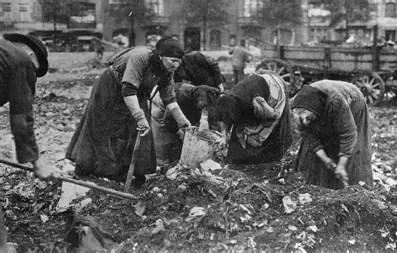
Poverty, raised taxes, and helplessness in Germany before WWII.

Hitler operates within social conditions that are present in Germany at the time of his leadership ascension. Hitler is suited to the moment because of his personal life and developed oratorical skill that overcome feelings of powerlessness. His idea is to blame others for German poverty and hyperinflation which resonates with many German citizens.

Invading Poland becomes the western world’s cost for unfair reparations that make Hitler an early hero of many German citizens. It is a small step for Hitler to organize blame for Germany’s economic crisis on Jews with tacit, if not complicit, cooperation of many who wished for a scapegoat for Germany’s economic collapse. Hitler uses learned oratorial skill to capitalize on feelings of citizen powerlessness to become Germany’s autocratic leader.

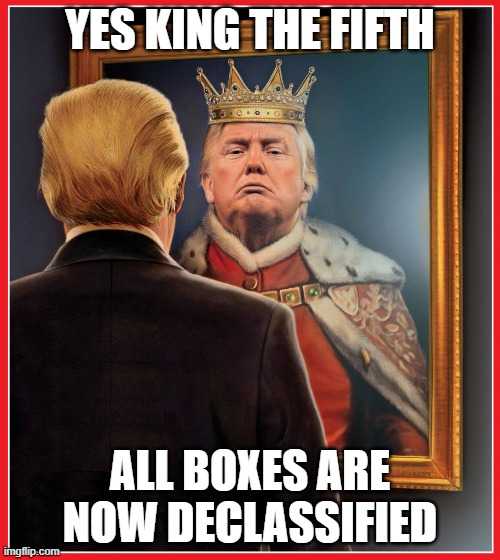
Hitler starts acting like a King.

Once the general population accepts Hitler as leader, he has sovereign authority to act like a King. He chooses to invade Poland. As Germany’s new leader, Hitler creates a nationalist agenda to rebuild Germany as one of the great powers. Initially, the international community is not prepared to respond. Another world war appears in the offing. Is that because of Hitler’s decisions or the circumstances of the time and the mistakes engendered by the Treaty of Versailles?

Diamond implies WWII is not solely because of Adolph Hitler but of a confluence of his leadership skill and the social condition brought about by WWI reparations. That is the theme of Diamond’s argument for “When Leaders do Matter”. They matter when a society, a business, a sports team, or a religion is floundering and seeks someone to lead them out of a crisis. The tragedy of that truth is that it is as possible for there to be a Hitler as a Lincoln to come to the aid of a society in crisis.

Qualities of leadership.

The author concludes powerful political, economic, religious, and sport’s leaders are driven personalities who serendipitously capitalize on social crises. Diamond implies no great leader, or entrepreneur is likely to succeed without an evident political, economic, religious or sport’s crisis felt by a concerned societal group. Of course, talent, intelligence, and ambition are essential for a leader to become successful (meaning powerfully good or bad), but a societies geographic, economic, and institutional environment play a big part in their success as leaders. Diamond concludes that if great leaders of an era are taken out of their time, their success or failure is likely to be different.

Diamond argues this is true, not only for political leaders, but business moguls, sports coaches, and religion leaders. Every successful leader has followers that are grounded in societal influences that reinforce leaders’ success.

Those leaders who succeed have independent skill, but their success lies not only with their personal skill but with the people who choose to follow. Three examples given by Diamond are Bill Gates, John Wooden, and the infamous Jim Jones.

Computer generation.

The personal computer revolution had already begun when Bill Gates hit the scene. Semiconductor technology was advancing rapidly. Large markets for software were being developed. New companies were popping up every day. Diamond explains that Gates gained technical competence in the field of computers with a vision for licensing software and creating a platform for computing. Gates plowed fertile ground because of the many people who were interested in the technology of computers. He helped shape the wave of computer technology but only because of the society in which he lived. He is aided by his parents and the education he received but market recognition of the potential of computerization was already there for the taking. It is the same acceptance Hitler received from the German people before the advent of WWII.

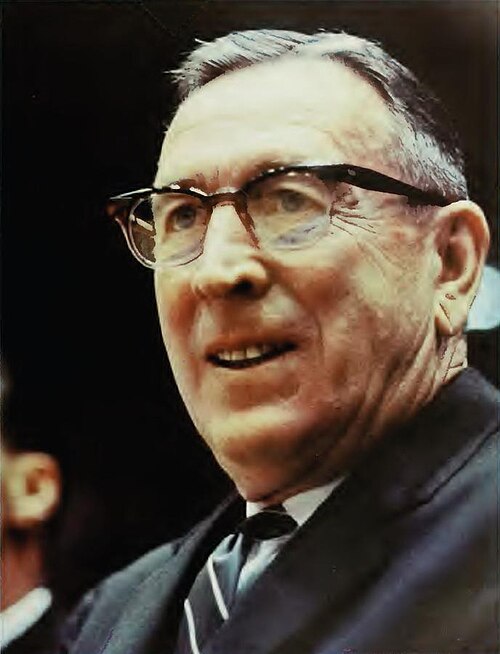
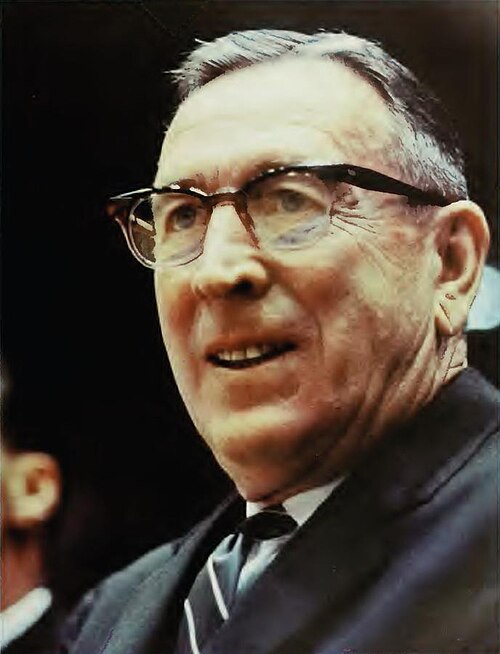
John Wooden (Led UCLA to 10 NCAA championships, the first to enter the Basketball Hall of Fame.)

The legendary John Wooden is Diamond’s example of great coaches who excelled in basketball. The measure of his success is not the wealth he gained from his coaching skill but from the number of championships his teams achieved in his career. Wooden won 10 NCAA men’s basketball national championships in 12 seasons as the coach of the UCLA Bruins. Seven of those wins were consecutive between 1967 and 1973, an unbroken record. His teams achieved 12 Final Four appearances. In his career he had a record of 664 wins which is over 80 percent of the games his team played. Wooden’s success has never been equaled which shows how important a great leader can be, but he is supported by the wealth of UCLA and an athlete recruitment system that brings great athletes to the university.

Religious leaders.

The last chapters of Diamond’s book address religious leadership. To many listener/readers, his analysis is likely to be offensive. To this reviewer, Diamond’s history is insightful but somewhat biased in that religion has been a builder as well as a destroyer of society. His emphasis is on religion’s destructive history. As a personal non-believer, Diamond reinforces atheism. History shows that religion has aided human care for others despite its ongoing destructive history which is evidenced today in the hostility between America and Iran that is supported by many religious believers. Innocent people on both sides of conflicts about religion are inevitably killed.

Diamond also gives the example of Jim Jones–

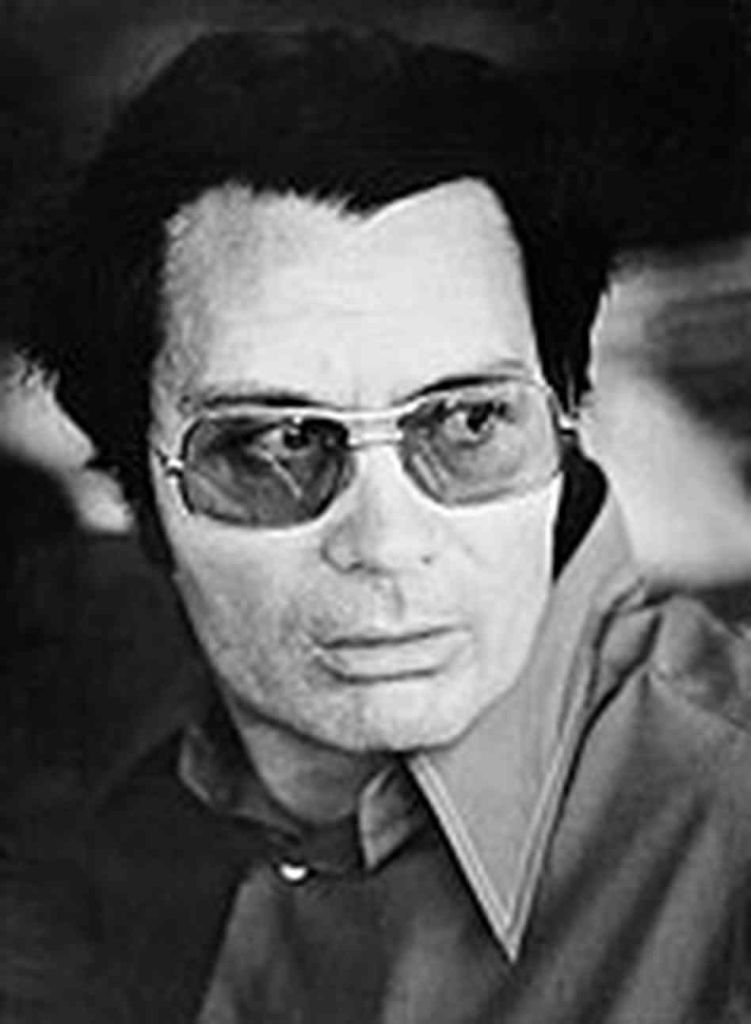
As a leader of a purported religion, Jim Jones induces men, women, and children to drink a cyanide concoction that kills 918 followers in Jonestown, Guyana on the northern coast of South America in the 1970s.

Diamond shows leaders are human which by definition makes them imperfect.

ETHNICTY

Roth shows acculturation is both an opportunity and danger in “The Plot Against America”.

Books of Interest
 Website: chetyarbrough.blog

The Plot Against America

Author: Philip Roth

Narration by: Ron Silver

PHILLIP ROTH (WINNER OF THE PULITZER PRIZE FOR FICTION, MAN BOOKER INTERNATIONAL PRIZE AND MORE)

Roth’s “The Human Stain”, and “The Plot Against America” are troubling fictional stories of American society. Roth’s imagination seems somewhat out of control in “The Plot…” but his point is that American democracy, like all forms of government, is flawed by the nature of human beings. Popular election is no guarantee of government probity because the public is as easily led by lies as the truth; i.e., something we see in today’s American government. “The Plot Against America” creates a fictional story of the advance of a racist to the Presidency of the United States at the time of Hitler’s government putsch in Germany.

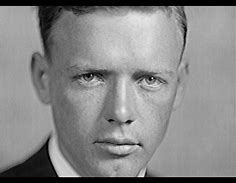
Charles Lindbergh (Famous aviator who expressed suspicion of Jews and is characterized as a supporter of Hitler.)

America had several famous supporters of Hitler’s ascension in Germany; i.e., not only Charles Lindbergh, but Henry Ford, Father Charles Coughlin, and Jospph P. Kennedy Sr., to name a few. Lindbergh believes in white supremacy but excludes those of Jewish ethnicity because he believes Jews are not a part of the American or Western racial community. He believes Jews are a separate people with separate loyalties. This conforms to Hitler’s view of German society as superior to all others. Added to Lindbergh’s racism is his belief that communism threatens individual liberty, a foundational democratic belief. Lindbergh is vociferously anti-communist even though Russia is led by white rulers. Lindbergh believes centralized state control, state suppression of dissent, and forced conformity are anti-American. This is an ironic view because Hitler insists on state control, suppression of dissent, and a forced conformity; i.e., beliefs Lindbergh infers he abhors.

Roth writes a story suggesting Lindbergh run against Franklin Roosevelt for President. Lindbergh wins in this fictional story. In truth, Lindbergh never runs for President. History actually shows the Republican party approaches Lindbergh in the late 1930s to run against Roosevelt because of his celebrity, anti-war message, and isolationist beliefs. However, Lindbergh turns the Republicans down.

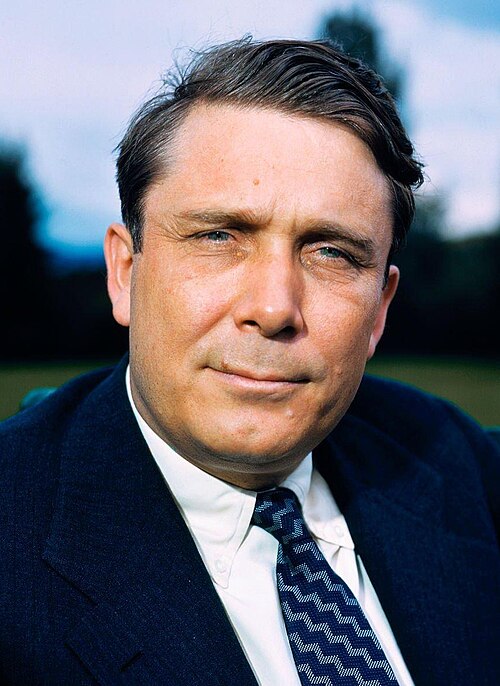
Wendell Lewis Wilkie becomes the nominee for President by the Republicans in 1940. (1892-1944, an American lawyer.)

Wendell Willkie is the Republican Party’s choice for President. What makes Roth’s story interesting is his concern for loss of Jewish ethnic identity from the influence of Americanization. Two fundamental points are made in the title of the book. There is the obvious “…Plot Against America” with Lindbergh as an America candidate for President who supports Hitler. A less obvious point is Roth’s more subtle “…Plot…” by American society to diminish ethnicity. In Roth’s story, Lindbergh is elected as President of the United States.

Drawing the line between cultural disintegration and acculturation is different in an autocracy than in a democracy. A perfect democracy allows ethnicity to flourish within the boundaries of common societal norms while an autocracy demands conformity to specific societal norms that, in some autocratic countries, become demands. Roth’s point in “The Plot Against America” is that ethnic identity is a fundamental right of human beings that should not be denied by any government. This is not to say that ethnic identity is not influenced by society, but that ethnicity should only be a natural, not governmentally enforced influence. Roth’s story shows a fine line that is crossed by America in influencing Jewish culture to become less ethnic. He tells the story of a government endorsed program to offer Jewish children the opportunity to become laborers on American farms. That experience leads to a Jewish child’s exposure to eating pork which is explicitly forbidden by the Torah because it is considered unclean. Roth shows “old world” ethnic’ cautions are sometimes abandoned because of life experiences that diminsh ethnic taboos.

Discrimination based on ethnicity, race, or sex diminishes democracy.

Roth shows acculturation is both an opportunity and danger in “The Plot Against America”. One may read into Roth’s story that he regrets the Americanization of Jewish ethnicity. To the extent that the discipline of education may be harmed by acculturation, one is inclined to agree with Roth. On the other hand, ethnic identification has led to unequal opportunity based on ethnicity, race, or sex which should have nothing to do with innate capability.

TYRANNY

Arresting people based on their appearance without judicial review puts America on the slippery slope of authoritarian tyranny.

Opinion Page
 Website: chetyarbrough.blog

Chet Yarbrough

Today, the idea of Aryan endorses the absurd belief in white, Anglo-Saxon supremacy. Research shows a French aristocrat (de Gobineau), and a British-German philosopher named Chamberlain, defined Aryans as a superior white race.

However, there are many ideas and speculations revealed by the Durants’ history of civilization.

In the Durrants’ research, the word Aryan was originally used as a descriptive word for the Brahmin class in ancient India. The Durants noted the word Aryan in their history of civilization meant “noble” or “distinguished”. The criteria of India’s Brahmin class are reprehensible to one who believes in “equality of opportunity” professed by America but not practiced by Americans.

Class identity in ancient India does deny the truth of equal opportunity but not based on the color of one’s skin, but on ritual status, occupation, and social custom.

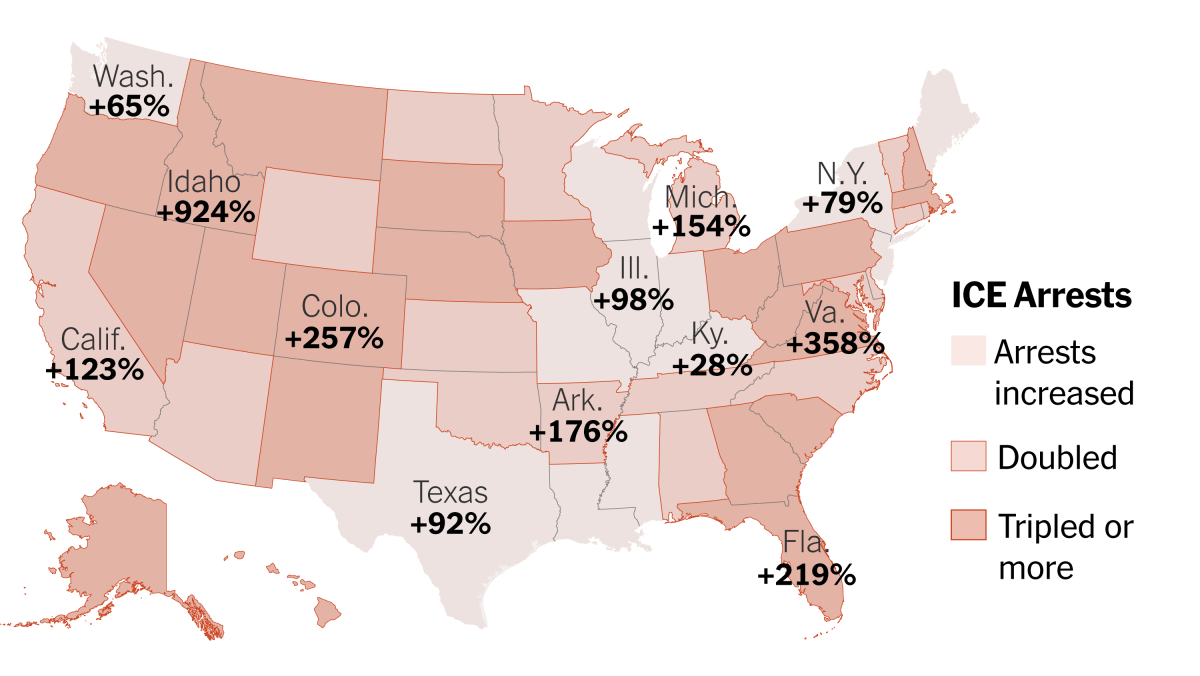
ICE’s accosting citizens because of the difference in the color of their skin is reprehensible. Of course, that has been the criteria for American Blacks before and after the Civil War.

Emigrant injustice is compounded by the failure to adjudicate immigration status before deportation.

The Administration’s use of force is a reminder of Nazi Germany when Jewish German citizens were being rounded up for believed difference and/or opposition to the government.

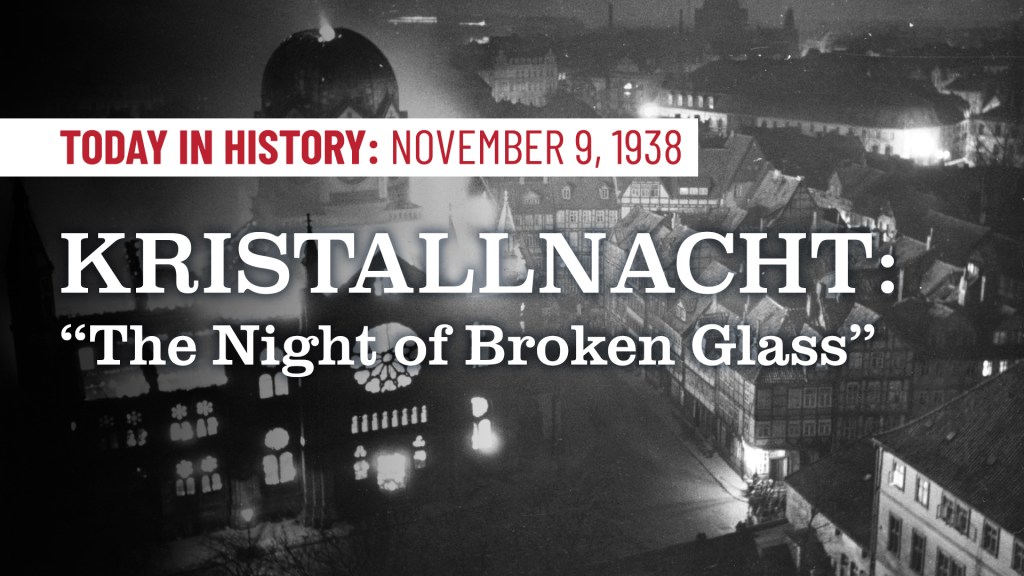
This is a picture of the beginning of Jewish discrimination in Nazi Germany with broken windows of businesses owned by Jews.

ICE arrests in America based on his non-white appearance.

Being able to easily identify difference based on physical appearance amplifies the probability of discrimination.

THREE ASIAN AMERICANS BRUTALLIZED IN 2025 BY AMERICAN RACISTS.

What has happened to the principle of “separation of powers” meant to provide a system of checks and balances on the Legislative and Executive branches of the American government? Have we abandoned Separation of Powers, Checks and Balances, power sharing between federal and state governments, the Bill of Rights, Judicial Review, and Electoral Safeguards? The idea of our Constitution is to stop a single branch of the government from dominating our system of government. Have we become a third world country? Today’s “NO KINGS” turn-out offers hope that others agree with the sentiment of this disappointed supporter of American Democracy.

Where is the Supreme Court in this injustice?

Arresting people based on their appearance without judicial review puts America on the slippery slope of authoritarian tyranny.

EQUALITY

Discrimination is certainly based on the color of one’s skin but also on gender, ethnicity, and income inequality. Those nations that embrace equality of opportunity for all will be the leaders of the future in the age of technology

Books of Interest
 Website: chetyarbrough.blog

Caste (The Origins of Our Discontent)

Author: Isabel Wilkerson

Narrated By:  Robin Miles

Isabel Wilkerson (Author, American journalist, winner of the Pulitzer Prize in journalism in 1994 while serving as the Chicago Bureau Chief for the NYTimes.)

Isabel Wilkerson has written a provocative book about what she characterizes as a rigid social hierarchy in America that undermines the ideals of democracy. Wilkerson weaves her personal life and the history of black experience with the sociological failings in America’s treatment of race. She notes the past and present truth of white America’s unequal treatment of its citizens based on race. However, her characterization of America’s discrimination as a caste system and its comparison to India’s and Nazi Germany’s governments is hyperbolic. Nevertheless, it creates a sense of urgency for those who believe in the ideal of human equality. It is difficult, if not impossible, to compare other nation’s inequality with America’s effort and present-day failure to fulfill the ideals of democracy.

The timeliness of Wilkerson’s book seems appropriate in relation to the backward steps being taken by Donald Trump.

Some Americans feel threatened by demographic change that will make white citizens less than 50% of America’s population by 2045. In theory, no one should care if all people are treated equally. What history shows is that the ideals of equality have never been achieved in America or in any other country with a dominant race and/or ethnicity.

Trump’s effort to return America to its past is interpreted by some as a return to industrial production.

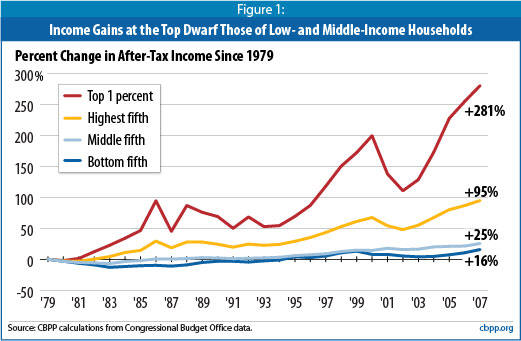
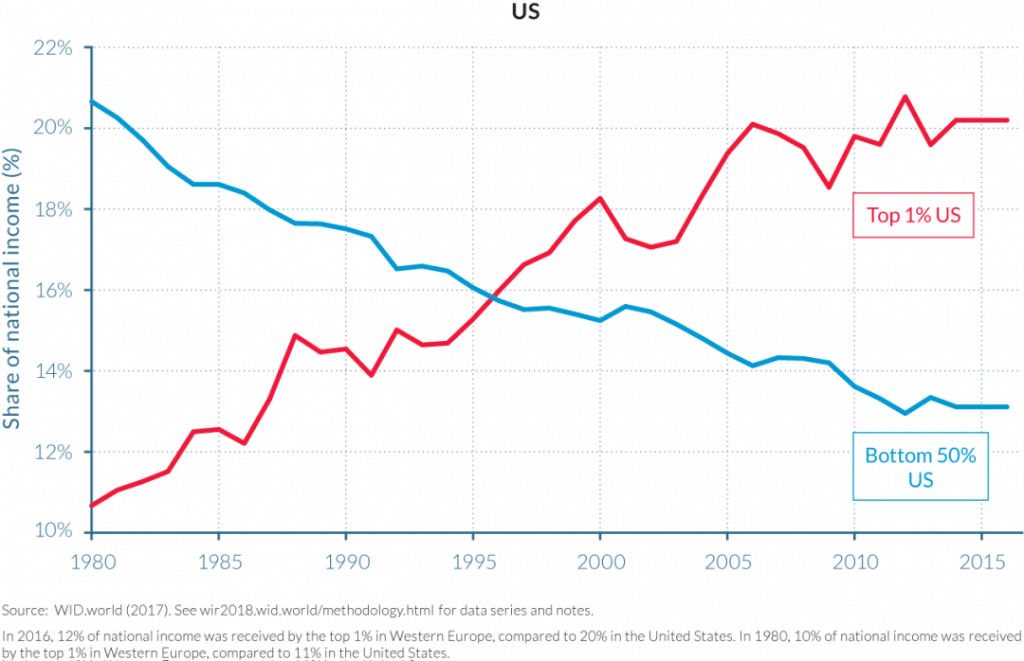
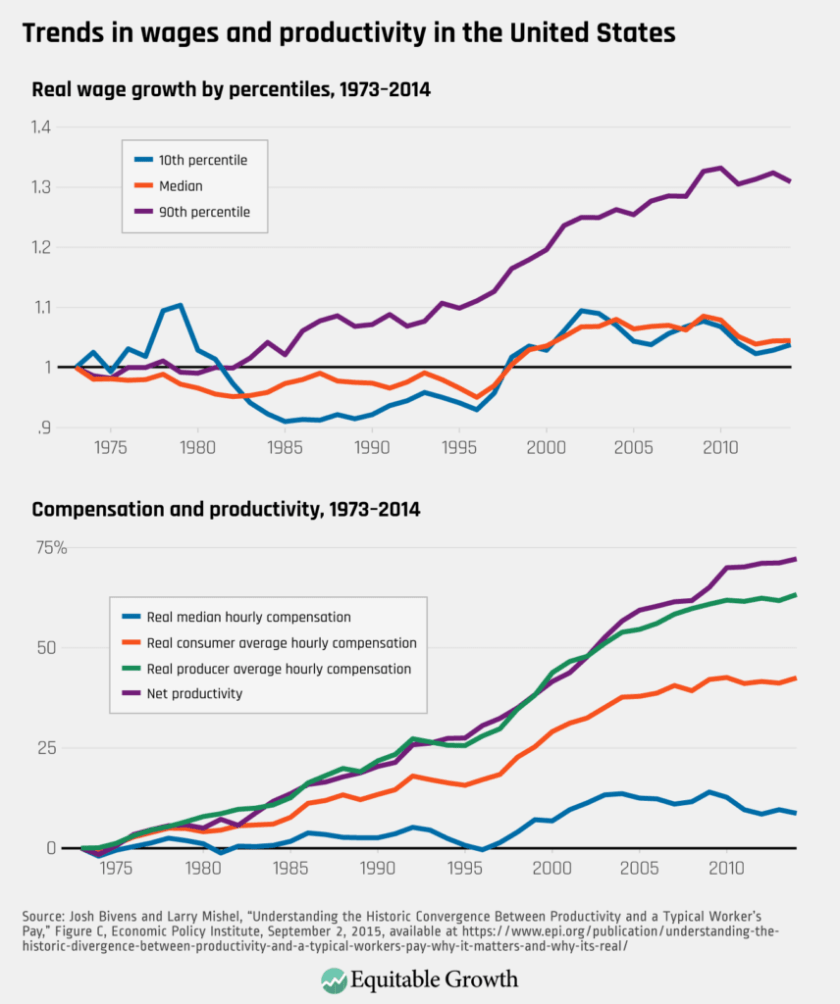
America’s return to industrialization is a false flag that will not make America Great. Reindustrialization and keeping America white is a fool’s errand based on demography and the age of technology. Trump’s desire for power, adulation, and loyalty have little to do with prejudice but everything to do with appealing to the worst fears of middle-class America. Trump is willing to use whatever dog whistle is required to satisfy his desire for power and prestige. He understands the fears of the middle class and where American power lays. Power and money are the driving forces of capitalism. Middle class American’s buying power has stagnated or fallen since the 1970s despite the increasing wealth of the top 10% of American citizens. The middle class of America is something Trump appealed to in his re-election for a second term because of their disproportionate loss of income and the rising wealth of America’s business leaders. The irony is that Trump is one of the beneficiaries of that income gap between the very rich and the working-class.

Income growth in America.

Income disparity trend in the U.S. through 2015.

Wilkerson is right in the sense that America’s real objective should be to ensure equality of all. She is arguing we should have a greater sense of urgency in achieving equality. Equal treatment for all is a formula that can maintain America’s position as an economic, military, and political hegemon. American industrial hegemony is yesterday’s goal. Technological advancement is today’s goal. To achieve today’s goals, equal treatment of all becomes essential in technology because intelligence, innovation, and persistence does not lie in any one race, sex, or creed.

America is class conscious but not in the same way as either India’s or Nazi Germany’s histories.

Wilkerson notes a caste system can be built around ethnicity, religion, language, or gender but race discrimination is what she has personally experienced and underlays much of her comparisons of American history with India and Nazi Germany. Equality of opportunity is key to continued growth of human beings and national economies in the age of technology. In the short term, one may see an autocratic country like China become an economic and military hegemon, but maintenance of that success is dependent on equality of opportunity for all, not just those in power.

One can sympathize with the author’s view of discrimination but her comparison of America to India and Nazi Germany misses too much of what unequal treatment in America is based upon.

Discrimination is certainly based on the color of one’s skin but also on gender, ethnicity, and income inequality. Those nations that embrace equality of opportunity for all will be the leaders of the future in the age of technology.

DEMAGOGUERY

In 2025, the American election process may allow an adjudicated felon become President.

Books of Interest
 Website: chetyarbrough.blog

“It Can’t Happen Here” 

By: Sinclair Lewis

Narrated By: Grover Gardener

Sinclair Lewis (1885-1951, American novelist and playwright, first American to receive the Nobel Prize in Literature.)

“It Can’t Happen Here” was published in 1935. It is a novel about the election of a fascist to the American Presidency. Lewis was a recovering alcoholic who died at the age of 65 from advanced alcoholism. Though divorced in 1942, he was a father of a son who died in WWII in 1944. There is a sad irony in his son’s death when “It Can’t Happen Here” was written before America’s entry into war against the fascist nations of Germany and Italy.

Lewis describes a view of the 1930s in America when Roosevelt was dealing with the Great Depression and Hitler was martialing a nascent Nazi party in Germany.

Some Americans viewed Roosevelt as a fascist because of his centralization of power in the government. Famous people of that time, like V.P. John Nance Garner, Journalist Walter Lippmann, and Ambassador Joseph Kennedy turned against Roosevelt’s early administration. On the one hand, “It Can’t Happen Here” may be interpreted as a critique of the Roosevelt Administration.

Benito Mussolini (1883-1945, WWII Italian dictator who founded the National Fascist Party.)

However, historians suggest Lewis wrote “It Can’t Happen Here” as a warning to Americans that a reaction to Roosevelt’s interventionist economic policies could lead to a fascist American President’s election.

A fascist President’s policies would promote rich white Americans at the expense of the poor, particularly women and racial minorities. Lewis had reservations about extending Roosevelt’s New Deal policies but recognized it had alleviated much of the Depression’s suffering.

That control and influence hugely increased in the Roosevelt administration and roosted in the 1950s with Eisenhower’s mandated Interstate Highway System, and signature Civil Rights Legislation. Some would argue it blossomed with John Kennedy’s election, expanded in Johnson’s administration, and changed direction with Reagan’s election. Between 1789 and today, American political parties have increased federal government control on, and influence of, American society. Those controls changed human’ and economic’ rights of Americans.

Humans are naturally motivated by self-interest. In a capitalist economy, money and power are synchronized influences on freedom. Those influences are concentrated in an election process largely dependent on Americans who have money and power. Without money, one is unlikely to be elected to a political office. The consequence is a distortion of equality of opportunity. Corporations legally recognized as individuals carry greater influence on electability than “one person, one vote”.

“It Can’t Happen Here” and the American Presidential election process clearly shows “It Can Happen Here”, and it has happened here.

In 2025, the American election process may allow an adjudicated felon become President.