Boyne writes an enlightening story about human judgement and feelings and how one may respond to memories of horrific events in one’s life.
Books of Interest Website: chetyarbrough.blog
“All the Broken Places” (A Novel)
Author:John Boyne
Narration by: Kristin Atherton & 1 more
John Boyne (Irish novelist and writer.)
“All the Broken Places” is a creative story about guilt, memory, responsibility, and redemption. It jumps back and forth in time with too many characters. However, it reflects on the terrible consequences of WWII and its survivors who are victims of Nazi Germany’s holocaust. It is about one woman’s long life who is a child when her father is a German Commandant and a mother, who is aware, if not complicit, of holocaust’ crimes at Auschwitz.
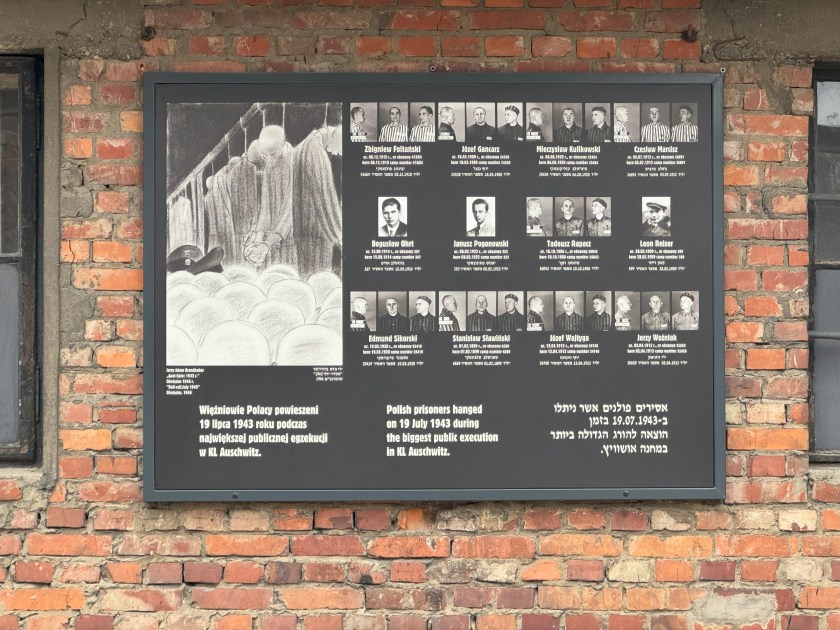
Photo of victims taken in a 2024 trip to Auschwitz.
There seems an injustice to punishing a 12-year old’s growth to adulthood for the crimes of her father, despite his horrific acts as a commandant at Auschwitz. The pain of those who lost their loved ones from WWII and the atrocities of Germany in death camps is unimaginable to most who are alive in the 21st century. The injustice of the main character’s punishment from those who lost loved ones is equally unimaginable, but John Boyne writes a fictional story of Gretel who is a young girl punished by WWII allied survivors when she and her mother move to Paris.
Teenager on the cusp of sexual awakening.
Gretel is at the age of development that has enough understanding of guilt to feel it for what her father did during the war. She is also at the age of sexual awakening. The story is about Gretel from the age of 12 to 91 when she is living in London near the end of her life. At the age of 12, she is aware of her father’s role as a commandant at Auschwitz. A reader/listener is put in the position of asking oneself if that makes Gretel complicit in the horror of the holocaust? Because her mother relies on her husband for their financial well-being, is she guilty of the crimes her husband is perpetrating at the order of the Nazi government? Can one think a 12-year-old is complicit?
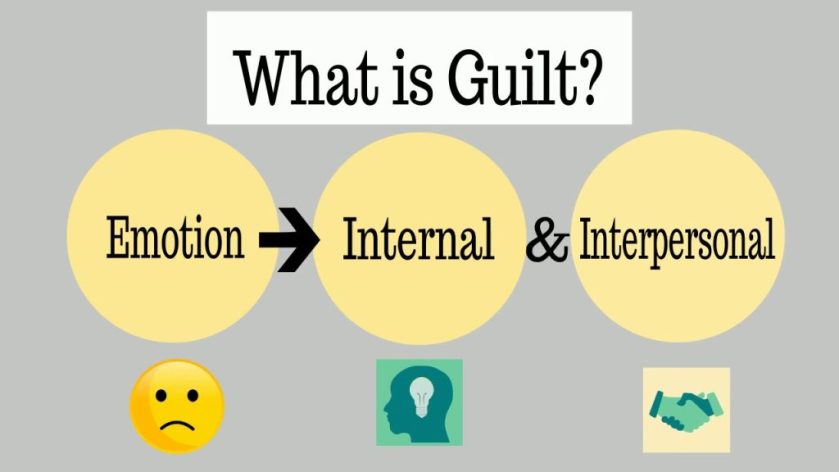
Can one be guilty of events for which they have no control over, or responsibility.
The life of Gretel is an exploration of one’s guilt, memory, and responsibility for the holocaust and deaths from WWII. Gretel keeps her childhood connection to Nazi Germany secret throughout her adult life. She is the older sister of Bruno, her brother, who dies as a child during the war. His death occurs at Auschwitz in circumstances that reinforce the horror of the camp. Elsa is Gretel’s mother who searches for a husband to take care of them in their move to Paris. As Gretel matures, her guilt about her father’s role in Nazi Germany rises.
As Gretel’s mother finds a match for a husband, Gretel is experiencing the teenage years of maturity where sexuality increasingly occupies her thoughts.
Gretel becomes obsessed with a handsome young boy whose father owns a small business in Paris. She puts herself forward to the boy as a possible companion for her sexual awakening. Ironically, this young boy becomes an accomplice to a punishment organized by the community to attack Gretel and her mother for being associated with the Auschwitz’ commandant. Gretel and her mother are attacked and brutally scalped by an organized mob of local residents.
The author recounts Gretel’s years of life and travels that take her from France to Australia and a retirement home in London. She never escapes her feelings of guilt and memories of a life unhappily lived. To complicate her life, she sees one of the German officers who worked for her father when she lives in Australia. Kurt Kozel, whose name is actually Kurt Kotler, has survived the war, hidden his war identity, is married, and has a young son. What happens next draws one further into the theme of the author’s story about guilt and how it can affect one’s behavior.
Boyne writes an enlightening story about human judgement and feelings and how one may respond to memories of horrific events in one’s life.
Eric Weiner’s book is an interesting and entertaining journey through philosophy by traveling the world and offering brief vignettes of one obscure writer, and several famous philosophers.
Books of Interest Website: chetyarbrough.blog
The Socrates Express (In Search of Life Lessons from Dead Philosophers)
Author: Eric Weiner
Narration by: Eric Weiner
Eric Weiner (Author, American journalist, former NPR correspondent.)
“The Socrates Express” is an entertaining writer’s understanding of important historical philosophers. Though Weiner is not formally educated in the discipline, his wide knowledge from reading their written works is summarized in language that can be understood by anyone interested but not steeped in philosophy. His wide travel exposes him to many of the environments in which great philosophers created their known works. What makes “The Socrates Express” entertaining is Weiner’s clever writing and the countries he travels to, some of which he has lived in for a time. He travels to Athens, Kyoto, Frankfurt, Delhi, and the home of Henry David Thoreau who lived at Walden Pond in Concord, MA.
The “Socretes Express” explains the author’s trips to Athens, his trip to Kyoto for Sei Shōnagon’s (a lesser-known philosopher), to Frankfurt for Schopenhauer, to Delhi for Mahatma Gandi, and Massachusetts for Thoreau. There are many other philosophers Wiener touches upon but these four are good examples of the span of Wiener’s understanding of their philosophies. Not being schooled in philosophy, what Wiener explains is entertaining and interesting to its listeners and readers.
A description of Socrates is given by Weiner as one of the Greeks in Athens who earned a reputation as great warrior in war and a close friend of many important Greeks of his times. He allegedly never wore shoes and walked around Athens teaching old and young citizens about the meaning of life. Many of Socrates’ opinions resonate with the philosophy of life.
As most know, Socrates never wrote his thoughts down but became a foundational philosopher revealed by writings of Plato and later teachers like Archimedes. Weiner explains the foundational philosophical beliefs of Socrates are in Plato’s stories of Socrates life and death. Those beliefs, though not precisely listed by the author, are an unexamined life is not worth living, virtue is knowledge, the soul is the true self while its care is life’s highest priority, it is better to suffer injustice than to commit it, no one is wise including Socrates self-recognition, philosophy is preparation for death, and moral order is real and knowable through reason. Though these beliefs are only summarized in “The Socrates Express”, they are revealed by Plato’s writings about Socrates imprisonment and death.
Socrates parable of the cave is detailed by Weiner. It still means as much about humanity today as when Socrates walked the streets of Athens.
Socrates is saying human beings live in a cave seeing only the shadows of life while only a few, maybe like Einstein, see the foundations of nature that are still largely unknown.
Sei Shōnagon (966-1017 or 1025, Japanese author, poet who served the Japanese Empress Teishi around the year 1000. Shōnagon wrote a book titled “The Pillow Book”.
It is interesting that Weiner chooses to include Sei Shōnagon in his list of philosophers because she is not considered a philosopher but had written a book titled “The Pillow Book” that shows a distinctive way of thinking about life experience. Though not systematic she shows a philosophical view of life, she notes how close observations of ordinary moments in life are a source of insight to the meaning of human attention, aesthetics, and social behavior. In Weiner’s trip to Kyoto, one who has visited Japan appreciates Shōnagon’s understanding of Japan’s culture. Shōnagon explains beauty has a serious social value. She sees how seasons shape daily life in Japan and shows that women, like men, have powerful intellectual voices. She notes a good life depends on paying attention to nature and human relationships.
ARTHUR SCHOEPENHAUER (1788-1860 DIED AT 72)
Weiner travels to Frankfurt and briefly summarizes the philosophy of Arthur Schopenhauer. He notes how Schopenhauer believes most people to not really listen to their environment. He believes humans create their own suffering by always wanting something more. Like Shōnagon, Schopenhauer believes human beings need to notice and appreciate the small things in life to be happy in order to achieve some level of fulfilment in life.
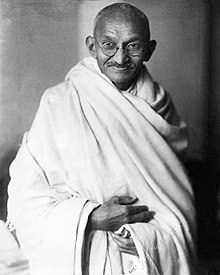
Mohandas Karamchand Gandhi (1869-1948, Lawyer, Leader of India’s independence from British Rule.)
Weiner travels to India with an encomium on travel by rail. That mode of travel mirrors his journey through philosophy to give the book its title; i.e., “The Socrates Express”. With Gandhi’s brief history, we enter the philosophical belief of nonviolence as an active philosophy. Gandhi explains violence is an inadequate answer to injustice. To Gandi, knowing the truth is rarely, if ever, fully understood by human beings. Human understanding, in Gandi’s philosophy, is always limited by a human’s knowledge. The whole truth is too complicated for complete human understanding. This philosophical belief is the source of Gandi’s adherence to non-violence. Facing injustice requires moral courage; not physical force. Non-violence obviates the need for perfect knowledge while offering opportunity for human comity, self-restraint, and behavioral change.
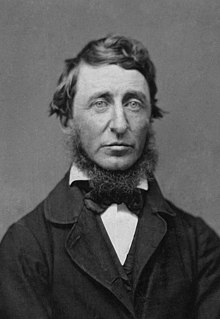
David Henry Thoreau (1817-1862, writer, environmentalist, ecologist, philosopher.
Weiner travels to Massachusetts to visit Thoreau’s cabin site on the northern shore of Walden Pond in Concord, Ma. The original cabin no longer exists but is rediscovered in 1945. The site is marked by granite posts and memorial markers. Weiner explains Thoreau believes most people move through life half-awake and rarely notice the world deeply. He moved to Walden Pond to experience seasonal changes, the behavior of local animals, the sounds and colors of a life in the world. He defined the importance of simplicity and independence of one’s thoughts. The real currency of life is time. Thoreau is not characterized as a hermit fleeing society but as a human seeking a clearer vision of life on earth. He explores life as it is rather than as a habit of existence.
Eric Weiner’s book is an interesting and entertaining journey through philosophy by traveling the world and offering brief vignettes of one obscure writer, and several famous philosophers.
Banville’s brief memoir successfully makes one wish to walk Dublin’s streets, countryside, and city to experience an environment that created some great writers.
Books of Interest Website: chetyarbrough.blog
Time Pieces (A Dublin Memoir)
Author:John Banville
Narration by: John Lee
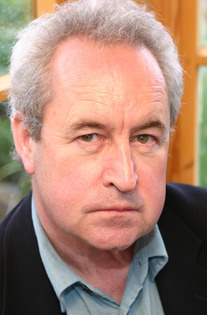
John Banville (Author, aka Benjamin Black, Irish novelist, screenwriter, and literary stylist.)
John Banville’s memoir makes its listener/reader interested in visiting Dublin. The narrator, John Lee, has an Irish sounding brogue that offers a false authenticity to Banville’s memoir even though Lee is not Irish. Banville’s story is entertaining because it gives one some understanding of why so many famous writers came from Ireland. The list is long but the most well-known are James Joyce, W.B. Yeats, Oscar Wilde, George Bernard Shaw, and Samuel Beckett. It seems from Banville’s memoir there is something about Ireland’s environment that creates great writers who become Nobel Prize winners, famous playwrights, and/or dramatists.
Location of Dublin in Ireland, accross from the west coast of the United Kingdom.
Banville implies there is something about Ireland that encourages self-reflection. He focuses on Dublin because it is where he is born and raised and has a son who still lives there. Banville, having left Dublin at 18, shows a love and longing for something that made him a writer of some fame. He reflects on his love for books to the point of stealing one from a library as a rascally but studious boy in Dublin; presumably because of the book’s appeal to his sense of self. His description of Dublin makes one wish to visit the places he describes. His peripatetic journey through his boyhood haunts undoubtedly helps him understand how and why he became a writer. Despite his recollections, one comes away from his memoir with few clues other than reading and being interested in books that makes Dublin a seedbed for great writers.
In mid-book Banville details some of Ireland’s Kings and leaders. One nearly puts Banville’s book aside but the poignant story of his courtship of a young Irish girl draws one back into his view of Dublin.
Famous Irish Medieval Kings
One gathers from Banville’s memoir that it is the environment of Ireland, particularly Dublin, that made him who he became. One imagines a city teaming with people in a wet-weather, gray-skyed city that offers an education from books, teachers, and schools in Dublin. Banville encapsulates his view of an Irish life in “Time Pieces”. He paints a picture of Dublin that he implies made him who he became. He illustrates Ireland’s culture that formed the character of many famous literary men. Banville’s brief memoir successfully makes one wish to walk Dublin streets, its countryside, and city to experience an environment that created some great writers.
As a tourist to Turkey, one does not see an authoritarian’s impact on their society. Hansen lives in Istanbul for ten years to offer her insight to Erdoğan’s reorganization of Turkish society. Her experience reminds one of Trump’s authoritarianisms and its potential reaction to public discontent.
Books of Interest Website: chetyarbrough.blog
From Life Itself (Turkey, Istanbul, and a Neighborhood in the Age of Erdoğan)
Author: Suzy Hansen
Narration by: Suzy Hansen
Suzy Hansen (American journalist and author.)
Suzy Hansen was born in New Jersey and earned a B.A. from the University of Pennsylvania. She became a journalist and moved to Istanbul in 2007 for ten years. The move is motivated by receiving a fellowship from the Institute of Current World Affairs. She is offered the fellowship to study and write about a two-year cultural immersion in a foreign society. “From Life Itself” is a compilation of her research and experiences in Istanbul that enlighten those who have visited Turkey but only as a tourist, not as an educated journalist.
President Recep Tayyip Erdoğan of Turkey.
Hansen’s book is revelatory in explaining Turkey’s more recent history and the rise of its Prime Minister and current President Recep Tayyip Erdoğan who has been in office since 2003. The growth and reconstruction of Istanbul is part of Hansen’s history of Turkey. She interestingly explains her view of Erdogan’s rise to power and how the political system of Turkey’s capital has been shaped by history and the rise of Erdoğan.
President Recep Tayyip Erdoğan and Donald Trump are authoritarians.
Erdoğan is characterized by Hansen as a powerful authoritarian. That authority, in Hansen’s opinion, has led to corruption, questionable elections, and a reshaping of public institutions, public life, and the personal lives of Turkish citizens. Hansen suggests Erdoğan’s rule fits within the long history of Turkish autocracy. She reflects on Turkey’s political history of discrimination against non-Turkish residents from different cultures like Syria and other middle eastern countries.
Muhtar influence by President Recep Tayyip Erdoğan.
Hansen notes how village leaders, called muhtars, become sources of both cohesion and disruption of Turkish communities. They are elected by local villages or urban neighborhoods. These muhtars are information sources for newly arrived immigrants who transform communities. Muhtars aid newcomers to understand differences from their cultures and historic Turkish traditions. As immigration increases, tensions rise, immigrants are rounded up, abused, sometimes murdered, and forced to move to other neighborhoods or countries. Erdoğan’s authoritarianism reinforces a kind of fascism that rises from local Turkish citizens. Hansen argues local leadership corruption, questionable elections, and institutional leadership change are methods used by Erdoğan in his authoritarian rule.
Authoritarinism.
Reflecting on Turkey’s history, its Ottoman Empire precursors, and world history Hansen argues Erdoğan fits in with Turkey’s long experience of autocracy. The broader point made by Hansen is that authoritarianism is growing around the world. What Turkey’s citizens are experiencing today are happening in many parts of the world; i.e., including the United States. Her observations carry weight in light of changing immigration policy in America and the election of Donald Trump. Everyday life is changing in Turkey, just as it is in America. Democracy seems to be waning in the face of authoritarianism.
Public Health Agencies in America.
Hansen explains how local service organizations in Turkey are being politized or shut down by elimination or placement of government loyalists that control government and non-government institutions. (This seems similar to President Trump’s appointments at OAS, NSB, Dept. of Defense, Dept. of Education and various public health agency organizations in America.) These new appointments and reorganizations exacerbate social division. Newly appointed leaders by an authoritarian change original institutional purpose. Hansen argues Erdoğan is demographically reengineering Turkish society. Democracy is undermined by authoritarianism. Life becomes less free.
Hansen notes an attempted coup in Turkey in 2016 and the reaction of Erdoğan. Her experience reminds a life-long resident of America of Trump’s authoritarianism and its potential reaction to citizen discontent.
As a tourist to Turkey, one does not see an authoritarian’s impact on their society. Hansen lives in Istanbul for ten years to offer her insight to Erdoğan’s reorganization of Turkish society. Her experience reminds one of Trump’s authoritarianisms and its potential reaction in public discontent.
This is a well written and fascinating story. On the one hand, it shows the adventurous nature of human beings. On the other hand, it shows the absurdity of a human goal that can kill you with no value beyond personal achievement.
Books of Interest Website: chetyarbrough.blog
Into Thin Air (A Personal Account of the Mt. Everest Disaster)
Author: Jon Krakauer
Narration by: Philip Franklin
Jon Krakauer (Author, American writer, journalist, and mountaineer. Raised in Corvallis, Or., lives in Boulder Co.)
Human beings test themselves in many ways, some of which make little sense. Jon Krakauer is a mountain climber. Why does one choose to climb a mountain? Well, he is a writer and a magazine offers to pay the $65,000 fee required by an expedition leader to climb Mt. Everest in Tibet. At least, Krakauer has a purpose which undoubtedly is to have an adventure to write about that might offer monetary reward. It appears others have other motives but at least Krakauer took the trip for a reason that makes some logical sense. Considering the reward, one comes away from his book with the feeling that no amount of money is worth the trial he experienced and the lives lost in a climb to the pinnacle of Mt. Everest.
Mt. Everest is 29,032 feet high, located in the Himalayas of Nepal and Tibet.
Krakauer writes that he idolizes mountain climbers. He believes the opportunity of climbing the tallest mountain in the world seems worth the risk. Mount Everest is 29,032 feet high, located in the Himalayas of Nepal and Tibet. Krakauer introduces reader/listeners to Rob Hall, the expedition leader and guide who heads the adventure. Hall, a New Zealander, had created a company that offers mountain climbing expeditions. Andy Harris, who also comes from New Zealand, is Hall’s employee and an additional guide.
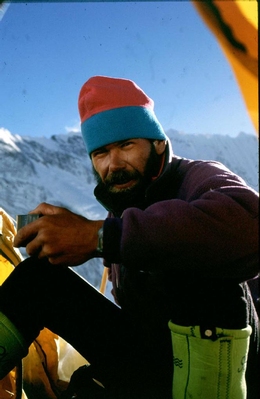
Rob Hall (1961-1996, New Zealand mountaineer, led the Mt. Everest climb in 1996 where he and two clients died.)
Scott Fischer, an entrepreneur and guide with his own company has another Everest climbing group. Fischer dies on a descent during the same time as Krakauer’s group climbs Everest. This is a brutal reminder of the great risk being taken by Krakauer.
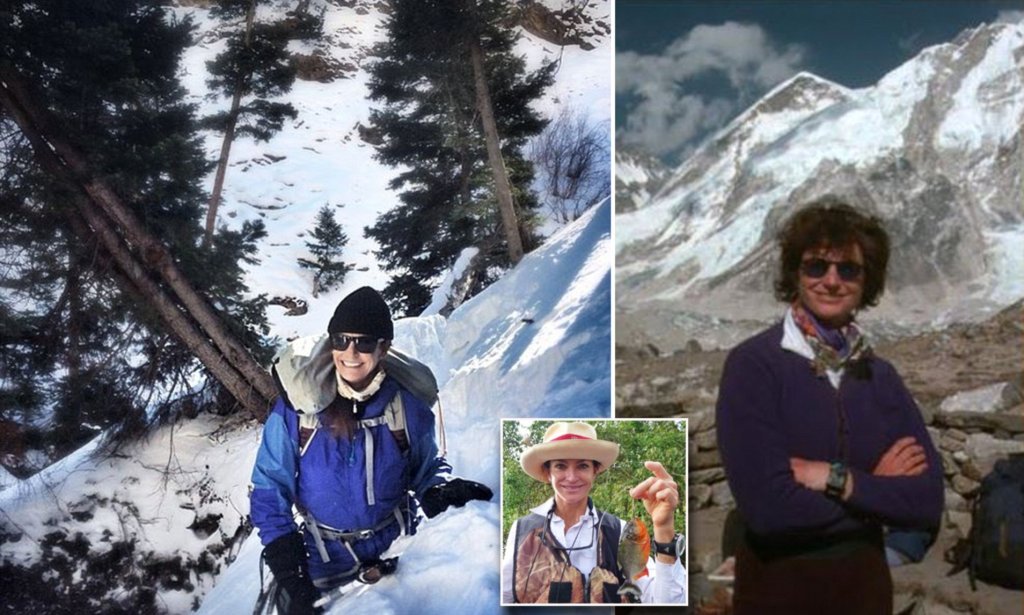
Yasuko Namba (1949-1996, the second Japanese woman to climb the Seven Summits, the tallest mountains in the world.)
Yasuko Namba, a Japanese climber joins the Krakauer group. Namba is motivated to join the group because of her interest in completing the climbs of the seven tallest mountains in the world. She is 47 years old. Though not as strong as some of the younger climbers, Mt. Everest is the last of the Seven Summits she is determined to conquer. Hall, Harris, Namba, and Fischer die from the climb, either from the exertion, a storm, or their descent from Everest.
Campsites on Mt. Everest.
It is interesting to find there are many Mt. Everest expeditions that occur at the same with different companies. They camp in the same areas as they attempt their ascent. Krakauer writes of Scott Fischer’s Mountain Madness group, a Taiwanese National Expedition, an IMAX Filming Expedition, a South African Expedition, and their Sherpa support teams who aid all of the climbing groups. Krakauer notes how coveted the Sherpa are by companies that are dependent on their skills.
Doug Hansen, an American postal worker who joins the Hall expedition
Doug Hansen, an American postal worker joins the Hall expedition. Hansen dies in a storm before reaching the summit and had to be carried by the group to the summit at the insistence of Hall. Hansen had attempted to climb the peak the year before with a Hall group. Surprisingly, the group leader Hall dies on this 1996 climb from altitude sickness which confuses his sense of direction. He loses his way as they descend from the South Summit. In the descent from Everest, Harris and Fischer die during another mountain storm. The only woman on the trip, Yasuko Namba dies on the descent because of exhaustion and exposure that had killed Hall. Beck Weathers, an American climber survives after appearing to die twice. Weather’s experience leaves him with severe frostbite and requires major surgery after the climb.
Sandra Pittman
The oddest adventurer that Krakauer writes about is Sandy Pittman who is in the Mountain Madness group. Pittman is a New York socialite who is known in the fashion world. In Krakauer’s telling, Ms. Pittman seems representative of the commercialization of mountain climbing. Pittman manages to make the mountain top and survives the storm that kills some of Krakauer’s group. However, Pittman became exhausted during the descent. She requires rescue. She survives but became a symbol of privilege and wealth to some who are offended by those who can afford the extravagance she represents in climbing famous mountains. Krakhauer does not criticize her despite her wealth and privilege because he sees her as no better or worse than every person looking for adventure.
This is a well written and fascinating story. On the one hand, it shows the adventurous nature of human beings. On the other hand, it shows the absurdity of a human goal that can kill you with no value beyond personal achievement, and of course, survival.
This is a harrowing story of a terrible expedition. Having visited the Antarctic, it is inconceivable to have stayed there for more than a few hours without an interior heat source when temperatures fell below -50 degrees Fahrenheit.
Books of Interest Website: chetyarbrough.blog
The Worst Journey in the World
Author: Apsley Cherry-Garrard
Narration by: Simon Vance
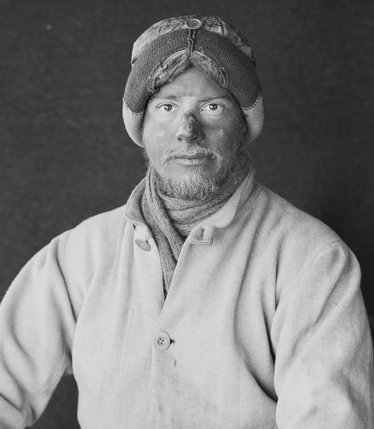
Apsley Cherry-Garrard (1886-1959, Author who survive a 1911 voyage to Antarctica and wrote the history of the voyage, what he experienced, and the death of many of his fellow voyagers.)
Apsley Cherry-Garrard, as an assistant biologist, accompanied a group of scientists to voyage to, and live on Antarctica for two years. It is an amazing story to one who has traveled to Antarctica. The thought of the trials Cherry-Garrard explains of his 1911 trip are extraordinary, 100% believable, and horribly tragic.
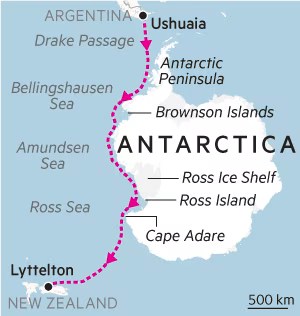
The terrible crossing from Ushuaia to Antarctica has not changed since the story told by Cherry-Garrard. The difference is–his mates were in a 1911 vessel while we traveled on a sleek science research vessel built in the 21st century. The rough sea of the Drake Passage made us seasick in a ship that was undoubtedly larger and more comfortable than his. The turbulence Cherry-Garrard writes of must have been terrifying in a craft of his time. Their vessel is filled with horses, dogs, and other animals to sustain their 2-year expedition. It is unimaginable to think of what it must have been like with water sloshing into their hold and nearly sinking their vessel. The sight of Antarctica’s land must have been calming after their rough passage. Their stop might have been near where we took a smaller craft to the icy land. It is fascinating to think how the penguins reacted to their arrival, particularly with dogs that are hungry.
One of the disturbing things about the story the author tells is how many dogs and horses were lost because of breaking ice flows that stranded their animals and either required killing them with an axe blow or seeing them die from isolation or a plunge into the sea.
The penguins initially waddled up to the strangers in curiosity but were greeted with the bared teeth of liberated and hungry dogs.
We did not see any killer whales when we were there. Cherry-Garrard reminds readers of the intelligence of these whales as they contemplate how they might dine on some of the animals near the shore. He explains a pod of killer whales that dive under an ice flow and break a 2-foot-thick ice sheet to get closer to a possible meal. They miss the meal, but it must have been an astounding view of the whales’ strength and intelligence. It is surprising to find Cherry-Garrard views the Orcas as dangerous. It is also interesting to note that when they first arrived, the sun is shining and the climate is moderately comfortable. That is the same experience we had in 2020.
Cherry-Garrard surprisingly notes aggressive eating habits of Killer Whales.
As the animals they brought with them were brought to land, they adapted to their environment. Some of the animals were tired from their long voyage, but most were useful in exploring the vast land of their icy home for the next 2 years. Craftsman on board began building their base camp. In contrast, what fellow travelers in our 21st century’ voyage did is set up field goals to play a game of soccer while others climbed a hill to see what was on the other side.
Horses accompanying the expedition.
Cherry-Garrad explains the purpose of their expedition is for scientific discovery, geographic exploration and national prestige. The science included collecting emperor penguin eggs to test evolutionary theories. In 1912 Robert Scott (the expedition leader), Edward Wilson, Henry Bowers, Lawrence Oates, and Edgar Evans were lost on the expedition. Though Cherry-Garrad respected Scott, he believed the expedition is poorly planned and overly complex. He felt the rationing was inadequate for the expedition and the equipment did not meet the requirements needed for the severe weather. He feels some sense of guilt in not having tried to reach Scott and his companions when he was an 11-day march away from them. However, he was following orders to return to his base camp. Retrospectively, most believe he could not have saved the lost men if he had taken the 11-day march.
This is a harrowing story of a terrible expedition. Having visited the Antarctic, it is inconceivable to have stayed there for more than a few hours without an interior heat source when temperatures fell below -50 degrees Fahrenheit.
One comes away from Trevor Reed’s book with the feeling he tilted at Don Quixote’s windmill. One’s heart goes out to Ukraine and their fight against an implacable Russian President who tilts at a different windmill.
Books of Interest Website: chetyarbrough.blog
Retribution (A US Marine’s Fight for Justice, from the Russian Gulag to Ukraine’s Front Lines
Author: Trevor Reed, Jim DeFelice
Narration by: Roger Wayne, Joey Reed
Trevor Reed (on the left) is the subject of Retribution. It is co-written with the novelist Jim DeFelice (on the right).
U.S. Marine infantry.
Trevor Reed is a former Marine infantry soldier who was imprisoned for being drunk and disorderly in Russia. He became a victim of Russia’s hostage exchange system. The story of his young life and how he became a marine and a Ukrainian combatant against Russia is explained in “Retribution”. As a strong-willed youth who challenged parental control, he became an athletic wrestling champion in high school. His disciplined physical work ethic made him a 145 lb. highly self-confident young man who decided (contrary to his father’s council as an ex-marine) to enlist in the marine infantry.
Reed’s story of being arrested in Russia is a lesson about the risks of traveling to a foreign country that disagrees with America’s form of government. Reed became romantically involved with a young woman in Russia who he had corresponded with after completing his 4-year commitment in the Marines. Alina Tsybulnik, his Russian girlfriend, visited America, became a friend of his family, and invited Trevor to Russia. They became intimate friends.
Alina Tsybulnik and Trevor Reed.
Tsybulnik is enrolled in a Russian college to become an attorney. When Trevor visits her in Russia, they go out on the town. Trevor gets drunk and disorderly and is arrested by the Russian police in 2019. In what is characterized as a gross exaggeration of Trevor’s actions on their night on the town, Trevor is sentenced to prison for nine years in a Russian penal colony. In April 2022, after three years, Trevor is released in a prisoner exchange.
Trevor Reed’s parents.
Reed shows himself to be a tough-minded person who refuses to cooperate with the Russian prison guards’ orders to work while being unfairly imprisoned in a work camp. He is visited by his father who works to have the Biden administration get his son released. Alina Tsybulnik uses her legal experience with the Russian legal system to get Reed released. The corruption and purpose of incarceration in Russia is shown to be political by Reed’s story. Reed explains how even some Russian administrators, not to mention his girlfriend, resist the political ministrations of the system but are unable to change its policies.
Alexei Navalny, a Russian dissident, is sentenced to an Arctic penal colony and is poisoned. He dies in that Arctic colony at the age of 47 in 2024.
The last chapters of Reed’s book recount his effort to get a level of revenge against Russia’s injustice by volunteering in Ukraine’s war against Russia’s invasion. Reed had become a fluent Russian language user because of his intellect, his relationship with Tsybulnik, and his imprisonment. He used that skill to join the Ukrainian resistance. One comes away from Trevor Reed’s book with the feeling he tilted at Don Quixote’s windmill. One’s heart goes out to Ukraine and their fight against an implacable Russian President who tilts at a different windmill.
“The God of Small Things” is a revealing and disturbing telling of the human condition.
Books of Interest Website: chetyarbrough.blog
The God of Small Things
Author: Arundhati Roy
Narration by: Sneha Mathan
Arundhati Roy (Author, Booker Prize for Fiction awarded in 1997 for “The God of Small Things”.)
Arundhati Roy gained fame with “The God of Small Things” because of its originality. It is in the big and small things of colonialism and culture that expose the flaws of all societies. “The God of Small Things’ is a criticism of the world in which we live. Roy creates a fictional story that helps one understand the emotional, social, and political failings of India that are, in reality, repeated in societies throughout the world.
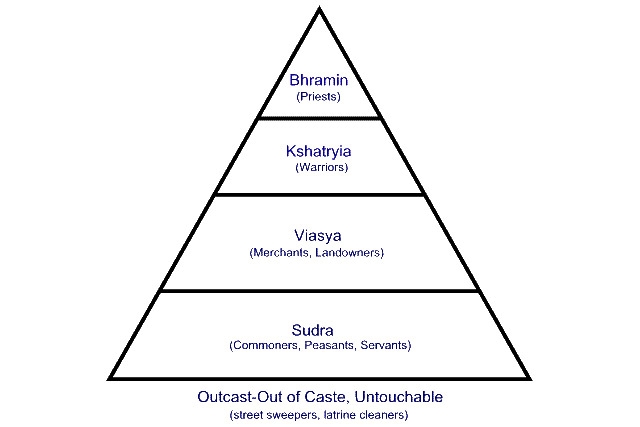
Rather than disrupting the caste system of India, Britain created an Anglophile elite that competed and supported Brahman aristocracy.
In some ways, British colonialism reshaped India’s culture. Britain’s colonization of India created a level of class superiority that hardens the administrative functions of India’s government. That hardening became an integral part of Indian culture. The English language became a symbol of superiority. Schools, courts, and government offices emulated British customs that copied systems of hierarchy, and labor control that continued after the British abandoned colonialist control of India. In visiting India, British influence is seen in country estates that travelers stay in when they ride trains from the north to the south.
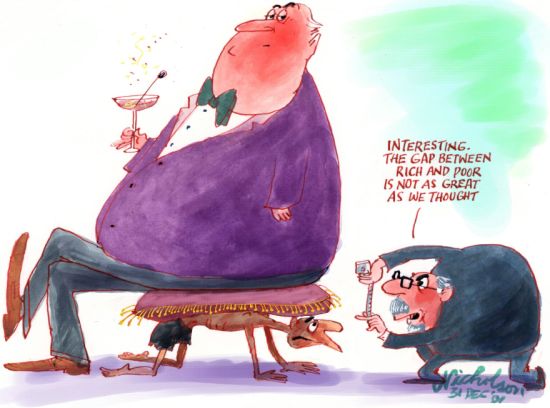
The more encompassing truth of Roy’s observations is that the flaws in India’s society exist in all societies.
Ammu, one of Roy’s main characters, is a Syrian Christian woman who marries a man from a lower caste. Her husband comes from the so-called “Untouchable” caste. He turns out to be a brutal abuser of his wife and is eventually divorced by Ammu, but she continues to suffer from discrimination for her religious belief and her breaking of the caste taboos of India.
Roy’s characters like Baby Kochamma, a young woman obsessed with English manners and Catholic respectability is mocked by others in her community. Having an Oxford education became a badge of status with Englishness at the top of the hierarchy of Indian culture. Roy’s novel is set in the 1960s. A moral code of sexual guilt, fear of sin, belief in purity, and policing of desire are exemplified by India’s women who are influenced by catholic proselytizing. In today’s India, the most endemic religion is Hinduism. Rules of marriage, the norms of purity, the stigma of divorce, and association of sin with female desire are tied to Hindu social beliefs. As a Catholic, Baby Kochamma has the additional burden of believing in a minority religion which exacerbates her isolation.
Caste system’s endurance in India is undoubtedly reinforced today by the Prime Minister of India, Narendra Modi and its President, Droupadi Murmu, who are Hindu adherents. Though Roy shows there is little theological hostility between Catholic and Hindu influences, there are inherent tensions between these two religions. Roy infers caste system is reinforced by Hindu beliefs while Catholicism is less concerned about caste than morality or guilt. The irony is that Catholicism rejects caste in theory while accepting it as a part of India’s culture. The two religions compete while reinforcing similar authoritarian beliefs on India’s citizens.
A point made by Roy is that societal, religious, and political dysfunction is not limited to India. Dysfunction exists in all nations.
When Roy’s character Ammu succumbs to the sexual desire of a male, she is criticized more for the caste difference than the sin of entering into an intimate relationship that ultimately falls apart with the abuse of her husband. The physical abuse compounds her violation of Hindu’ caste belief. The fact is that Ammu divorces her husband because he is an abusive alcoholic, not because of caste difference.
Roy shows India is a microcosm of the world, weighted down with sexism and discriminatory inequality that grows from ignorance, and societal dysfunction which often turns into human violence within and between societies and nations that can engulf the world.
“The God of Small Things” is a revealing and disturbing telling of the human condition.
Like being a New Zealander, Americans are made of many cultures. That is an underlying theme of Hampton Sides interesting biography of Captain Cook.
Books of Interest Website: chetyarbrough.blog
The Wide Wide Sea (Imperial Ambition, First Contact and the Fateful Final Voyage of Captain James Cook)
Author: Hampton Sides
Narration by: Peter Noble
Hampton Sides (Author, American historian Yale graduate with a BA in history. As an editor, Sides has written many articles for national publications. He is awarded an honorary doctorate from Colorado College.)
Hampton Sides has written an interesting history of James Cook’s voyages with a focus on his final expedition to find a Northwest Passage. This is a slightly misleading statement because in the 18th century, a ship sailing from the Atlantic to the Pacific typically had to navigate around Cape Horn at the southern tip of South America. Explorers seeking a northern connection between the oceans attempted to reach a Northwest Passage, but the Arctic route was blocked by ice. Why would one think there was a northwest access from the Pacific if there was no passage from the Atlantic? Apparently, people believed the Atlantic side had been thoroughly searched without finding a passage, but the Pacific had been less explored and might have an unknown channel that would allow passage.
Sides writes the story of an 18th century navigator who had sailed the globe twice and was contracted to find a Northwest route that would shorten the distance between Europe and the North American continent. Called out of retirement by the British Admiralty, James Cook set sail on his third and final voyage in 1776, a propitious year for the American colonies. Cook took command of the HMS Resolution, accompanied by one other vessel eventually commanded by Captain Charles Clerke on the HMS Discovery. (Both Clerke and Cook died on this voyage, i.e., Clerke from tuberculosis and Cook from a melee in the Pacific.) It is interesting to find that the vessels are loaded with animals as well as food provision for long voyages. Sides notes Cook dislikes the requirement of livestock because of the stink from their offal. Cook is a stickler for the cleanliness of his vessels and crew members. However, Cook recognizes livestock’s importance on long voyages for adequate food provision.
Before science showed lack of vitamin C caused scurvy, Cook required provisioning of fruit on his long voyages.
It is Cook’s observation of other mariners’ health experience that made Cook decide on food provisioning for his voyages. Sides writes Captain Cook only had a village-school education, but he had a practical maritime apprenticeship based on learning by doing as well as by observation of past sailings of other mariners.
The character of Cook is somewhat revealed in the history of an earlier voyage to New Zealand in 1773.
Sadly, Sides notes Cook’s personally written logs and correspondence are stoic with little insight to his emotions. He notes Cook’s stoicism is even more difficult to pierce because his younger wife destroyed Cook’s personal letters. Nevertheless, Cook’s stern character is illustrated by Sides’ details during his voyages. There is no doubt in a listener’s mind that Cook is a highly competent leader who brooked no opposition from his crew while exhibiting a nascent understanding of the importance of native cultures. Sides shows Cook to be a keen observer of different cultures and, for the most part, avoided criticism of other societies as long as they did not interfere with the Admiralty’s commissioned objectives.
A New Zealand Māori politician, Nanaia Mahuta, serving New Zealand in 2021.
The indigenous Māori live in New Zealand today. Cook’s two ships that visited New Zealand were the Resolution and Adventure. They became separated because of bad weather. The captain of the Adventure, Tobias Furneaux arrives in New Zealand after Cook had already departed. Furneaux dispatched 10 armed men to collect fruited plants for scurvy prevention. The 10 men did not return. In searching for the men, the search party found severed body parts being eaten by dogs. A tattooed hand revealed the remains as one of the 10 men. The 10 mariners had been killed in what is called a whāngai hau ritual which is an act of consuming an enemy’s spirit by eating their flesh. Because Cook had already left, the search party interrupted the ritual and recovered some of the remains. The cause of the 10 men’s killing is unknown but the incident shaped Māori–European relations. When Cook returned, he chose not to retaliate because he did not know what caused the killings and understood the acts of the Māori were a culturally influenced event, presumably caused by something the 10 men did that threatened the indigenous New Zealand tribe. Cook chose to respect the cultural beliefs of the tribe rather than seek a revenge urged by some of his crew.
New Zealand farmland.
Having personally visited New Zealand, one appreciates one of the most beautiful places in the world, but the story of the Māori Grass Cove incident is a shocking reminder of how much civilization has changed over the centuries. One of our guides belonged to the Māori tribe.
Sides explains Cook is commissioned by the Admiralty to settle a question of the existence of a presumed unknown southern continent in the Pacific that was tentatively identified as Terra Australis. Cook’s expedition found there was no great habitable continent to the south, but he crossed the Antarctic Circle many times. Massive ice fields kept Cook from the Antarctic mainland. Anyone who has visited Antarctica knows of the Drake passage and how rough the sea can be. Having visited Antarctica clearly shows year-round habitation would be like living on the moon, i.e. possible but highly inhospitable. Cook found no habitable continents in the south seas because there are none.
Kealakekua Bay in Hawaii.
Cook’s third expedition is the first European contact with Hawaii after passing through the Bering Strait on his way through the north Pacific. Ironically, in his last voyage, he is killed in Hawaii in 1779, one year after he returned to Hawaii. He had spent a year more searching for the passage when he returned to Hawaii on his way back to England. When Cook first landed on Hawaii, he and his crew were welcomed with open arms. Cook appears like a God to many Hawaiians. Cook’s steely personality is two edged in that it made him a great leader of men on long exploratory voyages, but he brooked no insubordinate behavior. When returning to Hawaii after a year of looking for the Northwest Passage, reception by the Hawaiians was less respectful. A boat is stolen by some Hawaiians when they were anchored at Kealakekua Bay. The stolen boat is a major diplomatic and military issue because it was an important piece of the ship’s survival. Sides notes theft is not uncommon in native Hawaiian culture. Cook’s response is to attempt capture of the chief of Hawaii and hold him hostage until the boat is returned. The Hawaiians resist. A fight breaks out and Cook is struck; he falls to the ground and is stabbed and beaten to death by the Hawaiians. Four marines were killed with 17 Hawaiians that died in the confrontation. Cook’s body is ritually dismembered as is the custom of the Hawaiian culture in respecting a high-ranking enemy.
A.I. Generated picture of what Omai may have looked like.
Sides’ story is more than a recounting of historical facts. He writes several chapters about a native of the Society Islands name Omai who became a celebrity in London. Cook had brought Omai to England after his second world voyage. Omai boards the ship on Cook’s third voyage to be returned to his homeland after having lived in London for two years. The Society Islands are an archipelago in the South Pacific Ocean made up of Tahiti and four other islands.
At first, one wonders why the story of Omai is included in Side’s book. One realizes the story of Captain Cook, in broad strokes, is well known but Omai reflects on how history is shaped by those who tell a story that often obscures the complexity of past events.
The story of Omai is obscured by the big picture of Captain Cook’s momentous voyages but Omai’s story shows how cultures are widely misunderstood because of those who tell the story. Omai’s cultural influences are lost because they are interpreted through the lens of a society that sees people of other cultures as noble savages or exotics, i. e., not based on their unique experience and culture. After Omai’s experience in London, he is no longer just a Tahitian. In returning to Omai’s culture, he is a different human being. He becomes an exotic in both societies. He dies only a few years after his return to his native country.
Many cultures have influenced what Americans have become.
One comes away from “The Wide Wide Sea” thinking of today’s immigration policy and the many who have come here to only be rejected for not being born in America. America has lost its historical memory. Many people who immigrated have added their cultures to society in many positive ways that have made America great. Our ignorance and actions that contradict that truth are appalling to many. Captain Cook recognized the murder and dismemberment of ten Englishmen by the Māori was terrible, but his response respected their culture. The Māori remain an important part of New Zealand culture just as American Indians are an important part of American culture. To arbitrarily reject immigrants without due process is unjustifiable in a country made great by many different cultures.
Like being a New Zealander, Americans are made of many cultures. That is an underlying theme of Hampton Sides interesting biography of Captain Cook.
Dylan Roof is not South Carolina, and neither are the preachers who believe in the divinity and eternity of God. All people of the world are subject to the sins of living life.
Books of Interest Website: chetyarbrough.blog
Mother Emanuel (Two Centuries of Race, Resistance, and Forgiveness in One Charleston Church)
Author: Kevin Sack
Narration by: William DeMeritt
Kevin Sack (Author, American journalist, senior reporter for The New York Times who shared a Pulitzer Prize for National Reporting in 2001.)
South Carolina is the underlying subject of Mother Emanuel. It focuses on a State that shows the very best and worst of what it can mean to be born in America. South Carolina is the home of Americans who fought on the side of the confederacy in the Civil War. The confederates of the south did not believe in human equality but in the superiority of the white race and the rightness of slavery.
Mother Emanuel is an African Methodist Episcopal Church located at 110 Calhoun Street in Charleston, South Carolina.
Mother Emanuel was built in 1891 and has capacity to seat 2,500 congregates. The church is considered a symbol of Black autonomy and resistance to some South Carolinians. On June 17, 2015, the senior pastor of the church and 8 African American parishioners were shot by a white 21-year-old American name Dylann Storm Roof. Roof, when he came to the church service, is invited into a Bible study group. He sits in the study group for nearly an hour before drawing a 45-caliber Glock handgun to murder 9 people, including the pastor of the church. The author and journalist Kevin Sack explains Dylann Roof was not a dumb white American but a person of above average intelligence who believed Black Americans were an imminent danger to white Americans’ way of life. Roof intended to motivate a Black American uprising that could be crushed by an American white majority.
Dylan Roof (At the time of his trial.)
A listener/reader is unlikely to believe Sack is writing this book to suggest all white Americans, let alone South Carolinians, are like Dylann Roof. Sack is not suggesting all humans have equal capabilities but that all people are influenced by the environment in which they live, their genetic inheritance, and their psychological development. What the author shows is that one’s intelligence can as easily lead to horrific acts of violence, dishonesty, theft, and social hate as belief in the truth of human equality.
Reverend Eric Manning navigated multiple difficulties when he became the pastor of the church after the massacre.
As a church, Mother Emanuel has existed for well over 100 years. It has had many pastors who are subject to the same strengths and weaknesses of all human beings. Sack infers some pastors in Mother Emanuel’s long life have been seduced by the money, power, and prestige of their office while preaching belief in God. Sack infers every human being, including pastors, can be led astray in life. A few, like Dylan Roof, become corrupted by life for reasons that are incomprehensible to one who believes in something greater than themselves, whether that something is the moral, communal, or cosmic reality of human life, or a fervent belief in God and redemption.
Dylan Roof’s verdict for execution is appealed to the U.S. Supreme Court but is rejected. He remains on federal death row.
Dylan Roof is not South Carolina, and neither are the preachers who believe in the divinity and eternity of God. All people of the world are subject to the sins of living life. Roof is shown by Sack to be an unremorseful murderer of human beings for little other reason than the color of their skin. A lesson of life that the murders explain is that forgiveness is not for the sake of Roof’s peace of mind but a mindful reconciliation for those who lost their loved ones.
As of the writing of this book, Dylan roof remains in prison, without personal remorse and a remaining verdict that warrants execution.