

Books of Interest
Website: chetyarbrough.blog
Into Thin Air (A Personal Account of the Mt. Everest Disaster)
Author: Jon Krakauer
Narration by: Philip Franklin

Jon Krakauer (Author, American writer, journalist, and mountaineer. Raised in Corvallis, Or., lives in Boulder Co.)
Human beings test themselves in many ways, some of which make little sense. Jon Krakauer is a mountain climber. Why does one choose to climb a mountain? Well, he is a writer and a magazine offers to pay the $65,000 fee required by an expedition leader to climb Mt. Everest in Tibet. At least, Krakauer has a purpose which undoubtedly is to have an adventure to write about that might offer monetary reward. It appears others have other motives but at least Krakauer took the trip for a reason that makes some logical sense. Considering the reward, one comes away from his book with the feeling that no amount of money is worth the trial he experienced and the lives lost in a climb to the pinnacle of Mt. Everest.
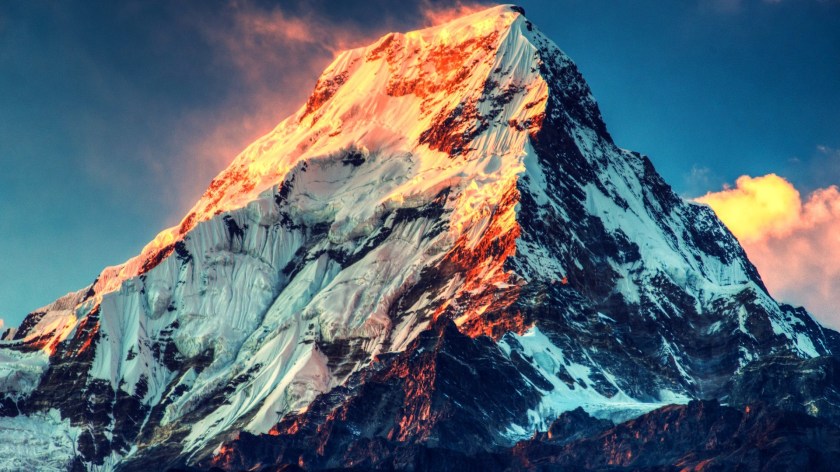
Mt. Everest is 29,032 feet high, located in the Himalayas of Nepal and Tibet.
Krakauer writes that he idolizes mountain climbers. He believes the opportunity of climbing the tallest mountain in the world seems worth the risk. Mount Everest is 29,032 feet high, located in the Himalayas of Nepal and Tibet. Krakauer introduces reader/listeners to Rob Hall, the expedition leader and guide who heads the adventure. Hall, a New Zealander, had created a company that offers mountain climbing expeditions. Andy Harris, who also comes from New Zealand, is Hall’s employee and an additional guide.
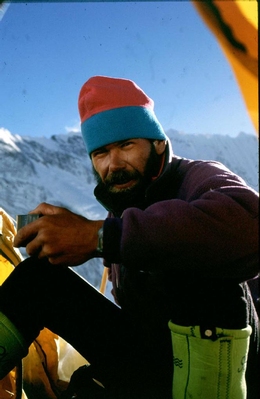
Rob Hall (1961-1996, New Zealand mountaineer, led the Mt. Everest climb in 1996 where he and two clients died.)
Scott Fischer, an entrepreneur and guide with his own company has another Everest climbing group. Fischer dies on a descent during the same time as Krakauer’s group climbs Everest. This is a brutal reminder of the great risk being taken by Krakauer.

Yasuko Namba (1949-1996, the second Japanese woman to climb the Seven Summits, the tallest mountains in the world.)
Yasuko Namba, a Japanese climber joins the Krakauer group. Namba is motivated to join the group because of her interest in completing the climbs of the seven tallest mountains in the world. She is 47 years old. Though not as strong as some of the younger climbers, Mt. Everest is the last of the Seven Summits she is determined to conquer. Hall, Harris, Namba, and Fischer die from the climb, either from the exertion, a storm, or their descent from Everest.
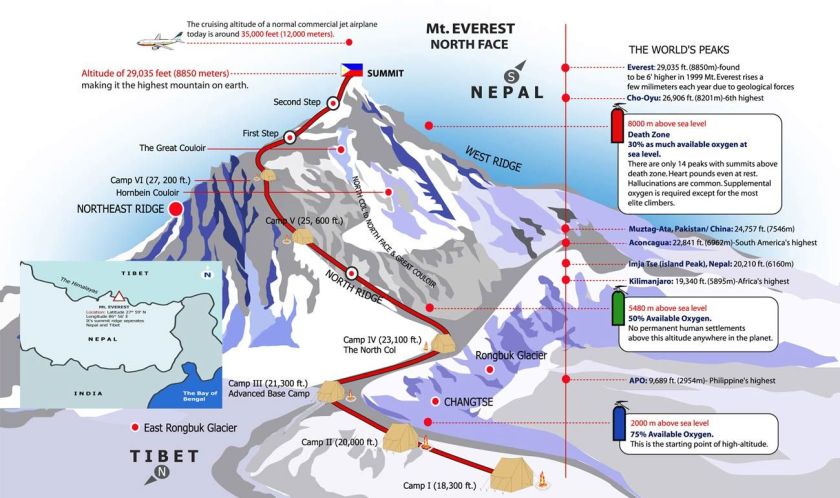
Campsites on Mt. Everest.
It is interesting to find there are many Mt. Everest expeditions that occur at the same with different companies. They camp in the same areas as they attempt their ascent. Krakauer writes of Scott Fischer’s Mountain Madness group, a Taiwanese National Expedition, an IMAX Filming Expedition, a South African Expedition, and their Sherpa support teams who aid all of the climbing groups. Krakauer notes how coveted the Sherpa are by companies that are dependent on their skills.

Doug Hansen, an American postal worker who joins the Hall expedition
Doug Hansen, an American postal worker joins the Hall expedition. Hansen dies in a storm before reaching the summit and had to be carried by the group to the summit at the insistence of Hall. Hansen had attempted to climb the peak the year before with a Hall group. Surprisingly, the group leader Hall dies on this 1996 climb from altitude sickness which confuses his sense of direction. He loses his way as they descend from the South Summit. In the descent from Everest, Harris and Fischer die during another mountain storm. The only woman on the trip, Yasuko Namba dies on the descent because of exhaustion and exposure that had killed Hall. Beck Weathers, an American climber survives after appearing to die twice. Weather’s experience leaves him with severe frostbite and requires major surgery after the climb.
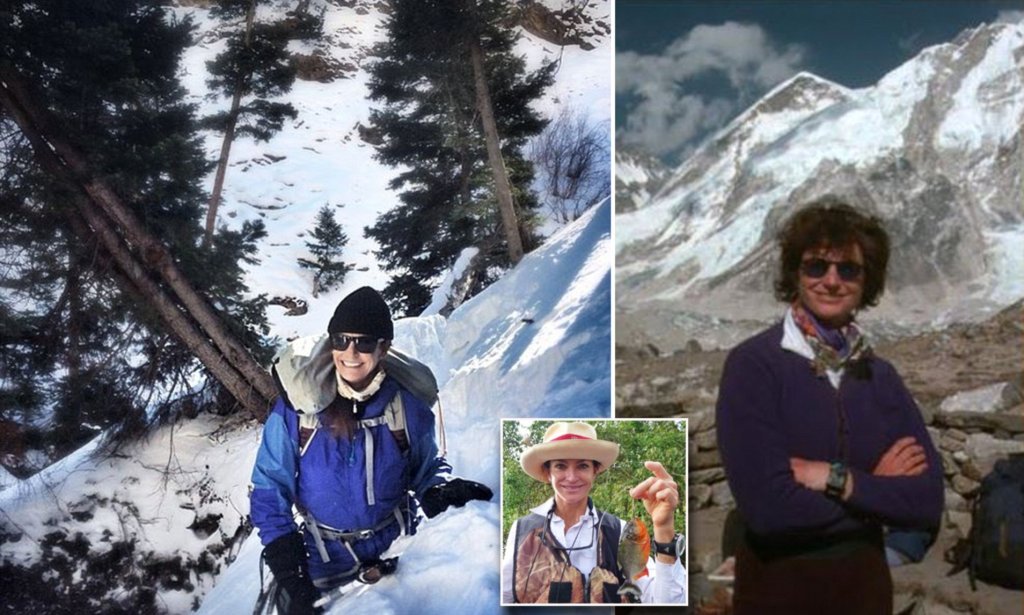
Sandra Pittman
The oddest adventurer that Krakauer writes about is Sandy Pittman who is in the Mountain Madness group. Pittman is a New York socialite who is known in the fashion world. In Krakauer’s telling, Ms. Pittman seems representative of the commercialization of mountain climbing. Pittman manages to make the mountain top and survives the storm that kills some of Krakauer’s group. However, Pittman became exhausted during the descent. She requires rescue. She survives but became a symbol of privilege and wealth to some who are offended by those who can afford the extravagance she represents in climbing famous mountains. Krakhauer does not criticize her despite her wealth and privilege because he sees her as no better or worse than every person looking for adventure.
This is a well written and fascinating story. On the one hand, it shows the adventurous nature of human beings. On the other hand, it shows the absurdity of a human goal that can kill you with no value beyond personal achievement, and of course, survival.


