MOUNTAIN CLIMBING

This is a well written and fascinating story. On the one hand, it shows the adventurous nature of human beings. On the other hand, it shows the absurdity of a human goal that can kill you with no value beyond personal achievement.

Books of Interest
 Website: chetyarbrough.blog

Into Thin Air (A Personal Account of the Mt. Everest Disaster)

Author: Jon Krakauer

Narration by: Philip Franklin

Jon Krakauer (Author, American writer, journalist, and mountaineer. Raised in Corvallis, Or., lives in Boulder Co.)

Human beings test themselves in many ways, some of which make little sense. Jon Krakauer is a mountain climber. Why does one choose to climb a mountain? Well, he is a writer and a magazine offers to pay the $65,000 fee required by an expedition leader to climb Mt. Everest in Tibet. At least, Krakauer has a purpose which undoubtedly is to have an adventure to write about that might offer monetary reward. It appears others have other motives but at least Krakauer took the trip for a reason that makes some logical sense. Considering the reward, one comes away from his book with the feeling that no amount of money is worth the trial he experienced and the lives lost in a climb to the pinnacle of Mt. Everest.
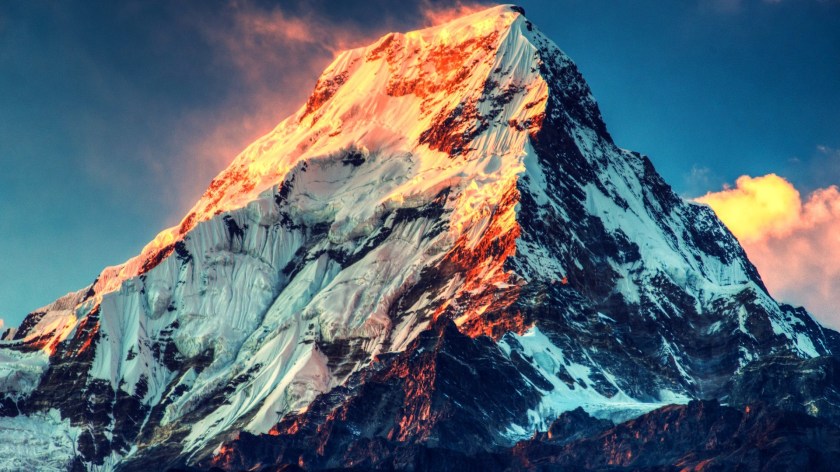
Mt. Everest is 29,032 feet high, located in the Himalayas of Nepal and Tibet.

Krakauer writes that he idolizes mountain climbers. He believes the opportunity of climbing the tallest mountain in the world seems worth the risk. Mount Everest is 29,032 feet high, located in the Himalayas of Nepal and Tibet. Krakauer introduces reader/listeners to Rob Hall, the expedition leader and guide who heads the adventure. Hall, a New Zealander, had created a company that offers mountain climbing expeditions. Andy Harris, who also comes from New Zealand, is Hall’s employee and an additional guide.

Rob Hall (1961-1996, New Zealand mountaineer, led the Mt. Everest climb in 1996 where he and two clients died.)
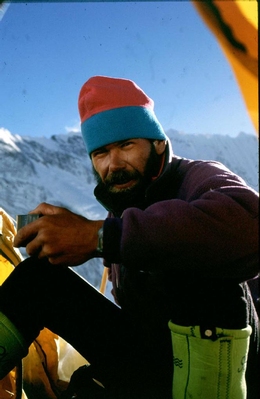
Scott Fischer, an entrepreneur and guide with his own company has another Everest climbing group. Fischer dies on a descent during the same time as Krakauer’s group climbs Everest. This is a brutal reminder of the great risk being taken by Krakauer.

Yasuko Namba (1949-1996, the second Japanese woman to climb the Seven Summits, the tallest mountains in the world.)

Yasuko Namba, a Japanese climber joins the Krakauer group. Namba is motivated to join the group because of her interest in completing the climbs of the seven tallest mountains in the world. She is 47 years old. Though not as strong as some of the younger climbers, Mt. Everest is the last of the Seven Summits she is determined to conquer. Hall, Harris, Namba, and Fischer die from the climb, either from the exertion, a storm, or their descent from Everest.
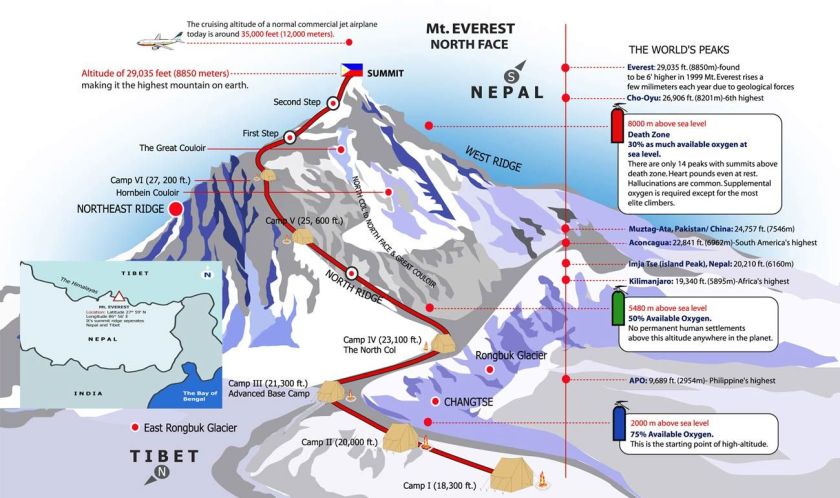
Campsites on Mt. Everest.

It is interesting to find there are many Mt. Everest expeditions that occur at the same with different companies. They camp in the same areas as they attempt their ascent. Krakauer writes of Scott Fischer’s Mountain Madness group, a Taiwanese National Expedition, an IMAX Filming Expedition, a South African Expedition, and their Sherpa support teams who aid all of the climbing groups. Krakauer notes how coveted the Sherpa are by companies that are dependent on their skills.

Comhlacht Doug Hansen Everest

Doug Hansen, an American postal worker who joins the Hall expedition

Doug Hansen, an American postal worker joins the Hall expedition. Hansen dies in a storm before reaching the summit and had to be carried by the group to the summit at the insistence of Hall. Hansen had attempted to climb the peak the year before with a Hall group. Surprisingly, the group leader Hall dies on this 1996 climb from altitude sickness which confuses his sense of direction. He loses his way as they descend from the South Summit. In the descent from Everest, Harris and Fischer die during another mountain storm. The only woman on the trip, Yasuko Namba dies on the descent because of exhaustion and exposure that had killed Hall. Beck Weathers, an American climber survives after appearing to die twice. Weather’s experience leaves him with severe frostbite and requires major surgery after the climb.
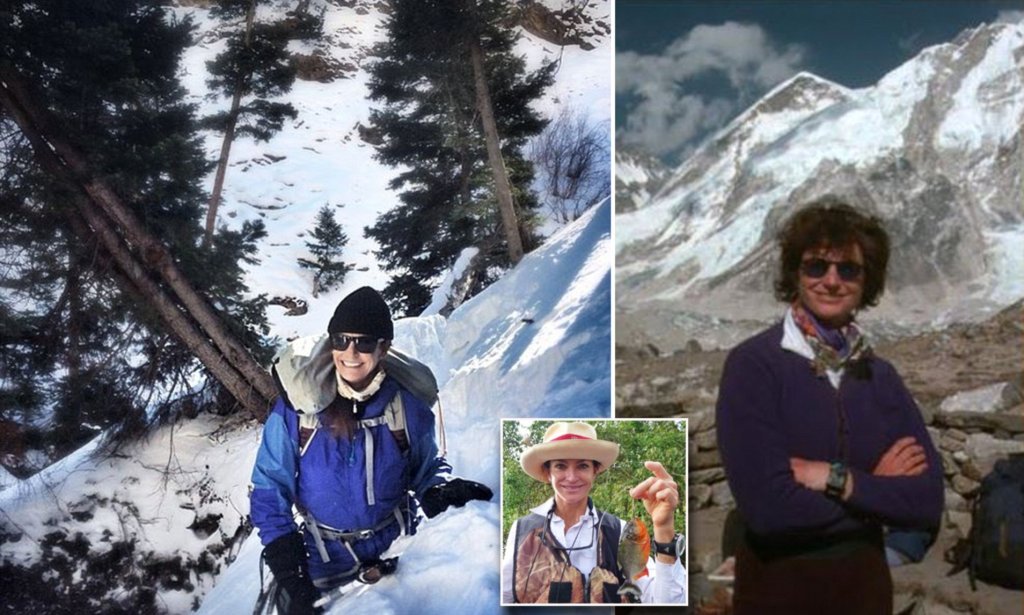
Sandra Pittman

The oddest adventurer that Krakauer writes about is Sandy Pittman who is in the Mountain Madness group. Pittman is a New York socialite who is known in the fashion world. In Krakauer’s telling, Ms. Pittman seems representative of the commercialization of mountain climbing. Pittman manages to make the mountain top and survives the storm that kills some of Krakauer’s group. However, Pittman became exhausted during the descent. She requires rescue. She survives but became a symbol of privilege and wealth to some who are offended by those who can afford the extravagance she represents in climbing famous mountains. Krakhauer does not criticize her despite her wealth and privilege because he sees her as no better or worse than every person looking for adventure.

This is a well written and fascinating story. On the one hand, it shows the adventurous nature of human beings. On the other hand, it shows the absurdity of a human goal that can kill you with no value beyond personal achievement, and of course, survival.

MATRIMONY

In the book “A Marriage at Sea”, one wonders how a husband or wife would respond in a crisis. Who would take command and who would follow? Is it a matter of nature or nurture?

Books of Interest
 Website: chetyarbrough.blog

A Marriage at Sea (A True Story of Love, Obsession, and Shipwreck)

AuthorSophie Elmhirst

Narration by: Marisa Calin

Sophie Elmhirst (Author, British journalist who wrote the story of Maurice and Maralyn Bailey who survived 118 days on a life raft in 1973.)

Surprisingly, Elmhirst writes about marriage in telling the story of a shipwreck that left Maurice and Maralyn Bailey on a life raft in the Pacific Ocean for 118 days. The Baileys had been married for 9 and a half years when their yacht was struck by what is presumed to be a dying whale.

The Baileys.

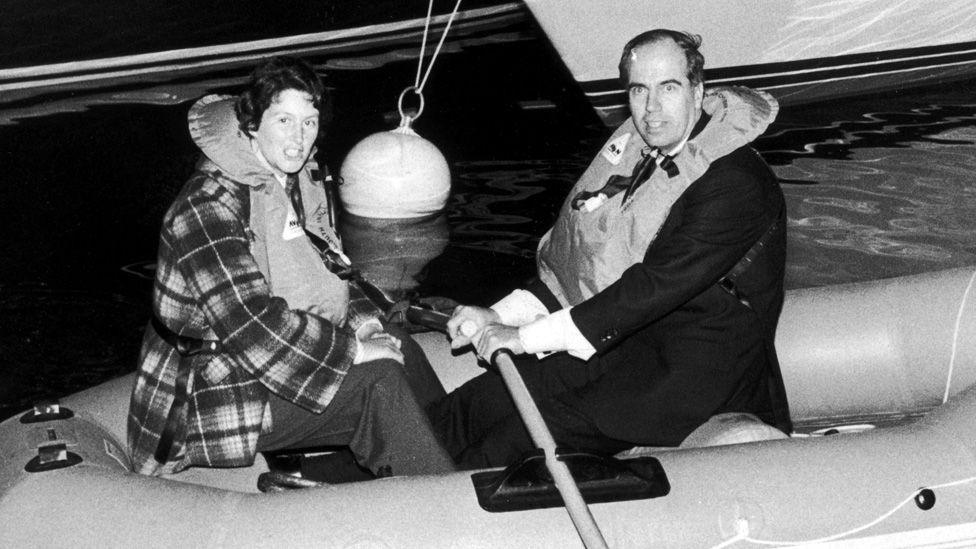
The Baileys were a middle-class British couple who fell in love with an idea to buy a small yacht and sale the sea to visit the Galapagos islands and beyond, a fantasy both adopt. Maurice’s strict childhood had prepared him to master the technical skills of a seafarer, but Maralyn seems to have the determination to make their dream real. They sold all their possessions, including their home, and contracted with a boatbuilder in Southampton who began the long process of building a yacht for their voyage at sea.

Maralyn Bailey using a sextant on their sailboat.

They set sale in June 1972 in a 31-foot yacht named Auralyn. They crossed the Atlantic and reached Panama in February 1973 and headed for the Galapagos islands in the Pacific, expecting it to take ten days. At dawn on March 4, 1973, their vessel was struck by a whale in the Pacific Ocean. They were 300 miles from the Galapagos islands when their vessel sank. Water filled the hold, and they abandoned ship on a raft with a small dinghy they used to store supplies they gathered from their sinking boat.

Maralyn and Maurice on a rubber raft before their sea adventure.

On the one hand, the knowledge of Maurice’s navigation skill aided their eventual rescue, but it seems Maralyn’s will and determination saves their lives. Their slim provisions would only last for a few days before dehydration and starvation. To last for their 118 days adrift, they improvised. They caught and ate raw turtles, fish, and seabirds while collecting rainwater for their sustenance. They had no fishing hooks and had to bend safety pins. They had to make fishing line for the hooks from thread, cord, twine, or maybe the yacht’s emergency kit. Whatever they caught had to be killed, cleaned, and eaten raw.

Seven ships passed the Baileys who were lost at sea.

Seven ships passed the Baileys but did not see their raft and dinghy. Even though they were in the “Sea Lane”, it is easy to understand why they were missed. They had flares that did not ignite which made their being seen unlikely, particularly with the immense size of sea transport vessels. Their hope for rescue rose and fell with each vessel sighting. Their boat, the size of the ships, and the distance from sea-going vessels must have been too far for anyone on board to see them.

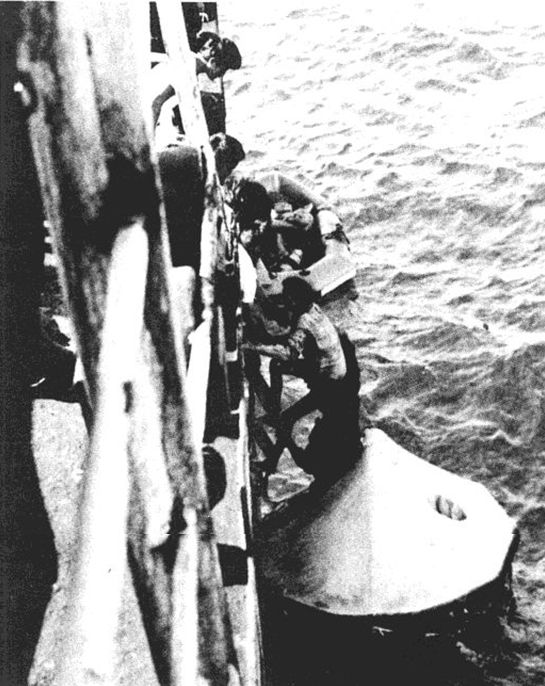
Vessel that found the Baileys.

It is a South Korean fishing boat that spots them. They had drifted over 1800 miles from the Galapagos Islands when they were rescued. Fortunately, the Bailey’s voyage is within the fishing routes of the Pacific. South Korean fishing boats would travel hundreds of miles from shore to catch tuna, billfish, mahi-mahi and other marketable fish. The South Korean boat was a deep-sea commercial fishing vessel. Its smaller size undoubtedly helped them see the Baileys.

The Bailey’s after their recovery from 117 days on the sea.

The Baileys were severely emaciated. Both had lost over 40 pounds. They could barely walk because of malnutrition and saltwater sores from skin irritation. It is hard to conceive of how exhausted they must have been. The Baileys were taken to Honolulu, Hawaii for medical care and recovery. Without doubt, the South Koreans saved the Baileys lives but it was a 1500-mile trip to Honolulu for the fishing vessel which would take 5 to 8 more days.

Sexual equality.

Elmhirst’s story suggests survival is largely because of Maralyn’s tough-mindedness and attention to her husband’s strengths and weaknesses.

In a marriage, one wonders how any husband and wife might respond in a crisis. Who would take command and who would follow in a crisis? Is it a matter of nature or nurture? In the case of the Bailey’s crisis, it appears Maralyn took command. The cost of that command is unknown, but parenthetically one notes Maralyn died at 61 while Maurice lived into his 80s.

TRAVELING

Steve Hely’s travels give one a sense of adventure and camaraderie.

Books of Interest
 Website: chetyarbrough.blog

“The Wonder Trail”

By: Steve Hely

Narrated by: Steve Hely

Steve Hely (Author, screen writer, co-executive producer for the Veep tv series, also appeared as an actor on tv sitcoms like “The Office” and “30 Rock”.)

“The Wonder Trail” is an entertaining tale by a sitcom television writer who chooses to take a trip south. He travels through Mexico, the Panama Canal, and South America. He travels on the cheap to give the young an idea of what to do on a summer vacation. Hely’s writing profession is on display as he offers a “being there” experience and a laugh.

Traveling away from the U.S. should be in every young or old American’s experience. Those who visit other countries give perspective to life and how people are more alike than different.

“The Wonder Trail” shows human nature is the same, though the color of life is hued by the cultures in which we live. The desires of life or death are closely related, if not the same. As Hely travels, he recalls books he has read to give perspective and depth to the experiences of his journey. From Mexico, down through Chile and the southern tip of the Western Hemisphere, Hely tells of fellow travelers, the sites he visits, and the native citizens he meets. Every nation visited is accompanied by vignettes about its history. From the Mexican city of Oaxaca to Mayan ruins in Central America, to Patagonia, listeners are introduced to many of America’s southern border countries.

Hernan Cortes (1485-1547, died at the age of 61 or 62.)

Hely notes Hernan Cortes’s ruthless reputation for destroying temples of what was the Aztec capitol. Cortes became a ruthless symbol of conquest and European colonization.

Mexico City came from a city-state called Tenochtitlan which was a spec of land in the middle of a lake in 1325. Cortes, an infamous Spanish conquistador, razed Tenochtitlan to the ground in 1521 and created a Spanish colonial capital he named Mexico City.

Hely reflects on the lost language of the Aztecs and the many ruins buried beneath Mexico City’s thriving metropolis. Translators have deciphered some of the texts of the Aztecs that reveal the sophisticated pagan culture that was lost when Cortes colonized the country. Hely notes the Aztecs practiced human sacrifices to their gods.

Hely’s travels give one a sense of adventure and camaraderie. He notes how his favorite experiences are with other people, particularly Australian groups and some adventurous unattached women who choose to travel alone. Having traveled with an Aussie guide in Australia, I would agree with Hely’s suggestion that Aussies are among the best travelling companions.

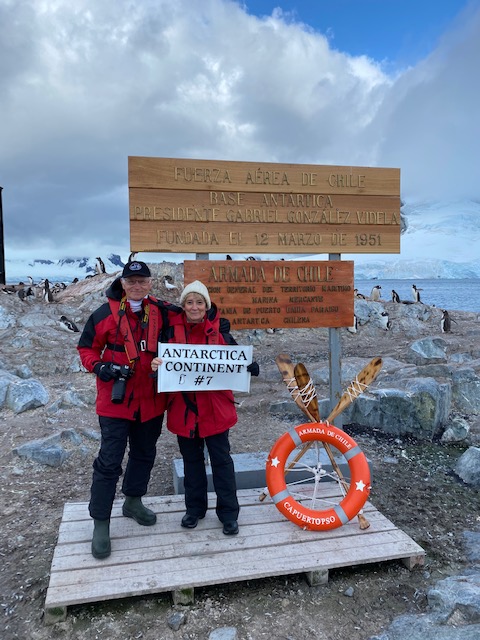
Hely’s journey ends in Patagonia, a territory under the control of Argentina and Chile. Having personally traveled to Antarctica, the point of debarkation is Ushuaia, the capital of Tiera del Fuego in Patagonia. Ushuaia is not mentioned in Hely’s book, but it is a beautiful village/city on the southernmost port of the world. The Drake Passage to Antarctica is not for the faint of heart because of the rolling sea. It’s worth the voyage because of the grandeur of ice flows, whale watching, and penguin excursions.