

Books of Interest
Website: chetyarbrough.blog
The Worst Journey in the World
Author: Apsley Cherry-Garrard
Narration by: Simon Vance
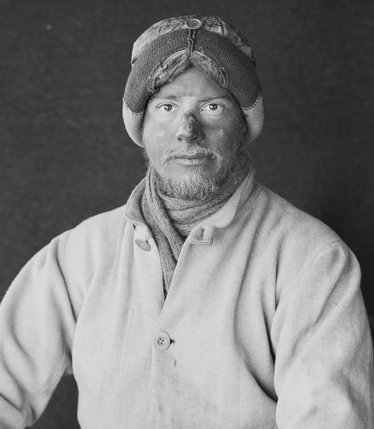
Apsley Cherry-Garrard (1886-1959, Author who survive a 1911 voyage to Antarctica and wrote the history of the voyage, what he experienced, and the death of many of his fellow voyagers.)
Apsley Cherry-Garrard, as an assistant biologist, accompanied a group of scientists to voyage to, and live on Antarctica for two years. It is an amazing story to one who has traveled to Antarctica. The thought of the trials Cherry-Garrard explains of his 1911 trip are extraordinary, 100% believable, and horribly tragic.
This is the route Apsley Cherryl-Garrard took in his voyage to Antarctica. Our trip to Antarctica also began in Ushuaia.
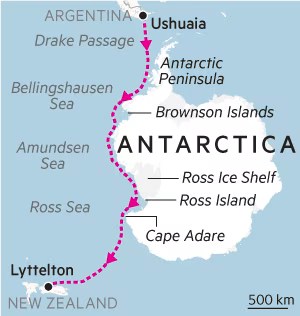
The terrible crossing from Ushuaia to Antarctica has not changed since the story told by Cherry-Garrard. The difference is–his mates were in a 1911 vessel while we traveled on a sleek science research vessel built in the 21st century. The rough sea of the Drake Passage made us seasick in a ship that was undoubtedly larger and more comfortable than his. The turbulence Cherry-Garrard writes of must have been terrifying in a craft of his time. Their vessel is filled with horses, dogs, and other animals to sustain their 2-year expedition. It is unimaginable to think of what it must have been like with water sloshing into their hold and nearly sinking their vessel. The sight of Antarctica’s land must have been calming after their rough passage. Their stop might have been near where we took a smaller craft to the icy land. It is fascinating to think how the penguins reacted to their arrival, particularly with dogs that are hungry.
One of the disturbing things about the story the author tells is how many dogs and horses were lost because of breaking ice flows that stranded their animals and either required killing them with an axe blow or seeing them die from isolation or a plunge into the sea.
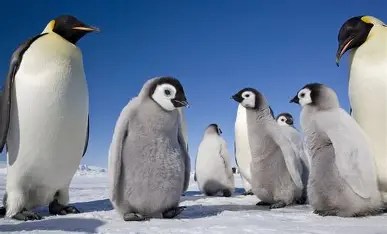
The penguins initially waddled up to the strangers in curiosity but were greeted with the bared teeth of liberated and hungry dogs.
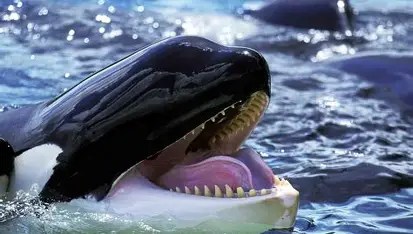
We did not see any killer whales when we were there. Cherry-Garrard reminds readers of the intelligence of these whales as they contemplate how they might dine on some of the animals near the shore. He explains a pod of killer whales that dive under an ice flow and break a 2-foot-thick ice sheet to get closer to a possible meal. They miss the meal, but it must have been an astounding view of the whales’ strength and intelligence. It is surprising to find Cherry-Garrard views the Orcas as dangerous. It is also interesting to note that when they first arrived, the sun is shining and the climate is moderately comfortable. That is the same experience we had in 2020.
Cherry-Garrard surprisingly notes aggressive eating habits of Killer Whales.
As the animals they brought with them were brought to land, they adapted to their environment. Some of the animals were tired from their long voyage, but most were useful in exploring the vast land of their icy home for the next 2 years. Craftsman on board began building their base camp. In contrast, what fellow travelers in our 21st century’ voyage did is set up field goals to play a game of soccer while others climbed a hill to see what was on the other side.
Horses accompanying the expedition.
Cherry-Garrad explains the purpose of their expedition is for scientific discovery, geographic exploration and national prestige. The science included collecting emperor penguin eggs to test evolutionary theories. In 1912 Robert Scott (the expedition leader), Edward Wilson, Henry Bowers, Lawrence Oates, and Edgar Evans were lost on the expedition. Though Cherry-Garrad respected Scott, he believed the expedition is poorly planned and overly complex. He felt the rationing was inadequate for the expedition and the equipment did not meet the requirements needed for the severe weather. He feels some sense of guilt in not having tried to reach Scott and his companions when he was an 11-day march away from them. However, he was following orders to return to his base camp. Retrospectively, most believe he could not have saved the lost men if he had taken the 11-day march.
This is a harrowing story of a terrible expedition. Having visited the Antarctic, it is inconceivable to have stayed there for more than a few hours without an interior heat source when temperatures fell below -50 degrees Fahrenheit.

