Books of Interest
Website: chetyarbrough.blog
Voice for the Voiceless (Over Seven Decades of Struggle with China for My Land and My People.)
Author: Dalai Lama
Narration by: Edoardo Ballerini
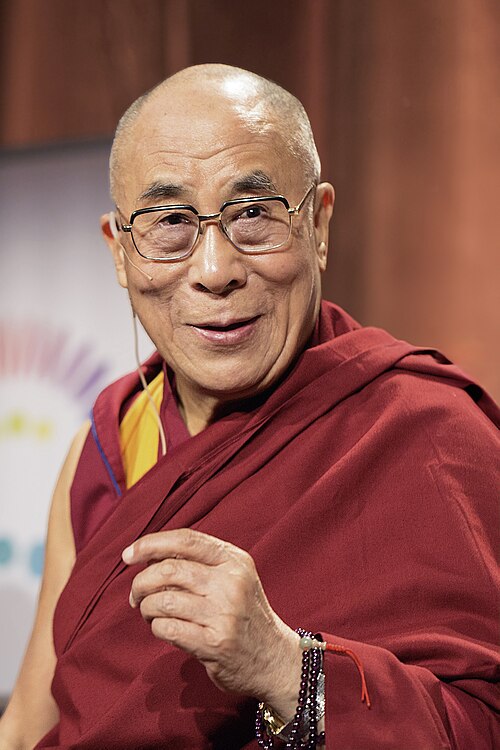
Dalai Lama (Author, born in 1935 is presently 91 years old. He is the spirtual head of Tibetan Buddhism.)
“Voice for the Voiceless” is the wish of every minority in the world. State supremacy over the individual in communism sharply contrasts with democracy in degrees of un-freedom revealed by what a citizen can be and do. Competition and descent, suppression of minority voices, control of information, collective identity, and human rights are insisted upon by communist leadership according to “Voice of the Voiceless” by the Dalai Lama.

American government checks and balances.
In a democratic government, there are multiple societally expressed interests like legal protection for dissent, creation of non-government organizations, guarantee of free speech, and institutional checks and balance on the power of its leaders. It is not that America or any democracy is perfect in its makeup but in the China that the Dalai Lama describes, communism is designed to prevent any form of opposition to its leadership. In the Dalai Lama’s view, no compassion exists in China’s government.

The infamous and unidentified “tank man” who stood in the way of the Tiananmen Square crackdown.
The most prominent historical evidence of a lack of government compassion is shown by the Tiananmen Square massacre during the Deng administration. The Dalai Lama’s opinion is reinforced by a Chinese guide who closes the doors of a private meeting room in which several Americans are informed of China’s reaction to the Tiananmen massacre. Chinese students and citizens who demonstrated at Tiananmen Square were asking for communist party reform, a reasonable level of leadership accountability, and elimination of corrupt Chinese government leaders.
The Dalai Lama writes “Voice for the Voiceless” to challenge China’s political system which denies rule of Tibet by the Dalai Lama as its head of state. His demand reminds one of histories of displacement of native tribal leaders in America in the 17th and 18th centuries. Recognizing the fates of proud native leaders in America, the Dalai Lama (who has been exiled to India since the 1950s) is asking the communist government to allow him to be the leader of his “tribe” in Tibet. In America, more than two hundred years passed before genuine recognition and opportunity were seriously offered America’s natives. It has taken nearly 200 years for America to offer equal opportunity for tribal natives to pursue their interests as recognized ethnic minorities. What the Dali Lama wishes for Tibetan people in China is in many ways the experience of minorities in a democracy, let alone a communist autocracy.

Natives of America grew together as common ancestors that could choose life in a system of government that came to understand the importance of tribal self-determination. Natives of America had land rights, and a concept of cultural difference; accompanied by jurisdictional authority to pursue economic development as a distinct ethnic minority. The Dalai Lama clearly shows Tibetan people have a similar ethnic origin and desire for freedom and self-determination. Only time and ethnic solidarity offer hope for them to realize their goals.
Barbara Demick gives listeners a picture of Tibet with a darkness that rivals the narrative she creates for North Korea in “Nothing to Envy”.
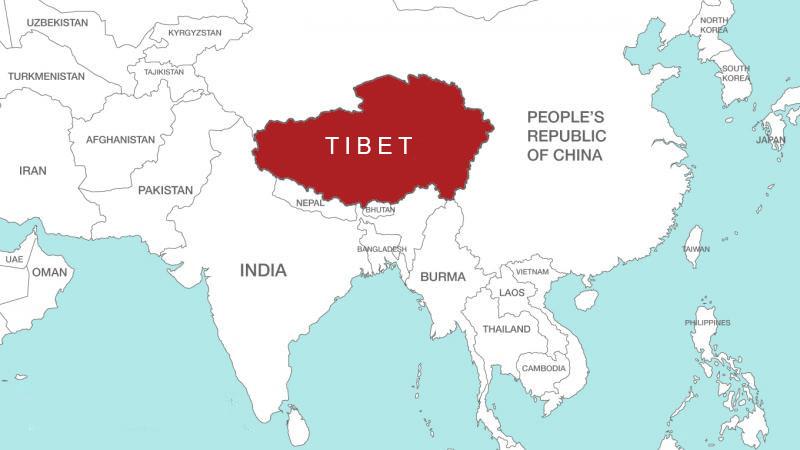
Communist China is not America. However, the Dalai Lama appears to want a level of independence to protect a Tibetan way of life for Buddhists to preserve their cultural identity and language without violent resistance by the Chinese system of government. This is a reminder of native American’s struggle in democratic America. The Dalai Lama seems only to wish for human and religious freedom, not nation-state hegemonic control. He notes Tibetans have no institutional power, no representation in the Chinese government, and no legal way to challenge state’ government policies.

The Dali Lama’s book surprisingly notes the initial relationship with Chinese communism that proposed a “Seventeen-Point Agreement” which offered a framework for Tibet to have the recognition requested by the Tibetan culture. However, the tenor of the “…Agreement” is violated with Tibet being occupied by Mao’s government. Mao orders his administration to keep the Dalai Lama from fleeing and pressured Tibetan leaders to negotiate subservience to the Chinese Communist Party. Mao’s goal is to unify Tibet with China, not provide Tibetan autonomy within the structure of Chinese suzerainty. There was to be no self-determination of Tibetans, no interest in preserving Tibetan institutions, no role for the Dalai Lama, and no Tibetan’ autonomy. Mao demanded integration, not reconciliation.
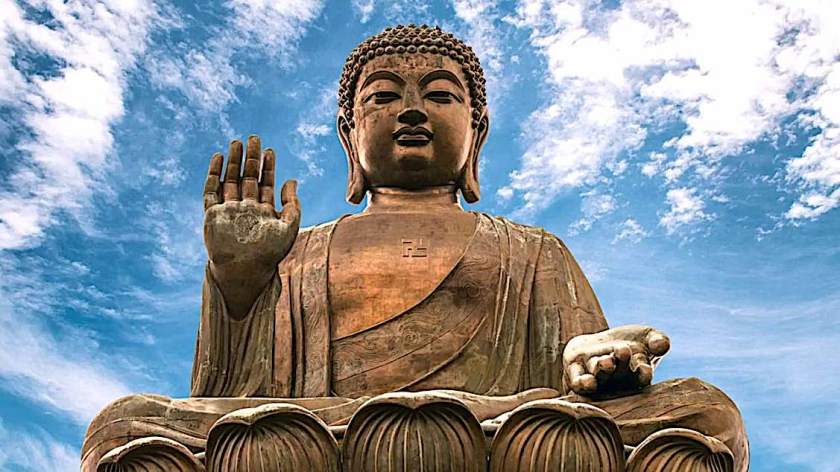
As the Dalai Lama grew to understand what Mao and future leaders of the CCP really wanted, he chose to leave Tibet in the late 1950s. He exiled himself to India, the origin of Buddhism’s creation. Buddhism teaches liberation from suffering through compassion, wisdom, and meditation. These were not a part of the Communist ideals of Mao or his successors. The core belief of communism is that truth comes from the party whereas Buddhist believe truth is from inner realization. Every Buddhist is a sentient being that has compassion for individual suffering while a CCP member subordinates their feelings to the needs of the state and national unity. All religions are a potential threat to state control which is the basis and practice of communism and, to a lesser extent, all forms of government.
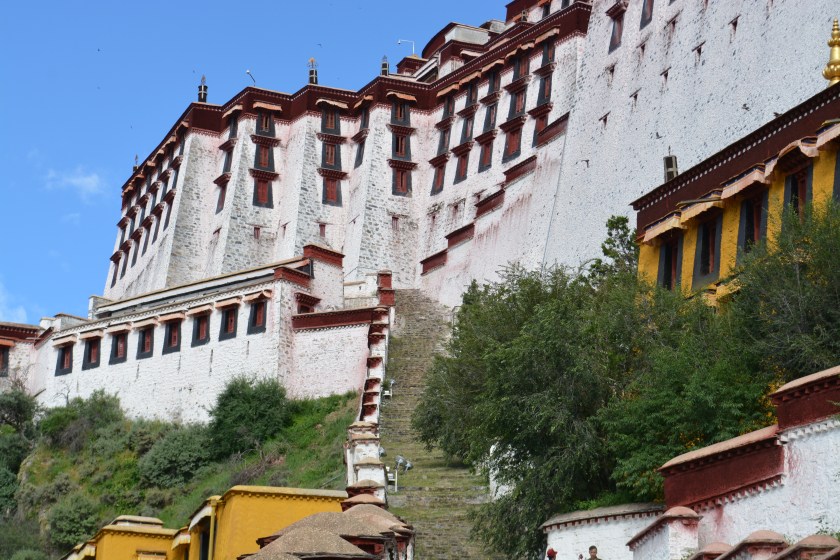
The Dalai Lama represents a threat to communism because he is a global moral figure, a symbol of Tibetan identity, and a spiritual authority independent of the state. Buddhist belief in inner freedom, compassion, and spiritual autonomy directly conflict with the ideals of communism because of its belief in the collective rather than the individual. An interesting irony in that communism is a form of government that endorses a collective concept. Of course, a communist collective is external to one’s inner self while Buddhism believes a collective is formed through an inner understanding of the self. China insists on centralized government authority, conformity to its edicts, and personal identification with the state’s government. One’s heart goes out to the Tibetan people and the discrimination they are suffering. Only time offers hope for their future.
As every American, particularly white people of conscience know, ethnic minorities are faced with hardship, violence, and social discrimination until ruling majorities realize that all human beings are entitled to equality of opportunity in the society in which they live.