Ukrainian Independence

Trofimov argues Ukraine will survive Russia’s invasion and remain a sovereign nation, but it will remain a long struggle. Considering the age of Putin, i.e., he is 73, and growing discontent of some Russian oligarchs, the war may be ended sooner rather than later.

Books of Interest
 Website: chetyarbrough.blog

Our Enemies Will Vanish (The Russian Invasion and Ukraine’s War of Independence) 

Author: Yaroslav Trofimoy

Narration by: David Furr

Yaroslav Trofimov (Author, Ukrainian-born Italian author and journalist, foreign correspondent.)

“Our Enemies Will Vanish” is a brutal eyewitness account of the beginning of Russia’s invasion and war in Ukraine. Yaroslav Trofimov explains why Putin fails to achieve a takeover and annexation of Ukraine despite having an overwhelming military and economic advantage. Putin had a well provisioned and professional military force. Trofimov’s book is an insightful follow up on Karatnycky’s history of Ukraine’s leadership in “Battleground Ukraine”. Trofimov reminds one of the role Viktor Yanukovchy played in surreptitiously aiding Russia’s takeover of Crimea. Yanukovchy had fled to Russia and was waiting to return to the Presidency of Ukraine when and if Russia won the war. Having read “Battleground…” Ukraine’s resistance owes a debt to former President Yuschenko’s role in reinforcing a pro-Western leaning of Ukraine’s citizens. At the same time, Petro Proshenko (President of Ukraine before Zelensky) is shown to be equally important for having begun the rebuilding of Ukraine’s military.

Frenemies are defined as people who look friendly on the surface but contain underlying rivalry, and distrust.
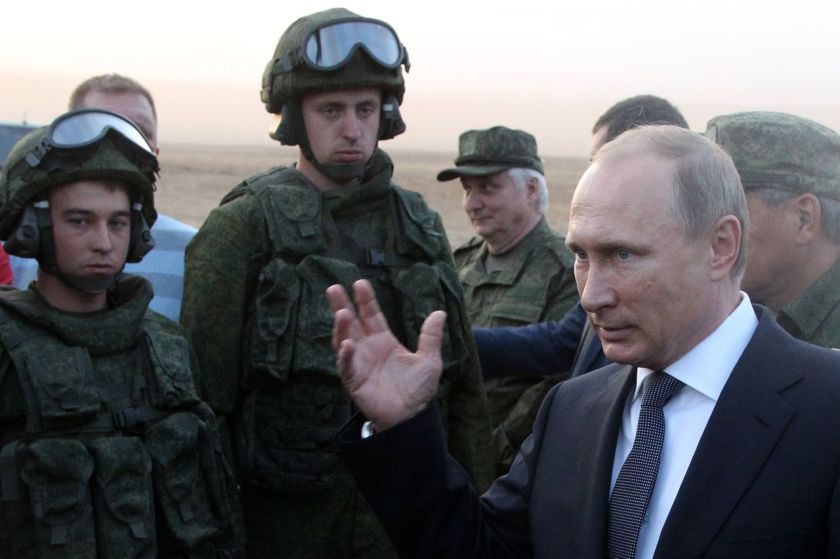
Trofimov clearly explains why Putin fails to takeover Ukraine. He underestimated the capabilities of Ukrainian resistance. Putin’s predilection for complete control of the invasion created ground action confusion that could not adapt to circumstances of Ukrainian resistance. Russia’s ground forces could not effectively coordinate their actions because of Putin’s insistence on direct command and control. In contrast, the Ukrainian leadership made decisions based on ground circumstances rather than centralized command and control. Putin clearly underestimated Ukraine’s national awakening. The early atrocities of Bucha and Irpin where 400 civilians were murdered and many were imprisoned and tortured are examples of Russia’s brutal tactics. The heavy shelling of Irpin destroyed neighborhoods, homes, and schools. Satellite imagery and eyewitness accounts reinforced Ukraine’s moral and political resolve to defend their country.

Access to drugs for infection are a concern for Ukranian fighters.

Trofimov characterizes Russia’s attack of Mariupol as an attempt to “wipe a city off the face of the earth”. He vivifies the scale of destruction with a view of residential districts that are flattened, civilians are left without food, water, or heat and hospitals, theaters, and shelters are bombed. If one is wounded in combat, Ukrainians have no access to drugs to treat infection. A relatively minor wound could become a death sentence. Nevertheless, Mariupol became a heroic last stand and a symbol of Ukraine’s resolve to remain free of Russian occupation.

The brutality and slaughter of war is clearly brought to a reader/listener’s attention by Trofimov. The atrocity in Bucha occurs early in the Russian invasion. Families hide in basements without heat or electricity. People are shot with their bodies left in the street as Russians begin moving house to house to take food, phones, and whatever they wanted. Men who were captured were interrogated and tortured. Citizens were executed at checkpoints for being suspected of helping local Ukrainians. Door to door killings and summary executions were made on all who were viewed as enemies of Russia. Russian troops were spreading systemic terror to control the population. The immorality of war is brought home in Russia’s Bucha campaign. In Trofimov’s opinion, Bucha is an example of why Putin will fail to remake Ukraine a part of Russia.

Trofimov suggests Zelensky’s wartime leadership became critically important for the survival of Ukraine.
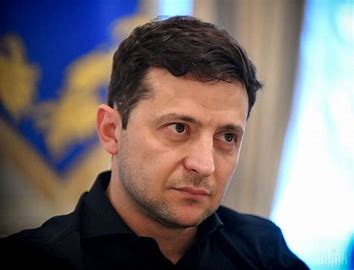
Trofimov argues Zelensky’s personal bravery changed the course of the war. One remembers the video of Zelensky on American TV standing with fellow Ukrainians saying, “we are all here” in Kyiv. He believes Zelensky united Ukrainian society against Putin’s invasion. He rejects evacuation offers, maintains government continuity, and enlists the Western world in resistance to Russia’s invasion. Trofimov feels Zelensky’s leadership became critically important for the survival of Ukraine as an independent nation.
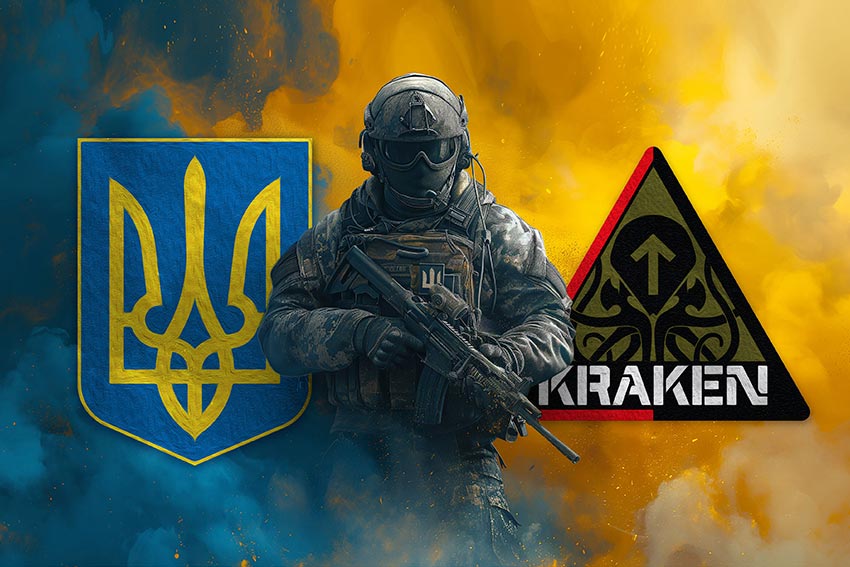
Kraken fighters in Ukraine.

The creation of what becomes known as the Kraken fighters illustrates the ferocity, professionalization, and psychology of volunteer Ukrainian fighters in comparison to Russian conscripts. The Kraken unit’s utilization of urban combat and high-risk operations contribute to many of Ukraine’s territorial reversals of Russian land confiscations. Ukraine’s military competence grows with the Kraken’s successes. Though the Kraken were not the largest Ukrainian warrior group, they were a unit from Kharkiv that motivated frontline fighters.

Mariupol occupation by Russia.

Trofimov does not ignore the territorial gains made by Russia in their invasion of Ukraine. Their early success in Eastern Ukraine is stalled despite their gains. They did capture Mariupol, but it became a symbol of Russia’s brutality that hardened Ukrainian resistance. The Russians capture Severodonetsk and Lysychansk in 2022 and inflict a great deal of damage on Ukrainian infrastructure. However, Trofimov argues these were tactical, not strategic successes. Importantly, Trofimov notes Kyiv is not captured, Ukrainian morale has been maintained, and the West’s support remains strong. He believes Ukraine will ultimately retain its independence.
Ukraine’s fight for independence.

Trofimov argues Ukraine will survive Russia’s invasion and remain a sovereign nation, but it will remain a long struggle. Considering the age of Putin, i.e., he is 73, and growing discontent of some Russian oligarchs, the war may be ended sooner rather than later. Men like Andrey Meinichenko, one of Russia’s richest men, and several others complain about high interest rates and the war’s economic strain on Russia. It is not that they are anti-Putin, but they have economic interests that are being challenged by the war. One wonders how long Putin will last if the Ukraine war continues.
BATTLEGROUND UKRAINE

A reader/listener of “Battleground Ukraine” infers Putin will fail because of Russia’s flagging economy and weakening military. The Ukraine war may go on for many more months, but its economic devastation and human deaths will end with Ukraine as a sovereign country, and presumably, a Russia with a different President.

Books of Interest
 Website: chetyarbrough.blog

Battleground Ukraine (From Independence to the War with Russia) 

Author: Adrian Karatnycky

Narration by: Daniel Henning

Adrian Karatnycky (Author, Ukrainian American political analyst.)

“Battleground Ukraine” is an important history of the transition of Ukraine from being part of the U.S.S.R. to an independent nation-state. The author offers a chronological political history of Ukraine’s drive for independence after glasnost. Karatnycky outlines the achievements and setbacks of three decades and six leadership changes in Ukraine’s Government. He shows nation-building is no easy task for a country that is split between desire for independence and a history of Soviet Union domination.

In researching the qualification of Adrian Karatnycky, one finds he is considered a leading analyst who has written about Ukraine in publications like Foreign Policy, The Wall Street Journal, Foreign Affairs, The Atlantic, and National Review.

Adrian Karatnycky is characterized as a Ukrainian American political analyst, and a democracy advocate for Ukraine. He is a managing partner of a consulting firm representing clients with interests in Ukraine. He co-founded a cultural initiative to promote positive relations between Ukrainians and Jews and has studied Russian Ukrainian’ relations, written a number of articles about Ukrainian human rights, political freedoms, and its development as a civil society. He understands and speaks English and Ukrainian, and presumably Russian.

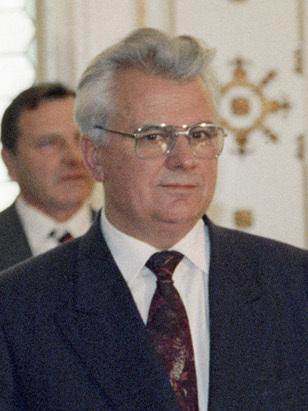
Leonid Kraychuk (1991-1994, First President of Ukraine)

His book is informative but complicated because of unfamiliarity with most of the six leaders of Ukraine after its separation from the U.S.S.R. The first president of independent Ukraine is Leonid Kravchuk (1991-1994). Kravchuk presided over the breakup and helped establish the independent nation of Ukraine. According to this history, Kravchuk seems reluctant to create a decisive break with the Soviet-era experience. The authoritarian habits of administration led to the blossoming of oligarchic networks in Ukraine that resemble the oligarchs who control the Russian economy under Putin today. The growth of Ukraine as a relatively free capitalist country is sidelined by Kravchuk’s rule. Nevertheless, Kravchuk’s administration appears to have accomplished the break from the U.S.S.R. without civil war.

Leonid Kuchma (1994-2004, Second President of Ukraine.)

The second leader of Ukraine is Leonid Kuchma (1994-2004). The author notes Kuchma accepted the growth and corruption of oligarchs in Ukraine. In some sense, the economy stabilized under Kuchma’s rule while improving ties with Russia and even the West. However, authoritarianism is reinforced by a cadre of oligarchs that corrupt Ukrainian society and enrich themselves while reinforcing attachment to Russia.

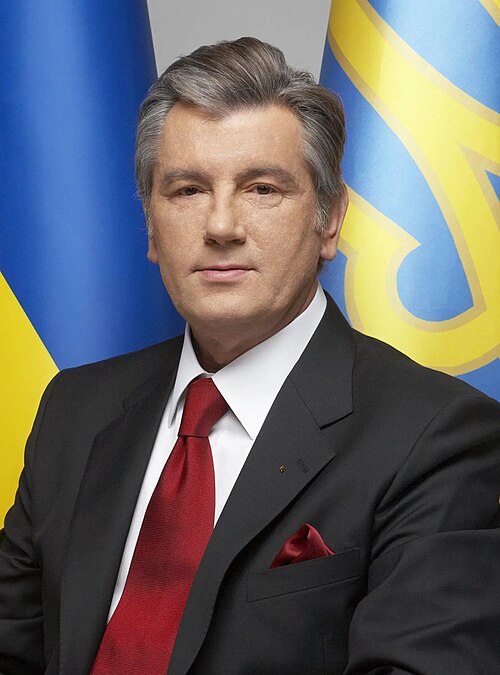
Viktor Yushchenko (2005-2010, Third President of Ukraine.)

The third leader is Viktor Yushchenko (2005-2010). In 2004, the Orange Revolution begins in Ukraine with nationwide protests, civil disobedience, and political mobilization against oligarchic rule in Ukraine. Kuchma is replaced by Yushchenko as a result of a Ukrainian Supreme Court ruling that demands a new vote. That vote results in the election of Yushchenko. Yushchenko is characterized by Karatnycky as a pro-Western democrat. He allows Ukraine media to remain free by not repressing its citizens. However, Yushchenko is characterized as a political failure who, at best, creates space for the growth of democracy in Ukraine. Though Crimea is not lost during Yushchenko’s rule because he resisted Russian military expansion, he fails to move his country toward democracy.

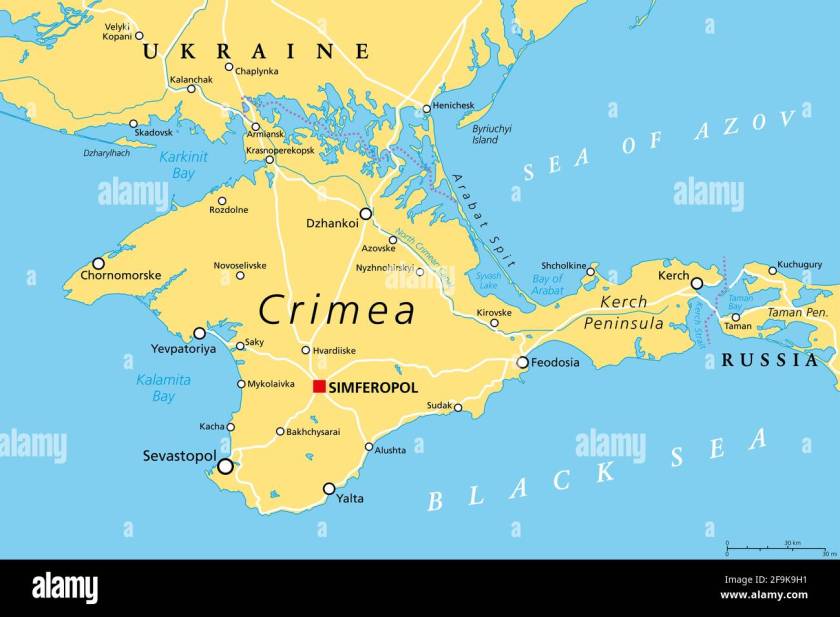
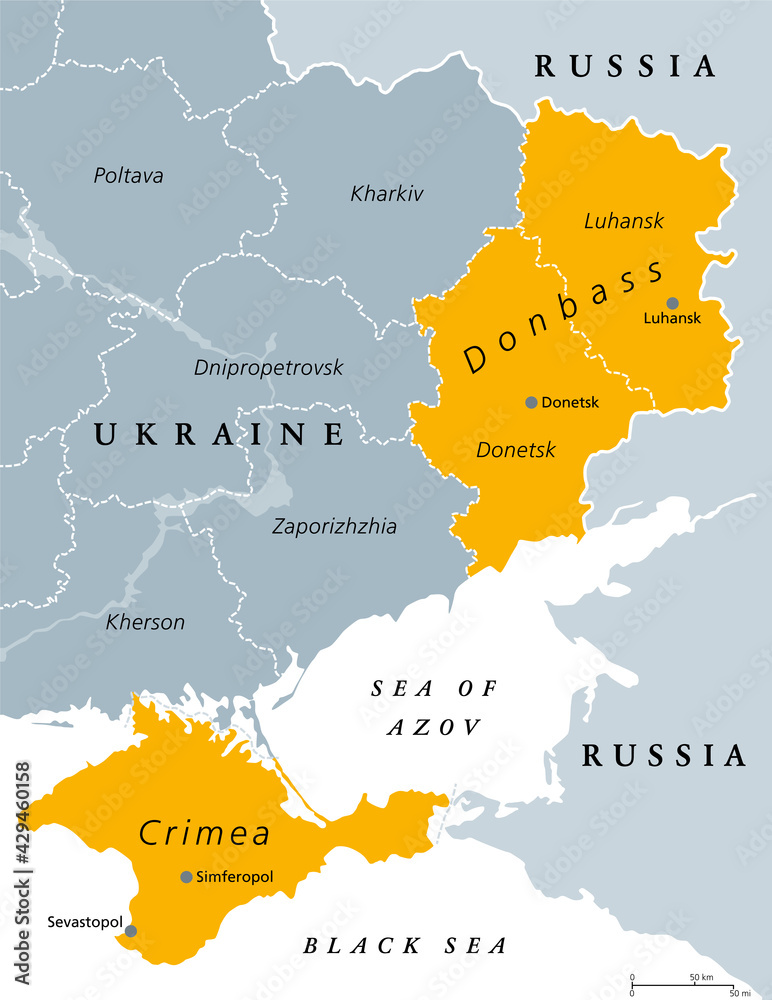
Crimea’s annexation by Russia in March 2014.

Russia had a base in Crimea but its role in the invasion and confiscation of Crimean territory expanded with the next Ukrainian President’s administration. At worst, Yushchenko’s political ineptness and weak governance paved the way for a more kleptocratic Ukrainian President named Viktor Yanukovych (2010-2014). As Yushchenko leaves office, Russia lays plans for the invasion of Donbas in 2014.

Viktor Yanukovych (2010-2014, Fourth President of Ukraine.)

Karatnycky views Yanukovych as the latest pro-Russian ruler of Ukraine. Yanukovych uses his position as President to enrich his family and allow Russian intelligence service to infiltrate the Ukrainian government. In the author’s opinion, Yanukovych opened the door to Russian aggression which led Russia to surreptitiously invade Donbas and annex Crimea. Karatnycky infers Putin launches the Donbas incursion as a result of a power vacuum created by Yanukovych who flees Kyiv on February 22, 2014. Crimea is annexed by Russia on February 23, 2014. The Donbas incursion begins in April 2014.

Ukrainian corruption during the Yanukovych presidency.

By a slim margin of 3.5% Yanukovych won the Ukrainian presidency in 2010. He escapes to Russia in February 2014 after ordering a violent crackdown on Ukrainian protesters. Karatnycky’s assessment of Yanukovych is highly negative. He argues Yanukovych centralized Presidential power, weakened independent institutions, persecuted political opponents, and drew the government closer to Putin’s Russia. He defeated Uylia Tymoshenko, a pro-Western leader, who is imprisoned in 2011 during the Orange Revolution in Ukraine. Yanukovych remains in Russia today and is convicted in absentia for treason in aiding Russia during his term in office.

Petro Poroshenko (2014-2019, Fifth President of Ukraine.)

After Russia’s incursion in Donbas, Ukraine elects Petro Poroshenko (2014-2019). Karatnycky suggests Poroshenko recognizes Ukraine’s military has to be rebuilt because of Yanukovych’s neglect. Poroshenko turns to the West for support in the battles occurring in Donbas. His appeal is answered with U.S. and EU backing that secures sanctions against Russia. Ukraine increases NATO cooperation to make Ukraine a frontline for democracy. As a delaying tactic, in Karatnycky’s opinion, ceasefires were agreed to by Poroshenko in order to give Ukraine more time to rebuild its military. In the author’s opinion, Porshenko did not break Ukraine’s oligarchic power, but he secured Western support of Ukraine and rebuilt the army which strengthens Ukraine’s national identity. Karatnycky characterizes Poroshenko’s rule as a true beginning transition of Ukraine from authoritarian to democratic government. However, Kartnycky notes the judicial system and established oligarch’ influence continues to obstruct democratic ideals. Further, Russia’s Donbas battles with Ukraine continue through his administration.

Russia’s Donbas battles with Ukraine continue through Poroshenko’s administration.

Finally, we get to the election of Volodymry Zelensky in 2019. Karatnycky sees Zelensky as a pre-war and wartime President. Zelensky’s successful election is shocking considering the author’s assessment of Poroshenko’s successes in transitioning Ukraine to a world recognized democratic rather than authoritarian government. Zelensky, a comic actor, soundly defeats Poroshenko in the election of 2019. Zelensky appears completely out of his element in becoming President of Ukraine. He struggles with political reform and shows an ineptitude in dealing with political infighting. Karatnycky describes Zelensky as “…well-intentioned but inexperienced naïve in his first two years as President. However, as Russia chooses to invade Ukraine, the wartime Zelensky becomes a unifying national leader. His experience as an actor/comedian makes him a master communicator. Zelensky becomes a wartime decision maker that gathers Western support for the defense of his country. Zelensky overcomes his political shortcomings in the face of Russia’s invasion of Ukraine. Zelensky manages to unite Ukraine against a much larger enemy despite the economic stagnation of the Ukrainian economy.

Volodymry Zelensky (President of Ukraine 2019-?)

It Karatnycky’s opinion, Ukraine will survive Russia’s invasion and will remain a sovereign country. A reader/listener of “Battleground Ukraine” infers Putin will fail because of Russia’s flagging economy and weakening military. The Ukraine war may go on for many more months, but its economic devastation and human deaths will end with Ukraine as a sovereign country, and presumably, a Russia with a different President.

UNJUST CAPITULATION

Both Trump and Putin are wrong in trying to return America and Russia to their past. What one presumes from Nye’s lectures is that a threat of millions of lives being lost from nuclear war will actually result in a gorilla war in territory unjustly ceded to Russia by Ukraine.

Books of Interest
 Website: chetyarbrough.blog

Must History Repeat the Great Conflicts of This Century? 

Lecturer: Joseph S. Nye Jr.

By:  The Great Courses

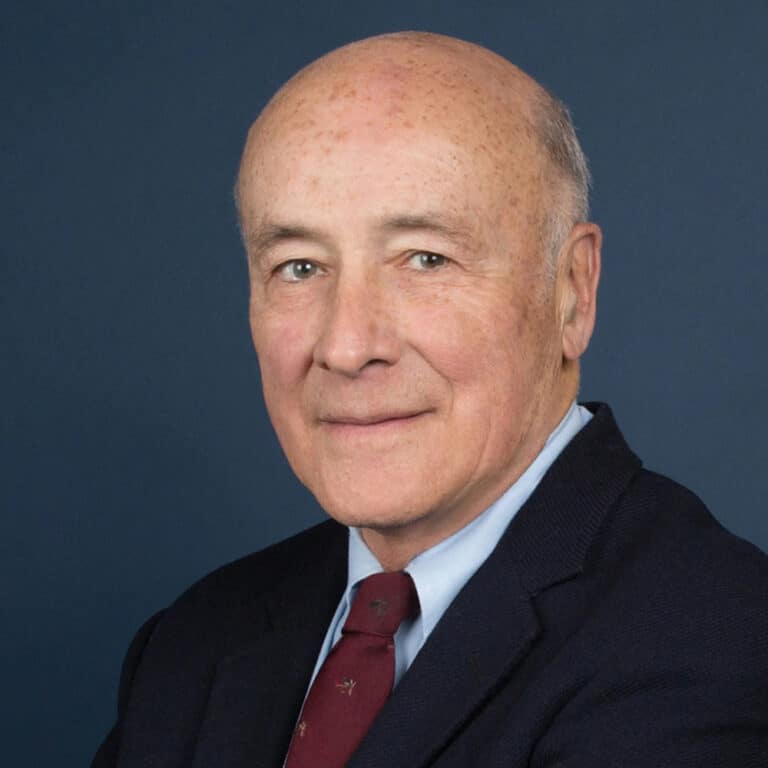
Joseph Nye Jr. (1937-2025, Distinguished Service Professor Political Scientist at Harvard Kennedy University.)

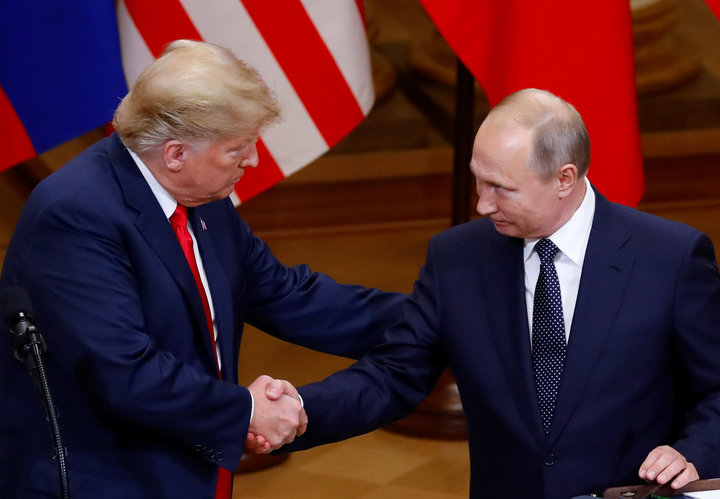
In listening to Joseph Nye Jr.’s history of “…Great Conflicts…”, one thinks about similarities between leadership of Russia and America today. Both Trump and Putin believe in strong executive leadership and appear to have a political base that allows Putin to exercise dictatorial power and Trump to bypass traditional bureaucratic limitations on government power. Both Putin and Trump believe in their countries moral and economic superiority and are trying to return their nations to the twentieth century. As leaders of their countries, they have influenced media support of their ambitions through influence and the creation of conspiracy-driven narratives.

Joseph Nye’s lectures suggest history is only a guide to the future, not a prediction.

Nye explains circumstances of the present are never exactly the same as the past. Every war of the past is based on complex causes that are never precisely the same. The world wars and the cold war developed as a result of specific government’ diplomatic, operational, and international circumstances. Nye explains why two world wars were about balance of power that changed with WWI and were refined by WWII. The German, Austro-Hungarian, and Ottoman empires collapsed after WWI. With the defeat of Hitler, Nye infers WWII is a failed effort to reestablish the German empire.

Listening to Nye’s view of history, makes one think of Putin’s and Trump’s maneuvering in the 21st century. Both leaders are trying to recreate a balance of power with America strengthening its position and Russia reestablishing its role among the top three powers. What gives weight to that view is Russia’s invasion of Ukraine, China’s wait and see attitude, and Trump’s foolish antagonism toward its traditional western allies in the belief that it strengthens America. Trump seems ignorant of history by failing to recognize America’s power is hugely benefited by its close relationship with Great Britain and North America. To antagonize England, Canada, and Mexico with tariffs and the NATO alliance with complaints about unequal financial support reduces America’s power and influence.

Today, nuclear war is a different circumstance upon which every government leader recognizes as a fundamental change in the principle of “might makes right”.

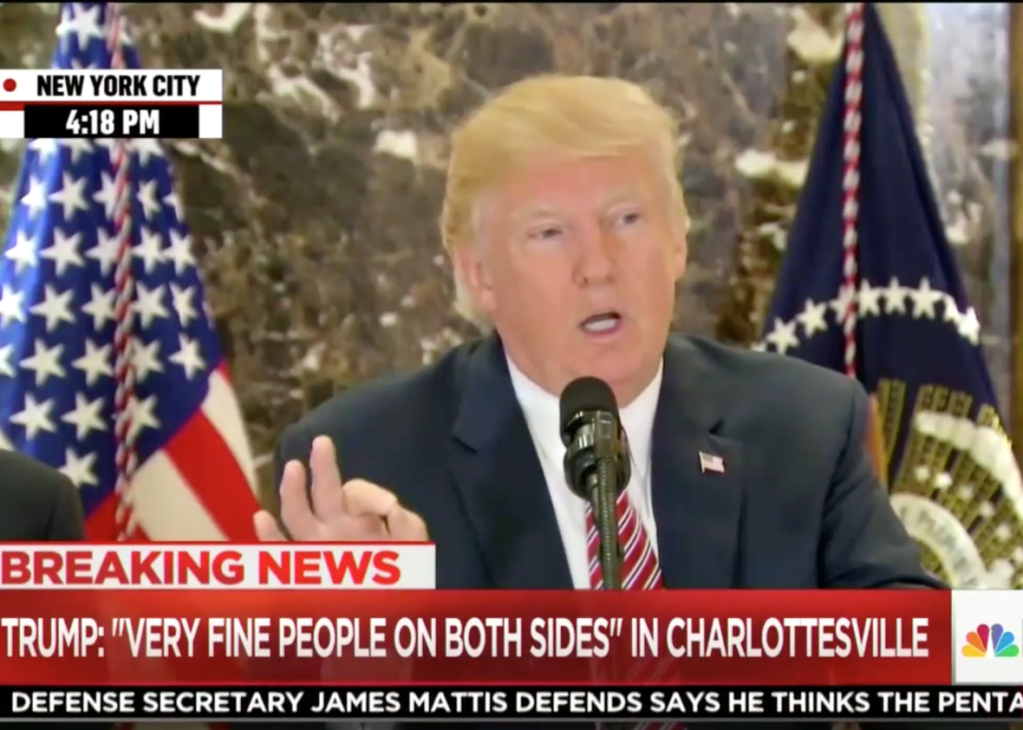
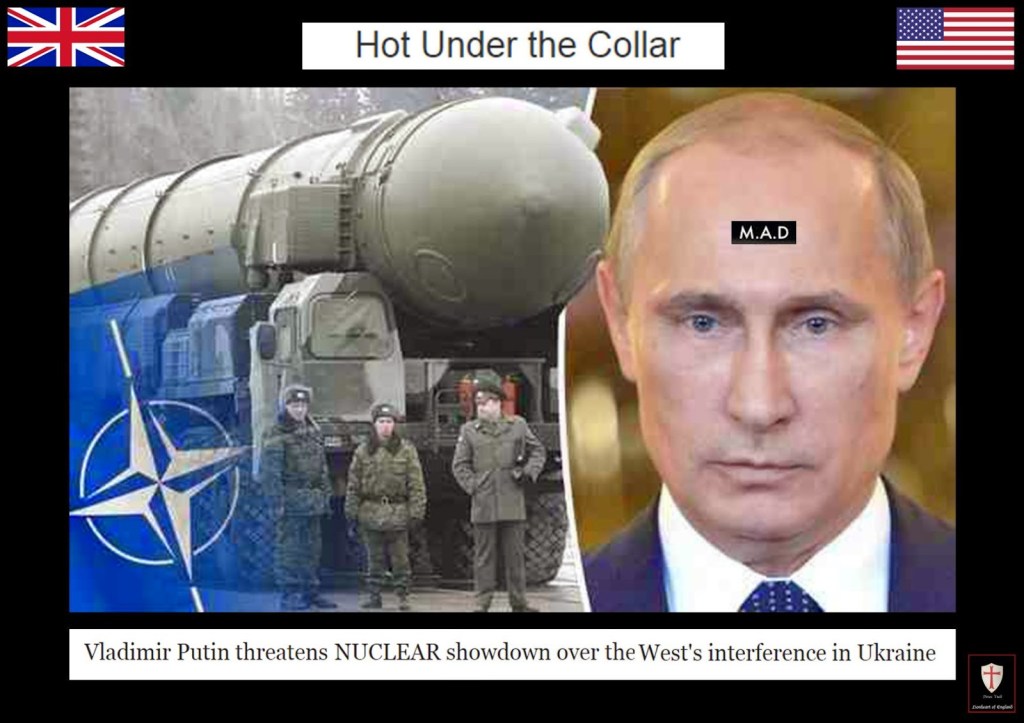
One sees that Trump’s hostile confrontation with Zelenskyy on television is an expression of America’s leadership fear of nuclear war. Putin threatens nuclear retaliation, but threats are not actions. Putin continues his conventional war against Ukraine and Trump pressures Putin to end the conflict with limited support of weapons for Ukraine and implied willingness to agree to Putin’s demands for annexation of some part of Ukranian territory.

Nye’s lectures do not say history repeats, but he warns it can have similar results without careful analysis and strategic foresight by government leaders.

However, Trump and his advisors appear ignorant of the lessons of history noted by Professor Nye. America and Russia think they have a choice in how the war in Ukraine can be brought to an end that will bring peace. The truth is that peace is only a Hobson’s choice where there is only one option. Trump sees the possibility of millions being killed from a nuclear war. Putin sees the possibility of gaining territory from Ukraine with potential loss of rule as President of Russia. Zelenskyy and Putin have the illusion of choice while the international community and America will likely make the decision.

Both Trump and Putin are wrong in trying to return America and Russia to their past. What one presumes from Nye’s lectures is that a threat of millions of lives being lost from nuclear war will actually result in a gorilla war in territory unjustly ceded to Russia by Ukraine. Russia will lose more than it gains just as it did in Afghanistan.

WAR

The only hope for Ukraine is a change in Russia’s leadership as a result of Putin’s foolish effort to return Russia to its past. It is the same effort and mistake Trump is making in trying to return America to the 20th century.

Books of Interest
 Website: chetyarbrough.blog

The Evil Hours: A Biography of Post-Traumatic Stress Disorder

By: David J. Morris

Narrated By: Mike Chamberlain

David J. Morris (Author, former Marine, reporter in Iraq, received Navy-Marine Corps Commendation Medal, M.A. from San Diego State University and the University of California, Irvine.)

In listening to “The Evil Hours”, the refrain “War, what is it good for, ABSOLUTLY NOTHING” from Edwin Starr’s song comes to mind. Ukraine’s and America’s current political position in ending the war are irreconcilable. Anyone who has read this blog knows I am not a fan of President Trump but his position on the war is sadly correct. It is sad because it is only Ukranian people who will suffer, not we who are isolated from the European continent.

Having recently visited the Baltics, and hearing of their experience under Stalin from a family we had dinner with makes one understand how horrible Trump’s decision will be for Ukraine’s citizens.

Trump’s decision is a Hobson’s choice because there seems no alternative. The potential for nuclear war is a threat from Putin who has an ego like Trump’s that cannot be assuaged. Putin appears not to be deterred by his followers or the Russian citizens.

What is left is the domination of a portion of Ukraine that will be forced to live under a dictatorship.

Hearing from Baltic citizens of how horrible their lives were under Stalin; one’s heart goes out to Ukrainian citizens who will have to live under Putin. Putin and Russia will pay a high price for their occupation because of citizen opposition that will take many forms. Though there is no comfort to the Ukranian people, Russia’s occupation will eventually end. The cost of Russia’s invasion of Ukraine has been high. It will be a reminder of the folly of unjust invasion and dictatorial control of an independent people.

America’s foolish Vietnam’ belief in a domino theory of Vietnam was wrong, just as the belief that Russia’s success in Ukraine will lead to further Russian expansion.

The relevance of “The Evil Hours” is the stress Ukrainians will face with Russian occupation. One hopes Russian occupation will not take as long as it did for the Baltic countries to regain independence.

PTSD is shown as the horrible consequence of internecine conflict that will continue after Russia’s occupation.

The only hope for Ukraine is a change in Russia’s leadership as a result of Putin’s foolish effort to return Russia to its past. It is the same effort and mistake Trump is making in trying to return America to the 20th century.

FREEDOM’S COST & VALUE

Freedom, once it is experienced, is an unconquerable force. Conquest of Ukraine, the Baltics, or Taiwan would be a pyric victory at a cost far in excess of a conquerors’ perceived value.

Books of Interest
 Website: chetyarbrough.blog

The Return of Great Powers (Russia, China, and the Next World War)

By: Jim Sciutto

Narrated By: Jim Sciutto

Jim Sciutto (Former American news anchor for ABC, national security correspondent for CNN, Yale graduate majoring in Chinese history.)

Jim Sciutto has been seen by many on television. One suspects few know he served as the Chief of Staff and Senior Advisor to the U.S. Ambassador to China between 2011 and 2013. His book, “The Return of Great Powers” is interesting but not particularly revelatory. It was written before today’s news of the blows to Iran’s role in the Middle East with the removal of Syria’s brutal leader and Israel’s increased attacks on Hezbollah and Hamas. Tragically, there is always death of innocents in war. The question is whether war is ever worth its cost.

Sciutto certainly has a better grasp of China than most Americans based on his education and experience but his general analysis of the “…Great Powers” and their return is more topical than insightful.

The rise of Putin and Xi have certainly changed the world. Newspapers and television are full of stories about these leaders’ dance around the war in Ukraine. Xi offers moral and financial support to Putin, along with some important weapon components needed by the military, but China limits military equipment and direct munitions provisions for the war. China may benefit from Russia’s Ukraine invasion because of Xi’s expressed interest in acquiring Taiwan but China’s advances have not moved much from where they were before the invasion.

What seems clear today, particularly in Sciutto’s book, is that Putin has made too many mistakes in his invasion of Ukraine.

Putin’s apparent disregard for Russian soldiers’ deaths undoubtedly threatens his influence with many Russian citizens. Some of America’s media suggest Putin is becoming more conscious of his political and personal vulnerability. It is reported by Gleb Karakulov. a Russian engineer and defector who fled to Kazakhstan, that Putin has become paranoid and increasingly isolated.

Sciutto suggests Estonia is on a Putin invasion list once Ukraine has been conquered.

Having recently returned from the Baltics, occupation of Estonia would be a pyric victory for the same reasons as the Ukraine invasion. The hate for Russians one hears from Baltics’ residents (Lithuanian, Estonian, and Latavian) who were under the rule of Russia from 1940s to 1991 is palpable. The jail cells, torture, and murder of Baltic citizens by Russia is detailed by tour guides from each country. The prosperity of the Baltic countries since 1991 is a tribute to freedom that will not be given up easily by its people. At best, Russia may be able to occupy the Baltics, but citizen resistance would far outweigh any value occupation might offer.

Sciutto goes on to imply Taiwan will lose its independence to China.

The picture of death and destruction he outlines with China’s overwhelming military might mitigates against China’s success. Once freedom is experienced, it is like genies in a bottle–difficult to be re-imprisoned. Whether NATO or America will come to Taiwan’s aid is unknown, but like Russia’s invasion of Ukraine and Putin’s interest in the Baltics, the price to be paid is higher than the reward they can expect.

Freedom, once it is experienced, is an unconquerable force. Conquest of Ukraine, the Baltics, or Taiwan would be a pyric victory at a cost far in excess of a conquerors’ perceived value.