
Books of Interest
Website: chetyarbrough.blog
The Black Shield (An American Memoir of Family and Power)
Author: Wilbert L. Cooper
Narration by: Wilbert L. Cooper
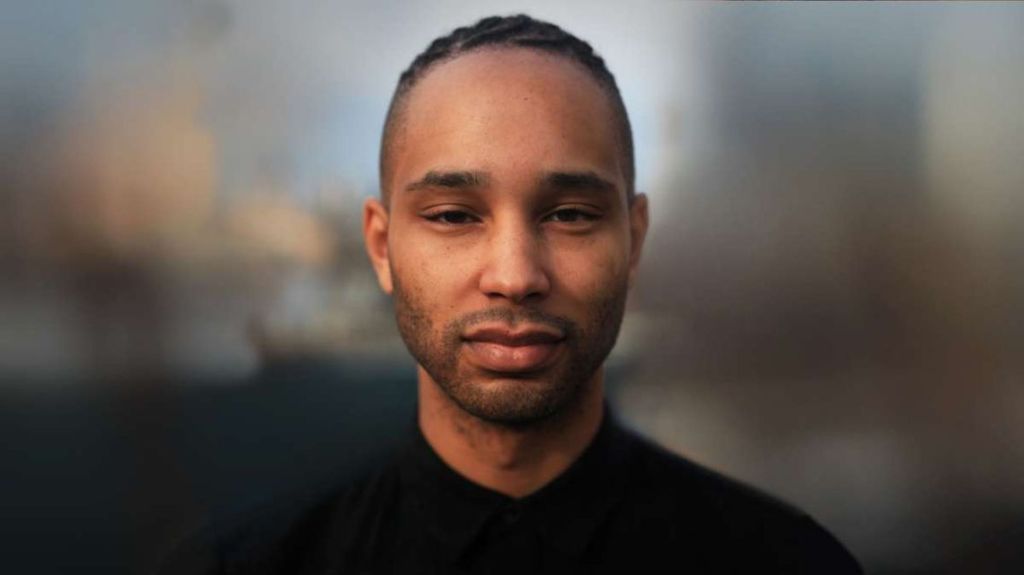
Wilbert L. Cooper (Author, graduate of Ohio University and New York University with a master’s degree in publishing.)
As a writer for national publications like The Guardian, The New York Times, and the Wall street Journal, Wilbur L. Cooper investigates a “2020 police killing” in his former hometown of Cleveland, Ohio. He profiles the president (Vincent Montague) of a Black police organization called Black Shield. Surprisingly, the leader of the Black police organization shoots a young unarmed Black man he thought would run him over. He is not charged. The shooting is ruled as justified and Montague is suspended for one-day for using poor tactics and unreasonable force. What Cooper reveals in “The Black Shield” is partly about Black discrimination despite recruitment that is presumably meant to reduce police force discrimination in Cleveland.
Police training is no joke despite it being often-represented humorously.

Cooper argues the long-standing pattern of hiring and promotion in Cleveland’s police force reinforces Black discrimination in its training and recruitment of both white and Black officers. To be promoted in the department, whether one is Black or white, is influenced by an officer’s reputation as a believer in stereotypes of people based on the color of their skin more than their character. Cooper argues it is a socio/political and acculturation feature of Cleveland’s police recruitment that undoubtedly exists in all human organizations.
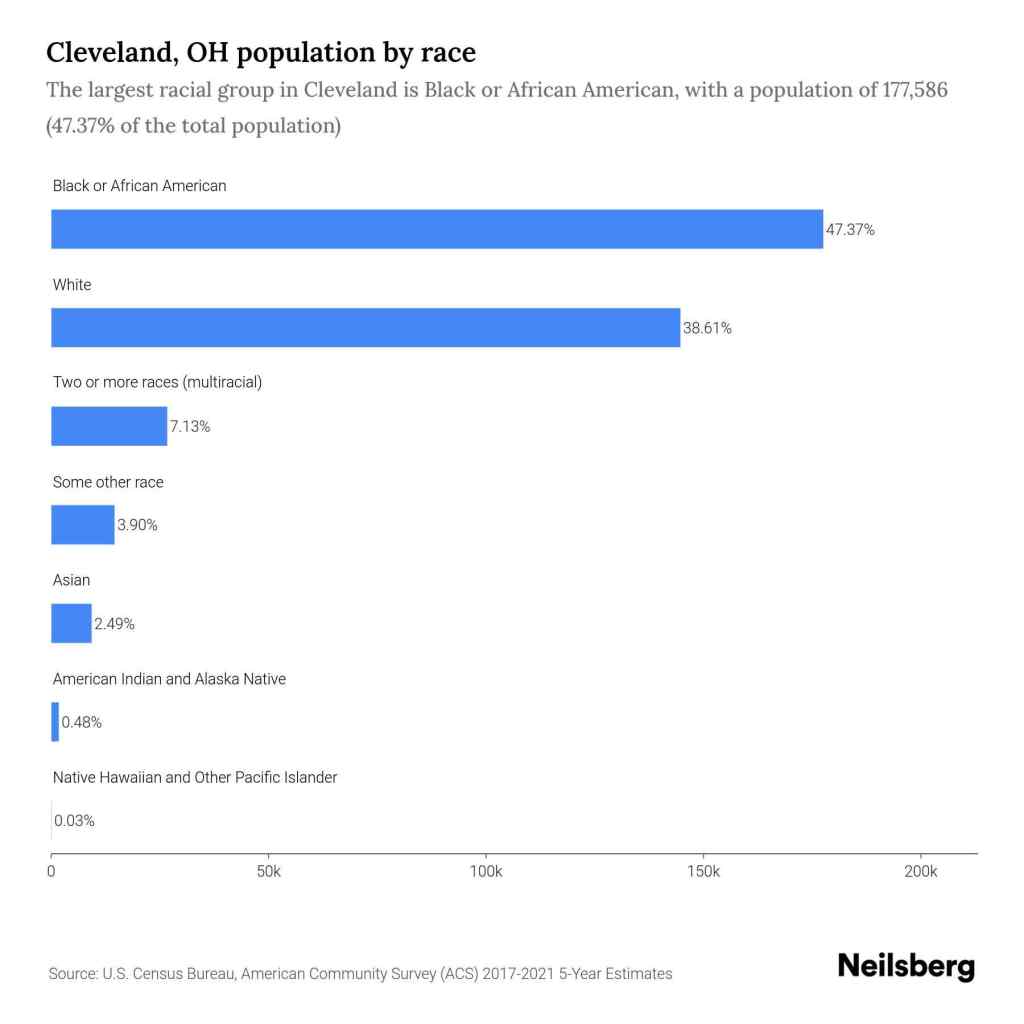
Cleveland’s population is approximately 50% Black, but the police force is nearly 75% white.
Cooper notes the department fails to hire minorities based on changing demographics in Cleveland. Cleveland’s population is approximately 50% Black, but the police force is nearly 75% white. His Black father is a Sergeant in the police force who is ironically in the department of “Office of Professional Standards”. (Cooper notes his mother also sought employment in the police department but is rejected. In fairness, that could be based on something other than discrimination.)
Cooper’s point is that experience of living as a white person in America fails to understand or fairly address the socio/economic realities of being Black in America. He believes Black discrimination is embedded in the recruitment and advancement opportunities of the Cleveland police department. Cooper notes that early Black applicants to the Cleveland police had to sue to be hired or promoted in the Department. He suggests his mother’s rejection from being hired is because of her sex and color. He argues his father’s career advancement is inhibited by the management structure of the department. The story of Sergeant Victor Montague is more complicated because of his deadly force use in the death of a Black citizen.

Sergeant Victor Montague (fired by the Cleveland Division of Police in 2021 for ethical violations.)
Cooper tells the story of Victor Montague, a charismatic and outspoken Black leader in the department. He became the public face of “Black Shield” and spoke openly about racism in the department. He pushes for accountability and reform but comes up against entrenched power in the police department. Montague became a target of internal hostility and is closely supervised by his immediate superiors. His confrontational attitude and unwillingness to play politics offended the Department hierarchy. Montague set himself up for a second policy violation by putting himself in a position with a private company that offered to donate to Black Shield in return for security service for a bar owner’s business. This would have been a violation of department policy. It also appears as a potential avenue for bribery of Montague. Similar arrangements had been considered by white officers without noted consequences according to Cooper. This episode undermines leadership in “The Black Shield” organization.
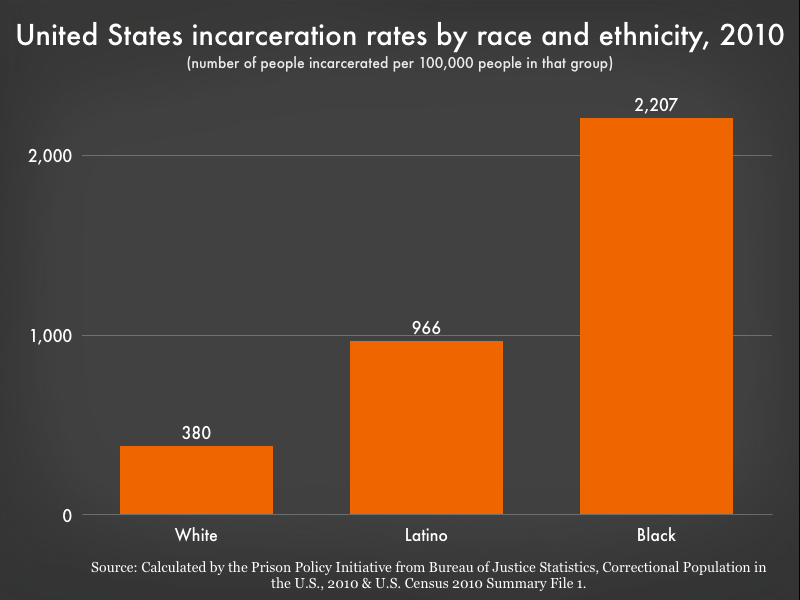
A measure of race and ethnic inequality.
“The Black Shield” is a disjointed story that inexpertly reveals the truth of organizational discrimination in American society. Inequality based on sex and race is a fact of American life and most, if not all, nations of the world. Cooper’s story is not revelatory but a sad truth about human nature.


