Books of Interest
Website: chetyarbrough.blog
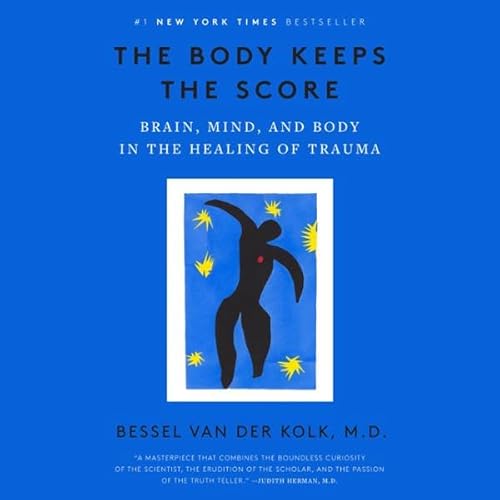
The Body Keeps the Score (Brain, Mind, and Body in the Healing of)
Author: Bessel van der Kolk M.D.
Narration by: Sean Pratt

Bessel van der Kolk (Author, Boston-based Dutch American psychiatrist.)
As a parent, “The Body Keeps the Score” is a difficult book to read or listen to because of fear about mistakes a parent may have made in raising their children. The trauma of war is well documented as a cause of psychological imbalance and the truth of “The Body Keeps the Score”. What makes van der Kolk’s book even more concerning is the realization that our behavior as parents can leave scars on our children’s minds. It is not just because of an abhorrent parent or priest who has molested or seriously distorted a child’s view of the world but on more subtle missteps by parents that may have had lasting effects on their children’s growth to adulthood. Every family has differences. Some have one parent who is absent from the day to day lives of their children because of their job. Another parent may fail to show enough respect or affection for their child’s accomplishments. Some parents (usually women) are left by their husbands or mates to raise children on their own. In single parent families, a parent is faced with having to make a living while caring for a child who has no idea of how stressful life can be when their mother is on her own. On the other side of a child care spectrum, there is the doting mother and father who overwhelms their children with meaningless praise and falsely grandiloquent appreciation of their behavior. Van der Kolk’s point is the mistakes parents make in raising their children can have lasting effects on their children as they grow into adulthood.
Child abuse is an abhorrent reality in America and other cultures.

The events that Dr. Kolk addresses are serious and harmful adult actions toward their children, but the concern any reader/listener may have is in the responsibility they have in raising their children to be decent emotionally centered human beings. Americans live in a society that highly regards wealth, physical and emotional maturity as important characteristics of adulthood. The pressure of making a living often interferes with the attention husbands, wives, or caregivers provide for children’s healthy emotional and physical growth. Kolk’s focus is on abusive or neglectful people who interact with children in ways that leave psychological scars that cause behavioral dysfunction. What is troubling to reader/listeners of “The Body Keeps the Score” is the pressure and trauma that American parents feel in their lives that affects the social and psychological health of their children.
Employment.
On the one hand, van der Kolk explains how parents may inadvertently distress their children by verbal or physical behaviors that are related to the pressures and expectations of a working life. Those pressures can cause parental meltdowns between parents and children. The consequences can have an emotional and consequential impact on the lives of the children for which adults are responsible. The effect on family members can range from a rageful response to a child’s moodiness to fear or lasting resentment that may create emotional scars that affect a child’s later behavior. A parent’s meltdown can become an indelible scar on a child’s mind. Van der Kolk calls them the injuries of American culture; not because it is only in America, but that it occurs in all cultures.

Social inequality in American culture.
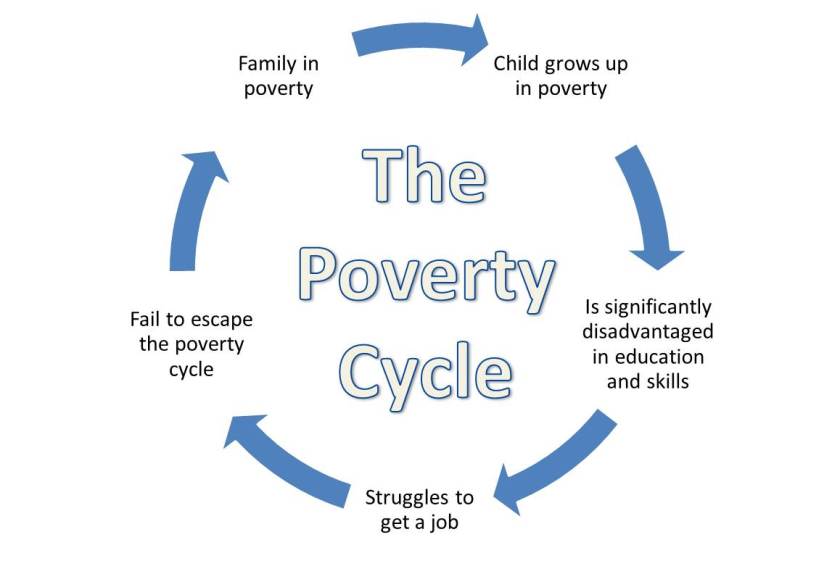
A reality in American life is that it is fed by wealth, poverty, and unequal opportunity. Inequality of opportunity creates pockets of poverty reinforced by racism, family instability, and societal breakdown. All of these social impacts bare down on the development of children and future generations. Working families often do not have time or inclination to take care of their children because of their jobs. These are fundamental issues that have broader consequence to children than the horrendous stories of child abuse that van der Kolk recounts. Of course, it is appalling to know of priests that molest children or fathers who rape their daughters, but it is the general observation that adult behavior toward children can negatively affect children’s lives. Horrendous acts like child molestation undoubtedly have immense impact on the future of those who bare them. However, the realization that day to day experiences of parents’ lives can also have negative consequences in their child’s lives. What is of more concern is a culture riven with poverty, sexual infidelity, and divorce that sets a table for future generations of broken lives.

“The Body Keeps the Score” infers much about the weaknesses of American capitalism. It recognizes suffering in American society and shows how trauma in one generation passes on to the next. Bad behavior has consequences beyond the perpetrator and victim. It offers some solutions to the mistakes parent’s and society make in raising their children.
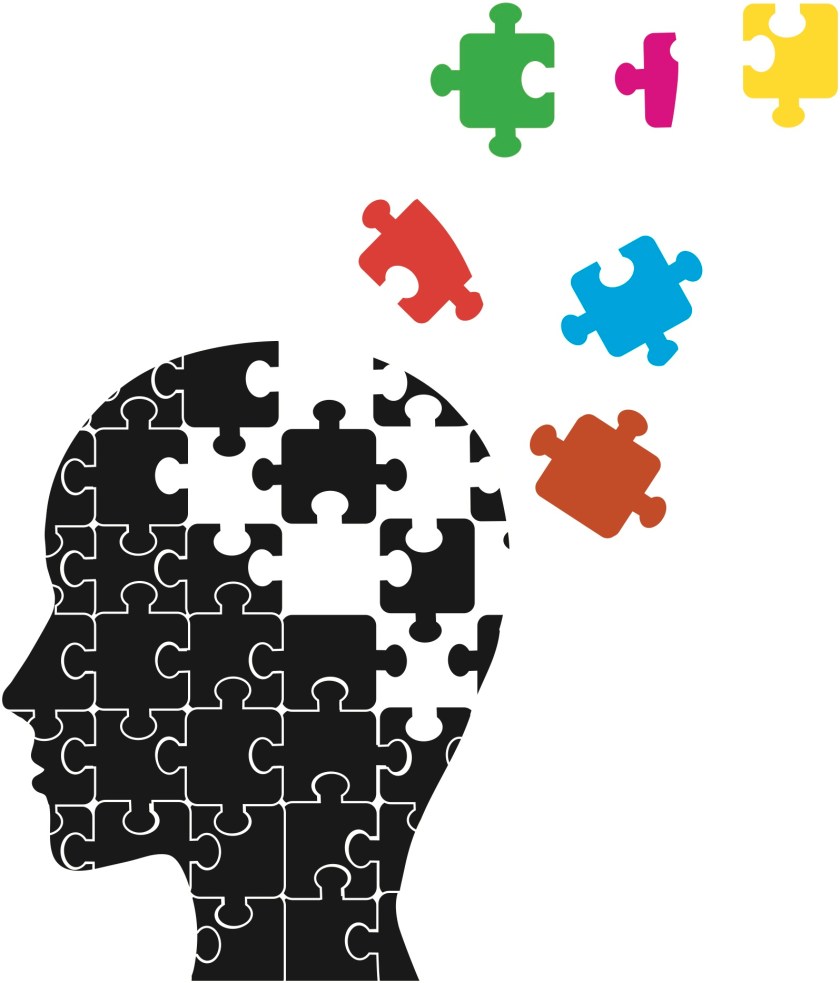
Van der Kolk outlines some of today’s psychiatric breakthroughs. New psychiatric discoveries have helped reveal childhood abuse memories and war’s traumatic events to give survivors some peace of mind. Trauma is a neurobiological event that can come from the violence of war or parental upbringing. It affects human behavior because trauma changes brain structure, hormonal regulation, and human feelings. Traumatic events become encoded in memory and affect humans’ future. Van der Kolk explains how psychiatric science has evolved to treat the consequences of life’s experience of traumatic events.