URBANIZATION

The point of Larson’s history of the Chicago World Fair is that urbanization is two edged. One edge improves societies’ economic, cultural, and technological values. The other amplifies inequality based on citizen’ power, wealth, race, gender, and ethnicity rather than innate human value.

Books of Interest
 Website: chetyarbrough.blog

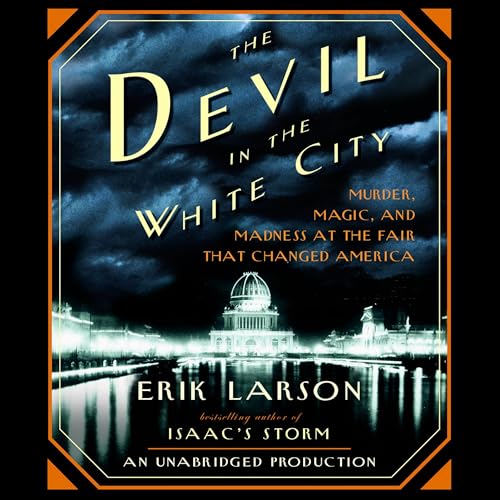
Devil in the White City (Murder, Magic, and Madness at the Fair That Changed America) 

Author: Eric Larson

Narration by: Scott Brick

Eric Larson (Author, American journalist, graduate of University of Pennsylvania summa cum laude in 1976.)

Eric Larson’s “Devil in the White City” is a well written history of the famous Chicago World’s fair in 1893. Chicago became an international big city competitor with the creation of the World Columbian Exposition. At the same time, he writes of an evil human being born in America. Larson contrasts good and evil in middle America that reflects on the extremes of human nature that exist not only in America but everywhere in the world.
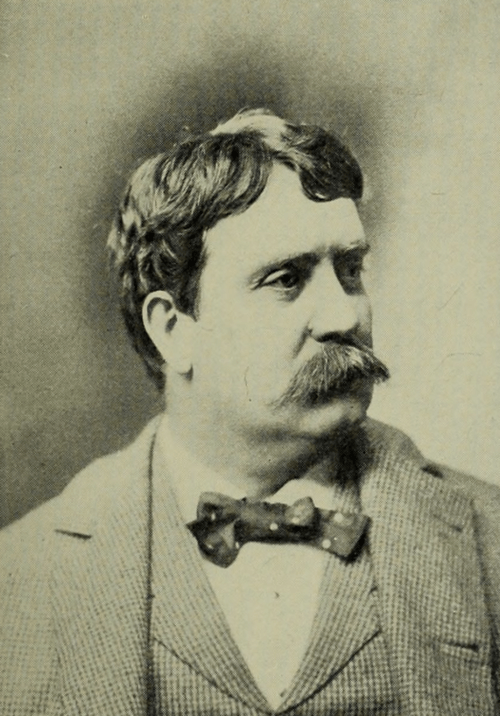
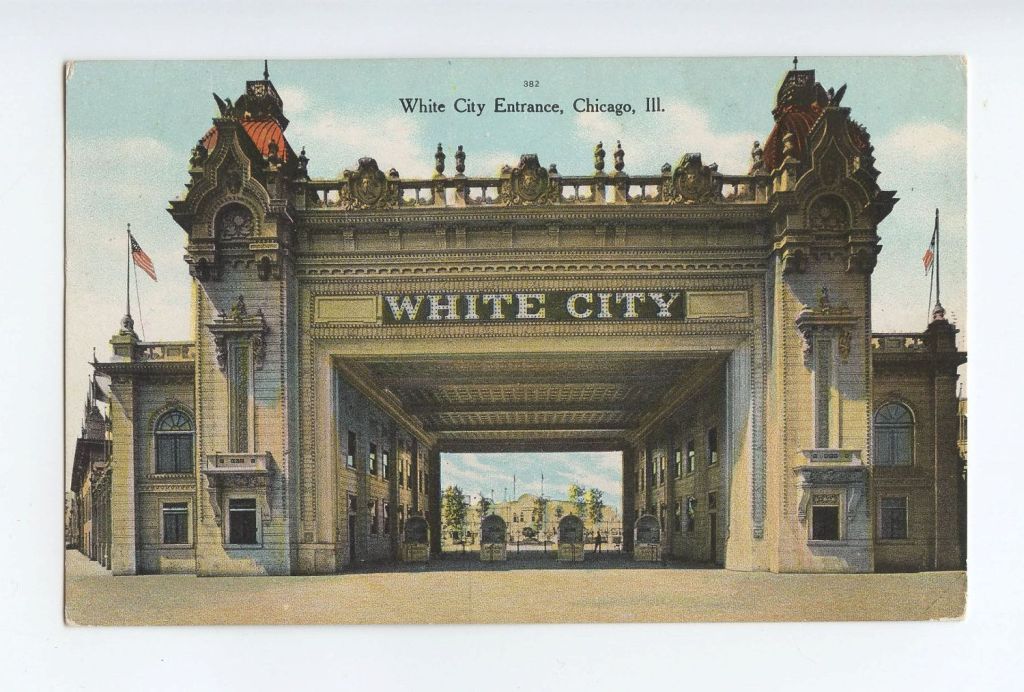
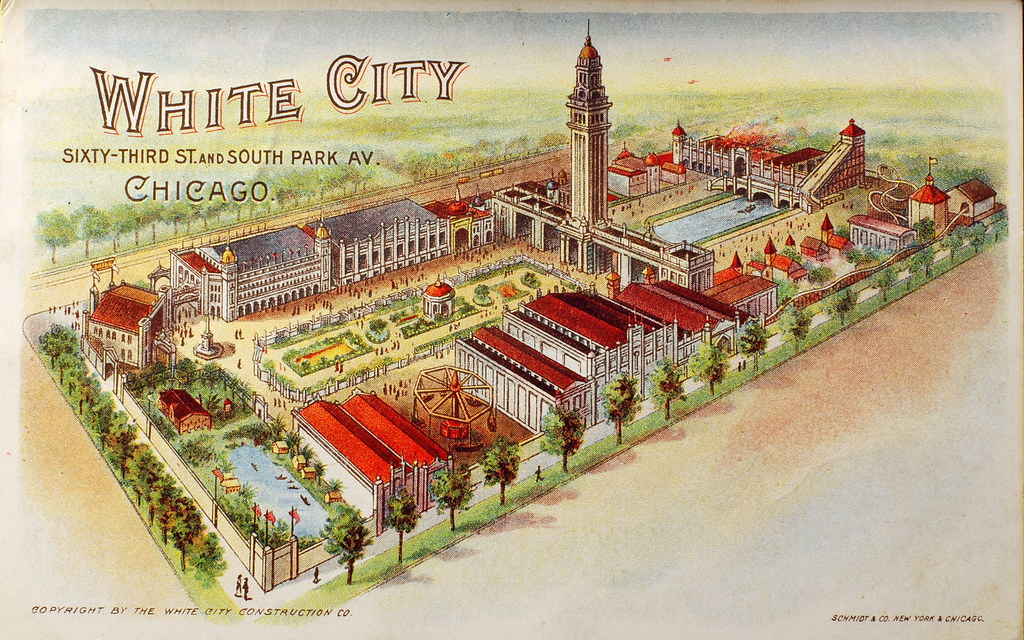
Daniel H. Burnham is a famous Chicago architect who is asked to be Director of Works for the World Columbian Exposition. His partner, John Wellborn Root, is the visionary who designs an original conceptual and aesthetic model of a neighborhood in a prosperous city. However, Root dies in 1891, two years before the beginning of construction. As the design concept takes form, Frederick Law Olmsted, the famous designer of Central Park in New York City, is recruited by Burnham to become a part of the development. These three designers create what Larson identifies as the “White City”, a tribute to the architectural appearance and fame of the eleventh World’s Fair, 7 miles from the second largest city in America, Chicago, Illinois.

Larson juxtaposes this remarkable Chicago accomplishment with the fraud, deception, and predation of H. H. Holmes (aka Herman Mudgett), a handsome, charismatic murderer who moves to Chicago to begin a career in the medical profession. The idealism and success of Chicago’s world fair is a prime example of American urbanization with people who move to the city from small town America.

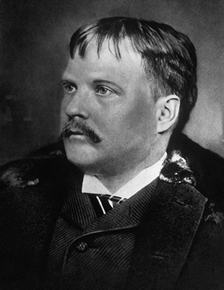
H. H. Holmes aka Herman Webster Mudgett (1861-1896, is the “Devil in the White City”.)
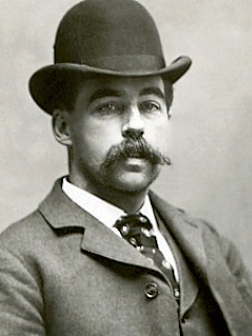
Holmes is a poster child for the dark side of urbanism. Urbanism is the congregation of people in self-perpetuating communities that grow with rising populations. Holmes move to the Chicago area leads to the murders of Benjamin Pitezel and his three children. Holmes urbane good looks and powers of persuasion set the table for a scheme to commit insurance fraud. Before their murder, Holmes conducts real estate boondoggles, pharmacy scams, forgery, bigamy, theft, and embezzlement. Though not legally proven, it is strongly suspected he killed five or more women for reasons ranging from theft to pure venality. Though living in an urban environment is not a cause of evil, it is a petri dish for human behavior that can be good or evil.

Education, like money, is only a tool of human beings, not a measure of human value.

Holmes early education is in Gilmanton, New Hampshire where he gains early interest in medicine and human anatomy. He enrolls at the University of Vermont in 1879 but leaves to enroll in the University of Michigan Medical School. He graduates from U of M with a medical degree in 1884. It is interesting to note that Holmes is formally educated just as the architects who gathered for the building designs of the 1893 Chicago world’s fair. Larson shows Holmes is motivated to exploit society in any way that only serves his self-interests. The world’s fair’ architects equally wish to serve their self-interest but within the boundaries of societal norms, i.e., not by bilking the public or murdering citizens.

Frederick Law Olmsted (1822-1903, American landscape architect, journalist, social critic, and public administrator.)
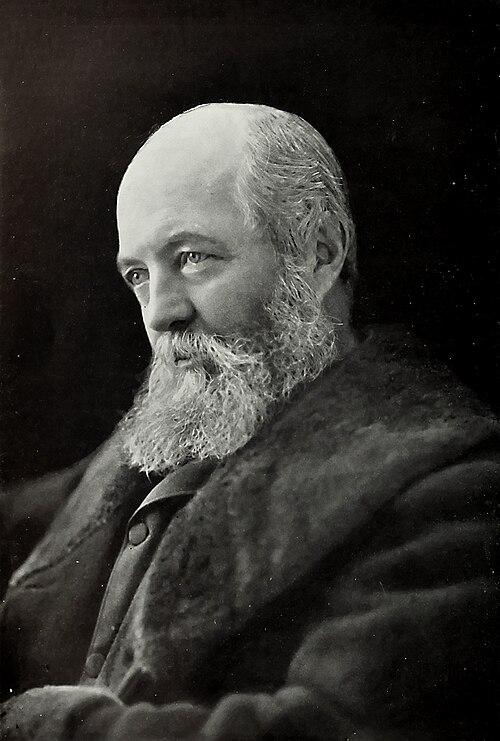
The three main characters in this story of American urbanization are Daniel Burnham, Frederick Olmstead, and H. H. Holmes. Burnham and Olmstead are exemplars of success that make a contribution to America while Holmes is a villain of self-interest and evil. All three symbols of the power, value, and risk of urbanization. Burnham and the older Olmstead represent the best in American life with their skills and ability as visionaries and managers who get things done through others that benefit society. Holmes represents the worst of human nature as a singularly self-interested fraudster and murderer who cares nothing about others.
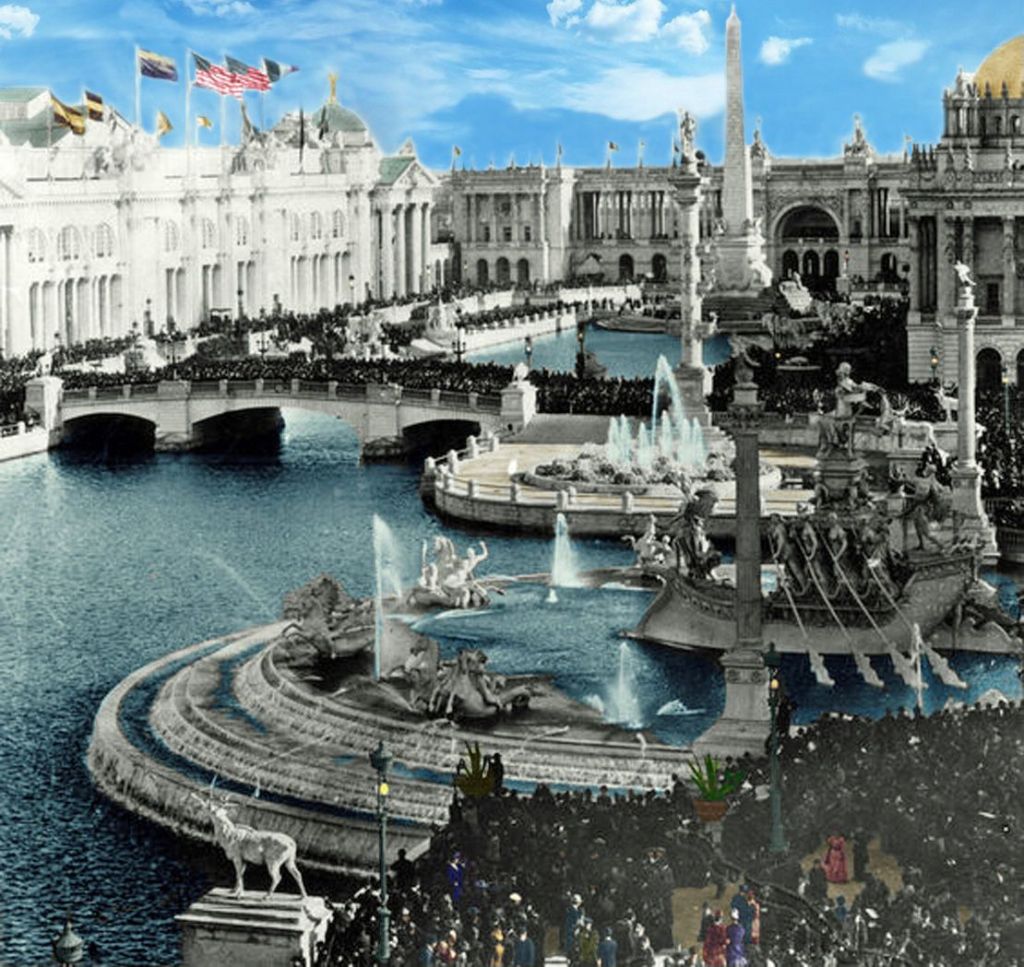
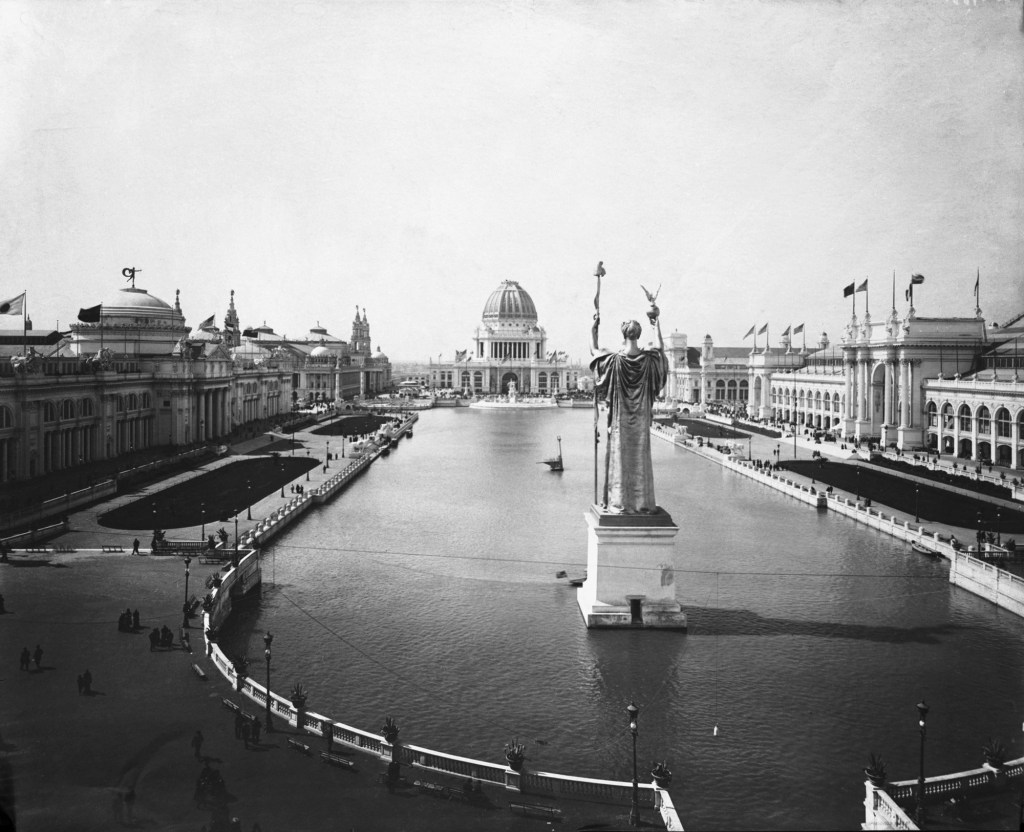
Six hundred acres of swampy, undeveloped land is turned into the Chicago World’s Fair in the 19th century. Fourteen major buildings, canals, and lagoons are built into a neoclassical “city”. The Chicago World’s Fair is 7 miles south of the downtown Chicago Loop. The site is called Jackson Park, bordered by Hyde Park and Woodlawn neighborhoods. Despite labor strikes, Chicago weather, political infighting, and the death of its visionary (John Root), Burnham manages the development of 200 low-rise (1 to 3 stories) buildings designed by famous east coast architects and the largest operating Ferris wheel in the world to complete the “…White City” in 26 months.

The City of Chicago today.

The point of Larson’s history of the Chicago World Fair is that urbanization is two edged. One edge improves societies’ economic, cultural, and technological values. The other amplifies inequality based on citizen’ power, wealth, race, gender, and ethnicity rather than innate human value. Contrasting the great accomplishments of Burnham, Root, and Olmstead with the evil of Holmes is an exemplar of human nature that can either benefit or destroy societies.

Holmes is convicted and sentenced to death. He is hung on May 7, 1896, at the age of 34. Burnham goes on to build his reputation with Union Station in Washington D.C., the Flatiron Building in New York, and what became the Museum of Science and Industry in “The White City” of Chicago. Burnham dies in 1912 at age 65. Olmsted dies in 1903 at age 81.


CHOICE

The surprising message in “The Glass Castle” is homelessness may be a choice. One wonders if that is the fault of American society or the nature of human beings.

Books of Interest
 Website: chetyarbrough.blog

The Glass Castle (A Memoir) 

Author: Jeannette Walls

Narration by: Jeannette Walls

Jeanette Walls (Author, American journalist, former gossip columnist for MSNBC.)

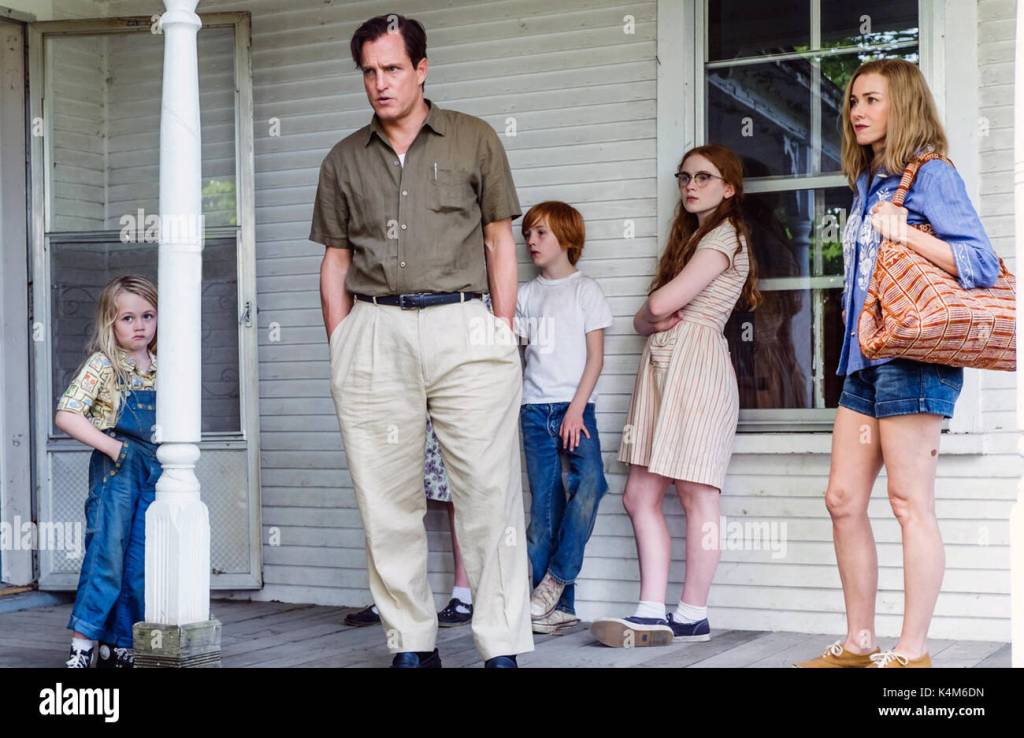
“The Glass Castle” is Jeanette Walls remembrance of her nomadic family and the way she is raised in America. With 3 siblings, an alcoholic father who knows something about electrical and mechanical engineering, a mother qualified as a schoolteacher who is an aspiring artist, Jeanette Wall’s parents choose to roam America.

The Walls Family.

“The Glass Castle” is a memoir of Jeanette Walls upbringing in America. Her story is enlightening if not entirely believable. Walls writes about her chaotic peripatetic life in America, mentions two personal marriages, and a life she lives with a father who loves her and a mother who holds the family together. Jeanette Walls is the second child of the family. She has an older sister, Lori, a younger brother named Brian, and a younger sister named Maureen. She and her brother are characterized with above average intelligence. In the beginning of her story, she notes living on Park Avenue and seeing her homeless mother rummaging through a dumpster in New York city. She confronts her mother, Rose Mary, who walks away saying Americans are wasteful and throw away perfectly useful, sometimes beautiful, things. This shocking introduction is about Jeanette Walls’ and her family’s life in America.

Arizona and West Virginia.

Listener/readers are introduced to Wall’s grandparents who came from two different economic backgrounds with Jeanettes mother’s family being middle class living in Arizona and her father’s parents being poor and living in West Virginia. Both grandparent families are matriarchal with mothers being rulers of the roost. The grandmother in Arizona dies and leaves two houses and Arizona land with some money to Jenette’s mother that offers, for a short time, some economic stability to the family’s life in America. However, Jennett’s family decides to move on to pursue their peripatetic life. They visit her father’s parents in West Virginia. Her dad’s father is an alcoholic with a wife that sternly rules the house. That sternness causes Jeanette Walls and her family to leave for New York City.

“The Glass Castle” is a story about how children are raised in America.

There is no particular standard for those who grow up in America or, for that matter, anywhere in the world. Living life anywhere can be romantically identified as perfect but that is a universal fiction. There is no safety net whether in America or anywhere in the world. There are “haves’ and “have nots” in every society. Children growing to adulthood, whether wealthy or poor, are faced with the trials of life that begin with their birth, extend through family relationships and the exigencies of making their way in the culture in which they live. Children live and are raised in a “…Glass Castle” that hides little from the world and can be shattered by the random circumstances of life. “The Glass Castle” shows experiences of childhood are universal and are either constructive or destructive in ways that mold a child’s character.

Children are influenced by their parents in both good and bad ways.

Alcoholism in a parent may lead to a child’s following or rejecting its influence in their life. Seeing the consequence of a parent’s experience can turn one toward their parents or steer one’s life in an opposite direction. America purports to be a land of opportunity but like every culture in the world there is inequality, instability, risk, and reward that change a child’s direction in life.

The surprising message in “The Glass Castle” is homelessness may be a choice. One wonders if that is the fault of American society or the nature of human beings.

WHO’S CHOKING

Economic chokepoints illustrated by Fishman are real, but their effectiveness is problematic.

Books of Interest
 Website: chetyarbrough.blog

Chokepoints (American Power in the Age of Economic Warfare)

Author: Edward Fishman

Narration by: Robert Petkoff

Edward Fishman (American author, international relations scholar, former diplomat at the Council on Foreign Relations, professor of Public Affairs at Columbia, University.)

Edward Fishman offers a detailed history of economic “Chokepoints” that have become a tool of war between nation-states. He reminds readers of Trump’s first term as President of the United States. Trump did not change from policies he believed in his first term. He only became more effective in carrying out his beliefs in his second term.

Trump’s beliefs.

Fishman shows how Trump combines the tactics of warfare with economic chokepoints to decimate Iranian cities while starving its citizens of their right to believe and live. Trump is convinced of the potential of Iran’s current leadership to use weapons of nuclear war to destroy civilization because of religious belief. Trump chooses to bomb Iran while expanding economic policies instituted by both Democratic and Republican administrations to choke petroleum revenues from a country that provides 20% of the world’s oil needs.

Trump is waging a war on the singular belief that he can force Iran to abandon research for a nuclear bomb. The consequence is to embroil America in a war of attrition and destruction based on Trump’s belief that Iran’s leadership is willing to use nuclear war to end life on earth for a place in heaven. Trump’s actions are deluded idea of a “bully in a school yard”. Denying nuclear bomb development by force is a fool’s errand. North Korea, Russia, China, and America are as likely to instigate a nuclear war as Iran. Religious belief is Trump’s excuse; not a cause for war.

Iranian citizen protest.

It is the citizens of Iran that bare the consequence of America’s chokepoint decisions.

Fishman explains how economic chokepoints have becomes as devastating as war. The Iranian people have been impoverished by American allies’ cooperation in restricting their economy. It may be, like the physical war against Germany and Japan in WWII, economic chokepoints will make Iran bend its knee. On the other hand, it may continue a “forever war” that only diminishes humanity. Chokepoints are a war by other means that offer compromise, or dictatorship. Chokepoint effects are poverty, death, or compromise. Religion, like political belief, is a personal choice that cannot be eradicated by force.

Effects of human descent.

Economic chokepoints illustrated by Fishman are real, but their effectiveness is problematic. First, one must identify the economic target that is affective. Second, there must be unity and credibility among nations that can enforce a chokepoint. Even with a chosen chokepoint, the target may make citizens willing to sacrifice everything for belief in sovereignty.

AMERICA’S JOURNEY

Today, it seems America has taken a step backward from human equality, but every 4 years gives America another opportunity to step forward. That step forward welcomes equality of opportunity for all who choose to become American.

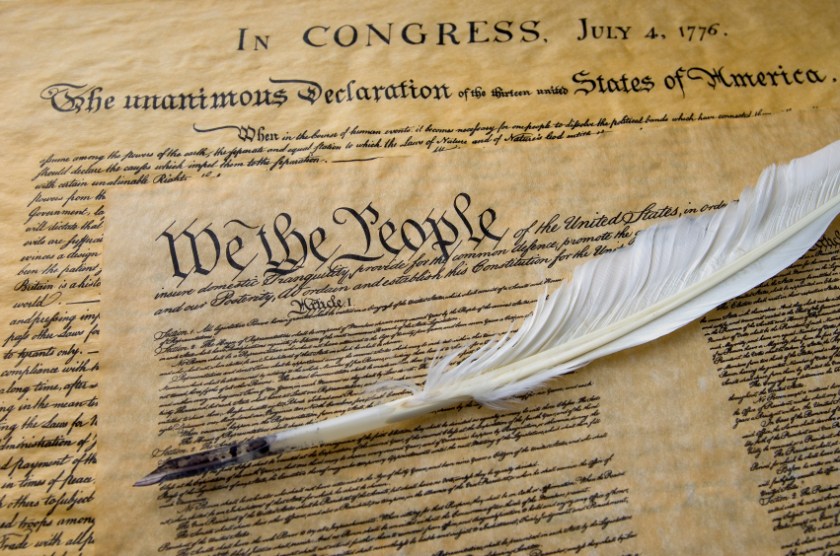
America has come a long way since 1776, but it is far from the goals that it set for itself in the Constitution.

Books of Interest
 Website: chetyarbrough.blog

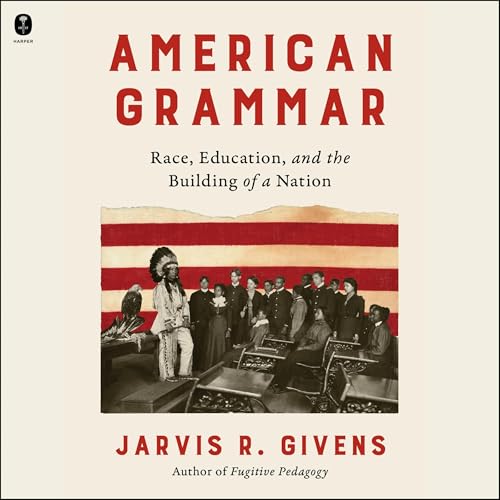
American Grammer (Race, Education, and the Building of a Nation)

Author: Jarvis R. Givens

Narration by: Bill Andrew Quinn

Jarvis Givens (Professor and scholar of Education at Harvard)

“American Grammar” is a reminder of America’s past which shows the hard truths of what really made America great. In the 19th and 20th centuries, American government attempts to erase the cultural heritage of tribal nations. At the same time, America disingenuously encourages human slavery based on false claims of racial and gender inequality. This history lives on in America today with faltering efforts to compensate tribes for their cultural and economic losses, and its failure to provide equal opportunity for all.

Too many people fail to read or understand history. Not knowing history makes repeating it a likelihood.

America has become one of the most powerful nations in the world. Beyond the natural abundance of its land, Jarvis Givens explains the decision of America’s leadership to create an educational system to ensure white America’s political and economic success.

An educational system is a key to the door of American political and economic success.

Common education, focused on grammar, melds disparate cultures, races, and genders into one nation. The title of Givens’ book “American Grammar” is a testament to the method America uses to create an independent nation. Educational institutions became indoctrination centers designed to teach citizens a common language and the importance of conforming to a primarily white male system of governance.

American inequality.

All people, as implied by the American Constitution, deserve to have equal opportunity based on their innate ability, I.e., regardless of ethnicity, race, or gender. Givens shows how the wealth of native lands that were stolen, support of slavery, and gender inequality became culturally acceptable in America with an education system designed to indoctrinate the public. Givens’ history reminds listeners that building a great nation is a work in progress for every country. America’s Constitution recognizes the importance of human equality, and its leaders have made some progress toward that goal. However, America is far from the goal of equal opportunity for all.

America steps back and forward toward the goal of equality of opportunity in every political election.

Today, it seems America has taken a step backward from human equality, but every 4 years gives America another opportunity to step forward. That step forward welcomes equality of opportunity for all who choose to become American.

Gender Inequality

Raising children is the responsibility of all, i.e., both mothers and fathers, and the society in which they live. The future depends on our children.

Books of Interest
 Website: chetyarbrough.blog

Lessons in Chemistry (A Novel)

Author: Bonnie Garmus

Narration by: Miranda Raison & 2 more

Bonnie Garmus (American author and former copywriter.)

Bonnie Garmus’s main character represents the truth of gender inequality in society. The author’s main character, Elisabeth Zott, is an example of a woman who achieves success despite gender discrimination. As an idealized character, Zott represents a brilliant woman who is smarter, more self-motivated, and confident than any other character in “Lessons in Chemistry”. Zott is a self-educated woman who overcomes the ignorance of personal and social inequality. She is an aspiring scientist who is derailed in her career by male associates who steal her research and claim it as their own. It is presumed by the research firm for which she works that her science papers come from association with her male partner’s accomplishments rather than her own work. Zott’s value is believed to be her attractive appearance rather than her intellect, personal work, and ambition.

Equal opportunity in society is a fiction.

Zott’s male partner is a renowned scientist in the same scientific research firm for which Zott is employed. They become an intimate couple with marriage on the mind of the man, but independence insisted upon by Zott. Her companion dies in an accident and Zott is left with what is an unexpected pregnancy. Alone with a child, Zott presumes she will continue to work at the research firm but is fired by the male director of the enterprise because of her having a baby out of wedlock. Zott uses what financial savings she has to create a research lab in her house, raise her child, and find another source of employment. The author illustrates how motherhood, particularly for a single woman, limit women’s opportunity in society. The responsibilities of life for a woman with child and no partner often trap women in poverty.

How Zott escapes a life of poverty is a meaningful fairy tale in Garmus’s story.

Zott is hired by a TV production manager to host a cooking show. Zott’s intelligence and experience as a chemist combine with her drive for independence to make the show a success. What Bonnie Garmus shows is the mountain for success one climbs as a single woman is steeper and more difficult than it is for men. The “Lessons in Chemistry” are that a woman’s right to think, work, and live independently are denied because equal opportunity and equal pay is thwarted by gender-related discrimination.

All in society, both male and female, need to step up to their responsibility for raising children.

The “Lessons in Chemistry” suggest men need to step up in society and take responsibility for gender inequality by providing an environment that allows women to achieve the same level of success as men–whatever that success may be to the individual. Raising children is the responsibility of all, i.e., both mothers and fathers, and the society in which they live. The future depends on our children.

VERIFIABLE TRUTH

Schweizer presents a book that has little substantiated proof about immigration in America. His book has become popular. “The Invisible Coup” has improved his economic well-being at the expense of knowledge based on verifiable fact.

Books of Interest
 Website: chetyarbrough.blog

The Invisible Coup (How American Elites and Foreign Powers Use Immigration as a Weapon)

Author: Peter Schweizer

Narration by: Charles Constant

Peter Franz Schweizer (American political consultant and writer. Editor-at-large for far-right media organization Breitbart News. Former fellow of the Hoover Institution.)

“The Invisible Coup” is a popular book that explains why world peace is a pipe dream in today’s world. Schweizer shows why Donald Trump has a popular following that continues to support his Presidency despite ICE tactics to identify immigrants based on the color of their skin, and his attack on Iran without authorization from Congress or cooperation from America’s allies.

Schweizer has written a paranoid polemic on the causes and purpose of immigration to the United States by non-white immigrants.

Schweizer argues immigration is a coordinated “weapon” of foreign governments and American power brokers to influence and ultimately overthrow America’s way of life. He refuses to note people come to America to create a better life for themselves and their families. This is not to suggest there is no effort by immigrants to sneak into the U.S. or to game the American welfare system but to realize abuse of welfare is a problem whether American citizens or immigrants abuse the system. This is an American welfare management problem, not an immigrant issue.

America is founded on immigration.

Schweizer argues immigrants from China, Venezuela, Cuba, Mexico, and Brazil are gaming America’s welfare system and undermining the national purpose of a democratic government at the direction of foreign government leaders. He suggests the purpose of these foreign government’s leaders is to weaken the national character of America and destabilize its government. Schweizer writes of anonymous U.S. intelligence officials that say China encourages Chinese nationals with military intelligence to cross into America to gather intelligence. He offers no documentary evidence, no named officials, or verifiable data. He cites anonymous sources for all these countries to make his arguments totally unverifiable

Immigrants are seeking a better life in America.

To believe there is a coordinated foreign attack on American democracy by foreign governments through the use of illegal immigration is a distortion of a primary truth, i.e., immigrants are seeking a better life. Conspiracy to destroy American democracy through illegal immigration is absurd on its face. This is not to say some foreign governments would like to see America fail but for reasons of money, power, and world domination which have nothing to do with emigration. Schweizer generalizes real incidents of immigrant criminals to make the absurd argument that a cabal of foreign governments are using illegal immigration to undermine American institutions. His arguments are based on confidential documents and unnamed sources. He writes of “leaked intelligence” or “internal government documents” that are classified and cannot be produced to prove his point. Anonymous intelligence and law-enforcement officials are frequently used to substantiate his claims. Schweizer makes evidence-free assertions with political points that have no basis in verifiable fact.

Immigrant crime rates.

The history of immigration in America has improved economic growth. America is a nation of immigrants. The truth is immigrants commit crime at lower rates than native-born Americans. There is no denying the U.S. immigration system is flawed. Cartels do exploit illegal immigration to make money and some governments pressure America by increasing migration from their countries to the United States. Immigration is a regulatory problem but viewing it as foreign nation-states’ geopolitical attack is ridiculous on its face. The troubling part of Schweizer’s view is that world peace is an ideal that may never be achieved because of the nature of human beings. Mistakes are made when people correlate undocumented facts with causes. Truth has little value without independent verification of facts.

Schweizer presents a book that has little substantiated proof about immigration in America. His book has become popular. “The Invisible Coup” has improved his economic well-being at the expense of knowledge based on verifiable fact.

LITERATURE

Serpell has written an excellent review of Morrison’s work as a novelist. It illustrates the great power and importance of literature to reveal an understanding of ourselves and humanity.

Books of Interest
 Website: chetyarbrough.blog

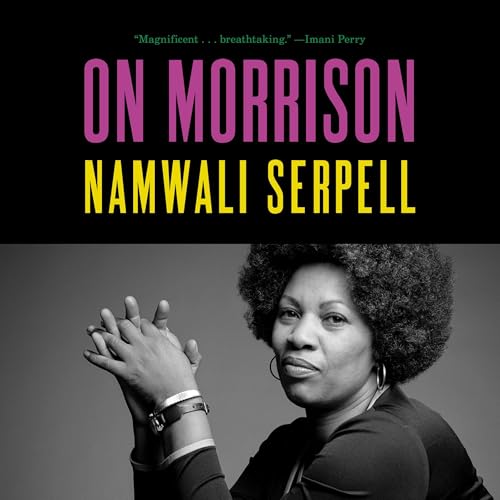
On Morrison 

Author: Namwali Serpell 

Narration by: January LaVoy

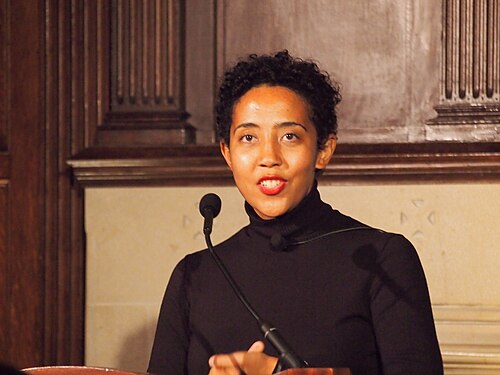
Namwali Serpell (Author, Zamian/American, professor of English at Harvard.)

Ms. Serpell has written an insightful and informative review of Toni Morrison’s written works. Morrison died on August 5, 2019. She was awarded the Nobel Prize in Literature in 1993. She also won a Pulitzer Prize for “Beloved” in 1987. Morrison graduated from Howard University in 1953 and received a master’s degree in American Literature from Cornell in 1955. Her writing is partly about racism in the United States, but her story telling is about human beings, regardless of their race.

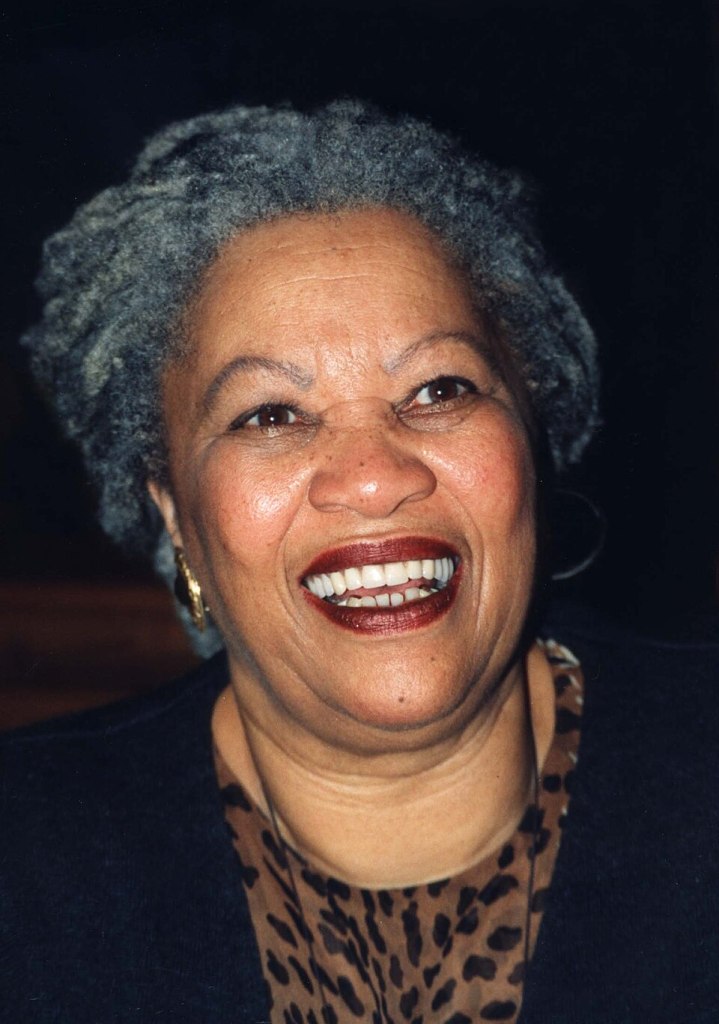
Toni Morrison (1931-2019, American novelist, professor of literature, and editor.)

Serpell explains how one can understand the brilliance of Morrison as a writer of great fiction. Morrison’s reading of literary classics is a part of her success as a writer. Serpell’s explanation of the many allusions in Morrison’s books show how brilliant both Serpell is in her understanding of literature and Morrison’s success as a literary Nobel Prize winner.

Tolstoy and Morrison are among the great writers of their times

What comes through to this critic is how ignorant one can be about what makes a writer great. Morrison is a writer that in someways removes the color of one’s skin from society by creating stories that are true about every American today. The story in “The Bluest Eye” of a father who rapes and impregnates his own daughter is an appalling truth about world gender discrimination and human degradation. It illustrates the brutality and inequality of gender discrimination in society. Societal inequality is not just about the color of one’s skin but in the false belief of racial and gender superiority.

Serpell reveals the many allusions to classic literature in Morrison’s work. From Shakespearean drama to the modern literature of Eliot and Joyce, Morrison draws on behaviors, and social strategies that shape her stories. Morrison gives the same depth to Black life as all human life. Serpell shows Morrison draws on singular heroes and forces that have driven the characters of other famous and successful writers.

Morrison’s Published Books

  • The Bluest Eye (1970)
  • Sula (1973)
  • Song of Solomon (1977)
  • Tar Baby (1981)
  • Beloved (1987)
  • Jazz (1992)
  • Paradise (1998)

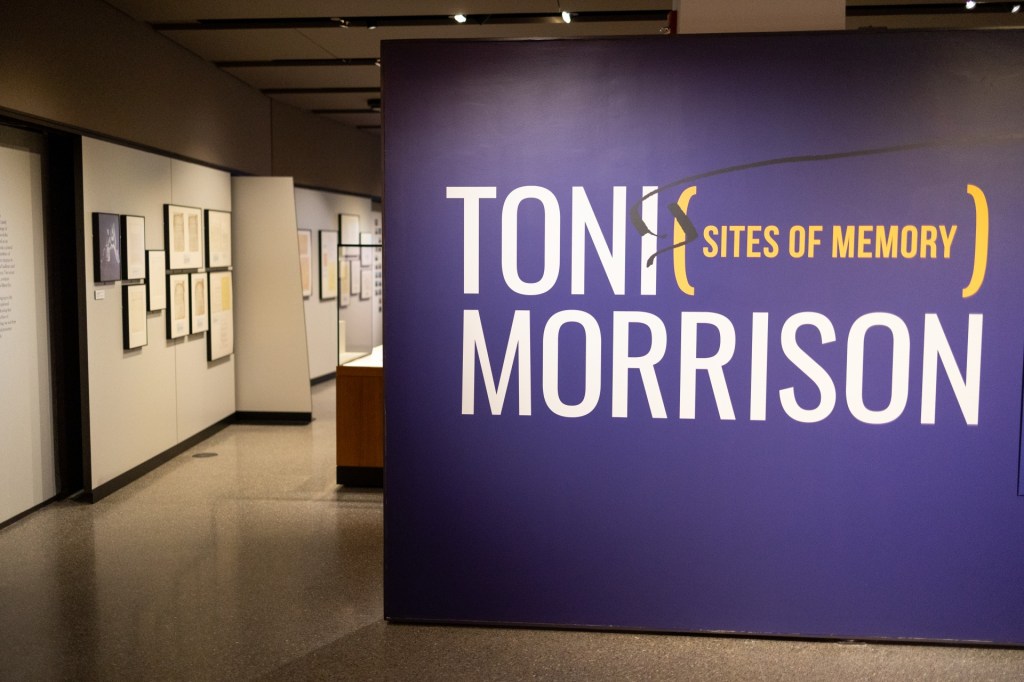
In the last chapter of “…Morrison”, Serpell visits a memorial to Morrison. Serpell explains that reading Morrison is like developing a relationship with her. The author notes Morrison did not shy away from the truth of discrimination. She explains Morrison looks at monuments to discrimination like the statue of Robert E. Lee in Richmond, VA. and believes they should be left in place to remind society of stories that show how unjust inequality is to humanity (the statue is removed in 2021). Morrison is shown to be a great Black writer with a clear understanding of what it is to be an American.

Toni Morrison Memorial.

Interestingly, Serpell is highly critical of Morrison’s poetry. Serpell suggests Morrison has great poetic power in her prose but fails when she tries to write poetry. (Not being a follower of poetry, this reviewer is no judge.) What one can read in Morrison’s prose shows an imaginative density that seems the equal of what people say about poetry. It is somewhat surprising that Morrison could not be a good poet. In any case, Serpell has written an excellent review of Morrison’s work as a novelist. It illustrates the great power and importance of literature to reveal an understanding of ourselves and humanity.

SLAVERY

The Seminole Indian leaders, Osceola and Abraham, formed an alliance for multiracial freedom that remains the goal of all rational human beings. They failed and only became free in death.

Books of Interest
 Website: chetyarbrough.blog

The Free and the Dead

Author: Jamie Holmes (The Untold Story of the Black Seminole Chief, the Indigenous Rebel, and America’s Forgotten War.)

Narration by: David Sadzin & 1 more

Jamie Holmes (Author, writer for the NYT, The New Yorker, The Atlantic, and Slate. Served in the Peace Corps after receiving a degree from New York University and went on to Columbia to receive a Master of International Affairs.)

“The Free and the Dead” is a book that shows how little this reader/listener knows about slavery and Black history. “The Free and the Dead” is a history of Black slaves in Florida who were descendants of Spanish Florida that became a refuge for enslaved Africans fleeing the English colonies between the 1600s and 1700s. Spain offers asylum and freedom to runaways who could reach Florida in the early days of America.

Some former slaves joined the Seminole Indian confederation to become leaders and translators of Indian languages for early settlers of what became American territory. Holmes reveals some of the cultural blending between Seminole and African descendants who had escaped colonial slavery. Separate villages of these culturally blended descendants gained relative freedom in the U.S. South by becoming fierce fighters for Seminole Indian freedom in the Seminole Wars between 1817 and 1858.

Today’s Indian Reservations.

As most Americans know, the Indian wars were lost and the Seminoles like all Indian tribes were moved around the country to reservations that changed with subsequent Presidents’ and American military’ orders. Holmes reveals some of this early history in “The Free and the Dead”. The most famous Black Seminole leader was Abraham who became a co-leader with Osceola, an indigenous Seminole Indian who resisted U.S. policies.

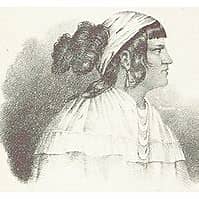
Abraham (A prominent Black Seminole leader in the 19th century.)

Abraham became a Black Seminole chief. He was a former slave who became an influential military leader of the Seminoles. He spoke English, Spanish, and the Creek Indian languages which made him an important intermediary in negotiating with white settlers. Abraham worked with major Seminole war leaders in negotiating agreements between white settlers and Seminole tribes. This twist in the history of American slavery and Osceola’s and Abraham’s alliance make Holmes’ story insightful.

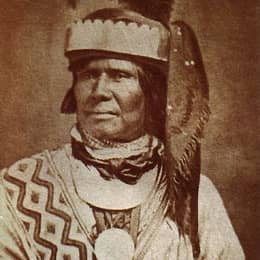
Osceola, leader of the Seminole Indians in Florida in the Second Seminole War.

The point of “The Free and the Dead” seems the only way one becomes free is when they are dead.

Slavery today seems as prevalent as it was years ago. America’s Declaration of Independence says, “all men are created equal”. Ironically, it seems neither men nor women seem to qualify.

The Seminole Indian leaders, Osceola and Abraham, formed an alliance for multiracial freedom that remains the goal of all rational human beings. They failed and only became free in death. Abraham seems to have died in old age while Osceola is captured and dies in prison.

A VIEW OF GENIUS

Like all world changing inventions and discoveries, iPhone came with costs ranging from children’ and adults’ addiction, to rare minerals depletion, to environmental pollution. The long-term effect of iPhones has changed the world with unexpected, often unforeseen, consequences.

Books of Interest
 Website: chetyarbrough.blog

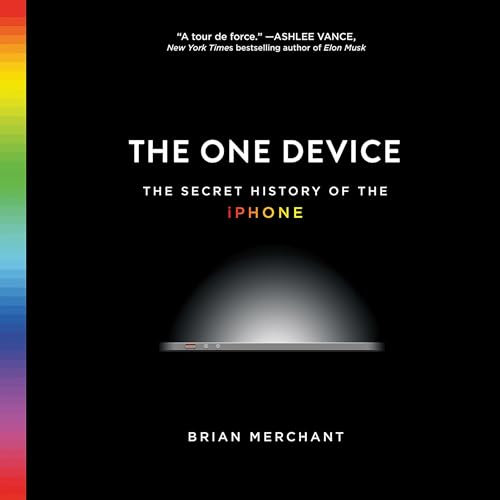
The One Device (The Secret History of the iPhone)

Author: Brian Merchant

Narration by: Tristan Morris

Brian Merchant (Author, American technology journalist, writes for The New York Times, Wired, Slate, The Atlantic, and the Guardian.)

Brian Merchant works around the tech world but never quite in it. His understanding of today’s technology has made him a popular writer for national news outlets. Never having been employed by a tech company, his analysis of iPhone history, the role of Jobs, and the history of its development is as an outsider to the process of invention. As a writer about technology, there is a level of objectivity but also reservation about an outsider’s details. Merchant reports what others tell of iPhone’s history rather than as a person being there as a part of its development.

Merchant’s investigation explains the iPhone’s creation is a messy human process entailing the dangers of mining, involvement of other companies and individuals, patent questions, and labor struggles. The impact of the iPhone’s invention is world changing. In a fundamental way, Merchant discounts the mythology of iPhone’s invention by one person or company. There were decades of prior invention before the iPhone became more than an idea, let alone a world changing device.

The scope of manufacturing iPhones made Foxconn the leading international labor subcontractor in the world. Foxconn is estimated to employ 800,000 employees in China alone. Many have been contracted by Apple for iPhone product assembly.

The mining industry and assembly line development were in place before the raw material and labor that would be needed for iPhone development. Merchant suggests Apple became the central orchestrator rather than singular inventor of the iPhone. Merchant argues the iPhone is a synthesis of decades of technological improvement, unnamed engineers, labor and organizations of miners and factory workers, and innovations needed to produce Apple’s revolutionary product.

Genius and invention go hand in hand. However, Merchant explains in the early 20th century, much of the technology that became a part of the iPhone’s foundation were already invented. He notes touchscreens, voice recognition tools, motion tracking, and early iterations of what became Artificial Intelligence had already been discovered. Merchant’s intent is not to diminish the genius of Apple, Jobs, or its employees but to show the public that every extraordinary human invention has precursors and essential earlier discoveries. It took Apple’s leadership and employees to integrate the many technologies that had been discovered earlier to create what has become a handheld window to the world. Merchant explains no great inventions are created out of thin air. He suggests every invention of the present is dependent on thought, labor, experience, and invention of the past.

Merchant discounts the idea of the “lone genius” because every genius depends on insight and events of the past to correlate what she/he invents in the present. The iPhone unifies decades of technological progress. The iPhones’ invention reorganizes global behavior, creates a new economic and industrial model, and gives the world a pocket supercomputer. The geniuses of Apple earned their reputations, but they relied on discoveries of the past.

Thinking of Curie, Einstein, Newton, and other giants of science, one wonders how Merchant’s belief about genius is valid. He would argue the brilliance of Curie, Einstein, and Newton are built on prior knowledge, their predecessors, and the tools of their time. Their genius is in connecting past knowledge and discovery of others with the present. Their genius is dependent on predecessors. Merchant is not diminishing Jobs’ or Apple’s genius, but their breakthroughs could only come from groundwork established by others.

Like all world changing inventions and discoveries, iPhone came with costs ranging from children’ and adults’ addiction, to rare minerals depletion, to environmental pollution. The long-term effect of iPhones has changed the world with unexpected, often unforeseen, consequences.

CAPITALISM’S HISTORY

A surveillance society is a choice that can be made with careful deliberation or by helter-skelter judgement to return manufacturing to America without clearly understanding its impact on American society. That is the underlying importance of Beckert’s history of capitalism.

Books of Interest
 Website: chetyarbrough.blog

Capitalism (A Global History)

Author: Sven Beckert

Narration by: Soneela Nankani & 3 more

Sven Beckert (Author, Professor of History at Harvard, graduated from Columbia with a PhD in History.)

Professor Beckert defines capitalism as an economic form of privately owned capital reinvested in an effort to produce more capital. In defining capitalism in that way, Beckert suggests capitalism reaches back to 1000 CE, long before some who argue it came into being in 18th century England. Beckert argues the Italian city-states, like Venice, Genoa, and Florence, are the origin of capitalism. That is when accumulated wealth is invested in long-distance trade networks, early banks, and trade by wealthy Italian families. Beckert’s point is that England simply expanded what had begun hundreds of years earlier with trade investment by wealthy Italian families.

Economic theories.

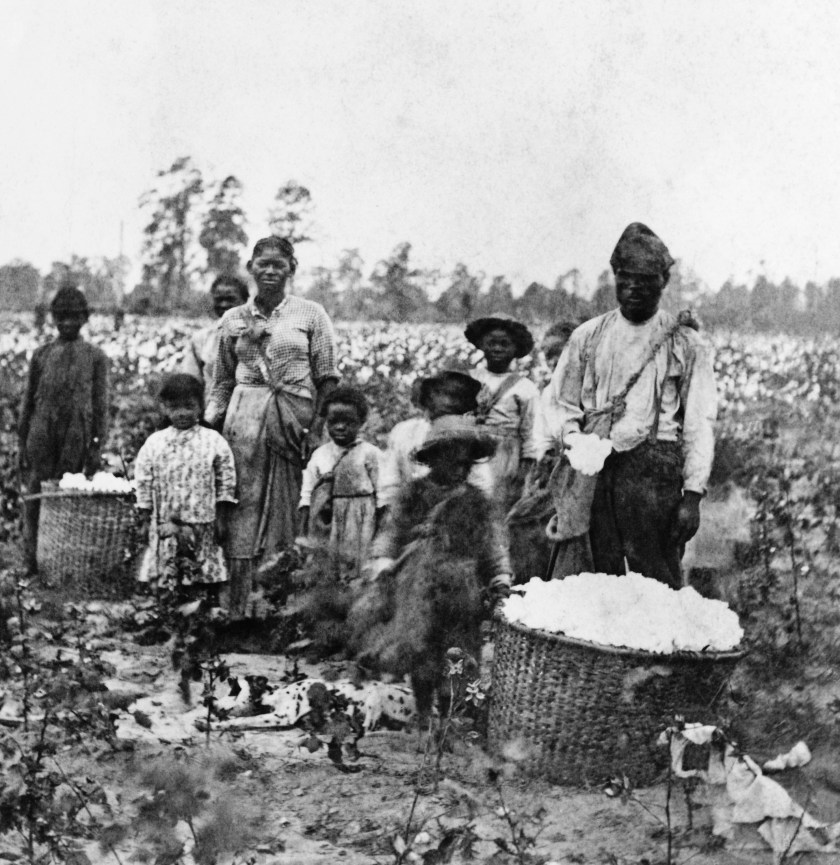
Becker briefly compares many economic theories like capitalism, Marxism, Keynesianism, and Polanyian theories which he calls institutional economics. All bare the flaws of human nature. His economic history is about the addition of slavery to capitalism in the late 15th through 18th centuries. Beckert notes Portugal, Spain, Britain, France, and the Netherlands strengthened their capitalist economies. They were able to secure cheap, controllable labor, expand production, and increase profits with slavery.

Beckert explains the monumental changes and expansion that occurs with England’s adoption of early capitalism. As early as the 17th century, Beckert notes England revolutionizes capitalism in good and morally corrupt ways. Nation-state power combines with private capital to create a massive capitalist influencer around the world. With the dominance of British naval power, colonialism expands, slavery becomes part of international trade, and capitalist monopolies grow to dominate economies. England’s industrial revolution with mechanized production, factory labor, and capital accumulation is able to expand market influence and hugely improve their countries infrastructure and legal protections. Creating patent laws raises potential for monopolization of some market goods.

For several reasons, slavery declines during the later years of industrialization. However, Beckert notes its immorality is not the primary reason.

Free labor became more efficient for capital accumulation. The enslaved became discontented with their role as cheap labor. By the 19th century, slavery became politically and legally incompatible with capitalism. Capitalists began to understand how they could gain more wealth by indenturing rather than enslaving workers, offering sharecropping, or leasing convicts. Capitalists found they could get cheaper labor through contracts with prisons, or sharing of income than slave ownership by being more flexible with the political and physical environment in which labor worked. Slavery faded because capitalists found new ways to reduce costs of labor. At the same time, slave revolts were escalating, the U.S. Civil War is being fought, policing of slavery became too expensive, and investors felt their investments would be at risk in company’s dependent on slave labor. Morality had little to do with abolishing slavery in Beckert’s opinion.

Beckert shows how capitalism systematically expands investment of private capital. Capital is put to work rather than hoarded and consumed by a singular family, political entity, or economic system. Capitalism provides a potential for moving beyond slave-based economies, though racial discrimination remains a work in progress. Beckert notes capitalism is different from other economic systems because it invests private capital that theoretically moderates the need for nation-state’ capital investment in the health, and welfare of a nation’s citizens.

The interesting judgement made by Beckert is that capitalism’s foundation was initially based on slavery, colonialism, and state violence.

The violence of which he writes is based on several factors, i.e., historical slavery, territorial seizure, nation-backed monopolies, worker mistreatment or suppression, and global coercion with military backing. Beckert seems to admit no major historical economic system is free of violence. It seems every economic system is imperfect. Violence appears a fundamental part of human nature in all presently known economic systems.

In the mid to late twentieth century, Beckert notes how manufacturing becomes a global rather than local capitalist activity.

This reorganization creates global inequalities that America is late to understand and adjust to in their capitalist economy. The financial and investment industry of America benefited by becoming world investors, but the local economy fails to remain competitive with the production capabilities of other countries. To become competitive seems an unreasonable expectation for America because of the cost of labor. Trump’s belief appears to be that the solution is to force a return of manufacturing to America. To do that, the rich seem to ignore the fact that to be competitive manufacturing has to have its costs reduced. Where will that reduction come from? Reducing labor costs creates a downward spiral in the families dependent on income from labor. Can America capture a larger part of raw materials for manufacturing to offset higher costs of labor? That is conceivable but it will require a more focused American investment in raw materials that other nations are equally interested in capturing.

AI is a tool of human beings and will be misused by some leaders in the same way atom bombs, starvation, disease, climate, and other maladies have harmed the sentient world.

A capitalist’ economy’s violence has multiple drivers but A.I. has the potential of early detection of conflict hotspots, better predictive policing, more efficient allocation of material resources, and improved mental-health triage and intervention. A.I. is not a perfect answer to human nature’s flaws or the reestablishment of manufacturing in America. There is the downside of the surveillance society pictured by George Orwell.

A surveillance society is a choice that can be made with careful deliberation or by helter-skelter judgement to return manufacturing to America without clearly understanding its impact on American society. That is the underlying importance of Beckert’s history of capitalism.