
Books of Interest
Website: chetyarbrough.blog
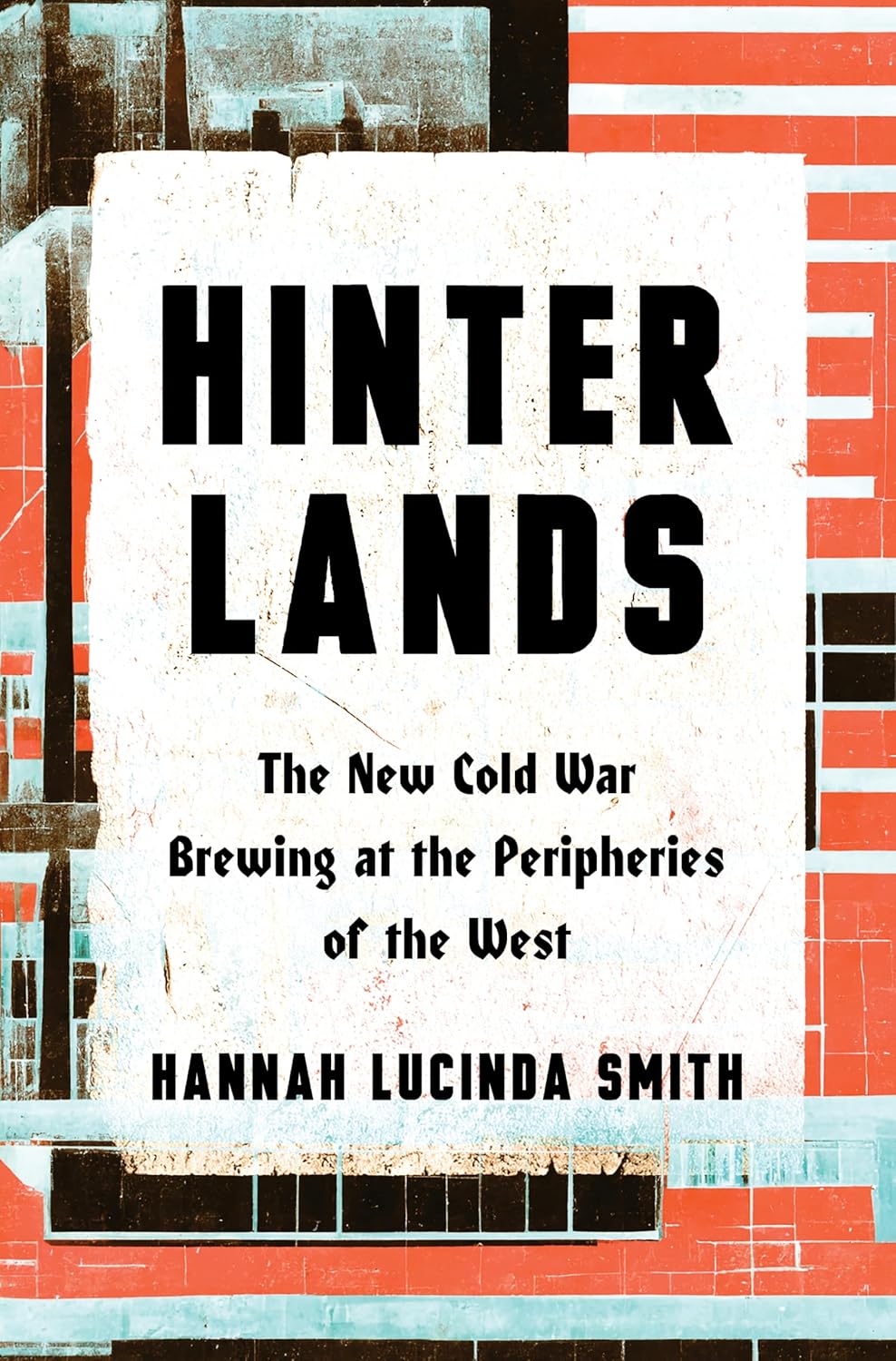
Hinterlands (The New Cold War Brewing at the Peripheries of the West.)
Author: Hannah Lucinda Smith
Narration by: Hannah Lucinda Smith

Hannah Lucinda Smith (Author, British journalist based in Istanbul, Turkey. Published in The Times, The Atlantic, Foreign Policy, and wrote “Erdogan Rising”, presumably about the President of Turkey.
Smith has written a complicated book about what she calls “a new cold war”. It is complicated because most people’s knowledge of some of the territories she writes about like Transnistria, Respublika Srpska, and Nagorno-Karabakh are not known by the general public. Of course, she would not have titled her book “Hinterlands” if it only addresses major nations or organizations like Russia, Turkey, China, the EU, NATO, or the U.S.
Today’s conflicts between Russia/Ukraine and America/Iran may turn into world conflagrations. The same might be said of the following countries that make up Smith’s “Hinterlands”. “Hinterlands” is a reminder that there are other conflicts, less well known, that have the same disastrous potential. Smith identifies six low-visibility conflicts that may rise to the level of the Russia/Ukraine and American/Iran wars or worse. They are as follows:
Nagorno‑Karbala
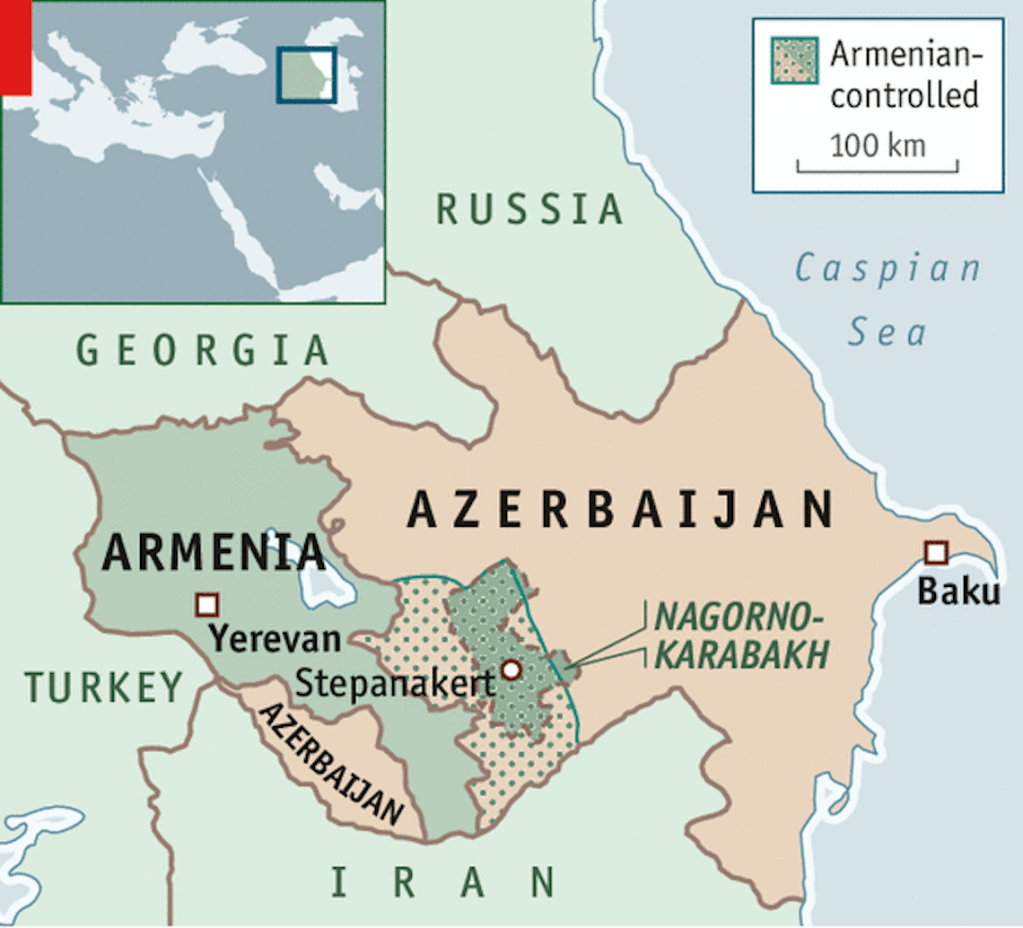
Nagorno-Karabakh became an independent nation between Azerbaijan and Armenia which is just south of Russia, north of Iran, and between Armenia and Azerbaijan.
Russia, Turkey, and Iran have dogs in Nagorno-Karabakh’s fight. Nagorno-Karabakh is mostly populated by ethnic Armenians who declared independence which is settled by a war that ended in 1994. The conflict is fed by interference from Russia, Turkey, and Iran that have their own agendas for the people who live in this territory. Russia plays the role of peacekeeper while ironically supplying arms to its citizens. Turkey is an ally of Azerbaijan that reluctantly allowed Nagorno/Karabakh’s independence. The author notes Iran has interest in the territory’s independence because of an Azeri ethnic population in Iran that is larger than the Armenian population in Nagorno Karabakh. Nagorno Karbakh’s independence creates a kind of jealousy about its ethnic independence versus a larger Azeri minority in the adjacent country of Iran. Of course, this is confusing because it seems more a concern for Iran’s leadership than Nagorno Karabakh’s independence from Azerbaijan. The threat seems that Iran may worry more about an independence drive by Azeri’s in Iranian territory because of the example set by the Azeri’ Armenians in Azerbaijan.
Respublika Srpska (Northern part of Bosnia and Herzegovina.)
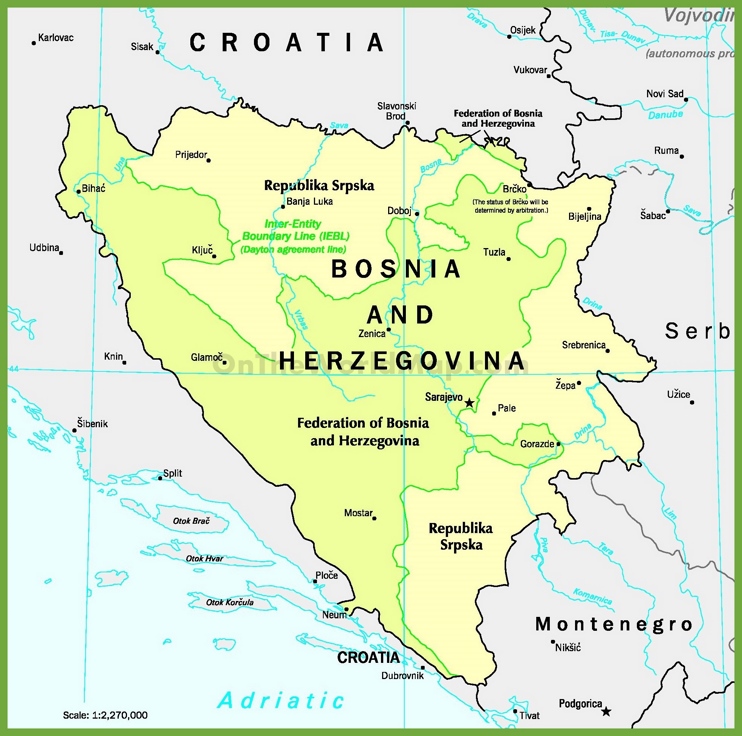
Bosnia (Respublika Srpska)
Having traveled to the former Yugoslavia, the ravages of its dismantling may be seen in pockmarked buildings from battles that occurred during Yugoslavia’s dismantling. As Smith notes, there is a Serbian majority inside Bosnia. It identifies itself as Respublika Srpska (RS). This faction wants independence from Bosnia, but the Bosnia constitution forbids it. Russia supports the RS desire for independence. According to Smith, Russia is simply pursuing its desire to see the weakening of Western Institutions which RS’ independence would engender. The RS leader Milorad Dodik is pushing for a referendum for independence. The U.S. pushes for constitutional reform which in one sense puts U.S. on the fence rather than being for or against independence. Serbia supports RS ambitions. The EU is not unified in an opinion either for or against independence. Turkey supports Bosnia’s RS’ desire because of their Muslim religion and Erdojan’s hope for Putin’s continued economic support of Turkey. This seems resolvable but it has the makings for a hot war if independence is denied by Bosnia’s government. If independence is achieved, the concern will be for the minorities that choose to remain in a newly independent Serbian country. (As noted, this is an example of Smith’s complicated history.)
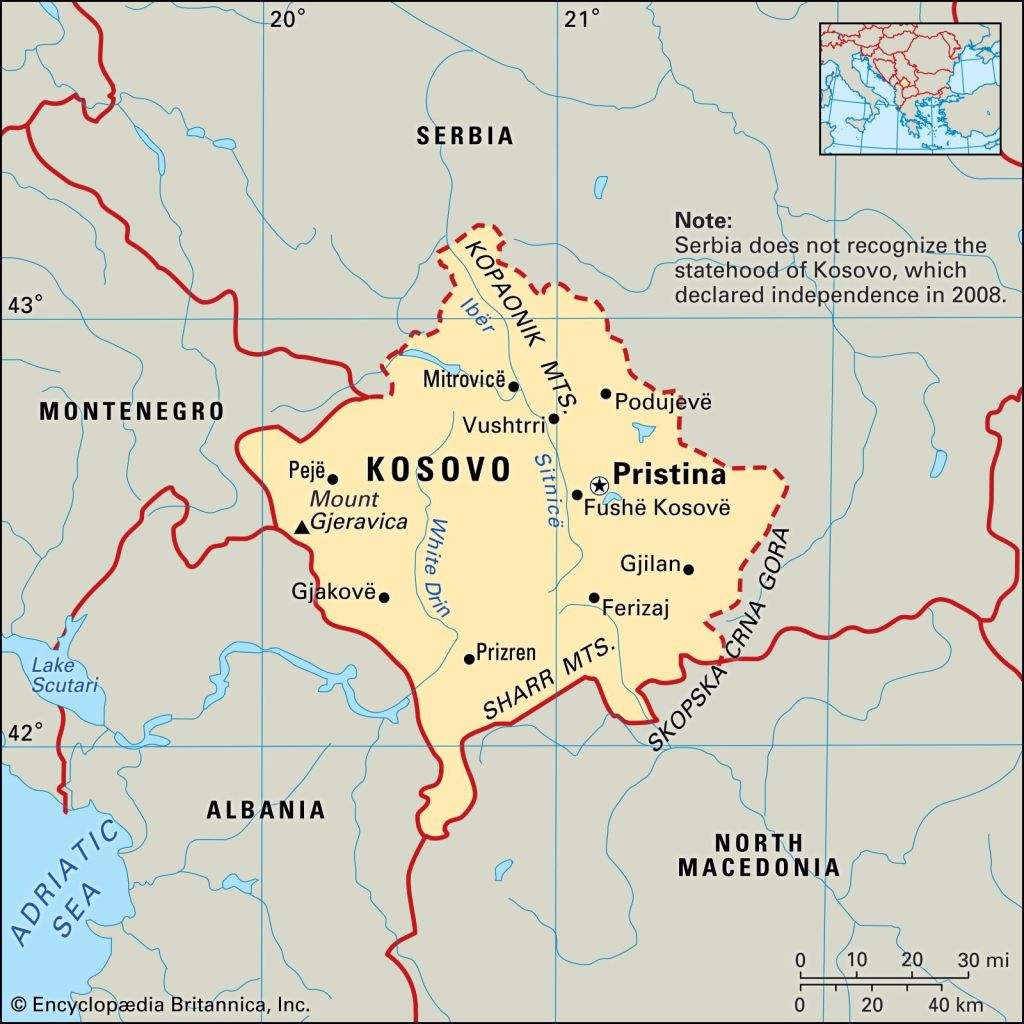
Kosovo.
Kosovo
The fight for independence is always a potential flashpoint for unrest that can widen into war between internal as well as outside nation-state interference. Outside interference can be based on economic, religious, or strategic interests of outside nation-state powers. Russia, Turkey, and Iran as immediate neighbors may call on any of these reasons to interfere and spark a wider confrontation and consequence in their region of interest.
Transnistria
Transnistria is a little-known de facto breakaway from Moldova that is not recognized by the international community.
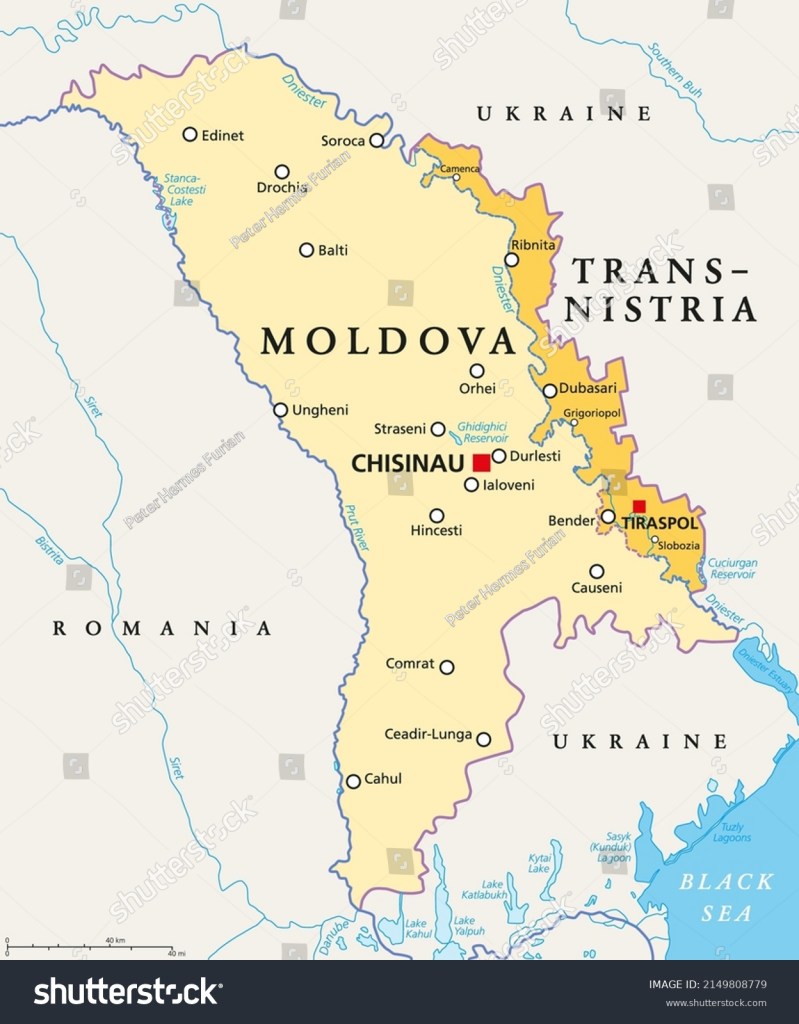
Smith explains Transnistria is a region that broke away from Moldova when the USSR collapsed. Smith notes Russia protects its independence as a Russian client territory. She notes Russian troops are stationed in Transnistria while its existence is subsidized by the Russian government. It is a strategic foothold for Russia in their plan to takeover Ukraine. It is a conflict zone that remains a part of the nation of Moldova, under the control of Putin with Transnistria’s own government made up of a president, parliament, and military. It is a potential flashpoint in the Russian/Ukraine war.
Crimea / broader Ukraine conflict
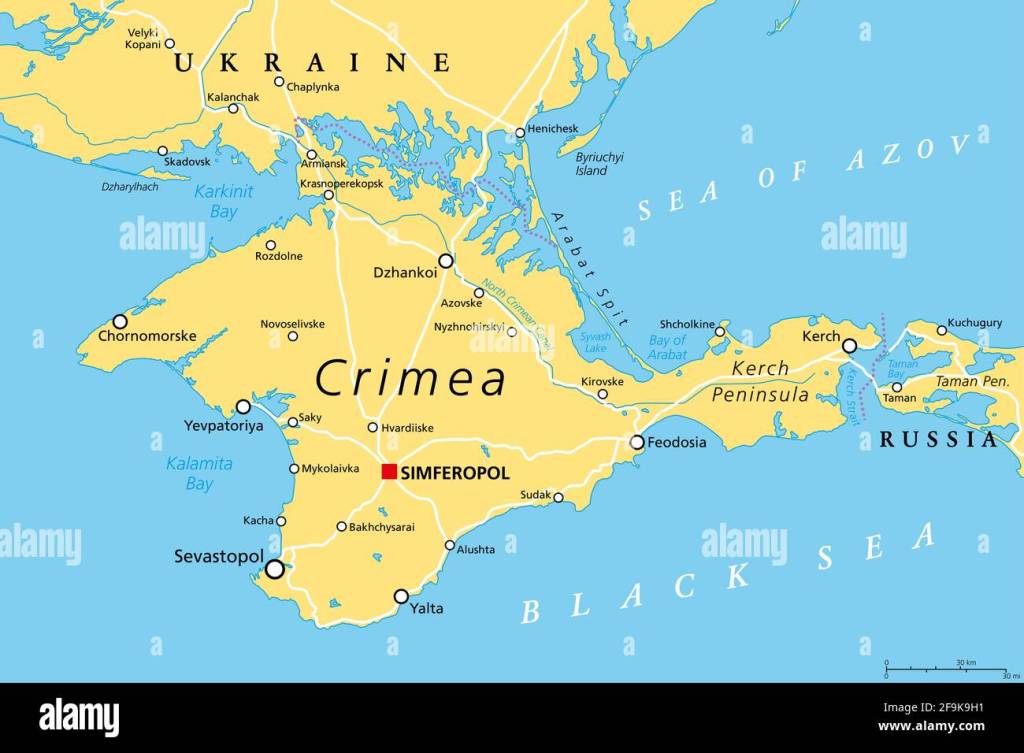
Crimea annexation by Russia from the nation-state of Ukraine.
Crimea remains un unresolved border problem in Smith’s view of Soviet occupation. When the USSR dissolved, Crimea became a part of an independent Ukraine. Smith notes Russia has made immense financial investments in Crimea to lure its citizens to become a part of Putin’s Russia. Obviously, Crimea is a potential conflict in the making because of its former existence as a part of Ukraine. One wonders how Russian influence will affect Crimea’s interest in being a part of Russia or Ukraine in the future.
Turkey–Kurdish regions (Syria/Iraq)
There is concern about the influence of a Kurdish separatist movement that might spread from Syria and Iraq to Turkey.
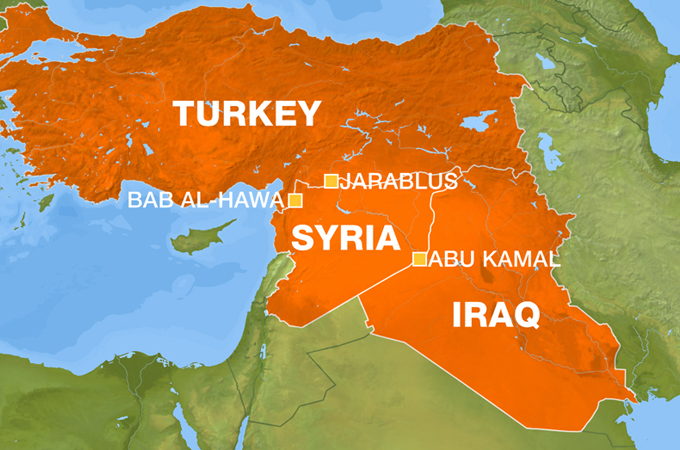
Turkey has already created a military footprint in Syria and Iraq. Turkey has had several violent conflicts with the PKK, a Kurdish militant group that is classified as a terrorist organization that has caused thousands of deaths and conducted military operations in southeastern Turkey beginning in 2015 and continuing through 2016. That terrorism began long before the election of Erdogan. The Kurds seek their own nation-state, which was proposed back in 1920, after WWI. However, the disparate beliefs of Kurd’ factions make nation building and independence a tough objective to achieve. They allege a wish for autonomy, local democracy, pluralism, and decentralized governance whether living in Syria, Iraq, or Turkey. Of course, they are not the only ethnic group in each of these countries and the PKK’s objectives conflict with existing territorial governments. For various reasons ranging from different Kurdish beliefs to the existence of existing governments, the Kurds remain stateless and a threat to Syria’s, Iraq’s, and Turkey’s governments.
In the end reward is destroyed by the selfishness of each against the other.

Hannah Lucinda Smith’s “Hinterlands” is an eye opener for the uniformed but it’s a bit of a slog for non-historians to absorb.


