
Books of Interest
Website: chetyarbrough.blog
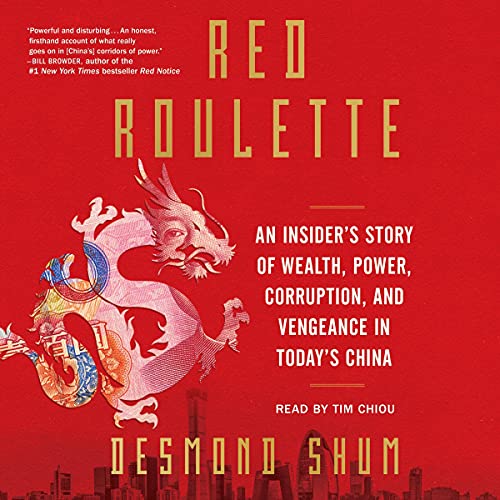
Red Roulette (An Insider’s Story of Wealth, Power, and Vengeance in Today’s China.)
Author: Desmond Shum
Narration by: Tim Chiou
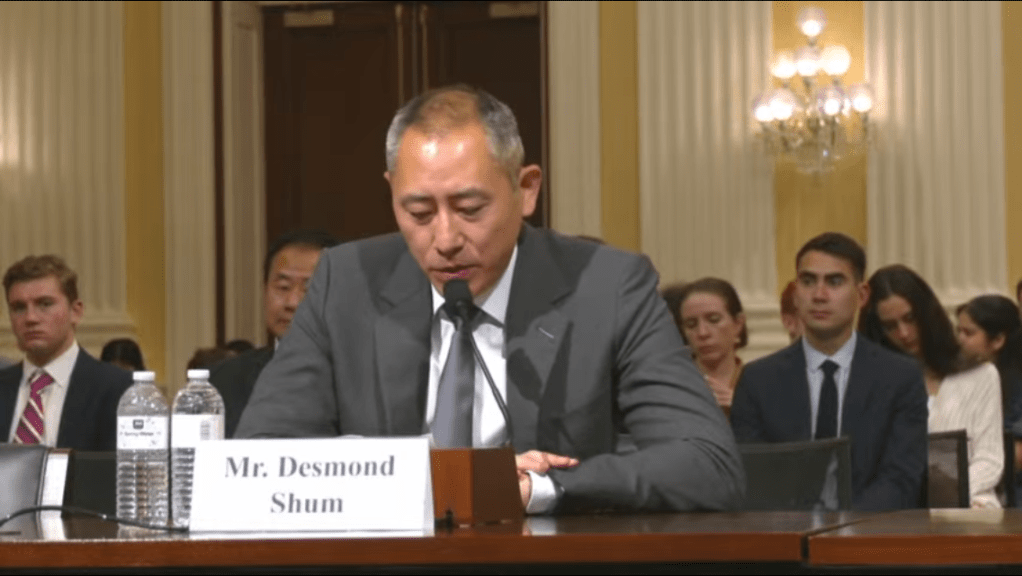
Desmond Shum (Author, born in Shanghai in 1968, former Hong Kong businessman who lives in the UK. with a son born in the U.S.)
“Red Roulette” is an amazing personal story of a former Chinese citizen who marries a successful Chinese woman, Whitney Duan. She is disappeared by the Xi government in 2017. Shum and Duan were married from 2004 to 2015. His wife’s fate is unknown to Shum as he writes this book. Amazingly, Ms. Duan calls Shum four years after she is disappeared by China to ask him to not publish his book. Shum believes this is the first public contact by Duan since her disappearance in 2017.
Ms. Duan had chosen to capitalize on a system of doing business in China the way it had been done for many years. That system is riven with a kind of societal corruption revealed in “Red Roulette” that has grown with communism in China.
Desmond Shum reveals surprises to many Americans about China’s culture. Despite a presumption of many non-Chinese, Shum explains power is personal, not institutional in China. One might presume that CCP’s control of wealth and power in China comes from the party and its leaders. However, wealth in China is only influenced by the communist government through a social network of beliefs. Shum explains personal relationships and connections are built on favors, gifts, and mutual obligations that are debts that carry the reality of power in China. This explains the title of the book “Red Roulette” in the sense that success in Chinese society is a game of chance based on bets placed on the value of favors, and gifts that CCP members believe have worth.
Debt for favors and gifts is in the eye of the beholder which makes fair payment a mysterious and chance driven calculation. Adding to that complexity is the power of a CCP leader to erase a citizen socially, legally, and economically. By erasure, Shum explains citizens may be detained, prevented from family contact, denied legal representation, arrested, impoverished, and isolated from any social contact. Shum explains his ex-wife, Whitney Duan, vanished for years with no charges, no trial, and no record of her disappearance.

Xi Jinping (Leader of the CCP in China.)
The CCP elite govern China through relationships among themselves, not by official meetings or party leadership orders that are necessarily based on definable communist dogma. Everything happens behind the scenes. Official meetings, if there are any, are strictly “for show”. Shum’s admits in his personal story that he and his ex-wife became wealthy through a corrupt relationship with Zhang Beili, one of the CCP apparatchiks and power brokers. One may argue the CCP is similar to the Congress of the United States. Wealthy capitalists, like CCP apparatchiks, game the stock market and society through political connection with elected government officials
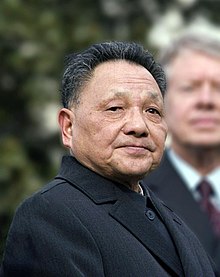
Deng Xiaoping launched an initial shift away from Maoist central planning despite ordering the crackdown on Tiananmen Square in 1989.
As somewhat of a realist, one understands governance is based on leaders presumed power, wealth, and political influence. Shum argues China’s economic modernization and capitalism began with Deng Xiaoping who rose to power after Tiananmen with Hu Jintao continuing China’s economic boom. Shum argues today’s Xi is increasing control of the CCP and the economy with the traditions of Chinese society. In the author’s opinion, China is reinstituting a Mao-style autocracy that is spreading fear across the country.
In fairness to Shum’s assessment of China, there is evidence of America’s slip into autocracy in today’s economy.

Shum believes Xi Jinping’s CCP anti-corruption campaign is only a pretext for power consolidation. In Shum’s opinion, Xi’s targeted removal of CCP apparatchiks is not because of their corruption but because they rival his power over the party. Xi’s campaign on corruption increases fear among CCP members and influencers that reinforce traditions of China’s rule by personal relationship and connection. Xi’s goal is to increase personal loyalty to himself which is part and parcel of the history of Chinese social norms. Shum’s evidence of corruption is the increase in disappearances, secret detentions, arrests of businesspeople without charges, and insistence on what is characterized as party discipline.
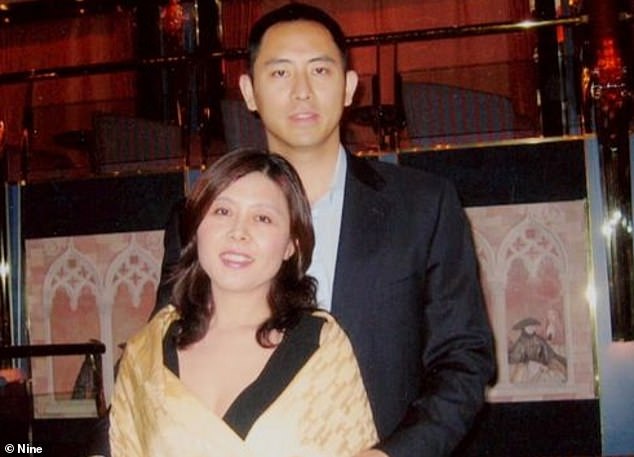
Whitney Duan and Shum when they were married.
Whitney Duan’s disappearance is Shum’s primary example of Xi’s Chinese governance. Duan is characterized as ambitious, brilliant, and determined. Her rise to power in Chinas is from close relationships she develops with people who have influence in the communist party. She befriends Zhang Beili, the wife of the Vice Premier of the CCP, Wen Jiabao. Because of that association, Duan has privileged access to information about land deals and major real-estate projects in China. She uses that information to make deals with advanced knowledge that result in great economic wealth for her and her former husband. Shum marries Duan and they both capitalize on insider information they gain from Duan’s relationships. One presumes the marriage ends because of the stresses and political dangers involved in their common business interests.
The quality of Kafka’s story in “The Trial” is the human desire for freedom that is not extinguished even in the darkest times of a country’s repression. This is a hope one presumes for both China and America, but human nature gets in the way.

In 2017, two years after the author’s divorce, Whitney Duan disappears. There are no charges, no trial, no public disclosure, and she is unable to contact any of her family including the son she has with Shum. No one knows if she is dead or alive. The state refuses to say she has been detained. One presumes, she is arrested because of Xi Jinping’s anti-corruption campaign and his purge of some party members like Wen Jiabao. Interestingly, just before the book is to be published, Whitney Duan calls Shum to ask him not to publish. Obviously, she is alive.
One big difference between American capitalism and Chinese communism is a higher level of individual freedom with legal rights to defend oneself in a court of law (that is, of course, if you are not an immigrant). That is a significant difference between China and America. However, both countries are impacted by bad actors that game the system based on personal relationship and influence with political leaders.

On the one hand, this story reinforces belief that Xi is trying to reform the CCP. On the other, the methodology of autocracy offers no defense against the injustice of being condemned without trial.
One concludes Whitney Duan lost in the game of Chinese Roulette by being part of a relationship that gave her inside information from the CCP. Her disappearance is proof of the theme of Shun’s book about the importance of relationships and connections to gain power and financial success in Chinese society. Like American capitalism, Chinese communism has its faults.


