Roth shows acculturation is both an opportunity and danger in “The Plot Against America”.
Books of Interest Website: chetyarbrough.blog
The Plot Against America
Author: Philip Roth
Narration by: Ron Silver
PHILLIP ROTH (WINNER OF THE PULITZER PRIZE FOR FICTION, MAN BOOKER INTERNATIONAL PRIZE AND MORE)
Roth’s “The Human Stain”, and “The Plot Against America” are troubling fictional stories of American society. Roth’s imagination seems somewhat out of control in “The Plot…” but his point is that American democracy, like all forms of government, is flawed by the nature of human beings. Popular election is no guarantee of government probity because the public is as easily led by lies as the truth; i.e., something we see in today’s American government. “The Plot Against America” creates a fictional story of the advance of a racist to the Presidency of the United States at the time of Hitler’s government putsch in Germany.
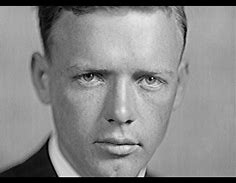
Charles Lindbergh (Famous aviator who expressed suspicion of Jews and is characterized as a supporter of Hitler.)
America had several famous supporters of Hitler’s ascension in Germany; i.e., not only Charles Lindbergh, but Henry Ford, Father Charles Coughlin, and Jospph P. Kennedy Sr., to name a few. Lindbergh believes in white supremacy but excludes those of Jewish ethnicity because he believes Jews are not a part of the American or Western racial community. He believes Jews are a separate people with separate loyalties. This conforms to Hitler’s view of German society as superior to all others. Added to Lindbergh’s racism is his belief that communism threatens individual liberty, a foundational democratic belief. Lindbergh is vociferously anti-communist even though Russia is led by white rulers. Lindbergh believes centralized state control, state suppression of dissent, and forced conformity are anti-American. This is an ironic view because Hitler insists on state control, suppression of dissent, and a forced conformity; i.e., beliefs Lindbergh infers he abhors.
Roth writes a story suggesting Lindbergh run against Franklin Roosevelt for President. Lindbergh wins in this fictional story. In truth, Lindbergh never runs for President. History actually shows the Republican party approaches Lindbergh in the late 1930s to run against Roosevelt because of his celebrity, anti-war message, and isolationist beliefs. However, Lindbergh turns the Republicans down.
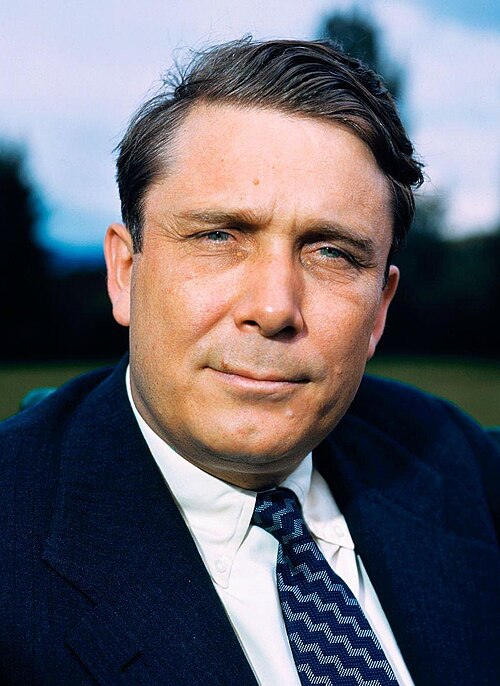
Wendell Lewis Wilkie becomes the nominee for President by the Republicans in 1940. (1892-1944, an American lawyer.)
Wendell Willkie is the Republican Party’s choice for President. What makes Roth’s story interesting is his concern for loss of Jewish ethnic identity from the influence of Americanization. Two fundamental points are made in the title of the book. There is the obvious “…Plot Against America” with Lindbergh as an America candidate for President who supports Hitler. A less obvious point is Roth’s more subtle “…Plot…” by American society to diminish ethnicity. In Roth’s story, Lindbergh is elected as President of the United States.
Drawing the line between cultural disintegration and acculturation is different in an autocracy than in a democracy. A perfect democracy allows ethnicity to flourish within the boundaries of common societal norms while an autocracy demands conformity to specific societal norms that, in some autocratic countries, become demands. Roth’s point in “The Plot Against America” is that ethnic identity is a fundamental right of human beings that should not be denied by any government. This is not to say that ethnic identity is not influenced by society, but that ethnicity should only be a natural, not governmentally enforced influence. Roth’s story shows a fine line that is crossed by America in influencing Jewish culture to become less ethnic. He tells the story of a government endorsed program to offer Jewish children the opportunity to become laborers on American farms. That experience leads to a Jewish child’s exposure to eating pork which is explicitly forbidden by the Torah because it is considered unclean. Roth shows “old world” ethnic’ cautions are sometimes abandoned because of life experiences that diminsh ethnic taboos.
Discrimination based on ethnicity, race, or sex diminishes democracy.
Roth shows acculturation is both an opportunity and danger in “The Plot Against America”. One may read into Roth’s story that he regrets the Americanization of Jewish ethnicity. To the extent that the discipline of education may be harmed by acculturation, one is inclined to agree with Roth. On the other hand, ethnic identification has led to unequal opportunity based on ethnicity, race, or sex which should have nothing to do with innate capability.
History has shown the greatness of both parties of American government. One takes pride in the fact that American democracy corrects the errors of incompetent Presidents.
Books of Interest Website: chetyarbrough.blog
The Fourth Turning is Here (What the Seasons of History Tell Us About How and When This Crisis Will End)
Author: Neil Howe
Narration by: Neil Howe
Neil Howe (American author, historian, economist, and consultant.)
Neil Howe argues the United States is in the middle of a crisis. He views political polarization is as great today as it was during the American Revolution, the Civil War, and the Great Depression. He suggests society has broken into two “mega-identities” that is evident in the news of the day. He sees a red and blue American society with a distinct part of society being rural/suburban, evangelical or traditionalist, nationalist, anti-elite, and distrustful of institutions. The other side is urban/metropolitan, secular and pluralist, cosmopolitan, and pro-institution with a trust in expertise. (In fairness to the author, this reviewer did not listen to Howe’s entire book.)
Generational beliefs.
Howe goes on to suggest there is a generational quality to these two camps. Boomers are those born between 1943 and 1960 (my generation). Generation X born from 1961-1981, Millennials (1982-2004), and Generation Z (2005-to the present). The problem with this broad categorization of Americans is that one can see themselves in each generations view of American government and society. Americans are both Red and Blue, believe strongly in the equality of human beings, are skeptical of absolutes, and believe in common good and the importance of government. Americans are relatively free human beings who will ultimately make the right decision to preserve the health and well-being of democratic society.
Is immigration an American crisis or a discouraged opportunity?
Howe argues today’s America is at a once-in-a-century crisis. He suggests American governance has become too polarized and that institutions of government are decaying in ways that are diminishing the economic prosperity and influence of democracy in the world. Polarization is not new to America. One who has reached a Boomer’s age remembers political polarization from the excesses of America during Vietnam. The mistakes and lies of the Johnson administration are not unlike the lies of Donald Trump. Democrat’s support of Johnson’s Great Society created too many programs like urban renewal and anti-poverty that remind one of Republican’s support of Trump’s overzealous deregulation of environmental protection, finance of projects to aggrandize his reputation, and welfare policies that penalize the poor. Both Johnson and Trump show poor management of their major policy initiatives. The social and political consequence of their mismanagement has damaged America’s economy and influence in the world. Both Johnson and Trump represent what can go wrong in a democracy but is eventually corrected by elections of future leaders founded on the principles of the Constitution.
Johnson’s Great Society.
There are differences and similarities between Johnson and Trump. The obvious difference is the parties to which they belong. Johnson creates bureaucratic sprawl and economic waste by expanding government services while Trump creates bureaucratic ineptitude through fragmentation from arbitrary firing of government employees. Both Presidents believe they are benefiting American society while they made decisions that damaged the economy and diminished the value of democratic governance. The extent of their damage during these two Presidents did and will take time to repair but the structure of America’s government assures democracy’s recovery.
History has shown the greatness of both parties of American government.
Lincoln is elected to take the giant step needed to put America back on the path of human equality and opportunity. Franklin Roosevelt saved America from economic collapse. Just as Lincoln is not survived by a President who reinforces equality of Americans, the same will likely be true for the next President after Trump. But, as Martin Luther King said, “The arc of the moral universe is long, but it bends toward justice”. One takes pride in the fact that American democracy corrects the errors of incompetent Presidents.
Robert Frost wrote “In three words I can sum up everything I’ve learned about life: it goes on.” That is the essential truth of “The Vast Enterprise” about the Lewis and Clark Expedition.
Books of Interest Website: chetyarbrough.blog
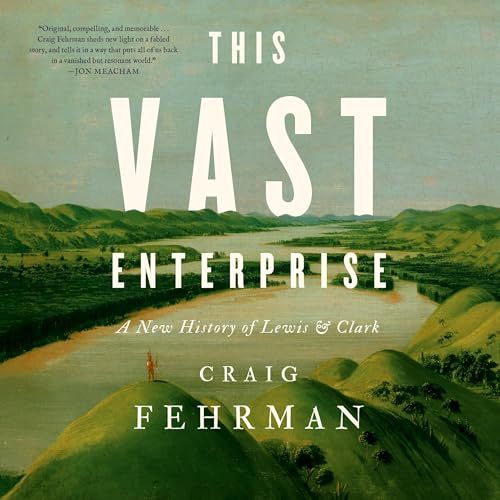
The Vast Enterprise (A New History of Lewis & Clark)
Author: Craig Fehrman
Narration by: Jason Culp & 5 more
Craig Fehrman (Author, journalist, historian of Presidents and American history.)
Craig Fehrman writes an excellent history of the Lewis and Clark expedition. It entertains and informs reader/listeners of the lives of Meriwhether Lewis, William Clark, an enslaved man named York, and a tribal native named Sacagawea. From President Thomas Jefferson’s reasoning and his decision to create an expedition from Kentucky to the Pacific, one learns something new, old, and troubling about America.
Thomas Jeffereson (1743-1826, President of the U.S. 1801-1809.)
Thomas Jefferson is characterized as a shrewd, partisan, and forceful political operator who had a clear vision for the future of continental America. That prescient vision of America by Jefferson hides his blindness to the truth of human equality of Black men and women as inferior to white men. However, Fehrman notes Jefferson believes natives of this continent had the potential to be the equal of white Americans. Jefferson’s shrewdness and forceful opinion is illustrated by his understanding of the importance of trading posts as a way to expand control of land possessed by native inhabitants and held by Spanish and French interests. Lewis and Clark’s western expedition is, in Jefferson’s opinion, critical to America’s future land interests.
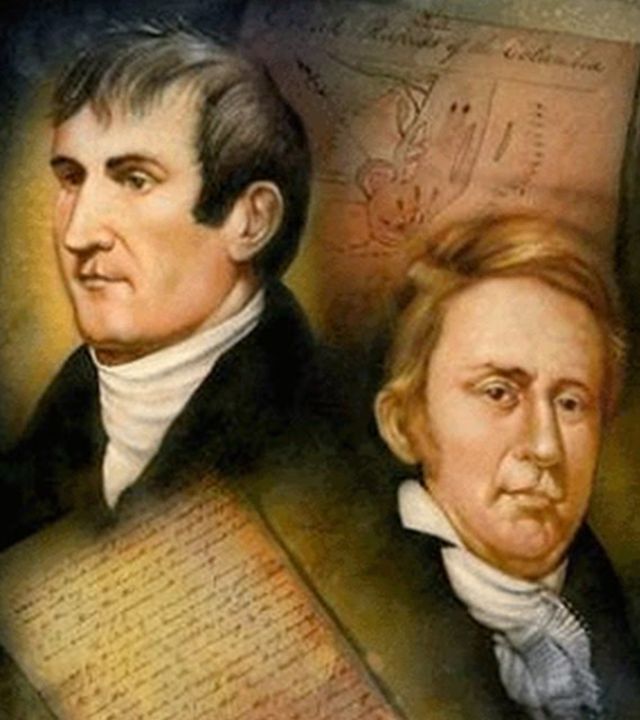
Meriwhether Lewis and William Clark (American Explorers.)
Both Meriwhether Lewis and William Clark are characterized as relatively educated colonial citizens suited for an expedition from Kentucky to the Pacific. Though both leaders for the expedition were heroic, their personalities, leadership styles, and temperaments were quite different. Lewis is characterized as brilliant but an inwardly volatile man, while Clark is a steady, self-confident manager of people. Lewis is the visionary who works in the Jefferson’ administration as secretary to the President while Clark is former military officer who gets things done with people who report to him. Lewis clearly understood Jefferson’s objective in exploring the west, its diplomatic purpose, and geopolitical importance. Clark’s frontier experience, military discipline, and surveying skill served Lewis’s understanding of Jefferson’s objectives.
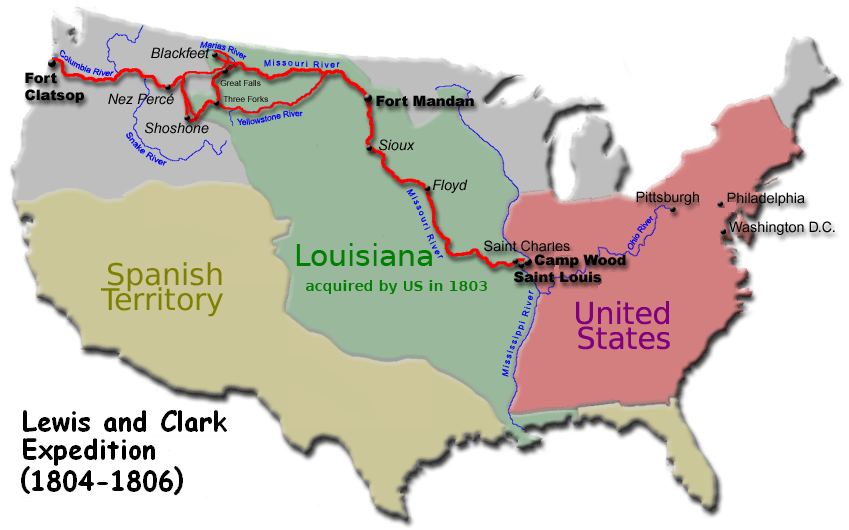
Lewis & Clark Expedition
Both Lewis and Clark understood they were not only entering a wilderness but a continent full of other nations which made them effective negotiators and intermediaries with native tribes. Lewis’s intellectual understanding of Jefferson’s objectives is complimented by Clark’s skill in managing native tribe relationships. With the help of a Black slave owned by Clark and a native Shoshone woman married to a French trader, this former military man manages to gain the aid of the Lakota, Shoshone, and other tribes to save the Lewis and Clark expedition from failure.
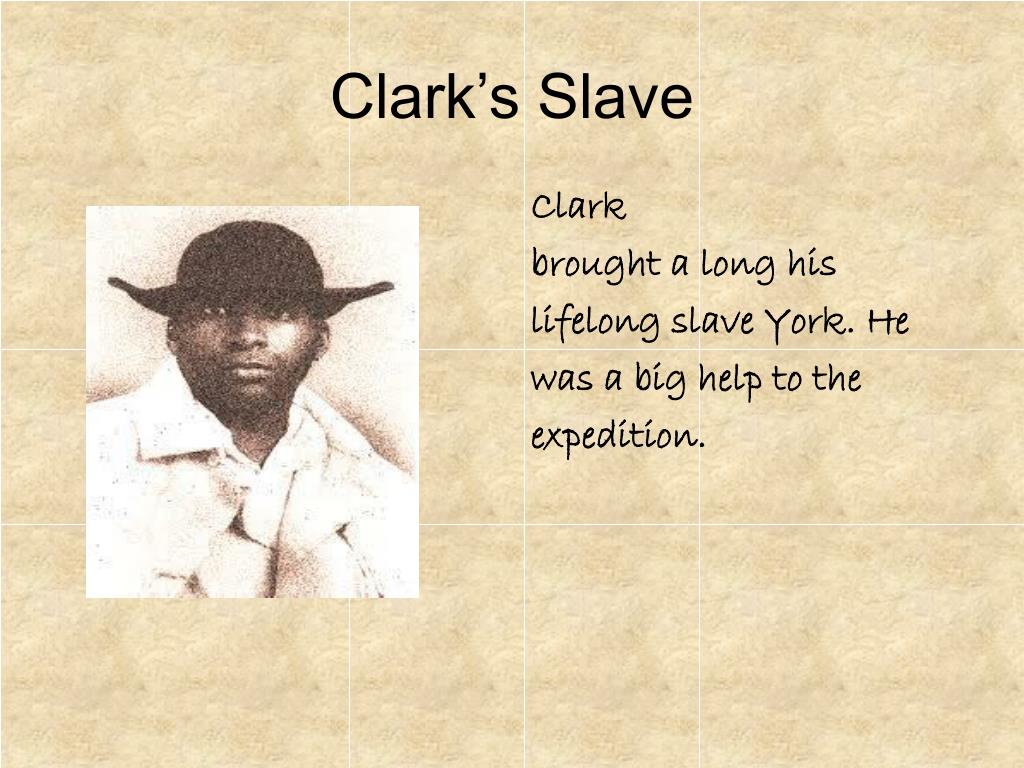
Image of York (Slave owned by William Clark.)
The history of York (Clark’s owned slave) in the expedition is interesting. What the author, York, and enlisted members of the expedition show is that Lewis and Clark were dependent on their crew for the success of the mission. Men like York provide the labor and skill needed to complete the journey. As a young adult, York shows the value of all human beings to the success of the expedition while being a slave. The sad fact is that York is never released from his bondage to Clark. Despite York’s alleged inferiority, Clark relies on him for his field abilities and reminds reader/listeners of the importance of other cultures and ethnicities that make America. Fehrman infers York is a symbolic bridge between ethnic worlds; i.e. not just the Black and White world but the native and English American world. York is an example the difference of human beings in America; i.e., from people of color to native tribes in a dominant white culture. Fehrman’s story infers human difference reinforces belief that native tribes (Black, white, or other) could co-exist though not be treated as equal human beings. This is no stretch of a reader/listener’s imagination based on America’s history of Indian/American wars and slavery. There is one native American that travels with Lewis and Clark. She is Sacagawea, the only woman on the expedition. Her story reflects on America’s view of women as property despite their contribution to life and their contribution to social and economic society.
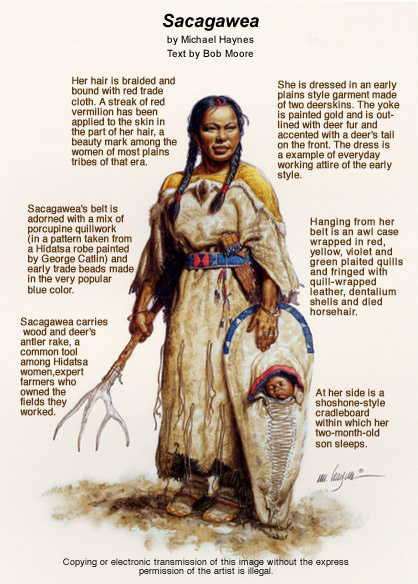
Image of Sacagawea on the Lewis and Clark Expedition.
Fehrman suggests Sacagawea is a full participant in the expedition. To Fehrman she represents a symbol of Native nations. Sacagawea and York became part of the diplomatic fabric of the journey demonstrating the truth of human equality. Sacagawea became pregnant from her husband, Toussaint Charbonneau, a French-Canadian trapper. Her baby is born on the expedition. Charbonneau had two native wives, the first of which did not accompany them on the expedition. Sacagawea had been kidnapped by the Hidatsa tribe in a war with the Shoshone when she is 12. Charbonneau is 20 years older than Sacagawea. Sacagawea is 13 when she is forced to marry Charbonneau by the Hidatsa. The tribe had traded goods with Charbonneau. Sacagawea and Charbonneau are reluctantly hired by Lewis and Clark for the expedition. Both act as interpreters on the expedition but Fehrman argues Sacagawea represents more than being a translator because of her heritage and knowledge of the territory through which they will travel. Sacagawea’s Shoshone tribal heritage had diplomatic value beyond mere language interpretation. On the other hand, Charbonneau seems more a liability than asset to Lewis and Clark.
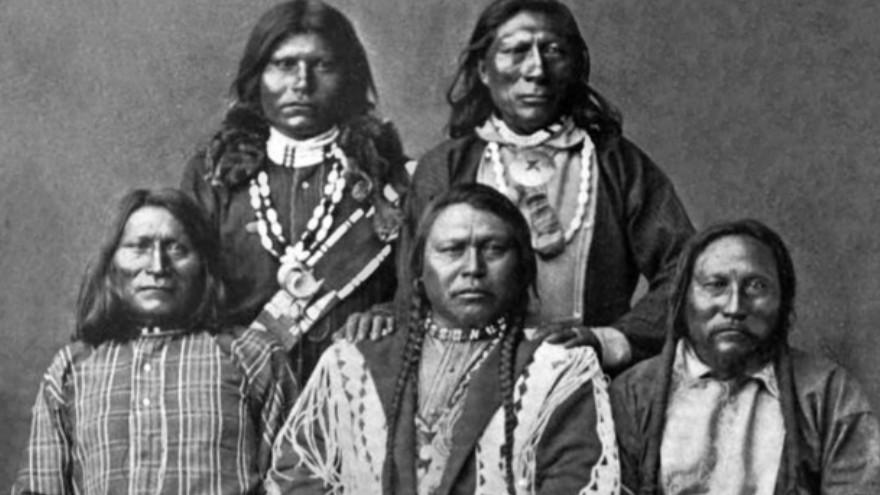
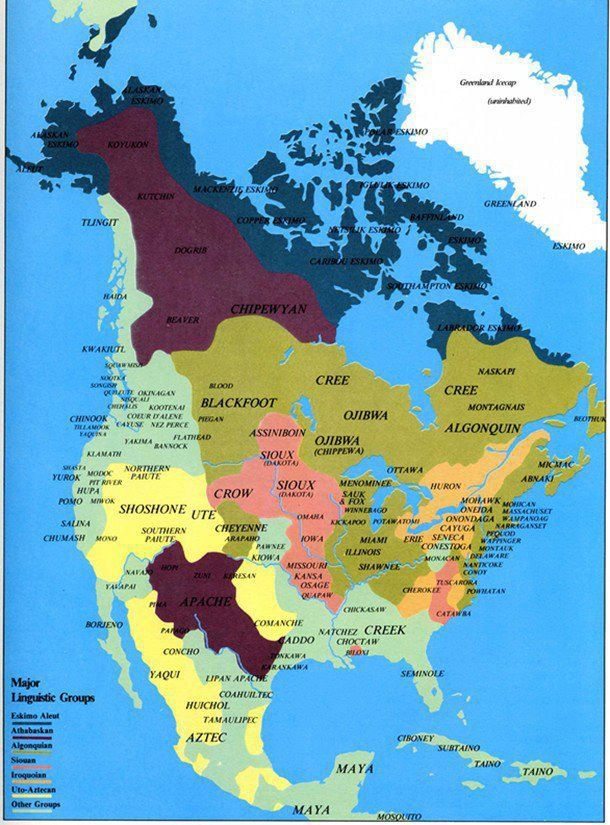
Shoshone Tribe in western America.
Fehrman shows the expeditionary Americans were not dominant actors in their relationships with native tribes. In the wilderness, they acted more as guests or supplicants in their dealings with various tribes. They recognized they were outsiders that needed political alliances with native tribes because they had meager knowledge of the territory and customs of indigenous tribes who controlled the river lands they explored. Their need for food, horses, guides, and knowledge of the land depends on their relationships with indigenous tribes. Without tribal help and guidance, they would have no protection or chance of safe passage. Native tribes provide horses and information that kept them on their course to the west and saved them from starvation and death. It is a combination of Jefferson’s somewhat arrogant plan for the country’s consolidation for the expeditionary force to be dependent upon indigenous tribes who are repeatedly deprived of their land in America’s growth as a nation. It is the explorer’s humbleness and humility that allows Lewis and Clark to succeed in growing an American continent that historically suppresses indigenous land ownership and use.
Most Shoshone Tribes appear more southwestern than northwestern.
Indigenous tribes were politically naive in their aid to American explorers. Without tribal’ naivete, the early days of America’s influence and growth as a singular nation would have failed. One presumes, the continent would have remained a land of tribal ownership and internecine conflicts over land and natural resources. In the early years of American government, it is humbleness, humility, and the growth of trade between natives and early Americans that transform a land of native tribal presence into a singular nation among nations. In Fehrman’s opinion the prime mover of that accomplishment began with Thomas Jefferson and “The Vast Enterprise” of explorers like Lewis and Clark.
The last chapters of Fehrman’s book leave listener/readers with notes about Lewis, Clark, York, and Sacagawea that are sad to read or hear. Lewis becomes an alcoholic and commits suicide. Clark refuses to give York his freedom. York dies from cholera while Clark lives a life of success and power. Clark becomes governor of -Missouri Territory and Superintendent of Indian Affairs. Sacagawea is leaves her French husband and dies at Fort Manuel in 1812.
Robert Frost (1874-1963.)
Robert Frost wrote “In three words I can sum up everything I’ve learned about life: it goes on.” That is the essential truth of “The Vast Enterprise”.
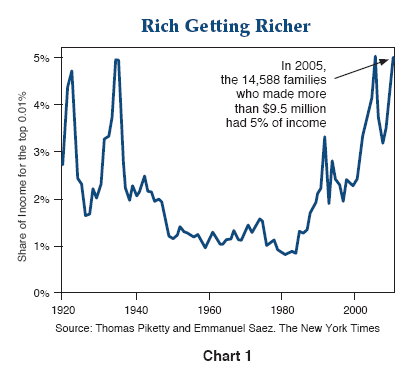
To this book reviewer, the flaw in American democracy is the rising gap between rich and poor. Dychtwald implies the flaw in China is its reliance on a singular leader’s actions to improve the daily lives of its citizens.
Books of Interest Website: chetyarbrough.blog
Young China (How the Restless Generation Will Change Their Country and the World)
Author: Zak Dychtwald
Narration by: Zak Dychtwald
Zak Dychtwald (Author, public speaker, fluent Mandarin speaker, world traveler, graduate of Columbia University who moved to China and spent 4 years interviewing local Chinese.)
“Young China” is a fascinating comparison of a world traveler’s perception of the difference between young Americans and Chinese youths. A reservation one has in listening to Dychtwald’s explanation of Chinese youth is whether a 4-year immersion in a foreign culture constitutes a society’s truth or just a topical view of an intelligent observer who gravitates to students of similar ambition.
America’s Achilles heel.
Not knowing the author’s life experience, one assumes he has not lived the life of most American college students of his generation. As a graduate of Columbia, his decision to learn Mandarin Chinese, and choice to travel to China for a four year stay suggests he is not a typical American youth. Further, as the meaning of the saying “Birds of a feather flock together”, one presumes his choice of interviewees is not likely to be typical Chinese college students but those who excel in intelligence and academic pursuit.
Contrast of lives in China.
The main Chinese youths whom the author interviews and becomes acquainted with are Ben, Vivian, Chen, Liu, and Mei. Ben–who is a striver who has a rural background. Vivian is a young professional woman who speaks English and comes from the middle class. Chen is a university student who embraces nationalist beliefs of young Chinese. Liu is a young teenager who experiences the meritocratic pressure of academic achievement in China. And finally, Mei is a young Chinese college student dealing with job aspirations, dating, marriage pressure, and career ambitions.
Education is the great strength of China.
In some sense, these characters have American student similarities. One can find similar Americans in each of the broad categories of these five Chinese students. However, Dychtwald sees Chinese students as “dreamers and strivers” while his experience is that American students are skeptical about the value of education and their future. Dychtwald finds Chinese college students take their performance on college exams more seriously than American college students. High academic achievement is a critical goal to a Chinese student while to an American graduating with a degree is the primary goal and finding a career is more important than achieving high scores on college exams. Chinese youths see themselves as a part of a national achievement for China while Americans see themselves as cogs in a capitalist machine that may or may not turn into successful careers.
College is a pressure cooker for Chinese students while it’s more of a cultural experience and stage of life for most American students.
Finally, Dychtwald notes Chinese students are globally curious, Western influenced, while being confident in the superiority of their own country. In contrast, American students care less about other countries, know few languages beyond English, and see their country as just one of many cultures in the world. Dychwald is an outlier in that he does not view China as a threat to American hegemony, but a country focusing on improving the lives of their citizens.
The risks of singular leadership.
Admittedly, this review is a narrow interpretation of Dychtwald’s fascinating book. Only an extraordinary intellect would move to China after graduating from college and learn fluent Mandarin during a 4 year stay in China. It makes we who are old wish we had the privilege of Dychtwald’s intelligence to live life over again.
To this book reviewer, the flaw in American democracy is the rising gap between rich and poor. Dychtwald implies the flaw in China is its reliance on a singular leader’s actions to improve the daily lives of its citizens. America has the advantage of 4-year democratic change in leadership while China is dependent on an authoritarian’s health and judgement as a singular leader.
As every American, particularly white people of conscience know, ethnic minorities are faced with hardship, violence, and social discrimination until ruling majorities realize that all human beings are entitled to equality of opportunity in the society in which they live.
Books of Interest Website: chetyarbrough.blog
Voice for the Voiceless (Over Seven Decades of Struggle with China for My Land and My People.)
Author: Dalai Lama
Narration by: Edoardo Ballerini
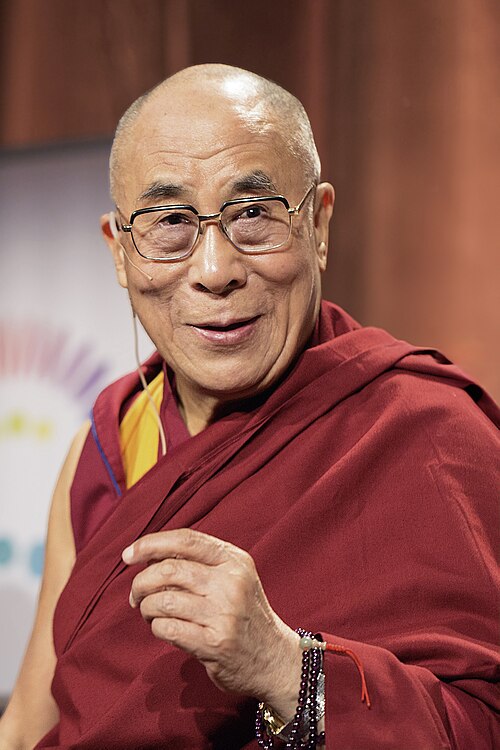
Dalai Lama (Author, born in 1935 is presently 91 years old. He is the spirtual head of Tibetan Buddhism.)
“Voice for the Voiceless” is the wish of every minority in the world. State supremacy over the individual in communism sharply contrasts with democracy in degrees of un-freedom revealed by what a citizen can be and do. Competition and descent, suppression of minority voices, control of information, collective identity, and human rights are insisted upon by communist leadership according to “Voice of the Voiceless” by the Dalai Lama.
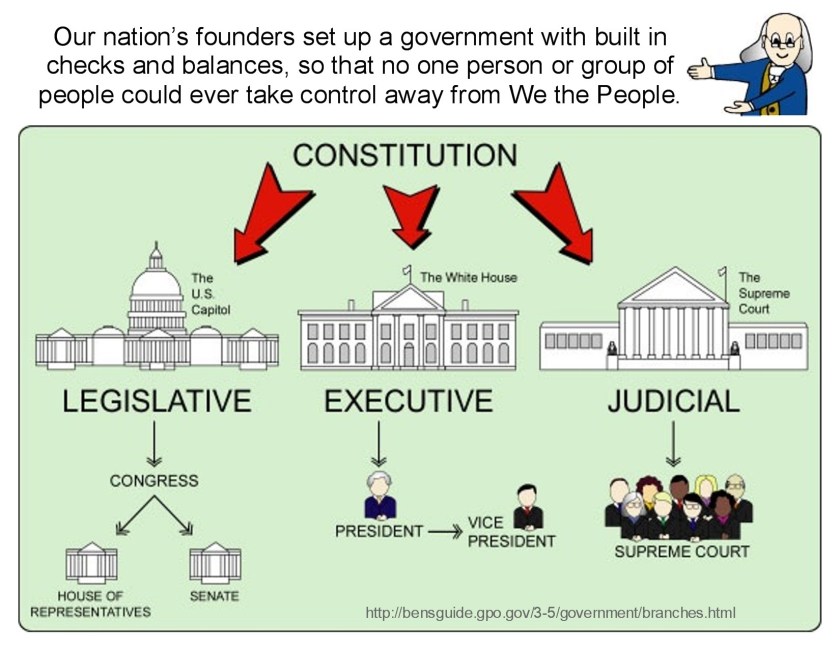
American government checks and balances.
In a democratic government, there are multiple societally expressed interests like legal protection for dissent, creation of non-government organizations, guarantee of free speech, and institutional checks and balance on the power of its leaders. It is not that America or any democracy is perfect in its makeup but in the China that the Dalai Lama describes, communism is designed to prevent any form of opposition to its leadership. In the Dalai Lama’s view, no compassion exists in China’s government.
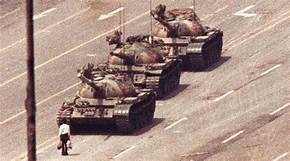
The infamous and unidentified “tank man” who stood in the way of the Tiananmen Square crackdown.
The most prominent historical evidence of a lack of government compassion is shown by the Tiananmen Square massacre during the Deng administration. The Dalai Lama’s opinion is reinforced by a Chinese guide who closes the doors of a private meeting room in which several Americans are informed of China’s reaction to the Tiananmen massacre. Chinese students and citizens who demonstrated at Tiananmen Square were asking for communist party reform, a reasonable level of leadership accountability, and elimination of corrupt Chinese government leaders.
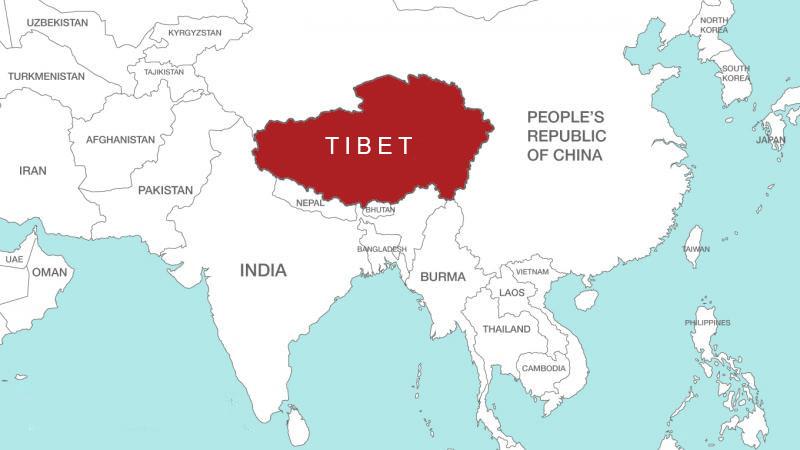
The Dalai Lama writes “Voice for the Voiceless” to challenge China’s political system which denies rule of Tibet by the Dalai Lama as its head of state. His demand reminds one of histories of displacement of native tribal leaders in America in the 17th and 18th centuries. Recognizing the fates of proud native leaders in America, the Dalai Lama (who has been exiled to India since the 1950s) is asking the communist government to allow him to be the leader of his “tribe” in Tibet. In America, more than two hundred years passed before genuine recognition and opportunity were seriously offered America’s natives. It has taken nearly 200 years for America to offer equal opportunity for tribal natives to pursue their interests as recognized ethnic minorities. What the Dali Lama wishes for Tibetan people in China is in many ways the experience of minorities in a democracy, let alone a communist autocracy.
Natives of America grew together as common ancestors that could choose life in a system of government that came to understand the importance of tribal self-determination. Natives of America had land rights, and a concept of cultural difference; accompanied by jurisdictional authority to pursue economic development as a distinct ethnic minority. The Dalai Lama clearly shows Tibetan people have a similar ethnic origin and desire for freedom and self-determination. Only time and ethnic solidarity offer hope for them to realize their goals.
Barbara Demick gives listeners a picture of Tibet with a darkness that rivals the narrative she creates for North Korea in “Nothing to Envy”.
Communist China is not America. However, the Dalai Lama appears to want a level of independence to protect a Tibetan way of life for Buddhists to preserve their cultural identity and language without violent resistance by the Chinese system of government. This is a reminder of native American’s struggle in democratic America. The Dalai Lama seems only to wish for human and religious freedom, not nation-state hegemonic control. He notes Tibetans have no institutional power, no representation in the Chinese government, and no legal way to challenge state’ government policies.
The Dali Lama’s book surprisingly notes the initial relationship with Chinese communism that proposed a “Seventeen-Point Agreement” which offered a framework for Tibet to have the recognition requested by the Tibetan culture. However, the tenor of the “…Agreement” is violated with Tibet being occupied by Mao’s government. Mao orders his administration to keep the Dalai Lama from fleeing and pressured Tibetan leaders to negotiate subservience to the Chinese Communist Party. Mao’s goal is to unify Tibet with China, not provide Tibetan autonomy within the structure of Chinese suzerainty. There was to be no self-determination of Tibetans, no interest in preserving Tibetan institutions, no role for the Dalai Lama, and no Tibetan’ autonomy. Mao demanded integration, not reconciliation.
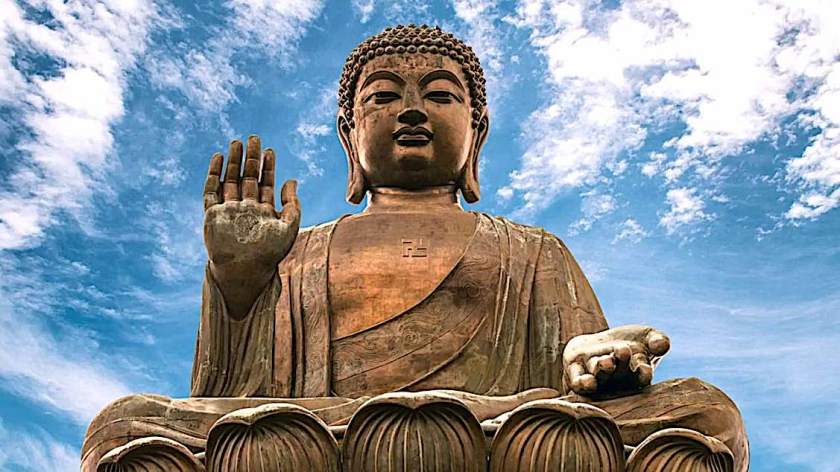
As the Dalai Lama grew to understand what Mao and future leaders of the CCP really wanted, he chose to leave Tibet in the late 1950s. He exiled himself to India, the origin of Buddhism’s creation. Buddhism teaches liberation from suffering through compassion, wisdom, and meditation. These were not a part of the Communist ideals of Mao or his successors. The core belief of communism is that truth comes from the party whereas Buddhist believe truth is from inner realization. Every Buddhist is a sentient being that has compassion for individual suffering while a CCP member subordinates their feelings to the needs of the state and national unity. All religions are a potential threat to state control which is the basis and practice of communism and, to a lesser extent, all forms of government.
The Dalai Lama represents a threat to communism because he is a global moral figure, a symbol of Tibetan identity, and a spiritual authority independent of the state. Buddhist belief in inner freedom, compassion, and spiritual autonomy directly conflict with the ideals of communism because of its belief in the collective rather than the individual. An interesting irony in that communism is a form of government that endorses a collective concept. Of course, a communist collective is external to one’s inner self while Buddhism believes a collective is formed through an inner understanding of the self. China insists on centralized government authority, conformity to its edicts, and personal identification with the state’s government. One’s heart goes out to the Tibetan people and the discrimination they are suffering. Only time offers hope for their future.
As every American, particularly white people of conscience know, ethnic minorities are faced with hardship, violence, and social discrimination until ruling majorities realize that all human beings are entitled to equality of opportunity in the society in which they live.
Hannah Lucinda Smith’s “Hinterlands” is an eye opener for the uniformed but it’s a bit of a slog for non-historians to absorb.
Books of Interest Website: chetyarbrough.blog
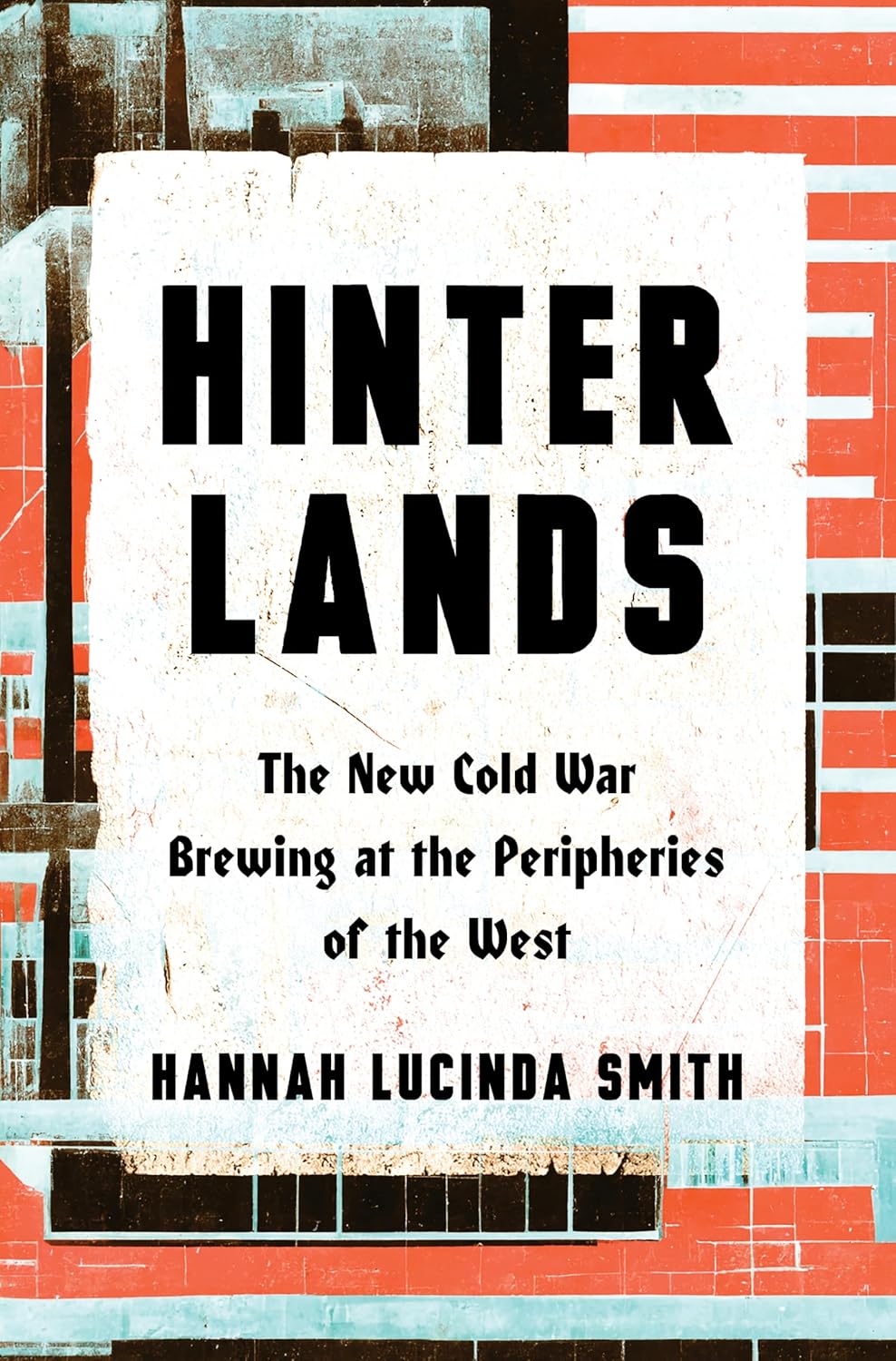
Hinterlands (The New Cold War Brewing at the Peripheries of the West.)
Author: Hannah Lucinda Smith
Narration by: Hannah Lucinda Smith
Hannah Lucinda Smith (Author, British journalist based in Istanbul, Turkey. Published in The Times, The Atlantic, Foreign Policy, and wrote “Erdogan Rising”, presumably about the President of Turkey.
Smith has written a complicated book about what she calls “a new cold war”. It is complicated because most people’s knowledge of some of the territories she writes about like Transnistria, Respublika Srpska, and Nagorno-Karabakh are not known by the general public. Of course, she would not have titled her book “Hinterlands” if it only addresses major nations or organizations like Russia, Turkey, China, the EU, NATO, or the U.S.
Today’s conflicts between Russia/Ukraine and America/Iran may turn into world conflagrations. The same might be said of the following countries that make up Smith’s “Hinterlands”. “Hinterlands” is a reminder that there are other conflicts, less well known, that have the same disastrous potential. Smith identifies six low-visibility conflicts that may rise to the level of the Russia/Ukraine and American/Iran wars or worse. They are as follows:
Nagorno‑Karbala
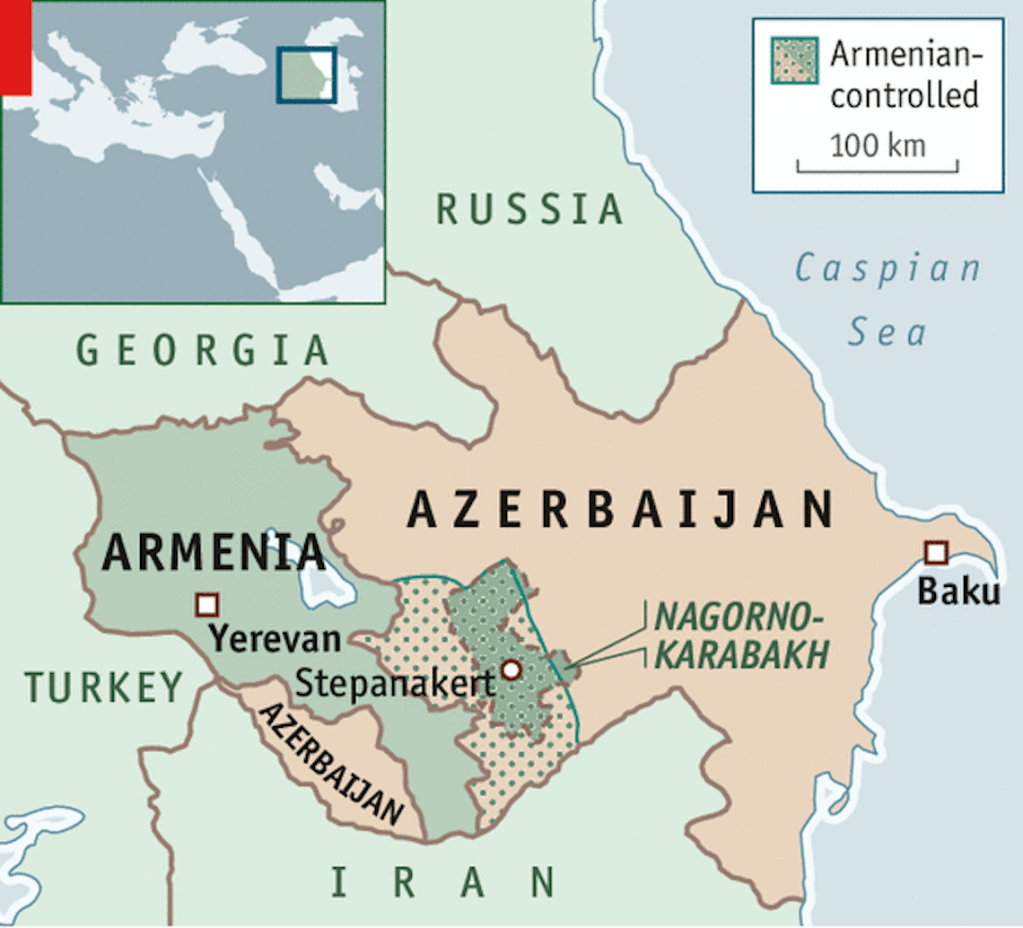
Nagorno-Karabakh became an independent nation between Azerbaijan and Armenia which is just south of Russia, north of Iran, and between Armenia and Azerbaijan.
Russia, Turkey, and Iran have dogs in Nagorno-Karabakh’s fight. Nagorno-Karabakh is mostly populated by ethnic Armenians who declared independence which is settled by a war that ended in 1994. The conflict is fed by interference from Russia, Turkey, and Iran that have their own agendas for the people who live in this territory. Russia plays the role of peacekeeper while ironically supplying arms to its citizens. Turkey is an ally of Azerbaijan that reluctantly allowed Nagorno/Karabakh’s independence. The author notes Iran has interest in the territory’s independence because of an Azeri ethnic population in Iran that is larger than the Armenian population in Nagorno Karabakh. Nagorno Karbakh’s independence creates a kind of jealousy about its ethnic independence versus a larger Azeri minority in the adjacent country of Iran. Of course, this is confusing because it seems more a concern for Iran’s leadership than Nagorno Karabakh’s independence from Azerbaijan. The threat seems that Iran may worry more about an independence drive by Azeri’s in Iranian territory because of the example set by the Azeri’ Armenians in Azerbaijan.
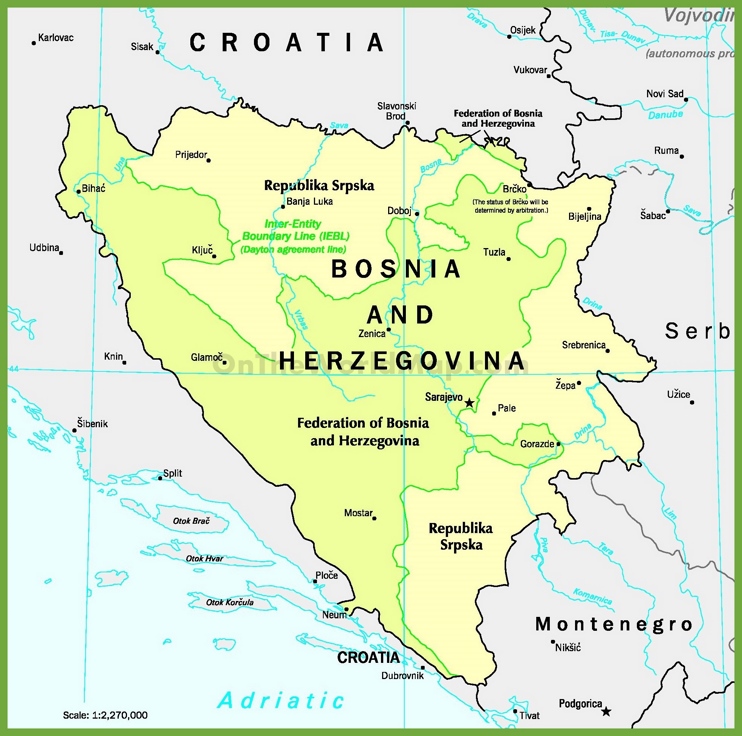
Respublika Srpska (Northern part of Bosnia and Herzegovina.)
Bosnia (Respublika Srpska)
Having traveled to the former Yugoslavia, the ravages of its dismantling may be seen in pockmarked buildings from battles that occurred during Yugoslavia’s dismantling. As Smith notes, there is a Serbian majority inside Bosnia. It identifies itself as Respublika Srpska (RS). This faction wants independence from Bosnia, but the Bosnia constitution forbids it. Russia supports the RS desire for independence. According to Smith, Russia is simply pursuing its desire to see the weakening of Western Institutions which RS’ independence would engender. The RS leader Milorad Dodik is pushing for a referendum for independence. The U.S. pushes for constitutional reform which in one sense puts U.S. on the fence rather than being for or against independence. Serbia supports RS ambitions. The EU is not unified in an opinion either for or against independence. Turkey supports Bosnia’s RS’ desire because of their Muslim religion and Erdojan’s hope for Putin’s continued economic support of Turkey. This seems resolvable but it has the makings for a hot war if independence is denied by Bosnia’s government. If independence is achieved, the concern will be for the minorities that choose to remain in a newly independent Serbian country. (As noted, this is an example of Smith’s complicated history.)
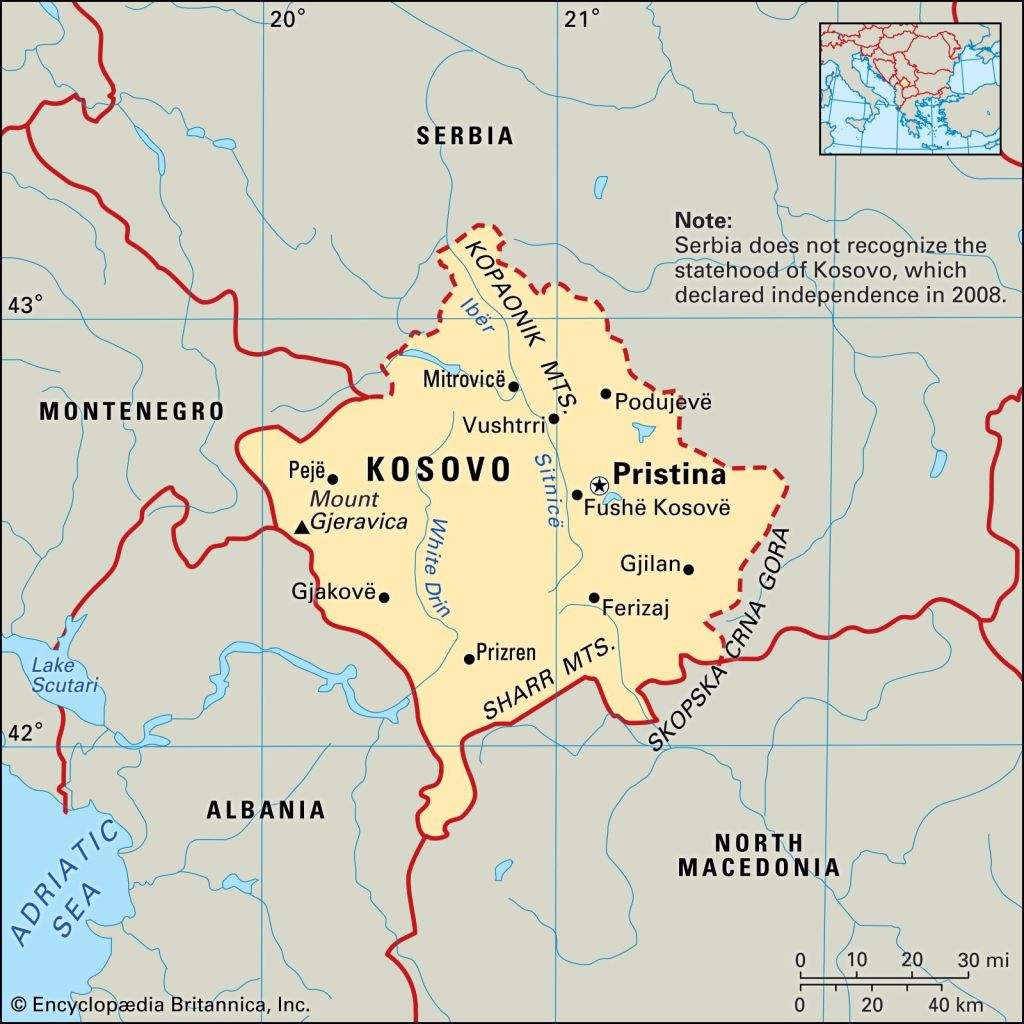
Kosovo.
Kosovo
The fight for independence is always a potential flashpoint for unrest that can widen into war between internal as well as outside nation-state interference. Outside interference can be based on economic, religious, or strategic interests of outside nation-state powers. Russia, Turkey, and Iran as immediate neighbors may call on any of these reasons to interfere and spark a wider confrontation and consequence in their region of interest.
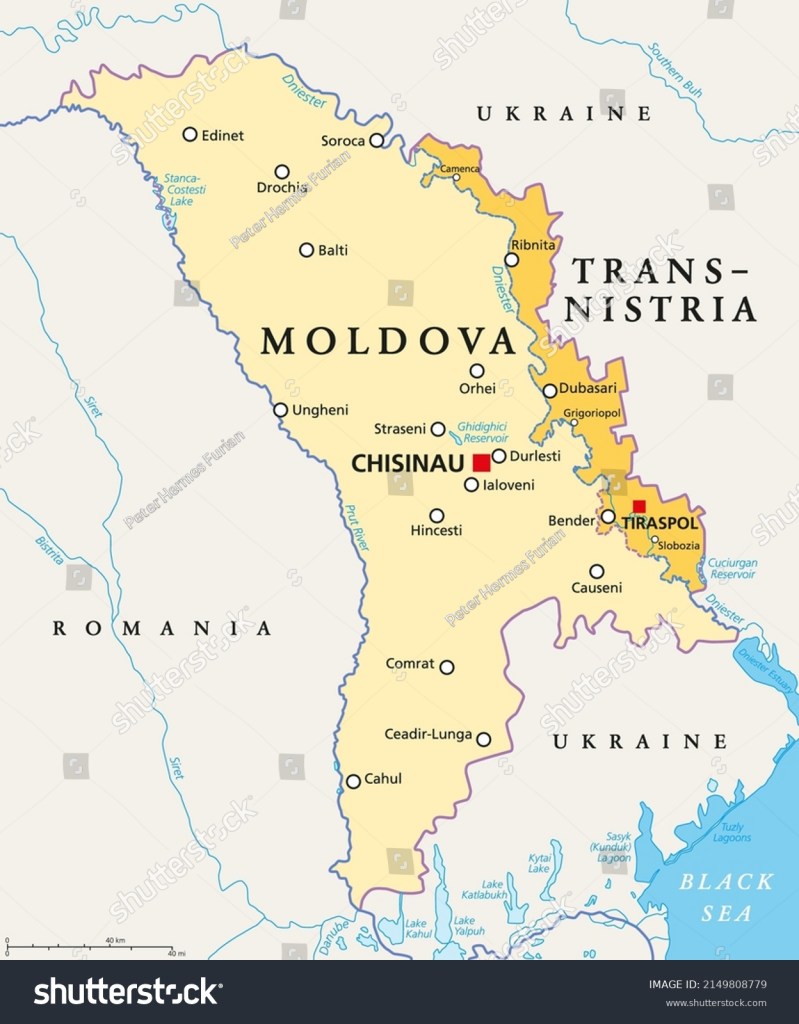
Transnistria
Transnistria is a little-known de facto breakaway from Moldova that is not recognized by the international community.
Smith explains Transnistria is a region that broke away from Moldova when the USSR collapsed. Smith notes Russia protects its independence as a Russian client territory. She notes Russian troops are stationed in Transnistria while its existence is subsidized by the Russian government. It is a strategic foothold for Russia in their plan to takeover Ukraine. It is a conflict zone that remains a part of the nation of Moldova, under the control of Putin with Transnistria’s own government made up of a president, parliament, and military. It is a potential flashpoint in the Russian/Ukraine war.
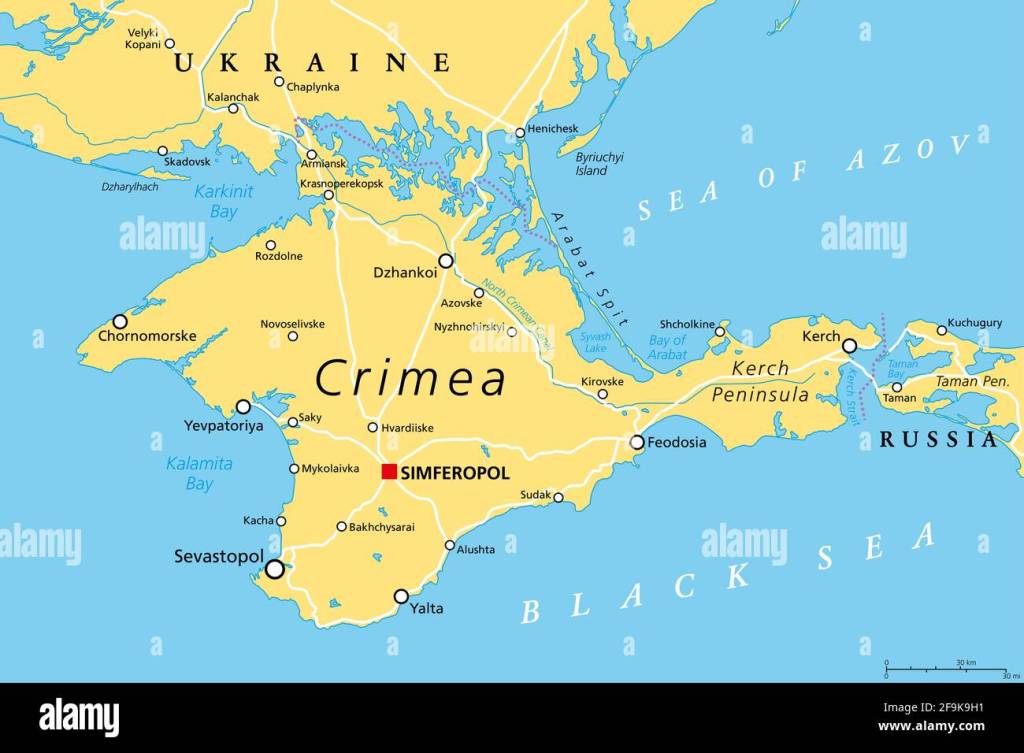
Crimea / broader Ukraine conflict
Crimea annexation by Russia from the nation-state of Ukraine.
Crimea remains un unresolved border problem in Smith’s view of Soviet occupation. When the USSR dissolved, Crimea became a part of an independent Ukraine. Smith notes Russia has made immense financial investments in Crimea to lure its citizens to become a part of Putin’s Russia. Obviously, Crimea is a potential conflict in the making because of its former existence as a part of Ukraine. One wonders how Russian influence will affect Crimea’s interest in being a part of Russia or Ukraine in the future.
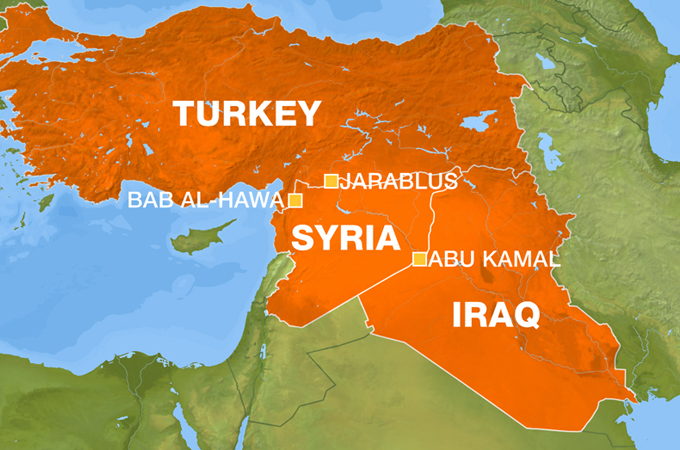
Turkey–Kurdish regions (Syria/Iraq)
There is concern about the influence of a Kurdish separatist movement that might spread from Syria and Iraq to Turkey.
Turkey has already created a military footprint in Syria and Iraq. Turkey has had several violent conflicts with the PKK, a Kurdish militant group that is classified as a terrorist organization that has caused thousands of deaths and conducted military operations in southeastern Turkey beginning in 2015 and continuing through 2016. That terrorism began long before the election of Erdogan. The Kurds seek their own nation-state, which was proposed back in 1920, after WWI. However, the disparate beliefs of Kurd’ factions make nation building and independence a tough objective to achieve. They allege a wish for autonomy, local democracy, pluralism, and decentralized governance whether living in Syria, Iraq, or Turkey. Of course, they are not the only ethnic group in each of these countries and the PKK’s objectives conflict with existing territorial governments. For various reasons ranging from different Kurdish beliefs to the existence of existing governments, the Kurds remain stateless and a threat to Syria’s, Iraq’s, and Turkey’s governments.
In the end reward is destroyed by the selfishness of each against the other.
Hannah Lucinda Smith’s “Hinterlands” is an eye opener for the uniformed but it’s a bit of a slog for non-historians to absorb.
American democracy is like a giant ship at sea. It takes time to turn a giant ship impeded by brief storms until the return of calmer seas. America is weathering a Trumpian storm today but there is reason to believe there is another Lincolnesque or Rooseveltian leader in America’s future.
Books of Interest Website: chetyarbrough.blog
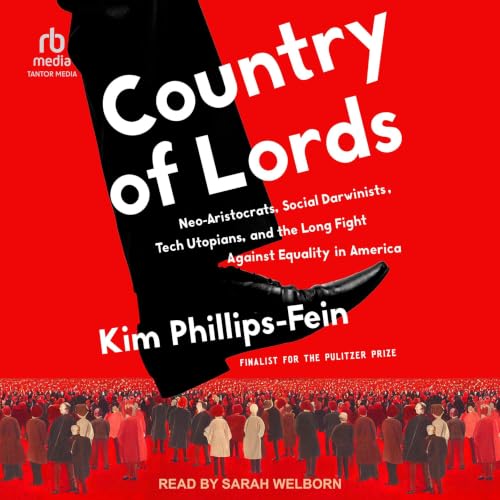
Country of Lords (Neo-Aristocrats, Social Darwinists, Tech Utopians, and the Long Fight against Equality in America.)
Author: Kim Phillips-Fein
Narration by: Sarah Welborn
Kim Phillips-Fein (Author, American historian, Professor of History at Columbia University.)
Kim Phillips-Fein argues the widening gap between the ultra-rich and everyone else in America is because of American culture’s anti-egalitarian beliefs and tradition. Beginning with the Founding Fathers of America; i.e., John Adams, Alexander Hamiliton, and Thomas Jefferson, Phillips-Fein’s argues these 3 men set the table for America to become anti-egalitarian. In part, she has a point because these three were elitists with university educations. However, she neglects to mention that George Washington was largely self-educated and seems unlikely to have been anti-egalitarian. However, despite Washington’s limited education and his role as a military leader, he is unlikely to have disagreed with Adams, Hamilton, or Jefferson.
George WashingtonJohn Adams
As the author points out Adams, Hamilton, and Jefferson believed in a “natural aristocracy” that would improve society. Of course, this idea comes from white American Founders that gave little weight to non-white races, believed in slavery, and white male superiority. Phillips-Fein explains these foundational beliefs held great influence in American society. The growth of industry labor biases is magnified by intellectual distortions of Darwinian evolution. The author goes on to explain influential Americans like Willam Sumner (an influential American social theorist in the 19th century) opposed welfare because of belief in Darwin’s discovery of natural selection and the concept of “survival of the fittest”. American economic growth and the rise of personal white male wealth diminish the status of laborers, women, and non-white Americans.
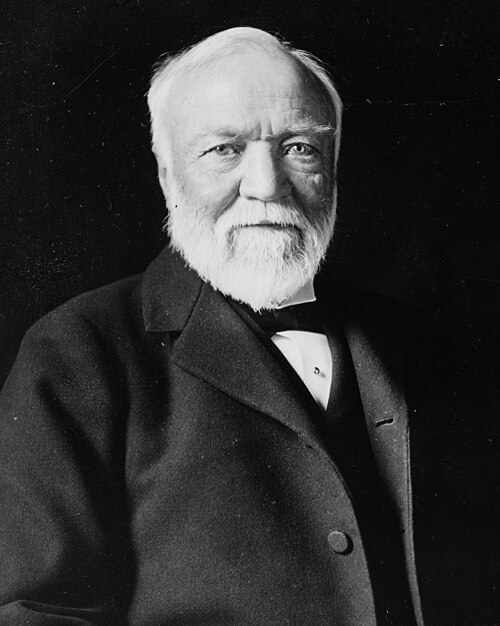
Andrew Carnegie (Scottish American, industrialist, and philanthropist 1835-1919.)
Andrew Carnegie (a steel magnate who created America’s first billion-dollar corporation) writes an essay titled “The Gospel of Wealth” in 1889 which argues the rich should rule because their wealth came from their natural superiority. Henry Ford creates his fortune in the automobile industry with a rigid hierarchy based on paternalistic control of workers’ labor and domestic lives. The outgrowth of industrial success in America leads authors like Madison Grant to racialize society with a belief that the white race is biologically superior. People like Charles Davenport (an American biologist who died in 1944) espoused a eugenics movement with a belief that poverty and crime are based on heredity which reinforces illogical beliefs of leaders like Adolph Hitler.
The author explains distortions of science and the advance of IQ testing have led to the rise of technocrats and corporate hierarchies based on preferential promotion and ascension of mostly white American men. Corporations grew to become quasi-governments that reinforced anti-egalitarianism. A meritocracy grows with sociologically biased IQ testing as a way to reinforce inequality based on cognitive difference rather than experience, proven, and/or innate ability.
Consequence of inequality of opportunity. Octavia Butler (a highly regarded American writer who died in 2006) shows an evolution of cities into silos of cultural difference rather than communities of common interest.
The irony of Phillips-Fein’s history of American thinkers and elites is that because people are not equal, they should not have equal opportunities. She notes people like John Adams believed too much egalitarianism is dangerous because it would empower the wrong people; i.e. presumably poorly educated Americans (ironically people like George Washington). The growth of racism and belief in eugenics by people like Lothrop Stoddard (a Harvard educated historian who died in 1950) argue that equal opportunity is foolish because laborers and particularly non-whites are less educated and equal to people who have acquired great wealth. The effects of that belief reinforce the false belief that wealth is a measure of human worth. That false belief becomes a self-fulfilling prophesy that creates a perennial underclass that is denied an equal opportunity to improve their lives.
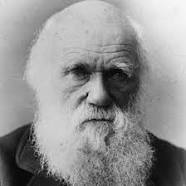
Charles Darwin (1809-1882) FOUNDER OF THE THEORY OF THE ORIGIN OF SPECIES.
After this depressing history, Phillips-Fein suggests anti-egalitarianism in not a permanent, unchangeable characteristic of American democracy. Social Darwinism is collapsing as its distortions of evolution are better understood. The proof of Jewish contribution to society will never offset the horror of Adolph Hitler’s holocaust but few rational human beings can fail to see how important Jewish culture has been to science and the advance of civilization. The movements of abolitionists, labor, civil rights, feminists, immigrant and disability rights in the 20th and 21st centuries encourage egalitarian beliefs.
American democracy is like a giant ship at sea. It takes time to turn a giant ship impeded by brief storms until the return of calmer seas. America is weathering a Trumpian storm today but there is reason to believe there is another Lincolnesque or Rooseveltian leader in America’s future.
As Oscar Wilde’s dialogue between two people said in “The Picture of Dorian Gray”–“Young people, nowadays, imagine that money is everything.” The response is “Yes, and when they grow older they know it.” That was written in 1891. Baker infers not much has changed in the 21st century.
Books of Interest Website: chetyarbrough.blog
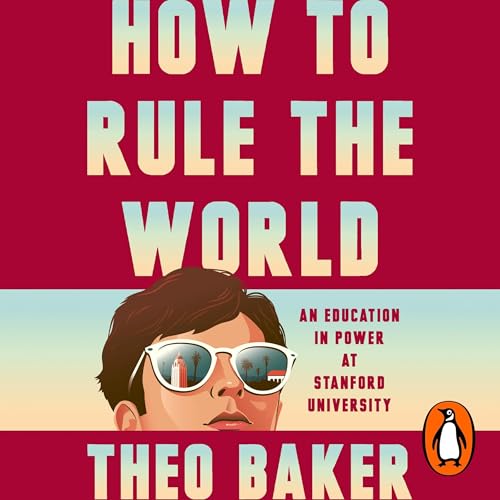
How to Rule the World (An Education in Power at Stanford University.)
Author: Theo Baker
Narration by: Theo Baker
Theo Baker (Author, former student journalist for “The Stanford Daily”.)
Theo Baker wrote for “The Stanford Daily” newspaper at Stanford University and received the George Polk Award for his reporting. His writing contributed to the resignation of the Stanford University President, Marc Tessier-Lavigne. Theo Baker, as the son of two journalist (Peter Baker and Susan Glasser) appears to have learned something about research and newspaper reporting from his parents. Theo Baker enrolled at Stanford at the age of 17 in 2022 and graduated in 2026 with a degree in history. To have joined Stanford at 17 years of age says something about his intellect, and pre-college academic achievement.
The value of education.
Personally, as a graduate of no-name universities in America, the picture Baker creates of Stanford makes one envious of the opportunities offered by a highly regarded University. On the one hand, most young students interested in college cannot afford the tuitions of Ivy-plus schools and many may not have either the education, or privileges of wealth that good preparatory schools provide. The added benefit of being a Stanford student is its being located in Silicon Valley, the best area of the country for those who pursue programming skills. Though Baker is more tech savvy about programming than past generations, his chosen field of study is history.
Influence.
What Baker interestingly points out is that classroom learning is less important than networking and raising entrepreneurial capital at Stanford. What is a little off-putting in Baker’s story is it implies Stanford’s culture of entrepreneurship is more important than scholarship. The focus of students seems not on education but in the goal of becoming gob-smacking rich. Having recently read a book about the Founding Father’s of America, one wonders what would have become of America if the Founders had focused more on personal wealth than the future of the country. This is, of course, sour grapes of a book-reviewer because the reality is Ivy-plus Universities have trained many students who have become great contributors to American government and America’s way of life, without becoming gazillionaires.
Technology research.
Baker refers to student’ millionaires while at Stanford because of their inordinate wealth and early success in tech-fund raising and creative computer programing. He implies the student culture of Stanford measures achievement on entrepreneurial networking more than academic achievement. A startup founder who raises the most money is elevated above high academic achievement in Stanford’s student culture. Getting good academic grades is important but it takes a back seat to a student’s ability to raise start-up capital, sell their programming, and/or create stock market start-ups. Those who are good at raising capital become among the institutionally privileged at Stanford. Academic success is primarily important as it relates to an entrepreneurial end rather than an educational achievement. Baker is not saying Stanford academic success is not real, but it is overshadowed by social networking, entrepreneurship, and financial reward. It reminds one of a book about the history of Reddit’s early recruits and a skilled programmer who commits suicide. Aaron Schwatz went to Stanford in 2004. Ironically, he like Baker is only 17. However, he left after a year. He joined Reddit and became a millionaire, but his wealth seems to have meant little to him in regard to what he believed or what he hoped to achieve in life.
American universities.
In any case, the Stanford President resignation is only a part of Theo Baker’s book. Ivy-League and Ivy-plus schools in America are inferred to be networks of inherited privilege and social connection with Stanford student’s primary goal of becoming filthy rich more than broadly educated. Though no mention is made of Aaron Schwartz’s death, wealth seems a weakness rather than goal for either students or faculty at Stanford.
For a person to say they graduated from Harvard, Princeton, Yale, Columbia, Cornell, or the University of Chicago is highly regarded by the public. When an Ivy-plus University like Stanford makes networking and making money more important than public service or academic achievement, one becomes somewhat disillusioned.
Silicon Valley,
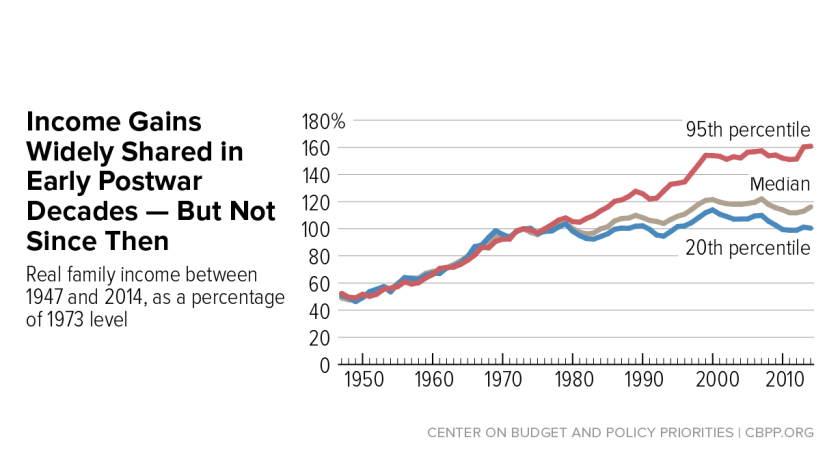
Stanford definitely has advantage over other Ivy League and Ivy-plus schools because of Silicon Valley. One suspects the power of networking is generally much greater in Ivy League universities because of the average wealth of families who live in well-funded school districts, can pay expensive tuitions, and have either funded or been educated themselves in Ivy League or Ivy-plus universities. Becoming wealthy is a genuine achievement in life but real value should (but does not) come from equal opportunity. Without equal opportunity, society becomes less civil and inclined to believe human value is based on wealth, not character. The power of wealth creates a land of the “haves” and “have nots”.
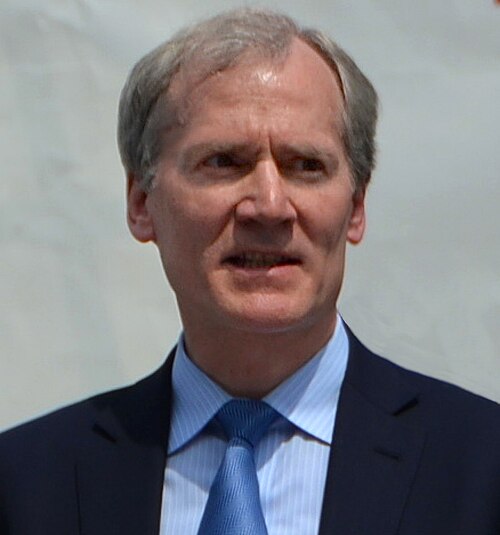
Marc Trevor Tessier-Lavigne (Canadian-American neuroscientist. President of Stanford 2016-2023.)
Baker’s reporting is central to Tessier-Lavigne’s resignation from Stanford. Discovered irregularities of Tessier-Lavigne’s research on an Alzheimer’s cure reported by Baker in the Stanford paper led the Stanford Board of Trustees to launch an investigation into their President. The Board concluded Tessier-Lavigne’s research papers were flawed by manipulated data that induced Genetech to recruit him in 2003 when he was then President of Rockefeller University and later Stanford. In the end, the President of Stanford is not found guilty of any crime because the research manipulations were considered oversight failures that were retracted before any harm to the public. After his resignation, Tessier-Lavigne went on to become co-founder and chair of Xaira Therapeutics, an AI-biotech company.
Past and present generations.
Putting aside Baker’s good fortune in entering Stanford and working for the Stanford paper, he reveals the motivation of many young Americans today. The fate of Stanford’s President, Tessier-Lavigne, introduces a part of the theme of Baker’s book. Tessier-Lavigne is compelled to resign, in part, because of research and writing by this 17-year-old student in Stanford’s local paper. It is a story of the power of truth and the deleterious effects of seeing position or wealth as a measure of one’s value in society. Whether President of the United States, a newspaper journalist, or President of an Ivy-plus university, real power is ultimately in the truth.
As Oscar Wilde’s dialogue between two people said in “The Picture of Dorian Gray”–“Young people, nowadays, imagine that money is everything.” The response is “Yes, and when they grow older they know it.” That was written in 1891. Baker infers not much has changed in the 21st century.
Despite President Trump’s words and deeds, America is and always will be a haven for those who seek freedom and equality of opportunity.
Books of Interest Website: chetyarbrough.blog
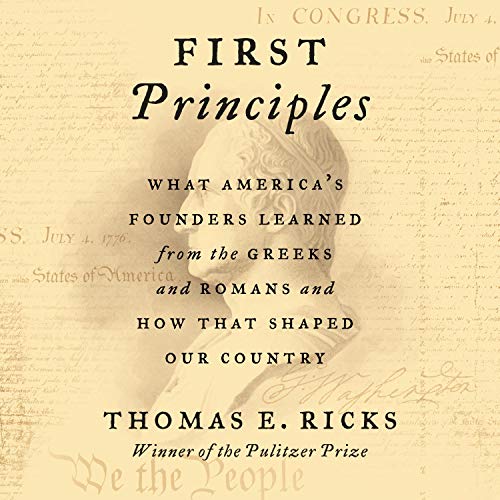
First Principles (What America’s Founders Learned from the Greeks and Romans and How That Shaped Our Country.)
Author: Thomas E Ricks
Narration by: James Lurie
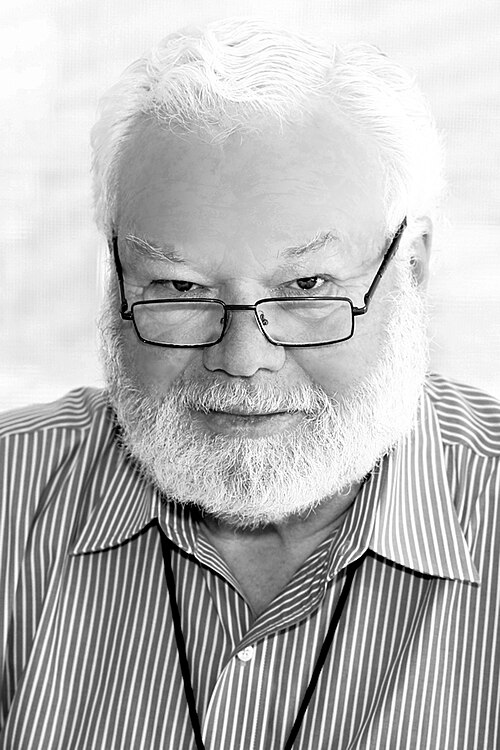
Thomas Edwin Ricks (Author, American journalist. Pulitzer Prize winner for National Reporting for the WSJ and Washington Post.)
Thomas Ricks has written an enlightening view of the founders of America’s government. In his opinion, the founders established a republic ruled by an American government based on ancient Greek and Roman political ideas. He argues the self-taught education of George Washington, and college educations of John Adams, Thomas Jefferson and James Madison were steeped in knowledge of Greek and Roman beliefs reinforced by Scottish intellects who studied the classical ideas of Greek and Roman society. Ricks notes Roman and Greek writings about virtue, law, deliberation, political structure, and social restraint are important sources of America’s government organization.
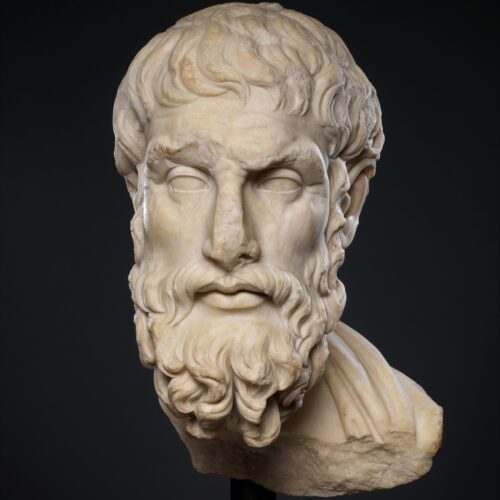
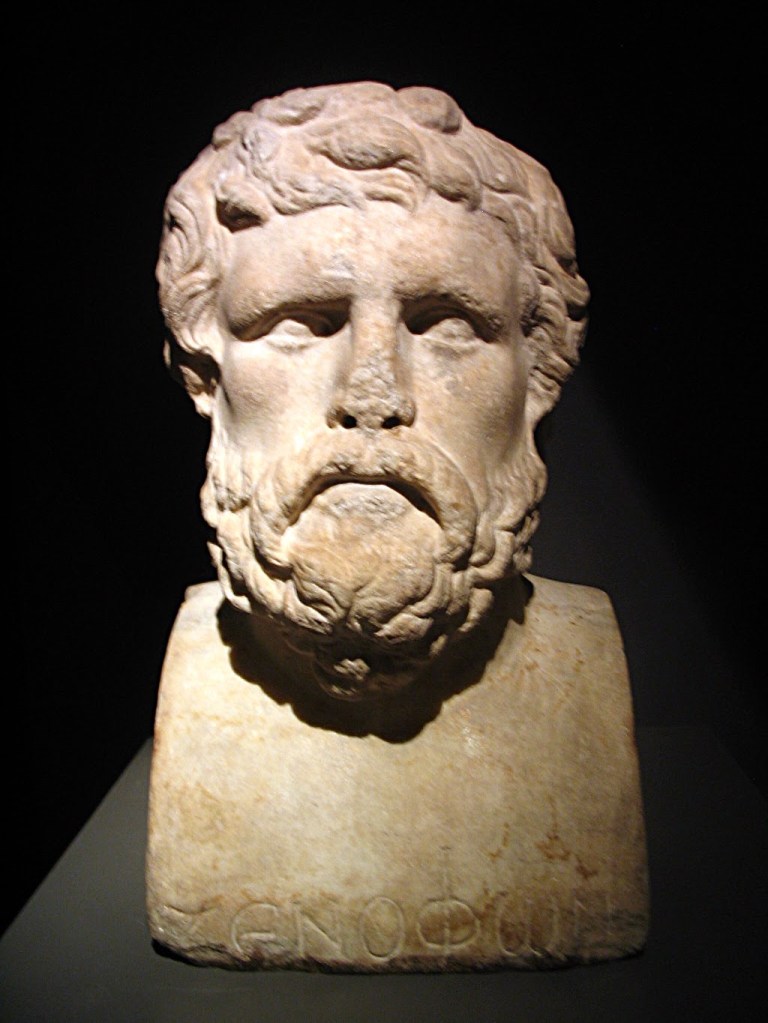
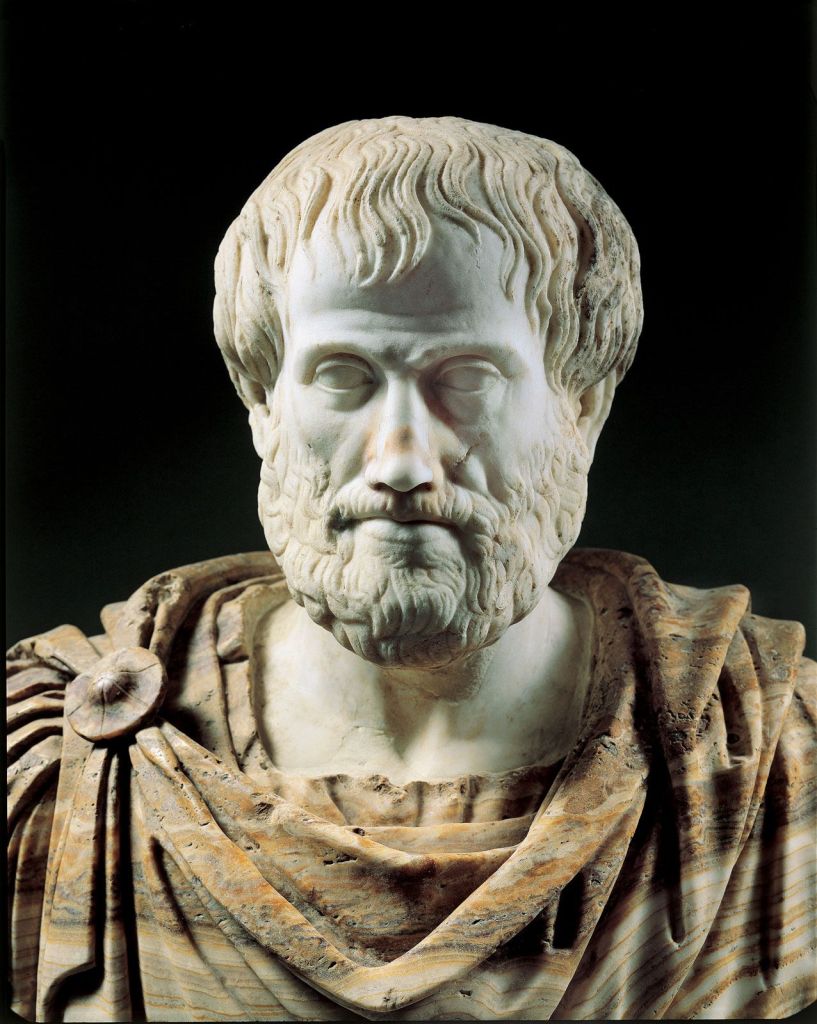
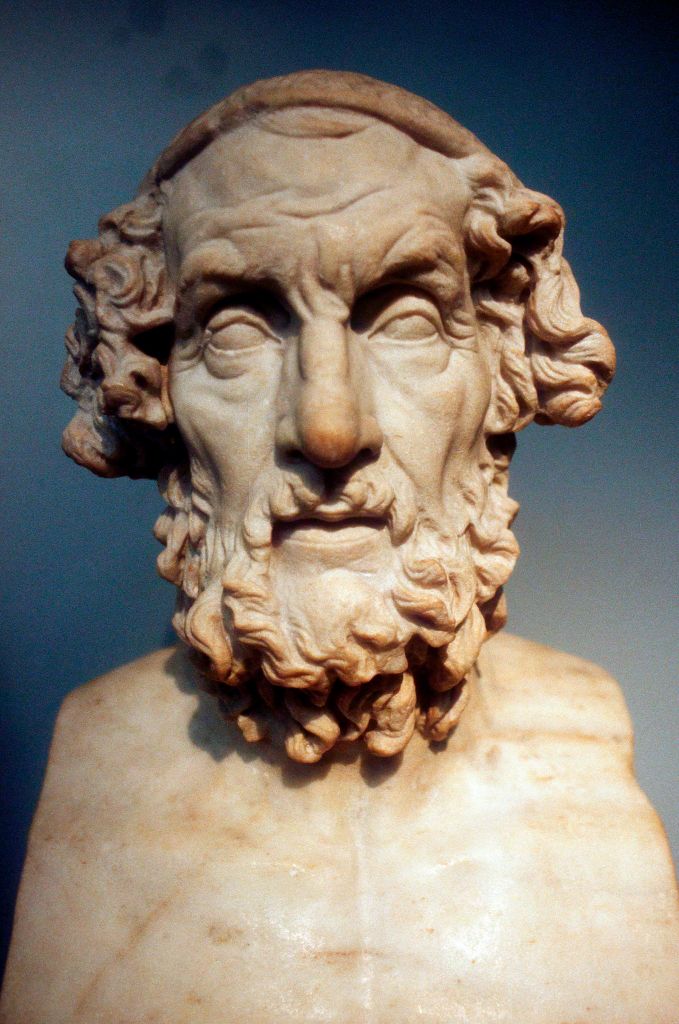
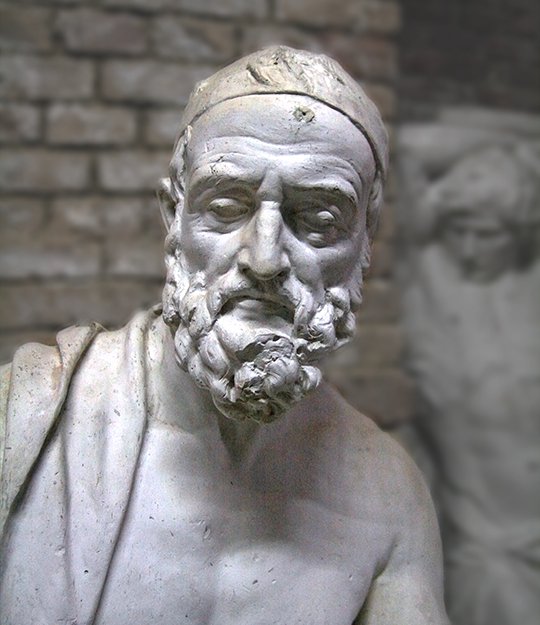
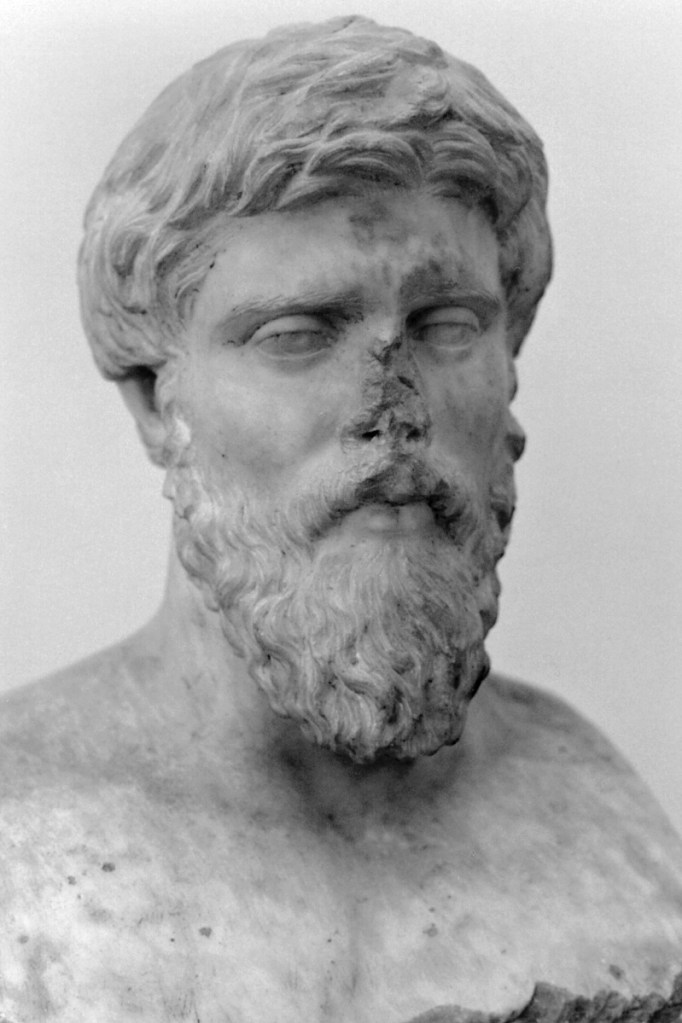
Epicurus (341-270 BC Greek humanist.)Socrates (470 BC-399BC, Greek founder of Western philosophy.)Xenophon (430 BC-354 BC, follower of Socrates.)Aristotle (384BC-322BC, Greek follower of Socrates and contemporary of Xenophon.)Homer (8th century BC Roman historian.)
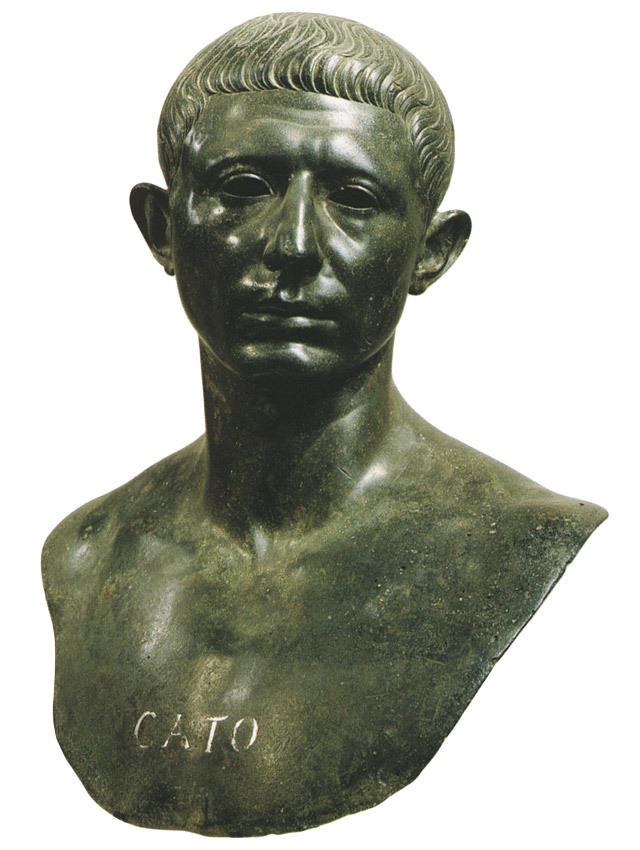
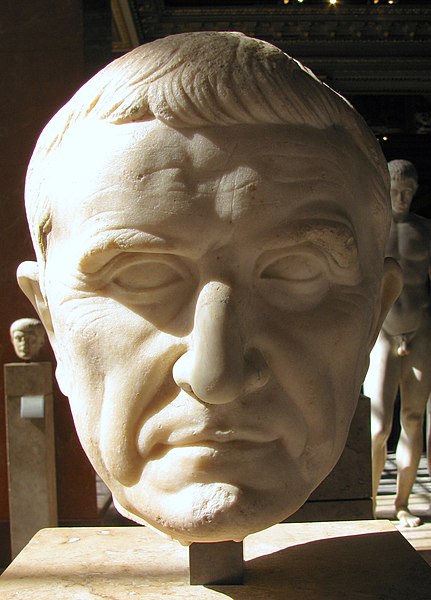
Ricks argues Greece’s Aristotle, Plato, Epicurus, Xenophon, and Homer were read by important framers of the American Constitution. Particularly, Thomas Jefferson, John Adams, and James Madison were influenced by Greek writers and famous Romans like Cicero, Plutarch, Polybius, Cato the younger, Cataline, and Caesar. Even the unschooled George Washington read the works of Cicero, Cato the Younger, and Plutarch. Ricks writes that the Greek and Roman authors were the curriculum basis of the Scottish enlightenment of the 17th century.
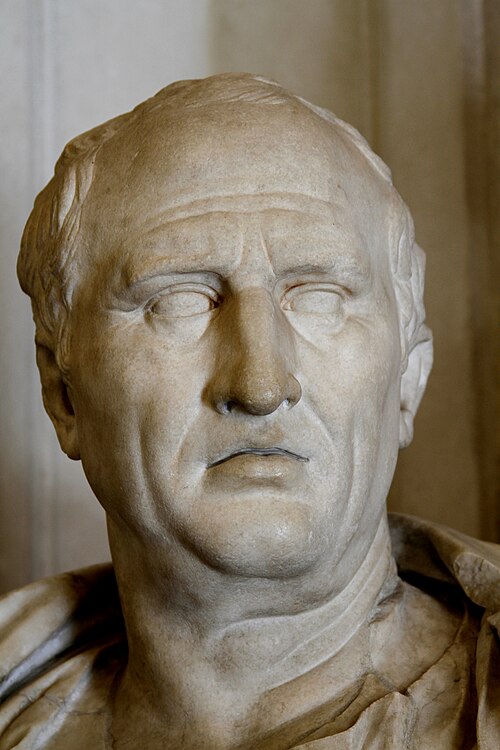
Cato the Younger (95 BC-46BC, Roman senator.)Cataline (108 BC-62BC, Roman politician and soldier.)Polybius (200 BC-118 BC, Greek historian.)Cicero (106 BC-43 BC, Roman statesman and philosopher.)Plutarch (50 AD-120AD, Roman philosopher and historian.)
Jefferson absorbed the beliefs of Scottish writers like Francis Hutcheson, Thomas Reid, and Adam Smith to form a moral philosophy and belief in the natural rights of humanity. Adams adopted the civic virtues propagated by Scottish intellectuals like Hutcheson, Hume, and Smith. He admired the moral vocabulary of virtue and grasped a realistic view of human nature with a belief in mixed government that required checks and balances; i.e., not a pure unconstrained democracy. Madison relies on the Scottish Hume, and Smith to understand how human nature requires administrative regulation to mitigate factionalism in a government based on separation of powers. Madison became the synthesizer of enlightenment beliefs promulgated by Scottish intellectuals.
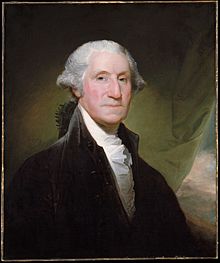
George Washington (1732-1799.)
George Washington is not characterized as a deep thinker about philosophy, but Ricks suggests he had read Plutarch’s Lives and revered the lives of Cato and Cincinnatus who were known for civic virtue, sacrifice, and public duty. Cato the Younger is noted for stoic discipline and moral seriousness while Cincinnatus voluntarily relinquishes his power after successfully defending and saving the Roman Republic from the Aequi (a militant mountain tribe living near Rome). Cincinnatus defeated the Aequi in a 16-day defensive war for the Roman Republic. He could have crowned himself as King as a result of his success.
Cato the Younger, as a Roman statesman became famous for his emotional restraint, moral rigor, personal austerity, and commitment to virtue. Washington emulated Cincinnatus’s actions after America’s revolutionary war when he could have used his fame to take command of a fractured continental congress. He exhibited Cato the Younger’s statesmanship throughout his career as leader of the American miliary and later as the first popularly elected President of the United States. The soon to be summoned military commander returned to his farm in Virginia after the end of America’s war with Great Britain.
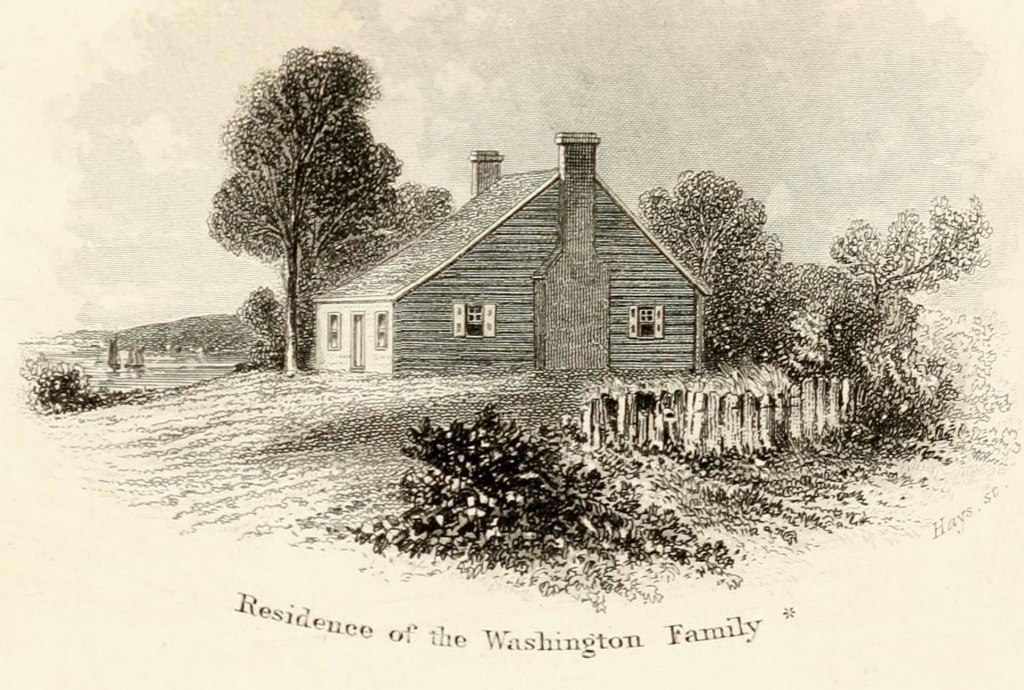
George Washington’s Farm near Fredericksburg, Virginia.
Washington had no college education and limited formal education. He had learned to read and write but relied on self-education through practical experience. He joined the Virginia militia at age 21 as a major. He entered the military service during the French and Indian War with orders to convince the French to leave the Ohio valley. However, he failed. He is defeated by the French in 1754. What he learned is that overconfidence, poor preparation, and logistic mistakes could only be overcome with discipline and clarity.
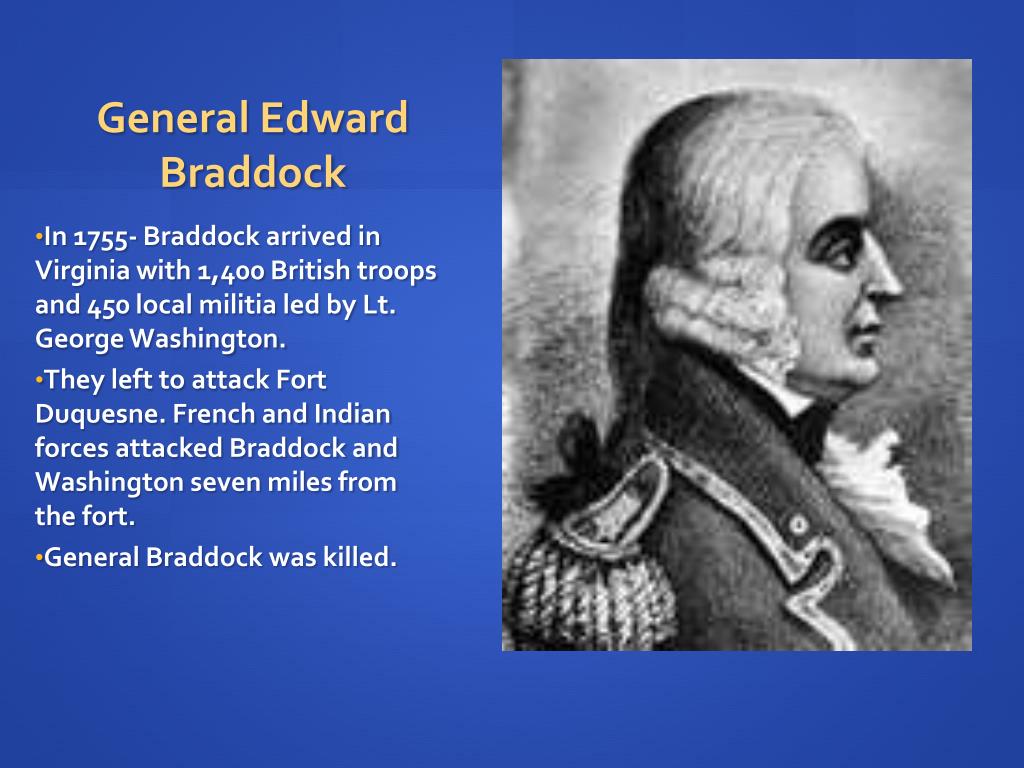
British General Baraddock.
Washinghton went on to serve under British General Braddock in 1755 and learned the importance of discipline, and military organization while fulfilling his duties in battle. Washington found the British underestimated Indian tribes that parlayed and fought together against America’s colonists taking of Tribal lands. Washington shows his personal courage in a battle in which two horses are shot from under him while a bullet passes through his coat. His commander, General Braddock, is killed. Washington learns discipline, order, and humility while in the military. He matures to recognize the importance of reputation in leading others.
Thomas Jefferson.
Jefferson is in someways shown to be a bon-vivant who seduces other men’s wives. However, Ricks shows Jefferson to be a brilliant omnivorous consumer of political philosophy. His beliefs are shaped by a blend of Greek, Roman, and Scottish Enlightenment ideas. His studies of the Greek philosophy of Epicurus and Aristotle fed his belief in agrarian republicanism reinforced by reading Cicero and Virgil. His reading of Scottish writers like Hutcheson, Reid, and Smith make him a philosopher-statesman who understood the principles required for government organization. He owned slaves and held a tortured, contradictory, and harmful view of slavery. He knew slavery was morally wrong and noted it in writing. However, he viewed slavery as an indispensable practice, believing Black people were inferior. He feared emancipation more than slavery. In regard to slavery, Ricks writes Jefferson is a moral philosopher who fails morally. Slavery is recognized by Washington, Jefferson, Adams, and Madison as a societal fault that would lead to civil unrest and probable war.
John Adams (Second President of the United States.)
Ricks argues John Adams’ government beliefs revealed solid connections between American government creation and Roman and Greek thought. Adams spent much of his time reading Greek and Roman classics. However, Ricks characterizes Adams as thin-skinned, irritable, self-righteous, and prone to hurt or hostile feelings. Despite these character flaws, Ricks shows Adams to be the intellectual heavyweight of the Founding fathers of the Constitution. His reading of Plato and Aristotle gave him a clear understanding of the importance of virtue, education, and the inherent instability of pure democracy. In reading Polybius, he recognized the importance of mixed government. With Cicero, he understood the importance of rule of law. His research in Roman history gave him an appreciation of the risk of corruption, factionalism and its potential for government harm. Ricks notes Adams’ character could lead to excessive moralizing and hectoring of his subordinates which often made him temperamentally unsuitable for the give and take of politics. Adams’ pessimism is noted to have come from Plato’s warnings about demagoguery that led to the collapse of Rome. On balance, Ricks seems to find Adams to be a tragic intellectual unsuited for the Presidency despite his contribution to the founding of America’s government.
James Madison (the 4th President of the United States is considered the “Father of the Constitution”, author of the Bill of Rights, and co-author of the Federalist Papers.)
Ricks assessment of James Madison is the most positive of the Founding fathers of American government. Madison coalesced the many elements of classical and Scottish thinkers of the past to create the American Constitution. He seems the least charismatic but most effective of the Founding fathers of the Constitution. His introversion made him highly intellectual but not a natural leader. He neither had Washington’s gravitas, Jeffeson’s elegance, or Adams’ fire but he had the mind for institutional design. Madison understood power and a Republic’s risks of corruption, factionalism, and its potential for failure and collapse. His realistic grasp of human nature turned classical theories of the ancients into a flexible and durable democratic government. America has survived despite John Adams Alien and Sedition Acts, Andrew Jackson’s defiance of the Supreme Court, Abraham Lincoln’s suspension of habeas corpus, Woodrow Wilson’s 1918 Sedition Act, Nixon’s Watergate, George W. Bush’s use of torture and warrantless surveillance, and the first 4 years of the Trump administration.
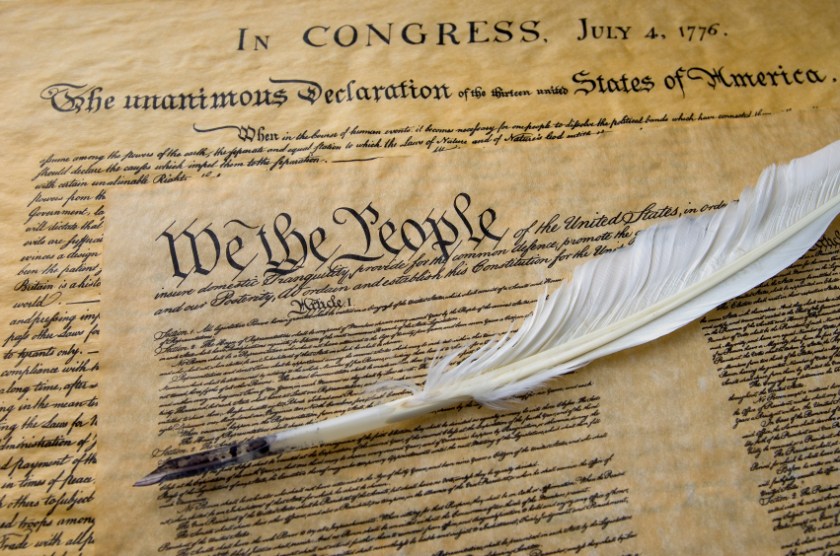
Thomas Ricks reminds Americans of how far we have come and how imperfect American Democracy has been. Many Presidents have challenged America’s Constitution without fundamentally changing the republic’s self-government. America’s rule of law, government checks and balances, freedom of Speech and Press, its peaceful transfers of power, and citizens’ drive for civic equality, are part of America’s past, present, and foreseeable future. Despite President Trump’s words and deeds, America is and always will be a haven for those who seek freedom and equality of opportunity. America owes a great deal to its Founders of the Constitution and their study of the ancients and Scottish teachings in the 17th century.
Ahamad suggests the public needs to oppose policies based on economic and political leaders’ singular judgements. Public input to government decision-making is an essential strength of democracy and the great weakness of autocracy.
Books of Interest Website: chetyarbrough.blog
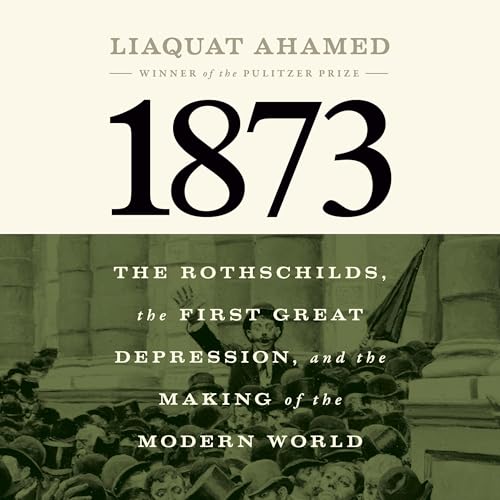
1873 (The Rothschilds, the First Great Depression, and the Making of the Modern World)
Author: Liaquat Ahamed
Narration by: George Newbern
Liaquat Ahamed (Author, American financial historian.)
Liaquat Ahamed’s book, “1873”, has been somewhat anxiously awaited for by the public because of his previous book “Lords of Finance” which reported central bankers’ roles in the Great Depression. Talk of depression swirls around the public today. What parallels are there between “1873” and the current world financial market? Liaquat Ahamed explains the impact of railroad expansion and world trade that exploded in the 19th century. He suggests that explosion seems parallel to today’s impact of transformative technology like A.I. which has shown potential for productivity increase around the world. That expectation magnifies the amount of capital being invested in a changing paradigm in society that Ahamad argues is similar while different from railroad introduction in the 19th century.
Globalization of information technology.
Globalization makes change more impactful today because of the world wide web and a potential for spreading useful and harmful information. Ahamed suggests the vast investment in railroads has parallels to communication technology’s introduction in today’s economy. The rush to create datacenters requires large capital investments with the creation of data centers that challenge today’s energy availability. Corruption became common in the 19th century with schemes designed to lure nations and investors into impractical investments. Ahamed recounts grifter’ pitches in the 19th century similar to crypto bubble makers of the 21st century. In the 19th century, mostly banks, governments, and wealthy risk takers were making foolish investment risks for hoped-for wealth. Today, crypto bubble makers reach into the pockets of the poor and middleclass.
Crypto investment.
As the public today becomes skeptical about tech investments, the banks of the 19th century belatedly turned skeptical about transportation system expansion. The growing malaise of recession turned into a depression in the 19th century. Ahamed argues today is similar to what caused the 19th century economy to slip into recession and depression. Ahamed suggests the political polarization occurring in the 19th century is evident in today’s political climate. The split between Trump supporters and detractors is widespread in America. Trump’s attacks on global cooperation seem similar to what occurred in the 19th century. Like the farmers of 1873, factions of America resent their loss of jobs and manufacturing income to other countries. The geopolitical shocks of the Ukraine war, America’s bombing of Iran, Russia’s Ukraine war, and growing tensions with China magnify inflation and create capital reallocations that harm respective economies and increase potential for world-wide financial collapse.
Ahamed’s book outlines similarities and differences between the past and present, foretelling a possible future.
Ahamed suggests that America needs to avoid a rigid monetary policy based on “who’s ox is gored”. Further, investment in technology needs to be reined in by reducing the hype about loss of jobs with a realistic judgement of employment impact and technologies’ benefits. Political and business leadership need more transparency and public oversight to improve societal decisions on technological investment. Investment opportunities need to be reasonably evaluated to avoid bubbles that distort capital flows. Ahamed suggests power brokers, whether private or public, need to avoid over reaction to inflation by being wary, but not overly punitive, toward investment in new technology.
Breadlines in the 1929 economic crash.
Ahamed offers several individual examples of con men who created hype-driven market manipulation that fueled 19th century fraud with over-optimism, and self-promotion based on new railroad building schemes. One listens to the methodology of these con men and will recall news articles today about technology fraudsters. Though only 3 to 4 percent of SpaceX shares are owned publicly, it reminds one of the over-optimism and self-promotion of Elon Musk. This is not to say Musk is a con man, but it reflects how over confidence in technology is similar to the over confidence in railway expansion in the 19th century. Additionally, search of the news of crypto scammers in the 21st century show there are three Thai suspects, 22 accused scammers in Palau, 82 accused scammers in Eswatini, and an astounding 15,260 suspects worldwide.
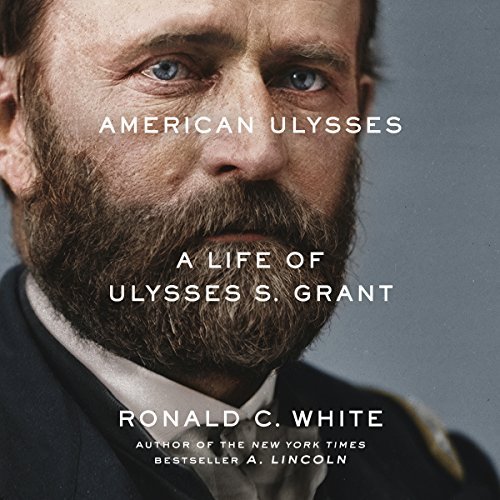
Liaquat Ahamed suggests the U.S. presidential elections are directly distorted by the financial crisis surrounding 1873. Ulysses Grant’s administration is undermined by the loss of public confidence in the federal government. The civil rights movement is stalled because northern voters were less willing to support federal intervention in the South. The Republican Party lost the political will to continue Reconstruction policies. Voters punished incumbents because of the economic crisis of the 1870s. Ahamed argues the economic collapse destabilized all governments and empowered reactionary forces that weakened government reforms. Conspiracy theories blossomed with scapegoating of all who had been elected to govern in the western world.
People are being arrested based on the color of their skin with the presumption that they are not citizens of America and are deported without legal recourse.
Today’s American government has stalled support of fundamental rights written in the Constitution. People are being arrested based on the color of their skin with the presumption that they are not citizens of America and should be deported. A majority of American voters elected a President who empowers the government to destabilize its relationship with former allies of democracy. Conspiracy theories abound on causes of global warming to support beliefs that it is a natural event that cannot be mitigated by reducing fossil fuel use and accelerating wind, water, and solar energy uses. Belief in a “deep state” conspiracy has created government and political distrust. QAnon like cabals have grown to spew allegations of secret wars being waged by special interests. Distrust of the United Nations is increasingly viewed as a body plotting to replace nation-state government. That view grows and feeds America’s “go it alone” belief as the only way to sustain democracy.
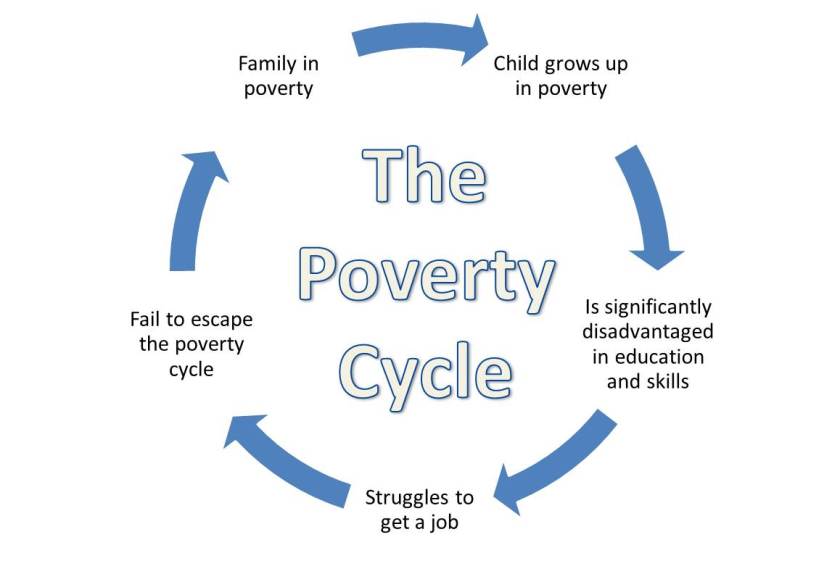
Where unemployment is created by new technology, America needs to support those who are displaced.
Despite Liaquat Ahamed’s argument that today’s America has similarities to America’s 19th century circumstances, he suggests there are reasons to believe 19th century mistakes can be avoided. Where unemployment is created by new technology, America needs to support those who are displaced. When faced with inflation and economic threat, rather than depending on singular leadership decisions, government should support flexible polices by the central banks of America. Public input to government decision-making is an essential strength of democracy. When public expertise is ignored, judgement is degraded and America becomes less democratic and more likely to fail.
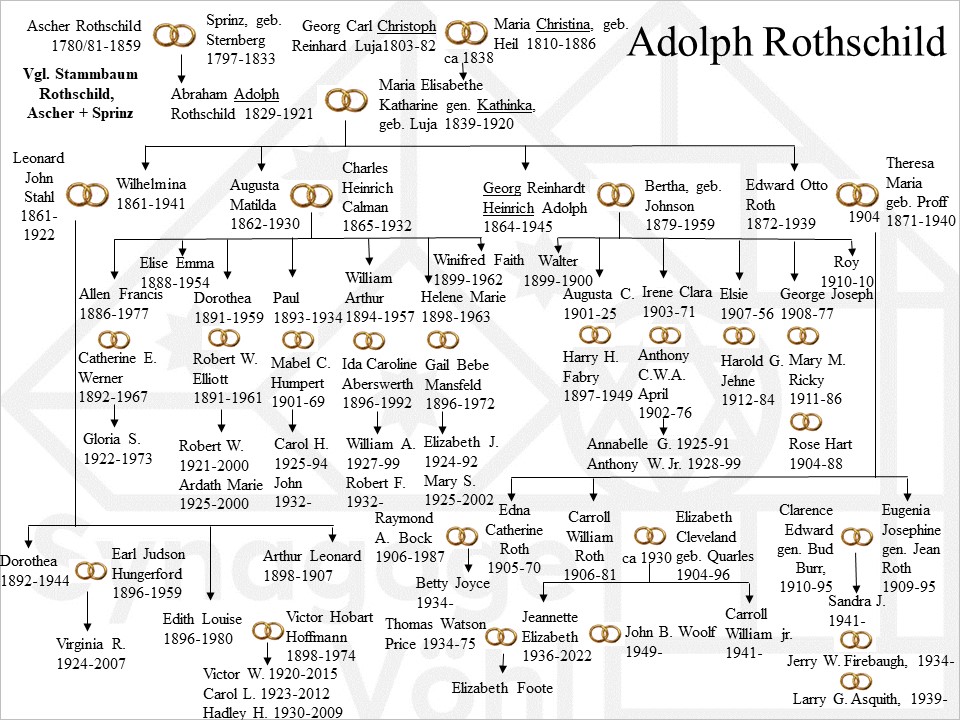
Rothschild Family Tree
As one nears the end of Ahamed’s book, one wonders why the Rothchild’s are prominently noted in its subtitle. His point is that the Rothschilds were the only global financial institution that successfully survived the ups and downs of the banking industry in the 19th century. Their success influenced unjust anti-Semitic growth in the world. The Rothschilds embodied the tension between stability and speculation with their long-term stability as a lending institution. The Rothchild’s stability became a symbol of global finance that influenced political actions around the world. The price paid by the Rothchild families’ success fed the worst in human nature exemplified by the Holocaust of WWII.