
Books of Interest
Website: chetyarbrough.blog
Parable of the Sower
Author: Octavia E. Butler
Narration by: Lynne Thigpen
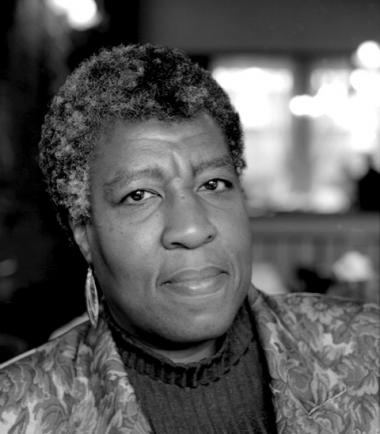
Octavia E. Butler (Author, American speculative fiction writer. The first science fiction writer to receive a MacArthur Fellowship.)
“Parable of the Sower” is a dystopian novel about the future of civilization. One wonders if the author’s view of the future is influenced by personal experience of the many who are different from the majority of those in any nation-state. Ms. Butler writes about the future of society based on aspects of human nature experienced in today’s world. Her story is so relentlessly pessimistic it becomes difficult to complete. Butler writes of the consequences of fear, greed, distrust, empathy, and violence, with a sliver of hope for the future of society. Negative human traits lead to societal self-destruction. Positive human traits hold hope for improvement in human nature. The only hope Butler infers is in human beings’ ability to adapt to circumstances with recreation of empathy for others who choose human equality over ethnic, or racial inequality.

Adaptation based on age.
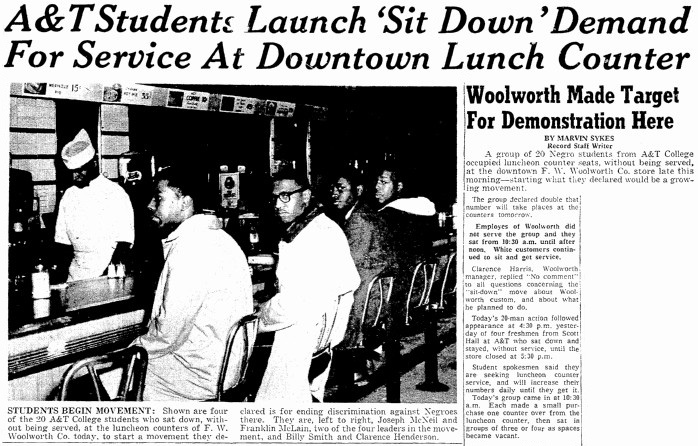
Adaptation based on Race.
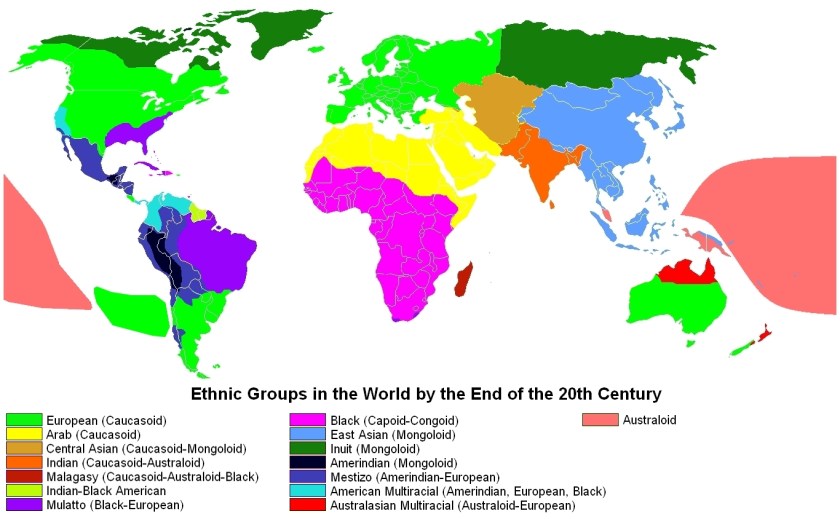
Adaptation based on ethnicity.
The author’s story is about societal adaptability built on inequality reinforced by society and parental influence. Our ability to have empathy for others is key to creating social consciousness based on clarity, solidarity and refusal to dehumanize those who are different. Societal order comes from human empathy and understanding. Without empathy, social cohesion is lost when “I” becomes more important than “we”. Butler creates a future “dog eat dog” world based on parental influence, social belief, and the teaching and practice of human inequality.
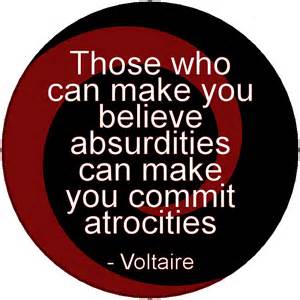
Butler shows an evolution of cities into silos of cultural difference rather than communities of common interest.
Butler reduces human interest to protection from violence, shelter security, and the predictability of life. She implies belief for a nation with shared purpose and mutual protection but tells a story of society heading in the wrong direction. Loss of belief in something greater than oneself turns humans into tribes of interest rather than people with common interests and purpose. The desire for control “by the one” whether it is a father, mother, government agency, or political leader breeds rigid belief systems that create an “us” versus “them” world of conflicting interests. In a world of self-interest, Butler infers adaptation becomes more important than learning. Finding what is right or wrong assures human life’s equality. Too often, leaders pursue means to their own ends, rather than what is in the best interest of all.
The point Butler brutally makes is that every human being should have the hope and opportunity to adapt to their circumstances of life as long as they do no harm to others.


One thought on “REAPING WHAT WE SOW”