“The Fire Next Time” signals a political and prophetic warning to America. The continued existence of Baldwin’s observations about racial inequality are compounded by the rising gap between rich and poor and gender inequality in the 21st century.
Books of Interest Website: chetyarbrough.blog
The Fire Next Time
Author: James Baldwin
Narration by: Lawrence Fishburne
JAMES BALDWIN (1924-1987 AMERICAN NOVELIST, SOCIAL CRITIC)
“The Fire Next Time” is written when James Baldwin is only 38 years old. He lives for 25 more years before his death in 1987. His book about life as a Black American is an emotional journey into the struggle of Black Americans that exposes the venality of white suppression and inequality in American history. The intensity of his writing is a brutal exposure of the consequence of discrimination that overwhelms a reader or listener. In many ways, his book is professorial but his view of life as a minority in white America is appalling.
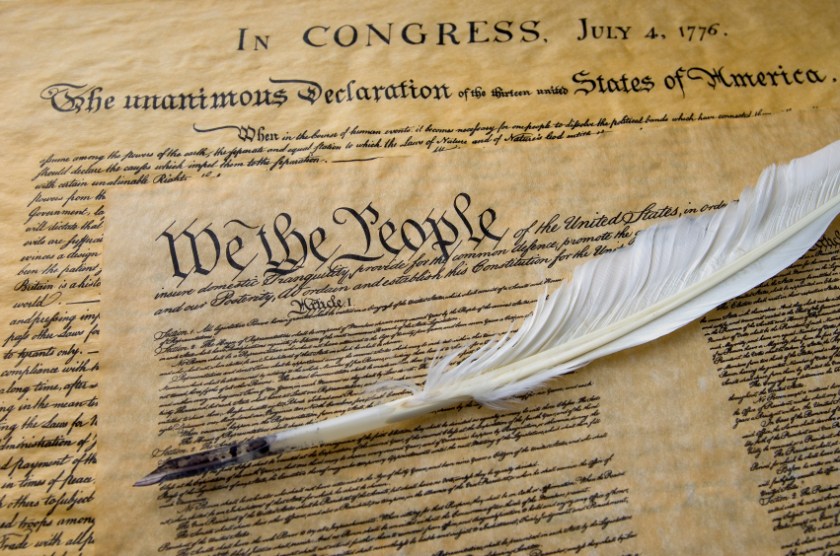
Baldwin exposes the hypocrisy of American democracy, the moral bankruptcy of racial hierarchy, and the failure of American institutions to live up to the values expressed in the American Constitution. The founders argue “all men are created equal” while history shows human equality has never been achieved in America. Baldwin clearly explains America’s failures but is decidedly vague on how those failures can be corrected. He clearly disagrees with the Nation of Islam’s belief in Black self-determination through separation of the races but is ambiguous about organized movements to correct discrimination.
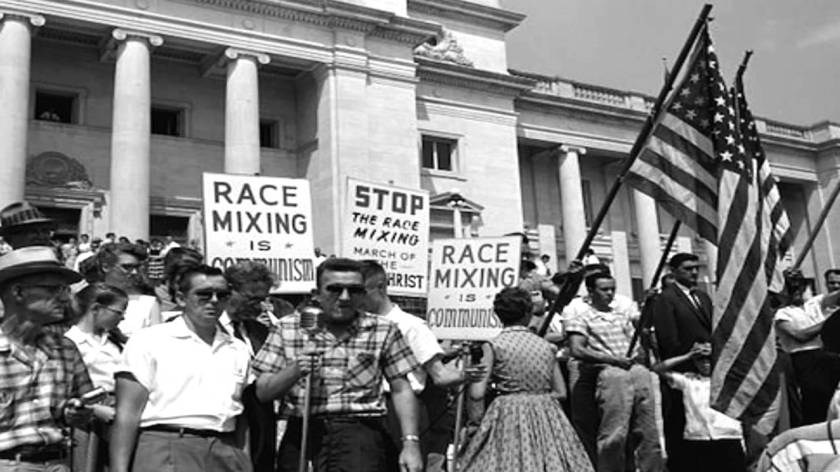
Racist rally in America.
Baldwin explains how white liberals are too complacent, conservatives too cruel, Black separatists to fatalistic, and American institutions too dishonest to forthrightly deal with human inequality. His foundational belief is that a fight for civil rights, and continued arguments for equality are essential requirements for America to achieve the goals that are stated and implied by the Constitution.
“The Fire Next Time” signals a warning to America.
“The Fire Next Time” signals a political and prophetic warning. The continued existence of Baldwin’s observations about racial inequality are compounded by the rising gap between rich and poor and gender inequality in the 21st century. If America refuses to confront inequality, there will be a national reckoning that will be violent and unavoidable.
The answer to “Has China Won” seems a “no” for the present but Mahbubani makes a credible argument for its continuing growth, prosperity, and success.
Books of Interest Website: chetyarbrough.blog
Has China Won? (The Chinese Challenge to American Primacy)
Author: Kishore Mahbubani
Narration by: Aaron Abano. P.J Ochlan
Kishore Mahbubani (Author, Singaporean diplomat, and academic who is a permanent representative to the UN.)
“Has China Won” is a controversial political opinion that suggests America is grossly underestimating the growing strength of China that will continue to grow in influence and power in the world. Some may argue Mahbubani overstates China’s strengths and understates its weaknesses. Mahbubani does not deny America’s strengths, its resilience, and peaceful world strategy. However, his underlying inference is that peaceful socialist doctrine will replace democratic capitalism as the “sine quo non” of the future.
There are three general categories of governance in the world. One is communist socialism, two is democratic capitalism, and three is authoritarian despotism. By the end of “Has China Won?”, one is inclined to believe China will grow to be a competitor to America as a socialist communist success just as America has become a democratic capitalist success. Authoritarian despotism will disappear as a system of governance as human education improves. China may surpass America as a superpower in the sense of population but not necessarily as a world influencer. Both systems have discriminatory flaws. China is neither better nor worse as a political entity than America; i.e. both are destined to compete for socio/political influence in the world. Socialist communism will likely grow to be equally influential as democratic capitalism for nation-state governments. Socialist communism is an ideological competitor; i.e., it is as likely to be adopted or rejected as democratic capitalism. In my personal opinion, socialist communism and democratic capitalist governance will survive in some form until their equal or superior is discovered.
American democratic capitalism has made its mistakes.
America cannot deny its international intervention mistakes. Vietnam, Iraq, and Afghanistan are overreaches of America’s belief in democratic capitalism. America fails to understand deep-rooted cultural beliefs, the nationalism of other countries, and the appeal of socialist communist or authoritarian doctrine. In an effort to support national dissidents; America has invaded several countries and chose to abandon their citizens which allowed authoritarians to retake control of their countries. Vietnam remains a socialist communist country. Afghanistan returns to rule by the Taliban. Iraq is a weakened economic nation led by a fragile, technocratic, non-aligned political novice named Aliall-Zaldi.
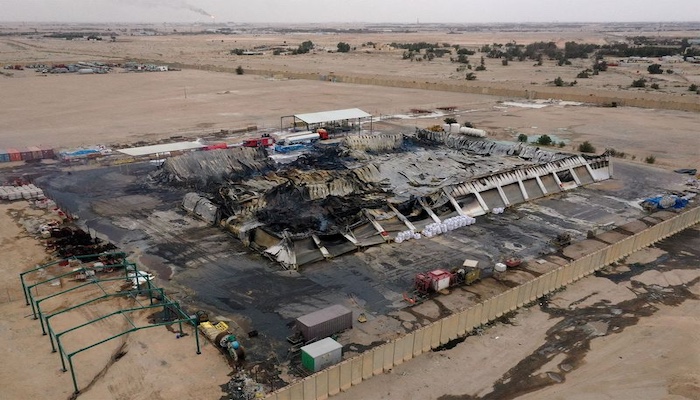
America’s latest mistake is the bombing of Iran. (A water plant destruction.)
President Trump chooses to bomb Iran and expects Iranians to rally around American democratic capitalism when all that is accomplished is a hardening of authoritarian Iranian Leadership’ beliefs. Many Americans believe Iranian authoritarian leadership will fail. Whether socialist communism or democratic capitalism will replace authoritarianism may only be a matter of time. President Trump’s ham-fisted actions are unlikely to endear democratic capitalism to Iranian citizens. Iran’s future cannot be predicted in the short term, but Iranian authoritarianism seems likely to fail.
The answer to “Has China Won” seems a “no” for the present but Mahbubani makes a credible argument for its continuing growth, prosperity, and success. It depends on China’s history of long-term domestic stability and growing prosperity. Will Xi and his successors continue to improve the economic well-being of the millions of Chinese poor? Can China avoid military conflict with the U.S.? No one knows but many speculate. Will the U.S. finally understand China’s government and what it means to its people. Xi is not America’s enemy; neither is he an ally.
Like American capitalism, Chinese communism has its faults. One big difference is American capitalism offers a higher level of individual freedom with legal rights to defend oneself in a court of law (that is, of course, if you are not an immigrant).
Books of Interest Website: chetyarbrough.blog
Red Roulette (An Insider’s Story of Wealth, Power, and Vengeance in Today’s China.)
Author: Desmond Shum
Narration by: Tim Chiou
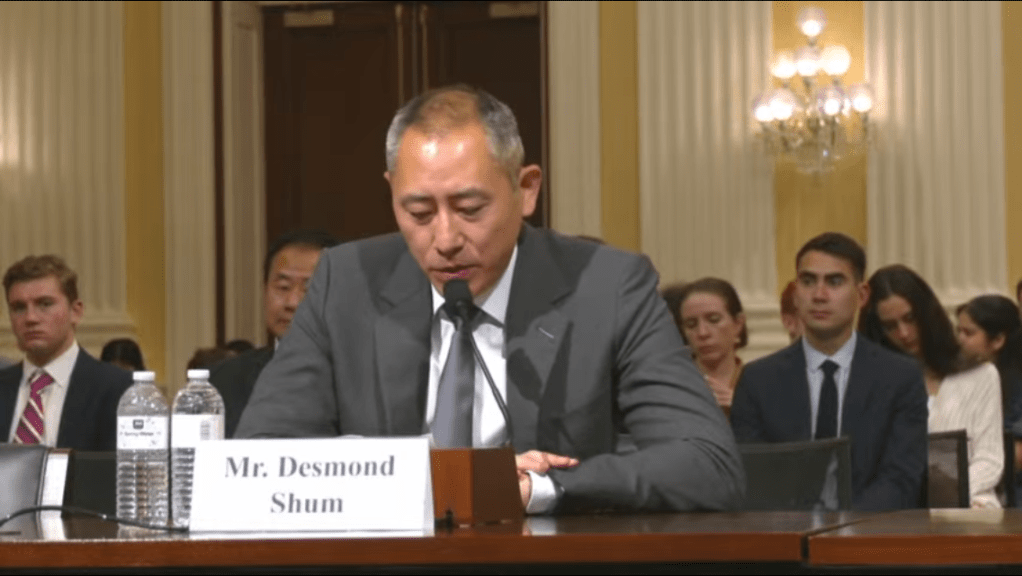
Desmond Shum (Author, born in Shanghai in 1968, former Hong Kong businessman who lives in the UK. with a son born in the U.S.)
“Red Roulette” is an amazing personal story of a former Chinese citizen who marries a successful Chinese woman, Whitney Duan. She is disappeared by the Xi government in 2017. Shum and Duan were married from 2004 to 2015. His wife’s fate is unknown to Shum as he writes this book. Amazingly, Ms. Duan calls Shum four years after she is disappeared by China to ask him to not publish his book. Shum believes this is the first public contact by Duan since her disappearance in 2017.
Ms. Duan had chosen to capitalize on a system of doing business in China the way it had been done for many years. That system is riven with a kind of societal corruption revealed in “Red Roulette” that has grown with communism in China.
Desmond Shum reveals surprises to many Americans about China’s culture. Despite a presumption of many non-Chinese, Shum explains power is personal, not institutional in China. One might presume that CCP’s control of wealth and power in China comes from the party and its leaders. However, wealth in China is only influenced by the communist government through a social network of beliefs. Shum explains personal relationships and connections are built on favors, gifts, and mutual obligations that are debts that carry the reality of power in China. This explains the title of the book “Red Roulette” in the sense that success in Chinese society is a game of chance based on bets placed on the value of favors, and gifts that CCP members believe have worth.
Debt for favors and gifts is in the eye of the beholder which makes fair payment a mysterious and chance driven calculation. Adding to that complexity is the power of a CCP leader to erase a citizen socially, legally, and economically. By erasure, Shum explains citizens may be detained, prevented from family contact, denied legal representation, arrested, impoverished, and isolated from any social contact. Shum explains his ex-wife, Whitney Duan, vanished for years with no charges, no trial, and no record of her disappearance.
Xi Jinping (Leader of the CCP in China.)
The CCP elite govern China through relationships among themselves, not by official meetings or party leadership orders that are necessarily based on definable communist dogma. Everything happens behind the scenes. Official meetings, if there are any, are strictly “for show”. Shum’s admits in his personal story that he and his ex-wife became wealthy through a corrupt relationship with Zhang Beili, one of the CCP apparatchiks and power brokers. One may argue the CCP is similar to the Congress of the United States. Wealthy capitalists, like CCP apparatchiks, game the stock market and society through political connection with elected government officials
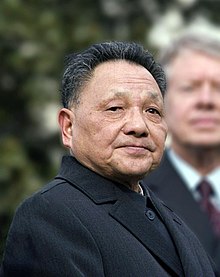
Deng Xiaoping launched an initial shift away from Maoist central planning despite ordering the crackdown on Tiananmen Square in 1989.
As somewhat of a realist, one understands governance is based on leaders presumed power, wealth, and political influence. Shum argues China’s economic modernization and capitalism began with Deng Xiaoping who rose to power after Tiananmen with Hu Jintao continuing China’s economic boom. Shum argues today’s Xi is increasing control of the CCP and the economy with the traditions of Chinese society. In the author’s opinion, China is reinstituting a Mao-style autocracy that is spreading fear across the country.
In fairness to Shum’s assessment of China, there is evidence of America’s slip into autocracy in today’s economy.
Shum believes Xi Jinping’s CCP anti-corruption campaign is only a pretext for power consolidation. In Shum’s opinion, Xi’s targeted removal of CCP apparatchiks is not because of their corruption but because they rival his power over the party. Xi’s campaign on corruption increases fear among CCP members and influencers that reinforce traditions of China’s rule by personal relationship and connection. Xi’s goal is to increase personal loyalty to himself which is part and parcel of the history of Chinese social norms. Shum’s evidence of corruption is the increase in disappearances, secret detentions, arrests of businesspeople without charges, and insistence on what is characterized as party discipline.
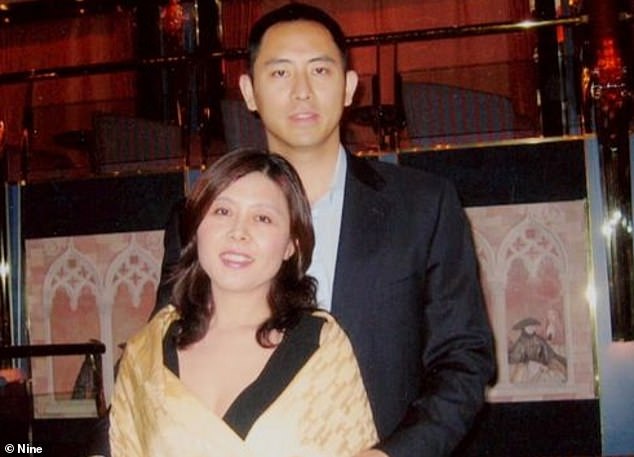
Whitney Duan and Shum when they were married.
Whitney Duan’s disappearance is Shum’s primary example of Xi’s Chinese governance. Duan is characterized as ambitious, brilliant, and determined. Her rise to power in Chinas is from close relationships she develops with people who have influence in the communist party. She befriends Zhang Beili, the wife of the Vice Premier of the CCP, Wen Jiabao. Because of that association, Duan has privileged access to information about land deals and major real-estate projects in China. She uses that information to make deals with advanced knowledge that result in great economic wealth for her and her former husband. Shum marries Duan and they both capitalize on insider information they gain from Duan’s relationships. One presumes the marriage ends because of the stresses and political dangers involved in their common business interests.
The quality of Kafka’s story in “The Trial” is the human desire for freedom that is not extinguished even in the darkest times of a country’s repression. This is a hope one presumes for both China and America, but human nature gets in the way.
In 2017, two years after the author’s divorce, Whitney Duan disappears. There are no charges, no trial, no public disclosure, and she is unable to contact any of her family including the son she has with Shum. No one knows if she is dead or alive. The state refuses to say she has been detained. One presumes, she is arrested because of Xi Jinping’s anti-corruption campaign and his purge of some party members like Wen Jiabao. Interestingly, just before the book is to be published, Whitney Duan calls Shum to ask him not to publish. Obviously, she is alive.
One big difference between American capitalism and Chinese communism is a higher level of individual freedom with legal rights to defend oneself in a court of law (that is, of course, if you are not an immigrant). That is a significant difference between China and America. However, both countries are impacted by bad actors that game the system based on personal relationship and influence with political leaders.
On the one hand, this story reinforces belief that Xi is trying to reform the CCP. On the other, the methodology of autocracy offers no defense against the injustice of being condemned without trial.
One concludes Whitney Duan lost in the game of Chinese Roulette by being part of a relationship that gave her inside information from the CCP. Her disappearance is proof of the theme of Shun’s book about the importance of relationships and connections to gain power and financial success in Chinese society. Like American capitalism, Chinese communism has its faults.
Robert Frost wrote “In three words I can sum up everything I’ve learned about life: it goes on.” That is the essential truth of “The Vast Enterprise” about the Lewis and Clark Expedition.
Books of Interest Website: chetyarbrough.blog
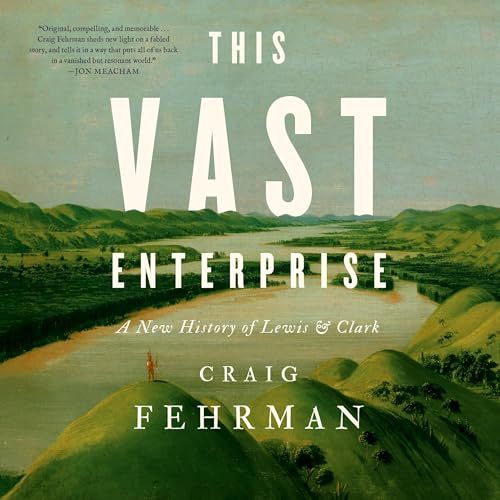
The Vast Enterprise (A New History of Lewis & Clark)
Author: Craig Fehrman
Narration by: Jason Culp & 5 more
Craig Fehrman (Author, journalist, historian of Presidents and American history.)
Craig Fehrman writes an excellent history of the Lewis and Clark expedition. It entertains and informs reader/listeners of the lives of Meriwhether Lewis, William Clark, an enslaved man named York, and a tribal native named Sacagawea. From President Thomas Jefferson’s reasoning and his decision to create an expedition from Kentucky to the Pacific, one learns something new, old, and troubling about America.
Thomas Jeffereson (1743-1826, President of the U.S. 1801-1809.)
Thomas Jefferson is characterized as a shrewd, partisan, and forceful political operator who had a clear vision for the future of continental America. That prescient vision of America by Jefferson hides his blindness to the truth of human equality of Black men and women as inferior to white men. However, Fehrman notes Jefferson believes natives of this continent had the potential to be the equal of white Americans. Jefferson’s shrewdness and forceful opinion is illustrated by his understanding of the importance of trading posts as a way to expand control of land possessed by native inhabitants and held by Spanish and French interests. Lewis and Clark’s western expedition is, in Jefferson’s opinion, critical to America’s future land interests.
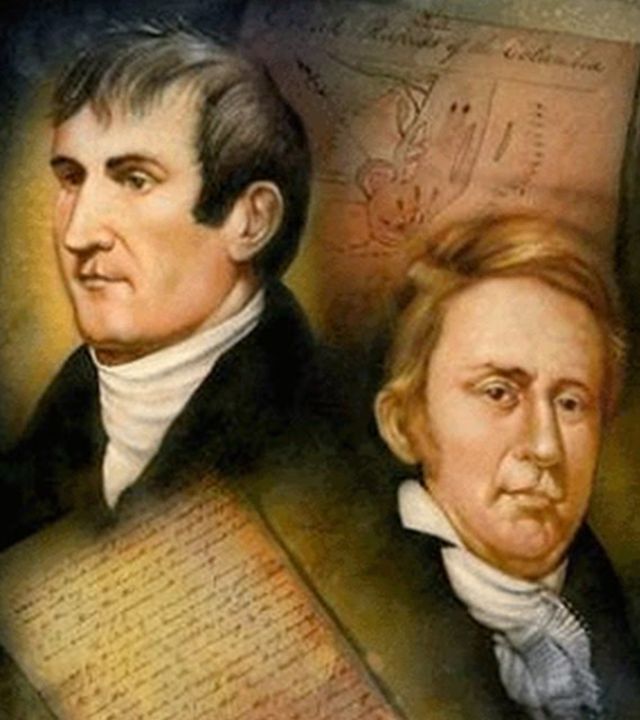
Meriwhether Lewis and William Clark (American Explorers.)
Both Meriwhether Lewis and William Clark are characterized as relatively educated colonial citizens suited for an expedition from Kentucky to the Pacific. Though both leaders for the expedition were heroic, their personalities, leadership styles, and temperaments were quite different. Lewis is characterized as brilliant but an inwardly volatile man, while Clark is a steady, self-confident manager of people. Lewis is the visionary who works in the Jefferson’ administration as secretary to the President while Clark is former military officer who gets things done with people who report to him. Lewis clearly understood Jefferson’s objective in exploring the west, its diplomatic purpose, and geopolitical importance. Clark’s frontier experience, military discipline, and surveying skill served Lewis’s understanding of Jefferson’s objectives.
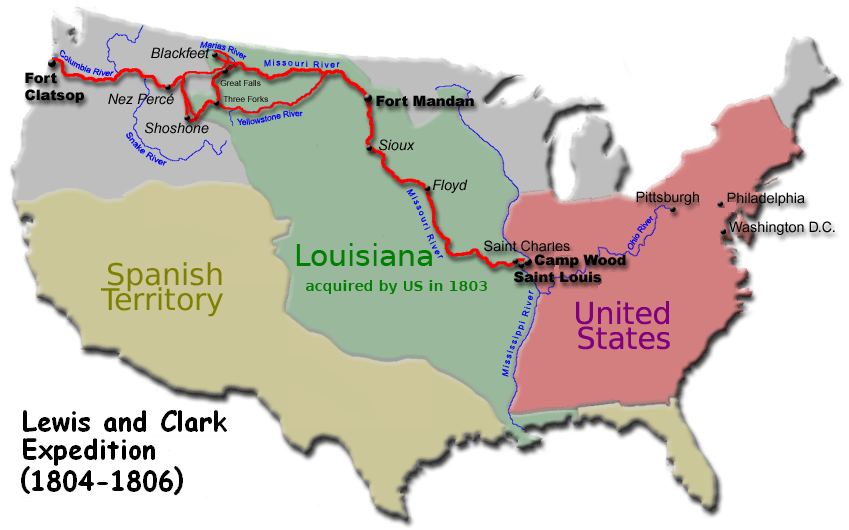
Lewis & Clark Expedition
Both Lewis and Clark understood they were not only entering a wilderness but a continent full of other nations which made them effective negotiators and intermediaries with native tribes. Lewis’s intellectual understanding of Jefferson’s objectives is complimented by Clark’s skill in managing native tribe relationships. With the help of a Black slave owned by Clark and a native Shoshone woman married to a French trader, this former military man manages to gain the aid of the Lakota, Shoshone, and other tribes to save the Lewis and Clark expedition from failure.
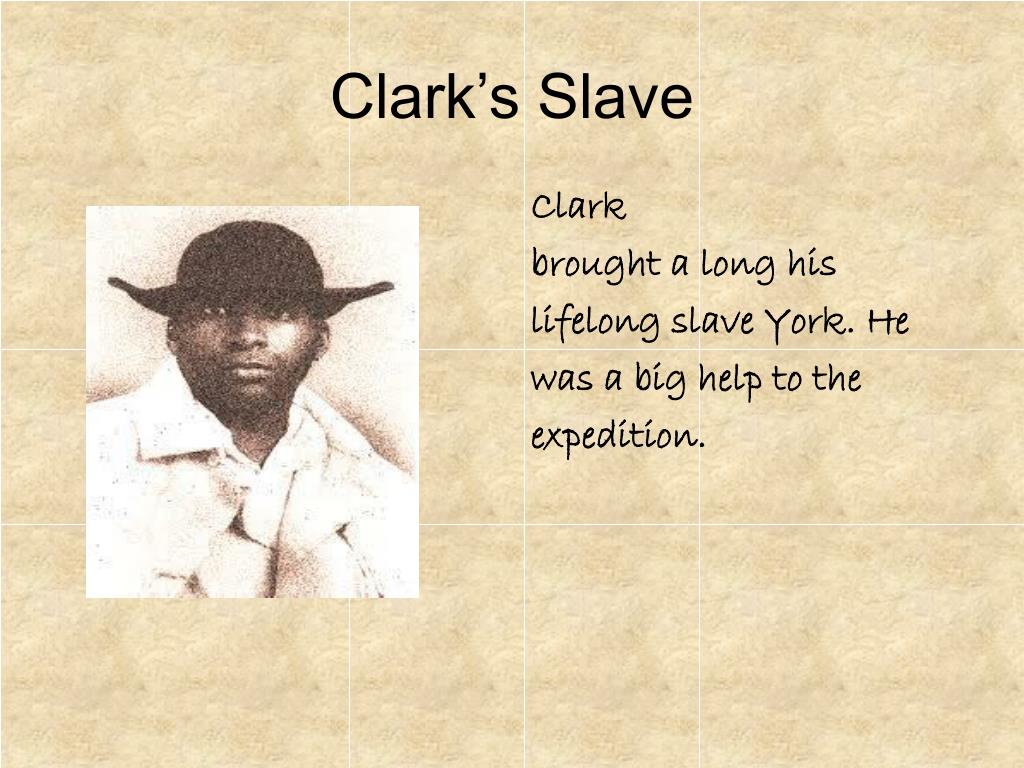
Image of York (Slave owned by William Clark.)
The history of York (Clark’s owned slave) in the expedition is interesting. What the author, York, and enlisted members of the expedition show is that Lewis and Clark were dependent on their crew for the success of the mission. Men like York provide the labor and skill needed to complete the journey. As a young adult, York shows the value of all human beings to the success of the expedition while being a slave. The sad fact is that York is never released from his bondage to Clark. Despite York’s alleged inferiority, Clark relies on him for his field abilities and reminds reader/listeners of the importance of other cultures and ethnicities that make America. Fehrman infers York is a symbolic bridge between ethnic worlds; i.e. not just the Black and White world but the native and English American world. York is an example the difference of human beings in America; i.e., from people of color to native tribes in a dominant white culture. Fehrman’s story infers human difference reinforces belief that native tribes (Black, white, or other) could co-exist though not be treated as equal human beings. This is no stretch of a reader/listener’s imagination based on America’s history of Indian/American wars and slavery. There is one native American that travels with Lewis and Clark. She is Sacagawea, the only woman on the expedition. Her story reflects on America’s view of women as property despite their contribution to life and their contribution to social and economic society.
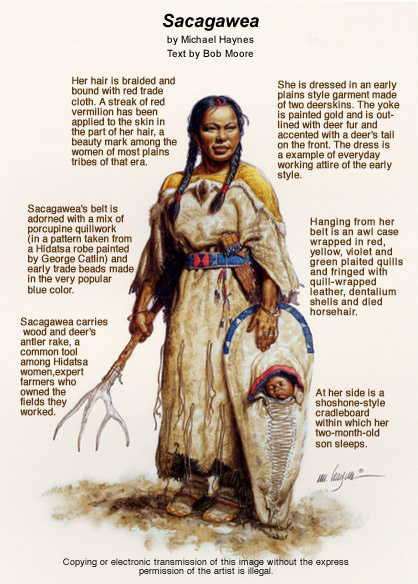
Image of Sacagawea on the Lewis and Clark Expedition.
Fehrman suggests Sacagawea is a full participant in the expedition. To Fehrman she represents a symbol of Native nations. Sacagawea and York became part of the diplomatic fabric of the journey demonstrating the truth of human equality. Sacagawea became pregnant from her husband, Toussaint Charbonneau, a French-Canadian trapper. Her baby is born on the expedition. Charbonneau had two native wives, the first of which did not accompany them on the expedition. Sacagawea had been kidnapped by the Hidatsa tribe in a war with the Shoshone when she is 12. Charbonneau is 20 years older than Sacagawea. Sacagawea is 13 when she is forced to marry Charbonneau by the Hidatsa. The tribe had traded goods with Charbonneau. Sacagawea and Charbonneau are reluctantly hired by Lewis and Clark for the expedition. Both act as interpreters on the expedition but Fehrman argues Sacagawea represents more than being a translator because of her heritage and knowledge of the territory through which they will travel. Sacagawea’s Shoshone tribal heritage had diplomatic value beyond mere language interpretation. On the other hand, Charbonneau seems more a liability than asset to Lewis and Clark.
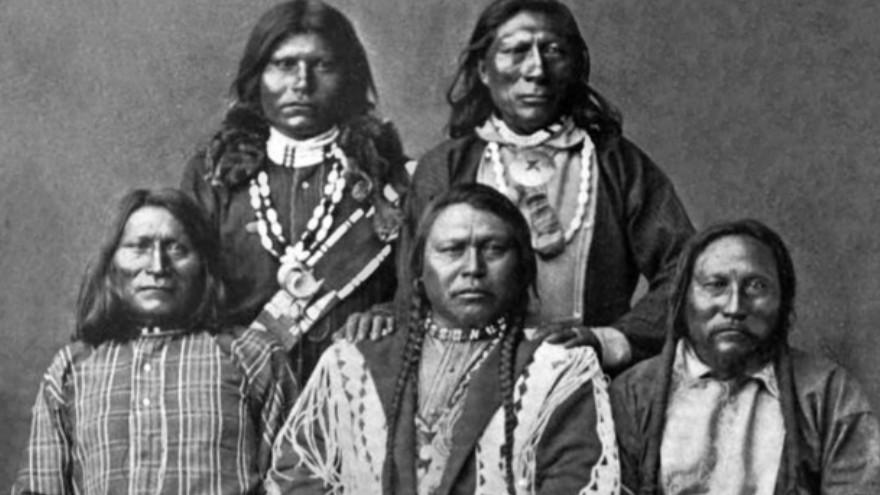
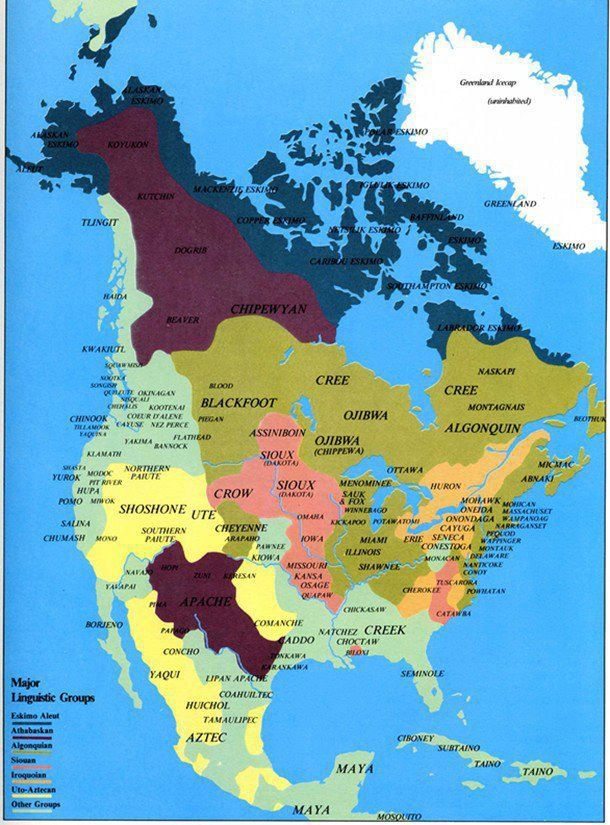
Shoshone Tribe in western America.
Fehrman shows the expeditionary Americans were not dominant actors in their relationships with native tribes. In the wilderness, they acted more as guests or supplicants in their dealings with various tribes. They recognized they were outsiders that needed political alliances with native tribes because they had meager knowledge of the territory and customs of indigenous tribes who controlled the river lands they explored. Their need for food, horses, guides, and knowledge of the land depends on their relationships with indigenous tribes. Without tribal help and guidance, they would have no protection or chance of safe passage. Native tribes provide horses and information that kept them on their course to the west and saved them from starvation and death. It is a combination of Jefferson’s somewhat arrogant plan for the country’s consolidation for the expeditionary force to be dependent upon indigenous tribes who are repeatedly deprived of their land in America’s growth as a nation. It is the explorer’s humbleness and humility that allows Lewis and Clark to succeed in growing an American continent that historically suppresses indigenous land ownership and use.
Most Shoshone Tribes appear more southwestern than northwestern.
Indigenous tribes were politically naive in their aid to American explorers. Without tribal’ naivete, the early days of America’s influence and growth as a singular nation would have failed. One presumes, the continent would have remained a land of tribal ownership and internecine conflicts over land and natural resources. In the early years of American government, it is humbleness, humility, and the growth of trade between natives and early Americans that transform a land of native tribal presence into a singular nation among nations. In Fehrman’s opinion the prime mover of that accomplishment began with Thomas Jefferson and “The Vast Enterprise” of explorers like Lewis and Clark.
The last chapters of Fehrman’s book leave listener/readers with notes about Lewis, Clark, York, and Sacagawea that are sad to read or hear. Lewis becomes an alcoholic and commits suicide. Clark refuses to give York his freedom. York dies from cholera while Clark lives a life of success and power. Clark becomes governor of -Missouri Territory and Superintendent of Indian Affairs. Sacagawea is leaves her French husband and dies at Fort Manuel in 1812.
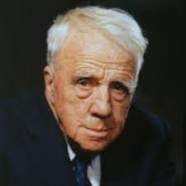
Robert Frost (1874-1963.)
Robert Frost wrote “In three words I can sum up everything I’ve learned about life: it goes on.” That is the essential truth of “The Vast Enterprise”.
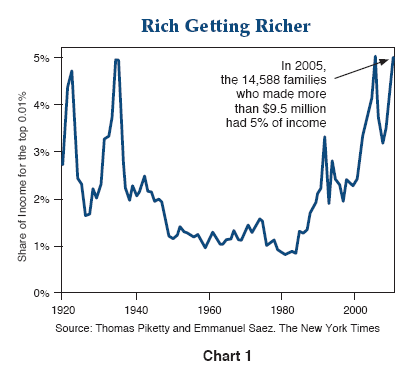
To this book reviewer, the flaw in American democracy is the rising gap between rich and poor. Dychtwald implies the flaw in China is its reliance on a singular leader’s actions to improve the daily lives of its citizens.
Books of Interest Website: chetyarbrough.blog
Young China (How the Restless Generation Will Change Their Country and the World)
Author: Zak Dychtwald
Narration by: Zak Dychtwald
Zak Dychtwald (Author, public speaker, fluent Mandarin speaker, world traveler, graduate of Columbia University who moved to China and spent 4 years interviewing local Chinese.)
“Young China” is a fascinating comparison of a world traveler’s perception of the difference between young Americans and Chinese youths. A reservation one has in listening to Dychtwald’s explanation of Chinese youth is whether a 4-year immersion in a foreign culture constitutes a society’s truth or just a topical view of an intelligent observer who gravitates to students of similar ambition.
America’s Achilles heel.
Not knowing the author’s life experience, one assumes he has not lived the life of most American college students of his generation. As a graduate of Columbia, his decision to learn Mandarin Chinese, and choice to travel to China for a four year stay suggests he is not a typical American youth. Further, as the meaning of the saying “Birds of a feather flock together”, one presumes his choice of interviewees is not likely to be typical Chinese college students but those who excel in intelligence and academic pursuit.
Contrast of lives in China.
The main Chinese youths whom the author interviews and becomes acquainted with are Ben, Vivian, Chen, Liu, and Mei. Ben–who is a striver who has a rural background. Vivian is a young professional woman who speaks English and comes from the middle class. Chen is a university student who embraces nationalist beliefs of young Chinese. Liu is a young teenager who experiences the meritocratic pressure of academic achievement in China. And finally, Mei is a young Chinese college student dealing with job aspirations, dating, marriage pressure, and career ambitions.
Education is the great strength of China.
In some sense, these characters have American student similarities. One can find similar Americans in each of the broad categories of these five Chinese students. However, Dychtwald sees Chinese students as “dreamers and strivers” while his experience is that American students are skeptical about the value of education and their future. Dychtwald finds Chinese college students take their performance on college exams more seriously than American college students. High academic achievement is a critical goal to a Chinese student while to an American graduating with a degree is the primary goal and finding a career is more important than achieving high scores on college exams. Chinese youths see themselves as a part of a national achievement for China while Americans see themselves as cogs in a capitalist machine that may or may not turn into successful careers.
College is a pressure cooker for Chinese students while it’s more of a cultural experience and stage of life for most American students.
Finally, Dychtwald notes Chinese students are globally curious, Western influenced, while being confident in the superiority of their own country. In contrast, American students care less about other countries, know few languages beyond English, and see their country as just one of many cultures in the world. Dychwald is an outlier in that he does not view China as a threat to American hegemony, but a country focusing on improving the lives of their citizens.
The risks of singular leadership.
Admittedly, this review is a narrow interpretation of Dychtwald’s fascinating book. Only an extraordinary intellect would move to China after graduating from college and learn fluent Mandarin during a 4 year stay in China. It makes we who are old wish we had the privilege of Dychtwald’s intelligence to live life over again.
To this book reviewer, the flaw in American democracy is the rising gap between rich and poor. Dychtwald implies the flaw in China is its reliance on a singular leader’s actions to improve the daily lives of its citizens. America has the advantage of 4-year democratic change in leadership while China is dependent on an authoritarian’s health and judgement as a singular leader.
A reader/listener of “Battleground Ukraine” infers Putin will fail because of Russia’s flagging economy and weakening military. The Ukraine war may go on for many more months, but its economic devastation and human deaths will end with Ukraine as a sovereign country, and presumably, a Russia with a different President.
Books of Interest Website: chetyarbrough.blog
Battleground Ukraine (From Independence to the War with Russia)
Author: Adrian Karatnycky
Narration by: Daniel Henning
Adrian Karatnycky (Author, Ukrainian American political analyst.)
“Battleground Ukraine” is an important history of the transition of Ukraine from being part of the U.S.S.R. to an independent nation-state. The author offers a chronological political history of Ukraine’s drive for independence after glasnost. Karatnycky outlines the achievements and setbacks of three decades and six leadership changes in Ukraine’s Government. He shows nation-building is no easy task for a country that is split between desire for independence and a history of Soviet Union domination.
In researching the qualification of Adrian Karatnycky, one finds he is considered a leading analyst who has written about Ukraine in publications like Foreign Policy, The Wall Street Journal, Foreign Affairs, The Atlantic, and National Review.
Adrian Karatnycky is characterized as a Ukrainian American political analyst, and a democracy advocate for Ukraine. He is a managing partner of a consulting firm representing clients with interests in Ukraine. He co-founded a cultural initiative to promote positive relations between Ukrainians and Jews and has studied Russian Ukrainian’ relations, written a number of articles about Ukrainian human rights, political freedoms, and its development as a civil society. He understands and speaks English and Ukrainian, and presumably Russian.
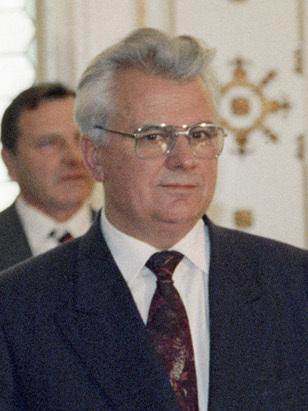
Leonid Kraychuk (1991-1994, First President of Ukraine)
His book is informative but complicated because of unfamiliarity with most of the six leaders of Ukraine after its separation from the U.S.S.R. The first president of independent Ukraine is Leonid Kravchuk (1991-1994). Kravchuk presided over the breakup and helped establish the independent nation of Ukraine. According to this history, Kravchuk seems reluctant to create a decisive break with the Soviet-era experience. The authoritarian habits of administration led to the blossoming of oligarchic networks in Ukraine that resemble the oligarchs who control the Russian economy under Putin today. The growth of Ukraine as a relatively free capitalist country is sidelined by Kravchuk’s rule. Nevertheless, Kravchuk’s administration appears to have accomplished the break from the U.S.S.R. without civil war.
Leonid Kuchma (1994-2004, Second President of Ukraine.)
The second leader of Ukraine is Leonid Kuchma (1994-2004). The author notes Kuchma accepted the growth and corruption of oligarchs in Ukraine. In some sense, the economy stabilized under Kuchma’s rule while improving ties with Russia and even the West. However, authoritarianism is reinforced by a cadre of oligarchs that corrupt Ukrainian society and enrich themselves while reinforcing attachment to Russia.
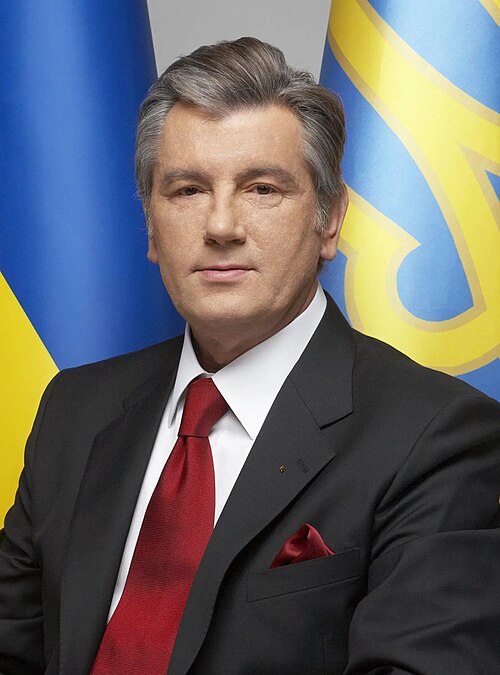
Viktor Yushchenko (2005-2010, Third President of Ukraine.)
The third leader is Viktor Yushchenko (2005-2010). In 2004, the Orange Revolution begins in Ukraine with nationwide protests, civil disobedience, and political mobilization against oligarchic rule in Ukraine. Kuchma is replaced by Yushchenko as a result of a Ukrainian Supreme Court ruling that demands a new vote. That vote results in the election of Yushchenko. Yushchenko is characterized by Karatnycky as a pro-Western democrat. He allows Ukraine media to remain free by not repressing its citizens. However, Yushchenko is characterized as a political failure who, at best, creates space for the growth of democracy in Ukraine. Though Crimea is not lost during Yushchenko’s rule because he resisted Russian military expansion, he fails to move his country toward democracy.
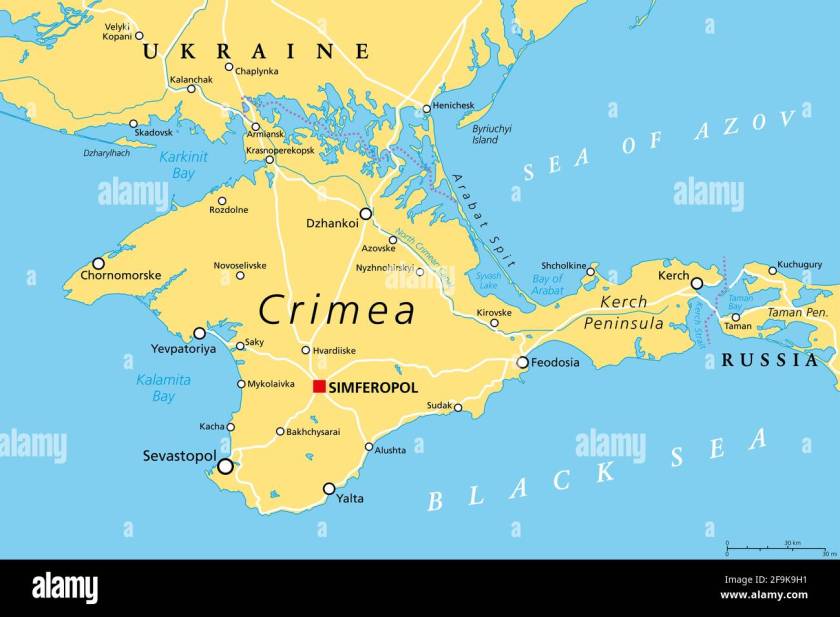
Crimea’s annexation by Russia in March 2014.
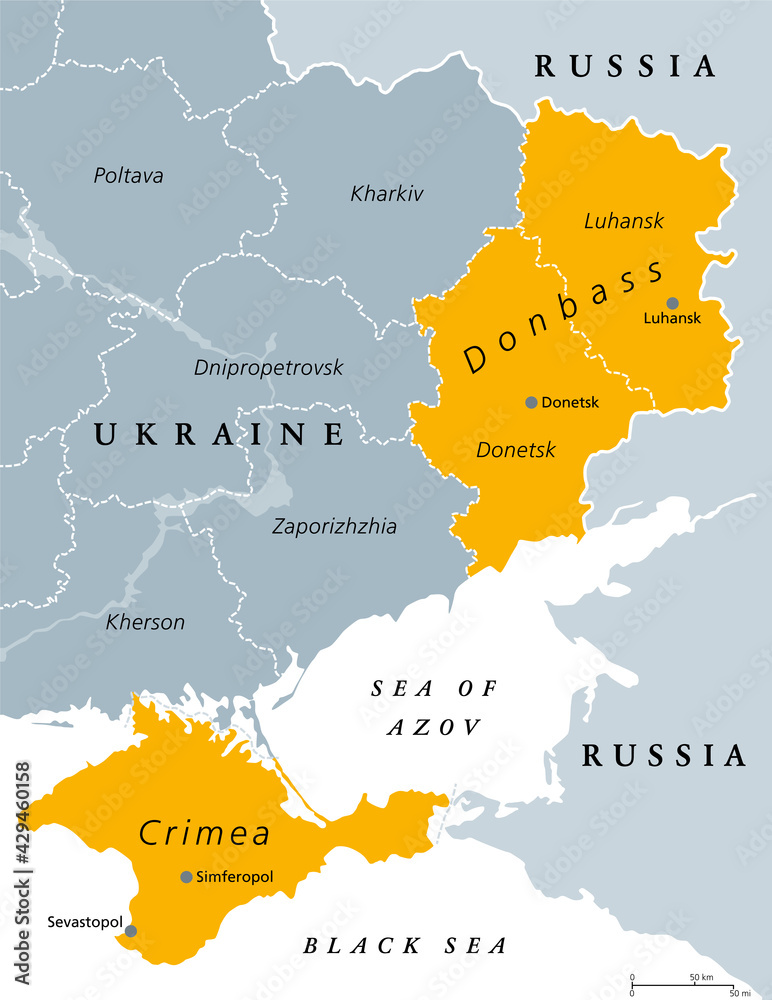
Russia had a base in Crimea but its role in the invasion and confiscation of Crimean territory expanded with the next Ukrainian President’s administration. At worst, Yushchenko’s political ineptness and weak governance paved the way for a more kleptocratic Ukrainian President named Viktor Yanukovych (2010-2014). As Yushchenko leaves office, Russia lays plans for the invasion of Donbas in 2014.
Viktor Yanukovych (2010-2014, Fourth President of Ukraine.)
Karatnycky views Yanukovych as the latest pro-Russian ruler of Ukraine. Yanukovych uses his position as President to enrich his family and allow Russian intelligence service to infiltrate the Ukrainian government. In the author’s opinion, Yanukovych opened the door to Russian aggression which led Russia to surreptitiously invade Donbas and annex Crimea. Karatnycky infers Putin launches the Donbas incursion as a result of a power vacuum created by Yanukovych who flees Kyiv on February 22, 2014. Crimea is annexed by Russia on February 23, 2014. The Donbas incursion begins in April 2014.
Ukrainian corruption during the Yanukovych presidency.
By a slim margin of 3.5% Yanukovych won the Ukrainian presidency in 2010. He escapes to Russia in February 2014 after ordering a violent crackdown on Ukrainian protesters. Karatnycky’s assessment of Yanukovych is highly negative. He argues Yanukovych centralized Presidential power, weakened independent institutions, persecuted political opponents, and drew the government closer to Putin’s Russia. He defeated Uylia Tymoshenko, a pro-Western leader, who is imprisoned in 2011 during the Orange Revolution in Ukraine. Yanukovych remains in Russia today and is convicted in absentia for treason in aiding Russia during his term in office.
Petro Poroshenko (2014-2019, Fifth President of Ukraine.)
After Russia’s incursion in Donbas, Ukraine elects Petro Poroshenko (2014-2019). Karatnycky suggests Poroshenko recognizes Ukraine’s military has to be rebuilt because of Yanukovych’s neglect. Poroshenko turns to the West for support in the battles occurring in Donbas. His appeal is answered with U.S. and EU backing that secures sanctions against Russia. Ukraine increases NATO cooperation to make Ukraine a frontline for democracy. As a delaying tactic, in Karatnycky’s opinion, ceasefires were agreed to by Poroshenko in order to give Ukraine more time to rebuild its military. In the author’s opinion, Porshenko did not break Ukraine’s oligarchic power, but he secured Western support of Ukraine and rebuilt the army which strengthens Ukraine’s national identity. Karatnycky characterizes Poroshenko’s rule as a true beginning transition of Ukraine from authoritarian to democratic government. However, Kartnycky notes the judicial system and established oligarch’ influence continues to obstruct democratic ideals. Further, Russia’s Donbas battles with Ukraine continue through his administration.
Russia’s Donbas battles with Ukraine continue through Poroshenko’s administration.
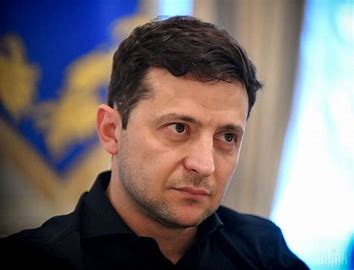
Finally, we get to the election of Volodymry Zelensky in 2019. Karatnycky sees Zelensky as a pre-war and wartime President. Zelensky’s successful election is shocking considering the author’s assessment of Poroshenko’s successes in transitioning Ukraine to a world recognized democratic rather than authoritarian government. Zelensky, a comic actor, soundly defeats Poroshenko in the election of 2019. Zelensky appears completely out of his element in becoming President of Ukraine. He struggles with political reform and shows an ineptitude in dealing with political infighting. Karatnycky describes Zelensky as “…well-intentioned but inexperienced naïve in his first two years as President. However, as Russia chooses to invade Ukraine, the wartime Zelensky becomes a unifying national leader. His experience as an actor/comedian makes him a master communicator. Zelensky becomes a wartime decision maker that gathers Western support for the defense of his country. Zelensky overcomes his political shortcomings in the face of Russia’s invasion of Ukraine. Zelensky manages to unite Ukraine against a much larger enemy despite the economic stagnation of the Ukrainian economy.
Volodymry Zelensky (President of Ukraine 2019-?)
It Karatnycky’s opinion, Ukraine will survive Russia’s invasion and will remain a sovereign country. A reader/listener of “Battleground Ukraine” infers Putin will fail because of Russia’s flagging economy and weakening military. The Ukraine war may go on for many more months, but its economic devastation and human deaths will end with Ukraine as a sovereign country, and presumably, a Russia with a different President.
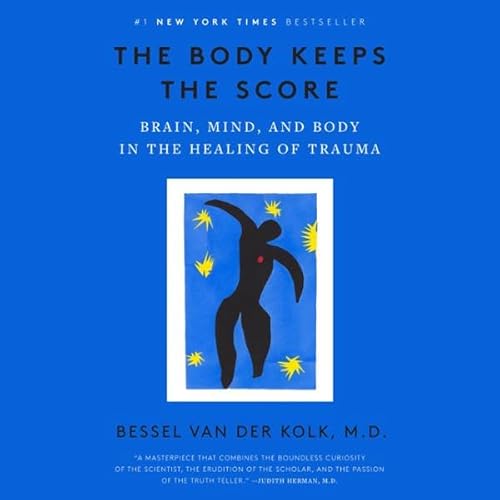
Van der Kolk outlines some of today’s psychiatric breakthroughs. New psychiatric discoveries have helped reveal childhood abuse memories and war’s traumatic events to give survivors some peace of mind.
Books of Interest Website: chetyarbrough.blog
The Body Keeps the Score (Brain, Mind, and Body in the Healing of)
Author: Bessel van der Kolk M.D.
Narration by: Sean Pratt
Bessel van der Kolk (Author, Boston-based Dutch American psychiatrist.)
As a parent, “The Body Keeps the Score” is a difficult book to read or listen to because of fear about mistakes a parent may have made in raising their children. The trauma of war is well documented as a cause of psychological imbalance and the truth of “The Body Keeps the Score”. What makes van der Kolk’s book even more concerning is the realization that our behavior as parents can leave scars on our children’s minds. It is not just because of an abhorrent parent or priest who has molested or seriously distorted a child’s view of the world but on more subtle missteps by parents that may have had lasting effects on their children’s growth to adulthood. Every family has differences. Some have one parent who is absent from the day to day lives of their children because of their job. Another parent may fail to show enough respect or affection for their child’s accomplishments. Some parents (usually women) are left by their husbands or mates to raise children on their own. In single parent families, a parent is faced with having to make a living while caring for a child who has no idea of how stressful life can be when their mother is on her own. On the other side of a child care spectrum, there is the doting mother and father who overwhelms their children with meaningless praise and falsely grandiloquent appreciation of their behavior. Van der Kolk’s point is the mistakes parents make in raising their children can have lasting effects on their children as they grow into adulthood.
Child abuse is an abhorrent reality in America and other cultures.
The events that Dr. Kolk addresses are serious and harmful adult actions toward their children, but the concern any reader/listener may have is in the responsibility they have in raising their children to be decent emotionally centered human beings. Americans live in a society that highly regards wealth, physical and emotional maturity as important characteristics of adulthood. The pressure of making a living often interferes with the attention husbands, wives, or caregivers provide for children’s healthy emotional and physical growth. Kolk’s focus is on abusive or neglectful people who interact with children in ways that leave psychological scars that cause behavioral dysfunction. What is troubling to reader/listeners of “The Body Keeps the Score” is the pressure and trauma that American parents feel in their lives that affects the social and psychological health of their children.
Employment.
On the one hand, van der Kolk explains how parents may inadvertently distress their children by verbal or physical behaviors that are related to the pressures and expectations of a working life. Those pressures can cause parental meltdowns between parents and children. The consequences can have an emotional and consequential impact on the lives of the children for which adults are responsible. The effect on family members can range from a rageful response to a child’s moodiness to fear or lasting resentment that may create emotional scars that affect a child’s later behavior. A parent’s meltdown can become an indelible scar on a child’s mind. Van der Kolk calls them the injuries of American culture; not because it is only in America, but that it occurs in all cultures.
Social inequality in American culture.
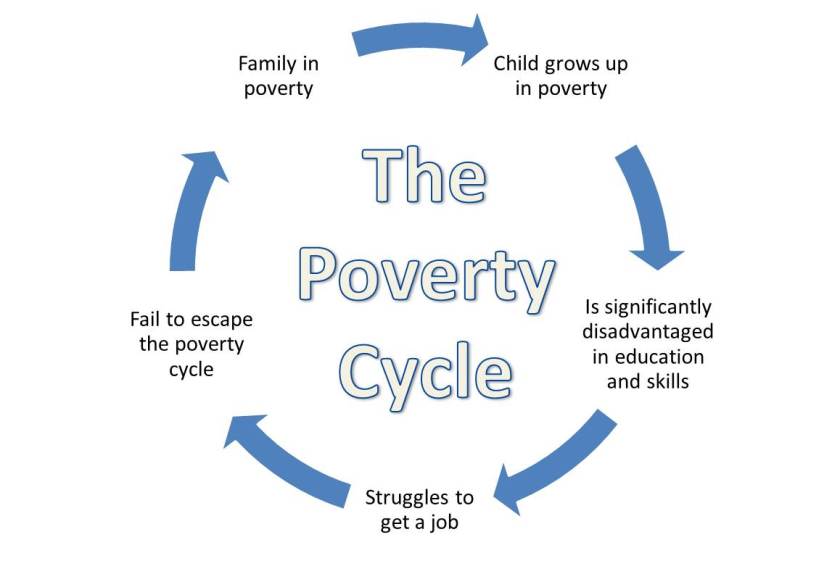
A reality in American life is that it is fed by wealth, poverty, and unequal opportunity. Inequality of opportunity creates pockets of poverty reinforced by racism, family instability, and societal breakdown. All of these social impacts bare down on the development of children and future generations. Working families often do not have time or inclination to take care of their children because of their jobs. These are fundamental issues that have broader consequence to children than the horrendous stories of child abuse that van der Kolk recounts. Of course, it is appalling to know of priests that molest children or fathers who rape their daughters, but it is the general observation that adult behavior toward children can negatively affect children’s lives. Horrendous acts like child molestation undoubtedly have immense impact on the future of those who bare them. However, the realization that day to day experiences of parents’ lives can also have negative consequences in their child’s lives. What is of more concern is a culture riven with poverty, sexual infidelity, and divorce that sets a table for future generations of broken lives.
“The Body Keeps the Score” infers much about the weaknesses of American capitalism. It recognizes suffering in American society and shows how trauma in one generation passes on to the next. Bad behavior has consequences beyond the perpetrator and victim. It offers some solutions to the mistakes parent’s and society make in raising their children.
Van der Kolk outlines some of today’s psychiatric breakthroughs. New psychiatric discoveries have helped reveal childhood abuse memories and war’s traumatic events to give survivors some peace of mind. Trauma is a neurobiological event that can come from the violence of war or parental upbringing. It affects human behavior because trauma changes brain structure, hormonal regulation, and human feelings. Traumatic events become encoded in memory and affect humans’ future. Van der Kolk explains how psychiatric science has evolved to treat the consequences of life’s experience of traumatic events.
As every American, particularly white people of conscience know, ethnic minorities are faced with hardship, violence, and social discrimination until ruling majorities realize that all human beings are entitled to equality of opportunity in the society in which they live.
Books of Interest Website: chetyarbrough.blog
Voice for the Voiceless (Over Seven Decades of Struggle with China for My Land and My People.)
Author: Dalai Lama
Narration by: Edoardo Ballerini
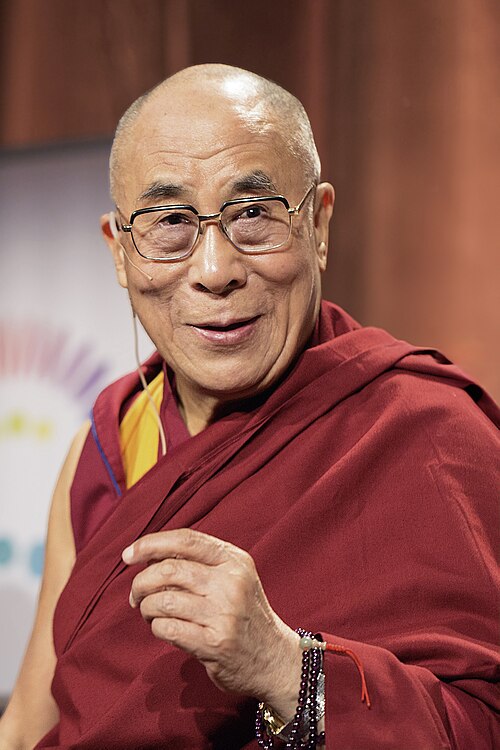
Dalai Lama (Author, born in 1935 is presently 91 years old. He is the spirtual head of Tibetan Buddhism.)
“Voice for the Voiceless” is the wish of every minority in the world. State supremacy over the individual in communism sharply contrasts with democracy in degrees of un-freedom revealed by what a citizen can be and do. Competition and descent, suppression of minority voices, control of information, collective identity, and human rights are insisted upon by communist leadership according to “Voice of the Voiceless” by the Dalai Lama.
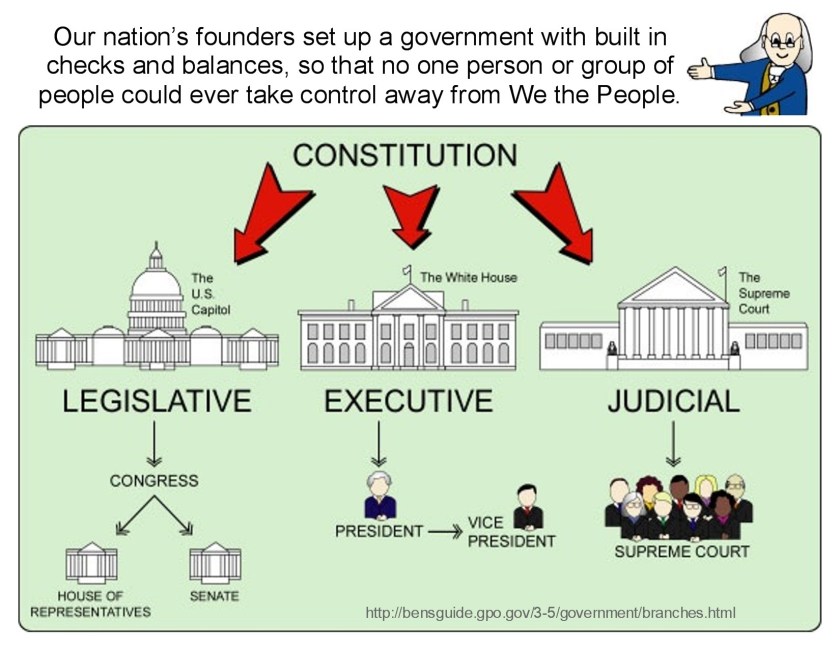
American government checks and balances.
In a democratic government, there are multiple societally expressed interests like legal protection for dissent, creation of non-government organizations, guarantee of free speech, and institutional checks and balance on the power of its leaders. It is not that America or any democracy is perfect in its makeup but in the China that the Dalai Lama describes, communism is designed to prevent any form of opposition to its leadership. In the Dalai Lama’s view, no compassion exists in China’s government.
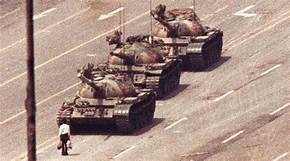
The infamous and unidentified “tank man” who stood in the way of the Tiananmen Square crackdown.
The most prominent historical evidence of a lack of government compassion is shown by the Tiananmen Square massacre during the Deng administration. The Dalai Lama’s opinion is reinforced by a Chinese guide who closes the doors of a private meeting room in which several Americans are informed of China’s reaction to the Tiananmen massacre. Chinese students and citizens who demonstrated at Tiananmen Square were asking for communist party reform, a reasonable level of leadership accountability, and elimination of corrupt Chinese government leaders.
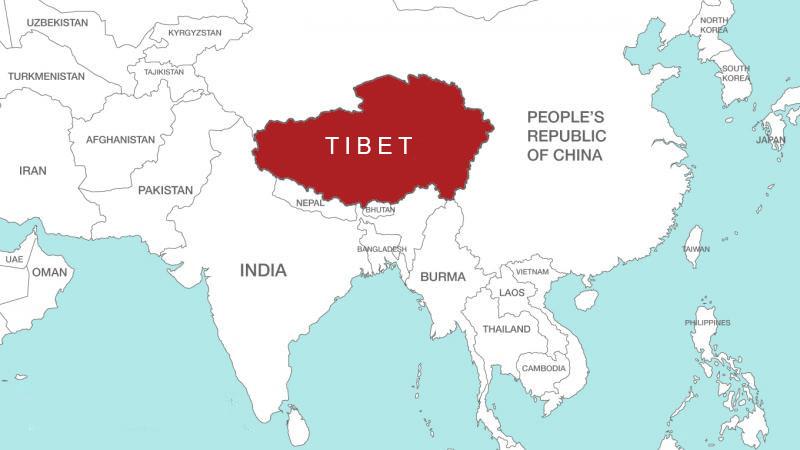
The Dalai Lama writes “Voice for the Voiceless” to challenge China’s political system which denies rule of Tibet by the Dalai Lama as its head of state. His demand reminds one of histories of displacement of native tribal leaders in America in the 17th and 18th centuries. Recognizing the fates of proud native leaders in America, the Dalai Lama (who has been exiled to India since the 1950s) is asking the communist government to allow him to be the leader of his “tribe” in Tibet. In America, more than two hundred years passed before genuine recognition and opportunity were seriously offered America’s natives. It has taken nearly 200 years for America to offer equal opportunity for tribal natives to pursue their interests as recognized ethnic minorities. What the Dali Lama wishes for Tibetan people in China is in many ways the experience of minorities in a democracy, let alone a communist autocracy.
Natives of America grew together as common ancestors that could choose life in a system of government that came to understand the importance of tribal self-determination. Natives of America had land rights, and a concept of cultural difference; accompanied by jurisdictional authority to pursue economic development as a distinct ethnic minority. The Dalai Lama clearly shows Tibetan people have a similar ethnic origin and desire for freedom and self-determination. Only time and ethnic solidarity offer hope for them to realize their goals.
Barbara Demick gives listeners a picture of Tibet with a darkness that rivals the narrative she creates for North Korea in “Nothing to Envy”.
Communist China is not America. However, the Dalai Lama appears to want a level of independence to protect a Tibetan way of life for Buddhists to preserve their cultural identity and language without violent resistance by the Chinese system of government. This is a reminder of native American’s struggle in democratic America. The Dalai Lama seems only to wish for human and religious freedom, not nation-state hegemonic control. He notes Tibetans have no institutional power, no representation in the Chinese government, and no legal way to challenge state’ government policies.
The Dali Lama’s book surprisingly notes the initial relationship with Chinese communism that proposed a “Seventeen-Point Agreement” which offered a framework for Tibet to have the recognition requested by the Tibetan culture. However, the tenor of the “…Agreement” is violated with Tibet being occupied by Mao’s government. Mao orders his administration to keep the Dalai Lama from fleeing and pressured Tibetan leaders to negotiate subservience to the Chinese Communist Party. Mao’s goal is to unify Tibet with China, not provide Tibetan autonomy within the structure of Chinese suzerainty. There was to be no self-determination of Tibetans, no interest in preserving Tibetan institutions, no role for the Dalai Lama, and no Tibetan’ autonomy. Mao demanded integration, not reconciliation.
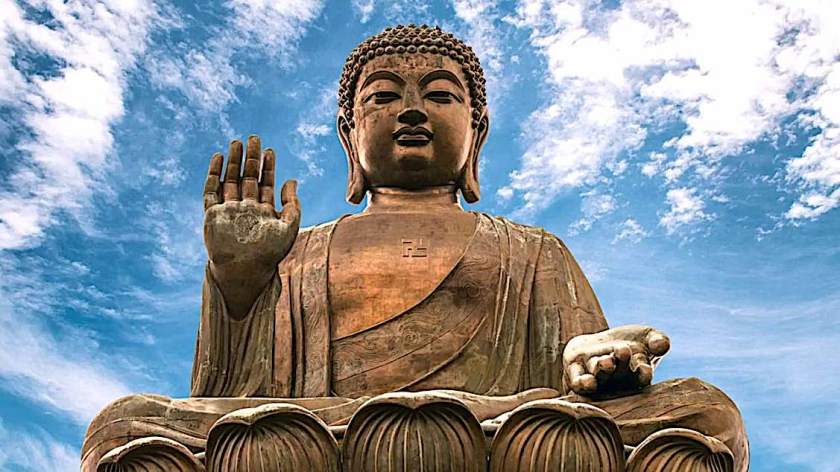
As the Dalai Lama grew to understand what Mao and future leaders of the CCP really wanted, he chose to leave Tibet in the late 1950s. He exiled himself to India, the origin of Buddhism’s creation. Buddhism teaches liberation from suffering through compassion, wisdom, and meditation. These were not a part of the Communist ideals of Mao or his successors. The core belief of communism is that truth comes from the party whereas Buddhist believe truth is from inner realization. Every Buddhist is a sentient being that has compassion for individual suffering while a CCP member subordinates their feelings to the needs of the state and national unity. All religions are a potential threat to state control which is the basis and practice of communism and, to a lesser extent, all forms of government.
The Dalai Lama represents a threat to communism because he is a global moral figure, a symbol of Tibetan identity, and a spiritual authority independent of the state. Buddhist belief in inner freedom, compassion, and spiritual autonomy directly conflict with the ideals of communism because of its belief in the collective rather than the individual. An interesting irony in that communism is a form of government that endorses a collective concept. Of course, a communist collective is external to one’s inner self while Buddhism believes a collective is formed through an inner understanding of the self. China insists on centralized government authority, conformity to its edicts, and personal identification with the state’s government. One’s heart goes out to the Tibetan people and the discrimination they are suffering. Only time offers hope for their future.
As every American, particularly white people of conscience know, ethnic minorities are faced with hardship, violence, and social discrimination until ruling majorities realize that all human beings are entitled to equality of opportunity in the society in which they live.
Hannah Lucinda Smith’s “Hinterlands” is an eye opener for the uniformed but it’s a bit of a slog for non-historians to absorb.
Books of Interest Website: chetyarbrough.blog
Hinterlands (The New Cold War Brewing at the Peripheries of the West.)
Author: Hannah Lucinda Smith
Narration by: Hannah Lucinda Smith
Hannah Lucinda Smith (Author, British journalist based in Istanbul, Turkey. Published in The Times, The Atlantic, Foreign Policy, and wrote “Erdogan Rising”, presumably about the President of Turkey.
Smith has written a complicated book about what she calls “a new cold war”. It is complicated because most people’s knowledge of some of the territories she writes about like Transnistria, Respublika Srpska, and Nagorno-Karabakh are not known by the general public. Of course, she would not have titled her book “Hinterlands” if it only addresses major nations or organizations like Russia, Turkey, China, the EU, NATO, or the U.S.
Today’s conflicts between Russia/Ukraine and America/Iran may turn into world conflagrations. The same might be said of the following countries that make up Smith’s “Hinterlands”. “Hinterlands” is a reminder that there are other conflicts, less well known, that have the same disastrous potential. Smith identifies six low-visibility conflicts that may rise to the level of the Russia/Ukraine and American/Iran wars or worse. They are as follows:
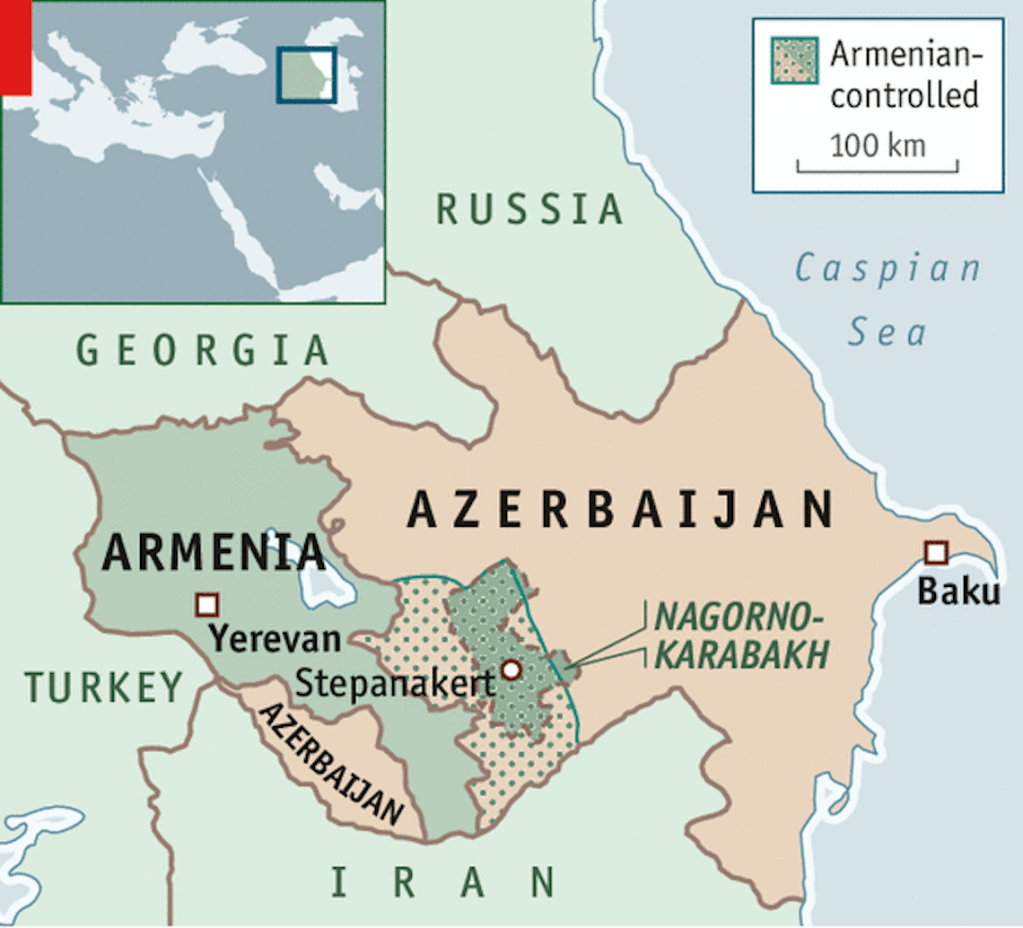
Nagorno‑Karbala
Nagorno-Karabakh became an independent nation between Azerbaijan and Armenia which is just south of Russia, north of Iran, and between Armenia and Azerbaijan.
Russia, Turkey, and Iran have dogs in Nagorno-Karabakh’s fight. Nagorno-Karabakh is mostly populated by ethnic Armenians who declared independence which is settled by a war that ended in 1994. The conflict is fed by interference from Russia, Turkey, and Iran that have their own agendas for the people who live in this territory. Russia plays the role of peacekeeper while ironically supplying arms to its citizens. Turkey is an ally of Azerbaijan that reluctantly allowed Nagorno/Karabakh’s independence. The author notes Iran has interest in the territory’s independence because of an Azeri ethnic population in Iran that is larger than the Armenian population in Nagorno Karabakh. Nagorno Karbakh’s independence creates a kind of jealousy about its ethnic independence versus a larger Azeri minority in the adjacent country of Iran. Of course, this is confusing because it seems more a concern for Iran’s leadership than Nagorno Karabakh’s independence from Azerbaijan. The threat seems that Iran may worry more about an independence drive by Azeri’s in Iranian territory because of the example set by the Azeri’ Armenians in Azerbaijan.
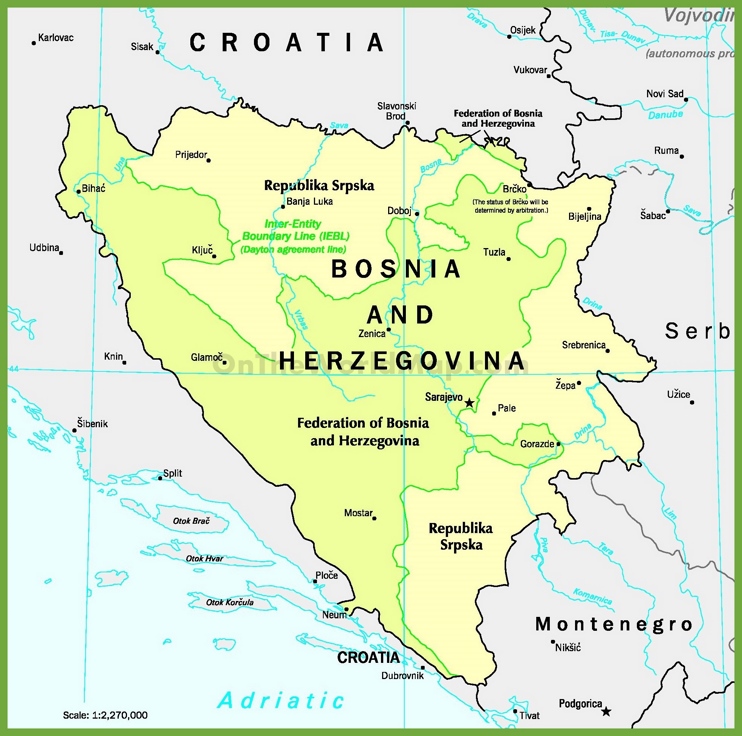
Respublika Srpska (Northern part of Bosnia and Herzegovina.)
Bosnia (Respublika Srpska)
Having traveled to the former Yugoslavia, the ravages of its dismantling may be seen in pockmarked buildings from battles that occurred during Yugoslavia’s dismantling. As Smith notes, there is a Serbian majority inside Bosnia. It identifies itself as Respublika Srpska (RS). This faction wants independence from Bosnia, but the Bosnia constitution forbids it. Russia supports the RS desire for independence. According to Smith, Russia is simply pursuing its desire to see the weakening of Western Institutions which RS’ independence would engender. The RS leader Milorad Dodik is pushing for a referendum for independence. The U.S. pushes for constitutional reform which in one sense puts U.S. on the fence rather than being for or against independence. Serbia supports RS ambitions. The EU is not unified in an opinion either for or against independence. Turkey supports Bosnia’s RS’ desire because of their Muslim religion and Erdojan’s hope for Putin’s continued economic support of Turkey. This seems resolvable but it has the makings for a hot war if independence is denied by Bosnia’s government. If independence is achieved, the concern will be for the minorities that choose to remain in a newly independent Serbian country. (As noted, this is an example of Smith’s complicated history.)
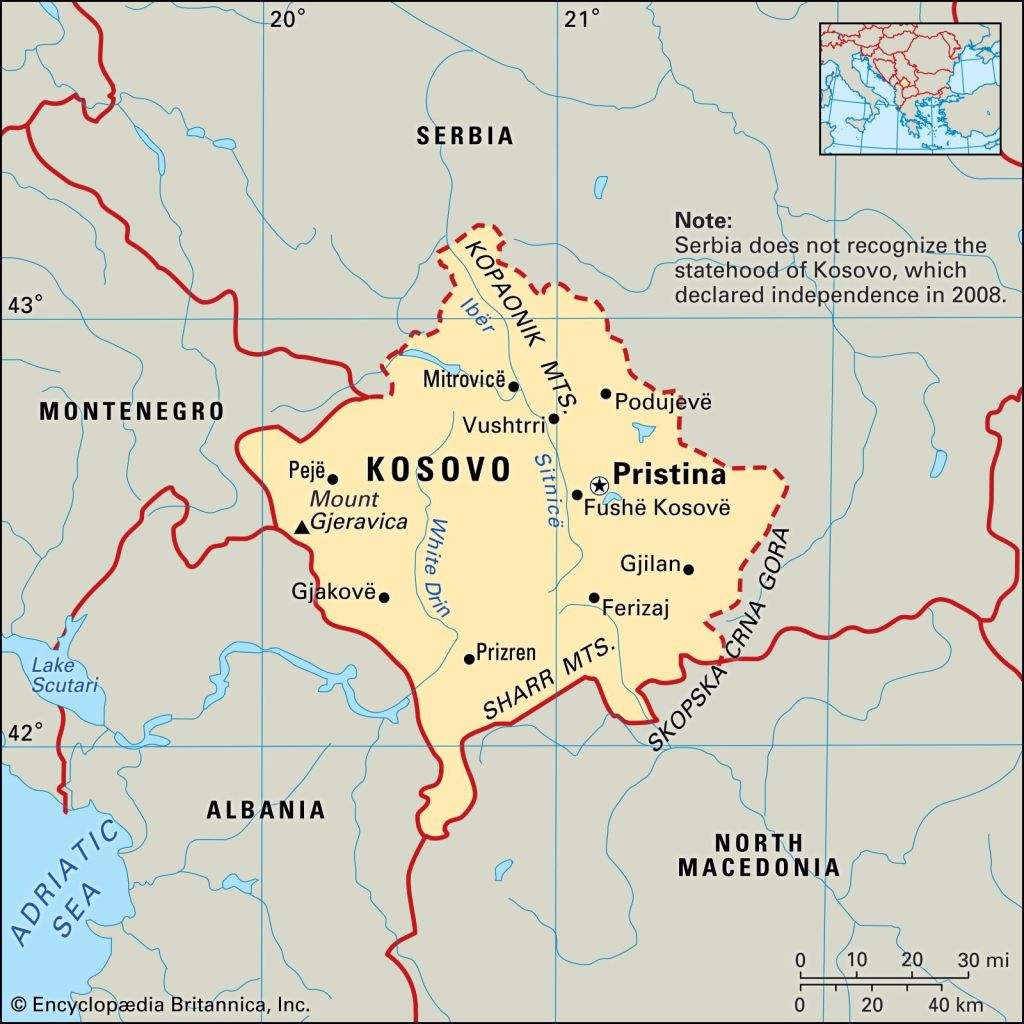
Kosovo.
Kosovo
The fight for independence is always a potential flashpoint for unrest that can widen into war between internal as well as outside nation-state interference. Outside interference can be based on economic, religious, or strategic interests of outside nation-state powers. Russia, Turkey, and Iran as immediate neighbors may call on any of these reasons to interfere and spark a wider confrontation and consequence in their region of interest.
Transnistria
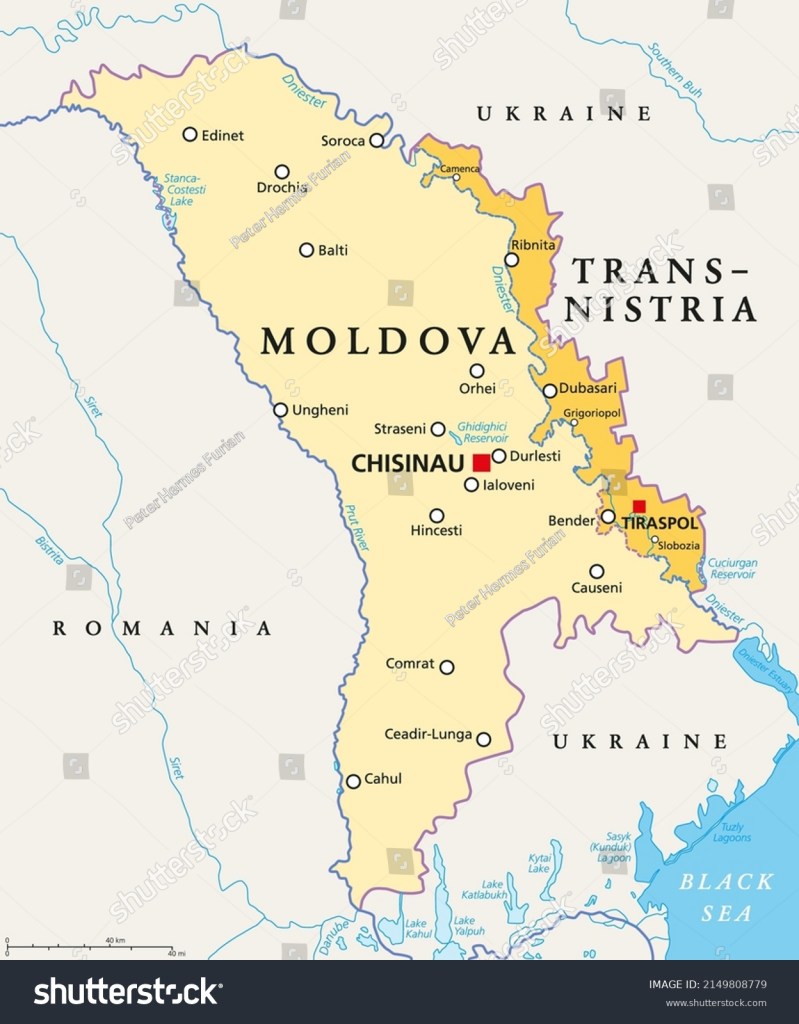
Transnistria is a little-known de facto breakaway from Moldova that is not recognized by the international community.
Smith explains Transnistria is a region that broke away from Moldova when the USSR collapsed. Smith notes Russia protects its independence as a Russian client territory. She notes Russian troops are stationed in Transnistria while its existence is subsidized by the Russian government. It is a strategic foothold for Russia in their plan to takeover Ukraine. It is a conflict zone that remains a part of the nation of Moldova, under the control of Putin with Transnistria’s own government made up of a president, parliament, and military. It is a potential flashpoint in the Russian/Ukraine war.
Crimea / broader Ukraine conflict
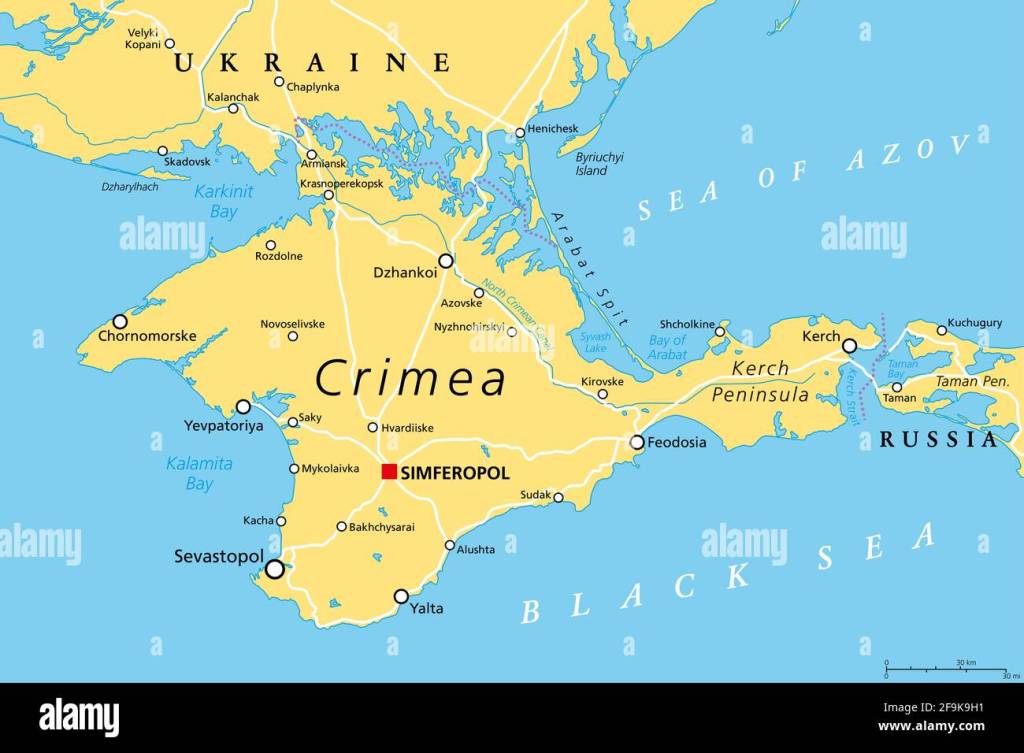
Crimea annexation by Russia from the nation-state of Ukraine.
Crimea remains un unresolved border problem in Smith’s view of Soviet occupation. When the USSR dissolved, Crimea became a part of an independent Ukraine. Smith notes Russia has made immense financial investments in Crimea to lure its citizens to become a part of Putin’s Russia. Obviously, Crimea is a potential conflict in the making because of its former existence as a part of Ukraine. One wonders how Russian influence will affect Crimea’s interest in being a part of Russia or Ukraine in the future.
Turkey–Kurdish regions (Syria/Iraq)
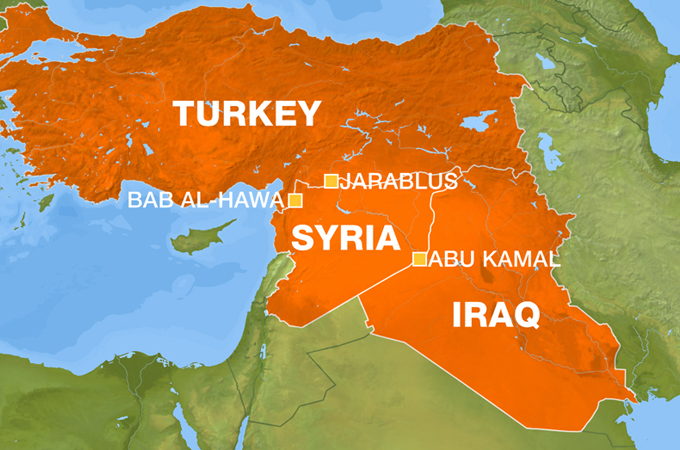
There is concern about the influence of a Kurdish separatist movement that might spread from Syria and Iraq to Turkey.
Turkey has already created a military footprint in Syria and Iraq. Turkey has had several violent conflicts with the PKK, a Kurdish militant group that is classified as a terrorist organization that has caused thousands of deaths and conducted military operations in southeastern Turkey beginning in 2015 and continuing through 2016. That terrorism began long before the election of Erdogan. The Kurds seek their own nation-state, which was proposed back in 1920, after WWI. However, the disparate beliefs of Kurd’ factions make nation building and independence a tough objective to achieve. They allege a wish for autonomy, local democracy, pluralism, and decentralized governance whether living in Syria, Iraq, or Turkey. Of course, they are not the only ethnic group in each of these countries and the PKK’s objectives conflict with existing territorial governments. For various reasons ranging from different Kurdish beliefs to the existence of existing governments, the Kurds remain stateless and a threat to Syria’s, Iraq’s, and Turkey’s governments.
In the end reward is destroyed by the selfishness of each against the other.
Hannah Lucinda Smith’s “Hinterlands” is an eye opener for the uniformed but it’s a bit of a slog for non-historians to absorb.
Ahamad suggests the public needs to oppose policies based on economic and political leaders’ singular judgements. Public input to government decision-making is an essential strength of democracy and the great weakness of autocracy.
Books of Interest Website: chetyarbrough.blog
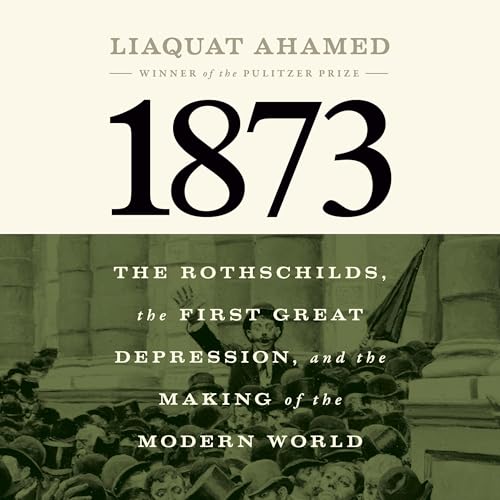
1873 (The Rothschilds, the First Great Depression, and the Making of the Modern World)
Author: Liaquat Ahamed
Narration by: George Newbern
Liaquat Ahamed (Author, American financial historian.)
Liaquat Ahamed’s book, “1873”, has been somewhat anxiously awaited for by the public because of his previous book “Lords of Finance” which reported central bankers’ roles in the Great Depression. Talk of depression swirls around the public today. What parallels are there between “1873” and the current world financial market? Liaquat Ahamed explains the impact of railroad expansion and world trade that exploded in the 19th century. He suggests that explosion seems parallel to today’s impact of transformative technology like A.I. which has shown potential for productivity increase around the world. That expectation magnifies the amount of capital being invested in a changing paradigm in society that Ahamad argues is similar while different from railroad introduction in the 19th century.
Globalization of information technology.
Globalization makes change more impactful today because of the world wide web and a potential for spreading useful and harmful information. Ahamed suggests the vast investment in railroads has parallels to communication technology’s introduction in today’s economy. The rush to create datacenters requires large capital investments with the creation of data centers that challenge today’s energy availability. Corruption became common in the 19th century with schemes designed to lure nations and investors into impractical investments. Ahamed recounts grifter’ pitches in the 19th century similar to crypto bubble makers of the 21st century. In the 19th century, mostly banks, governments, and wealthy risk takers were making foolish investment risks for hoped-for wealth. Today, crypto bubble makers reach into the pockets of the poor and middleclass.
Crypto investment.
As the public today becomes skeptical about tech investments, the banks of the 19th century belatedly turned skeptical about transportation system expansion. The growing malaise of recession turned into a depression in the 19th century. Ahamed argues today is similar to what caused the 19th century economy to slip into recession and depression. Ahamed suggests the political polarization occurring in the 19th century is evident in today’s political climate. The split between Trump supporters and detractors is widespread in America. Trump’s attacks on global cooperation seem similar to what occurred in the 19th century. Like the farmers of 1873, factions of America resent their loss of jobs and manufacturing income to other countries. The geopolitical shocks of the Ukraine war, America’s bombing of Iran, Russia’s Ukraine war, and growing tensions with China magnify inflation and create capital reallocations that harm respective economies and increase potential for world-wide financial collapse.
Ahamed’s book outlines similarities and differences between the past and present, foretelling a possible future.
Ahamed suggests that America needs to avoid a rigid monetary policy based on “who’s ox is gored”. Further, investment in technology needs to be reined in by reducing the hype about loss of jobs with a realistic judgement of employment impact and technologies’ benefits. Political and business leadership need more transparency and public oversight to improve societal decisions on technological investment. Investment opportunities need to be reasonably evaluated to avoid bubbles that distort capital flows. Ahamed suggests power brokers, whether private or public, need to avoid over reaction to inflation by being wary, but not overly punitive, toward investment in new technology.
Breadlines in the 1929 economic crash.
Ahamed offers several individual examples of con men who created hype-driven market manipulation that fueled 19th century fraud with over-optimism, and self-promotion based on new railroad building schemes. One listens to the methodology of these con men and will recall news articles today about technology fraudsters. Though only 3 to 4 percent of SpaceX shares are owned publicly, it reminds one of the over-optimism and self-promotion of Elon Musk. This is not to say Musk is a con man, but it reflects how over confidence in technology is similar to the over confidence in railway expansion in the 19th century. Additionally, search of the news of crypto scammers in the 21st century show there are three Thai suspects, 22 accused scammers in Palau, 82 accused scammers in Eswatini, and an astounding 15,260 suspects worldwide.
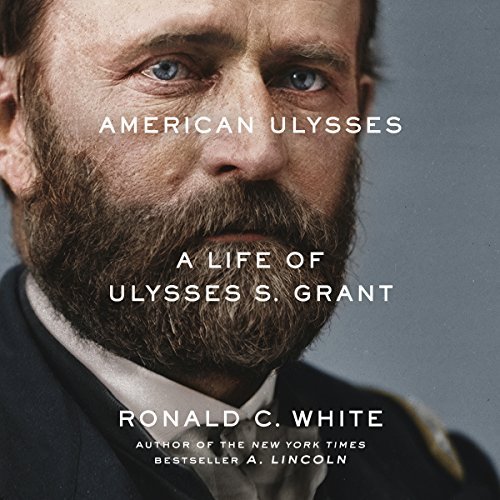
Liaquat Ahamed suggests the U.S. presidential elections are directly distorted by the financial crisis surrounding 1873. Ulysses Grant’s administration is undermined by the loss of public confidence in the federal government. The civil rights movement is stalled because northern voters were less willing to support federal intervention in the South. The Republican Party lost the political will to continue Reconstruction policies. Voters punished incumbents because of the economic crisis of the 1870s. Ahamed argues the economic collapse destabilized all governments and empowered reactionary forces that weakened government reforms. Conspiracy theories blossomed with scapegoating of all who had been elected to govern in the western world.
People are being arrested based on the color of their skin with the presumption that they are not citizens of America and are deported without legal recourse.
Today’s American government has stalled support of fundamental rights written in the Constitution. People are being arrested based on the color of their skin with the presumption that they are not citizens of America and should be deported. A majority of American voters elected a President who empowers the government to destabilize its relationship with former allies of democracy. Conspiracy theories abound on causes of global warming to support beliefs that it is a natural event that cannot be mitigated by reducing fossil fuel use and accelerating wind, water, and solar energy uses. Belief in a “deep state” conspiracy has created government and political distrust. QAnon like cabals have grown to spew allegations of secret wars being waged by special interests. Distrust of the United Nations is increasingly viewed as a body plotting to replace nation-state government. That view grows and feeds America’s “go it alone” belief as the only way to sustain democracy.
Where unemployment is created by new technology, America needs to support those who are displaced.
Despite Liaquat Ahamed’s argument that today’s America has similarities to America’s 19th century circumstances, he suggests there are reasons to believe 19th century mistakes can be avoided. Where unemployment is created by new technology, America needs to support those who are displaced. When faced with inflation and economic threat, rather than depending on singular leadership decisions, government should support flexible polices by the central banks of America. Public input to government decision-making is an essential strength of democracy. When public expertise is ignored, judgement is degraded and America becomes less democratic and more likely to fail.
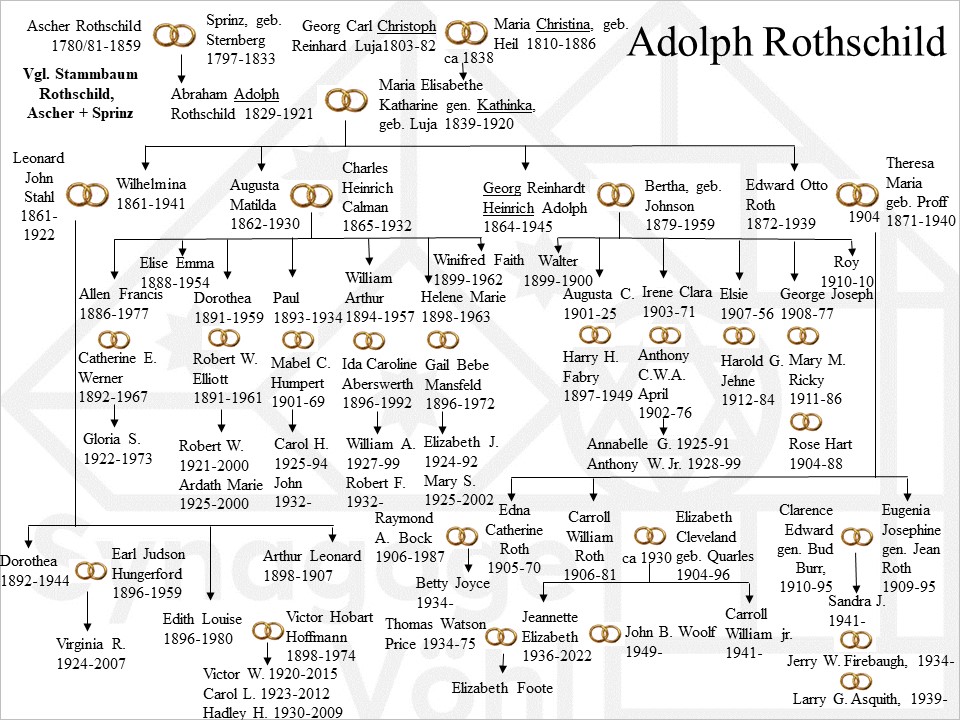
Rothschild Family Tree
As one nears the end of Ahamed’s book, one wonders why the Rothchild’s are prominently noted in its subtitle. His point is that the Rothschilds were the only global financial institution that successfully survived the ups and downs of the banking industry in the 19th century. Their success influenced unjust anti-Semitic growth in the world. The Rothschilds embodied the tension between stability and speculation with their long-term stability as a lending institution. The Rothchild’s stability became a symbol of global finance that influenced political actions around the world. The price paid by the Rothchild families’ success fed the worst in human nature exemplified by the Holocaust of WWII.