There is a risk of pathologizing social skills if one comes away from Clayton’s book thinking that fawning is only a negative characteristic of society.
Books of Interest Website: chetyarbrough.blog
Fawning (Why the Need to Please Makes Us Lose Ourselves–and How to Find Our Way Back)
Author: Ingrid Clayton
Narration by: Ingrid Clayton
Ingrid Clayton (Author, clinical psychologist, trauma therapist)
“Fawning” as described by psychologist Ingrid Clayton can cause an unconscious trauma when a person appeases, pleases, or over-accommodates others to feel safe. Clayton explains it is a survival strategy for one who deals with another person who is physically or emotionally abusive. Clayton recalls her life as a child with a stepfather who is grooming her for an intimate relationship when she is 13 years old. Clayton manages to avoid that relationship but explains the long-term psychological impact in her life is similar to PTSD.
Post-traumatic-stress disorder is a mental health condition caused by experiences, witnesses, or traumatic events that make one feel fear, stress, or danger. Clayton notes that her life when leaving home at 17 had those symptoms. She pursues a college education, graduates, continues her education to receive a PhD and finds employment as a therapist.
Pedophilia.
At the age of 13, her male stepfather created a grooming environment that created a long-term psychological impact on her life. She matured to feel fear, stress, and danger in developing relationships with others. She wrote “Fawning” as an educated PhD clinical psychologist to explain how a child growing to an adult can “…lose themselves…” with a form of PTSD. She believes she has found a pathway back to relationship’ normality after years of broken relationships. The irony of her realization is that all human beings are “fawners”.
Some will be inclined to put Clayton’s book down as an exaggeration of relationship reality but as she tells of her personal experience and therapy of others, both men and women, her beliefs become disturbingly credible. As one examines their own life (if they have lived as long as this book reviewer) know every human being is raised in their own familial circumstances. Children raised with 1, 2, or no parent families, develop behavior toward themselves and others that can lead to abuse of others which diminish their and other’s humanity. What Clayton shows is how her stepfather grooms her and how she responds based on her own grooming ability. She rejects his advances, a grooming behavior that a parent-child relationship allows with the risk of physical sexual abuse.
There is truth in Clayton’s explanation of “Fawning” as a universal relationship modifier, but it is not always linked to either grooming or abuse. People-pleasing behavior is a universal characteristic of society.
There can be good reasons as well as bad reasons for fawning. Looking at grooming as the only lens one views fawning diminishes its social value. That is certainly not Clayton’s intent but one may come away from her book seeing pedophilia as the primary consequence of fawning. The reality is that rigid family dynamics, cultural hierarchy, and high-pressure workplaces are common examples of fawning. Social cohesion and disruption are a general consequence of human nature influenced by fawning.
Clayton outlines a pathway back from PTSD. Prevention of trauma is of course the best solution. However, if one is a child, prevention becomes more problematic.
Clayton argues it is important to recognize fawning is not a people-pleasing choice but a survival strategy. Rather than feeling fear from what appears to be happening, clearly remind yourself of who you are and what you believe to be right. Recognize other’s motives. Respond appropriately by speaking up if your personal boundaries are being violated. Reflect on who you are and interrupt any motives of others that conflict with what you believe about yourself. The weakness of this pathway seems problematic for younger children. The pathway back for a child seems likely to be after the fact.
There is a risk of pathologizing social skills if one comes away from Clayton’s book thinking that fawning is only a negative characteristic of society. Pedophilia is a terrible societal malady, but society cannot function or improve without fawning.
Without a competent Chief of Staff, democracies are subject to authoritarian tyranny.
Books of Interest Website: chetyarbrough.blog
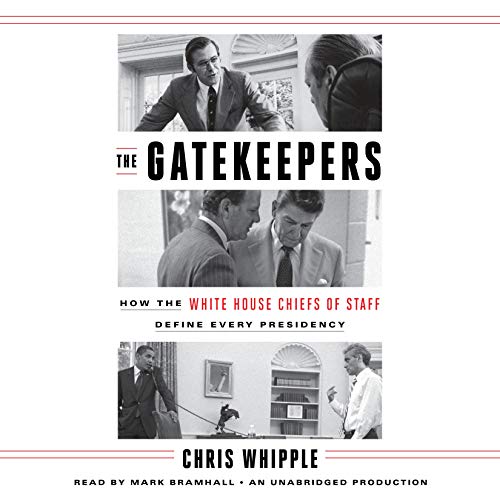
The Gatekeepers (How the White House Chiefs of Staff Define Every Presidency)
Author: Chris Whipple
Narration by: Mark Bramhall
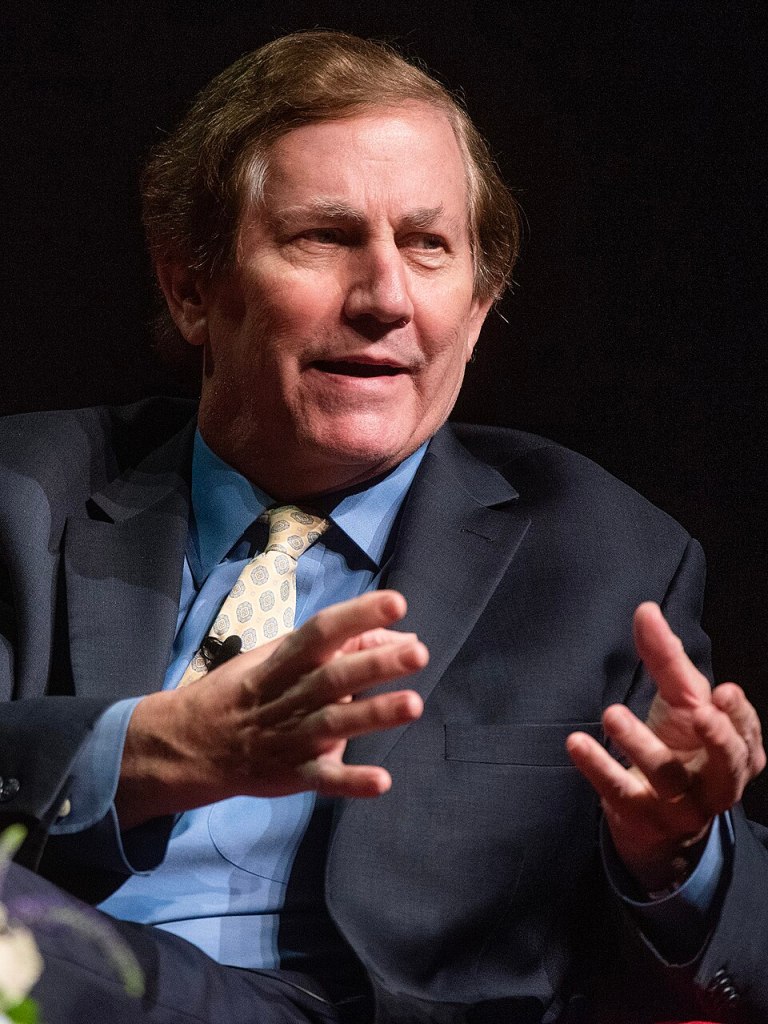
Chris Whipple (Author, political analyst, documentary film maker, journalist.)
Democratic government is complicated and messy, but decisions are made based on an understanding of the interests of many as opposed to the dictate and judgement of one.
“The Gatekeepers” may be viewed by most as an historical account of White House Chiefs of Staff based on many interviews of former government officials. However, one is inclined to see this history as a chronical of American government effectiveness. The facts and incidents reported give reader/listeners a view of America’s government function. Whipple details a series of relatively prudent and sometimes bad decisions made by late twentieth and twenty-first century presidents. Whipple’s history suggests the decision-maker for pursuit of government policy is America’s elected President. However, the road to policy approval or rejection is paved by White House’ Chiefs of Staff.
Whipple covers Nixon’s, Ford’s, Carter’s, Reagan’s, both Bush’s, Clinton’s, Obama’s, and Trump’s first administration. It does not address Biden’s Presidency or the Chief of Staff for Trump’s second term. The many interviews Whipple bases his history on offer a credible and enlightening history of American government. It is H. R. Haldeman, Cheney, Rumsfeld, Baker, Panetta, Card, and Rahm Emanuel that are the most prominent examples of effective and consequential Chiefs of Staff in Nixon’s, Ford’s, Reagan’s, Clinton’s, first and second Bush’s, and Obama’s administrations. The definition of effective is their ability to achieve a desired result whether good or bad for America. This is where one’s personal political beliefs come into question. It is always easy to see the errors of the past retrospectively. Whipple is careful to report facts and results without much judgement about their consequences.
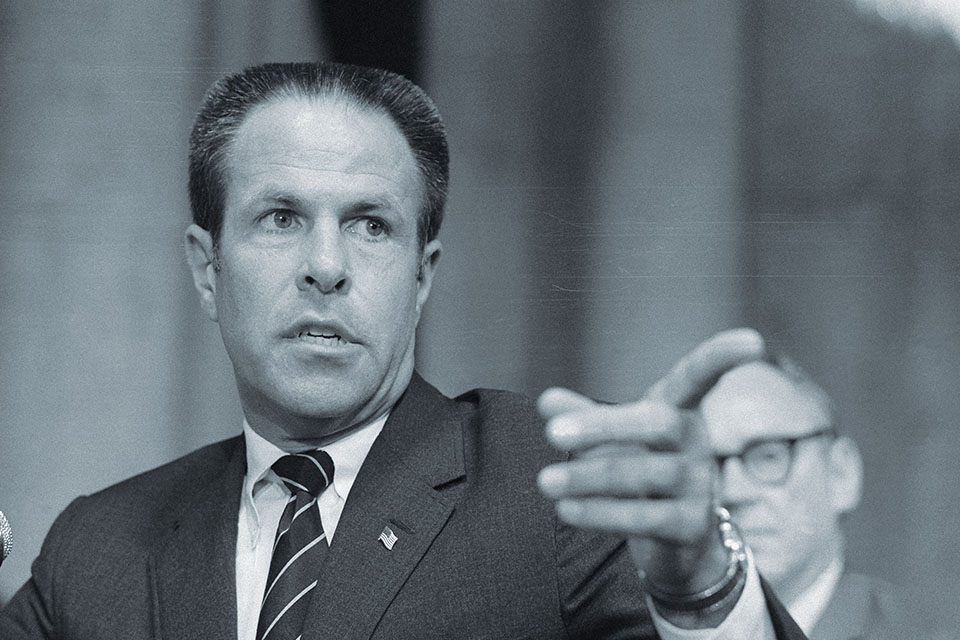
H.R. Halderman (1926-1993, former Chief of Staff for President Nixon.)
Haldeman was Nixon’s Chief of Staff. There is no evidence that he had anything to do with the planned or ordered Watergate break-in, but Whipple shows he participated in a Watergate cover-up. Though Haldeman’s actions after the Watergate scandal are reprehensible, the point made by Whipple is that Haldeman set the table for what an effective Chief of Staff should be for a President. Haldeman acts as a consummate gatekeeper. One can criticize Haldeman’s bad decision to try and coverup Watergate, but he defined the role of a President’s Chief of Staff. Whipple shows Haldeman manages access to the President, understands where the power of government lies, has a good understanding of staff members surrounding the President, protects the President’s time, and balances a President’s policies with the politics of his party.
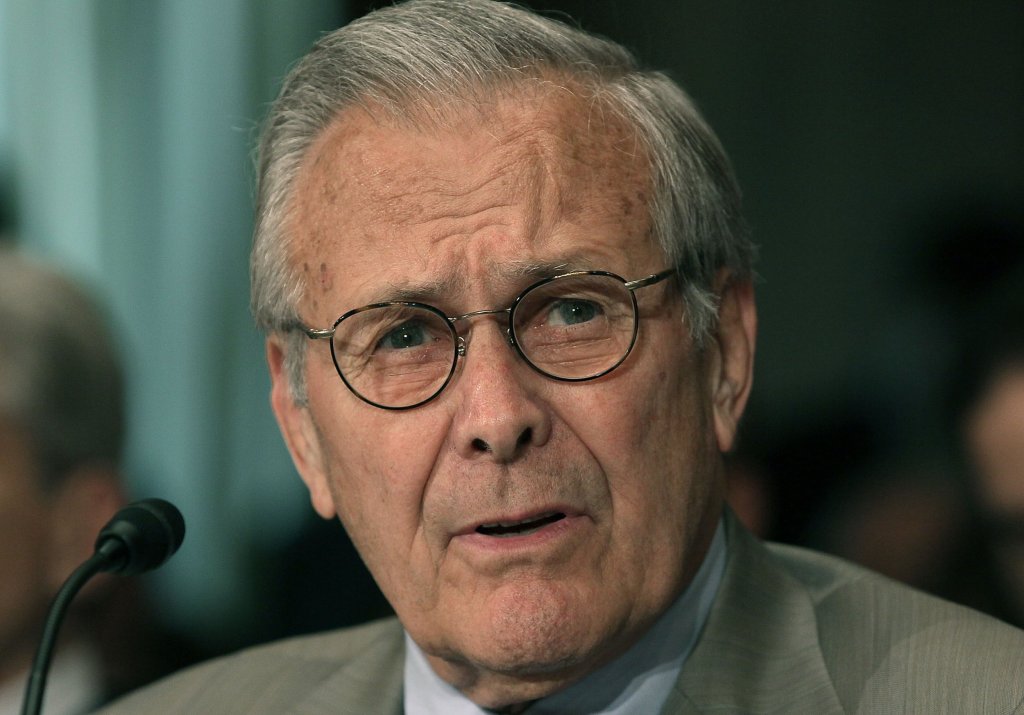
Donald Rumsfeld (1932-2021, Secretary of Defense and former Chief of Staff for President Ford.)
President Ford’s Chief of Staff is Donald Rumsfeld with Dick Cheney as Deputy Chief of Staff. Rumsfeld is characterized as a mentor to Cheney. They had a close relationship according to Whipple. Ford’s political decision to give a full pardon to Nixon and clemency for Vietnam draft dodgers were hot potato issues that were abetted (if not endorsed) by Rumsfeld and Cheney. Most significantly Ford ended America’s war in Vietnam. Ford endorses tax increases to reduce inflation while supporting tax cuts to stimulate the economy. Ford increases congress’s role in foreign policy.
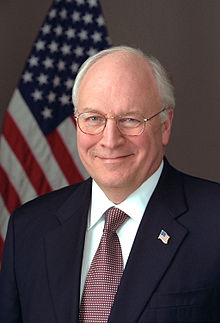
Dick Cheney (1921-2025, second Chief of Staff for President Ford.)
In a cabinet reorganization Cheney becomes the Chief of Staff and Rumsfeld switches to Secretary of Defense. Rumsfeld and Cheney, in their roles as Chiefs of Staff, control access to President Ford, coordinate policy actions, shape internal decision-making, and advise Ford on strategy to influence people who accomplish these acts. The two Chiefs influenced Ford to replace Kissinger as National Security Advisor, promote George Bush as CIA Director, and prepare Ford for the next election which is ultimately lost to Jimmy Carter.
Hamilton Jordan (1944-2008, Chief of Staff of President Carter.)
When elected, President Carter felt he did not need a Chief of Staff. However, he relented in 1979, when he found the job was needed. Carter hired Hamilton Jordan who had been his campaign strategist when he ran for President. Whipple notes that appointment became a mistake because of Jordan’s lack of discipline. Though the Ford administration fought the idea of promoting Reagan for President, the public felt otherwise.
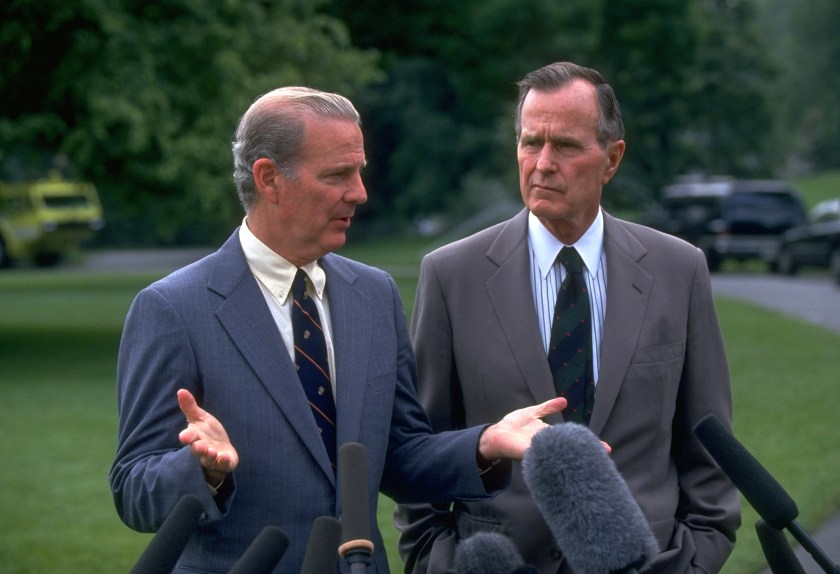
James Baker (1930-, Chief of Staff for President George H.W. Bush.)
After Carter, when Reagan is elected, he chooses James Baker as his Chief of Staff. Whipple suggests Baker is the quintessential model of a great Chief of Staff which all could be measured against. Baker is characterized by Whipple as an expert at managing the White House, the press, and Capitol Hill. Baker understood the process, the politics, communication, and presidential management requirements of the job. He never confused himself with the power of the President. He became manager of what is called the Reagan Revolution. The political and social movement revolves around ideas of smaller government, deregulation, cutting taxes, and endorsement of free enterprise. Whipple infers the success of the Reagan Revolution is largely due to the skill of James Baker.
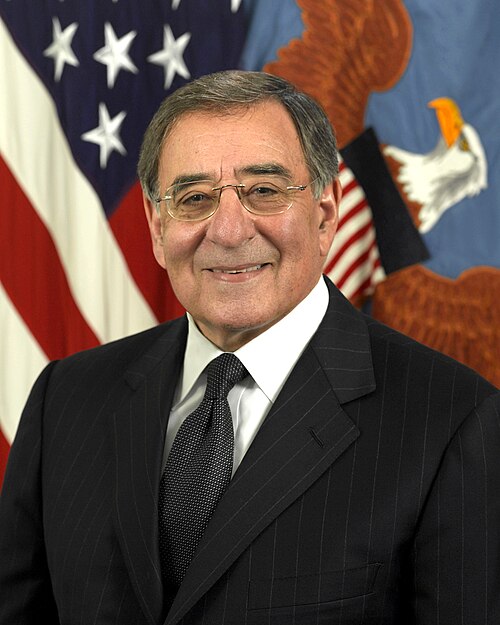
Leon Panetta (1938-, Chief of Staff for President Clinton.)
One may argue Reagan caused America’s 1990-91 recession. Unemployment had risen to 7.8%. This set the table for a Democratic President named Bill Clinton. The initial Chief of Staff for Clinton is John Podesta who served from 1998-2001 and is replaced by Leon Panetta who, in the author’s opinion, rivals James Baker as a great Chief of Staff. Whipple infers that, without Panetta, Clinton would not have been reelected after the Monica Lewinsky affair. Panetta brought discipline and structure to the Clinton White House. Panetta could say “no” to the President, at least, in private. Panetta gained a reputation for being an honest broker as a negotiator for the President.
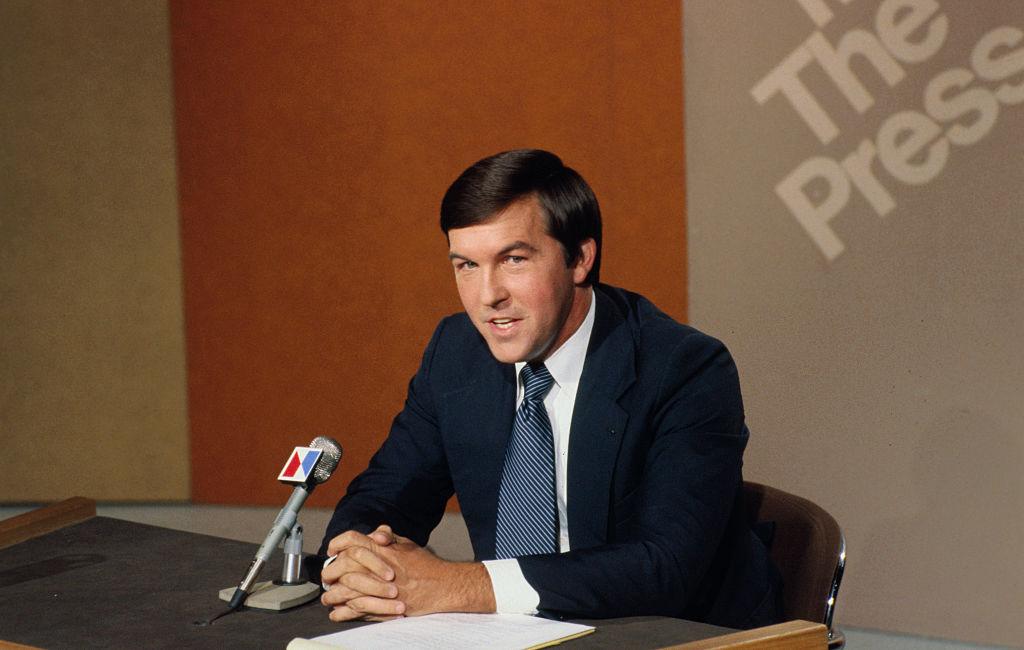
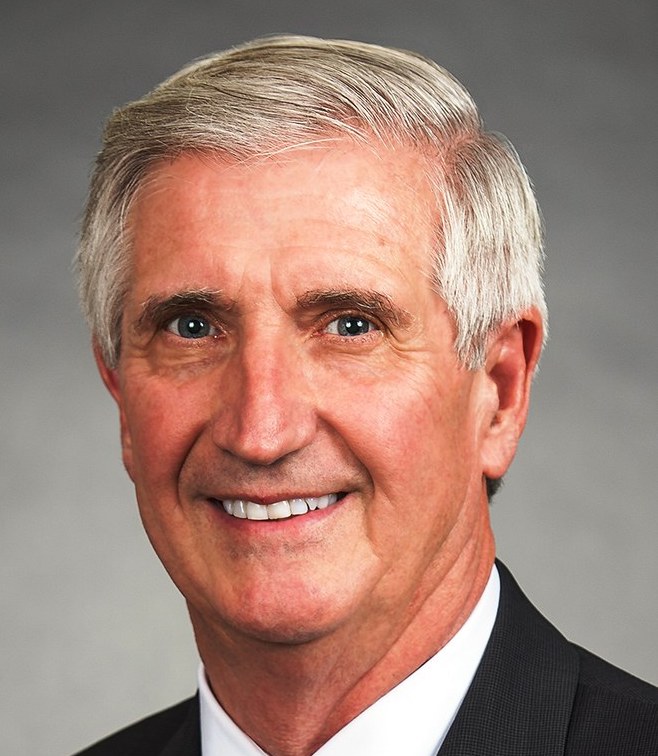
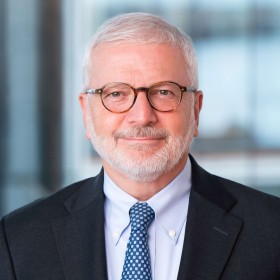
Andrew Card on the left. Joshua Bolten on the right.
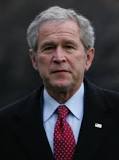
George W. Bush, the next President, is noted to have two Chief’s of Staff during his two terms as President. It appears both Andrew Card and Joshua Bolten were more soldiers than Chiefs of Staff for George W. Bush. The policy decider is certainly George W. Bush but the influence of Dick Cheney as Bush’s V.P. seem a major influence on George W.’s decisions. Bush’s two Chief’s of Staff may have been effective as screeners but not as Chiefs of Staff that could say no to a President influenced by his cabinet and personal opinions. The entry to the wars in Afghanistan and Iraq suggests Card and Bolten were unduly influenced by others in the administration.
No one seems inclined to say no to President Bush in private. In retrospect, President Bush seems let down by his Chief’s of Staff and the research and judgement of his Department Heads. Both Afghanistan’s and Iraq’s invasions by the American military are retrospectively shown by most (if not all) histories as American mistakes, if not tragedies.
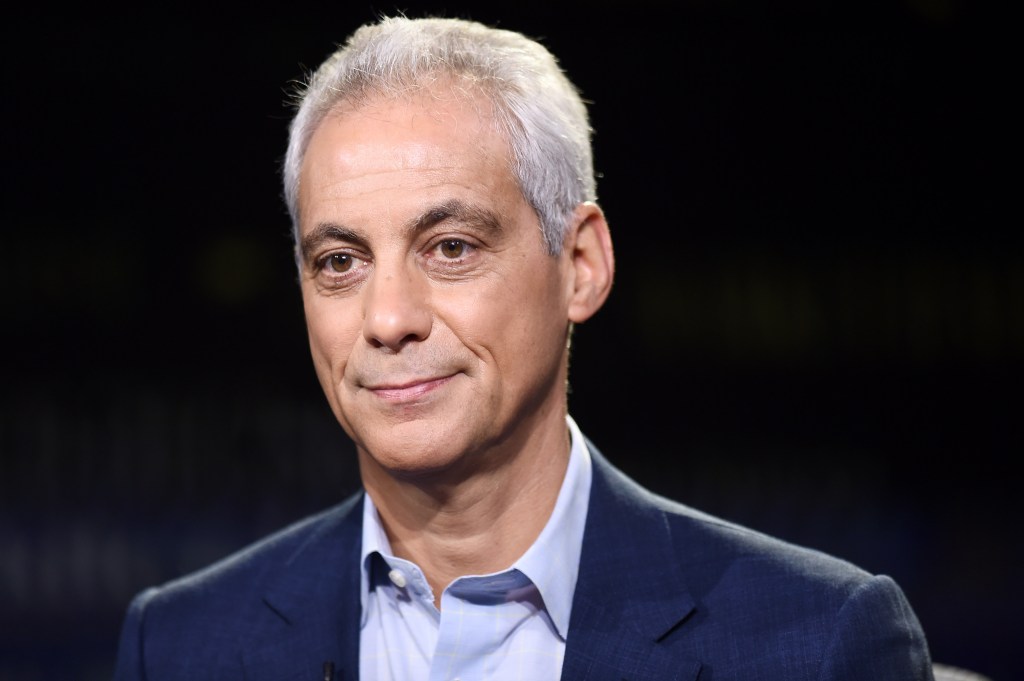
Rahm Emanuel (1959-, Chief of Staff for President Obama.)
The final chapters address Chief’s of Staff for Obama and Trump. Obama became President when the American economy is in an economic crisis that threatens the financial industry, the general economy, and the mortgage market for many American homeowners. He asks Rahm Emanuel to become his Chief of Staff. Emanuel is a tough Chicago politician who recognizes the pressure of the office and has some level of fear about the future of the American economy. He understood the gravity of the job he is being asked to take. However, his reputation as a tart tongued fighter for what he believed as right made him the best Chief of Staff that could be found. His role as gatekeeper gave Obama the support needed to pass the Obama Health Care plan and work through the economic crisis that nearly bankrupted America.
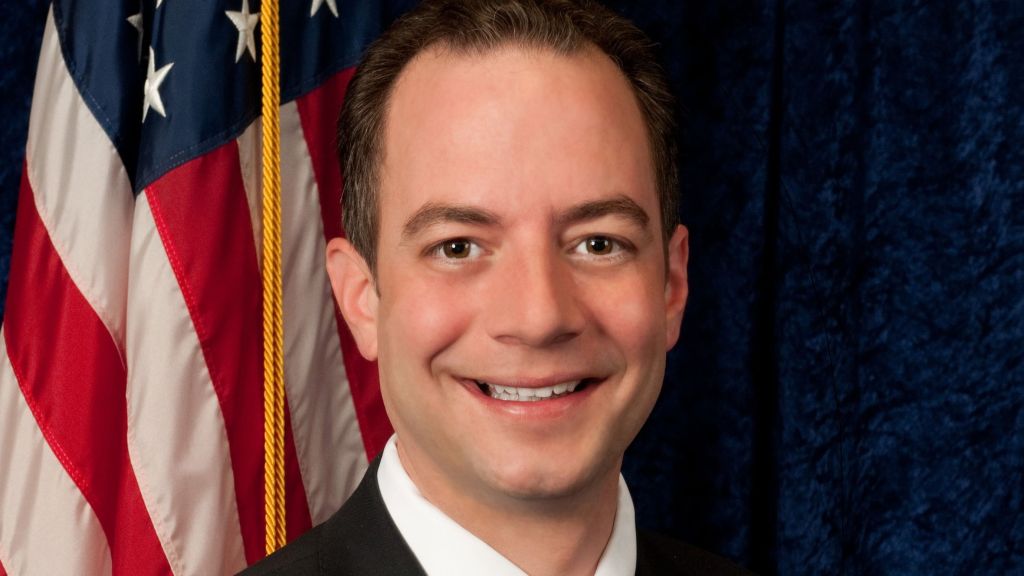
Reince Priebus (1972-, Chief of Staff for President Trump.)
Trump’s choice of Reince Priebus as his first Chief of Staff is short lived and lasts for less than 8 months. His short tenure is not evaluated, and history shows he is replaced three times in the remaining years of Trump’s first term. A pro-Trump person will have one opinion about those facts while an anti-Trump person will have another.
Whipple convinces reader/listeners that a competent Chief of Staff is critically important for any organization that approaches the complexity of a nation-state government. Without a competent Chief of Staff, democracies are subject to authoritarian tyranny.
Dylan Roof is not South Carolina, and neither are the preachers who believe in the divinity and eternity of God. All people of the world are subject to the sins of living life.
Books of Interest Website: chetyarbrough.blog
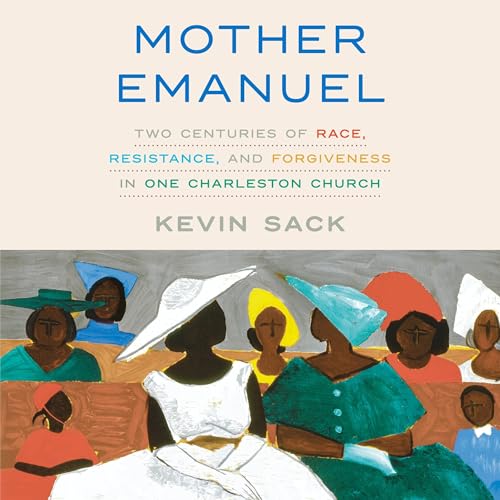
Mother Emanuel (Two Centuries of Race, Resistance, and Forgiveness in One Charleston Church)
Author: Kevin Sack
Narration by: William DeMeritt
Kevin Sack (Author, American journalist, senior reporter for The New York Times who shared a Pulitzer Prize for National Reporting in 2001.)
South Carolina is the underlying subject of Mother Emanuel. It focuses on a State that shows the very best and worst of what it can mean to be born in America. South Carolina is the home of Americans who fought on the side of the confederacy in the Civil War. The confederates of the south did not believe in human equality but in the superiority of the white race and the rightness of slavery.
Mother Emanuel is an African Methodist Episcopal Church located at 110 Calhoun Street in Charleston, South Carolina.
Mother Emanuel was built in 1891 and has capacity to seat 2,500 congregates. The church is considered a symbol of Black autonomy and resistance to some South Carolinians. On June 17, 2015, the senior pastor of the church and 8 African American parishioners were shot by a white 21-year-old American name Dylann Storm Roof. Roof, when he came to the church service, is invited into a Bible study group. He sits in the study group for nearly an hour before drawing a 45-caliber Glock handgun to murder 9 people, including the pastor of the church. The author and journalist Kevin Sack explains Dylann Roof was not a dumb white American but a person of above average intelligence who believed Black Americans were an imminent danger to white Americans’ way of life. Roof intended to motivate a Black American uprising that could be crushed by an American white majority.
Dylan Roof (At the time of his trial.)
A listener/reader is unlikely to believe Sack is writing this book to suggest all white Americans, let alone South Carolinians, are like Dylann Roof. Sack is not suggesting all humans have equal capabilities but that all people are influenced by the environment in which they live, their genetic inheritance, and their psychological development. What the author shows is that one’s intelligence can as easily lead to horrific acts of violence, dishonesty, theft, and social hate as belief in the truth of human equality.
Reverend Eric Manning navigated multiple difficulties when he became the pastor of the church after the massacre.
As a church, Mother Emanuel has existed for well over 100 years. It has had many pastors who are subject to the same strengths and weaknesses of all human beings. Sack infers some pastors in Mother Emanuel’s long life have been seduced by the money, power, and prestige of their office while preaching belief in God. Sack infers every human being, including pastors, can be led astray in life. A few, like Dylan Roof, become corrupted by life for reasons that are incomprehensible to one who believes in something greater than themselves, whether that something is the moral, communal, or cosmic reality of human life, or a fervent belief in God and redemption.
Dylan Roof’s verdict for execution is appealed to the U.S. Supreme Court but is rejected. He remains on federal death row.
Dylan Roof is not South Carolina, and neither are the preachers who believe in the divinity and eternity of God. All people of the world are subject to the sins of living life. Roof is shown by Sack to be an unremorseful murderer of human beings for little other reason than the color of their skin. A lesson of life that the murders explain is that forgiveness is not for the sake of Roof’s peace of mind but a mindful reconciliation for those who lost their loved ones.
As of the writing of this book, Dylan roof remains in prison, without personal remorse and a remaining verdict that warrants execution.
History buffs will be fascinated by Atkinson’s history of America’s Revolution, but it is a bit too long for this non-historian.
Books of Interest Website: chetyarbrough.blog
The Fate of the Day (The War for America, Fort Ticonderoga to Charleston, 1777-1780)
Author: Rick Atkinson
Narration by: Grover Gardner, Rick Atkinson
Rick Atkinson (American author, journalist, and military historian.)
Atkinson is an accomplished writer who has won Pulitzer Prizes for both histories and journalism. “The Fate of the Day” is a well written book about America’s war of independence. It is highly entertaining because of Atkinson’s detailed descriptions of the times and the major combatants in the revolutionary war. It gives reader/listener’s a view of the rag-tag and multi-cultural colonial military and British leaders. “The Fate of the Day” illustrates the colonists’ successes and failures against a much better trained and experienced British military.
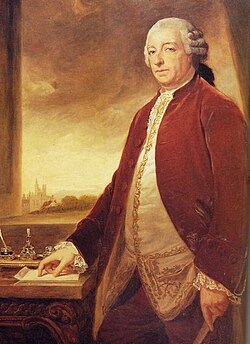
Sir Henry Clinton on the left and Lord George Germain on the right.
Atkinson offers a picture of Great Britain’s incompetence, arrogance, and misjudgment of the colonies fight for independence. Atkinson explains that Sir Henry Clinton, the Commander-in-Chief of the British Forces, though quite smart and considered a gifted strategist, fails to communicate clearly to his British field officers. Compounding that confusion is Lord Germain, the Secretary of State in England, to whom Clinton, Howe, and Cornwallis reported. Germain gave orders that were too far removed from the field of action. It caused many misunderstandings and confusion that diminished the effectiveness of British forces during the colonists’ battles for independence.
George Washington.
However, Atkinson also explains the faults of the Colonies’ leadership during the revolution. The stoic George Washington learned his role in the revolution on the job. He had no experience in the tactics of battle which led to misjudgments in the field. However, his skill in managing Congress, the states, and his fractious international officers offset his tactical mistakes. Washington instilled resilience, discipline, and courage in his subordinates. He held the army together despite poor military provisioning, erratic and meager pay, inadequate recruitment and training for war in an often-harsh environment.
Nathanael Greene (Major General in the Revolutionary War for America’s independence.)
Washington has some good field commanders reporting to him. Nathanael Greene is a self-taught militia officer who became a sophisticated strategist. He had a strategy to defeat British forces in the south with his troop mobility and attrition in fighting British superiority. Green avoids decisive battles with the British by evading superior forces and coordinating local militias to harass and ambush British forces. (A reminder of the Vietcong in America’s future war.) This causes the British to spread their forces to try and defend everywhere at once which only made them more vulnerable to attack. Atkinson gives the example of Greene’s retreats across North Carolina that make Cornwallis pursue Union soldiers over rough terrain which made Cornwallis outrun his supplies. By the time they reached Virginia, Cornwallis and his troops were overextended. Though Green did not win many battles, he effectively undermined British resolve to continue the fight.
Benedict Arnold (American-born British military officer who fought with distinction for the American Continental Army.)
In contrast to Greene, Atkinson profiles the infamous Benedict Arnold. It is a surprising contrast because Arnold betrayed the colonies by defecting to the British. Atkinson explains Arnold risked his life in defense of America’s drive for independence. He was heroic in that drive but felt unrecognized. Arnold led the surprise seizure of Fort Ticonderoga, the first major victory of the war. Atkinson notes Arnold led his troops on the assault of Quebec in 1775 which required a 300-mile march for which his men nearly starved; some dying on the march. Arnold led the assault and was shot in the leg. Even though wounded again in the leg at the Battle of Saratoga, he fought through 1777 when his tactical military actions compelled Burgoyne to surrender. Atkinson shows Arnold to be a smart, heroic commander but his emotions, the lack of recognition or promotion led him to defect to the British. The irony is that he is never trusted by either America or the British because of his defection.
America’s Revolutionary War.
Atkinson’s book is compelling because of the cinematic way he tells the story of America’s Revolutionary War. Picking details of heroes like Washington, and Greene which ranges from Washington’s trouble with his teeth to the clever strategy of guerilla war conducted by Greene to the bravery and defection of Arnold. Atkinson’s story helps one understand how human and creative early settlers of America were, not unlike the better American leaders of today.
Ben Franklin (America’s chief diplomat in Europe during the Revolution.)
Atkinson explains Ben Franklin is the colonists’ chief diplomat in Europe. Franklin’s charm as a a political operator who is willing to lie and flatter the French gave him celebrity and influence in the French court. He manages to create a French alliance that eventually supplied material and military power for support of the colonies against Great Britain. Of course, it helps that the French were vying for their own influence against the growing hegemony of England.
The Marquis de La Fayette (French miliary officer and politician who volunteered to serve in the Continental Army.)
Even before France began supporting the colonists, a young soldier named Lafayette joined the Revolution. The French aristocracy originally objects to the wealthy young aristocrat’s involvement. In response, Lafayette sails to America as a 19-year-old who believed in the colonists’ cause. His early experience as a soldier in France made him a general officer in the Continental army. He rode next to George Washington which gave weight to the Revolution’s global importance by internationalizing the war.
America’s independence.
History buffs will be fascinated by Atkinson’s history of America’s Revolution, but it is a bit too long for this non-historian.
Sorkin’s “1929” makes one think about 20th and 21st century American Presidents who may have set a table for a second economic crisis. As the Turkish proverb says “…fish stinks first at the head.”
Books of Interest Website: chetyarbrough.blog
1929 (Inside the Greatest Crash in Wall Street History–and How It Shattered a Nation)
Author: Andrew Ross Sorkin
Narration by: Andrew Ross Sorkin
Andrew Sorkin (American author, journalist, and columnist for The New York Times.)
“1929” is a history of the build-up to the stock market crash and the advent of the depression with opinions about how today’s economy compares and what should be done to keep it from happening again. Though Sorkin is not an economist, he has written an interesting history of the build-up to the 1929 depression.
Faltering economies.
There is a sense of danger being felt by some today when reading/listening to Sorkin’s history of the 1920s. Few seem to have a clear understanding of world market forces and whether we are heading for an economic catastrophe or a mere hiccup in the growth of the economy. Neither bankers, regulators, nor politicians in the 1920s (or for that matter now) seem to have a clue about the economy’s trouble and what can be done to ameliorate risks. Like 1929, today’s insiders, power brokers, and rich have more options to protect themselves than most of the world’s population.
Increasing homelessness in America.
In America, it seems those in power have no concern about the rising gap between rich and poor or the immense increase in homelessness. Without a plan by those in power, there seems little concern about reducing inequality, the common denominator for the wealth gap and homelessness. Sorkin’s book outlines the reality of 1929 that gives reader/listeners a feel of history that may repeat itself.
Sorkin’s history seems credible as he notes human nature does not change.
Today’s leaders are like yesterday’s leaders. Not because they are venal but, like most if not all human beings, leaders in power are concerned about themselves and what there is in life that serves their personal needs and wants. Of course, the difference is that leaders that are power brokers affect others that do not have the same influence or options to protect themselves. We all have blinders that keep us from seeing the world as it is because human nature is to ask what is in it for me, i.e., whatever “it” is. The 1920s had a merger bubble in manufacturing and communication that is fed by the industrial revolution. Today, we have a merger bubble with mega-corporations like Tesla, Apple, Amazon and others that are mega-corporations capitalizing on a new revolution coming with A.I., the equivalent of the Industrial Revolution. Some critics argue mega-corporations, like what happened with the oil industry could be broken up to increase competition which is the hallmark of improved production, cost reduction, and lower consumer prices.
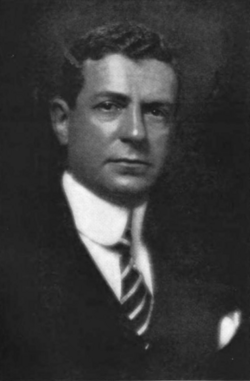
Charles E. Mitchell (American banker, led the First Nation City Bank which became Citibank.)
What makes this history interesting is Sorkin’s identification of the most responsible power brokers who bore responsibility for the stock market crash. Charles Mitchell of Nation City Bank is identified as the central driver of the stock market bubble. Mitchell denied the reality of the financial systems fragility. His ambition and unfounded optimism magnified the systemic risk of the financial crises. He openly defied the Federal Reserve’s warning to curb margin lending that risked other people’s money and their financial stability. He continued to promote purchase of stocks on credit that were fueling the stock market bubble. Mitchell appears to have misled the public in order to increase his power and protect his personal wealth by creating the illusion of market stability and his bank’s profitability. Though Mitchell is not the sole villain, he became the most powerful banker in the nation while breaking the financial backs of many Americans. In general, it is the self-interest of those who listened to him that have responsibility for their financial collapse, but it is always hard to know who is lying to you. Part of the blame is the hesitation of the Federal Reserve Board to act because the people in charge could not agree but that was more a matter of omission than commission which Mitchell was charged with but not convicted. Of course, the political leaders of that time also failed but hindsight is a lot easier than foresight.
Artificial Intelligence is today’s equivalent of the Industrial Revolution of the twentieth century.
Similar to the corporate mergers and investment from growing industrialization of the 1920s, today’s mania is mega corporation’ investment in Artificial Intelligence. Sorkin notes the ease of trading stocks, expectations of crypto investments, and A.I. hype may well move the market beyond its value. He argues for stronger guardrails on speculative investments, more limits on margin lending, and transparency on high-risk investments. He cautions easier credit as seen this Christmas season with buying based on delayed payment incentives and increasing credit card availability, card balance increases, and more liberal repayment terms. In general, Sorkin wants to see more, and better government oversight and regulation of credit offers. He believes too many lenders are overly optimistic about the future with the gap between rich and poor widening and trending to get worse. That inequality threatens the success of capitalism as a driver for shared prosperity, and economic growth.
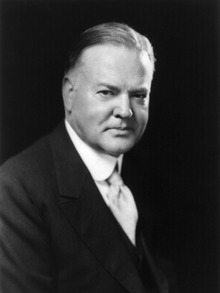
Herbert Hoover (President 1929-1933, though characterized as the primary villain for the depression, Sorkin identifies his role as one of omission rather than commission.)
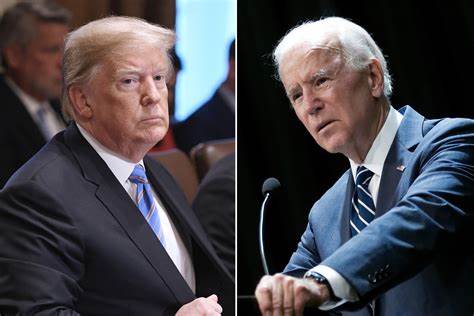
The Presidents shown below carry some responsibility for where the American economy is today but that would be another book.
Sorkin’s “1929” makes one think about 20th and 21st century American Presidents who may have set a table for a second economic crisis. As the Turkish proverb says “…fish stinks first at the head.”
In the end of “The Life We Bury”, the mystery of a murderer is solved. However, the real reveal of the story is how every human being is guilty of self-absorption.
Books of Interest Website: chetyarbrough.blog
THE LIFE WE BURY (A Novel)
Author: Allen Eskens
Narration by: Zach Villa
Allen Eskens (Author, former defense attorney who lives in Minnesota.)
Reading/listening to a book is motivated by one’s ignorance, public popularity, author reputation, or subject of interest. “The Life We Bury” is similar to an earlier murder mystery by Allen Eskens. “The Life We Bury” deals with a crime but has no famous historical allusions like the mystery in “The Quiet Librarian”. However, it does have a similar theme. “The Life We Bury” is about injustice and a human desire to right what is wrong. As a popular author and an attorney by profession, both novels show Eskens intimate knowledge of the legal system and its faults.
The characters of life.
The main characters of “The Life We Bury” are Joe Talbert, a 21-year-old college student working his way through college, Carl Iverson, a Vietnam War Veteran convicted of raping and murdering a young girl, and Lila Nash, a next-door neighbor to the college student. Hardship of life is illustrated by Joe who lives 2 hours away from a younger autistic brother that lives with their mother. She is an alcoholic. Their mother’s addiction makes care of the younger brother perilous. The mother’s alcoholism and her social life often leave the autistic boy at home to fend for himself. Joe deals with his mother’s neglect as well as he can with a job as a bouncer and college student who lives two hours away from the family home.
Assisted living facility.
An assignment from college for Joe is to interview a senior citizen who is living in an assisted living facility. Joe visits a retirement community near his apartment and asks the manager if he could interview one of their elderly occupants for his college assignment. They agree and Joe meets a terminally ill resident who is staying at the care facility from a prison which could not care for “end of life” needs of an imprisoned inmate who is convicted of rape and murder of a teenage girl.
Autism.
Lila, Joe’s next-door neighbor, becomes aware of Joe’s younger brother’s autism and is drawn into their awkward lives. She goes to the same college and by happenstance has some knowledge of the American justice system which leads her to help Joe with his interview and writing assignment. With her knowledge of the justice system, Joe is able to get the police file of the convicted rapist/murderer. The file is damning but a friend of the convicted and terminally ill patient tells Joe that his interview subject would not and could not have murdered the young girl.
Influence of others on our lives.
“The Life We Bury” is a person we know from our past that we no longer know but who has had a profound influence on our lives. “The Life We Bury” are people we know but often never reconnect with for either thanks or explanation of their effect on our lives. Eskens creates a story that on the one hand reveals how ignorant we are of other people’s lives and on the other how little we realize the impact others have had on our lives.
We all have some kind of guilt.
Carl Iverson is not guilty of killing and raping a young girl for which he is convicted and imprisoned. The search for the real killer is what moves Esken’s story along, but its theme is about guilt, and our ignorance about others and ourselves. Human beings live in their own worlds and often are unable to see others with the same clarity we think we see in ourselves. Eskens shows we neither understand ourselves, the people we think we know, or what impact they have on our lives.
In the end of “The Life We Bury”, the mystery of a murderer is solved. However, the real reveal of the story is how every human being is guilty of self-absorption. The race is on to arrest and convict the guilty rapist and murderer before the death of Carl Iverson. The last chapters of Eskens’ book are a nicely written denouement of his interesting story.
In the pre-A.I. age, democratic socialism is unachievable, but A.I. may resurrect its potential. However, as Orwell noted, the risk is a “Brave New World” rather than a hoped-for democratic socialism.
GEORGE ORWELL (Author, 1903-1950)
In Norm Chomsky’ ‘s and Nathan Schneider’s book, “On Anarchy”, George Orwell’s book “Homage to Catalonia” is called one of Chomsky’s favorite books. “On Anarchy” infers Orwell believed in anarchy because of his role in the war (1936-1939) against the Franco government. Though Orwell’s risk of life in Spain’s war is inconceivable to me, it seems prudent to listen to his story and point to the significant difference between what Chomsky and Schneider infer about Orwell’s belief in “…Anarchism” and what Orwell really wrote and believed. Though Orwell takes anarchism seriously as a political working-class movement, he believes it is impractical and that democratic socialism (with “1984” reservations) is what he believes could be the best form of government. The idea of abolishing all forms of coercive authority and hierarchy with a government anarchy is impractical because of the nature of human beings.
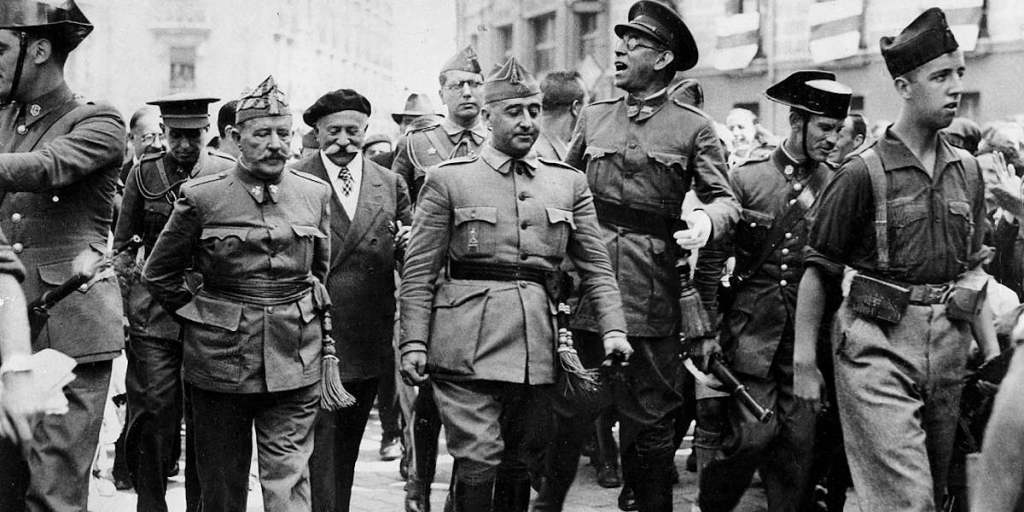
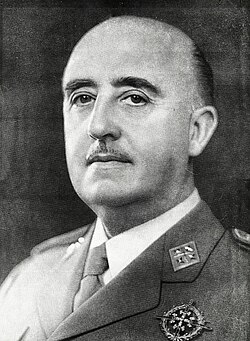
Francisco Franco with his soldiers in 1936.
Because of Orwell’s belief in democracy and equality he chooses to join the fight against Franco’s fascism. He joins the resistance at the age of 33 because of his belief in democratic socialism. He felt he needed to join the ideological struggle against Franco’s regime. It is a remarkable decision considering he is married, and relatively unknown. He is oddly driven by his moral belief in democracy and equality. Presumably, he entered the war to understand what it means to fight a war against a government he felt was immoral and totalitarian. Orwell served for approximately six months beginning in December 1936. He was shot in the throat and nearly died.
Anarchy and human nature.
It seems inconceivable that anarchism is a reasonable way of governing human nature. It is interesting to contrast what Orwell believes and what anarchists argue. This is particularly relevant in the 21st century because of the inevitable change in society that is occurring with artificial intelligence. A.I. has an immense potential for creating Huxley’s “Brave New World”. However, his writings reject the ideal of “Anarchy” espoused by Chomsky and Schneider because of its impracticality. Huxley shows that human nature contains both heroism and weakness tied to the material world. Even though human nature is basically decent, it is easily corrupted. That corruption makes humans hope and fear human decisions designed by consensus. It is not to say democratic socialism would be infallible, but it offers a structure for regulation of different governments at chosen intervals of time.
Human nature will not change. Human nature is a set of relatively stable psychological, biological, and social tendencies that are shared by all human beings. These tendencies shape how humans think, feel, and act even as culture and governance changes. Artificial intelligence will only intensify the strengths and weaknesses of human nature. The principles of anarchy in an A.I. world is frightening:
No centralized government, police, or standing armies.
Society organized through federations of communes, cooperatives, or councils.
Emphasis on direct democracy, mutual aid, and local autonomy.
Suspicion of any coercive authority — even democratic majorities.
Change often imagined as revolutionary, not incremental.
A more rational alternative to Anarchy is Democratic Socialism believed by Orwell and espoused by MLK.
The state remains, but becomes more egalitarian and accountable.
Markets may still exist, but are regulated or supplemented by public ownership.
Political parties and electoral competition are central.
Emphasis on universal programs: healthcare, education, housing, worker protections.
Change is gradual, through reforms, not revolution.
Differences of opinion.
There are obvious differences between Chomsky’s and Orwell’s beliefs. Both have social weaknesses. Human nature gets in the way of both forms of governance. Orwell seems to have recognized the weaknesses of his belief in democratic socialism in his writing of “Brave New World”. In contrast, Chomsky’s and Schneider’s pollyannish view of anarchy as “…a better form of government where power is decentralized and citizens can and should collectively manage their own affairs through direct democracy and cooperative organizations” is absurd. The difference is that Huxley foresees the dangers of his idea in “Brave New World” which anticipates something like A.I. that has the potential for society’s destruction. “On Anarchy” ignores the truth of human nature, “Brave New World” does not.
Franciso Franco (1936-1975, died in office.)
Orwell’s decision to join opposition to Franco’s dictatorship fails. Their right-wing beliefs in authoritarianism, anti-communism, and pro-Catholicism prevails. Spain’s 1930s opposition leaders (Manuel Azaña, Largo Caballero, and Juan Negrín) were pro-democracy with anti-fascist, socialists, communists, anarchists, trade unions, urban workers, and peasants who Orwell joined to support democratic socialism, not anarchy.
In the pre-A.I. age, democratic socialism is unachievable, but A.I. may resurrect its potential. However, it is the risk of a “Brave New World” or “1984” rather than a hoped-for democratic socialism.
The most judgmental part of Szalay’s story is that a boy raised in wealth can be spoiled by drug addiction while a poor “go along to get along” boy may end up just as dissolute from sexual addiction.
Books of Interest Website: chetyarbrough.blog
FLESH (A Novel)
Author: David Szalay
Narration by: Daniel Weyman
David Szalay (Canadian Author, winner of the Booker Prize in 2025 for “Flesh”.)
Every child is raised in different circumstances. The variables are legion ranging from genetics to economic environment to parenting and the experiences of life. David Szalay tells of a young boy growing to manhood. Every male will have some experience that relates to his primary character’s life. That explains the popularity and literary acclaim that “Flesh” achieves.
Szalay captures different pathways for “every boy’s” journey through the physical and mental anxieties of life.
The specific circumstances of the life for boys (and undoubtedly girls) show how complicated growth to adulthood can become. The father of one boy is a very wealthy businessman who has married a woman many years younger than him. They have a son named Thomas who has been raised in wealth and privilege. The second boy is, István, a poor Hungarian who lives a “go along to get along” life. This poor Hungarian grows to be a handsome man who is attractive to women because of his life experience and attitude about life and relationships.
Effects of inherited wealth.
István and a wealthy husband meet as a result of an attack by street thugs who beat the wealthy husband and nearly kill him. István happens to be passing by when the thugs are scared away by his sudden appearance. István calls 911 or its equivalent to get an ambulance. The wealthy husband is taken to a hospital and is grateful to István which he feels has saved his life. He offers István a job in his security firm as a protector of wealthy clients. István shows himself to be a very competent bodyguard. The wealthy husband decides to have him become his personal family guard and driver.
The wealthy husband’s much younger wife falls in love with the bodyguard and they become lovers.
The wealthy husband dies, and István marries the wife of her former wealthy husband. The son of the wealthy husband is destined for college when István marries the deceased husband’s wife. This college bound son will inherit all of the family wealth when he reaches the age of 25 based on a Trust that allows his mother and her new husband to use the Trust to make investments for the future until the son reaches 25. István becomes a land investor and developer with the wealth of the trust.
Human differences.
The table is set for comparison of two sons who are different with one raised in great wealth and another in the lower middleclass. A crisis occurs when an 80-million-dollar investment by István is needed from the trust that requires disclosure to the son who is to inherit the trust. This son raises enough public objection to the investment that it is not made, and the investment deal falls apart. To this reviewer, the dynamics of the genetic influence of two boys from different economic classes is the most insightful value of the novel.
The influence of genetics, wealth, and poverty.
One can judge from the life of István what influence genetics, wealth, and poverty may have had on the life of a boy growing to become a man. The author seems to have an opinion about boys raised by a family of wealth versus those raised by a family with a “go along to get along” belief in life. At the books end, one wonders if being born in wealth is as likely to make an adult male better or worse. István seems sympathetically written into life by the author. He is true to his character throughout the story, but his sexual life is a mess. Though he appears to be a resourceful, hardworking, and decent human being, he is led through life by his libido.
The most judgmental part of Szalay’s story is that a boy raised in wealth can be spoiled by drug addiction while a poor “go along to get along” boy may end up just as dissolute from sexual addiction.
Like America’s Civil War and the issues of slavery and independence, peace will only come to Israel with a political and territorial agreement based on human equality.
Books of Interest Website: chetyarbrough.blog
BEING JEWISH AFTER THE DESTRUCTION OF GAZA (A Reckoning)
Author: Peter Beinart
Narration by: Malcolm Gladwell
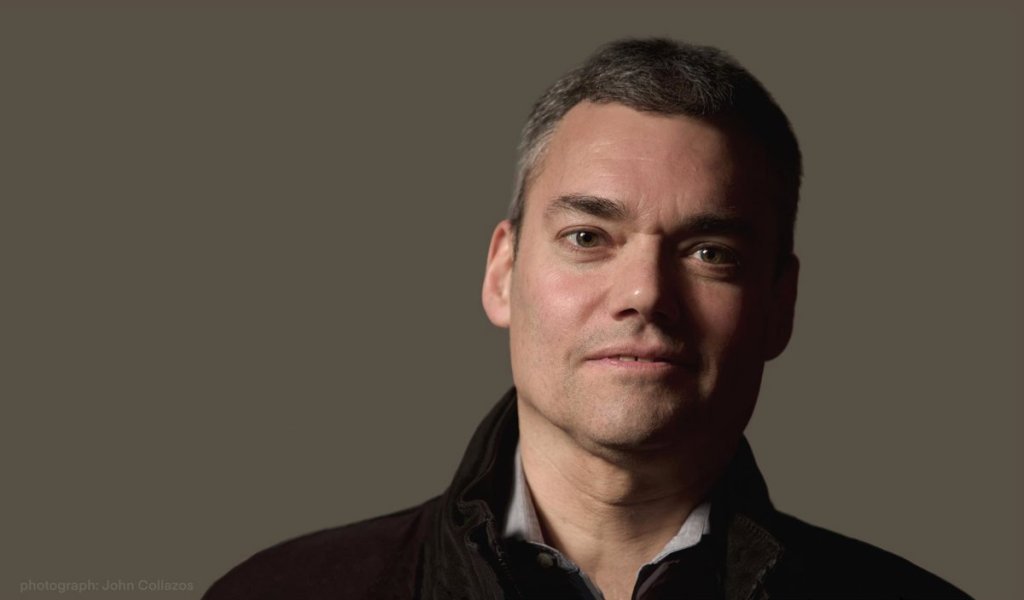
Peter Beinart (Author, journalist, political commentator, professor, former editor of the New Republic, born in Cambridge, Mass. to Jewish immigrants from S. Africa.)
This is a surprising Jewish author’s analysis of Israel’s response to the horror of Hamas’ murders/rapes of 1200 people and the taking of 251 Jewish hostages on October 7, 2023. Peter Beinart appears to be a devout Jew and journalist who criticizes Israel’s response to Hamas’s brutal attack and hostage taking. He believes, as current news reports confirm, Hamas will return to control and influence Gaza and West Bank Palestinians after Israel’s brutal response to the Hamas’ atrocity.
NYT’s Picture of Grief over the Hamas attack on October 7th, 2023.
Without reservation, Beinart condemns Hamas for their war crime on October 7th. However, his book equally condemns Netanyahu’s response. Beinart points to the Israeli government’s destruction, murder, and starvation of thousands of Palestinian men, women, and children who had nothing to do with the planning or execution of the Hamas horror of October 7th. The author argues Israel must focus on a political, non-military solution to Palestinian human rights. He believes Netanyahu’s actions only perpetuate a cycle of violence in Israel which will not achieve security for either the Israeli or Palestinian people.
One wonders how unpopular Beinart’s opinion may be among Israel’s Jewish population. As a blogger who received written comments from a devout Jewish person who supports Trump and Netanyahu’s actions in Israel, it is surprising to hear Beinart’s analysis of the Gaza war and his criticism of Israel’s actions. As the reviewer of this book who admittedly has little respect for religion and its history of atrocities, it is encouraging to hear from one who believes in their religion and condemns those who have no empathy for other religions. God is a universal concept with religions that worship His existence in different ways. Beinart makes one wonder why there is so little room for a “let it be” attitude toward different religious beliefs.
Empathy.
Beinart argues for Jewish empathy toward Palestinians while condemning Hamas’ actions in Israel. He believes long-term peace requires political compromise and a recognition of Palestinian rights. Military actions only guarantee rather than deter future violence and injustice. Beinart’s plan is to end Israeli’ occupation of Gaza and expand the rights of Palestinians to control Gaza and the West Bank. He argues it can be either a one-state or two-state solution. Beinart argues ground invasion by Israel in Gaza must stop. He recommends forthrightly engaging the humanitarian crises in Gaza by providing aid and rebuilding what has been destroyed.
Pursuit of peace is not easy.
None of this is easy because of the enmity that remains. The complications of political opposition, and security are ongoing concerns for Israelites and Palestinians, but Beinart believes the risks of a negotiated political, religious, and territorial settlement is worth it. Human equality is a work in progress for all nations in the world. Beinart persuasively argues a political and territorial agreement between Palestinians and Israelites is the only possible path to peace. Like America’s Civil War and the issues of slavery and independence, peace will only come to Israel with a political and territorial agreement based on human equality. Of course, the drive for equality remains a work in progress for America. That will be true in Israel for generations to come, but peace can be restored with pursuit of equality for Palestinians and Jews.
Aristotle’s belief was that the goal of life is living well, Sartre suggests there is no inherent meaning to life, Bentham said the goal of life is happiness. What does Gladwell believe?
Books of Interest Website: chetyarbrough.blog
OUTLIERS
Author: Malcolm Gladwell
Narration by: Malcolm Gladwell
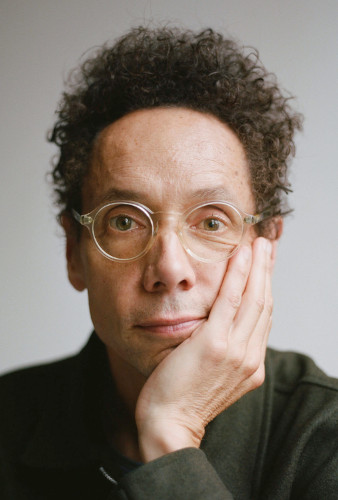
Malcolm Gladwell (Author, Canadian journalist, and public speaker.)
“Outliers” makes several points, some of which are insightful while others are debatable. As with all observations of life and discovery, correlation of what we see, hear, and understand does not prove causation. Gladwell shows the advance of civilization and great successes in life are from luck, timing, and hard work more than I.Q.
Gladwell offers examples of chance and the circumstances of an era that advance society.
Gladwell explains intelligence alone does not make a person successful. He offers a brief biography of a high IQ person who did not achieve success despite his intelligence. He notes intelligence and one’s culture must be accompanied by individual hard work, interest, and commitment as well as the luck of being born at the right time. Gladwell’s examples of success are Bill Gates, the Beatles, sports’ stars, retail clothiers, and lawyers. Each of his examples are a result of being in the right place at the right time with an innate wish to work hard that makes “Outliers” personally and/or financially successful.
The founders of Microsoft, Paul Allen (L) and Bill Gates.
Gladwell argues his case about “Outliers” by offering several examples. The founders of Microsoft were born at a time when computers were first being discovered. The Beatles lived in a culture that idolizes musicianship and entertainment. A quirk in society that artificially determines children born in certain months are presumed by some to make good to great sports stars which results in higher-order support of children born in particular months of the year. That birth-month’ choice garnered extraordinary support of parents and coaches according to Gladwell. Those children became sports stars as a result of that early parental and coaching support of their sports careers. Gladwell goes on to suggest observation and experience of immigrating Jewish clothes-makers arrived in America and became wealthy merchants at a time of America’s economic growth. And finally, Gladwell notes lawyers began creating elite legal firms to support growing litigation between growing mid-twentieth century American corporations. Gladwell’s common denominators were relative intelligence, a burning interest in cultural change, and a commitment to hard work. The circumstances of the time (new invention and social change) and hard work, rather than high I.Q., were the primary causes of individual success.
Cultural backgrounds.
Gladwell suggests cultural backgrounds prepared some to seize opportunities that were overlooked by the general population. He suggests some Jewish immigrants who migrated from discriminative cultures, were liberated by the freedom available in America. Gladwell notes the creation of the garment industry in New York and the rise of successful Jewish legal firms are examples of seized opportunities missed by many in the 20th century. The common denominators were hard work, social change, and culture.
The criticism one may have of Gladwell’s book is in the examples he chooses to make his arguments.
Gladwell’s examples are chosen to support his argument, but they narrow the reality of the complex life lived by most humans. He oversimplifies success because it seems narrowly defined as wealth and/or fame rather than happiness or contentment. He defines success as something that requires a “10,000” hour commitment of research and practice, i.e. an arbitrary criterion that has no basis in fact. People make their own choices in life whether it is as a nerd, a famous musician, a high-powered lawyer, or one who loves to read and spends time listening/reading and reviewing books.
Determinism vs. free will.
Gladwell seems to say life is deterministic, but many choose to adapt rather than be driven by the circumstances of life. This generation’s great change will be in the implementation of A.I. Massive investment is being made in A.I. today with momentous change coming to the world of employment.
Aristotle’s belief was that the goal of life is living well, Sartre suggests there is no inherent meaning to life, Bentham said the goal of life is happiness. What does Gladwell believe?