AMERICA

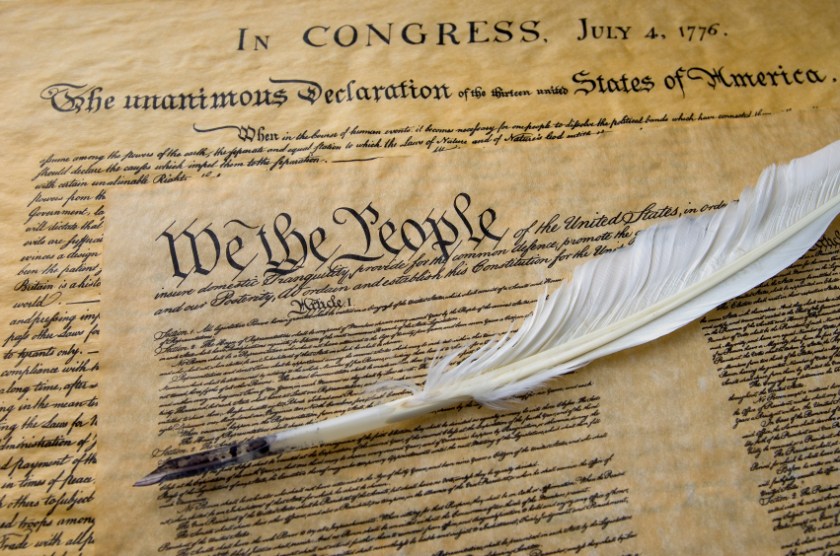
Despite President Trump’s words and deeds, America is and always will be a haven for those who seek freedom and equality of opportunity.

Books of Interest
 Website: chetyarbrough.blog

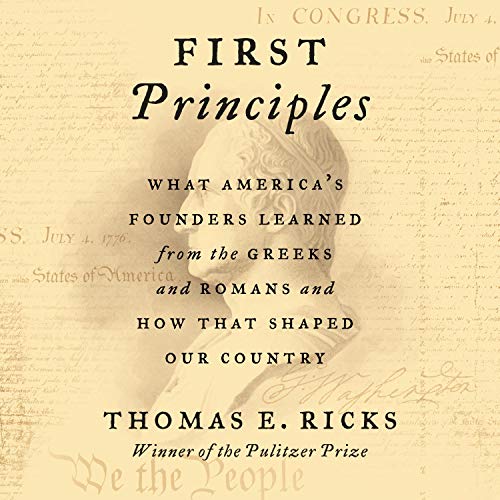
First Principles (What America’s Founders Learned from the Greeks and Romans and How That Shaped Our Country.) 

Author: Thomas E Ricks

Narration by: James Lurie

Thomas Edwin Ricks (Author, American journalist. Pulitzer Prize winner for National Reporting for the WSJ and Washington Post.)

Thomas Ricks has written an enlightening view of the founders of America’s government. In his opinion, the founders established a republic ruled by an American government based on ancient Greek and Roman political ideas. He argues the self-taught education of George Washington, and college educations of John Adams, Thomas Jefferson and James Madison were steeped in knowledge of Greek and Roman beliefs reinforced by Scottish intellects who studied the classical ideas of Greek and Roman society. Ricks notes Roman and Greek writings about virtue, law, deliberation, political structure, and social restraint are important sources of America’s government organization.
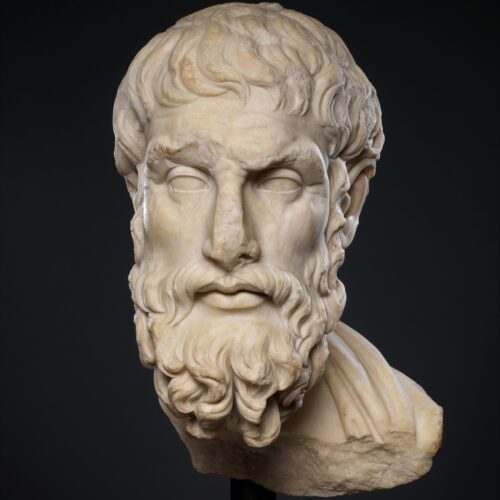
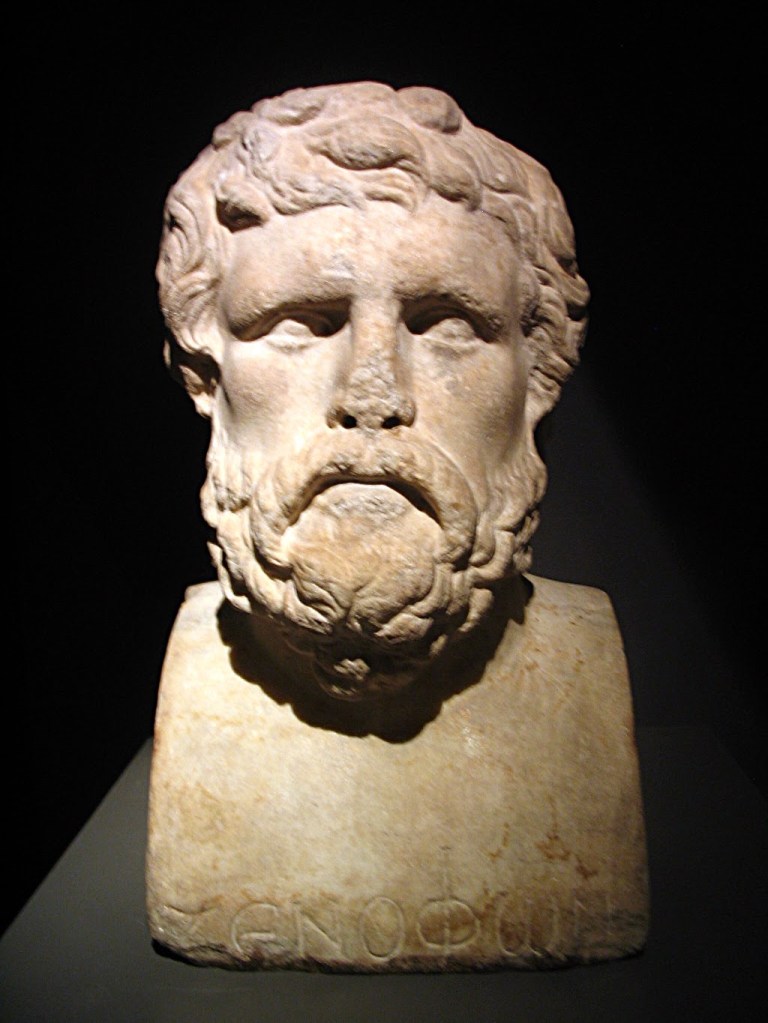
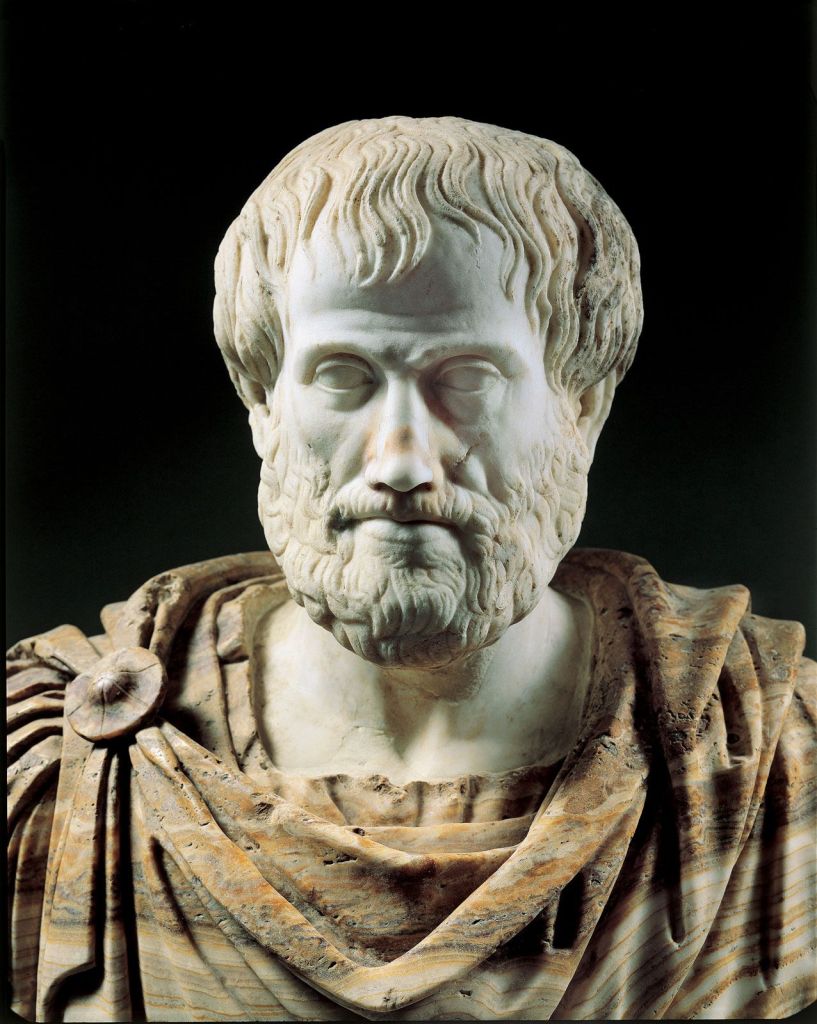
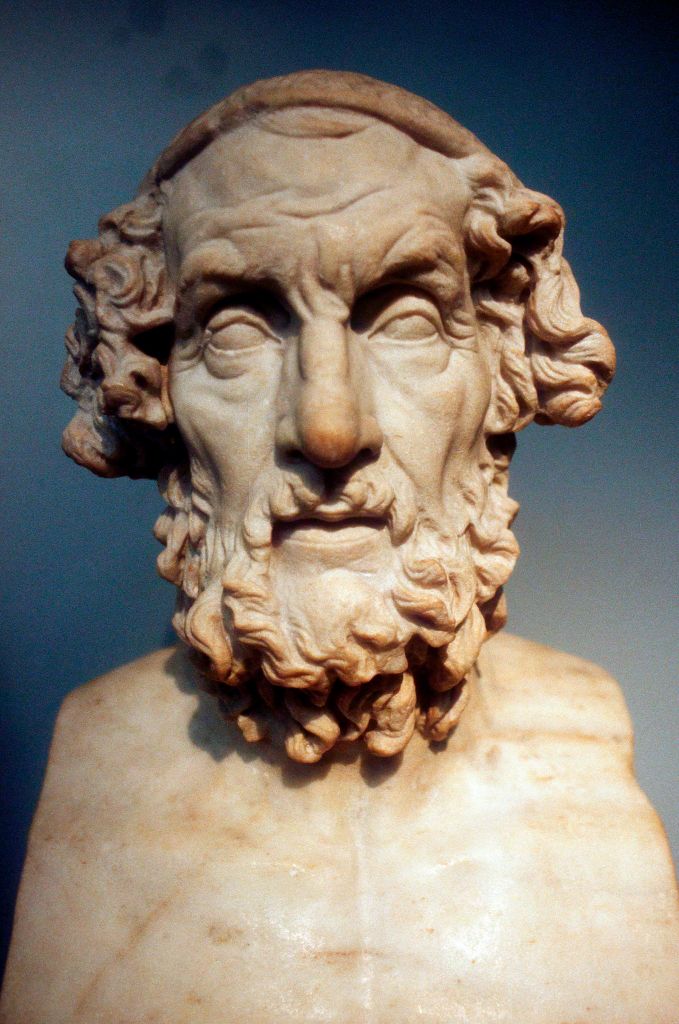
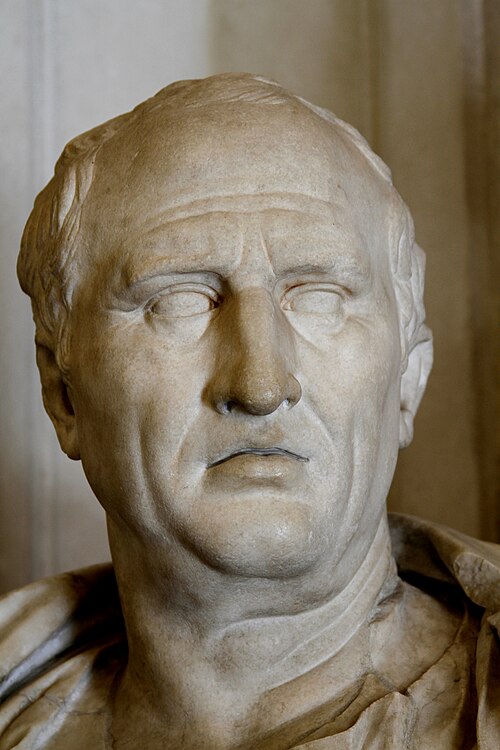
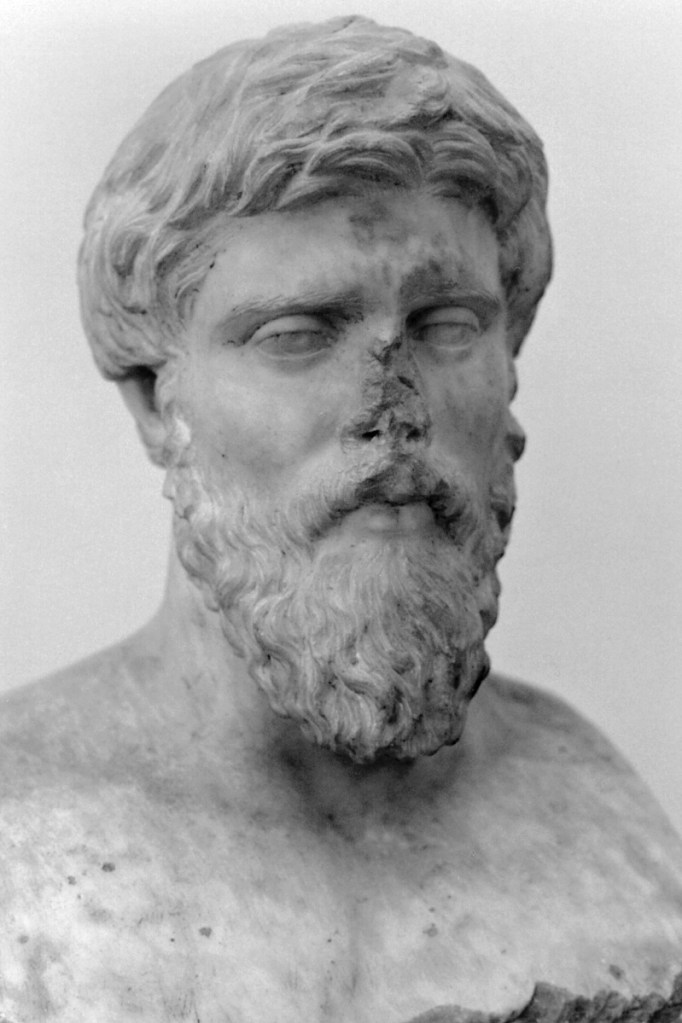
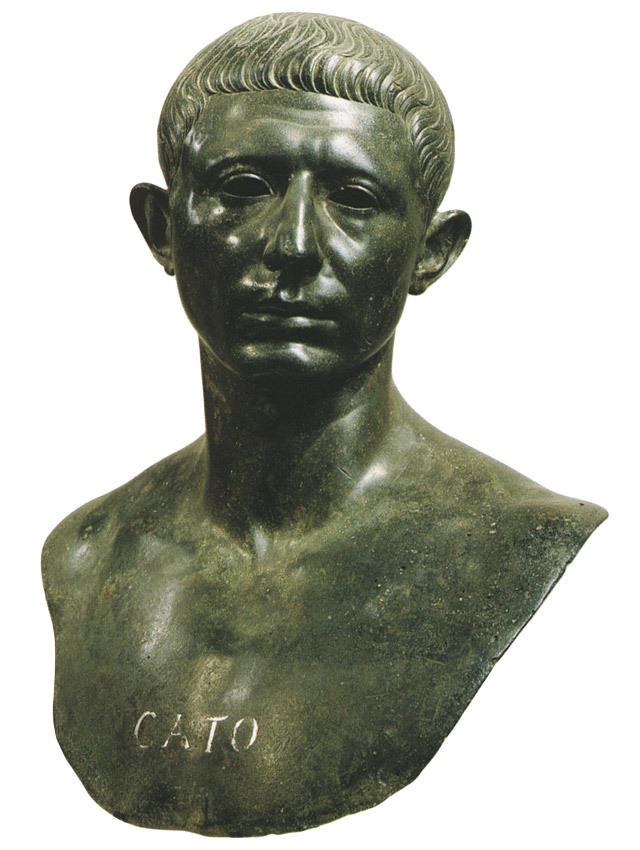
Ricks argues Greece’s Aristotle, Plato, Epicurus, Xenophon, and Homer were read by important framers of the American Constitution. Particularly, Thomas Jefferson, John Adams, and James Madison were influenced by Greek writers and famous Romans like Cicero, Plutarch, Polybius, Cato the younger, Cataline, and Caesar. Even the unschooled George Washington read the works of Cicero, Cato the Younger, and Plutarch. Ricks writes that the Greek and Roman authors were the curriculum basis of the Scottish enlightenment of the 17th century.
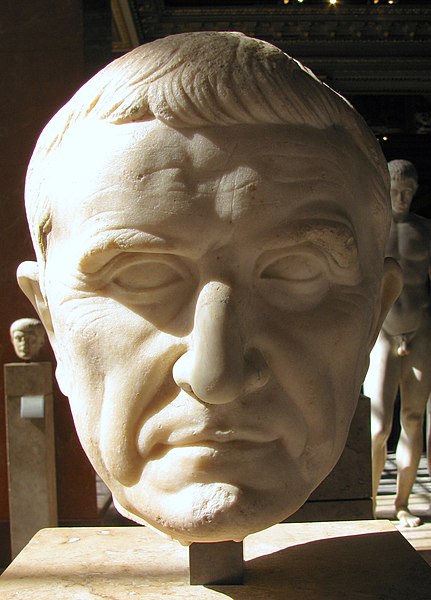
Jefferson absorbed the beliefs of Scottish writers like Francis Hutcheson, Thomas Reid, and Adam Smith to form a moral philosophy and belief in the natural rights of humanity. Adams adopted the civic virtues propagated by Scottish intellectuals like Hutcheson, Hume, and Smith. He admired the moral vocabulary of virtue and grasped a realistic view of human nature with a belief in mixed government that required checks and balances; i.e., not a pure unconstrained democracy. Madison relies on the Scottish Hume, and Smith to understand how human nature requires administrative regulation to mitigate factionalism in a government based on separation of powers. Madison became the synthesizer of enlightenment beliefs promulgated by Scottish intellectuals.

George Washington (1732-1799.)

George Washington is not characterized as a deep thinker about philosophy, but Ricks suggests he had read Plutarch’s Lives and revered the lives of Cato and Cincinnatus who were known for civic virtue, sacrifice, and public duty. Cato the Younger is noted for stoic discipline and moral seriousness while Cincinnatus voluntarily relinquishes his power after successfully defending and saving the Roman Republic from the Aequi (a militant mountain tribe living near Rome). Cincinnatus defeated the Aequi in a 16-day defensive war for the Roman Republic. He could have crowned himself as King as a result of his success.

Cato the Younger, as a Roman statesman became famous for his emotional restraint, moral rigor, personal austerity, and commitment to virtue. Washington emulated Cincinnatus’s actions after America’s revolutionary war when he could have used his fame to take command of a fractured continental congress. He exhibited Cato the Younger’s statesmanship throughout his career as leader of the American miliary and later as the first popularly elected President of the United States. The soon to be summoned military commander returned to his farm in Virginia after the end of America’s war with Great Britain.
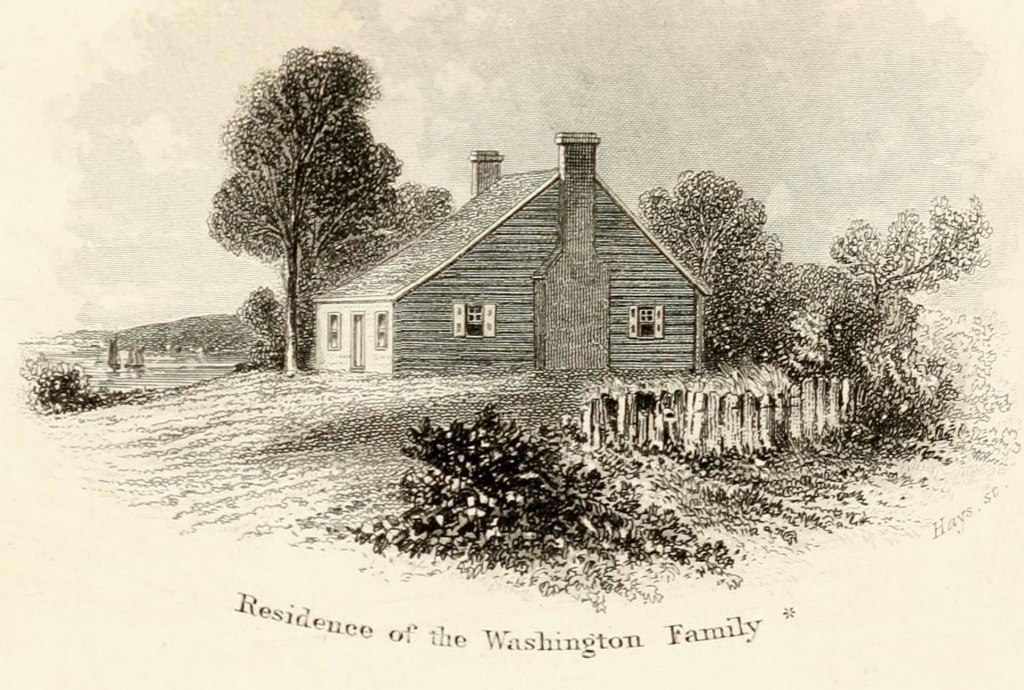
George Washington’s Farm near Fredericksburg, Virginia.

Washington had no college education and limited formal education. He had learned to read and write but relied on self-education through practical experience. He joined the Virginia militia at age 21 as a major. He entered the military service during the French and Indian War with orders to convince the French to leave the Ohio valley. However, he failed. He is defeated by the French in 1754. What he learned is that overconfidence, poor preparation, and logistic mistakes could only be overcome with discipline and clarity.

British General Baraddock.
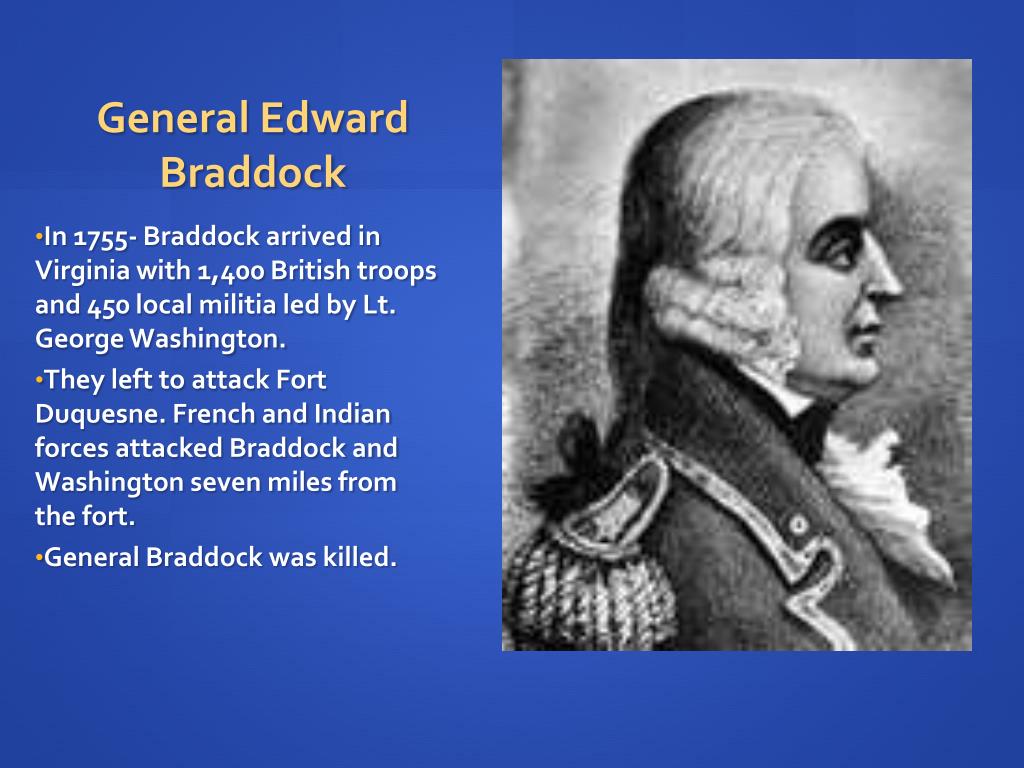
Washinghton went on to serve under British General Braddock in 1755 and learned the importance of discipline, and military organization while fulfilling his duties in battle. Washington found the British underestimated Indian tribes that parlayed and fought together against America’s colonists taking of Tribal lands. Washington shows his personal courage in a battle in which two horses are shot from under him while a bullet passes through his coat. His commander, General Braddock, is killed. Washington learns discipline, order, and humility while in the military. He matures to recognize the importance of reputation in leading others.

Thomas Jefferson.

Jefferson is in someways shown to be a bon-vivant who seduces other men’s wives. However, Ricks shows Jefferson to be a brilliant omnivorous consumer of political philosophy. His beliefs are shaped by a blend of Greek, Roman, and Scottish Enlightenment ideas. His studies of the Greek philosophy of Epicurus and Aristotle fed his belief in agrarian republicanism reinforced by reading Cicero and Virgil. His reading of Scottish writers like Hutcheson, Reid, and Smith make him a philosopher-statesman who understood the principles required for government organization. He owned slaves and held a tortured, contradictory, and harmful view of slavery. He knew slavery was morally wrong and noted it in writing. However, he viewed slavery as an indispensable practice, believing Black people were inferior. He feared emancipation more than slavery. In regard to slavery, Ricks writes Jefferson is a moral philosopher who fails morally. Slavery is recognized by Washington, Jefferson, Adams, and Madison as a societal fault that would lead to civil unrest and probable war.

John Adams (Second President of the United States.)
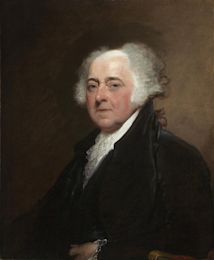
Ricks argues John Adams’ government beliefs revealed solid connections between American government creation and Roman and Greek thought. Adams spent much of his time reading Greek and Roman classics. However, Ricks characterizes Adams as thin-skinned, irritable, self-righteous, and prone to hurt or hostile feelings. Despite these character flaws, Ricks shows Adams to be the intellectual heavyweight of the Founding fathers of the Constitution. His reading of Plato and Aristotle gave him a clear understanding of the importance of virtue, education, and the inherent instability of pure democracy. In reading Polybius, he recognized the importance of mixed government. With Cicero, he understood the importance of rule of law. His research in Roman history gave him an appreciation of the risk of corruption, factionalism and its potential for government harm. Ricks notes Adams’ character could lead to excessive moralizing and hectoring of his subordinates which often made him temperamentally unsuitable for the give and take of politics. Adams’ pessimism is noted to have come from Plato’s warnings about demagoguery that led to the collapse of Rome. On balance, Ricks seems to find Adams to be a tragic intellectual unsuited for the Presidency despite his contribution to the founding of America’s government.

James Madison (the 4th President of the United States is considered the “Father of the Constitution”, author of the Bill of Rights, and co-author of the Federalist Papers.)

Ricks assessment of James Madison is the most positive of the Founding fathers of American government. Madison coalesced the many elements of classical and Scottish thinkers of the past to create the American Constitution. He seems the least charismatic but most effective of the Founding fathers of the Constitution. His introversion made him highly intellectual but not a natural leader. He neither had Washington’s gravitas, Jeffeson’s elegance, or Adams’ fire but he had the mind for institutional design. Madison understood power and a Republic’s risks of corruption, factionalism, and its potential for failure and collapse. His realistic grasp of human nature turned classical theories of the ancients into a flexible and durable democratic government. America has survived despite John Adams Alien and Sedition Acts, Andrew Jackson’s defiance of the Supreme Court, Abraham Lincoln’s suspension of habeas corpus, Woodrow Wilson’s 1918 Sedition Act, Nixon’s Watergate, George W. Bush’s use of torture and warrantless surveillance, and the first 4 years of the Trump administration.

Thomas Ricks reminds Americans of how far we have come and how imperfect American Democracy has been. Many Presidents have challenged America’s Constitution without fundamentally changing the republic’s self-government. America’s rule of law, government checks and balances, freedom of Speech and Press, its peaceful transfers of power, and citizens’ drive for civic equality, are part of America’s past, present, and foreseeable future. Despite President Trump’s words and deeds, America is and always will be a haven for those who seek freedom and equality of opportunity. America owes a great deal to its Founders of the Constitution and their study of the ancients and Scottish teachings in the 17th century.

AMERICA’S BEGINNING

History buffs will be fascinated by Atkinson’s history of America’s Revolution, but it is a bit too long for this non-historian.

Books of Interest
 Website: chetyarbrough.blog

The Fate of the Day (The War for America, Fort Ticonderoga to Charleston, 1777-1780)

AuthorRick Atkinson

Narration by: Grover Gardner, Rick Atkinson

Rick Atkinson (American author, journalist, and military historian.)

Atkinson is an accomplished writer who has won Pulitzer Prizes for both histories and journalism. “The Fate of the Day” is a well written book about America’s war of independence. It is highly entertaining because of Atkinson’s detailed descriptions of the times and the major combatants in the revolutionary war. It gives reader/listener’s a view of the rag-tag and multi-cultural colonial military and British leaders. “The Fate of the Day” illustrates the colonists’ successes and failures against a much better trained and experienced British military.

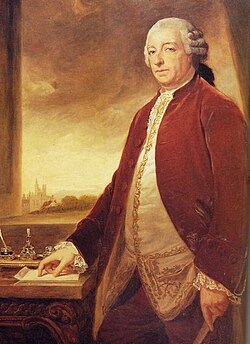
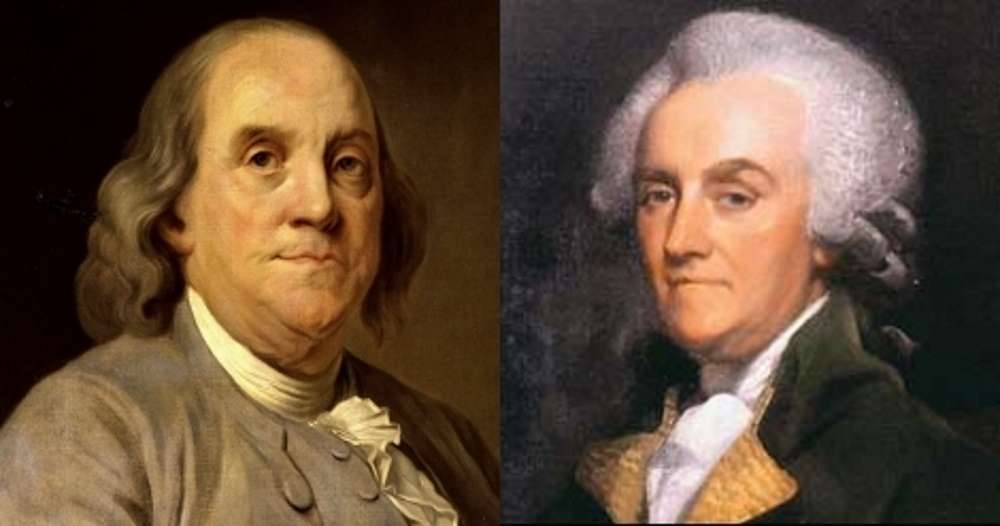
Sir Henry Clinton on the left and Lord George Germain on the right.

Atkinson offers a picture of Great Britain’s incompetence, arrogance, and misjudgment of the colonies fight for independence. Atkinson explains that Sir Henry Clinton, the Commander-in-Chief of the British Forces, though quite smart and considered a gifted strategist, fails to communicate clearly to his British field officers. Compounding that confusion is Lord Germain, the Secretary of State in England, to whom Clinton, Howe, and Cornwallis reported. Germain gave orders that were too far removed from the field of action. It caused many misunderstandings and confusion that diminished the effectiveness of British forces during the colonists’ battles for independence.

George Washington.

However, Atkinson also explains the faults of the Colonies’ leadership during the revolution. The stoic George Washington learned his role in the revolution on the job. He had no experience in the tactics of battle which led to misjudgments in the field. However, his skill in managing Congress, the states, and his fractious international officers offset his tactical mistakes. Washington instilled resilience, discipline, and courage in his subordinates. He held the army together despite poor military provisioning, erratic and meager pay, inadequate recruitment and training for war in an often-harsh environment.

Nathanael Greene (Major General in the Revolutionary War for America’s independence.)

Washington has some good field commanders reporting to him. Nathanael Greene is a self-taught militia officer who became a sophisticated strategist. He had a strategy to defeat British forces in the south with his troop mobility and attrition in fighting British superiority. Green avoids decisive battles with the British by evading superior forces and coordinating local militias to harass and ambush British forces. (A reminder of the Vietcong in America’s future war.) This causes the British to spread their forces to try and defend everywhere at once which only made them more vulnerable to attack. Atkinson gives the example of Greene’s retreats across North Carolina that make Cornwallis pursue Union soldiers over rough terrain which made Cornwallis outrun his supplies. By the time they reached Virginia, Cornwallis and his troops were overextended. Though Green did not win many battles, he effectively undermined British resolve to continue the fight.

Benedict Arnold (American-born British military officer who fought with distinction for the American Continental Army.)

In contrast to Greene, Atkinson profiles the infamous Benedict Arnold. It is a surprising contrast because Arnold betrayed the colonies by defecting to the British. Atkinson explains Arnold risked his life in defense of America’s drive for independence. He was heroic in that drive but felt unrecognized. Arnold led the surprise seizure of Fort Ticonderoga, the first major victory of the war. Atkinson notes Arnold led his troops on the assault of Quebec in 1775 which required a 300-mile march for which his men nearly starved; some dying on the march. Arnold led the assault and was shot in the leg. Even though wounded again in the leg at the Battle of Saratoga, he fought through 1777 when his tactical military actions compelled Burgoyne to surrender. Atkinson shows Arnold to be a smart, heroic commander but his emotions, the lack of recognition or promotion led him to defect to the British. The irony is that he is never trusted by either America or the British because of his defection.

America’s Revolutionary War.

Atkinson’s book is compelling because of the cinematic way he tells the story of America’s Revolutionary War. Picking details of heroes like Washington, and Greene which ranges from Washington’s trouble with his teeth to the clever strategy of guerilla war conducted by Greene to the bravery and defection of Arnold. Atkinson’s story helps one understand how human and creative early settlers of America were, not unlike the better American leaders of today.

Ben Franklin (America’s chief diplomat in Europe during the Revolution.)

Atkinson explains Ben Franklin is the colonists’ chief diplomat in Europe. Franklin’s charm as a a political operator who is willing to lie and flatter the French gave him celebrity and influence in the French court. He manages to create a French alliance that eventually supplied material and military power for support of the colonies against Great Britain. Of course, it helps that the French were vying for their own influence against the growing hegemony of England.

The Marquis de La Fayette (French miliary officer and politician who volunteered to serve in the Continental Army.)

Even before France began supporting the colonists, a young soldier named Lafayette joined the Revolution. The French aristocracy originally objects to the wealthy young aristocrat’s involvement. In response, Lafayette sails to America as a 19-year-old who believed in the colonists’ cause. His early experience as a soldier in France made him a general officer in the Continental army. He rode next to George Washington which gave weight to the Revolution’s global importance by internationalizing the war.

America’s independence.

History buffs will be fascinated by Atkinson’s history of America’s Revolution, but it is a bit too long for this non-historian.

THE PATRIOT

Benjamin Franklin was no saint. He was a pragmatic, diplomatic, and intelligent politician who believed in improving himself, being honest in his relations with others, and determinately set on leaving a legacy of diplomatic accomplishments that (unlike our current government leaders) was intent on truly making America great.

Books of Interest
 Website: chetyarbrough.blog

The Completed Biography of Benjamin Franklin

Author: Mark Skousen

Narrated By: Richard Ferrone

Mark Amdrew Skousen (Author, economic analyst for the CIA from 1972-1977, is considered a political conservative, a distant descendant of Benjamin Franklin.)

Though the history of Benjamin Franklin is “well plowed” ground, Mark Skousen assembles Franklin’s original papers on his intended biography to give a fascinating portrait of perhaps the greatest American patriot in our history. Franklin’s role in America’s independence from Great Britain is perfectly explained in Skousen’s review of Franklin’s intended autobiography. The many offices that Franklin assumed in pre- and post-revolutionary times are evidence of his patriotism and importance.

Benjamin Franklin (1706-1790, died at the age of 84.)

Franklin served as a member of the Continental Congress from 1775 to 1776. He was the President of Pennsylvania from 1785 to 1788. His diplomatic roles were as Commissioner to France from 1776-1778, Minister Plenipotentiary to France from 1779 to 1785, and Peace Commissioner who negotiated the Treaty of Paris ending the Revolutionary War and establishing American independence. These formal posts fail to mention his great role in representing America to the British throne while sailing to England before the revolution.

Thomas Penn (1702-1775)

It is ironic that Franklin became the President of Pennsylvania in 1785 when he had challenged the Penn family’s proprietary control over Pennsylvania territory given to the Penn family by the King of England.

The Penns refused to allow taxation of their estates in the colonies. Franklin met with Thomas Penn and wrote a paper saying the Penns prevented governors from using discretion in the management of the Pennsylvania colony, refused colonists right to raise funds, and would not accept taxation on their properties. Though Franklin did not legally represent the colonies, he galvanized opposition and created groundwork for colonial autonomy. He became known as the “defender of colonial rights”.

Franklin’s biography explains how he became widely known in England, France, and the colonies.

In 1773, two Massachusetts’s colonial government letters were published at the direction of Franklin that exposed British officials’ promotion of restrictions on the colonies’ liberties. Franklin had been appointed Postmaster General in America, authorized by England, but was discharged for having published those inflammatory letters. Franklin wrote several satires mocking British colonial policies. He opposed the Stamp Act while becoming a representative of Pennsylvania, Massachusetts, Georgia, and New Jersey in London.

Benjamin Franklin’s experiment.

Despite Franklin’s opposition to England’s infringement on colonial rights, he was celebrated in England’s scientific community. He received the Copley Medal for his experiments with electricity and a fellowship in the Royal Society. William Strahan, one of England’s printers who was an MP, and the famous William Pitt sympathized with Franklin’s explanation of the colony’s grievances. On the other hand, growing anger from England’s parliamentarians required Franklin to escape arrest in England in 1775.

Benjamin and William Franklin

To show how torn colonist’ families are about the colony’s declaration of independence, Franklin’s son, “Billy”, actually William Franklin, is noted in his father’s diary and writings to have chosen to take the British side of the conflict. William had served as the Royalist’s Governor of New Jersey. He was appointed with the help of his father’s influence in London. William refused to join the Patriot cause and was imprisoned from 1776 to 1778, and later, exiled to Britain where he lived until the end of his life. It appears Benjamin and William never reconciled and never saw each other again. Benjamin Franklin dies at the age of 84 in 1790 while his son Willaim passes at the age of 83 in 1813.

Symbol of the Colonys’ fight for independence.

Some interesting notes are in Franklin’s diary about symbols of the war of independence. In 1754, Franklin published the cartoon of a snake emblazoned with 13 skin segments with a message “Join or Die” It was originally designed for the French and Indian War but became a symbol of the colonies fight for independence from Britain. In contrast, Franklin opposed the eagle as a national emblem and preferred the turkey. To Franklin, the eagle was a bird of bad moral character while the turkey, in his opinion, represented “a more respectable bird”. This is a surprise to many who revere the eagle as America’s symbol of independence, strength, and elegance today.

Franklin is considered wealthy at the time of his death.

In today’s dollars, Franklin’s wealth may be estimated at 10 to 90 million dollars. He had created a printing empire with “The Pennsylvania Gazette” and “Poor Richard’s Almanack” and used his presses to print books, pamphlets, and even currency. He licensed lighting rods to minimize building destruction from lightning strikes and provided heat to colonist’s homes with the Franklin stoves. He had rental properties in Philadelphia and speculated on western land purchases. He received compensation for his diplomatic and government service as Postmaster General. Franklin showed himself to be frugal putting money aside to receive compounding interest on its principle. He preached and practiced the adage, “A penny saved is a penny earned”.

Deborah (Read) Franklin, Benjamin Franklin’s wife.

Benjamin Franklin notes his wife’s name is Deborah Read. She dies in 1774 at the age of 66 from a series of strokes. Her health declined as Franklin’s diplomatic service in England and France took him away from home. When she suffered from a series of strokes, his voyages to Europe kept him from returning immediately. He returned in 1775, and Franklin was buried beside her in 1790.

Franklin’s self-written biography shows him to be charming and flirtatious with an appreciation of women.

Franklin’s flirtations with Brillon and Helvétius connected Franklin to influential French society, helping him secure support for the American cause. Ms. Brillon is in her 30s while Franklin is in his 70s. Another French lady is Madam Helvétius is in her mid-60s. Franklin proposes marriage to which she declines. It seems there is more smoke than fire in regard to Franklin’s illicit liaisons in France. However, he does admit to some youthful indiscretions with women of challenged reputations when he is younger.

Benjamin Franklin was no saint. He was a pragmatic, diplomatic, and intelligent politician who believed in improving himself, being honest in his relations with others, and determinately set on leaving a legacy of diplomatic accomplishments that (unlike our current government leaders) was intent on truly making America great.