Van Pelt shows human connection comes from unexpected places. Her story shows what it means to belong to a family and how truth, as painful as it may be, is something one must accept and move on. One can imagine the book being read to or by all generations.
Books of Interest Website: chetyarbrough.blog
Remarkably Bright Creatures (A Novel)
Author: Shelby Van Pelt
Narration by: Marin Ireland, Michael Urie
Shelby Van Pelt (Author, debut novel for American author who was raised in the Pacific NW but now lives in the Chicago area with her husband and children.)
Van Pelt’s first book is an entertaining novel about every generation of conscious living things in the world. The main characters are Tova Sullivan, Cameron Cassmore (both of which are humans), and Marcellus who is an octopus living in an aquarium. One can imagine reader/listeners from children to adults being entertained by the author’s view of sentient life.
Van Pelt’s story is about every generation of life.
Tova is a 70-year-old widow who works as a cleaner for an aquarium in which Marcellus, the octopus, lives. Tova has lost her husband and son but chooses to work at an aquarium until she has a tripping accident that makes her realize it is time to retire. Tova learns of Marcellus’s consciousness when the octopus reaches out to grasp her arm. He leaves suction marks on her arm but does no harm.
Cameron Cassmore is 30, mostly unemployed and a directionless adult looking for a father he has never known. He is abandoned by his mother at age 9 to an aunt that looks after him and wonders about a father he knows nothing about. He finds his mother’s high school yearbook to find a picture that suggests his mother dated a boy that might be his father. The boy who might be his father had become a well-known and successful developer in the state of Washington, so he decides to track him down.
A story about life and living.
A reader/listener gets drawn into the story because of Marcellus, the octopus, that happens to be in the Washington town Cameron travels to in search of his father. Cameron is characterized as a person with high intelligence and a photographic memory. He needs a job when he arrives in Washington because his effort to find his father is taking more time than expected. He contacts his alleged father’s corporation, but contact is delayed by the corporation’s slow response to his request for a meeting. The reason for the delay is unclear but eventually they meet.
Octopus aquarium.
The job Cameron finds in the meantime is at the Washington aquarium while Tovah is recovering from an injury to her ankle that keeps her from her job as a custodian. Cameron is introduced to Marcellus who preternaturally knows about a secret about Tovah’s relationship to Cameron. Tovah is Cameron’s grandmother.
The story retains its interest because of the characterization of Marcellus and the fate of Cameron and his grandmother, but its complexity is a bit tiresome. “Remarkably Bright Creatures” is a story that suggests all life in the animal kingdom has consciousness that is underestimated by human beings.
FAMILY.
Van Pelt shows human connection comes from unexpected places. Her story shows what it means to belong to a family and how truth, as painful as it may be, is something one must accept and move on. One can imagine the book being read to or by all generations.
Raising children is the responsibility of all, i.e., both mothers and fathers, and the society in which they live. The future depends on our children.
Books of Interest Website: chetyarbrough.blog
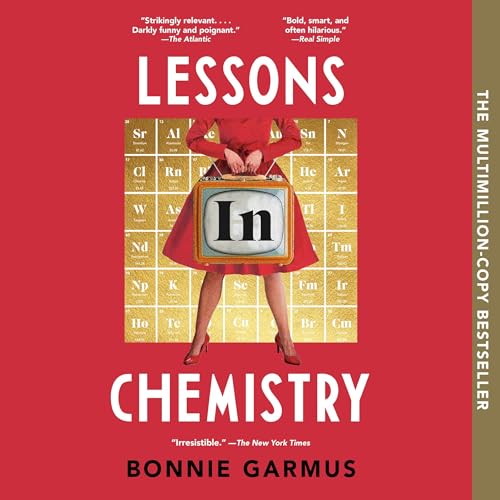
Lessons in Chemistry (A Novel)
Author: Bonnie Garmus
Narration by: Miranda Raison & 2 more
Bonnie Garmus (American author and former copywriter.)
Bonnie Garmus’s main character represents the truth of gender inequality in society. The author’s main character, Elisabeth Zott, is an example of a woman who achieves success despite gender discrimination. As an idealized character, Zott represents a brilliant woman who is smarter, more self-motivated, and confident than any other character in “Lessons in Chemistry”. Zott is a self-educated woman who overcomes the ignorance of personal and social inequality. She is an aspiring scientist who is derailed in her career by male associates who steal her research and claim it as their own. It is presumed by the research firm for which she works that her science papers come from association with her male partner’s accomplishments rather than her own work. Zott’s value is believed to be her attractive appearance rather than her intellect, personal work, and ambition.
Equal opportunity in society is a fiction.
Zott’s male partner is a renowned scientist in the same scientific research firm for which Zott is employed. They become an intimate couple with marriage on the mind of the man, but independence insisted upon by Zott. Her companion dies in an accident and Zott is left with what is an unexpected pregnancy. Alone with a child, Zott presumes she will continue to work at the research firm but is fired by the male director of the enterprise because of her having a baby out of wedlock. Zott uses what financial savings she has to create a research lab in her house, raise her child, and find another source of employment. The author illustrates how motherhood, particularly for a single woman, limit women’s opportunity in society. The responsibilities of life for a woman with child and no partner often trap women in poverty.
How Zott escapes a life of poverty is a meaningful fairy tale in Garmus’s story.
Zott is hired by a TV production manager to host a cooking show. Zott’s intelligence and experience as a chemist combine with her drive for independence to make the show a success. What Bonnie Garmus shows is the mountain for success one climbs as a single woman is steeper and more difficult than it is for men. The “Lessons in Chemistry” are that a woman’s right to think, work, and live independently are denied because equal opportunity and equal pay is thwarted by gender-related discrimination.
All in society, both male and female, need to step up to their responsibility for raising children.
The “Lessons in Chemistry” suggest men need to step up in society and take responsibility for gender inequality by providing an environment that allows women to achieve the same level of success as men–whatever that success may be to the individual. Raising children is the responsibility of all, i.e., both mothers and fathers, and the society in which they live. The future depends on our children.
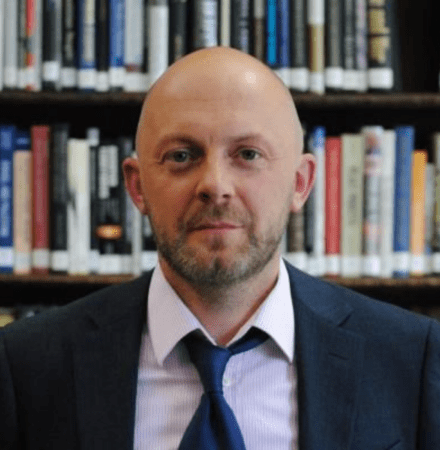
Richard Connolly (British author, Associate fellow at the Centre for New American Security (CNAS) in Washington D.C., former director of the Centre for Russian, European and Eurasian Studies at the University of Birmingham.)
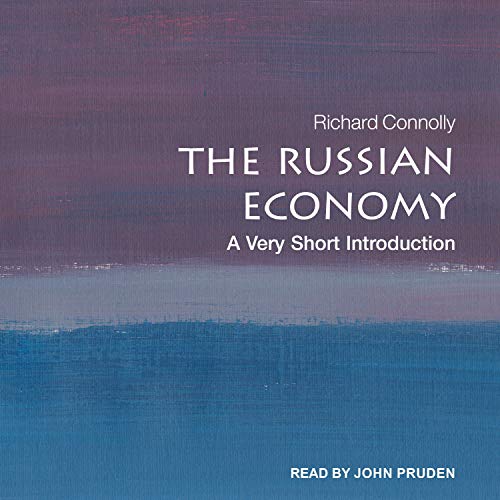
Richard Connolly offers a brief and informative overview of Russia’s economic growth from the days of Stalin through today. He explains Russia’s economy has grown into a blend of state control and market demand that became the 20th century’s USSR. The common objective of every Russian leader since the 1917 revolution is stabilization of the country and any territory they rule. From the early days of Lenin and Stalin there is the goal of transitioning Russia from an agrarian lifestyle to an industrial power that could compete with other nations. In the process of that decision and from the spoils of WWII Russia became the USSR.
The goal of industrializing Russia for what became the U.S.S.R. is to create a powerful nation-state, by any means necessary, to compete with and/or dominate other nations. The shortest road for an agrarian nation to become an industrial power is dictatorship which fit the personality of Lenin’s successor, Joseph Stalin.
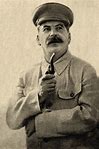
Joseph Stalin (1878-1953, General Secretary of the Communist Party 1922-1952.)
Stalin is a born martinet. He views Russia’s agrarian workers without concern for human or economic cost to turn their labor to industry with the intent of creating a military/industrial power. He redirects Russia’s people to work for the betterment of the state. At the same time, Stalin transitions farm laborers to industrial workers managed by government apparatchiks. Five-year plans are created by the government. Those who fail to achieve five-year plan goals are punished. Agriculture is forcibly collectivized and controlled by the government. The methodology Stalin uses to industrialize Russia is repeated in countries Russia claims after World War II.
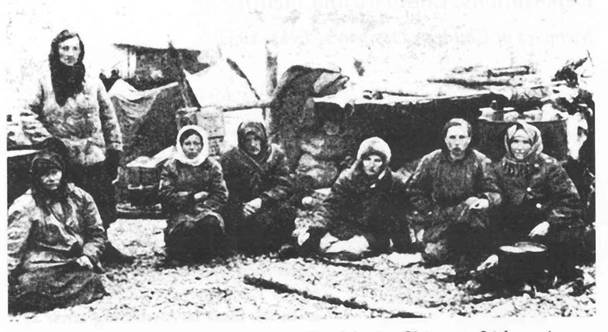
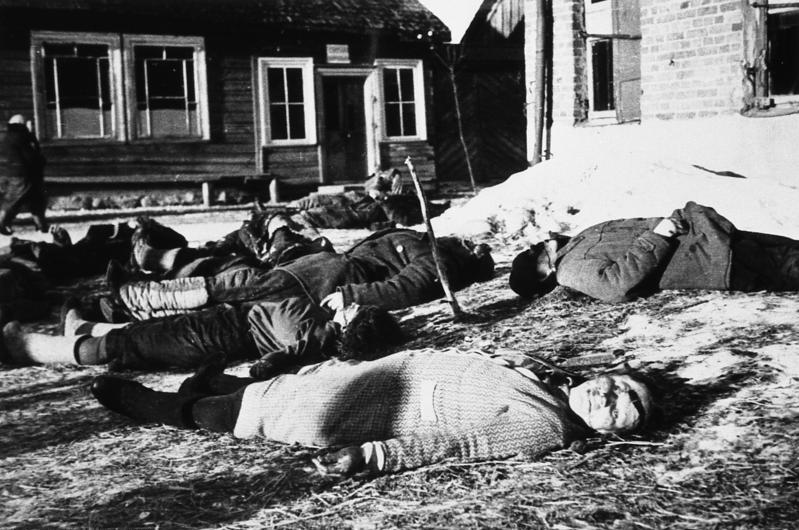
Russia’s WWII Victory.Hardship of those dominated by Russia after WWII.Murder Room in the BalticsRussian Jail in the BalticsBaltics JailJail toilet
The hardship one hears in traveling to Poland and the Baltics opens one’s eyes to the terrible experience their citizens endure from Stalin’s rule. The revenue from agricultural and mineral production goes to the State for purchase of machinery to industrialize Russia and newly acquired territories after the defeat of Nazi Germany in WWII. Thousands die of starvation because of Stalin’s ambition. Economic independence is not tolerated, either in agriculture or industry. Stalin focuses on steel, coal, and machinery to transform the economy. Living standards of workers is of no concern with goals that must be met. Profitability, consumer needs, and human life are sacrificed with the singular goal of maximizing industrial production.
The Soviet economy advanced because of Stalin’s political goals. Stalin’s goals are state security and survival. Human cost is no concern. Those who opposed Stalin’s goals were either suppressed, tortured, or killed as enemies of the State. Stalin rules for 29 years, from 1924 until his death in 1953. Stalin achieves enormous strategic economic gains by building a heavy-industrial, militarized economy that gave Russia, then the USSR, great-power status. Despite his methodology and the duplicity of Stalin’s early support of Hitler in WWII, Russia became a critical world power with the defeat of Nazi Germany. For that success, the world owes some measure of gratitude for an amoral and inhumane tyrant.
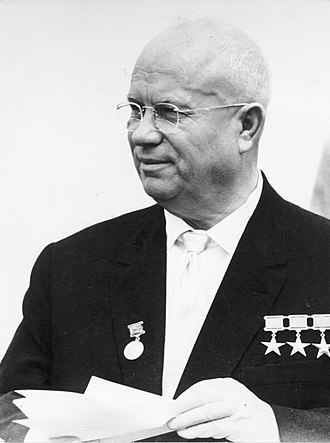
Nikita Khrushchev (1894-1971, Secy. of the communist party 1953-1964)
When Khrushchev came to power after Stalin’s death, he shifts Stalin’s model of governance to a more sustainable, technologically oriented system for Russia to remain a superpower. Khrushchev rebalances the Soviet economy in a way that keeps Russia militarily competitive and capable of global engagement. He shifted the economy toward science, technology, and space exploration. One is reminded of Russia’s Sputnik moment. Technology became a core component of economic power. Khrushchev moves Russia toward consumer welfare to illustrate his belief in the superiority of socialism. Connolly suggests Khrushchev began raising the living standards of the Russian people. The Soviet Union became more of an international partner by aiding other countries, selling arms to other countries, and using trade and technical assistance as a geopolitical influencer. Brezhnev solidified the vision of socialism as a stable and predictive governmental system. However, the Russia economy became less dynamic in the modernizing world. In the 1980s, the Russian economy falters.
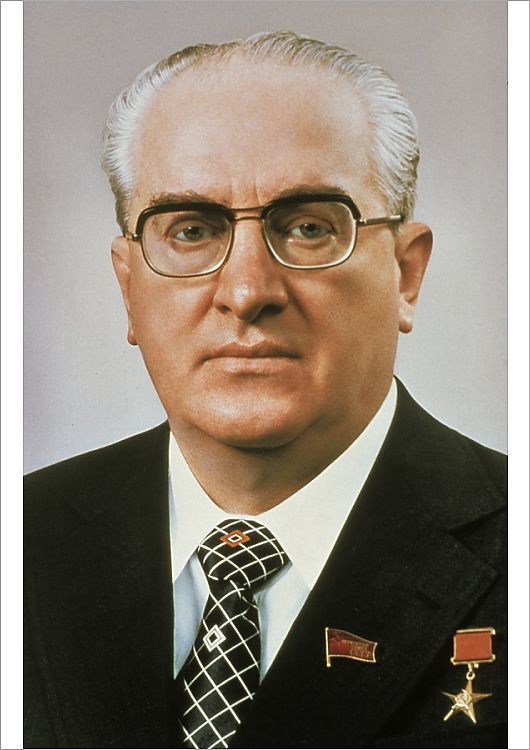
Yuri Andropov (1982-1984 General Secretary of the Central Committee of the Communist Party, born in 1914-died in 1984.)
When Brezhnev dies in 1982, Yuri Andropov becomes the General Secretary of the Communist Party. In his short tenure, he revives discipline in governance of Russia by fighting corruption and trying to improve Russia’s economy. Andropov’s tenure is short, approximately 15 months. Andropov wished Mikhail Gorbachev to succeed him, but the Politburo chose Chernenko who only served for 13 months.
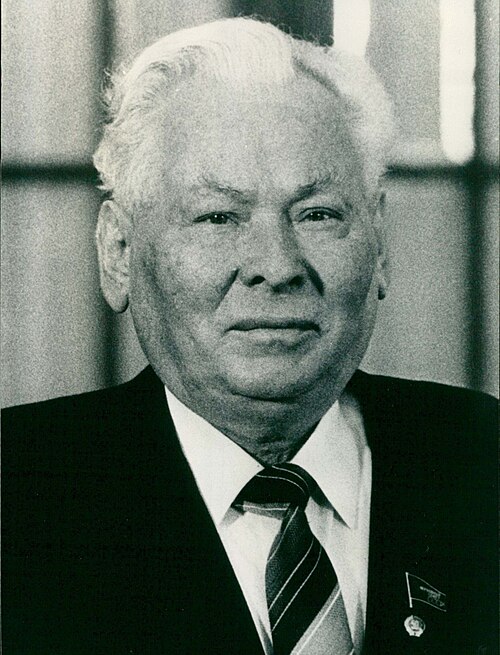
Konstantin Chernenko (General Secretary of the Communist Party 1984-1984, born in 1911-died in 1985.)
Chernenko’s successor is Mikhail Gorbachev. Gorbachev transformed the USSR. He ended the Cold War and reduced hostility toward the West. He received the Nobel Peace Prize in 1990. On the one hand he democratized Soviet politics but on the other he unintentionally triggered the collapse of the U.S.S.R. Gorbachev’s replacement is Boris Yeltsin who effectively dismantled Russia’s planned economy and opens Russia to global markets. His short tenure is chaotic, but it creates a foundation that leads to Putin’s reign.
“The Russian Economy” is written before Putin invades Ukraine. Putin reasserts the Russian government’s control over the economy.
Energy, defense, and finance are state controlled. In a sense, Putin returns to something like the rule of Stalin. Putin chooses to reorient Russia toward Asia rather than the United States. Putin rebuilt Russia’s wartime military capabilities. However, Connolly argues Putin fails to diversify or modernize Russia’s economy. He has successfully created a durable, state-centered model of government with geopolitical power, but economic prosperity seems, at best, a faltering work in progress. Connolly believes Russia will be able to withstand pressure from the West with its nuclear capability and economic power. Connolly believes Russia will survive its present semi-isolation. Connolly believes the State will remain the central actor in Russia’s future with (at least a near term) orientation toward Asia rather than the West.
Schweizer presents a book that has little substantiated proof about immigration in America. His book has become popular. “The Invisible Coup” has improved his economic well-being at the expense of knowledge based on verifiable fact.
Books of Interest Website: chetyarbrough.blog
The Invisible Coup (How American Elites and Foreign Powers Use Immigration as a Weapon)
Author: Peter Schweizer
Narration by: Charles Constant
Peter Franz Schweizer (American political consultant and writer. Editor-at-large for far-right media organization Breitbart News. Former fellow of the Hoover Institution.)
“The Invisible Coup” is a popular book that explains why world peace is a pipe dream in today’s world. Schweizer shows why Donald Trump has a popular following that continues to support his Presidency despite ICE tactics to identify immigrants based on the color of their skin, and his attack on Iran without authorization from Congress or cooperation from America’s allies.
Schweizer has written a paranoid polemic on the causes and purpose of immigration to the United States by non-white immigrants.
Schweizer argues immigration is a coordinated “weapon” of foreign governments and American power brokers to influence and ultimately overthrow America’s way of life. He refuses to note people come to America to create a better life for themselves and their families. This is not to suggest there is no effort by immigrants to sneak into the U.S. or to game the American welfare system but to realize abuse of welfare is a problem whether American citizens or immigrants abuse the system. This is an American welfare management problem, not an immigrant issue.
America is founded on immigration.
Schweizer argues immigrants from China, Venezuela, Cuba, Mexico, and Brazil are gaming America’s welfare system and undermining the national purpose of a democratic government at the direction of foreign government leaders. He suggests the purpose of these foreign government’s leaders is to weaken the national character of America and destabilize its government. Schweizer writes of anonymous U.S. intelligence officials that say China encourages Chinese nationals with military intelligence to cross into America to gather intelligence. He offers no documentary evidence, no named officials, or verifiable data. He cites anonymous sources for all these countries to make his arguments totally unverifiable
Immigrants are seeking a better life in America.
To believe there is a coordinated foreign attack on American democracy by foreign governments through the use of illegal immigration is a distortion of a primary truth, i.e., immigrants are seeking a better life. Conspiracy to destroy American democracy through illegal immigration is absurd on its face. This is not to say some foreign governments would like to see America fail but for reasons of money, power, and world domination which have nothing to do with emigration. Schweizer generalizes real incidents of immigrant criminals to make the absurd argument that a cabal of foreign governments are using illegal immigration to undermine American institutions. His arguments are based on confidential documents and unnamed sources. He writes of “leaked intelligence” or “internal government documents” that are classified and cannot be produced to prove his point. Anonymous intelligence and law-enforcement officials are frequently used to substantiate his claims. Schweizer makes evidence-free assertions with political points that have no basis in verifiable fact.
Immigrant crime rates.
The history of immigration in America has improved economic growth. America is a nation of immigrants. The truth is immigrants commit crime at lower rates than native-born Americans. There is no denying the U.S. immigration system is flawed. Cartels do exploit illegal immigration to make money and some governments pressure America by increasing migration from their countries to the United States. Immigration is a regulatory problem but viewing it as foreign nation-states’ geopolitical attack is ridiculous on its face. The troubling part of Schweizer’s view is that world peace is an ideal that may never be achieved because of the nature of human beings. Mistakes are made when people correlate undocumented facts with causes. Truth has little value without independent verification of facts.
Schweizer presents a book that has little substantiated proof about immigration in America. His book has become popular. “The Invisible Coup” has improved his economic well-being at the expense of knowledge based on verifiable fact.
Green questions the profit motive of drug companies that ignore the benefits of drugs that poor societies cannot afford that would cure tuberculosis. At the same time, Green implies the political will of all nations fail to provide known curative drugs for tuberculosis.
Books of Interest Website: chetyarbrough.blog
Everything is Tuberculosis (The History and Persistence of Our Deadliest Infection)
Author: John Green
Narration by: John Green
John Green (Author, YouTuber, and philanthropist.)
“Everything is Tuberculosis” is an apt title for John Green’s book but unlikely to attract many listener/readers. However, those who have read John Green’s books are attracted to his story because of the humor and insight he offers to living life. Green offers an interesting human perspective about a disease that kills hundreds of thousands of people every year and is both preventable and curable. Recognizing this critic’s own biases, “Everything is Tuberculosis” is a belief that there are only two important issues for human species’ survival, i.e., world peace and personal health. “Everything is Tuberculosis” deals with the principal of health while others write about world peace.
Tuberculosis transmission.
Peace is only indirectly addressed in “Everything is Tuberculosis” while health is the primary focus of Green’s book. Today, approximately 1.23 million people die from tuberculosis every year. Surprisingly, it remains the deadliest curable infectious disease in the world. An estimated 10.7 million people are presently diagnosed with tuberculosis. This high infection rate is for a disease that is curable and preventable. Green explains in countries with high rates of poverty, undernutrition, overcrowding, high HIV infections, and poor medical services tuberculosis becomes a greater killer of human beings than any other infectious disease.
The fear and anxiety of Covid mimics the fear of tuberculosis.
Green personalizes his story by being its main character. He writes in the first person and uses his personal anxiety driven thoughts to explain tuberculosis’ illness and vulnerability. As a child, Green recalls his own illnesses and anxieties that required hospitalization. He contrasts his life of economic security with the lives of many people in the world that have little to no economic security. He views tuberculosis, not as a scientist or patient, but as an observer of poverty in Sierra Leone and the personal life of a young boy with the disease.
The cost of medication.
The young boy’s recovery experience is on-again/off-again, in part because of his father’s skepticism about the effectiveness of drugs and his belief in God, but also because of a failure of experimental drug treatments from other tuberculosis patients that die. There is a happy ending when a new drug cure is found and started; the boy recovers, resulting in eradication of the infection. He finishes high school and goes on to college. Other stories of the disease in Sierra Leone show distances patients have to travel, the cost of treatments, and different economically challenged families who are discouraged by continued treatment. Those patients that do not continue the medical treatment often see regrowth of the Tuberculosis bacteria which ends their sons, daughters, fathers, or mother’s lives.
Green’s point is that human beings are dying from tuberculosis, a curable disease that kills; not because it is often fatal, but because of a human-systems’ failure.
TB deaths are a predictable outcome of poverty, undernutrition, overcrowding, political neglect, and global indifference. Green gets at the heart of the problem of societal indifference. The indifference is both political and economic. The political indifference comes from every government that is only concerned about their country’s health and welfare. The economic difference is similar but more pronounced in capitalist countries that focus on profit more than societal benefit. Political difference is in nation-state’ leadership whether countries are democratic or other.
Green questions the profit motive of drug companies that ignore the benefits of drugs that poor societies cannot afford that would cure tuberculosis. At the same time, Green implies the political will of all nations fail to provide known curative drugs for tuberculosis.
One comes away from Trevor Reed’s book with the feeling he tilted at Don Quixote’s windmill. One’s heart goes out to Ukraine and their fight against an implacable Russian President who tilts at a different windmill.
Books of Interest Website: chetyarbrough.blog
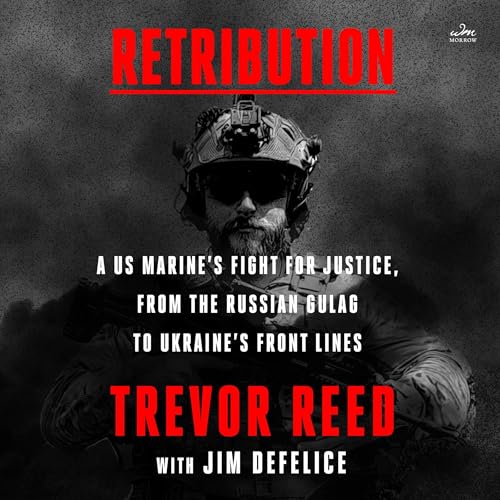
Retribution (A US Marine’s Fight for Justice, from the Russian Gulag to Ukraine’s Front Lines
Author: Trevor Reed, Jim DeFelice
Narration by: Roger Wayne, Joey Reed
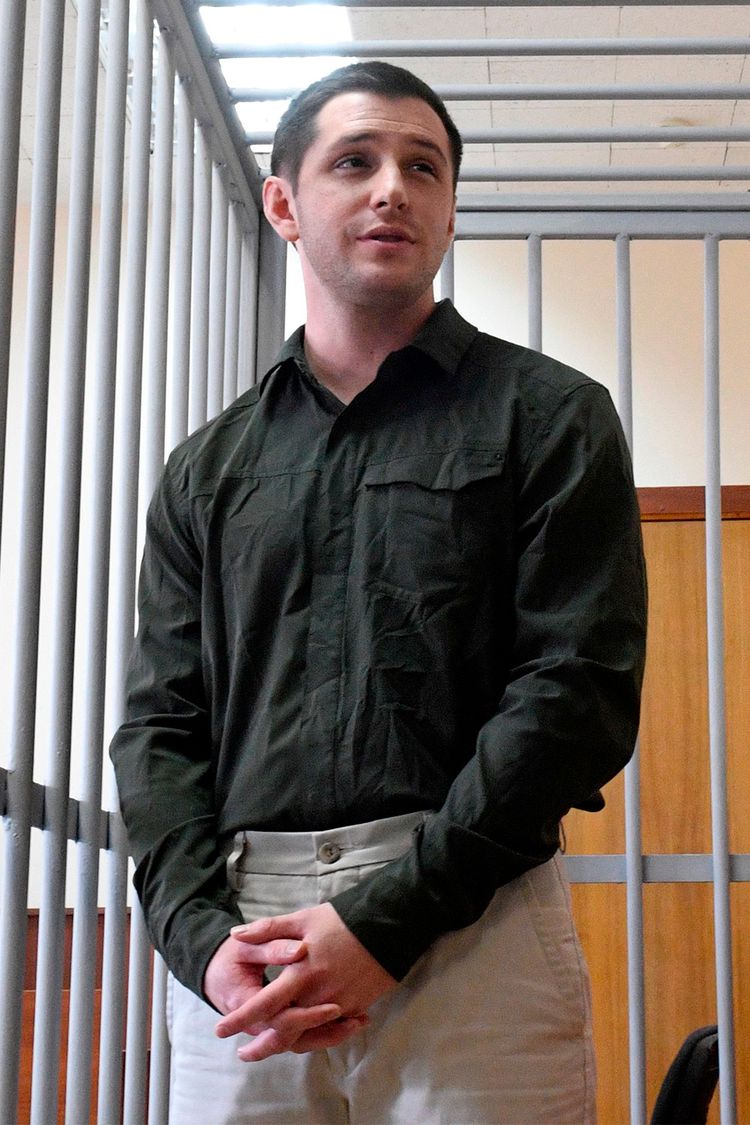
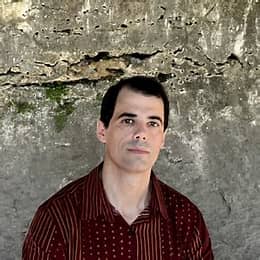
Trevor Reed (on the left) is the subject of Retribution. It is co-written with the novelist Jim DeFelice (on the right).
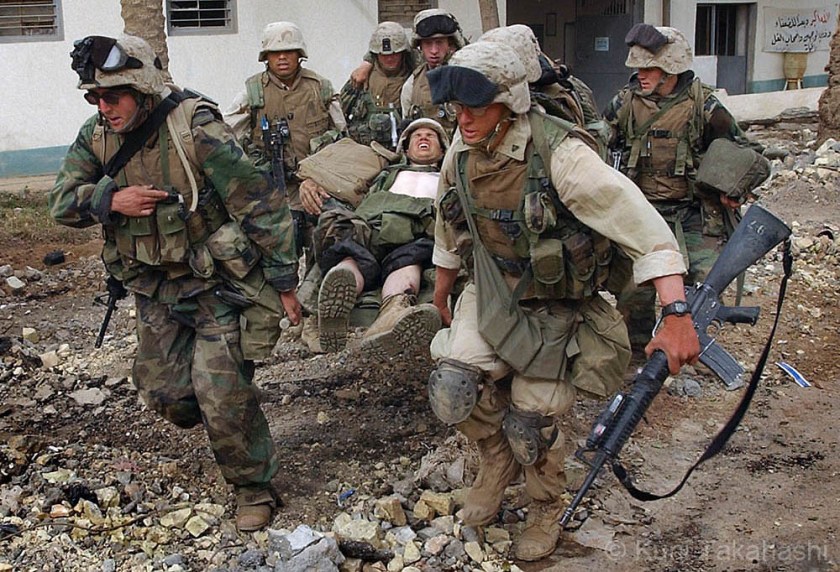
U.S. Marine infantry.
Trevor Reed is a former Marine infantry soldier who was imprisoned for being drunk and disorderly in Russia. He became a victim of Russia’s hostage exchange system. The story of his young life and how he became a marine and a Ukrainian combatant against Russia is explained in “Retribution”. As a strong-willed youth who challenged parental control, he became an athletic wrestling champion in high school. His disciplined physical work ethic made him a 145 lb. highly self-confident young man who decided (contrary to his father’s council as an ex-marine) to enlist in the marine infantry.
Reed’s story of being arrested in Russia is a lesson about the risks of traveling to a foreign country that disagrees with America’s form of government. Reed became romantically involved with a young woman in Russia who he had corresponded with after completing his 4-year commitment in the Marines. Alina Tsybulnik, his Russian girlfriend, visited America, became a friend of his family, and invited Trevor to Russia. They became intimate friends.
Alina Tsybulnik and Trevor Reed.
Tsybulnik is enrolled in a Russian college to become an attorney. When Trevor visits her in Russia, they go out on the town. Trevor gets drunk and disorderly and is arrested by the Russian police in 2019. In what is characterized as a gross exaggeration of Trevor’s actions on their night on the town, Trevor is sentenced to prison for nine years in a Russian penal colony. In April 2022, after three years, Trevor is released in a prisoner exchange.
Trevor Reed’s parents.
Reed shows himself to be a tough-minded person who refuses to cooperate with the Russian prison guards’ orders to work while being unfairly imprisoned in a work camp. He is visited by his father who works to have the Biden administration get his son released. Alina Tsybulnik uses her legal experience with the Russian legal system to get Reed released. The corruption and purpose of incarceration in Russia is shown to be political by Reed’s story. Reed explains how even some Russian administrators, not to mention his girlfriend, resist the political ministrations of the system but are unable to change its policies.
Alexei Navalny, a Russian dissident, is sentenced to an Arctic penal colony and is poisoned. He dies in that Arctic colony at the age of 47 in 2024.
The last chapters of Reed’s book recount his effort to get a level of revenge against Russia’s injustice by volunteering in Ukraine’s war against Russia’s invasion. Reed had become a fluent Russian language user because of his intellect, his relationship with Tsybulnik, and his imprisonment. He used that skill to join the Ukrainian resistance. One comes away from Trevor Reed’s book with the feeling he tilted at Don Quixote’s windmill. One’s heart goes out to Ukraine and their fight against an implacable Russian President who tilts at a different windmill.
“The Fort Bragg Cartel” exposes a glaring weakness in a secret service meant to protect American citizens. The ironic truth in Trump’s Iran bombing campaign is that every American has a chance to decide.
Books of Interest Website: chetyarbrough.blog
The Fort Bragg Cartel (Drug Trafficking and Murder in the Special Forces)
Author: Seth Harp
Narration by: Dan John Miller
Seth Harp (Author, investigative journalist, foreign correspondent, contributor to Rolling Stone, Harper’s Magazine, The New York Times, and The New Yorker, former Assistant Attorney General for the State of Texas.)
“The Fort Bragg Cartel” is a frightening look at the gray world of a special forces’ organization that recruits and trains American residents who have undoubtedly aided but also undermined the ideals of justice and freedom in America. Personally, as a military veteran, this is a particularly disappointing story of an important governmental organization in America.
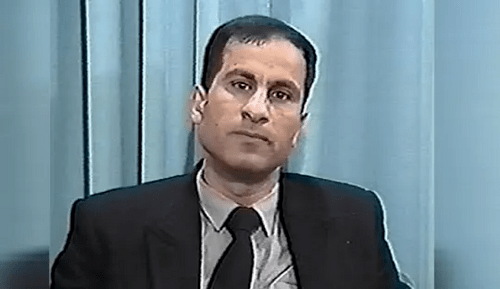
Abdul Saoud Mohamed in 1989.
Ali Mohamed (aka Ali Abdul Saoud Mohamed) was a Fort Bragg soldier, a former Egyptian Army officer who Harp identifies as a man who trained al-Qaeda. Mohamed was a participant in a special program for foreign officers at Fort Bragg in the early 1980s. He enlisted as a U.S. Army soldier at Fort Bragg in the 1980s. Harp infers “…Fort Bragg…” has trained and protected a small minority of soldiers who may have contributed to one of the worst disasters in American history, i.e., the disaster of 9/11 that killed 2,996 people in the collapse of World Trade Center in New York City.
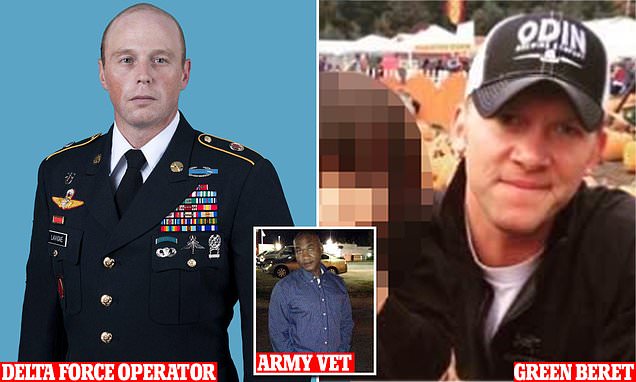
Harp’s story begins with a confrontation between an unstable character named William Lavigne (pictured on the left below) and Freddie Huff, two soldiers trained at Fort Brag. Lavigne pulls a gun and threatens to kill Huff. Huff disarms Lavigne and calls the MPs, but the confrontation is covered up. It illustrates how dangerous Lavigne could be and how the military covers up a confrontation that should lead to an arrest and formal investigation. This incident characterizes a disregard for justice by America’s secret service.
Decorated Delta force operator and Army vet (inset) found murdered on Fort Bragg grounds.
Timothy Moss
The murder of a special force’s operator named William Lavigne II and a quartermaster named Timothy Dumas (inset picture above) is an entangled story of drug use, drug dealing, and weapons trafficking in the American military. A quartermaster is responsible for managing weapons, gear, and equipment for military operations. Lavigne’s fellow special force’s partner is Timothy Dumas Sr., a quartermaster who uses his role to enrich himself and others who have knowledge of his role and intentions. He threatens to blackmail Afghanistan’ special forces operation because of their criminal activity in cocaine smuggling. Lavigne is not in tune with Dumas’s scheme. Whether Lavigne is not in tune because of his own involvement with drug and weapons trafficking in Afghanistan or because of a patriot’s conscience is unknown.
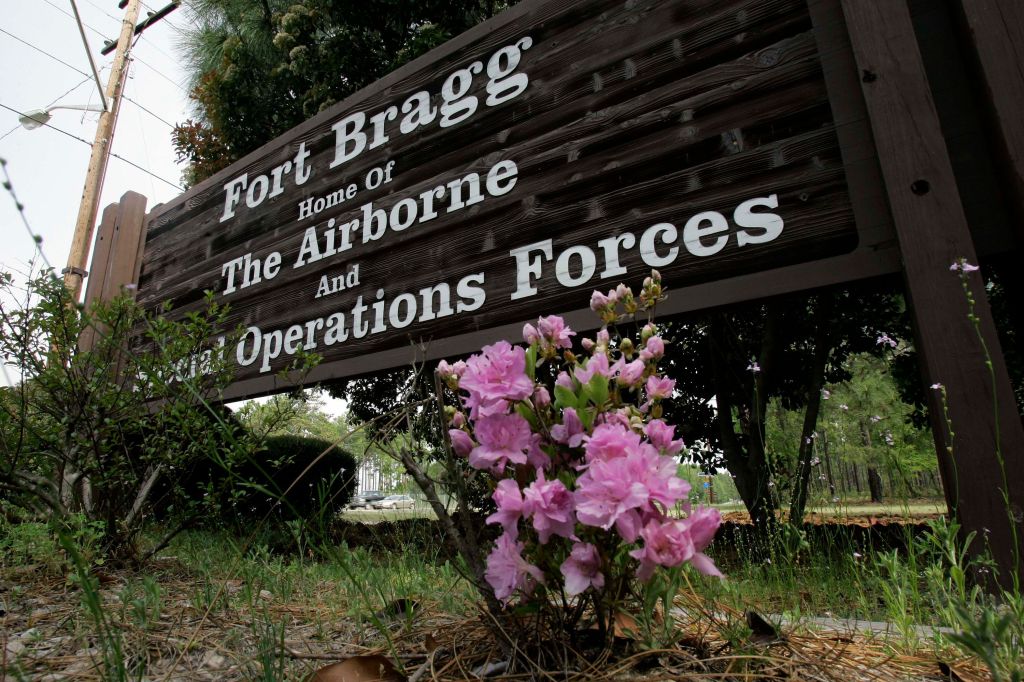
During the Biden administration, Fort Bragg is renamed Fort Liberty. When Trump is re-elected, the name of Fort Bragg is resurrected. Once again, it became Fort Bragg.
Both Lavigne and Dumas are murdered and dumped in a Fort Brag training area. Harp’s investigation of their deaths becomes the story of his book. The author exposes drug use and trafficking networks at Fort Bragg. Harp notes corrupt law-enforcement ties, unsolved deaths, disproportionately high military personnel overdoses, and institutional cover ups at Fort Bragg darken the image of covert actions by the American military. Harp’s story implies criminality is as evident in the military as it is in civilian life. The difference is that there seems little accountability for those who are guilty of drug crimes in the secret service, i.e., at least as shown in this investigation of Fort Bragg.
The flawed nature of human beings.
The military as well as the civilian population of any government are made up of flawed human beings. Those flaws are mitigated by checks and balances designed to protect the general public from the abuse of inherent human rights. Covert and unchecked power in governance is a threat to society because of the nature of human beings. Use of the military as a bully in the playground of nations is psychologically and morally wrong but is proportionately a greater wrong when done covertly.
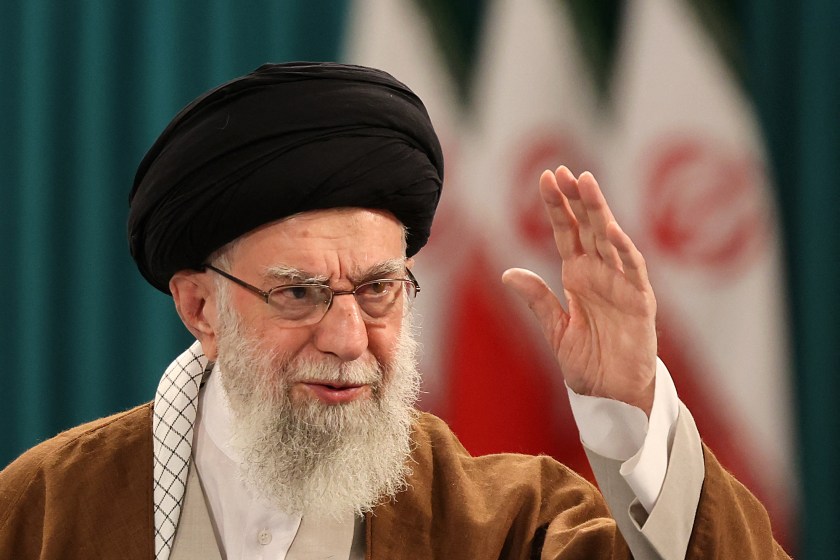
The Ayatollah of Iran was equally guilty of covert actions against other nations.
The covert actions of both Iran and America in the past are examples of what Harp’s story reveals about the danger of secret military plans and acts. Overt bombing of Iran may either be approved or rejected by the public. There is no chance to decide when governments act covertly and illegally if secret service agents are exempt from prosecution. “The Fort Bragg Cartel” exposes a glaring weakness in a secret service meant to protect American citizens. The ironic truth in Trump’s Iran bombing campaign is that every American has a chance to decide.
America’s self-interest is to see Iran as an independent State that does not murder Americans. Regime change may be a small step toward that goal or a step into quicksand that will only swallow more American lives.
Books of Interest Website: chetyarbrough.blog
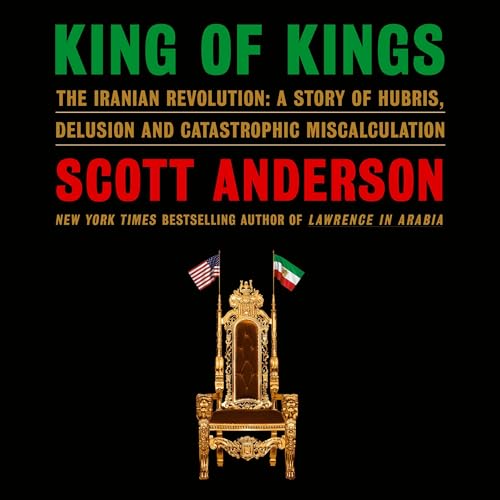
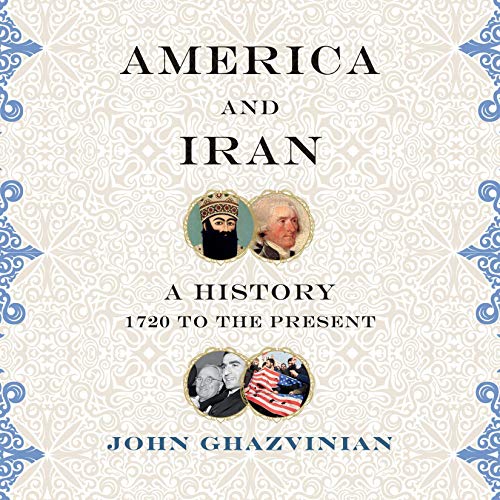
King of Kings (The Iranian Revolution: A Story of Hubris, Delusion and Catastrophic Miscalculation)
Author: Scott Anderson
Narration by: Malcolm Hillgartner & 1 more
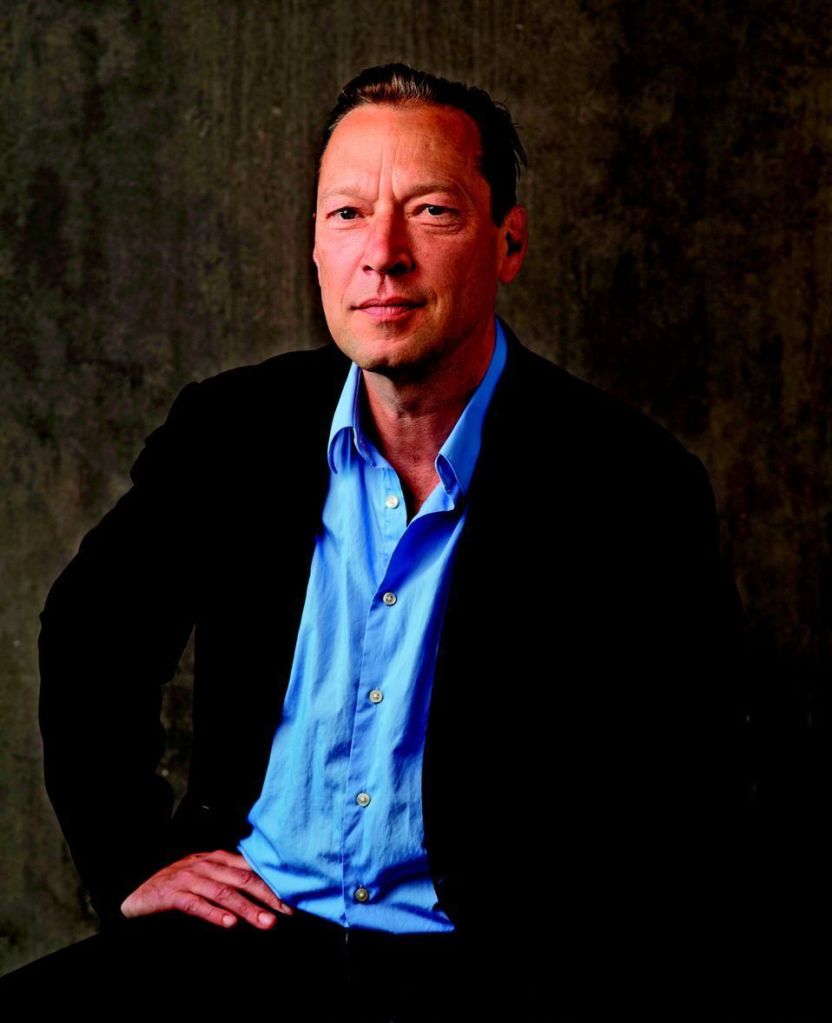
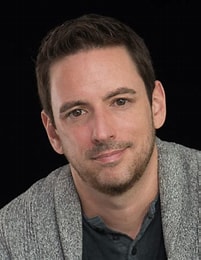
Scott Anderson (Author, novelist, non-fiction writer, war correspondent who has written for the New York Times Magazine, GQ, Esquire, and Vanity Fair. Was raised in Taiwan and Korea, received an M.F.A. in creative writing from University of Iowa Writer’s Workshop.)
This review is only a glimpse of Anderson’s book, but the bombing of Iran gives this reviewer a sense of urgency about President Trump’s decision to bomb and kill the current leader of Iran.
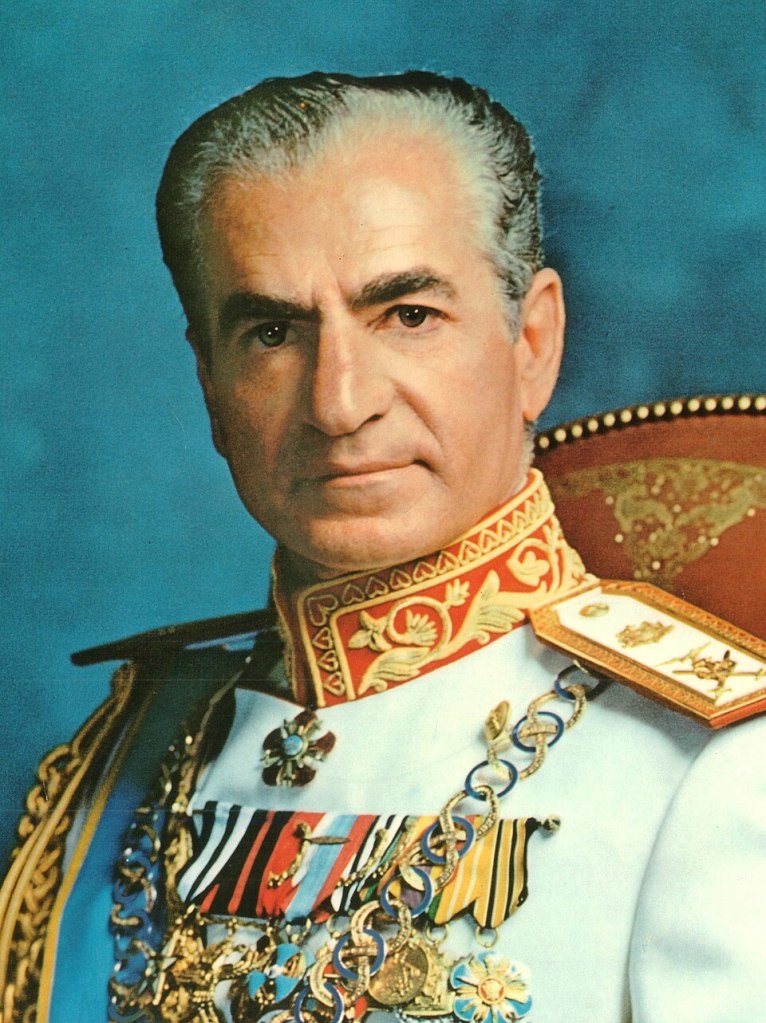
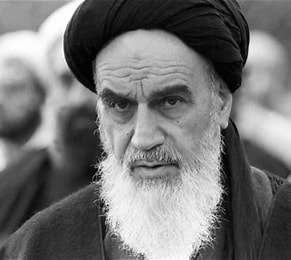
Anderson, having been raised in a non-American culture, has written an interesting history of Iran that offers some perspective on Iran’s Persian culture and its tumultuous transition from royal leadership to an Islamic Republic. Iran’s monarchy had survived for 2500 years. Ayatollah Ruhollah Khomeini deposed the “King of Kings”, Mohammad Reza Shah Pahlavi, in 1979.
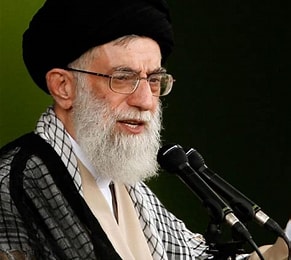
In 2024, President Trump directed America’s bombing of Iran that killed Iran’s second leader, Ayatollah Ali Khamenei. The purported reason for the bombing is to save the Iranian people from the tyranny of its current leader, Ayatollah Ali Khamenei. Khamenei had become Iran’s leader after the death of Ayatollah Ruhollah Khomeini.
Mohammad Reza Shah PahlaviAyatollah Ruhollah KhomeiniAyatollah Ali Khamenei
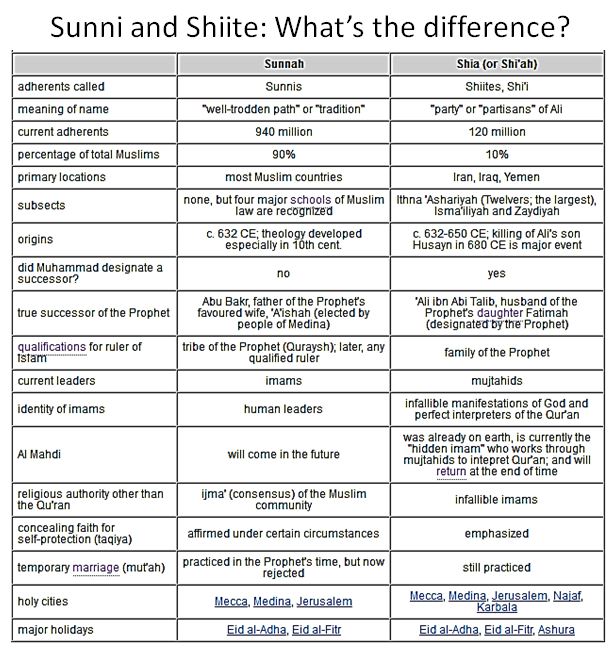
Anderson infers Mohammad Reza Shah Pahlavi, though a Shia Muslim himself, was too detached from the Muslim religion practiced by a majority of Iranian society. The Shah pursued modernization without bringing Iran’s Shia Muslim believers into the “Sturm and Drang” of modernity. Despite improving the economic condition of Iran’s citizens, the Shah ignored the importance of a religion that reaches back to 651 CE with the Arab Muslim conquest of Persia. Even though the economic benefit of modernization is documentable, the gap between rich and poor, along with belief in a religion that emphasizes an afterlife, made too many citizens of Iran unhappy with the Shah.
Muslimism began in the early 7th century and spread across the Arabian Peninsula. An estimated 68 million Iranians, approximately 89% of the country, are Shia Muslim believers. Anderson believes the Shah’s failure to understand the importance of his own religion led to the 1979 revolution that toppled the “King of Kings”. Anderson suggests too little effort was made to bring religion into the Shah’s management of the Iranian people. Putting aside that failure, one wonders could any leader bring his people to believe in life today when their religion emphasizes an afterlife is the only goal of existence. Whether any leader of Iran could have ameliorated citizen discontent in Iran is hard to argue. Because of America’s decision to kill Iran’s leader, that speculation is moot.
It is not a matter of being or not being Religious but a matter of having a pragmatic and compassionate understanding of humanity.
Now, America is faced with the Shah of Iran’s dilemma of bringing religion into the administration of Iran’s government. Americans have solved that problem with the separation of church and state. Is that possible in Iran? That separation is something Anderson suggests is the mistake made by the Shah. Is America more or less likely to solve that problem than an Iranian? President Trump believes he should have the power to approve the next leader of Iran. Problem solved???????
America’s self-interest is to see Iran as an independent State that does not murder Americans. Regime change may be a small step toward that goal or a step into quicksand that will only swallow more American lives. Just doing something is not an answer to the complications of international relations.
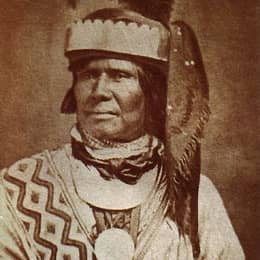
The Seminole Indian leaders, Osceola and Abraham, formed an alliance for multiracial freedom that remains the goal of all rational human beings. They failed and only became free in death.
Books of Interest Website: chetyarbrough.blog
The Free and the Dead
Author: Jamie Holmes (The Untold Story of the Black Seminole Chief, the Indigenous Rebel, and America’s Forgotten War.)
Narration by: David Sadzin & 1 more
Jamie Holmes (Author, writer for the NYT, The New Yorker, The Atlantic, and Slate. Served in the Peace Corps after receiving a degree from New York University and went on to Columbia to receive a Master of International Affairs.)
“The Free and the Dead” is a book that shows how little this reader/listener knows about slavery and Black history. “The Free and the Dead” is a history of Black slaves in Florida who were descendants of Spanish Florida that became a refuge for enslaved Africans fleeing the English colonies between the 1600s and 1700s. Spain offers asylum and freedom to runaways who could reach Florida in the early days of America.
Some former slaves joined the Seminole Indian confederation to become leaders and translators of Indian languages for early settlers of what became American territory. Holmes reveals some of the cultural blending between Seminole and African descendants who had escaped colonial slavery. Separate villages of these culturally blended descendants gained relative freedom in the U.S. South by becoming fierce fighters for Seminole Indian freedom in the Seminole Wars between 1817 and 1858.
Today’s Indian Reservations.
As most Americans know, the Indian wars were lost and the Seminoles like all Indian tribes were moved around the country to reservations that changed with subsequent Presidents’ and American military’ orders. Holmes reveals some of this early history in “The Free and the Dead”. The most famous Black Seminole leader was Abraham who became a co-leader with Osceola, an indigenous Seminole Indian who resisted U.S. policies.
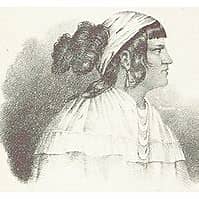
Abraham (A prominent Black Seminole leader in the 19th century.)
Abraham became a Black Seminole chief. He was a former slave who became an influential military leader of the Seminoles. He spoke English, Spanish, and the Creek Indian languages which made him an important intermediary in negotiating with white settlers. Abraham worked with major Seminole war leaders in negotiating agreements between white settlers and Seminole tribes. This twist in the history of American slavery and Osceola’s and Abraham’s alliance make Holmes’ story insightful.
Osceola, leader of the Seminole Indians in Florida in the Second Seminole War.
Slavery today seems as prevalent as it was years ago. America’s Declaration of Independence says, “all men are created equal”. Ironically, it seems neither men nor women seem to qualify.
The Seminole Indian leaders, Osceola and Abraham, formed an alliance for multiracial freedom that remains the goal of all rational human beings. They failed and only became free in death. Abraham seems to have died in old age while Osceola is captured and dies in prison.
Until equality of opportunity is somehow politically assured, human nature will always victimize those who are different.
Books of Interest Website: chetyarbrough.blog
The Fire Inside (The Dharma of James Baldwin and Audre Lorde)
Author: Rima Vesely-Flad Ph.D.
Narration by: Heni Zoutomou
Rima Vesely-Flad (Author, Buddhist and Black History scholar with a Ph.D. in Social Ethics.)
The premise of Vesely-Flad’s book is somewhat misleading because its cover highlights James Baldwin and Audre Lorde while much of the text is a biography of Rima Vesely-Flad. “The Fire Inside” does address beliefs of James Baldwin and Audre Lorde but it is the dimension of black life in America that is the book’s subject. A large part of the story is the author’s life as a woman born to a white mother and black father. Vesely-Flad explains her grandparents were offended by their granddaughter’s birth because of her having a Black father.
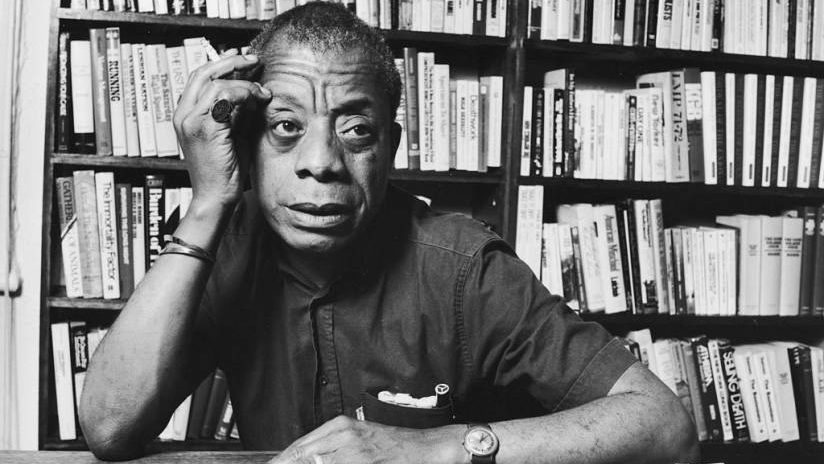
The beliefs and fame of James Baldwin are reported in many books written about him and by him. Audre Lorde and Vesely-Flad, on the other hand, are not well known to the general public. Lorde’ and Vesely-Flad’ stories are gender versions of Baldwin’s story.
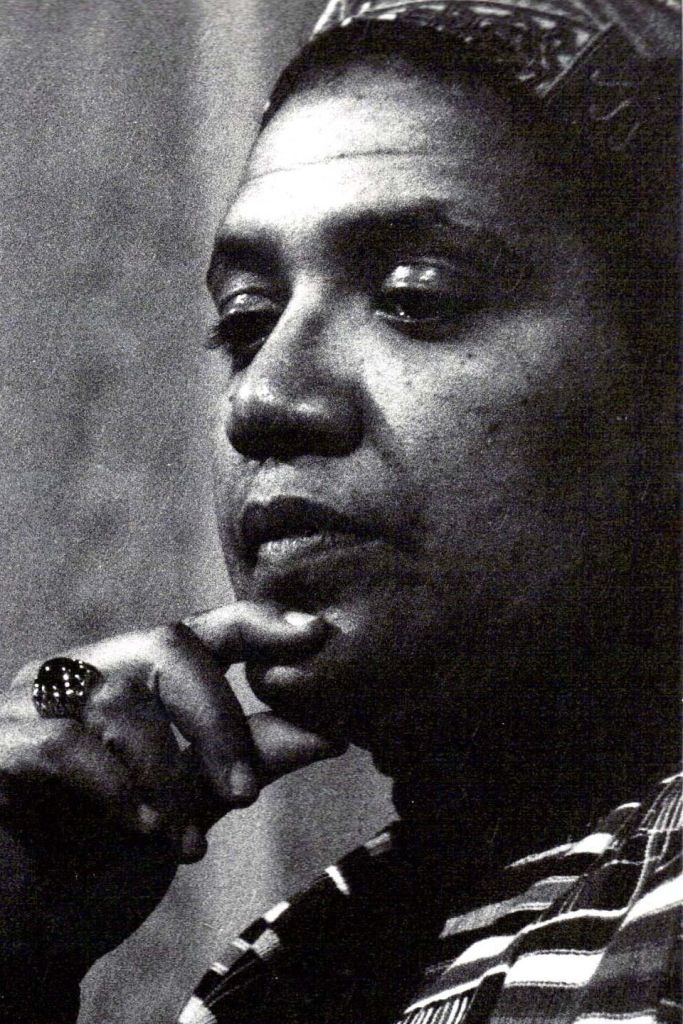
Audre Lorde (American writer, professor, philosopher, feminist, poet, and civil rights activist.)
Ms. Lorde was born in 1934 to Caribbean immigrant parents from Grenada. She became a poet who wrote about racism, structural oppression, sexism, and sexual orientation. A book of her poems was first published in 1968, and she became a National Book Award winner in 1988. She was an active participant in the women’s movement, civil rights, and LGBTQ liberation. A famous line which became a rallying cry Lorde created is “Your silence will not protect you”. Her beliefs are about the majority of people in America and their power. She argues–the American white majority should confront the truth of who they are, and how society represses those who are non-white. This is the theme that fits the reputations of Baldwin and Vesely-Flad in “The Fire Inside”.
“Go Tell It on the Mountain” is an autobiographical view of life and growth to manhood as a Black child raised in Harlem. It took ten years to write but became Baldwin’s most famous book. It released Baldwin from the ghost of his stepfather’s cruelty and set the stage for his exploration of race, religion, sexuality, and personal identity.
As a bibliophile, one is drawn to “The Fire Inside” because of the picture of Baldwin on its cover. Many who have read Baldwin’s work are drawn to this book because of his fame and writing about American racism. The stories of the author’ and Lorde’s lives reinforce much of what one has read in Baldwin’s books.
The author of “The Fire Inside” follows and considers herself a Buddhist. Neither Baldwin nor Lorde were Buddhists, but Vesely-Flad argues they followed many Buddhist beliefs by confronting and clarifying suffering in America. They exposed the illusions of ego, fear, and domination which are goals of Buddhism. Like Buddhists, the author argues Baldwin and Lorde insisted on liberation of the personal, political, and spiritual beliefs of the individual.
Vesely-Flad explains both Baldwin and Lorde are gay. Black Americans who believe in their right to be as they are should not be challenged by the political, spiritual, and religious beliefs of society. The point they make is that one’s inner life is their own. As long as one is not using anger, discrimination, or power to oppress others, they have an equal right to their personal life, liberty, and opportunity.
Vesely-Flad’s idealization of life and liberty exists nowhere in the world because of human nature. One is drawn to religions like Christianity, Protestantism, Islam, and some would argue Buddhism, but in practice we all remain trapped by human nature and become discriminatory. Vesely-Flad’s story of her life and experience have the same social ugliness that is known of Baldwin’s and Lorde’s lives. Until equality of opportunity is somehow politically assured, human nature will always victimize those who are different.