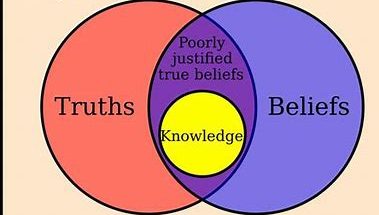
BALANCE

It is ironic that Trump has suffered so much from America’s legal system and is unable to see NIMBY mentality and a return to the past will not “Make America Great”.

Books of Interest
 Website: chetyarbrough.blog

Breakneck (China’s Quest to Engineer the Future)

AuthorDan Wang

Narrated By:  Jonathan Yen

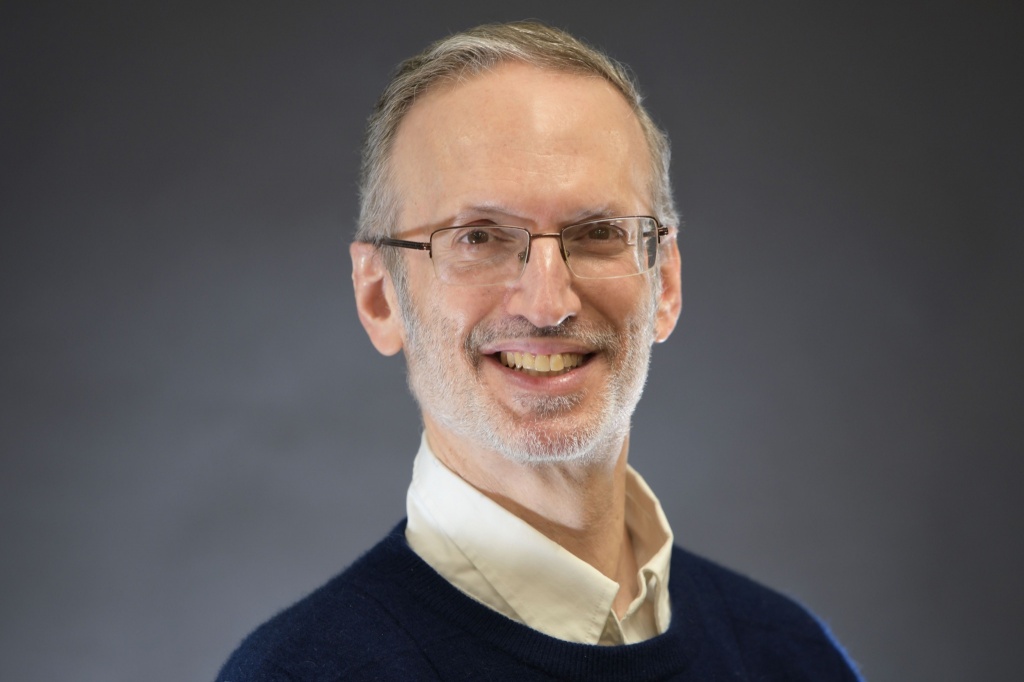
Feng Chen Wang aka Dan Wang (Author, Canadian technology analyst and writer, visiting scholar at Yale Law School.)

Dan Wang is a highly credible author of the 21st century economies of China and the United States. Mr. Wang’s mother and father were born in China when the one child policy was the law of the land. Mr. Wang was born in Canada in either 1991 or 1992. Though Mr. Wang may be an only child, his parents advised him that living in China was challenging because of its state control and family planning that restricted their human rights.

Dan Wang has lived in Canada, America, and China.
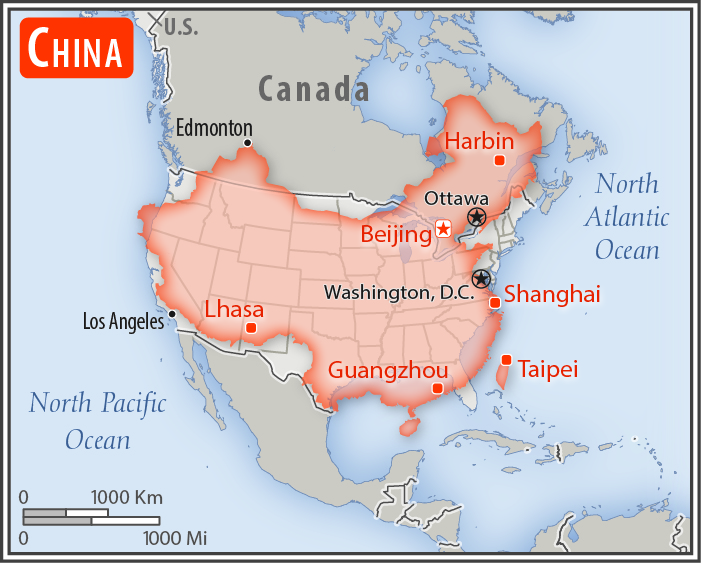
From 2017 to 2023 he worked as a technology analyst in Hong Kong, Beijing, and Shanghai. As a young man, Wang bicycled across China with young friends. Having been educated in Canada and the United States, growing up in Toronto and Ottawa and going to high school in Philadelphia, he has a broad understanding of the economies of all three nations. Of course, his specialty is technology which gives him a unique understanding of what is happening in America and China today. He graduated from the University of Rochester in 2014, studying philosophy and economics.

Trump’s apparent view of Xi.

After listening to Wang’s book, one begins to understand why President Trump’s perspective is that the world, with emphasis on China, has taken advantage of America’s economic wealth by eviscerating its industrial industries with less expensive product made in other countries. Wang presumes as a person who has an economics education that Adam Smith (the Father of Economics) and Donald Trump are right when they argue tariffs are justified in areas of national defense, or for retaliation. On the other hand, Adam Smith, noted “It is the maxim of every prudent master of a family, never to attempt to make at home what it will cost him more to make than to buy.”

Adam Smith (Father of Economic Theory)

Smith argued if another nation can provide the same product for less cost, a prudent buyer should buy the cheaper product and use money saved to produce a different product. Wang and Trump disagree with Smith because the revenue producer that America turns to is the service industry rather than product development. What is missed by Wang and Trump is that America is the third largest agricultural producer in the world with China and India being the largest. Of course, the difference is that America has 1/3rd the population of China and India, respectively. Lower population and high agricultural production in the United States hugely benefits its economy. More significantly, food, like water, is an essential need of life. The point is that non-food product production is not necessary for living life.

Loss of industrial production to China.

Wang’s and Trump’s argument is that America’s loss of industrial production has made it too dependent on other countries. They either infer or say Americans are forgetting how to manufacture product. They argue American industries are closing because of America’s inability to compete with other nations because of labor and material cost differences. History shows America fails to expand its industries because production of things is provided by other nations at a lower cost. And as Adam Smith noted, “It is the maxim of every prudent master of a family, never to attempt to make at home what it will cost him more to make than to buy.”

Wang decries America’s movement toward a service industry as the basis for economic growth.

America is the richest country in the world, but America has failed to eliminate poverty, house the homeless, feed the malnourished, and provide for the infrastructure needed to improve America lives. One may ask oneself-what is wrong with becoming a service industry nation? Why does America have to return to its past. As Adam Smith noted: “It is the maxim of every prudent master of a family, never to attempt to make at home what it will cost him more to make than to buy.” The future is about being healthy, being housed, fed, and clothed. It should not be about being the richest and fattest minority in the world, particularly when there is an inordinate gap between the rich and poor.

Wang argues America’s economy is diminished, not by reduced industrialization, but by its growth of legalism that reinforces nimby (not in my backyard) litigation.

Delays in public improvements in America are restrained by lawsuits that protect the rich and victimize the poor. An example is the long delays in mass transportation improvements which become more costly with every year that passes before completion. The delays are caused by litigation. When China can build rapid transit in 3 years while it takes 15 or more years in America, one wonders why. The huge investments China has made in massive infrastructure improvements have vastly improved their economy. In contrast, America wastes investment resources litigating mass transportation improvements in California, Washington, and other states by increasing costs from delays caused by litigation. It is like throwing the baby out with the bath water because the number of people who benefit from infrastructure improvement are largely discounted or ignored. Equally appalling is homelessness in America because of NIMBY’ objection to low-cost multifamily housing that could get the homeless off the street. Cost benefit analysis should prevail, not litigation based on interest group objection. In Wang’s terms, American infrastructure decisions should be based on science and engineering like, what he argues, China bases their infrastructure decisions upon.

The fundamental point is that America has lost sight of the importance of a balance between benefit to the public and individual rights. Equality of opportunity is split between the rich and poor with the middle class being too complacent while the rich reap unconscionable reward. Where are the Eisenhower-like Presidents who promoted an Interstate Highway System that created a 421,000-mile interstate highway system?

Trump is no Eisenhower because he wishes to return America to a past rather than look to its future. It is ironic that Trump has suffered so much from America’s legal system and is unable to see NIMBY mentality and a return to the past will not “Make America Great”. Wang’s book explains how China has succeeded in improving their economy while America’s economy is failing.


MANAGEMENT

“Radical Candor” about a creative idea can discourage employee creativity. Scott’s counsel on building trust is her magic potion, but potions can kill as well as heal.

Books of Interest
 Website: chetyarbrough.blog

Radical Candor (Be a Kick-Ass Boss Without Losing Your Humanity)

AuthorKim Scott

Narrated By:  Kim Scott

Kim Scott (Author, former executive at Apple and Google, coach for tech companies like Dropbox and Twitter)

The agricultural revolution dates back to 10,000 BCE, 1760 marks the beginning of the industrial revolution, the 1950s evolves into an age of expertise and work knowledge with computerization, in the 1990s connectivity and automation begins the information age. Today, Kim Scott addresses the 2020s along with the advent of artificial intelligence. Beginning when the industrial revolution takes hold, organization management evolves into a social science. In the industrial age training changes from demonstrating how to make things to managing people’s work in making things. Jumping to the Information Age managers of people become ringmasters for employee’s creativity.

Despite many changes in purpose for organizations a common thread is managerial skill which entails political and personal skills. Managers pursue understanding, influence, ability, and sincerity of purpose to elicit and manage human creativity.

Scott outlines management skills in “Radical Candor”. Her book is a useful tool for aspiring managers. Even reaching back to the agricultural age, there is relevance in Scott’s belief in “Radical Candor”. She defines radical candor as “Caring personally while challenging (organization employees) directly.” By personally caring, Scott explains good managers must gain the trust of people who report to them. My personal experience as a former manager in different careers shows that no manager knows everything about the company or organization they manage. The one thing a good manager must know is how to develop trust with people who report to her or him. Without trust between managers and workers, organizations are likely to fail.

Trust between managers and employees is even more true today because worker’ creativity drives technological invention and utility.

Being vulnerable by understanding you know nothing about people you manage is the starting point of your role as a manager. Scott explains the first thing a new manager must do is personally meet with each direct report to hear what they do for the organization, what they like and dislike about what they do, and what obstacles get in their way that impede accomplishment. The two-fold purpose of these meetings is first to listen, not judge or criticize what is being reported. The second is to build trust.

(I believe A.I. will always be a technological tool, not a controller, of society, contrary to those who believe human existence will be erased by machines. As a technological tool of humanity, the creativity of human minds is at the frontier of management change.)

Scott explains how important it is to let employees know their manager is interested in an employee’s goals and growth in an organization.

A manager must be both physically and emotionally present when building trust with an employee. There is a need for a manager to explain one’s own vulnerability and responsibility in managing others. Scott’s point is that gaining trust of an employee requires more than knowing their birthday. A good manager will ask for feedback about what an employee is doing and what support a manager can offer to improve their performance. A manager should be curious, not furious when things are not going well. It is important that a sense of respect be given for an employee’s effort to get their job done. With development of respect, it becomes possible to use radical candor to constructively criticize or complement an employees’ performance.

Scott notes there are many reasons for an employee’s failure to perform beyond expectations.

Those reasons include incompetence but also the failure of management to have a clear understanding of an employees’ strengths and weaknesses. Through development of trust between manager and employee, a different job may be in order. With reassignment and a performance plan, a manager may be able to tap a human resource that has been wasted. The performance plan is instituted with “Radical Candor” and offers either opportunity or, if performance improvement fails, dismissal.

Every organization has distinctive operational idiosyncrasies that a manager may not precisely understand.

This has always been true. It is even more true in the tech age because project uniqueness and employee creativity is more difficult to measure and manage. Kim Scott has worked with the most iconic tech companies of modern times, e.g. Apple, Google, Twitter. There are a number of anecdotes about famous tech giants and officers of Facebook, Apple, and Google, like Sandberg, Cook, and Page. Kim has also started her own businesses, some of which failed, and others that prospered. Her experience offers credibility to her arguments.

From personal experience as a manager of others, no manager ever knows all there is to know.

As Scott notes, this is not to say that geniuses like Steve Jobs did not know more than his Apple employees, but the iPhone idea came from a group of employees before approaching Jobs with a clunky mock-up of the idea. Jobs had a reputation for being a tough audience for people with creative ideas. This is the reason Kim Scott explains trust must be created between manager and employee so that candor about needs and expectations can be usefully employed to improve probability of personal and organizational success.

One takes Kim Scott’s counsel on “Radical Candor” with some reservation because misused “Radical Candor” about a creative idea can discourage employee creativity. Scott’s counsel on building trust is her magic potion, but potions can kill as well as heal.

TWO OLD MEN

Age is an existential risk that can only be managed by the checks and balances of others which is why America’s government has survived and prospered despite good and ethically or morally corrupt Presidents.

Books of Interest
 Website: chetyarbrough.blog

Original Sin (President Biden’s Decline, Its Cover-Up, and His Disastrous Choice to Run Again)

AuthorJake Tapper, Alex Thompson

Narrated By:  Jake Tapper

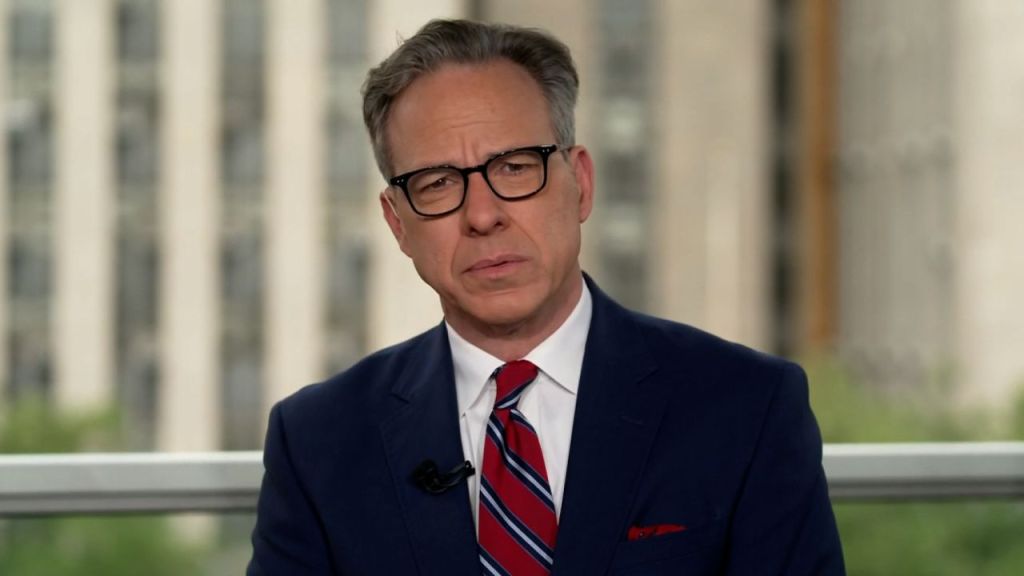
“Original Sin” is a hard-hitting expose by two tough minded reporters that convincingly explain President Biden did not have the cognitive ability to be America’s President in the last two years of his Presidency. This is a particularly hard pill to swallow because the current President of the United States is old while being at the opposite end of the political spectrum. At 74, this book reviewer is old. Age undoubtedly has an impact on this reviewer’s cognitive abilities and the cogency of what he thinks and writes. President Trump is 79 years old. The difference is that what a critic writes means nothing in respect to governance of the United States and the impact it has on American citizens and world events.

Trump’s decisions and actions have had great impact on U.S. relationship with other countries, American public policy, and the economic future of Americans.

Trump has directed the firing of thousands of government employees. Because of Trump’s authoritarian characteristics, he surrounds himself with sycophants who are more interested in pleasing him than managing the government’s responsibility for America’s welfare and role in the world. Authoritarianism is untrue of Biden who throughout his public career has been a consensus builder, not an autocrat. This is not to suggest Biden is not fundamentally wrong in not immediately supporting an alternative candidate for the Presidency. The authors of “Original Sin” clearly explain Biden fails America by waffling on his candidacy for a second term.

Old age is a risk for every manager of other people’s lives and opportunities.

Biden is not at fault for getting old but people who worked with him are guilty of negligence in their service to the American people. Tapper and Thompson offer numerous examples of Biden’s intellectual decline. The importance of their assessment of Biden’s failing capabilities is a warning to all managers of other people’s lives, employment, and family responsibilities. Age is a life circumstance that affects every human being. One who is losing their cognitive ability cannot see it in themselves. It is the responsibility of others to help older people relinquish responsibility for those things they can no longer handle.

Relinquishment by a man or woman who has great responsibility is a hard thing to accept. Age effects people in different ways. The catch 22 is that loss of cognitive ability is unseen by the person who loses it. It is the responsibility of those who rely on one who is losing their reasoning ability to manage the circumstance of that decline.

Putting politics of government aside, President Trump is old. The concern one has is the risk of relying on those who work for Trump, like many who worked for Biden, may see loyalty as more important than the public interest of America. Age is an existential risk that can only be managed by the checks and balances of others which is why America’s government has survived and prospered despite good and ethically or morally corrupt Presidents.

America will survive Trump but it will take time to reset America’s relationship with the world. America has had good and bad Presidents in both political parties but its foundation of checks and balances have kept it on course for the betterment of society. It is nations with leaders that have no checks and balances that threaten social and economic equality.

LIFE’S JOURNEY

Gaige’s writing is crisp, insightful, entertaining, and highly relatable. It gets to the heart of life’s struggles without being judgmental or accusatory.

Books of Interest
 Website: chetyarbrough.blog

Heartwood 

AuthorAmity Gaige

Narrated By:  Justine Lupe & 5 more

Amity Gaige (Author, lecturer in English at Yale University, 2017 Guggenheim Fellow in Fiction.)

“Heartwood” is a well written, creative, and insightful novel about human fragility. It begins with a lost hiker on the Appalachian Trail. One may recall newspaper articles about this trail where many famous and infamous people have been known to travel. What is less well known is the trail is 2,197-miles long and crosses 14 states. Amity Gaige writes a story of one lost hiker, but it is much more. Of course, it is about search and rescue that reveals how complicated it is to find someone who is lost in a wilderness. In a public hiking trail, at least in the pre-Trump era, national government employees were available to conduct search and rescue services in national parks. There are many local volunteers who aide in these searches, but it is managed by experienced park rangers. Gaige reveals the inner fears and reality of one who is lost in life as well as in a wilderness. The creativity of the author is in her reveal of human nature. All people struggle to live lives that mean something but exhibit physical and mental flaws that get in the way.

The lost hikers name is Valerie Gillis. The primary searcher is Bev Miller, a lieutenant in charge of search and rescue teams when someone is lost on the Appalachian Trail. Those who are rescued, and those who rescue, live lives of equal unpredictability. (Bev Miller’s mother is in a health care facility for the elderly who are troubled by dementia.) The hiker is seeking solace from her personal life by taking a hike on the Trail with a friend who is a substitute for her recently divorced husband. Her and her friend become separated, and she wanders off the Trail. She becomes disoriented and cannot find her way back to the well-traveled path but, as a trained nurse, she copes with her isolation better than most who might make the same mistake. She keeps her wits about her, but an unexpected event changes the course of her life.

Military training.

The area in which Gillis becomes lost is near a security encampment used to train soldiers for wilderness’ survival. The training is harsh and some of the inductees choose to go AWOL, absent without leave. An AWOL’ escapee who is having a nervous breakdown comes across Gillis. His psychological imbalance influences him to imprison Gillis making her unable to find her way back to the Trail. Eventually, her antagonist leaves but Gillis’s physical deterioration advances to the point of near starvation.

The author is exploring the idiosyncrasies of life. Many incidents that lead to the rescue of Gillis show how every human being deals with events in life that are beyond their control. One elderly woman who exhibits symptoms of dementia becomes a clue to the location of Gillis. This elderly woman’s life shows one of many circumstances in life that are beyond one’s control. This dementia burdened woman recovers some of her lost faculties to report having talked to a young man who is being treated for psychological imbalance. He tells of meeting a lost hiker in the wilderness. Until that clue is revealed. no one knew the correct area in which to search for Gillis.

There are many human relationship strengths and weaknesses revealed in Amity Gaige’s “Heartwood”. Gaige’s writing is crisp, insightful, entertaining, and highly relatable. It gets to the heart of life’s struggles without being judgmental or accusatory.

INEPTITUDE

“The Mission” is a depressing view of American ineptitude that reminds one of the Bay of Pigs, Vietnam, Iraq, Afghanistan, and 9/11.

Books of Interest
 Website: chetyarbrough.blog

The Mission (The CIA in the 21st Century)

AuthorTim Weiner

Narrated By:  Stefan Rudnicki

Tim Weiner (Author, American reporter, awarded Pulitzer Prize and National Book Award for books on espionage, national security and foreign policy.)

This is a tough book to read/listen to because of its damning assessment of the American CIA. Weiner is not the only American writer to reveal failed operations of the CIA but his access to their files seems like America’s attempt to understand and improve CIA operations’ management. That is the best face one can put on Weiner’s highly critical assessment of CIA operations. The CIA’s official response is that Weiner is biased, and his research of CIA files misrepresents the complexity of intelligence work. Some historians suggest Weiner cites CIA’ failures without enough context to balance the need for a covert intelligence agency.

The more troubling concern inferred by Weiner is the Trump Presidency and his authoritarian character and tolerance for leaders like Putin who think “might makes right”. What use will Trump make of the CIA’s covert power?

As the Turkish proverb says, “fish stinks first at the head”. Weiner notes, along with the huge escalation of drone assassinations by a liberal Democrat like Obama, one wonders what Trump may do in his second term.

Weiner explains the second Bush administration uses the CIA to push for evidence of WMD in their desire for justification to invade Iraq. The facts did not matter because the President wanted action. Under the Bush administration, the CIA adopts “enhanced interrogation techniques” (brutal torture) of political prisoners kept at Bagram Air Base. Weiner argues the CIA mission of covert intelligence is distorted in a drift toward paramilitary operations causing civilian casualties. One gets a sense that the second Bush administration is reacting to the horrendous 9/11 attack because of his administration’s failure to acknowledge CIA’s evidence that Bin Laden planned an attack on the U.S. The evidence of an attack’s imminence is clearly reported to the President by CIA leadership. This is a tough pill to swallow because the intelligence purpose of the CIA seems subordinated by both Democrats and Republicans to political interest rather than nation-state security.

Weiner vilifies CIA leaders like George Tenet, Porter Goss, and Leon Panetta. Tenet assures President Bush of Iraq’s possession of WMD. Goss, a Republican appointed by Bush, and Panetta, appointed by Obama, transformed the CIA into a paramilitary force after 9/11. Obama authorized use of drones in covert killings of over 500 foreign agents based on CIA’ espionage and analysis of their activities. Weiner notes Michael Hayden authorized torture programs by the CIA. Wiener argues torture programs and authorized assassinations damaged CIA’s credibility and effectiveness. To Wiener, the CIA’s leadership decline reaches back to Allen Dulles’s Cold War and William Casey’s Iran-Contra entanglement during the Reagan years. Covert action became more important than intelligence gathering.

“The Mission” is a depressing view of American ineptitude that reminds one of the Bay of Pigs, Vietnam, Iraq, Afghanistan, and 9/11. Wiener offers a dim view of both Democratic and Republican leadership in America. One hopes America can be better than what Wiener reveals in “The Mission”. The jury may still be out, but Trump’s administration seems likely to continue America’s international decline.
RELIGION

As a mirror and catalyst for change and hope, Professor Mark Bergson offers an excellent review of the world’s religions.

Books of Interest
 Website: chetyarbrough.blog

Cultural Literacy for Religion (Everything a Well-Educated Person Should Know)

Lecturer: Mark Berkson

By:  The Great Courses

Mark Berkson (Professor and Chair in the Department pf Religion at Hamline University)

Professor Berkson provides an excellent overview of the most important religions in the world in his lectures. Though this reviewer is not a person who follows any religion, Professor Berkson offers a broad understanding of religious beliefs and their differences in his lecture series.

CHRISTIAN, ISLAMIC, AND HINDUIST RELIGIONS HAVE THE MOST FOLLOWERS

The three religions with the greatest number of followers are Christian, Islamic, and Hinduist which are categorized as a transcendent group of religions. In broad terms, their beliefs are in salvation, divine revelation, moral law, and a soul’s journey toward a divine being as the ultimate truth and value of life. These religions reflect on both the first and second categories of religion because they transcend the self to either a divine or a more centered understanding of oneself.

A third category would be followers of a sect of Buddhists adherents, Jainists, or Confucianists which believe in enlightenment, discipline, meditation, and moral cultivation of oneself in relation to nature, the cosmos, and everyday life. This third category is not centered around a divine being but around self-effort to create ethical harmony among human beings that will offer peace to all.

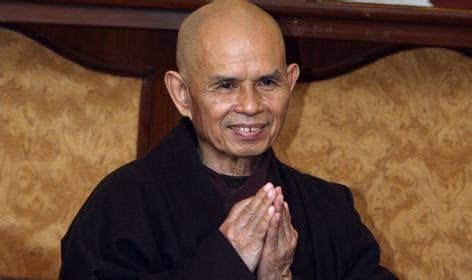
Thích Nhất Hạnh was a most famous Vietnamese Thiền Buddhist monk who believed and taught self-effort to create ethical harmony in oneself. (Died at age 95 in 2022.)

Berkson notes Daoist’s, Shinto’s, and some Buddhists (like Thích Nhất Hạnh) believe in the balance, flow, and interconnectedness of living in accordance with nature. He categorizes these religions as “religions of immanence”.

Tenzin Gyatso (the 14th Tibetan Dalai Lama, exiled in India from his native land in China, represents the Buddhist idea of self-transcendence.)

Berkson explains religion became important to civilization because they made living life more important than just survival. Religion gave meaning to life. Religion also provided social and moral order to life. Religion gave comfort in time of grief, fear, and uncertainty. Religion inspired societies to be creative to build cities, and create art. Religion provided a belief in something greater than oneself and the possibility of transcendence beyond earthly existence.

As one listens to Berkson’s lectures, one wonders whether religion has been more positive than negative in civilization’s development.

Berkson tries to sit on a fence between two extreme opinions. One is the positive contributions of religion to human moral and ethical belief. On the other, religion has aggravated social comity by creating differences. Different religious beliefs have murdered or demeaned millions of human beings who believe only their religion is important. If you defile the truth of my religious belief, you are not one of us. On the one hand, religion brings people together and grows cultural and artistic beliefs. On the other hand, religious belief creates silos that suppress inquiry, reinforce prejudices, and delegitimize political authority. Belief in a religion can advance understanding of human nature but at the same time suppress any inquiry into faith or science.

One will better understand specific religious beliefs as a result of Bergson’s lectures.

Bergson notes tensions between religious beliefs are the basis upon which many social and human atrocities have occurred. Christianity notes that no one comes to God except through Chistian belief while Hinduism believes there are many paths to the divine. Exclusivity in religion may not cause a war, but it certainly creates tension. The core beliefs of Judaism, Christianity, and Islam have led to millions of deaths because of distinctions made between the word of God in the Hebrew Bible, Christian old and new testaments, and the Qur’an.

As a mirror and catalyst for change and hope, Bergson offers an excellent review of the world’s religions.

However, in the history of yesterday and today, the Jewish holocaust of WWII and slaughter of Palestinians in Gaza rend one’s heart. To quote Rodney King amid the Los Angeles riots, “Can we all get along?”– apparently not.

GLOOM

There is more death to come in the last chapters of “Wild Dark Story”. The underlying gloom about the fate of earth and civilization may ware on some who may become bored with the author’s story.

Books of Interest
 Website: chetyarbrough.blog

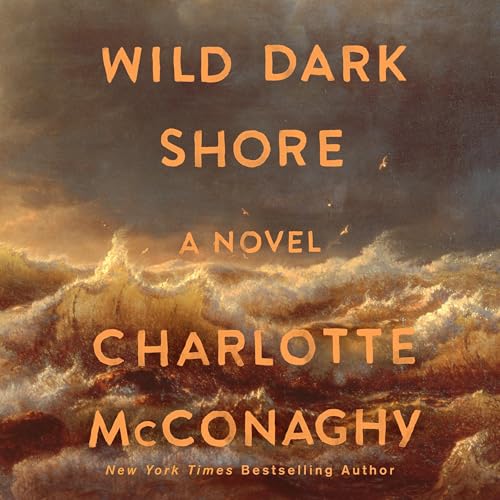
Wild Dark Shore (A Novel)

Author: Charlotte McConaghy

Narrated By:  Cooper Mortlock & 3 more

Charlotte McConaghy (Author, writer born in Australia in 1988, Graduate Degree in Screenwriting and Masters in Screen Arts.)

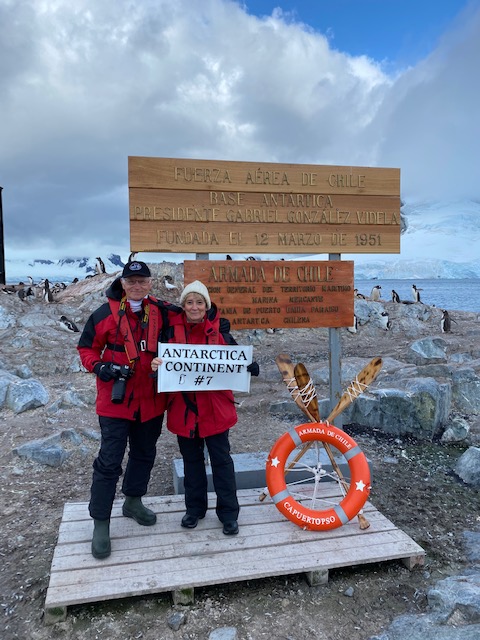
This is a novel for environmentalists with a survivalist mentality but it is also a tale of mystery and human relationships. McConaghy’s education makes “Wild Dark Shore” feel like a screenwriter’s idea for a movie. She paints a word-picture of a cold wilderness island sinking into oblivion because of climate change. It reminds one of visiting a weather station in Antartica. One is mesmerized by seabirds flying in a brutal wind, penguins flocking across an icy landscape, and sea lions sunning themselves on broken islands of ice. If you are lucky on your voyage, you will see a pod of whales. McConaghy paints a picture of a forbidding landscape once inhabited by natives that became a lighthouse for ships of the sea. At the time of the author’s story, it became an outpost for environmental observation and seed preservation.

Islands around Australia.

“Wild Dark Story” is a mystery about a lost husband and a tough-minded wife who wants to know what happened to him after receiving three letters expressing fear about his assignment and life at the station. The station is being closed down by a family working at the island station. There is a father, two sons, and a daughter. The father’s wife has died. The task of closing the station is perilous but this family has lived on the station for several years and is intimately aware of the dangers and what must be done to ready it for abandonment. Their evacuation plans are interrupted when a vessel crashes near the station. The vessel carries the wife of the person who received the three letters from her husband. She survives the vessel’s destruction with wounds from the rocky shoreline. The pilot of the vessel is dead. The woman is rescued by the family that is preparing for evacuation.

Environmental degradation.

“Wild Dark Story” has some appeal to environmentalists because it is a dramatic presentation of the fragility of civilization in the face of rising tides and a warming planet. The island is set up, presumably by either a government or corporation that wishes to preserve unique plants from seeds in a cavern designed for that purpose. Preservation is being shown as a form of resistance to environmental degradation.

Leaving an isolated land.

In conversations amongst the family preparing for evacuation, the loss of the woman’s husband may have had something to do with the family that is closing the station. The father is reluctant to tell what happened and suggests his children should not say anything about it to the woman.

The new arrival’s husband was a biologist responsible for seed preservation.

There was a fire that burned down their home on the mainland. It was built by the hands of the woman who is trying to find out what happened to her husband. They had separated because the fire and total loss of the home had fractured their relationship. Her husband’s fate is never fully confirmed, but the novel strongly implies he may have died by accident, suicide, or possibly through a cover-up related to the dismantling of the seed vault.

Her husband had bonded with the youngest of the three children. This is interesting because one of the last fights he had with his wife before he left was about her not wanting to have a child.

Rescue or not.

At this point, the novel becomes too long. The mystery of her husband’s death may have been because of psychological imbalance but no definitive answer is given. The theme of the book is that isolation warps truth and identity and that grief is a force that drives human beings to fall apart or renew their lives. There is more death to come in the last chapters of “Wild Dark Story”. The underlying gloom about the fate of earth and civilization may ware on some who may become bored with the author’s story.

LIFE IS LIQUID

Miodownik explains liquids are everywhere and influence every aspect of life on earth. As a scientist, Miodownik explains understanding liquids is understanding life.

Books of Interest
 Website: chetyarbrough.blog

Liquid Rules: The Delightful and Dangerous Substances That Flow Through Our Lives

Author: Mark Miodownik

Narrated By:  Michael Page

Mark Miodownik (Author, British materials scientist.)

Mark Miodownik offers some interesting information about liquids in “Liquid Rules”. It seems Miodownik had some spare time on a long plane trip. Though many know some of what the author explains, it is interesting for listener/readers who don’t think about the importance of liquids in our lives. For example, Miodownik notes how and why Kerosene is the fuel that powers jets.

The qualities of kerosene make it an optimum choice for jet propulsion.

Kerosene is safer to handle because high temperatures are required for ignition which makes it safer than gasoline. It has a low freezing point that allows high-altitude flight where sub-zero temperatures exist. Its viscosity allows it to flow in cold or hot conditions which reduces risk for fuel line’ clogging. Kerosene carries high energy production per unit of volume for longer flights. It is cheaper to refine than other fuels. And most importantly, it is chemically stable which reduces risks of vapor lock or premature combustion.

As Miodownik wings his way across the earth, he casually mentions Susan is a passenger on the same transatlantic flight who is offered a glass of wine.

She suggests wine testing is really a performance art. Her remark is an introduction to Miodownik’s more scientific examination of the sensory and symbolic dimensions of wine tasting. Miodownik explains the role of tannins, taste, and the rituals around drinking a glass of wine. He explains a connoisseur’s way of swirling a glass of wine before his/her nose to sense the bouquet of the libation. One imagines Susan looking askance at Miodownik’s academic review of her off-the-cuff remark. Who is this guy? Is he hitting on me?

Presumably, Miodownik sits back and contemplates the creation of a book about liquids.

Miodownik seems slightly discomfited by his seatmate’s look at him. Does he regret his forwardness in addressing her comment like a nerd? There is a sense of humor and a touch of irony in Miodownik’s choice of subject. One wonders what a woman’s response might be to a person she does not know explaining what she intended when she spoke of wine tasting as an art. In any case, Miodownik has introduced his subject.

As Miodownik’s thoughts move on about a book about liquids, he recalls the invention of ink.

Here is an invention with purpose. He notes the creation of ink that is made to flow predictably, dry quickly, and remain legible for years. The idea of a liquid that makes history, science, and art for the ages, i.e., an eternal gold mine for future generations. Ink reaches back to the caliphs of the Maghreb, rulers of Islamic caliphates in 7th century, northwest Africa. Ink connects with the evolution of the colors of red, green, and blue. From fountain pen writings to pointillist art the creation of ink plays a critical role in modernization of the world.

Water is the foundation of life.

Most know water is an essential need for life as we know it. What is often less thought of is that water is a universal substance that underlies world climate and biological life. Miodownik notes that water is a universal substance that underpins life and the climate systems of the world. It is the vehicle of human metabolism, emotional expression of fear, pain, happiness, and the world’s climate.

Production sweat shops.

Humans produce sweat and a quart of saliva per day. Saliva aide’s digestion, hygiene, health, and emotional expression like crying, anger, or embarrassment. Sweat regulates the bodies temperature. Water plays a role in the advance of technology with the creation of liquid crystal displays (LCDs) and OLEDs that power modern screens in phones and aircraft panels. Digital watches, cell phones, movies and general entertainment are a result of liquid’s existence. The irony of water as a liquid is that it can nurture as well as destroy. It refreshes life through cleaning, and food production, but also floods land, drowns life, and erodes soil upon which life depends. Water is an agent of comfort as well as chaos.

Miodownik explains liquids are everywhere and influence every aspect of life on earth. As a scientist, Miodownik explains understanding liquids is understanding life.

Aside from global warming, Miodownik notes the growing issue of plastics pollution and potable water availability will plague humanity. He argues humanity needs to come to grips with earth’s need for natural sustainability. Roads, houses, food, and potable water need to be designed to renew themselves without introduction of new materials or resources.

VICTIMS

Pedophilia is a terrible crime. Unprofessional exposure of its consequence compounds a victim’s trauma. There are no heroes or heroines in Lisa Jewell’s imaginative story.

Books of Interest
 Website: chetyarbrough.blog

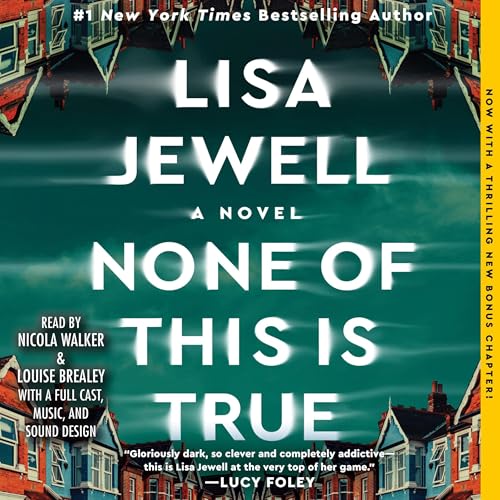
None of This Is True (A Novel)

Author: Lisa Jewell

Narrated By:  Kristin Atherton & 9 more

Lisa Jewell (Author, British writer, born in London, has written several novels.)

“None of This Is True” is a disturbing novel. From a happenstance birthday party at a restaurant, two young women find they were born on the same day in the same hospital. One of the women is a podcaster and the other is a housewife. This chance meeting leads to the podcaster agreeing to create a podcast about the life of the woman who had been born on the same day in the same hospital forty-five years earlier. Both are married with children and husbands but one has a story to tell that only comes clear as the podcast unfolds. The circumstances of her life peak the podcaster’s interest because the woman asking to tell her story had married her husband when he was 43 and she was only 16. The thought of such an age difference makes one instantly dislike her husband which only deepens as the story proceeds.

Definition.

This marriage becomes increasingly shocking as the podcaster’s recordings begin. The story tells of this odd marriage to a husband who often stays out all night either drinking or something worse considering his predilection for young girls. The mother is interviewed by the podcaster who characterizes her as a narcissist who regrets ever having gotten pregnant. She seems to care nothing about the impropriety of her daughter marrying a 43-year-old when she is 16.

Victims.

The story becomes more complicated as the victim of pedophilia appears to steal items from the podcaster’s home. At a half-way point in the novel, the reader/listener realizes the podcaster is out of her depth in thinking her podcast is an appropriate way of dealing with the psychological trauma of a victim of her lived life. One begins to lose their baring on who is guilty for having lived a life of misery and dysfunction. Only the specter of pedophilia seems clearly wrong, but the victim of the pedophilia is raised by an uncaring mother that let it happen. Now there is a podcaster caught in the middle of something way beyond her professional ability who is caught in a growing domestic abuse and psychological nightmare.

The inhumanity of humanity.

This is a terrifying book about humanity. One is drawn into its sordid tale to reveal how inadvertently we can be drawn into the drama of another’s life without qualification for dealing with its complexity. As a reader/listener there are lessons to be learned about one’s limitations and how we can become a part of the problem, rather than a solution. Pedophilia is a terrible crime. Unprofessional exposure of its consequence compounds a victim’s trauma. There are no heroes or heroines in Lisa Jewell’s imaginative story.

LIVING LIFE

Human nature is universal, but it is also particular. In that particularity, “Ikigai” may or may not work for you or me. That is not to say the philosophy of “Ikigai” cannot lead one to a better life but only you can decide.

Books of Interest
 Website: chetyarbrough.blog

Ikigai (Japan’s Secrets to a Long and Happy Life)

Author: Hector Garcia, Fransec Miralles

Narrated By:  Oscar López Avila

In planning a trip to Japan in September 2025, “Ikigai” is a recommended book by our Japanese guide. Surprisingly, the authors are born in Spain.

“Ikigai” is a Japanese philosophy about life and its value.

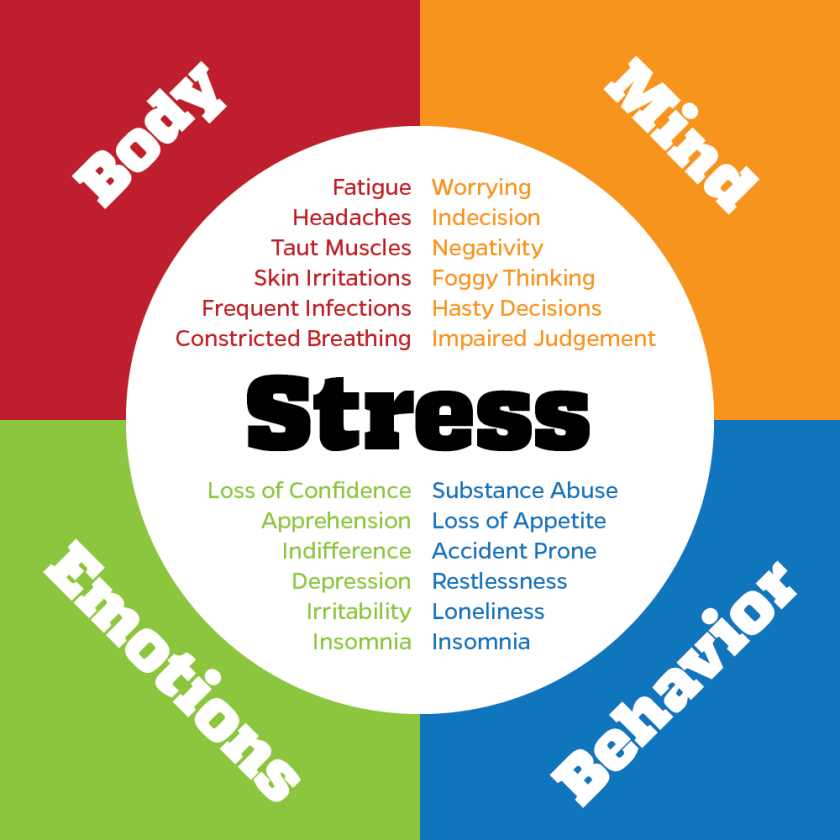
As understood by Garcia and Miralles, “Ikigai” is a guide to a meaningful and fulfilling life. As a philosophy, “Ikigai” is not about life’s destination. “Ikigai” is a compass to give one direction for a meaningful and fulfilling life. The principles of “Ikigai” revolve around a healthy diet, high quality health care, community ties that limit one’s isolation, physical routines, mindfulness, and stress reduction. Those who practice the philosophy of “Ikigai” in Garcia’s and Miralles’s opinion will live happier, healthier, and more fulfilling lives.

Life’s value.

Garcia and Miralles suggest the demographics of Japan are proof of the value of “Ikigai”. The highest number of citizens over 100 years of age live in Japan. The average life span of men and women in Japan is 85; for Americans, the average is 79.61. The authors suggest longer lives of Japanese is because of their practice of following the principles of “Ikigai”. Of course, the length of one’s life is not the point, but the quality of one’s life is everything.

Diet, healthcare, sociability, and daily routines reduce stress. These are guidelines for an “Ikigai” way of life.

There are no surprises in these guidelines. Diet is to consume fruits, vegetables, fish, limited red meat, with few sweets containing processed sugars like white, brown, powdered, or high-fructose corn syrups. Healthcare should be provided through universal coverage. Sociability is encouraged to avoid isolation. Daily walking, stretching, moving around, and being mindful of one’s activity should be a part of a person’s lifestyle. Find what reduces your stress and practice those activities. These are familiar guidelines but not often practiced because of the stresses of the culture in which people live. Many try to escape the stress of their cultures with bad eating habits, poor physical routines, and social isolation. Some fail to follow these guidelines because they are too poor to care.

Human frailties like hearing loss, vision loss, or physical deterioration.

There are a number of difficulties with the guidelines noted by Garcia and Miralles. Finding a way of life that fulfills the ideals of “Ikigai” discounts the nature of human beings. It is impossible to ignore the personal instincts, drives, physical maladies, and cognitive abilities of different human beings. One size does not fit all because of these differences. Human nature may be universal, but it is not the same because human history, physical limitation, culture, and individual experiences are different. If the cultures in which you live do not offer universal health care, one is on their own. A capitalist culture operates in a different way than a socialist culture. Poverty, levels of education, and government influence exist in every culture and by nature distort what use can be made of “Ikigai” guidelines.

Human nature is universal, but it is also particular. In that particularity, “Ikigai” may or may not work for you or me. That is not to say the philosophy of “Ikigai” cannot lead one to a better life but only you can decide.