PARENTS

William Wilde, Jane Wilde, and John Stanislaus Joyce fit the description of “Mad, Bad, Dangerous to Know”. However, John Butler Yeats seems somewhat less dangerous while contributing to the life and intellectual development of W.B. Yeats.

Books of Interest
 Website: chetyarbrough.blog

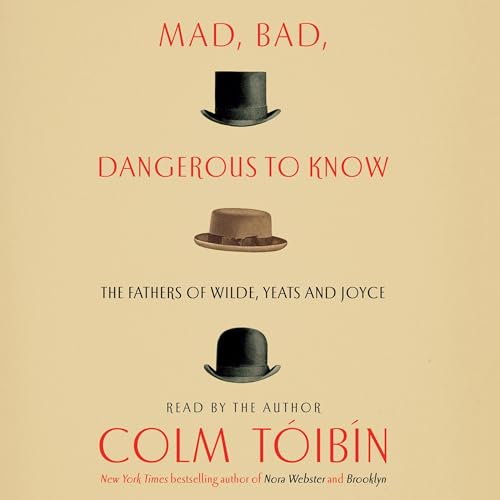
Mad, Bad, Dangerous to Know

AuthorColm Tóibín’s

Narrated By: Colm Tóibín

Colm Tóibín (Author, Booker Prize winner in 2006, journalist, essayist and short story writer.)

Mad, Bad, Dangerous to Know” as an audiobook is a bit difficult to understand because of Colm Tóibín’s Irish accent but as one adjusts to its cadence and inflexion, it offers interesting information about the families of Oscar Wilde, W.B. Yeats, and James Joyce.

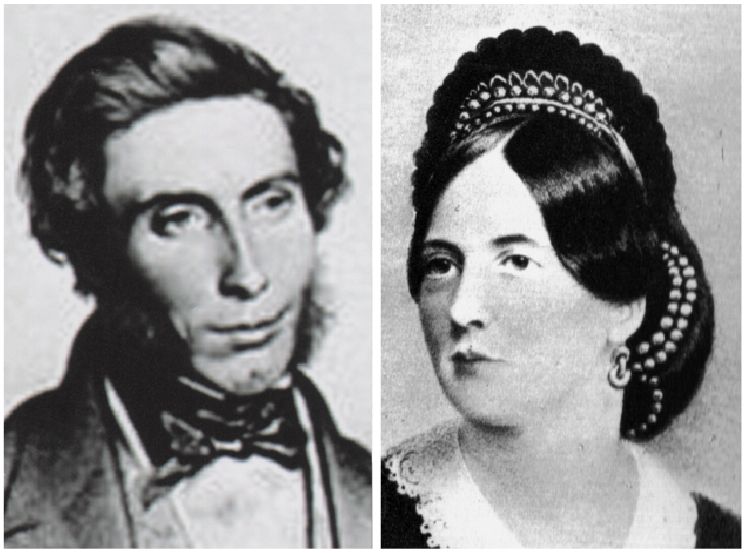
William and Jane Wilde (Parents of Oscar Wilde.)

William Wilde, the father of Oscar, is an important figure in Victorian Ireland. He was a renowned eye-and-ear surgeon who aided the medical profession by compiling statistical information about diseases and mortality of medical treatments as a gauge for human health. His wife, Jane Wilde (pen name-Speranza) was a nationalist poet and political writer. Some characterized her as a radical in comparison to her establishment husband.

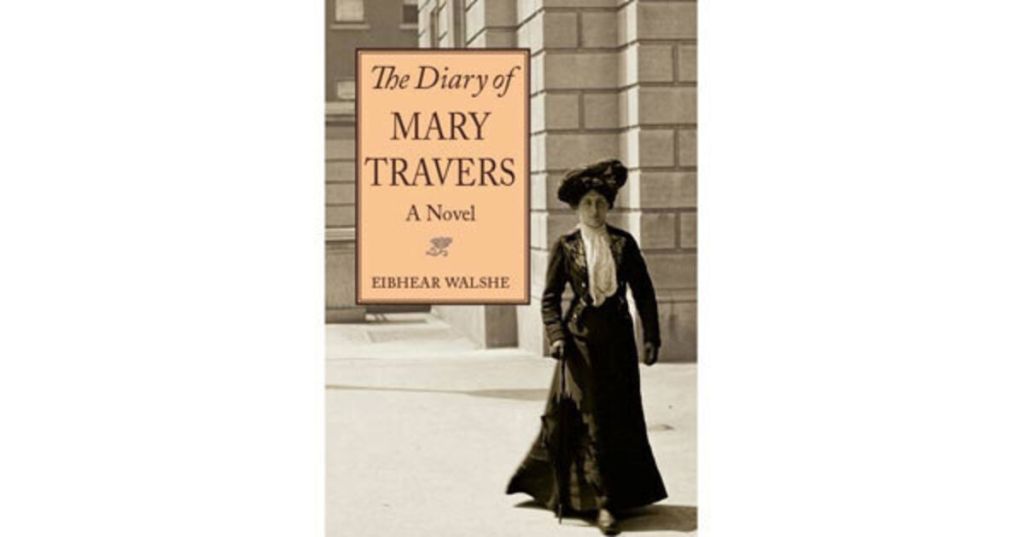
Jane Wilde’s husband is accused of sexual misconduct in the treatment of a young female patient in his practice. Mary Travers had accused Dr. Wilde of drugging and seducing her when seeking help for a medical problem. Dr. Wilde is indirectly drawn into court to settle a lawsuit filed by the female patient’s father because of a publicly exposed letter by Jane Wilde about Ms. Travers. The court finds that Dr. Wilde’s wife libeled Ms. Travers in a publicly exposed letter that criticizes her sexual assault claim. The court found Jane Wilde guilty of libel and awarded Travers a symbolic sum of 2 pounds for public humiliation.

In the 19th century, Eibhear Walshe writes a book about the trial brought against Jane Wilde for libelous comments about the sexual abuse of Ms. Travers.

Though Oscar’s father never faced criminal prosecution, his reputation and standing in the community declined. Despite the blow to Dr. Wilde’s reputation, Tóibín argues Ireland’s medical profession benefited from William Wilde’s statistical analysis of medical practice in 19th century Ireland. Nevertheless, the Travers’ trial infers gender discrimination was then and remains a serious problem in modern times.

The Travers’ trial reminds one of gender discrimination in modern times.

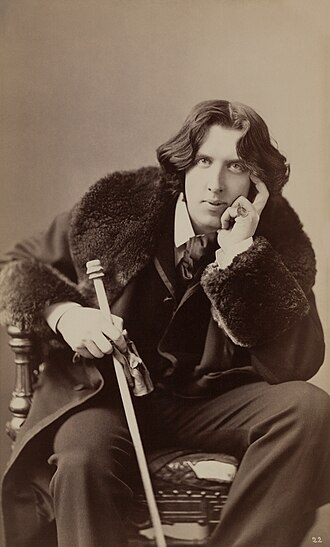
Oscar Wilde (1854-190o, the son of Dr. Wilde and Jane Wilde died at the age of 46, Oscar Wilde was an Irish author, poet, playwright who wrote “The Picture of Dorian Gray”. He became famous in London and around the world, convicted in 1895 for gross indecency for homosexual acts.)

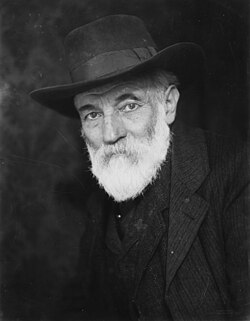
John Butler Yeats (1839-1922, W.B. Yeat’s father.)

The next family examined by the author is John Butler Yeats. Little is said about J.B.’s mother but his father was an aspiring portrait artist. This is an equally interesting story. J.B. is characterized as an artist but with a gift of gab and an interesting philosophy of life. John Butler Yeats is identified as a procrastinator that often started painting a portrait but as often failed to finish it. He and his wife had four children, i.e. two girls and two boys. Each contributed to Irish cultural life. Jack, their first son, became one of Ireland’s most celebrated painters. He also illustrated books and wrote plays and novels. He painted in the expressionist style. Susan Mary Yeats was a leader in the Arts & Crafts movement in Ireland. She co-founded the Cuala Press that published works by W.B. and other writers. She helped revive Irish decorative arts but was overshadowed by the brothers. Elizabeth Yeats was a co-founder of the Cuala Press. A little research shows the children had some formal education but as Tóibín suggests, with the exception of W.B.’s formal training at the Metropolitan School of Art in Dublin, the other 3 children were largely self-trained in art, writing, and Irish crafts.

Tóibín shows W.B. had a somewhat rocky relationship with his father when he was younger, but it evolved into a respect for his father’s philosophical view of the world.

When his father lost his wife, he chose to move to New York. Tóibín explains John Butler Yeats was more than a portrait artist. Though he was undisciplined in completing his artistic works, he scraped by with the help of his children’s support. John Yeats had attended Trinty College in Dublin studying the Classics and Law. He used that education to write letters to his children and friends after he moved to New York. The author infers some of W.B.’s poetry is based on ideas gleaned from his father’s philosophical musings. Tóibín notes several books have been published that compiled many of W.B.’s letters.

Rosa Butt portrait painted by J. B. Yeats.

Tóibín characterizes John Butler Yeats as emotionally and financially unreliable but a deeply influential father in W.B.’s life. J.B. exposes W.B. Yeats to the aesthetic and intellectual currents of the time. Tóibín infers J.B. had an extramarital affair with Rosa Butt. Ms. Butt was an acquaintance J.B. made when he painted a portrait of her in his studio. J.B. wrote many letters to Ms. Butt that reflect on his emotional attachment. However, he never returns to Ireland despite many intimations that he would. John Butler Yeats dies on February 34, 1922, in New York City. He was 82 years old, living in a boarding house at 317 West 29th Street. As true to his habits in life, he is said to have died with an unfinished self-portrait beside his bed. He is buried in Chestertown Rural Cemetery in Chestertown, New York.

James Joyce, leaning on his mother, with his father at the right (John Stanislaus Joyce).

John Stanislaus Joyce (1849-1931, died at the age of 82

The final chapters of Tóibín’s book are about James Joyce’s family. His father is John Stanislaus Joyce. Tóibín suggests James had an ambivalent opinion of fathers and particularly his own father. John Joyce is characterized as an abusive, alcoholic husband, and incompetent manager of his inheritance. With ten children and a wife, John Joyce loses his inheritance and effectively drives his son away from Ireland. James is the oldest, born in 1882. Tóibín explains that his voice and personality are ever present in James Joyce’s famous characters in both “Ulysses” and “A Portrait of the Artist as a Young Man“. Both books take a dim view of fatherhood while exemplifying an erudite father who projects a “man about town” image. However, Tóibín shows John Joyce to be an incompetent money manager and abusive family man.

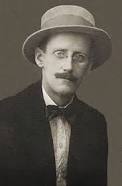
James Joyce (1882-1941)

In “A Portrait…” Stephen’s biological father is depicted as charming but irresponsible. Like James Joyce’s father, his main character’s father is financially unstable and an emotionally distant, abusive parent. In “A Portrait…” Stephen Daedalus is alienated and chooses a life independent of the Catholic Church because he views it like a surrogate father that imposes moral and spiritual authority without justification.

In “Ulysses”, James Joyces’s main character argues paternity is a fiction while maternity is merely a biological function. At best, one sees James Joyce is ambivalent about his dad. James experiences episodes of camaraderie when socializing with his father as a drinker and as a tenor singing partner. Both are supporters of Parnell, the Irish nationalist leader who supported Home Rule and independence from England.
Tóibín suggests James Joyce’s feelings about his mother are marked by guilt, presumably for not protecting her from her abusive husband but also because of her belief in God and patriarchal authority. In reading Joyce’s works, particularly “A Portrait of the Artist as a Young Man” and “Ulysses”, one can see James Joyce’s as a son of a loving, religious mother and abusive father who drank too much. James knew his mother loved him, but his father could not manage his or his family’s welfare.

May Murray Joyce (James Joyce’s mother, 1859-1903, died at the age of 44.)

William Wilde, Jane Wilde, and John Stanislaus Joyce fit the description of “Mad, Bad, Dangerous to Know”. However, John Butler Yeats seems somewhat less dangerous while contributing to the life and intellectual development of W.B. Yeats.

THE WIZARD

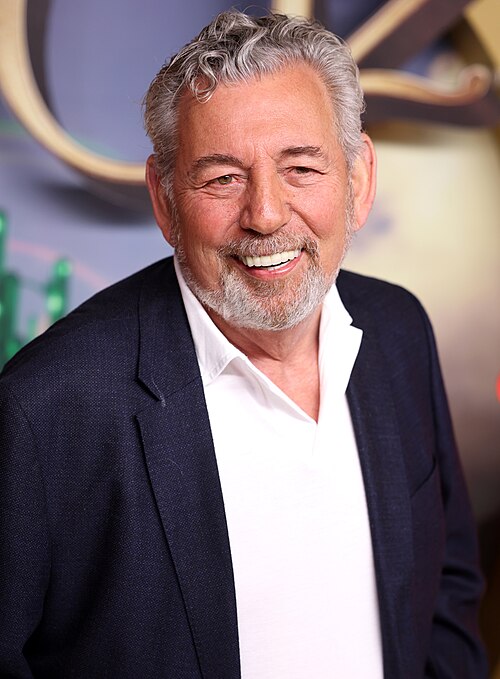
Good luck and safe travels, if you have the time and inclination to visit, go see Dorothy and her companions in Dolan’s immersive theatre.

Travel

Written by Chet Yarbrough

The Sphere in Las Vegas is a must see when visiting Las Vegas.

James Dolan, the executive chairman of Madison Square Garden Company, is credited with the idea of the Las Vegas Sphere.

James Lawrence Dolan (American businessman, supervisor of the New York Knicks, and New York Rangers, former CEO of cable vision, owns 70% of the voting power of the Sphere Entertainment Co., a publicly traded company.)

At the time of the Sphere’s construction in Las Vegas, there was concern about it ever being profitable. The cost of the Sphere exceeded expectations but Dolan’s vision and anyone who has visited the Sphere will be overwhelmed by its sensory impact and entertainment potential. In its first quarter of operation, a 98.4 million operating loss was reported. However, the reported revenue of the Sphere was $314.2 million in 2024 and its showed net inc9ome of $151.8 million in Q2 of 2025 after a previous year’s loss of an estimated $46.6 million.

The Wizard of Oz at the Sphere had mixed reviews when it first came out. We had visited the Sphere when it first opened with a World of life’ presentation. The Wizard was equally astonishing and entertaining.
As the Sphere production introduces unforgettable characters like The Scarecrow, The Tin Man, and the Cowardly Lion, some fans will tear up with the joy of seeing them in the immersive qualities of the Sphere. Viewers will feel the wind of the storm as it sweeps across the Sphere’s dome.

The special effects are amazing. You feel the wind of the hurricane, catch a fake apple from a forest of talking trees that complain about travelers picking their apples, and feel the heat from a fire in the witch’s castle. This is a tour de force of the Sphere’s potential.

Good luck and safe travels, if you have the time and inclination to visit, go see Dorothy and her companions in Dolan’s immersive theatre.

JAPAN TODAY

Travelling to Japan is an enlightening trip. It may change your life. On the other hand, it may not. It has taken many generations for Japan to become what it is today. By age, America is a baby just learning to walk.

Travel

Written by Chet Yarbrough

Mt. Fuji–on our way to Tokyo from Hiroshima, Japan.

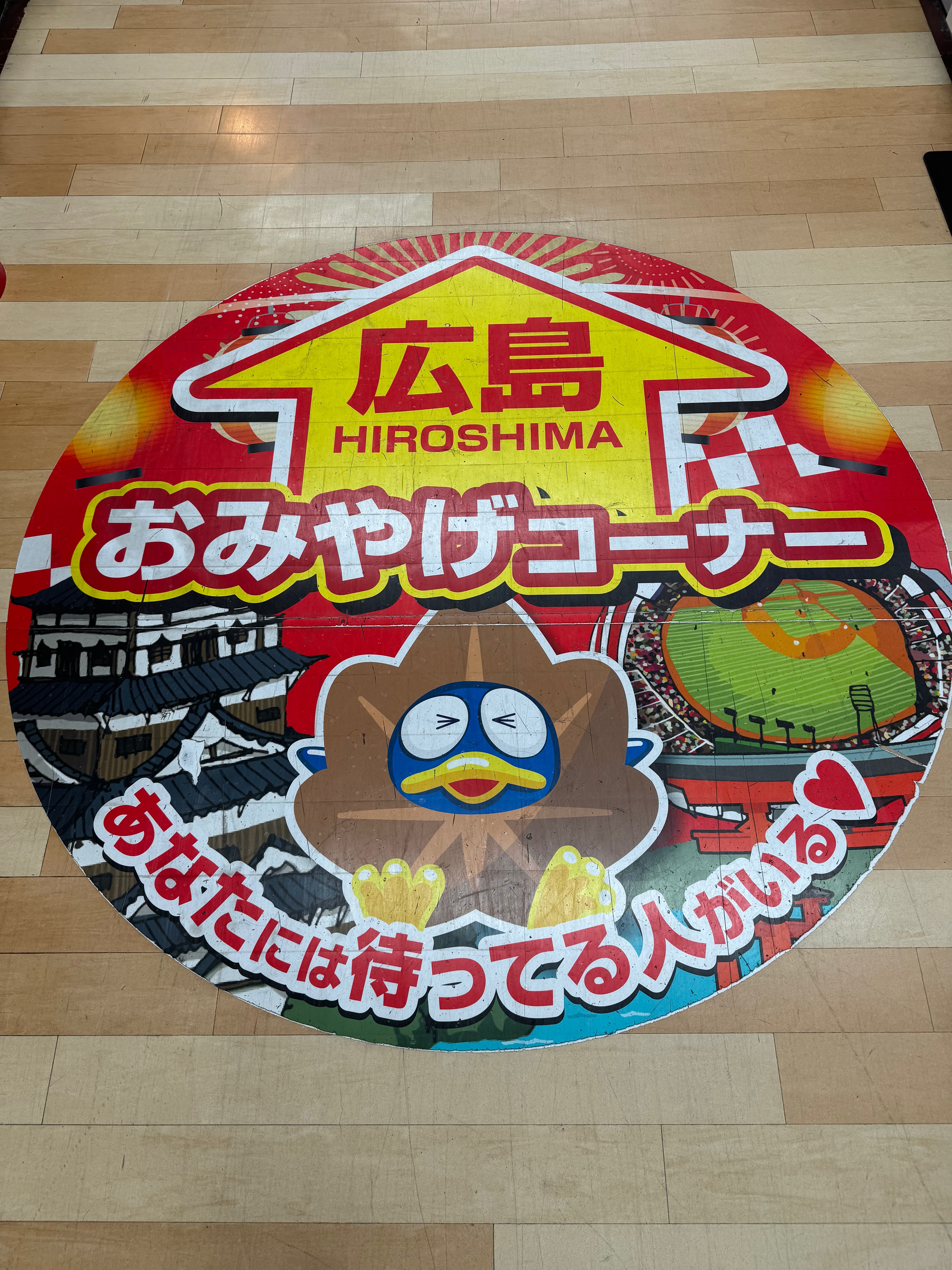
Our brief 3-week visit to Japan this year was a pleasant escape from the hostility of a changing immigration policy in America. Our 15-member group of travelers is guided through Japanese culture by three interesting Japanese citizens, i.e. one–a young Japanese student of the piano; two, an American who has lived in Japan for many years, and three, a Japanese’ Hiroshima guide who is an experienced world traveler and guide to her country. All three showed different aspects of a truly fascinating and beautiful country.

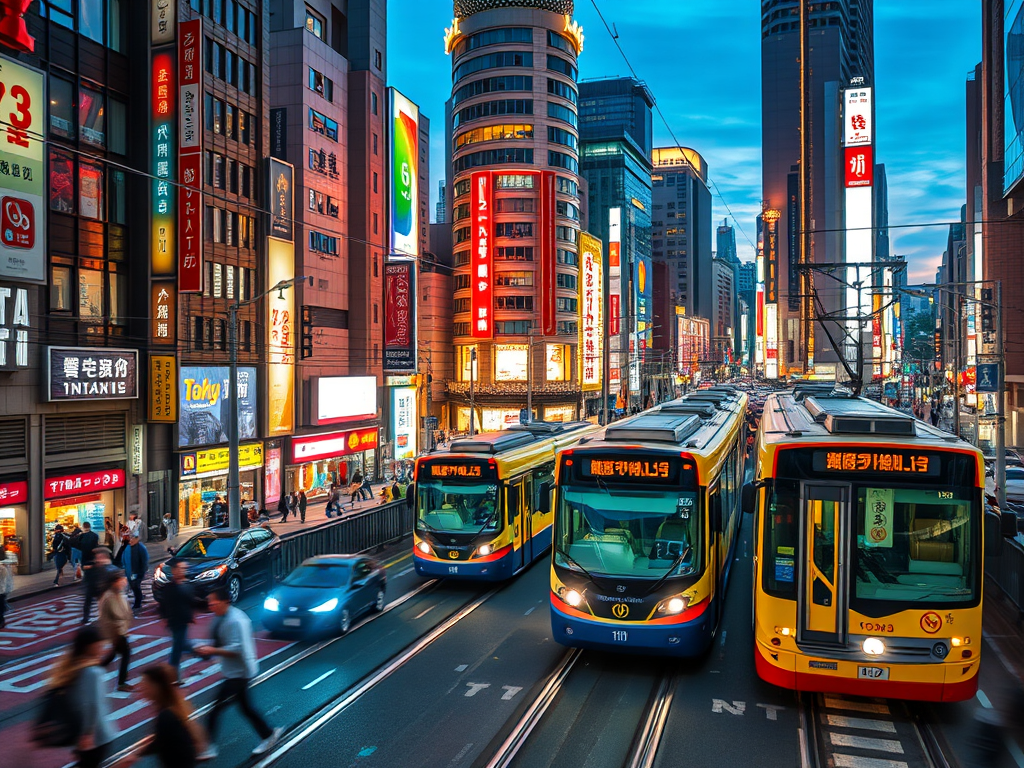
Two of the most striking experiences for me are 1. seeing the incredibly modern infrastructure of Japan and 2. the intelligent use of a densely populated environment. Both of these experiences offer examples to the world of what can be done to accommodate continued population growth. New York City has a population of 8.48 million people while Tokyo’s metropolitan area accommodates 37 million. As an observer of society, my perception is that Tokyo is friendlier, cleaner, and safer than New York City. This is not to disparage New York. New York is one of the greatest entertainment capitols of the world, along with London, but Japan demonstrates how culture makes a difference in how people live.

Tokyo is amazingly clean with shopping for every person’s interest. Shopping centers and markets are busy throughout the metropolitan area. Crowds of buyers are entertained by the appearance of comic figures and pleased to find everything one wishes to buy with a bow of a business employee’s head and a smile of welcome.

Japan’s public transportation system far exceeds the ease of travel and reliability of New York and other major metropolitan cities in the United States. The highway system and high-speed rail systems of Japan put California’s and America’s fumbling public transportation infrastructure projects to shame.

As an early riser, one can see young women walking by themselves to work in the early morning. They walk down narrow side streets, without concern in Tokyo. In contrast, a woman (let alone a man) is unlikely to feel safe and secure in any of America’s big cities when alone on a street in an early morning or late night.

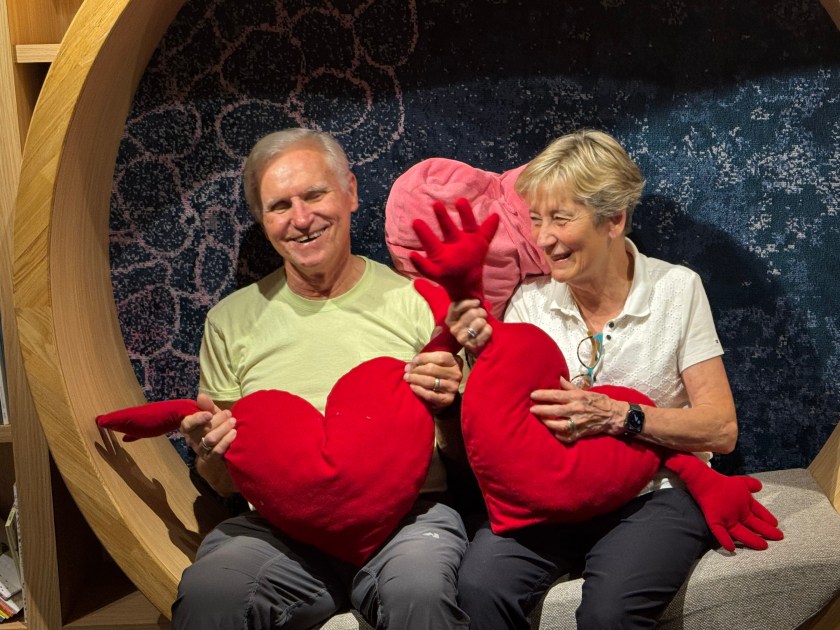
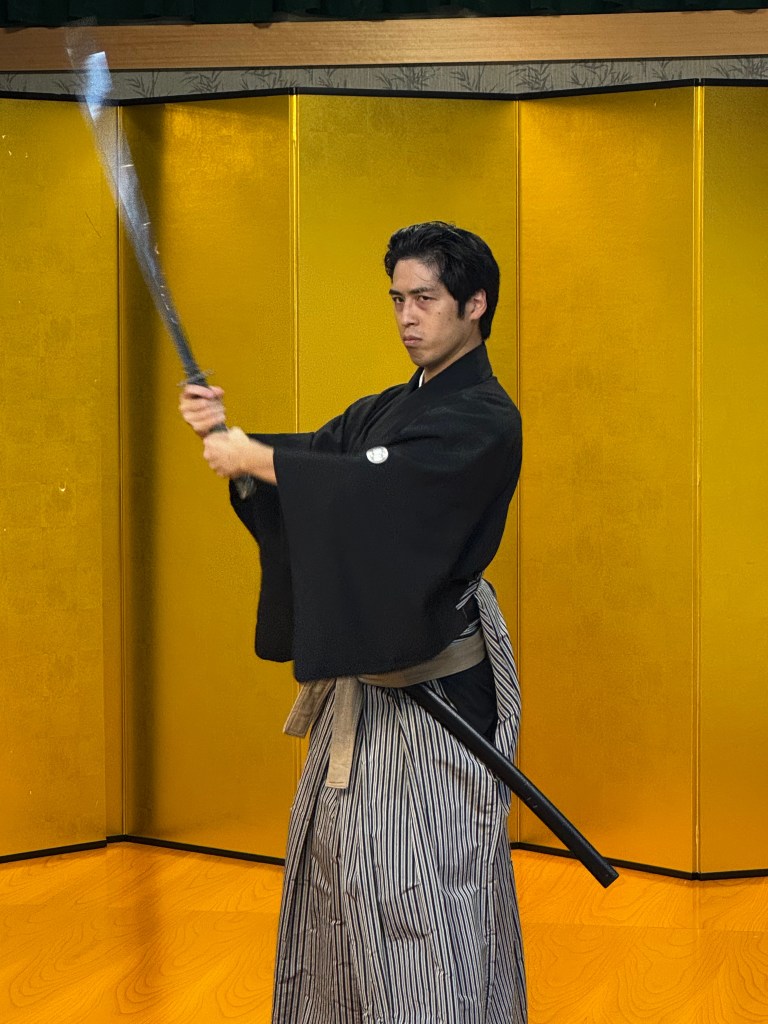
A professional demonstration of Samurai sword tradition is offered our group. After the professional demonstration, my wife demonstrates her skill but has trouble drawing a sword from her belted scabbard, a very funny demonstration for we who were too reserved to participate but entirely willing to laugh.

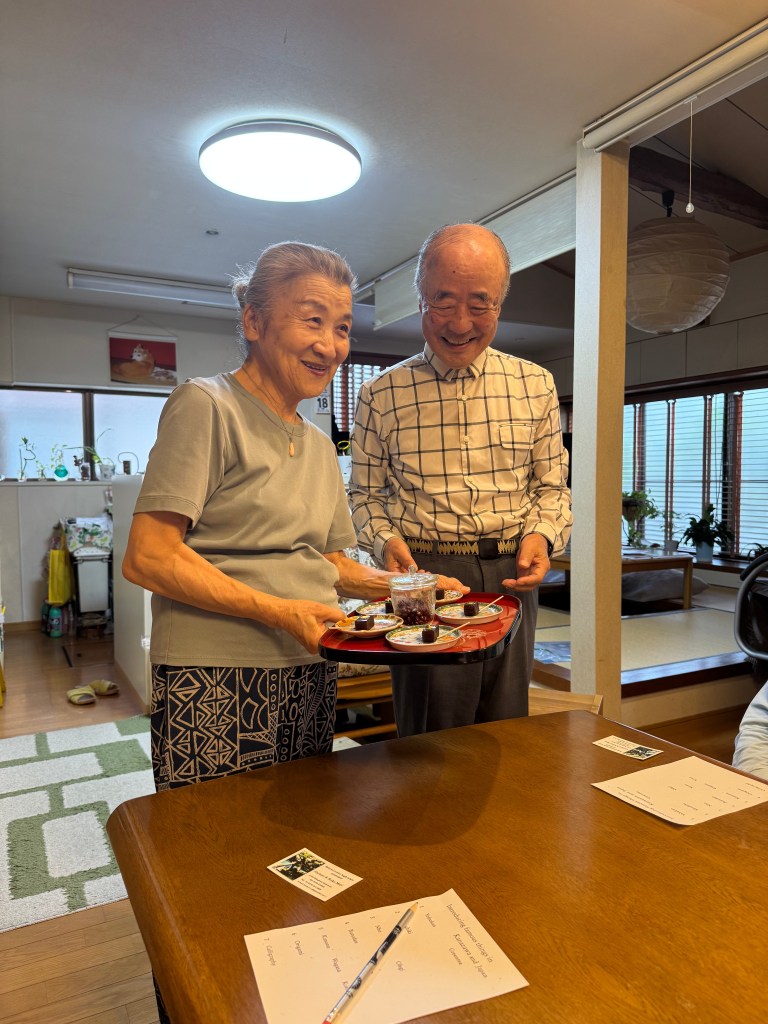
A home hosted cultural demonstration is given to four of us. Our hosts are a retired Japanese professor and his wife, who is a professional musician. They entertained us for an hour with music and a demonstration of Kabuki theater.

Undoubtedly, there are many Japanese citizens who do not choose to entertain foreign guests but the respect and deference to strangers provided by this couple is a lesson that every American host or hostess could learn when visited by a tourist from another country.

As one travels across Japan, the cities are densely populated but every open space is either bountifully landscaped or prepared for farming or construction.

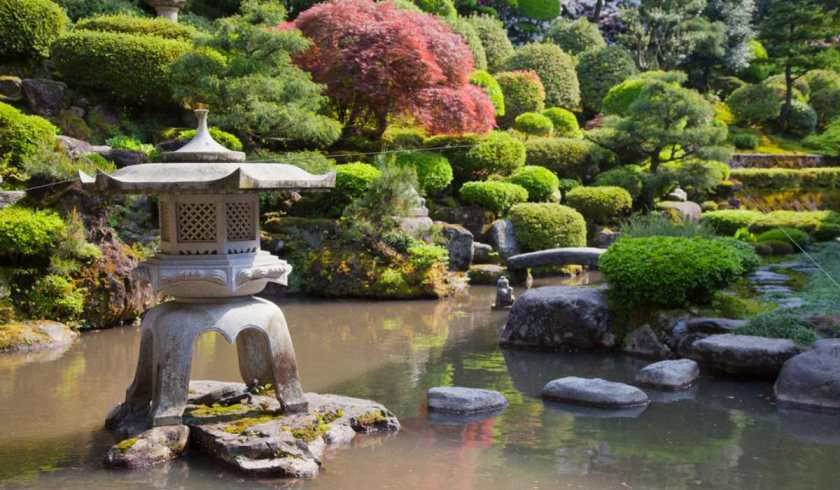
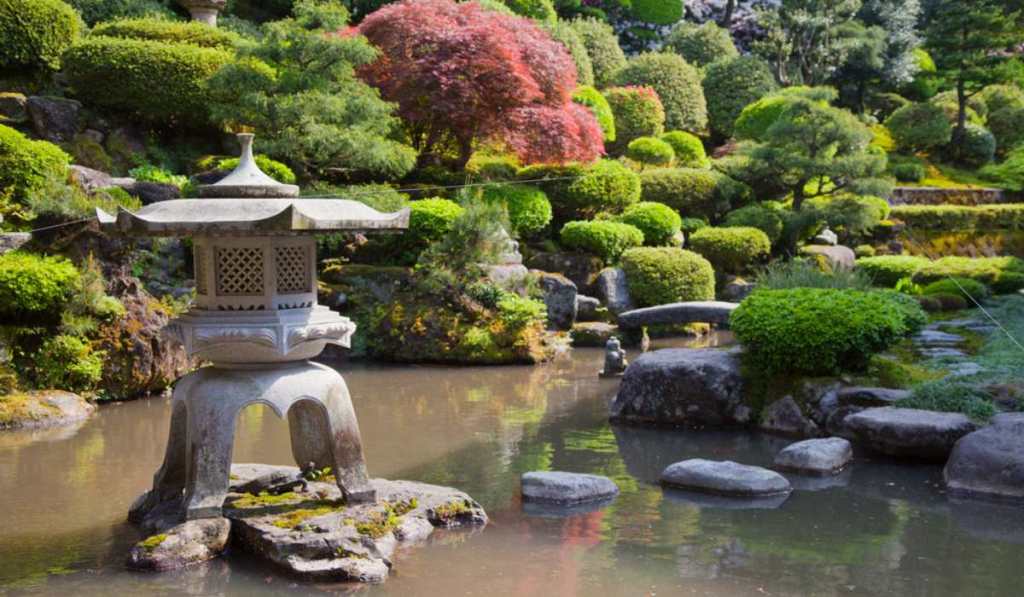
A Japanese garden.

In Japan, there is an obvious effort to create garden areas as a refuge from urbanization. It is as though individual businesses are willing to provide space for mini-New York’ Central Parks to balance nature with urbanization. Travelling across Japan, one can view the care of Japanese forests, garden areas, and open spaces between cities. Highways are designed to minimize noise from automobiles on heavily travelled throughfares.

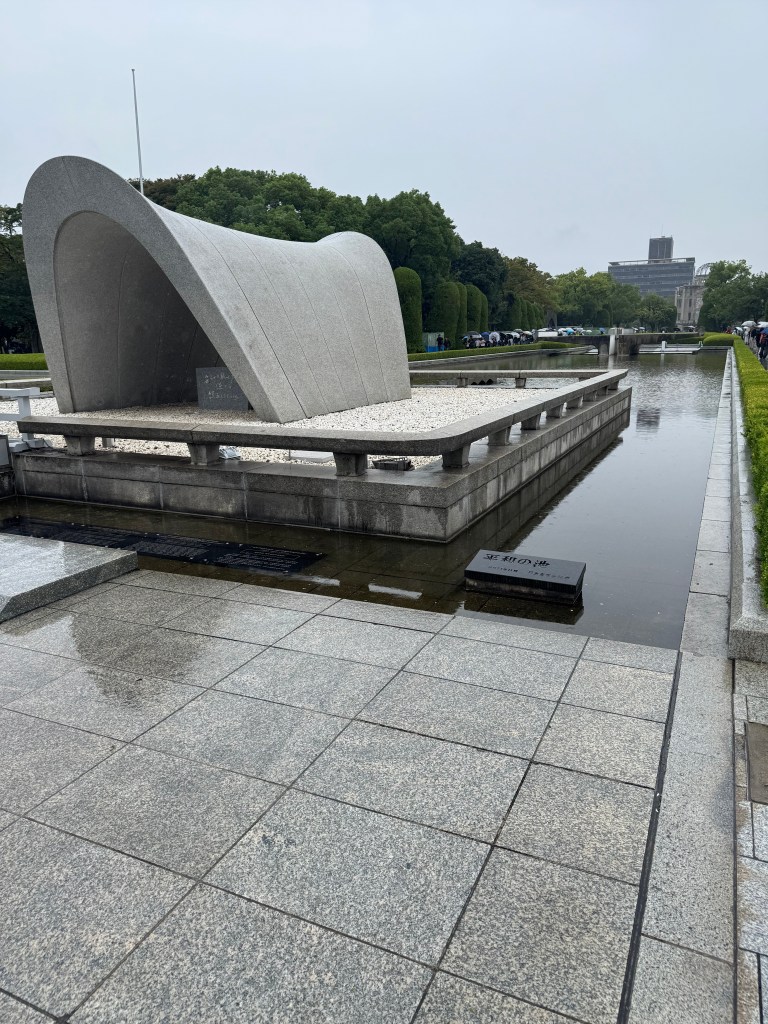
A park setting and monument to the deadly consequence of the atom bomb that was dropped on Hiroshima in 1945.

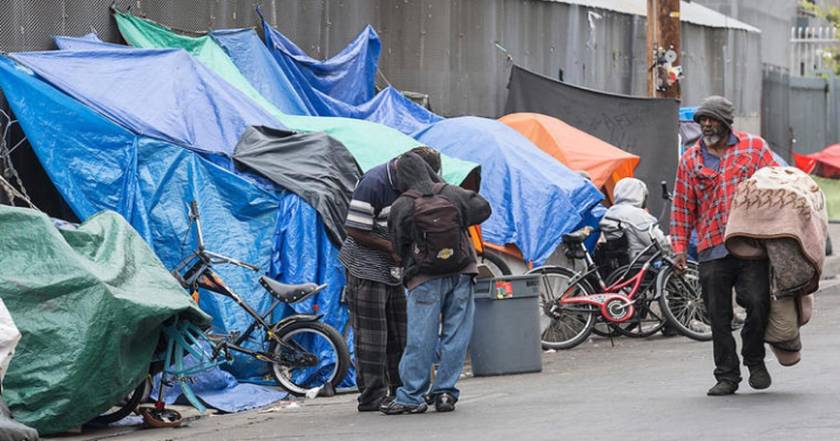
Japan has government policies that keep homelessness invisible by providing housing for the indigent. It is not a perfect system as is noted by one of our guides who explains there is little help to transition the homeless to working lives. Nevertheless, one feels there is a public acceptance of cost for housing of the poor. America could use some of that compassion.

This is a model rendering of the atom bomb dropped on Hiroshima. (The red ball illustrates the location of the bomb when it exploded over the city. An estimated 70,000 to 80,000 were instantly killed with tens of thousands who died from the long-term effects of radiation and related illnesses.)

One wonders what makes the difference between cultures. Is it religion? Most Japanese are either Shinto or Buddhist (92.3%). The confluence of these two beliefs is evidence of a common belief that life involves suffering but that everything in nature is a celebration of life rather than preparation for an afterlife. To Japanese, one must have harmony with nature, sincerity, and celebration of life rather than salvation or a beatific afterlife. The Japanese strive to achieve peace within themselves. The ideal is to achieve what is call nirvana, a peace beyond suffering.

Dharmachakra - Wikipedia
The Toril Gate above and the Wheel of Dharma below are the symbols of Shinto and Buddhist belief.

I am unsure of the licensing requirements for renting a car in Japan. However, one of our guides advised that he had tried to get a driver’s license twice. He advised the written test is a snap. However, he flunked the driver’s test both times and still has no Japanese driver’s license. After travelling around Japan in taxis and buses, it becomes easy to understand why a driver’s test is so difficult to pass. The roads of Japan are often quite narrow. It is necessary to wait for oncoming traffic before you can proceed. The judgement of a driver is called upon in many narrow road circumstances and only practice reveals the appropriate maneuvers. Added to that complication is the expense of the test when seeking a driver’s license. With a driver test, the cost is $2,000. Traffic is heavy in the major cities and in some rural areas. As a visitor, public transportation is excellent–so considering a car rental is problematic, if not unwise.

Travelling to Japan is an enlightening trip. It may change your life. On the other hand, it may not. It has taken many generations for Japan to become what it is today. By age, America is a baby just learning to walk.

Here’s wishing you a great trip if you choose to go.

DAMNED & FORGOTTEN

Allen Esken’s story is too tedious and drawn out to be a great work of fiction. However, it reminds one of the injustices of life for those who get away with murder.

Books of Interest
 Website: chetyarbrough.blog

The Quiet Librarian (A Novel)

Author: Allen Eskens

Narrated By: Livana Muratovic

Allen Eskens (Author, former defense attorney who lives in Minnesota.)

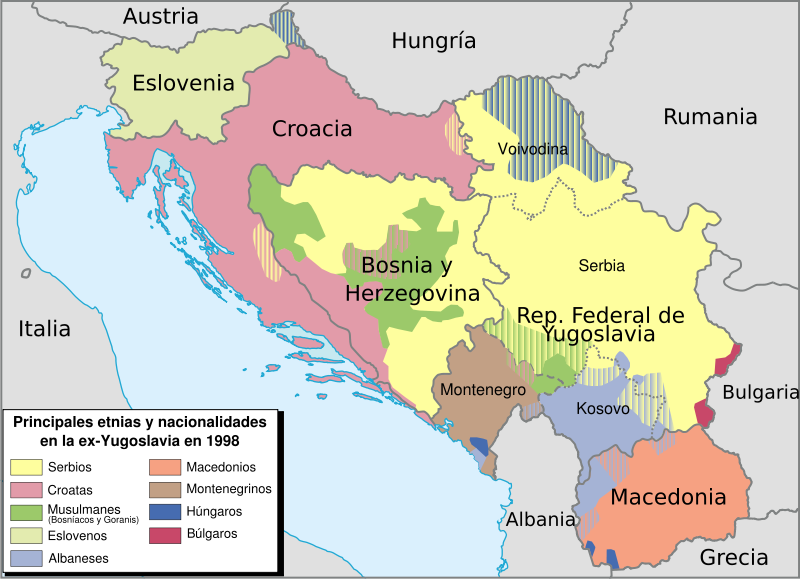
Allen Eskens has written a story of revenge and war without giving it context which diminishes its value. Having visited the former Yugoslavia which is split into 6 ethnic territories, the war that occurred between Bosnian and Serbian people can still be seen in pock marked buildings that were evidence of the war. Our guide for the trip reflects on America and NATO’s failure to aid a peaceful resolution while the conflict killed many people that may have been saved by international intervention. Eskens makes a passing comment about that feeling in his book, but the truth of that conflict is as real today as the people who lived through it.

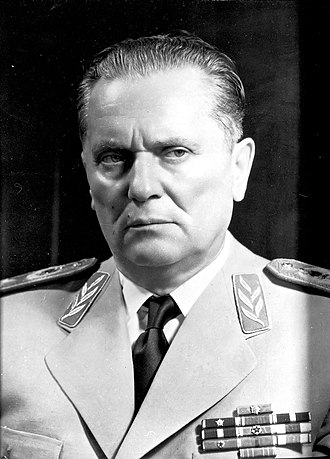
Josip Broz Tito (Yugoslavian ruler 1953-1980, died in May of 1980.)

When Tito died in 1980, Slobodan Milošević, a nationalist Serbian leader promoted the idea of a “Greater Serbia” without accommodation to ethnic differences of the former Yugoslavian people. Milošević capitalized on the historic conflict between Serb’ and Bosnian’ ethnic and religious beliefs to acquire and hold power. Serbian Christian beliefs were used as a tool to incite support of Milošević’s rule of Bosnians who are generally Muslim believers. Many Bosnians and Serbians die as a result of Milošević. Slobodan Milošević retained power for 13 years but is removed in October of 2000 when Vojislav Koštunica won the presidency. Though Milošević supporters try to protest the election results, they fail.

Slobodan Milošević (President of Serbia 1989-1997, died in 2006 of a heart attack.)

Milošević is arrested in 2001, extradited to The Hague, and tried for war crimes, genocide, and crimes against humanity. He is the first former head of state to be tried by the Hague court. The trial lasted for four years. Milošević is found dead in his prison cell. He was 64. Autopsy shows it to be a heart attack. No verdict is reached, leaving no closure to the victims of his perfidy.

The division of Yugoslavia after Tito’s death.

This history does not change Eskens’ story, but it offers context that helps one understand why a Bosnian emigree to America pursued a former Serbian nationalist who brutally raped her mother and murdered her family in front of her during the Bosnian/Serbian war. It is credible fiction of the consequence of war whether in Bosnia or anywhere in the world where the guilty go unpunished. The question becomes, is intent to murder a criminal by one who has firsthand knowledge of another’s heinous act equally guilty of murder? The question is not asked or answered by Esken’s story; probably because it is unanswerable.

The heroine of Eskens story is Hana Babić who emigrates to Minnesota to earn a living as a librarian.

She has adopted the grandson of a close friend who is murdered in the Bosnian/Serbian war. That adoption and her personal experience drives her to find and murder the man who destroyed her life in Bosnia. She has to choose between committing murder in America or letting a murderer go free when she finds her nemesis. However, protecting her adopted boy by letting a guilty person escape vigilante justice is what drives the author’s story. If one sticks with the story, they find her answer.

One wonders about lives of Ukrainians if a tentative settlement proposed by Putin in August 2025 is accepted by Ukraine. Territories under siege in Ukraine would be given to Russia in return for ending the war.

How many Ukrainians will leave their homeland to seek a new life? How many will stay, and secretly fight on? How many will reluctantly accept their homeland’s loss? These were decisions made by Bosnians in former Yugoslavia.

Allen Esken’s story is too tedious and drawn out to be a great work of fiction. However, it reminds one of the injustices of life for those who get away with murder.

JAPAN

Ravina’s history is helpful in preparing for a trip to Japan because it offers some basis for comparison and understanding.

Books of Interest
 Website: chetyarbrough.blog

Understanding Japan (A Cultural History)

Lecturer: Mark J. Ravine

By:  The Great Courses: Civilization & Culture

Mark J. Ravina (Professor of History at Emory University with an M.A. and Ph.D. from Stanford.)

In preparation for a trip to Japan this fall, it seems prudent to hear from someone who knows something about Japan’s culture and history. Professor Ravina specializes in Japanese history with focus on 18th and 19th century Japanese politics; however, these lectures go farther back and forward than his specialty. There is so much detail in these lectures, one is unable to fairly summarize what Ravina reveals.

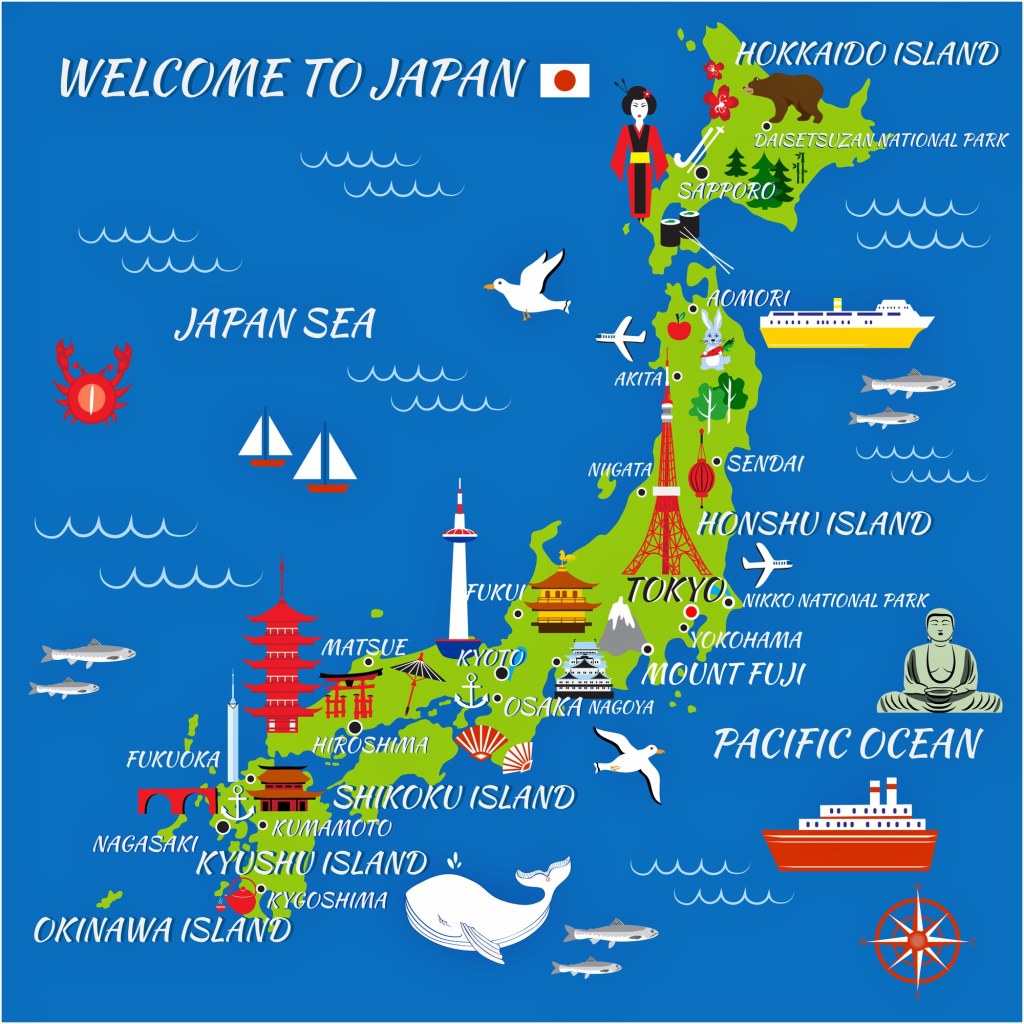
Japan is an archipelago made up of 14,125 islands with 260 of which are occupied. The four main islands are Honshu (the home of Tokyo, Kyoto, and Osaka), Hokkaido to the north, Kyushu to the south, and the smallest Shikoku (between Honshu and Kyushu).

Like the history of any nation that has existed since the 4th century CE, Japan’s culture has evolved based on influences that came from within and outside its borders. From indigenous beliefs to exposure to areas outside its territory, Japan has changed its traditions and culture. The rule of Japan has ranged from imperium to a battle-hardened warrior class to a popularly elected intellectual class influenced by internal and external societal and political events. At times, each social class has offered both stability and conflict. In the 20th century, of course, Japan’s attack on Pearl Harbor dramatically changed its economy and influenced its society.

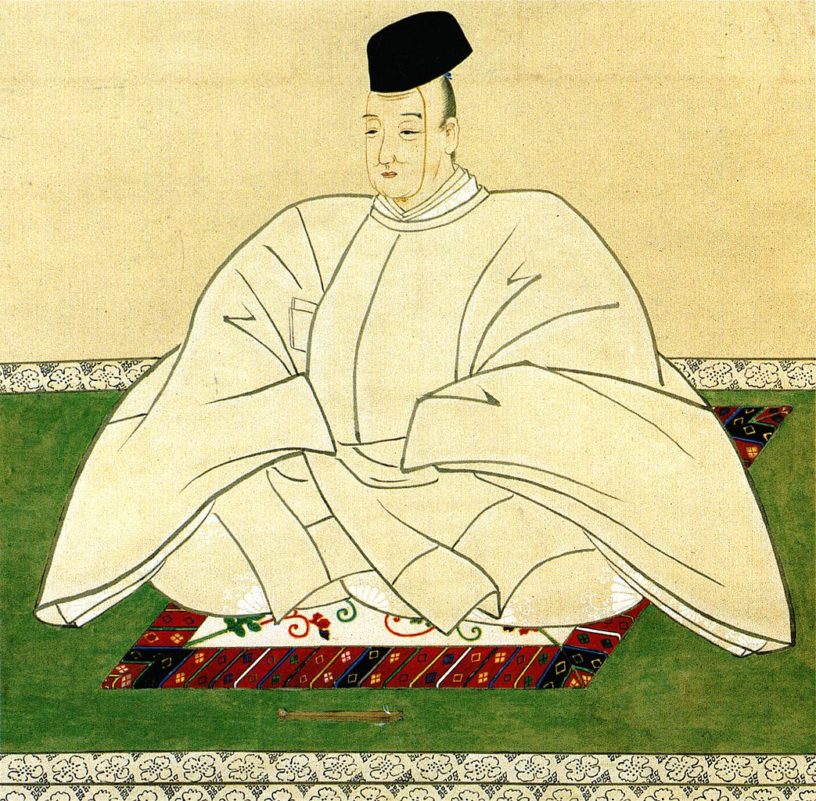
Japanese Emperor.

In Japan’s early centuries, an imperial and aristocratic class rose to rule Japan. The Asuka, Nara, Helan emperors during the Fujiwara era (538-1185) were respected and revered but the rise of the samurai class turned emperors into influencers more than exercisers of power. Power becomes centralized in a society that is highly stratified with nobility, Buddhist clergy, samurai, farmers, and artisans. Before 1185, territorial regents developed their own armies by relying on feudal lords who had their own warrior clans that became the fierce samurai of legend and reality.

As regents of Japan gained power and influence, emperors became symbols of culture more than centers of power. Rule and administration of territories became reliant on the power of a samurai class that at first supported the regents but soon became the true rulers of Japan.

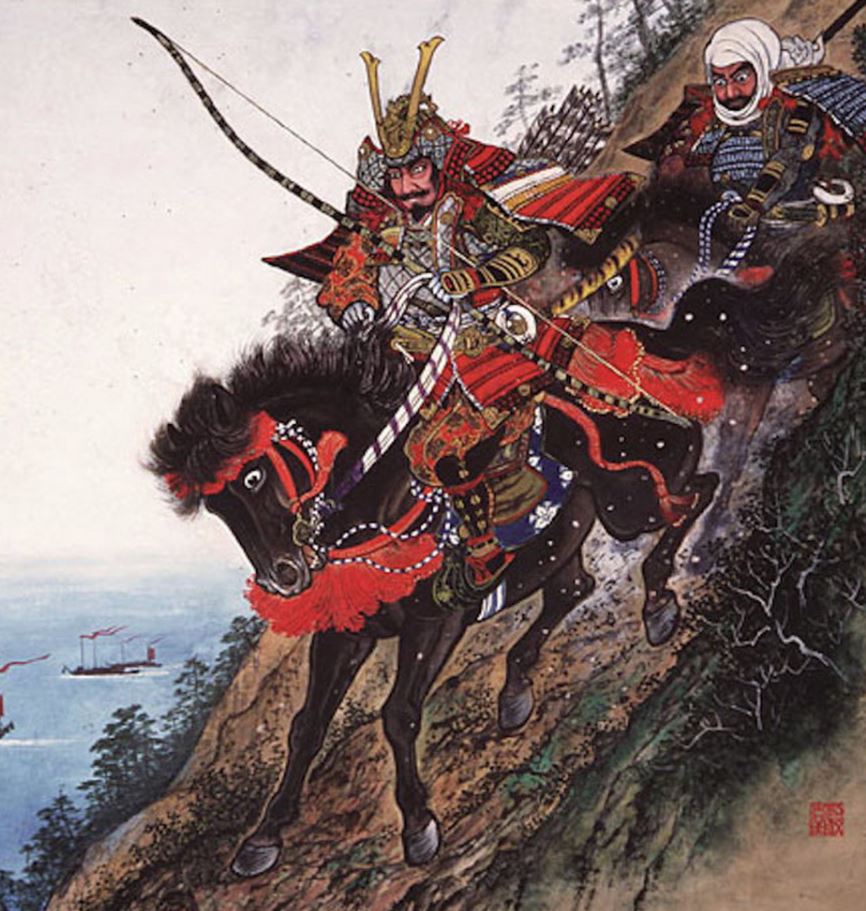
Loyalty, honor, and focus on victory or death changed the management class and encouraged society to revere a Zen aesthetic, a belief in simplicity, naturalness, imperfection, and quiet depth. The samurai became a power behind the thrown in the 12th century and eventually the de facto rulers of Japan with emperors becoming more ceremonial. Leading samurai became Shoguns, hereditary military rulers of Japan. Emperors were revered, but their power diminished with growing influence of Shoguns that held power for nearly 700 years from 1185 to 1868.

Samurai leadership unified Japanese society.

Ravina explains the samurai period of Japan matured in the 12th century which evolved into rule by the strongest. Samurai influence shaped the political, social and philosophical identify of the people. In what is called the Edo period of the samurai from 1603 to 1868, there were long periods of peace and prosperity like that of the Tokugawa shogunate in the modern-day Tokyo area of Japan. The Edo period lasted for 250 years. Literacy grew during this period and was tied to governance, law, and moral instruction. Religious practices became more ritualized with meditation and subtlety different spiritual beliefs. A merchant class is formed during this period and the arts, like calligraphy and theatre performances, became more widely practiced. Kabuki theatre becomes an entertainment with a reputation ranging from the ethereal to debauched.

Ravina explains samurai values are not abandoned but are recast to focus on industrialization of Japan in the 19th century.

By the end of the ninetieth century, 95% of the citizens had been educated in schools, compared with just 3% in 1853. The samurai became leaders in modern institutions and businesses. They followed a samurai code called Bushido with core values of rectitude, courage, benevolence, respect, honesty, honor, loyalty, and self-control. Emphasis is put on living with purpose, discipline, and moral clarity.

A Japanese garden.

Ravina notes Japanese culture is exemplified by garden creations that represent the religious and philosophical ideals of its residents. The Japanese take great pride in their tea gardens, rock gardens, strolling gardens, some of which have become UNESCO heritage sites. The Japanese revere nature because it represents the Zen principles of simplicity, naturalness, imperfection, and the depth of a quiet life. Gardens are considered spiritual and moral spaces for quiet contemplation.

Ravina suggests Japan, like America and most nations of the world, has not abandoned its past but has adapted to the present based on what has happened in its past. Ravina’s history is helpful in preparing for a trip to Japan because it offers some basis for comparison and understanding.

BRUTALITY

What is so troubling about Grandin’s history is what appears to be the nature of human beings whether royalist, capitalist, socialist, or communist.

Books of Interest
 Website: chetyarbrough.blog

America, América (A New History of the New World)

Author: Greg Grandin

Narrated By:  Holter Graham

Greg Grandin (Author, American historian, professor of history at Yale University.)

Before Professor Grandin, most Americans presumed the United States came from the traditions of the British empire. After reading/listening to America, América, one recognizes the powerful influence of the Spanish empire on the settlement of North America, the attitude of colonists toward minorities, the growth of slavery, and the deep entanglement of Spain in the broader Americas. America, América is a book that widens one’s understanding of the history of the United States.

When being reminded of the many atrocities of colonization and the decimated indigenous natives of the Americas, one is appalled by man’s inhumanity to man. Grandin begins his history of colonization with the Spanish empires’ expansion into the Americas long before the Mayflower expedition to America. Conquistadors set the table for the way what became Americans way to colonize the New England territory. Hernán Cortés and Francisco Pizarro led expeditions that decimated the Aztecs in Mexico and the Incas in Peru. Looking for wealth Spanish conquistadors murdered, raped, and pillaged Latin American native populations. The conquistadors exemplified what became the modus vivendi of British colonists in America. Indigenous peoples were forced to work for Spanish landlords, later supplemented by imported African slaves. The atrocities of Spain in the 16th century are repeated by English settlers in the 17th and later centuries. An estimated 80% of the indigenous people of the Americas perished from disease, forced labor, and ethnic cleansing by Spanish settlers–a grim reminder of American settlers did to indigenous natives in America.

What is so troubling about Grandin’s history is what appears to be the nature of human beings whether royalist, capitalist, socialist, or communist. America, América shows the founding of the United States is a repeat of Spain’s early colonization of the southern part of North America. The human race appears driven by the desire for money, power, and prestige in a system that begins with attack on indigenous peoples and repeats as a perceived advance of civilization. There is some truth in that perception but one realizes indigenous peoples are equally driven and commit human atrocities among themselves in pursuit of value, power, and, or prestige.

This book is returned before completion because of its length. Its history is enlightening but its length is too much for this dilettante.

THE MEDICI ERA

The Autobiography of Benvenuto Cellini is not a great piece of writing, but it is an interesting perspective on the progeny of Florence, the violence of the 16th century, and the great art that came out of the Medici era.

Books of Interest
 Website: chetyarbrough.blog

The Autobiography of Benvenuto Cellini

By: Benvenuto Cellini

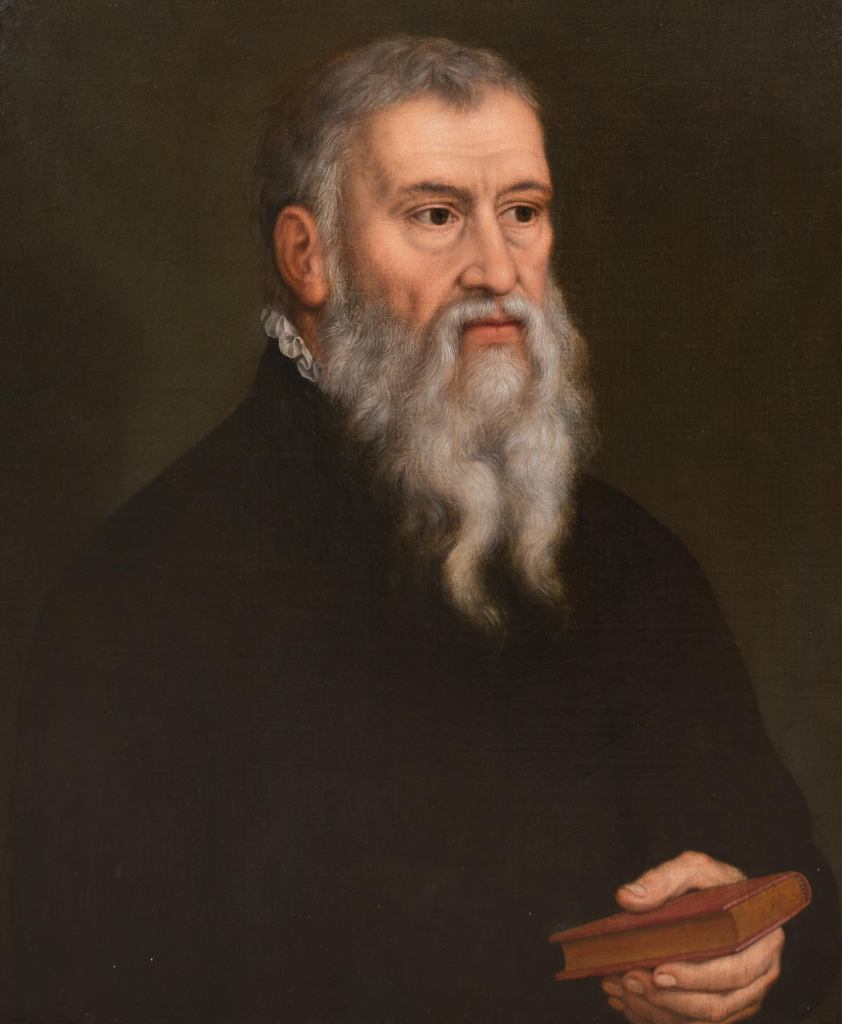
Benvenuto Cellini (Author, Italian goldsmith, sculptor, and contemporary of Michelangelo, died at age 71.)

This autobiography is alleged to have been dictated to a teenager by Cellini in the 16th century. The book is a mess but oddly interesting because of the volatile life of its author. The dictation is believed to have occurred when Cellini was in his fifties. He was born in 1500 and lived until 1571 with his death at the age of 70. Considering his volatile life and the average age of death as 30 or 40, Cellini lived a long life. Of course, the average age at death is skewed by high infant mortality, but Cellini’s autobiography shows him to be a resilient survivor.

Michelangelo, a Florence native. (1475-1564, died at the age of 88.)

Cellini tells of surviving the plague, escaping assassination, being imprisoned, escaping, and, participating in several battles as a soldier where he was wounded but recovered. However, Cellini was also an amazing artist from the same city as Michelangelo. In contrast to Michelangelo, Cellini seems to have been quite boisterous; however, like Michelangelo he was strong willed and resistant to authority. The two men new each other. They shared experience as patrons of the powerful Medici family. Cellini appears to admire and like Michelangelo in his biographic recollection. They both did work for Pope Clement VII and Cosimo I de’ Medici.

Cellini appears to have traveled as much as Michelangelo because of his life as a soldier as well as artist. Two of his greatest artistic accomplishments are the “Salt Cellar” and “Nymph of Fontainebleau” done for King Francis I of France. However, he also completed “Perseus with the Head of Medusa” for Cosimo I de’ Medici in Italy.

As a soldier, Cellini tells of the attack of Rome by troops of Charles V, the Holy Roman Emperor. The leader of the attack forces, the Constable of Bourbon, was shot by Cellini according to Cellini’s autobiography. Though Cellini seems never to have been wounded in battle, he tells of several violent encounters that could have ended his life.

Statue of Cellini in Florence.

The Autobiography of Benvenuto Cellini is not a great piece of writing, but it is an interesting perspective on the progeny of Florence, the violence of the 16th century, and the great art that came out of the Medici era.

FEARLESS AND FREE

Josephine Baker passed away in 1975 from a cerebral hemorrhage. Baker shows herself to have been an entertainment phenom, a war hero, a civil rights activist, and a believer in the equality of all human beings.

Books of Interest
 Website: chetyarbrough.blog

Fearless and Free: A Memoir

By: Josephine Baker

Translation by Anam Zafar with a Forword by Ljeoma Oluo

Narrated By: Anam Zafar, Sophie R. Lewis, Ljeoma Oluo, Jade Wheeler, Quentin Bruno.

Josephine Baker’s real name was Freda Josephine McDonald, born in St. Louis, Missouri in 1906. She died at the age of 68 in 1975.

“Fearless and Free” is a vignette of an incredibly brave and beautiful American woman who became a world-renowned performer, humanitarian, and spy for France during WWII. At the age of 19, Baker sailed to France on her own. She was looking for freedom and opportunities that were unavailable in racially segregated America. She was hired as a dancer for La Revue Negre at the Théâtre des Champs-Élysées in Paris. She became famous in France for her provocative dance movements and growth as a singer and versatile entertainer.

Baker became famous as a result of wearing a skirt made of artificial bananas in a dance that had elements of jazz and African-inspired movements.

Baker’s memoir shows what “force of nature” means when referring to a human being. Willingness to travel alone to another country for any person at age 19, with no understanding of the language and no job prospects, is an act of incredible fearlessness. Baker’s memoir is a lesson to every person who feels trapped and wishes to become more than what their current circumstance in life offers.

Baker was a French secret agent and entertainer during WWII. She smuggled information written in invisible ink on her sheet music.

Baker is alleged to have had affairs with both men and women. She was married four times and is alleged to have had affairs with two famous women, i.e., Frida Kahlo, a Mexican artist, and Sidonie-Gabrille Colette, a French novelist.

Baker’s life shows how adaptive humans can be in changing environments. Baker spoke no French when she left America but became fluent in her adopted countries language. When Paris is occupied by the Nazis, Baker is recruited by the French secret service because of her fame and travel around the world despite the war. She secreted messages to anti-Nazi agents in her travels and received the Croix de Guerre, the Rosette of the Resistance, and one of France’s highest distinctions, the Chevalier of the Legion of Honour.

Amazingly, Baker earned a pilot’s license in 1935, one of the few women to have a pilot’s license at that time. She is said to have transported supplies for the Red Cross during WWII.

Baker adopted 12 children from different racial and cultural backgrounds calling them her “Rainbow Tribe” to show the unity of all peoples of the world. She advocated for civil rights and refused to perform in segregated events. She supported the American civil rights movement and was the only woman to speak at the 1963 “March on Washington” alongside Martin Luther King in 1963.

Akio – From Japan.

Jarry – From Finland.

Luis – From Colombia.

Jean-Claude – From Canada.

Moïse – From Israel.

Brahim – From Algeria.

Marianne – From France.

Noël – From Belgium.

Koffi – From Côte d’Ivoire.

Mara – From Venezuela.

Stellina – From Morocco.

Janot – From Korea.

Baker, with her 4th husband Jo Bouillion (a musician and conductor), adopted the twelve when they were in their 40s. Stellina was the youngest at 11 years of age when Baker died. Baker marries Bouillion at the end of WWII. They are a French contingent in Germany that entertains the troops in 1945. The destruction of German cities is noted by Baker as horrendous. She reinforces the feelings of most Americans after the reveal of the Holocaust’ slaughter and the economic damage of war.

Baker was an advocate for unity of all peoples of the world.

Baker revisited America after the war. The last chapter of her book shows how little had changed in regard to Black and ethnic discrimination in America. She visited Harlem to find Jewish landlords and property owners who victimized Black Americans who were as badly discriminated against as they were in the south. She and her white husband were ejected from New York hotels because of the color of her skin. She visited her family in the south to find nothing had changed. Her fame and success in France made her more French than American. It is a truly despicable picture she paints of how little progress in equal rights had been made in America when many Black, Jewish, and white Americans had died for the right to be free of repression.

Josephine Baker passed away in 1975 from a cerebral hemorrhage. Jo Bouillion died in 1984. Baker shows herself to have been an entertainment phenom, a war hero, a civil rights activist, and a believer in the equality of all human beings.

JAPAN

In planning a trip to Japan this year, it seems prudent to learn more about the history of Japan.

Books of Interest
 Website: chetyarbrough.

Great Courses-Understanding Japan (A Cultural History)

By: Mark J. Ravina

Narrated By: Mark J. Ravina

Mark Ravina (Scholar of Japanese history at the University of Texas at Austin)

Professor Ravina’s lectures are a little too heavy on Japan’s ancient history but offers some interesting opinion about the rise of the Samurai, the evolution of women’s roles in Japan, Emperor Hirohito and his role in WWII, the democratization of Japan after WWII, and the cause of Japan’s current economic stagnation.

As is well known, the Samurai were a warrior class in Japan. Their role in Japanese history grows between 794 and 1185.

They began as private armies for noble families with estates in Japan. They became a force in Japanese politics and have had an enduring effect on Japanese society. They evolved after 1185 into a ruling military government called shogun that exhibited political influence through 1333, emphasizing Bushido or what is defined as a strict code of loyalty, honor, and discipline. That discipline extended to ritual suicide in defeat or disgrace to preserve one’s honor. Zen Buddhism entered into the Samuria culture, exhibiting a time of peace under the Tokugawa shogunate that lasted until 1868. After 1868, the Samurai era came to an end, but its cultural influence remains in a modernized military that adheres to qualities of discipline, honor, and resilience.

Traditional Japanese Woman.

The role of women in Japan has evolved from great influence and freedom for the well-to-do to a life of restricted domesticity.

During the Samurai era, the influence of women declined and became more restricted. The rise of Confucian ideals emphasized male dominance with women being relegated to domestic duty. Women turned to art, calligraphy, and religion as their societal influence decreased. In the Meiji Era (1868-1912) women’s education somewhat improved and they began to participate in political movements like voting and equal rights. Finally, after WWII, a new constitution granted women equal rights like the right to vote and enter the workforce. However, like America, traditional gender roles persisted. In today’s Japan, like most of the world, equal rights remain a battle for women.

Hirohito is the 124th Emperor of Japan.

He reigned from 1926 to 1989. Professor Ravina notes that a question is raised about whether the emperor was a follower or leader in Japan’s role in WWII. Ravina argues history showed Hirohito’s role was as a leader. In defeat, Hirohito renounced his divine status to become a constitutional monarch under U.S. occupation. Hirohito, as the crown prince of Japan, strengthened Japan’s diplomatic ties on the world stage. He was instrumental in scientific research in marine biology. He emphasized Japan’s drive to become an industrial nation and player in international trade. He militarized Japan in preparation for war and territorial expansion. He authorized invasion of Manchuria in 1931 to establish it as a puppet of Japan. Hirohito aids the American occupation, after WWII, to de-militarize and re-industrialize Japan.

With creation of a new constitution for Japan in 1947, Japan became a constitutional monarchy that made the emperor a symbolic figurehead, and guaranteed freedom of speech, religion, and assembly.

The constitution formally denounced war as a means of settling disputes. Land reform redistributed agricultural production to tenant farmers that reduced the power of wealthy landlords and promoted economic equality in rural Japan. Women’s rights were codified to allow voting and participation in politics. The constitution guaranteed equality but, like the rest of the world, culture trumped reality. Japan’s military was reorganized as a defensive force for national security. War crimes trials convicted Hideki Tojo, Iwane Matsui, Hei taro Kimura, Kenji Doihara, and Koki Hirota and sentenced them to death. In total 17 leaders were executed, and 16 others were imprisoned.

Free-market economy.

The democratization of Japan entailed economic reforms that broke up large industrial conglomerates to promote a free-market economy and reduce economic monopolies. However, the culture of Japan replaced the industrial conglomerates with networks of interlinked companies that operated cooperatively in ways that reduced competition in pursuit of financial stability. The education system was reformed to promote democratic values, and equal access to education for all citizens.

A free press was encouraged to foster transparency and accountability.

The results allowed Japan to rapidly improve their industrial productivity. That productivity was defined and improved by the teachings of W. Edwards Deming, a statistician and quality-control expert in the 1950s. His contributions led to the Deming Prize in 1951, an annual award recognizing excellence in quality management. (This is a reminder of Peter Drucker and his monumental contribution to business practices in the United States.)

In Ravina’s final lectures, he addresses the economic stagnation that has overtaken modern society in Japan.

It began in the 1990s. A sharp decline in asset prices wiped out wealth and triggered a banking crisis. Banks had made too many bad loans that became non-performing. Deflation ensued with falling prices that discouraged spending and slowed economic growth. Company profits declined. The demographics of Japan reduced the size of the work force because of an aging population and declining births. One suspects this demographic change is further burdened by ethnic identity that mitigates against immigration.

Japan’s consumption tax increases in 1997 impeded recovery.

The close ties between government, banks, and corporations resist reforms. And, as is true in America, global competition from other countries with lower cost labor eroded international trade.

MICHELANGELO

The story of Michelangelo ends with the return of the Medicis to power. It is for Michelangelo–a journey of “…Agony and Ecstasy”–of love for his work, the daughter of a Medici, and the tumult of his time.

Books of Interest
 Website: chetyarbrough.

The Agony and the Ecstasy  (The Biographical Novel of Michelangelo)

By: Irving Stone

Irving Stone (1903-1989, died at the age of 86, American writer of biographical novels about artists, politicians and intellectuals.)

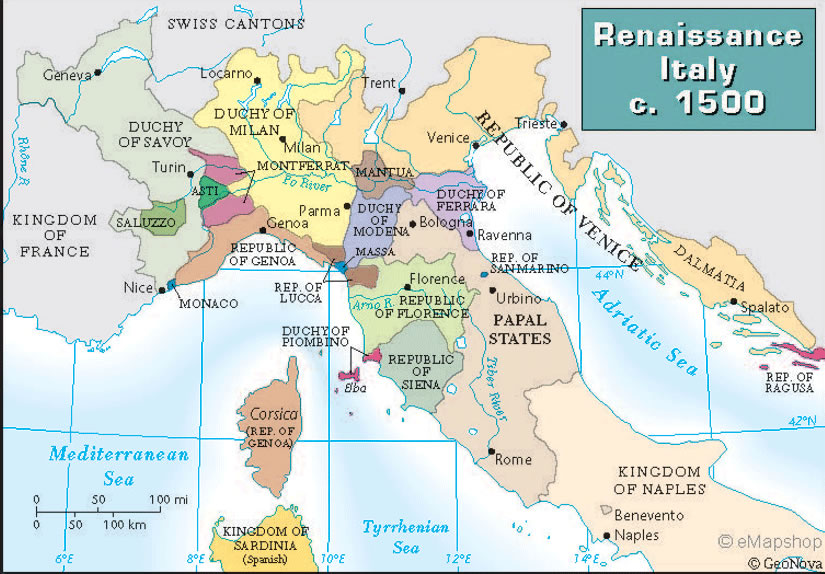
Irving Stone’s novel is an entertaining book and an historically supported story of the famous artist, Michelangelo. Michelangelo was a Florentine born in Florence, an influential city at the heart of the Italian Renaissance. The Medici family was in control of Florence’s political and cultural life in Michelangelo’s youth.

Two of the most famous artists of all time, Leonardo Da Vinci and Michelangelo Buonarroti created two of the most famous art works of the world in Florence, i.e. da Vinci’s “Adoration of the Magi” and Michelangelo’s “David”. However, their personal relationship began roughly in their brief contact in Florence. In 1504. Leonardo da Vinci was 52 years old. Michelangelo was 29.

They had both been contacted to paint murals in the Hall of Five Hundred in the Palazzo Vecchio. Leonardo had already made his reputation as a master painter, polymath, and diverse genius. Michelangelo was considered a sculptor more than a painter. However, in a casual conversation da Vinci alludes to sculpture as a less prestigious form of art. The younger Michelangelo is offended and is alleged to have said harsh words to da Vinci with a challenge to paint a competing fresco in the Palazzo Vecchio. Neither completed their planned paintings but their preparatory works were preserved and considered important developments of the High Renaissance. Irving Stone suggests they meet later in life and Leonardo apologizes for what he felt was a misinterpretation of his words about the art of sculpture.

Stone suggests Michelangelo is more of an ascetic than da Vinci. Leonardo as noted by other authors, had many interests beyond art. Michelangelo prefers sculpture to any other form of art and when he is contracted for his artistic genius, he grudgingly takes commissions for his skill as a painter. “The Agony and the Ecstasy” is a title that captures Michelangelo’s artistic conflict.

Stone shows Michelangelo pursues human dissection, just as Leonardo is said to have, to more fully understand the construction of the human body for an artist to make painting or sculpture appear more real. Human dissection is not legal in Michelangelo’s time in Florence, so he secretly works at night when no one is around to see what he is doing.

Stone addresses the political turmoil of the time and how Michelangelo is hired by the Medici family when he is a young man. This is before the Borgias replace the Medici family in Italy. Michelangelo remains close to the Medicis even in their exile but is attracted to Rome in 1496 by Cardinal Raffaele Riario, a relative of Pope Sixtus IV. In Rome, Michelangelo creates “Bacchus”, the god of Wine.

Michelangelo’s Bacchus, the Roman god of agriculture, wine, and fertility.

After creating “Bacchus, a French cardinal commissions the “Pieta” for St. Peters Basilica. Michelangelo gains the reputation of being a master sculptor.

Michelangelo’s Pieta depicting Mary holding the body of Christ.

Stone suggests the Pope asks why Mary appears so young and Michelangelo explains it is because she is the mother of a divine.

After the Pieta, Michelangelo is commissioned by overseers of the Office of Works of the Cathedral of Florence. This is not clear in “The Agony and the Ecstasy” but it reinforces Irving Stone’s recognition of Michelangelo’s deep connection to Florence. He returns to Rome, but his heart is in Florence. Much of Michelangelo’s time in Rome is uncomfortable and does not calm down for him until the Medicis return to power.

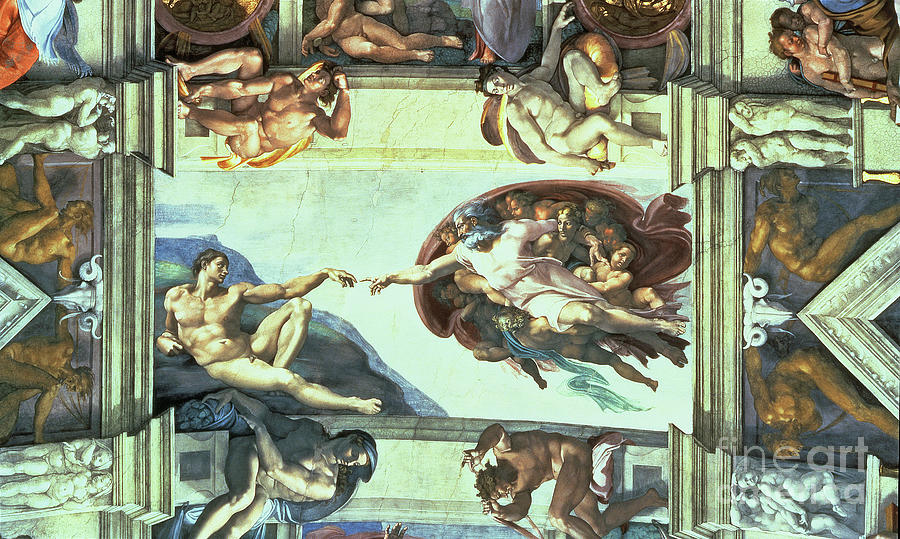
The warrior Pope, Pope Julius II heads the church from 1503-1513. Irving Stone explains; this Pope demands Michelangelo paint the ceiling of the Sistine Chapel at the Vatican in Rome. Of course, Michelangelo resists because he wishes to be remembered for sculpture, not painting, because it is an art that gives him joy. The forceful Pope insists, and Michelangelo makes a false start that changes into a history of the birth of the world on the ceiling of the Chapel. He works on the ceiling of the Chapel from 1508 to 1512.

Sistine Chapel painting by Michelangelo between 1508 and 1512.

The story of Michelangelo ends with the return of the Medicis to power. It is for Michelangelo–a journey of “…Agony and Ecstasy”–of love for his work, the daughter of a Medici, and the tumult of his time. Michelangelo never marries and dies at the age of 88 in 1564.