One comes away from Trevor Reed’s book with the feeling he tilted at Don Quixote’s windmill. One’s heart goes out to Ukraine and their fight against an implacable Russian President who tilts at a different windmill.
Books of Interest Website: chetyarbrough.blog
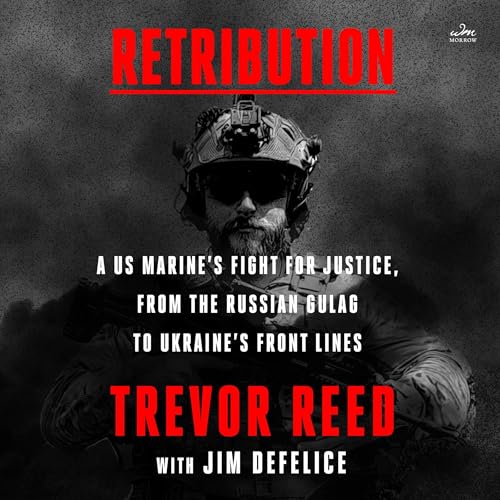
Retribution (A US Marine’s Fight for Justice, from the Russian Gulag to Ukraine’s Front Lines
Author: Trevor Reed, Jim DeFelice
Narration by: Roger Wayne, Joey Reed
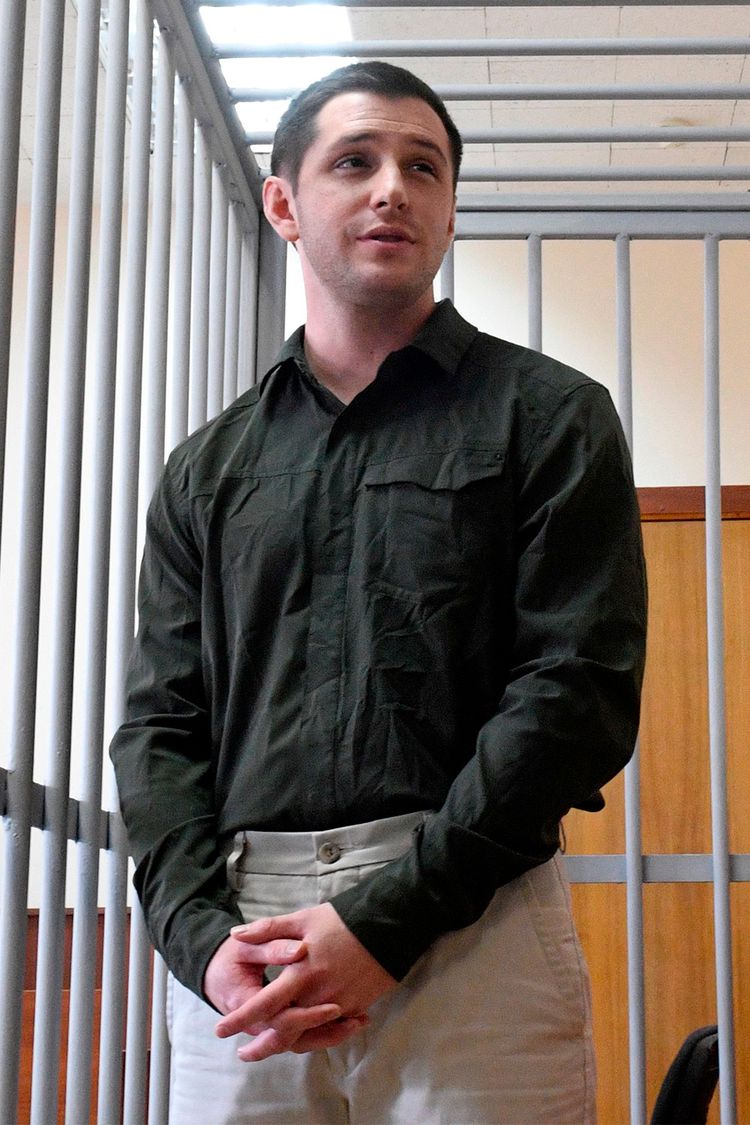
Trevor Reed (on the left) is the subject of Retribution. It is co-written with the novelist Jim DeFelice (on the right).
U.S. Marine infantry.
Trevor Reed is a former Marine infantry soldier who was imprisoned for being drunk and disorderly in Russia. He became a victim of Russia’s hostage exchange system. The story of his young life and how he became a marine and a Ukrainian combatant against Russia is explained in “Retribution”. As a strong-willed youth who challenged parental control, he became an athletic wrestling champion in high school. His disciplined physical work ethic made him a 145 lb. highly self-confident young man who decided (contrary to his father’s council as an ex-marine) to enlist in the marine infantry.
Reed’s story of being arrested in Russia is a lesson about the risks of traveling to a foreign country that disagrees with America’s form of government. Reed became romantically involved with a young woman in Russia who he had corresponded with after completing his 4-year commitment in the Marines. Alina Tsybulnik, his Russian girlfriend, visited America, became a friend of his family, and invited Trevor to Russia. They became intimate friends.
Alina Tsybulnik and Trevor Reed.
Tsybulnik is enrolled in a Russian college to become an attorney. When Trevor visits her in Russia, they go out on the town. Trevor gets drunk and disorderly and is arrested by the Russian police in 2019. In what is characterized as a gross exaggeration of Trevor’s actions on their night on the town, Trevor is sentenced to prison for nine years in a Russian penal colony. In April 2022, after three years, Trevor is released in a prisoner exchange.
Trevor Reed’s parents.
Reed shows himself to be a tough-minded person who refuses to cooperate with the Russian prison guards’ orders to work while being unfairly imprisoned in a work camp. He is visited by his father who works to have the Biden administration get his son released. Alina Tsybulnik uses her legal experience with the Russian legal system to get Reed released. The corruption and purpose of incarceration in Russia is shown to be political by Reed’s story. Reed explains how even some Russian administrators, not to mention his girlfriend, resist the political ministrations of the system but are unable to change its policies.
Alexei Navalny, a Russian dissident, is sentenced to an Arctic penal colony and is poisoned. He dies in that Arctic colony at the age of 47 in 2024.
The last chapters of Reed’s book recount his effort to get a level of revenge against Russia’s injustice by volunteering in Ukraine’s war against Russia’s invasion. Reed had become a fluent Russian language user because of his intellect, his relationship with Tsybulnik, and his imprisonment. He used that skill to join the Ukrainian resistance. One comes away from Trevor Reed’s book with the feeling he tilted at Don Quixote’s windmill. One’s heart goes out to Ukraine and their fight against an implacable Russian President who tilts at a different windmill.
“The God of Small Things” is a revealing and disturbing telling of the human condition.
Books of Interest Website: chetyarbrough.blog
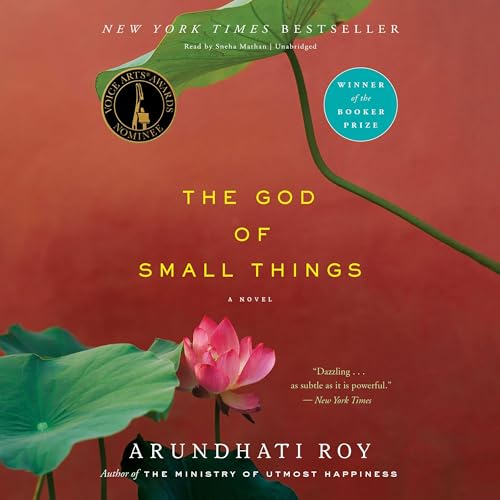
The God of Small Things
Author: Arundhati Roy
Narration by: Sneha Mathan
Arundhati Roy (Author, Booker Prize for Fiction awarded in 1997 for “The God of Small Things”.)
Arundhati Roy gained fame with “The God of Small Things” because of its originality. It is in the big and small things of colonialism and culture that expose the flaws of all societies. “The God of Small Things’ is a criticism of the world in which we live. Roy creates a fictional story that helps one understand the emotional, social, and political failings of India that are, in reality, repeated in societies throughout the world.
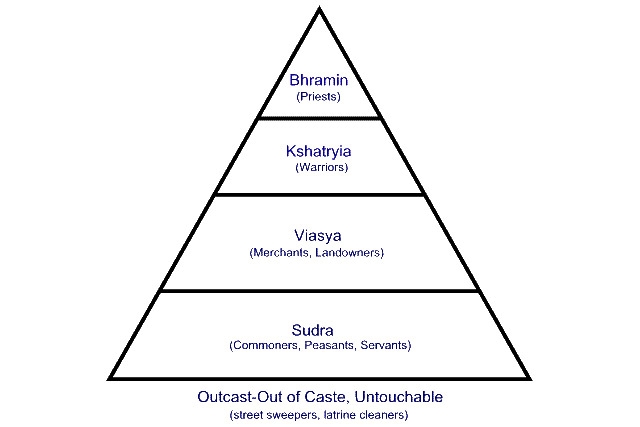
Rather than disrupting the caste system of India, Britain created an Anglophile elite that competed and supported Brahman aristocracy.
In some ways, British colonialism reshaped India’s culture. Britain’s colonization of India created a level of class superiority that hardens the administrative functions of India’s government. That hardening became an integral part of Indian culture. The English language became a symbol of superiority. Schools, courts, and government offices emulated British customs that copied systems of hierarchy, and labor control that continued after the British abandoned colonialist control of India. In visiting India, British influence is seen in country estates that travelers stay in when they ride trains from the north to the south.
The more encompassing truth of Roy’s observations is that the flaws in India’s society exist in all societies.
Ammu, one of Roy’s main characters, is a Syrian Christian woman who marries a man from a lower caste. Her husband comes from the so-called “Untouchable” caste. He turns out to be a brutal abuser of his wife and is eventually divorced by Ammu, but she continues to suffer from discrimination for her religious belief and her breaking of the caste taboos of India.
Roy’s characters like Baby Kochamma, a young woman obsessed with English manners and Catholic respectability is mocked by others in her community. Having an Oxford education became a badge of status with Englishness at the top of the hierarchy of Indian culture. Roy’s novel is set in the 1960s. A moral code of sexual guilt, fear of sin, belief in purity, and policing of desire are exemplified by India’s women who are influenced by catholic proselytizing. In today’s India, the most endemic religion is Hinduism. Rules of marriage, the norms of purity, the stigma of divorce, and association of sin with female desire are tied to Hindu social beliefs. As a Catholic, Baby Kochamma has the additional burden of believing in a minority religion which exacerbates her isolation.
Caste system’s endurance in India is undoubtedly reinforced today by the Prime Minister of India, Narendra Modi and its President, Droupadi Murmu, who are Hindu adherents. Though Roy shows there is little theological hostility between Catholic and Hindu influences, there are inherent tensions between these two religions. Roy infers caste system is reinforced by Hindu beliefs while Catholicism is less concerned about caste than morality or guilt. The irony is that Catholicism rejects caste in theory while accepting it as a part of India’s culture. The two religions compete while reinforcing similar authoritarian beliefs on India’s citizens.
A point made by Roy is that societal, religious, and political dysfunction is not limited to India. Dysfunction exists in all nations.
When Roy’s character Ammu succumbs to the sexual desire of a male, she is criticized more for the caste difference than the sin of entering into an intimate relationship that ultimately falls apart with the abuse of her husband. The physical abuse compounds her violation of Hindu’ caste belief. The fact is that Ammu divorces her husband because he is an abusive alcoholic, not because of caste difference.
Roy shows India is a microcosm of the world, weighted down with sexism and discriminatory inequality that grows from ignorance, and societal dysfunction which often turns into human violence within and between societies and nations that can engulf the world.
“The God of Small Things” is a revealing and disturbing telling of the human condition.
Like being a New Zealander, Americans are made of many cultures. That is an underlying theme of Hampton Sides interesting biography of Captain Cook.
Books of Interest Website: chetyarbrough.blog
The Wide Wide Sea (Imperial Ambition, First Contact and the Fateful Final Voyage of Captain James Cook)
Author: Hampton Sides
Narration by: Peter Noble
Hampton Sides (Author, American historian Yale graduate with a BA in history. As an editor, Sides has written many articles for national publications. He is awarded an honorary doctorate from Colorado College.)
Hampton Sides has written an interesting history of James Cook’s voyages with a focus on his final expedition to find a Northwest Passage. This is a slightly misleading statement because in the 18th century, a ship sailing from the Atlantic to the Pacific typically had to navigate around Cape Horn at the southern tip of South America. Explorers seeking a northern connection between the oceans attempted to reach a Northwest Passage, but the Arctic route was blocked by ice. Why would one think there was a northwest access from the Pacific if there was no passage from the Atlantic? Apparently, people believed the Atlantic side had been thoroughly searched without finding a passage, but the Pacific had been less explored and might have an unknown channel that would allow passage.
Sides writes the story of an 18th century navigator who had sailed the globe twice and was contracted to find a Northwest route that would shorten the distance between Europe and the North American continent. Called out of retirement by the British Admiralty, James Cook set sail on his third and final voyage in 1776, a propitious year for the American colonies. Cook took command of the HMS Resolution, accompanied by one other vessel eventually commanded by Captain Charles Clerke on the HMS Discovery. (Both Clerke and Cook died on this voyage, i.e., Clerke from tuberculosis and Cook from a melee in the Pacific.) It is interesting to find that the vessels are loaded with animals as well as food provision for long voyages. Sides notes Cook dislikes the requirement of livestock because of the stink from their offal. Cook is a stickler for the cleanliness of his vessels and crew members. However, Cook recognizes livestock’s importance on long voyages for adequate food provision.
Before science showed lack of vitamin C caused scurvy, Cook required provisioning of fruit on his long voyages.
It is Cook’s observation of other mariners’ health experience that made Cook decide on food provisioning for his voyages. Sides writes Captain Cook only had a village-school education, but he had a practical maritime apprenticeship based on learning by doing as well as by observation of past sailings of other mariners.
The character of Cook is somewhat revealed in the history of an earlier voyage to New Zealand in 1773.
Sadly, Sides notes Cook’s personally written logs and correspondence are stoic with little insight to his emotions. He notes Cook’s stoicism is even more difficult to pierce because his younger wife destroyed Cook’s personal letters. Nevertheless, Cook’s stern character is illustrated by Sides’ details during his voyages. There is no doubt in a listener’s mind that Cook is a highly competent leader who brooked no opposition from his crew while exhibiting a nascent understanding of the importance of native cultures. Sides shows Cook to be a keen observer of different cultures and, for the most part, avoided criticism of other societies as long as they did not interfere with the Admiralty’s commissioned objectives.
A New Zealand Māori politician, Nanaia Mahuta, serving New Zealand in 2021.
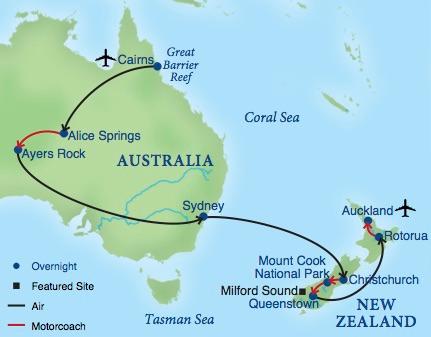
The indigenous Māori live in New Zealand today. Cook’s two ships that visited New Zealand were the Resolution and Adventure. They became separated because of bad weather. The captain of the Adventure, Tobias Furneaux arrives in New Zealand after Cook had already departed. Furneaux dispatched 10 armed men to collect fruited plants for scurvy prevention. The 10 men did not return. In searching for the men, the search party found severed body parts being eaten by dogs. A tattooed hand revealed the remains as one of the 10 men. The 10 mariners had been killed in what is called a whāngai hau ritual which is an act of consuming an enemy’s spirit by eating their flesh. Because Cook had already left, the search party interrupted the ritual and recovered some of the remains. The cause of the 10 men’s killing is unknown but the incident shaped Māori–European relations. When Cook returned, he chose not to retaliate because he did not know what caused the killings and understood the acts of the Māori were a culturally influenced event, presumably caused by something the 10 men did that threatened the indigenous New Zealand tribe. Cook chose to respect the cultural beliefs of the tribe rather than seek a revenge urged by some of his crew.
New Zealand farmland.
Having personally visited New Zealand, one appreciates one of the most beautiful places in the world, but the story of the Māori Grass Cove incident is a shocking reminder of how much civilization has changed over the centuries. One of our guides belonged to the Māori tribe.
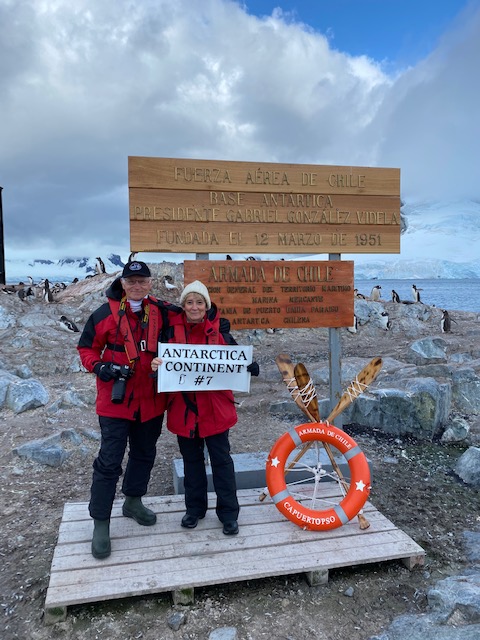
Sides explains Cook is commissioned by the Admiralty to settle a question of the existence of a presumed unknown southern continent in the Pacific that was tentatively identified as Terra Australis. Cook’s expedition found there was no great habitable continent to the south, but he crossed the Antarctic Circle many times. Massive ice fields kept Cook from the Antarctic mainland. Anyone who has visited Antarctica knows of the Drake passage and how rough the sea can be. Having visited Antarctica clearly shows year-round habitation would be like living on the moon, i.e. possible but highly inhospitable. Cook found no habitable continents in the south seas because there are none.
Kealakekua Bay in Hawaii.
Cook’s third expedition is the first European contact with Hawaii after passing through the Bering Strait on his way through the north Pacific. Ironically, in his last voyage, he is killed in Hawaii in 1779, one year after he returned to Hawaii. He had spent a year more searching for the passage when he returned to Hawaii on his way back to England. When Cook first landed on Hawaii, he and his crew were welcomed with open arms. Cook appears like a God to many Hawaiians. Cook’s steely personality is two edged in that it made him a great leader of men on long exploratory voyages, but he brooked no insubordinate behavior. When returning to Hawaii after a year of looking for the Northwest Passage, reception by the Hawaiians was less respectful. A boat is stolen by some Hawaiians when they were anchored at Kealakekua Bay. The stolen boat is a major diplomatic and military issue because it was an important piece of the ship’s survival. Sides notes theft is not uncommon in native Hawaiian culture. Cook’s response is to attempt capture of the chief of Hawaii and hold him hostage until the boat is returned. The Hawaiians resist. A fight breaks out and Cook is struck; he falls to the ground and is stabbed and beaten to death by the Hawaiians. Four marines were killed with 17 Hawaiians that died in the confrontation. Cook’s body is ritually dismembered as is the custom of the Hawaiian culture in respecting a high-ranking enemy.
A.I. Generated picture of what Omai may have looked like.
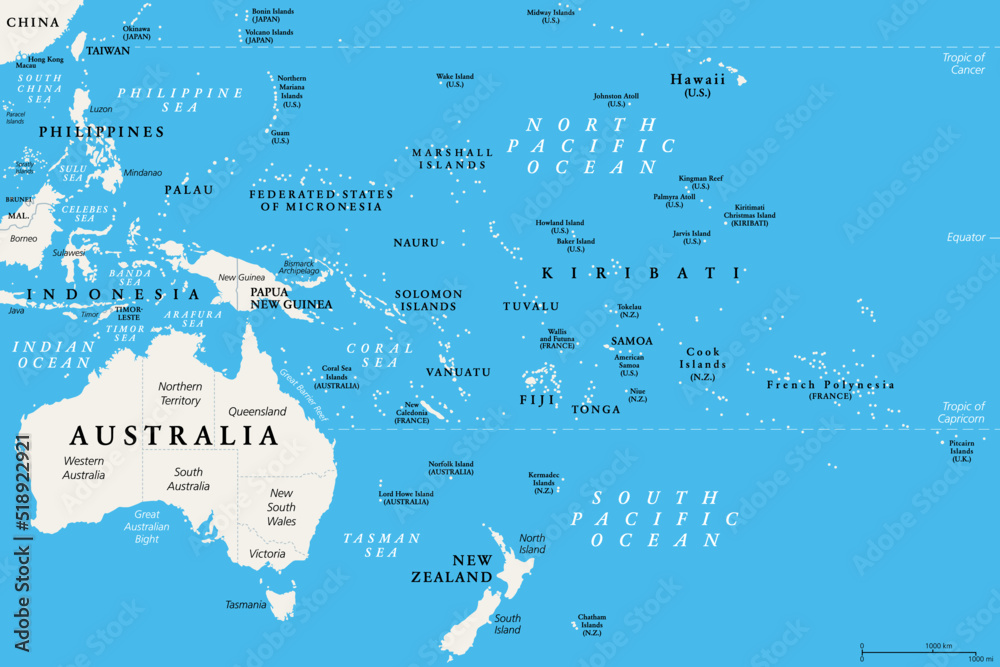
Sides’ story is more than a recounting of historical facts. He writes several chapters about a native of the Society Islands name Omai who became a celebrity in London. Cook had brought Omai to England after his second world voyage. Omai boards the ship on Cook’s third voyage to be returned to his homeland after having lived in London for two years. The Society Islands are an archipelago in the South Pacific Ocean made up of Tahiti and four other islands.
At first, one wonders why the story of Omai is included in Side’s book. One realizes the story of Captain Cook, in broad strokes, is well known but Omai reflects on how history is shaped by those who tell a story that often obscures the complexity of past events.
The story of Omai is obscured by the big picture of Captain Cook’s momentous voyages but Omai’s story shows how cultures are widely misunderstood because of those who tell the story. Omai’s cultural influences are lost because they are interpreted through the lens of a society that sees people of other cultures as noble savages or exotics, i. e., not based on their unique experience and culture. After Omai’s experience in London, he is no longer just a Tahitian. In returning to Omai’s culture, he is a different human being. He becomes an exotic in both societies. He dies only a few years after his return to his native country.
Many cultures have influenced what Americans have become.
One comes away from “The Wide Wide Sea” thinking of today’s immigration policy and the many who have come here to only be rejected for not being born in America. America has lost its historical memory. Many people who immigrated have added their cultures to society in many positive ways that have made America great. Our ignorance and actions that contradict that truth are appalling to many. Captain Cook recognized the murder and dismemberment of ten Englishmen by the Māori was terrible, but his response respected their culture. The Māori remain an important part of New Zealand culture just as American Indians are an important part of American culture. To arbitrarily reject immigrants without due process is unjustifiable in a country made great by many different cultures.
Like being a New Zealander, Americans are made of many cultures. That is an underlying theme of Hampton Sides interesting biography of Captain Cook.
Dylan Roof is not South Carolina, and neither are the preachers who believe in the divinity and eternity of God. All people of the world are subject to the sins of living life.
Books of Interest Website: chetyarbrough.blog
Mother Emanuel (Two Centuries of Race, Resistance, and Forgiveness in One Charleston Church)
Author: Kevin Sack
Narration by: William DeMeritt
Kevin Sack (Author, American journalist, senior reporter for The New York Times who shared a Pulitzer Prize for National Reporting in 2001.)
South Carolina is the underlying subject of Mother Emanuel. It focuses on a State that shows the very best and worst of what it can mean to be born in America. South Carolina is the home of Americans who fought on the side of the confederacy in the Civil War. The confederates of the south did not believe in human equality but in the superiority of the white race and the rightness of slavery.
Mother Emanuel is an African Methodist Episcopal Church located at 110 Calhoun Street in Charleston, South Carolina.
Mother Emanuel was built in 1891 and has capacity to seat 2,500 congregates. The church is considered a symbol of Black autonomy and resistance to some South Carolinians. On June 17, 2015, the senior pastor of the church and 8 African American parishioners were shot by a white 21-year-old American name Dylann Storm Roof. Roof, when he came to the church service, is invited into a Bible study group. He sits in the study group for nearly an hour before drawing a 45-caliber Glock handgun to murder 9 people, including the pastor of the church. The author and journalist Kevin Sack explains Dylann Roof was not a dumb white American but a person of above average intelligence who believed Black Americans were an imminent danger to white Americans’ way of life. Roof intended to motivate a Black American uprising that could be crushed by an American white majority.
Dylan Roof (At the time of his trial.)
A listener/reader is unlikely to believe Sack is writing this book to suggest all white Americans, let alone South Carolinians, are like Dylann Roof. Sack is not suggesting all humans have equal capabilities but that all people are influenced by the environment in which they live, their genetic inheritance, and their psychological development. What the author shows is that one’s intelligence can as easily lead to horrific acts of violence, dishonesty, theft, and social hate as belief in the truth of human equality.
Reverend Eric Manning navigated multiple difficulties when he became the pastor of the church after the massacre.
As a church, Mother Emanuel has existed for well over 100 years. It has had many pastors who are subject to the same strengths and weaknesses of all human beings. Sack infers some pastors in Mother Emanuel’s long life have been seduced by the money, power, and prestige of their office while preaching belief in God. Sack infers every human being, including pastors, can be led astray in life. A few, like Dylan Roof, become corrupted by life for reasons that are incomprehensible to one who believes in something greater than themselves, whether that something is the moral, communal, or cosmic reality of human life, or a fervent belief in God and redemption.
Dylan Roof’s verdict for execution is appealed to the U.S. Supreme Court but is rejected. He remains on federal death row.
Dylan Roof is not South Carolina, and neither are the preachers who believe in the divinity and eternity of God. All people of the world are subject to the sins of living life. Roof is shown by Sack to be an unremorseful murderer of human beings for little other reason than the color of their skin. A lesson of life that the murders explain is that forgiveness is not for the sake of Roof’s peace of mind but a mindful reconciliation for those who lost their loved ones.
As of the writing of this book, Dylan roof remains in prison, without personal remorse and a remaining verdict that warrants execution.
Good luck and safe travels, if you have the time and inclination to visit, go see Dorothy and her companions in Dolan’s immersive theatre.
Travel
Written by Chet Yarbrough
The Sphere in Las Vegas is a must see when visiting Las Vegas.
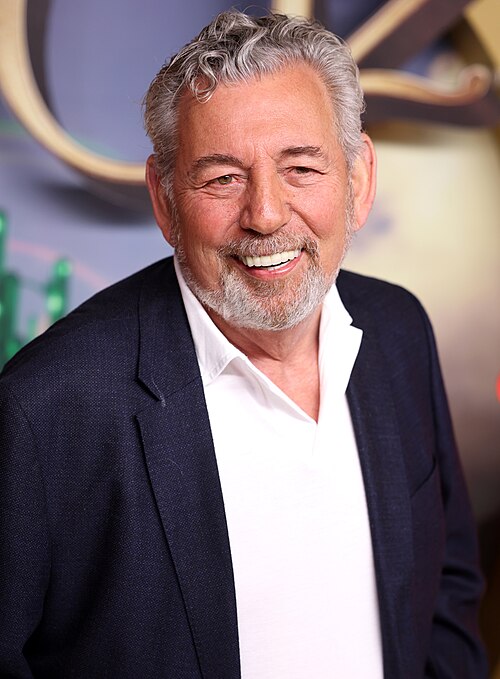
James Dolan, the executive chairman of Madison Square Garden Company, is credited with the idea of the Las Vegas Sphere.
James Lawrence Dolan (American businessman, supervisor of the New York Knicks, and New York Rangers, former CEO of cable vision, owns 70% of the voting power of the Sphere Entertainment Co., a publicly traded company.)
At the time of the Sphere’s construction in Las Vegas, there was concern about it ever being profitable. The cost of the Sphere exceeded expectations but Dolan’s vision and anyone who has visited the Sphere will be overwhelmed by its sensory impact and entertainment potential. In its first quarter of operation, a 98.4 million operating loss was reported. However, the reported revenue of the Sphere was $314.2 million in 2024 and its showed net inc9ome of $151.8 million in Q2 of 2025 after a previous year’s loss of an estimated $46.6 million.
The Wizard of Oz at the Sphere had mixed reviews when it first came out. We had visited the Sphere when it first opened with a World of life’ presentation. The Wizard was equally astonishing and entertaining.
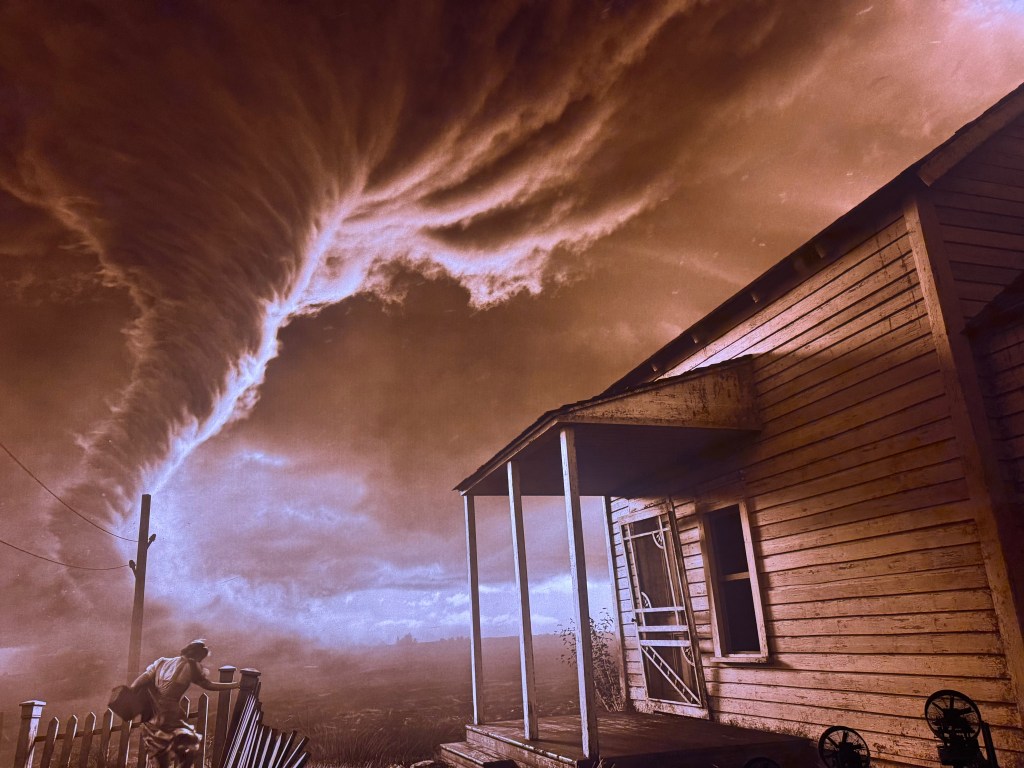
As the Sphere production introduces unforgettable characters like The Scarecrow, The Tin Man, and the Cowardly Lion, some fans will tear up with the joy of seeing them in the immersive qualities of the Sphere. Viewers will feel the wind of the storm as it sweeps across the Sphere’s dome.
The special effects are amazing. You feel the wind of the hurricane, catch a fake apple from a forest of talking trees that complain about travelers picking their apples, and feel the heat from a fire in the witch’s castle. This is a tour de force of the Sphere’s potential.
Good luck and safe travels, if you have the time and inclination to visit, go see Dorothy and her companions in Dolan’s immersive theatre.
Didion reminds one of Yeats Poem to warn society of civilization’s collapse. Yeats wrote “The Second Coming” after WWI and the Spanish Flu. Seems similar to today’s political war and the Covid pandemic.
Books of Interest Website: chetyarbrough.blog
Slouching Toward Bethlehem
Author: Joan Didion
NarratedBy: Diane Keaton
Joan Didion (Author, American writer and journalist, published in The Saturday Evening Post, National Review, Life, Esquire, and The New Yorker. She also wrote screenplays for “The Panic in Needle Park”, “A Star is Born”, and “Upclose and Personal” as well as receiving a National Book Critics Circle Award and a Pulitzer. 1934-2021.)
Diane Keaton (Actor, Academy Award winner, BAFTA recipient, two-time Golden Globe, and Tony Award winner. 1946-2025.)
Diane Keaton died yesterday.
Several years ago, I purchased “Slouching Toward Bethlehem” without reading it until Keaton had done an audiobook’ narration of it. “Slouching Toward Bethlehem” illustrates Didion’s skill as an essayist and writer while Keaton’s many acclaimed movies show how accomplished both women have been in their lives.
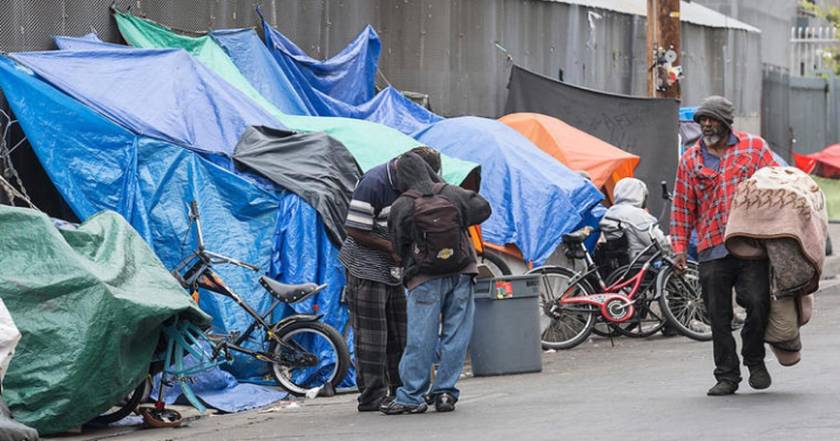
“Slouching Toward Bethlehem” is interesting because it offers an interpretation of why homelessness is so much more obvious in America than other countries.
Having lived in different areas of the United States, the appearance of homelessness in the big cities of America is disgraceful. Visiting the Baltics, Norway, Finland, China, and Japan in the last few years illustrates how badly America is handling homelessness. With the exception of Norway, per capita incomes in the United States are more than twice the incomes of the aforementioned countries. Norway’s per capita income is $87,925 while America’s is $82,769. China’s per capita income is $13,122 but walking through major Chinese cities, there are no people sleeping on the streets. The Baltics per capita incomes range from $22,000 to a little more than $30,000. There is poverty in all these countries, but their leaders and societies have found a way to keep their citizens housed. This is not to argue their poor are not faced with hardship but to show how poorly American society is treating its homeless.
There seems a generational divide in Didion’s “Slouching Toward Bethlehem”.
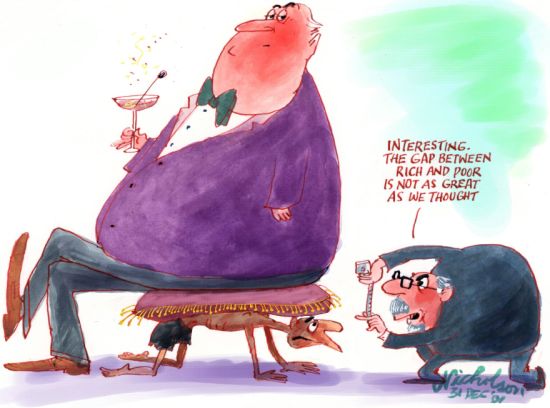
The beat generation of the 1960s for which Timothy Leary coined the phrase “Turn on, tune in, drop out” alluded to in Didion’s essays may offer a partial explanation. Many of us experimented with drugs in the 60s but there has to be more than that to explain what has happened to big cities in America. Part of the answer is the change in income for the middle-class. In the 1960s middle-class incomes were strong and broadly shared. In the 21st century, middle class incomes have stagnated. CEO’s income in the ’60s made 20 times middle class earners but in the 21st century the ratio rose to 300-1. The rich got richer and the middleclass got poorer. Power shifted from a voting middle class to a richer upper-class that accelerated income gaps that changed election results with an income class bias.
Housing costs accelerated to new highs in the 21st century. The 1960s price-to-income ratios were 2:1 while today they are 5:1 or higher. The effort during the Obama administration to weaken standards for home buyer qualification exacerbated the greed of mortgage companies which led to a near economic collapse of the finance industry. Instead of bailing out homebuyers that could not pay their mortgages, the Obama administration bailed out mortgage companies and their owners while endorsing eviction of buyers who could not afford their mortgage payments.
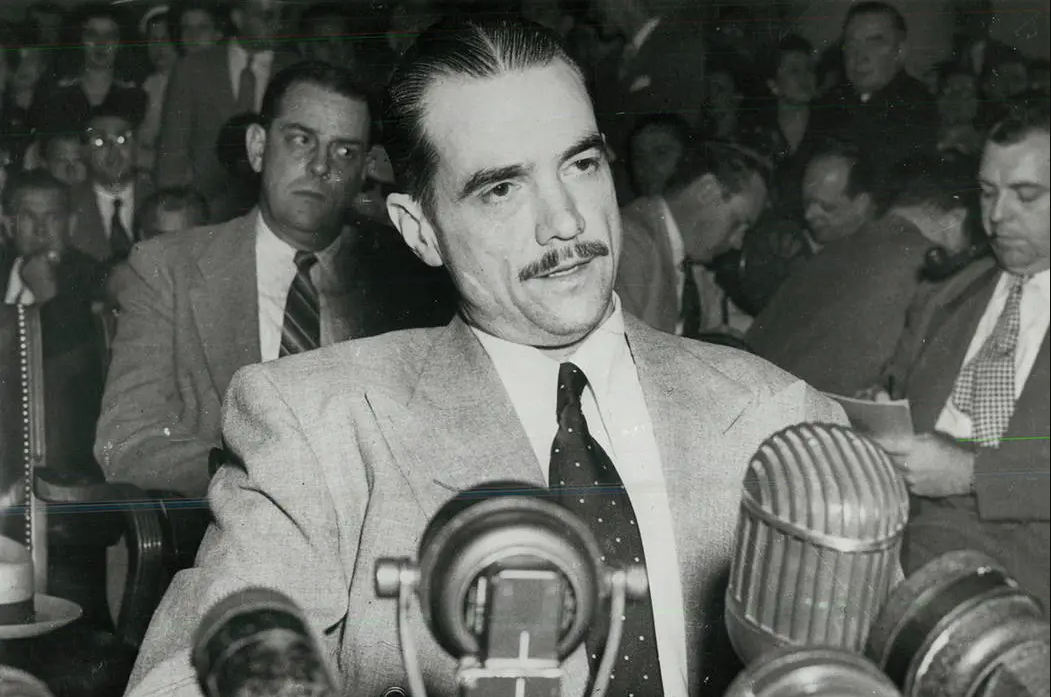
“Slouching Toward Bethlehem” writes of famous successful people like John Wayne, Howard Hughes, Joan Baez, and herself as symbols of the 1960s. She is effectively glorifying them and herself while showing how they mythologized success to a generation of young people who were turning on, tuning in, and dropping out. Image became more important than substance. Working to be great at acting, becoming wealthy by investing wisely, singing about peace, justice and non-violence to make money, and writing about societal dysfunction were money makers. Capitalizing on dysfunction of society did nothing to ameliorate it. John Wayne is only a symbol of justice in the movies and Howard Hughes inherited his wealth that allowed him to invest, sometimes unwisely and with poor personal management skills. He began investing in Las Vegas because management could be left to others. To be fair, Didion and Baez try to return something to society for their success but their efforts pale in comparison to America’s decline. Artists report facts of life but rarely offer solutions.
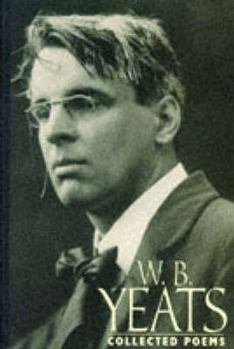
William Butler Yeats (1865-1939, Irish poet, dramatist, writer and literary critic.
W. B. Yeats Poem summarizes and exemplifies what Didion alludes to in her book.
Turning and turning in the widening gyre
The falcon cannot hear the falconer;
Things fall apart; the centre cannot hold;
Mere anarchy is loosed upon the world,
The blood-dimmed tide is loosed, and everywhere
The ceremony of innocence is drowned;
The best lack all conviction, while the worst
Are full of passionate intensity.

Surely some revelation is at hand;
Surely the Second Coming is at hand.
The Second Coming! Hardly are those words out
When a vast image out of Spiritus Mundi
Troubles my sight: somewhere in sands of the desert
A shape with lion body and the head of a man,
A gaze blank and pitiless as the sun,
Is moving its slow thighs, while all about it
Reel shadows of the indignant desert birds.

The darkness drops again; but now I know
That twenty centuries of stony sleep
Were vexed to nightmare by a rocking cradle,
And what rough beast, its hour come round at last,
Slouches towards Bethlehem to be born?
Didion reminds one of Yeats Poem to warn society of civilization’s collapse. Yeats wrote “The Second Coming” after WWI and the Spanish Flu. Seems similar to today’s political war and the Covid pandemic.
Travelling to Japan is an enlightening trip. It may change your life. On the other hand, it may not. It has taken many generations for Japan to become what it is today. By age, America is a baby just learning to walk.
Travel
Written by Chet Yarbrough
Mt. Fuji–on our way to Tokyo from Hiroshima, Japan.
Our brief 3-week visit to Japan this year was a pleasant escape from the hostility of a changing immigration policy in America. Our 15-member group of travelers is guided through Japanese culture by three interesting Japanese citizens, i.e. one–a young Japanese student of the piano; two, an American who has lived in Japan for many years, and three, a Japanese’ Hiroshima guide who is an experienced world traveler and guide to her country. All three showed different aspects of a truly fascinating and beautiful country.
A modern bullet train in Japan transported us at 300 miles per hour from our arrival point to Tokyo.
Two of the most striking experiences for me are 1. seeing the incredibly modern infrastructure of Japan and 2. the intelligent use of a densely populated environment. Both of these experiences offer examples to the world of what can be done to accommodate continued population growth. New York City has a population of 8.48 million people while Tokyo’s metropolitan area accommodates 37 million. As an observer of society, my perception is that Tokyo is friendlier, cleaner, and safer than New York City. This is not to disparage New York. New York is one of the greatest entertainment capitols of the world, along with London, but Japan demonstrates how culture makes a difference in how people live.
Tokyo is amazingly clean with shopping for every person’s interest. Shopping centers and markets are busy throughout the metropolitan area. Crowds of buyers are entertained by the appearance of comic figures and pleased to find everything one wishes to buy with a bow of a business employee’s head and a smile of welcome.
Japan’s public transportation system far exceeds the ease of travel and reliability of New York and other major metropolitan cities in the United States. The highway system and high-speed rail systems of Japan put California’s and America’s fumbling public transportation infrastructure projects to shame.
As an early riser, one can see young women walking by themselves to work in the early morning. They walk down narrow side streets, without concern in Tokyo. In contrast, a woman (let alone a man) is unlikely to feel safe and secure in any of America’s big cities when alone on a street in an early morning or late night.
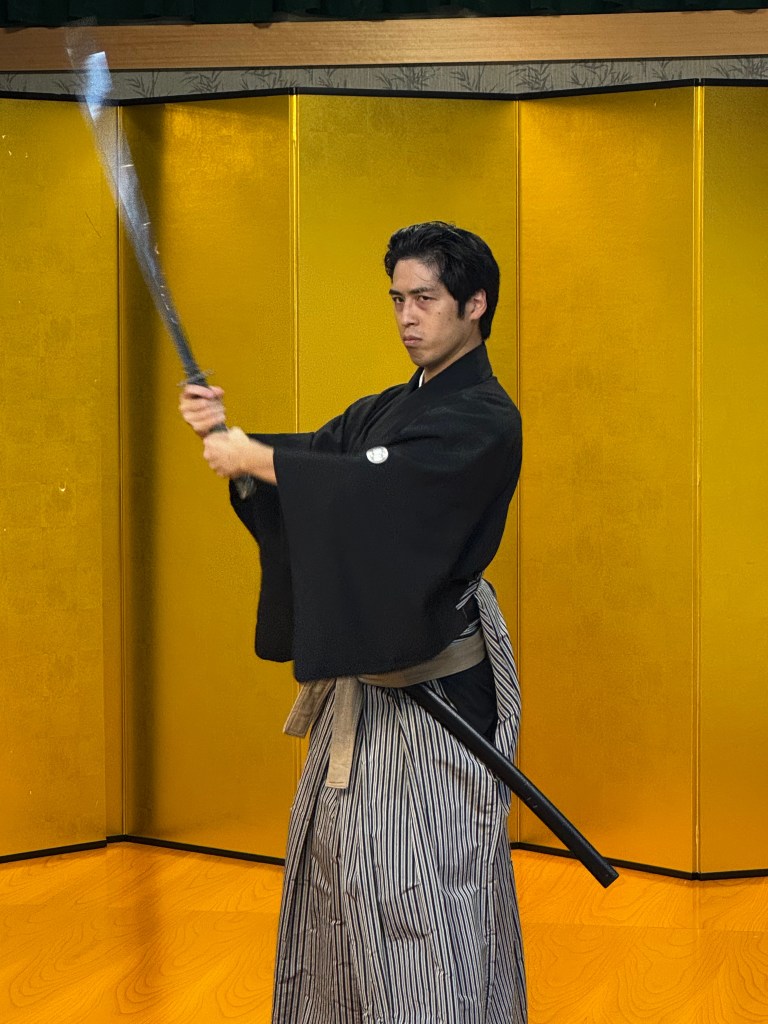
A professional demonstration of Samurai sword tradition is offered our group. After the professional demonstration, my wife demonstrates her skill but has trouble drawing a sword from her belted scabbard, a very funny demonstration for we who were too reserved to participate but entirely willing to laugh.
A home hosted cultural demonstration is given to four of us. Our hosts are a retired Japanese professor and his wife, who is a professional musician. They entertained us for an hour with music and a demonstration of Kabuki theater.
Undoubtedly, there are many Japanese citizens who do not choose to entertain foreign guests but the respect and deference to strangers provided by this couple is a lesson that every American host or hostess could learn when visited by a tourist from another country.
As one travels across Japan, the cities are densely populated but every open space is either bountifully landscaped or prepared for farming or construction.
A Japanese garden.
In Japan, there is an obvious effort to create garden areas as a refuge from urbanization. It is as though individual businesses are willing to provide space for mini-New York’ Central Parks to balance nature with urbanization. Travelling across Japan, one can view the care of Japanese forests, garden areas, and open spaces between cities. Highways are designed to minimize noise from automobiles on heavily travelled throughfares.
Japan has government policies that keep homelessness invisible by providing housing for the indigent. It is not a perfect system as is noted by one of our guides who explains there is little help to transition the homeless to working lives. Nevertheless, one feels there is a public acceptance of cost for housing of the poor. America could use some of that compassion.
One wonders what makes the difference between cultures. Is it religion? Most Japanese are either Shinto or Buddhist (92.3%). The confluence of these two beliefs is evidence of a common belief that life involves suffering but that everything in nature is a celebration of life rather than preparation for an afterlife. To Japanese, one must have harmony with nature, sincerity, and celebration of life rather than salvation or a beatific afterlife. The Japanese strive to achieve peace within themselves. The ideal is to achieve what is call nirvana, a peace beyond suffering.
The Toril Gate above and the Wheel of Dharma below are the symbols of Shinto and Buddhist belief.
I am unsure of the licensing requirements for renting a car in Japan. However, one of our guides advised that he had tried to get a driver’s license twice. He advised the written test is a snap. However, he flunked the driver’s test both times and still has no Japanese driver’s license. After travelling around Japan in taxis and buses, it becomes easy to understand why a driver’s test is so difficult to pass. The roads of Japan are often quite narrow. It is necessary to wait for oncoming traffic before you can proceed. The judgement of a driver is called upon in many narrow road circumstances and only practice reveals the appropriate maneuvers. Added to that complication is the expense of the test when seeking a driver’s license. With a driver test, the cost is $2,000. Traffic is heavy in the major cities and in some rural areas. As a visitor, public transportation is excellent–so considering a car rental is problematic, if not unwise.
Travelling to Japan is an enlightening trip. It may change your life. On the other hand, it may not. It has taken many generations for Japan to become what it is today. By age, America is a baby just learning to walk.
Here’s wishing you a great trip if you choose to go.
Gaige’s writing is crisp, insightful, entertaining, and highly relatable. It gets to the heart of life’s struggles without being judgmental or accusatory.
Books of Interest Website: chetyarbrough.blog
Heartwood
Author: Amity Gaige
NarratedBy: Justine Lupe & 5 more
Amity Gaige (Author, lecturer in English at Yale University, 2017 Guggenheim Fellow in Fiction.)
“Heartwood” is a well written, creative, and insightful novel about human fragility. It begins with a lost hiker on the Appalachian Trail. One may recall newspaper articles about this trail where many famous and infamous people have been known to travel. What is less well known is the trail is 2,197-miles long and crosses 14 states. Amity Gaige writes a story of one lost hiker, but it is much more. Of course, it is about search and rescue that reveals how complicated it is to find someone who is lost in a wilderness. In a public hiking trail, at least in the pre-Trump era, national government employees were available to conduct search and rescue services in national parks. There are many local volunteers who aide in these searches, but it is managed by experienced park rangers. Gaige reveals the inner fears and reality of one who is lost in life as well as in a wilderness. The creativity of the author is in her reveal of human nature. All people struggle to live lives that mean something but exhibit physical and mental flaws that get in the way.
The lost hikers name is Valerie Gillis. The primary searcher is Bev Miller, a lieutenant in charge of search and rescue teams when someone is lost on the Appalachian Trail. Those who are rescued, and those who rescue, live lives of equal unpredictability. (Bev Miller’s mother is in a health care facility for the elderly who are troubled by dementia.) The hiker is seeking solace from her personal life by taking a hike on the Trail with a friend who is a substitute for her recently divorced husband. Her and her friend become separated, and she wanders off the Trail. She becomes disoriented and cannot find her way back to the well-traveled path but, as a trained nurse, she copes with her isolation better than most who might make the same mistake. She keeps her wits about her, but an unexpected event changes the course of her life.
Military training.
The area in which Gillis becomes lost is near a security encampment used to train soldiers for wilderness’ survival. The training is harsh and some of the inductees choose to go AWOL, absent without leave. An AWOL’ escapee who is having a nervous breakdown comes across Gillis. His psychological imbalance influences him to imprison Gillis making her unable to find her way back to the Trail. Eventually, her antagonist leaves but Gillis’s physical deterioration advances to the point of near starvation.
The author is exploring the idiosyncrasies of life. Many incidents that lead to the rescue of Gillis show how every human being deals with events in life that are beyond their control. One elderly woman who exhibits symptoms of dementia becomes a clue to the location of Gillis. This elderly woman’s life shows one of many circumstances in life that are beyond one’s control. This dementia burdened woman recovers some of her lost faculties to report having talked to a young man who is being treated for psychological imbalance. He tells of meeting a lost hiker in the wilderness. Until that clue is revealed. no one knew the correct area in which to search for Gillis.
There are many human relationship strengths and weaknesses revealed in Amity Gaige’s “Heartwood”. Gaige’s writing is crisp, insightful, entertaining, and highly relatable. It gets to the heart of life’s struggles without being judgmental or accusatory.
There is more death to come in the last chapters of “Wild Dark Story”. The underlying gloom about the fate of earth and civilization may ware on some who may become bored with the author’s story.
Books of Interest Website: chetyarbrough.blog
Wild Dark Shore (A Novel)
Author: Charlotte McConaghy
NarratedBy: Cooper Mortlock & 3 more
Charlotte McConaghy (Author, writer born in Australia in 1988, Graduate Degree in Screenwriting and Masters in Screen Arts.)
This is a novel for environmentalists with a survivalist mentality but it is also a tale of mystery and human relationships. McConaghy’s education makes “Wild Dark Shore” feel like a screenwriter’s idea for a movie. She paints a word-picture of a cold wilderness island sinking into oblivion because of climate change. It reminds one of visiting a weather station in Antartica. One is mesmerized by seabirds flying in a brutal wind, penguins flocking across an icy landscape, and sea lions sunning themselves on broken islands of ice. If you are lucky on your voyage, you will see a pod of whales. McConaghy paints a picture of a forbidding landscape once inhabited by natives that became a lighthouse for ships of the sea. At the time of the author’s story, it became an outpost for environmental observation and seed preservation.
Islands around Australia.
“Wild Dark Story” is a mystery about a lost husband and a tough-minded wife who wants to know what happened to him after receiving three letters expressing fear about his assignment and life at the station. The station is being closed down by a family working at the island station. There is a father, two sons, and a daughter. The father’s wife has died. The task of closing the station is perilous but this family has lived on the station for several years and is intimately aware of the dangers and what must be done to ready it for abandonment. Their evacuation plans are interrupted when a vessel crashes near the station. The vessel carries the wife of the person who received the three letters from her husband. She survives the vessel’s destruction with wounds from the rocky shoreline. The pilot of the vessel is dead. The woman is rescued by the family that is preparing for evacuation.
Environmental degradation.
“Wild Dark Story” has some appeal to environmentalists because it is a dramatic presentation of the fragility of civilization in the face of rising tides and a warming planet. The island is set up, presumably by either a government or corporation that wishes to preserve unique plants from seeds in a cavern designed for that purpose. Preservation is being shown as a form of resistance to environmental degradation.
Leaving an isolated land.
In conversations amongst the family preparing for evacuation, the loss of the woman’s husband may have had something to do with the family that is closing the station. The father is reluctant to tell what happened and suggests his children should not say anything about it to the woman.
The new arrival’s husband was a biologist responsible for seed preservation.
There was a fire that burned down their home on the mainland. It was built by the hands of the woman who is trying to find out what happened to her husband. They had separated because the fire and total loss of the home had fractured their relationship. Her husband’s fate is never fully confirmed, but the novel strongly implies he may have died by accident, suicide, or possibly through a cover-up related to the dismantling of the seed vault.
Her husband had bonded with the youngest of the three children. This is interesting because one of the last fights he had with his wife before he left was about her not wanting to have a child.
Rescue or not.
At this point, the novel becomes too long. The mystery of her husband’s death may have been because of psychological imbalance but no definitive answer is given. The theme of the book is that isolation warps truth and identity and that grief is a force that drives human beings to fall apart or renew their lives. There is more death to come in the last chapters of “Wild Dark Story”. The underlying gloom about the fate of earth and civilization may ware on some who may become bored with the author’s story.
Technology is a key to social need which has not been well served in the past or present and could become worse without pragmatic accommodation.
Books of Interest Website: chetyarbrough.blog
Daughters of the Baboo Grove (From Chian to America, a True Story of Abduction, Adoption, and Separated Twins)
Author: Barbara Demick
NarratedBy: Joy Osmanski
Barbara Demick (Author, American journalist, former Beijing bureau chief for the Los Angeles Times.)
This is a brief and fascinating historical glimpse of a government policy gone awry. Like America’s mistaken policies on immigration, Barbara Demick’s story of China’s one-child policy traces the effects of government overreach. Demick tells the story of a rural Chinese family who births twin sisters during the time of China’s unjust enforcement of their one-child policy. One sister is abducted by Chinese government officials, and is adopted by a family in Texas. The ethics of an inhumane Chinese government policy and the perfidy of free enterprise are exposed in Demick’s true story of two children’s lives.
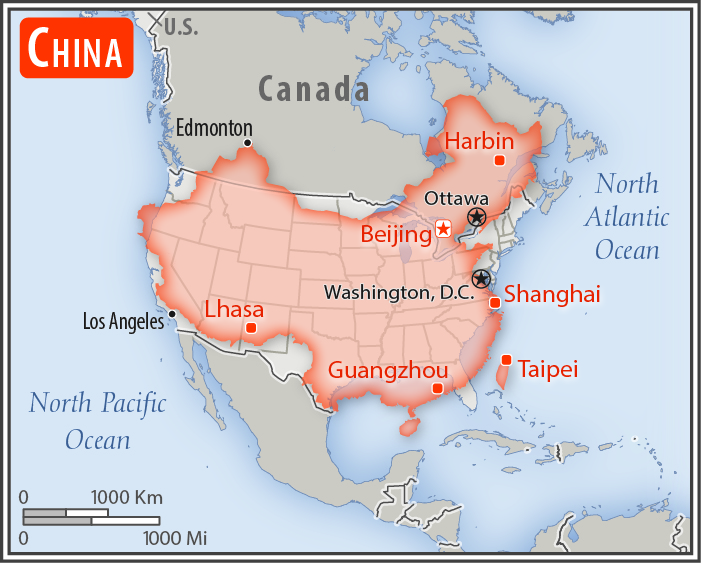
The territorial size of China in respect to continental America.
China’s one-child policy leads to a Chinese criminal enterprise to capitalize on kidnapping and selling children born to families that could not afford the fines for having more children than the law allows. Undoubtedly, most children born were cherished by their parents, but the hardship of life and human greed leads to unconscionable human trafficking. Kidnapping became a part of a legal and criminal enterprise in China. Government policy allowed bureaucrats and scofflaws to confiscate children from their parents and effectively deliver or sell children to orphanages or people wanting to adopt a child. Demick recounts stories of grieving parents and grandparents that cannot get their children back once they have been taken.
Child trafficking, broken families, loss of personal identity, human shame, and the immoral implication of other countries interest in adopting children are unintended consequences of a poorly thought out and implemented government policy.
Demick becomes interested in this story because of a message she receives from a stepbrother of an adopted Chinese sister that has a twin that lives in China. Because of Demick’s long experience in visiting and reporting on China, she had a network of people she could call. Using adoption records, Demick is able to find the Texas stepsister who had been kidnapped when she was 22 months old. She was trafficked to an orphanage in the Hunan Province of China. Years later, through messaging apps, the twins communicated with each other and shared their photographs. They eventually meet in China in 2019.
One is hesitant to argue a government policy is a unique act of China when every government makes policy decisions that have unintended consequences.
America’s policy decisions on immigration are a present-day fiasco that is as wrong as the one-child policy in China’s history. The one-child policy is eventually rejected by the Chinese’ government but Demick’s book shows how bad government policy has consequences that live on even when they are changed by future governments. America’s policy on immigration will be eventually reversed but its damage will live on.
Getting back to the story, Demick is instrumental in having the mother of Esther (aka E) and the twins meet in China.
One is hesitant to argue a government policy is a unique act of China when every government makes policy decisions that have unintended consequences. The twins are initially reticent but warm to each other in a way that bridges the cultural and language divide between the sisters. The two mothers see their respective roles in their daughter’s lives. E and her identical twin, Shuangjie, are reserved when they meet because of the cultural distance that was created by E’s adoption.
E. appears more confident than Shuangjie who is more reserved and less assured.
However, Demick suggests they seem to mirror each other in subsequent meetings. One feels a mix of emotions listening to this audiobook version of “Daughter’s of the Bamboo Grove”. They have grown up in different environments but seem to have been raised in similar economic circumstances, though the two economies are vastly different in income per household, the two appear to be raised in similar economic classes.
Every person who reads/listens to “Daughter’s of the Bamboo Grove” can view the story from different perspectives.
There is the perspective of identical twins raised in different families, cultures, and histories. How are identical twins different when they are raised by different parents and in different cultures? Another perspective is that Xi and Trump have had dramatic effects on the societies their policies have created. The Twin’s meeting in 2019 is one year after my wife and I had visited China. Xi had become President after his predecessor began opening China’s economic opportunities. Two incidents on the trip when Xi had become President come to mind. The first is the feeling one has of being monitored everywhere and the internet restrictions when used to ask questions. The second was an incident in a crowded Chinese market when I was approached by a beefy citizen who raised his arms and seemed to be angrily talking to me in Chinese which I sadly did not understand. The distinct impression is that I was not welcome. This was a singular incident that did not repeat in our 21-day tour, but it seemed like an expression of hostility toward America.
This listener/reader thinks of the unintended consequences of Trump’s treatment of alleged illegal immigrants.
Trump’s immigration policy is similar to China’s earlier mistake with the one-child policy. America’s, China’s, and Japan’s economies are highly dependent on youth which is diminished in two fundamental ways. One is by public policy that restricts birth, and the other is immigration. Freedom of choice is a foundational belief in democracy while considered a threat in autocracy. In America today, it seems there is little difference between America, Japan, or China in regard to government policy that threatens the future. All have an aging population that can only be aided by younger generations. Even though manufacturing may become less labor intensive, public need in the service industry will grow. Technology is a key to social need which has not been well served in the past or present and could become worse without pragmatic accommodation.




































































 REVIEWS AND VIEWS OF LIFE