One sees Blankfein growing as a manager in “Streetwise”. He realizes it is necessary to make an investment in the people that report to him and to focus on the synergy of different expertise in the complex world of investment.
Books of Interest Website: chetyarbrough.blog
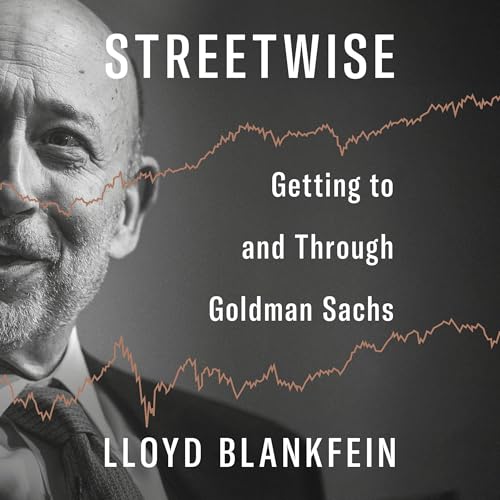
Streetwise (Getting to and Through Goldman Sachs)
Author: Lloyd Blankfein
Narration by: Lloyd Blankfein
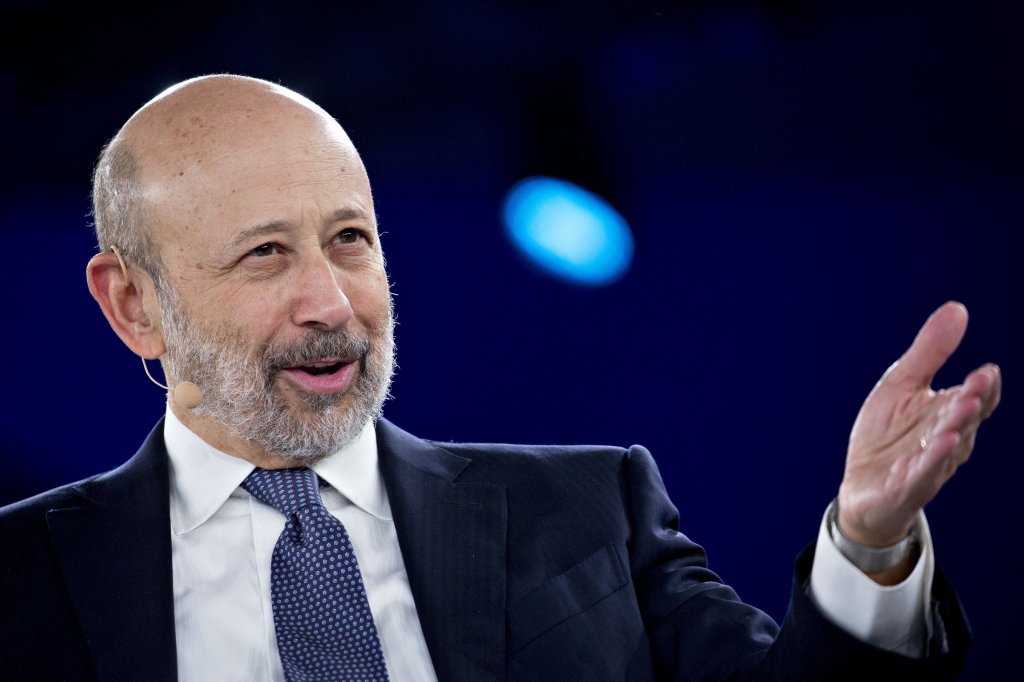
Lloyd Blankfein (American business executive and former chairman and CEO of Goldman Sachs.)
Lloyd Blankfein believes being the smartest person in the room is a mixed blessing. “Streetwise” is a biography of his life. He is educated as a lawyer but becomes an employee of Goldman Sachs when a firm he works for is acquired.
One gathers from Blankfein that he believes he is usually the smartest person in the room. Considering his accomplishments, one is inclined to believe he understands his intelligence. However, he realizes being smart is not enough for him to be a good manager. Blankfein finds his intelligence and wit can undermine the effectiveness of his direct reports. As a manager of an organization, Blankfein grows to understand success in any company is based on performance of people who report to you.
Every company has a culture. The growing success of Goldman is not because of any singular leader. It is the hiring of people who are ambitious and believe that they can do anything their employment requires. One who is hired by an aggressive company like Goldman has the expectation that they can add to the competitive advantage of its growth as a multinational investment and financial services company. Blankfein recognizes he is among managers that held abilities and ideas that often contradicted each other. The culture requires consensus building for the company to act on decisions to either continue or withdraw from corporate actions. Blankfein realizes persuasion rather than command is what has made Goldman successful. It is not one person’s sense of direction that makes a company a success. A good manager focuses on relationship-building to get the best results from the people who report to him or her.
Relationships are always a work in progress.
Blankfein finds he depends on the persuasive abilities of the people who work in the firm. He argues that being anxious about other’s opinions helps him make considered decisions about the direction of the firm. His role in the company became multifaceted with his recognition of different investments as complementary tools for successful growth. Blankfein realizes he does not know everything and that his style of management is to read people well, not to take his position as an entitlement, and to spot talent in others who have a positive track record in their discipline. One can imagine Blankfein’s personality violates those beliefs in his tenure, but what manager of others is perfect.
One suspects, Blankfein was a difficult person to work for but one who benefited the growth and survival of Goldman Sachs. Goldman Sachs and Blankfein, like many American companies and people, lived through the 2001 Trade Center disaster and the 2008 financial crises because of managers like Blankfein.
One sees Blankfein growing as a manager in “Streetwise”. He appears to manage a hyper-vigilant temperament without killing messengers who fail by balancing their successes and potential against failure. He realizes it is necessary to make an investment in the people that report to him and to focus on the synergy of different expertise in the complex world of investment.
This is a powerful story that shows the strength and importance of women in Iran despite their harsh and unequal treatment.
Books of Interest Website: chetyarbrough.blog
The Lion Women of Tehran
Author: Marjan Kamali
Narration by: Mozhan Navabi & 1 more
Marjan Kamali (Author, Iranian-American novelist, born in Turkey to Iranian parents, lived in Kenya and Iran before moving to the U.S. in 1982, received a BA in English literature from U. of California, an MBA from Columbia, and MFA from NY University.)
Marjan Kamali’s book is an informed fictional view of Iran in its transition from monarchy to Islamic Republic to an unknown future, i.e., a future made more complicated by America’s invasion. Its two main characters are Ellie and Homa, two pre-school children that grow to adulthood in Tehran. It is written by an author with Iranian parents that gives some credibility to her story about women in Iran during rule by a former Shah and today’s ayatollahs.
Kamali describes an upper-class Iranian family that experiences a fall from wealth and a return to the upper middle-class during the Shah’s reign. Ellie’s mother loses her husband to tuberculosis and has to leave their upper-class home because of his death. They move to a home in a lower-class neighborhood near the beginning of Ellie’s grade-school years. Ellie’s mother is crest-fallen by her move but appears to make the best of what she seems to believe is a temporary circumstance. In their fall from wealth, Ellie meets a precocious young girl of the same age. Her name is Homa.
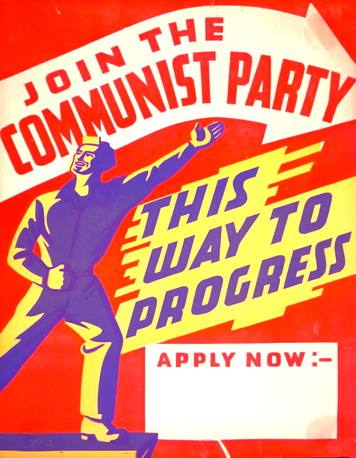
The ideals of communism is a preferred alternative to royal leadership by some Iranians.
Homa becomes Ellie’s friend and gives one an idea of the difference between families in the 1950s that have no wealth who might challenge monarchy for a different form of government. Homa’s father believes in communism and is imprisoned by the shah for his activity.
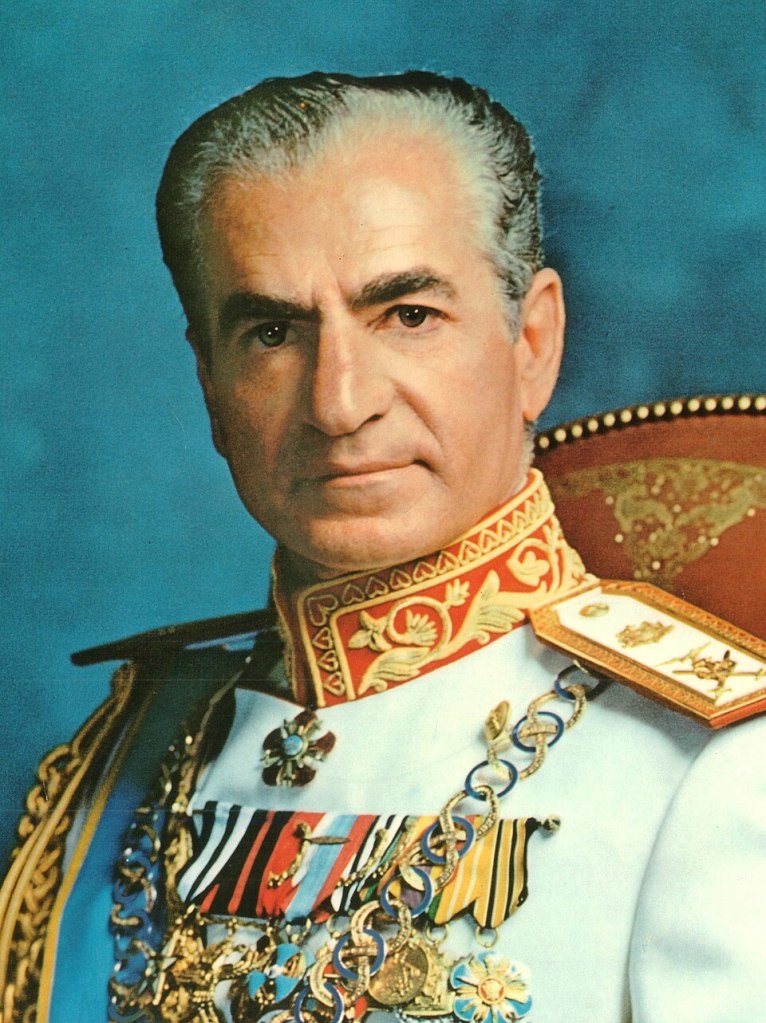
MOHAMMAD REZA SHA PAHLAVI (The deposed shah of Iran in 1979.)
Ellie, because of her upper-class upbringing, is initially reluctant to engage Homa but is lured into her orbit by her exuberant personality and Homa’s family’s friendliness. They become close friends despite their different economic backgrounds. What one gathers from Kamali’s story is an historical view of the circumstances of Iran before the revolution. Homa believes communism is a better form of government than rule by a King and chooses to follow her father’s beliefs. Homa is eventually imprisoned. However, her sentence includes being raped by her imprisoner. A daughter is born from that rape when she is eventually released. Iran of the 1950s is a country of the rich and poor with growing discontent with a monarchal government that seems to care little about the circumstances of the poor. An attempted coup in 1953 illustrates the rising dissent of the Iranian people.
Ellie’s mother remarries and returns to an upper-class life and Ellie loses touch with Homa. In the 1960s, Ellie pursues higher education and re-connects with Homa at a school that Homa attends because of her intelligence, her earned income from part time work, and help from her family that supports her interest in becoming well-educated. The renewed friendship becomes a focus of great changes that eventually lead to the 1979 revolution.
Kamali cleverly tells a story of three generations of women from Tehran who survive the 1979 revolution and the repression of the Ayatollahs in Iran. Ellie and Homa are the principal characters of “The Lion Women of Iran” but two girl descendants of Homa are meant to show the strength and continuity of Iran’s people. Whether Kamali’s fictional characters are real or not, the author’s point is that many Iranians are determined to have a country that is ruled better than by either a Shah or Ayatollah.
This is a powerful story that shows the strength and importance of women in Iran despite their harsh and unequal treatment.
Both America and China need to change. Both are making authoritarian errors that are unnecessarily threatening world comity, human progress, and the potential for peaceful coexistence. This seems simple on its face but hard in reality.
Books of Interest Website: chetyarbrough.blog
THE THIRD REVOLUTION (Xi Jinping and the New Chinese State)
BREAKNECK (China’s Quest to Engineer the Future)
Authors: Elizabeth C. Economy, Dan Wang
Narration by: Anna Perrin, Jonathan Yen
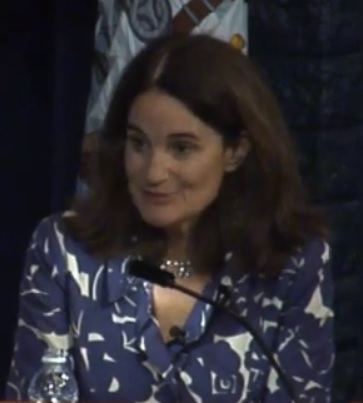
Elizabeth EconomyDan Wang
These two authors were listened to because of their similarities and differences about America’s and China’s political/economic systems. They show some similarity that reinforces their arguments about America’s and China’s economies. Ms. Economy was born in America while Wang was born in Canada. Wang’s parents fled China just before he was born. Ms. Economy is an American political scientist, foreign policy analyst, and noted expert on China’s politics and foreign policy. Wang, as a son of Chinese parents, is a Canadian technology analyst and writer. Ms. Economy is a co-chair of a program on the US, China economic/political studies at the Hoover Institution. Wang is a visiting scholar and a research fellow at the Hoover Institution.
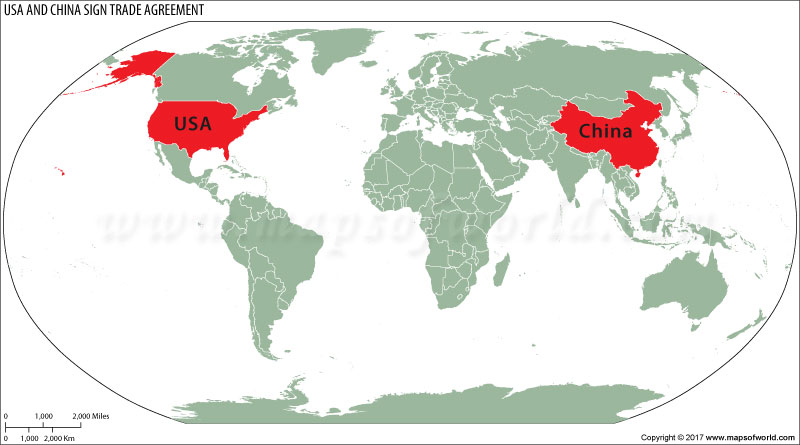
America/China-Worlds Apart?
These authors analytic approach to the political economy of America and China are viewed from different perspectives. Ms. Economy approaches the Chinese economy from a governance and global strategy perspective, while Mr. Wang views America’s and China’s economies from a technological and manufacturing perspective.
Ms. Economy explains how Xi has centralized power that is reshaping China’s institutions and extending China’s global influence. Xi recognizes a level of greed and corruption that infected communist functionaries and began firing many of the party leaders to restore his vision of the ideals of communism. In contrast, Wang focuses on an engineering mentality of Chinese governance and its strategy to make China the most powerful nation in the world.
Example of China’s largest production automobile, the BYD.
Ms. Economy shows strategy is not enough to make China, or for that matter, America great. She notes great advances China has made but criticizes the quality of China’s industrial production, i.e., particularly an auto industry that has become the largest in the world but with many product features that fail its buyers. There are safety, quality, durability, and reliability criticisms of China’s cars. BYD is one of China’s strongest brands. As an example, China recalled an estimated 110,000 electric vehicles due to battery defects. In 2024, 32 million vehicles have been produced in China. Its closest competitor is America which only produced an estimated 10.5 million vehicles.
Both authors agree that China is a deeply state-driven economy. However, Ms. Economy suggests China’s strengths and weaknesses are based on political ideology while Wang argues it is because of China’s focus on engineering and technology. This seems a “Potato-Pototo” argument that leaves a reader feeling there is little difference, i.e., China’s power and growth is limited by its system of governance with technology being only a part of its strength and weakness. The same is true of all forms of government, including democracy.
Ms. Economy notes the fragility of China’s authoritarian political power that refuses to allow openness to citizen opinion about new projects or ideas that change their lives. In contrast, Wang notes America’s failure to capitalize on engineering and the capitalist capabilities of America’s economy because of too many lawyers. Wang explains America’s resistance to economic growth is constrained by a lawyer mentality of “not in my backyard”. In contrast China’s economic growth ignores human impact of projects (like dams) that displace millions of Chinese citizens without political voice. Both authors seem correct with the implication of a solution that is within the capabilities of both systems of government, i.e., China should become more concerned about its citizens welfare and America should invest in public works that benefit all Americans.
The two authors see different solutions for America’s and China’s quest for world influence. Ms. Economy argues America needs to compete with China’s global ambitions by using some of the same financial and political investments that demonstrate the value of capitalism over authoritarianism. Wang agues engineering, manufacturing, and industrial capacity must be reinvented in the U.S. Some may argue that is what Trump is trying to do but many would argue he fails to make a distinction between technological growth and polluting industrialization. Both America and China need to change. Both are making authoritarian errors that are unnecessarily threatening world comity, human progress, and the potential for peaceful coexistence. This seems simple on its face but hard in reality.
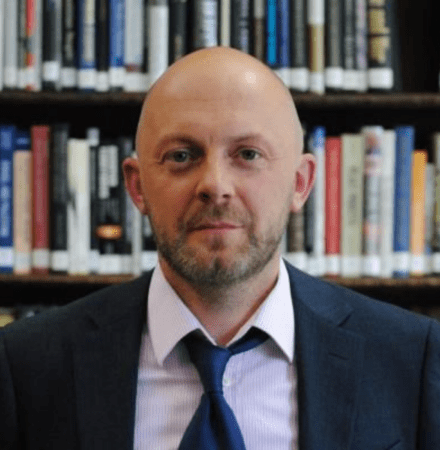
Richard Connolly (British author, Associate fellow at the Centre for New American Security (CNAS) in Washington D.C., former director of the Centre for Russian, European and Eurasian Studies at the University of Birmingham.)
Richard Connolly offers a brief and informative overview of Russia’s economic growth from the days of Stalin through today. He explains Russia’s economy has grown into a blend of state control and market demand that became the 20th century’s USSR. The common objective of every Russian leader since the 1917 revolution is stabilization of the country and any territory they rule. From the early days of Lenin and Stalin there is the goal of transitioning Russia from an agrarian lifestyle to an industrial power that could compete with other nations. In the process of that decision and from the spoils of WWII Russia became the USSR.
The goal of industrializing Russia for what became the U.S.S.R. is to create a powerful nation-state, by any means necessary, to compete with and/or dominate other nations. The shortest road for an agrarian nation to become an industrial power is dictatorship which fit the personality of Lenin’s successor, Joseph Stalin.
Joseph Stalin (1878-1953, General Secretary of the Communist Party 1922-1952.)
Stalin is a born martinet. He views Russia’s agrarian workers without concern for human or economic cost to turn their labor to industry with the intent of creating a military/industrial power. He redirects Russia’s people to work for the betterment of the state. At the same time, Stalin transitions farm laborers to industrial workers managed by government apparatchiks. Five-year plans are created by the government. Those who fail to achieve five-year plan goals are punished. Agriculture is forcibly collectivized and controlled by the government. The methodology Stalin uses to industrialize Russia is repeated in countries Russia claims after World War II.
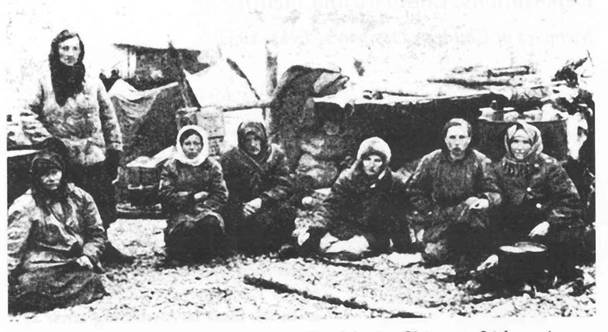
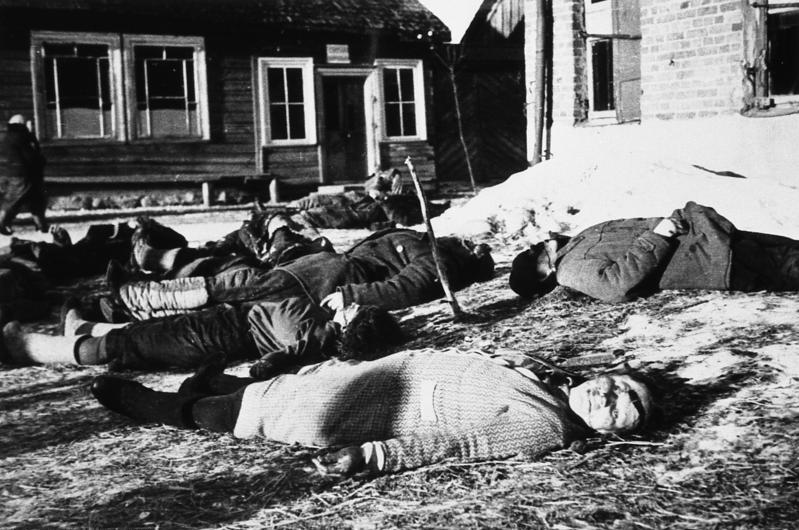
Russia’s WWII Victory.Hardship of those dominated by Russia after WWII.Murder Room in the BalticsRussian Jail in the BalticsBaltics JailJail toilet
The hardship one hears in traveling to Poland and the Baltics opens one’s eyes to the terrible experience their citizens endure from Stalin’s rule. The revenue from agricultural and mineral production goes to the State for purchase of machinery to industrialize Russia and newly acquired territories after the defeat of Nazi Germany in WWII. Thousands die of starvation because of Stalin’s ambition. Economic independence is not tolerated, either in agriculture or industry. Stalin focuses on steel, coal, and machinery to transform the economy. Living standards of workers is of no concern with goals that must be met. Profitability, consumer needs, and human life are sacrificed with the singular goal of maximizing industrial production.
The Soviet economy advanced because of Stalin’s political goals. Stalin’s goals are state security and survival. Human cost is no concern. Those who opposed Stalin’s goals were either suppressed, tortured, or killed as enemies of the State. Stalin rules for 29 years, from 1924 until his death in 1953. Stalin achieves enormous strategic economic gains by building a heavy-industrial, militarized economy that gave Russia, then the USSR, great-power status. Despite his methodology and the duplicity of Stalin’s early support of Hitler in WWII, Russia became a critical world power with the defeat of Nazi Germany. For that success, the world owes some measure of gratitude for an amoral and inhumane tyrant.
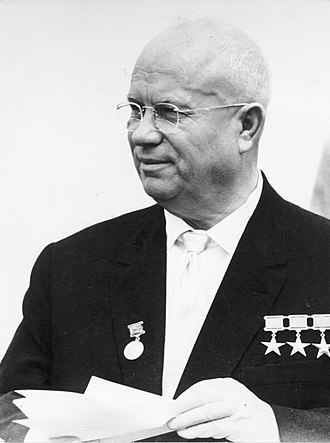
Nikita Khrushchev (1894-1971, Secy. of the communist party 1953-1964)
When Khrushchev came to power after Stalin’s death, he shifts Stalin’s model of governance to a more sustainable, technologically oriented system for Russia to remain a superpower. Khrushchev rebalances the Soviet economy in a way that keeps Russia militarily competitive and capable of global engagement. He shifted the economy toward science, technology, and space exploration. One is reminded of Russia’s Sputnik moment. Technology became a core component of economic power. Khrushchev moves Russia toward consumer welfare to illustrate his belief in the superiority of socialism. Connolly suggests Khrushchev began raising the living standards of the Russian people. The Soviet Union became more of an international partner by aiding other countries, selling arms to other countries, and using trade and technical assistance as a geopolitical influencer. Brezhnev solidified the vision of socialism as a stable and predictive governmental system. However, the Russia economy became less dynamic in the modernizing world. In the 1980s, the Russian economy falters.
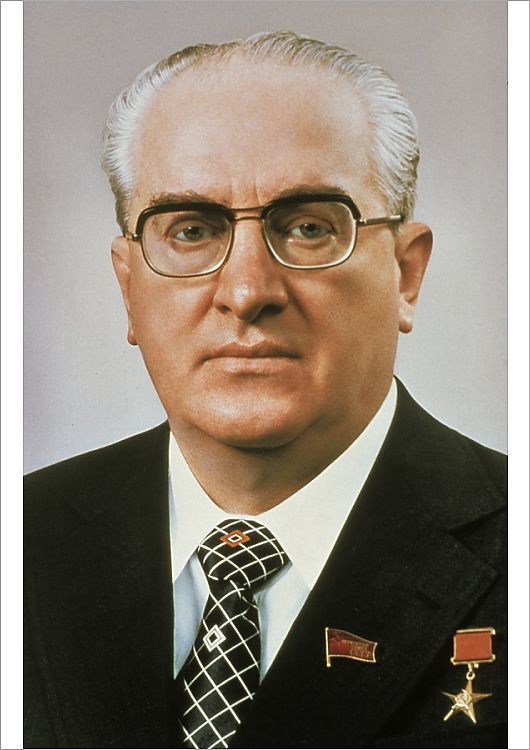
Yuri Andropov (1982-1984 General Secretary of the Central Committee of the Communist Party, born in 1914-died in 1984.)
When Brezhnev dies in 1982, Yuri Andropov becomes the General Secretary of the Communist Party. In his short tenure, he revives discipline in governance of Russia by fighting corruption and trying to improve Russia’s economy. Andropov’s tenure is short, approximately 15 months. Andropov wished Mikhail Gorbachev to succeed him, but the Politburo chose Chernenko who only served for 13 months.
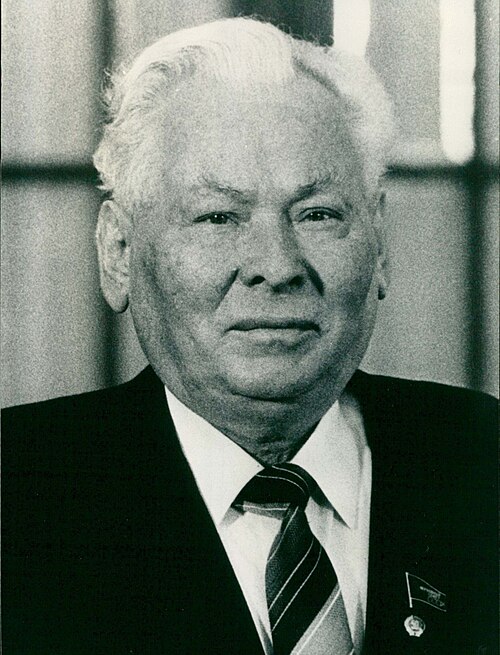
Konstantin Chernenko (General Secretary of the Communist Party 1984-1984, born in 1911-died in 1985.)
Chernenko’s successor is Mikhail Gorbachev. Gorbachev transformed the USSR. He ended the Cold War and reduced hostility toward the West. He received the Nobel Peace Prize in 1990. On the one hand he democratized Soviet politics but on the other he unintentionally triggered the collapse of the U.S.S.R. Gorbachev’s replacement is Boris Yeltsin who effectively dismantled Russia’s planned economy and opens Russia to global markets. His short tenure is chaotic, but it creates a foundation that leads to Putin’s reign.
“The Russian Economy” is written before Putin invades Ukraine. Putin reasserts the Russian government’s control over the economy.
Energy, defense, and finance are state controlled. In a sense, Putin returns to something like the rule of Stalin. Putin chooses to reorient Russia toward Asia rather than the United States. Putin rebuilt Russia’s wartime military capabilities. However, Connolly argues Putin fails to diversify or modernize Russia’s economy. He has successfully created a durable, state-centered model of government with geopolitical power, but economic prosperity seems, at best, a faltering work in progress. Connolly believes Russia will be able to withstand pressure from the West with its nuclear capability and economic power. Connolly believes Russia will survive its present semi-isolation. Connolly believes the State will remain the central actor in Russia’s future with (at least a near term) orientation toward Asia rather than the West.
Green questions the profit motive of drug companies that ignore the benefits of drugs that poor societies cannot afford that would cure tuberculosis. At the same time, Green implies the political will of all nations fail to provide known curative drugs for tuberculosis.
Books of Interest Website: chetyarbrough.blog
Everything is Tuberculosis (The History and Persistence of Our Deadliest Infection)
Author: John Green
Narration by: John Green
John Green (Author, YouTuber, and philanthropist.)
“Everything is Tuberculosis” is an apt title for John Green’s book but unlikely to attract many listener/readers. However, those who have read John Green’s books are attracted to his story because of the humor and insight he offers to living life. Green offers an interesting human perspective about a disease that kills hundreds of thousands of people every year and is both preventable and curable. Recognizing this critic’s own biases, “Everything is Tuberculosis” is a belief that there are only two important issues for human species’ survival, i.e., world peace and personal health. “Everything is Tuberculosis” deals with the principal of health while others write about world peace.
Tuberculosis transmission.
Peace is only indirectly addressed in “Everything is Tuberculosis” while health is the primary focus of Green’s book. Today, approximately 1.23 million people die from tuberculosis every year. Surprisingly, it remains the deadliest curable infectious disease in the world. An estimated 10.7 million people are presently diagnosed with tuberculosis. This high infection rate is for a disease that is curable and preventable. Green explains in countries with high rates of poverty, undernutrition, overcrowding, high HIV infections, and poor medical services tuberculosis becomes a greater killer of human beings than any other infectious disease.
The fear and anxiety of Covid mimics the fear of tuberculosis.
Green personalizes his story by being its main character. He writes in the first person and uses his personal anxiety driven thoughts to explain tuberculosis’ illness and vulnerability. As a child, Green recalls his own illnesses and anxieties that required hospitalization. He contrasts his life of economic security with the lives of many people in the world that have little to no economic security. He views tuberculosis, not as a scientist or patient, but as an observer of poverty in Sierra Leone and the personal life of a young boy with the disease.
The cost of medication.
The young boy’s recovery experience is on-again/off-again, in part because of his father’s skepticism about the effectiveness of drugs and his belief in God, but also because of a failure of experimental drug treatments from other tuberculosis patients that die. There is a happy ending when a new drug cure is found and started; the boy recovers, resulting in eradication of the infection. He finishes high school and goes on to college. Other stories of the disease in Sierra Leone show distances patients have to travel, the cost of treatments, and different economically challenged families who are discouraged by continued treatment. Those patients that do not continue the medical treatment often see regrowth of the Tuberculosis bacteria which ends their sons, daughters, fathers, or mother’s lives.
Green’s point is that human beings are dying from tuberculosis, a curable disease that kills; not because it is often fatal, but because of a human-systems’ failure.
TB deaths are a predictable outcome of poverty, undernutrition, overcrowding, political neglect, and global indifference. Green gets at the heart of the problem of societal indifference. The indifference is both political and economic. The political indifference comes from every government that is only concerned about their country’s health and welfare. The economic difference is similar but more pronounced in capitalist countries that focus on profit more than societal benefit. Political difference is in nation-state’ leadership whether countries are democratic or other.
Green questions the profit motive of drug companies that ignore the benefits of drugs that poor societies cannot afford that would cure tuberculosis. At the same time, Green implies the political will of all nations fail to provide known curative drugs for tuberculosis.
One comes away from Trevor Reed’s book with the feeling he tilted at Don Quixote’s windmill. One’s heart goes out to Ukraine and their fight against an implacable Russian President who tilts at a different windmill.
Books of Interest Website: chetyarbrough.blog
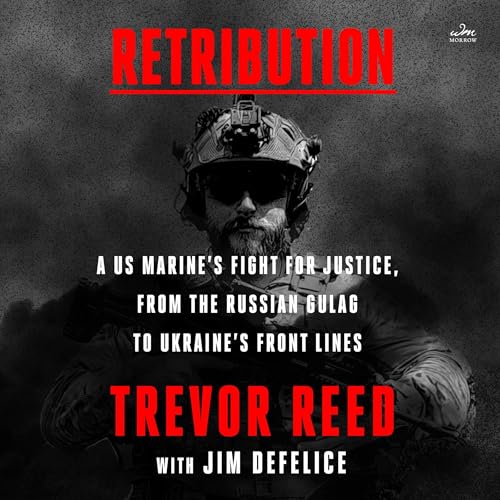
Retribution (A US Marine’s Fight for Justice, from the Russian Gulag to Ukraine’s Front Lines
Author: Trevor Reed, Jim DeFelice
Narration by: Roger Wayne, Joey Reed
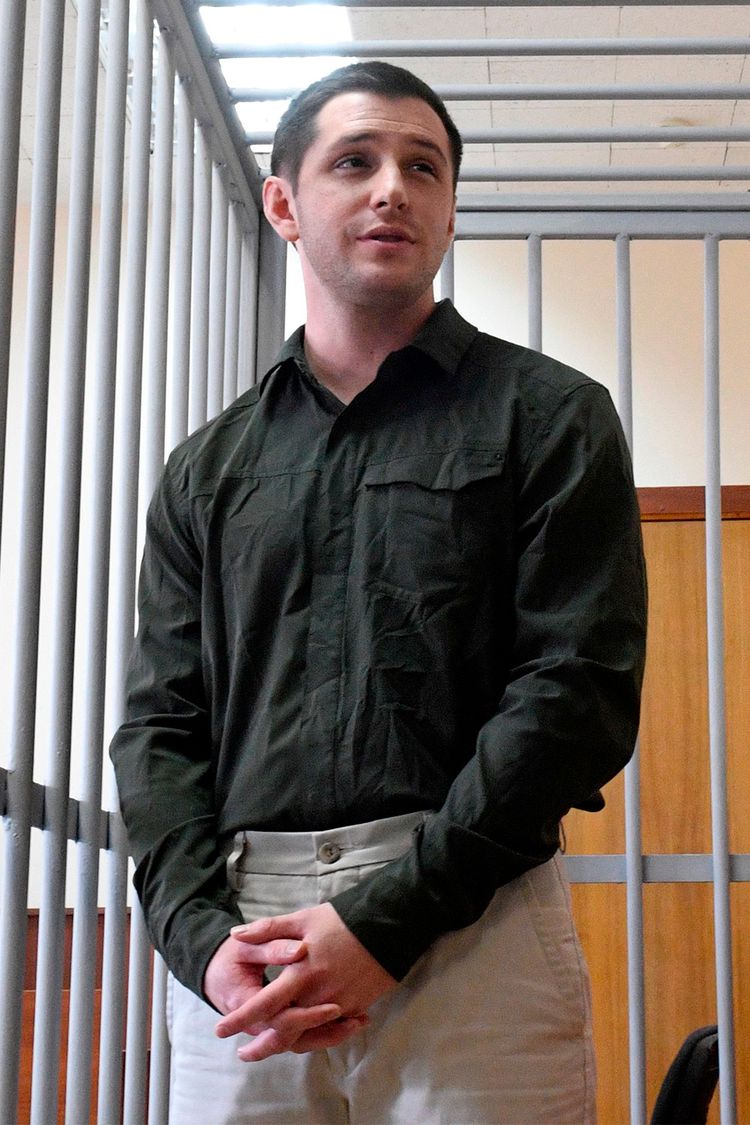
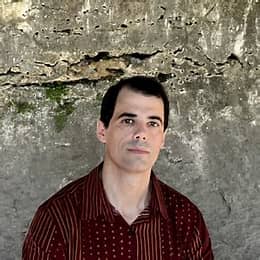
Trevor Reed (on the left) is the subject of Retribution. It is co-written with the novelist Jim DeFelice (on the right).
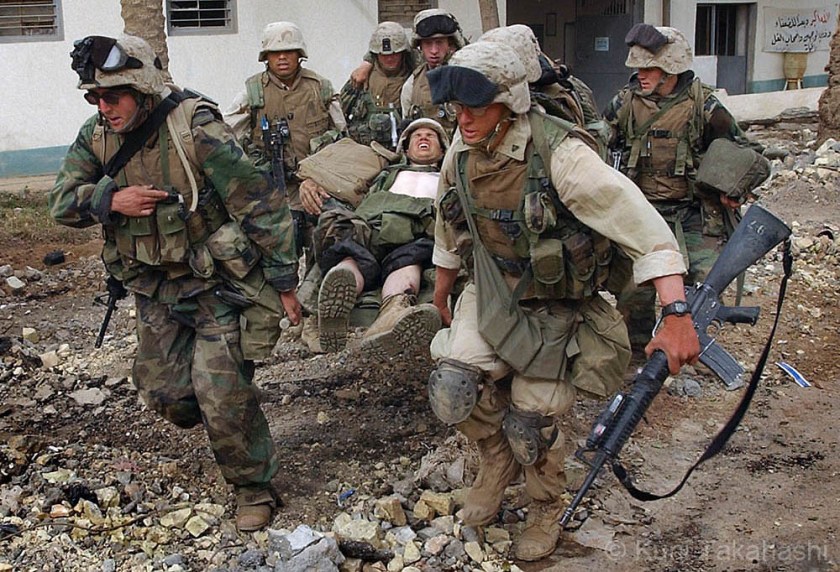
U.S. Marine infantry.
Trevor Reed is a former Marine infantry soldier who was imprisoned for being drunk and disorderly in Russia. He became a victim of Russia’s hostage exchange system. The story of his young life and how he became a marine and a Ukrainian combatant against Russia is explained in “Retribution”. As a strong-willed youth who challenged parental control, he became an athletic wrestling champion in high school. His disciplined physical work ethic made him a 145 lb. highly self-confident young man who decided (contrary to his father’s council as an ex-marine) to enlist in the marine infantry.
Reed’s story of being arrested in Russia is a lesson about the risks of traveling to a foreign country that disagrees with America’s form of government. Reed became romantically involved with a young woman in Russia who he had corresponded with after completing his 4-year commitment in the Marines. Alina Tsybulnik, his Russian girlfriend, visited America, became a friend of his family, and invited Trevor to Russia. They became intimate friends.
Alina Tsybulnik and Trevor Reed.
Tsybulnik is enrolled in a Russian college to become an attorney. When Trevor visits her in Russia, they go out on the town. Trevor gets drunk and disorderly and is arrested by the Russian police in 2019. In what is characterized as a gross exaggeration of Trevor’s actions on their night on the town, Trevor is sentenced to prison for nine years in a Russian penal colony. In April 2022, after three years, Trevor is released in a prisoner exchange.
Trevor Reed’s parents.
Reed shows himself to be a tough-minded person who refuses to cooperate with the Russian prison guards’ orders to work while being unfairly imprisoned in a work camp. He is visited by his father who works to have the Biden administration get his son released. Alina Tsybulnik uses her legal experience with the Russian legal system to get Reed released. The corruption and purpose of incarceration in Russia is shown to be political by Reed’s story. Reed explains how even some Russian administrators, not to mention his girlfriend, resist the political ministrations of the system but are unable to change its policies.
Alexei Navalny, a Russian dissident, is sentenced to an Arctic penal colony and is poisoned. He dies in that Arctic colony at the age of 47 in 2024.
The last chapters of Reed’s book recount his effort to get a level of revenge against Russia’s injustice by volunteering in Ukraine’s war against Russia’s invasion. Reed had become a fluent Russian language user because of his intellect, his relationship with Tsybulnik, and his imprisonment. He used that skill to join the Ukrainian resistance. One comes away from Trevor Reed’s book with the feeling he tilted at Don Quixote’s windmill. One’s heart goes out to Ukraine and their fight against an implacable Russian President who tilts at a different windmill.
“The Fort Bragg Cartel” exposes a glaring weakness in a secret service meant to protect American citizens. The ironic truth in Trump’s Iran bombing campaign is that every American has a chance to decide.
Books of Interest Website: chetyarbrough.blog
The Fort Bragg Cartel (Drug Trafficking and Murder in the Special Forces)
Author: Seth Harp
Narration by: Dan John Miller
Seth Harp (Author, investigative journalist, foreign correspondent, contributor to Rolling Stone, Harper’s Magazine, The New York Times, and The New Yorker, former Assistant Attorney General for the State of Texas.)
“The Fort Bragg Cartel” is a frightening look at the gray world of a special forces’ organization that recruits and trains American residents who have undoubtedly aided but also undermined the ideals of justice and freedom in America. Personally, as a military veteran, this is a particularly disappointing story of an important governmental organization in America.
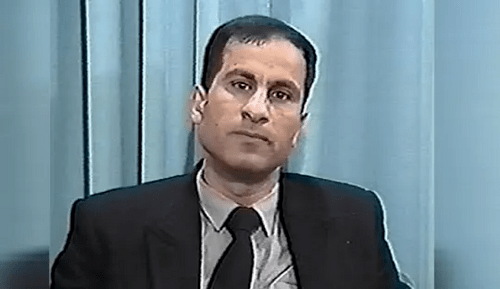
Abdul Saoud Mohamed in 1989.
Ali Mohamed (aka Ali Abdul Saoud Mohamed) was a Fort Bragg soldier, a former Egyptian Army officer who Harp identifies as a man who trained al-Qaeda. Mohamed was a participant in a special program for foreign officers at Fort Bragg in the early 1980s. He enlisted as a U.S. Army soldier at Fort Bragg in the 1980s. Harp infers “…Fort Bragg…” has trained and protected a small minority of soldiers who may have contributed to one of the worst disasters in American history, i.e., the disaster of 9/11 that killed 2,996 people in the collapse of World Trade Center in New York City.
Harp’s story begins with a confrontation between an unstable character named William Lavigne (pictured on the left below) and Freddie Huff, two soldiers trained at Fort Brag. Lavigne pulls a gun and threatens to kill Huff. Huff disarms Lavigne and calls the MPs, but the confrontation is covered up. It illustrates how dangerous Lavigne could be and how the military covers up a confrontation that should lead to an arrest and formal investigation. This incident characterizes a disregard for justice by America’s secret service.
Decorated Delta force operator and Army vet (inset) found murdered on Fort Bragg grounds.
Timothy Moss
The murder of a special force’s operator named William Lavigne II and a quartermaster named Timothy Dumas (inset picture above) is an entangled story of drug use, drug dealing, and weapons trafficking in the American military. A quartermaster is responsible for managing weapons, gear, and equipment for military operations. Lavigne’s fellow special force’s partner is Timothy Dumas Sr., a quartermaster who uses his role to enrich himself and others who have knowledge of his role and intentions. He threatens to blackmail Afghanistan’ special forces operation because of their criminal activity in cocaine smuggling. Lavigne is not in tune with Dumas’s scheme. Whether Lavigne is not in tune because of his own involvement with drug and weapons trafficking in Afghanistan or because of a patriot’s conscience is unknown.
During the Biden administration, Fort Bragg is renamed Fort Liberty. When Trump is re-elected, the name of Fort Bragg is resurrected. Once again, it became Fort Bragg.
Both Lavigne and Dumas are murdered and dumped in a Fort Brag training area. Harp’s investigation of their deaths becomes the story of his book. The author exposes drug use and trafficking networks at Fort Bragg. Harp notes corrupt law-enforcement ties, unsolved deaths, disproportionately high military personnel overdoses, and institutional cover ups at Fort Bragg darken the image of covert actions by the American military. Harp’s story implies criminality is as evident in the military as it is in civilian life. The difference is that there seems little accountability for those who are guilty of drug crimes in the secret service, i.e., at least as shown in this investigation of Fort Bragg.
The flawed nature of human beings.
The military as well as the civilian population of any government are made up of flawed human beings. Those flaws are mitigated by checks and balances designed to protect the general public from the abuse of inherent human rights. Covert and unchecked power in governance is a threat to society because of the nature of human beings. Use of the military as a bully in the playground of nations is psychologically and morally wrong but is proportionately a greater wrong when done covertly.
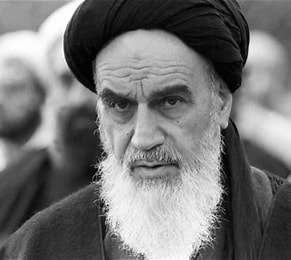
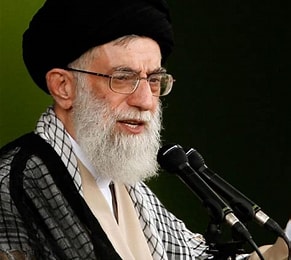
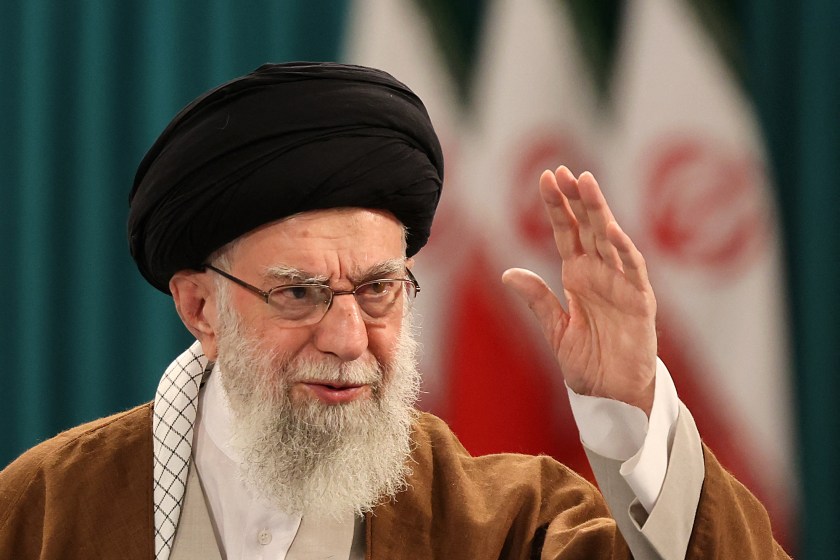
The Ayatollah of Iran was equally guilty of covert actions against other nations.
The covert actions of both Iran and America in the past are examples of what Harp’s story reveals about the danger of secret military plans and acts. Overt bombing of Iran may either be approved or rejected by the public. There is no chance to decide when governments act covertly and illegally if secret service agents are exempt from prosecution. “The Fort Bragg Cartel” exposes a glaring weakness in a secret service meant to protect American citizens. The ironic truth in Trump’s Iran bombing campaign is that every American has a chance to decide.
One’s heart goes out to the citizens of Iran and wonders what hope there is for their future. Iran seems trapped between rock and a hard place, a choice between the bombs of war and religious fundamentalism.
Books of Interest Website: chetyarbrough.blog
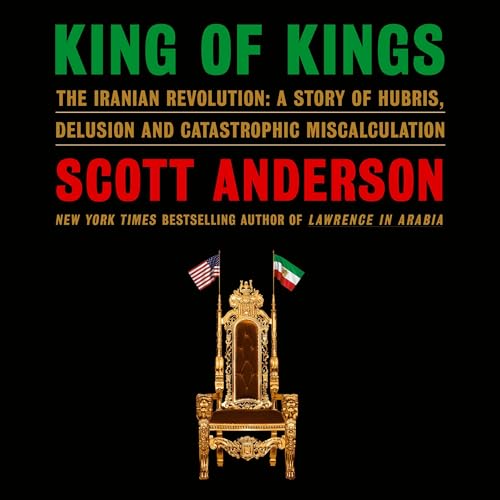
King of Kings (The Iranian Revolution: A Story of Hubris, Delusion and Catastrophic Miscalculation)
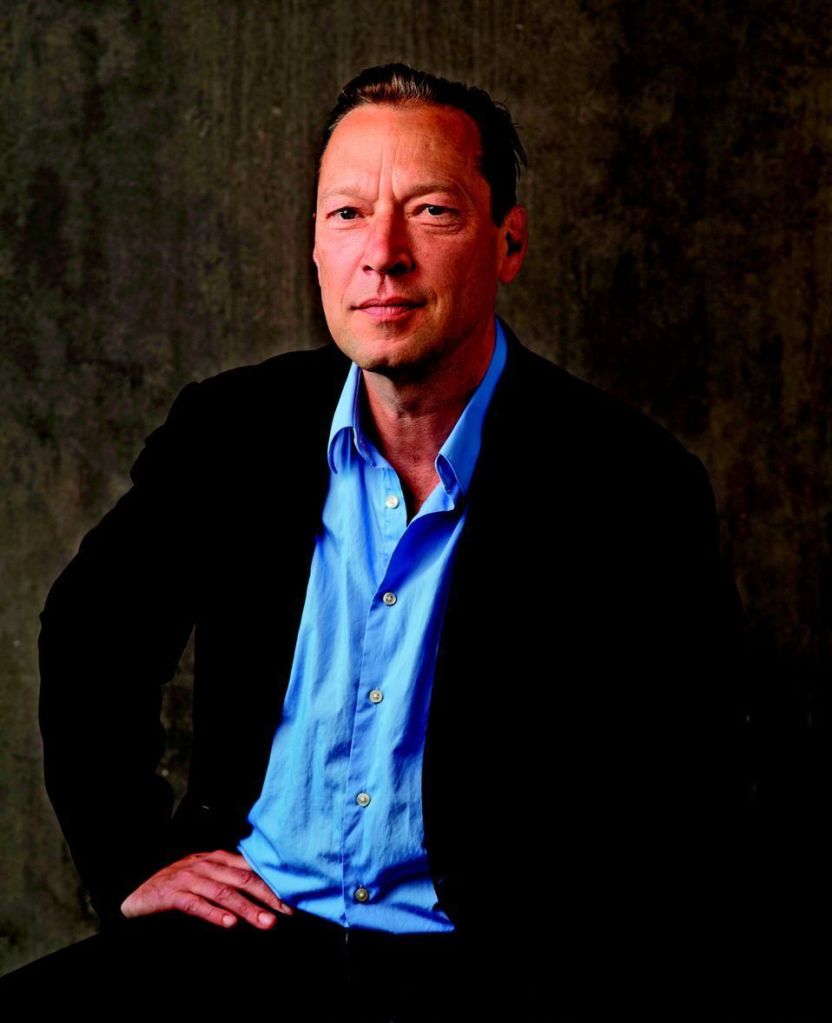
Author: Scott Anderson
Narration by: Malcolm Hillgartner & 1 more
Scott Anderson is a novelist and veteran war correspondent. His previous novels include Moonlight Hotel and The Man Who Tried to Save the World.
“King of Kings” is an informative historical account of the collapse of Iran as a former monarchy and current theocracy. The hubris of the King and the Ayatollahs have no one to blame but themselves for their government’s failure. What Anderson shows is that what royal and theological leaders have in common. Both neglect the wellbeing of the Iranian people. The King squandered the wealth created by the oil industry to buy a false sense of security. The “King of Kings” made excessive investments in weapons and a spy service called SVAK rather than invest in Iran’s economy for the betterment of its citizens. The King’s SVAK turned into MOIS in the Ayatollah’ regimes. Neither regime invested in the people’s welfare. Both secret services were designed to spy on Iran’s citizens and reinforce the delusion of serving the people when in fact they were designed to preserve their governments’ power and control.
Iran’s leadership as a monarchy and theocracy have failed its people.
Anderson shows the “King of Kings” initially improves the general welfare of Iran’s citizens but because of inept leadership and the privileges of power, the Shah failed the Iranian people. The Shah’s incompetence as a manager of Iran’s great oil wealth is a wasted opportunity that could have provided a better life for its citizens. Rather than encouraging economic growth, the Shah chose to invest in weaponry and other countries products to sustain Iran’s economy.
The Iranian people were not farming or creating their own industries to sustain and grow their economy.
The King’s failure to invest oil revenues in the economy and Ayatollahs who cared little about economic investment, impoverished the Iranian people. When other countries like Saudi Arabia flooded the market with oil, the economy of Iran collapsed. That loss of oil income impoverished the people of Iran. Iran had become dependent on other countries produce rather than the work of their own farmers and industrialists to support their lives and families. That impoverishment drove many back to the ideal of a Muslim religion that believes hardships of life are only preparation for heaven.
The rule of the Ayatollahs seems as incompetent as the Shah’s.
The Ayatollahs fail to improve the economy and rely on a secret service that victimizes all who criticize their rule. It seems they believe the hardship of life is no concern because heaven awaits all those who believe in the Ayatollah’s governance. Anyone who fails to support the Shia Muslim autocracy is murdered or imprisoned based on the Ayatollahs’ belief in the hereafter. Iranians may believe in the Ayatollahs’ teaching and are willing to support their government, but a substantial portion of the Iranian people are discontented with their poverty and hunger.
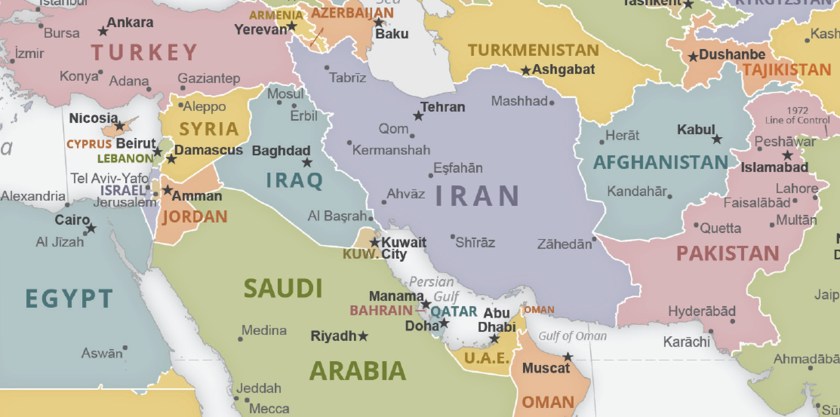
Iranian oil fields supported the wealth of Iran before Saudi Arabia’s entry into the market.
Anderson explains how Iran became a troubled country. Neither rule as a monarchy or theocracy offered a solution to poverty and hunger. The answer may not be capitalism or democracy, but the present and past Iranian governments have not served the needs of its people. One’s heart goes out to the citizens of Iran and wonders what hope there is for their future. Iran seems trapped between rock and a hard place, a choice between the bombs of war and religious fundamentalism.
As a reviewer of “The Great Deformation”, I am personally repelled by Stockman’s analysis but choose to rely on professional economists’ opinion, more than a politician/businessman who had a role in tanking the American economy.
Books of Interest Website: chetyarbrough.blog
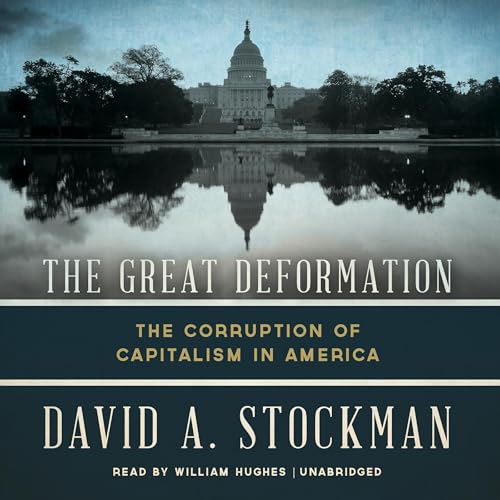
The Great Deformation (The Corruption of Capitalism in America)
Author: David Stockman
Narration by: Willaim Hughes
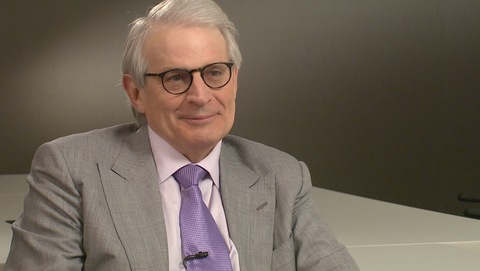
David Stockman (Author, American politician, businessman, and former Director of the Office of Management and Budget for the Reagan Administration.)
David Stockman has written a troubling book about the American economy. Despite his having been an elected representative of Congress and a former Director of the Office of Management and Budget (OMB) in the Reagan administration, he argues the fiscal responsibility of America’s government has corrupted “…Capitalism in America”. This is a surprising comment from a former Republican congressman with Republican ties who is a graduate of theological studies, not economics, from Harvard.
Stockton is not educated as an economist. He derides Reagan for profligate spending while having been Reagan’s OMB Director. He feels qualified to argue the crises of 2008 was badly managed because it did not allow the market to allow bankruptcy of major corporations in America. Stockton suggests AIG (American International Group) and the major banking conglomerates of America that have bad debt on their books should file for bankruptcy if they cannot meet their financial obligations without a government bailout. Of course, this is the road not taken so no one can know whether Stockton is right or wrong.
GEORGE W. BUSH (43RD PRESIDENT OF THE U.S.)BARACK OBAMA (44TH PRESIDENT OF THE U.S.)
Though the harm done to many Americans by the solution of the Bush’ and Obama’ administrations is fresh in most American’s minds, one cannot help but be skeptical of Stockton’s opinion. If bankruptcy had been allowed by those companies that could not meet their debt obligations, would American capitalism and its economy have been any better? How many Americans would have been harmed by those bankruptcies? The loss of jobs from bankruptcy would have been immense. Consider the number of people with no income who would be unable to pay their bills. What would happen to their ways of life? Would America’s government stand by and allow them to become homeless and hungry? Today’s homelessness suggests America’s government might stand by and do nothing.
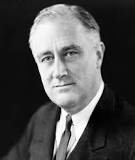
Franklin Roosevelt shows America’s government can finance a solution for crisis through public works that would bring America back to prosperity. Is that different than bailing out employers of the American public to sustain family incomes from a potential financial melt-down. Are the ideals of capitalist greed worth continued impoverishment of the poor?
Stockton’s solution is to cut the defense budget, reduce Social Security, Medicare, and Medicaid and let the public fend for itself. Stockton argues to have corporate subsidies and tax expenditures reduced with deep cuts in domestic discretionary spending. He goes on to support binding spending caps, no new tax cuts without an equal offset in expenditures, no bail outs with a belief that nothing is too big to fail, a reversal of Trumps 2017 tax cuts, a balanced budget, no long-term deficit financing, no permanent emergency spending, and a smaller federal footprint on the economy. These seem easy solutions for one who is financially secure but draconian for those who have been unable to grasp the economic opportunities of American capitalism.
More people will die from inability to receive medical care, more will go hungry and suffer from malnutrition, and homelessness. Stockman believes the current system is unsustainable. Let’s accept that point but victimizing and creating more homeless and poorer Americans only cheapens democratic capitalism.
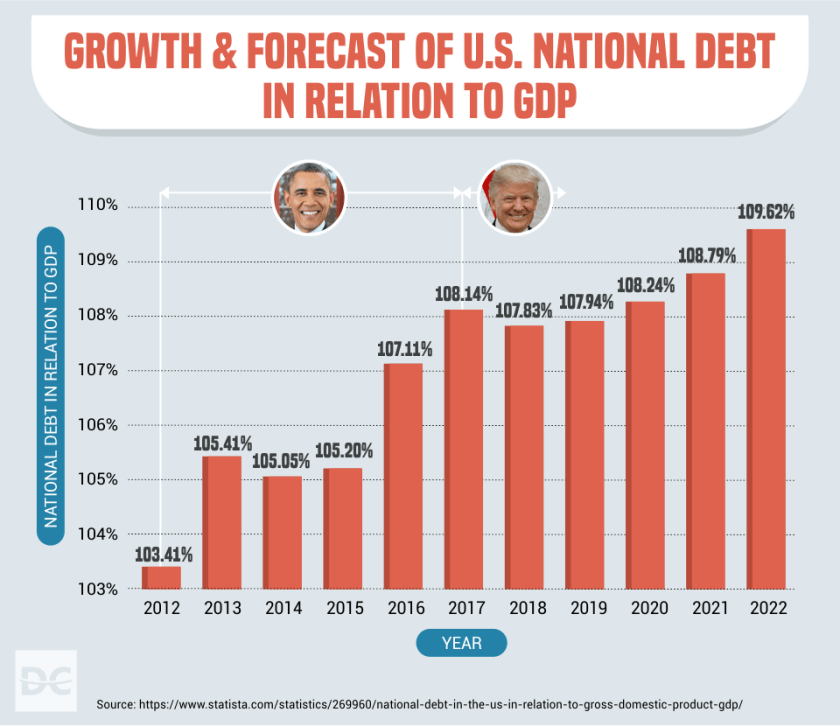
Stockman is right in explaining the U.S. debt increase is unsustainable.
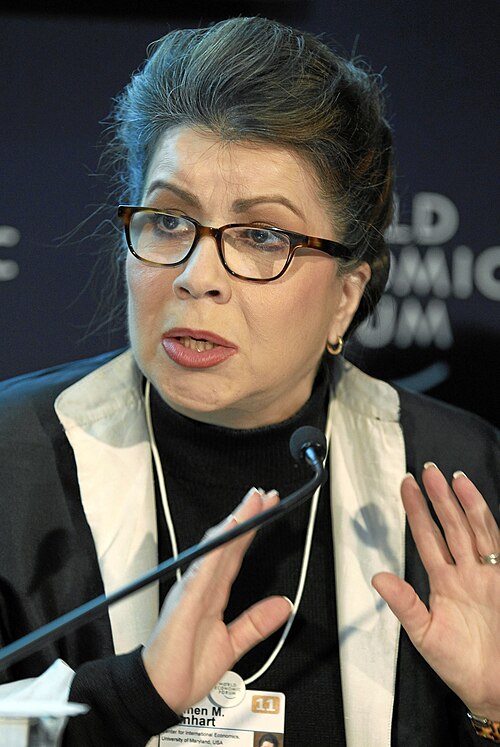
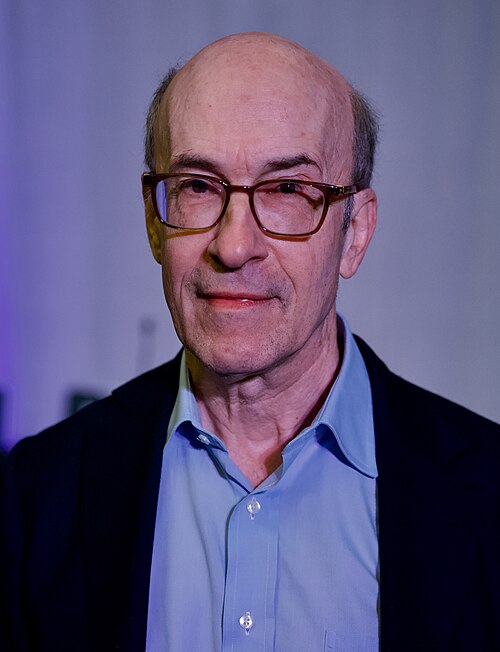
Interest costs are creating extraordinary pressure as a line-item cost for America’s budget. Reform is immensely difficult because of political differences of opinion. According to most economists with education as economists, Stockman’s observations are true, but most economists do not believe that truth will lead to a sudden market collapse. The majority of economist suggest Stockman’s explanation of long-term fiscal challenges can be ameliorated to avoid a wide market collapse. Though Kenneth Rogoff, Carmen Reinhart, and Olivier Blanchard agree with Stockman’s diagnosis, they do not think his doom scenario is likely. Jason Furman, Douglas Elmendorf, and Ben Bernanke do not believe a bond-market revolt will crater government financing. Though all agree government debt is unsustainable, interest costs are rising too fast, and political discord is a problem. These “educated economists” believe entitlements can be gradually reformed, and a sudden collapse of the economy will be abated.
Carmen ReinhartBen BernankeDoug ElmendorfKenneth Rogoff
In general, most economists recognize America cannot continue to increase its debt but most economist believe the U.S. will adjust its economic policy to avoid collapse. As a reviewer of “The Great Deformation”, I am personally repelled by Stockman’s analysis but choose to rely on professional economists’ opinion, more than a politician/businessman who had a role in tanking the American economy.
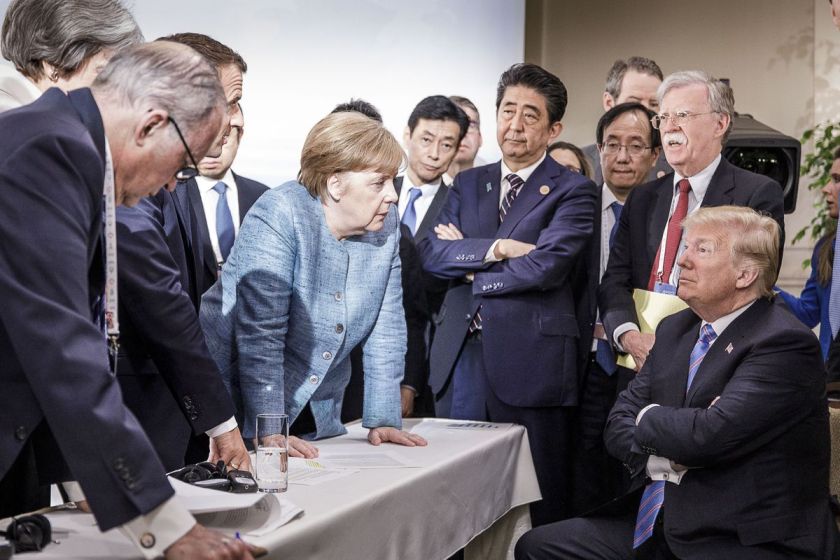
“Power tends to corrupt, and absolute power corrupts absolutely”. President Trump exemplifies that truth.
Books of Interest Website: chetyarbrough.blog
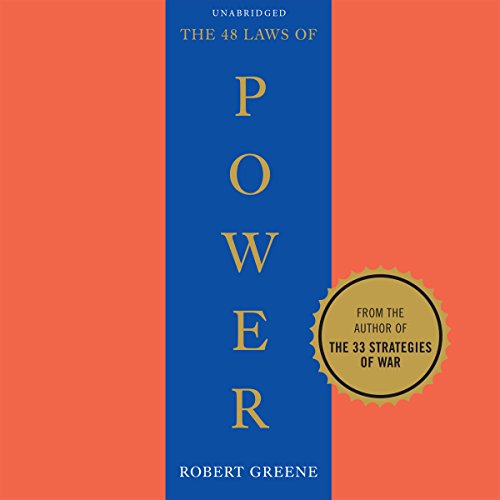
48 Laws of Power
Author: Robert Greene
Narration by: Richard Poe
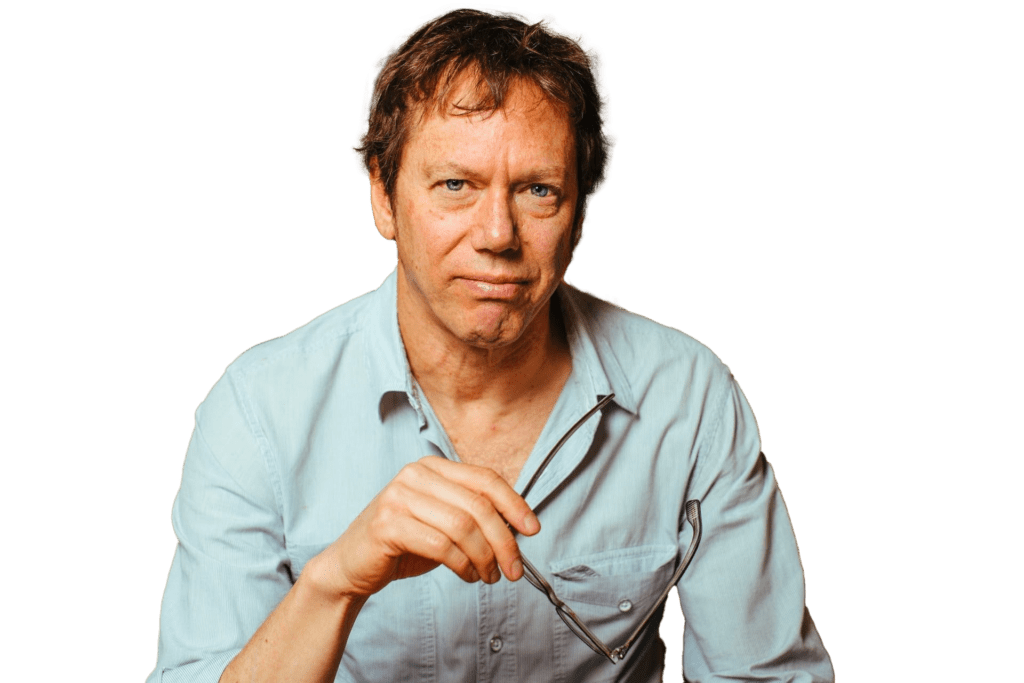
Robert Greene (American author, wrote seven international bestsellers, received his degree from University of Wisconsin-Madison in classical studies.)
This is a long book that shows a breadth of understanding about the history of power. How power and influence is acquired and wielded by human beings. Power and influence ranges from idealism to pragmatism to nihilism. In some sense, the “48 Laws of Power” is a study of emperors, courtiers, generals, con artists, and others who acquired power over others in history. What Greene reflects on is the social and human art of gaining and wielding power over other human beings. Whether one is low or high in the hierarchy of humanity, the general key to having power according to Greene is “never outshine superiors” but “always court attention that gains either respect, influence, or control of others”.
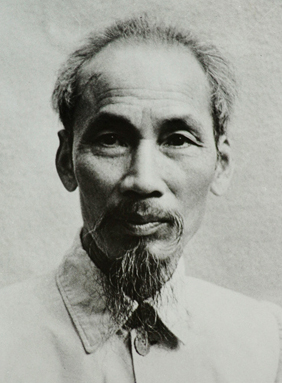
STALIN MAO ZEDONG (1893-1976)ING FATHER OF PEOPLE’S REPUBLIC OF CHINA)Kim Jong-un (CURRENT -DEAR LEADER-OF NORTH KOREA)
Greene brilliantly summarizes many characteristics of leaders in history to support his fundamental beliefs about power. He suggests all humans are primarily self-interested. One may disagree with that belief as a universal truth because there are many examples of social cooperation to achieve a common good or a stable system of governance. However, there is always a prime mover, a powerful person behind the scenes who drives the effort to succeed or fail.
Greene argues power is the result of interpersonal relationships. There is a great deal of truth in Greene’s analysis of power but from an institutional or organizational point of view, power is spread among departments’ leaders who report to a single leader. This is not to contradict Greene’s examples of interpersonal power but to temper belief that all power rests with one wielder of power. There is a great deal more to power than individual human manipulation. Organizations of the modern world are built around individual departments with singular powers beyond singular organizational leaders.
American Capital.
To give an example: regardless of who is President of the United States, there are Constitutional and legal systems that constrain his/her power. The bureaucracy of governance operates within rules set by law and precedent. In the case of business enterprise, shareholders, boards, and regulatory frameworks diminish the power of its executives. Further, even in the marketplace of business, capital limitation, supply chains, national platforms like Google, Amazon, and credit card companies have major influences on power exercised by any singular entity. Power in every human organization is also influenced by religions, social myths, and societal norms.
In this increasingly interconnected world, power has become impersonal, sometimes structural and emergent in ways that are non-intentional but significantly more powerful than one individual.
The weakness of the “48 Laws of Power” is that it fails to address institutionalized power that multiplies the power of individuals. A leader of a government or corporation works within a framework of historically developed departments that have their own powers and influences on public and private functions. The dynamics of power Greene explains apply within departments of government and corporations that go beyond the power of one leader.
This often leads to unintended consequences. ICE and Trump’s power are a current example of unintended consequence because of the murder of two Minneapolis American citizens who demonstrated against the President’s immigration policy. One doubts that the President of the United States wishes for the murder of American citizens who disagree with his immigration policies. However, power of the individual still matters as is demonstrated by today’s American President. Greene precisely explains how one person gains power over another despite a modern world that complicates individual power.
ICE murder of American citizens in Minneapolis who are protesting Trump immigration policy.
President Trump demonstrates his power over education, government employment, health and human services, birth control, and immigration policy. However, both good and bad government policy is magnified by Departments of Government that report to the President, i.e., bad policy coming from a President’s power is only made worse through implementation by subordinates who create their own power structures.
It is not that Greene’s analysis of power is wrong but that it applies to individual relationships without addressing distortions of power exercised by departments of business and government that have developed their own hierarchies of power.
One doubts any President of the United States who orders elimination of illegal immigration wishes to have ICE agents murder American citizens. This is not to absolve President Trump but to suggest the ICE employees on the ground bare the weight of two unjustified murders in Minneapolis.
Greene’s explanation of power is spot on, but it is about every person’s rise to power, not the reality of one leader’s power. Organizations are made up of many other managers using the same laws of power as their presumed superior. The end result is a level of unintended consequence. Or as Lord Acton noted: “Power tends to corrupt, and absolute power corrupts absolutely”. President Trump exemplifies that truth.