Serpell has written an excellent review of Morrison’s work as a novelist. It illustrates the great power and importance of literature to reveal an understanding of ourselves and humanity.
Books of Interest Website: chetyarbrough.blog
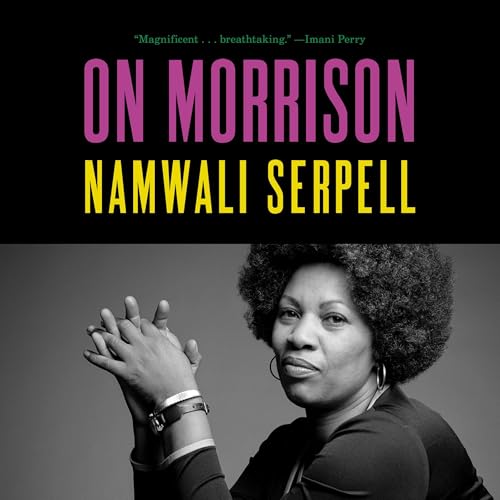
On Morrison
Author: Namwali Serpell
Narration by: January LaVoy
Namwali Serpell (Author, Zamian/American, professor of English at Harvard.)
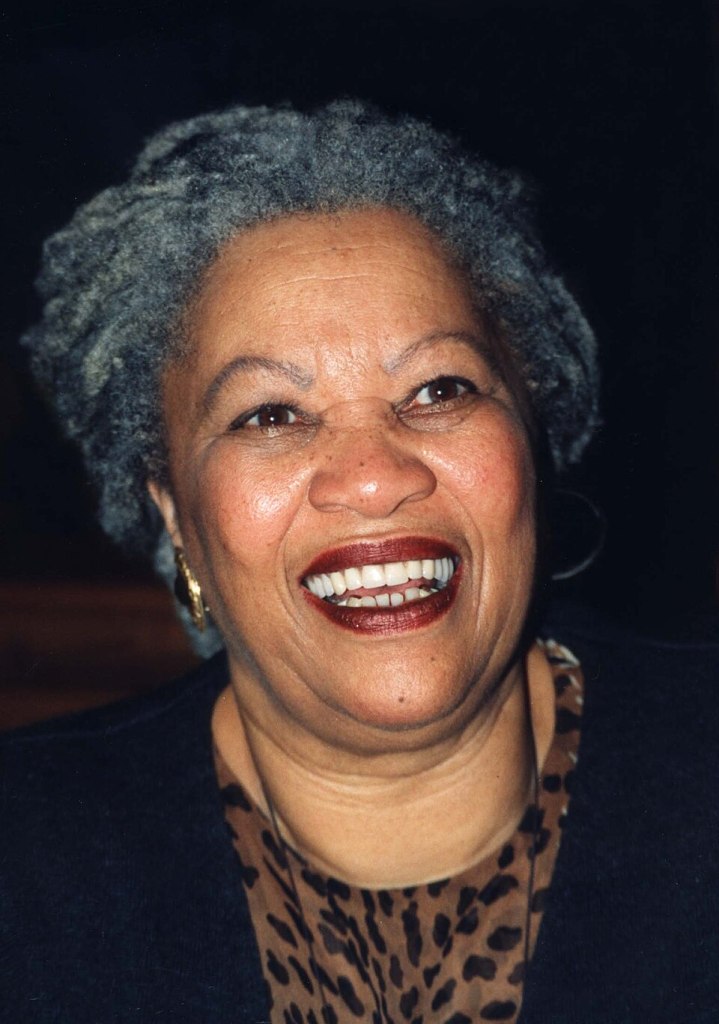
Ms. Serpell has written an insightful and informative review of Toni Morrison’s written works. Morrison died on August 5, 2019. She was awarded the Nobel Prize in Literature in 1993. She also won a Pulitzer Prize for “Beloved” in 1987. Morrison graduated from Howard University in 1953 and received a master’s degree in American Literature from Cornell in 1955. Her writing is partly about racism in the United States, but her story telling is about human beings, regardless of their race.
Toni Morrison (1931-2019, American novelist, professor of literature, and editor.)
Serpell explains how one can understand the brilliance of Morrison as a writer of great fiction. Morrison’s reading of literary classics is a part of her success as a writer. Serpell’s explanation of the many allusions in Morrison’s books show how brilliant both Serpell is in her understanding of literature and Morrison’s success as a literary Nobel Prize winner.
Tolstoy and Morrison are among the great writers of their times
What comes through to this critic is how ignorant one can be about what makes a writer great. Morrison is a writer that in someways removes the color of one’s skin from society by creating stories that are true about every American today. The story in “The Bluest Eye” of a father who rapes and impregnates his own daughter is an appalling truth about world gender discrimination and human degradation. It illustrates the brutality and inequality of gender discrimination in society. Societal inequality is not just about the color of one’s skin but in the false belief of racial and gender superiority.
Serpell reveals the many allusions to classic literature in Morrison’s work. From Shakespearean drama to the modern literature of Eliot and Joyce, Morrison draws on behaviors, and social strategies that shape her stories. Morrison gives the same depth to Black life as all human life. Serpell shows Morrison draws on singular heroes and forces that have driven the characters of other famous and successful writers.
Morrison’s Published Books
The Bluest Eye (1970)
Sula (1973)
Song of Solomon (1977)
Tar Baby (1981)
Beloved (1987)
Jazz (1992)
Paradise (1998)
In the last chapter of “…Morrison”, Serpell visits a memorial to Morrison. Serpell explains that reading Morrison is like developing a relationship with her. The author notes Morrison did not shy away from the truth of discrimination. She explains Morrison looks at monuments to discrimination like the statue of Robert E. Lee in Richmond, VA. and believes they should be left in place to remind society of stories that show how unjust inequality is to humanity (the statue is removed in 2021). Morrison is shown to be a great Black writer with a clear understanding of what it is to be an American.
Toni Morrison Memorial.
Interestingly, Serpell is highly critical of Morrison’s poetry. Serpell suggests Morrison has great poetic power in her prose but fails when she tries to write poetry. (Not being a follower of poetry, this reviewer is no judge.) What one can read in Morrison’s prose shows an imaginative density that seems the equal of what people say about poetry. It is somewhat surprising that Morrison could not be a good poet. In any case, Serpell has written an excellent review of Morrison’s work as a novelist. It illustrates the great power and importance of literature to reveal an understanding of ourselves and humanity.
Until equality of opportunity is somehow politically assured, human nature will always victimize those who are different.
Books of Interest Website: chetyarbrough.blog
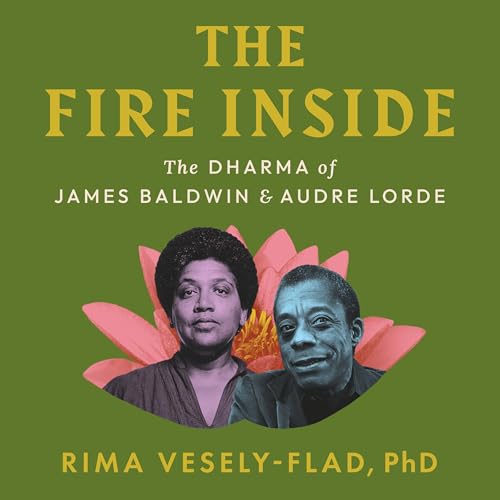
The Fire Inside (The Dharma of James Baldwin and Audre Lorde)
Author: Rima Vesely-Flad Ph.D.
Narration by: Heni Zoutomou
Rima Vesely-Flad (Author, Buddhist and Black History scholar with a Ph.D. in Social Ethics.)
The premise of Vesely-Flad’s book is somewhat misleading because its cover highlights James Baldwin and Audre Lorde while much of the text is a biography of Rima Vesely-Flad. “The Fire Inside” does address beliefs of James Baldwin and Audre Lorde but it is the dimension of black life in America that is the book’s subject. A large part of the story is the author’s life as a woman born to a white mother and black father. Vesely-Flad explains her grandparents were offended by their granddaughter’s birth because of her having a Black father.
The beliefs and fame of James Baldwin are reported in many books written about him and by him. Audre Lorde and Vesely-Flad, on the other hand, are not well known to the general public. Lorde’ and Vesely-Flad’ stories are gender versions of Baldwin’s story.
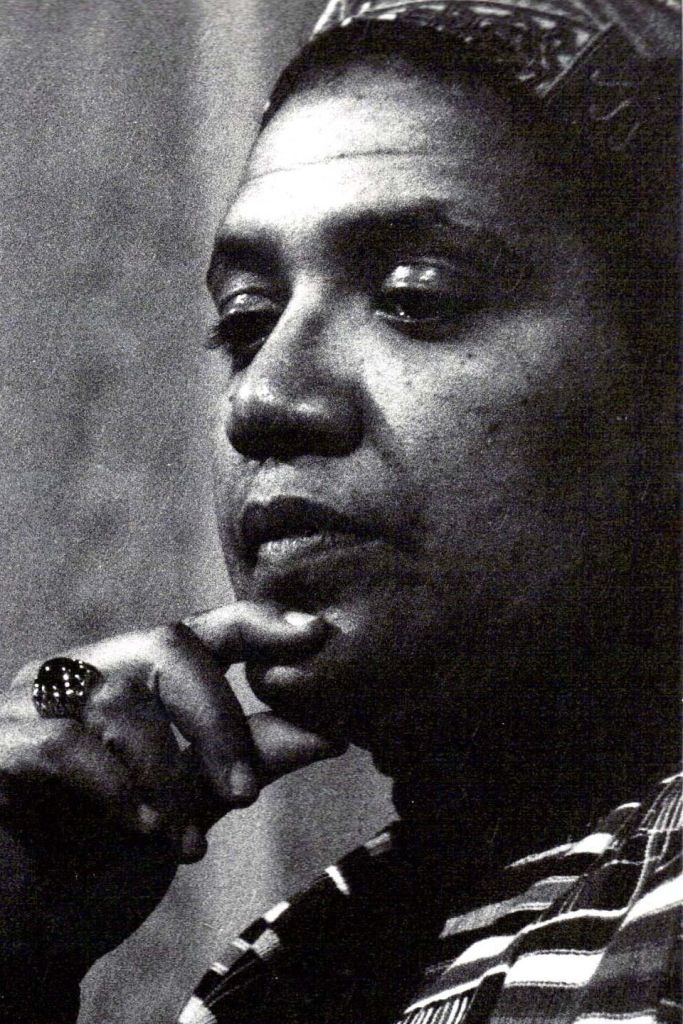
Audre Lorde (American writer, professor, philosopher, feminist, poet, and civil rights activist.)
Ms. Lorde was born in 1934 to Caribbean immigrant parents from Grenada. She became a poet who wrote about racism, structural oppression, sexism, and sexual orientation. A book of her poems was first published in 1968, and she became a National Book Award winner in 1988. She was an active participant in the women’s movement, civil rights, and LGBTQ liberation. A famous line which became a rallying cry Lorde created is “Your silence will not protect you”. Her beliefs are about the majority of people in America and their power. She argues–the American white majority should confront the truth of who they are, and how society represses those who are non-white. This is the theme that fits the reputations of Baldwin and Vesely-Flad in “The Fire Inside”.
“Go Tell It on the Mountain” is an autobiographical view of life and growth to manhood as a Black child raised in Harlem. It took ten years to write but became Baldwin’s most famous book. It released Baldwin from the ghost of his stepfather’s cruelty and set the stage for his exploration of race, religion, sexuality, and personal identity.
As a bibliophile, one is drawn to “The Fire Inside” because of the picture of Baldwin on its cover. Many who have read Baldwin’s work are drawn to this book because of his fame and writing about American racism. The stories of the author’ and Lorde’s lives reinforce much of what one has read in Baldwin’s books.
The author of “The Fire Inside” follows and considers herself a Buddhist. Neither Baldwin nor Lorde were Buddhists, but Vesely-Flad argues they followed many Buddhist beliefs by confronting and clarifying suffering in America. They exposed the illusions of ego, fear, and domination which are goals of Buddhism. Like Buddhists, the author argues Baldwin and Lorde insisted on liberation of the personal, political, and spiritual beliefs of the individual.
Vesely-Flad explains both Baldwin and Lorde are gay. Black Americans who believe in their right to be as they are should not be challenged by the political, spiritual, and religious beliefs of society. The point they make is that one’s inner life is their own. As long as one is not using anger, discrimination, or power to oppress others, they have an equal right to their personal life, liberty, and opportunity.
Vesely-Flad’s idealization of life and liberty exists nowhere in the world because of human nature. One is drawn to religions like Christianity, Protestantism, and some would argue Buddhism, but in practice we all remain trapped by human nature and become discriminatory. Vesely-Flad’s story of her life and experience have the same social ugliness that is known of Baldwin’s and Lorde’s lives. Until equality of opportunity is somehow politically assured, human nature will always victimize those who are different.
John Green explains in “The Anthropocene Reviewed” that learning how to cope with life when its hard or joyful is what it is to be human.
Books of Interest Website: chetyarbrough.blog
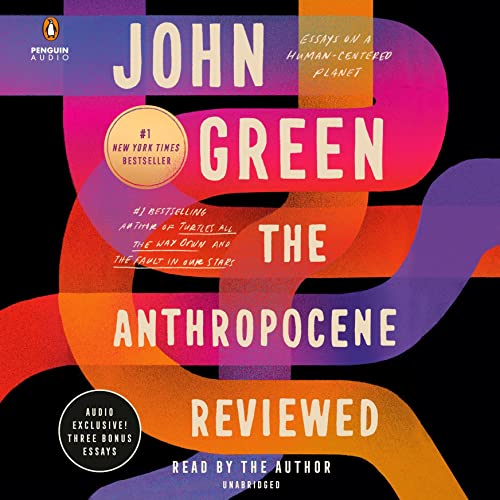
The Anthropocene Reviewed (Essays on a Human-Centered Planet)
Author: John Green
Narration by: John Green
John Michael Green (Author, Indianapolis native, raised in Florida, now living in Indianapolis, graduated from Kenyon College, with degrees in English and religious studies.)
“The Anthropocene…” is a clever series of essays that reveal a biography of John Green’s beliefs and how they have been affected by the world. Born in Indianapolis, he is raised in Florida and returns to Indianapolis when his wife is offered a job as an Art Director. These essays are drawn from his life experience, candidly revealing beliefs about himself and human activities that shape the earth’s climate, ecosystems, and geological processes. Green writes about his understanding of the diversity of things ranging from cosmic events like Halley’s comet to his obsessive consumption of Diet Dr Pepper. Along the way, Green reflects on the big and small events of life that reflect on many Americans lives.
Defining anxiety in oneself.
Green appears to be more anxiety driven than most people. His growth as a writer is shown to be related to his childhood memories, his personal illnesses, and his life encounters. That seems true for all human beings which is why his essays appeal to listener/readers of his famous stories like “The Fault in Our Stars” and “Turtles All the Way Down”. Of course, writing success in life, like all achievements, come with cost. Personal emotions and the environment in which we live shape our lives in good and bad ways. Greens self-analysis reflects on his anxieties, vulnerabilities, and wonderment. He writes of close relationships that helped him get through his school years. His illnesses are partly brought on by anxiety and depression which are not uncommon in any society. The difference is that Green is able to write about them with candor and humor to make reader/listeners more comfortable with their own experiences.
Life is life.
What Green reminds this listener of is a saying that my daughter hates to hear. “Life is life”. We deal with life in our own way, i.e., colored by who we are from our genetic inheritance, our personal strengths and weaknesses, and the way we deal with the circumstances in which we live. Green creates a 5 star rating system for experiences in his life. Histories of the bubonic plague and the world’s most recent experience with the covid pandemic receive 1 star. Natural sunsets, the song “You’ll Never Walk Alone”, and the Lascaux ancient cave paintings get 5 stars in Green’s opinion. These ratings are Green’s way of explaining suffering, healing, and the beauty of art in our lives. The beauty of nature, civilization’s artful adaptation, the closeness of family, professional help, and music have helped him cope with anxiety and depression. They also show what he finds beautiful, what he fears losing, and what he believes is worth saving.
What is the meaning of life?
The depth of a person’s feelings are not the same for all human beings, but we all have a rating system for what life means to us. Humans need to understand they are not alone in happiness or sorrow. John Green explains in “The Anthropocene Reviewed” that learning how to cope with life when its hard or joyful is what it is to be human.
The story of McCandless’s life is that meaning in life comes from people and nature, not one or the other but both.
Books of Interest Website: chetyarbrough.blog
Into the Wild
Author: Jon Krakauer
Narration by: Philip Franklin
John Krakauer (Author, mountaineer, raised in Corvallis, Oregon.)
The main character in “Into the Wild”, tuned in and dropped out. His “tune in” is not to drugs but a wish to understand the meaning of life. Christopher Johnson McCandless chose, after graduating from Atlanta, Georgia’s Emory University, to live off the grid of society, i.e. particularly capitalist society. His degree is a BA in history and anthropology. McCandless chooses to drive around the country, working at dead-end jobs to sustain himself until he finds a place to live in a natural habitat, without the aid of society which he believes keeps him from understanding the meaning of life. He began a “walk about” from Georgia with a plan to explore survival in the frigid wilds of Alaska. McCandless kept a journal of his search for life’s meaning. His journal became the guiding source for Jon Krakauer’s book about McCandless’s brief life.
Christopher Johnson McCandless (1967-1992, died at the age of 24.)
The McCandless family picture with Christopher either before or after enrollment at Emory University.
McCandless came from a solidly middleclass family but rejected capitalism defined by the desire for money, power, and/or prestige. He obviously loved the outdoors and wished to explore the possibility of living off the land with whatever nature had to offer. McCandless rebels against capitalist beliefs when graduating from college. He begins a search for the meaning of life beyond the principles of a capitalist society. He sought understanding by experiencing the attractions and dangers of the American wilderness. McCandless wishes to be free of materialism, his familial relationships, and the conventions of a middleclass capitalist life.
(One wonders if McCandless’s story is part of today’s rising homelessness with people living in tents, sleeping in business doorways and on sidewalks of American cities? Are Americans becoming disillusioned with capitalism because the gap between rich and poor is rising and pushing the middleclass into poverty? Some argue the cost of living is climbing faster than the wages of employment.)
McCandless graduation form Emory University in Atlanta Georgia.
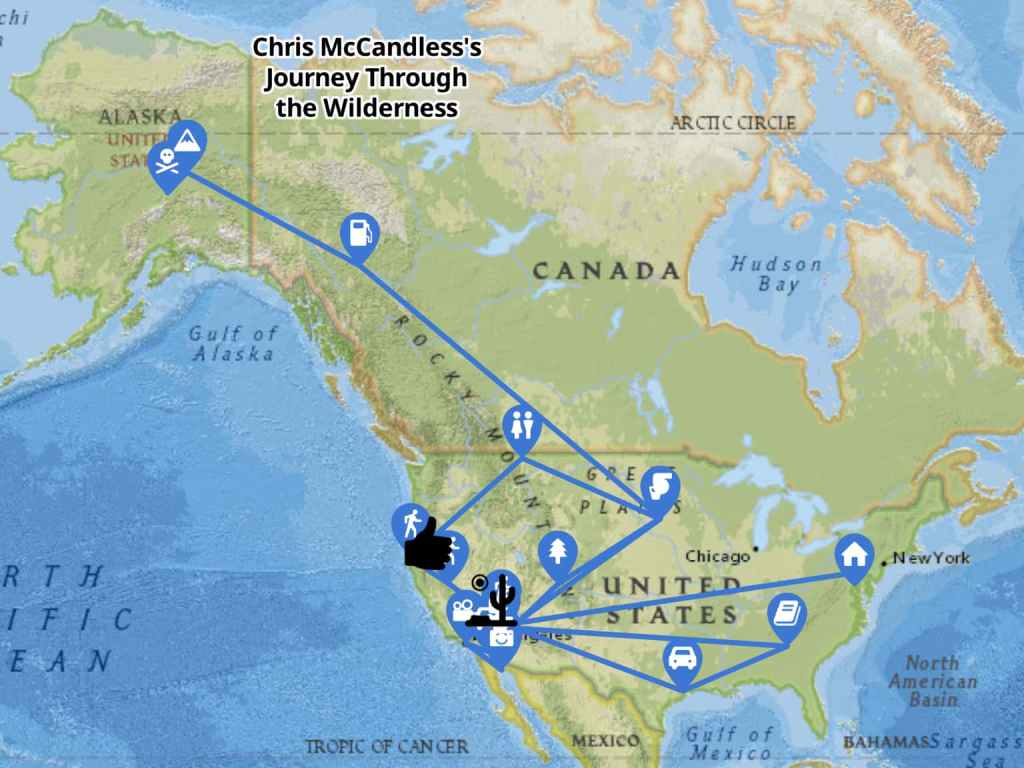
With a BA in history and anthropology, McCandless graduates from Emory in 1990 and leaves Atlanta, heading west. Rather than look for a job or extending his education, he donates his savings to charity, cuts off communication with his family, and journeys to the west in a 1982, B210, Datsun. He heads southwest, traveling to Alabama, Mississippi, Louisiana, Texas, and New Mexico. He spends some time in Arizona with odd jobs and becomes stranded when his Datsun is disabled by a flood. He hitchhikes to California via Las Vegas, goes through South Dakota with his determined destination being Alaska in 1992. Nearly two years have passed since graduating from Emory.
Map showing McCandless’s two years of travel from the East to the West, mid-West, and on to Alaska.
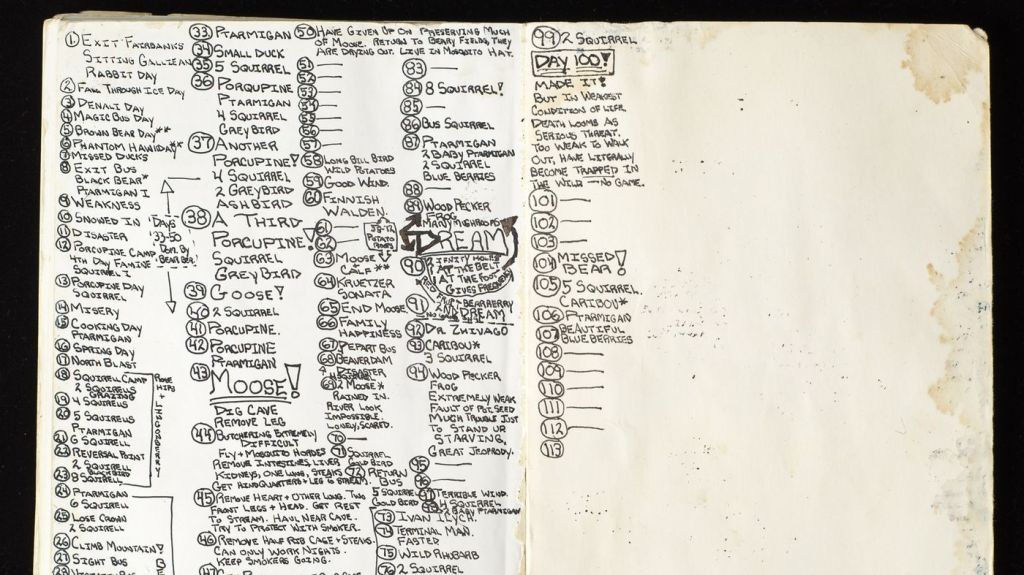
McCandless kept a journal of his travels. The author, John Krakauer, interviews some of the people McCandless meets and/or works for that are noted in his journey. All say he was a nice person and hard worker who dependably showed up for work. However, one employer noted he had to be told to take a shower and wear socks when he came to work at their fast-food restaurant. McCandless was obviously homeless and had no shower facilities in which to bathe. He reluctantly complied as best he could but soon left to find his way to Alaska.
Sample of McCandless’s journal when he called himself Alex Supertramp.
McCandless arrives in southern California. He meets an older (80 something) American named Ronald Franz, a leatherworker, who tries to convince McCandless to give up his wandering life. They become friends but McCandless leaves Franz without saying goodbye as he heads north. The importance of their relationship is shown in a letter sent to Franz by McCandless that explains his inner conflicts. McCandless explains his need for independence and the freedom it gives him to personally connect with himself. By abandoning materialism, wealth, and social expectations, McCandless believes it makes him free. The tension created by McCandless’s belief in social isolation versus human relationship is expressed in his letter to Franz. Being alone is no answer to the conflict one feels toward their family or those who are part of society. Part of one’s identity, belief in who they are, and belief in oneself is reinforced by other people, not in wilderness isolation. This is a lesson of life that McCandless refuses to see or understand. The well-known poet, John Donne, recognizes “No man is an island”. All humans are interconnected which is a truth McCandless refuses to see.
McCandless dies in a Fairbanks city Transit bus he used as a shelter in Alaska. John Krakauer speculates on the cause of death being inadvertent poisoning from eating potato seeds because of McCandless’s hunger, emaciation, and lack of nourishment. If there is meaning in life, McCandless search and isolation is in vain. The story of McCandless’s life is that meaning in life comes from people and nature, not one or the other but both.
Bogg’s biography of James Baldwin shows human beings should not be judged by their racial identity or sexual orientation.
Books of Interest Website: chetyarbrough.blog
BALDWIN (A Love Story)
Author: Nicholas Boggs
Narration by: Ron Butler
Nicholas Boggs (Author, born in Washington D.C., a civil rights activist, raised in Cleveland as the son of a civil rights lawyer who was also a music teacher. Received a BA from Yale and PhD in English from Columbia University.)
Nicholas Boggs shows why his biography of James Baldwin is “A Love Story”. Baldwin’s difficult life as a young Black American raised in Harlem offers speculative insight to homosexuality and racism. Baldwin grew up with a stepfather he feared. His stepfather was a stern, authoritarian, and abusive man who worked as a Pentecostal preacher who “raised” James from the age of two or three. His stepfather is said to have beaten him, told Baldwin he was ugly and would never amount to anything. His stepfather died in 1943 when James Baldwin was 19 years old, James became caregiver for his mother and eight siblings.
Treavor Noah’s autobiography writes of his abusive stepfather.
As a voracious reader of books and early sexual liaisons, Baldwin leaves Harlem to go to Paris.
As a 24-year-old, Baldwin scrapes enough money together to travel to Paris where he grew to become a great writer, not just another Black American. Despite a stepfather who disliked white people, James grew to overcome physical and mental abuse through belief in God in his youth and belief in humanity as an adult.
In Paris, the 24-year-old Baldwin falls in love with a white 17-year-old youngster who influences his life with experiences that lead to his success as a writer. Lucian Happersberger and Baldwin become life-long friends.
Lucien Happersberger and James Baldwin in their youth.
Having lived in the household of a Pentecostal Preacher, James initially chose to become a preacher. But, at the age of 17, he left the pulpit and rejected belief in God. Boggs infers Baldwin’s pursuit of literature replaced his belief in God because Christianity sanctifies rather than condemns racism. He felt the church was limiting and dogmatic. His stepfather embodied a religion of fear and bitterness that his stepson would not accept.
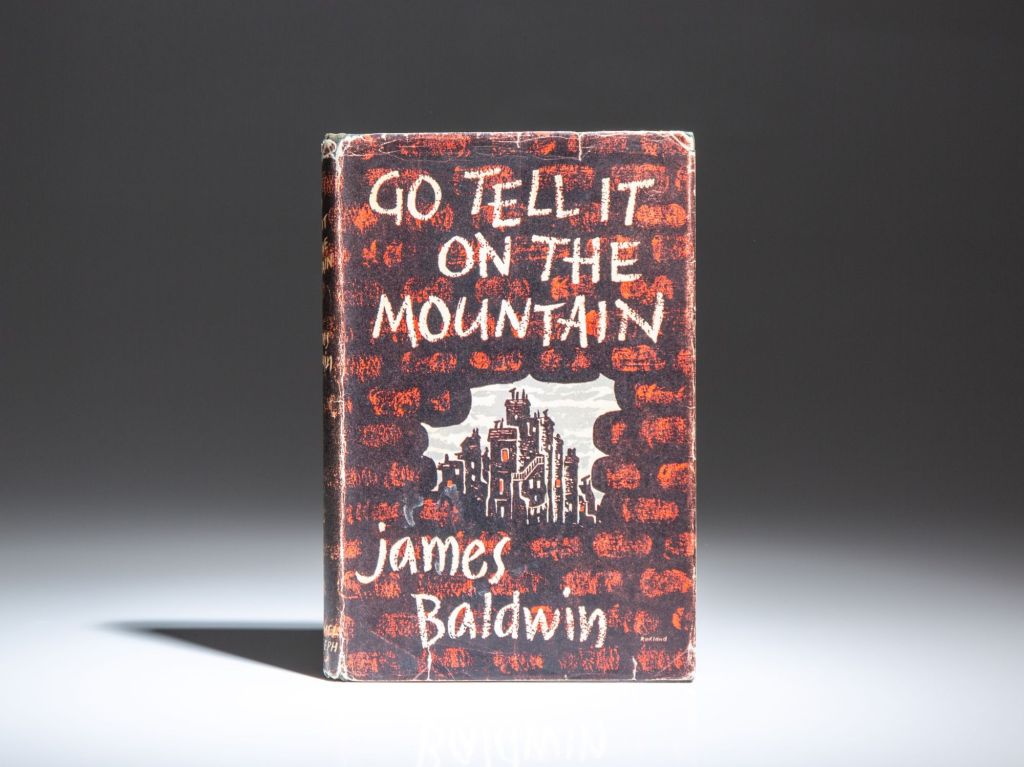
The themes of “Go Tell It on the Mountain”, Baldwin’s first published book, is about faith, religion, sin, morality, race, racism, gender, patriarchy, and one’s search for identity.
“Go Tell It on the Mountain” is an autobiographical view of life and growth to manhood as a child raised in Harlem. It took ten years to write “…the Mountain”. It released him from the ghost of his stepfather’s cruelty and set the stage for his exploration of race, religion, sexuality, and personal identity.
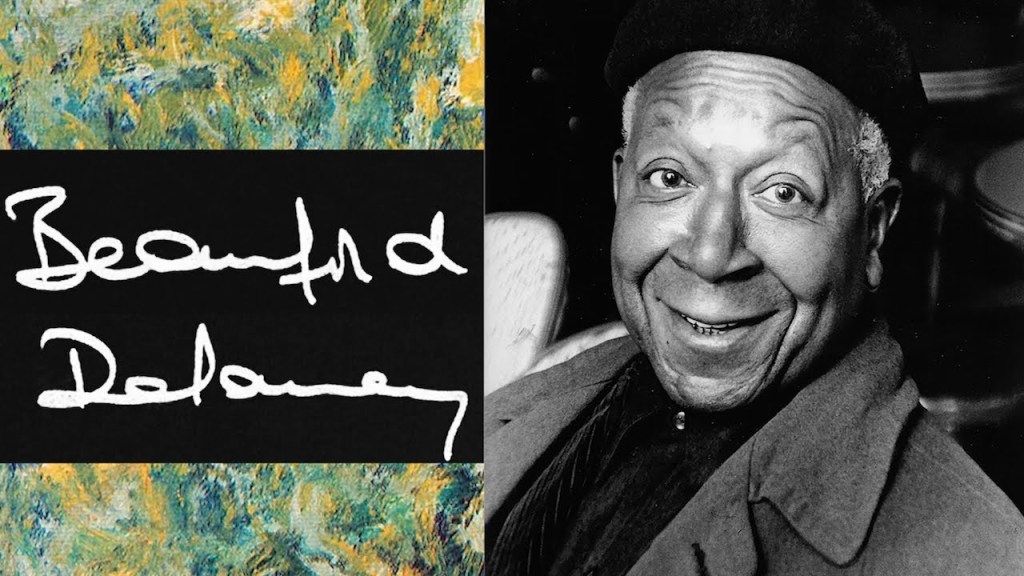
Beaufort Delaney (Artist who befriended and became a mentor to James Baldwin.)
Boggs identifies four men that had the greatest influence on Baldwin’s life. His mentor becomes Beauford Delaney, a gay Black American painter he met when he was 16 years old. Delaney was 39 when he met Baldwin. Delaney became a major figure in American modernist painting and the Harlem Renaissance in the 1930s and 40s. He introduced Baldwin to life and encouraged him to become an artist. Delany’s homosexuality helped Baldwin deal with his race and sexual orientation. He helped Baldwin believe in himself and put him on a path toward becoming a literary artist. They were friends for forty years when Delaney died in 1979. Baldwin died 8 years later, acknowledging Delaney as his mentor and guide through his tumultuous life.
Lucien Happersberger (On the far left of James Baldwin.)
The success of “Go Tell It on the Mountain” confirmed Baldwin’s reputation as a writer. Baldwin found truth in the books he read and the life he began to live in Paris. At the age of 24, Baldwin left his family in Harlem to become a writer in Paris. In Paris he falls in love with Lucien Happersberger, a 17-year-old white bisexual who became more relevant to his life than the fire and brimstone of religion. Baldwin grew to believe in the underlying equality of all human beings regardless of the color of their skin or their sexual orientation. His journey to this understanding is what makes the biography the “…Love Story” of Baldwin’s life. Though Lucien and Baldwin remain lifelong friends, Lucien chooses to marry an actress in 1964 which ends Baldwin’s romantic relationship but not Lucien’s outsized influence on his life.
An ironic vignette in Boggs story is Baldwin meeting Richard Wright in America, and later in Paris. Wright’s published book “Native Son” made him famous. “Native Son” is published in the 1940s. The main character in Wright’s book is Bigger Thomas, an impoverished, unemployed, African American, 20-year-old living in a 1930’s Chicago ghetto. He lives with his mother, sister, and brother in a rat infested one room tenement, owned by a wealthy family that is about to offer him a job. Though Baldwin admired Wright’s achievement, he felt “Native Son” identified Bigger Thomas (Wright’s main character) as a symbol of oppression rather than a fully realized human being. This is an interesting insight to what Baldwin does in “Go Tell It on the Mountain”. Baldwin introduces more complexity to the Black experience of life. I’m not sure either Boggs or Baldwin are offering a fair assessment of “Native Son” because Wright clearly shows the environment in which Bigger Thomas lives. Any human being raised in Bigger Thomas’s circumstance is likely to be emotionally challenged and unbalanced.
Richard Wright (Author of “Native Son”)
History shows a rift is created between Wright and Baldwin because of Baldwin’s criticism. To this reader/listener, both are great writers of what is wrong with white or any dominant sexually or racially dominant society.
Baldwin’s abusive domineering stepfather and submissive mother.
Boggs explains why Baldwin’s biography is “A Love Story”. The cruelty of his stepfather drove Baldwin away from belief in God to a love for humanity. One wonders what his stepfather’s cruelty may have had to do with Baldwin’s sexual orientation. The artist, Beaufort Delaney, offers a refuge to Baldwin from his stepfather’s cruelty and helps him reconcile to his sexual identity and a belief in all humans’ equal rights. Lucien helped Baldwin understand love, intimacy, and the equality of human beings. Lucien decides to marry an actress in 1964 but remains a lifelong friend to Baldwin.
Boggs’ biography of Baldwin shows sexual orientation is not, and should never be, a crime. One cannot know what makes a person homosexual, bisexual, asexual, or heterosexual. Bogg’s biography of James Baldwin shows human beings should not be judged by their racial identity or sexual orientation.
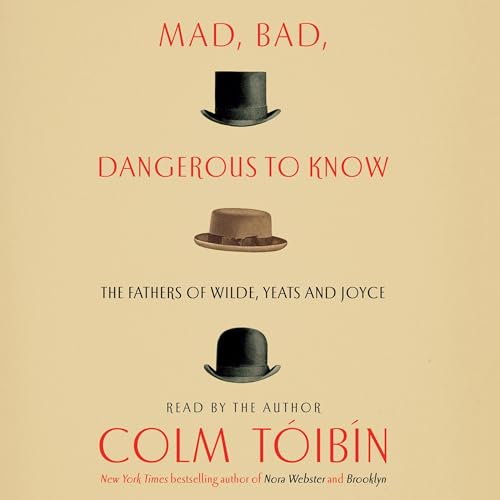
William Wilde, Jane Wilde, and John Stanislaus Joyce fit the description of “Mad, Bad, Dangerous to Know”. However, John Butler Yeats seems somewhat less dangerous while contributing to the life and intellectual development of W.B. Yeats.
Books of Interest Website: chetyarbrough.blog
Mad, Bad, Dangerous to Know
Author: Colm Tóibín’s
NarratedBy: Colm Tóibín
Colm Tóibín (Author, Booker Prize winner in 2006, journalist, essayist and short story writer.)
“Mad, Bad, Dangerous to Know” as an audiobook is a bit difficult to understand because of Colm Tóibín’s Irish accent but as one adjusts to its cadence and inflexion, it offers interesting information about the families of Oscar Wilde, W.B. Yeats, and James Joyce.
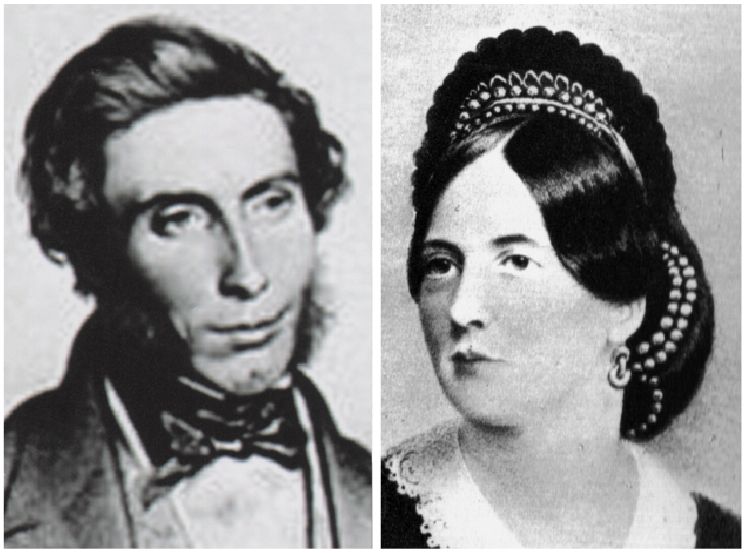
William and Jane Wilde (Parents of Oscar Wilde.)
William Wilde, the father of Oscar, is an important figure in Victorian Ireland. He was a renowned eye-and-ear surgeon who aided the medical profession by compiling statistical information about diseases and mortality of medical treatments as a gauge for human health. His wife, Jane Wilde (pen name-Speranza) was a nationalist poet and political writer. Some characterized her as a radical in comparison to her establishment husband.
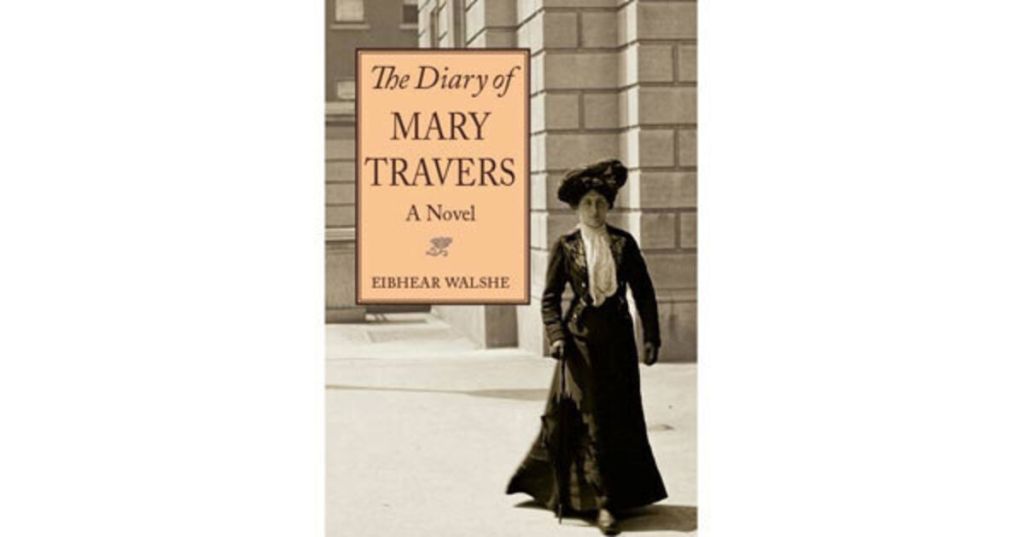
Jane Wilde’s husband is accused of sexual misconduct in the treatment of a young female patient in his practice. Mary Travers had accused Dr. Wilde of drugging and seducing her when seeking help for a medical problem. Dr. Wilde is indirectly drawn into court to settle a lawsuit filed by the female patient’s father because of a publicly exposed letter by Jane Wilde about Ms. Travers. The court finds that Dr. Wilde’s wife libeled Ms. Travers in a publicly exposed letter that criticizes her sexual assault claim. The court found Jane Wilde guilty of libel and awarded Travers a symbolic sum of 2 pounds for public humiliation.
In the 19th century, Eibhear Walshe writes a book about the trial brought against Jane Wilde for libelous comments about the sexual abuse of Ms. Travers.
Though Oscar’s father never faced criminal prosecution, his reputation and standing in the community declined. Despite the blow to Dr. Wilde’s reputation, Tóibín argues Ireland’s medical profession benefited from William Wilde’s statistical analysis of medical practice in 19th century Ireland. Nevertheless, the Travers’ trial infers gender discrimination was then and remains a serious problem in modern times.
The Travers’ trial reminds one of gender discrimination in modern times.
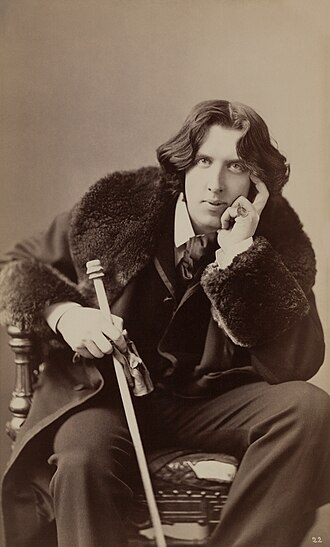
Oscar Wilde (1854-190o, the son of Dr. Wilde and Jane Wilde died at the age of 46, Oscar Wilde was an Irish author, poet, playwright who wrote “The Picture of Dorian Gray”. He became famous in London and around the world, convicted in 1895 for gross indecency for homosexual acts.)
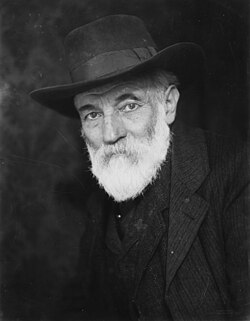
John Butler Yeats (1839-1922, W.B. Yeat’s father.)
The next family examined by the author is John Butler Yeats. Little is said about J.B.’s mother but his father was an aspiring portrait artist. This is an equally interesting story. J.B. is characterized as an artist but with a gift of gab and an interesting philosophy of life. John Butler Yeats is identified as a procrastinator that often started painting a portrait but as often failed to finish it. He and his wife had four children, i.e. two girls and two boys. Each contributed to Irish cultural life. Jack, their first son, became one of Ireland’s most celebrated painters. He also illustrated books and wrote plays and novels. He painted in the expressionist style. Susan Mary Yeats was a leader in the Arts & Crafts movement in Ireland. She co-founded the Cuala Press that published works by W.B. and other writers. She helped revive Irish decorative arts but was overshadowed by the brothers. Elizabeth Yeats was a co-founder of the Cuala Press. A little research shows the children had some formal education but as Tóibín suggests, with the exception of W.B.’s formal training at the Metropolitan School of Art in Dublin, the other 3 children were largely self-trained in art, writing, and Irish crafts.
Tóibín shows W.B. had a somewhat rocky relationship with his father when he was younger, but it evolved into a respect for his father’s philosophical view of the world.
When his father lost his wife, he chose to move to New York. Tóibín explains John Butler Yeats was more than a portrait artist. Though he was undisciplined in completing his artistic works, he scraped by with the help of his children’s support. John Yeats had attended Trinty College in Dublin studying the Classics and Law. He used that education to write letters to his children and friends after he moved to New York. The author infers some of W.B.’s poetry is based on ideas gleaned from his father’s philosophical musings. Tóibín notes several books have been published that compiled many of W.B.’s letters.
Rosa Butt portrait painted by J. B. Yeats.
Tóibín characterizes John Butler Yeats as emotionally and financially unreliable but a deeply influential father in W.B.’s life. J.B. exposes W.B. Yeats to the aesthetic and intellectual currents of the time. Tóibín infers J.B. had an extramarital affair with Rosa Butt. Ms. Butt was an acquaintance J.B. made when he painted a portrait of her in his studio. J.B. wrote many letters to Ms. Butt that reflect on his emotional attachment. However, he never returns to Ireland despite many intimations that he would. John Butler Yeats dies on February 34, 1922, in New York City. He was 82 years old, living in a boarding house at 317 West 29th Street. As true to his habits in life, he is said to have died with an unfinished self-portrait beside his bed. He is buried in Chestertown Rural Cemetery in Chestertown, New York.
James Joyce, leaning on his mother, with his father at the right (John Stanislaus Joyce).
John Stanislaus Joyce (1849-1931, died at the age of 82
The final chapters of Tóibín’s book are about James Joyce’s family. His father is John Stanislaus Joyce. Tóibín suggests James had an ambivalent opinion of fathers and particularly his own father. John Joyce is characterized as an abusive, alcoholic husband, and incompetent manager of his inheritance. With ten children and a wife, John Joyce loses his inheritance and effectively drives his son away from Ireland. James is the oldest, born in 1882. Tóibín explains that his voice and personality are ever present in James Joyce’s famous characters in both “Ulysses” and “A Portrait of the Artist as a Young Man“. Both books take a dim view of fatherhood while exemplifying an erudite father who projects a “man about town” image. However, Tóibín shows John Joyce to be an incompetent money manager and abusive family man.
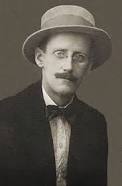
James Joyce (1882-1941)
In “A Portrait…” Stephen’s biological father is depicted as charming but irresponsible. Like James Joyce’s father, his main character’s father is financially unstable and an emotionally distant, abusive parent. In “A Portrait…” Stephen Daedalus is alienated and chooses a life independent of the Catholic Church because he views it like a surrogate father that imposes moral and spiritual authority without justification.
In “Ulysses”, James Joyces’s main character argues paternity is a fiction while maternity is merely a biological function. At best, one sees James Joyce is ambivalent about his dad. James experiences episodes of camaraderie when socializing with his father as a drinker and as a tenor singing partner. Both are supporters of Parnell, the Irish nationalist leader who supported Home Rule and independence from England.
Tóibín suggests James Joyce’s feelings about his mother are marked by guilt, presumably for not protecting her from her abusive husband but also because of her belief in God and patriarchal authority. In reading Joyce’s works, particularly “A Portrait of the Artist as a Young Man” and “Ulysses”, one can see James Joyce’s as a son of a loving, religious mother and abusive father who drank too much. James knew his mother loved him, but his father could not manage his or his family’s welfare.
May Murray Joyce (James Joyce’s mother, 1859-1903, died at the age of 44.)
William Wilde, Jane Wilde, and John Stanislaus Joyce fit the description of “Mad, Bad, Dangerous to Know”. However, John Butler Yeats seems somewhat less dangerous while contributing to the life and intellectual development of W.B. Yeats.
Details are certainly important as McCullough observes in “History Matters”, but truth in history seems dependent on the passage of time and details selected by histories’ scribes. Therein lies revisionist history which may or may not be the truth of history.
Books of Interest Website: chetyarbrough.blog
History Matters
Author: David McCullough & 3 more
NarratedBy: John Bedford Lloyd & 1 more
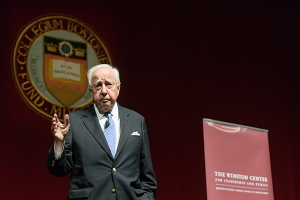
David McCullough (Two-time Pulitzer Prize winner for literature.)
As a tribute to David McCullough, his daughter compiled a list of several McCullough essays and public presentations. Though the readings are not narrated by McCullough, they illustrate his great range and understanding of history as a professional writer.
McCullough was 34 years old when “The Johnstown Flood” was released. Until then, he had worked as a writer for publications like the American Heritage magazine.
McCullough’s “History Matters” is a series of essays about famous people, books he has admired, and his success with historical biographies like “Truman”. McCullough’s first success was the story of the “Johnstown Flood”, published in 1968. After McCullough’s success with the “…Flood”, he became a full-time writer. He notes—without support of his wife, the idea of becoming an independent writer would have been impossible. The risk of unemployment and no regular check would have undoubtedly been on McCullough’s mind when he discussed it with his wife.
McCullough’s public presentations in “History Matters” are of speaking engagements at universities and various organizations that asked McCullough to address their professional interests.
With the success of his books, in the 1980s, he became a popular and sought-after public speaker. He frequently gave commencement addresses to Universities and Colleges, wrote and presented what he wrote to historical societies and museums. He occasionally addressed government bodies and civic groups arguing for historical literacy to preserve the institutions of American government. One of his most well-known narrations was of Ken Burn’s “The Civil War” on PBS’s American Experience in 1990. McCullough passed away on August 7, 2022, at the age of 89.
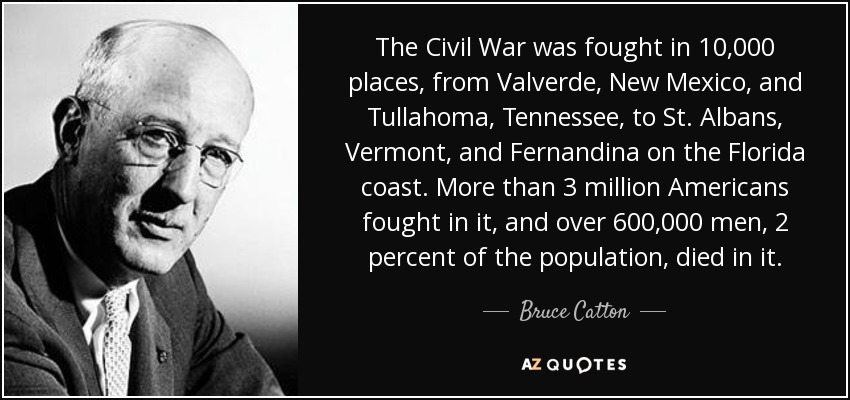
“History Matters” is a short book about a gifted writer who thoroughly researched his subject and wrote about the intimate details of history to give listener/readers the feeling they were “in the room”. He insisted on accuracy and clarity of what he wrote and advised writers to do the same if they wished to be historians. He cites the narrative power of Barbara Tuchman, Bruce Catton, and Paul Horgan as writers who vivified the dry analysis of history. The mix of history and fiction is blended by writers like these to give context to their audiences.
Like Caravaggio’s depiction of Saint Thomas’s doubt and faith in the resurrected Christ, McCullough argues historians must be relentlessly curious.
McCullough felt good historians had to see the world through the eyes and experience of their subjects to tell the truth of history. He argued good historians have to be relentlessly curious about the time of which they are writing. Without careful research and detail, the truth of history is lost.
To McCullough “History Matters” because it vivifies the past in ways that are forgotten and often taken out of the context of their time. He believed Tuchman, Catton, and Horgan practiced what he preached even though some (like me) would suggest even good historians change history of the past because of influences of the present. To minimize those influences, McCullough argues the details of history matter. Without details of the time when history is made, the truth can become distorted. McCullough infers admiring Washington, Lincoln, Grant, Roosevelt, Truman, and Presidents of this century without details of their time distorts the truth of history. From a book lovers’ perspective, this observation is two edged. Historians are human which suggests they have the same social blindness as everyone.
History is revised in every generation.
Abraham Lincoln, Ulysses Grant, Harry Truman and all Presidents have been vilified in their times and revised by future historians. Details are certainly important as McCullough observes in “History Matters”, but truth in history seems dependent on the passage of time and details selected by histories’ scribes. Therein lies revisionist history which may or may not be the truth of history.
Whether one is of a particular gender, good looking, unattractive, fat, thin, so on and so on, is superfluous. What is not different is we are all human. Murray infers that if leaders can keep humanness in mind, equality is the only thing that matters.
Books of Interest Website: chetyarbrough.blog
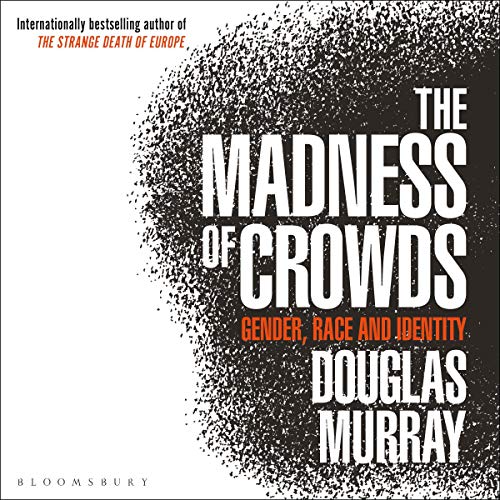
The Madness of Crowds (Gender, Race and Identity)
Author: Douglas Murray
NarratedBy: Douglas Murray
Douglas Murray (Author, Bristish political commentator, cultural critic, and journalist.)
All humans deserve equal treatment, rights, and opportunities. No known form of government achieves that ideal. Douglas Murray shows liberal and social democracies show concern about equality, while other forms of government don’t seem to care. What Murray argues is that western nations and educational institutions are not doing enough and what they are doing is maddeningly ineffectual.
Initially, Murray writes about gay rights which are not top of mind for many listener/readers.
However, the point is that sexual preference is a human right that harkens back to the age of ancient Mesopotamia (2000 BCE) and Greece (300 BCE). Mesopotamian law treated marriage as a legal contract. Men were allowed to have secondary wives or concubines with legal codes regulating inheritance rights. Women then, as now, were treated unequally. In Mesopotamia, marriage was tied to economic, social, and legal agreements to ensure social stability through male control. Interestingly, women had some legal rights in Mesopotamia while Greece was more patriarchal with limited legal independence for women. Mesopotamia artwork shows same-sex relationships existed, but contractual agreements in marriage were only for heterosexual relations.
In Plato’s time, legal codes in marriage were less important but social stability and male domination remained in both jurisdictions.
Ancient Greek history shows same-sex relationships were widely accepted but without any legal recognition like that required in heterosexual marriages. Same sex relationships go back to the beginnings of pictographic and written history. So, why is there so much Sturm and Drang about same sex relationships?
American democracy began a civil war in 1865 over the issue of slavery.
American democracy began a civil war in 1865 over the issue of slavery, passed the 14th Amendment in 1868 to provide equal protection for all, passed a Civil Rights Act in 1964 prohibiting discrimination based on race, color, religion, sex, or national origin, passed the Voting Rights Act in 1965, passed the Americans with Disabilities Act in 1990, and the Marriage Equality Act in 2015. Despite all of this history, in 2025, America continues to discriminate against same sex relationships and often violates the aforementioned laws. If a male or female wishes to have sex with a consenting person of the same sex, why should any American care? America has fought and died over equal rights for all Americans. It is maddening to keep reading about Democracies continuing violation of equal rights.
Murray offers numerous examples of protest in western society that reinforce his argument about the madness of crowds.
He reflects on Ivy League colleges like Yale and a small liberal arts college in Olympia, Washington where a crowd of students caused resignations of their professors. In 2015, a Yale faculty member questioned the university’s stance on culturally sensitive Halloween costumes. A crowd of students accused the faculty of failing to create a “safe space” because their professor raised the issue of identity as culturally insensitive. He and his wife who were professors at Yale chose to resign. In 2017, a professor objected to a campus event at Evergreen College in Olympia, Washington. White students and faculty were asked to leave for a day to highlight racial issues. The student protest against the professor for a “day off” event became a threat to his safety. He resigned. Murray’s point is that public discourse is increasingly driven by emotional reactions rather than reasoned debate.
Murray touches on the negative consequence of technology on the growing “…Madness of Crowds”. More than ever, the reach and size of crowds who object to human equality can spread social chaos. America experienced the power of technology with the attack on the Capitol on January 6, 2021.
The re-election of Donald Trump is a harbinger of a future where the emotion of crowds who have the right to vote is magnified by media paid for by the richest people in America.
Emotions of crowd-think distort the difficult and personal trials of people with gender dysphoria.
The myth of Tiresias embodies the truth that humans are different but equal.
Tiresias is a figure in Greek mythology that was punished by Hera, the wife of Zeus, to be turned into a woman after he struck two mating snakes. He remained a woman for seven years when he was changed back into a man by Zeus. Zeus and Hera debated on whether experience of sex as a man or woman was more pleasurable. Tiresias agreed with Zeus who believed women experienced greater pleasure and Hera struck him blind for siding with Zeus. The debate goes on with Murray noting it occurs in crowd emotion that refuses to deal with the facts of gender dysphoria. One thinks of the many people that struggle with gender identity and how difficult it must be to live life with one’s own confusion, let alone the stupidity of people’s emotional reactions.
And then there is the issue of race.
Nearly 50% of the world is classified as Caucasoid with the remainder of three racial categories being no more than 33.5%. Unique physical characteristics of race are hair color and texture, facial features, average height, eye color, blood type, and skin color. Of course, there are differences beyond these features within each racial group. Whether one is of a particular gender, good looking, unattractive, fat, thin, so on and so on, is superfluous. What is not different is we are all human. Murray infers that if leaders can keep humanness in mind, equality is the only thing that matters.
Márquez offers a vivid picture of Colombia’s twentieth century culture in “One Hundred Years of Solitude” but to this reviewer his failure to address Colombia’s lucrative cultural and world’ damaging drug industry is disappointing.
Books of Interest Website: chetyarbrough.blog
One Hundred Years of Solitude
By: Gabriel García Márquez
Narrated By: John Lee
Gabriel García Márquez,(Author, Colombian writer and journalist.)
“One Hundred Years of Solitude” is a fictional representation of the early history and 20th century modernization of Colombia. Those who are not particularly interested in Colombia’s history will listen/read Gabriel García Márquez’sstory because of the author’s skillful storytelling and the intimacies of Colombian culture, its political turmoil, violence during a civil war, and its consequent growth as a modern nation. In some ways it is like the story of America.
Márquez begins his book with the founding of Macondo, a fictional name for a village during the colonial period when the Spanish settled Colombia. Beginning as a small town, Macondo grows to become a city. Macondo represents the journey from isolation as a small town to a city that becomes a part of a vibrant South American country.
Macondo, a fictional village in Colombia.
The modernization of Colombia is addressed with the arrival of the railroad in Macondo that illustrates industrialization and the advance of Colombia’s economy. Macondo becomes a banana producing community that wrestles with the consequences of a civil war, unionization, and a growing economy. The brutality of industrialization is exemplified by the Colombian army’s killing of striking banana plantation workers in 1928. Of course, this is not unlike America’s 1932 Detroit’ Ford manufacturing plant killing of four workers by security guards and the Michigan police.
Colombia’s 50-year long civil war.
Colombia’s growth as a nation evolves with a mid-twentieth century civil war between liberals and conservatives. Márquez creates characters representing both sides of the civil war and their personal, as well as military lives. As is true of all wars, many innocents, as well as participant citizens, are indiscriminately and violently killed. Undoubtedly, a part of what makes the author’s story appealing to listener/readers is the sexuality of his characters. Sex in the novel ranges from close relatives’ intimacy to older women seductions of young men and young men’s seductions of both older and younger women, some of which are incestuous.
Colombian drug cartels are not addressed in Márquez’s story.
Márquez offers a vivid picture of Colombia’s twentieth century culture in “One Hundred Years of Solitude” but to this reviewer his failure to address Colombia’s lucrative cultural and world’ damaging drug industry is disappointing.
On the other hand, what author would want to take the risk of reporting on an industry noted for murdering those who expose its workings?
James Baldwin’s “The Fire Next Time” gives advice that resonates with the troubles of the world today.
Books of Interest Website: chetyarbrough.blog
The Fire Next Time
By: James Baldwin
Narrated By: Jessie Martin
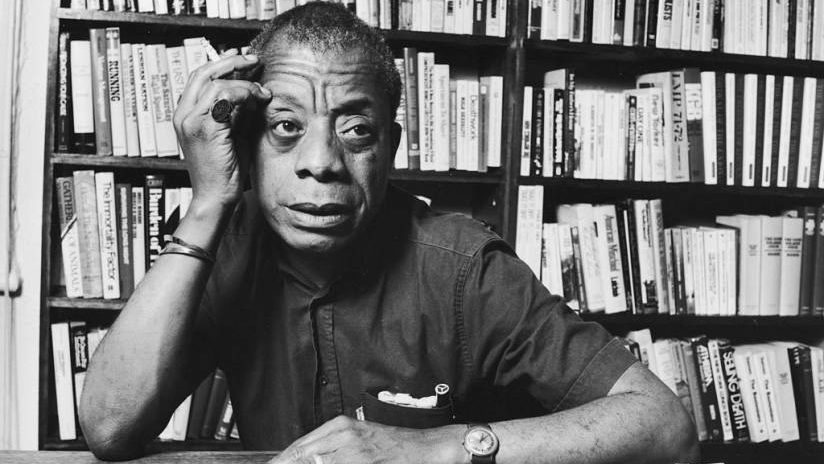
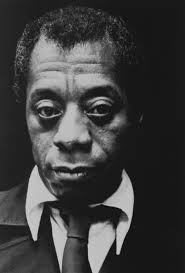
James Baldwin (Author, 1924-1987, African American writer and civil rights activist.)
“The Fire Next Time” consists of two brief essays by James Baldwin that are seminal works on the equality of all human beings. Published in 1963, the first essay is “My Dungeon Shook” which is advice to a young black American. The second, “Down at the Cross…” is a criticism of Catholic and the Nation of Islam religions.
The first is a message to Baldwin’s nephew about white America’s prejudice toward black Americans.
He is telling his nephew to reject white America’s stereotypical view of black Americans. Baldwin tells his nephew to embrace who he is as a human being, neither better nor worse, and to pursue life and living with the truth of his being.
RELIONS OF THER WORLD
“Down at the Cross” is a criticism of religion, particularly the Christian and Nation of Islam faiths. Baldwin argues that both diminish the truth of God by feeding the flames of anti-spiritualism and social inequality.
Baldwin argues through love and understanding of differences among religions and races, the divisiveness of inequality can be erased.
The fundamental point of Baldwin’s writing is that NOI offers a part of what black America needs by instilling self-respect and identity. However, he criticizes NOI’s separatism as counterproductive and extreme. Baldwin advocates love and understanding among all human beings.
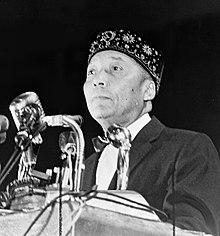
Elijah Muhammad (1897-1975, Religious Leader of NOI)
Elijah Muhammed’s advance of the Nation of Islam (NOI) is credited for advocating black empowerment, but Baldwin implies that empowerment mitigates against belief in the equality of all human beings.
Baldwin evolves to a more humanist view of life and declines to take a prominent role either in the Nation of Islam, or the Pentacostal religion he left twenty years earlier. James Baldwin’s “The Fire Next Time” gives advice that resonates with the troubles of the world today.













































 REVIEWS AND VIEWS OF LIFE