The essence of Rickard’s book is that the use of GPT is a threat to the financial world and to world peace. If the war on Iran continues, there is increased risk of wider conflict, further financial stress, reduced human judgement, and greater potential for world conflagration in a nuclear war.
Books of Interest Website: chetyarbrough.blog
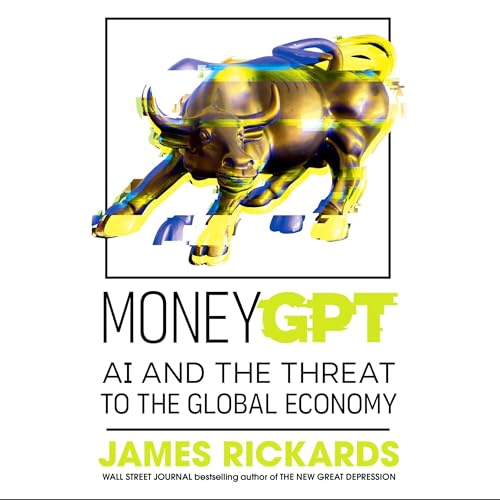
MONEY GPT (AI and the Threat to the Global Economy)
Author: James Rickards
Narration by: James Rickards
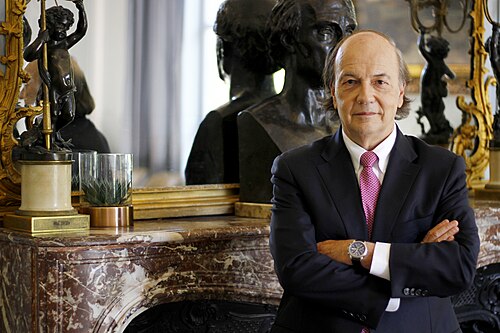
James G. Rickards (Author, American lawyer, investment banker, media commentator.)
Though Mr. Rickards has something valuable to tell his audience, his writing leaves room for improvement. The initials “GPT” stand for “Generative Pre-trained Transformer”. They are an abbreviation for massive datasets gathered by artificial intelligence to aid one’s understanding of complex predictions about finance and military conflict based on collected language used to explain the world.
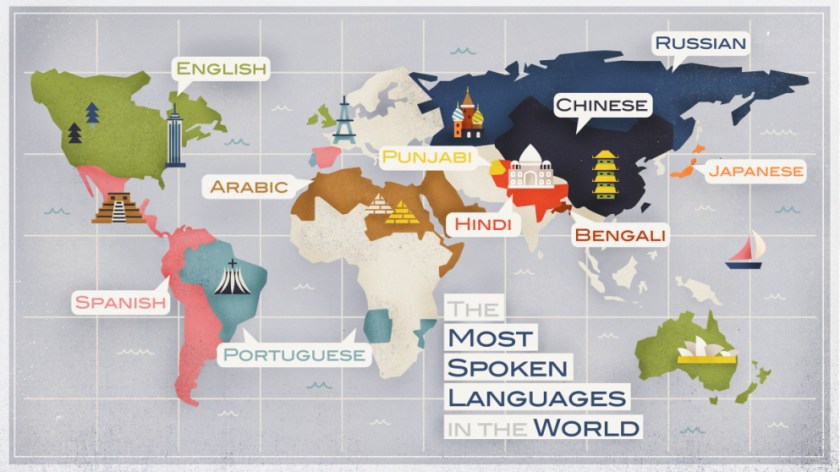
Languages of the world.
What Rickards intellectually recognizes is that collected language about the real world lacks human judgement which can accelerate human actions, weaponize misinformation, and increase conflict because AI lacks human reasoning. Without judgement, facts imparted by language collection may as quickly make wrong as right decisions. Optimum answers to complex problems require human judgement. Optimum answers may be aided by AI collated language, but human judgement is key to appropriate action. Rickards notes how stock market investors who rely on AI for decisions about what to do with their investments can as easily be misled when the market is in crisis because collected language is as likely to lead one further into crisis as toward a reasoned investment response.
Rickard explains a financial decision based on GPT carries the same threat in regard to war. One wonders whether President Trump’s escalation of the war on Iran is not based on GPT that compresses decisions and amplifies the volatility of America’s actions. Is the war escalating because of GPT and inadequate human judgement? America is faced with incomplete information on a purpose for bombing Iran and what goals are intended for ending the conflict. What GPT predicts is more U.S. strikes, further Iranian retaliation, and prolonged conflict that will continue to roil the economies and citizens of the world. Regional war, let alone a World War, is increasingly likely to cause a global shock to financial markets.
Uses of GTP aka GPT.
The essence of Rickard’s book is that the use of GPT is a threat to the financial world and to world peace. If the war on Iran continues, there is increased risk of wider conflict, further financial stress, reduced human judgement, and greater potential for world conflagration in a nuclear war.
Green questions the profit motive of drug companies that ignore the benefits of drugs that poor societies cannot afford that would cure tuberculosis. At the same time, Green implies the political will of all nations fail to provide known curative drugs for tuberculosis.
Books of Interest Website: chetyarbrough.blog
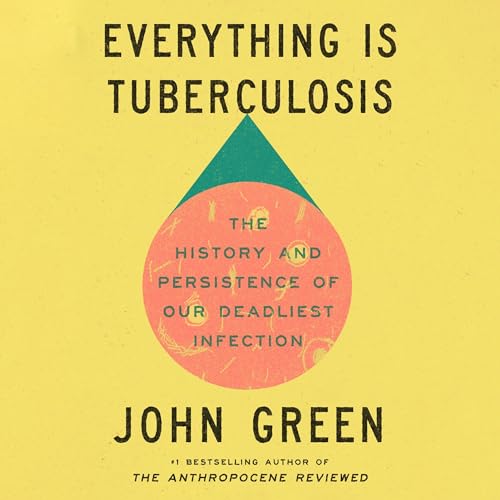
Everything is Tuberculosis (The History and Persistence of Our Deadliest Infection)
Author: John Green
Narration by: John Green
John Green (Author, YouTuber, and philanthropist.)
“Everything is Tuberculosis” is an apt title for John Green’s book but unlikely to attract many listener/readers. However, those who have read John Green’s books are attracted to his story because of the humor and insight he offers to living life. Green offers an interesting human perspective about a disease that kills hundreds of thousands of people every year and is both preventable and curable. Recognizing this critic’s own biases, “Everything is Tuberculosis” is a belief that there are only two important issues for human species’ survival, i.e., world peace and personal health. “Everything is Tuberculosis” deals with the principal of health while others write about world peace.
Tuberculosis transmission.
Peace is only indirectly addressed in “Everything is Tuberculosis” while health is the primary focus of Green’s book. Today, approximately 1.23 million people die from tuberculosis every year. Surprisingly, it remains the deadliest curable infectious disease in the world. An estimated 10.7 million people are presently diagnosed with tuberculosis. This high infection rate is for a disease that is curable and preventable. Green explains in countries with high rates of poverty, undernutrition, overcrowding, high HIV infections, and poor medical services tuberculosis becomes a greater killer of human beings than any other infectious disease.
The fear and anxiety of Covid mimics the fear of tuberculosis.
Green personalizes his story by being its main character. He writes in the first person and uses his personal anxiety driven thoughts to explain tuberculosis’ illness and vulnerability. As a child, Green recalls his own illnesses and anxieties that required hospitalization. He contrasts his life of economic security with the lives of many people in the world that have little to no economic security. He views tuberculosis, not as a scientist or patient, but as an observer of poverty in Sierra Leone and the personal life of a young boy with the disease.
The cost of medication.
The young boy’s recovery experience is on-again/off-again, in part because of his father’s skepticism about the effectiveness of drugs and his belief in God, but also because of a failure of experimental drug treatments from other tuberculosis patients that die. There is a happy ending when a new drug cure is found and started; the boy recovers, resulting in eradication of the infection. He finishes high school and goes on to college. Other stories of the disease in Sierra Leone show distances patients have to travel, the cost of treatments, and different economically challenged families who are discouraged by continued treatment. Those patients that do not continue the medical treatment often see regrowth of the Tuberculosis bacteria which ends their sons, daughters, fathers, or mother’s lives.
Green’s point is that human beings are dying from tuberculosis, a curable disease that kills; not because it is often fatal, but because of a human-systems’ failure.
TB deaths are a predictable outcome of poverty, undernutrition, overcrowding, political neglect, and global indifference. Green gets at the heart of the problem of societal indifference. The indifference is both political and economic. The political indifference comes from every government that is only concerned about their country’s health and welfare. The economic difference is similar but more pronounced in capitalist countries that focus on profit more than societal benefit. Political difference is in nation-state’ leadership whether countries are democratic or other.
Green questions the profit motive of drug companies that ignore the benefits of drugs that poor societies cannot afford that would cure tuberculosis. At the same time, Green implies the political will of all nations fail to provide known curative drugs for tuberculosis.
Winchester’s biography of Needham offers valuable insight to scientific discovery and its intersection with socio/political structure of government. Government bureaucracy can either aid or impede nation-state’ discovery and innovation.
Books of Interest Website: chetyarbrough.blog
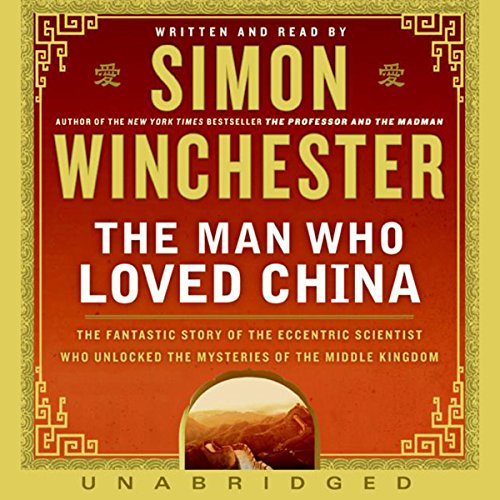
The Man Who Loved China (The Fantastic Story of the Eccentric Scientist Who Unlocked the Mysteries of the Middle Kingdom)
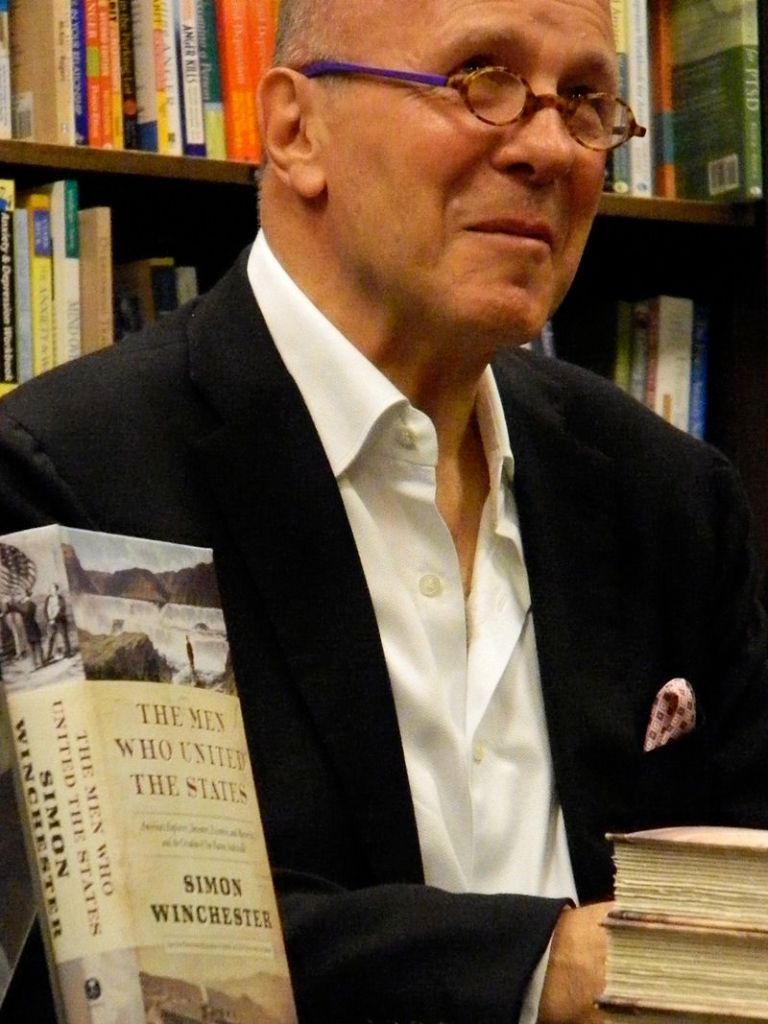
Author: Simon Winchester
Narration by: Simon Winchester
Simon Winchester (Author, historian, British American author, journalist, and broadcaster.)
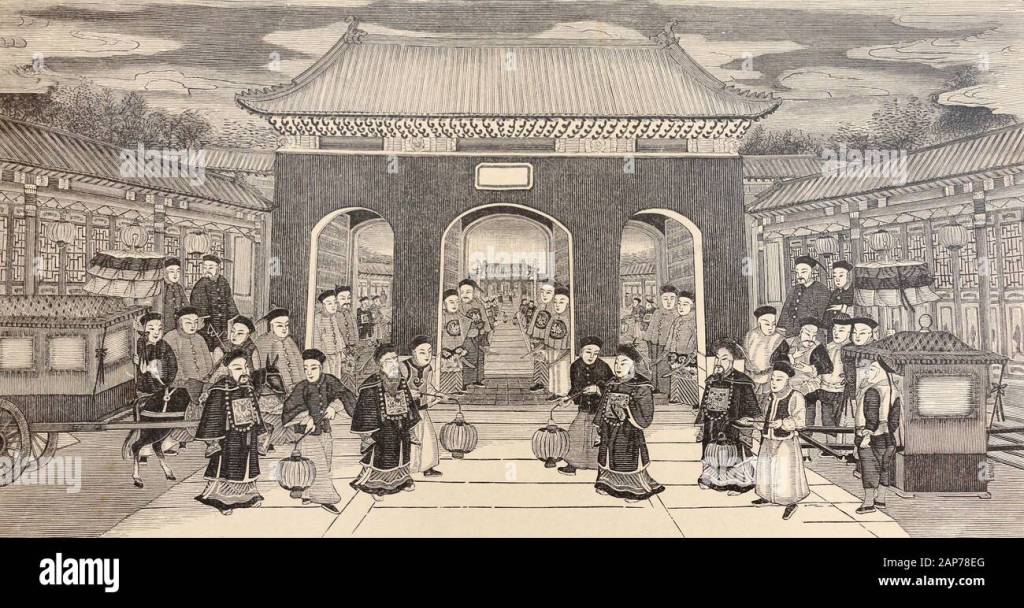
Having traveled to China a few years ago, it is interesting to listen to Simon Winchester’s biography of Joseph Needham, who is considered one of the foremost historians of Chinese science and technology.
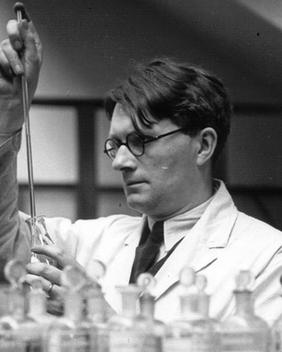
Noel Joseph Terence Montgomery Needham (1900-1995, British biochemist, historian of science and sinologist who wrote a history of Chinese science and technology based on his British education and experience in China during the 1940s.)
Discovery of the new can improve or impede society. In listening to this biography of Joseph Needham, one wonders how farther ahead science might be if it was more widely shared between countries of the world. Needham is characterized as a polymath who became educated as a biochemist at Cambridge. Needham is a freethinking eccentric, a nudist, a folk dancer, and a thoroughly unconventional human being.
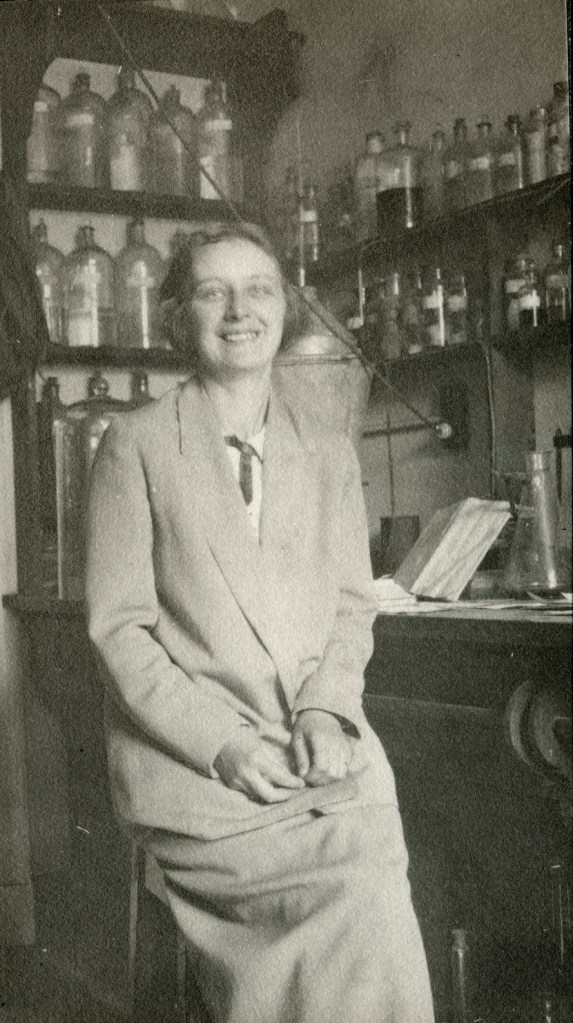
Needham meets a fellow student at Cambridge with whom he pursues a scientific/intellectual partnership and an “open” marriage that lasts until the death of his wife in 1987. Needham’s first wife, Dorothy Moyle Needham, offers stability to his life while accepting a second woman, Lu Gwei-djen, as an intimate in Needham’s life during their marriage. Dr. Gwei-djen was also a biochemist who studied at Cambridge. When Needham’s wife dies in 1987, after 63 years of marriage, he marries Lu Gwei-djen.
Japan creates what is misogynistically characterized as “comfort women” in their attack and domination of China in the early years of WWII.
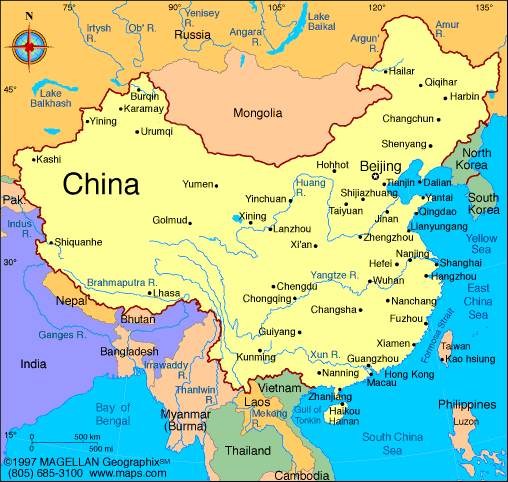
As WWII began and the Japanese were attacking China, Needham is engaged by the Sino-British Science Cooperation Office to document scientific manuscripts, meet Chinese scholars, and build a record of China’s scientific networks. His wife joins Needham in 1944 just before Needham’s return to Great Britain. Needham’s separation from his wife gave him time to become an important historian of Chinese Science. His grasp of the Chinese language from his association with Lu Gwei-djen is a great aid to his accumulation of China’s extraordinary advances in science that created many discoveries–long before the rest of the world.
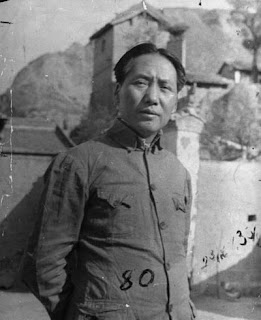
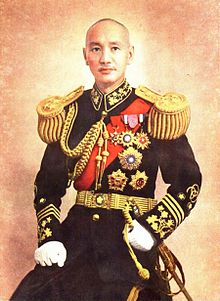
Mao at the time of Needham’s travels in China.CHIANG KAI-SHEK (CHAIRMAN OF THE NATIONAL GOVERNMENT OF CHINA 1943-1948)
Needham fell in love with China and became acquainted with the war years of China and its communist movement. Needham looked favorably on the communist philosophical movement. However, his political leanings were inconsequential because his primary focus is on China’s scientific history.
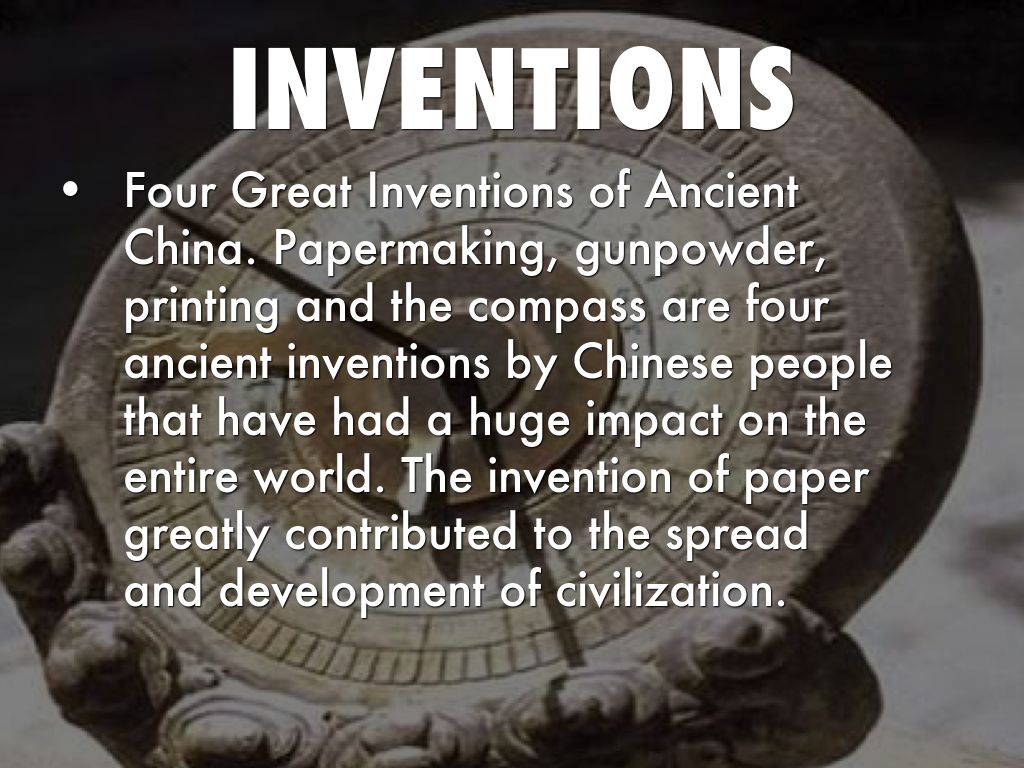
Early discoveries in China.
Needam’s research results in a book titled “Science and Civilization in China”. With the help of Lu Gwei-djen, his book became a societal corrective to the West’s bias about China’s technological backwardness. Needam reveals amazing discoveries made by China long before the rest of the world. He found papermaking is developed in the 2nd century BCE, the magnetic compass was used in China in the 11th century, gunpowder is discovered in the 9th century, and printing began in the 7th century. Adding to these discoveries are the many engineering and mechanical innovations of China. They discovered the value of differential gears to aid vehicle function, the idea of a sternpost to guide ships, water power to aid clockworks with escapements for timekeeping.
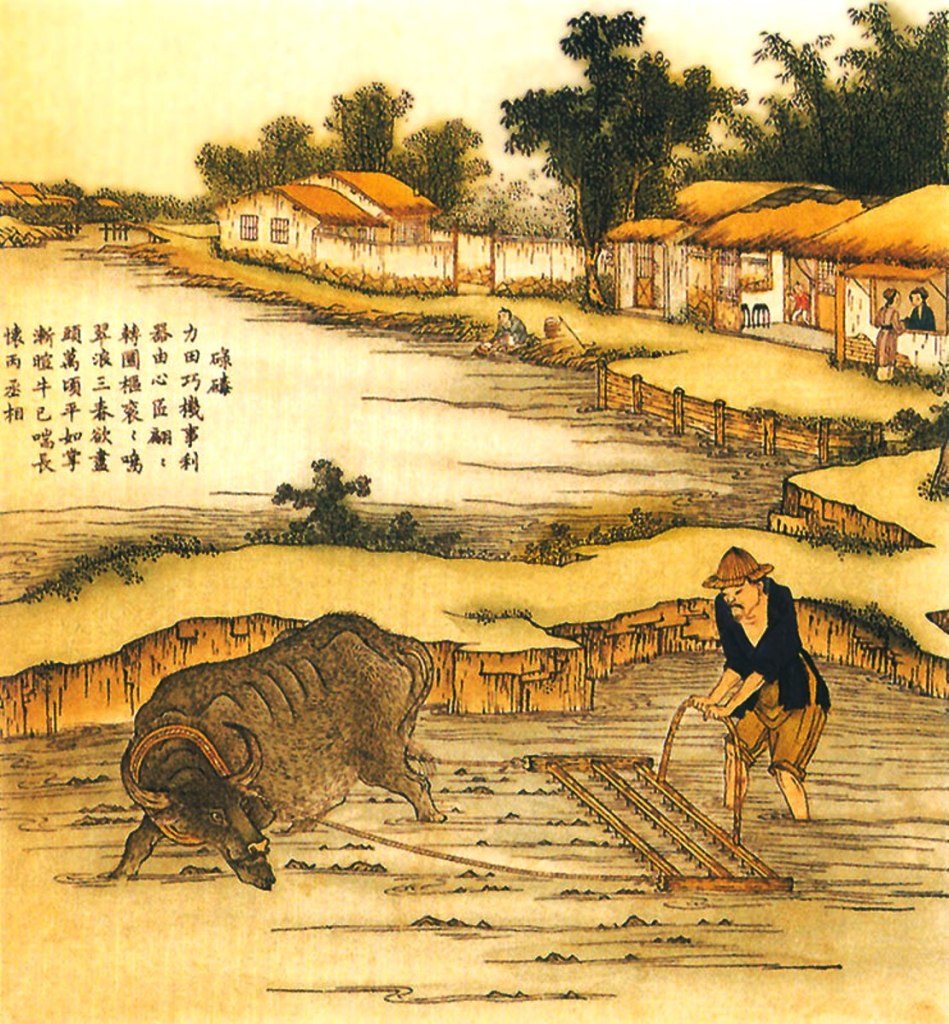
Agricultural invention in early China.
Needham discovers the agricultural and industrial breakthroughs of China. They used multi-tube seed drills and advanced iron plows to improve agricultural yields centuries before European innovations. Between the 5th and 3rd century BCE, China had developed blast furnaces and iron-working innovations that were not discovered in the west until the medieval period. The Song dynasty in the 10th century pioneered the use of paper money backed by the government.
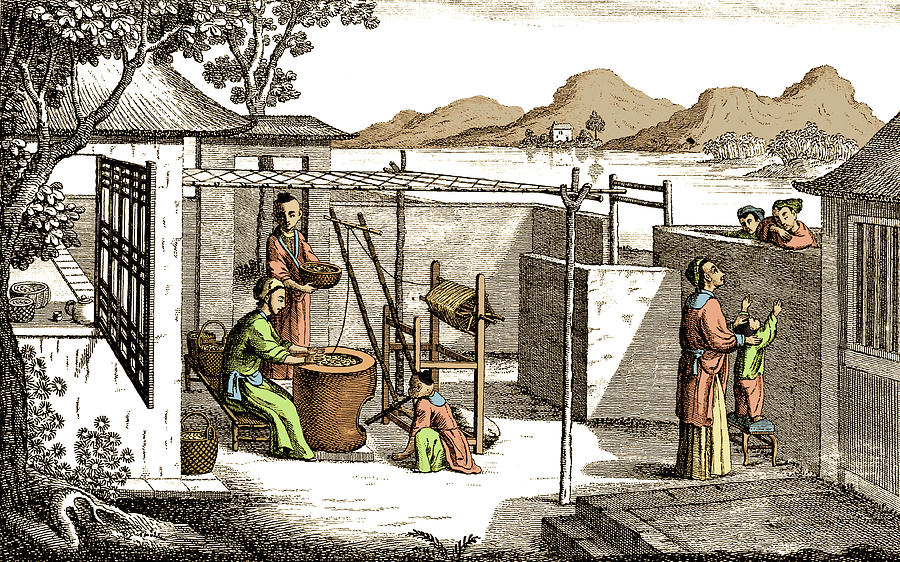
Silk making in early China.
In the science of chemistry, silk production began thousands of years before the west understood its value. Porcelain innovation with hardening through a high-temperature process was used long before its discovery in Europe in the 18th century. Natural gas drilling was discovered with the invention of bamboo derricks and piping for industrial use. Chinese gas drilling dated back to when Roman legions were invading Europe.
China’s centralized bureaucracy.
What is puzzling about Needham’s book is not only how early these discoveries were made in China, but why these remarkable innovation capabilities did not continue through the twentieth century. He argues the foundation of their advances is its powerful, centralized bureaucratic state, a culture that valued practical knowledge, and a worldview that is comfortable with pattern, process, and observation of nature.
Management of China’s waterways is critical for agriculture and flood risk to those who lived near rivers. Life experience with the threats and benefits of water demanded Chinese attention. Literacy and standardized examinations in China created a cadre of technically motivated officials. With systematic observation of nature, these technocrats harnessed the power of water. So why has there been nothing like the scientific revolution that happened in Europe. To this reviewer, something changed with the rise of communism.
China’s education system.
Needham’s book argues the bureaucracy of China became too conservative and discouraged independent initiatives while emphasizing stability through exam-driven education. Conformity became more important than innovation. Needham infers the scientific revolution went into hibernation in China while blossoming in Europe. One may speculate that is partly due to emphasis on communism, a socio/political rather than a science/nature focused view of life, i.e. a view toward social stability more than one of curious exploration,
CHINA
Winchester’s biography of Needham offers valuable insight to scientific discovery and its intersection with socio/political structure of government. Government bureaucracy can either aid or impede nation-state’ discovery and innovation.
Nestor’s book, “Breath” is worth a reader/listener’s time. Breathing exercises are not a cure-all for sleeplessness, snoring, or regulating blood pressure, but Nestor’s experience and Dr. Nayak’s research encourage reader/listeners to change the way they breath.
Books of Interest Website: chetyarbrough.blog
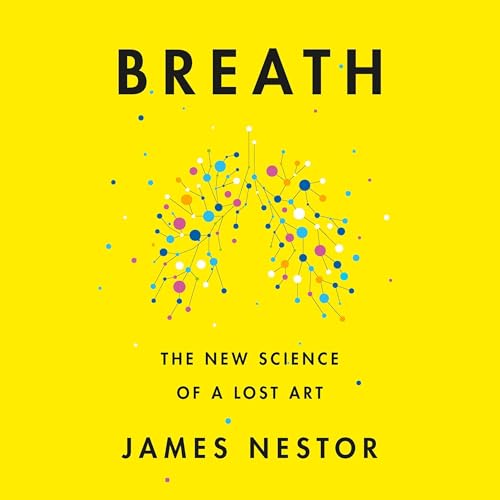
Breath (The New Science of the Lost Art)
Author: James Nestor
Narration by: James Nestor
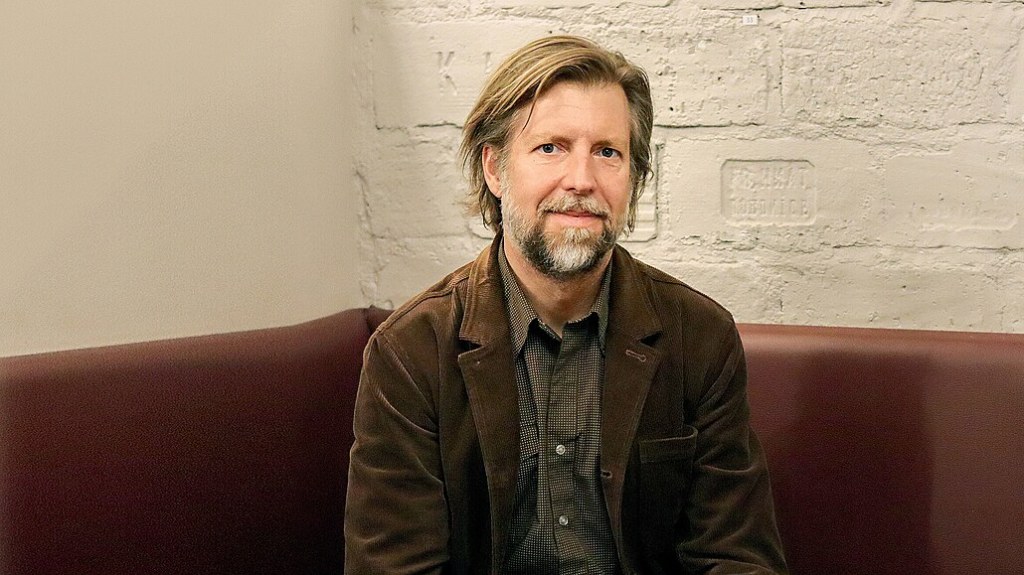
James Nestor (Author, American science journalist.)
“Breath” is a surprising best-selling book about breathing through one’s nose rather than one’s mouth. Nestor’s participation in a 10-day Stanford experiment shows several negative medical symptoms associated with how we breath. Nestor experiences sleep apnea, raised blood pressure, high stress levels, and increased anxiety because of the way he breaths earth’s air. Nextor’s participation in a Stanford University experiment suggests nose breathing is a biological superpower because nasal passages filter and humidify the air we breathe. Exhalation from the way we breath releases nitric oxide and improves oxygen absorption.
Stanford’s experiment reveals CO2 emissions from breathing are essential for all living things.
Experiment shows slow breathing for 5.5 seconds-in, and 5.5 seconds-out improves blood pressure, and heart rate variability that enhances calmness. Surprisingly, slow breathing increases carbon dioxide tolerance while aiding body absorption of oxygen. The consequence of breathing too fast surprisingly impairs oxygen delivery to our system. Oxygen deprivation is one of the causes of anxiety, fatigue, and poor physical performance. Practicing good breathing habits can help reduce anxiety and fatigue to improve physical performance. It is hard to believe changing our breathing habits can have so great an impact on our lives.
Changing how we breathe is not as easy as one might think.
In the past, when one could not breath on their own, they were placed in an iron tube to replace their natural lung function.
Not breathing through one’s mouth seems an easy change to make in one’s life but a 5.5 second inhale and exhale rule takes practice. The recommendation is to train yourself for 5-to-ten-minute periods until it becomes a learned goal, if not habit. Another suggestion is to alternate nostril breathing by covering one nostril and practicing the 5.5 second inhale/exhale cycle. One can alternate nostrils with breathing in with one nostril and out with the other. Nestor suggests a 4-7-8 technique of breathing. Using only your nose, inhale 4 seconds, hold for 7 seconds, exhale for 8 seconds. He believes it will help one fall asleep if they are having difficulty sleeping. In general, Nestor suggests one should become more aware of how they are breathing during the day.
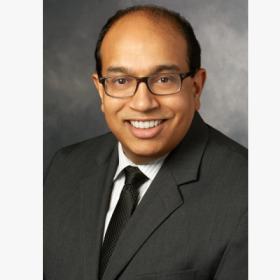
Dr. Jayakar Nayak (MD, PhD, conducted the breathing experiment as a Professor of Otolaryngology at Stanford University.)
Nestor refers to Dr. Jayakar Nayak’s 10-day Stanford experiment in which Nestor participated. He wrote this book as evidence for the harm he was doing to himself and how mouth breathing for oxygen can be corrected by breathing through one’s nose. Patients, like Nestor, were trained in nose breathing exercises that show marked improvements from the symptoms of sleep apnea, sleep fragmentation, heavy snoring, and stress. Results of the experiment showed sleep apnea and snoring ceased, systolic blood pressure dropped, and heart rate variability improved in most patients who participated in the Stanford experiment.
Nestor’s recommendations are based on nasal breathing, slower breathing, and breath exercises supported by Dr. Nayak’s research. Nestor’s book, “Breath” is worth a reader/listener’s time. Breathing exercises are not a cure-all for sleeplessness, snoring, or regulating blood pressure, but Nestor’s experience and Dr. Nayak’s research encourage reader/listeners to change the way they breath.
America’s next President needs to forcefully change the economic direction of America in the same way Timothy Egan shows Franklin Roosevelt and the Secretary of Agriculture, Henry Wallace, did during the Dust Bowl and Depression era.
Books of Interest Website: chetyarbrough.blog
THE WORST HARD TIME (The Untold Story of Those Who Survived the Great American Dust Bowl)
Author: Timothy Egan
Narration by: Jacob York
Timothy Egan (Author, American journalist, former op-ed columnist for The New York Times, won the National Book Award in 2006 for “The Worst Hard Time”.)
Timothy Egan wrote an interesting history of America during the dust bowl years that resulted in the Great Depression that lasted from 1929 to the early 40s. “The Worst Hard Time” has concerning parallels to today’s economy. Timothy Egan notes the Dust Bowl is caused by climate change, water scarcity, and energy transition, i.e. all conditions of the year 2025.
Contrary to Trump’s belief that global warming is a cycle of nature, most scientists argue the earth is warming because of the world’s burning of fossil fuels.
Clean potable water is a growing threat to a rising world population.
American Oil Refineries.
Transition from fossil to renewable energy sources is being delayed by the Trump administration.
Agricultural markets dramatically rose and fell in the 1920s and 30s. Wealth and greed created by wheat farming blinded farmers to the harm they were doing to the Nebraska, Oklahoma, and Texas panhandle plains of middle America. With the scarification of soil and seasonal planting and harvesting of wheat, millions of acres of grass land were left barren between crop seasons.
Trump is a sad reminder of the political blindness of Herbert Hoover.
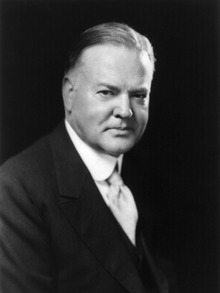
Herbert Hoover (31st President of the United States.)
Tariffs and anti-immigration policies were instituted by the Hoover administration as a response to declining prosperity caused by excessive wheat farming cultivation. This is reminiscent of President Trump’s response today with tariffs, militant immigration policies, and his rejection of science that warns of the impact of global warming.
Trump’s modus vivendi.
Artificial Intelligence in today’s economy has increased investment of billions of dollars in today’s money like that spent to grow and harvest wheat in the 1920s. Investment in farmland skyrocketed in the 1920s with farming as a way to increase wealth with cultivation of land that was nearly free in Nebraska, Oklahoma, and the Texas panhandle. Today, massive investments in A.I. are being made by wealthy tech company owners. Without pragmatic and careful implementation of A.I. to America’s economy, tech company’ investments may have the same consequence to its investors as the farming collapse had to the wheat farmers.
A.I. will become the engine of American economic improvement just as Industrial Revolution changed agricultural production.
Today, A.I., rather than industrialized agriculture, has become the great economic engine of America. Today’s massive investments are in A.I. rather than wheat harvesting. The collapse of wheat prices because of oversupply disrupted the American economy because workers were not needed. A.I. will have a similar impact on all industries which may lead to the next world-wide depression.
1933 Depression bread lines.
Trump’s idea of Making America Great Again is a twentieth century idea that may lead to economic collapse rather than economic prosperity. His tariff policies set a table for damaging the world economy in the same way they did when Hoover became President. America needs to embrace the inevitable decline of human manufacturing and focus on transitioning America to a service economy. America needs more doctors, nurses, social workers, educators, house builders, scientists, and ecologically minded politicians rather than investors and manufacturers of disposable conveniences. At the same time, regressive tax policies that penalize the poor and enrich the wealthy need to be changed. Tax revenue needs to be focused on America’s economic transition from a disposable manufacturing economy to service and ecological preservation industries.
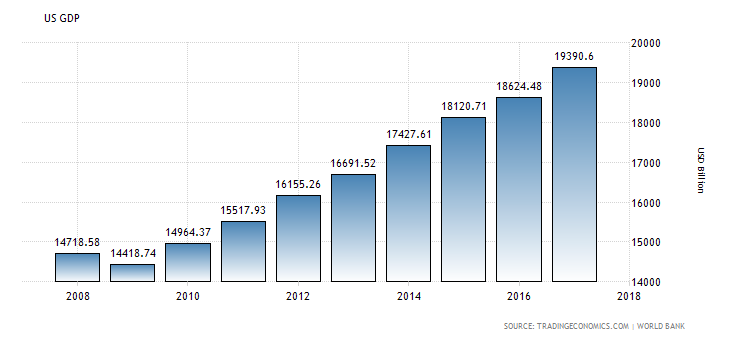
The hope for GDP growth in America’s future depends on a change in economic direction.
America’s next President needs to forcefully change the economic direction of America in the same way Timothy Egan shows Franklin Roosevelt and the Secretary of Agriculture, Henry Wallace, did during the Dust Bowl and Depression era. The reversal of Trump’s mistakes will take more than one four-year-term for correction, but the next election needs to set a different course for the American economy.
One asks oneself, what leaders in the world today have remorse for the incarcerations, torture, and killings for which they are responsible? What remorse is there in Putin’s, Ayatollah Ali Khamenei’s, Prime Minister Netanyahu’s, and even our American President’s thoughts?
Books of Interest Website: chetyarbrough.blog
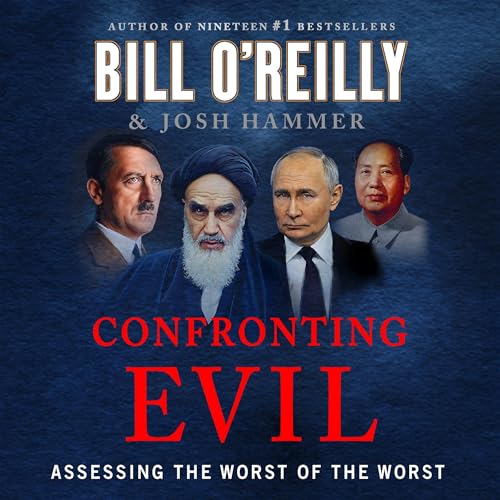
CONFRONTING EVIL (Assessing the Worst of the Worst)
Author: Bill O’Reilly, Josh Hammer
NarratedBy: Robert Petkoff
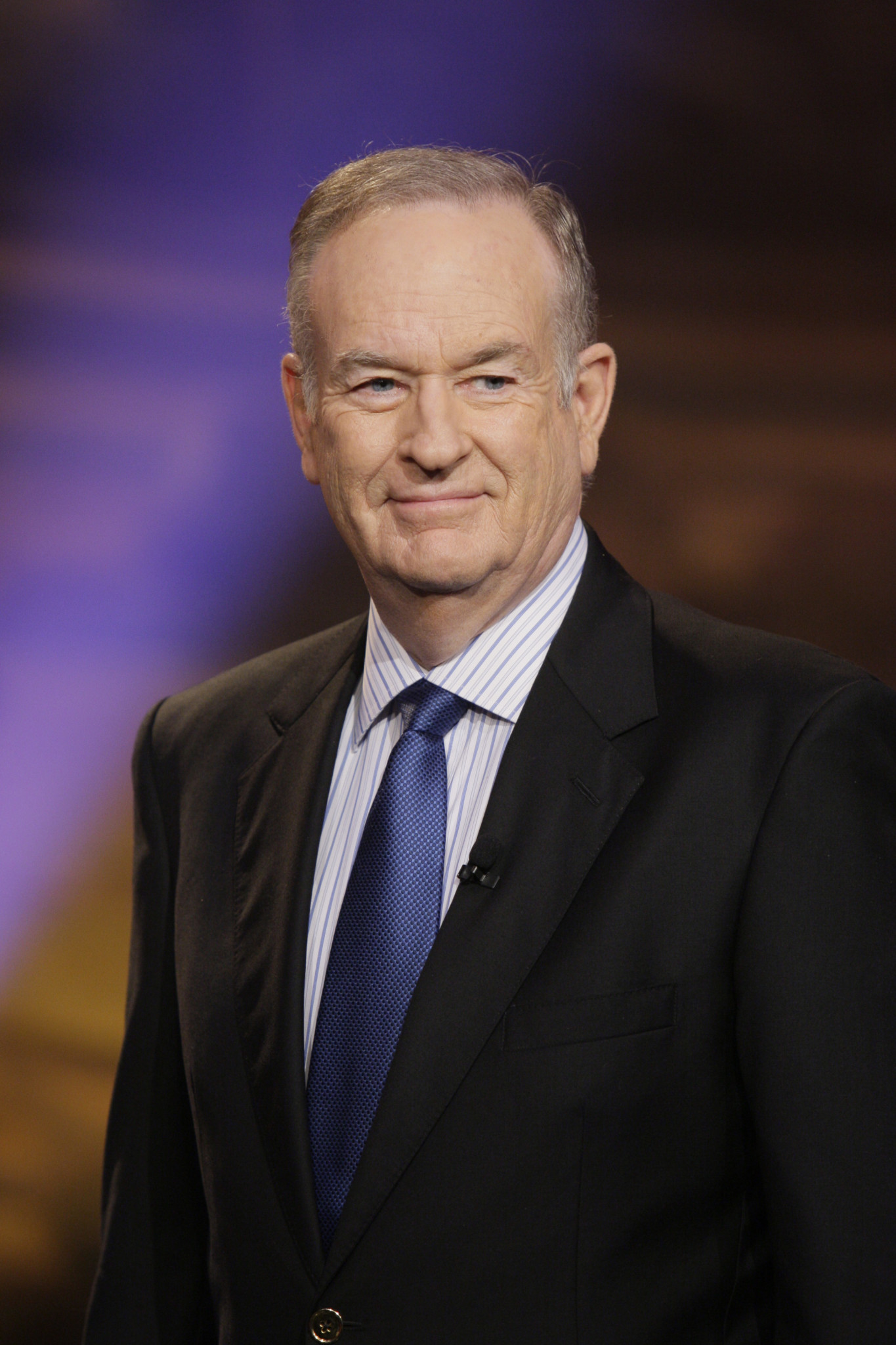
Bill O’Reilly, American conservative commentator, journalist, author, and television host. Josh Hammer, American conservative commentator, attorney, co-author, and columnist.
History taken out of the context of its time often distorts the reality of the past.
“Confronting Evil” is an interesting if not nuanced history of the most notorious leaders in the world. They were responsible for the torture, incarceration, and death of millions. As is true of most if not all histories of famous and infamous leaders, historians and pundits choose facts that reinforce their view of world’ history. Even the best historian is influenced by the time in which they write and their choice of facts.
Nathan Bedford Forest (1821-1877, General in the Confederate States of America during the Civil War.)
One is appalled by the truth of Nathan Bedford Forest’s view of slavery during America’s Civil War. Forest directed the slaughter of people based on the color of their skin. Forest condoned the murder of all who believed in equality of human beings. Forest is considered a hero to some but with the passage of time and a growing belief in human equality, Forest is recognized as a despicable human being by those who know the history of his life and profession. The evidence of science and human accomplishment show that the color of one’s skin is no measure of intelligence or capability. Forest’s mistreatment of slaves and the wealth he created from trading in slaves is reported in this history. By many measures, Forest is shown as an evil person by O’Reilly and Hammer.
The rule of Genghis Kahn is said to have caused the death of 40 million people, an estimated 11% of the global population at his time in history.
Presumed image of Genghis Kahn (1162-1227, Founder and first Khan of the Mongol Empire.)
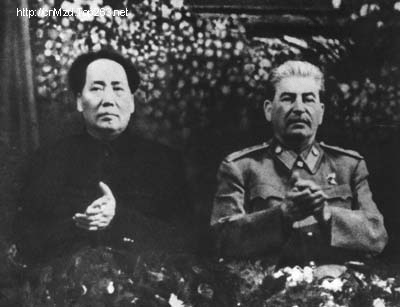
By some measures, Mao doubled that 40 million number with his “Great Leap Forward”, the “Cultural Revolution”, his labor camp creations, and political purges. Hitler is estimated to have caused the death of 17 million with his genocidal policies while casualties from WWII are estimated at 85 million. Hitler’s antisemitism is born of the same stupidity exhibited by Nathan Bedford Forest in America’s Civil War. The contribution of Jewish society to the world is incalculable.
Mao Zedong (1893-1976) Father of the Peoples Republic of China)
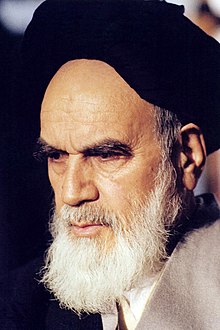
There are many other evil characters in “Confronting Evil”. In the mind of westerners, the current leaders of Iran and Russia are evil. The leader of Iran, Ruhollah Khomeini is estimated to have ordered deaths of Iranians that exceed 250,000 since his takeover in 1979. Though he has passed, the succession of Ayatollah Ali Khamenei has carried on with tens of thousands who have died in Iran’s involvement with Hamas in Palestine, Syria, Iraq, Yemen, and Lebanon. The predecessor of the religious leaders of Iran was Mohammad Reza Shah Pahlavi who reigned from 1941-1970. Pahlavi is estimated to have murdered 3,000 to 20,000 during his reign. These leaders ruled over an impoverished state but incomes per capita fell from $34,660 during the Shah’s reign to $3,150 under Khomeini’s rule. An irony is that income inequality hugely increased in Iran during Khomeini’s rule. Nuanced reality is that poverty and victimization of Iranians is more widely spread under Khomeini than under the former Shah. On an economic scale it appears Khomeini’s evil as a leader exceeds the Shah’s rule. Added to the economic difference is the religious zealotry of Khomeini which widened the gap of sexual inequality in Iran.
Ruhollah Khomeini (1st Supreme Leader of Iran, 1979-1989)
Ayatollah Ali Khamenei (Current leader of Iran.)
The authors address the illicit drug industry and the evil of Pablo Escobar in Columbia and “El Chapo” Guzmán in Mexico. Escobar was killed in 1993 when pursued by drug enforcement officers while Guzmán is serving a life sentence in the U.S. The drug industry continues to thrive despite the harm it is doing to America and the world. The leaders of the criminal drug industry care nothing for the consequence of their actions because of the wealth and power the illicit trade offers.
Pablo Escobar (now deceased) noted on the left with “El Chapo”(arrested and imprisoned in America) on the right.
The last two chapters of “Confronting Evil” offer a pithy definition of evil. Evil is defined as doing harm without remorse. One doubts any of the leaders noted by the authors have or had any remorse for the atrocities they have committed. Whether they rationalize their behavior for the good of their people, their religion, or their country—they are evil by O’Reilly and Hammer’s definition. One doubts any of the leaders noted in “Confronting Evil” are remorseful.
One asks oneself, what leaders in the world today have remorse for the incarcerations, torture, and killings for which they are responsible? What remorse is there in Putin’s, Ayatollah Ali Khamenei’s, Prime Minister Netanyahu’s, and even our American President’s thoughts?
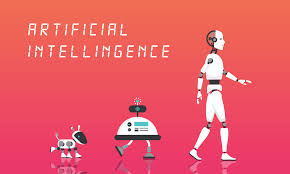
“IF ANYONE BUILDS IT, EVERYONE DIES” is an alarmist, and unnecessarily pessimistic view of the underlying value of Artificial Intelligence. This is not to suggest there are no risks in A.I. but its potential outweighs its risks.
Books of Interest Website: chetyarbrough.blog
IF ANYONE BUILDS IT, EVERYONE DIES
Author: Eliezer Yudkowsky, and Nate Soares
NarratedBy: Rae Beckley
Eliezer Yudkowsky Nate Soares
Eliezer Yudkowsky is a self-taught A.I. researcher without a formal education. As an A.I. researcher, Yudkowsky founded the Machine Intelligence Research Institute (MIRI). Nate Soares received an undergraduate degree from George Washington University and became President of MIRI. Soares had worked as an engineer for Google and Microsoft. Soares also worked for the National Institute of Standards and Technology and the U.S. Dept. of Defense.
“IF ANYONE BUILDS IT, EVERYONE DIES” is difficult to follow because it’s convoluted examples and arguments are unclear. The fundamental concern the writers have is that A.I. will self-improve to the point of being a threat to humanity. They argue that A.I. will grow to be more interested in self-preservation than an aid to human thought and existence. The irony of their position is that humanity is already a threat to itself from environmental degradation, let alone nuclear annihilation. The truth is humanity needs the potential of A.I. to better understand life and what can be done to preserve it.
To this listener/reader environmental degradation is a greater risk than the author’s purported threats of A.I.
Pessimism is justified in the same way one can criticize capitalism.
The authors have a point of view that is too pessimistic about A.I. and its negative potential without recognizing how poorly society is structured for war and killing itself without Artificial Intelligence. The advance of A.I. unquestionably has risks just as today’s threat of mutual nuclear annihilation but A.I.s’ potential for changing the course of civilization for the better exceeds the agricultural and industrial revolutions of the past.
The nature and intelligence of human beings is underestimated by Yudkowsky and Soares.
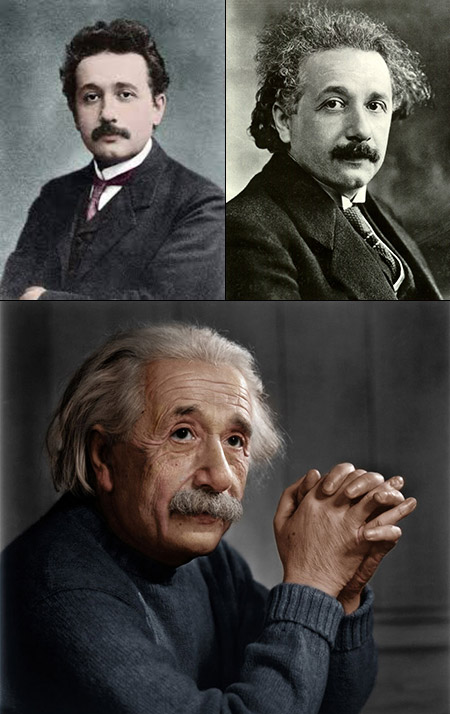
There have been a number of amazing human discoveries that have accelerated since the beginning of civilization in Mesopotamia. Humans like Einstein and their insight to the universe will be aided, not controlled, by the potential of A.I. Artificial Intelligence is no more a danger to humanity than the loss of craftsman during the industrial revolution. Civilization will either adapt to revelations coming from A.I. or environmental degradation or human stupidity will overtake humanity.
“IF ANYONE BUILDS IT, EVERYONE DIES” is an alarmist, and unnecessarily pessimistic view of the underlying value of Artificial Intelligence. This is not to suggest there are no risks in A.I. but its potential outweighs its risks.
Brannen emphasizes the importance of understanding the science of geology, climate modeling, and shaping energy systems to mitigate environmental damage. None of his ideas seem likely to change the direction of world leadership. Thinking on a planetary scale is beyond the interest of world leaders, let alone the fictional “Tom, Dick, and Harry” or “Mohammed, Jose, Wie, and Ahmed”. (All stupid men, of course.)
Books of Interest Website: chetyarbrough.blog
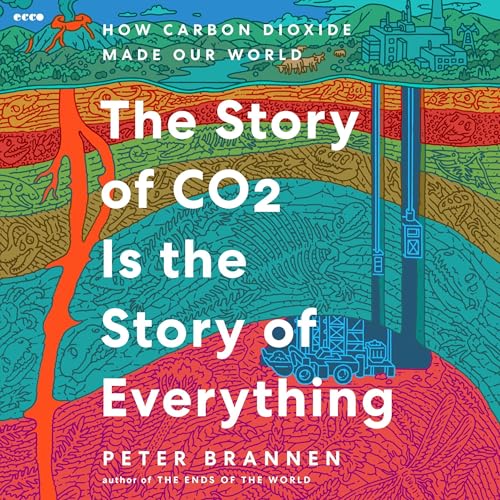
The Story of CO2 Is the Story of Everything (How Carbon Dioxide Made Our World)
Author: Peter Brannen
NarratedBy: Adam Verner
Peter Brannen (Author, Fellow at CU Boulder, science teacher, journalist who has written for The New York Times, The Washington Post, The Atlantic, The Guardian and other outlets.)
“The Story of CO2…” is a slog. Though Brannen’s points are important, the details are overwhelming. Brannen offers a view of global warming based on the history of carbon dioxide emissions and its role in earth’s mass extinctions caused by nature, human industrialization and capitalist growth. The scope of his 500+ page book addresses natural history and the advance of human civilization with so much detail that only a polymath would understand his vision of how “living things” end. On the other hand, even an inept reader will feel threatened by his detailed analysis of global warming’s risks to humanity.
On the one hand, it seems Brannen’s emphasis on CO2 discounts the roles of oxygen and water in the growth and survival of humanity but stick with his theme and you get it.
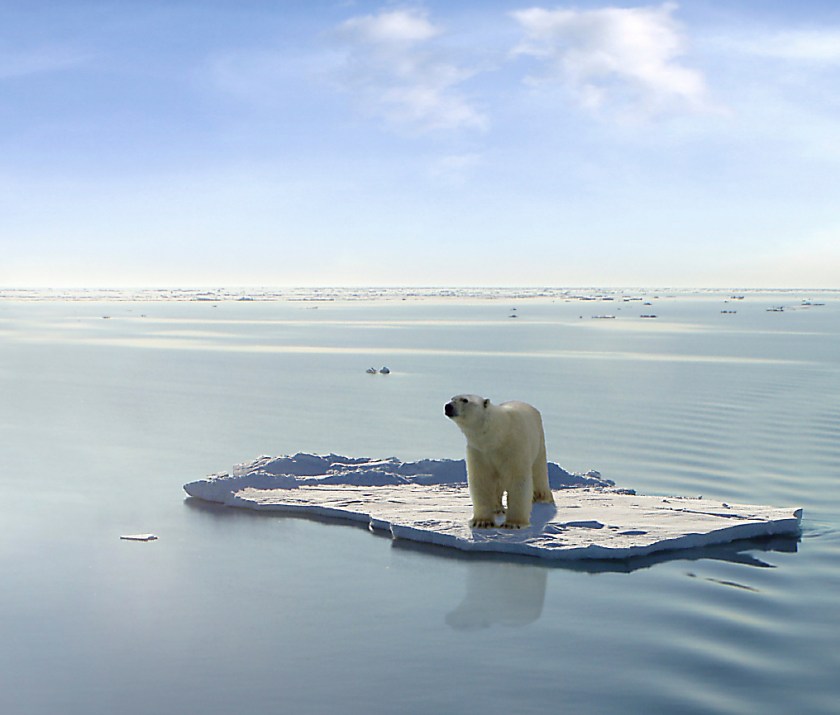
Brannen’s story is a frightening diagnosis of humanity’s risks. His book doesn’t offer much hope for civilization’s future. Brennen explains industrialization is driven by exploitation of energy and human nature. He notes these are the driving forces behind global warming that will end life on earth. It seems human greed is globalized whether political leaders consider themselves socialists or capitalist. Brannen explains societies of the world have exploited energy through release of CO2 in the atmosphere. That release of CO2 has raised living standards of civilization but, at the same time, polluted the world. Brannen argues civilization has little understanding of the truth that carbon dioxide release over eons of time have damaged the environment. Brannen details how that lack of understanding threatens life on earth. More seriously, many leaders of the world refuse to believe the science of global warming and continue to release CO2 into the atmosphere.
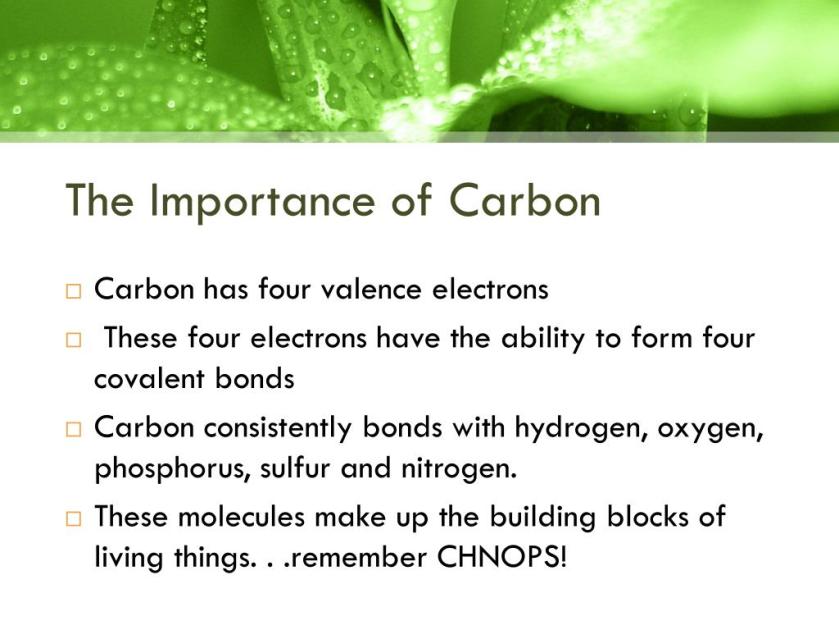
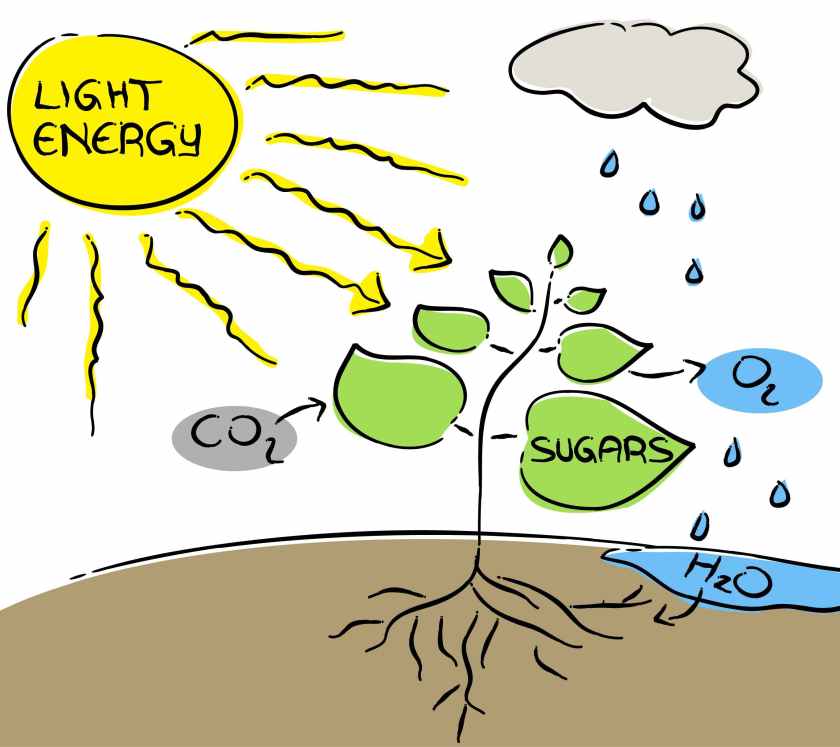
What is made clear in “The story of CO2…” is that photosynthesis by plants converts sunlight into energy which makes CO2 the basis upon which all life exists on earth.
All living things are built from carbon. Humanity’s ability to release energy from carbon gave rise to industrialization, modern infrastructure, and global mobility. Living standards of society were raised, food production increased, lifespans were extended, and the public prospered. However, modern times show that excess production of CO2 threatens mass extinction. The irony is that CO2 seemed a free lunch in our early beginnings but now threatens life’s existence.
Global warming.
There are no easy answers to Brannen’s CO2 threat to life on earth. It is unrealistic to believe the world will abandon fossil fuel use. Some, like President Trump in the U.S., believe global warming is just a cycle of nature while supporting and encouraging continued development and use of fossil fuels like coal and oil. Though China has done more than any country to create renewable energy and clean transportation, neither China nor the world will achieve the Paris Agreement limit of a maximin 1.5-degree centigrade increase. In reality, China remains the largest emitter of CO2 with coal, petroleum and natural gas; despite being the largest clean energy investor in the world.
Brannen argues for understanding the true development direction of the world.
To reduce global warming, Brannen recommends a shift in economic and geopolitical systems with an alignment of economies based on ecological impact. He emphasizes the importance of understanding the science of geology, climate modeling, and shaping energy systems to mitigate environmental damage. None of his ideas seem likely to change the direction of world leadership. Thinking on a planetary scale is beyond the interest of world leaders, let alone the fictional “Tom, Dick, and Harry” or “Mohammed, Jose, Wie, and Ahmed”. (All stupid men, of course.)
Becker does not tell listener/readers anything new about reality in his book, but he outlines the difficulty Physics is having in trying to discover “What is Real”. For this reviewer, Einstein remains the sun around which Physics’ scientists revolve.
Books of Interest Website: chetyarbrough.blog
What is Real (The Unfinished Quest for the Meaning of Quantum Physics)
Author: Adam Becker
NarratedBy: Greg Tremblay
Adam Becker (Author, science writer with a PhD in astrophysics from the University of Michigan and a BA in philosophy and physics from Cornell.)
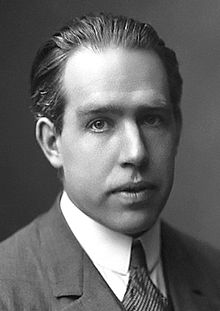
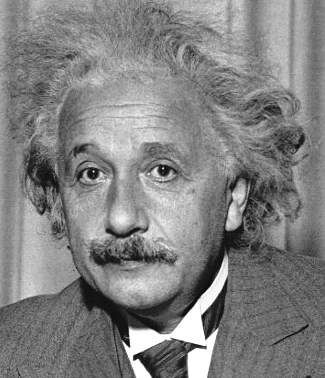
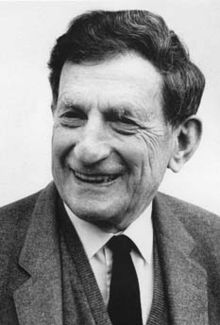
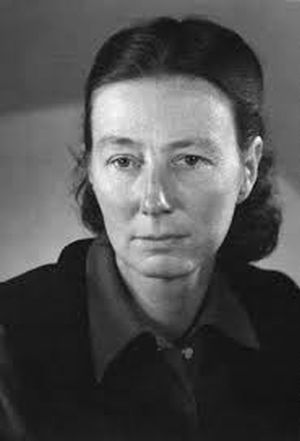
This is an excellent story about the meaning of quantum physics even though the answer remains elusive. Becker does a great job of revealing the personalities of great physicists of the twentieth century, i.e. Niels Bohr, Albert Einstein, Erwin Schrödinger, David Bohm, Werner Heisenberg, John von Neumann, Hugh Everett III, John Bell, and to a lesser extent, Paul Dirac, and Grete Hermann.
Bohr is shown to be a brilliant person who gathers the luminaries of physics around him like a queen bee to a beehive. Surprisingly, Becker notes Bohr’s abstruse and convoluted verbal and written explanations of physics cloud his brilliance but fascinate and inform young scientists. In contrast, Einstein appears like a sun that physics’ luminaries revolve around. Einstein never accepts the idea of quantum physics that implies we live in a probabilistic world. David Bohm is a brilliant physicist exiled for his political beliefs but importantly theorizes the Pilot-wave theory for quantum physics that suggests wave collapse is immeasurable and therefore meaningless. If true, the “cause and effect” world insisted upon by Einstein is correct. Surprisingly, Einstein demurred but the theory is being resurrected by Logical Positivist today.
Though Heisenberg creates the idea of Quantum theory that argues for a probability world, he becomes a Nazi science leader who fortunately fumbles the mathematics that could have created an atom bomb for Germany during WWII.
As a protege of Bohr, the theory of a Quantum world takes hold of scientists. John von Neumann is shown as a mathematical genius who challenges Bohm’s Pilot-wave theory because quantum mechanics appears to work and is proven by experimentation. Bohm argues, like Einstein, that the universe is fundamentally knowable and deterministic, not probabilistic. Hugh Everett III is taken under the wing of John Wheeler who is Everett’s PhD advisor at Princeton. Everett is characterized as a brilliant student who takes the idea of the disappearance of a collapsed quantum particle not as a collapse but an entry into another world, another dimension of reality.
Having read and partly understood many books about physics, Becker’s history is most entertaining because of added information about physicists’ personalities and disagreements, along with their personal trials and tribulations.
An added benefit is a little more understanding of physics that is offered to dilatants of science like this science ignoramus.
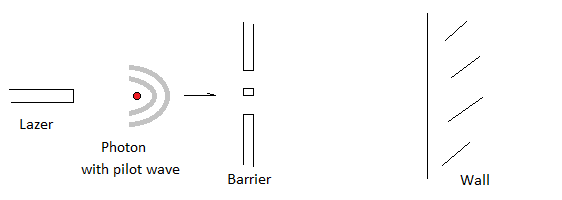
Pilot Wave Theory suggests the collapsing wave shown by quantum experiments is of no concern and that it should be ignored as a factor for non-predictability.
The surprising reveal in Becker’s history is the growing belief in Logical positivism which suggests the argument for quantum mechanics is flawed.
As one goes back to Bohm’s Pilot-theory. The surprising reveal in Becker’s history is the growing belief in Logical positivism which suggests the argument for quantum mechanics is flawed. The inability to measure both position and momentum is not proof of the theory because it is not an observable phenomenon. In a backward sense it implies Einstein is still the sun around which physics scientists orbit. An irony is that Becker believes Einstein would not want to be considered a Logical Positivist.
John Stewart Bell (1928–1990) was a Northern Irish physicist whose work reshaped the foundations of quantum mechanics.
Bell is best known for formulating Bell’s Theorem, a landmark result that showed how quantum mechanics predicts correlations between entangled particles that no local hidden-variable theory can explain. In one sense, that theory suggests as Einstein believed, that there is an undiscovered theory that will return physics to a cause-and-effect world. However, belief in non-locality is something Einstein could not accept. He refused to believe in “spooky action at a distance”. Bell was born in Northern Ireland. His fascination with science led him to CERN in Geneva where he worked on foundational questions in quantum theory.
Bell’s work laid the groundwork for quantum information science, including quantum computing and cryptography.
Bell came from a modest background and rose to prominence through sheer intellectual brilliance. He worked at CERN in Geneva, where he pursued foundational questions in quantum theory as a kind of “hobby” alongside his main work in particle physics. His 1981 paper “Bertlmann’s Socks and the Nature of Reality” used a quirky analogy to explain quantum entanglement and the Einstein–Podolsky–Rosen paradox.
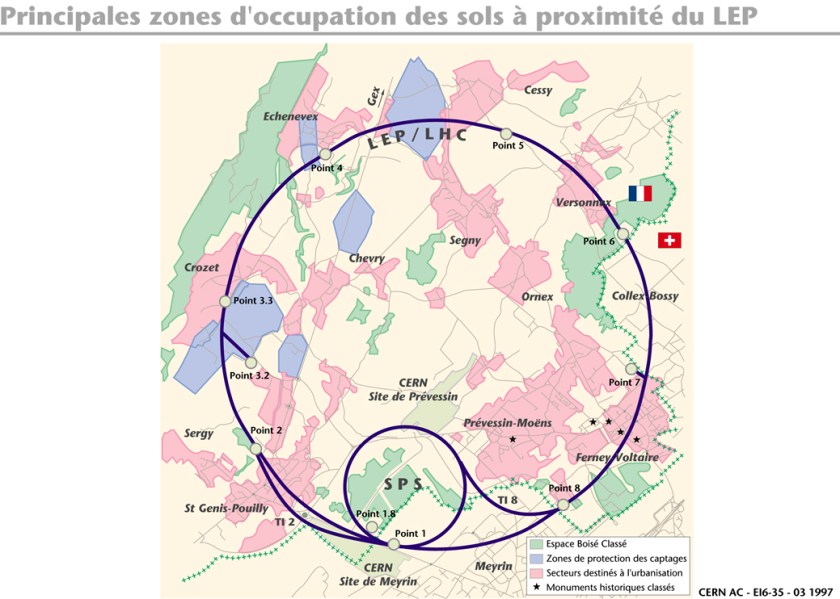
LHC MAP SHOWING CERN SITE
Bell wasn’t just a theorist—he was a philosopher of physics in the deepest sense, asking what quantum mechanics tells us about the nature of reality itself. Bell derived mathematical inequalities—called Bell inequalities. He believed that any local hidden-variable theory must obey these inequalities. However, quantum mechanics predicts violations of these inequalities under certain conditions. Bell is reintroducing the belief that quantum particles are fundamentally probabilistic and interconnected in ways that defy classical intuition. The universe doesn’t follow the rules of local realism. Quantum mechanics is correct, but it’s weird—deeply weird and challenges Einstein’s belief that physics are a local phenomenon that will be predictable based on an undiscovered truth.
Logical positivism and Bell’s Theorem intersect in a fascinating way. Bell’s Theorem challenges some of the foundational assumptions that logical positivists held about science, meaning, and reality. Because of “spooky action at a distance”, his theory defies Einstein’s belief in locality and reintroduces the concept of unpredictability which Einstein refuses to believe.
As a philosopher, Hermann (19o1-1984) had a particular interest in the foundations of physics. In 1934, she argues for a conception of causality with a revised view of quantum mechanics. Her work reinforces Einstein by returning Quantum Physics to predictability and causality. Hermann concludes–despite experiments that showing quantum mechanics are probabilistic, the theory is wrong because of a misunderstanding of nature. This seems like a cop-out supporting Einstein’s belief that there are some undiscovered laws of physics.
Becker does not tell listener/readers anything new about reality in his book, but he outlines the difficulty Physics is having in trying to discover “What is Real”. For this reviewer, Einstein remains the sun around which Physics’ scientists revolve.
Miodownik explains liquids are everywhere and influence every aspect of life on earth. As a scientist, Miodownik explains understanding liquids is understanding life.
Books of Interest Website: chetyarbrough.blog
Liquid Rules: The Delightful and Dangerous Substances That Flow Through Our Lives
Author:Mark Miodownik
NarratedBy: Michael Page
Mark Miodownik (Author, British materials scientist.)
Mark Miodownik offers some interesting information about liquids in “Liquid Rules”. It seems Miodownik had some spare time on a long plane trip. Though many know some of what the author explains, it is interesting for listener/readers who don’t think about the importance of liquids in our lives. For example, Miodownik notes how and why Kerosene is the fuel that powers jets.
The qualities of kerosene make it an optimum choice for jet propulsion.
Kerosene is safer to handle because high temperatures are required for ignition which makes it safer than gasoline. It has a low freezing point that allows high-altitude flight where sub-zero temperatures exist. Its viscosity allows it to flow in cold or hot conditions which reduces risk for fuel line’ clogging. Kerosene carries high energy production per unit of volume for longer flights. It is cheaper to refine than other fuels. And most importantly, it is chemically stable which reduces risks of vapor lock or premature combustion.
As Miodownik wings his way across the earth, he casually mentions Susan is a passenger on the same transatlantic flight who is offered a glass of wine.
She suggests wine testing is really a performance art. Her remark is an introduction to Miodownik’s more scientific examination of the sensory and symbolic dimensions of wine tasting. Miodownik explains the role of tannins, taste, and the rituals around drinking a glass of wine. He explains a connoisseur’s way of swirling a glass of wine before his/her nose to sense the bouquet of the libation. One imagines Susan looking askance at Miodownik’s academic review of her off-the-cuff remark. Who is this guy? Is he hitting on me?
Presumably, Miodownik sits back and contemplates the creation of a book about liquids.
Miodownik seems slightly discomfited by his seatmate’s look at him. Does he regret his forwardness in addressing her comment like a nerd? There is a sense of humor and a touch of irony in Miodownik’s choice of subject. One wonders what a woman’s response might be to a person she does not know explaining what she intended when she spoke of wine tasting as an art. In any case, Miodownik has introduced his subject.
As Miodownik’s thoughts move on about a book about liquids, he recalls the invention of ink.
Here is an invention with purpose. He notes the creation of ink that is made to flow predictably, dry quickly, and remain legible for years. The idea of a liquid that makes history, science, and art for the ages, i.e., an eternal gold mine for future generations. Ink reaches back to the caliphs of the Maghreb, rulers of Islamic caliphates in 7th century, northwest Africa. Ink connects with the evolution of the colors of red, green, and blue. From fountain pen writings to pointillist art the creation of ink plays a critical role in modernization of the world.
Water is the foundation of life.
Most know water is an essential need for life as we know it. What is often less thought of is that water is a universal substance that underlies world climate and biological life. Miodownik notes that water is a universal substance that underpins life and the climate systems of the world. It is the vehicle of human metabolism, emotional expression of fear, pain, happiness, and the world’s climate.
Production sweat shops.
Humans produce sweat and a quart of saliva per day. Saliva aide’s digestion, hygiene, health, and emotional expression like crying, anger, or embarrassment. Sweat regulates the bodies temperature. Water plays a role in the advance of technology with the creation of liquid crystal displays (LCDs) and OLEDs that power modern screens in phones and aircraft panels. Digital watches, cell phones, movies and general entertainment are a result of liquid’s existence. The irony of water as a liquid is that it can nurture as well as destroy. It refreshes life through cleaning, and food production, but also floods land, drowns life, and erodes soil upon which life depends. Water is an agent of comfort as well as chaos.
Miodownik explains liquids are everywhere and influence every aspect of life on earth. As a scientist, Miodownik explains understanding liquids is understanding life.
Aside from global warming, Miodownik notes the growing issue of plastics pollution and potable water availability will plague humanity. He argues humanity needs to come to grips with earth’s need for natural sustainability. Roads, houses, food, and potable water need to be designed to renew themselves without introduction of new materials or resources.







































 REVIEWS AND VIEWS OF LIFE