Books of Interest
Website: chetyarbrough.blog
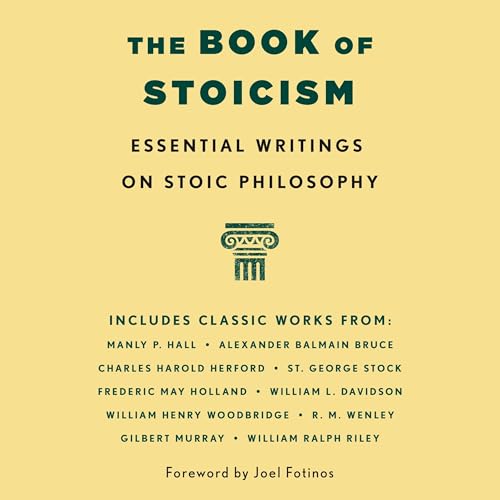
The Book of Stoicism (Essential Writings on Stoic Philosophy)
Author: Manly P. Hall
Narration by: Gordon Rothman & 2 more
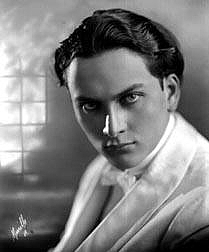
Manly P. Hall (1901-1990, Canadian writer, lecturer, astrologer, and mystic.)
What exactly is stoicism? The most important Stoic philosophers identified by Manly P. Hall in “The Book of Stoicism” are identified in reverse order of their deaths. Marcus Aurelieus, Epictetus, and Seneca formed the foundational tenants of Stoicism.
Marcus Aurelius (Roman Emperor, the last Emperor of the Pax Romana which is an age of relative peace, calm, and stability, Stoic Philosopher, 161-180 AD.)

Aurelius, a Roman emperor from 161 to 180 AD wrote “Meditations”. He notes that focus on the present moment, acceptance of fate, duty to the common good, and resistance to anger and corruption are hallmarks of Stoic belief. The most difficult of these characteristics is “resistance to anger”. The other noted characteristics are easier because emotions one has as they mature are difficult and varied based on familial and personal experiences.
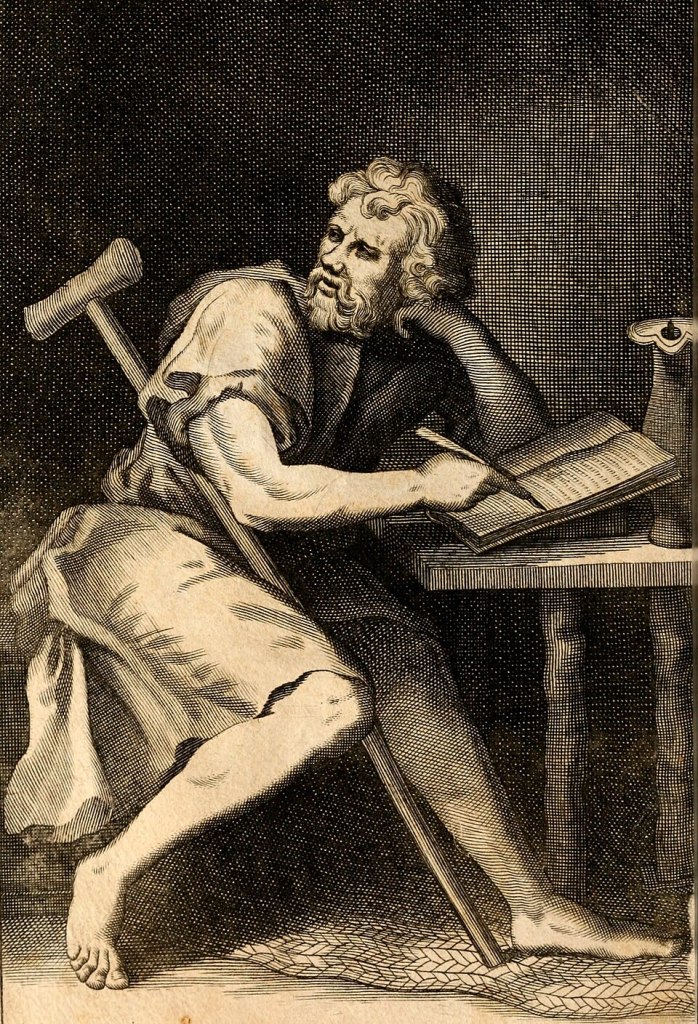
Epictetus (Greek Stoic philosopher, born into slavery, lived in Rome until banished, and spent the remainder of his life in northwestern Greece, 50 to 135 AD.)
Epictetus lived from 55-135 preceded Aurelieus and is noted for being a Greek teacher who systematizes the ethics of stoicism. He had lived as a slave in the Roman era. He recognizes personal judgment, choice, and desire, regardless of our human circumstance, are the most important needs for personal health, wealth, and reputation. It is up to the individual to organize their thoughts and actions to become the best version of themselves.
Lucius Annaeus Seneca the Younger (Roman Stoic philosopher, statesman, dramatist, and satirist, 4 BC to AD65.)
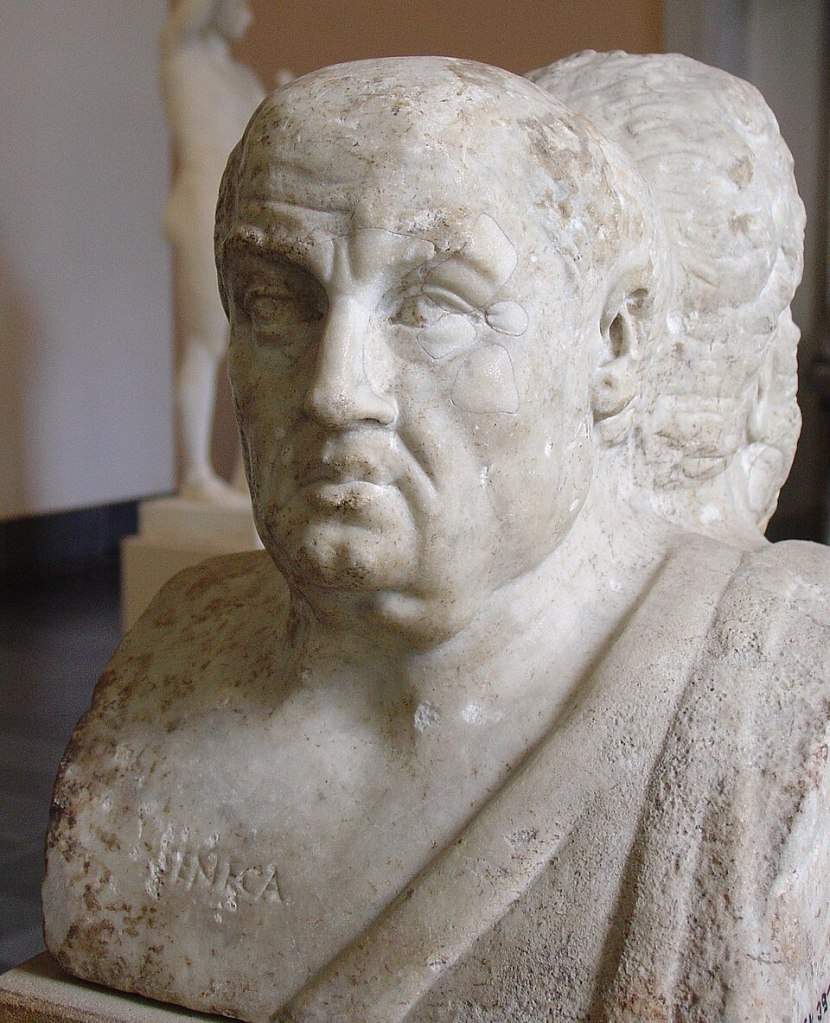
Seneca lived from 4 BCE to 65 AD, as the earliest of the three, and is identified as a statesman who spoke and wrote about anger, the benefits of stoicism, dealing with hardship, and being happy with yourself. To accomplish that happiness, one must manage their emotions, be friendly to others, manage time for interpersonal relations while pursuing a simple contemplative life. Seneca faced death as just another fact of life with the belief that every human being has a moral responsibility for living life with the intent of benefiting society. This is an ironic belief because Seneca lived amid the corruption of Nero’s court. One wonder how he manages to live in Rome until his death at age 61.
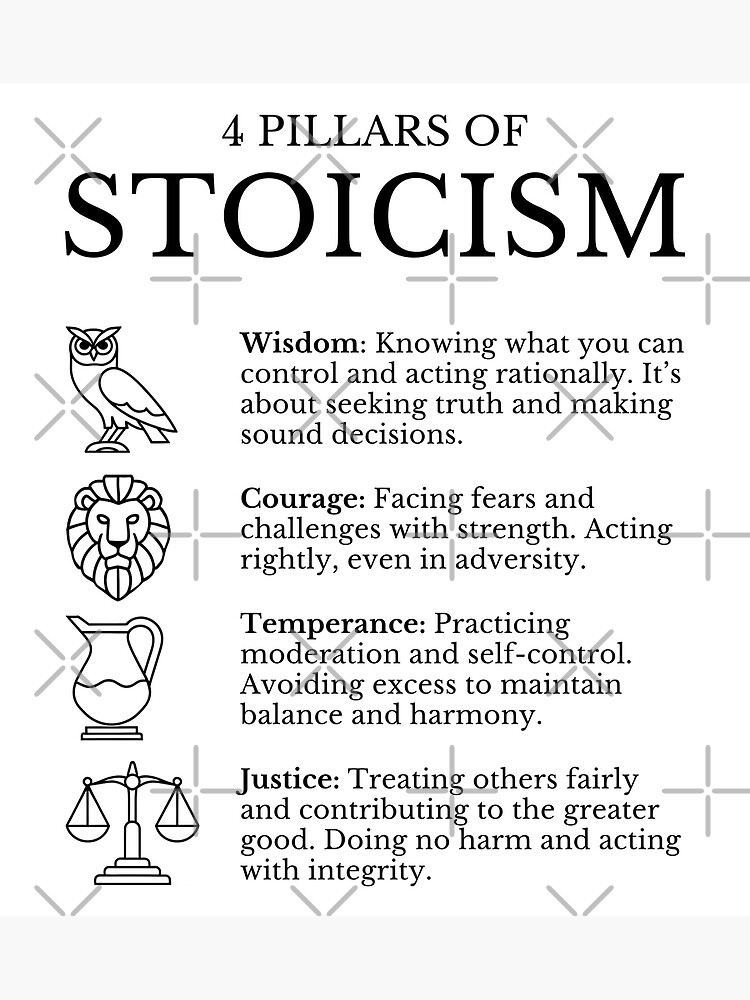
Stoicism is supposed to be a unified philosophical system of beliefs.
Stoic belief has conflicts with rhetoric and ethics. Rhetoric is the art of persuasion through language. Ethics is the study of right and wrong. A stoic believes the universe has a rational, and deterministic order that unfolds as fate. If that is accepted as truth, it means everything unfolds in life according to fate. One asks oneself, how can humans be responsible for anything, if life is a matter of fate? The stoic’s response is that external events are fated, but human inner-responses are free. Why would one act ethically if outcomes are predetermined? Epictetus argues we only control what is up to us like Marcus Aurelius is noted to have struggled to reconcile his duty as a leader to what may be a cosmic inevitability. The tension between fate and ethical response is not entirely answered by a Stoic who says inner responses are free when the end result remains fated. The only psychological consolation seems to be feeling one did what was right despite what inevitably happens.
Then, there is the conflict between stoic emotional discipline and rhetorical passion.
A stoic is expected to be emotionally restrained but may use emotional rhetoric to give urgency to persuade another person to act differently. Appeal to one’s emotions by using emotional rhetoric is a betrayal of stoic idealism. Words matter. Finally, the stoic writes of universal social responsibility but encourages personal detachment from society. As a stoic, there is a philosophical conflict between what may be a stoic’s public duty and their belief in inner retreat. The sad truth is that inner retreat is easier for most human beings.