BALANCE

It is ironic that Trump has suffered so much from America’s legal system and is unable to see NIMBY mentality and a return to the past will not “Make America Great”.

Books of Interest
 Website: chetyarbrough.blog

Breakneck (China’s Quest to Engineer the Future)

AuthorDan Wang

Narrated By:  Jonathan Yen

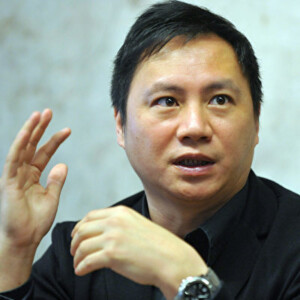
Feng Chen Wang aka Dan Wang (Author, Canadian technology analyst and writer, visiting scholar at Yale Law School.)

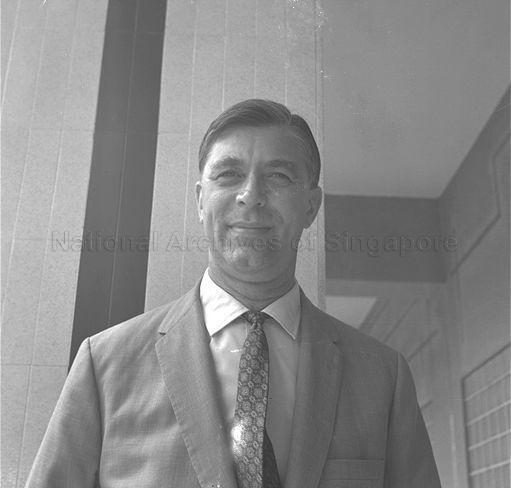
Dan Wang is a highly credible author of the 21st century economies of China and the United States. Mr. Wang’s mother and father were born in China when the one child policy was the law of the land. Mr. Wang was born in Canada in either 1991 or 1992. Though Mr. Wang may be an only child, his parents advised him that living in China was challenging because of its state control and family planning that restricted their human rights.

Dan Wang has lived in Canada, America, and China.
From 2017 to 2023 he worked as a technology analyst in Hong Kong, Beijing, and Shanghai. As a young man, Wang bicycled across China with young friends. Having been educated in Canada and the United States, growing up in Toronto and Ottawa and going to high school in Philadelphia, he has a broad understanding of the economies of all three nations. Of course, his specialty is technology which gives him a unique understanding of what is happening in America and China today. He graduated from the University of Rochester in 2014, studying philosophy and economics.
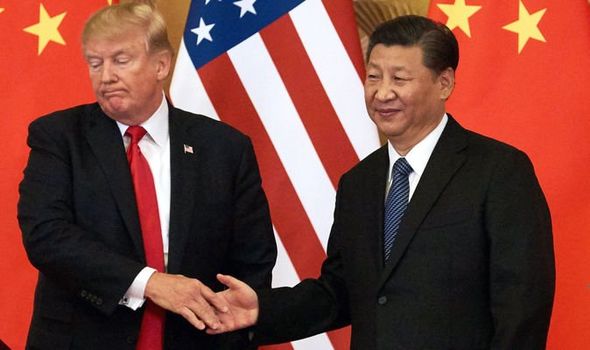
Trump’s apparent view of Xi.

After listening to Wang’s book, one begins to understand why President Trump’s perspective is that the world, with emphasis on China, has taken advantage of America’s economic wealth by eviscerating its industrial industries with less expensive product made in other countries. Wang presumes as a person who has an economics education that Adam Smith (the Father of Economics) and Donald Trump are right when they argue tariffs are justified in areas of national defense, or for retaliation. On the other hand, Adam Smith, noted “It is the maxim of every prudent master of a family, never to attempt to make at home what it will cost him more to make than to buy.”

Adam Smith (Father of Economic Theory)

Smith argued if another nation can provide the same product for less cost, a prudent buyer should buy the cheaper product and use money saved to produce a different product. Wang and Trump disagree with Smith because the revenue producer that America turns to is the service industry rather than product development. What is missed by Wang and Trump is that America is the third largest agricultural producer in the world with China and India being the largest. Of course, the difference is that America has 1/3rd the population of China and India, respectively. Lower population and high agricultural production in the United States hugely benefits its economy. More significantly, food, like water, is an essential need of life. The point is that non-food product production is not necessary for living life.

Loss of industrial production to China.

Wang’s and Trump’s argument is that America’s loss of industrial production has made it too dependent on other countries. They either infer or say Americans are forgetting how to manufacture product. They argue American industries are closing because of America’s inability to compete with other nations because of labor and material cost differences. History shows America fails to expand its industries because production of things is provided by other nations at a lower cost. And as Adam Smith noted, “It is the maxim of every prudent master of a family, never to attempt to make at home what it will cost him more to make than to buy.”

Wang decries America’s movement toward a service industry as the basis for economic growth.

America is the richest country in the world, but America has failed to eliminate poverty, house the homeless, feed the malnourished, and provide for the infrastructure needed to improve America lives. One may ask oneself-what is wrong with becoming a service industry nation? Why does America have to return to its past. As Adam Smith noted: “It is the maxim of every prudent master of a family, never to attempt to make at home what it will cost him more to make than to buy.” The future is about being healthy, being housed, fed, and clothed. It should not be about being the richest and fattest minority in the world, particularly when there is an inordinate gap between the rich and poor.

Wang argues America’s economy is diminished, not by reduced industrialization, but by its growth of legalism that reinforces nimby (not in my backyard) litigation.
Delays in public improvements in America are restrained by lawsuits that protect the rich and victimize the poor. An example is the long delays in mass transportation improvements which become more costly with every year that passes before completion. The delays are caused by litigation. When China can build rapid transit in 3 years while it takes 15 or more years in America, one wonders why. The huge investments China has made in massive infrastructure improvements have vastly improved their economy. In contrast, America wastes investment resources litigating mass transportation improvements in California, Washington, and other states by increasing costs from delays caused by litigation. It is like throwing the baby out with the bath water because the number of people who benefit from infrastructure improvement are largely discounted or ignored. Equally appalling is homelessness in America because of NIMBY’ objection to low-cost multifamily housing that could get the homeless off the street. Cost benefit analysis should prevail, not litigation based on interest group objection. In Wang’s terms, American infrastructure decisions should be based on science and engineering like, what he argues, China bases their infrastructure decisions upon.

The fundamental point is that America has lost sight of the importance of a balance between benefit to the public and individual rights. Equality of opportunity is split between the rich and poor with the middle class being too complacent while the rich reap unconscionable reward. Where are the Eisenhower-like Presidents who promoted an Interstate Highway System that created a 421,000-mile interstate highway system?

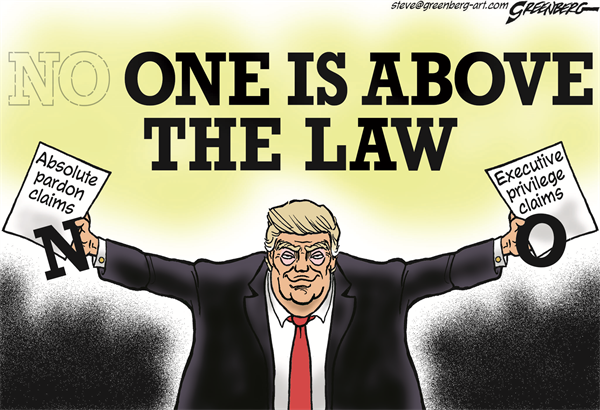
Trump is no Eisenhower because he wishes to return America to a past rather than look to its future. It is ironic that Trump has suffered so much from America’s legal system and is unable to see NIMBY mentality and a return to the past will not “Make America Great”. Wang’s book explains how China has succeeded in improving their economy while America’s economy is failing.


UNINTENDED CONSEQUENCE

Technology is a key to social need which has not been well served in the past or present and could become worse without pragmatic accommodation.

Books of Interest
 Website: chetyarbrough.blog

Daughters of the Baboo Grove (From Chian to America, a True Story of Abduction, Adoption, and Separated Twins)

Author: Barbara Demick

Narrated By: Joy Osmanski

Barbara Demick (Author, American journalist, former Beijing bureau chief for the Los Angeles Times.)

This is a brief and fascinating historical glimpse of a government policy gone awry. Like America’s mistaken policies on immigration, Barbara Demick’s story of China’s one-child policy traces the effects of government overreach. Demick tells the story of a rural Chinese family who births twin sisters during the time of China’s unjust enforcement of their one-child policy. One sister is abducted by Chinese government officials, and is adopted by a family in Texas. The ethics of an inhumane Chinese government policy and the perfidy of free enterprise are exposed in Demick’s true story of two children’s lives.

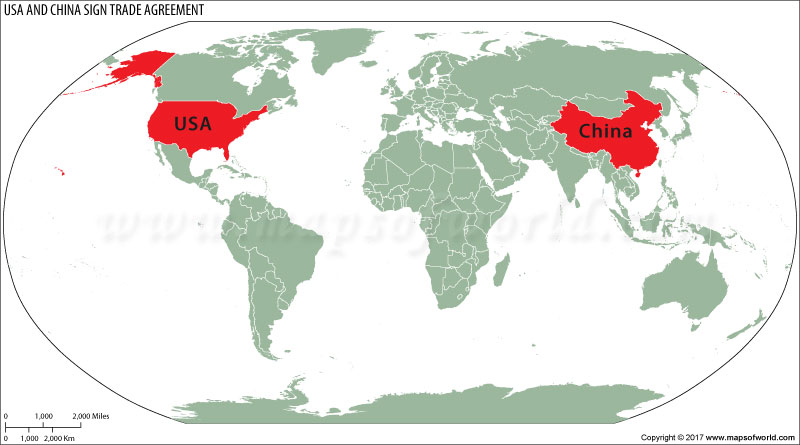
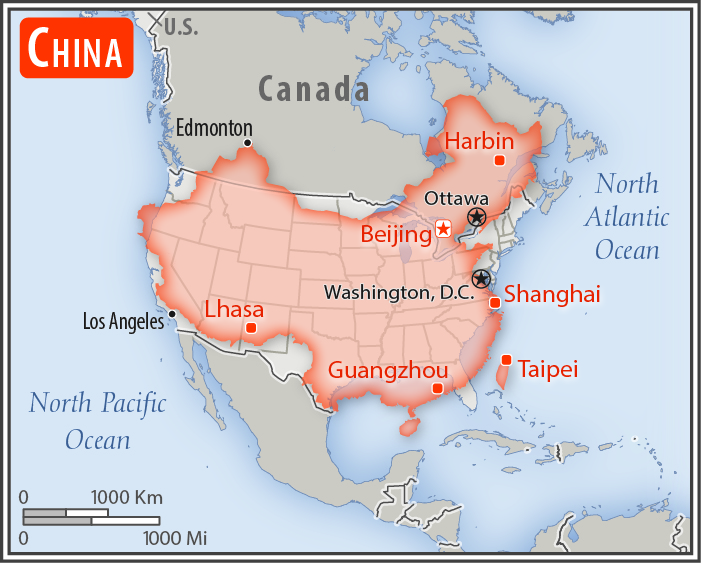
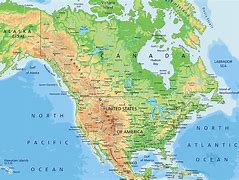
The territorial size of China in respect to continental America.

China’s one-child policy leads to a Chinese criminal enterprise to capitalize on kidnapping and selling children born to families that could not afford the fines for having more children than the law allows. Undoubtedly, most children born were cherished by their parents, but the hardship of life and human greed leads to unconscionable human trafficking. Kidnapping became a part of a legal and criminal enterprise in China. Government policy allowed bureaucrats and scofflaws to confiscate children from their parents and effectively deliver or sell children to orphanages or people wanting to adopt a child. Demick recounts stories of grieving parents and grandparents that cannot get their children back once they have been taken.
Child trafficking, broken families, loss of personal identity, human shame, and the immoral implication of other countries interest in adopting children are unintended consequences of a poorly thought out and implemented government policy.

Demick becomes interested in this story because of a message she receives from a stepbrother of an adopted Chinese sister that has a twin that lives in China. Because of Demick’s long experience in visiting and reporting on China, she had a network of people she could call. Using adoption records, Demick is able to find the Texas stepsister who had been kidnapped when she was 22 months old. She was trafficked to an orphanage in the Hunan Province of China. Years later, through messaging apps, the twins communicated with each other and shared their photographs. They eventually meet in China in 2019.

One is hesitant to argue a government policy is a unique act of China when every government makes policy decisions that have unintended consequences.

America’s policy decisions on immigration are a present-day fiasco that is as wrong as the one-child policy in China’s history. The one-child policy is eventually rejected by the Chinese’ government but Demick’s book shows how bad government policy has consequences that live on even when they are changed by future governments. America’s policy on immigration will be eventually reversed but its damage will live on.

Getting back to the story, Demick is instrumental in having the mother of Esther (aka E) and the twins meet in China.

One is hesitant to argue a government policy is a unique act of China when every government makes policy decisions that have unintended consequences. The twins are initially reticent but warm to each other in a way that bridges the cultural and language divide between the sisters. The two mothers see their respective roles in their daughter’s lives. E and her identical twin, Shuangjie, are reserved when they meet because of the cultural distance that was created by E’s adoption.

E. appears more confident than Shuangjie who is more reserved and less assured.

However, Demick suggests they seem to mirror each other in subsequent meetings. One feels a mix of emotions listening to this audiobook version of “Daughter’s of the Bamboo Grove”. They have grown up in different environments but seem to have been raised in similar economic circumstances, though the two economies are vastly different in income per household, the two appear to be raised in similar economic classes.

Every person who reads/listens to “Daughter’s of the Bamboo Grove” can view the story from different perspectives.

There is the perspective of identical twins raised in different families, cultures, and histories. How are identical twins different when they are raised by different parents and in different cultures? Another perspective is that Xi and Trump have had dramatic effects on the societies their policies have created. The Twin’s meeting in 2019 is one year after my wife and I had visited China. Xi had become President after his predecessor began opening China’s economic opportunities. Two incidents on the trip when Xi had become President come to mind. The first is the feeling one has of being monitored everywhere and the internet restrictions when used to ask questions. The second was an incident in a crowded Chinese market when I was approached by a beefy citizen who raised his arms and seemed to be angrily talking to me in Chinese which I sadly did not understand. The distinct impression is that I was not welcome. This was a singular incident that did not repeat in our 21-day tour, but it seemed like an expression of hostility toward America.

This listener/reader thinks of the unintended consequences of Trump’s treatment of alleged illegal immigrants.

Trump’s immigration policy is similar to China’s earlier mistake with the one-child policy. America’s, China’s, and Japan’s economies are highly dependent on youth which is diminished in two fundamental ways. One is by public policy that restricts birth, and the other is immigration. Freedom of choice is a foundational belief in democracy while considered a threat in autocracy. In America today, it seems there is little difference between America, Japan, or China in regard to government policy that threatens the future. All have an aging population that can only be aided by younger generations. Even though manufacturing may become less labor intensive, public need in the service industry will grow. Technology is a key to social need which has not been well served in the past or present and could become worse without pragmatic accommodation.

COST/BENFIT

“Apple in China” is a message to the entire world about the risks of technological relocation solely based on reducing costs of labor in a politically and culturally divided world. This is a book every employer should listen to or read.

Books of Interest
 Website: chetyarbrough.blog

Apple in China (The Capture of the World’s Greatest Company)

Author: Patrick McGees

Narrated By:  Fred Sanders

Patrick McGee (Author, technology/business journalist, San Francisco Correspondent for “Financial Times”.)

Patrick McGee has written an important book about world trade. He reveals a shocking story about Apple and the risk of basing a corporation’s economic future on a singular aspect of its success, i.e. cost of manufacturing. This is a story of two companies and the world’s labor market. Foxconn and Apple look to China, Taiwan, South Korea, Ireland, and Asian countries that vie for the role of the cheapest and best labor markets in the world. Foxconn’s and much of Apple’s search and success as a tech company is based on finding the cheapest labor in the world for the manufacture of product. However, McGee explains how that view makes Apple and other international corporations vulnerable to the politics of nation-states that have a mix of economic and political agendas. McGee explains how politics can be a greater cost than benefit to a business enterprise because of nation-state’ politics.

The power of political leadership in business enterprise is on display in America today with Donald Trump and his doomed effort to return America to a 20th century manufacturing behemoth.

McGee’s story is about the impact of China’s government on Apple and Foxconn led by Tim Cook and Terry Gou. Tim Cook is the wunderkind hired by Steve Jobs before his death, and Terry Gou is the Taiwanese billionaire who founded Foxconn which is now headed by Young Liu who was educated in Taiwan and the United States.

Tim Cook (CEO of Apple Inc.)

McGee explains why and how Tim Cook became the CEO of Apple. Jobs who was known as a poor manager of people, needed a manager who emulated Jobs’ drive but understood how to manager an organization to become bigger while remaining profitable. Cook is characterized as someone who has a near photographic memory. His analysis of reports from subordinates could be used to advance company goals or change a subordinate’s understanding of anything they propose that is not practicable or goal focused. What McGee argues is that Tim Cook’s focus on the cost of manufacturing became an Achilles heel when he hires Foxconn to organize Apple’s iPhone manufacturing to be done mostly in one country, China.

To accomplish iPhone manufacture in China, Cook had to transfer thousands of American engineers to train laborers in the assembly of Apple products.

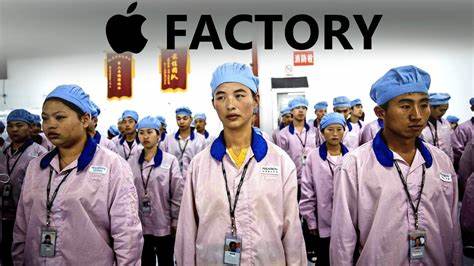
Cook needed a go-between which became Foxconn, a Taiwanese company that is the largest electronics labor contractor in the world. Foxconn is also China’s largest private-sector employer with over 800k employees. Foxconn employees assemble iPhones, semiconductors, and electronics for some of the largest American technology companies in the world, e.g. Apple, Microsoft, and Dell. Foxconn’s relationship with China is further complicated by the international relationship between Taiwan and China. Foxconn has built a lucrative business in the tech industry because of its labor intensity and the desire of tech companies to minimize overhead to improve their profits.
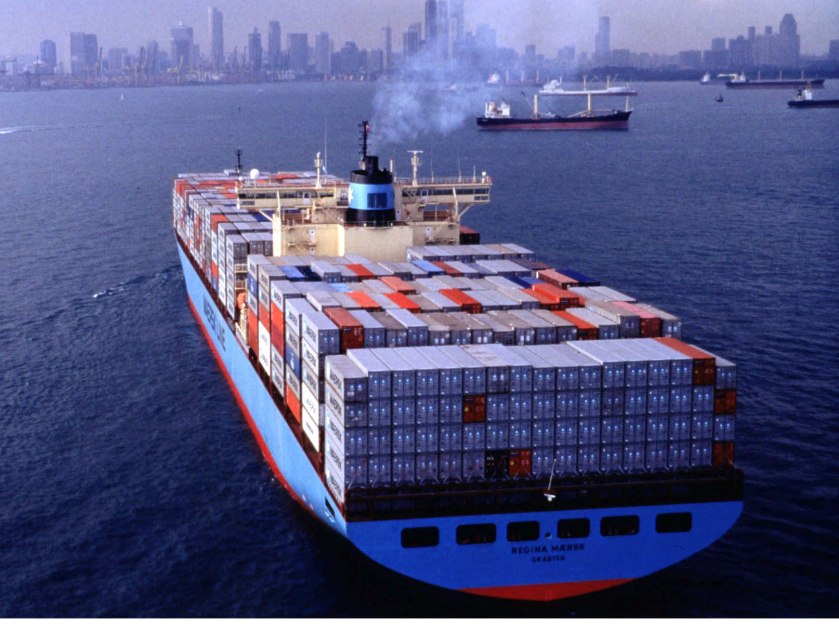
World trade has made Foxconn the leading international labor subcontractor in the world. They employ an estimated 800,000 employees in China alone.

The desire to bring Taiwan under the control of communist China is a background conflict between Xi and Terry Gou. It may be unlikely that Gou would ever be elected President of Taiwan, but his candidacy is a cloud of suspicion to knowledgeable Chinese, Taiwanese, and American leaders. McGee notes Foxconn’s tax audits and land-use investigations by Chinese authorities that some believe are politically motivated. Foxconn has been criticized for poor working conditions because of incidents of worker protests, suicides, and labor strikes. China’s posture on those working conditions is ambiguous and most American businesses are ignorant or uncaring. A China crackdown on labor conditions would have wide effects on the global tech industry.

For Apple to lower costs of iPhone assembly, Foxconn contracted China’s people at low wages, to support what would be unfair labor practices in America, to assemble iPhones.

This benefited Apple in the first years of their association with Foxconn in China. However, later in the transition President Xi spread false reports of poor and unfair warranty practices being offered Chinese consumers of Apple products. Contrary to Xi’s claims, McGee explains that Apple warranties were the same in China as they were throughout the world.

McGee infers politics were behind Xi’s false claims about iPhone warranties.

China’s economy benefited from Apple’s move for cheaper manufacturing costs. China gained an immense technology boost from the retraining of Chinese citizens by Apple’s experienced engineers. With iPhone manufacturing in China, Apple’s revenues rose from $24 billion in 2007 to $201 billion in 2022. Apple invested an estimated $275 billion in China’s economy over 5 years. However, with Xi’s lies and vilification of Apple’s warranty, Chinese smartphone giants like Huawei, Xiaomi, Oppo, and Vivo increased sales. One presumes, Tesla followed a similar cost and benefit reward with its labor and technology transfer to China’s electric vehicle manufacturers.

McGee notes the bad publicity for Apple in the Chinese market threatens Apple’s future in three ways.

One, its loss of sales in China, two, a significant change in low-cost manufacturing advantages with rising Chinese labor cost, and three, Apple’ technology transfer to Chinese companies. Add to those lost advantages is Apple’s relocation costs to another country for iPhone manufacture.

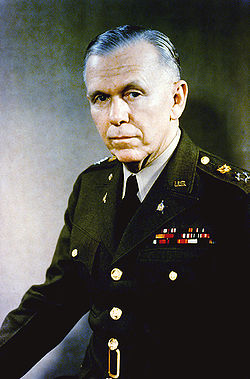
GENERAL GEORGE C. MARSHALL (1880-1959)

An interesting comparison McGee makes between Apple’s $275 billion investment in China for iPhone assembly is that it is more than double the amount used in the Marshall Plan to rebuild Europe after WWII.

McGee notes Apple has a supply chain vulnerability from the Chinese government’s relationship with key suppliers of iPhone components wherever they are assembled. “Apple in China” is a message to the entire world about the risks of technological relocation solely based on reducing costs of labor in a politically and culturally divided world. This is a book every employer should listen to or read.

US/CHINA

The inference one draws from Rudd’s book is that peaceful co-existence will only come from a recognition and acceptance of the cultural differences between American democratic capitalism and Chinese authoritarian capitalism.

Books of Interest
 Website: chetyarbrough.blog

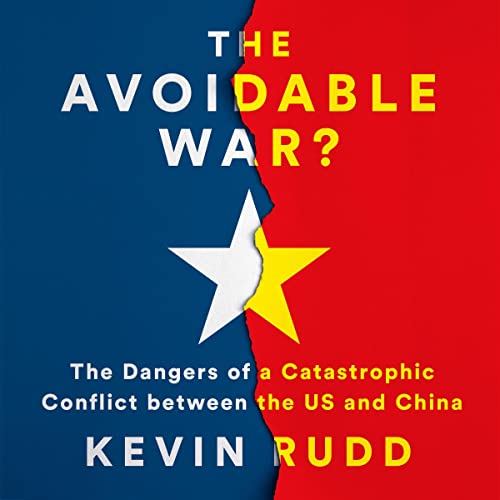
The Avoidable War? (The Dangers of a Catastrophic Conflict between the US and China)

By: Kevin Rudd

Narrated By: Kevin Rudd, Rafe Beckley

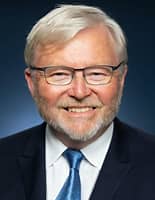
Kevin Rudd (Author, Australian diplomat and former politician who served as the 26th prime minister of Australia. He is fluent in Mandarin and received honors in Chinese studies from the Australian National University.)

Kevin Rudd’s title, “The Avoidable War?” is a provocative book, evidenced by its audiobook title’s question mark. The greatest part of Rudd’s book has a neutral and non-committal view that almost makes one put the book down. However, Rudd’s knowledge of the languages of Chinese and English and his many diplomatic contacts with politicians in both cultures entice one to keep listening for a solution to fundamental differences. The last chapters of Rudd’s book are enlightening and have the ring of truth but imply irreconcilable cultures that make a question mark after the title of the book correct but unsatisfying.

Spheres of Influence.

The first part of Rudd’s book puts one off because it reinforces the aggressive warlike foreign policy beliefs of China and the U.S.

Rudd emphasizes China’s military buildup and its intent to expand its sphere of influence in the Pacific theater. Xi’s intention is to expand China’s power and influence. That intent gives one a sense of impending doom. One has to put that feeling aside to get to the last chapters of the book. Rudd explains the vulnerabilities of both America and China may avoid a nuclear war and its cataclysmic consequence but not offer peace.

XI JINPING (GENERAL SECRETARY OF THE COMMUNIST PARTY OF CHINA AND PRESIDENT OF THE PEOPLE’S REPUBLIC OF CHINA.)

Rudd explains the history of Xi Jinping’s rise to power and his actions assure his continuation as the General Secretary of the Chinese Communist Party and President of the People’s Republic of China. Xi served in the People’s Liberation Army for three years, beginning in 1979. Xi earned a bachelor’s degree in chemical engineering in 1979. He pursued a Doctorate in Marxist Theory and Law while working in the government. Xi rose to power in 2012 with his appointment as General Secretary of the Chinese Communist Party. He was elected by the National People’s Congress to the Presidency in 2013.

Rudd infers Xi is a committed believer in a socialist form of communism.

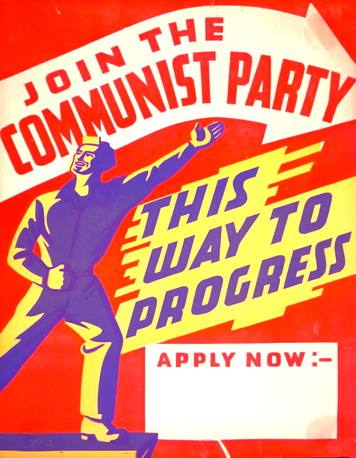
The picture of Xi that Rudd creates is of a leader who acknowledges the value of economic growth while firmly believing in a classless society that melds the strength of government authoritarianism with the skills of Chinese entrepreneurs. Xi maintains the direction of China’s economic growth by eliminating any political opposition from party members or influential entrepreneurs that get in the way of authoritarian socialist communism. Rudd believes Xi will be in power for many years to come.

The tariff war started by President Trump undoubtedly troubles Xi, but one doubts it will change Xi’s international frame of mind.

History has changed since Rudd wrote his book. In contrast to Xi who will likely be President for many years, America limits the office to two terms. This is particularly relevant to the authoritarian influence of Donald Trump in the next three plus years of his second term. Xi recognizes Trump will be replaced by a different President at the end of his last term in office. There will be negotiation on the tariffs, but Trump’s position is weakened by the limit of his term in office.

The faltering reduction of income for Chinese workers and families.

As noted by Rudd, the most important issues facing Xi’s administration is the reduction of income for Chinese workers and families. The immense improvements in average incomes of families in China came from its opening to capitalism which created a more socialist form of communism. That capitalist opening increases pressure on Xi to ameliorate Trump’s U.S. tariff policy. Putting aside President Trump’s false reasoning on creating an international tariff war, one hopes Xi’s need to grow the Chinese economy will aid Trump’s negotiation on tariffs.

Much of Rudd’s book is about China’s economic growth and its intent to acquire Taiwanese territory.

As is well known, the U.S. is ambivalent about Taiwan with many Americans who say “who cares” about their fate and others who believe every nation should be free to choose their own form of government. Now that China has experienced the value of introducing capitalism to communism, Taiwan would be a valuable addition to the Chinese economy. In the history of Mao’s defeat of Chiang Kai-shek in the Chinese Civil War, Taiwan became an island nation in 1949. The nation of Taiwan was built by refugees from mainland China who chose to become an independent capitalist country that eschews communism.

CHIANG KAI-SHEK (CHAIRMAN OF THE NATIONAL GOVERNMENT OF CHINA 1943-1948)

Taiwan’s growth as a tech giant has made them a capitalist economic success. Xi undoubtedly sees the potential of Taiwan’s economic benefit to China’s faltering economy. One concludes from Rudd’s book that the history of Chiang Kai-shek’s followers and their departure from China irks Xi, both from an historical as well as economic perspective.

The primary subject of Rudd’s book is the issue of war with China.

What Rudd is driving for is a rational appreciation of what America should do with the growing international power of China. Rudd implies China will become the equal, if not superior, of the American economy. He believes China will return to its former hegemonic influence, like that of its former dynasties. Rudd acknowledges Xi faces the immense task of returning China’s economy to its recent economic success. He implies Xi will succeed by carrying on with his view of how economic success can be returned with prudent authoritarian control of capitalism with the objective of creating a classless society idealized by communism.

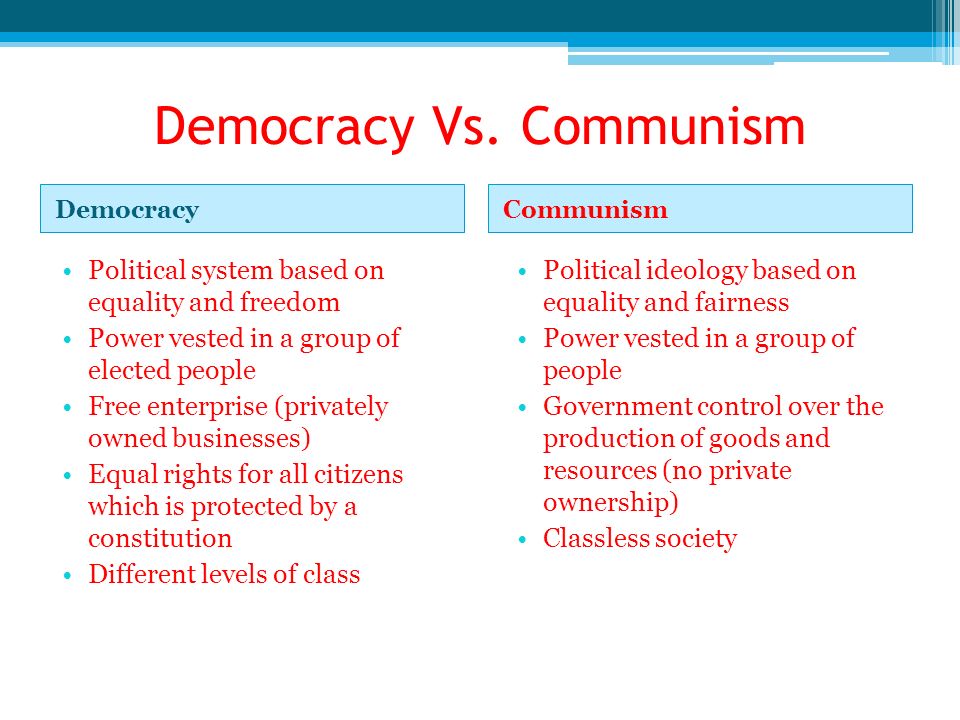
The fundamental point Rudd is making is that China has a culture founded on authoritarianism and chooses to use capitalism in a way that is not democratic.

The surveillance technology of today allows Xi and future China rulers to influence Chinese culture in ways beyond the theoretical interest of democratic governments. The inference one draws from Rudd’s book is that peaceful co-existence will only come from a recognition and acceptance of the cultural differences between American democratic capitalism and Chinese authoritarian capitalism.

CHINA

Harmony and pragmatism undoubtedly remain important characteristics of Chinese society. Time will tell whether societal harmony can be maintained by an increasingly authoritarian leader.

Books of Interest
 Website: chetyarbrough.blog

The Chinese Looking Glass (The most illuminating book yet written on China and her enigmatic people.)

By: Dennis Bloodworth

Dennis Bloodworth (1919-2005) Author, journalist, British writer at The Observer, first British journalist allowed to visit China in 1955.

“The Chinese Looking Glass” is a whirlwind journey across the vast history of China by the first British writer allowed to visit China in 1955. It is a primer for a general understanding of China that was originally published in 1966 and updated in 1980. The author’s marriage to Liang Ching Ping adds credibility to his view of Chinese culture.

One reads Bloodworth’s book and is somewhat overwhelmed by its breadth. So many generations of Chinese culture are too much to cover in a 400+page book.

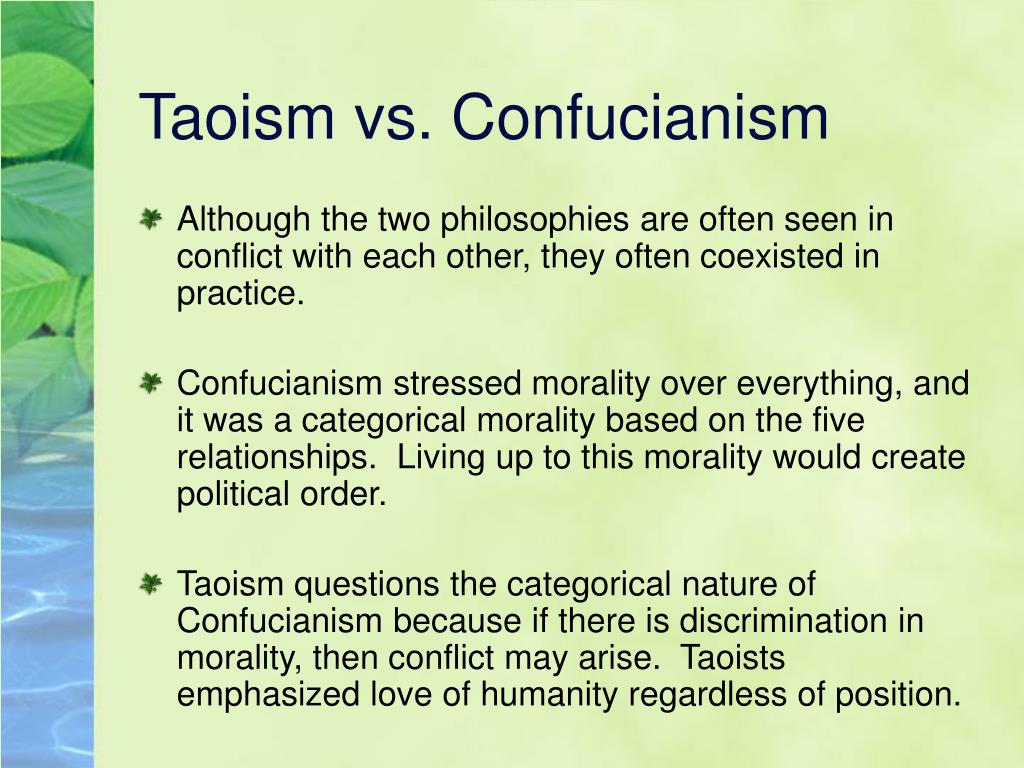
The author manages to give a broad understanding of a Chinese worldview that is shaped by Confucian and Taoist history, a collective identity that often conflicts with the Western culture of individualism. He notes Chinese traditions are based on filial piety (meaning duties, respect and devotion of children to their parents). Bloodworth notes, through many generations of Chinese culture, behavior and decision-making there is a focus on social harmony. Both Confucianism and Taoism play significant roles in shaping Chinese society.

Bloodworth notes Confucianism and Taoism shape Chinese society.

Piety, respect for hierarchy, education, and a focus on societal harmony were philosophical foundations of Chinese governance. Piety led governance toward strict rules and centralized authority. Historical figures like Confucius, Laozi, and Sun Tzu influenced Chinese culture and thought. The spiritual tradition of Buddhism reinforced the teaching of these cultural influencers. Buddhism emphasizes the suffering of life is caused by desire, and attachment. Buddhist teaching is that desire and attachment must be replaced by understanding and rejection of both through meditation and mindfulness.

Because democracy focuses on individual rights and freedoms, the ideals of collective harmony, hierarchical structure, and centralize authority make communism a better fit for Chinese culture.

Mao Zedong (1893-1976)

Mao unified China after decades of war and instability. Bloodworth suggests Mao Zedong had a nuanced impact on China.

However, Mao’s centralized power resulted in big economic mistakes like the famine of the Great Leap Forward that caused misleading food production reports meant to please the government when production was much less than what was needed to sustain life for Chinese citizens. With famine, the Cultural Revolution is unleashed, and China’s growth and stability were set back. Bloodworth had observed China’s governing always included pragmatism and adaptability to their drive for cultural harmony.

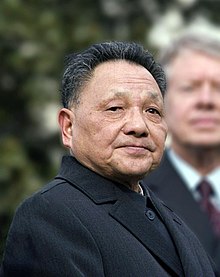
Though Bloodworth mentions Deng Xiaoping in the last chapters of his expanded edition of “The Chinese Looking Glass”, he does not foresee the opening of the Chinese economy and its rapid economic expansion.

The pragmatic realization that collectivization of farming led to misleading information about production compelled Deng to open agricultural production to a more market-driven incentive to preserve social stability. Deng was an authoritarian as is evidenced by his decision on the Tienanmen Square crises.

Though Bloodworth did not live to see the next iteration of China’s leadership, an element of recidivism enters with Xi’s control of the government.

Harmony and pragmatism undoubtedly remain important characteristics of Chinese society. Time will tell whether societal harmony can be maintained by an increasingly authoritarian leader.

IMPERIAL ELITE

Kaplan’s last chapters make a powerful statement about what America should do to meet today’s and tomorrow’s challenges.

Books of Interest
 Website: chetyarbrough.blog

“Earning the Rockies” (How Geography Shapes America’s Role in the World)

By: Robert D. Kaplan

Narrated by: William Dufris

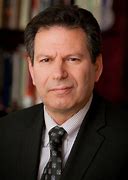
Robert Kaplan (American Author, freelance journalist and foreign correspondent.)

The first chapters of Robert Kaplan’s “Earning the Rockies” are a travel memoir about America’s growth from 13 colonies to 50 states, but the last two chapters are a considered view of America’s turbulent history and what its role should be in the world.

Kaplan explains he comes from a working-class family born in New York City.

Kaplan was raised on the East Coast. His father was a local truck driver. However, his son became a world traveler who served in the Israeli Army and worked as a freelance writer for major publications. His travels and professional reporting experience undoubtedly influence his opinions about America’s role in the world.

Kaplan’s book begins with memories of his beloved father who talked to him about many things, one of which is a belief that “Earning the Rockies” requires one to work to make a living before traveling across the country.

Kaplan writes an apocryphal story of traveling from the east to west coast of America. In reflecting on his journey, he recalls the history of America’s growth as a nation state. He writes of white settler’s displacement of Indian tribes, a journey to the northwest by leaders of the Mormon church, and America’s growth and assembly of 50 states.

In his travels, Kaplan recalls:

1) America’s territorial growth with the Louisiana purchase,

2) confrontation with Mexico to expand America’s southwestern border,

3) Civil War for union rather than separation, and

4) Mormon and other pioneer travels on the Oregon Trail to see and settle the Northwest.

America becomes an economic giant, protected from foreign interference by two oceans.

In the creation of this American geographic giant, many territorial, political, and economic conflicts were resolved. Kaplan’s suggests America’s economic growth is based on force and compromise, the keys to America’s future in the world.

Kaplan’s American heroes are George Washington, Abraham Lincoln, Theodore Roosevelt, and George H.W. Bush. He adds the extraordinary insight of Ambassador George Kennan in his analysis of Russia. Kaplan notes other great leaders, but these four Presidents and one diplomat are examples of how American leaders use force and compromise to enhance the power and prestige of democracy in the world.

Kaplan explains prudent use of force and compromise is how the west was won and how America became an economic hegemon, a power and influence in the world.

Union of America’s States was perpetuated with force, while compromise continues to ameliorate the wrongs done to Indians and Blacks in America. Those wrongs will never be removed but compromise inures to the benefit of future generations.

Kaplan argues there is an imperial elite in America, similar to what were the elite and influential intellectuals of ancient Greece.

Many of these elites graduated from Harvard or other ivy league schools. (There is an “echo chamber” risk when too many leaders are educated in the same ivy league school.) Along with this imperial elite, he suggests America’s sea power is as important today as it was for the Greeks in antiquity. Sea power widened the influence of Greece just as it widens the influence of America today.

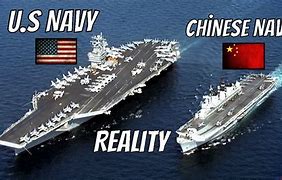
China is working toward a similar goal with its expansion of aircraft carrier and warship production.

Prudent use of power and compromise will expand the influence of every country that has hegemonic ambition. The operative word is “prudent”, i.e., navigating life with a thoughtful eye toward the future. Of course, there is a difference between China’s and America’s political prudence, but each is able to draw on resources that can change the course of history. The question becomes which has a system of government that can prudently use force and compromise to achieve peace and prosperity?

China’s and Russia’s education system leans toward communism which has not had the same level of success as capitalism.

America’s imperial elite is largely educated in American’ ivy league schools. Kaplan suggests, to the extent that these elitists grasp the importance of using force and compromise through democratic capitalism, the world has a chance for peace and prosperity.

Kaplan notes there is less geographic advantage for America today because of technological interconnectedness.

However, interconnectedness cuts both ways. Force and compromise have wider influence with technological interconnectedness. Whether today’s imperial elitists are prudent in their use of force and compromise is most important. Kaplan strongly suggests America should build the Navy to be a symbol of force and presence around the world. However, leadership of the many as opposed to the one as in in China, Russia, or any autocracy seems equally important.

Kaplan’s last chapters make a powerful statement about what America should do to meet today’s and tomorrow’s challenges.