The essence of Rickard’s book is that the use of GPT is a threat to the financial world and to world peace. If the war on Iran continues, there is increased risk of wider conflict, further financial stress, reduced human judgement, and greater potential for world conflagration in a nuclear war.
Books of Interest Website: chetyarbrough.blog
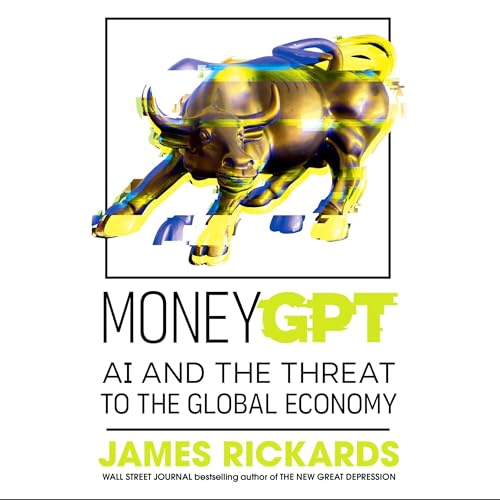
MONEY GPT (AI and the Threat to the Global Economy)
Author: James Rickards
Narration by: James Rickards
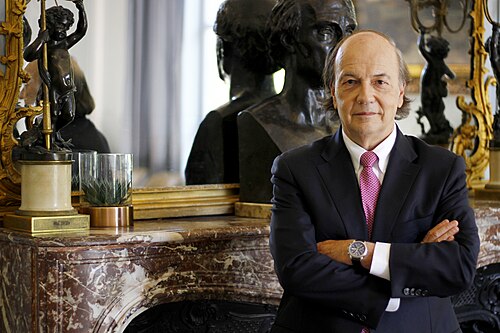
James G. Rickards (Author, American lawyer, investment banker, media commentator.)
Though Mr. Rickards has something valuable to tell his audience, his writing leaves room for improvement. The initials “GPT” stand for “Generative Pre-trained Transformer”. They are an abbreviation for massive datasets gathered by artificial intelligence to aid one’s understanding of complex predictions about finance and military conflict based on collected language used to explain the world.
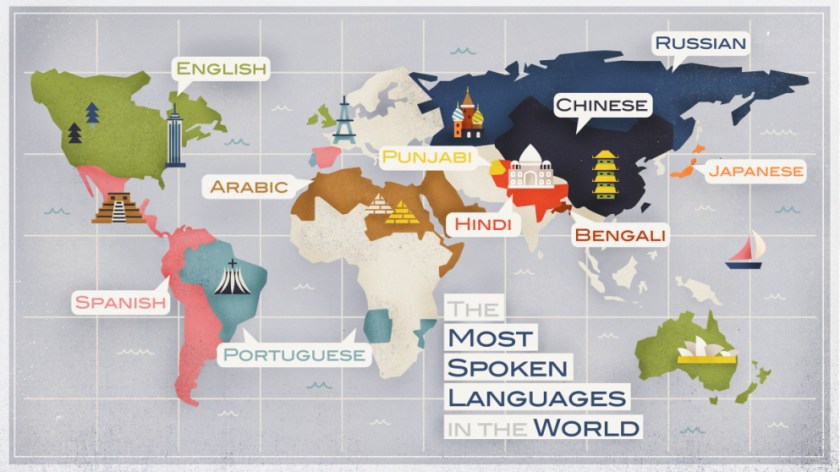
Languages of the world.
What Rickards intellectually recognizes is that collected language about the real world lacks human judgement which can accelerate human actions, weaponize misinformation, and increase conflict because AI lacks human reasoning. Without judgement, facts imparted by language collection may as quickly make wrong as right decisions. Optimum answers to complex problems require human judgement. Optimum answers may be aided by AI collated language, but human judgement is key to appropriate action. Rickards notes how stock market investors who rely on AI for decisions about what to do with their investments can as easily be misled when the market is in crisis because collected language is as likely to lead one further into crisis as toward a reasoned investment response.
Rickard explains a financial decision based on GPT carries the same threat in regard to war. One wonders whether President Trump’s escalation of the war on Iran is not based on GPT that compresses decisions and amplifies the volatility of America’s actions. Is the war escalating because of GPT and inadequate human judgement? America is faced with incomplete information on a purpose for bombing Iran and what goals are intended for ending the conflict. What GPT predicts is more U.S. strikes, further Iranian retaliation, and prolonged conflict that will continue to roil the economies and citizens of the world. Regional war, let alone a World War, is increasingly likely to cause a global shock to financial markets.
Uses of GTP aka GPT.
The essence of Rickard’s book is that the use of GPT is a threat to the financial world and to world peace. If the war on Iran continues, there is increased risk of wider conflict, further financial stress, reduced human judgement, and greater potential for world conflagration in a nuclear war.
One comes away from Trevor Reed’s book with the feeling he tilted at Don Quixote’s windmill. One’s heart goes out to Ukraine and their fight against an implacable Russian President who tilts at a different windmill.
Books of Interest Website: chetyarbrough.blog
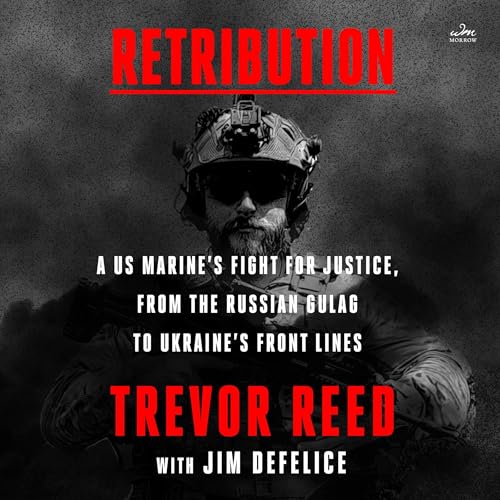
Retribution (A US Marine’s Fight for Justice, from the Russian Gulag to Ukraine’s Front Lines
Author: Trevor Reed, Jim DeFelice
Narration by: Roger Wayne, Joey Reed
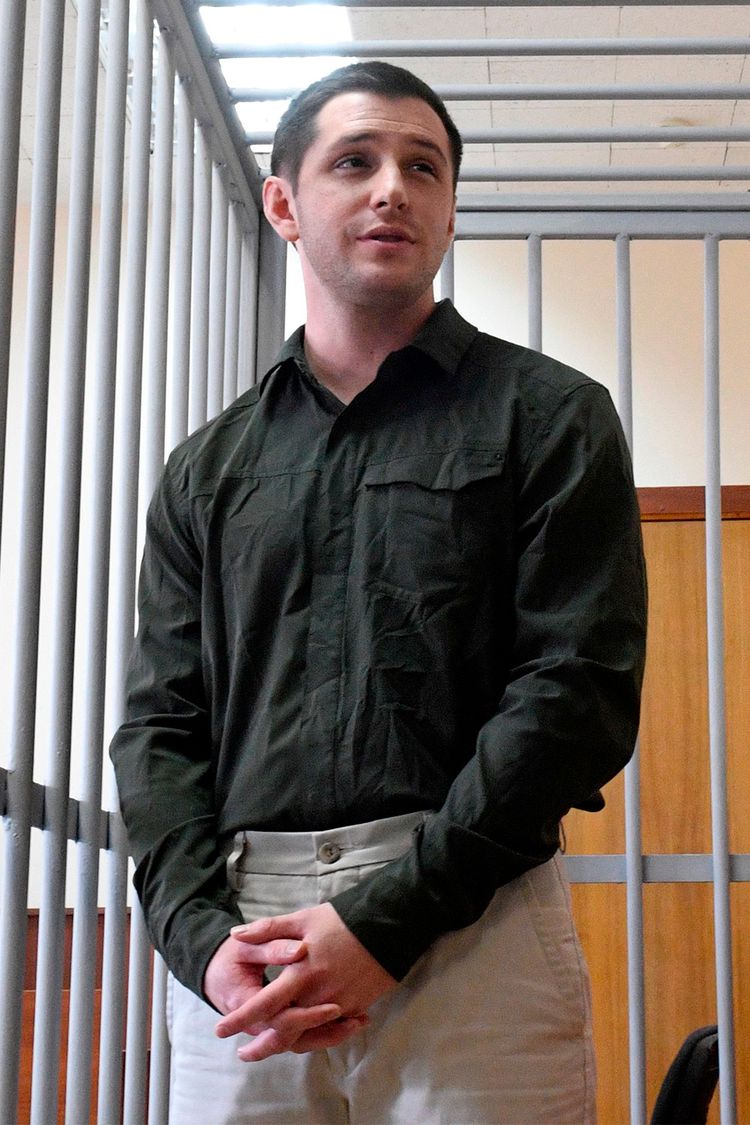
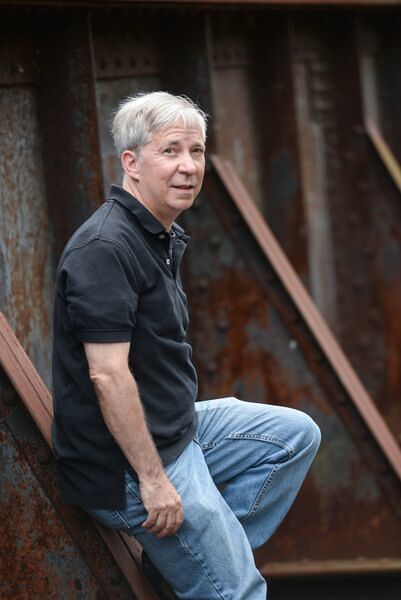
Trevor Reed (on the left) is the subject of Retribution. It is co-written with the novelist Jim DeFelice (on the right).
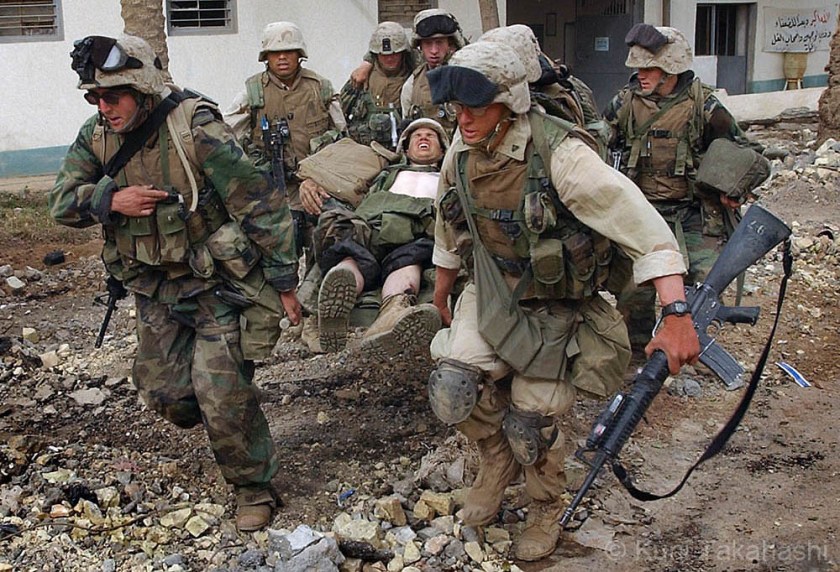
U.S. Marine infantry.
Trevor Reed is a former Marine infantry soldier who was imprisoned for being drunk and disorderly in Russia. He became a victim of Russia’s hostage exchange system. The story of his young life and how he became a marine and a Ukrainian combatant against Russia is explained in “Retribution”. As a strong-willed youth who challenged parental control, he became an athletic wrestling champion in high school. His disciplined physical work ethic made him a 145 lb. highly self-confident young man who decided (contrary to his father’s council as an ex-marine) to enlist in the marine infantry.
Reed’s story of being arrested in Russia is a lesson about the risks of traveling to a foreign country that disagrees with America’s form of government. Reed became romantically involved with a young woman in Russia who he had corresponded with after completing his 4-year commitment in the Marines. Alina Tsybulnik, his Russian girlfriend, visited America, became a friend of his family, and invited Trevor to Russia. They became intimate friends.
Alina Tsybulnik and Trevor Reed.
Tsybulnik is enrolled in a Russian college to become an attorney. When Trevor visits her in Russia, they go out on the town. Trevor gets drunk and disorderly and is arrested by the Russian police in 2019. In what is characterized as a gross exaggeration of Trevor’s actions on their night on the town, Trevor is sentenced to prison for nine years in a Russian penal colony. In April 2022, after three years, Trevor is released in a prisoner exchange.
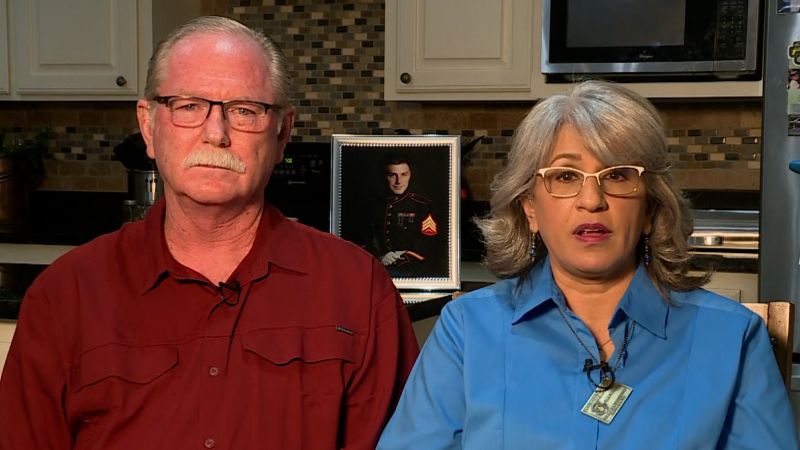
Trevor Reed’s parents.
Reed shows himself to be a tough-minded person who refuses to cooperate with the Russian prison guards’ orders to work while being unfairly imprisoned in a work camp. He is visited by his father who works to have the Biden administration get his son released. Alina Tsybulnik uses her legal experience with the Russian legal system to get Reed released. The corruption and purpose of incarceration in Russia is shown to be political by Reed’s story. Reed explains how even some Russian administrators, not to mention his girlfriend, resist the political ministrations of the system but are unable to change its policies.
Alexei Navalny, a Russian dissident, is sentenced to an Arctic penal colony and is poisoned. He dies in that Arctic colony at the age of 47 in 2024.
The last chapters of Reed’s book recount his effort to get a level of revenge against Russia’s injustice by volunteering in Ukraine’s war against Russia’s invasion. Reed had become a fluent Russian language user because of his intellect, his relationship with Tsybulnik, and his imprisonment. He used that skill to join the Ukrainian resistance. One comes away from Trevor Reed’s book with the feeling he tilted at Don Quixote’s windmill. One’s heart goes out to Ukraine and their fight against an implacable Russian President who tilts at a different windmill.
“The Fort Bragg Cartel” exposes a glaring weakness in a secret service meant to protect American citizens. The ironic truth in Trump’s Iran bombing campaign is that every American has a chance to decide.
Books of Interest Website: chetyarbrough.blog
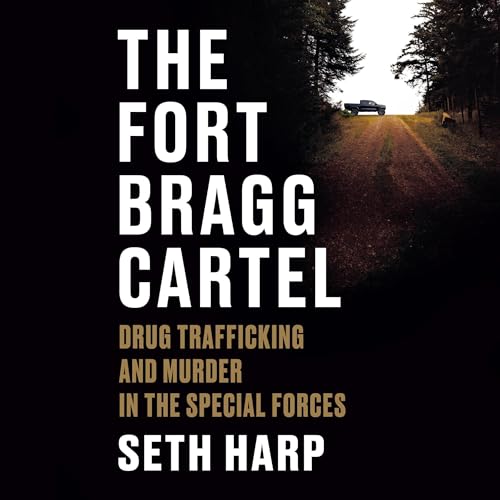
The Fort Bragg Cartel (Drug Trafficking and Murder in the Special Forces)
Author: Seth Harp
Narration by: Dan John Miller
Seth Harp (Author, investigative journalist, foreign correspondent, contributor to Rolling Stone, Harper’s Magazine, The New York Times, and The New Yorker, former Assistant Attorney General for the State of Texas.)
“The Fort Bragg Cartel” is a frightening look at the gray world of a special forces’ organization that recruits and trains American residents who have undoubtedly aided but also undermined the ideals of justice and freedom in America. Personally, as a military veteran, this is a particularly disappointing story of an important governmental organization in America.
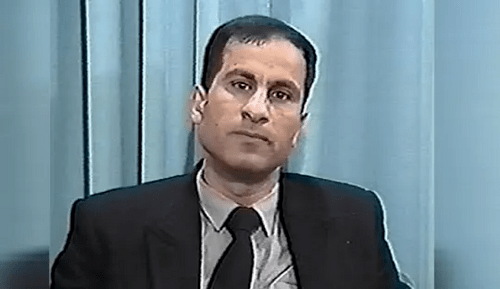
Abdul Saoud Mohamed in 1989.
Ali Mohamed (aka Ali Abdul Saoud Mohamed) was a Fort Bragg soldier, a former Egyptian Army officer who Harp identifies as a man who trained al-Qaeda. Mohamed was a participant in a special program for foreign officers at Fort Bragg in the early 1980s. He enlisted as a U.S. Army soldier at Fort Bragg in the 1980s. Harp infers “…Fort Bragg…” has trained and protected a small minority of soldiers who may have contributed to one of the worst disasters in American history, i.e., the disaster of 9/11 that killed 2,996 people in the collapse of World Trade Center in New York City.
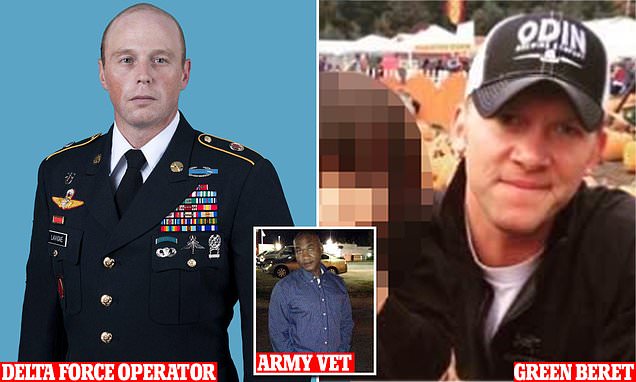
Harp’s story begins with a confrontation between an unstable character named William Lavigne (pictured on the left below) and Freddie Huff, two soldiers trained at Fort Brag. Lavigne pulls a gun and threatens to kill Huff. Huff disarms Lavigne and calls the MPs, but the confrontation is covered up. It illustrates how dangerous Lavigne could be and how the military covers up a confrontation that should lead to an arrest and formal investigation. This incident characterizes a disregard for justice by America’s secret service.
Decorated Delta force operator and Army vet (inset) found murdered on Fort Bragg grounds.
Timothy Moss
The murder of a special force’s operator named William Lavigne II and a quartermaster named Timothy Dumas (inset picture above) is an entangled story of drug use, drug dealing, and weapons trafficking in the American military. A quartermaster is responsible for managing weapons, gear, and equipment for military operations. Lavigne’s fellow special force’s partner is Timothy Dumas Sr., a quartermaster who uses his role to enrich himself and others who have knowledge of his role and intentions. He threatens to blackmail Afghanistan’ special forces operation because of their criminal activity in cocaine smuggling. Lavigne is not in tune with Dumas’s scheme. Whether Lavigne is not in tune because of his own involvement with drug and weapons trafficking in Afghanistan or because of a patriot’s conscience is unknown.
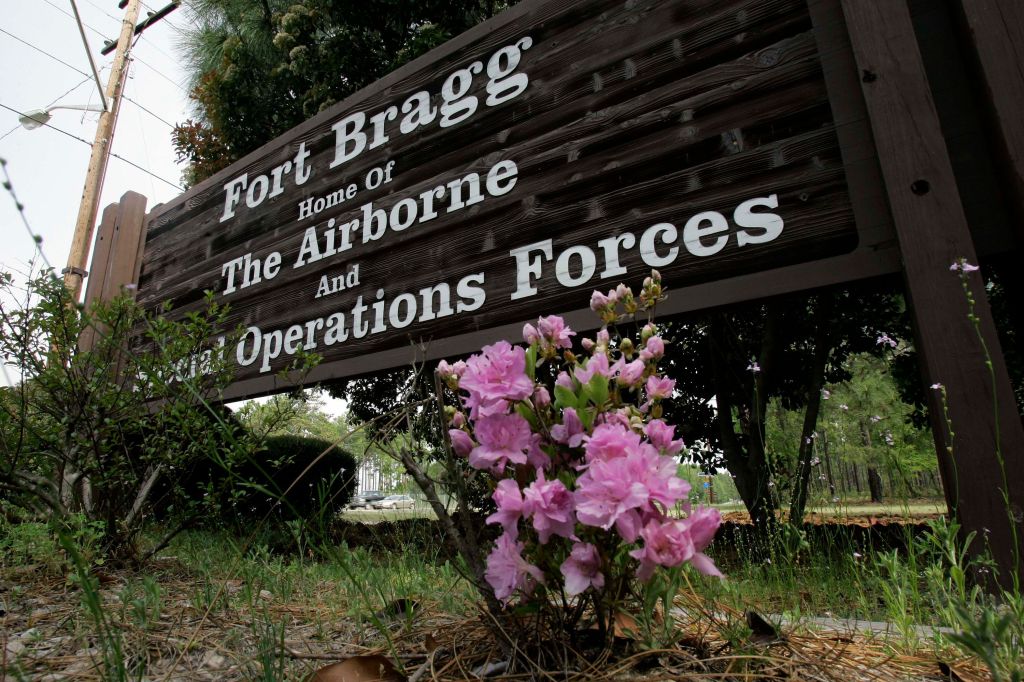
During the Biden administration, Fort Bragg is renamed Fort Liberty. When Trump is re-elected, the name of Fort Bragg is resurrected. Once again, it became Fort Bragg.
Both Lavigne and Dumas are murdered and dumped in a Fort Brag training area. Harp’s investigation of their deaths becomes the story of his book. The author exposes drug use and trafficking networks at Fort Bragg. Harp notes corrupt law-enforcement ties, unsolved deaths, disproportionately high military personnel overdoses, and institutional cover ups at Fort Bragg darken the image of covert actions by the American military. Harp’s story implies criminality is as evident in the military as it is in civilian life. The difference is that there seems little accountability for those who are guilty of drug crimes in the secret service, i.e., at least as shown in this investigation of Fort Bragg.
The flawed nature of human beings.
The military as well as the civilian population of any government are made up of flawed human beings. Those flaws are mitigated by checks and balances designed to protect the general public from the abuse of inherent human rights. Covert and unchecked power in governance is a threat to society because of the nature of human beings. Use of the military as a bully in the playground of nations is psychologically and morally wrong but is proportionately a greater wrong when done covertly.
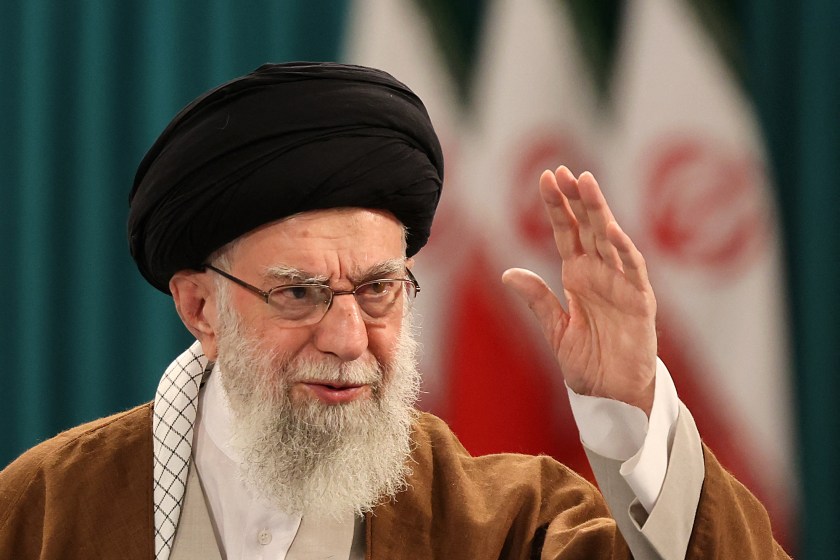
The Ayatollah of Iran was equally guilty of covert actions against other nations.
The covert actions of both Iran and America in the past are examples of what Harp’s story reveals about the danger of secret military plans and acts. Overt bombing of Iran may either be approved or rejected by the public. There is no chance to decide when governments act covertly and illegally if secret service agents are exempt from prosecution. “The Fort Bragg Cartel” exposes a glaring weakness in a secret service meant to protect American citizens. The ironic truth in Trump’s Iran bombing campaign is that every American has a chance to decide.
Iran and the U.S. conflicts will likely become more strident and publicly revealed by news headlines than what Crist calls the “Twilight War”. The twilight war has become sunlit.
Books of Interest Website: chetyarbrough.blog
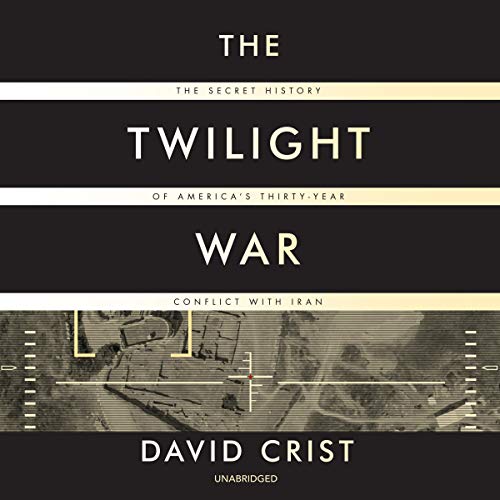
The Twilight War (The Secret History of America’s Thirty-Year Conflict with Iran)
Author: David Crist
Narration by: Peter Berkrot
David Crist (Author, Lieutenant Colonel in the U.S. Marine Corps Reserve.)
David Crist argues Iran and the U.S. have been in an undeclared war for decades that has been hidden and little understood by the American public. The CIA has been involved in a low-grade conflict with Iran since the late 1970s. Iran’s Quds combatants and proxies from other middle eastern countries have targeted U.S. interests in Lebanon, Iraq, and the Gulf for over 50 years. These conflicts have been cloaked by the use of allied militias and partners of both the United States and Iran. They have rarely been publicly acknowledged. One can reasonably argue today’s bombing of Iran by the United States is a public exposure of what has been happening covertly between Iran and America for many years. At the heart of the conflict is the importance of oil to the economies of the world.
President Trump impedes the influence of freedom in Europe by dismantling surveillance oversight, undermining the EU-U.S. relationship, mishandling America’s data privacy framework, and shutting down the GEC (Global Engagement Center) which is designed to counter foreign disinformation.
Crist alludes to U.S. intelligence actions that supported anti-regime factions that put Ayatollahs in charge of Iran in the 1979 revolution. Though they are characterized as small, fragmented, and ineffective, they represent America’s unsuccessful effort to weaken and/or depose Iran’s Ayatollah. America’s relationship with the Shah of Iran was an illusion in Crist’s opinion. Crist argues American overinvested in the Shah’s rule because of a false belief that Iran would be a shield against Soviet expansion. The perception of the Shah was that he could modernize and stabilize the region with weapons Iran purchased from America. American leaders fail to understand the Shah’s domestic weakness and the importance of Shite belief in the Islamic faith. The misreading of the Shah’s weakness and a widely held belief in Islamic faith led to the rise of Iran as a theocratic state.
Like the bombing of Dresden in WWII, today’s America is senselessly bombing Iran.
American leadership’s ignorance of Iran’s public discontent, the worsening illness of the Shah, and the Islamic belief of the Iranian people create what Crist describes as the “Twilight War”. Up until President Trump’s decision to bomb Iran, the U.S.-Iran relationship was in a gray zone, i.e. neither overtly hostile nor peaceful but a twilight between the dark and light of day. Crist infers the Shah is a bit player representing an ancient culture that no longer works for the Iranian people. The rise of Ayatollahs became Iran’s alternative to a government of a privileged few to what has become an economic crisis for the many. Accepting religious leadership disrupted the King’s royal leadership of Iran and diminished the wealth of most Iranian citizens.
Iranian and American conflicts will likely become more strident and publicly revealed by news headlines than what Crist calls the “Twilight War”. The twilight war has become sunlit.
Crist notes the underlying frustration America has in responding to terrorist’ attacks by agents of Iran or any hostile opponent of America. The terrorist’ bombing that killed 220 U.S. Marines, 21 American service members, and 58 French military personnel in 1983 is never directly responded to by an American military action. President Reagan and his staff could not agree on a military response. The difficulty of determining precisely who was responsible and what would be an equivalent response could not be agreed upon. That scruple seems erased by today’s American President.
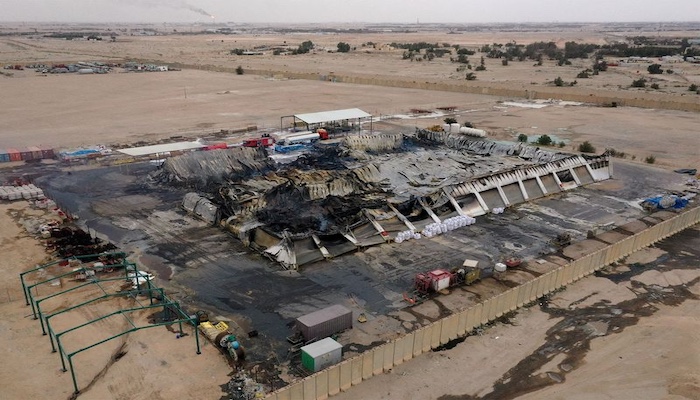
Water plant bombed by the U.S. called a desperate and inappropriate act by some who believe American bombing of Iran is a crime.
Because “The Twilight War” is written before Trump’s bombing, the author argues the hostility between Iran and American would continue to be managed by covert operations, proxy clashes, and secret negotiations that will never achieve a formal peace. Oddly, despite Trump’s actions in Iran, it seems Crist’s opinion will continue to be America’s modus vivendi, with a difference. Iran and the U.S. conflicts will likely become more strident and publicly revealed by news headlines than what Crist calls the “Twilight War”. The twilight war has become sunlit.
Winchester’s biography of Needham offers valuable insight to scientific discovery and its intersection with socio/political structure of government. Government bureaucracy can either aid or impede nation-state’ discovery and innovation.
Books of Interest Website: chetyarbrough.blog
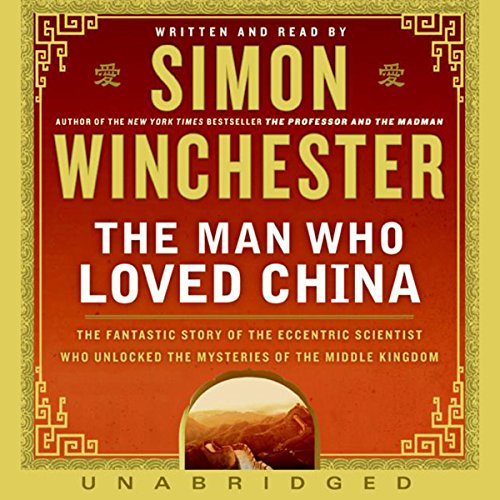
The Man Who Loved China (The Fantastic Story of the Eccentric Scientist Who Unlocked the Mysteries of the Middle Kingdom)
Author: Simon Winchester
Narration by: Simon Winchester
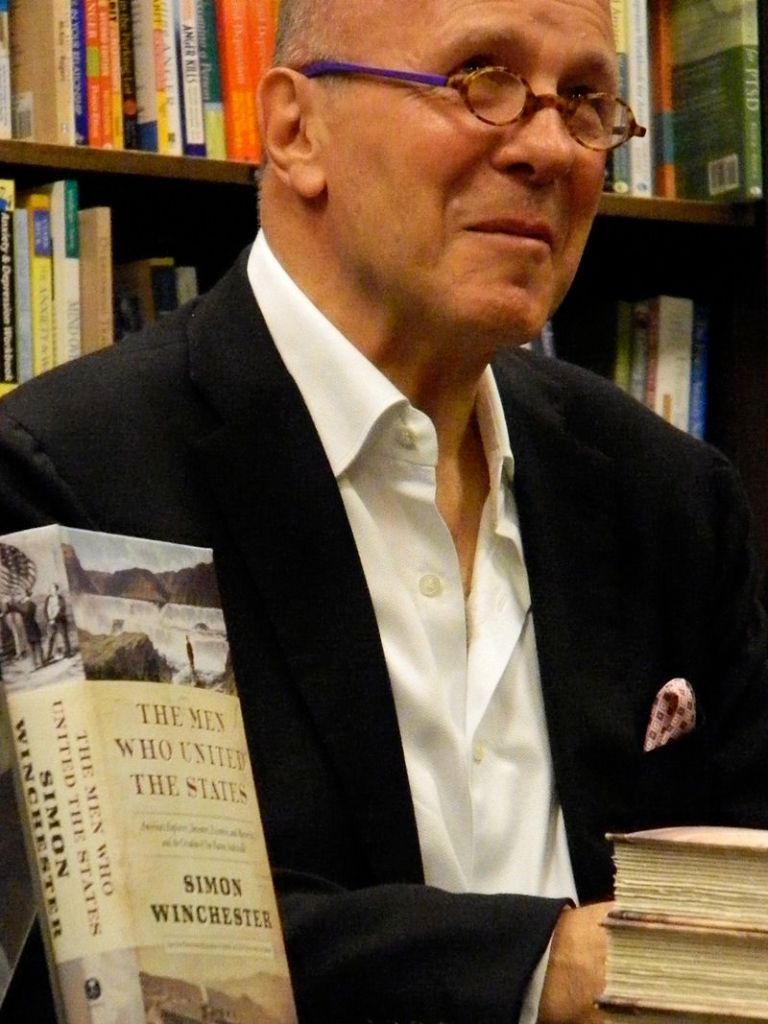
Simon Winchester (Author, historian, British American author, journalist, and broadcaster.)
Having traveled to China a few years ago, it is interesting to listen to Simon Winchester’s biography of Joseph Needham, who is considered one of the foremost historians of Chinese science and technology.
Noel Joseph Terence Montgomery Needham (1900-1995, British biochemist, historian of science and sinologist who wrote a history of Chinese science and technology based on his British education and experience in China during the 1940s.)
Discovery of the new can improve or impede society. In listening to this biography of Joseph Needham, one wonders how farther ahead science might be if it was more widely shared between countries of the world. Needham is characterized as a polymath who became educated as a biochemist at Cambridge. Needham is a freethinking eccentric, a nudist, a folk dancer, and a thoroughly unconventional human being.
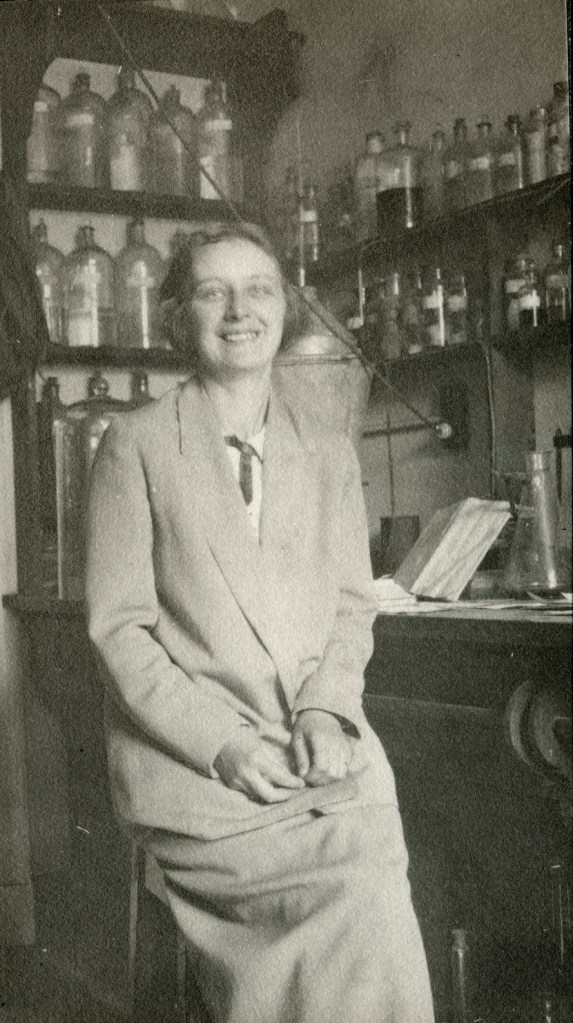
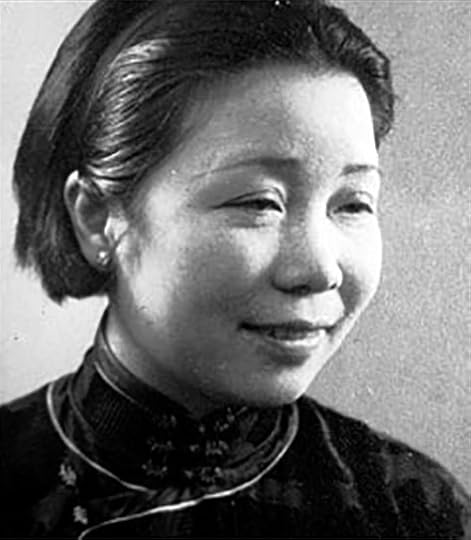
Needham meets a fellow student at Cambridge with whom he pursues a scientific/intellectual partnership and an “open” marriage that lasts until the death of his wife in 1987. Needham’s first wife, Dorothy Moyle Needham, offers stability to his life while accepting a second woman, Lu Gwei-djen, as an intimate in Needham’s life during their marriage. Dr. Gwei-djen was also a biochemist who studied at Cambridge. When Needham’s wife dies in 1987, after 63 years of marriage, he marries Lu Gwei-djen.
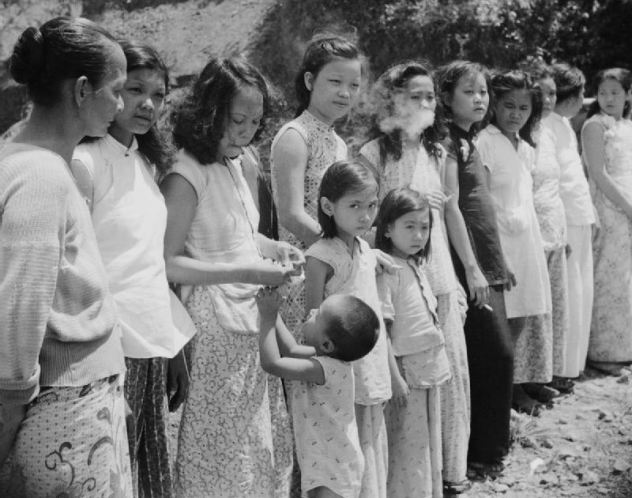
Japan creates what is misogynistically characterized as “comfort women” in their attack and domination of China in the early years of WWII.
As WWII began and the Japanese were attacking China, Needham is engaged by the Sino-British Science Cooperation Office to document scientific manuscripts, meet Chinese scholars, and build a record of China’s scientific networks. His wife joins Needham in 1944 just before Needham’s return to Great Britain. Needham’s separation from his wife gave him time to become an important historian of Chinese Science. His grasp of the Chinese language from his association with Lu Gwei-djen is a great aid to his accumulation of China’s extraordinary advances in science that created many discoveries–long before the rest of the world.
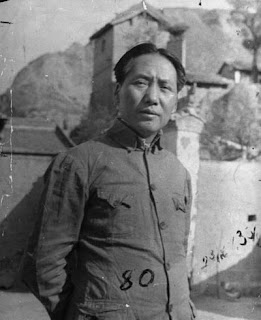
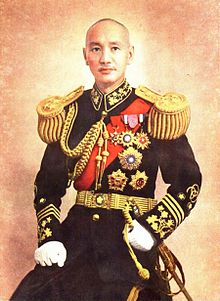
Mao at the time of Needham’s travels in China.CHIANG KAI-SHEK (CHAIRMAN OF THE NATIONAL GOVERNMENT OF CHINA 1943-1948)
Needham fell in love with China and became acquainted with the war years of China and its communist movement. Needham looked favorably on the communist philosophical movement. However, his political leanings were inconsequential because his primary focus is on China’s scientific history.
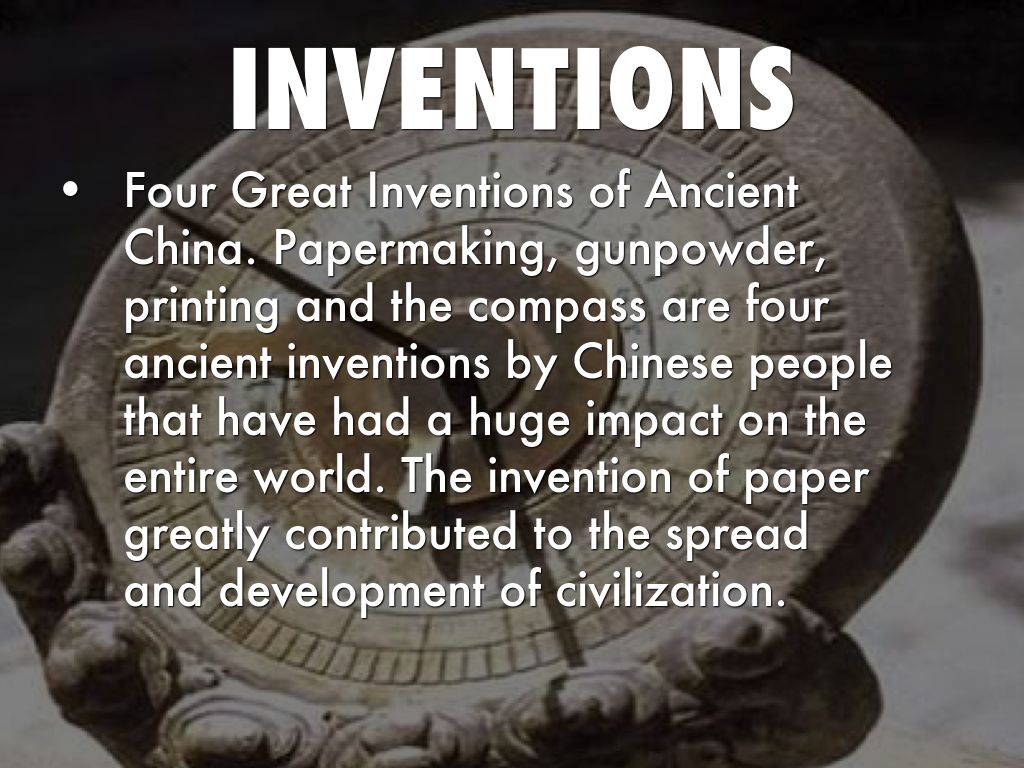
Early discoveries in China.
Needam’s research results in a book titled “Science and Civilization in China”. With the help of Lu Gwei-djen, his book became a societal corrective to the West’s bias about China’s technological backwardness. Needam reveals amazing discoveries made by China long before the rest of the world. He found papermaking is developed in the 2nd century BCE, the magnetic compass was used in China in the 11th century, gunpowder is discovered in the 9th century, and printing began in the 7th century. Adding to these discoveries are the many engineering and mechanical innovations of China. They discovered the value of differential gears to aid vehicle function, the idea of a sternpost to guide ships, water power to aid clockworks with escapements for timekeeping.
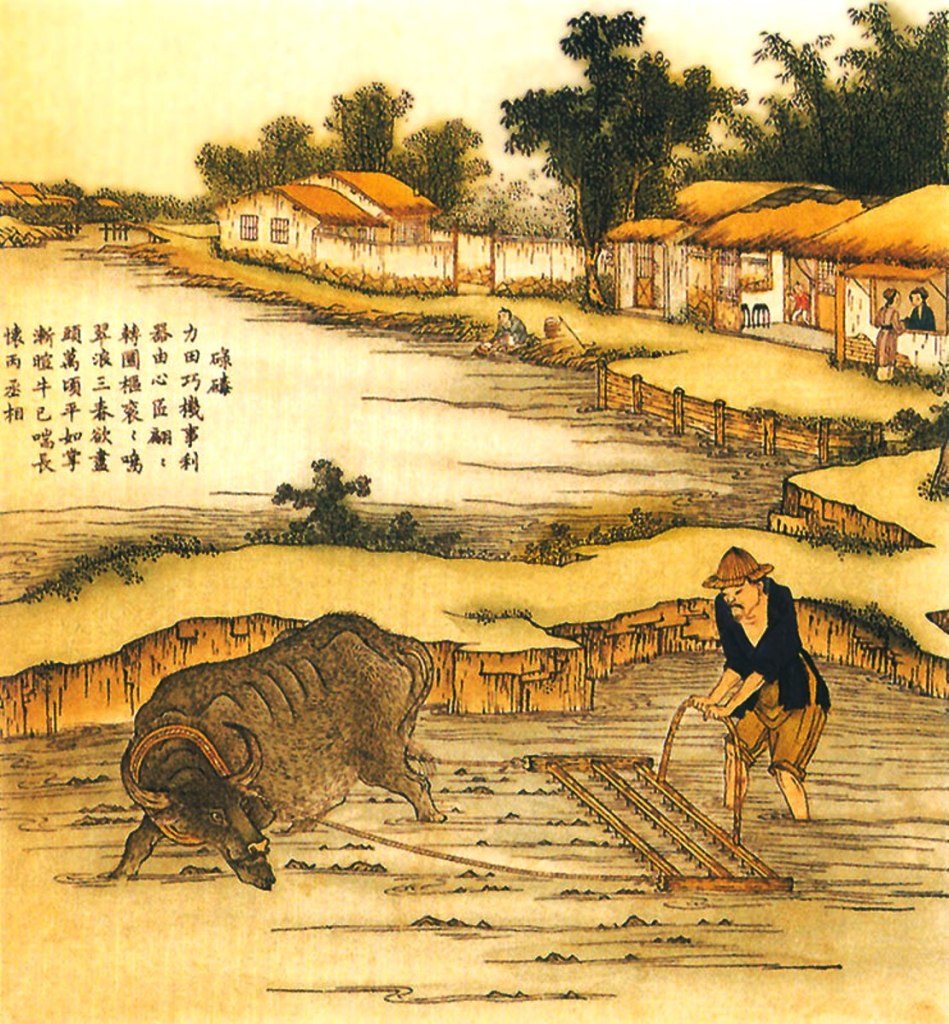
Agricultural invention in early China.
Needham discovers the agricultural and industrial breakthroughs of China. They used multi-tube seed drills and advanced iron plows to improve agricultural yields centuries before European innovations. Between the 5th and 3rd century BCE, China had developed blast furnaces and iron-working innovations that were not discovered in the west until the medieval period. The Song dynasty in the 10th century pioneered the use of paper money backed by the government.
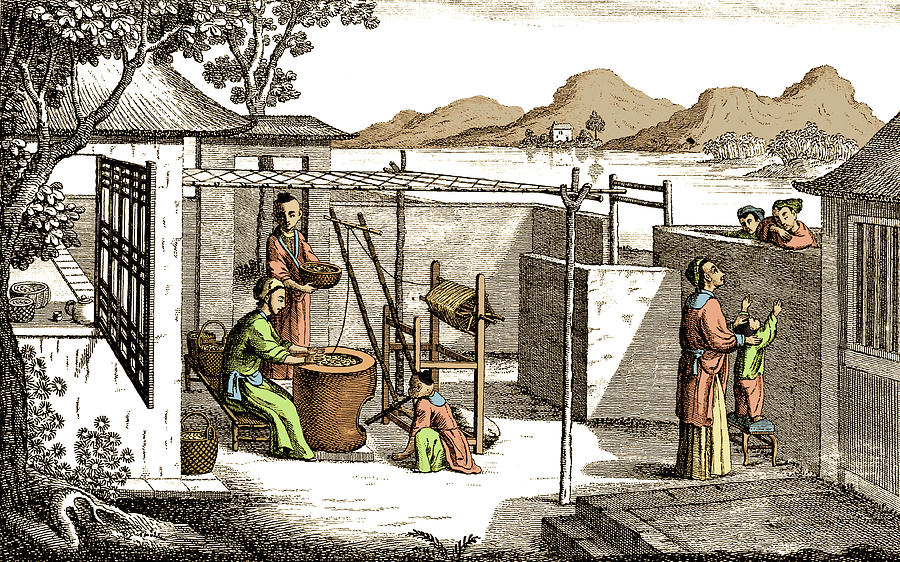
Silk making in early China.
In the science of chemistry, silk production began thousands of years before the west understood its value. Porcelain innovation with hardening through a high-temperature process was used long before its discovery in Europe in the 18th century. Natural gas drilling was discovered with the invention of bamboo derricks and piping for industrial use. Chinese gas drilling dated back to when Roman legions were invading Europe.
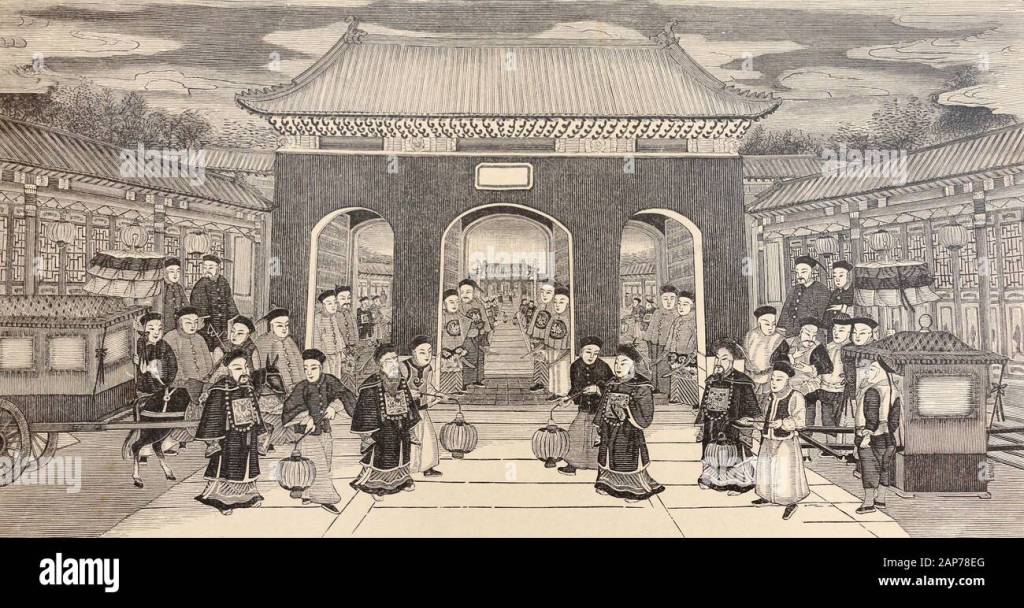
China’s centralized bureaucracy.
What is puzzling about Needham’s book is not only how early these discoveries were made in China, but why these remarkable innovation capabilities did not continue through the twentieth century. He argues the foundation of their advances is its powerful, centralized bureaucratic state, a culture that valued practical knowledge, and a worldview that is comfortable with pattern, process, and observation of nature.
Management of China’s waterways is critical for agriculture and flood risk to those who lived near rivers. Life experience with the threats and benefits of water demanded Chinese attention. Literacy and standardized examinations in China created a cadre of technically motivated officials. With systematic observation of nature, these technocrats harnessed the power of water. So why has there been nothing like the scientific revolution that happened in Europe. To this reviewer, something changed with the rise of communism.
China’s education system.
Needham’s book argues the bureaucracy of China became too conservative and discouraged independent initiatives while emphasizing stability through exam-driven education. Conformity became more important than innovation. Needham infers the scientific revolution went into hibernation in China while blossoming in Europe. One may speculate that is partly due to emphasis on communism, a socio/political rather than a science/nature focused view of life, i.e. a view toward social stability more than one of curious exploration,
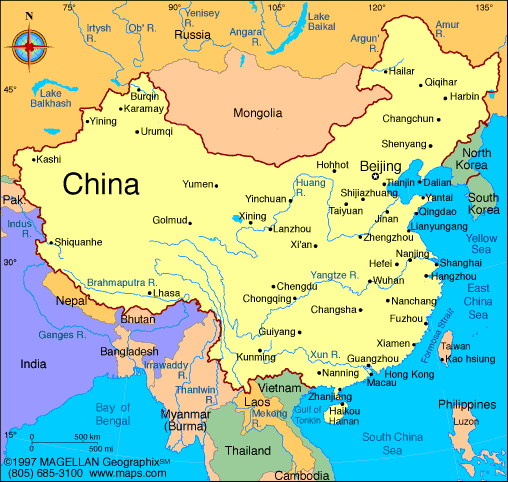
CHINA
Winchester’s biography of Needham offers valuable insight to scientific discovery and its intersection with socio/political structure of government. Government bureaucracy can either aid or impede nation-state’ discovery and innovation.
One’s heart goes out to the citizens of Iran and wonders what hope there is for their future. Iran seems trapped between rock and a hard place, a choice between the bombs of war and religious fundamentalism.
Books of Interest Website: chetyarbrough.blog
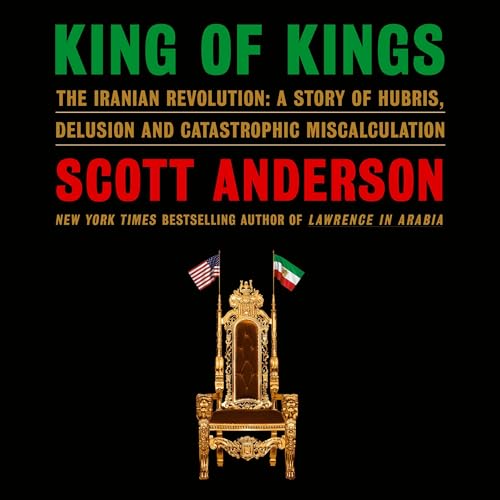
King of Kings (The Iranian Revolution: A Story of Hubris, Delusion and Catastrophic Miscalculation)
Author: Scott Anderson
Narration by: Malcolm Hillgartner & 1 more
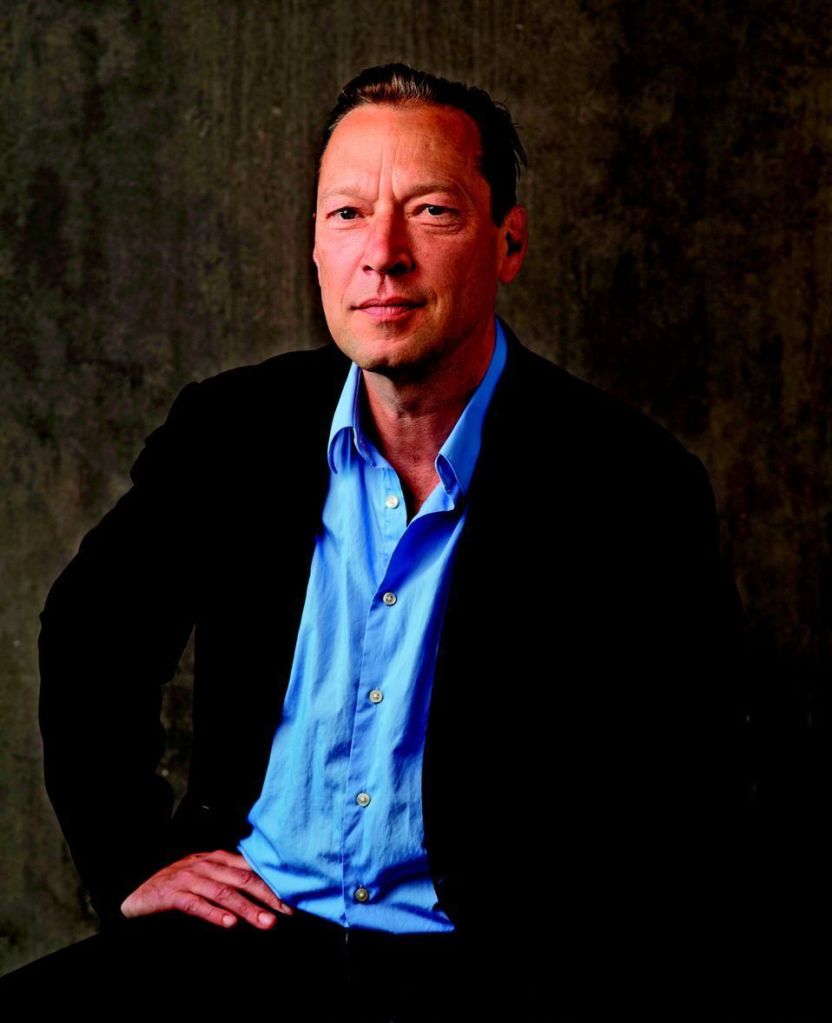
Scott Anderson is a novelist and veteran war correspondent. His previous novels include Moonlight Hotel and The Man Who Tried to Save the World.
“King of Kings” is an informative historical account of the collapse of Iran as a former monarchy and current theocracy. The hubris of the King and the Ayatollahs have no one to blame but themselves for their government’s failure. What Anderson shows is that what royal and theological leaders have in common. Both neglect the wellbeing of the Iranian people. The King squandered the wealth created by the oil industry to buy a false sense of security. The “King of Kings” made excessive investments in weapons and a spy service called SVAK rather than invest in Iran’s economy for the betterment of its citizens. The King’s SVAK turned into MOIS in the Ayatollah’ regimes. Neither regime invested in the people’s welfare. Both secret services were designed to spy on Iran’s citizens and reinforce the delusion of serving the people when in fact they were designed to preserve their governments’ power and control.
Iran’s leadership as a monarchy and theocracy have failed its people.
Anderson shows the “King of Kings” initially improves the general welfare of Iran’s citizens but because of inept leadership and the privileges of power, the Shah failed the Iranian people. The Shah’s incompetence as a manager of Iran’s great oil wealth is a wasted opportunity that could have provided a better life for its citizens. Rather than encouraging economic growth, the Shah chose to invest in weaponry and other countries products to sustain Iran’s economy.
The Iranian people were not farming or creating their own industries to sustain and grow their economy.
The King’s failure to invest oil revenues in the economy and Ayatollahs who cared little about economic investment, impoverished the Iranian people. When other countries like Saudi Arabia flooded the market with oil, the economy of Iran collapsed. That loss of oil income impoverished the people of Iran. Iran had become dependent on other countries produce rather than the work of their own farmers and industrialists to support their lives and families. That impoverishment drove many back to the ideal of a Muslim religion that believes hardships of life are only preparation for heaven.
The rule of the Ayatollahs seems as incompetent as the Shah’s.
The Ayatollahs fail to improve the economy and rely on a secret service that victimizes all who criticize their rule. It seems they believe the hardship of life is no concern because heaven awaits all those who believe in the Ayatollah’s governance. Anyone who fails to support the Shia Muslim autocracy is murdered or imprisoned based on the Ayatollahs’ belief in the hereafter. Iranians may believe in the Ayatollahs’ teaching and are willing to support their government, but a substantial portion of the Iranian people are discontented with their poverty and hunger.
Iranian oil fields supported the wealth of Iran before Saudi Arabia’s entry into the market.
Anderson explains how Iran became a troubled country. Neither rule as a monarchy or theocracy offered a solution to poverty and hunger. The answer may not be capitalism or democracy, but the present and past Iranian governments have not served the needs of its people. One’s heart goes out to the citizens of Iran and wonders what hope there is for their future. Iran seems trapped between rock and a hard place, a choice between the bombs of war and religious fundamentalism.
America’s self-interest is to see Iran as an independent State that does not murder Americans. Regime change may be a small step toward that goal or a step into quicksand that will only swallow more American lives.
Books of Interest Website: chetyarbrough.blog
King of Kings (The Iranian Revolution: A Story of Hubris, Delusion and Catastrophic Miscalculation)
Author: Scott Anderson
Narration by: Malcolm Hillgartner & 1 more
Scott Anderson (Author, novelist, non-fiction writer, war correspondent who has written for the New York Times Magazine, GQ, Esquire, and Vanity Fair. Was raised in Taiwan and Korea, received an M.F.A. in creative writing from University of Iowa Writer’s Workshop.)
This review is only a glimpse of Anderson’s book, but the bombing of Iran gives this reviewer a sense of urgency about President Trump’s decision to bomb and kill the current leader of Iran.
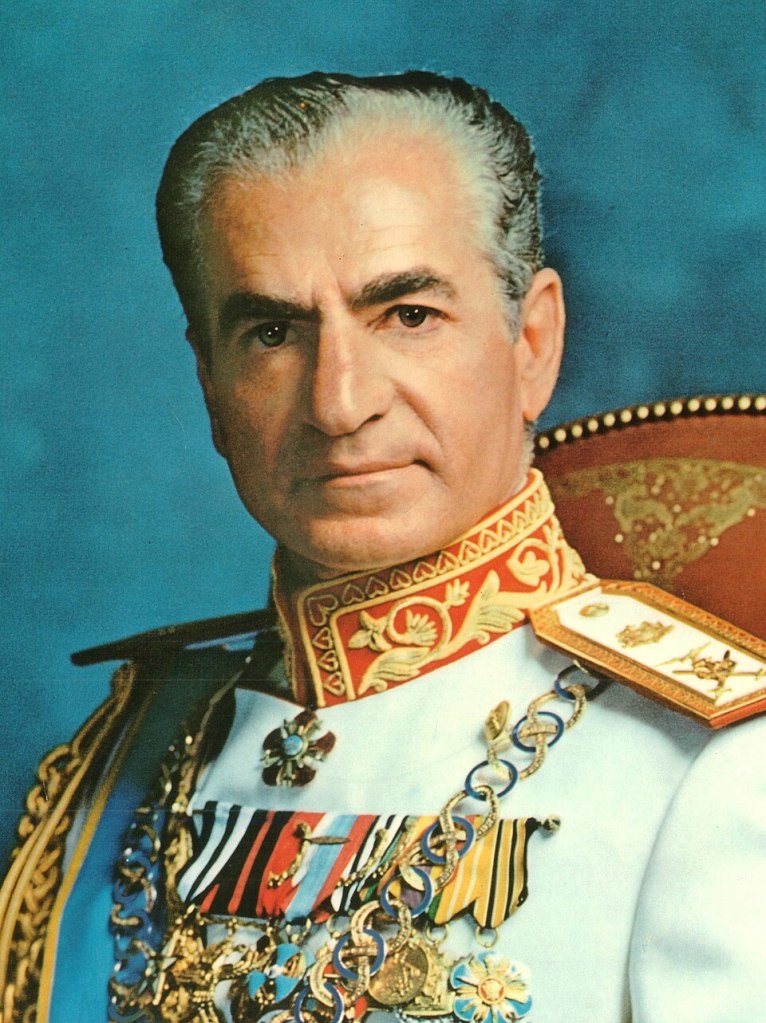
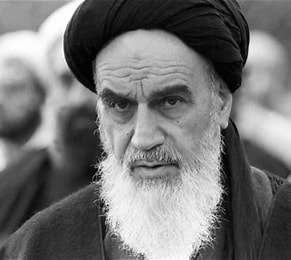
Anderson, having been raised in a non-American culture, has written an interesting history of Iran that offers some perspective on Iran’s Persian culture and its tumultuous transition from royal leadership to an Islamic Republic. Iran’s monarchy had survived for 2500 years. Ayatollah Ruhollah Khomeini deposed the “King of Kings”, Mohammad Reza Shah Pahlavi, in 1979.
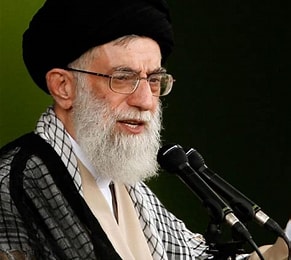
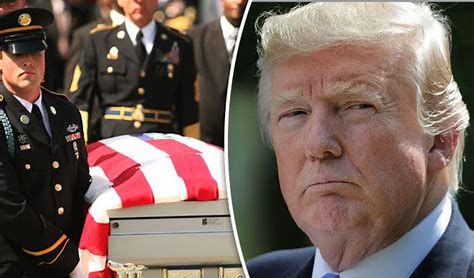
In 2024, President Trump directed America’s bombing of Iran that killed Iran’s second leader, Ayatollah Ali Khamenei. The purported reason for the bombing is to save the Iranian people from the tyranny of its current leader, Ayatollah Ali Khamenei. Khamenei had become Iran’s leader after the death of Ayatollah Ruhollah Khomeini.
Mohammad Reza Shah PahlaviAyatollah Ruhollah KhomeiniAyatollah Ali Khamenei
Anderson infers Mohammad Reza Shah Pahlavi, though a Shia Muslim himself, was too detached from the Muslim religion practiced by a majority of Iranian society. The Shah pursued modernization without bringing Iran’s Shia Muslim believers into the “Sturm and Drang” of modernity. Despite improving the economic condition of Iran’s citizens, the Shah ignored the importance of a religion that reaches back to 651 CE with the Arab Muslim conquest of Persia. Even though the economic benefit of modernization is documentable, the gap between rich and poor, along with belief in a religion that emphasizes an afterlife, made too many citizens of Iran unhappy with the Shah.
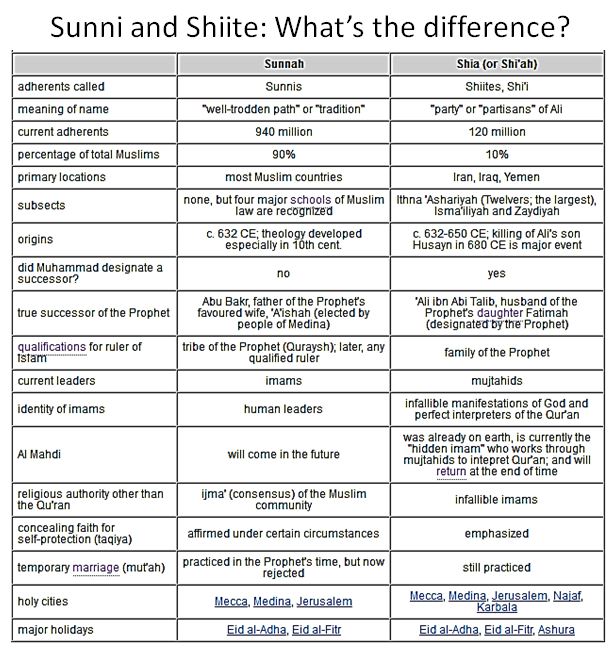
Muslimism began in the early 7th century and spread across the Arabian Peninsula. An estimated 68 million Iranians, approximately 89% of the country, are Shia Muslim believers. Anderson believes the Shah’s failure to understand the importance of his own religion led to the 1979 revolution that toppled the “King of Kings”. Anderson suggests too little effort was made to bring religion into the Shah’s management of the Iranian people. Putting aside that failure, one wonders could any leader bring his people to believe in life today when their religion emphasizes an afterlife is the only goal of existence. Whether any leader of Iran could have ameliorated citizen discontent in Iran is hard to argue. Because of America’s decision to kill Iran’s leader, that speculation is moot.
It is not a matter of being or not being Religious but a matter of having a pragmatic and compassionate understanding of humanity.
Now, America is faced with the Shah of Iran’s dilemma of bringing religion into the administration of Iran’s government. Americans have solved that problem with the separation of church and state. Is that possible in Iran? That separation is something Anderson suggests is the mistake made by the Shah. Is America more or less likely to solve that problem than an Iranian? President Trump believes he should have the power to approve the next leader of Iran. Problem solved???????
America’s self-interest is to see Iran as an independent State that does not murder Americans. Regime change may be a small step toward that goal or a step into quicksand that will only swallow more American lives. Just doing something is not an answer to the complications of international relations.
One can appreciate Vuong’s picture of two immigrant Americans lives but his story is too maudlin for this listener.
Books of Interest Website: chetyarbrough.blog
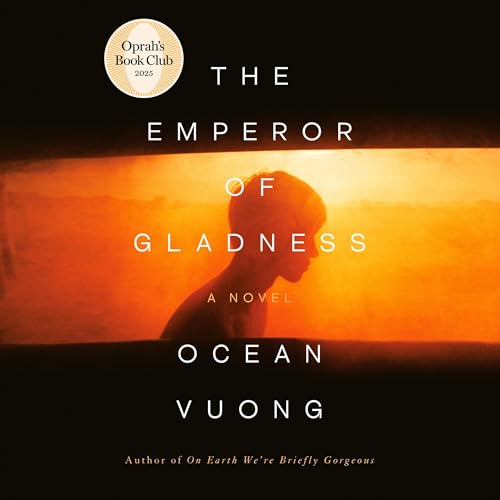
The Emperor of Gladness
Author: Ocean Vuong
Narration by: James Aaron Oh
Vương Quốc Vinh (Author, poet, professor at NYU and the University of Massachusetts, born and raised in rural Vietnam who is now an American citizen.)
“The Emperor of Gladness” is like “Alice in Wonderland”. The author’s story draws one down into a rabbit hole of personal experience and imagination. It tells what life is like for people who become lost to themselves because of advanced age or youthful experiment with drugs and addiction. It begins with a young addict who is teetering on suicide and is rescued by an old woman nearing senile dementia. It is largely the backstory of two immigrants and their lives in America.
American immigrants.
The old woman is from Lithuania. The young boy is a Vietnam immigrant brought to the United States by his family near the end of America’s misbegotten war. Both live in poverty in America. Their stories tell how they survive the grief and trauma of their lives. The elderly woman has lost her husband, lives alone, and had a social services person visit her for a time but is never replaced. Some of the trauma that occurs in the boys and aged mother of a daughter is brought on by themselves, particularly with the young boy. For the elderly woman, it seems brought on by living in poverty in a country that has great wealth but is unable to offer adequate care for the elderly poor.
One who has traveled to Lithuania has some understanding of the tragedy of Stalin’s dictatorial control and displacement of the Lithuanian people. That is partly what draws one to stay in the story. However, it is not enough to maintain this listener’s interest in the story. The young boy is raised in poverty and succumbs to addiction which is hard for some to understand because they have not fallen into that addictive trap. The author does a fine job of showing how these two characters meet each other and become a family that cares for each other. The growing dementia of the old woman is managed by the young boy in a way that is endearing and insightful for those who do not have the patience to deal with infirmity and elderly dementia.
There are lessons about being poor in America in Vuong’s story.
Vuong notes immigrants who have reached a certain age in their native countries are faced with learning a new language and culture when they arrive in a foreign country. All human beings gain understanding from the experience of living, but post-infancy immigrants are faced with translating language and experience understood in their home countries that are different in American culture. That by itself is a struggle.
Immigrants often grow up in silence because they are unsure of unaccustomed experiences that native-born children take for granted. Translation seems a matter of survival for an immigrant whereas a native feels experience is just part of living life that one runs from or towards.
The details of being a poor immigrant in America seem the same as a natives’ views of life but Vuong explains why they are not. To those who have been born and raised in a white privileged but economically challenged society, discrimination associated with being an immigrant minority or drug user is too unrelatable. The underlying message by the author is that in the age of “Make America Great Again”, being an immigrant makes one feel even more of an outsider.
In the pre-A.I. age, democratic socialism is unachievable, but A.I. may resurrect its potential. However, as Orwell noted, the risk is a “Brave New World” rather than a hoped-for democratic socialism.
GEORGE ORWELL (Author, 1903-1950)
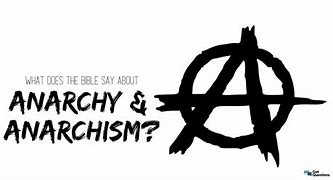
In Norm Chomsky’ ‘s and Nathan Schneider’s book, “On Anarchy”, George Orwell’s book “Homage to Catalonia” is called one of Chomsky’s favorite books. “On Anarchy” infers Orwell believed in anarchy because of his role in the war (1936-1939) against the Franco government. Though Orwell’s risk of life in Spain’s war is inconceivable to me, it seems prudent to listen to his story and point to the significant difference between what Chomsky and Schneider infer about Orwell’s belief in “…Anarchism” and what Orwell really wrote and believed. Though Orwell takes anarchism seriously as a political working-class movement, he believes it is impractical and that democratic socialism (with “1984” reservations) is what he believes could be the best form of government. The idea of abolishing all forms of coercive authority and hierarchy with a government anarchy is impractical because of the nature of human beings.
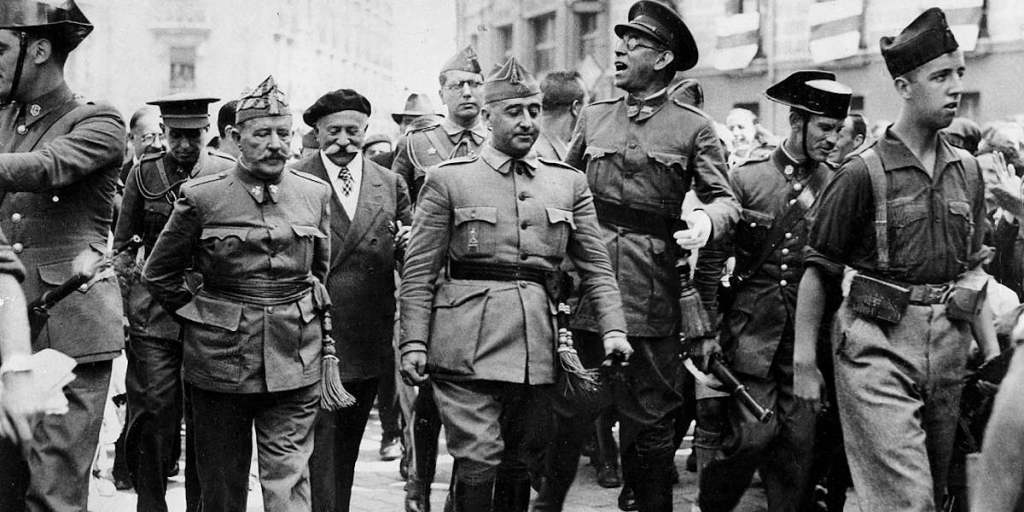
Francisco Franco with his soldiers in 1936.
Because of Orwell’s belief in democracy and equality he chooses to join the fight against Franco’s fascism. He joins the resistance at the age of 33 because of his belief in democratic socialism. He felt he needed to join the ideological struggle against Franco’s regime. It is a remarkable decision considering he is married, and relatively unknown. He is oddly driven by his moral belief in democracy and equality. Presumably, he entered the war to understand what it means to fight a war against a government he felt was immoral and totalitarian. Orwell served for approximately six months beginning in December 1936. He was shot in the throat and nearly died.
Anarchy and human nature.
It seems inconceivable that anarchism is a reasonable way of governing human nature. It is interesting to contrast what Orwell believes and what anarchists argue. This is particularly relevant in the 21st century because of the inevitable change in society that is occurring with artificial intelligence. A.I. has an immense potential for creating Huxley’s “Brave New World”. However, his writings reject the ideal of “Anarchy” espoused by Chomsky and Schneider because of its impracticality. Huxley shows that human nature contains both heroism and weakness tied to the material world. Even though human nature is basically decent, it is easily corrupted. That corruption makes humans hope and fear human decisions designed by consensus. It is not to say democratic socialism would be infallible, but it offers a structure for regulation of different governments at chosen intervals of time.
Human nature will not change. Human nature is a set of relatively stable psychological, biological, and social tendencies that are shared by all human beings. These tendencies shape how humans think, feel, and act even as culture and governance changes. Artificial intelligence will only intensify the strengths and weaknesses of human nature. The principles of anarchy in an A.I. world is frightening:
No centralized government, police, or standing armies.
Society organized through federations of communes, cooperatives, or councils.
Emphasis on direct democracy, mutual aid, and local autonomy.
Suspicion of any coercive authority — even democratic majorities.
Change often imagined as revolutionary, not incremental.
A more rational alternative to Anarchy is Democratic Socialism believed by Orwell and espoused by MLK.
The state remains, but becomes more egalitarian and accountable.
Markets may still exist, but are regulated or supplemented by public ownership.
Political parties and electoral competition are central.
Emphasis on universal programs: healthcare, education, housing, worker protections.
Change is gradual, through reforms, not revolution.
Differences of opinion.
There are obvious differences between Chomsky’s and Orwell’s beliefs. Both have social weaknesses. Human nature gets in the way of both forms of governance. Orwell seems to have recognized the weaknesses of his belief in democratic socialism in his writing of “Brave New World”. In contrast, Chomsky’s and Schneider’s pollyannish view of anarchy as “…a better form of government where power is decentralized and citizens can and should collectively manage their own affairs through direct democracy and cooperative organizations” is absurd. The difference is that Huxley foresees the dangers of his idea in “Brave New World” which anticipates something like A.I. that has the potential for society’s destruction. “On Anarchy” ignores the truth of human nature, “Brave New World” does not.
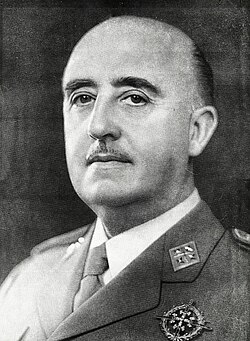
Franciso Franco (1936-1975, died in office.)
Orwell’s decision to join opposition to Franco’s dictatorship fails. Their right-wing beliefs in authoritarianism, anti-communism, and pro-Catholicism prevails. Spain’s 1930s opposition leaders (Manuel Azaña, Largo Caballero, and Juan Negrín) were pro-democracy with anti-fascist, socialists, communists, anarchists, trade unions, urban workers, and peasants who Orwell joined to support democratic socialism, not anarchy.
In the pre-A.I. age, democratic socialism is unachievable, but A.I. may resurrect its potential. However, it is the risk of a “Brave New World” or “1984” rather than a hoped-for democratic socialism.
Like America’s Civil War and the issues of slavery and independence, peace will only come to Israel with a political and territorial agreement based on human equality.
Books of Interest Website: chetyarbrough.blog
BEING JEWISH AFTER THE DESTRUCTION OF GAZA (A Reckoning)
Author: Peter Beinart
Narration by: Malcolm Gladwell
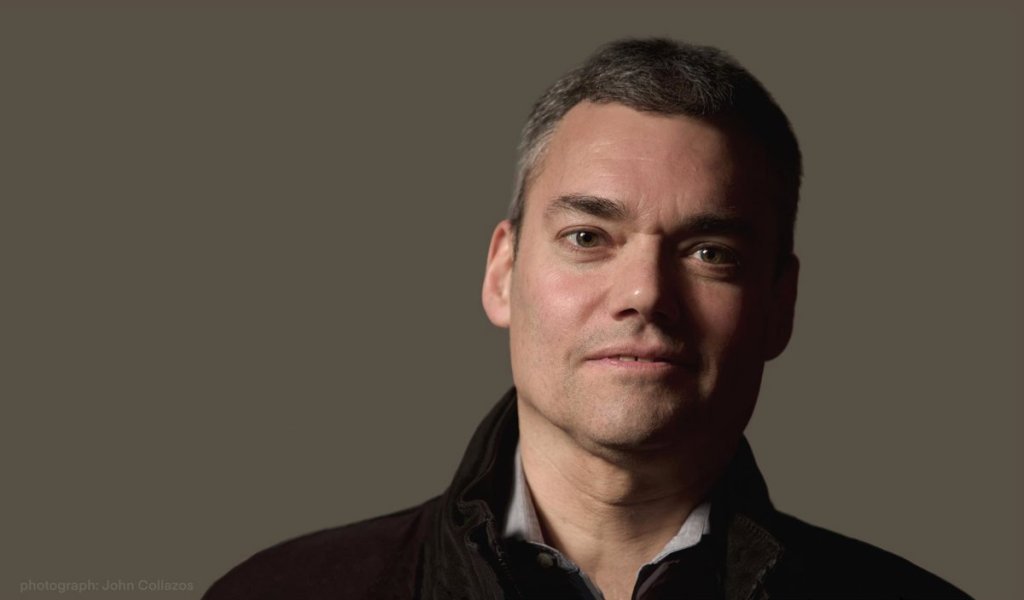
Peter Beinart (Author, journalist, political commentator, professor, former editor of the New Republic, born in Cambridge, Mass. to Jewish immigrants from S. Africa.)
This is a surprising Jewish author’s analysis of Israel’s response to the horror of Hamas’ murders/rapes of 1200 people and the taking of 251 Jewish hostages on October 7, 2023. Peter Beinart appears to be a devout Jew and journalist who criticizes Israel’s response to Hamas’s brutal attack and hostage taking. He believes, as current news reports confirm, Hamas will return to control and influence Gaza and West Bank Palestinians after Israel’s brutal response to the Hamas’ atrocity.
NYT’s Picture of Grief over the Hamas attack on October 7th, 2023.
Without reservation, Beinart condemns Hamas for their war crime on October 7th. However, his book equally condemns Netanyahu’s response. Beinart points to the Israeli government’s destruction, murder, and starvation of thousands of Palestinian men, women, and children who had nothing to do with the planning or execution of the Hamas horror of October 7th. The author argues Israel must focus on a political, non-military solution to Palestinian human rights. He believes Netanyahu’s actions only perpetuate a cycle of violence in Israel which will not achieve security for either the Israeli or Palestinian people.
One wonders how unpopular Beinart’s opinion may be among Israel’s Jewish population. As a blogger who received written comments from a devout Jewish person who supports Trump and Netanyahu’s actions in Israel, it is surprising to hear Beinart’s analysis of the Gaza war and his criticism of Israel’s actions. As the reviewer of this book who admittedly has little respect for religion and its history of atrocities, it is encouraging to hear from one who believes in their religion and condemns those who have no empathy for other religions. God is a universal concept with religions that worship His existence in different ways. Beinart makes one wonder why there is so little room for a “let it be” attitude toward different religious beliefs.
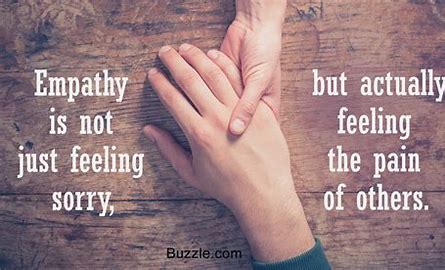
Empathy.
Beinart argues for Jewish empathy toward Palestinians while condemning Hamas’ actions in Israel. He believes long-term peace requires political compromise and a recognition of Palestinian rights. Military actions only guarantee rather than deter future violence and injustice. Beinart’s plan is to end Israeli’ occupation of Gaza and expand the rights of Palestinians to control Gaza and the West Bank. He argues it can be either a one-state or two-state solution. Beinart argues ground invasion by Israel in Gaza must stop. He recommends forthrightly engaging the humanitarian crises in Gaza by providing aid and rebuilding what has been destroyed.
Pursuit of peace is not easy.
None of this is easy because of the enmity that remains. The complications of political opposition, and security are ongoing concerns for Israelites and Palestinians, but Beinart believes the risks of a negotiated political, religious, and territorial settlement is worth it. Human equality is a work in progress for all nations in the world. Beinart persuasively argues a political and territorial agreement between Palestinians and Israelites is the only possible path to peace. Like America’s Civil War and the issues of slavery and independence, peace will only come to Israel with a political and territorial agreement based on human equality. Of course, the drive for equality remains a work in progress for America. That will be true in Israel for generations to come, but peace can be restored with pursuit of equality for Palestinians and Jews.




















 REVIEWS AND VIEWS OF LIFE