The question is–will humans or A.I. decide whether artificial intelligence is a tool or controller and regulator of society.
Books of Interest Website: chetyarbrough.blog
“Co-Intelligence”
By: Ethan Mollick
Narrated by: Ethan Mollick
Ethan Mollick (Author, Associate Professor–University of Pennsylvania who teaches innovation and entrepreneurship. Mollick received a PhD and MBA from MIT.)
“Co-Intelligence” is an eye-opening introduction to an understanding of artificial intelligence, i.e., its benefits and risks. Ethan Mollick offers an easily understandable introduction to what seems a discovery equivalent to the age of enlightenment. The ramification of A.I. on the future of society is immense. That may seem hyperbolic, but the world dramatically changed with the enlightenment and subsequent industrial revolution in ways that remind one of what A.I. is beginning today.
The risk of that A.I. capability is that its source of response can be as diverse as recall of “Mein Kamph” beliefs, a biblical texMORALITYt, or the written records of ancient and modern philosophers.
Additionally, Mollick notes that A.I. is capable of reproducing a person’s speech and appearance so that it is nearly impossible to note the differences between the real and artificial representation. It becomes possible for the leader of any country to be artificially created to order their subordinates or tell the world they are going to invade or decimate another country by any means necessary.
Mollick argues there are four possible futures for Artificial Intelligence.
Presuming A.I. does not evolve beyond its present capability, it could still supercharge human productivity. On the other hand, A.I. might become a more sophisticated “deep fake” tool that misleads humanity. A.I. may evolve to believe only in itself and act to disrupt or eliminate human society. A fourth possibility is that A.I. will become a tool of human beings to improve societal decisions that benefit humanity. It may offer practical solutions for global warming, species preservation, interstellar travel and habitation.
A.I. is not an oracle of truth. It has the memory of society at its beck and call. With that capability, humans have the opportunity to avoid mistakes of the past and pursue unknown opportunities for the future. On the other hand, humans may become complacent and allow A.I. to develop itself without human regulation. The question is–will humans or A.I. decide whether artificial intelligence is a tool or controller and regulator of society.
There are many ways of understanding Andrew Boryga’s book, “Victim”. It is an eye-opening examination of minority life in America.
Books of Interest Website: chetyarbrough.blog
“Victim”
By: Andrew Boryga
Narrated by: Anthony Rey Perez
Andrew Boryga (Author, Bronx resident, Cornell graduate, freelance writer for the NYT, The New Yorker, and The Atlantic.)
There are many ways of understanding Andrew Boryga’s book, “Victim”. It is an eye-opening examination of minority life in America. Being poor, whether a minority or a white American, is a struggle for identity. A white person in America has immense advantage, but Boryga’s story shows how much greater the challenge is for a person of color.
The main characters of Boryga’s story are Latinos named Javier Perez, Gio and Lena. Some may argue only Javier and Gio are the most relevant but Lena, Javier’s romantic partner, is at the heart of a question of who is right in lives of inequality.
There are many reasons to appreciate Boryga’s insightful story. It gives credit to committed teachers who struggle to raise the sights of students who are challenged by poverty and hardship. Javier is a character with ambition to be more than a street hustler trying to get by in a low-income neighborhood in the Bronx. It is with the help of a single mother and a dedicated teacher that Javier pursues a better life. His father was a drug dealer, murdered in Puerto Rico. Being raised in New York by his mother, Javier visits his father when he is murdered. That experience, the strict upbringing of his mother, and a teacher at his school offer lessons of life and opportunity to Javier. With the help of his teacher, Javier becomes a college-educated’ writer who struggles to become a literary and financial success.
It seems the window of opportunity for Javier depends on his intelligence, the help of his teacher, and retrospectively, his friend, Gio.
At first reading of “Victim”, Gio appears to offer an alternative life like that which Javier’s father followed. Obviously, what happened to Javier’s father influences Javier’s choices in life. Javier tries to influence Gio to abandon the drug-mule’ road he is following. Javier fails Gio, himself, Lena, and the Latino students he teaches in his neighborhood.
Javier meets Lena in college.
Lena is Latino but comes from a more financially secure family in the Bronx with a strict father and loving mother. In contrast, Javier is being raised by his widowed mother who is barely making enough money to keep a roof over their head and food on the table. Lena is a social activist for Latino rights. Javier and Lena become lovers but from quite different economic and family backgrounds. They move in together, but their place of cohabitation is the old neighborhood in which Javier is a teacher and struggling writer.
Lena pursues her activist career with little pay and a difficult adjustment in an unsafe neighborhood in the Bronx.
She grows to feel isolated and unfulfilled in her pursuit of equal rights, both as a Latino and woman. Javier understands the neighborhood in which they live but to Lena it is too dangerous, and her job does not offer enough personal satisfaction and income for her and Javier to improve their lives. Javier ignores her concern because he understands life in the neighborhood and feels comfortable in dealing with its risks.
Javier and Lena are at a crossroads in their lives. Javier decides their crossroad has a meaning that is worthy of a story that could be published in the paper for which he works part time while teaching at the local school.
His story disingenuously describes the conflict between Lena and himself. Javier believes and writes that he would be abandoning the fight for Latino rights by leaving his neighborhood for a safer community that Lena desires. Javier does not take into consideration their common goals or the difference between a woman and a man when living in a tough neighborhood. The story he writes about their relationship and its breakup makes him famous. He is offered a higher paying job as a full-time writer. He quits teaching but the break-up is irreversible. The reason for its irreversibility is substance of the story. His story distorts the truth of why Lena leaves Javier and the neighborhood.
While Javier strives for success as a writer, Gio is arrested for drug dealing and sentenced to prison. Javier loses touch with Gio because of their different life decisions.
Earlier, Javier tries to rescue his friend Gio from the gang life of the neighborhood. Ironically, Gio saves Javier from a false understanding of what happened in his life. The mistake Javier makes with Gio is similar to the mistake he makes with Lena. Gio’s and Lena’s lives are only their own. Javier fails to appreciate their personal experiences and how they made them who they became. Gio’s life is changed by his gang and later prison experience. Lena’s life is formed by the influence of her parents and life as a middleclass woman who wishes to help her race succeed in a prejudiced world. Javier sacrifices his relationship with both Gio and Lena by not understanding their personal identities and reasons for being who they become.
Javier makes the mistake of using Lena and Gio as subjects of his stories that do not represent who they are from their personal life experiences.
However, Javier’s stories are so well written that he becomes a coveted writer by his newspaper and a book agent who wishes to represent him. The problem is that his stories are made of facts that are not truthful representations of either Lena’s or Gio’s evolved lives.
Javier is publicly exposed for his distorted stories about what it is like, and what it means to be a Latino American in a white-biased culture.
Javier’s wish to become a renowned writer is halted by a you-tube interview by an investigative reporter. He is fired by the paper who employs him. Gio tells Javier to quit feeling sorry for himself and tells him to get on with his life. Gio has overcome the trials of his imprisonment and is on the way to becoming a positive contribution to society even though it continues to be biased against his success. Javier begins to understand the importance of factual accuracy and understanding of others when writing a story purported to be the truth. One wonders if that is why the author chooses to identify “Victim” as a novel and not a report of his or anyone else’s life.
The story of “Victim” is that inequality is a fact of life but not an insurmountable obstacle to peace and prosperity for determined individuals.
America cannot pass essential legislation that fairly addresses the burden and potential benefit of immigration.
Books of Interest Website: chetyarbrough.blog
“A Map of Future Ruins” (On Borders and Belonging)
By: Lauren Markham
Narrated by: Gilli Messer
Lauren Markham (Author, reporter on issues about migration and human rights.)
Immigration is a hot subject around the world.
Lauren Markham writes a somewhat disjointed book about immigration to a Greek island between Turkey and Greece.
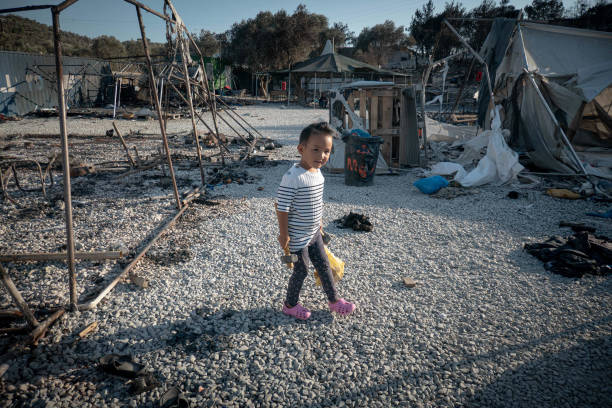
Lauren Markham offers a report of a fire in a Lesbos refugee camp in the small town of Moria on September 9, 2010. There were no deaths from the fire but the conditions of the encampment and the government’s response to the crises tell of unfair and inadequate treatment of refugees–reminiscent of other countries dealings with unwanted immigrants.
The camp was designed to hold 3,000 people but grew to nearly 13,000. Seventy percent of the migrants were from Afghanistan. A fire of unknown origin destroyed the immigrant’s shelter that gave notice to the world of the inadequate care offered refugees fleeing crime, poverty, and displacement in their home countries.
Turkey and Greece have a storied history of conflict that is reminiscent of the Afghanis flight from Afghanistan. Turkey’s most revered leader, Mustafa Kemal Ataturk, ordered Greeks to leave Turkey in a mass exodus during his reign. Ethnic and religious differences between the Ottoman Empire and Greece came to a boil in 1923. Those differences are reminiscent of the escape of Afghanis from the restrictive life of the Taliban in Afghanistan. Afghanis chose a route from Afghanistan through Iran to Turkey to the Greek Island of Lesbos to escape the Taliban.
Markham shows the initial response of the Greeks was to aid the Afghanis in their flight but as the number of refugees grew, the burden became too great. The conditions of the encampment deteriorated, and the anger of the Greek government escalated. A fire of unknown origin began in the camp. Six Afghanis, two of which were minors under 18 years of age, were arrested and found guilty of setting the fire. Markham shows the evidence for conviction had nothing to do with truth but was manufactured by the Greek Court to find a verdict of guilt.
“Dallas, Texas, United States – May 1, 2010 a large group of demonstrators carry banners and wave flags during a pro-immigration march on May Day.”
The inference from Markam’s report is that America’s border state conflicts will, and undoubtedly have, resulted in unjust treatment of emigrants. The irony is that America needs emigrants to meet the needs of its economic future. America seems to be doing as poor a job of addressing immigration as the story of the Afghanis in Moria. America cannot pass essential legislation that fairly addresses the burden and potential benefit of immigration.
Marie Arana clearly argues the color of one’s skin has given great advantage to white citizens of the world.
Books of Interest Website: chetyarbrough.blog
“LatinoLand” (A Portrait of America’s Largest and Least Understood Minority)
By: Marie Arana
Narrated by: Cynthia Farrell
Marie Arana (Author, graduate of Northwestern University of Hong Kong with a BA in Russian Language and Literature and an MA in Linguistics.)
“LatinoLand” begins shakily with what seems an exaggeration of international Latino cultural influence in the world. However, as Marie Arana continues her report a listener/reader appreciates her knowledge of American Latino history. Her argument is that Americans have little understanding of the largest and least understood minority in the continental United States. If one continues the book beyond the first chapters, her argument about Latino culture in America becomes clear and compelling.
MarieArana was born in Peru.
Presuming from Arana’s education in Hong Kong, she speaks and understands several languages. From her book, it appears she was born into an upper-class Peruvian family who could afford a superior education for their children. Her father was a successful civil engineer who married an American from Kansas. She moved with her parents to Summit, New Jersey when she was nine years old. Arana earned two college degrees from the Northwestern University of Hong Kong.
In one sense, “LatinoLand” is about America’s greatest 21st century challenge, immigration.
More importantly, it is about human discrimination, ignorance, and inequality. Discrimination begins with perceived difference. The greatness visible marker of difference is the color of one’s skin. Arana argues discrimination begins with skin color. She explains how inequality grows from discrimination, and cultural ignorance. (Though not mentioned, human self-interest plays a role in the creation of inequality.) A mixture of ignorance and not caring for others creates fear and potential for violence.
Mosaic of children from around the world, including, Kayapo, Indian, Native American, Inuit, Balinese, Polynesian, Yanomamo, Cuban, Tsaatan, Moroccan, Mongolian, Karo, Malagasy, and Pakistani.
Arana notes how the color of one’s skin is one of the most prominent features of difference among humans. Skin color differences, lack of caring, self-interest, and ignorance breed economic inequality. Arana implies the American Constitution ameliorates some human failings but does not achieve its ideals. She suggests American democratic ideals have been used by some political leaders as a Trojan horse for authoritarianism. She particularly points to the difference between what Fidel Castro said about creating a Cuban democracy when he overthrew Batista, i.e., he claimed to want a democratic haven for its people. However, under Castro, Arana notes Cuba became an authoritarian dictatorship that victimized its citizens by taking their assets and using their value to create and maintain a government-controlled economy.
Arana recounts the history of Cuba, Haiti, and Puerto Rico as examples of countries that preached democratic ideals but became authoritarian dictatorships that eschewed freedom and impoverished its citizens.
Many Cubans, Haitians, and Puerto Ricans fled to the U.S. to escape authoritarian victimization. What many found was American discrimination made it difficult, if not impossible, to achieve the American ideal of freedom and independence. Immigrants could not escape poverty because of the color of their skin, their language difference, and a lack of caring by white Americans pursuing their own dreams.
She goes on to explain the first Latino becomes part of President Reagan’s cabinet as the Secretary of Education in 1988. Of course, Arana acknowledges many Latinos have succeeded in America. From sports stars to musicians to military heroes to Supreme Court justices, America has benefited from the Latino diaspora. But Arana suggests many more Latinos have not achieved the American dream because of the color of their skin.
Arana notes the Nixon Administration is the first President to recognize a separate and distinct ethnic group labeled Hispanic.
Arana suggests the labeling of ethnic groups is a chimera, a fabrication of the mind. People are a mixture of different ethnicities. She implies no one is a pure anything because of the nature of humankind. The inference is that all humans are just humans, and the only difference is in their respective cultures. Cultural differences are relevant but the color of one’s skin is the mark that bodes ill for societies’ future.
In her review of history, Arana notes how a Latino child was discriminated against by having to play in different playgrounds than white children. Only with the advance of Brown v. Board of Education in 1954 did that wrong get righted.
The proximate and initial cause of discrimination always seems to be the color of one’s skin. Interestingly, Arana notes that white skin makes a difference in many cultures, including her native culture in Peru where white skin was highly coveted and sought through marriages with white skinned relations.
Arana points to the great contributions that have been made and continue to be made by Latinos to American growth and prosperity.
Discrimination has always been a struggle because of inherent human self-interest, regardless of the ideals of the American Constitution. Arana notes the hurdles that immigrants face in getting to America, let alone becoming free and independent. Many Americans, from Presidents to Congressman to individual American citizens fight newcomers who are struggling to find a better life, employment, security, and peace.
Arana notes more Latinos are coming to America, but from other countries than Mexico. It is surprising to find more Mexican citizens are choosing to leave than come to America. This is not changing the struggle, but it clarifies Arana’s many reasons for writing her book. The ideals of the American Constitution and America’s economic wealth offer hope to immigrants.
In the 21st century, Arana notes that today more Mexicans are returning to Mexico than emigrating to the U.S.
Marie Arana clearly argues the color of one’s skin has given great advantage to white citizens of the world.
“The Beauty in Breaking” is about life as an eternal recurrence that offers some peace of mind in a world troubled by its inhumanity.
Books of Interest Website: chetyarbrough.blog
“The Beauty in Breaking” (A Memoir)
By: Michele Harper
Narrated by: Nicole Lewis
Michele Harper (Physician, Author, Public Speaker.)
Leaves fall from the tree to expose the bark and bite of life. Michele Harper’s memoir shakes the tree of American life. Relying on the veracity of Harper’s story, she is raised in a family with a physically abusive father who divorces her mother, an art dealer.
Harper notes her paternal father was physically abusive.
After Harper’s paternal father leaves Harper’s mother, Harper notes he offers some financial assistance to Harper in college. Harper explains she passes some of that assistance on to her mother while attending Harvard. Harper earns a BA in psychology. She goes on to acquire a medical degree from a New York university to become an emergency room physician.
Harper’s story touches on the complexity of life as a Black American. She marries a white man while at Harvard, but they divorce at his choice. The failure of their marriage is shown to be hard for Harper, but she is driven to succeed and moves on to educate herself in her chosen field of work.
Harper’s experience of childhood abuse, her personal marriage break-up, and work as a physician in three different emergency room positions, are lessons for life and living.
Her focus is on overcoming her trials to be good at her job even though much is beyond her control. The notion of not knowing what crises you will face in a medical emergency room, let alone a doctor’s experience as a Black American, offers a unique perspective to Harper’s memoir.
Abuse comes in many forms.
There is child abuse that occurs in many homes throughout the world. There is being a minority in a culture controlled by a majority that discriminates against those who are different. There is inequality of opportunity that creates an underclass that is trapped in an eternal cycle of poverty. Harper is denied promotion to Administrator in her first hospital job because she is a woman. Her supervisor notes a woman, let alone a Black woman, has never had the Administrator’ job in that hospital. Misogyny triumphs once again.
Harper chooses to leave the hospital that denied her the promotion.
As an administrator in another hospital Harper sees the consequence of poverty. Poverty seeps into nearly every culture in the world with its accompanying violence, compounded by weak to non-existent gun control laws in the United States. Harper writes about her encounter with a young boy who has his sneakers stolen by a bully at school.
Harper interviews the young Black grade school child who is thinking about getting his shoes back with a gun.
Harper calls a child services employee to explain her concern about the child’s access to a gun at his home. The child service’s person explains she sees this in many children’s homes where poverty is one lost job away from a family being on the street. This young boy’s parents both work to keep the family housed and fed. The social services person explains gun accessibility and violence are common in poor black neighborhoods. Where poverty is a fact of life, child services can only go so far to change what is toxic in a child’s environment. Gun availability is beyond the control of Harper or child service’s employees. The extent of Harper’s intervention is limited to raising the issue with the young boy’s parents–with the hope that they will act to be sure no gun becomes available.
Harper finds a third job as a VA hospital administrator. She interviews a female patient seeking psychological help. In the interview, Harper is told by the patient she had been raped by her supervising sergeant and another soldier in Afghanistan.
She became pregnant and decided to have an abortion. That experience continues to traumatize her life. She seeks help to overcome its affects. Harper becomes the patient’s lifeline for the counseling she needs to overcome her abuse.
There seems no “…Beauty in Breaking” as one nears the end of Harper’s memoir but one begins to realize the “Beauty…” is “…in Breaking” the cycle of abuse.
The cycle can be broken with exposure, rehabilitation, caring, and acting to remove the causes of abuse. Harper’s memoir shows how it is done. Breaking the cycle of abuse is a long, laborious process that begins with people focusing on incidents of abuse and acting to mitigate its causes and consequences. “The Beauty in Breaking” is Harper’s way of exposing abuse and illustrating what can be done about it.
Harper’s ultimate theory for the resolution of human abuse is belief in Lifes’ recurrence. Her theory is that every life is eternal. When one dies, they will be reborn into another life. Harper comes to grips with her life as it is and makes it better through meditation. Her belief about life as an eternal recurrence offers her peace of mind about the people she saves or loses in a hospital emergency room.
Capitalism is not a partisan issue but a social imperative for both Republicans and Democrats to work together to benefit all Americans.
Books of Interest Website: chetyarbrough.blog
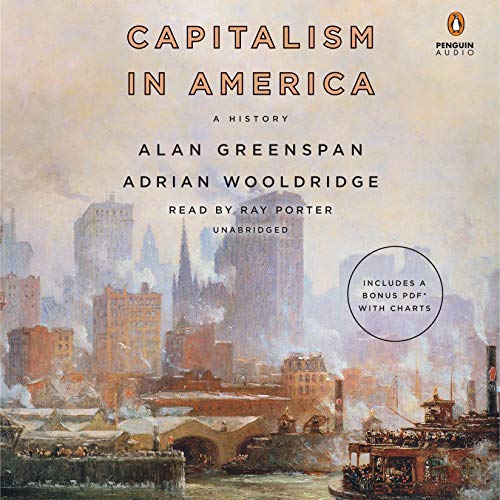
“Capitalism in America” (A History)
By: Alan Greenspan, Adrian Wooldridge
Narrated by: Ray Porter
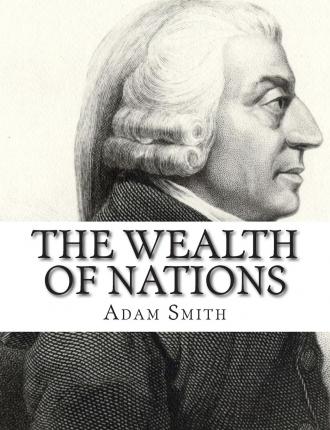
As one would expect, “Capitalism in America” begins with the British economist, Adam Smith, who defined capitalism in 1776 with “An inquiry into the Nature and Causes of the Wealth of Nations”.
Alan Greenspan (on the left) is an American economist who was chairman of the Federal Reserve from 1987-2006. Adrin Wooldridge (on the right) is a British economist and journalist who wrote for “The Economist”. Wooldridge has a doctorate in philosophy and has co-written several books with Richard Micklethwait, the editor-and-chief of Bloomberg News. One might argue Greenspan has a conservative bias but Wooldridge’s experience as a British journalist gives one a sense of balance in this informative and well-written history of American capitalism.
“Capitalism in America” reveals tumultuous times for the American economy but with positive forward momentum. The public in all countries have experienced hard times from market forces. Some countries, like Israel, India, and the U.K. have experimented with socialism as an alternative to capitalism. Communist countries like Russia and China flirt with capitalism and one may argue–benefited from its market results. The author’s history shows capitalism as the primary reason for America’s economic growth and success. However, that’s getting ahead of their story.
Hamilton, as Secretary of the Treasury, presented a “Report on a National Bank” to President Washinton and the House of representatives in 1790. This report notes that Congress, with its authority to collect taxes, could fund the bank and lend money to the government to pay foreign creditors, public services, and private businesses to grow the economy. Jefferson opposed the idea, but Hamilton’s broad interpretation of the Constitution allowed his idea of a national bank to be created. In 1791 the First Bank of the United States is established in Philadelphia and remained chartered for 20 years. This became a giant step for America’s economic growth.
Several future Presidents opposed an American national bank. Of course, Jefferson was one because of his belief in an agrarian future for America. Jefferson’s friend and future President, Madison (the 4th President of the U.S.) opposed the idea of a national bank, and Andrew Jackson (the 7th President of the U.S.) used his power as President to oppose the “Second Bank of the United States” in 1833.
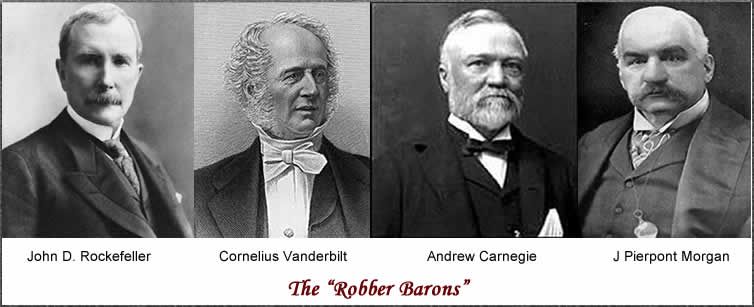
The authors note the successful industrialists of the 19th century capitalized on Hamiltonian creation of an American banking system. They became known as the robber barons of America. Rockefeller, Vanderbilt, Carnegie, and J.P. Morgan used capital to produce oil, expand rail transportation, make steel, and provide bank capital to grow the economy.
And then, WWI drew America into events that roil the course of its economic history.
An American economic boom occurs in the first two years of the war with America choosing neutrality. Exports surged from $2.4 billion to $6.2 billion in 1917. Everything from cotton, to wheat, to automobiles, to food, to machines were exported during those years. After joining the war, 3 million Americans were mobilized. When the war was over, the world and the American economy faltered. Recession (1918-1921) hit the world after the war, though America showed it had become a major world power.
As America recovered from WWI, their prowess as a producer of goods and services led to the roaring 20s and a runaway stock market that eventually crashed at the beginning of the Great Depression (1929-1939).
The authors note President Roosevelt is a great salesman who provides relief to many Americans with government employment programs during the depression. However, the authors note Roosevelt’s inept management delays America’s recovery by instituting price controls that distort market forces. Overt price control is a recurring mistake of national economies. The authors are not saying that price control is a singular cause of America’s continuing economic crisis, but it makes market recovery more difficult and longer to achieve.
The authors explain reparations for WWI’s winners helped set the table for WWII.
Germany’s inability to pay reparations, the growth of Antisemitism, and German inflation led to the rise of Hitler. Though not addressed by the authors, Japan felt threatened by American, Chinese, and Russian influence in Asia that led to Pearl Harbor and America’s entry into WWII.
The point is made that America’s depression before the war is not cured by Roosevelt’s economic intervention. The advent of war mobilized American industry.
The authors suggest market interference delayed recovery from the Great Depression. On the other hand, Roosevelt gave hope to the country with his speeches and employment programs. Citizens underlying faith in America’s ability to overcome hardship, and their response to Pearl Harbor reinvigorated the economy. Industries were retooled to meet the demands of war.
The authors argue mistakes in America’s capitalist history have been made by both Democratic and Republican Presidents who interfered with naturally occurring market forces. From Roosevelt to Nixon to Reagan to Obama to Trump, Presidents who institute price controls and/or tariffs interfere with free trade. America’s capitalist economy suffers from those actions. This is not to argue all legislation and federal action on the economy constitutes capitalist interference. Fundamental human rights that ensure freedom to vote, speak one’s mind, practice one’s own religion, work in industries one chooses, while seeking peaceful resolution of differences, are interferences that sustain capitalism.
When natural market forces are interfered with by business leaders and public legislators, capitalism suffers. An inference one may draw from the authors is that legislated programs that aid Americans who are unable or unwilling to participate in the capitalist economy are an interference with capitalism. That raises legislated issues of emigration, social security, health insurance, education, defense, transportation, veteran’s benefits, housing, environmental protection, occupational safety, and other public benefit programs. This is where there is continuing disagreement among Americans. These are not party issues because both Republican and Democratic leaders have both positive and negative arguments for and against these policies.
There is the law of unintended consequences that plague government policies. Some argue Reagan reinvigorated the American capitalist economy by reducing taxes, cutting government programs, reducing government employment, and busting union strikes. He did those things and government debt skyrocketed to a level greater than ever in the history of America. The gap between rich and poor was set on a path that beggared the poor and enriched business managers without comparable enrichment of labor. Like Roosevelt, Reagan sold ideas that had unintended consequences that were not in the long-term interest of Americans.
Sartre seemed right when he wrote “hell is other people” in “No Exit”. Neither belief in humanism nor God seem to hold an answer for humanity’s future.
Books of Interest Website: chetyarbrough.blog
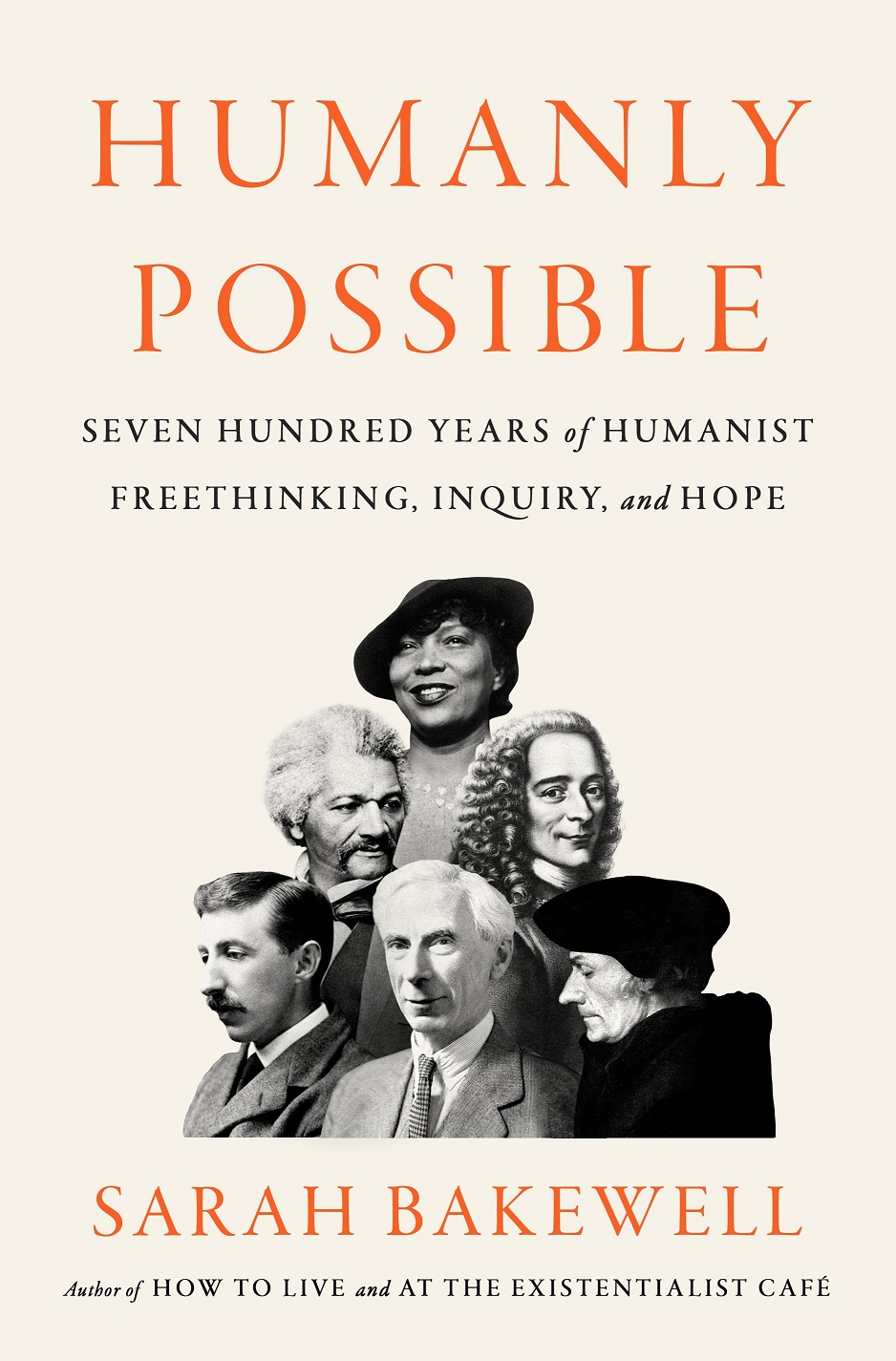
“Humanly Possible” (Seven Hundred Years of Humanist Freethinking, Inquiry, and Optimism)
By: Sarah Bakewell
Narrated by: Antonia Beamish
Sarah Bakewell (British author and professor, received the Windham-Campbell Literature Prize for non-fiction in 2018.
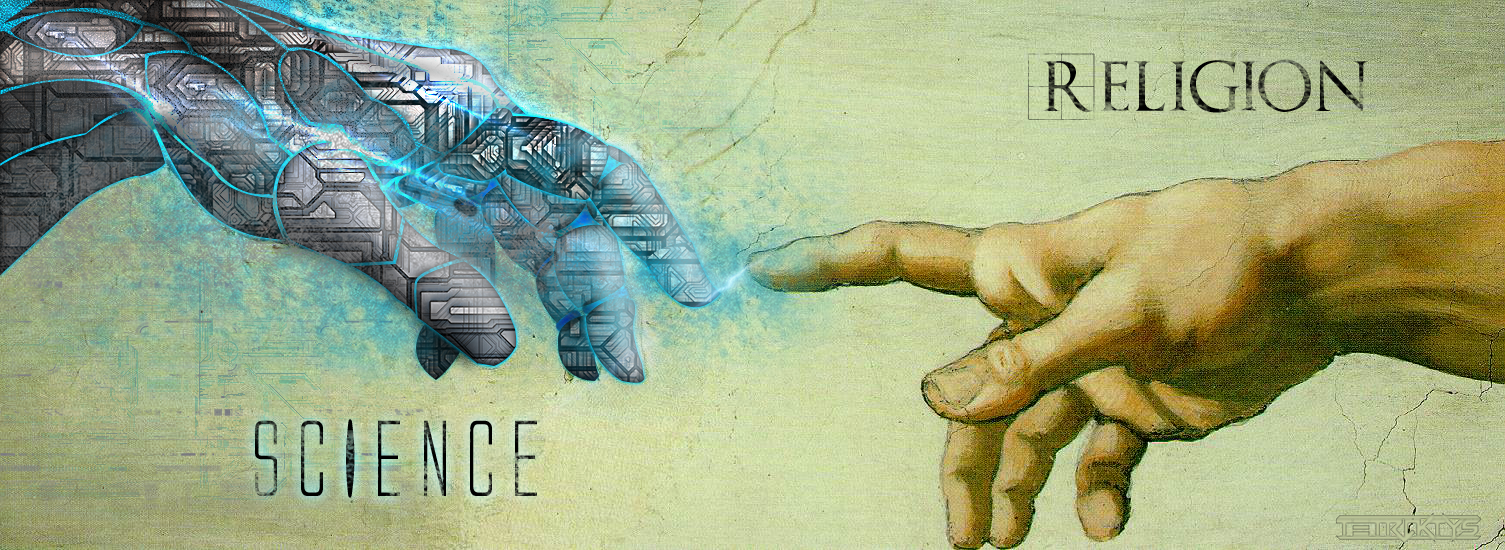
Sarah Bakewell provides a detailed history of humanism. To many, Bakewell’s story is a history of society falling away from God. Bakewell puts religion aside while explaining why and how humanists challenge religious belief and lean toward science as an explanation of life.
Bakewell notes humanism reaches back to the 5th century BCE with the Greek philosopher Protagoras. He was a teacher identified by Plato in a dialogue titled “Protagoras”. Through Plato’s dialogue, one finds Protagoras taught the importance of literature, and art that infers a set of moral principles to guide human behavior. Several centuries later, Diogenes Laertius writes “Lives of the Philosophers” that adds to history’s knowledge of Protagoras’s beliefs. Protagoras taught public speaking, poetry criticism, citizenship, and grammar.
Protagoras (490-420 BCE, Bakewell suggests Protagoras set the foundation for the humanist movement.)
Francesco Petrarch (1304-1374) takes up the humanist movement during the Italian Renaissance. Petrarch became internationally known as a humanist. He traveled extensively, looking for Classical manuscripts and ancient texts to recover the knowledge of Greek and Roman writers. He discovered letters that told of Cicero’s personal life–what it was like in the late Roman Republic (106-43 BCE). Cicero’s observations showed the importance of human character in the way one lives life.
Francesco Petracco (1304-1374, Italian scholar and poet and one of the earliest students and promoters of humanism.)
Collection of ancient manuscripts by Petrarch and Coluccio Salutati (1331-1406) of Florence expanded the humanist movement. Giovanni Boccaccio writes “The Decameron”, a collection of short stories that reinforces the principles of human worth and dignity, belief in reason and human ethics, and the value of critical thinking, i.e., humanist ideals.
Desiderius Erasmus (1469-1536)Sir Thomas More (1478-1535)William Shakespeare (1564-1616)
The humanist mantle is picked up in England and the wider part of continental Europe after the early 15th century. Erasmus, Sir Thomas More, and William Shakespeare, reinforce the movement. Desiderius Erasmus is a Dutch humanist. He attacks the excessive powers of the papacy. He values human liberty more than orthodoxy. He inspires the Protestant Reformation and the Catholic Counter-Reformation. He emphasizes the study of classics over medieval tradition. Erasmus has great impact on the Renaissance and its religious and intellectual climate with an eye for life on earth, more than an afterlife. He wrote “The Praise of Folly”, satirizing religious practices based on superstition and impiety. Though he hoped for divine mercy, Erasmus emphasized faith and good deeds in life, humanist ideals.
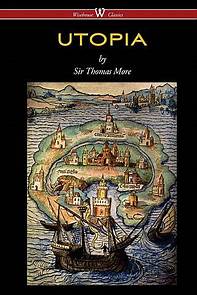
Bakewell notes Sir Thomas More writes “Utopia”, published in 1516, that describes an ideal society that addresses penology, state-controlled education, religious pluralism, divorce, euthanasia, and surprisingly, women’s rights.
Shakespeare’s plays introduce psychological realism and depth to human thought and action. Much of what he writes is secular rather than religious. Shakespeare implies life on earth is more than preparation for an afterlife.
Shakespeare suggests life on earth is more than preparation for an afterlife. Death is viewed as final, a humanist view of life and death.
Bakewell goes on to write of Denis Diderot, David Hume, Kant, Adam Smith, and Voltaire. They become leaders of humanism in the 17th and 18th centuries. Diderot emphasizes critical thinking, education, and secular values. Hume writes “A Treatise of Human Nature” to explain human morality. Adam Smith’s “Wealth of Nations” reflects on national economic growth and how the principle of “raising all boats” comes from free enterprise and free trade, humanity in action.
Denis Diderot (French philosopher 1743-1784)David Hume (Scottish philosopher, 1711-1776) Immanuel Kant (German philosopher, 1724-1804)Adam Smith (Scottish economist and philosopher, 1723-1790)VOLTAIRE aka FRANCOIS-MARIE AROUET (1694-1778, WRITER, PHILOSOPHER, PLAYWRIGHT, HISTORIAN)
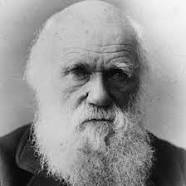
The idea of humanism is rocketed into American thought by Charles Darwin’s “Origin of Species”.
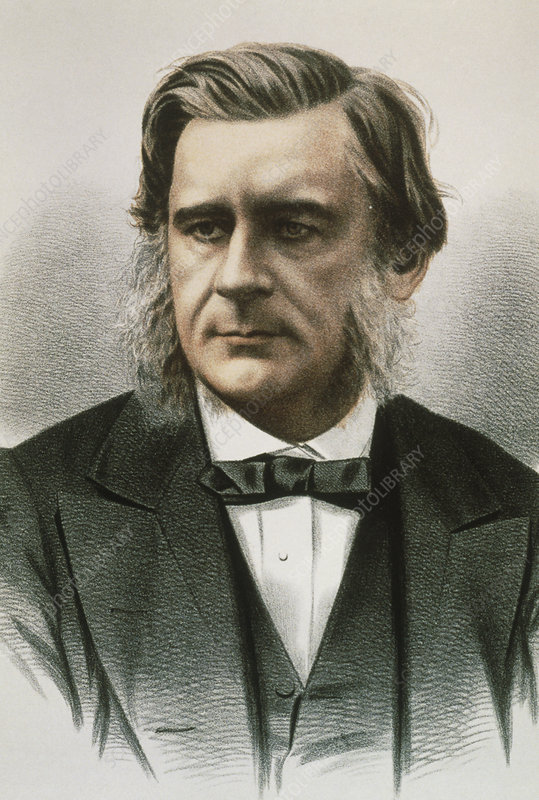
CHARLES DARWIN (1809-1882) FOUNDER OF THE THEORY OF THE ORIGIN OF SPECIES.Thomas Huxley. Coloured portrait of the British biologist Thomas Henry Huxley (1825-95). Huxley was the main advocate for the theory of evolution in scientific debates because Charles Darwin, its co-proposer, was a shy man who shunned publicity. One of the most famous debates on Darwin’s theory in which he took part occurred at a meeting of the British Association for the Advancement of Science in Oxford in 1860. Huxley’s research on primates firmly established man in this biological order, providing further scientific evidence for evolution. Huxley also did work in palaeontology and zoology. This artwork was taken from A Modern Portrait Gallery, volume 3 (1881).
Natural selection became a science-based explanation for the origin of species, including human beings. Its impact is evident in the personal transition of Darwin (the son of a medical doctor and grandson of a botanist), who planned to join the clergy, but became a person who identifies himself as an agnostic. Thomas Henry Huxley publicly endorses Darwin’s theory and coins the term “agnosticism” in 1869. Many of the scientific community joined that endorsement during Darwin’s life.
As Bakewell advances her history into the twentieth century, Thomas Mann and Bertrand Rusell carry the torch of humanism. The interesting point made about humanism by Mann is that a humanist must guard against the tendency to reason too much. The rise of Nazism in Mann’s home country and the repressiveness of Stalin’s (and now Putin’s) communism are examples of what concerned Mann. On the one hand, Mann recognizes the “unbearable pity for the sufferings of mankind” but also the danger of accepting authoritarian leaders who preach nationalist socialism or communism while promoting nationalist hegemony, forced labor, racial discrimination, ethnic cleansing, and gender inequality. The rise of Nazism and Putin’s invasion of Ukraine show how authoritarian reasoning can magnify the sufferings of humanity.
Paul Thomas Mann (1875-1955, German novelist, won Nobel Prize in literature 1929, wrote “Buddenbrooks “and “The Magic Mountain”)Bertrand Arthur William Russell (1872-1970, British philosopher, historian, social critic.)
Bertrand Russell, a British philosopher, mathematician, logician, historian, and humanist activist, warned against superstition and preached the importance of education. Both Mann and Russell advance the ideals of humanism. One still reserves judgement about humanist’ rejection of God when both religion and science have a mixed history for humanity.
Bakewell does not end with just a history of humanism. She speculates on where humanism may go from here.
She acknowledges her own beliefs as a humanist. She notes humanism has been noted in the past as a fragile vessel for transporting humanity into a future. The vessel’s fragility is in the nature of human beings.
Few can doubt we are self-interested animals that have to come to grips with what is ultimately in our self-interest.
Human self-interest must change from greed for money and/or power for humanism to work. If self-interest rests anywhere, it needs to be in the prestige that is earned by being engaged with the welfare of humanity. In light of history, human pursuit of societal welfare seems only to appear when annihilation is nigh. The war in Ukraine and human history are evidence of humanity’s failures. When perceived threats to peace and happiness disappear, humanity returns to the destructive self-interest of money and power.
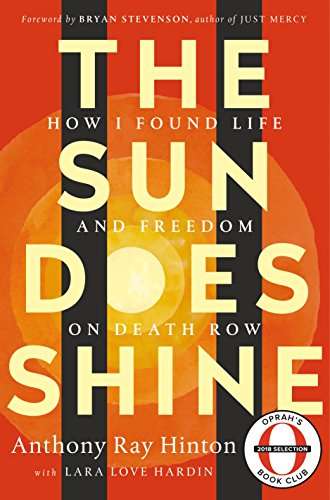
The question raised by “The Sun Does Shine”–is death row a necessary function of society? Anthony Ray Hinton’s life story challenges its efficacy.
Books of Interest Website: chetyarbrough.blog
“The Sun Does Shine“
By: Anthony Ray Hinton with Lara Love Hardin
Narrated by: Kevine R. Free
Anthony Ray Hinton, AuthorLara Love Hardin, Editorial Director of Idea Architects
Anthony Ray Hinton’s life experience argues the death penalty for any crime should be abolished. Hinton states 1 in 10 people on death row have been wrongfully convicted. He spent 28 years on death row for crimes he could not have committed. His legal representation is poorly executed, in part, because he did not have enough money to pay for his defense.
Anthony Ray Hinton
Hinton’s 1 in 10 ratio of wrongful conviction is questioned but not denied by:
The “Death Penalty Information Center”
DNA evidence that has exonerated sentenced death row prisoners, and
statistical studies that show 1 in 25 criminal defendants sentenced to death have been found innocent.
Hinton’s “The Sun Does Shine” tells of his conviction by an Alabama court for robbery and murder of two fast-food restaurant managers in Birmingham, Alabama.
Appointment of a defense attorney is required by law, but their compensation and the accused’s poverty deny an adequate defense. Hinton’s story shows how the State of Alabama’s law enforcement and judicial system manufactured false evidence to convict and put him on death row.
Hinton’s motherHinton’s Friend Lester Bailey on Left
Hinton’s mother, childhood friend, and religious belief support him through his false imprisonment and pending death by electrocution. His electrocution is postponed because of repeated challenges, but he remains on death row for 28 years. Hinton’s imagination and good will sustain him through his ordeal. He imagines traveling the world, marrying and divorcing beautiful women, and meeting the Queen of England.
Hinton gains the respect of his jailers and fellow death row prisoners. He mentally catalogues the many executions that occur in his 30 years of incarceration.
He remembers the blinking electric lights and smell of burning human flesh when each prisoner is electrocuted. He recalls the first woman to be electrocuted. He acknowledges many of the death-row’ prisoners committed horrible crimes but suggests they are victims of society because of their upbringing, and/or untreated or incurable mental dysfunctions. Hinton does not believe the guilty deserve execution for what he believes are societies’ failures.
It is the Executive Director of the Equal Justice Initiative, attorney Bryan Stevenson, who comes to Hinton’s aid and eventually gets his case before the U.S. Supreme Court in 2014. Stevenson works on Hinton’s case for over 20 years with numerous blocks thrown up by the Alabama legal system. The original judge in the case insists throughout his life that Hinton was guilty even though falsified evidence convicted him of the crime.
After release, Hinton becomes a world-wide celebrity, acquainted with famous people like President Obama, Queen Elizabeth II, Nelson Mandela, and Oprah Winfrey.
His book suggests he was entertained by some famous actors and billionaires who wished to have his story told to audiences that presumably might affect a change in the American judicial system.
The question raised by “The Sun Does Shine”–is death row a necessary function of society? Anthony Ray Hinton’s life story challenges its efficacy.
Being one of “The Best Minds” is of little help in coping with schizophrenia’s symptoms.
Blog: awalkingdelight
Books of Interest Website: chetyarbrough.blog
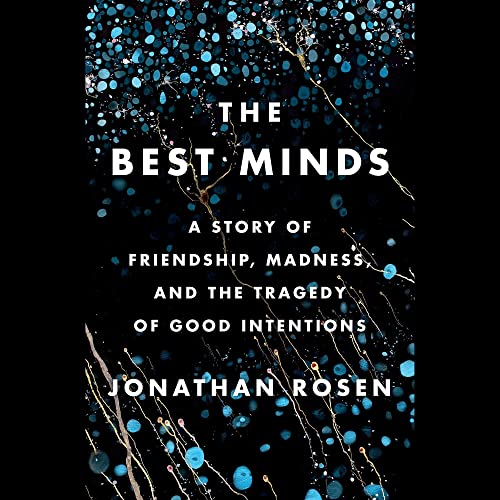
“The Best Minds” A Story of Friendship, Madness, and the Tragedy of Good Intentions
By:Jonathan Rosen
Narrated by: Jonathan Rosen
Jonathan Rosen (Author, Yale graduate–Accepted but dropped out of a PhD English program at Berkeley.)
Jonathan Rosen tells the story of his boyhood and adult friendship with Michael, a boy of his age who excels academically and professionally as a young graduate of Yale. Michael has a mental breakdown in his early twenties. He is diagnosed as schizophrenic. Rosen compares his years of adolescence with Michael’s.
Rosen’s stricken friend excels in every academic and business pursuit he undertakes before his slip into schizophrenia. In reflecting on the boy’s relationship, Rosen explains his perception of himself is as a grade school and high school plodder who prefers literature to math and the sciences. In contrast, Rosen suggests Michael’s academic qualities give him the ability to read, understand, and recite literary and science subjects with the ease of a savant. Michael reads everything with speed and understanding while Rosen labors over his studies.
The irony of Rosen’s perception of himself is that despite their differences, both he and Michael are accepted at Yale.
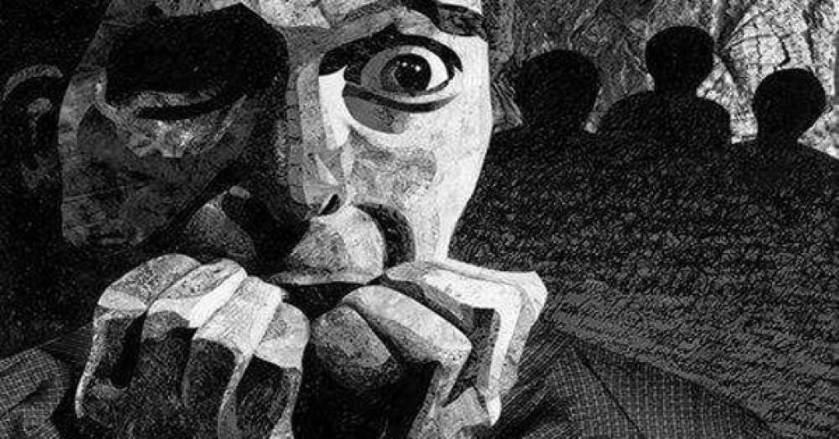
Rosen becomes an editor of the University’ newspaper, and later, a published author. Michael aspires to the editorship of the Yale paper, tries to become a published author, but is unsuccessful. Before graduation, Michael is recruited by a prestigious publicly held investment firm and seems on his way to great wealth and success. Instead, Rosen explains Michael leaves the investment company and begins to lose his way in life. Michael slips into a schizophrenic state that diminishes his eidetic memory and gives him a combination of debilitating psychological symptoms. At the height of Michael’s illness, he threatens his mother with a knife. With the persuasion of his father, Michael agrees to admit himself to a psychological ward which finally diagnosis his schizophrenia.
Michael, Rosen’s brilliant childhood friend, is admitted to a psychiatric ward for treatment designed to isolate and medicate its patients into a fog of confusion that is designed to lessen paranoid depression.
Rosen’s long introduction of himself and Michael seems prelude to an explanation of the ineptitude of the American psychiatric industry. Michael’s journey is an indictment of the American system of treatment for mental dysfunction. Michael is eventually discharged but is placed in a group home with other patients suffering from mental dysfunction. They share bedrooms with medications designed to isolate and offer palliative care that deadens their psychological symptoms.
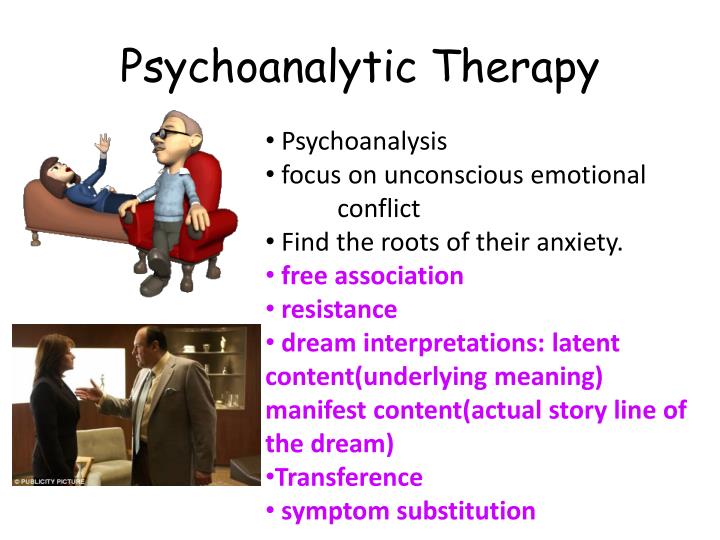
Michael continues his treatment with the aid of minimal income from a government disability program that helps pay for his accommodation and psychoanalytic therapy.
He is directed to reengage life by his therapist with work as a clerk at a Macy’s Department Store. Michael’s father is incensed by the therapist’s diminishment of his son’s accomplishments and begins a campaign to have Yale reengage his son in pursuit of a law degree. With the help of Yale’s faculty, Michael is readmitted to the University.
Ironically, the Yale faculty and students become a caring haven that helps Michael cope with his medical condition.
However, Yale’s help is only palliative, not curative. Michael remains schizophrenic, only ameliorated by drugs and the calming influence of Yale students and faculty. His paranoia continues and becomes more severe when his father dies.
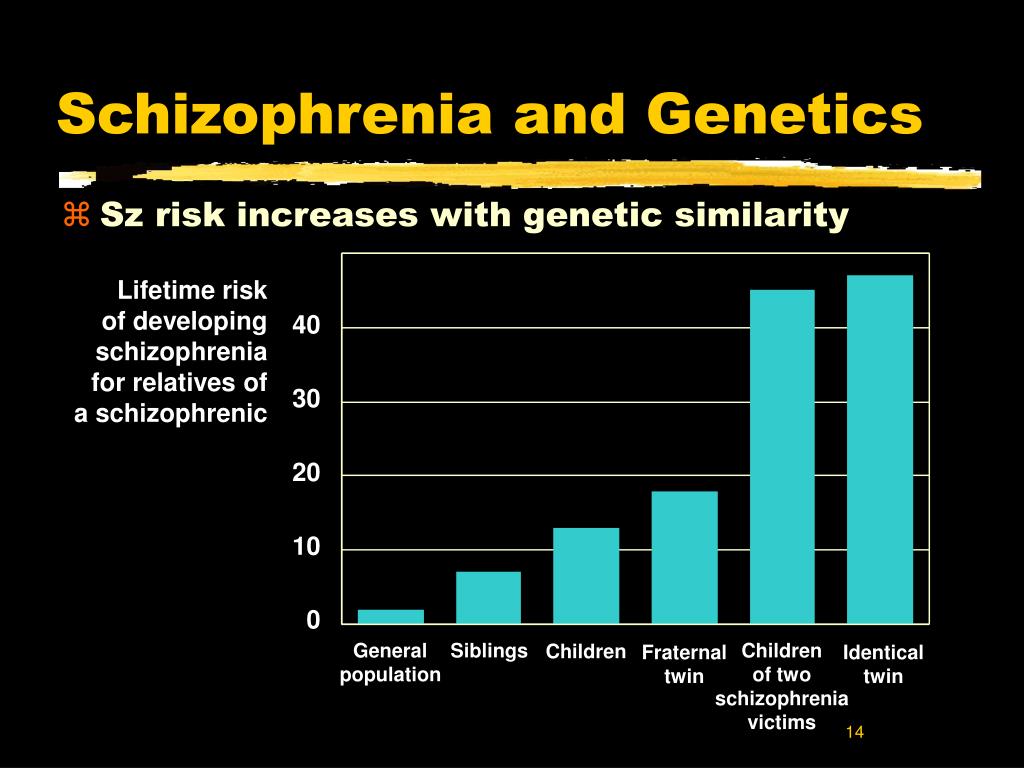
Schizophrenia affects only 1% of the population but has a higher risk of contraction from first degree relatives. (Michael’s grandmother was diagnosed with the disease.)
Michael seems on a road toward managed recovery with a detailed intellectual explanation of what schizophrenia is to him and how it creates delusional images that threaten his existence. His intellectual ability to explain his illness to the public attracts book publishers and the film industry to offer him over a million dollars for a book and film about his life. As this financial windfall becomes real, Michael and his fiancé plan to marry.
On June 17, 1998 Michael B. Laudor stabs his pregnant fiancé, Caroline Costello.
In a schizophrenic episode, Michael grabs his fiancé from behind, stabs her several times, and cuts her throat. Michael leaves her to die on their kitchen floor. Rosen notes that Michael quit taking his medication. He lost control in an episode of paranoia that viewed his fiancé as a maleficent alien presence. It seems a recurrence of what happened with his mother when he was thankfully convinced by his father to voluntarily commit himself to a hospital ward.
What becomes increasingly clear in Rosen’s biographical story is that there is no cure for schizophrenia.
Schizophrenic treatment is a life-long process that requires medication and a support system from caring caregivers, both professional and familial. Being one of “The Best Minds” is of little help in coping with schizophrenia’s symptoms. It requires lifelong assistance because it affects a person’s thinking, emotions, and interactions with the world.
Michael is charged with second-degree murder but is found not guilty by reason of mental defect. He is eventually committed to the Mid-Hudson Forensic Psychotherapy Center in New Hampton, New York in which he remains as of 2023.
(This is a terrible and tragic story. Rosen’s detailed research shows Caroline Costello was a good person, willing to help others, intending to adopt her husband’s faith, and trying to care for Michael in his struggle with an incurable brain dysfunction.)
Every human being has a life story. A few human beings like those in Verghese’s book show that respect for every life carries the hope of civilization.
Blog: awalkingdelight
Books of Interest Website: chetyarbrough.blog
“The Covenant of Water”
By:Abraham Verghese
Narrated by: Abraham Verghese
Abraham Verghese (Author, American physician, Professor of the Theory and Practice of Medicine @ Stanford University Medical School.)
As an immigrant, Abraham Verghese began working in America as a hospital orderly. His hospital experience led him to pursue a medical degree. His experience as a world traveler and physician gives weight to his writing about medical diagnosis, brutal loss of life, societal norms, the importance of belief, and human vulnerability. Verghese tells a story from the beginning of the twentieth century through two world wars. Its story is of two physicians (one from Sweden another from Scotland), and a resolute lower caste family in India.
Water surrounds the world like an agreement that ties all people together, for better or worse.
The author of “The Covenant of Water” emigrated to America when Haile Selassie was replaced by a Marxist military government in Ethiopia. One wonders if cultural conflict of interest may be more pernicious when land masses are separated by bodies of water. “The Covenant of Water” implies otherwise. Like any lasting covenant between parties, respective self-interests must be addressed and respected. When they are not, all parties suffer. At one point, Verghese suggests “The Covenant of Water” washes away life’s troubles. The tragedies he recounts suggest the real truth is that life’s troubles never wash away. Troubles remain within us in memory and only truly disappear in death.
India’s Saint Thomas Christians date back to the 3rd century. An estimated 4,000,000 St. Thomas Christians live in 21st century India.
Verghese’s story holds together through the generations of an Indian Christian family from the early 1900s through two world wars and the beginning of the 70s. Part of the story’s interest is in Great Britain’s colonization of India and its historical perspective. At the forefront of the story, there is the inevitable cultural conflict in any countries’ colonialization of another. Verghese shows no clear line can be drawn between exploitation and improvement of a colonized society whether its native American in North America, Aboriginal in Australia or of a lower caste family of a minority religion in India. Verghese interweaves an insightful story that magnifies reasons why cultural difference is only overcome on a person-to-person basis. India will always be India to its native citizens. Today, a similar truth is being played out in Gaza and Israel. Palestine will always be Palestinian just as Israel will always be Israeli.
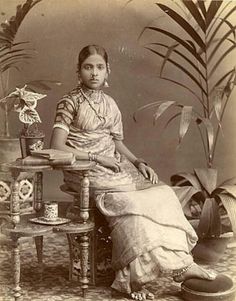
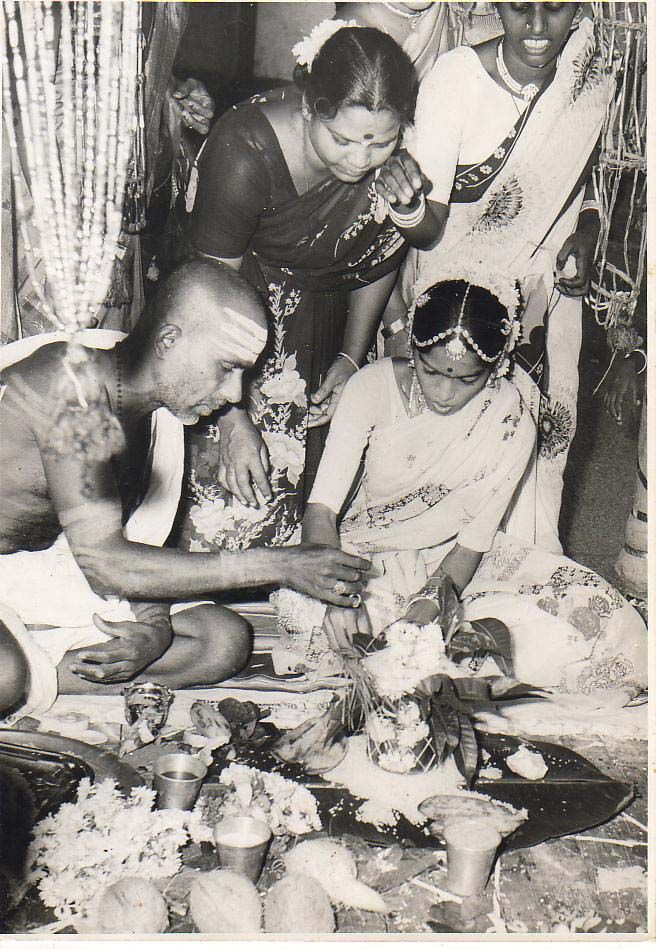
Verghese’s story begins with an India wedding betrothal of a 12-year-old girl to a 40 something widow who has lost his wife to illness.
The betrothal is made at the recommendation of the husband’s relative who as a matchmaker researches the background of the betrothed’s family. The chosen bride is naturally afraid to leave her family and the groom is unsure of what he wishes to do. The matchmaker assures the groom the betrothal is a good one for him, and the marriage is consummated. The young girl travels from her home to her new husband’s property many miles away. Her greatest unhappiness is in leaving her mother but she is greeted by her new household by a helpful older woman. The young girl is comforted by her Christian beliefs and receives an omen of welcome by a massive bull elephant that had been saved by her new husband.
The incongruity of ages in this marriage is disconcerting to many listener/readers. Verghese non-judgmentally explains the culture of India in the early 1900s.
(World travelers will recognize remnants of that betrothal culture exist in India today.) The husband has a two-year-old son from his former marriage. He is a landowner as a result of personal ambition and hard work. He is not rich but is well respected by the people that know him. The husband treats his new bride with respect, and she begins to care for the household and her new stepson. They first have intimate relations when she turns 17. Their first child is a daughter who has a developmental problem that limits her intellectual growth. After two miscarriages, she has a boy who is a binding connection for the story. She grows to love her husband who dies when his child wife reaches her thirties. She becomes the matriarch of the clan.
This sets the tenor of Verghese’s story. It is a long, long, some might say too long story that repeatedly reminds one of how important it is to respect other people’s cultural beliefs while all life is filled with hardship and change.
Listener/readers will get a glimpse of India’s, as well as Great Britain’s, and Sweden’s cultures with the introduction of a Scottish and Swedish surgeon. What the main characters hold in common is that they have underlying respect for the life of others in any culture, whether rich, poor, educated, or unschooled. The two doctors, the child bride and her son are heroes and victims of their times.
Each of the main characters in Verghese’s book have unique life stories but a common thread of belief is respect for the life of all, cultural acceptance and understanding, and life-long pursuit of education.
The Swedish doctor travels the world to settle in a remote part of India to recreate a refuge for victims of leprosy. The Scottish doctor, after a life-threatening injury, becomes a patient of the Swedish doctor to be figuratively reborn by his experience after the Swede’s death. As true of the India family, the Scottish doctor’s life is dramatically changed by tragedy. The Swede dies at the refuge after having rehabilitated the Scottish physician’s burned hands. The Scott has been introduced to supporters of the Swede’s practice at the Leper colony and he evolves into a business owner/manager that makes him wealthy.
The son of the India child-bride saves a young child from drowning in a flood that whisks him and a nearly dead victim to the Swedish doctor’s clinic where the physically unable Scottish surgeon directs the boy in how to incise the babies throat to save the baby from asphyxiation. The young boy saved the babies life and overcame a hearing deficiency to become a social leader of his village in India during and after WWII.
The young boy, now a man, falls in love with a woman of his age that he had met when he saved the nearly drowned baby. They marry and have a child of their own. The child dies in a tragic accident. The loss of the child is felt to be the fault of each parent which tears their relationship apart. It never mends as the tragedy of their relationship continues to unfold. Their marriage falls apart. At this point the Scottish doctor re-enters the story with an unexpected revelation about the wife who leaves and returns because of the loss of their child. What is meant by “…loss of their child” is an added chapter to this tragedy that extends the story beyond one’s imagination.
Verghese shows himself to be an excellent writer but to some listener/readers the denouement of his story is a step too far for one’s imagination.
Every human being has a life story. A few human beings in Verghese’s book show that respect for every life carries the hope of civilization. Without respect between those who are different, Verghese shows why human dysfunction and tragedy will remain a condition of human society.