The essence of Rickard’s book is that the use of GPT is a threat to the financial world and to world peace. If the war on Iran continues, there is increased risk of wider conflict, further financial stress, reduced human judgement, and greater potential for world conflagration in a nuclear war.
Books of Interest Website: chetyarbrough.blog
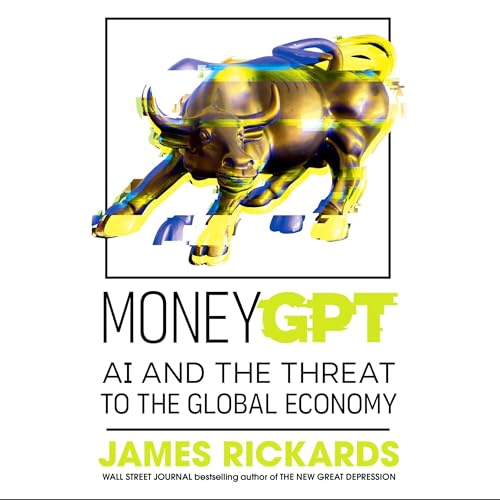
MONEY GPT (AI and the Threat to the Global Economy)
Author: James Rickards
Narration by: James Rickards
James G. Rickards (Author, American lawyer, investment banker, media commentator.)
Though Mr. Rickards has something valuable to tell his audience, his writing leaves room for improvement. The initials “GPT” stand for “Generative Pre-trained Transformer”. They are an abbreviation for massive datasets gathered by artificial intelligence to aid one’s understanding of complex predictions about finance and military conflict based on collected language used to explain the world.
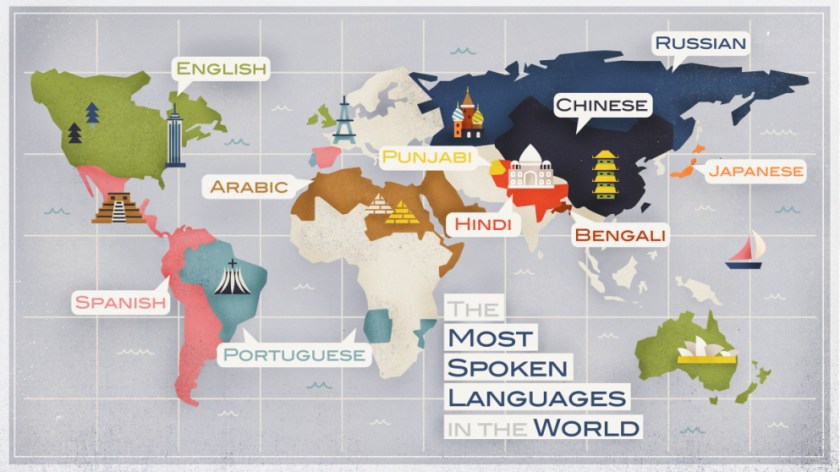
Languages of the world.
What Rickards intellectually recognizes is that collected language about the real world lacks human judgement which can accelerate human actions, weaponize misinformation, and increase conflict because AI lacks human reasoning. Without judgement, facts imparted by language collection may as quickly make wrong as right decisions. Optimum answers to complex problems require human judgement. Optimum answers may be aided by AI collated language, but human judgement is key to appropriate action. Rickards notes how stock market investors who rely on AI for decisions about what to do with their investments can as easily be misled when the market is in crisis because collected language is as likely to lead one further into crisis as toward a reasoned investment response.
Rickard explains a financial decision based on GPT carries the same threat in regard to war. One wonders whether President Trump’s escalation of the war on Iran is not based on GPT that compresses decisions and amplifies the volatility of America’s actions. Is the war escalating because of GPT and inadequate human judgement? America is faced with incomplete information on a purpose for bombing Iran and what goals are intended for ending the conflict. What GPT predicts is more U.S. strikes, further Iranian retaliation, and prolonged conflict that will continue to roil the economies and citizens of the world. Regional war, let alone a World War, is increasingly likely to cause a global shock to financial markets.
Uses of GTP aka GPT.
The essence of Rickard’s book is that the use of GPT is a threat to the financial world and to world peace. If the war on Iran continues, there is increased risk of wider conflict, further financial stress, reduced human judgement, and greater potential for world conflagration in a nuclear war.
Schweizer presents a book that has little substantiated proof about immigration in America. His book has become popular. “The Invisible Coup” has improved his economic well-being at the expense of knowledge based on verifiable fact.
Books of Interest Website: chetyarbrough.blog
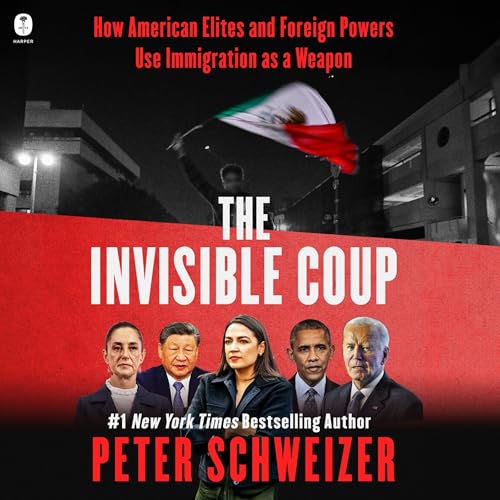
The Invisible Coup (How American Elites and Foreign Powers Use Immigration as a Weapon)
Author: Peter Schweizer
Narration by: Charles Constant
Peter Franz Schweizer (American political consultant and writer. Editor-at-large for far-right media organization Breitbart News. Former fellow of the Hoover Institution.)
“The Invisible Coup” is a popular book that explains why world peace is a pipe dream in today’s world. Schweizer shows why Donald Trump has a popular following that continues to support his Presidency despite ICE tactics to identify immigrants based on the color of their skin, and his attack on Iran without authorization from Congress or cooperation from America’s allies.
Schweizer has written a paranoid polemic on the causes and purpose of immigration to the United States by non-white immigrants.
Schweizer argues immigration is a coordinated “weapon” of foreign governments and American power brokers to influence and ultimately overthrow America’s way of life. He refuses to note people come to America to create a better life for themselves and their families. This is not to suggest there is no effort by immigrants to sneak into the U.S. or to game the American welfare system but to realize abuse of welfare is a problem whether American citizens or immigrants abuse the system. This is an American welfare management problem, not an immigrant issue.
America is founded on immigration.
Schweizer argues immigrants from China, Venezuela, Cuba, Mexico, and Brazil are gaming America’s welfare system and undermining the national purpose of a democratic government at the direction of foreign government leaders. He suggests the purpose of these foreign government’s leaders is to weaken the national character of America and destabilize its government. Schweizer writes of anonymous U.S. intelligence officials that say China encourages Chinese nationals with military intelligence to cross into America to gather intelligence. He offers no documentary evidence, no named officials, or verifiable data. He cites anonymous sources for all these countries to make his arguments totally unverifiable
Immigrants are seeking a better life in America.
To believe there is a coordinated foreign attack on American democracy by foreign governments through the use of illegal immigration is a distortion of a primary truth, i.e., immigrants are seeking a better life. Conspiracy to destroy American democracy through illegal immigration is absurd on its face. This is not to say some foreign governments would like to see America fail but for reasons of money, power, and world domination which have nothing to do with emigration. Schweizer generalizes real incidents of immigrant criminals to make the absurd argument that a cabal of foreign governments are using illegal immigration to undermine American institutions. His arguments are based on confidential documents and unnamed sources. He writes of “leaked intelligence” or “internal government documents” that are classified and cannot be produced to prove his point. Anonymous intelligence and law-enforcement officials are frequently used to substantiate his claims. Schweizer makes evidence-free assertions with political points that have no basis in verifiable fact.
Immigrant crime rates.
The history of immigration in America has improved economic growth. America is a nation of immigrants. The truth is immigrants commit crime at lower rates than native-born Americans. There is no denying the U.S. immigration system is flawed. Cartels do exploit illegal immigration to make money and some governments pressure America by increasing migration from their countries to the United States. Immigration is a regulatory problem but viewing it as foreign nation-states’ geopolitical attack is ridiculous on its face. The troubling part of Schweizer’s view is that world peace is an ideal that may never be achieved because of the nature of human beings. Mistakes are made when people correlate undocumented facts with causes. Truth has little value without independent verification of facts.
Schweizer presents a book that has little substantiated proof about immigration in America. His book has become popular. “The Invisible Coup” has improved his economic well-being at the expense of knowledge based on verifiable fact.
Green questions the profit motive of drug companies that ignore the benefits of drugs that poor societies cannot afford that would cure tuberculosis. At the same time, Green implies the political will of all nations fail to provide known curative drugs for tuberculosis.
Books of Interest Website: chetyarbrough.blog
Everything is Tuberculosis (The History and Persistence of Our Deadliest Infection)
Author: John Green
Narration by: John Green
John Green (Author, YouTuber, and philanthropist.)
“Everything is Tuberculosis” is an apt title for John Green’s book but unlikely to attract many listener/readers. However, those who have read John Green’s books are attracted to his story because of the humor and insight he offers to living life. Green offers an interesting human perspective about a disease that kills hundreds of thousands of people every year and is both preventable and curable. Recognizing this critic’s own biases, “Everything is Tuberculosis” is a belief that there are only two important issues for human species’ survival, i.e., world peace and personal health. “Everything is Tuberculosis” deals with the principal of health while others write about world peace.
Tuberculosis transmission.
Peace is only indirectly addressed in “Everything is Tuberculosis” while health is the primary focus of Green’s book. Today, approximately 1.23 million people die from tuberculosis every year. Surprisingly, it remains the deadliest curable infectious disease in the world. An estimated 10.7 million people are presently diagnosed with tuberculosis. This high infection rate is for a disease that is curable and preventable. Green explains in countries with high rates of poverty, undernutrition, overcrowding, high HIV infections, and poor medical services tuberculosis becomes a greater killer of human beings than any other infectious disease.
The fear and anxiety of Covid mimics the fear of tuberculosis.
Green personalizes his story by being its main character. He writes in the first person and uses his personal anxiety driven thoughts to explain tuberculosis’ illness and vulnerability. As a child, Green recalls his own illnesses and anxieties that required hospitalization. He contrasts his life of economic security with the lives of many people in the world that have little to no economic security. He views tuberculosis, not as a scientist or patient, but as an observer of poverty in Sierra Leone and the personal life of a young boy with the disease.
The cost of medication.
The young boy’s recovery experience is on-again/off-again, in part because of his father’s skepticism about the effectiveness of drugs and his belief in God, but also because of a failure of experimental drug treatments from other tuberculosis patients that die. There is a happy ending when a new drug cure is found and started; the boy recovers, resulting in eradication of the infection. He finishes high school and goes on to college. Other stories of the disease in Sierra Leone show distances patients have to travel, the cost of treatments, and different economically challenged families who are discouraged by continued treatment. Those patients that do not continue the medical treatment often see regrowth of the Tuberculosis bacteria which ends their sons, daughters, fathers, or mother’s lives.
Green’s point is that human beings are dying from tuberculosis, a curable disease that kills; not because it is often fatal, but because of a human-systems’ failure.
TB deaths are a predictable outcome of poverty, undernutrition, overcrowding, political neglect, and global indifference. Green gets at the heart of the problem of societal indifference. The indifference is both political and economic. The political indifference comes from every government that is only concerned about their country’s health and welfare. The economic difference is similar but more pronounced in capitalist countries that focus on profit more than societal benefit. Political difference is in nation-state’ leadership whether countries are democratic or other.
Green questions the profit motive of drug companies that ignore the benefits of drugs that poor societies cannot afford that would cure tuberculosis. At the same time, Green implies the political will of all nations fail to provide known curative drugs for tuberculosis.
One comes away from Trevor Reed’s book with the feeling he tilted at Don Quixote’s windmill. One’s heart goes out to Ukraine and their fight against an implacable Russian President who tilts at a different windmill.
Books of Interest Website: chetyarbrough.blog
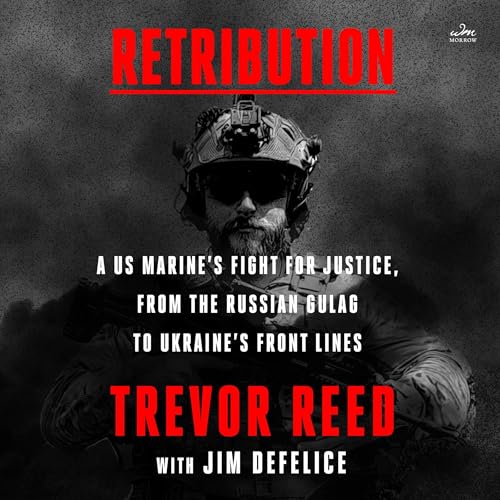
Retribution (A US Marine’s Fight for Justice, from the Russian Gulag to Ukraine’s Front Lines
Author: Trevor Reed, Jim DeFelice
Narration by: Roger Wayne, Joey Reed
Trevor Reed (on the left) is the subject of Retribution. It is co-written with the novelist Jim DeFelice (on the right).
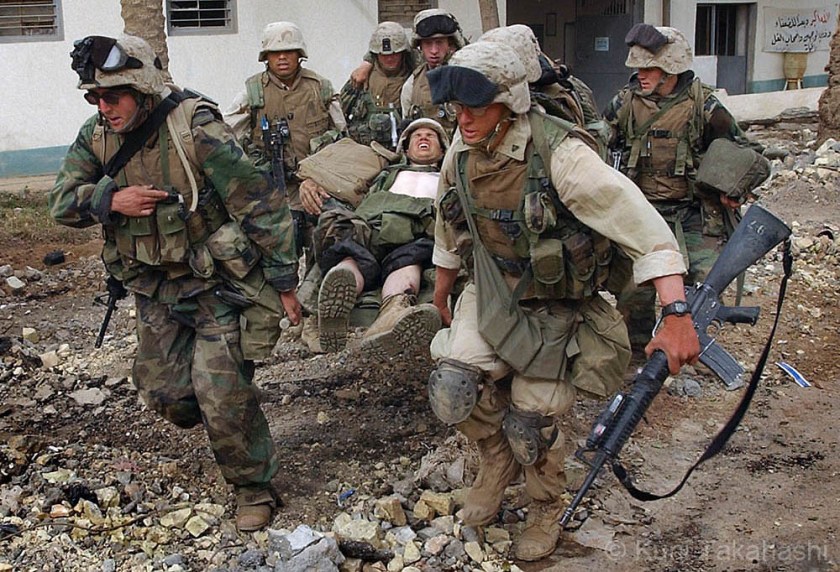
U.S. Marine infantry.
Trevor Reed is a former Marine infantry soldier who was imprisoned for being drunk and disorderly in Russia. He became a victim of Russia’s hostage exchange system. The story of his young life and how he became a marine and a Ukrainian combatant against Russia is explained in “Retribution”. As a strong-willed youth who challenged parental control, he became an athletic wrestling champion in high school. His disciplined physical work ethic made him a 145 lb. highly self-confident young man who decided (contrary to his father’s council as an ex-marine) to enlist in the marine infantry.
Reed’s story of being arrested in Russia is a lesson about the risks of traveling to a foreign country that disagrees with America’s form of government. Reed became romantically involved with a young woman in Russia who he had corresponded with after completing his 4-year commitment in the Marines. Alina Tsybulnik, his Russian girlfriend, visited America, became a friend of his family, and invited Trevor to Russia. They became intimate friends.
Alina Tsybulnik and Trevor Reed.
Tsybulnik is enrolled in a Russian college to become an attorney. When Trevor visits her in Russia, they go out on the town. Trevor gets drunk and disorderly and is arrested by the Russian police in 2019. In what is characterized as a gross exaggeration of Trevor’s actions on their night on the town, Trevor is sentenced to prison for nine years in a Russian penal colony. In April 2022, after three years, Trevor is released in a prisoner exchange.
Trevor Reed’s parents.
Reed shows himself to be a tough-minded person who refuses to cooperate with the Russian prison guards’ orders to work while being unfairly imprisoned in a work camp. He is visited by his father who works to have the Biden administration get his son released. Alina Tsybulnik uses her legal experience with the Russian legal system to get Reed released. The corruption and purpose of incarceration in Russia is shown to be political by Reed’s story. Reed explains how even some Russian administrators, not to mention his girlfriend, resist the political ministrations of the system but are unable to change its policies.
Alexei Navalny, a Russian dissident, is sentenced to an Arctic penal colony and is poisoned. He dies in that Arctic colony at the age of 47 in 2024.
The last chapters of Reed’s book recount his effort to get a level of revenge against Russia’s injustice by volunteering in Ukraine’s war against Russia’s invasion. Reed had become a fluent Russian language user because of his intellect, his relationship with Tsybulnik, and his imprisonment. He used that skill to join the Ukrainian resistance. One comes away from Trevor Reed’s book with the feeling he tilted at Don Quixote’s windmill. One’s heart goes out to Ukraine and their fight against an implacable Russian President who tilts at a different windmill.
Winchester’s biography of Needham offers valuable insight to scientific discovery and its intersection with socio/political structure of government. Government bureaucracy can either aid or impede nation-state’ discovery and innovation.
Books of Interest Website: chetyarbrough.blog
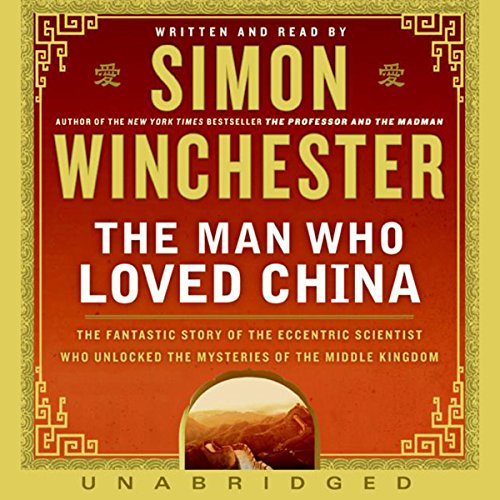
The Man Who Loved China (The Fantastic Story of the Eccentric Scientist Who Unlocked the Mysteries of the Middle Kingdom)
Author: Simon Winchester
Narration by: Simon Winchester
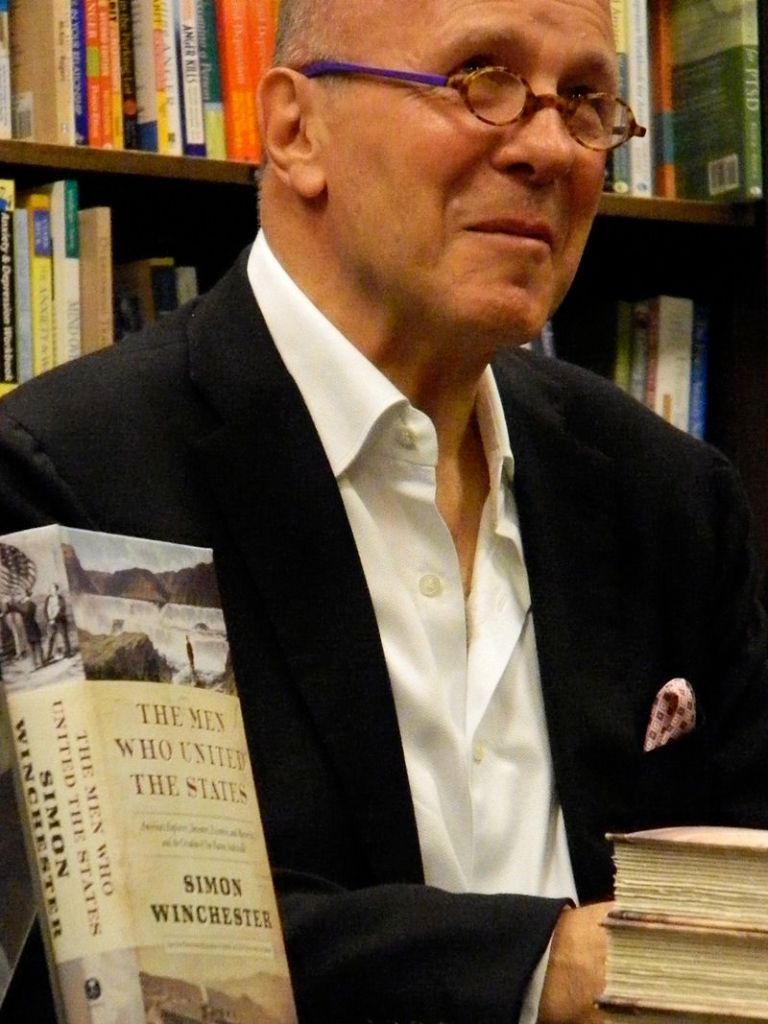
Simon Winchester (Author, historian, British American author, journalist, and broadcaster.)
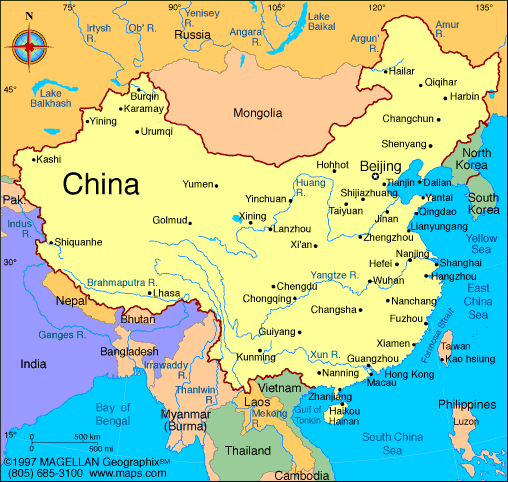
Having traveled to China a few years ago, it is interesting to listen to Simon Winchester’s biography of Joseph Needham, who is considered one of the foremost historians of Chinese science and technology.
Noel Joseph Terence Montgomery Needham (1900-1995, British biochemist, historian of science and sinologist who wrote a history of Chinese science and technology based on his British education and experience in China during the 1940s.)
Discovery of the new can improve or impede society. In listening to this biography of Joseph Needham, one wonders how farther ahead science might be if it was more widely shared between countries of the world. Needham is characterized as a polymath who became educated as a biochemist at Cambridge. Needham is a freethinking eccentric, a nudist, a folk dancer, and a thoroughly unconventional human being.
Needham meets a fellow student at Cambridge with whom he pursues a scientific/intellectual partnership and an “open” marriage that lasts until the death of his wife in 1987. Needham’s first wife, Dorothy Moyle Needham, offers stability to his life while accepting a second woman, Lu Gwei-djen, as an intimate in Needham’s life during their marriage. Dr. Gwei-djen was also a biochemist who studied at Cambridge. When Needham’s wife dies in 1987, after 63 years of marriage, he marries Lu Gwei-djen.
Japan creates what is misogynistically characterized as “comfort women” in their attack and domination of China in the early years of WWII.
As WWII began and the Japanese were attacking China, Needham is engaged by the Sino-British Science Cooperation Office to document scientific manuscripts, meet Chinese scholars, and build a record of China’s scientific networks. His wife joins Needham in 1944 just before Needham’s return to Great Britain. Needham’s separation from his wife gave him time to become an important historian of Chinese Science. His grasp of the Chinese language from his association with Lu Gwei-djen is a great aid to his accumulation of China’s extraordinary advances in science that created many discoveries–long before the rest of the world.
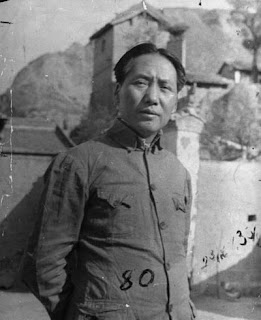
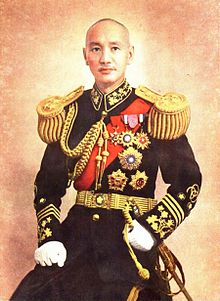
Mao at the time of Needham’s travels in China.CHIANG KAI-SHEK (CHAIRMAN OF THE NATIONAL GOVERNMENT OF CHINA 1943-1948)
Needham fell in love with China and became acquainted with the war years of China and its communist movement. Needham looked favorably on the communist philosophical movement. However, his political leanings were inconsequential because his primary focus is on China’s scientific history.
Early discoveries in China.
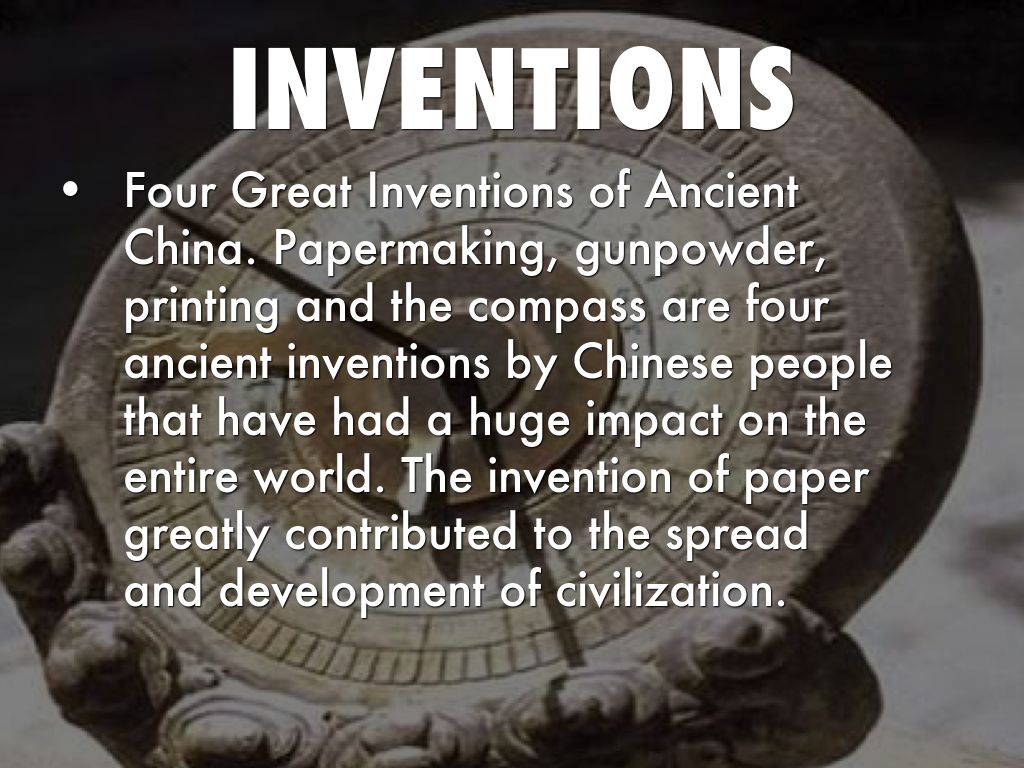
Needam’s research results in a book titled “Science and Civilization in China”. With the help of Lu Gwei-djen, his book became a societal corrective to the West’s bias about China’s technological backwardness. Needam reveals amazing discoveries made by China long before the rest of the world. He found papermaking is developed in the 2nd century BCE, the magnetic compass was used in China in the 11th century, gunpowder is discovered in the 9th century, and printing began in the 7th century. Adding to these discoveries are the many engineering and mechanical innovations of China. They discovered the value of differential gears to aid vehicle function, the idea of a sternpost to guide ships, water power to aid clockworks with escapements for timekeeping.
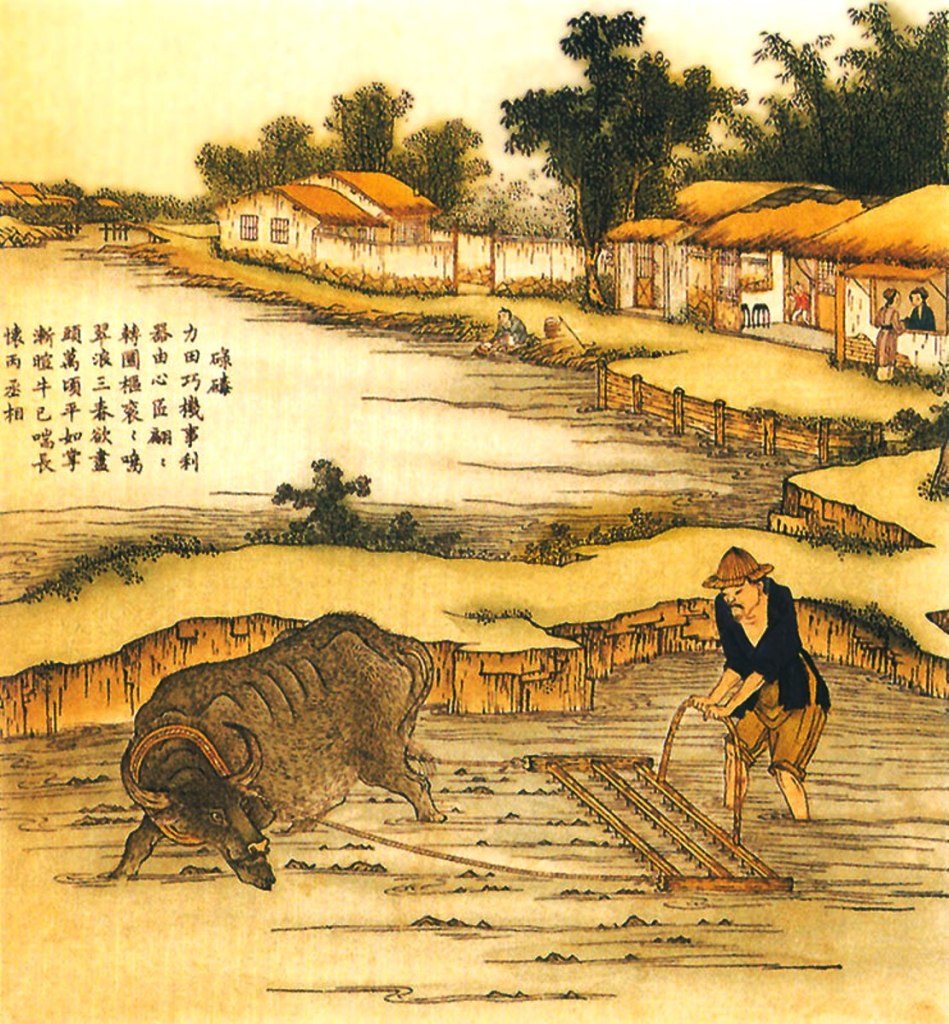
Agricultural invention in early China.
Needham discovers the agricultural and industrial breakthroughs of China. They used multi-tube seed drills and advanced iron plows to improve agricultural yields centuries before European innovations. Between the 5th and 3rd century BCE, China had developed blast furnaces and iron-working innovations that were not discovered in the west until the medieval period. The Song dynasty in the 10th century pioneered the use of paper money backed by the government.
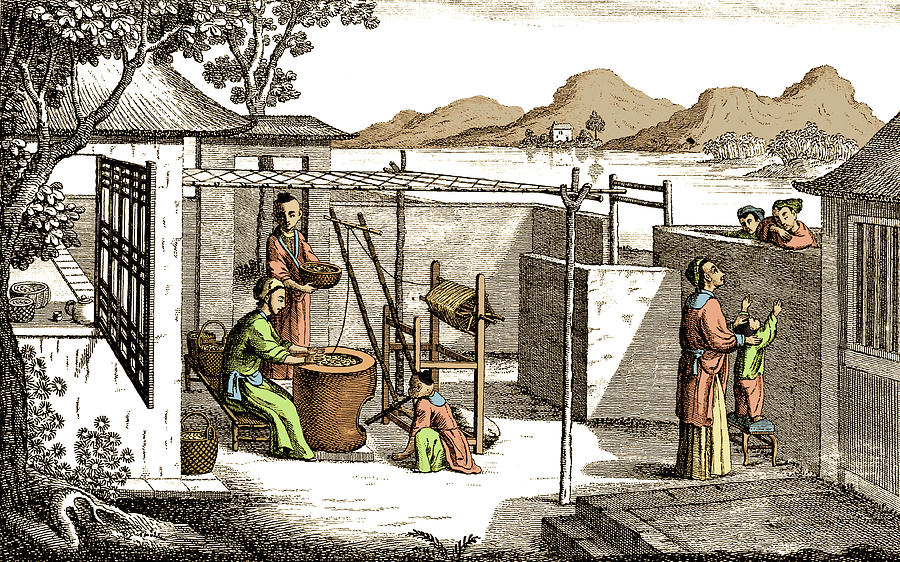
Silk making in early China.
In the science of chemistry, silk production began thousands of years before the west understood its value. Porcelain innovation with hardening through a high-temperature process was used long before its discovery in Europe in the 18th century. Natural gas drilling was discovered with the invention of bamboo derricks and piping for industrial use. Chinese gas drilling dated back to when Roman legions were invading Europe.
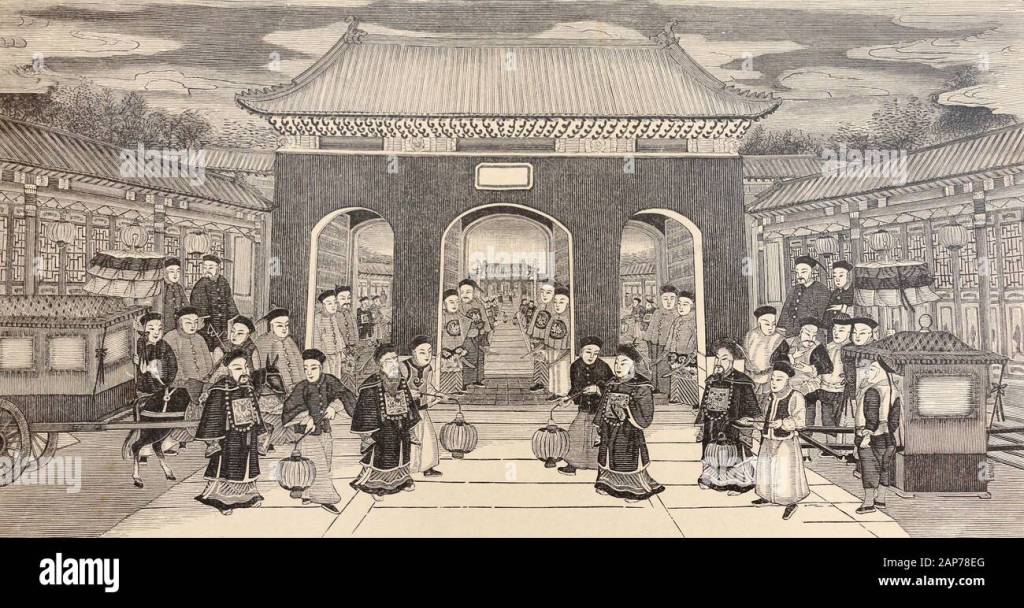
China’s centralized bureaucracy.
What is puzzling about Needham’s book is not only how early these discoveries were made in China, but why these remarkable innovation capabilities did not continue through the twentieth century. He argues the foundation of their advances is its powerful, centralized bureaucratic state, a culture that valued practical knowledge, and a worldview that is comfortable with pattern, process, and observation of nature.
Management of China’s waterways is critical for agriculture and flood risk to those who lived near rivers. Life experience with the threats and benefits of water demanded Chinese attention. Literacy and standardized examinations in China created a cadre of technically motivated officials. With systematic observation of nature, these technocrats harnessed the power of water. So why has there been nothing like the scientific revolution that happened in Europe. To this reviewer, something changed with the rise of communism.
China’s education system.
Needham’s book argues the bureaucracy of China became too conservative and discouraged independent initiatives while emphasizing stability through exam-driven education. Conformity became more important than innovation. Needham infers the scientific revolution went into hibernation in China while blossoming in Europe. One may speculate that is partly due to emphasis on communism, a socio/political rather than a science/nature focused view of life, i.e. a view toward social stability more than one of curious exploration,
CHINA
Winchester’s biography of Needham offers valuable insight to scientific discovery and its intersection with socio/political structure of government. Government bureaucracy can either aid or impede nation-state’ discovery and innovation.
One’s heart goes out to the citizens of Iran and wonders what hope there is for their future. Iran seems trapped between rock and a hard place, a choice between the bombs of war and religious fundamentalism.
Books of Interest Website: chetyarbrough.blog
King of Kings (The Iranian Revolution: A Story of Hubris, Delusion and Catastrophic Miscalculation)
Author: Scott Anderson
Narration by: Malcolm Hillgartner & 1 more
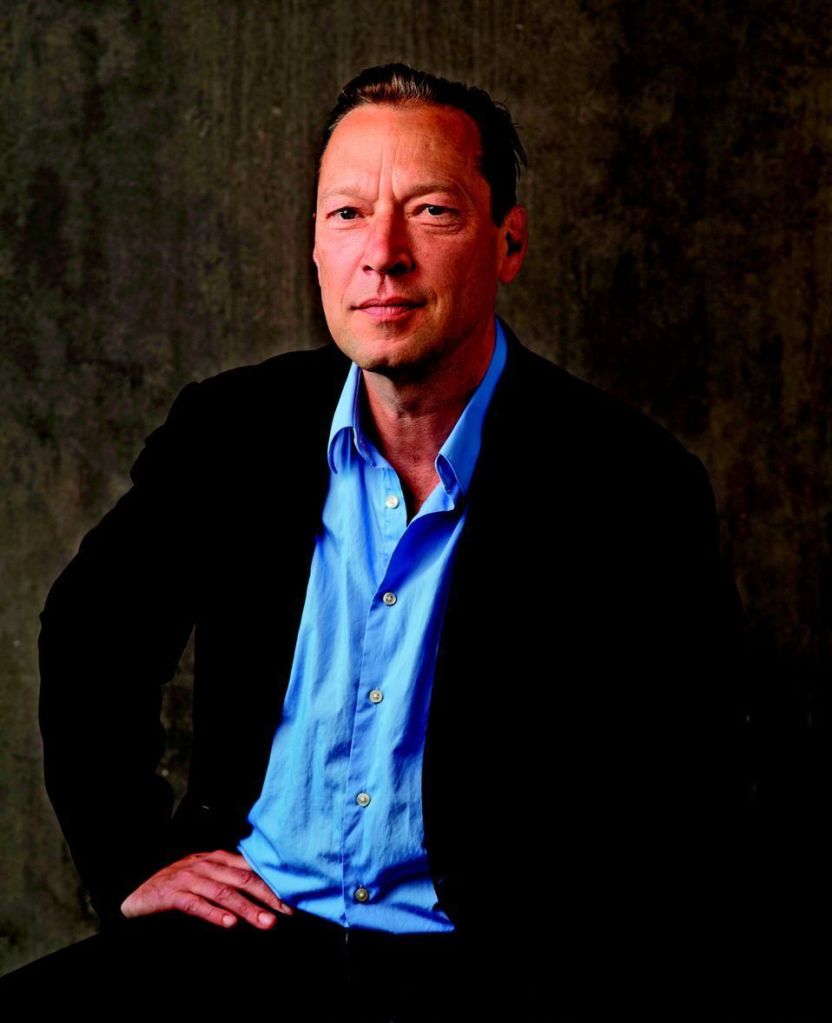
Scott Anderson is a novelist and veteran war correspondent. His previous novels include Moonlight Hotel and The Man Who Tried to Save the World.
“King of Kings” is an informative historical account of the collapse of Iran as a former monarchy and current theocracy. The hubris of the King and the Ayatollahs have no one to blame but themselves for their government’s failure. What Anderson shows is that what royal and theological leaders have in common. Both neglect the wellbeing of the Iranian people. The King squandered the wealth created by the oil industry to buy a false sense of security. The “King of Kings” made excessive investments in weapons and a spy service called SVAK rather than invest in Iran’s economy for the betterment of its citizens. The King’s SVAK turned into MOIS in the Ayatollah’ regimes. Neither regime invested in the people’s welfare. Both secret services were designed to spy on Iran’s citizens and reinforce the delusion of serving the people when in fact they were designed to preserve their governments’ power and control.
Iran’s leadership as a monarchy and theocracy have failed its people.
Anderson shows the “King of Kings” initially improves the general welfare of Iran’s citizens but because of inept leadership and the privileges of power, the Shah failed the Iranian people. The Shah’s incompetence as a manager of Iran’s great oil wealth is a wasted opportunity that could have provided a better life for its citizens. Rather than encouraging economic growth, the Shah chose to invest in weaponry and other countries products to sustain Iran’s economy.
The Iranian people were not farming or creating their own industries to sustain and grow their economy.
The King’s failure to invest oil revenues in the economy and Ayatollahs who cared little about economic investment, impoverished the Iranian people. When other countries like Saudi Arabia flooded the market with oil, the economy of Iran collapsed. That loss of oil income impoverished the people of Iran. Iran had become dependent on other countries produce rather than the work of their own farmers and industrialists to support their lives and families. That impoverishment drove many back to the ideal of a Muslim religion that believes hardships of life are only preparation for heaven.
The rule of the Ayatollahs seems as incompetent as the Shah’s.
The Ayatollahs fail to improve the economy and rely on a secret service that victimizes all who criticize their rule. It seems they believe the hardship of life is no concern because heaven awaits all those who believe in the Ayatollah’s governance. Anyone who fails to support the Shia Muslim autocracy is murdered or imprisoned based on the Ayatollahs’ belief in the hereafter. Iranians may believe in the Ayatollahs’ teaching and are willing to support their government, but a substantial portion of the Iranian people are discontented with their poverty and hunger.
Iranian oil fields supported the wealth of Iran before Saudi Arabia’s entry into the market.
Anderson explains how Iran became a troubled country. Neither rule as a monarchy or theocracy offered a solution to poverty and hunger. The answer may not be capitalism or democracy, but the present and past Iranian governments have not served the needs of its people. One’s heart goes out to the citizens of Iran and wonders what hope there is for their future. Iran seems trapped between rock and a hard place, a choice between the bombs of war and religious fundamentalism.
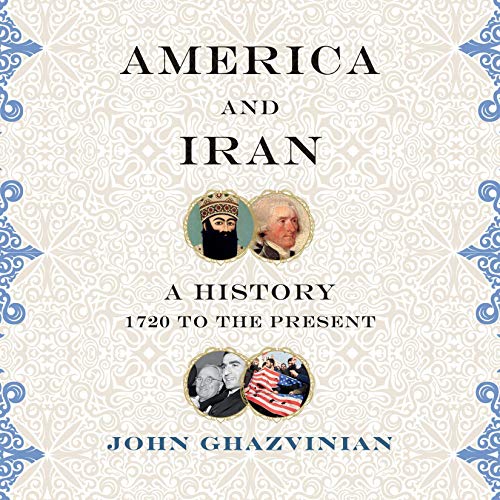
America’s self-interest is to see Iran as an independent State that does not murder Americans. Regime change may be a small step toward that goal or a step into quicksand that will only swallow more American lives.
Books of Interest Website: chetyarbrough.blog
King of Kings (The Iranian Revolution: A Story of Hubris, Delusion and Catastrophic Miscalculation)
Author: Scott Anderson
Narration by: Malcolm Hillgartner & 1 more
Scott Anderson (Author, novelist, non-fiction writer, war correspondent who has written for the New York Times Magazine, GQ, Esquire, and Vanity Fair. Was raised in Taiwan and Korea, received an M.F.A. in creative writing from University of Iowa Writer’s Workshop.)
This review is only a glimpse of Anderson’s book, but the bombing of Iran gives this reviewer a sense of urgency about President Trump’s decision to bomb and kill the current leader of Iran.
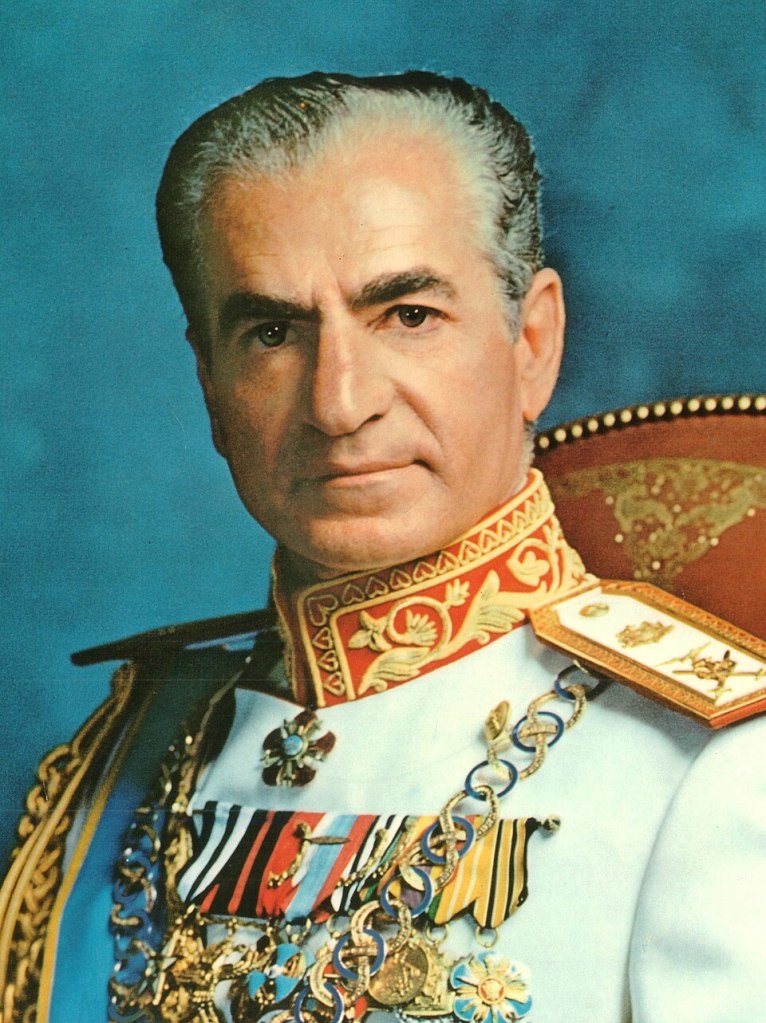
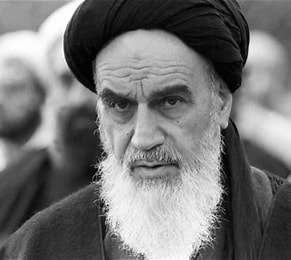
Anderson, having been raised in a non-American culture, has written an interesting history of Iran that offers some perspective on Iran’s Persian culture and its tumultuous transition from royal leadership to an Islamic Republic. Iran’s monarchy had survived for 2500 years. Ayatollah Ruhollah Khomeini deposed the “King of Kings”, Mohammad Reza Shah Pahlavi, in 1979.
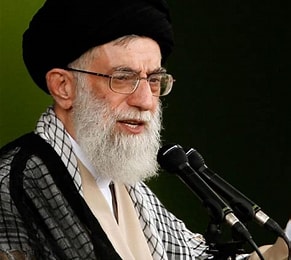
In 2024, President Trump directed America’s bombing of Iran that killed Iran’s second leader, Ayatollah Ali Khamenei. The purported reason for the bombing is to save the Iranian people from the tyranny of its current leader, Ayatollah Ali Khamenei. Khamenei had become Iran’s leader after the death of Ayatollah Ruhollah Khomeini.
Mohammad Reza Shah PahlaviAyatollah Ruhollah KhomeiniAyatollah Ali Khamenei
Anderson infers Mohammad Reza Shah Pahlavi, though a Shia Muslim himself, was too detached from the Muslim religion practiced by a majority of Iranian society. The Shah pursued modernization without bringing Iran’s Shia Muslim believers into the “Sturm and Drang” of modernity. Despite improving the economic condition of Iran’s citizens, the Shah ignored the importance of a religion that reaches back to 651 CE with the Arab Muslim conquest of Persia. Even though the economic benefit of modernization is documentable, the gap between rich and poor, along with belief in a religion that emphasizes an afterlife, made too many citizens of Iran unhappy with the Shah.
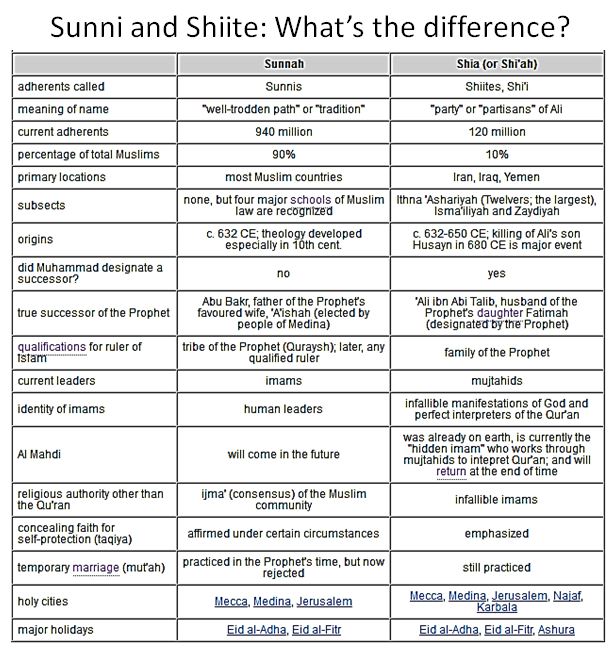
Muslimism began in the early 7th century and spread across the Arabian Peninsula. An estimated 68 million Iranians, approximately 89% of the country, are Shia Muslim believers. Anderson believes the Shah’s failure to understand the importance of his own religion led to the 1979 revolution that toppled the “King of Kings”. Anderson suggests too little effort was made to bring religion into the Shah’s management of the Iranian people. Putting aside that failure, one wonders could any leader bring his people to believe in life today when their religion emphasizes an afterlife is the only goal of existence. Whether any leader of Iran could have ameliorated citizen discontent in Iran is hard to argue. Because of America’s decision to kill Iran’s leader, that speculation is moot.
It is not a matter of being or not being Religious but a matter of having a pragmatic and compassionate understanding of humanity.
Now, America is faced with the Shah of Iran’s dilemma of bringing religion into the administration of Iran’s government. Americans have solved that problem with the separation of church and state. Is that possible in Iran? That separation is something Anderson suggests is the mistake made by the Shah. Is America more or less likely to solve that problem than an Iranian? President Trump believes he should have the power to approve the next leader of Iran. Problem solved???????
America’s self-interest is to see Iran as an independent State that does not murder Americans. Regime change may be a small step toward that goal or a step into quicksand that will only swallow more American lives. Just doing something is not an answer to the complications of international relations.
Does American Democracy have the resilience to adjust to a massive change in its economy from Artificial Intelligence? That is the essence of Turley’s concern about “The Unfinished Story of the American Revolution”.
Books of Interest Website: chetyarbrough.blog
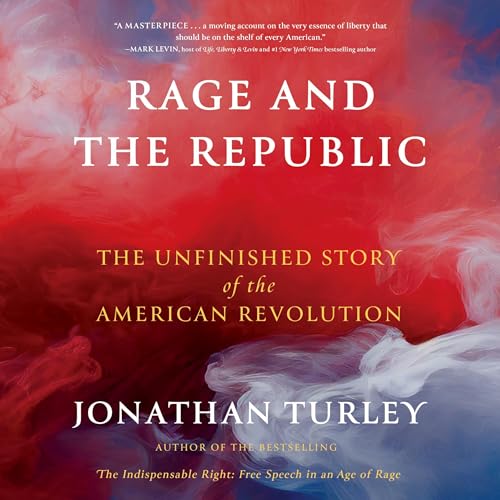
Rage and the Republic (The Unfinished Story of the American Revolution)
Author: Jonathan Turley
Narration by: Jonathan Turley
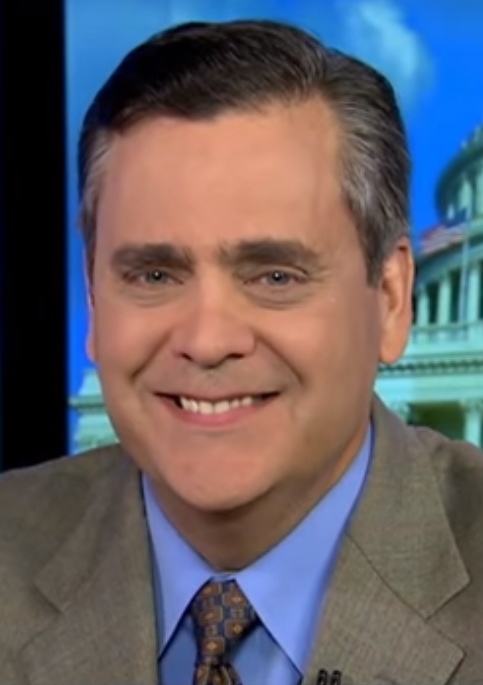
Jonathan Turley (Author, American attorney, legal scholar, commentator, professor at George Washington University Law School.)
As George Santayana wrote in “The Life of Reason” in 1905, “Those who cannot remember the past are condemned to repeat it.” Jonathan Turley served on the board that judged whether Clinton and Trump should be impeached. His history in “Rage and the Republic” is a scholarly assessment of America’s struggle with democracy and “rule of the many” rather than the “One”. Turley reviews the histories of the American and French revolutions to show how they were fundamentally different and what that difference shows in the present and implies for the future.
President Trump is testing the limits of democracy.
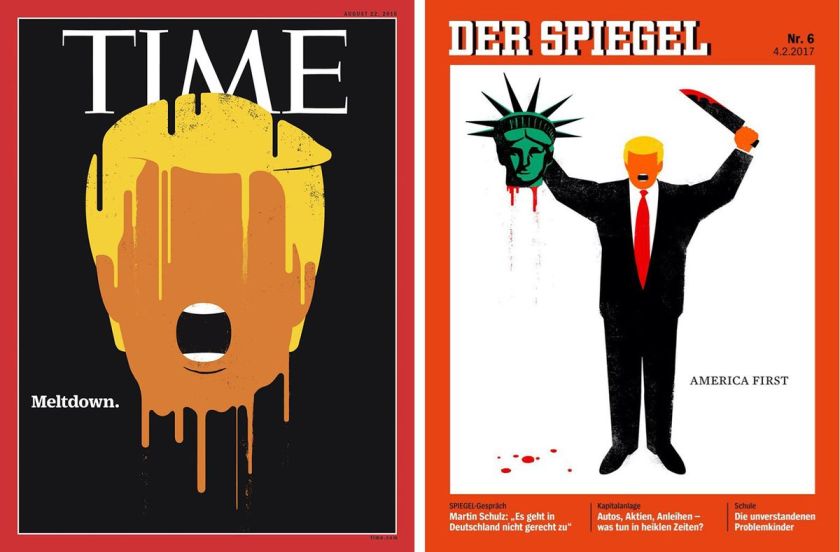
Trump is not the first nor the last President who has taken liberties with the ideals of Democracy. President Franklin Roosevelt was heavily criticized for his public works decisions during the depression just as President Trump is heavily criticized for his imperial actions on immigration and the bombing of Iran. As one listens/reads to Turley’s “Rage and the Republic”, one is comforted by the history of America’s struggle with the framework of democracy as it is defined by the Declaration of Independence and Constitution. Democracy has been challenged by many in the history of its establishment but has managed to right itself from the trials it presents for belief in liberty and equality for all.
An inherent difficulty of Democracy is in balancing freedom with authority.
Turley reminds listener/readers of the early days of American independence and men (because they were mostly men) like Thomas Paine who railed against abuse of power by Governors of independent States like Pennsylvania, and the government of the early American states. Paine’s history is of a flawed human being who rose to be an American patriot. Paine reinforced belief in Democracy with his political actions and beliefs reported in his publication of “Common Sense”. Paine railed against the Governor of Pennsylvania for profiting from his role as a head of state just as many criticize Trump today for doing the same as President of the United States.
Despite Paine’s “Rights of Man”, every President, Republican or Democrat, has sided with corporate interests. Some Presidents undoubtedly benefited from those interests.
Turley explains Paine’s imprisonment in France during the French revolution. The irony of Paine’s imprisonment in France is America’s neglect of his predicament, and the rage of the French Revolution which may be harbingers of a future for American citizens. Just as “Trump’s induced” riot of January 6, 2021, and today’s public reactions to ICE’ immigration and Iran’s bombing, public reactions may be warnings of America’s future.
One hopes America’s rage does not devolve into anything like the French revolution.
America remains a land of immigrants. In today’s world, Turley notes it is common for Americans to have more than one citizenship. He notes a French citizen who becomes an American farmer in the United States. Despite being a French citizen, he adapts to a different way of life and grows to identify himself as an American. That adaptation will be greater for all Americans in the 21st century.
Turley’s interesting history of public rage is a warning about the massive transition governments will have to make because of Artificial Intelligence and its impact on employment. Does American Democracy have the resilience to adjust to a massive change in its economy from Artificial Intelligence? That is the essence of Turley’s concern about “The Unfinished Story of the American Revolution”.
As a reviewer of “The Great Deformation”, I am personally repelled by Stockman’s analysis but choose to rely on professional economists’ opinion, more than a politician/businessman who had a role in tanking the American economy.
Books of Interest Website: chetyarbrough.blog
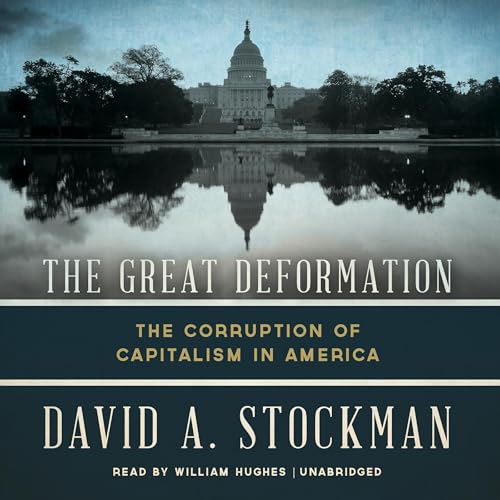
The Great Deformation (The Corruption of Capitalism in America)
Author: David Stockman
Narration by: Willaim Hughes
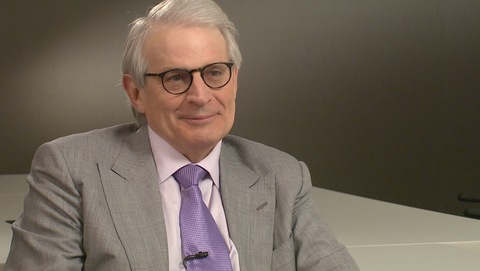
David Stockman (Author, American politician, businessman, and former Director of the Office of Management and Budget for the Reagan Administration.)
David Stockman has written a troubling book about the American economy. Despite his having been an elected representative of Congress and a former Director of the Office of Management and Budget (OMB) in the Reagan administration, he argues the fiscal responsibility of America’s government has corrupted “…Capitalism in America”. This is a surprising comment from a former Republican congressman with Republican ties who is a graduate of theological studies, not economics, from Harvard.
Stockton is not educated as an economist. He derides Reagan for profligate spending while having been Reagan’s OMB Director. He feels qualified to argue the crises of 2008 was badly managed because it did not allow the market to allow bankruptcy of major corporations in America. Stockton suggests AIG (American International Group) and the major banking conglomerates of America that have bad debt on their books should file for bankruptcy if they cannot meet their financial obligations without a government bailout. Of course, this is the road not taken so no one can know whether Stockton is right or wrong.
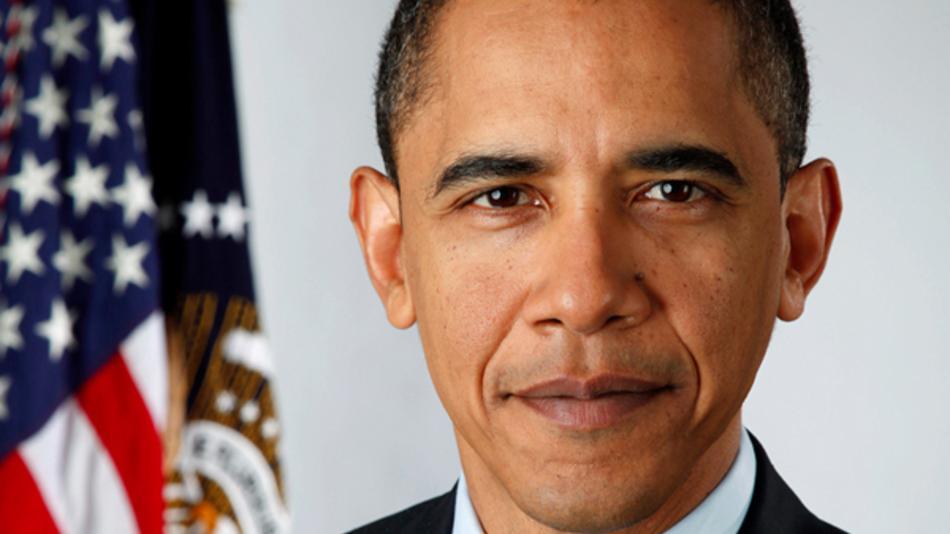
GEORGE W. BUSH (43RD PRESIDENT OF THE U.S.)BARACK OBAMA (44TH PRESIDENT OF THE U.S.)
Though the harm done to many Americans by the solution of the Bush’ and Obama’ administrations is fresh in most American’s minds, one cannot help but be skeptical of Stockton’s opinion. If bankruptcy had been allowed by those companies that could not meet their debt obligations, would American capitalism and its economy have been any better? How many Americans would have been harmed by those bankruptcies? The loss of jobs from bankruptcy would have been immense. Consider the number of people with no income who would be unable to pay their bills. What would happen to their ways of life? Would America’s government stand by and allow them to become homeless and hungry? Today’s homelessness suggests America’s government might stand by and do nothing.
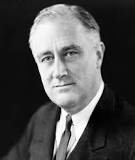
Franklin Roosevelt shows America’s government can finance a solution for crisis through public works that would bring America back to prosperity. Is that different than bailing out employers of the American public to sustain family incomes from a potential financial melt-down. Are the ideals of capitalist greed worth continued impoverishment of the poor?
Stockton’s solution is to cut the defense budget, reduce Social Security, Medicare, and Medicaid and let the public fend for itself. Stockton argues to have corporate subsidies and tax expenditures reduced with deep cuts in domestic discretionary spending. He goes on to support binding spending caps, no new tax cuts without an equal offset in expenditures, no bail outs with a belief that nothing is too big to fail, a reversal of Trumps 2017 tax cuts, a balanced budget, no long-term deficit financing, no permanent emergency spending, and a smaller federal footprint on the economy. These seem easy solutions for one who is financially secure but draconian for those who have been unable to grasp the economic opportunities of American capitalism.
More people will die from inability to receive medical care, more will go hungry and suffer from malnutrition, and homelessness. Stockman believes the current system is unsustainable. Let’s accept that point but victimizing and creating more homeless and poorer Americans only cheapens democratic capitalism.
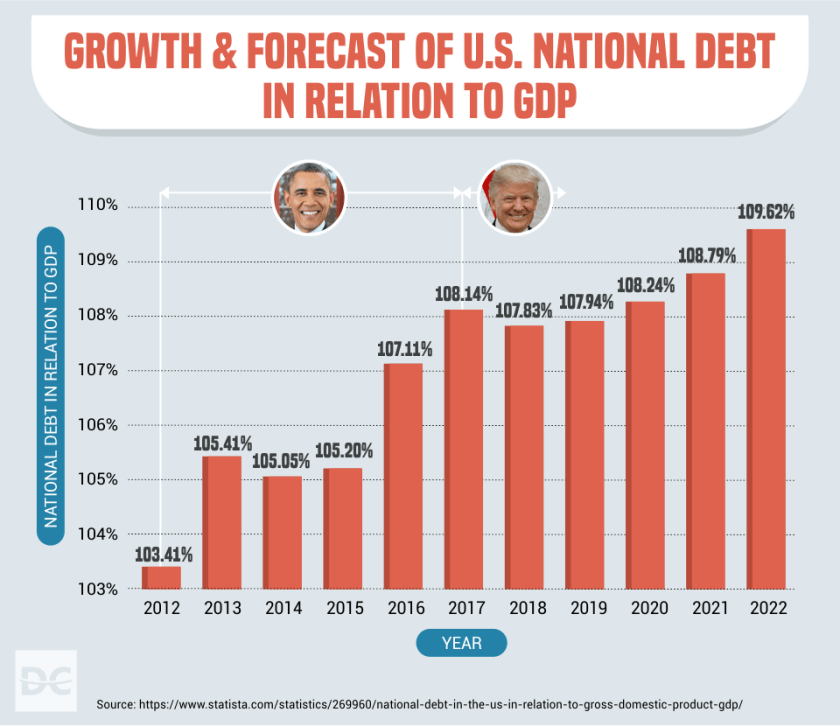
Stockman is right in explaining the U.S. debt increase is unsustainable.
Interest costs are creating extraordinary pressure as a line-item cost for America’s budget. Reform is immensely difficult because of political differences of opinion. According to most economists with education as economists, Stockman’s observations are true, but most economists do not believe that truth will lead to a sudden market collapse. The majority of economist suggest Stockman’s explanation of long-term fiscal challenges can be ameliorated to avoid a wide market collapse. Though Kenneth Rogoff, Carmen Reinhart, and Olivier Blanchard agree with Stockman’s diagnosis, they do not think his doom scenario is likely. Jason Furman, Douglas Elmendorf, and Ben Bernanke do not believe a bond-market revolt will crater government financing. Though all agree government debt is unsustainable, interest costs are rising too fast, and political discord is a problem. These “educated economists” believe entitlements can be gradually reformed, and a sudden collapse of the economy will be abated.
Carmen ReinhartBen BernankeDoug ElmendorfKenneth Rogoff
In general, most economists recognize America cannot continue to increase its debt but most economist believe the U.S. will adjust its economic policy to avoid collapse. As a reviewer of “The Great Deformation”, I am personally repelled by Stockman’s analysis but choose to rely on professional economists’ opinion, more than a politician/businessman who had a role in tanking the American economy.
“Power tends to corrupt, and absolute power corrupts absolutely”. President Trump exemplifies that truth.
Books of Interest Website: chetyarbrough.blog
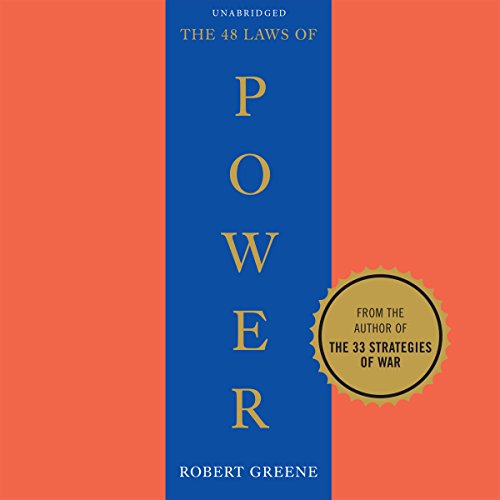
48 Laws of Power
Author: Robert Greene
Narration by: Richard Poe
Robert Greene (American author, wrote seven international bestsellers, received his degree from University of Wisconsin-Madison in classical studies.)
This is a long book that shows a breadth of understanding about the history of power. How power and influence is acquired and wielded by human beings. Power and influence ranges from idealism to pragmatism to nihilism. In some sense, the “48 Laws of Power” is a study of emperors, courtiers, generals, con artists, and others who acquired power over others in history. What Greene reflects on is the social and human art of gaining and wielding power over other human beings. Whether one is low or high in the hierarchy of humanity, the general key to having power according to Greene is “never outshine superiors” but “always court attention that gains either respect, influence, or control of others”.
STALIN MAO ZEDONG (1893-1976)ING FATHER OF PEOPLE’S REPUBLIC OF CHINA)Kim Jong-un (CURRENT -DEAR LEADER-OF NORTH KOREA)
Greene brilliantly summarizes many characteristics of leaders in history to support his fundamental beliefs about power. He suggests all humans are primarily self-interested. One may disagree with that belief as a universal truth because there are many examples of social cooperation to achieve a common good or a stable system of governance. However, there is always a prime mover, a powerful person behind the scenes who drives the effort to succeed or fail.
Greene argues power is the result of interpersonal relationships. There is a great deal of truth in Greene’s analysis of power but from an institutional or organizational point of view, power is spread among departments’ leaders who report to a single leader. This is not to contradict Greene’s examples of interpersonal power but to temper belief that all power rests with one wielder of power. There is a great deal more to power than individual human manipulation. Organizations of the modern world are built around individual departments with singular powers beyond singular organizational leaders.
American Capital.
To give an example: regardless of who is President of the United States, there are Constitutional and legal systems that constrain his/her power. The bureaucracy of governance operates within rules set by law and precedent. In the case of business enterprise, shareholders, boards, and regulatory frameworks diminish the power of its executives. Further, even in the marketplace of business, capital limitation, supply chains, national platforms like Google, Amazon, and credit card companies have major influences on power exercised by any singular entity. Power in every human organization is also influenced by religions, social myths, and societal norms.
In this increasingly interconnected world, power has become impersonal, sometimes structural and emergent in ways that are non-intentional but significantly more powerful than one individual.
The weakness of the “48 Laws of Power” is that it fails to address institutionalized power that multiplies the power of individuals. A leader of a government or corporation works within a framework of historically developed departments that have their own powers and influences on public and private functions. The dynamics of power Greene explains apply within departments of government and corporations that go beyond the power of one leader.
This often leads to unintended consequences. ICE and Trump’s power are a current example of unintended consequence because of the murder of two Minneapolis American citizens who demonstrated against the President’s immigration policy. One doubts that the President of the United States wishes for the murder of American citizens who disagree with his immigration policies. However, power of the individual still matters as is demonstrated by today’s American President. Greene precisely explains how one person gains power over another despite a modern world that complicates individual power.
ICE murder of American citizens in Minneapolis who are protesting Trump immigration policy.
President Trump demonstrates his power over education, government employment, health and human services, birth control, and immigration policy. However, both good and bad government policy is magnified by Departments of Government that report to the President, i.e., bad policy coming from a President’s power is only made worse through implementation by subordinates who create their own power structures.
It is not that Greene’s analysis of power is wrong but that it applies to individual relationships without addressing distortions of power exercised by departments of business and government that have developed their own hierarchies of power.
One doubts any President of the United States who orders elimination of illegal immigration wishes to have ICE agents murder American citizens. This is not to absolve President Trump but to suggest the ICE employees on the ground bare the weight of two unjustified murders in Minneapolis.
Greene’s explanation of power is spot on, but it is about every person’s rise to power, not the reality of one leader’s power. Organizations are made up of many other managers using the same laws of power as their presumed superior. The end result is a level of unintended consequence. Or as Lord Acton noted: “Power tends to corrupt, and absolute power corrupts absolutely”. President Trump exemplifies that truth.












































 REVIEWS AND VIEWS OF LIFE