Murakami is one of the great writers of modern times. In “after the quake”, Murakami reduces the great and horrid loss of the many to the feelings of the “one”
Books of Interest Website: chetyarbrough.blog
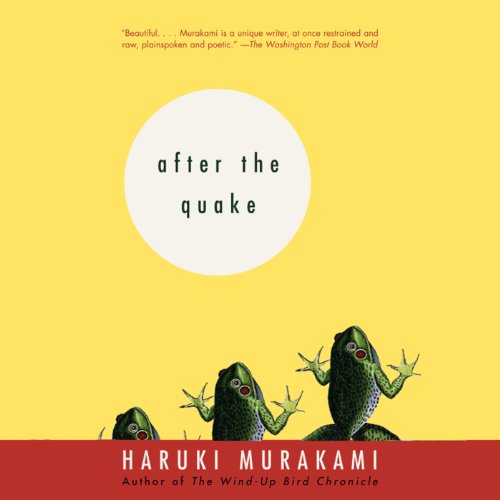
“after the quake”
By: Haruki Murakami
Narrated By: Rupert Degas, Teresa Gallagher, Adam Sims
Haruki Murakami offers a series of short stories in “after the quake” that remind one of the frailties of human beings. Humans lie, steal, cheat and war against each in ways that exceed natural disasters. Murakami’s short stories are funny, sad, and insightful views of humanity that show we often foment our own disasters.
Each short story revolves around the social implications of the Kobe’ earthquake. Murakami cleverly weaves his stories to reflect on events that change one’s direction in life. The events can be as great as an earthquake, a war, or a singular lost love. The first is nature’s way; the second and third are humans’ way.
Human relationships are as unpredictable and destructive as natural disasters. The human’ Lushan rebellion in 8th century China is estimated to have killed 13 million people, the Mongol invasion in the 13th and 14th century 20 to 60 million, the Taiping rebellion in mid-19th century China 20-30 million, and two world wars in the 20th century at 83-107 million. This is without noting China’s famine that killed millions because of Mao’s mistakes in the Great Leap Forward, Stalin’s repression in Russia, and today’s wars in Ukraine and Gaza. Natural disasters are horrendous events, but human nature has murdered more than earthquakes, floods, volcanoes, and other natural disasters.
The cataclysmic events of nature affect the many, but Murakami shows scale means nothing in respect to the effect it has on the “one”. He cleverly shows how singular events can overwhelm one relationship as portentously as natural or man-made disasters can overwhelm all relationships.
Murakami is one of the great writers of modern times. In “after the quake”, Murakami reduces the great and horrid loss of the many to the feelings of the “one”. His stories show that a personal loss of an imaginary friend or a real love is as catastrophic to the one as a natural disaster or war is to the many.
One wonders if Abdulrazak Gurnah is proffering an opinion about race relations in the world or just leaving a lifeline for those disappointed by relationship failures.
Books of Interest Website: chetyarbrough.blog
Admiring Silence
By: Abdulerazak Gurnah
Narrated By: Unnamed person from Zanzibar
Abdulerazak Gurnah (Author, Tanzanian-born British novelist and academic, moved to the UK in 1960.)
A little context for “Admiring Silence” will help understand Abdulerazak Gurnah’s interesting and troubling story. Gurnah received the Nobel Prize in Literature in 2021. “Admiring Silence” is the latest book published by Gurnah in 2020. He had written four earlier books: Memory of Departure (1987), Paradise (1994), By the Sea (2001), and Desertion (2005).
“Admiring Silence” is not a biography but an interesting story about a long-term relationship of a Black emigrant and a white woman who meet in Zanzibar (an island archipelago off the coast of Tanzania) and move to London. The two had met in a Zanzibar’ restaurant where they both worked. The Black emigrant leaves his native country with his restaurant mate.
Gurnah describes the two as lovers who are struggling restaurant workers who wish to improve their lives through higher education. An opportunity to attend a university leads the two to decide to emigrate to London because of their similar academic ambition. The two are enrolled at a university and both become teachers in England. Gurnah sets a table for understanding what life is like for an unwed mixed-race couple in mid-twentieth century England.
Their life together is complicated by the birth of a daughter and the father’s decision to visit his homeland when he is in his forties.
No one in Zanzibar knows he has a teenage daughter with an unmarried white woman he lives with in England. His mother wishes to fix him up with a future Black Muslim wife. The interest one has grows with the circumstances of Gurnah’s imaginative story.
What is it like to be in a racially mixed marriage in 1960s England?
How does a mixed-race child feel about her life in a predominantly white country?
What does a Black family think about their son having a mixed-race family?
Having lived together for 20 years and had a child, why haven’t they married?
How does the relationship between different races affect the feelings of a couple that chooses not to marry but have a child born to them?
Is Gurnah’s story representative enough to give one the answers?
The first question is largely unanswered. The last question is impossible to answer but the other four imply Gurnah’s opinion. Marriage is always a work in progress whether it is of a mixed-race couple or not. However, there is a distinction based on race when it comes to a man’s and woman’s personal relationship because of the dimension of racism. Every couple chooses to work through differences and become more or less committed to staying together but two people of different races face discrimination associated with racism, unequal treatment, and economic inequality existing in a country’s dominant racial profile.
Gurnah does not address how a mixed-race child deals with life in a predominantly white country, but one can imagine it depends in part on how distinctive a difference is in the color of their skin in relation to the dominate racial profile.
In terms of the daughter’s relationship with her parents, one presumes it is likely the same parent/child conflicts of all families. Some fathers are more distant than others just as some mothers range from helicopter to equally distant parents.
That these two lovers who have been together for so long without getting married, after their daughter is born, seems like a flashing yellow light, a cautionary notice of something is about to change.
When the father’s mother writes from Zanzibar to have him visit after being away for so long, flashes a yellow light that eventually turns red. He returns for a visit to Zanzibar at the encouragement of his partner. The partner’s encouragement seems disingenuous, i.e. more like a desire for a relationship break than a supportive gesture. The last chapters confirm that suspicion. A break-up occurs soon after the father returns. There is a brief father/daughter reconciliation, but the daughter also decides to separate from her father.
An interesting point is made by Gurnah about a Muslim Black person leaving a poverty-stricken country of his birth to a country of wealth and a different culture.
It is the wish of his Zanzibar’ family for the father to return to help with the disarray and economic disparity of his home country; as well as marry a local Black Muslim girl who wishes to become a doctor. The presumption is that if one leaves their poor country to become prosperous in a wealthy country, they have some magical power to help their poverty-stricken home-countries. It is of little concern to the family about his committed relationship to another but more about what his life is like in his newly adopted country and what he can offer to his homeland from what he has learned. The Muslim girl the mother wishes him to marry is twenty years old. Her son is in his 40s. Tt appears the primary reason for such a marriage is to help the young woman become a doctor. In the end, the son recognizes this is not practical but clearly understandable considering the poverty in Zanzibar.
Gurnah cleverly injects a conversation with a Nigerian Muslim woman on his plane ride back to London before his white lover’s rejection of their relationship.
The Nigerian woman has been divorced from her English husband for several years. It was an emotionally difficult divorce for her. A mix-up on a missing passport allows the father to find contact information for the divorcee. One wonders if Gurnah is proffering an opinion about race relations in the world or just leaving a lifeline for those disappointed by relationship failures.
The story of Michelangelo ends with the return of the Medicis to power. It is for Michelangelo–a journey of “…Agony and Ecstasy”–of love for his work, the daughter of a Medici, and the tumult of his time.
Books of Interest Website: chetyarbrough.
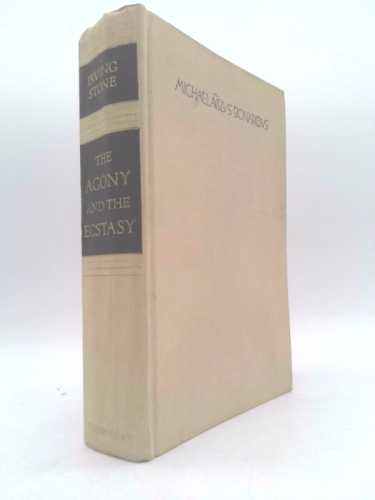
The Agony and the Ecstasy (The Biographical Novel of Michelangelo)
By: Irving Stone
Irving Stone (1903-1989, died at the age of 86, American writer of biographical novels about artists, politicians and intellectuals.)
Irving Stone’s novel is an entertaining book and an historically supported story of the famous artist, Michelangelo. Michelangelo was a Florentine born in Florence, an influential city at the heart of the Italian Renaissance. The Medici family was in control of Florence’s political and cultural life in Michelangelo’s youth.
Two of the most famous artists of all time, Leonardo Da Vinci and Michelangelo Buonarroti created two of the most famous art works of the world in Florence, i.e. da Vinci’s “Adoration of the Magi” and Michelangelo’s “David”. However, their personal relationship began roughly in their brief contact in Florence. In 1504. Leonardo da Vinci was 52 years old. Michelangelo was 29.
“Adoration of the Magi”“David”
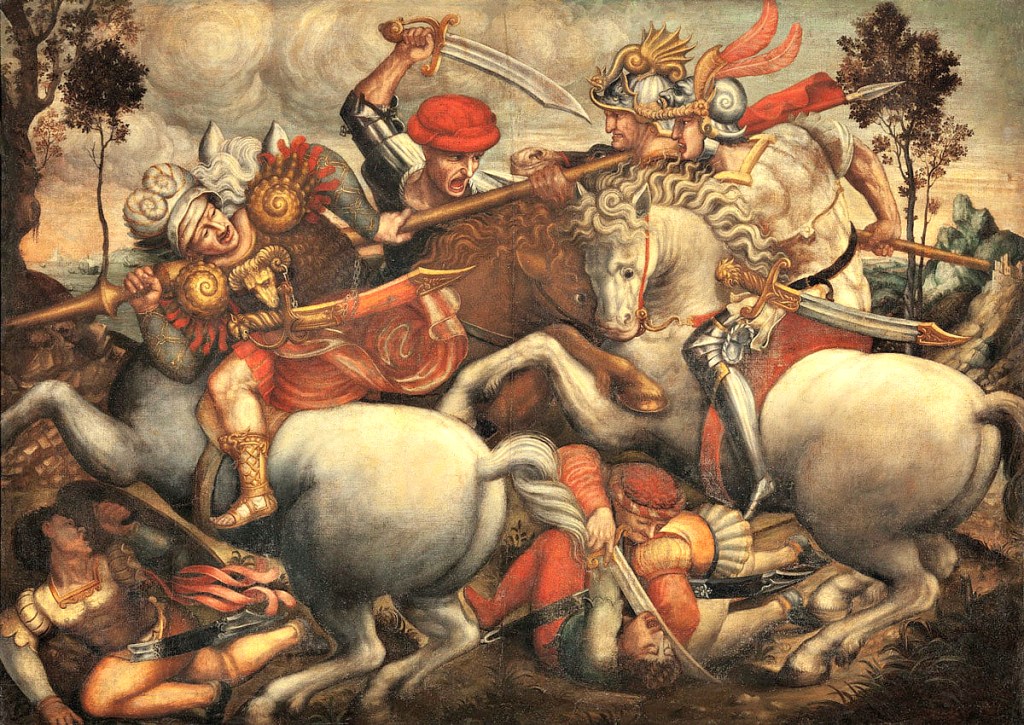
They had both been contacted to paint murals in the Hall of Five Hundred in the Palazzo Vecchio. Leonardo had already made his reputation as a master painter, polymath, and diverse genius. Michelangelo was considered a sculptor more than a painter. However, in a casual conversation da Vinci alludes to sculpture as a less prestigious form of art. The younger Michelangelo is offended and is alleged to have said harsh words to da Vinci with a challenge to paint a competing fresco in the Palazzo Vecchio. Neither completed their planned paintings but their preparatory works were preserved and considered important developments of the High Renaissance. Irving Stone suggests they meet later in life and Leonardo apologizes for what he felt was a misinterpretation of his words about the art of sculpture.
Leonardo’s Unfinished WorkMichelangel’s Unfinished Work
Stone suggests Michelangelo is more of an ascetic than da Vinci. Leonardo as noted by other authors, had many interests beyond art. Michelangelo prefers sculpture to any other form of art and when he is contracted for his artistic genius, he grudgingly takes commissions for his skill as a painter. “The Agony and the Ecstasy” is a title that captures Michelangelo’s artistic conflict.
Stone shows Michelangelo pursues human dissection, just as Leonardo is said to have, to more fully understand the construction of the human body for an artist to make painting or sculpture appear more real. Human dissection is not legal in Michelangelo’s time in Florence, so he secretly works at night when no one is around to see what he is doing.
Stone addresses the political turmoil of the time and how Michelangelo is hired by the Medici family when he is a young man. This is before the Borgias replace the Medici family in Italy. Michelangelo remains close to the Medicis even in their exile but is attracted to Rome in 1496 by Cardinal Raffaele Riario, a relative of Pope Sixtus IV. In Rome, Michelangelo creates “Bacchus”, the god of Wine.
Michelangelo’s Bacchus, the Roman god of agriculture, wine, and fertility.
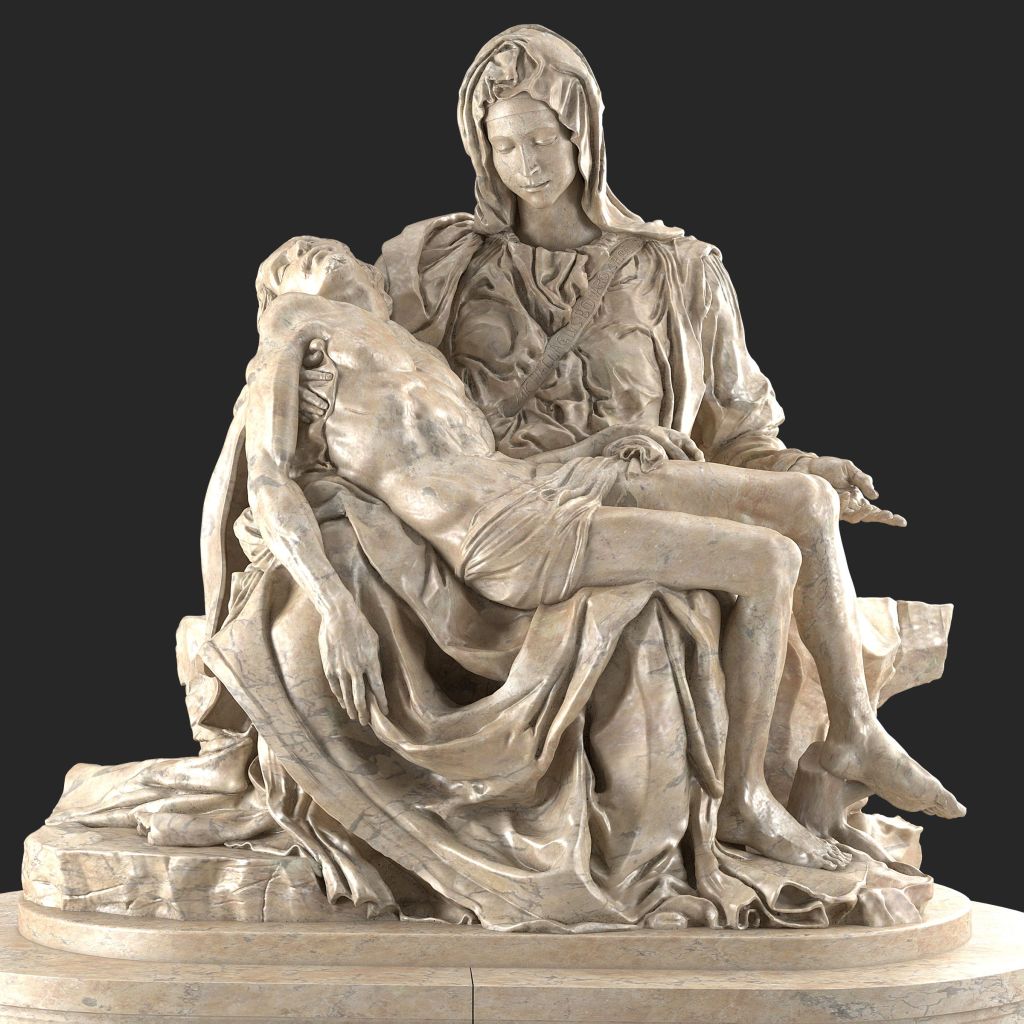
After creating “Bacchus, a French cardinal commissions the “Pieta” for St. Peters Basilica. Michelangelo gains the reputation of being a master sculptor.
Michelangelo’s Pieta depicting Mary holding the body of Christ.
Stone suggests the Pope asks why Mary appears so young and Michelangelo explains it is because she is the mother of a divine.
After the Pieta, Michelangelo is commissioned by overseers of the Office of Works of the Cathedral of Florence. This is not clear in “The Agony and the Ecstasy” but it reinforces Irving Stone’s recognition of Michelangelo’s deep connection to Florence. He returns to Rome, but his heart is in Florence. Much of Michelangelo’s time in Rome is uncomfortable and does not calm down for him until the Medicis return to power.
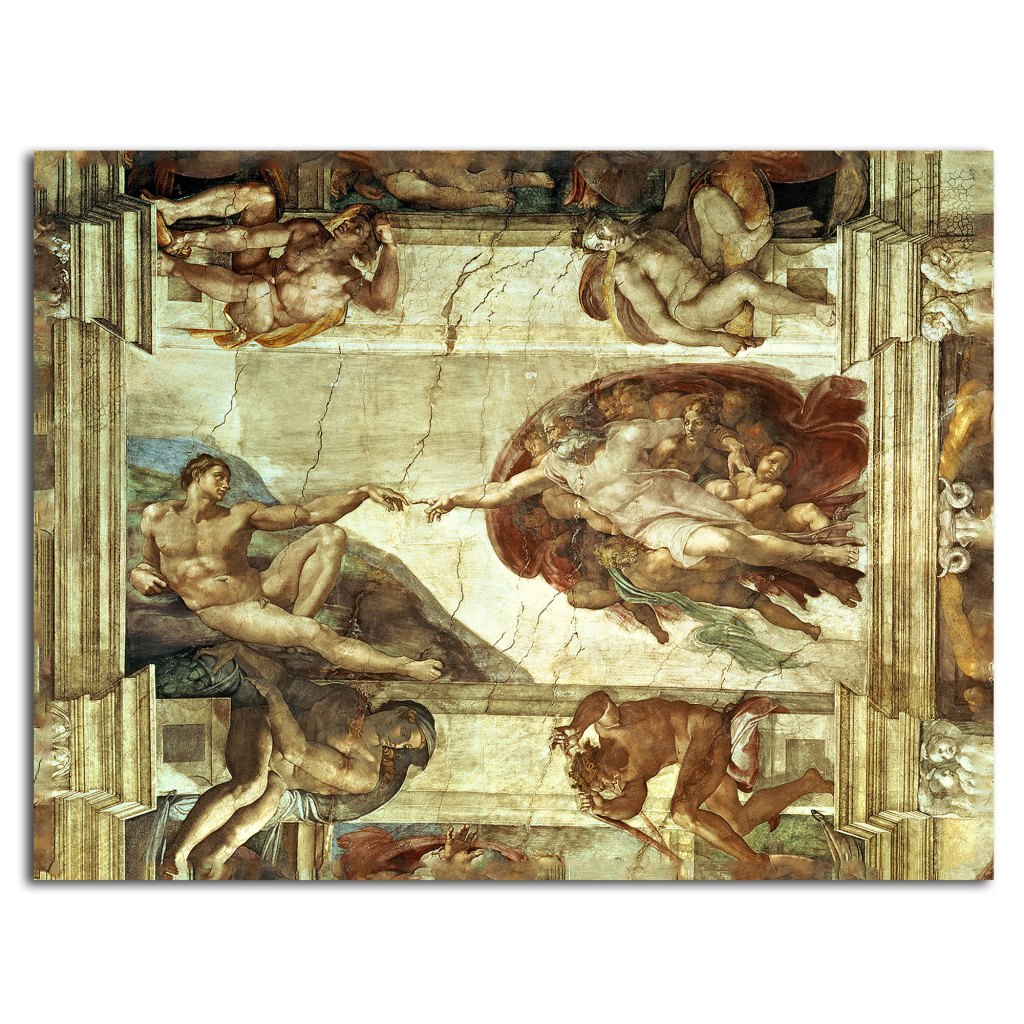
The warrior Pope, Pope Julius II heads the church from 1503-1513. Irving Stone explains; this Pope demands Michelangelo paint the ceiling of the Sistine Chapel at the Vatican in Rome. Of course, Michelangelo resists because he wishes to be remembered for sculpture, not painting, because it is an art that gives him joy. The forceful Pope insists, and Michelangelo makes a false start that changes into a history of the birth of the world on the ceiling of the Chapel. He works on the ceiling of the Chapel from 1508 to 1512.
Birth of the world.God touches AdamDetail of the touch.
Sistine Chapel painting by Michelangelo between 1508 and 1512.
The story of Michelangelo ends with the return of the Medicis to power. It is for Michelangelo–a journey of “…Agony and Ecstasy”–of love for his work, the daughter of a Medici, and the tumult of his time. Michelangelo never marries and dies at the age of 88 in 1564.
Márquez offers a vivid picture of Colombia’s twentieth century culture in “One Hundred Years of Solitude” but to this reviewer his failure to address Colombia’s lucrative cultural and world’ damaging drug industry is disappointing.
Books of Interest Website: chetyarbrough.blog
One Hundred Years of Solitude
By: Gabriel García Márquez
Narrated By: John Lee
Gabriel García Márquez,(Author, Colombian writer and journalist.)
“One Hundred Years of Solitude” is a fictional representation of the early history and 20th century modernization of Colombia. Those who are not particularly interested in Colombia’s history will listen/read Gabriel García Márquez’sstory because of the author’s skillful storytelling and the intimacies of Colombian culture, its political turmoil, violence during a civil war, and its consequent growth as a modern nation. In some ways it is like the story of America.
Márquez begins his book with the founding of Macondo, a fictional name for a village during the colonial period when the Spanish settled Colombia. Beginning as a small town, Macondo grows to become a city. Macondo represents the journey from isolation as a small town to a city that becomes a part of a vibrant South American country.
Macondo, a fictional village in Colombia.
The modernization of Colombia is addressed with the arrival of the railroad in Macondo that illustrates industrialization and the advance of Colombia’s economy. Macondo becomes a banana producing community that wrestles with the consequences of a civil war, unionization, and a growing economy. The brutality of industrialization is exemplified by the Colombian army’s killing of striking banana plantation workers in 1928. Of course, this is not unlike America’s 1932 Detroit’ Ford manufacturing plant killing of four workers by security guards and the Michigan police.
Colombia’s 50-year long civil war.
Colombia’s growth as a nation evolves with a mid-twentieth century civil war between liberals and conservatives. Márquez creates characters representing both sides of the civil war and their personal, as well as military lives. As is true of all wars, many innocents, as well as participant citizens, are indiscriminately and violently killed. Undoubtedly, a part of what makes the author’s story appealing to listener/readers is the sexuality of his characters. Sex in the novel ranges from close relatives’ intimacy to older women seductions of young men and young men’s seductions of both older and younger women, some of which are incestuous.
Colombian drug cartels are not addressed in Márquez’s story.
Márquez offers a vivid picture of Colombia’s twentieth century culture in “One Hundred Years of Solitude” but to this reviewer his failure to address Colombia’s lucrative cultural and world’ damaging drug industry is disappointing.
On the other hand, what author would want to take the risk of reporting on an industry noted for murdering those who expose its workings?
Whether an idealist or humanist, the historical truth is that rising authoritarians believe power is all that matters. Today, the world seems at the threshold of authoritarianism.
Books of Interest Website: chetyarbrough.blog
Bronshtein in the Bronx
By: Robert Littell
Narrated By: Adam Grupper
Robert Littell (American author, former journalist in France.)
Robert Littell researches and imagines the 10 days of Leon Trotsky’s visit to New York City in 1917, just before the Russian revolution. His story offers humanizing and demeaning aspects of Trotsky’s personal and political life as a revolutionary.
Lev Davidovich Bronstein aka Leon Trotsky (1879-1940, Russian revolutionary, politician, political theorist, revolutionary military leader.)
Littell explains Trotsky travels with his two young sons and a female companion (the mother of their two boys) to New York. His first wife is exiled in Siberia for helping him spread leaflets about terrible factory conditions in Czarist Russia. Trotsky escaped to England while leaving his first wife and their two young girls in Siberia. (Trotsky divorces his first wife and marries the woman that Littel calls his airplane companion, either before or after the trip to New York. This is not made clear in Littell’s story.)
Littell explains Trotsky is a kind of celebrity in New York because of his association with socialist beliefs and his involvement in the failed 1905 Russian Revolution.
Trotsky is in his early twenties when he arrives in New York. Littell characterizes Trotsky as a libertine by introducing a female reporter in New York who becomes his lover. Littell reinforces that libertinism at the end of his story by suggesting Trotsky and Frida Kahlo had an affair while his second wife and he were exiled in Mexico.
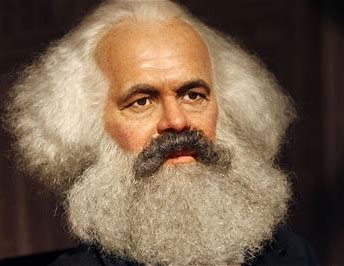
Aside from Trotsky’s picadilloes, Littell shows how committed Trotsky was to his belief in Marxism and the plight of the working poor.
Trotsky gave several speeches that appealed to New York laborers and their families. An interesting sidelight is appended to Littell’s story when a Jewish industrialist meets with Trotsky after the 1917 revolution in Russia. Naturally, Trotsky is anxious to return to support Lenin and the Bolsheviks in the revolution. However, Trotsky is broke and doesn’t have the money to return to Russia. The industrialist offers an envelope with the money needed for the trip. Neither the industrialist nor Trotsky are believers in the Jewish faith but believe in the power of socialism and its benefit to society.
The political point being made by Littell is that the ideal of communism supersedes religious beliefs.
Trotsky is Jewish but not a believer in God. He is a political idealist. Littell notes Trotsky becomes a military leader in the communist movement. Littell infers Trotsky’s idealism gets in the way of humanism when he orders one in ten prisoners be shot for their opposition to the communist revolution. This is undoubtedly an apocryphal story but a way of explaining how a committed idealist can become a murderous tyrant.
Littell ends his story with a brief and somewhat inaccurate history of the Trotsky’ children. The two girls with his first wife died before they were 30. Zinada had mental health issues and died by suicide in 1933. Nina died at age 26 without any detailed information about her cause of death.
Rather than two boys noted in Littell’s story of the trip to New York, one was a girl named Zinaida. Zinaida, like her half-sister, died by suicide at age 32. Lev, born in 1906, is believed to have been poisoned by Stalinist agents in 1938. As some know, Trotsky was murdered by Stalin’s agents in Mexico City. In contrast to his children, Trotsky, the political idealist, is murdered as an exile at the age of 60. All-in-all, a tragic family history.
Whether an idealist or humanist, the historical truth is that rising authoritarians believe power is all that matters. Today, the world seems at the threshold of authoritarianism.
Every human being grows to be who they are alone. Life is a solo journey, influenced by birth, living, and death.
Books of Interest Website: chetyarbrough.blog
Solo (When the heart gets lost, let the music find you.)
By: Kwame Alexander with Mary Rand Hess
Narrated By: Kwame Alexander
KWAME ALEXANDER (AMERICAN WRITER OF POETRY AND CHILDREN’S FICTION.)MARY RAND HESS (POET, WRITER, MULTI-MEDIA ARTIST.)
“Solo” demonstrates an added value to listening rather than just reading a novel. Kwame Alexander and Mary Rand Hess tell a story of the struggle for personal identity. This is a journey of a young man whose father is a famous musician. It offers some insight to what it is like to be a boy growing to be a man in a family of a successful professional musician.
The boy’s father is a recovering addict who has had success as a guitar playing singer.
His mother died when he was seven. As a young man of 21, he is surprised to find he is an adopted son. He chooses to find his birth mother who lives in Africa to better understand where he came from and why his birth mother gave him up. He is estranged from his family for various reasons ranging from his father’s addictive behavior to the failure of his parents to have told him of his adoption.
In the boy’s journey to a remote area of Africa, he meets various natives who live in the poverty of a small village.
The boy’s birth mother is away from her village to help natives of another village in the hill country of the area. The young man decides to wait for her in his mother’s home village. He meets a young African girl who speaks English and is helpful in explaining what life is like for her in the village. They become friends with a sense of something more in their future. The boy’s waiting is interrupted by his father’s arrival with a film crew to vivify the story of their familial relationship.
His father’s arrival disrupts the boy’s plan of waiting for his birth mother’s return. A decision is made for the entire group to journey to the village where his birth mother is working.
The journey takes several hours and exhausts his father as well as the rest of the Americans in the group. The boy’s birth mother recognizes her son as soon as he arrives. She is young. She gave birth to her son at age 15. The hardship of raising a child appears to have been too much for her at her young age.
His father’s interruption in the boy’s journey to find his birth mother leads to a reconciliation with his father and a better understanding of his journey to become a man.
Musical interludes in the story entertain the listener and offer some understanding of what it is like to be raised by a famous musician who loves his family but is handicapped by drug addiction.
On their return to the birth mother’s village, a refrigerator is delivered at the expense of the boy’s father. This is a great benefit to the village. The boy’s father becomes ill and dies.
Every human being grows to be who they are alone. Life is a solo journey, influenced by birth, living, and death.
Like Proust, Niall Williams draws one into his story to make one think about their past as a child, young adult, and parent.
Books of Interest Website: chetyarbrough.blog
Time of the Child (A Novel)
By: Niall Williams
Narrated By: Dermot Crowley
Niall Williams (Irish Author, writer of novels, plays, and non-fiction.)
“Time of the Child” is a story of an Irish family in 1962 that lives in Faha, Ireland, a fictional town created by Niall Williams in his novel. It is a wonderfully written story about family relationship. It is written from the perspective of a parent with a marriageable age daughter. “Time of the Child” particularly resonates with those of a certain age who remember their parents, their life as a child, their adult marriage or marriages, and the child or children they have raised.
Marcel Proust (1871-1922, died at age 51, French novelist, literary critic, and essayist.)
Like Marcel Proust’s “Remembrance of Things Past”, a listener/reader of Williams’ story looks back at their experience as a child, an adolescent, an adult, and for some, a parent. Williams’ focus is on a 70-year-old father, who is the only doctor in Faha. His wife has died. He has a marriageable daughter who handles household duties and assists him in his practice. The doctor is an introverted, somewhat anti-social, person who laconically addresses his patients and acquaintances with reserved attention and respect. This is a person some would interpret as standoffish but pleasant enough as an important part of their community.
After the death of his wife, the doctor goes about his work as he has in the past.
He visits many of his patients at their homes. Some are elderly and nearing the end of their lives. Their maladies range from minor injuries, to strokes, or advancing dementia. Faha has an extended care facility for the elderly that cannot be taken care of by their families anymore, but it has a reputation as a house of death. Many families refuse to use it and cope with the demise of their parents or older family members on their own. The doctor makes house calls to attend some of these families, though little can be done for those who are beyond the help of medication and treatment.
One of these families with a dying parent has a young son near the age of the doctor’s daughter.
The young man is going to America but has shown an interest in the doctor’s daughter which is noted by the doctor as reciprocated interest. The young man leaves for America without overtly addressing his interest in the doctor’s daughter. The doctor recognizes the importance of the young man’s departure to his daughter and decides to send a letter to America advising the young man he should come to see his mother before her nearing death.
Like Proust, Williams draws one into his story that makes one think about their past as a child, young adult, and parent.
One wishes they had a father like the doctor, i.e. a father who understood more than he explained and acted in ways to make other people’s and their children’s lives better. At the same time, Williams’ idyllic picture reminds one of the faults of their parents when they were children, the harshness of their own lives, and the failures they have made in raising their own children. This does not make Willaims’ story less enjoyable to reader/listeners. It makes one recognize their parents did the best they could do, and hope that mistakes they made raising their own children will be overcome.
Akbar is showing everyone’s life is a struggle. Self-understanding, acceptance of who you are, and not feeling sorry for yourself can make you whole. Death may set you free, but the struggles of life are a better alternative.
Books of Interest Website: chetyarbrough.blog
Martyr!
By: Kaveh Akbar
Narrated By: Arian Moayed
Kaveh Akbar (Author, Iranian American poet, novelist, and editor.)
“Martyr!” is a book that is difficult for a prudish American to read but Akbar writes a story that resonates with one who has suffered from addiction, loss of parental guidance, and the exigencies of American life. Akbar’s main character is Cyrus Shams, a poet and writer, who believes he lost his mother in a 1988 plane crash caused by the American Navy when the USS Vincennes fired two surface-to-air missiles at a passenger plane that was mistakenly identified as an F-14 fighter jet.
(The Vincennes’ mistake occurred during the Iran-Iraq War that began in 1980. The USS Vincennes was deployed to the Persian Gulf to protect oil tankers. Prior to the Vincennes commander’s decision to fire the missiles, there were several skirmishes with Iranian vessels. )
The commander’s catastrophic mistake occurs in an atmosphere of military conflict. The commander is removed from his command but remains in the military until he retires in 1991.
The Vincennes incident resulted in a $61.8 million settlement to the families of the victims in 1996.
Because Akbar’s main character is the son of one of the passengers of the plane, he receives a financial settlement for the death of his mother. As he grows to become a man, he becomes addicted to drugs, cigarettes, and alcohol, has affairs with both men and women, but decides to kick his addictions. In the process of gaining sobriety, he becomes acquainted with a successful woman painter. After her death, he finds the woman was his mother. She had switched identities with the Iranian woman that was on the plane. Her reasons for abandoning her son are unclear but in a chance meeting at one of her art exhibitions, her son strikes an acquaintance with her. She knows he is her son but chooses not to disclose her story. The son is enamored by her art and seeks her out during the following years of her life. She dies and the son is told by the art exhibitor that the artist he admired was his mother.
Everyone searches for meaning in life.
All who have lived through childhood and maturity know living life is a struggle. Whether rich or poor, personal struggle either breaks you or makes you. The end result is mixed. Cyrus Shams is an addict that chooses to become sober, to become a poet and writer, to honor his mother’s life while making his way as a first generation Iranian American. Akbar is showing everyone’s life is a struggle. Self-understanding, acceptance of who you are, and not feeling sorry for yourself can make you whole. Death may set you free, but the struggles of life are a better alternative.
Paulette Giles offers a story of America’s unique racial, ethnic, religious and experiential culture.
Books of Interest Website: chetyarbrough.blog
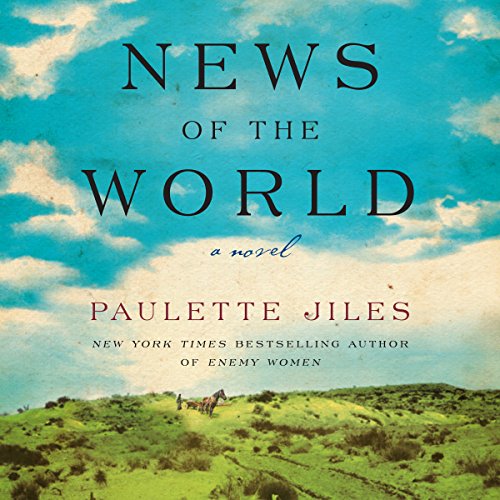
News of the World (A Novel)
By: Paulette Jiles
Narrated By: Grover Gardner
Paulette Jiles (Author, poet, finalist for the National Book Award for “News of the World”)
“News of the World” is a story of a young German American girl abducted by Indians in the 1860s, near San Antonio, Texas. She is recovered by a 71-year-old veteran of the Civil War. The author’s contextual research is impressive. Having personally lived in Texas for several years and knowing there is a small Texas town north of San Antonio with a large German ancestral population,”News of the World” becomes immediately credible.
Jiles fictional story is about a young white girl who is 10 years old when she is recovered from an Indian tribe by a Civil War veteran.
The young girl was abducted when she was six. Her four years of captivity were in the formative years of life. She successfully adapts to her tribal environment but does not completely lose knowledge of her younger past. Jiles hero is a Texas oldster who travels the country making a living as a reader of newspapers to citizens interested in news of the world. Many American citizens did not have the money, or the education, to read news of the world. To have that news read to them became an entertainment for many willing to pay a penny, a dime, or as much as a quarter. The former veteran, as an officer in the Rebel army during the war is well educated with experience of combat during the Civil War. That combat experience becomes important in the return of the captive to her German immigrant family.
A bounty of $50 is offered for return of the abducted girl.
The veteran takes the job. Jiles writing is excellent, but the narration of Grover Gardner gives the story an extra level of interest. Experience of life is a trial by fire for most human beings. Imagine being abducted from your family at the age of six by a culture different than your own and how traumatic it would be but how life expanding it could become. This six-year-old represents the melting pot of America. Jiles creates a fictional representative of three cultures, i.e. German, Indian, and pioneer that influences the melding of American culture.
Though Giles may not have meant to illustrate the melding of cultures by her entertaining story, much of what American culture represents is an amalgam of older cultures.
America’s Civil War, the Indian wars, and living life makes American culture unique. Every nation is made up of different races, ethnicities, religions, and experiences that make them unique. Paulette Giles offers a story of America’s unique racial, ethnic, religious and experiential culture.
“The Nightengale” is a story that shows how occupation begins, how occupation fails, and why it’s tragic economic and human costs never end. Occupation is not an answer for Russia’s war on Ukraine or Israel’s war on Palestine. Occupation is only war by other means.
Books of Interest Website: chetyarbrough.blog
The Nightingale
By: Kristin Hannah
Narrated By: Polly Stone
Kristin Hannah (Author)
History offers an opportunity to recognize mistakes of the past. Fiction offers tests for a future yet to be realized. The experience of history and written fiction offer behavioral change that can alter the future. However, the difficulty of future change is in understanding history and the limits of testing behavioral recommendations. “The Nightingale” is historical fiction.
Importantly, it offers relevance to today’s war in Ukraine and Israel’s actions in the Middle East.
Kristin Hannah creates a French family during Germany’s occupation of France during WWII. The story begins with an elderly woman nearing the end of her life who climbs the stairs into her attic to pull out an old chest filled with memories of her life in France. Isabelle Rossignol is a fictional character who joins the resistance. Isabelle’s experience is a lesson to the world about occupation of foreign countries by others, whether democratic or authoritarian.
“The Nightingale” is about the French reaction to Nazi Germany’s occupation of France during WWII. Germany’s occupation of France did not Nazify the French just as Putin will not Russianize Ukraine or Israel will Israelize Palestine. War is not an act of diplomacy and occupation never offers peace.
Isabelle, from a cultural perspective, is a patriot of France. She fervently believes in the sovereignty of her country just as most who have lived in any culture in which they grow to become adults. A country that tries to dominate another sovereign nation takes on a cultural and economic burden too hard to bear in perpetuity. The difficulty lies in cultural ignorance and the hardship of changing a native population that is culturally reinforced by generations of human life.
(In a recent trip to the Baltics, the dislike of Russians is palpable. Part of the tour is of the terrible Russian jails, the stories of Russian torture and murder of dissidents, and the fear that was felt by the now grown children of parents who lived during the long Russian occupation of their countries. Today the Baltics are among the most modern countries in Eastern Europe, but that accomplishment only began after their liberation from Russian occupation.)
Upon occupation of a French town in which Isabelle lives, German soldiers are billeted in local residences.
Isabelle lives in one of these residences as a teenage sister of Vianne whose French husband is alleged to be a POW in Germany. A German pilot is assigned to Vianne’s home. She has no realistic alternative to accepting the presence of a German officer in her home. He is a young man with a wife in Germany who politely explains he will be staying in their home while assigned to the Luftwaffe that occupies their town. Vianne objects but realizes she has little choice and takes the German officer into her house.
Wolfgang Beck, the German officer, speaks broken French but is able to communicate well enough to make the French family understand his demands. Isabelle, Vianne’s sister, is incensed by the intrusion and objects to his presence but realizes there is nothing she can do about it. As the story progresses, the Germans begin to exercise increasing control over the French population. The newly billeted officer at the Rossignol’ house seems respectful and apologetic as he moves into the family house.
An unspoken reason Vianne cooperates, though she has no choice, is she wishes to know the fate of her husband. A German officer might be able to find what happened to her husband.
The officer recognizes an opportunity to ingratiate himself to the family. He compiles a list of alleged POWs. Vianne finds her husband is at a particular POW camp, along with other captured combatants. The list Beck creates is an opportunity for wives, mothers, children, and girlfriends to send postcards to their loved ones. Vianne asks the German officer if he would send the postcards for wives wishing to communicate with their husbands and lovers who are now POWs. He agrees, and a strained level of cooperation is established.
As a local teacher, Vianne is asked by Officer Beck to provide a list of fellow teachers who are either Jewish or communist sympathizers.
At first, Vianne resists but eventually names names. The identified teachers mysteriously disappear from the school which is explained by known history of Nazi’ gas chambers and mass murders. Vianne belatedly realizes her error and is deeply remorseful for having given the names to the commander. She goes to a Catholic nun to explain her mistake and asks for advice. The nun treats her kindly and tells her to be careful about naming anyone that is requested by the Nazis. The nun offers advice about life being out of her control and that she should pray to God for guidance. This gives Vianne some comfort, but she recognizes her mistake while accepting the nun’s council. One thinks that was good for her but not for the missing Jews and communists. Vianne chooses to hide Jewish children from deportation as a way of compensating for her foolish mistake in listing Jewish teachers.
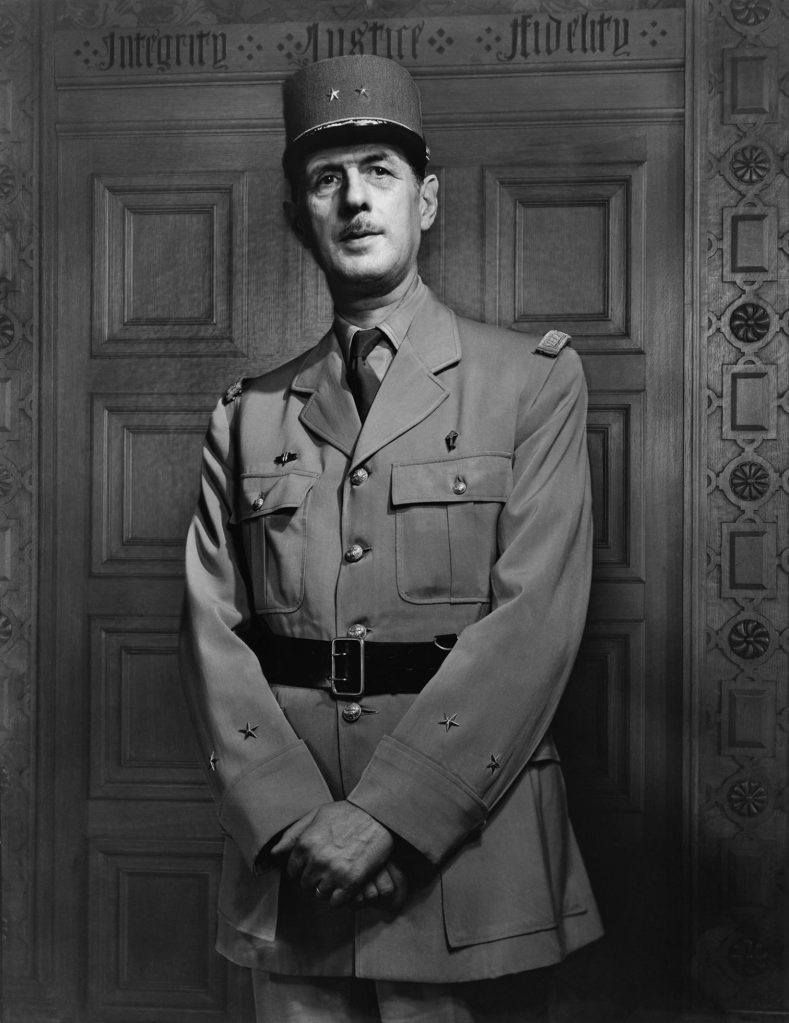
Charles de Gaulle (Leader of the Free French Forces during the Nazi occupation.)
Despite the outward appearing cooperation with German occupiers from some French citizens, there is a growing underground opposition. Isabelle becomes part of that opposition by distributing anti-German posters and aiding French resistance fighters who are wounded by German occupiers. The author offers many stories of the heroism of the French people and its underground during the war.
As the German army is nearing defeat, the brutality of the Germans in France escalates. The brutality of the story becomes numbing but gives one a clearer understanding of how humans endure under circumstances that can hardly be believed. Isabelle is caught, tortured and confesses to her identity as “The Nightingale”. She is sent to RAVENSBRüCK concentration camp. Her older sister is brutalized by her German guest who only becomes more brutal as the war nears its end. Both women survive the war in Hannah’s fictional story while reader/listeners are left to think about the brutality of war and occupation.
War and foreign countries occupation’ costs far exceed their value to either the victim’ countries or their victimizers.
So, what is the lesson of “The Nightengale”. Occupation may work for many years as it did in the Baltic countries. There are three reasons for occupation failures. One is failure to understand cultural difference, two is the rationale for one countries occupation of another, and three–the occupier’s failure to understand the real cost of occupation.
“The Nightengale” is a story that shows how occupation begins, how occupation fails, and why it’s tragic economic and human costs never end. Occupation is not an answer for Russia’s war on Ukraine or Israel’s war on Palestine. Occupation is only war by other means.













































 REVIEWS AND VIEWS OF LIFE