John Green explains in “The Anthropocene Reviewed” that learning how to cope with life when its hard or joyful is what it is to be human.
Books of Interest Website: chetyarbrough.blog
The Anthropocene Reviewed (Essays on a Human-Centered Planet)
Author: John Green
Narration by: John Green
John Michael Green (Author, Indianapolis native, raised in Florida, now living in Indianapolis, graduated from Kenyon College, with degrees in English and religious studies.)
“The Anthropocene…” is a clever series of essays that reveal a biography of John Green’s beliefs and how they have been affected by the world. Born in Indianapolis, he is raised in Florida and returns to Indianapolis when his wife is offered a job as an Art Director. These essays are drawn from his life experience, candidly revealing beliefs about himself and human activities that shape the earth’s climate, ecosystems, and geological processes. Green writes about his understanding of the diversity of things ranging from cosmic events like Halley’s comet to his obsessive consumption of Diet Dr Pepper. Along the way, Green reflects on the big and small events of life that reflect on many Americans lives.
Defining anxiety in oneself.
Green appears to be more anxiety driven than most people. His growth as a writer is shown to be related to his childhood memories, his personal illnesses, and his life encounters. That seems true for all human beings which is why his essays appeal to listener/readers of his famous stories like “The Fault in Our Stars” and “Turtles All the Way Down”. Of course, writing success in life, like all achievements, come with cost. Personal emotions and the environment in which we live shape our lives in good and bad ways. Greens self-analysis reflects on his anxieties, vulnerabilities, and wonderment. He writes of close relationships that helped him get through his school years. His illnesses are partly brought on by anxiety and depression which are not uncommon in any society. The difference is that Green is able to write about them with candor and humor to make reader/listeners more comfortable with their own experiences.
Life is life.
What Green reminds this listener of is a saying that my daughter hates to hear. “Life is life”. We deal with life in our own way, i.e., colored by who we are from our genetic inheritance, our personal strengths and weaknesses, and the way we deal with the circumstances in which we live. Green creates a 5 star rating system for experiences in his life. Histories of the bubonic plague and the world’s most recent experience with the covid pandemic receive 1 star. Natural sunsets, the song “You’ll Never Walk Alone”, and the Lascaux ancient cave paintings get 5 stars in Green’s opinion. These ratings are Green’s way of explaining suffering, healing, and the beauty of art in our lives. The beauty of nature, civilization’s artful adaptation, the closeness of family, professional help, and music have helped him cope with anxiety and depression. They also show what he finds beautiful, what he fears losing, and what he believes is worth saving.
What is the meaning of life?
The depth of a person’s feelings are not the same for all human beings, but we all have a rating system for what life means to us. Humans need to understand they are not alone in happiness or sorrow. John Green explains in “The Anthropocene Reviewed” that learning how to cope with life when its hard or joyful is what it is to be human.
Despite John Kennedy’s anti-liberal leaning and conservative populism, his autobiography will make one pay more attention to what he says as a Senator of the United States.
Books of Interest Website: chetyarbrough.blog
HOW TO TEST NEGATIVE FOR STUPID (And Why Washington Never Will)
Author: John Kennedy
Narration by: John Kennedy
Senator John Kennedy of Louisiana
“How to Test Negative for Stupid” is an excellent autobiography of Senator John Kennedy. Not the John Kennedy who became President of the United States but a southerner who represents the great state of Louisiana. Having worked and lived for a couple years in New Orleans, experience reminds me of the extraordinary people I met who were as friendly as any strangers I have met around the world. Celebrating a Mardi Gras, seeing Elizabeth Taylor in a local theatre performance, and listening to Al Hirt live at a local bar were experiences one could not forget.
In my mind, Louisiana is an unusual State for Kennedy to represent as a Senator because of its colorful and diverse history.
In the 17th century it was claimed by France but ceded to the Spanish in the 18th century after the Seven Years’ War. France never really left Louisiana with some settling in New Orleans which became a vital port and, at least in my mind, a cultural representative of the State.
Half the state is enslaved by 1860. It joins the Confederacy at the beginning of the Civil War. After the Civil War, Louisiana endures Reconstruction and military occupation, while endorsing Jim Crow Laws that represent legalized segregation. This history is not to vilify or disrespect John Kennedy, but to give some context to the complex society John Kennedy ably represents in Congress.
Louisiana Emancipation Proclamation in 1863 declares the Confederate states “forever free”.
John Kennedy shows himself to be a well-educated, intelligent academic, and honest forthright politician. He is an erudite representative of the Louisiana’ Republican Party. This autobiography is a pleasure to listen to with one great reservation which is his defense of Donald Trump. Trump, like Senator Kennedy, represents a diverse constituency but, to this voter, President Trump is a risk to the health and welfare of America.
Trump’s anti-immigration policies are being enforced in legally suspect ways that should be and are being challenged by the judiciary.
Kennedy is reluctant to criticize Trump because of his belief that when one is elected to office in the United States, the position should be respected because of the election process. The absurdity of that belief is that Kennedy writes of the dishonesty and crookedness of some Louisiana Governors that got away with their corruption like it was just part of life in Louisiana.
Unfair political campaigning.
Kennedy is right about the Democratic Party unfairly vilifying Trump with false stories about Russian interference with electoral process and false reports of sexual activity (the Steele report) in Russia for which he could be blackmailed. False accusations have always been a part of the American election process. Every election for President has had true and false accusations made by opposing parties. None of these accusations kept Trump from being elected.
Presidents of the U.S.
Trump will be our President for the next three years of his second term. He is not the first or last President to abuse the office of the Presidency. His conflicts of interest are in his bond buying spree in 2025, his links to cryptocurrency, his appointments of cabinet members and advisors that have corporate ties, his use of the Presidency for personal branding, his gifts received like a $400 million plane from Qatar as Air Force One, and his personal empire building while being President of the United States.
Trump is not the first President to be accused of conflicts of interest.
George Washington had vast land holdings as the western parts of America that were being acquired by the government. Jefferson supported agriculture while being a large plantation owner dependent on slave labor. Bill and Hilliary Clinton were invested in the Whitewater real estate collapse in Arkansas, meant to sell vacation homes to the public. It went bankrupt and cost taxpayers an estimated $73 million. George Bush’s ties to the oil industry and his V.P.s recommendation to use Cheney’s former employer, Halliburton, to contract for work in Iraq seem questionable.
Migration is the movement of people to new areas of the world for work, better living conditions, and safety. In that process the world economy and American industry are arguably strengthened, not damaged.
Trump’s unadjudicated arrests and deportation of alleged immigrants is appalling. Trump’s anti-immigration policies are being enforced in legally suspect ways that should be and are being challenged by the judiciary. He is not the only President to have instituted policies that are contrary to the interests of America’s citizens. Many opposed Franklin Roosevelt’s New Deal with history vindicating many of those decisions as appropriate for the circumstances of that time. Like Roosevelt, Trump tests the limits of his authority. What is appalling about Trump’s supported policies are issues like denying subsidized health care for the poor while maintaining tax reduction for the rich. Of course, history will be the final arbiter of Trump’s presidency.
Despite disagreeing with Kennedy’s support of Trump, the story of John Kennedy’s life is entertaining and enlightening. One comes away with admiration for a person who speaks his mind and who acts in the interests of his constituency and the country with honesty about what he believes to be right or wrong.
Despite John Kennedy’s anti-liberal leaning and conservative populism, his autobiography will make one pay more attention to what he says as a Senator of the United States.
Karoline Kan’s story is very personal, but it offers insight to China that is more informative than many history and political polemics that fail to show what it is to be a Chinese citizen in the 21st century.
Books of Interest Website: chetyarbrough.blog
Under Red Skies (Three Generations of Life, Loss, and Hope in China)
Author: Karoline Kan
NarratedBy: Allison Hiroto
Karoline Kan (Author, reporter at Bloomberg, has published in the New York Times, and worked in radio broadcasting, studied at Beijing International Studies University focusing on journalism and writing.)
“Under Red Skies” is a story about Karoline Kan and her life from childhood to adulthood in China. She is based in Beijing, China. Kan writes about life in China before her birth and the change in China after Mao’s death. She provides a rewarding view of China from Mao’s to Deng’s to Xi’s leadership. In ways her story makes one somewhat fearful for her life and freedom, as well as China’s economic miracle and growth as the second most powerful nation in the world. The story of her life presents the puzzle of China’s changing relationship with America and the world. She is subtlety critical of Mao’s rule of China while a beneficiary of the changes wrought by Deng and now Xi in the growing power, economic improvement, and influence of her homeland. She appears to view America positively while being proud of her heritage and particularly appreciative of her mother’s role in her family during great changes in China. She reflects on societal change in respect to the life she lives and what her perceptions are of changes in political leadership wrought by Mao, Deng, and Xi.
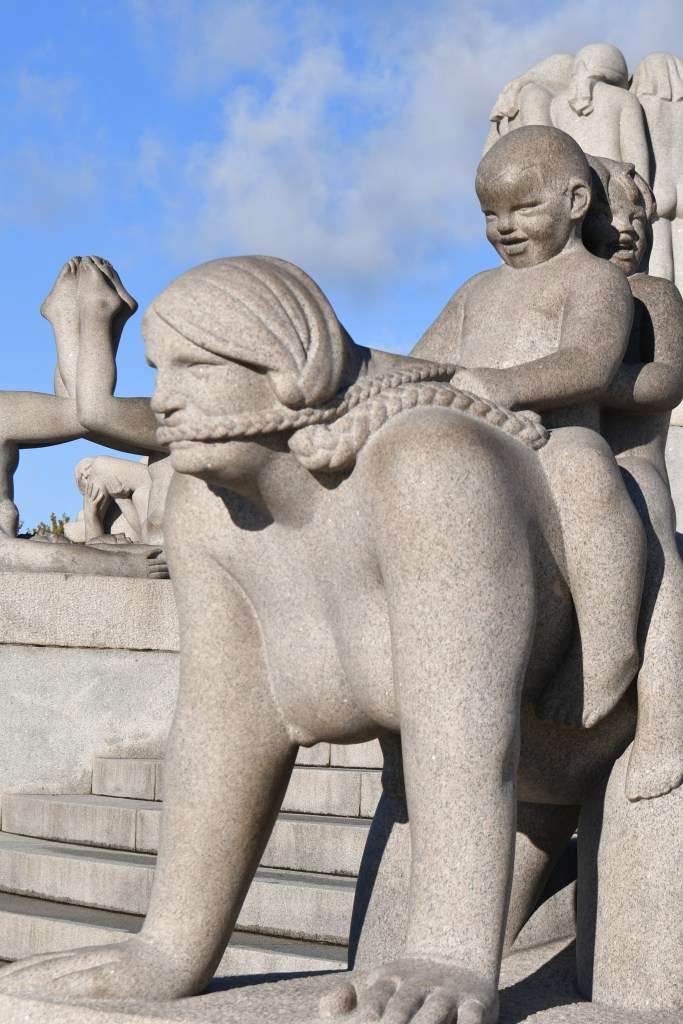
The power and importance of mothers is exhibited by a presentation of this “Circle of Life” exhibit in Norway. To this observer, the statue illustrates the great importance of women in nurturing and educating the world’s future generations. The author’s story reinforces that belief.
Ms. Kan’s mother appears to be a formidable objector to some of Mao’s cutural beliefs by being unwilling to kowtow to government policies that conflict with her personal beliefs. Kan’s mother is the driving force behind the move from rural China to a larger community to improve her family’s lives. Karoline is born when the one child policy is enforced in the early 1980s to the 2000s. Karoline is the second child born to her mother. Her mother faced the financial penalties for having a second child and resisted forced sterilization that became the law of the land during her child-baring years. Karoline Kan’s mother appears a force to be reckoned with by traditional male standards in China and a patriarchal bias that exists in most of the world. By that measure “Under Red Skies” seems like an encomium to Karoline’s mother and a tribute to Kan’s bravery in writing a history of her early life and experience as a Chinese citizen.
Our Chinese guide for a 2o18′ tour of China is noted in the essay titled “70% Leadership“. This young guide reminds me of the author, Karoline Kan.
Kan reflects on ambivalent feelings some Chinese citizens have toward America. She expresses surprise that there seems more dislike by China of America than China should have for Japan. History shows conflicts were much greater with Japan than America. Chinese hate of Japan would presumably be more visceral because of deaths from wars and invasions of China by Japan, i.e., the first in the 1894-1895 Sino-Japanese war; then the invasion by Japan in Manchuria in 1931, a second Sino-Japanese war in 1937-1945, and the Nanjing Massacre that killed an estimated 200,000 to 300,000 imprisoned Chinese citizens. The estimate of Chinese casualties from Japan in these conflicts is 15-22 million. Of course, America fought the Chinese in the Korean war in the 1950s but the casualties were 400,000, with the possibility of as many as a million who died from injury, disease, and exposure. More likely, the hate of America is from the context of China’s ambition to be “second to none” in power and influence in the world. In the end, “ambivalence” is not the same as hate. Having traveled to China just after Xi’s rise to power, my wife and I felt very welcome by most Chinese citizens and businesses.
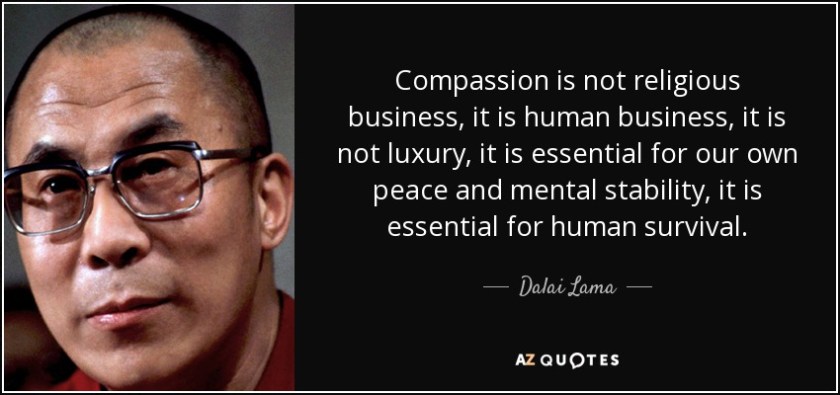
Communism is a political system that does not believe in God. Of course, neither do Buddhist or Taoist traditions which are the human practices and belief in personal truthfulness, compassion, and forbearance, i.e., spiritual beliefs about living life on earth because that’s all there is to life. There is no after life or heaven to a Buddhist or Taoist. These two spiritual beliefs are practiced widely in Japan and some places in China, like Tibet. Falun Gong, a Buddhist-like religion, arose in 1990s’ China. In the beginning, China accepted its practice, but the Communist Party eventually fought against its growth and labeled it a “heretical organization”. The Party obviously felt Falun Gong interfered with communist ideals. Additionally, there is the ongoing conflict between the Dali Llama and Tibetan belief (a branch of Buddhism) that is also reviled by China’s political leadership. The point is that communism demands fealty to belief in a classless, stateless society, not controlled or influenced by any social or economic belief other than those of the communist’ party. (One cannot help but reflect on Lord Acton’s phrase about “power” that is at the heart of all forms of government in history.)
Kan’s best friend, who finishes high school at the same time as Kan takes a different path, i.e., either because of her work in school, the poverty of her family, or the “bump” that changes her life.
The last chapters of Kan’s story are the personal journey of women in China. Kan is accepted at a University in Bejing. Marriage has evolved in China but still has many of the same matrimonial customs. Marriages of the past were highly arranged and had little to do with love or attraction. In modern China, marriages have become less determined by family arrangement but more by circumstances of a child’s experience. Like children around the world, parents influence but have limited control over a child’s libidinal impulses. The author’s closest friend becomes pregnant from the son of a poor family that is unable to compensate the daughter’s family in a way that some arranged marriages would provide. The lower dowry implies Kan’s friend is destined to live a life of poverty. Kan shows her to become a factory worker to supplement the family’s income. Her work is hard and highly repetitive but the income from both parents working helps them live better lives. With a husband, wife, and one child, her friend decides to have an abortion because another child would be too expensive for them to live a decent life.
Beijing International Studies University is the school Kan attends and receives a degree.
In contrast to Kan’s friend’s life, Kan goes to college where she is housed with women she does not know but are of her age. Kan’s family is presumably able to help her with expenses, and she goes on to become a journalist and writer. Interestingly, all women (and presumably men) are obligated to serve 2 to 4 weeks of military service before beginning a career-related’ education. The implication of this type of regimentation for all college students implies China has wider international ambitions.
The change in China’s culture with the leadership of Deng and Xi is revealed in Kan’s story. It shows the strengths and weaknesses of capitalism and communism. China’s dramatic economic growth is a result of the endorsement of capitalism with a communist autocratic influence. Interestingly, Kan shows China seems on a road to become more American while America seems to become more Chinese.
Kan’s story is very personal, but it offers insight to China that is more informative than many history and political polemics that fail to show what it is to be a Chinese citizen in the 21st century. Kan shows how both China and America have less than perfect systems of government.
Benjamin Franklin was no saint. He was a pragmatic, diplomatic, and intelligent politician who believed in improving himself, being honest in his relations with others, and determinately set on leaving a legacy of diplomatic accomplishments that (unlike our current government leaders) was intent on truly making America great.
Books of Interest Website: chetyarbrough.blog
The Completed Biography of Benjamin Franklin
Author: Mark Skousen
NarratedBy: Richard Ferrone
Mark Amdrew Skousen (Author, economic analyst for the CIA from 1972-1977, is considered a political conservative, a distant descendant of Benjamin Franklin.)
Though the history of Benjamin Franklin is “well plowed” ground, Mark Skousen assembles Franklin’s original papers on his intended biography to give a fascinating portrait of perhaps the greatest American patriot in our history. Franklin’s role in America’s independence from Great Britain is perfectly explained in Skousen’s review of Franklin’s intended autobiography. The many offices that Franklin assumed in pre- and post-revolutionary times are evidence of his patriotism and importance.
Benjamin Franklin (1706-1790, died at the age of 84.)
Franklin served as a member of the Continental Congress from 1775 to 1776. He was the President of Pennsylvania from 1785 to 1788. His diplomatic roles were as Commissioner to France from 1776-1778, Minister Plenipotentiary to France from 1779 to 1785, and Peace Commissioner who negotiated the Treaty of Paris ending the Revolutionary War and establishing American independence. These formal posts fail to mention his great role in representing America to the British throne while sailing to England before the revolution.
Thomas Penn (1702-1775)
It is ironic that Franklin became the President of Pennsylvania in 1785 when he had challenged the Penn family’s proprietary control over Pennsylvania territory given to the Penn family by the King of England.
The Penns refused to allow taxation of their estates in the colonies. Franklin met with Thomas Penn and wrote a paper saying the Penns prevented governors from using discretion in the management of the Pennsylvania colony, refused colonists right to raise funds, and would not accept taxation on their properties. Though Franklin did not legally represent the colonies, he galvanized opposition and created groundwork for colonial autonomy. He became known as the “defender of colonial rights”.
Franklin’s biography explains how he became widely known in England, France, and the colonies.
In 1773, two Massachusetts’s colonial government letters were published at the direction of Franklin that exposed British officials’ promotion of restrictions on the colonies’ liberties. Franklin had been appointed Postmaster General in America, authorized by England, but was discharged for having published those inflammatory letters. Franklin wrote several satires mocking British colonial policies. He opposed the Stamp Act while becoming a representative of Pennsylvania, Massachusetts, Georgia, and New Jersey in London.
Benjamin Franklin’s experiment.
Despite Franklin’s opposition to England’s infringement on colonial rights, he was celebrated in England’s scientific community. He received the Copley Medal for his experiments with electricity and a fellowship in the Royal Society. William Strahan, one of England’s printers who was an MP, and the famous William Pitt sympathized with Franklin’s explanation of the colony’s grievances. On the other hand, growing anger from England’s parliamentarians required Franklin to escape arrest in England in 1775.
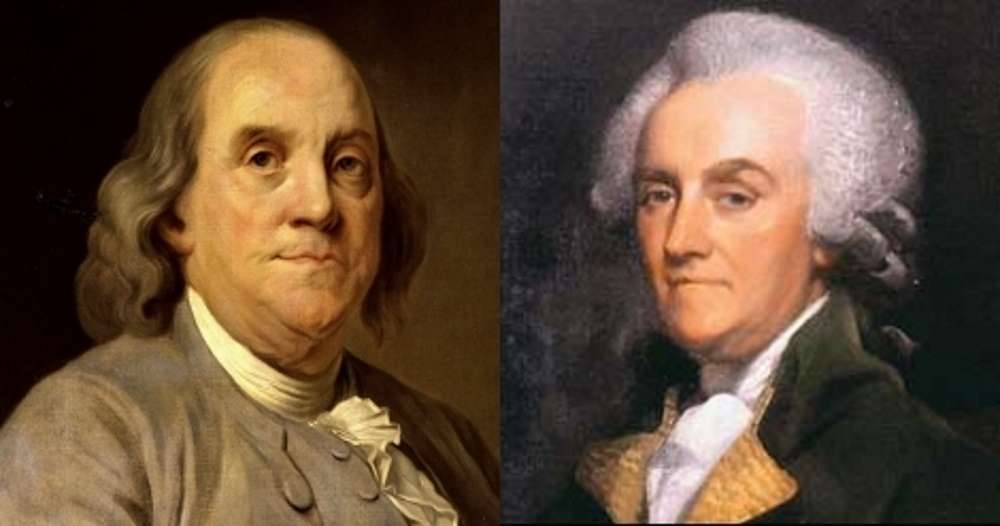
Benjamin and William Franklin
To show how torn colonist’ families are about the colony’s declaration of independence, Franklin’s son, “Billy”, actually William Franklin, is noted in his father’s diary and writings to have chosen to take the British side of the conflict. William had served as the Royalist’s Governor of New Jersey. He was appointed with the help of his father’s influence in London. William refused to join the Patriot cause and was imprisoned from 1776 to 1778, and later, exiled to Britain where he lived until the end of his life. It appears Benjamin and William never reconciled and never saw each other again. Benjamin Franklin dies at the age of 84 in 1790 while his son Willaim passes at the age of 83 in 1813.
Symbol of the Colonys’ fight for independence.
Some interesting notes are in Franklin’s diary about symbols of the war of independence. In 1754, Franklin published the cartoon of a snake emblazoned with 13 skin segments with a message “Join or Die” It was originally designed for the French and Indian War but became a symbol of the colonies fight for independence from Britain. In contrast, Franklin opposed the eagle as a national emblem and preferred the turkey. To Franklin, the eagle was a bird of bad moral character while the turkey, in his opinion, represented “a more respectable bird”. This is a surprise to many who revere the eagle as America’s symbol of independence, strength, and elegance today.
Franklin is considered wealthy at the time of his death.
In today’s dollars, Franklin’s wealth may be estimated at 10 to 90 million dollars. He had created a printing empire with “The Pennsylvania Gazette” and “Poor Richard’s Almanack” and used his presses to print books, pamphlets, and even currency. He licensed lighting rods to minimize building destruction from lightning strikes and provided heat to colonist’s homes with the Franklin stoves. He had rental properties in Philadelphia and speculated on western land purchases. He received compensation for his diplomatic and government service as Postmaster General. Franklin showed himself to be frugal putting money aside to receive compounding interest on its principle. He preached and practiced the adage, “A penny saved is a penny earned”.
Deborah (Read) Franklin, Benjamin Franklin’s wife.
Benjamin Franklin notes his wife’s name is Deborah Read. She dies in 1774 at the age of 66 from a series of strokes. Her health declined as Franklin’s diplomatic service in England and France took him away from home. When she suffered from a series of strokes, his voyages to Europe kept him from returning immediately. He returned in 1775, and Franklin was buried beside her in 1790.
Franklin’s self-written biography shows him to be charming and flirtatious with an appreciation of women.
Franklin’s flirtations with Brillon and Helvétius connected Franklin to influential French society, helping him secure support for the American cause. Ms. Brillon is in her 30s while Franklin is in his 70s. Another French lady is Madam Helvétius is in her mid-60s. Franklin proposes marriage to which she declines. It seems there is more smoke than fire in regard to Franklin’s illicit liaisons in France. However, he does admit to some youthful indiscretions with women of challenged reputations when he is younger.
Benjamin Franklin was no saint. He was a pragmatic, diplomatic, and intelligent politician who believed in improving himself, being honest in his relations with others, and determinately set on leaving a legacy of diplomatic accomplishments that (unlike our current government leaders) was intent on truly making America great.
“Greenlights” offers a different view of who McConaughey is than what one might think of him based on his public persona.
Books of Interest Website: chetyarbrough.blog
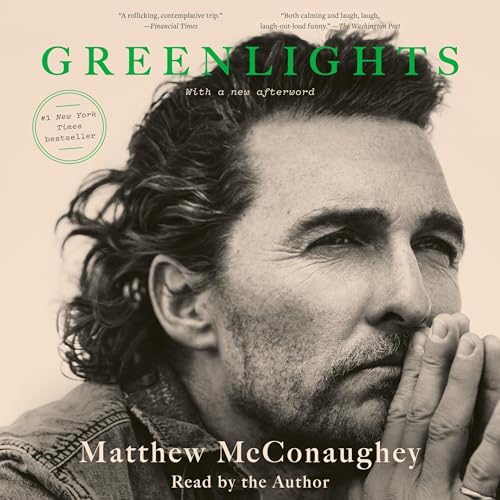
Greenlights
Author: Matthew McConaughey
NarratedBy: Matthew McConaughey
Matthew McConaughey (Author, actor born November 4, 1969, in Uvalde, Texas.)
“Greenlights” is a self-narrated autobiography of the famous actor Matthew McConaughey. The picture he creates of himself seems naked and unafraid. His narration gives a sense of a person acting in a movie who tells of the strengths and weaknesses of a person who speeds through the greenlights of life, believing in only God and himself. McConaughey idolizes his deceased father while seemingly acknowledging how much he is who he is because of his mother.
A listener senses they are witnessing a heartfelt theater presentation, where a person earnestly strives to live fully in the moment, embracing the understanding that every experience is a valuable part of life’s journey. This journey, rather than instilling fear, invites acceptance and courage, grounded in the belief that God is at the helm, guiding each step with love and purpose.
The self-confidence McConaughey exhibits borders on arrogance, but his presentation is entertaining and revealing. A listener feels they are experiencing a theater presentation of a person who strives to live in the moment with confidence that everything that happens is a part of life’s journey, not to be feared but embraced because God is in charge. With the dimension of good looks, and self-confidence McConaughey boldly embraces life while searching and reflecting on its meaning. He seems to revel in success and not brood over failure. He believes in discipline, respect, and love even though they often demand more than he can provide.
McConaughey’s biography makes one reflective.
His sense of humor and willingness to live life as it happens are entertaining. On the other hand, there is a sense that his self-confidence can become a threat to others and himself. He writes of his experience as an exchange student in Australia where he lives with a family who demands a behavior with which he disagrees. The result of his opposition is confrontation with the family and a change in his Australian family sponsorship. McConaughey’s side of the story is all one hears but it seems unlikely that a family would not be screened before a foreign student is invited to their home for a year.
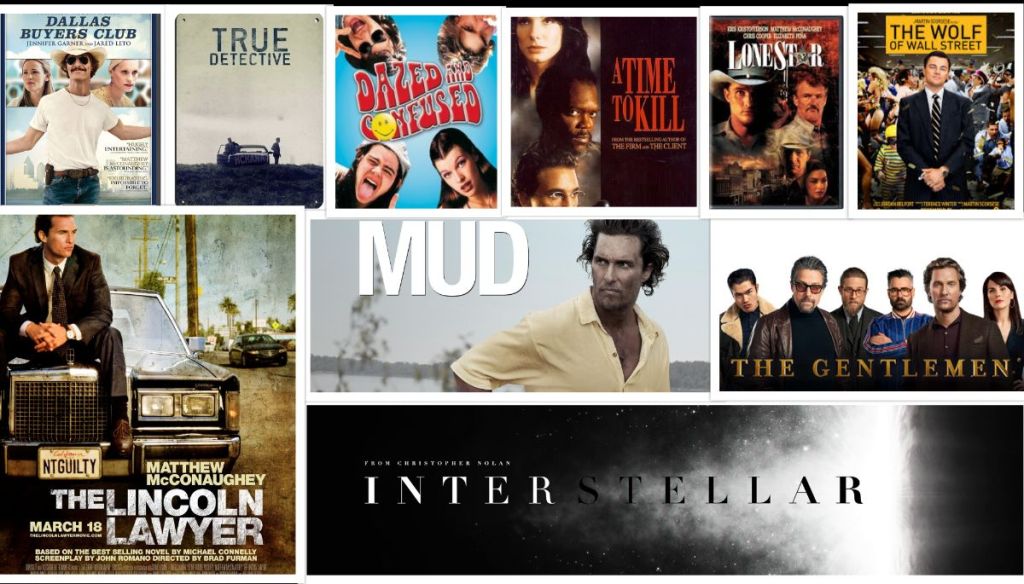
“Dazed and Confused” movie.
With a line widely recognized by movie goers, i.e., “Alright, alright, alright”, from “Dazed and Confused”, McConaughey became a recognized actor. The movie was released in 1993. It is about the last day of school in a small Texas town. After that movie, McConaughey makes a good living as an actor. He proves himself as a talented actor in “A Time to Kill”. He plays a lawyer in a racially charged courtroom drama.
Camila Alves (Brazilian American model.)
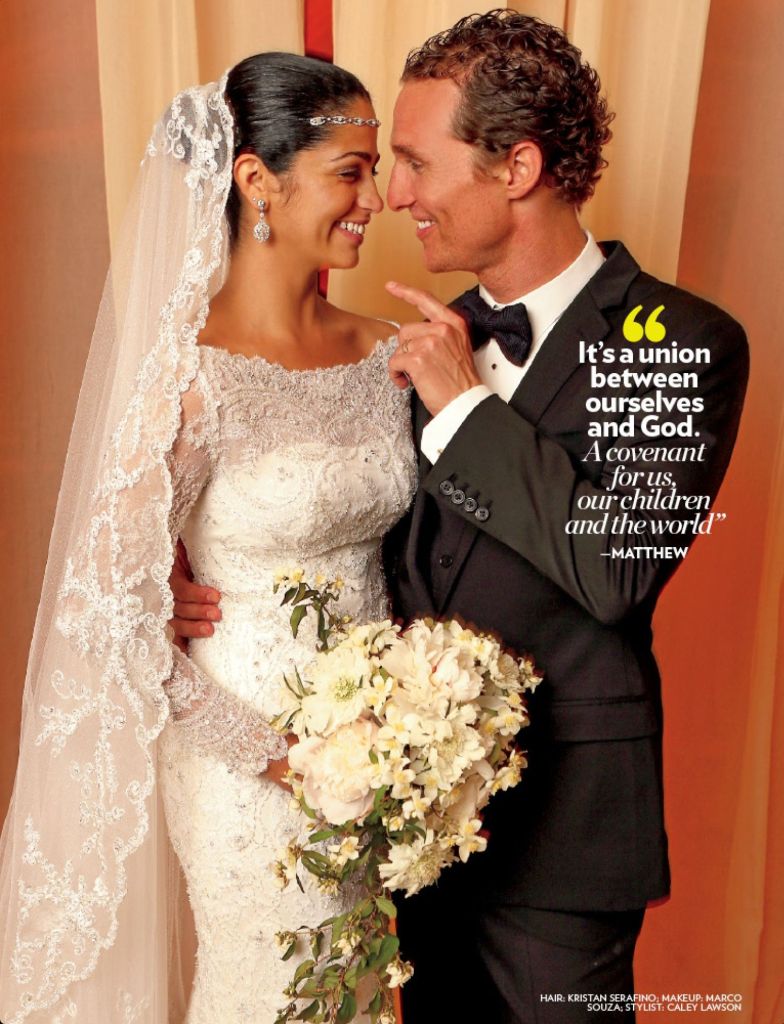
McConaughey’s bon vivant life changes when he meets his future wife, Camila Alves.
Alves is a Brazilian American model and entrepreneur who McConaughey meets in the early 2000s. They become committed to each other soon after their meeting and have their first child in 2008. McConaughey explains how they call his mother in the middle of the night to give her the great news. McConaughey is surprised when his mother is outraged by having a child with a woman to whom he is not married. A listener/reader recognizes how important and influential McConaughey’s mother is to his growth from boyhood to adulthood.
McConaughey and Alves marry four years after the birth of their son and a daughter.
Now, in his early 40s, he changes the course of his life. He had made a good living as an actor, i.e. making a number of forgettable romantic comedies after proving his acting ability. After making millions, McConaughey and his growing family leave the business of only making money to buy a property in Austin, Texas. They have a third child. He refuses to make any more romcom movies. He disappears from the limelight for nearly two years when he receives offers to make three movies that make him the mega-star he becomes.
A McConaughey’ mega hit shows how committed he is to the art of acting by losing 50 pounds of his muscular body to play the part of an HIV victim.
With the release of “Dallas Buyers Club” in 2013, McConaughey’s shows how he had grown professionally. He received an academy award for his performance. At this point in his life, he and his wife have three children under the age of six. Movie rewards, a beautiful wife, and three young children make McConaughey feel he is a better actor because they sharpen his sense of purpose in life. The complexity of his life is translated in the way he expresses himself in the mini-series True Detective, and movies like Lincoln Lawyer, and Mud. The characters he plays are introspective and layered. He recognizes hardship is a part of life that makes one grow as a human being.
“Greenlights” offers a different view of who McConaughey is than what one might think of him based on his public persona.
The Autobiography of Benvenuto Cellini is not a great piece of writing, but it is an interesting perspective on the progeny of Florence, the violence of the 16th century, and the great art that came out of the Medici era.
Books of Interest Website: chetyarbrough.blog
The Autobiography of Benvenuto Cellini
By: Benvenuto Cellini
Benvenuto Cellini (Author, Italian goldsmith, sculptor, and contemporary of Michelangelo, died at age 71.)
This autobiography is alleged to have been dictated to a teenager by Cellini in the 16th century. The book is a mess but oddly interesting because of the volatile life of its author. The dictation is believed to have occurred when Cellini was in his fifties. He was born in 1500 and lived until 1571 with his death at the age of 70. Considering his volatile life and the average age of death as 30 or 40, Cellini lived a long life. Of course, the average age at death is skewed by high infant mortality, but Cellini’s autobiography shows him to be a resilient survivor.
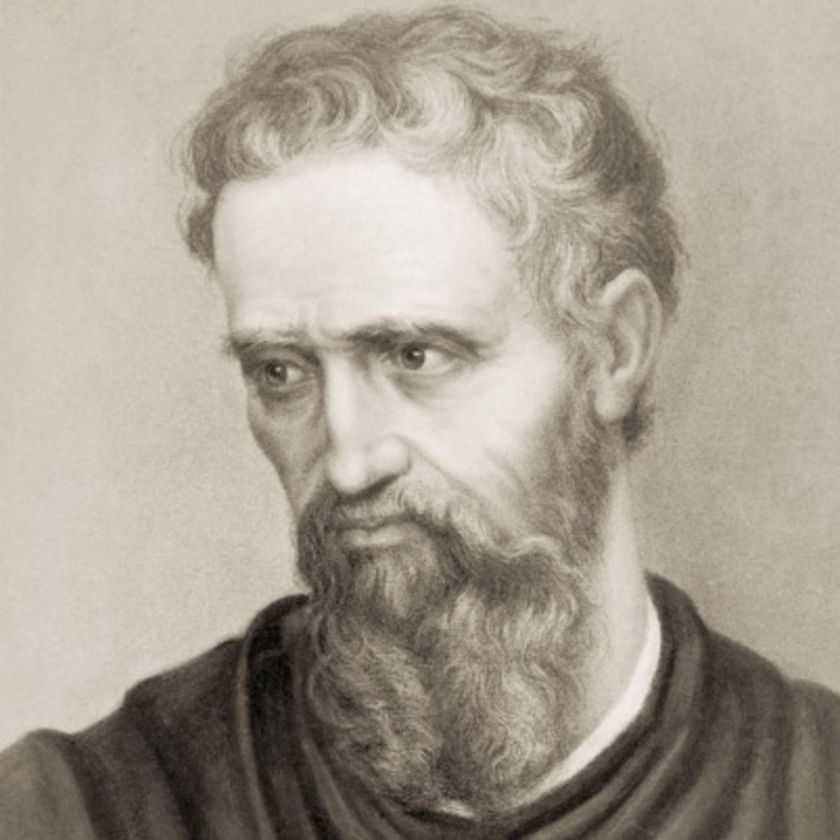
Michelangelo, a Florence native. (1475-1564, died at the age of 88.)
Cellini tells of surviving the plague, escaping assassination, being imprisoned, escaping, and, participating in several battles as a soldier where he was wounded but recovered. However, Cellini was also an amazing artist from the same city as Michelangelo. In contrast to Michelangelo, Cellini seems to have been quite boisterous; however, like Michelangelo he was strong willed and resistant to authority. The two men new each other. They shared experience as patrons of the powerful Medici family. Cellini appears to admire and like Michelangelo in his biographic recollection. They both did work for Pope Clement VII and Cosimo I de’ Medici.
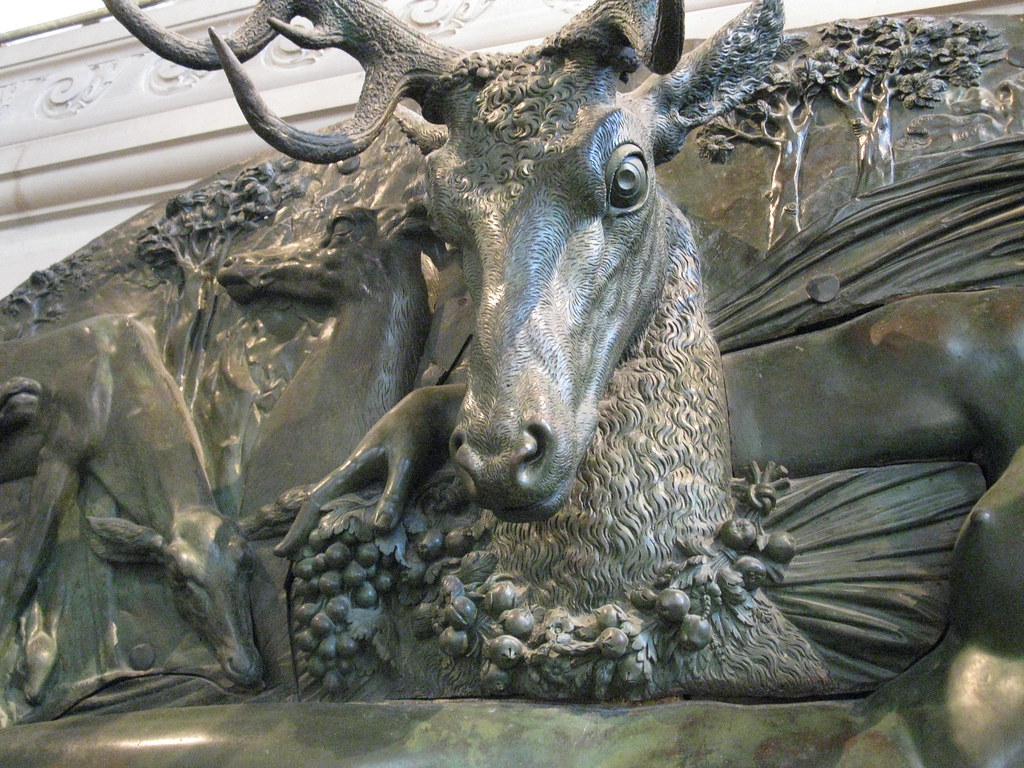
DetailDetailDetail
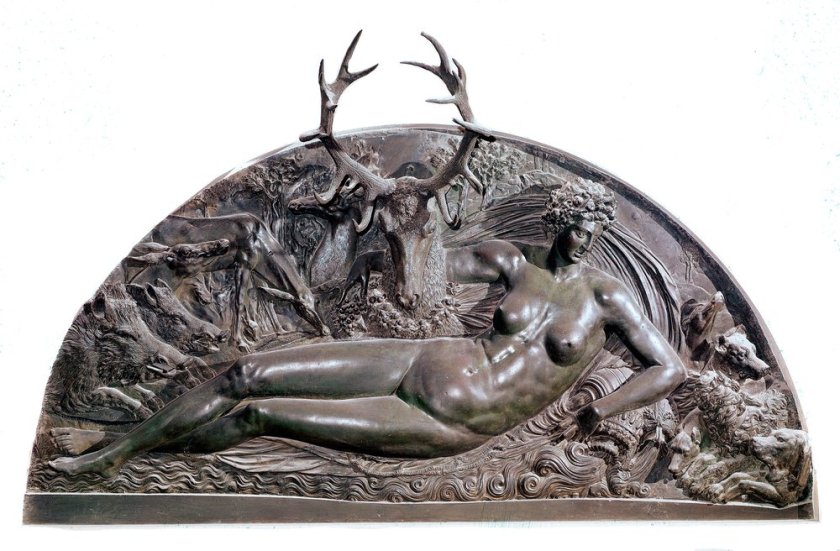
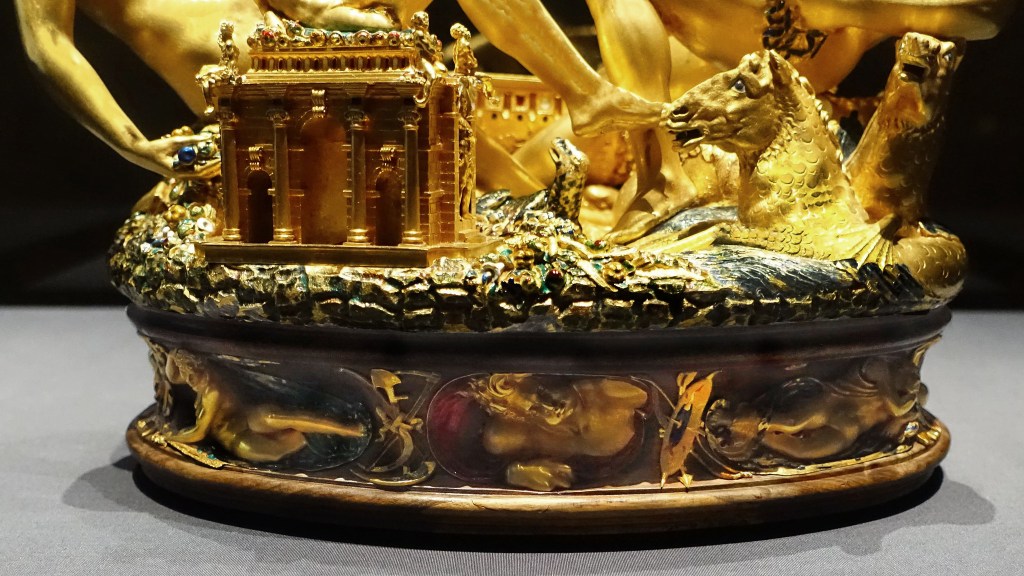
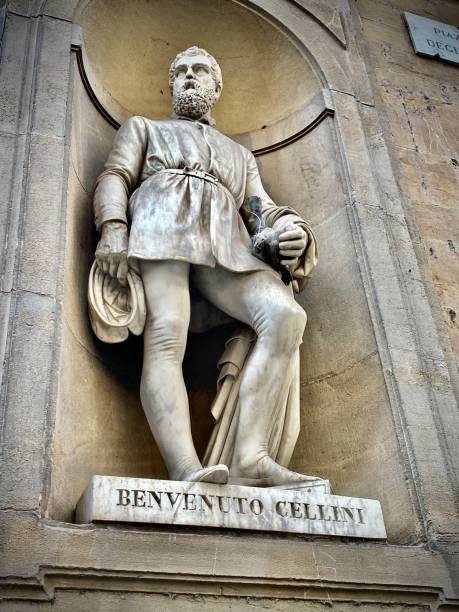
Cellini appears to have traveled as much as Michelangelo because of his life as a soldier as well as artist. Two of his greatest artistic accomplishments are the “Salt Cellar” and “Nymph of Fontainebleau” done for King Francis I of France. However, he also completed “Perseus with the Head of Medusa” for Cosimo I de’ Medici in Italy.
As a soldier, Cellini tells of the attack of Rome by troops of Charles V, the Holy Roman Emperor. The leader of the attack forces, the Constable of Bourbon, was shot by Cellini according to Cellini’s autobiography. Though Cellini seems never to have been wounded in battle, he tells of several violent encounters that could have ended his life.
Statue of Cellini in Florence.
The Autobiography of Benvenuto Cellini is not a great piece of writing, but it is an interesting perspective on the progeny of Florence, the violence of the 16th century, and the great art that came out of the Medici era.
We may be surprised by what Trump will do in four more years. The million or more voters who put him over the top deserve what good or bad comes from their choice.
Books of Interest Website: chetyarbrough.blog
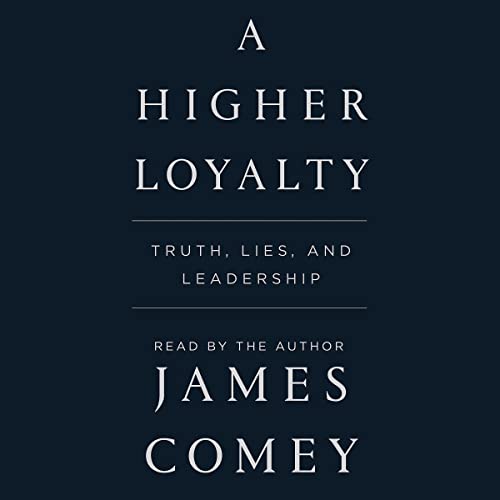
A Higher Loyalty: Truth, Lies, and Leadership
By: James Comey
Narrated By: James Comey
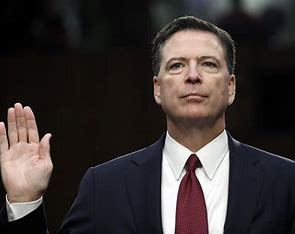
James Comey (Author, director of the FBI from 2013 to 2017, fired by then President, Donald Trump.)
With the re-election of Donald Trump, it seems time for a review of James Comey’s book to better understand his perspective on the soon-to-be new/old leader of America. This review is admittedly biased. On the other hand, Comey’s and this book-reviewer’s mutual bias are reinforced by comments of other Americans who personally served in Trump’s first administration.
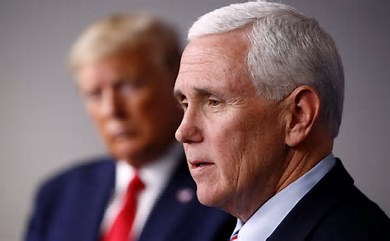
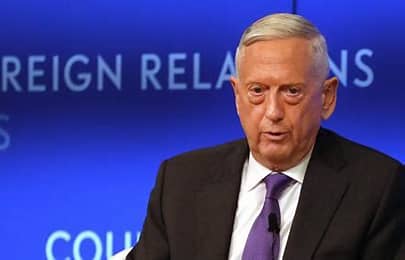
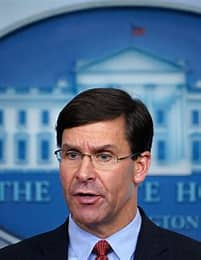
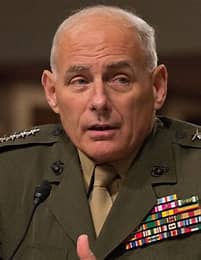
Mike Pence, Rex Tillerson, Jim Mattis, Mark Esper, William Barr, and John Kelly, were all former officials of President Trump’s first administration. As is widely known, all of these officials have guarded, if not negative, opinions about Trump’s position as the leader of the “free world”. What “freedom” is there when his former chief of staff categorizes Trump as a fascist?
John Kelly (Trump’s chief of staff from 2017-2019.)
Mike Pence refused to endorse Trump in his 2020 run for re-election. Rex Tillerson called Trump “pretty undisciplined” in 2018 and counseled Trump to not violate the laws of the land. The former Defense Secretary, Jim Mattis, warned Trump about “militarizing our response” to protests against the government. He is quoted to have said “Never did I dream that troops …would be ordered under any circumstance to violate the Constitutional rights…of fellow citizens.” Mark Esper, who succeeded Mattis, said January 6th’s run on the capitol “…threatens our democracy”. William Barr, Trump’s former Attorney General, said Donald Trump shouldn’t be near the Oval Office. John Kelly, Trump’s former chief of staff, notes Trump fits the definition of a fascist. We should remind ourselves–a fascist is a dictator who believes in centralized autocracy, militarism, suppression of opposition, nationalism, and economic control. “What freedom is there in an America led by a fascist”? America has chosen to re-elect Trump despite the aforementioned concerns by people who worked in his administration.
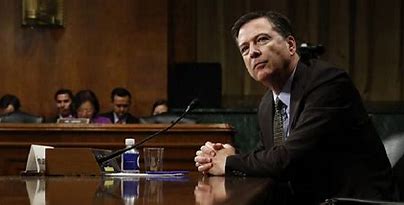
James Comey is fired by Trump for several reasons.
Comey is fired by Trump for several reasons. One, he mishandled the investigation of Hillary Clinton’s use of private email. He refused to admit the president was a part of the FBI’s investigation into Russia’s involvement in the 2016 presidential campaign. Additionally, Comey refuses, at the request of Trump, to drop the investigation into former National Security Advisor Michael Flynn. Trump dismisses Comey in 2017. (Ironically, Michael Flynn pled guilty in 2017 for making false statements to the FBI. President Trump pardoned him in 2020.) As a result, Trump’s Attorney General Jeff Sessions and Deputy Attorney General Rod Rosenstein recommended the firing of Comey.
The Attorney General Jeff Sessions and Deputy Attorney General Rod Rosenstein recommended the firing of Comey.
Comey’s biography is about his life from childhood to adulthood. The first chapters are about his parents and siblings. He recounts a burglary incident in his home when only he and a younger brother are in the house. The burglar enters the house with a gun and threatens both boys while looking for money and valuables. Though James grows to be six feet eight inches tall, he is not big when this incident occurs. He and his brother are naturally frightened. James tells the burglar where to look for money that he might find in the house. The boys are locked in a basement bathroom and the burglar leaves but sees the boys trying to escape through the bathroom window. The burglar returns. James runs to the neighbor’s house for help but the burglar escapes before the police arrive.
Comey notes he was bullied when in grade school.
The bullying eventually stops, and one wonders if it was because of his growth spurts or because of his ability to adjust to the social environment in which he lived. He had teachers and employers during his school years that became character models for him in life. He writes of incidents that he feels became examples that led him to become the person he became. From the perspective of this listener/reader, they were experiences that made Comey an ideal bureaucrat. This is not to demean bureaucratic positions but to suggest Comey matured to be a believer in systematic analysis of human behavior.
James Comey became an ideal bureaucrat for the Federal Government because he was a believer in systematic analysis before developing institutional policy or taking consequential action.
Comey starts his professional life as an attorney. His big break comes from the George W. Bush administration when he is offered the position of the U.S. Attorney for the Southern District of New York. Ironically, he went to work for Rudy Giuliani, an unprincipled but popular mayor of New York. Giuliani became President Trump’s personal lawyer and was later convicted for defamation. (Birds of a feather?) Bush asked Comey to serve as Deputy Attorney General for the U.S. government. He was confirmed by the Senate in 2003. In 2013, Barack Obama appointed James Comey as the Director of the Federal Bureau of Investigation.
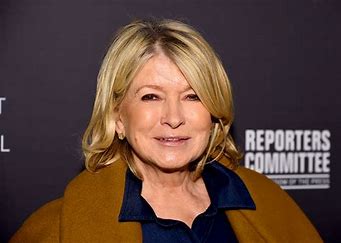
A disturbing chapter in Comey’s book is his prosecution of Martha Stewart for insider trading.
Comey tries to negotiate a deal with Stewart to keep her out of jail if she would plead guilty. She refuses and Comey orders continuation of the prosecution. Stewart was convicted and sentenced to five months in a minimum-security prison. There is a “holier than thou” sense of Comey’s action but his side of the story is that fame and wealth are no excuse for illegal behavior. This is a feeling one may or may not agree with because fame and wealth should not be a license to violate the law. (The obvious irony is that President Trump will escape punishment for his law breaking because of re-election.) In Comey’s opinion, when Stewart would not plead guilty, she became the author of her own punishment.
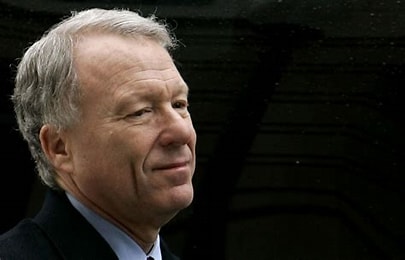
Scooter Libby (American lawyer and former chief of staff to V.P. Dick Cheney.)
Scooter Libby’s prosecution brings up another incident that tests Comey’s character more than the effect of a person’s wealth and fame. Comey’s advance in the Federal Government came from the Republican Party led by Bush. Libby is indicted for lying to the FBI about divulging the name of a CIA officer (Valerie Plame). Libby is convicted because of Comey’s investigation despite his political appointment by the Bush administration. One might argue that Comey refuses to bias FBI’ investigations based on fame, wealth, or political affiliation with these investigations. That seems apparent, considering the title of his biography, i.e. “A Higher Loyalty”.
Comey’s biography offers insight to what Trump may or may not succeed in doing when he assumes office. Like the administration of George W. Bush, the bureaucracies of America’s government will have some influence on Trump’s agenda.
THE FOLLOWING IS TAKEN FROM THE AP INFO ABOUT TRUMP’S PLANS:
to empower the National Guard and domestic police forces to deport an estimated 11 million unauthorized immigrants,
leave abortion laws to the discretion of the American States with no federal mandate,
restructure the Food and Drug administration,
eliminate taxes on earned tips, eliminate taxes on social security income, and reduce taxes on corporations from 21% to 15%,
create tariffs of 10 to 20 percent on foreign goods,
reinstitute the 2020 executive order requiring the federal government buy “essential” medications only from U.S. companies,
block purchases of “any vital infrastructure” in the U.S. by Chinese buyers,
roll back societal emphasis on diversity and legal protection for LGBTQ citizens and Title IX civil rights protections for transgender students,
reduce the role of federal bureaucrats and regulations across the country,
target elimination of the federal Dept. of Education to promote privatization of schools, while increasing regulations on what can be taught in schools,
repeal and replace the Affordable Care Act,
deny the existence of global warming while discouraging fuel efficiency standards and incentives for fuel conservation,
make it harder for companies to unionize and discourage unionization dues payments,
withdraw from world affairs with a non-interventionist military policy while increasing defense spending for a missile defense shield.
Comey explains how overreaction to 9/11’s attack led to growing suspension of human rights in America.
Abu Ghraib prisoner abuse.
Legislation drawn by the Bush administration condoned CIA’ torture of foreign nationals and anti-American demonstrators. That proposed legislation was opposed by the Attorney General’s office and did not get passed. However, the CIA and some military personnel got ahead of government policy decision in their actions at Abu Ghraib and Guantanamo Bay. The Bush administration did not give up on their desire to allow torture.
Undoubtedly, some actions will be taken before Congressional or bureaucratic approvals but there is hope for restraint based on what the Attorney General’s office (John Ashcroft) objected to when it became aware of the CIA’s actions. The threat of mass resignation by the Attorney General’s office made Bush reconsider what his staff proposed to Congress. One presumes, there will be similar bureaucratic resistance to Trump’s extreme policy recommendations.
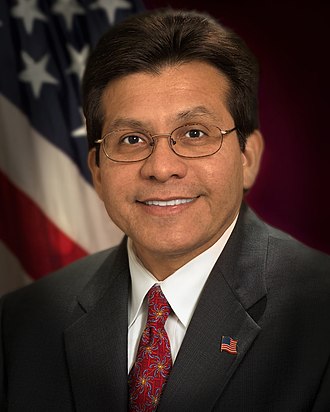
Alberto Gonzales (80th U.S. Attorney General from 2005-2007.)
However, despite objections to the torture system practiced by the CIA, Bush’s administration chose a new Attorney General, Alberto Gonzales. In that Presidential choice, bureaucratic policy changed, and torture became an acceptable form of interrogation. Changing bureaucracy leadership is the modus vivendi for Donald Trump’s threat to American Democracy and what can happen in the next four years.
Comey seems a decent person. He is no hero. He is obviously intelligent with a conscience that one would expect from a moral, if not always effective, attorney. Trump is a threat to American democracy but there have been many threats to democracy in our history. We may be surprised by what Trump will do in four more years. The million or more voters who put him over the top deserve what good or bad comes from their choice.
American Democracy will either fail or evolve by choosing to ignore or address the stated purposes of the Constitution.
Books of Interest Website: chetyarbrough.blog
“Solitary: Unbroken by four decades in solitary confinement. My story of transformation and hope”
By: Albert Woodfox
Narrated By: JD Jackson
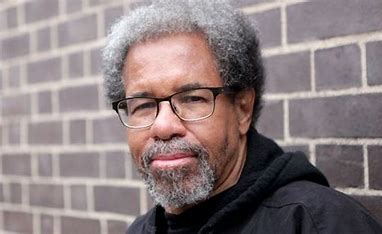
Albert Woodfox, (1947-2022) Author who spent 43 years in solitary confinement in Louisiana’s Angola prison.
Woodfox dies at the age of 75 after being released in 2016.
“Solitary” is about American injustice on many levels. Every societal injustice is magnified by America’s penal system. There is racial discrimination, healthcare disparity, legal system bias, and law enforcement use-of-force to name the most prominent magnifications. Albert Woodfox’s story is a lived life in prison that exposes those levels of societal injustice.
Woodfox’s book is about America’s prison system, but it addresses growing up in the baby-boom generation.
Woodfox, like every human being, is a prisoner of mind but he becomes a physical prisoner in Angola, one of many prisons in America. Woodfox’s tragic life appears emblematic of many poverty-stricken baby-boomer’ lives in the 1960s. His story tells the world what it was, and undoubtedly still is, to live life in America when you are poor, ill-educated, living in a broken home, and/or Black.
Albert is born in Louisiana to a Black father (who retires after 25 years in the Navy) and a loving illiterate Black mother.
When Albert is a young child, his mother is compelled to leave her husband because he becomes a violent abuser after retiring from the Navy. Albert is raised in New Orleans by a single parent. His mother struggles to feed and clothe Albert and his siblings. Albert’s life in New Orleans includes petty theft and the troubles of untethered youth in a home where a single parent is not present because he/she is working to feed and house the family.
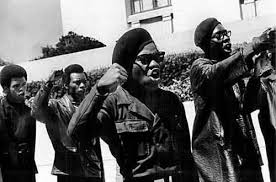
After several releases and returns to Angola, in 1971 Albert becomes known as an acolyte of the Black Panthers.
Albert grows up tough and independent but without purpose in his life. He quits school and evolves from petty criminal to armed robber. He first becomes acquainted with the Black Panther movement when he is jailed in New York. Association with the Panther movement changes his life. He is arrested and imprisoned in New York. He becomes a participant in the New York prison riots and adopts much of the Black Panther philosophy, i.e., a belief in Black nationalism, socialism and armed self-defense in the face of white discrimination. Albert began to believe in himself, improving his education by reading, and more importantly, respecting what is right in his life rather than what is expedient.
Woodfox is released from the New York prison system but is remanded to Angola for escaping the Louisiana prison system from an earlier crime.
He finds Angola is the same pit of despair it was when he was first imprisoned in Louisiana. Angola remains poorly maintained and continues to treat inmates, particularly Black inmates, inhumanely. However, Albert’s life is changed by the Panther’ philosophy. He begins to feel there is purpose in his life. His purpose becomes uniting prisoners (the Black Panther’ symbol of a closed fist meaning a “coming together” like the 5 fingers of a hand). Black prisoners come together in an effort to improve their treatment and education in prison. He allies himself with another devotee to begin a chapter of the Panther’ movement in the Angola prison.
The Black Panther movement began in 1966 with Huey Newton and Bobby Seale. Their plan was to unify African Americans to challenge police brutality in Oakland, California.
The movement failed because of internal tension, the FBI’s successful effort to undermine the movement, and determined white American resistance. Despite the demise of the movement, the idea of unifying African Americans against white privilege and unequal treatment survived despite the fall of the Black Panther movement. The movement has had a lasting impact on prison reform, community programs to improve education, and health services in poor black communities.
In 1974, Albert Woodfox is tried and convicted for murdering Brent Miller, a prison guard who is a third-generation guard at the Angola prison farm on which inmates worked. There is no concrete evidence to show Woodfox murdered Miller
He is put in solitary and remains in solitary for 40 years where he spends 23 hours a day with 1 hour for prison-yard exercise per day. That one hour per day is reduced to 3 hours a week in his last year of imprisonment. Amazingly, Woodfox survives and after several appeals, delayed and fought by the State of Louisiana, Woodfox is released to die a free man.
“Solitary” is an amazing tribute to the strength and resilience of human beings.
Woodfox becomes a self-educated American despite his horrendous treatment in the American prison system. He, and other prisoners, expose the failure of the American penal system to be more than an incarceration system to separate criminals from the general public. In that exposure, Woodfox shows changes were made in Angola and other prisons but far from turning prison into the rehabilitative need of society.
The fundamental cause of America’s failure is not achieving the stated purpose of equal opportunity for all in the Constitution of the United States.
The inferences one draws from “Solitary” reinforces America’s need to address the root causes of failure in its prison system. All men are created equal. America must improve government policies that assure the health, education, and welfare of its citizens. Woodfox’s story of Angola suggests socialism will cure the ills of American society. The truth seems more to be whether American Democracy will evolve or fail by choosing to ignore or address the stated purposes of the Constitution.
“Girl Decoded, A Scientist’s Quest to Reclaim our Humanity by Bringing Emotional Intelligence to Technology”
By: Rana el Kallouby with Carol Colman
Narrated by: Rana el Kallouby
Rana el Kallouby (Author, Egyptian-American computer scientist and entrepreneur, founder and former CEO of Affectiva, Executive Fellow at Harvard Business School.)
Rana el Kallouby offers an autobiographical story of her personal journey from Egypt to America and her evolution from scientist to CEO of a facial recognition tech company. Though Kallouby’s story is personal, her experience shows what determination and commitment is required to start a tech company and grow it into something more than an idea. Of course, the underlying story is about American assimilation.
Egyptian women protesting inequality.
Growing up in Egypt in the 20th century, Kallouby experiences an upper middle-class life with a father who taught tech coding and a mother who works as a computer programmer for a bank. These were years of upheaval in Egypt and the Middle East for both men and women. Many educated Egyptian’s hired themselves out to work in other countries that needed technological help in business and finance. Women in the workplace in Egypt were less common than in the U.S. Kallouby’s mother chose to be both a housewife and a working mother who inspired her daughter to be more than a barer of children, homemaker, and companion to a husband.
Part of Kallouby’s early education is in Kuwait while her father works for the government.
She and her parents are there when Iraq invades Kuwait and when Gaddafi sets fire to the Kuwait oil fields when his invading army is ejected by American forces. Kallouby’s family returns to Egypt where Rana continues her education at the American University of Cairo. She earns a BA and Master of Science degree, and is subsequently admitted to Cambridge to pursue a Ph.D.
The tech experience of Kallouby’s parents lead her to an interest in coding.
That interest evolves into an idea about modern communication and its reflection in face behavior. The growing popularity of the internet diminishes personal contact that gives emotional context through facial expression. Kallouby begins spending a great deal of time coding facial expressions with the idea of creating recognition software to give more clarity to human communication.
Hosni Mubarak (1928-2020, Fourth President of Egypt.)
As a young Egyptian woman and as a devout Muslim, Kallouby chooses to marry a fellow Muslim who has his own tech business in Cairo. They buy a house and eventually have two children, a boy and a girl. As she commutes between Boston and Cairo, President Hosni Mubarek resigns under political pressure fomented by the Muslim Brotherhood. Mohammed Morsi is elected in 2012 as the new leader of Egypt. Morsi becomes Egypt’s President because of his religious background and support by the Muslim Brotherhood. Because of Morsi’s inexperience as a government leader and its troubled economy, Egypt’s military re-takes control of the government under Abdel Fattah el-Sisi in 2014. Though little is said by Kallouby about these events, her life’s journey continues.
Kallouby becomes obsessed with the idea of coding facial expressions.
That single-minded focus leads to further education in England and the U.S. After receiving a master’s degree, Kallouby chooses to seek a PhD at Cambridge with facial recognition as her thesis. Because of her chosen thesis, Kallouby’s education and drive lead her to an MIT lab in Boston.
This begins Kallouby’s Americanization which carries good and bad consequences.
Kallouby’s single-minded focus is two-edged. As a devout Muslim, she marries a fellow Muslim in Egypt. The person she marries is in the tech industry. He manages his own business in Egypt.
Kallouby’s travels between Egypt, England, and the U.S. create a growing disaffection in their marriage.
Though they manage to have two children, the strain of separation leads to divorce. The good that comes from Kallouby’s focus and ambition is evidenced by her success in being a co-founder of Affectiva. She did not do it alone and was aided by Dr. Rosalind Picard (the other founder), both of which were researchers at the MIT Media Lab. The bad is the personal price Kallouby pays in a divorce from her Egyptian husband and the hardship of being a single mother with two children.
Kallouby’s journey illustrates the great value of immigration to America.
Immigration comes with a personal price, but America is blessed by those who have the will and drive to make a better life for themselves and others. Kallouby’s story shows how religion, nationality, and personal ambition add to America’s prosperity. Kallouby became an Egyptian American with a foot in each country. Both Egypt and America are better for it.
Mandela’s biography and today’s conflict between Hamas and Israel makes one ask oneself–Is a tenuous and ephemeral peace worth the death of innocents?
Audio-book Review By Chet Yarbrough
Blog: awalkingdelight Website: chetyarbrough.blog
Long Walk to Freedom
By:Nelson Mandela
Narrated by: Michael Boatman
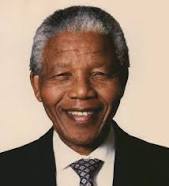
Nelson Mandela, (1918-2013, Died at age 95, South African anti-apartheid activist and politician, President of South Africa 1994-1999)
Nelson Mandela’s autobiography details the life of a remarkable and important leader of South Africa’s revolt against apartheid. Mandela began as a pacifist resister of white repression. However, his autobiography shows a change in belief from passive resistance to violence. (Mandela’s evolution from pacifist to belief in violence for social change is a reminder of the evolution of Malcolm X , the rise of the Black Panthers in America, and the Hamas and Israeli conflict in Palestine and Israel.)
Factions of the world today, like Mandela’s thought and action in the mid-20th century, believe in the utility of violence and terror for social change. The state of Israel, the territory of Gaza, and many countries of the world, like India, Lebanon, Iran, Hong Kong, Sudan, Libya, America, and others have political factions that believe they can change their societies with violence and terror. The conundrum of violence and terror is whether they proffer social gain or loss. The truth of gain or loss from violence and terror is being tested by the Hamas faction of Palestine and the conservative followers of Netanyahu in Israel.
The likelihood of a young African boy raised in a small village becoming President of South Africa beggars the imagination.
Mandela’s autobiography explains how it happened. There are 11 officially recognized tribes in South Africa. Mandela was born into the Thembu royal family, a subgroup of the Xhosa people. He explains his father, though not literate or formally educated, is a leader in his village. Mandela notes that his father had four wives and travelled between villages to spend time with each wife. When his father was away, his birth mother took care of him, but his father, as well as his mother, seem to have had great influence on his life. Mandela tells of walks with his father and the conversations his father has with other village members that mold Mandela’s beliefs and ambition in life.
Mandela notes his mother guides him to an important change in his life. When his father dies, his mother moves to a bigger village where he comes under the care of a regent of the Thembu tribe.
Mandela is effectively adopted into the royal Thembu family and moves into their palace. His ambition seems stimulated by that association and inspires him to become a formally educated South African.
Mandela receives a BA degree from Fort Hare in Alice, South Africa in 1943. He studied law at the University of Witwatersrand in Johannesburg. At that time, Mandela did not receive a law degree but was able to practice law because of a two-year diploma in law as an add-on to his BA. (When imprisoned, he studies, passes his University of South Africa’ law classes, and receives an LLB in 1989.) Mandela chooses to use his two-year diploma in law to become an advocate for Black liberation in South Africa. After graduation and his beginning practice of law, he is counseled by some to abandon politics to avoid arrest and intimidation by the government. However, Mandela chooses to join the African National Congress (ANC) in 1943. He becomes the co-founder of the youth league of ANC in 1944.
FORT HARE COLLEGEUNIVERSITY OF WITWATERSRAND
In his early ANC years, Mandela emphasized passive resistance like that practiced by Mahatma Gandhi in India. ANC had been formed in 1912 as a South African native congress but grew to become a multi-racial organization including all races and ethnic groups in South Africa. Mandela notes that the communist party was interested in being part of ANC’s role in liberating South Africans from apartheid. Mandela expresses reservation about the CPSA (the Communist Party of South Africa) but acknowledges its help in raising funds for an ANC army that was to be organized by Mandela as a militant resistance force to overcome apartheid. CPSA influence and ANC association became a part of the movement.
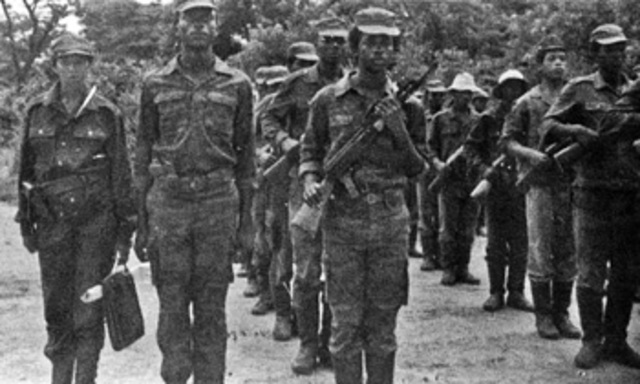
As a politician, Mandela had no experience in armed resistance. It is interesting that he is chosen to form the first ANC terrorist cell.
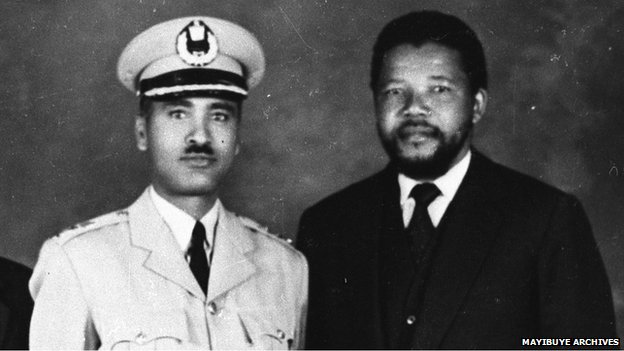
Mandela grows to believe political recognition requires violent resistance but also a personal ability to persuade others to join the ANC’ movement either financially or physically. Mandela is trained in Ethiopia by Col Fekadu Wakene on how to plant explosives and manage a volunteer army.
Col Fekadu Wakene taught South African political activist Nelson Mandela the tricks of guerrilla warfare – including how to plant explosives before slipping quietly away into the night. (BBC Africa by Penny Dale)
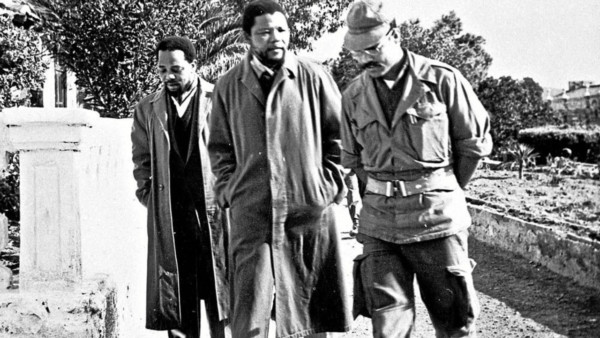
Ironically, Mandela is arrested in 1961 after only one action by his gathered volunteer army in December 1961. Whether the action is at the order of Mandela is not revealed but the resistance blows up an electricity sub-station. Mandela is arrested and serves 27+ years in prison for organizing the volunteer army which became known as Umkhonto we Sizwe (Spear of the Nation). Three years of trial led to a guilty verdict.
Mandela was arrested and charged with high treason along with his collaborators. The Rivonia Trial turned Mandela into a symbol of the struggle against apartheid.
The last chapters of Mandela’s autobiography is about his incarceration on Robben Island and Pollsmoor Prison and the conditions of his imprisonment. While in prison, Mandela continues his education to become a licensed attorney.
In the first two years at Robben Island, Mandela and his co-conspirators are restricted to their cells. Methodist religious services were eventually allowed but sermonizing about reconciliation offended Mandela and his fellow prisoners. Though much of what some ministers preached were offensive to the imprisoned, Mandela approves of one minister who looks at his religion through the lens of science as well as faith.
ROBBEN ISLANDPOLLSMOOR PRISON
Mandela and his co-conspirators remain at Robben Island for 18 years before being transferred to Pollsmoor Prison in Cape Town. This is a significant improvement in their incarceration because of cell accommodations and food quality. However, his co-conspirators are separated from Mandela. Mandela is released in 1990, over 29 years after arrest.
Mandela explains a door is opened to the government of South Africa by Kobie Coetsee (1931-2000, died at age 69), the South African minister of justice and prisons.
In 1985, Botha was President of South Africa. Botha offered release to Mandela if he would unconditionally renounce violence against the government. Mandela refused and Botha denied Mandela’s release.
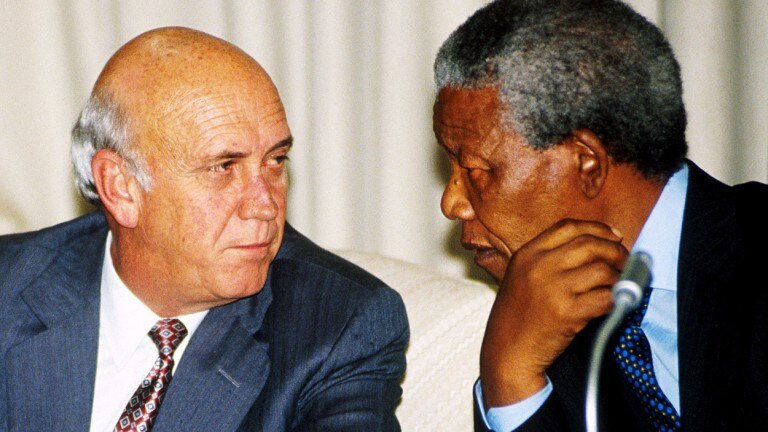
When F. W. de-Klerk became President of South Africa, after being Minister of National Education, a possibility for Mandela’s release was reopened.
Later, Mandela negotiated with de-Klerk to have his co-conspirators released from Robben Island and Pollsmoor. Further, Mandela negotiated with de-Klerk to have South Africa’s apartheid policies eliminated. President de-Klerk agreed, and Mandela was released in 1990. Both de-Klerk and Mandela receive the Nobel Peace prize for their negotiated peace agreement.
The last three-hour section of Mandela’s autobiography is about freedom and Mandela’s election as President of South Africa. The price of peace is high because violence seems a requirement for good-faith negotiation between opposing parties. Mandela’s biography and today’s conflict between Hamas and Israel makes one ask oneself–Is a tenuous and ephemeral peace worth the death of innocents?
(There is a brief interview with the author who aided Mandela in completion of his autobiography. It took two years of interviews and research to complete Mandela’s story.)























































 REVIEWS AND VIEWS OF LIFE