MODERATION

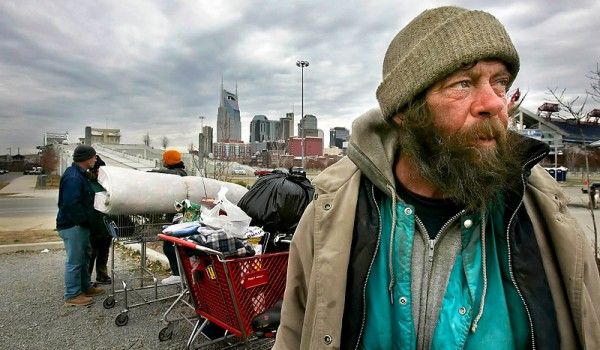
Unless homelessness is addressed with affordable housing, America’s future looks bleak. A land of have and have-nots will grow to crush American prosperity.

Books of Interest
 Website: chetyarbrough.blog

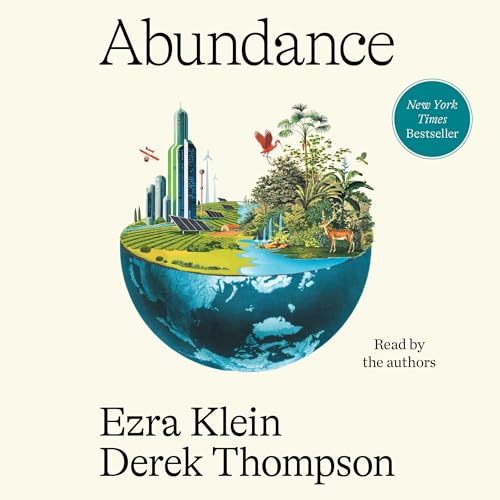
Abundance 

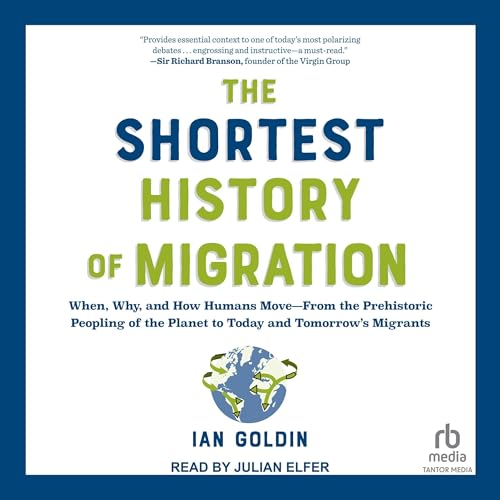
By: Ezra Klein, Derek Thompson

Narrated by: The Authors

These two young Americans offer an insightful view of politics and American government in the 21st century.

Klein or Thompson could have voted for either Trump or Harris in America’s last election. Their book argues American government is both a boon and bane for citizen “Abundance” in the 21st century. They note America has contradictory economic policies that have created great abundance among Americans while exacerbating inequality. Evidence for their opinion is growing homelessness, an immigration crisis, loss of manufacturing jobs, and government’s failure to creatively adjust public policies to provide solutions.

Those who have shared in the abundance of America have voted for candidates to preserve their privileges.

The authors note homelessness is a function of affordable housing that is denied by government policies that regulate zoning and construction requirements. Government policies make affordable housing too costly to build and impossible to locate because of zoning restrictions. The number of people living on the street is a self-inflicted American tragedy. Some of the homeless are young, some are old, some have mental or physical problems, and others are victims of drugs or their own weaknesses. What they have in common is unaffordable housing.

Historically, immigration has been a great boon to American economic growth.

Klien and Thompson note restrictive immigration policies have created obstacles for workers needed for manufacturing in key industries like agriculture, auto industry assembly, housing construction, and clean energy infrastructure. Rather than wasting money on building walls and deporting workers, the authors advocate immigration reform that meets the needs of American business. One can imply the authors meaning is that to “Make America Great Again” requires immigrants willing to work in agricultural and manufacturing jobs. The end of the baby boom requires help from immigrants to meet the needs of increased manufacturing and construction in the United States.

Some believe what Trump is doing is good for the American economy in the long run.

The criticism is that in the short run, the economy may collapse. Tariffs being used as a ham-fisted way of negotiating fair international trade is a fool’s errand. America needs labor and material in the short run to achieve equal and greater prosperity than it had in the 1970s. Added manufacturing will aid American prosperity, but it will be surpassed in the long run by automation. It is the automation race America needs to win or compete with to remain a world leader. Competing in that race depends on education, and scientific research. The irony is that Trump is firing government employees who have responsibility for public education, research, and funding that have been the engines of America’s prosperity.

The government employees discharged by the Trump administration to solely reduce costs is short sighted.

In the 1980s, 60% of basic research in the U.S. was funded by the government. In 2022 that funding dropped to 40%. Advances in semiconductors, global positions systems, biotechnology, and aeronautics were government-funded discoveries in the 1980s. American government-funded scientific research gave America the internet, GPS technology, mass production of penicillin, Space exploration, human genome project discoveries, and renewable energy innovations. The Department of Health and Human Services has lost 20,000 employees, the Department of Education 1,300, the National Oceanic and Atmospheric Administration 800, and the National Institutes of Health 1,200. One wonders how many of these employees may have been on the edge of scientific discoveries that could change the world.

The truth of “Abundance” is that America has caused many negative ecological impacts and aggravated the gap between rich and poor.

Klein and Thompson have written a provocative book. However, the truth of “Abundance” in America has caused many negative ecological impacts and aggravated the gap between rich and poor. Looking only to abundance does not address either social inequality or the environment. The NIMBY (not in my back yard) resistance to affordable housing aggravates inequality and increases homelessness. Unquestionably, higher density housing impacts the environment.

Klein and Thompson fail to address the increased power of corporations in America.

The 2010 Citizens United v. Federal Election Commission gave corporations the power to spend unlimited amounts of money on political campaigns. The influence of corporations on elections has disproportionate power in the election of government policy makers. That decision by the Court is a distortion of one person, one voter’s influence on public policy.

Aristotle emphasized the importance of “All things in moderation”. NIMBY communities must open their minds and hearts to homelessness and moderate their resistance to neighborhood accommodation. Government agencies must supervise and service higher density housing impacts wherever they are built and after they are completed.

Unless homelessness is addressed with affordable housing, America’s future looks bleak. A land of have and have-nots will grow to crush American prosperity.

TERROR

In light of Donald Trump’s disruption of government employment, one wonders what foreign and domestic conspiracies are being missed?

Books of Interest
 Website: chetyarbrough.blog

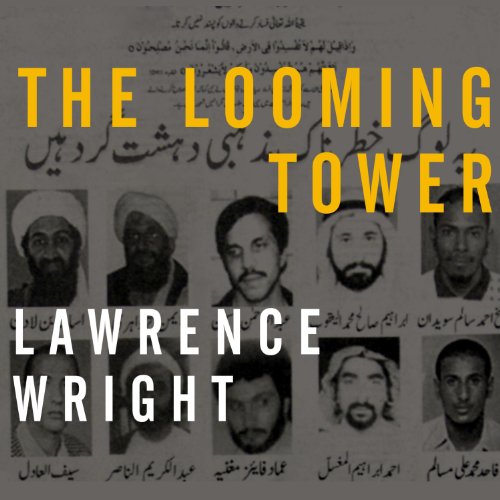
The Looming Tower (Al-Qaeda and the Road to 9/11)

By: Lawrence Wright

Edited By: Alan Sklar

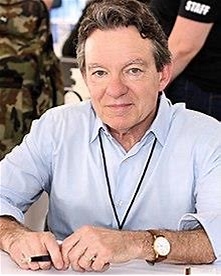
Lawrence Wright (Author, writer and journalist.)

Lawrence Wright won the Pulitzer Prize for his meticulous research and writing on the origin of Al-Qaeda and its lead up to the 9/11 attack on America. “The Looming Tower” is not a popular audiobook for some Americans. It tells listener/readers of America’s intelligence failure in the early 21st century. A militant Muslim religious organization is created in the Middle East with intent and successful execution of an attack on the United States in 2o01.

Sayyid Qutb (1906-1966, Egyptian Author, Educator, Islamic Theorist, Poet, former leading member of the Muslim Brotherhood.)

A name not well known by most Americans is Sayyid Qutb (pronounced koo-tube), a Muslim religious believer and scholar. Wright suggests Qutb laid the groundwork for Islamist extremism in a religious organization called the Brotherhood. Though Qutb was raised in Egypt and gained his education at a Cairo teacher’s school called Dar al-‘Ulum, he spent two years at the University of Northern Colorado between 1948 and 1950. Wright argues Qutb’s experience in America shaped his views of Western society and, in particular, America. He believed and wrote that the moral and cultural nature of non-Islamic society was decadent. Wright suggests Qutb warranted violence against the West because his experience in Colorado showed Western culture corrupted Islamic values.

The World Trade Center collapse killed 2,753 civilians, firefighters, and law enforcement officers.

In The Looming Tower, Lawrence Wright suggests the primary motivation for 9/11 stemmed from ideological and cultural grievances rooted in extremist interpretations of Islam. Osama bin-Laden is shown to have adopted beliefs that were the same as those of Qutb, i.e. the belief that all who were not adherent to the Muslim religion were infidels and subject to damnation in this life and in their life after death. Wright emphasizes the influence of figures like Sayyid Qutb, who’s disdain for Western values and culture laid the philosophical groundwork for jihadist movements. Qutb, and subsequent al-Qaeda leaders like Osama bin Laden and Ayman al-Zawahiri, believed that Western influences were corrupting Islamic society and threatening Muslim values and beliefs.

Osama bin-Laden is estimated to have inherited $25 million to $30 million dollars from his father Mohammed bin Laden when he died. Osama chose to use his wealth to destroy American cultural and religious symbols he believed were contrary to Muslim beliefs.

The book outlines how bin Laden and his network were driven by anti-Western ideology to oppose U.S. foreign policies in the Middle East. Al Qaeda wished to assert power by attacking symbolic targets. The 9/11 attacks were meant to provoke a dramatic response from the U.S. and further polarize the world along ideological lines, feeding into their long-term vision of a global jihad. Wright meticulously explores how these motivations were cultivated over decades. “The Looming Tower” is a compelling and deeply researched account of the events leading up to 9/11 in 2001.

Abdullah Yusuf Azzam (1941-1989, father of global jihad, a Palestinian-Jordanian’ Islamist jihadist and theologian, is killed in a car bomb, along with his 2 sons, in Peshawar, Pakistan.)

Osama bin-Laden’s father was a billionaire construction magnet in Saudi Arabia. Osama bin Laden, and the many heirs of his father, enabled his many children to live lives in luxury if they chose. Osama chose to use his wealth to destroy American cultural and religious symbols he believed were contrary to Muslim beliefs. Abdullah Azzam was often referred to as the “father of global jihad,” Azzam was a mentor to bin Laden and played a significant role in shaping his ideology. He encouraged bin Laden to channel his resources into the Afghan jihad against the Soviet Union. The irony of bin Laden’s choice is that he was an incompetent military leader but an effective promoter and steward of jihad, the effort to live a righteous life, avoid sin and uphold the principles of Islam. A further irony is that bin Laden’s murder of innocents seems a sin of the highest degree.

Osama bin Laden was killed on May 2, 2011, during a U.S. military operation called Operation Neptune Spear.

The mission was carried out by SEAL Team Six, a special operations unit of the U.S. Navy, at bin Laden’s compound in Abbottabad, Pakistan. This was eleven years after the world trade center, Pentagon, and flight 93 crash. The Trade Center collapse killed 2,753 civilians, firefighters, and law enforcement officers. The Pentagon attack killed 184 military and civilian personnel. Flight 93 resulted in 40 passenger and crew deaths. In a complex web of influence and support, “The Looming Tower” emphasizes the attacks were the result of al-Qaeda’s planning and execution by followers of Osama bin Laden.

Wright notes Ayman al-Zawahiri became Bin Laden’s second-in-command and a key strategist for al-Qaeda. Zawahiri takes control of al-Qaeda after bin Laden’s death.

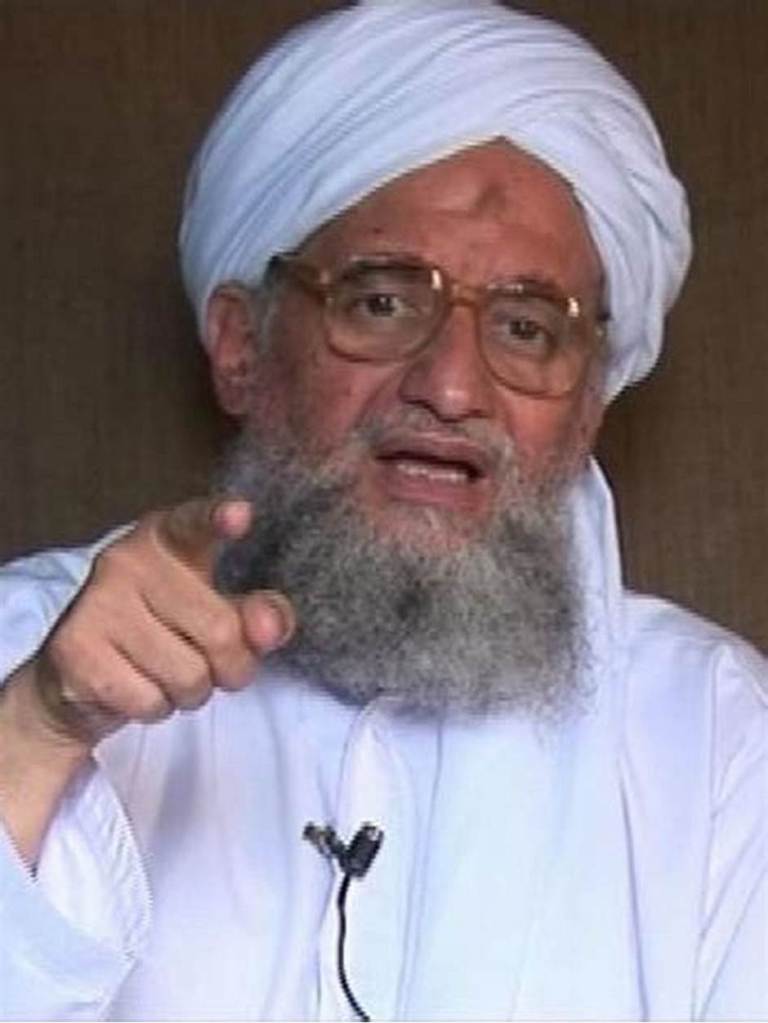
Ayman al-Zawahiri’s background in Egyptian Islamic Jihad and his partnership with bin Laden were pivotal in the group’s evolution. Ayman al-Zawahiri became the leader of al-Qaeda after Osama bin Laden was killed. An American operation that killed al-Zawahiri in 2022 was carried out by the CIA that targeted him on the balcony of a safe house in Kabul, Afghanistan.

Wright notes that bin Laden received financial support from members of the Saudi elite during the early stages of his jihadist activities, though this relationship soured over time.

Jamal al-Fadl was an al-Qaeda operative who helped establish the organization’s financial infrastructure. He later defected and provided critical intelligence to the U.S. about al-Qaeda’s operations. Many individuals and entities played pivotal roles in enabling bin Laden’s vision and the expansion of al-Qaeda. Wright’s book delves deeply into their motivations and actions. It’s a fascinating, albeit chilling, exploration of history.

John P. O’Neill was an FBI counter-terrorism expert who tirelessly pursued bin Laden.

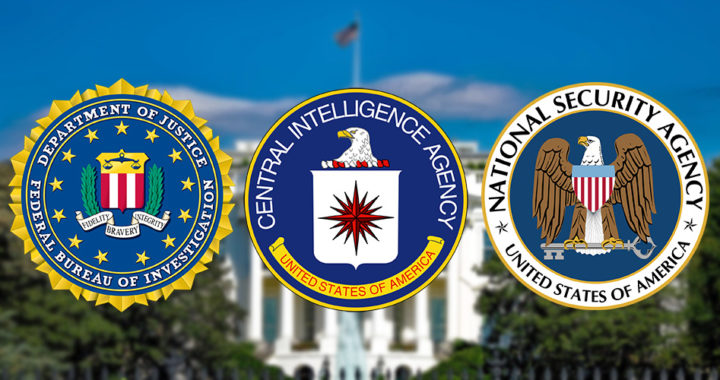
John P. O’Neill was an FBI counter-terrorism expert who tirelessly pursued bin Laden. Tragically, O’Neill died in the 9/11 attack while serving as head of security at the World Trade Center. The FBI had gathered significant domestic intelligence on al-Qaeda operatives within the United States, including their movements and activities. However, the CIA, focused on foreign intelligence. They withheld crucial information about al-Qaeda’s overseas operations and connections because foreign intelligence was their exclusive responsibility. This lack of coordination with the FBI (limited to domestic terrorism), and rivalry between the agencies, meant that neither had a complete picture of the threat. The CIA had knowledge of al-Qaeda members Khalid al-Mihdhar and Nawaf al-Hazmi who were two team members for the attacks on 9/11. Because of a lack of cooperation between agencies, the FBI did not know they should be tracking these individuals. They became key players in hijacking American Airlines Flight 77 which plowed into the Pentagon.

In The Looming Tower, Lawrence Wright emphasizes the significance of John O’Neill, an FBI counterterrorism expert, as one of the most important figures who recognized the threat posed by Osama bin Laden. O’Neill was deeply committed to tracking al-Qaeda and warned about its intentions, but his efforts were often hindered by interagency conflicts and bureaucratic obstacles. Wright portrays O’Neill as a passionate and prescient individual who understood the gravity of al Qaeda’s threat long before many others did.

In The Looming Tower, Lawrence Wright highlights the CIA’s Alec Station, who tracked Osama bin Laden and al-Qaeda. This unit was led by Michael Scheuer, a CIA analyst who played a pivotal role in gathering intelligence on bin Laden during the 1990s. Alec Station was instrumental in understanding al-Qaeda’s operations, though the book criticizes the interagency conflicts that hindered surveillance effectiveness. Wright paints a vivid picture of the challenges faced by intelligence agencies in the lead-up to 9/11.

Michael Scheuer, a CIA analyst who played a pivotal role in gathering intelligence on bin Laden during the 1990s.

On the CIA side, Michael Scheuer, who led Alec Station (the CIA’s unit that was monitoring bin Laden), played a role in identifying the danger. However, Wright notes the lack of collaboration between the FBI and CIA, ultimately undermined their ability to prevent the attacks. The book paints a vivid picture of the challenges faced in navigating institutional rivalries while trying to protect the nation. Wright’s narrative is both compelling and sobering.

“The Looming Tower” highlights how some individuals connected to al-Qaeda faced legal consequences. For example, figures like Ali Mohamed, a former U.S. Army sergeant turned al-Qaeda operative, was prosecuted for his role in supporting terrorism. Mohamed provided critical intelligence and training to al-Qaeda and was eventually arrested and convicted in the U.S.

In light of Donald Trump’s disruption of government employment, one wonders what foreign and domestic conspiracies are being missed?

SERVICE & PROFIT

Government is not a business for profit and should not be solely measured by its cost. America will survive the catastrophic mistakes being made by President Trump but American citizens, and the welfare of the world will suffer for years to come.

Books of Interest
 Website: chetyarbrough.blog

Who is Government (The Untold Story of Public Service)

By: Michael Lewis, Casey Cep, Dave Eggers, John Lanchester, Geraldine Brooks, Sarah Vowell, and Kamau Bell

Edited By: Michael Lewis

The stories of these writers are a tribute to those who have chosen careers in American government. Having personally earned a master’s degree in public administration, worked as a local government manager, then as a manager of a private business division, and finally, as a personal business owner, I have an opinion about President Trump. My experience is based on three different types of employment. All were rewarding experiences but in fundamentally different ways.

The writers of “Who is Government” show how ignorant business creators and managers like Donald Trump and Elon Musk are in discounting the contribution of employees of government organizations. Private corporations do not survive without profit to its owners. Public organizations do not survive without service to the public.

Profit is simple to measure. Public service is measurable but more abstract and difficult to quantify.

One can choose, like Musk did with Twitter, to reduce costs by firing employees. That may improve profitability but at a cost that may hurt or destroy the future of a business. In the case of Twitter, the company lost much of their advertising revenue because an unsupervised public forum could spread false and defamatory information that embarrasses advertisers who were protected by Twitter’ employees that were fired. No analysis was done by Musk about Twitter information’ controls provided by employees. The new entity, “X”, seems to have assuaged some advertisers’ concerns because they have started to use Musk’s new company. The point is that if Musk had taken more time to evaluate what fired employees were doing, he may have retained many of the advertisers who left the forum.

Trump’s employment of Musk to decimate the government employee workforce is following the same foolish path that was taken with Twitter.

No analysis of employee contributions is made. The goal is only to reduce government’ cost regardless of employee’ contribution to public need or service. The consequences have likely reduced health and welfare of American citizens; not to mention harm done to incomes of thousands of government employees’ families.

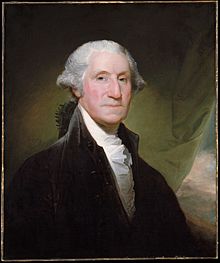
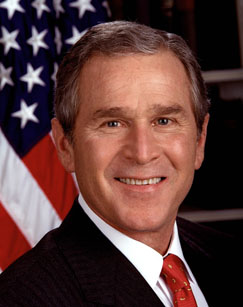
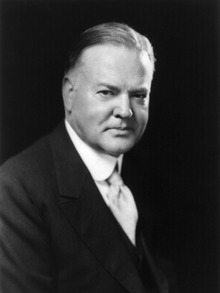
With exceptions of George Washington, Harry Truman, Carter, and the two Bush presidents, the worst former businessman that became President was Herbert Hoover who served as President before the greatest depression in America’s history. With Trump as President, one has to wonder whether he is leading America and the world toward its second great depression.

HERBERT HOOVER (31ST PRESIDENT OF THE U.S.)

“Who is Government” illustrates how government employees have contributed to the health and welfare of America. They are unknown and viewed by people like Trump and Musk as just a cost, without benefit to the public. How many science, medical, veteran, and welfare services are being decimated by their narrow vision of government management?

Government is not a business for profit and should not be solely measured by its cost. America will survive the catastrophic mistakes being made by President Trump but American citizens, and the welfare of the world will suffer for years to come.

CHINA

Harmony and pragmatism undoubtedly remain important characteristics of Chinese society. Time will tell whether societal harmony can be maintained by an increasingly authoritarian leader.

Books of Interest
 Website: chetyarbrough.blog

The Chinese Looking Glass (The most illuminating book yet written on China and her enigmatic people.)

By: Dennis Bloodworth

Dennis Bloodworth (1919-2005) Author, journalist, British writer at The Observer, first British journalist allowed to visit China in 1955.

“The Chinese Looking Glass” is a whirlwind journey across the vast history of China by the first British writer allowed to visit China in 1955. It is a primer for a general understanding of China that was originally published in 1966 and updated in 1980. The author’s marriage to Liang Ching Ping adds credibility to his view of Chinese culture.

One reads Bloodworth’s book and is somewhat overwhelmed by its breadth. So many generations of Chinese culture are too much to cover in a 400+page book.

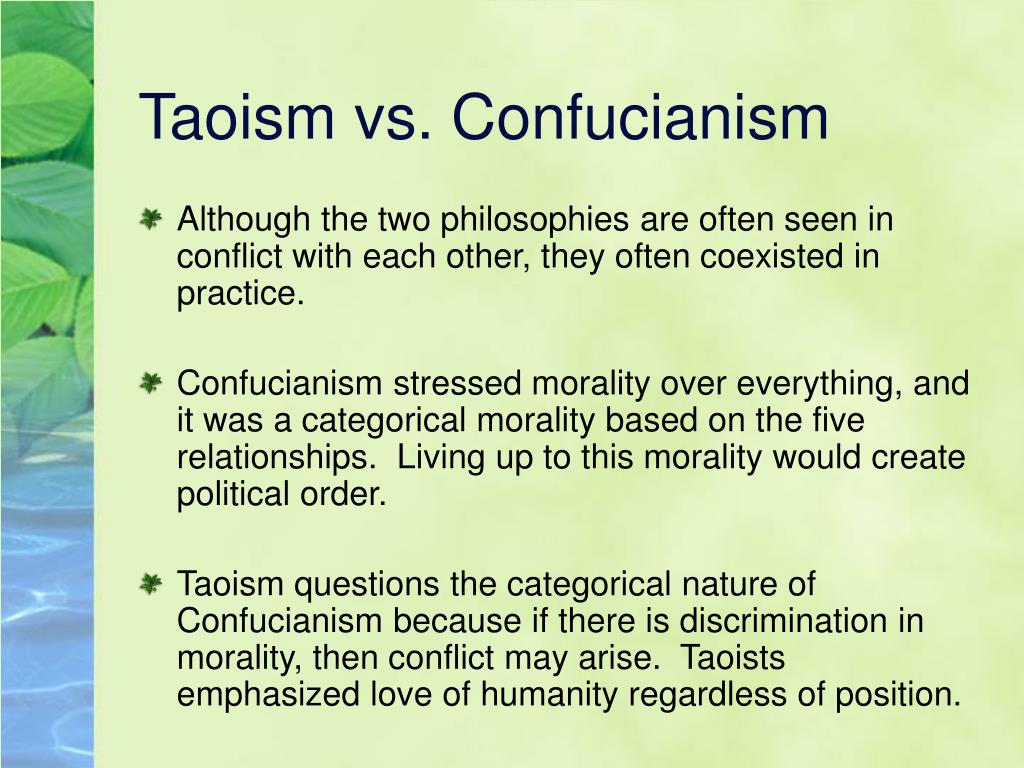
The author manages to give a broad understanding of a Chinese worldview that is shaped by Confucian and Taoist history, a collective identity that often conflicts with the Western culture of individualism. He notes Chinese traditions are based on filial piety (meaning duties, respect and devotion of children to their parents). Bloodworth notes, through many generations of Chinese culture, behavior and decision-making there is a focus on social harmony. Both Confucianism and Taoism play significant roles in shaping Chinese society.

Bloodworth notes Confucianism and Taoism shape Chinese society.

Piety, respect for hierarchy, education, and a focus on societal harmony were philosophical foundations of Chinese governance. Piety led governance toward strict rules and centralized authority. Historical figures like Confucius, Laozi, and Sun Tzu influenced Chinese culture and thought. The spiritual tradition of Buddhism reinforced the teaching of these cultural influencers. Buddhism emphasizes the suffering of life is caused by desire, and attachment. Buddhist teaching is that desire and attachment must be replaced by understanding and rejection of both through meditation and mindfulness.

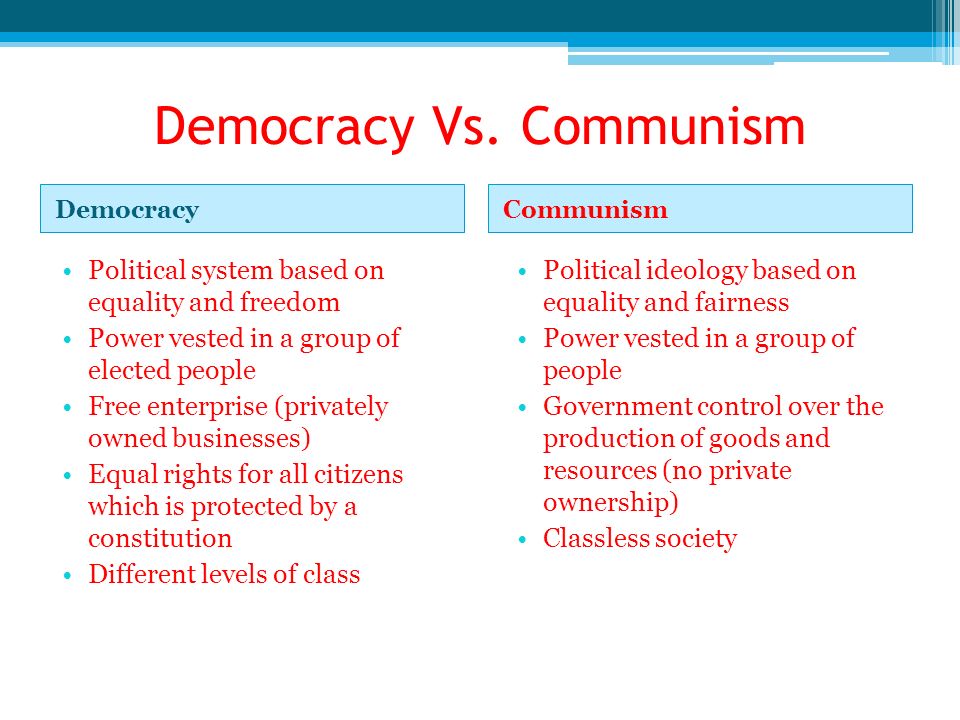
Because democracy focuses on individual rights and freedoms, the ideals of collective harmony, hierarchical structure, and centralize authority make communism a better fit for Chinese culture.

Mao Zedong (1893-1976)

Mao unified China after decades of war and instability. Bloodworth suggests Mao Zedong had a nuanced impact on China.

However, Mao’s centralized power resulted in big economic mistakes like the famine of the Great Leap Forward that caused misleading food production reports meant to please the government when production was much less than what was needed to sustain life for Chinese citizens. With famine, the Cultural Revolution is unleashed, and China’s growth and stability were set back. Bloodworth had observed China’s governing always included pragmatism and adaptability to their drive for cultural harmony.

Though Bloodworth mentions Deng Xiaoping in the last chapters of his expanded edition of “The Chinese Looking Glass”, he does not foresee the opening of the Chinese economy and its rapid economic expansion.

The pragmatic realization that collectivization of farming led to misleading information about production compelled Deng to open agricultural production to a more market-driven incentive to preserve social stability. Deng was an authoritarian as is evidenced by his decision on the Tienanmen Square crises.

Though Bloodworth did not live to see the next iteration of China’s leadership, an element of recidivism enters with Xi’s control of the government.

Harmony and pragmatism undoubtedly remain important characteristics of Chinese society. Time will tell whether societal harmony can be maintained by an increasingly authoritarian leader.

THE WHITE HEGEMON

Muslim Palestinians, like the Indians of America and the Jews of Israel, believe they have the same rights to the lands of their ancestors. In history, that seems to have never been true for any indigenous or displaced culture.

Books of Interest
 Website: chetyarbrough.blog

One Day, Everyone Will Have Always Been Against This 

By: Omar El Akkad

Narrated By: Omar El Akkad

Omar El Akkad (Author, lives in Oregon, winner of the 2021 Giller Prize. Became a Egyptian Canadian citizen and now lives in Oregon.)

Omar El Akkad expresses the frustration of being an American citizen of an ethnicity and race that has little power as a minority in today’s world. He writes of life being out of one’s control. Akkad’s story is partly about his family’s life as they leave Egypt for Canada, and then America. However, his primary purpose is to write of the atrocity of the Palestinian/Israeli war. On the one hand it is a terrifying example of the domestic trials of his father and family in moving from Egypt to America. On the other, it is a heartbreaking review of slaughtered innocents in Gaza.

Ironically, the phrase “from God’s mouth to our ears” comes from a Jewish and Arabic religious expression.

Contrary to Omar El Akkad’s book title, the history of white society suggests the belief that “One Day Everyone Will Have Always Been Against This” will likely never come. The title of Akkad’s book is about how leadership in America and Israel has failed. As Lord Acton said in the 19th century “Power tends to corrupt, and absolute power corrupts absolutely”. President Trump, former President Biden, and Benjamin Netanyahu are proving Acton’s observation.

Social and cultural differences have always roiled world history.

Jews believe they have the right to live in peace in Israel because of their culture and the history of their settlement in the land of their forefathers. Muslim Palestinians, like the Indians of America and the Jews of Israel, believe they have the same rights to the lands of their ancestors. In history, that seems to have never been true for any indigenous or displaced culture.

The slaughter of Indians, enslavement of minorities by white America, and the slaughter of innocent Muslims by Netanyahu and his followers are all reprehensible examples of the misuse of government power. This is not to say Hamas is not guilty of crimes against humanity, but their evil acts do not warrant evil reactions. The power of Israel is being used for evil, not the return of peace.

Netanyahu’s refusal to settle with Hamas over unjustly murdered, imprisoned, and abused hostages does not justify the killing of Palestinian innocents in Gaza. The power of Netanyahu’s military actions and Trump’s support for taking Gaza land from the Palestinians is evil and unjust. That evil and injustice must be replaced with a negotiated settlement that releases Hamas’ hostages and returns Gaza to the Palestinian people. Humanity cannot wait until “…Everyone Will Have Always Been Against This”. Power lies in the hands of Israel’s leaders to negotiate a settlement.

The common denominator of the war in Gaza is the power being held by white people who refuse to believe all human beings are equal. It is partly a religious issue, but it is a human issue aggravated by religious difference and the self-interests of people of different races and cultures. The white world hegemon needs to come to its senses because at some point in the future, “being white” will not be where the power rests. Power will shift to other races and cultures just as Mesopotamians, Egyptians, Mongols, Chinese Dynasties, and Islamic Caliphates once changed the course of history.

Omar El Akkad pleads for peace and human equality in One Day, Everyone Will Have Always Been Against This. From El Akkad’s words, the white hegemon should hear and obey.

MEDIA SELF-INTEREST

One may question William’s characterization of Facebook’s “Careless People” as more like calculating self-interested managers than careless employees.

Books of Interest
 Website: chetyarbrough.blog

Careless People (A Cautionary of Power, Greed, and Lost Idealism)

By: Sarah Wynn-Williams

Narrated By: Sarah Wynn-Williams

Sarah Wynn-Williams (Author, Ex-Meta executive, presently barred from criticism of Meta, formally known as Facebook.)

As noted in the sub-title of “Careless People”, Meta (formerly known as Facebook) is criticized as an international influencer of society that has lost its sense of ethics, i.e. the ability to see the difference between right and wrong. Facebook originally intended to be a forum for the connection of people interested in sharing ideas, communicating with others, and building positive social connection. Instead, the author’s experience as a Facebook’ executive found that expansion, profit, and political influence became an unethical pursuit by the major shareholders (particularly Mark Zukerberg) and managers of the corporation. She argues leadership of Facebook recklessly pursued income, expansion, and political influence around the world with little ethical oversight.

New Zealand (The birthplace of Sarah Wynn-Williams)

Ms. Williams was born in New Zealand but went to work for Facebook and became a U.S. citizen. Her work at Facebook led to a promotion that made her the Director of Global Public Policy which provided opportunity to travel the world soliciting business for Facebook in other countries. Her experience informs listeners of what Meta’s corporate goal: “give people the power to build community and bring the world closer together” became something less as a result of careless management oversight.

Williams begins with a story of a harrowing trip to Myanmar, presumably after their revolution in 2021.

The military coup that ousted the democratically elected government appears to have just begun when Williams had an audience to pitch the Facebook platform to its military government. Just getting to the building where the meeting was to be held was a trial but her position as a representative of Facebook ended with her arrival at a headquarters building of the new regime. It is an interesting story because it shows the power of Facebook association in a country that just had a coup d’état that ended civilian rule. Millions of Myanmar citizens were displaced by widespread human rights abuses with civilian arrests and violence. One wonders what “giving people the power to build community” means in what became a military totalitarian state. (When visiting the Baltics last year, our guide expressed a love for Myanmar’s citizens and the country but was told by Myanmar friends it is unsafe to visit since the coup.)

Williams worked directly with Sheryl Sandberg, the COO of Facebook.

Later, Williams explains a meeting with a Japanese official where Sandberg and Williams go to promote interest in Facebook which had not been a part of the Japanese media environment. The involvement of Williams was primarily to support Sandberg’s pitch. Williams indicates Sandberg was quite complementary of Williams’ assistance after the meeting which gives context to their relationship. A subsequent description of Sandberg’s strong, sometimes harsh, personality and influence on Facebook employees is given by Williams. The Japan’ meeting was successful because Facebook entered the market in 2010. Its popularity is said to have declined with Instagram and LINE being the dominant platforms, but Facebook maintains a presence in the country.

Societies interconnectedness is a boon and bane for 21st century society.

The pandering of Zukerberg, Bezos, Musk, Cook, and Pichai to world governments is made suspect by William’s experience as an employee of Facebook. Media companies have become too big to fail and too ungovernable to manage. Even though the internet more intimately connects the world, the platforms of today’s giants of information create a forum for control and conflict rather than a place to encourage social comity.

Robert Kaplan (Author of “Waste Land”.)

As noted by Robert Kaplan in “Waste Land”, the growing decline of Russia’s, China’s and America’s governments has been increased with world interconnectedness. It appears from William’s experience at Facebook, there is some truth in Kaplan’s observation. Kaplan’s solution is to dismantle these giants and encourage competition to defray their principal stockholder’s influence.

As the Turkish saying goes, “a fish rots from the head down”. Williams frequent contact with Mark Zuckerberg gives weight to her view of Facebook culture. Mr. Zuckerberg seems to carelessly lead Meta into the arena of politics by promoting Facebook’s media clout to political parties because it raises revenues with political advertising and influences government policy on media’ regulation. Frighteningly, Williams notes Zuckerberg considers running for President with the power of Meta to support his candidacy. One may question William’s characterization of Facebook’s “Careless People” as more like calculating self-interested managers than careless employees.

GOVERNMENT LIFE CYCLE

Robert Kaplan’s inference is that all nation-state governments are being challenged by an increasingly polarized society. The question is whether Trump is a symptom or cure for the decline of America.

Books of Interest
 Website: chetyarbrough.blog

Waste Land (A World of Permanent Crises)

By: Robert Kaplan

Narrated By: Robert Petkoff

Robert D. Kaplan (Author, writer for The Atlantic, Washinton Post, New York Times, The New Republic, Foreign Affairs, and the Wall Street Journal)

Robert Kaplan’s book makes one pessimistic about the future of democratic government. The wars in Gaza and Ukraine, along with the re-election of Donald Trump, and the economic retrenchment of Xi in China reinforce some of the themes of Kaplan’s “Waste Land”. One who reads or hears national news understands why Kaplan argues there is a growing decline in Russia’s, China’s and America’s governments. He argues the cause of that decline is increased world interconnectedness, and rising government instability. His biggest concern is what he believes is a nascent parallel to the rise of Naziism.

The advent of the internet has been a mixed blessing because it is used to spread false information as well as the truth.

The consequence has been to make societies more polarized. An example is a widespread opinion by Trump appointees that the rise in the number of government employees is wasting taxpayer dollars for public education, science research, foreign aid, veterans’ affairs, the national park service and the IRS. (For example, an estimated 76,000 employees–16% of the work force has been discharged from Veterans Affairs. The VA provides healthcare services for eligible veterans, handles disability compensation, pensions, education assistance, like the GI bill, and home loans to citizens who have honorably served America.) These reductions in workforce are not based on any analysis of work performance but solely to reduce the cost of government. Trump, like Xi and Putin, believe Thucydides’ observation that “The strong do what they can and the weak suffer what they must”.

Trump’s firings are being done by an appointed agent of the President who decimated the work force of Twitter in the same way he is arbitrarily discharging American government employees.

Kaplan argues today’s political atmosphere in America, Russia, and China are similar to the societal condition of Germany before the rise of Hitler. He points to the fragility of authoritarians and the rise of societal polarization in today’s world. He compares economic instability, social discontent, and political extremism of the Weimar Republic to what he implies is a growing condition in both Western democracies and Eastern autocracies. The last chapters of Kaplan’s book focus on urbanization of the world and its consequent polarization of society that is deconstructed governance in a way that reminds him of the Weimar Republic’s deterioration. He infers Trump’s re-election, the dismantling of the American government, and America’s social disruption is similar to what happened in Germany in the early 1930s.

An example of the disruption of which Kaplan writes is the Venezuela immigrants who were flown to El Salvador and frog-walked to an El Salvador prison without adjudication by America’s judicial system.

Kaplan’s argument is that President Trump is destabilizing the American government by violating the Constitution of the United States.

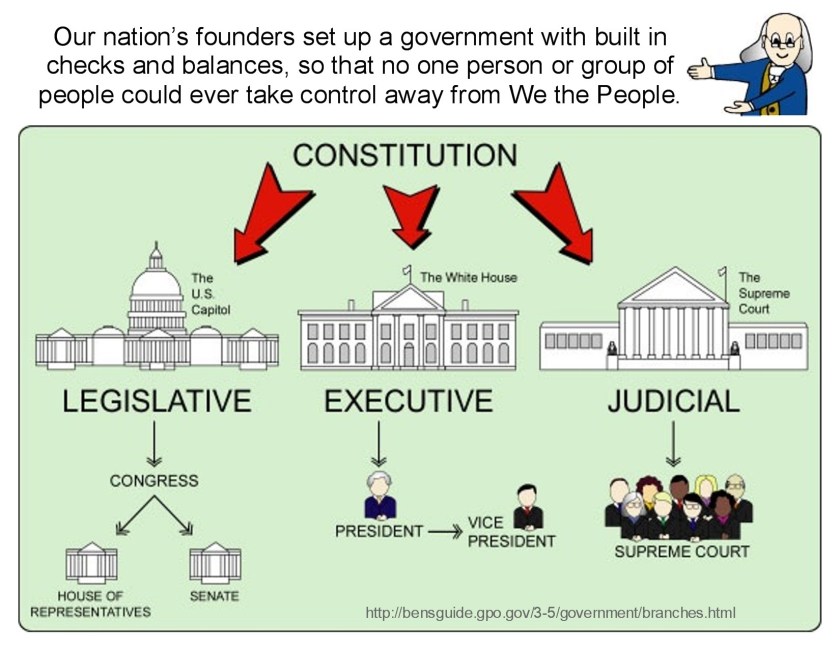
A federal judge ordered a plane full of alleged immigrants (identified as gang members) to be returned to the United States. The plane was in the air when the President in apparent defiance of a direct court order chose to not have the plane turned around. The deported were filmed as they were frog-walked into a foreign jail while being denied any hearing or adjudication of their alleged criminality. The President of the United States appears to have ignored a Federal Court, the Third Branch of American government, designed to balance arbitrary actions of either a President or Congress for denying due process of law.

America re-elected Trump despite his conviction on 34 counts of falsifying business records for paying “hush money” to Stormy Daniels when first elected in 2016.

Though Trump’s conviction does not rise to the level of Hitler’s high treason in the failed Beer Hall Putsch, willingness to lie under oath is a troubling characteristic for a President, let alone, any citizen of the United States. According to news reports, Trump says he did not know he had been asked to turn the plane around by a Federal Judge. One might ask why should America believe what he says?

Trump is challenging the authority of Congress and the Judiciary by taking actions without consideration of the Constitution of the United States.

This reminds one of human rights violations in the early days of Hitler’s rise in Germany. Hitler gathered sympathizers from disillusioned veterans, business leaders, the middle class, the German youth, and Far-Right Nationalists. Trump appears to have had similar support in his re-election. Trump decides to pardon all January 6, 2021, U.S. Capitol attackers. Those pardons are a diminishment of American democracy akin to Hitler’s support of Nazi sympathizers.

Attack on the Capitol on January 6, 2021–Trump pardons all attackers on 1/20/25, after being re-elected as President of the United States.

Deng led a transformative change in China’s economy after Mao’s death. With a pragmatic judgement that “It doesn’t matter whether a cat is black or white as long as it catches mice”

In the last third of Kaplan’s book, the incredible success of China under Deng Xiaoping is addressed. Kaplan explains Deng became the leader of China between 1978 and 1989. Though Deng was a contemporary leader during the Mao administration, Deng led a transformative change in China’s economy after Mao’s death. With a pragmatic judgement that “It doesn’t matter whether a cat is black or white as long as it catches mice” he opened China to the pursuit of personal, and individual citizen’ prosperity. The result of Deng’s pragmatism was the unprecedented economic growth and wealth of China. Much of what Deng started has been reversed by the Xi administration. In Kaplan’s opinion, the resurgence of the communist party has led to a reversal of economic growth in China. Kaplan infers a return to collectivism is a reflection of societal interconnectedness with a government-controlled internet that denies freedom of thought and action by China’s citizens.

Kaplan refers to Jane Jacobs (1916-2006) and the urbanization of America. He notes Oswald Spengler (1929-1936) recognized the implication of urbanization is government deterioration as a part of the natural lifecycle of every civilization. The point Kaplan makes is that nation-states have become like the early cities Jacobs refers to but with an interconnectedness that accelerates and shortens government lifecycles. Robert Kaplan’s inference is that all nation-state governments are being challenged by an increasingly polarized society caused by internet connectedness. The question is whether Trump is a symptom or cure for the decline of America.

WAR & PEACE

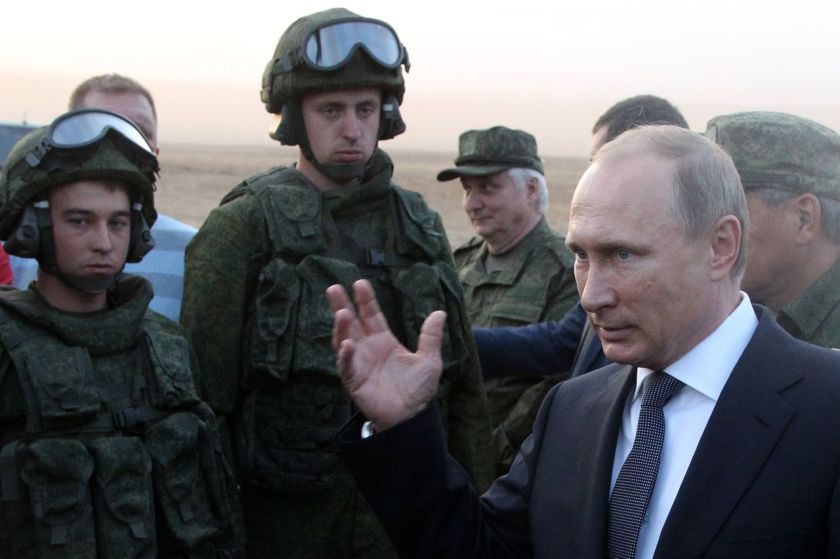
Trump’s effort to make peace is important. Putin will gain a pyrrhic victory, and many Ukrainians will suffer the same consequence as the Baltic citizens who were victimized by Stalin. It is likely that the price of peace is going to be the lives of Ukrainians who come under Putin’s rule. The only solace is that Putin, like Stalin, is near the end of his rule.

Books of Interest
 Website: chetyarbrough.blog

The Rise and Fall of the Third Reich (A History of Nazi Germany)

By: William L. Shirer

Narrated By: Grover Gardener

In thinking about Putin’s invasion of Ukraine, it seems prudent to revisit William Shirer’s studied history of Nazi Germany and the beginnings of WWII.

Reviewing the literature and history of Russia and Germany, one wonders if there are parallels between Hitler’s invasion of Poland and Putin’s invasion of Ukraine. Literature suggests few cultural parallels. Having read Dostoevsky and Tolstoy, one can hardly compare their themes of societal suffering and redemption to Kant and Nietzsche’s themes of individualism or Mein Kamph’s iteration of survival of the fittest. In the history of the Czars of Russia, society and class were of the greatest importance while in Germany, Goethe’s Faust and Hesse’s Siddhartha–the focus was on individualism–not the general condition of society.

It seems Putin is not like Hitler in his aim to acquire other countries. Putin is interested in expanding Russia’s territory to return to a Stalinist style of communism. Both Hitler and Putin are deluded but in different ways. William Shirer characterizes Hitler as ambitious, and fanatic but focused on gaining personal power through German conquest of other countries. Putin’s invasion of Ukraine is to return Russia to a Stalinist U.S.S.R., a nationalist power. Both are set on invading other countries, but Shirer shows Hitler’s desire is for personal power while Putin is more interested in nation-state power.

One must ask oneself, if there is a motivational difference, so what? The consequences to countries being invaded is the same.

Yes, the consequence to an invaded country is the same regardless of the motivation of the invader. Hearing the atrocity of Russian oppression is as though it happened yesterday when one visits the Baltic countries and talks to people who survived Stalin’s control of their countries. There is a palpable fear one hears from Baltic citizens when the invasion of Ukraine by Russia is discussed. The fear is in the possibility of the Baltics being next.

President Trump is attempting to quell the war between Russia and Ukraine, but the cost of peace looks like it will require appeasement at the expense of Ukrainian citizens.

The question is–will appeasement stop further encroachment by Russia on other former U.S.S.R. countries? Putin is 72 years old. Hitler was 45 years old when he became the Führer of Germany. It seems unlikely that the next leader of Russia will follow Putin’s lead in view of Russia’s atrocities in Ukraine and the history of former citizens, like those of the Baltics in Stalin’s U.S.S.R.

The invasion of Ukraine is not like Hitler’s invasion of Poland except in the tragedy of death of innocents.

There is little reason to believe Ukraine is a domino, as was the mistaken American belief in Vietnam by the Kennedy Administration. As all who have read this blog, I am not a fan of Donald Trump. However, in this realpolitik world, Trump’s effort to make peace is important. Putin will gain a pyrrhic victory, and many Ukrainians will suffer the same consequence as the Baltic citizens who were victimized by Stalin. It is likely that the price of peace is going to be the lives of Ukrainians who come under Putin’s rule. The only solace is that Putin, like Stalin, is near the end of his rule.

SEXUAL INEQUALITY

Emily Witt illustrates how undesirable sexual inequality is for the future of American society. Witt explains events in her life that have led her to become a successful author. Witt’s life experiences are like the events in every human’s life but without the unfair burden of sexual inequality.

Books of Interest
 Website: chetyarbrough.blog

Health and Safety (A Breakdown)

By: Emily Witt

Narrated By: Emily Witt

Emily Witt (Author, investigative journalist based in Brooklyn, worked as a staff writer for The New Yorker.)

Emily Witt is born two generations after this reviewer’s youth. It is a refreshing look at the great changes and similarities between my generation and Ms. Witt’s. The big difference is Ms. Witt is an attractive woman, not a man. Her life, in many ways, is unlike women of past generations but similar to men of my generation. She writes of her life, of experimenting with drugs, being in and out of serious and not-so-serious sexual relationships and striving for success in today’s America.

Witt is representative of societal change in America.

On the one hand she shows the independence and growing equality of the sexes. Liberated from the stereotypes of women as bearers of children and keepers of home and hearth, Witt’s story is like what American men’s lives were two generations ago. Her life today reminds one of a man’s life in the 1960s. She shows an understanding of the difference between love and sex but seems neither consumed nor controlled by either sex or love’s existence. She chooses her own path in life. There is strength and weakness in her character just as there is in all human beings.

The other side of her story is the consequence of sexual equality and its impact on culture.

In women’s liberation something is gained and lost. The gain is in women’s opportunity. It is time for men to step up and take equal responsibility for family comity, stability, and growth. One who did not come from an Ozzie and Harriet family but from a single parent family sees the strength of liberation of women but wonders what is lost by children raised by single parents in America. Do children become more or less dependent on others as a result of being raised by a single parent? In some ways they become more independent but in others they become socially isolated and culturally inept. That social isolation and ineptness has future consequences for children of single parent homes. Women are rightfully liberated from being the sole responsible parent for children’s care, but fathers are failing to pick up the slack.

Though juvenile delinquency is shown to have decreased in America, the education and success of children begins at home. More responsibility must be taken by fathers for teaching societal values and behavior to children. By taking equal responsibility, fathers will reinvigorate American society. Without a reorientation of men’s lives in American families, i.e., acceptance of family responsibility and women’s equality, American democracy’s economic and social success will be diminished.

The current political environment in America is trying to return the economy and society to the twentieth century, a fool’s errand.

Witt illustrates how undesirable sexual inequality is for the future of American society. Witt explains events in her life that have led her to become a successful author. Witt’s life experiences are like the events in every human’s life but without the unfair burden of sexual inequality.

Addendum: The most troubling part of Witt’s story is the feeling that her generation is failing American society by withdrawing into themselves with drugs to avoid dealing with the problems of the 21st century. Experimenting with drugs is one thing but using them to escape America’s problems is a disappointment to this aged survivor of the baby boom generation.

TIPPING POINT

Today, some look at the American government with concern. Are we at a tipping point in America?

Books of Interest
 Website: chetyarbrough.

Revenge of the Tipping Point (Overstories, Superspreaders, and the Rise of Social Engineering)

By: Malcolm Gladwell

Narrated By: Malcolm Gladwell

Malcolm Gladwell (Canadian Author, journalist, public speaker, staff writer for The New Yorker.)

Malcolm Gladwell returns to the subject of “…Tipping Point” that originally explored how small actions or events can trigger significant changes in society. “Revenge of the Tipping Point” provides several stories of tipping points that have had vengeful consequences for society.

One of the most consequential tipping point stories is about America’s attempt to engineer social equality.

America is struggling with social diversity. Gladwell infers social diversity is a great strength in American society. However, our government and domestic leaders have legislated discrimination, fought wars, murdered innocents, and promoted ethnic separation throughout its history as a nation. Despite our most famous statement of American value, i.e. “E pluribus unum” (Out of many, one), America has failed.

The value of social diversity is it allows Americans to achieve great things despite inequality that exists in America.

Gladwell tells the story of a community in Florida that prides itself on being an exemplar of American society because of its strong educational values, cultural pride, community support, and economic mobility. The people who live in this community focus on preserving and celebrating their ethnic heritage, traditions, and identity. They assemble an island of cultural sameness that overtly and covertly resists change. Those who are not of the right ethnic heritage or race who may have the same drive for high educational achievement, community participation, and relative wealth are not welcome. The tipping point revenge Gladwell notes is in the stress this community places on its children to excel academically and conform to expectation. Gladwell notes student suicides are disproportionately high because of the social pressure children feel to conform. The social pressure for conformity and educational expectation overwhelms some who live in the community. Some parents choose to send their children outside the community school system to allay the social pressure they feel.

Gladwell notes the 2023 Supreme Court rejection of college acceptance based on diversity. The Court denies the right of colleges to recruit students based on ethnicity or race.

On the face of it, that seems an unfair decision but Gladwell notes that the schools being challenged on their diversity policies refuse to explain how they determine who should be admitted based on a percentage figure of fair representation. Gladwell notes the primary criteria for college selection has little to do with a drive for diversity but are based on revenue producing university sports programs and donor money. Minority preference admissions are based on income potential for the university, not social diversity.

The Supreme Court ruling does not preclude consideration of an applicant’s personal life experience, but Gladwell notes it nevertheless has nothing to do with a drive for equality or diversity.

Unfortunately, the Supreme Court decision may cause a reevaluation of outreach to minorities who have been denied equal opportunity for personal success. Gladwell’s ironic point is that American diversity in the pre-Supreme Court decision was never based on creating diversity but on raising money for university foundations.

Gladwell explains the drug crises is more of an American problem than for most other nations of the world.

One asks oneself, what makes America the center of opioid addiction and death.

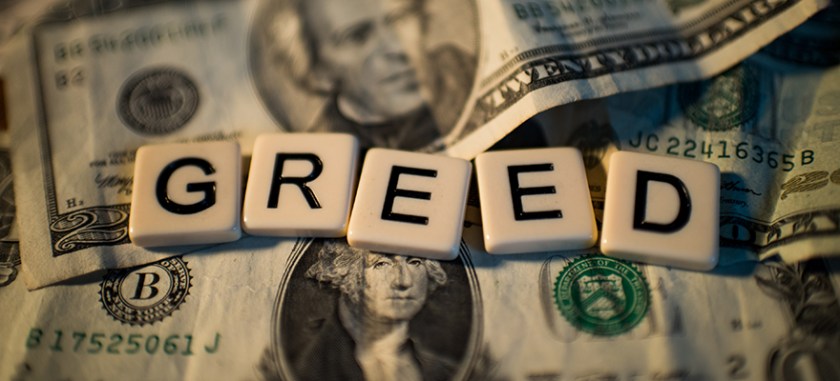
From the greed of drug dealers, medicine manufacturers and doctors who prescribe opioids, America has the highest opioid deaths in the world. Though Estonia has the highest opioid death’s per capita because of its smaller population, the manufacturers and doctor-prescribed synthetic opioids have greatly increased American’s deaths. Purdue Pharma aggressively marketed OxyContin with the owners, the Sackler family, reaching a multibillion-dollar settlement. Many doctors like Dr. Hsiu-Ying Tseng and Dr. Nelson Onaro have been prosecuted for overprescribing opioids or running “pill mills” that provided opioids to the public.

Gladwell suggests it is the superspreaders, worldwide legal and illegal manufacturers and sellers of opioids, and incompetent/greedy medical prescribers as tipping point causes of America’s addiction crises. However, he argues there are environmental and systemic societal factors that create a receptive user base in America. Economic stability is unattainable for many Americans because of economic, racial, and ethnic differences. He argues small actions and decisions lead to widespread consequences. Every human being has a tipping point based on their experience in the world. The ideals of America conflict with its reality. The pain of that realization leads some to relief through drugs, a step-by-step addiction that can lead to death.

Berlin Memorial to the Holocaust.

There are other tipping points Gladwell explains. One that resonates with my life experience is the ignorance many have of the history of the world. Some would argue, Americans became aware of the Holocaust after the end of the war in 1945. However, Gladwell argues most Americans remained ignorant of its reality until 1978 following the release of the NBC miniseries “Holocaust”. Until then, Gladwell argues there was little broad cultural understanding of its atrocity. Having graduated from high school in 1965, much of what Gladwell notes about ignorance of the Holocaust rings loudly and clearly.
I doubt that many were completely ignorant of the Holocaust, but its brutal reality was not taught in the high school I attended in the 60s. Having visited Auschwitz and viewed its gas chamber, piles of discarded shoes and clothes, and pictures of murdered human beings, the truth and guilt that one feels for being a part of humanity is overwhelming.

We have an FBI director that wants to have men and women of the agency coordinate training with the UFC (Ultimate Fighting Championship), headquartered in Las Vegas. We have a President who publicly chastises Ukraine’s President and suggests they caused Russia’s invasion of their country. We have a President that insists America is being taken advantage of by lower cost production of product of other countries and that tariffs are a way to balance the American budget. We have a Palestinian protester at Columbia University who is arrested for social disruption. The head of the Department of Health Services orders lie detector tests for employees to find any leaks about the current Administration’s actions.

Tariffs have historically been found to damage America’s economy. Is the FBI a military force that needs to be schooled in hand-to-hand combat? One need only read Adam Smith about free trade to understand the fallacy of Tariffs. Have we forgotten the invasions of Austria and Poland by Germany at the beginnings of WWII? Is free speech a crime because of tents that disrupt college life? Should we use lie detector tests to determine the loyalty of employees?

Are these incidents a tipping point for American Democracy to turn into something different and demonstrably less than the founding principles of American government?