The essence of Rickard’s book is that the use of GPT is a threat to the financial world and to world peace. If the war on Iran continues, there is increased risk of wider conflict, further financial stress, reduced human judgement, and greater potential for world conflagration in a nuclear war.
Books of Interest Website: chetyarbrough.blog
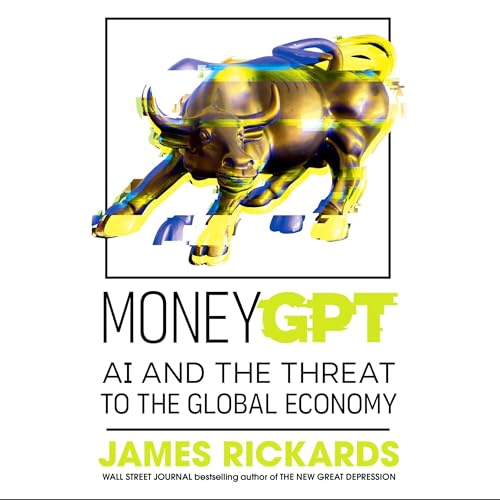
MONEY GPT (AI and the Threat to the Global Economy)
Author: James Rickards
Narration by: James Rickards
James G. Rickards (Author, American lawyer, investment banker, media commentator.)
Though Mr. Rickards has something valuable to tell his audience, his writing leaves room for improvement. The initials “GPT” stand for “Generative Pre-trained Transformer”. They are an abbreviation for massive datasets gathered by artificial intelligence to aid one’s understanding of complex predictions about finance and military conflict based on collected language used to explain the world.
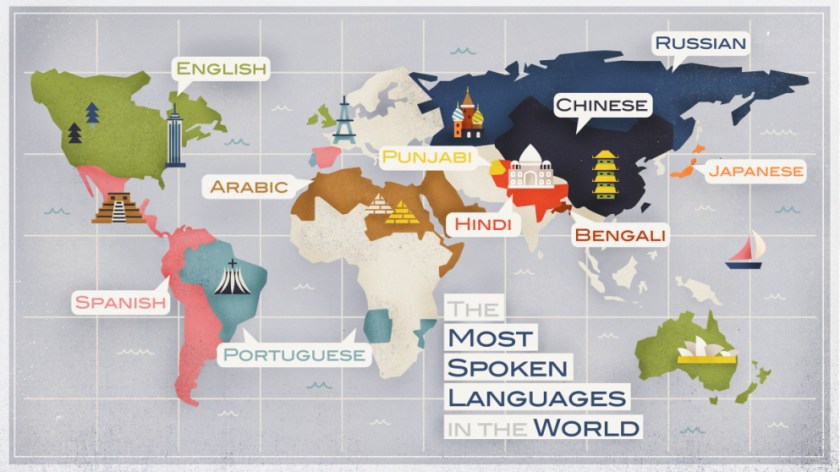
Languages of the world.
What Rickards intellectually recognizes is that collected language about the real world lacks human judgement which can accelerate human actions, weaponize misinformation, and increase conflict because AI lacks human reasoning. Without judgement, facts imparted by language collection may as quickly make wrong as right decisions. Optimum answers to complex problems require human judgement. Optimum answers may be aided by AI collated language, but human judgement is key to appropriate action. Rickards notes how stock market investors who rely on AI for decisions about what to do with their investments can as easily be misled when the market is in crisis because collected language is as likely to lead one further into crisis as toward a reasoned investment response.
Rickard explains a financial decision based on GPT carries the same threat in regard to war. One wonders whether President Trump’s escalation of the war on Iran is not based on GPT that compresses decisions and amplifies the volatility of America’s actions. Is the war escalating because of GPT and inadequate human judgement? America is faced with incomplete information on a purpose for bombing Iran and what goals are intended for ending the conflict. What GPT predicts is more U.S. strikes, further Iranian retaliation, and prolonged conflict that will continue to roil the economies and citizens of the world. Regional war, let alone a World War, is increasingly likely to cause a global shock to financial markets.
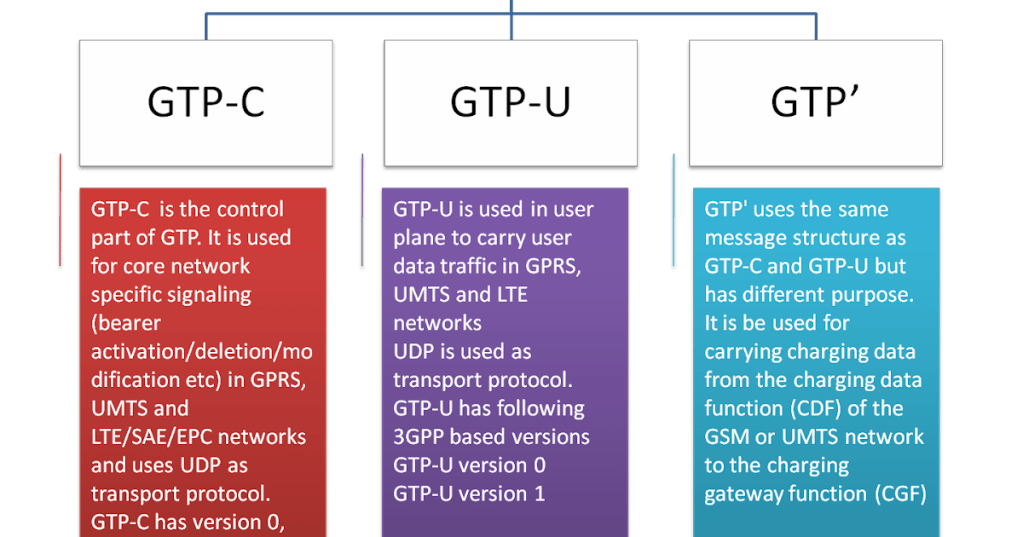
Uses of GTP aka GPT.
The essence of Rickard’s book is that the use of GPT is a threat to the financial world and to world peace. If the war on Iran continues, there is increased risk of wider conflict, further financial stress, reduced human judgement, and greater potential for world conflagration in a nuclear war.
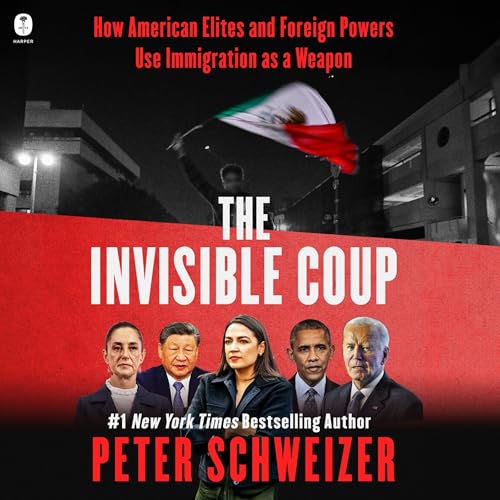
Schweizer presents a book that has little substantiated proof about immigration in America. His book has become popular. “The Invisible Coup” has improved his economic well-being at the expense of knowledge based on verifiable fact.
Books of Interest Website: chetyarbrough.blog
The Invisible Coup (How American Elites and Foreign Powers Use Immigration as a Weapon)
Author: Peter Schweizer
Narration by: Charles Constant
Peter Franz Schweizer (American political consultant and writer. Editor-at-large for far-right media organization Breitbart News. Former fellow of the Hoover Institution.)
“The Invisible Coup” is a popular book that explains why world peace is a pipe dream in today’s world. Schweizer shows why Donald Trump has a popular following that continues to support his Presidency despite ICE tactics to identify immigrants based on the color of their skin, and his attack on Iran without authorization from Congress or cooperation from America’s allies.
Schweizer has written a paranoid polemic on the causes and purpose of immigration to the United States by non-white immigrants.
Schweizer argues immigration is a coordinated “weapon” of foreign governments and American power brokers to influence and ultimately overthrow America’s way of life. He refuses to note people come to America to create a better life for themselves and their families. This is not to suggest there is no effort by immigrants to sneak into the U.S. or to game the American welfare system but to realize abuse of welfare is a problem whether American citizens or immigrants abuse the system. This is an American welfare management problem, not an immigrant issue.
America is founded on immigration.
Schweizer argues immigrants from China, Venezuela, Cuba, Mexico, and Brazil are gaming America’s welfare system and undermining the national purpose of a democratic government at the direction of foreign government leaders. He suggests the purpose of these foreign government’s leaders is to weaken the national character of America and destabilize its government. Schweizer writes of anonymous U.S. intelligence officials that say China encourages Chinese nationals with military intelligence to cross into America to gather intelligence. He offers no documentary evidence, no named officials, or verifiable data. He cites anonymous sources for all these countries to make his arguments totally unverifiable
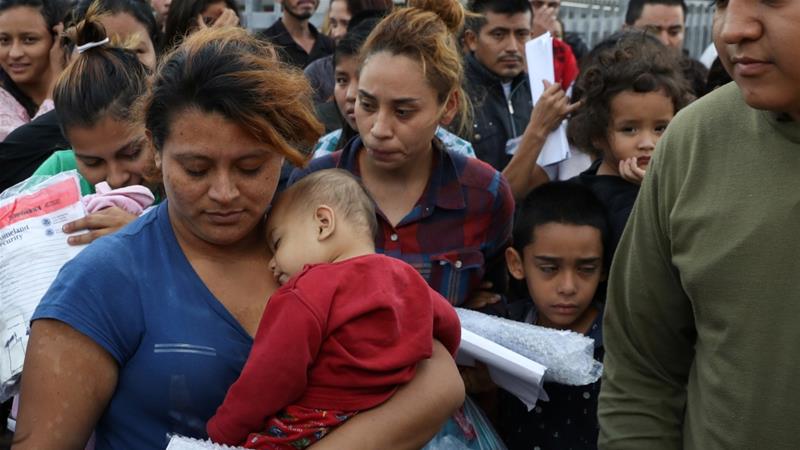
Immigrants are seeking a better life in America.
To believe there is a coordinated foreign attack on American democracy by foreign governments through the use of illegal immigration is a distortion of a primary truth, i.e., immigrants are seeking a better life. Conspiracy to destroy American democracy through illegal immigration is absurd on its face. This is not to say some foreign governments would like to see America fail but for reasons of money, power, and world domination which have nothing to do with emigration. Schweizer generalizes real incidents of immigrant criminals to make the absurd argument that a cabal of foreign governments are using illegal immigration to undermine American institutions. His arguments are based on confidential documents and unnamed sources. He writes of “leaked intelligence” or “internal government documents” that are classified and cannot be produced to prove his point. Anonymous intelligence and law-enforcement officials are frequently used to substantiate his claims. Schweizer makes evidence-free assertions with political points that have no basis in verifiable fact.
Immigrant crime rates.
The history of immigration in America has improved economic growth. America is a nation of immigrants. The truth is immigrants commit crime at lower rates than native-born Americans. There is no denying the U.S. immigration system is flawed. Cartels do exploit illegal immigration to make money and some governments pressure America by increasing migration from their countries to the United States. Immigration is a regulatory problem but viewing it as foreign nation-states’ geopolitical attack is ridiculous on its face. The troubling part of Schweizer’s view is that world peace is an ideal that may never be achieved because of the nature of human beings. Mistakes are made when people correlate undocumented facts with causes. Truth has little value without independent verification of facts.
Schweizer presents a book that has little substantiated proof about immigration in America. His book has become popular. “The Invisible Coup” has improved his economic well-being at the expense of knowledge based on verifiable fact.
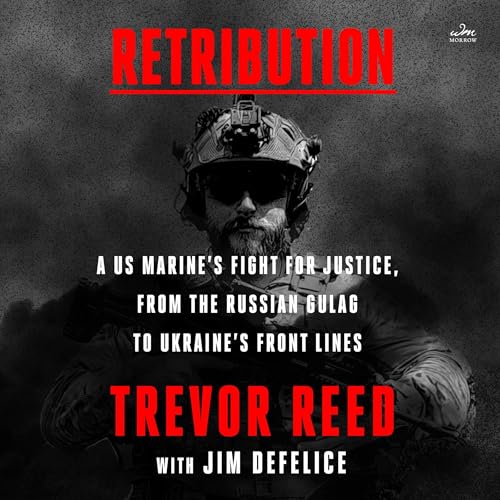
One comes away from Trevor Reed’s book with the feeling he tilted at Don Quixote’s windmill. One’s heart goes out to Ukraine and their fight against an implacable Russian President who tilts at a different windmill.
Books of Interest Website: chetyarbrough.blog
Retribution (A US Marine’s Fight for Justice, from the Russian Gulag to Ukraine’s Front Lines
Author: Trevor Reed, Jim DeFelice
Narration by: Roger Wayne, Joey Reed
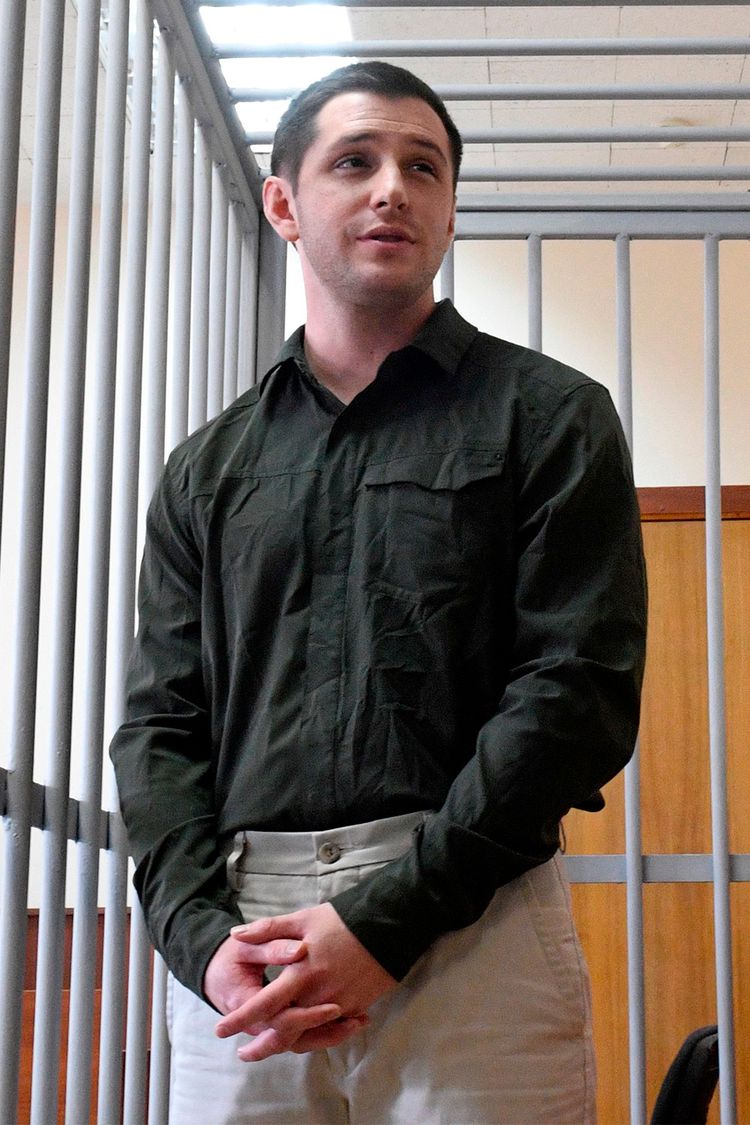
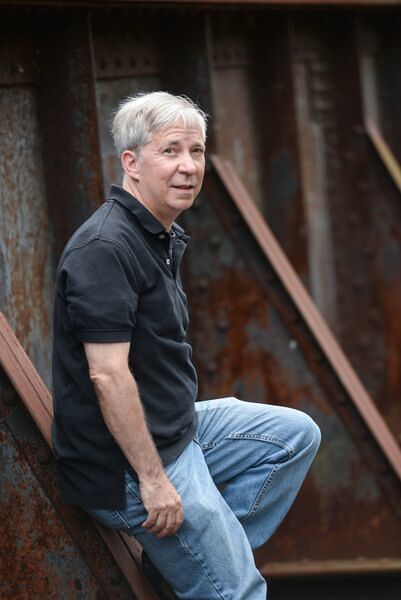
Trevor Reed (on the left) is the subject of Retribution. It is co-written with the novelist Jim DeFelice (on the right).
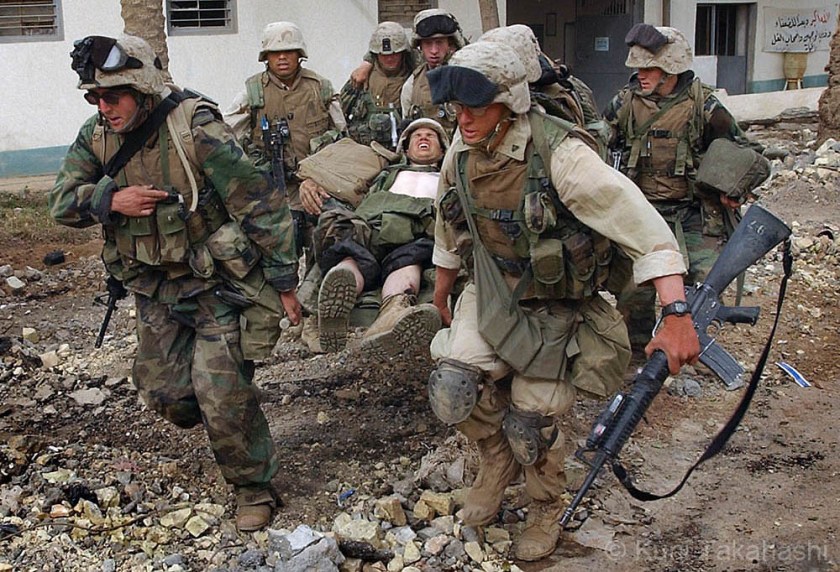
U.S. Marine infantry.
Trevor Reed is a former Marine infantry soldier who was imprisoned for being drunk and disorderly in Russia. He became a victim of Russia’s hostage exchange system. The story of his young life and how he became a marine and a Ukrainian combatant against Russia is explained in “Retribution”. As a strong-willed youth who challenged parental control, he became an athletic wrestling champion in high school. His disciplined physical work ethic made him a 145 lb. highly self-confident young man who decided (contrary to his father’s council as an ex-marine) to enlist in the marine infantry.
Reed’s story of being arrested in Russia is a lesson about the risks of traveling to a foreign country that disagrees with America’s form of government. Reed became romantically involved with a young woman in Russia who he had corresponded with after completing his 4-year commitment in the Marines. Alina Tsybulnik, his Russian girlfriend, visited America, became a friend of his family, and invited Trevor to Russia. They became intimate friends.
Alina Tsybulnik and Trevor Reed.
Tsybulnik is enrolled in a Russian college to become an attorney. When Trevor visits her in Russia, they go out on the town. Trevor gets drunk and disorderly and is arrested by the Russian police in 2019. In what is characterized as a gross exaggeration of Trevor’s actions on their night on the town, Trevor is sentenced to prison for nine years in a Russian penal colony. In April 2022, after three years, Trevor is released in a prisoner exchange.
Trevor Reed’s parents.
Reed shows himself to be a tough-minded person who refuses to cooperate with the Russian prison guards’ orders to work while being unfairly imprisoned in a work camp. He is visited by his father who works to have the Biden administration get his son released. Alina Tsybulnik uses her legal experience with the Russian legal system to get Reed released. The corruption and purpose of incarceration in Russia is shown to be political by Reed’s story. Reed explains how even some Russian administrators, not to mention his girlfriend, resist the political ministrations of the system but are unable to change its policies.
Alexei Navalny, a Russian dissident, is sentenced to an Arctic penal colony and is poisoned. He dies in that Arctic colony at the age of 47 in 2024.
The last chapters of Reed’s book recount his effort to get a level of revenge against Russia’s injustice by volunteering in Ukraine’s war against Russia’s invasion. Reed had become a fluent Russian language user because of his intellect, his relationship with Tsybulnik, and his imprisonment. He used that skill to join the Ukrainian resistance. One comes away from Trevor Reed’s book with the feeling he tilted at Don Quixote’s windmill. One’s heart goes out to Ukraine and their fight against an implacable Russian President who tilts at a different windmill.
“The Fort Bragg Cartel” exposes a glaring weakness in a secret service meant to protect American citizens. The ironic truth in Trump’s Iran bombing campaign is that every American has a chance to decide.
Books of Interest Website: chetyarbrough.blog
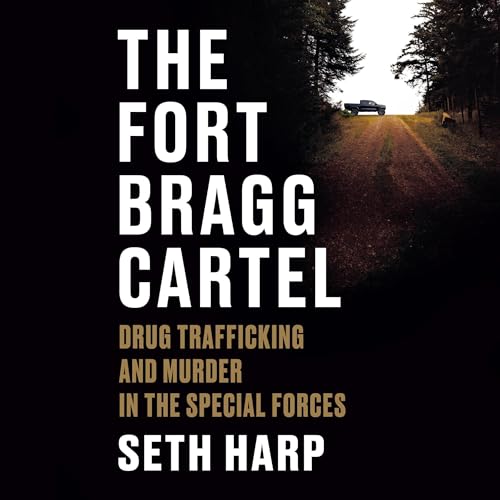
The Fort Bragg Cartel (Drug Trafficking and Murder in the Special Forces)
Author: Seth Harp
Narration by: Dan John Miller
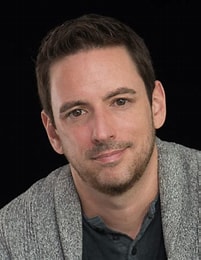
Seth Harp (Author, investigative journalist, foreign correspondent, contributor to Rolling Stone, Harper’s Magazine, The New York Times, and The New Yorker, former Assistant Attorney General for the State of Texas.)
“The Fort Bragg Cartel” is a frightening look at the gray world of a special forces’ organization that recruits and trains American residents who have undoubtedly aided but also undermined the ideals of justice and freedom in America. Personally, as a military veteran, this is a particularly disappointing story of an important governmental organization in America.
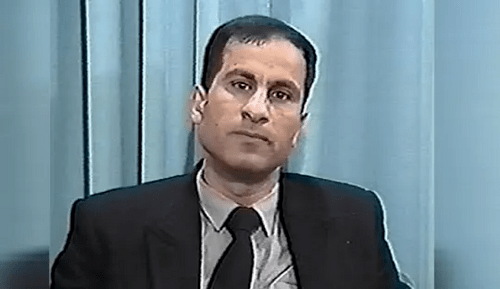
Abdul Saoud Mohamed in 1989.
Ali Mohamed (aka Ali Abdul Saoud Mohamed) was a Fort Bragg soldier, a former Egyptian Army officer who Harp identifies as a man who trained al-Qaeda. Mohamed was a participant in a special program for foreign officers at Fort Bragg in the early 1980s. He enlisted as a U.S. Army soldier at Fort Bragg in the 1980s. Harp infers “…Fort Bragg…” has trained and protected a small minority of soldiers who may have contributed to one of the worst disasters in American history, i.e., the disaster of 9/11 that killed 2,996 people in the collapse of World Trade Center in New York City.
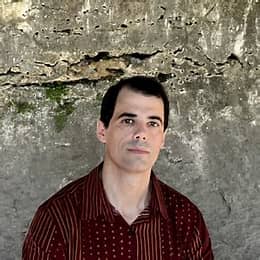
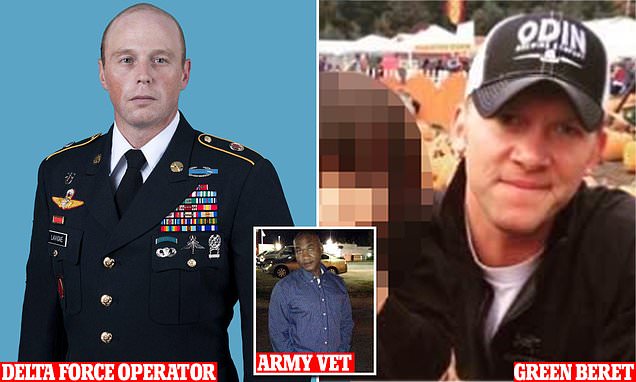
Harp’s story begins with a confrontation between an unstable character named William Lavigne (pictured on the left below) and Freddie Huff, two soldiers trained at Fort Brag. Lavigne pulls a gun and threatens to kill Huff. Huff disarms Lavigne and calls the MPs, but the confrontation is covered up. It illustrates how dangerous Lavigne could be and how the military covers up a confrontation that should lead to an arrest and formal investigation. This incident characterizes a disregard for justice by America’s secret service.
Decorated Delta force operator and Army vet (inset) found murdered on Fort Bragg grounds.
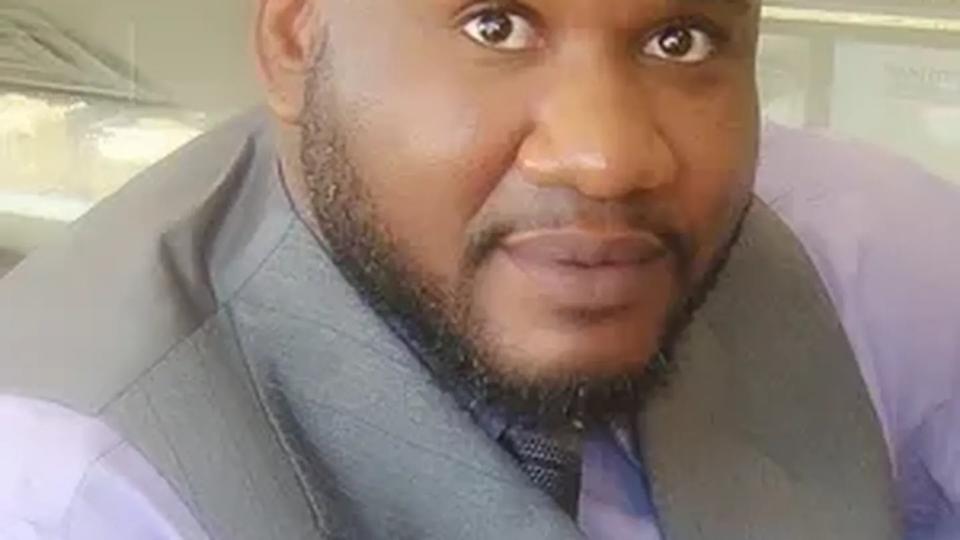
Timothy Moss
The murder of a special force’s operator named William Lavigne II and a quartermaster named Timothy Dumas (inset picture above) is an entangled story of drug use, drug dealing, and weapons trafficking in the American military. A quartermaster is responsible for managing weapons, gear, and equipment for military operations. Lavigne’s fellow special force’s partner is Timothy Dumas Sr., a quartermaster who uses his role to enrich himself and others who have knowledge of his role and intentions. He threatens to blackmail Afghanistan’ special forces operation because of their criminal activity in cocaine smuggling. Lavigne is not in tune with Dumas’s scheme. Whether Lavigne is not in tune because of his own involvement with drug and weapons trafficking in Afghanistan or because of a patriot’s conscience is unknown.
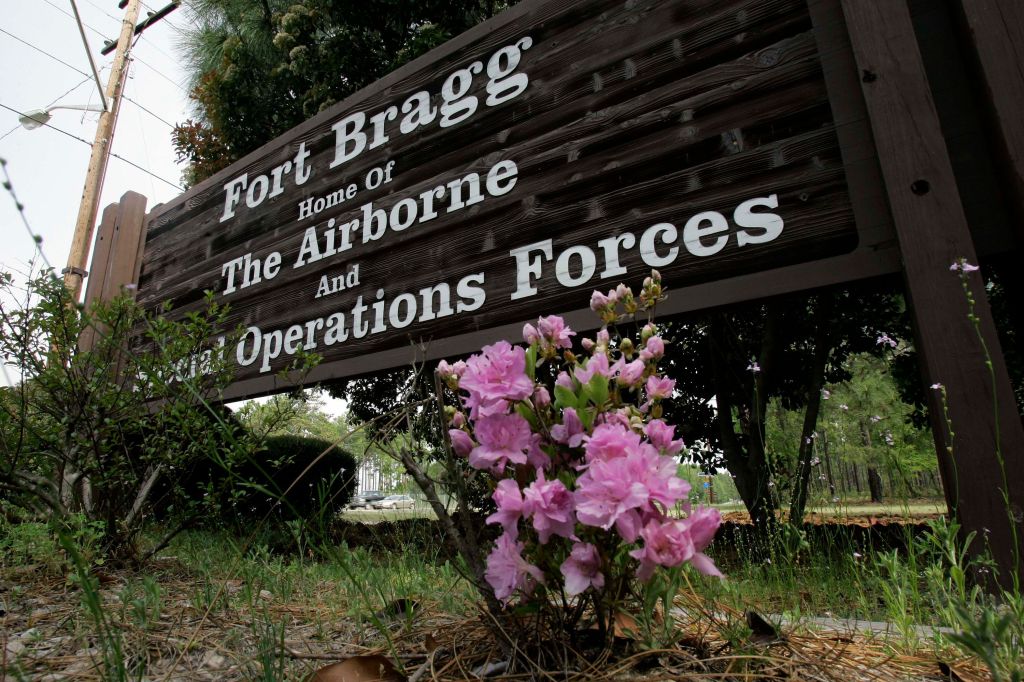
During the Biden administration, Fort Bragg is renamed Fort Liberty. When Trump is re-elected, the name of Fort Bragg is resurrected. Once again, it became Fort Bragg.
Both Lavigne and Dumas are murdered and dumped in a Fort Brag training area. Harp’s investigation of their deaths becomes the story of his book. The author exposes drug use and trafficking networks at Fort Bragg. Harp notes corrupt law-enforcement ties, unsolved deaths, disproportionately high military personnel overdoses, and institutional cover ups at Fort Bragg darken the image of covert actions by the American military. Harp’s story implies criminality is as evident in the military as it is in civilian life. The difference is that there seems little accountability for those who are guilty of drug crimes in the secret service, i.e., at least as shown in this investigation of Fort Bragg.
The flawed nature of human beings.
The military as well as the civilian population of any government are made up of flawed human beings. Those flaws are mitigated by checks and balances designed to protect the general public from the abuse of inherent human rights. Covert and unchecked power in governance is a threat to society because of the nature of human beings. Use of the military as a bully in the playground of nations is psychologically and morally wrong but is proportionately a greater wrong when done covertly.
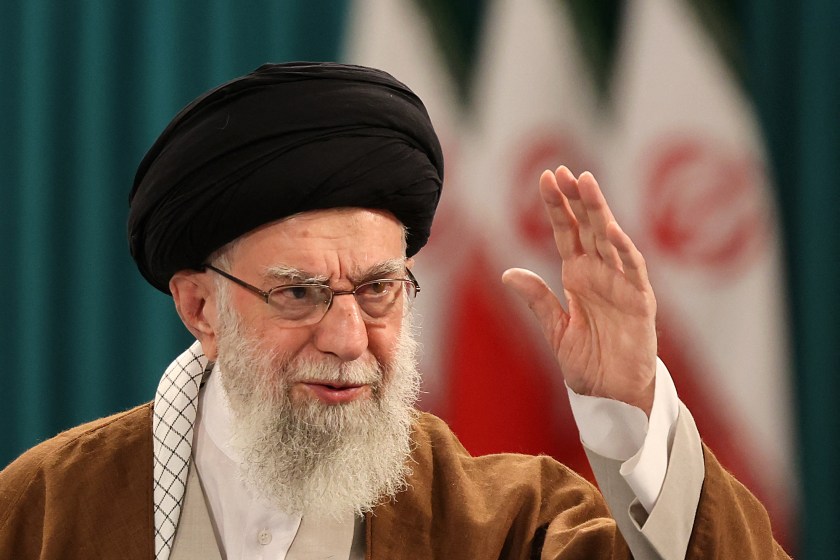
The Ayatollah of Iran was equally guilty of covert actions against other nations.
The covert actions of both Iran and America in the past are examples of what Harp’s story reveals about the danger of secret military plans and acts. Overt bombing of Iran may either be approved or rejected by the public. There is no chance to decide when governments act covertly and illegally if secret service agents are exempt from prosecution. “The Fort Bragg Cartel” exposes a glaring weakness in a secret service meant to protect American citizens. The ironic truth in Trump’s Iran bombing campaign is that every American has a chance to decide.
Iran and the U.S. conflicts will likely become more strident and publicly revealed by news headlines than what Crist calls the “Twilight War”. The twilight war has become sunlit.
Books of Interest Website: chetyarbrough.blog
The Twilight War (The Secret History of America’s Thirty-Year Conflict with Iran)
Author: David Crist
Narration by: Peter Berkrot
David Crist (Author, Lieutenant Colonel in the U.S. Marine Corps Reserve.)
David Crist argues Iran and the U.S. have been in an undeclared war for decades that has been hidden and little understood by the American public. The CIA has been involved in a low-grade conflict with Iran since the late 1970s. Iran’s Quds combatants and proxies from other middle eastern countries have targeted U.S. interests in Lebanon, Iraq, and the Gulf for over 50 years. These conflicts have been cloaked by the use of allied militias and partners of both the United States and Iran. They have rarely been publicly acknowledged. One can reasonably argue today’s bombing of Iran by the United States is a public exposure of what has been happening covertly between Iran and America for many years. At the heart of the conflict is the importance of oil to the economies of the world.
President Trump impedes the influence of freedom in Europe by dismantling surveillance oversight, undermining the EU-U.S. relationship, mishandling America’s data privacy framework, and shutting down the GEC (Global Engagement Center) which is designed to counter foreign disinformation.
Crist alludes to U.S. intelligence actions that supported anti-regime factions that put Ayatollahs in charge of Iran in the 1979 revolution. Though they are characterized as small, fragmented, and ineffective, they represent America’s unsuccessful effort to weaken and/or depose Iran’s Ayatollah. America’s relationship with the Shah of Iran was an illusion in Crist’s opinion. Crist argues American overinvested in the Shah’s rule because of a false belief that Iran would be a shield against Soviet expansion. The perception of the Shah was that he could modernize and stabilize the region with weapons Iran purchased from America. American leaders fail to understand the Shah’s domestic weakness and the importance of Shite belief in the Islamic faith. The misreading of the Shah’s weakness and a widely held belief in Islamic faith led to the rise of Iran as a theocratic state.
Like the bombing of Dresden in WWII, today’s America is senselessly bombing Iran.
American leadership’s ignorance of Iran’s public discontent, the worsening illness of the Shah, and the Islamic belief of the Iranian people create what Crist describes as the “Twilight War”. Up until President Trump’s decision to bomb Iran, the U.S.-Iran relationship was in a gray zone, i.e. neither overtly hostile nor peaceful but a twilight between the dark and light of day. Crist infers the Shah is a bit player representing an ancient culture that no longer works for the Iranian people. The rise of Ayatollahs became Iran’s alternative to a government of a privileged few to what has become an economic crisis for the many. Accepting religious leadership disrupted the King’s royal leadership of Iran and diminished the wealth of most Iranian citizens.
Iranian and American conflicts will likely become more strident and publicly revealed by news headlines than what Crist calls the “Twilight War”. The twilight war has become sunlit.
Crist notes the underlying frustration America has in responding to terrorist’ attacks by agents of Iran or any hostile opponent of America. The terrorist’ bombing that killed 220 U.S. Marines, 21 American service members, and 58 French military personnel in 1983 is never directly responded to by an American military action. President Reagan and his staff could not agree on a military response. The difficulty of determining precisely who was responsible and what would be an equivalent response could not be agreed upon. That scruple seems erased by today’s American President.
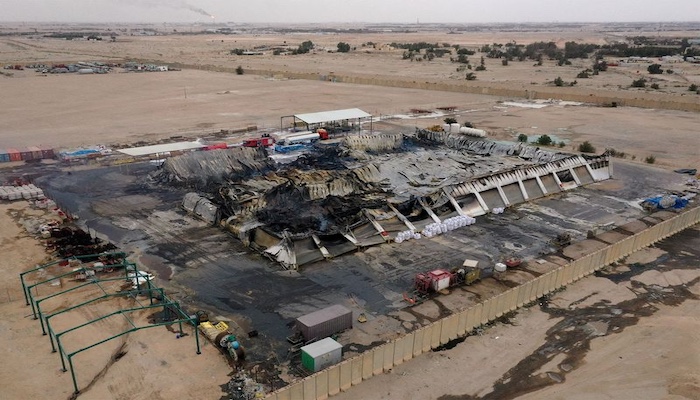
Water plant bombed by the U.S. called a desperate and inappropriate act by some who believe American bombing of Iran is a crime.
Because “The Twilight War” is written before Trump’s bombing, the author argues the hostility between Iran and American would continue to be managed by covert operations, proxy clashes, and secret negotiations that will never achieve a formal peace. Oddly, despite Trump’s actions in Iran, it seems Crist’s opinion will continue to be America’s modus vivendi, with a difference. Iran and the U.S. conflicts will likely become more strident and publicly revealed by news headlines than what Crist calls the “Twilight War”. The twilight war has become sunlit.
The split among the Iranian people about domestic life and religion is only magnified by America’s failure to understand Iranian culture. Bombing will not resolve social differences in Iran.
Books of Interest Website: chetyarbrough.blog
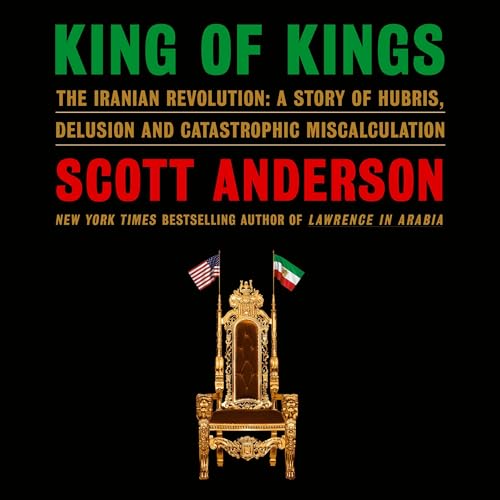
King of Kings (The Iranian Revolution: A Story of Hubris, Delusion and Catastrophic Miscalculation)
Author: Scott Anderson
Narration by: Malcolm Hillgartner & 1 more
Scott Anderson is a novelist and veteran war correspondent. His previous novels include Moonlight Hotel and The Man Who Tried to Save the World.
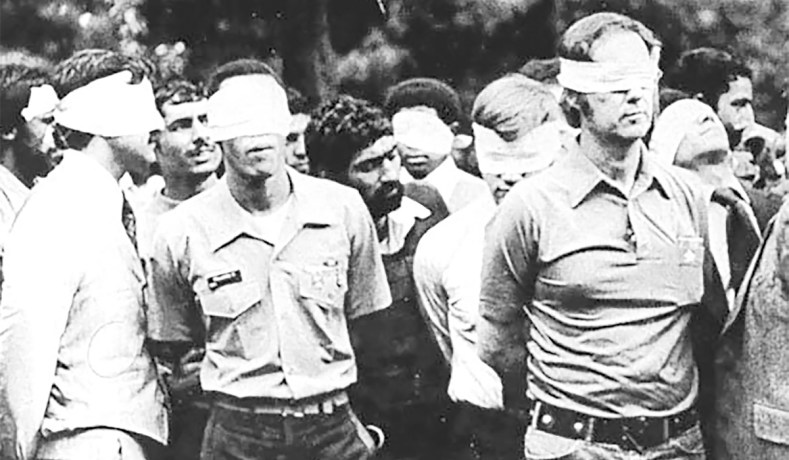
The antipathy America has about the Ayatollah’s takeover of Iran is exemplified by the young followers of his rule who chose, on their own, to attack the American embassy in Iran and take representatives of the United States as political hostages. Initially, the Ayatollah rejected the hostage taking but began to see its potential for dealing with the American government.
On November 4, 1979, 66 Americans were seized, 13 were released early, 1 was released later. That left 52 Americans that were held for 444 days. None were killed but were physically and psychologically abused during their captivity in Iran.
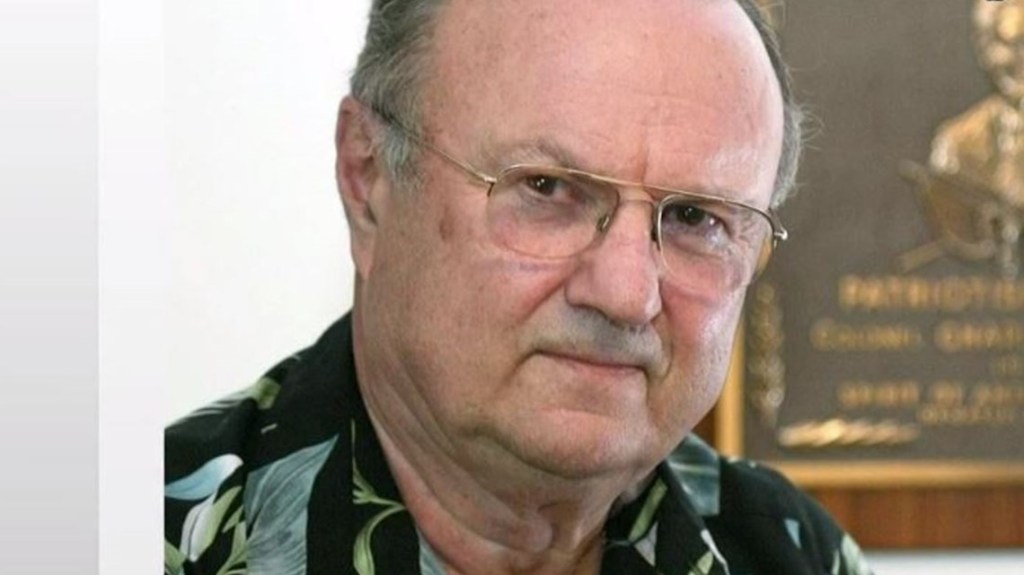
Anderson tells the story of Marine Corps Colonel Charles “Chuck” Scott’s as the most openly defiant, confrontational, and unbowed of the American hostages. His lifetime of military service gave him the strength to show no weakness and to refuse the students hypocritical abuse of their power over him. He became a respected and undoubtedly feared captive of the students. Scott was a symbol of calm for the hostages, some of which were overwhelmed by their imprisonment.
Colonel “Chuck” Scott–died at age 90 in 2023.
Anderson characterizes the hostage crisis as America’s misperception of the religious-populist character of Iran which seems as true today as when the Shah of Iran was deposed. President Trump’s decision to bomb Iran is a clear example of America’s continuing misperception of the complexity of Iranian society.
The split among the Iranian people about domestic life and religion is only magnified by America’s failure to understand Iranian culture.
Bombing will not resolve social differences in Iran. Like Colonel Scott’s reaction to being imprisoned by Iran, America must be steadfast in its resistance to Iran’s religious zealotry and deal with whatever actions taken by Iran that directly harm American interests. The killing of innocent Iranians is no answer to a government that cannot resolve conflicts in their own society.
One’s heart goes out to the citizens of Iran and wonders what hope there is for their future. Iran seems trapped between rock and a hard place, a choice between the bombs of war and religious fundamentalism.
Books of Interest Website: chetyarbrough.blog
King of Kings (The Iranian Revolution: A Story of Hubris, Delusion and Catastrophic Miscalculation)
Author: Scott Anderson
Narration by: Malcolm Hillgartner & 1 more
Scott Anderson is a novelist and veteran war correspondent. His previous novels include Moonlight Hotel and The Man Who Tried to Save the World.
“King of Kings” is an informative historical account of the collapse of Iran as a former monarchy and current theocracy. The hubris of the King and the Ayatollahs have no one to blame but themselves for their government’s failure. What Anderson shows is that what royal and theological leaders have in common. Both neglect the wellbeing of the Iranian people. The King squandered the wealth created by the oil industry to buy a false sense of security. The “King of Kings” made excessive investments in weapons and a spy service called SVAK rather than invest in Iran’s economy for the betterment of its citizens. The King’s SVAK turned into MOIS in the Ayatollah’ regimes. Neither regime invested in the people’s welfare. Both secret services were designed to spy on Iran’s citizens and reinforce the delusion of serving the people when in fact they were designed to preserve their governments’ power and control.
Iran’s leadership as a monarchy and theocracy have failed its people.
Anderson shows the “King of Kings” initially improves the general welfare of Iran’s citizens but because of inept leadership and the privileges of power, the Shah failed the Iranian people. The Shah’s incompetence as a manager of Iran’s great oil wealth is a wasted opportunity that could have provided a better life for its citizens. Rather than encouraging economic growth, the Shah chose to invest in weaponry and other countries products to sustain Iran’s economy.
The Iranian people were not farming or creating their own industries to sustain and grow their economy.
The King’s failure to invest oil revenues in the economy and Ayatollahs who cared little about economic investment, impoverished the Iranian people. When other countries like Saudi Arabia flooded the market with oil, the economy of Iran collapsed. That loss of oil income impoverished the people of Iran. Iran had become dependent on other countries produce rather than the work of their own farmers and industrialists to support their lives and families. That impoverishment drove many back to the ideal of a Muslim religion that believes hardships of life are only preparation for heaven.
The rule of the Ayatollahs seems as incompetent as the Shah’s.
The Ayatollahs fail to improve the economy and rely on a secret service that victimizes all who criticize their rule. It seems they believe the hardship of life is no concern because heaven awaits all those who believe in the Ayatollah’s governance. Anyone who fails to support the Shia Muslim autocracy is murdered or imprisoned based on the Ayatollahs’ belief in the hereafter. Iranians may believe in the Ayatollahs’ teaching and are willing to support their government, but a substantial portion of the Iranian people are discontented with their poverty and hunger.
Iranian oil fields supported the wealth of Iran before Saudi Arabia’s entry into the market.
Anderson explains how Iran became a troubled country. Neither rule as a monarchy or theocracy offered a solution to poverty and hunger. The answer may not be capitalism or democracy, but the present and past Iranian governments have not served the needs of its people. One’s heart goes out to the citizens of Iran and wonders what hope there is for their future. Iran seems trapped between rock and a hard place, a choice between the bombs of war and religious fundamentalism.
America’s self-interest is to see Iran as an independent State that does not murder Americans. Regime change may be a small step toward that goal or a step into quicksand that will only swallow more American lives.
Books of Interest Website: chetyarbrough.blog
King of Kings (The Iranian Revolution: A Story of Hubris, Delusion and Catastrophic Miscalculation)
Author: Scott Anderson
Narration by: Malcolm Hillgartner & 1 more
Scott Anderson (Author, novelist, non-fiction writer, war correspondent who has written for the New York Times Magazine, GQ, Esquire, and Vanity Fair. Was raised in Taiwan and Korea, received an M.F.A. in creative writing from University of Iowa Writer’s Workshop.)
This review is only a glimpse of Anderson’s book, but the bombing of Iran gives this reviewer a sense of urgency about President Trump’s decision to bomb and kill the current leader of Iran.
Anderson, having been raised in a non-American culture, has written an interesting history of Iran that offers some perspective on Iran’s Persian culture and its tumultuous transition from royal leadership to an Islamic Republic. Iran’s monarchy had survived for 2500 years. Ayatollah Ruhollah Khomeini deposed the “King of Kings”, Mohammad Reza Shah Pahlavi, in 1979.
In 2024, President Trump directed America’s bombing of Iran that killed Iran’s second leader, Ayatollah Ali Khamenei. The purported reason for the bombing is to save the Iranian people from the tyranny of its current leader, Ayatollah Ali Khamenei. Khamenei had become Iran’s leader after the death of Ayatollah Ruhollah Khomeini.
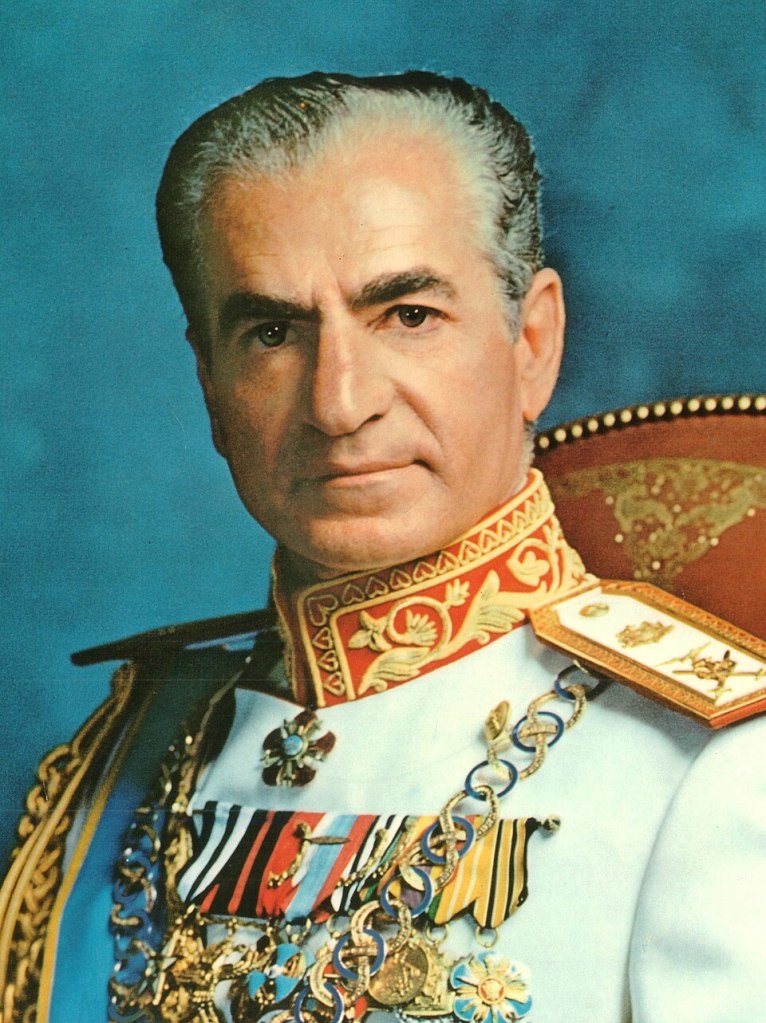
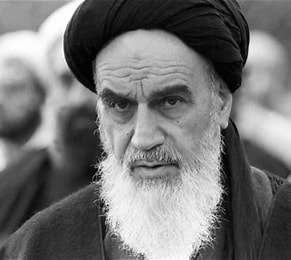
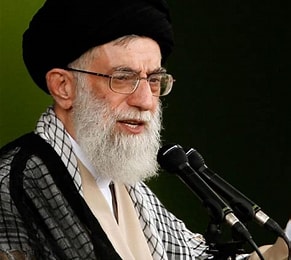
Mohammad Reza Shah PahlaviAyatollah Ruhollah KhomeiniAyatollah Ali Khamenei
Anderson infers Mohammad Reza Shah Pahlavi, though a Shia Muslim himself, was too detached from the Muslim religion practiced by a majority of Iranian society. The Shah pursued modernization without bringing Iran’s Shia Muslim believers into the “Sturm and Drang” of modernity. Despite improving the economic condition of Iran’s citizens, the Shah ignored the importance of a religion that reaches back to 651 CE with the Arab Muslim conquest of Persia. Even though the economic benefit of modernization is documentable, the gap between rich and poor, along with belief in a religion that emphasizes an afterlife, made too many citizens of Iran unhappy with the Shah.
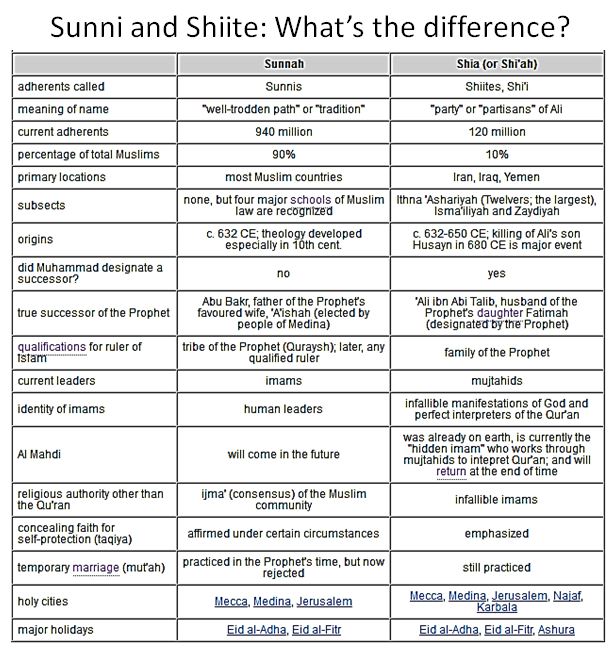
Muslimism began in the early 7th century and spread across the Arabian Peninsula. An estimated 68 million Iranians, approximately 89% of the country, are Shia Muslim believers. Anderson believes the Shah’s failure to understand the importance of his own religion led to the 1979 revolution that toppled the “King of Kings”. Anderson suggests too little effort was made to bring religion into the Shah’s management of the Iranian people. Putting aside that failure, one wonders could any leader bring his people to believe in life today when their religion emphasizes an afterlife is the only goal of existence. Whether any leader of Iran could have ameliorated citizen discontent in Iran is hard to argue. Because of America’s decision to kill Iran’s leader, that speculation is moot.
It is not a matter of being or not being Religious but a matter of having a pragmatic and compassionate understanding of humanity.
Now, America is faced with the Shah of Iran’s dilemma of bringing religion into the administration of Iran’s government. Americans have solved that problem with the separation of church and state. Is that possible in Iran? That separation is something Anderson suggests is the mistake made by the Shah. Is America more or less likely to solve that problem than an Iranian? President Trump believes he should have the power to approve the next leader of Iran. Problem solved???????
America’s self-interest is to see Iran as an independent State that does not murder Americans. Regime change may be a small step toward that goal or a step into quicksand that will only swallow more American lives. Just doing something is not an answer to the complications of international relations.
Does American Democracy have the resilience to adjust to a massive change in its economy from Artificial Intelligence? That is the essence of Turley’s concern about “The Unfinished Story of the American Revolution”.
Books of Interest Website: chetyarbrough.blog
Rage and the Republic (The Unfinished Story of the American Revolution)
Author: Jonathan Turley
Narration by: Jonathan Turley
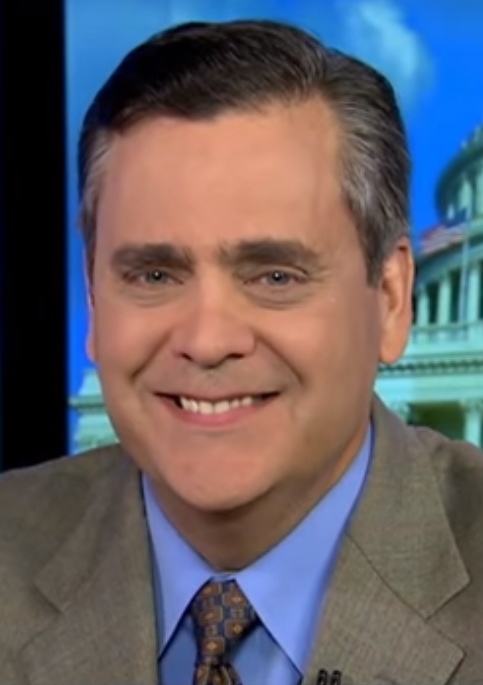
Jonathan Turley (Author, American attorney, legal scholar, commentator, professor at George Washington University Law School.)
As George Santayana wrote in “The Life of Reason” in 1905, “Those who cannot remember the past are condemned to repeat it.” Jonathan Turley served on the board that judged whether Clinton and Trump should be impeached. His history in “Rage and the Republic” is a scholarly assessment of America’s struggle with democracy and “rule of the many” rather than the “One”. Turley reviews the histories of the American and French revolutions to show how they were fundamentally different and what that difference shows in the present and implies for the future.
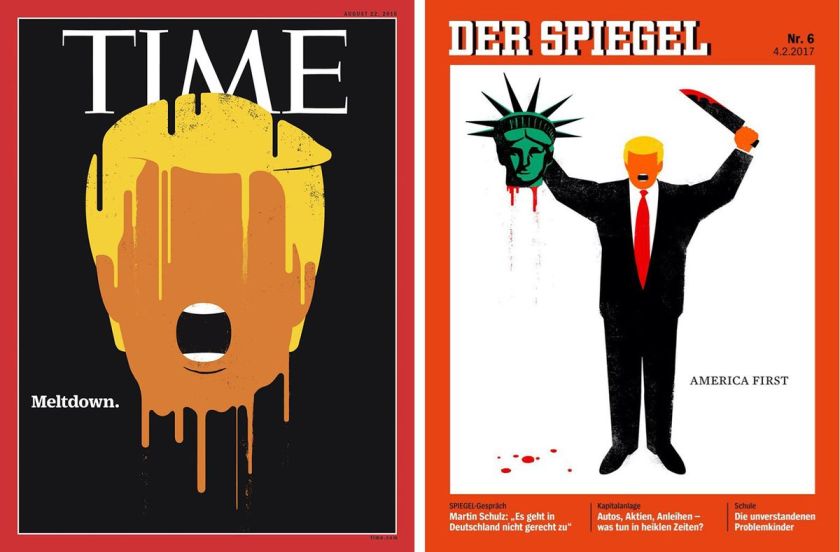
President Trump is testing the limits of democracy.
Trump is not the first nor the last President who has taken liberties with the ideals of Democracy. President Franklin Roosevelt was heavily criticized for his public works decisions during the depression just as President Trump is heavily criticized for his imperial actions on immigration and the bombing of Iran. As one listens/reads to Turley’s “Rage and the Republic”, one is comforted by the history of America’s struggle with the framework of democracy as it is defined by the Declaration of Independence and Constitution. Democracy has been challenged by many in the history of its establishment but has managed to right itself from the trials it presents for belief in liberty and equality for all.
An inherent difficulty of Democracy is in balancing freedom with authority.
Turley reminds listener/readers of the early days of American independence and men (because they were mostly men) like Thomas Paine who railed against abuse of power by Governors of independent States like Pennsylvania, and the government of the early American states. Paine’s history is of a flawed human being who rose to be an American patriot. Paine reinforced belief in Democracy with his political actions and beliefs reported in his publication of “Common Sense”. Paine railed against the Governor of Pennsylvania for profiting from his role as a head of state just as many criticize Trump today for doing the same as President of the United States.
Despite Paine’s “Rights of Man”, every President, Republican or Democrat, has sided with corporate interests. Some Presidents undoubtedly benefited from those interests.
Turley explains Paine’s imprisonment in France during the French revolution. The irony of Paine’s imprisonment in France is America’s neglect of his predicament, and the rage of the French Revolution which may be harbingers of a future for American citizens. Just as “Trump’s induced” riot of January 6, 2021, and today’s public reactions to ICE’ immigration and Iran’s bombing, public reactions may be warnings of America’s future.
One hopes America’s rage does not devolve into anything like the French revolution.
America remains a land of immigrants. In today’s world, Turley notes it is common for Americans to have more than one citizenship. He notes a French citizen who becomes an American farmer in the United States. Despite being a French citizen, he adapts to a different way of life and grows to identify himself as an American. That adaptation will be greater for all Americans in the 21st century.
Turley’s interesting history of public rage is a warning about the massive transition governments will have to make because of Artificial Intelligence and its impact on employment. Does American Democracy have the resilience to adjust to a massive change in its economy from Artificial Intelligence? That is the essence of Turley’s concern about “The Unfinished Story of the American Revolution”.
The Seminole Indian leaders, Osceola and Abraham, formed an alliance for multiracial freedom that remains the goal of all rational human beings. They failed and only became free in death.
Books of Interest Website: chetyarbrough.blog
The Free and the Dead
Author: Jamie Holmes (The Untold Story of the Black Seminole Chief, the Indigenous Rebel, and America’s Forgotten War.)
Narration by: David Sadzin & 1 more
Jamie Holmes (Author, writer for the NYT, The New Yorker, The Atlantic, and Slate. Served in the Peace Corps after receiving a degree from New York University and went on to Columbia to receive a Master of International Affairs.)
“The Free and the Dead” is a book that shows how little this reader/listener knows about slavery and Black history. “The Free and the Dead” is a history of Black slaves in Florida who were descendants of Spanish Florida that became a refuge for enslaved Africans fleeing the English colonies between the 1600s and 1700s. Spain offers asylum and freedom to runaways who could reach Florida in the early days of America.
Some former slaves joined the Seminole Indian confederation to become leaders and translators of Indian languages for early settlers of what became American territory. Holmes reveals some of the cultural blending between Seminole and African descendants who had escaped colonial slavery. Separate villages of these culturally blended descendants gained relative freedom in the U.S. South by becoming fierce fighters for Seminole Indian freedom in the Seminole Wars between 1817 and 1858.
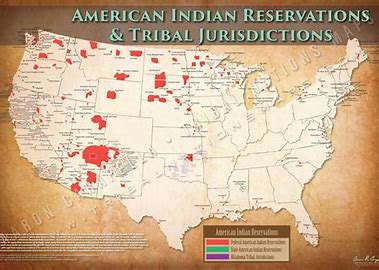
Today’s Indian Reservations.
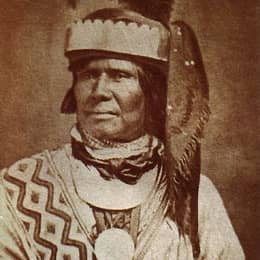
As most Americans know, the Indian wars were lost and the Seminoles like all Indian tribes were moved around the country to reservations that changed with subsequent Presidents’ and American military’ orders. Holmes reveals some of this early history in “The Free and the Dead”. The most famous Black Seminole leader was Abraham who became a co-leader with Osceola, an indigenous Seminole Indian who resisted U.S. policies.
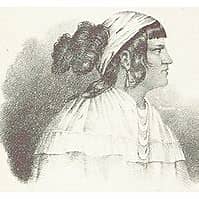
Abraham (A prominent Black Seminole leader in the 19th century.)
Abraham became a Black Seminole chief. He was a former slave who became an influential military leader of the Seminoles. He spoke English, Spanish, and the Creek Indian languages which made him an important intermediary in negotiating with white settlers. Abraham worked with major Seminole war leaders in negotiating agreements between white settlers and Seminole tribes. This twist in the history of American slavery and Osceola’s and Abraham’s alliance make Holmes’ story insightful.
Osceola, leader of the Seminole Indians in Florida in the Second Seminole War.
Slavery today seems as prevalent as it was years ago. America’s Declaration of Independence says, “all men are created equal”. Ironically, it seems neither men nor women seem to qualify.
The Seminole Indian leaders, Osceola and Abraham, formed an alliance for multiracial freedom that remains the goal of all rational human beings. They failed and only became free in death. Abraham seems to have died in old age while Osceola is captured and dies in prison.


















 REVIEWS AND VIEWS OF LIFE