ECONOMIC CRISES

Sorkin’s “1929” makes one think about 20th and 21st century American Presidents who may have set a table for a second economic crisis. As the Turkish proverb says “…fish stinks first at the head.”

Books of Interest
 Website: chetyarbrough.blog

1929 (Inside the Greatest Crash in Wall Street History–and How It Shattered a Nation)

AuthorAndrew Ross Sorkin

Narration by: Andrew Ross Sorkin

Andrew Sorkin (American author, journalist, and columnist for The New York Times.)

“1929” is a history of the build-up to the stock market crash and the advent of the depression with opinions about how today’s economy compares and what should be done to keep it from happening again. Though Sorkin is not an economist, he has written an interesting history of the build-up to the 1929 depression.

Faltering economies.

There is a sense of danger being felt by some today when reading/listening to Sorkin’s history of the 1920s. Few seem to have a clear understanding of world market forces and whether we are heading for an economic catastrophe or a mere hiccup in the growth of the economy. Neither bankers, regulators, nor politicians in the 1920s (or for that matter now) seem to have a clue about the economy’s trouble and what can be done to ameliorate risks. Like 1929, today’s insiders, power brokers, and rich have more options to protect themselves than most of the world’s population.

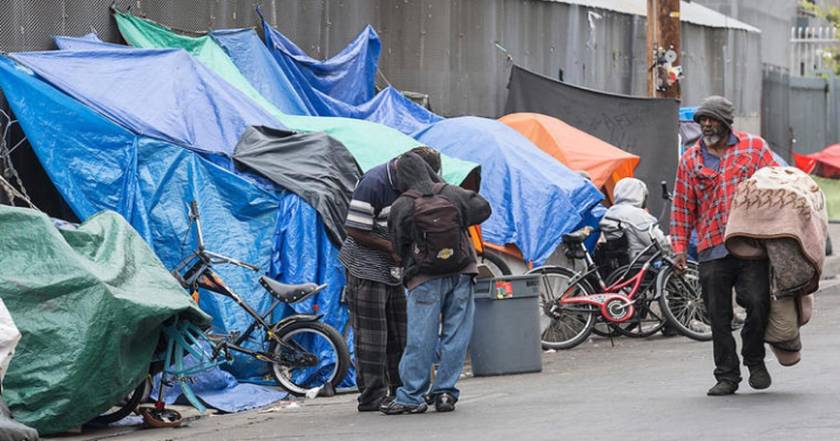
Increasing homelessness in America.

In America, it seems those in power have no concern about the rising gap between rich and poor or the immense increase in homelessness. Without a plan by those in power, there seems little concern about reducing inequality, the common denominator for the wealth gap and homelessness. Sorkin’s book outlines the reality of 1929 that gives reader/listeners a feel of history that may repeat itself.

Sorkin’s history seems credible as he notes human nature does not change.

Today’s leaders are like yesterday’s leaders. Not because they are venal but, like most if not all human beings, leaders in power are concerned about themselves and what there is in life that serves their personal needs and wants. Of course, the difference is that leaders that are power brokers affect others that do not have the same influence or options to protect themselves. We all have blinders that keep us from seeing the world as it is because human nature is to ask what is in it for me, i.e., whatever “it” is. The 1920s had a merger bubble in manufacturing and communication that is fed by the industrial revolution. Today, we have a merger bubble with mega-corporations like Tesla, Apple, Amazon and others that are mega-corporations capitalizing on a new revolution coming with A.I., the equivalent of the Industrial Revolution. Some critics argue mega-corporations, like what happened with the oil industry could be broken up to increase competition which is the hallmark of improved production, cost reduction, and lower consumer prices.

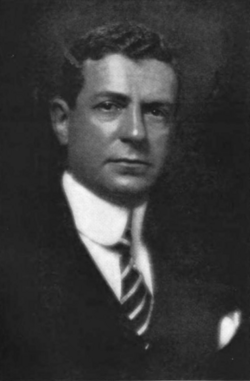
Charles E. Mitchell (American banker, led the First Nation City Bank which became Citibank.)

What makes this history interesting is Sorkin’s identification of the most responsible power brokers who bore responsibility for the stock market crash. Charles Mitchell of Nation City Bank is identified as the central driver of the stock market bubble. Mitchell denied the reality of the financial systems fragility. His ambition and unfounded optimism magnified the systemic risk of the financial crises. He openly defied the Federal Reserve’s warning to curb margin lending that risked other people’s money and their financial stability. He continued to promote purchase of stocks on credit that were fueling the stock market bubble. Mitchell appears to have misled the public in order to increase his power and protect his personal wealth by creating the illusion of market stability and his bank’s profitability. Though Mitchell is not the sole villain, he became the most powerful banker in the nation while breaking the financial backs of many Americans. In general, it is the self-interest of those who listened to him that have responsibility for their financial collapse, but it is always hard to know who is lying to you. Part of the blame is the hesitation of the Federal Reserve Board to act because the people in charge could not agree but that was more a matter of omission than commission which Mitchell was charged with but not convicted. Of course, the political leaders of that time also failed but hindsight is a lot easier than foresight.

Artificial Intelligence is today’s equivalent of the Industrial Revolution of the twentieth century.

Similar to the corporate mergers and investment from growing industrialization of the 1920s, today’s mania is mega corporation’ investment in Artificial Intelligence. Sorkin notes the ease of trading stocks, expectations of crypto investments, and A.I. hype may well move the market beyond its value. He argues for stronger guardrails on speculative investments, more limits on margin lending, and transparency on high-risk investments. He cautions easier credit as seen this Christmas season with buying based on delayed payment incentives and increasing credit card availability, card balance increases, and more liberal repayment terms. In general, Sorkin wants to see more, and better government oversight and regulation of credit offers. He believes too many lenders are overly optimistic about the future with the gap between rich and poor widening and trending to get worse. That inequality threatens the success of capitalism as a driver for shared prosperity, and economic growth.

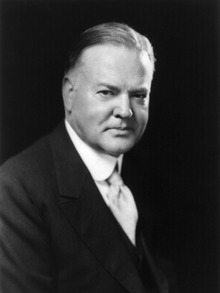
Herbert Hoover (President 1929-1933, though characterized as the primary villain for the depression, Sorkin identifies his role as one of omission rather than commission.)

The Presidents shown below carry some responsibility for where the American economy is today but that would be another book.

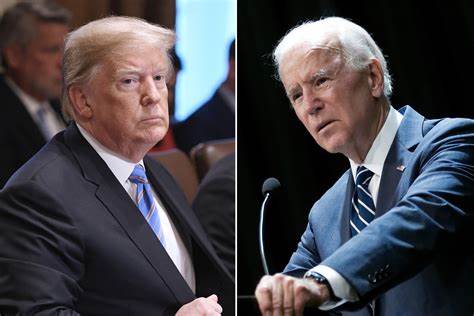
Clinton, the first Bush, the second Bush, Obama, Biden, Trump.

Sorkin’s “1929” makes one think about 20th and 21st century American Presidents who may have set a table for a second economic crisis. As the Turkish proverb says “…fish stinks first at the head.”

HARD TIMES

America’s next President needs to forcefully change the economic direction of America in the same way Timothy Egan shows Franklin Roosevelt and the Secretary of Agriculture, Henry Wallace, did during the Dust Bowl and Depression era.

Books of Interest
 Website: chetyarbrough.blog

THE WORST HARD TIME (The Untold
Story of Those Who Survived the Great American Dust Bowl)

Author: Timothy Egan

Narration by: Jacob York

Timothy Egan (Author, American journalist, former op-ed columnist for The New York Times, won the National Book Award in 2006 for “The Worst Hard Time”.)

Timothy Egan wrote an interesting history of America during the dust bowl years that resulted in the Great Depression that lasted from 1929 to the early 40s. “The Worst Hard Time” has concerning parallels to today’s economy. Timothy Egan notes the Dust Bowl is caused by climate change, water scarcity, and energy transition, i.e. all conditions of the year 2025.

Contrary to Trump’s belief that global warming is a cycle of nature, most scientists argue the earth is warming because of the world’s burning of fossil fuels.

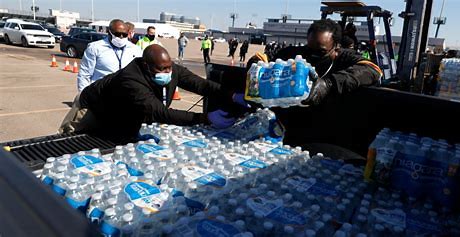
Clean potable water is a growing threat to a rising world population.

American Oil Refineries.

Transition from fossil to renewable energy sources is being delayed by the Trump administration.

Agricultural markets dramatically rose and fell in the 1920s and 30s. Wealth and greed created by wheat farming blinded farmers to the harm they were doing to the Nebraska, Oklahoma, and Texas panhandle plains of middle America. With the scarification of soil and seasonal planting and harvesting of wheat, millions of acres of grass land were left barren between crop seasons.

Trump is a sad reminder of the political blindness of Herbert Hoover.

Herbert Hoover (31st President of the United States.)

Tariffs and anti-immigration policies were instituted by the Hoover administration as a response to declining prosperity caused by excessive wheat farming cultivation. This is reminiscent of President Trump’s response today with tariffs, militant immigration policies, and his rejection of science that warns of the impact of global warming.

Trump’s modus vivendi.

Artificial Intelligence in today’s economy has increased investment of billions of dollars in today’s money like that spent to grow and harvest wheat in the 1920s. Investment in farmland skyrocketed in the 1920s with farming as a way to increase wealth with cultivation of land that was nearly free in Nebraska, Oklahoma, and the Texas panhandle. Today, massive investments in A.I. are being made by wealthy tech company owners. Without pragmatic and careful implementation of A.I. to America’s economy, tech company’ investments may have the same consequence to its investors as the farming collapse had to the wheat farmers.

A.I. will become the engine of American economic improvement just as Industrial Revolution changed agricultural production.

Today, A.I., rather than industrialized agriculture, has become the great economic engine of America. Today’s massive investments are in A.I. rather than wheat harvesting. The collapse of wheat prices because of oversupply disrupted the American economy because workers were not needed. A.I. will have a similar impact on all industries which may lead to the next world-wide depression.

1933 Depression bread lines.

Trump’s idea of Making America Great Again is a twentieth century idea that may lead to economic collapse rather than economic prosperity. His tariff policies set a table for damaging the world economy in the same way they did when Hoover became President. America needs to embrace the inevitable decline of human manufacturing and focus on transitioning America to a service economy. America needs more doctors, nurses, social workers, educators, house builders, scientists, and ecologically minded politicians rather than investors and manufacturers of disposable conveniences. At the same time, regressive tax policies that penalize the poor and enrich the wealthy need to be changed. Tax revenue needs to be focused on America’s economic transition from a disposable manufacturing economy to service and ecological preservation industries.

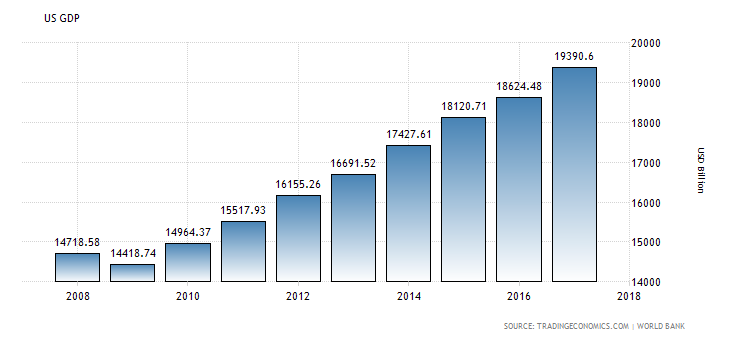
The hope for GDP growth in America’s future depends on a change in economic direction.

America’s next President needs to forcefully change the economic direction of America in the same way Timothy Egan shows Franklin Roosevelt and the Secretary of Agriculture, Henry Wallace, did during the Dust Bowl and Depression era. The reversal of Trump’s mistakes will take more than one four-year-term for correction, but the next election needs to set a different course for the American economy.

CAPITALISM’S REFORM

Like abolition, women’s suffrage, labor, civil rights, LGBTQ, and MeToo movements of the distant and near past, capitalism’s reform is due.

Books of Interest
 Website: chetyarbrough.blog

SAVING CAPITALISM (For the Many, Not the Few)

Author: Robert B. Reich

Narration by: Robert B. Reich

Robert Reich (Author, American professor, lawyer and political commentator that worked in the Geral Ford and Jimmy Carter administrations, and served as th secretary of labor in Bill Clinton’s administration.)

Robert Reich, as an advisor to Presidents of the United States is recognized by Time Magazine as one of the Ten Best Cabinet Members of the 21st Century and by the Wall Street Journal as one of the most influential business thinkers in 2008. In “Saving Capitalism” Reich criticizes corporate America for unethical and unfair capitalist practices that make a mockery of capitalist equality.

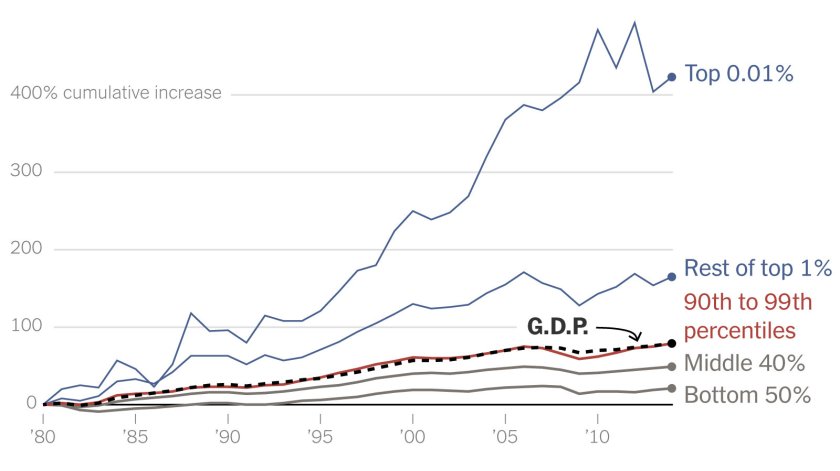
U.S. Rising Income Disparity.

Economic class warfare in America is a time worn argument by many economists in the 20th and 21st century. Reich’s topical analysis has some truth, but his analysis of wealth and markets oversimplifies the complexity of American capitalism. One cannot deny the harm that capitalist greed has done to increase wealth of the rich and decrease wealth of the poor in America. The political system is rigged by the influence of wealth over political policy and economic equality.

American capitalism’s rigging begins at birth, carries through public education, and ends in low-income opportunities for the poor.

The power of wealth feeds American capitalist Democracy’s circle of life. Money of the wealthy is spent to birth and educate their children with the best medical care and schools in America. The corporations and super rich of America hire and fund lobbyists who promote corporate agendas to support government representatives’ campaigns for office. The aspiring representatives are people who owe their allegiance to corporations and the rich who helped get them elected. That circle is biased toward making the rich richer.

Equality of opportunity is rigged in ever-larger corporations that reap super profits and pay CEO’s millions of dollars per year while low wage earners are left to fend for themselves. Mega corporations should be broken up like the oil industry dismantling in 1911. Like Standard Oil, today’s conglomerates have too much power over consumer purchasing, advertising, social media, medical industries, and (most importantly) the election process of America. The rigging begins with healthy birthing of children of the rich, extending to less qualified schooling for the poor, and ending with low-wage family’s children having unequal economic opportunity.

One cannot deny that Reich’s book and this biased review are an ideological belief that distorts and oversimplifies reality, but it carries an element of truth that cannot be denied. How can one person be worth a potential trillion-dollar net worth for service as CEO of one company that makes electric cars. Corporations like Amazon, Google, Facebook, UnitedHealth Group, and Cencora control markets through their size to capture disproportionate shares of advertising, social media, retail sales, and medication industries without competition to moderate their power, and influence. Add billionaires like Elon Musk, Larry Ellison, Mark Zukerberg, Larry Page, Steve Ballmer, Warren Buffett, and Michael Dell and others of great wealth–one is inclined to believe American capitalism is rigged.

As brilliant as Musk shows himself to be, his fragile ego diminishes his genius.

There is an unfairness in criticizing the wealthy for their success in America. They are not wealthy because of luck but because of their innate abilities, risk taking, and hard work but influence should not come from the power of their wealth to change government policies that focus on enriching themselves. Just as the robber barons had their influence curbed by antitrust legislation, the same should be done today. The influence of lobbyists and their support should be more publicly disclosed. The federal government should play more of a financial role in improving public education. Cries of inequality should be exposed, critiqued, and adjudicated fairly.

Capitalism remains the best economic system in the world, but it has its weaknesses. The best prescription for that weakness is equality of opportunity in the arena of employment competition. It begins with fair and equal access to medical care and access to a good education.

Like abolition, women’s suffrage, labor, civil rights, LGBTQ, and MeToo movements of the distant and near past, capitalism’s reform is due.

U.S. WEALTH GAP

Capitalism should be designed to ameliorate the wealth gap, not exaggerate it to the point of people going hungry in one of the richest countries in the world. Capitalism is the greatest economic system in the world, but equality of opportunity remains a work in progress that is made worse by poor government policies and the inherent faults of human nature.

Books of Interest
 Website: chetyarbrough.blog

This Time is Different (Eight Centuries of Financial Folly)

Author: Carmen Reinhart, Kenneth Rogoff

Narration by: Sean Pratt

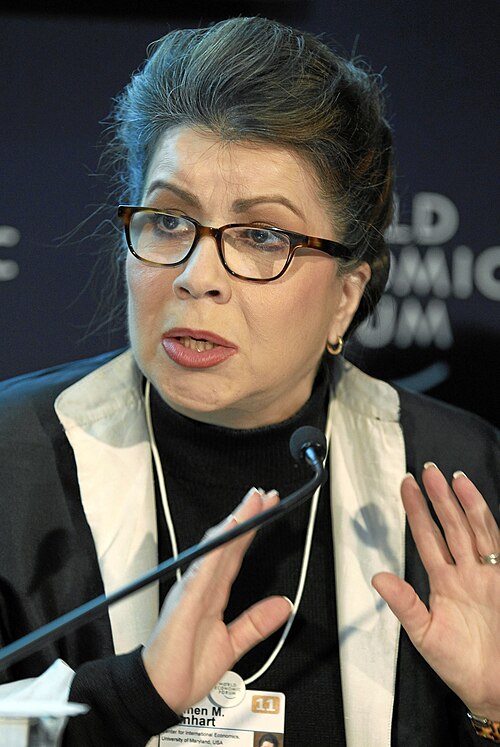
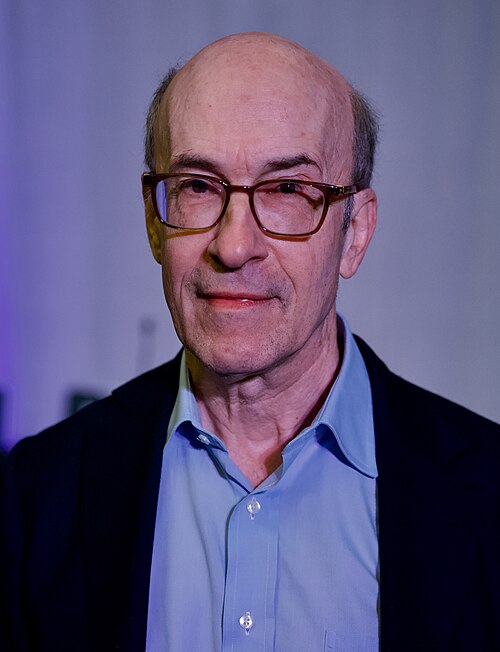
Carmen Reinhart (on the left) is a Cuban American economist and Professor of the International Financial System at Harvard Kennedy School of Business. She has a Ph.D. from Columbia University. Kenneth Rogoff is an American economist and chess Grandmaster who received a B.A. and M.A. from Yale and a PhD in Economics from MIT.

Two well educated academics try to explain why world economies are not unique by arguing the patterns of financial crises are similar, if not identical.

They argue heavy borrowing, inflated optimism, bank collapses, high inflation and currency devaluations are common characteristics of nation-state financial crises. These nation-state government actions and reactions are a result of innate human behaviors. They argue recurrent financial crises feed off of each other to spread economic chaos that creates panic among economic movers and shakers of national economies.

Our American government.

The importance of Reinhart’s and Rogoff’s observation is particularly interesting in light of the economic disruptions of the current American government. History shows America is not exempt from economic crises. In 2008’s economic crises America carries a large responsibility for itself and other nations near collapse. The 2008 economic crisis shows how domestic debt can threaten the world, let alone one country.

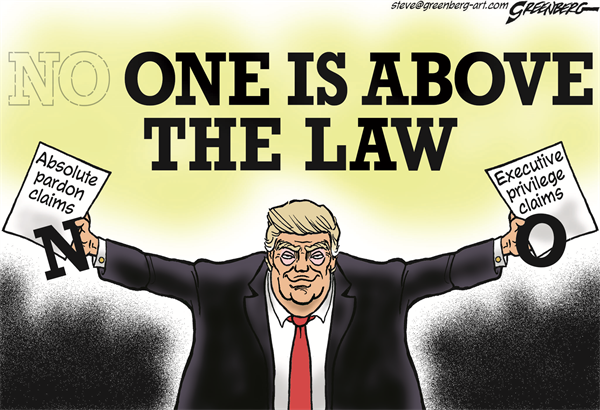
Maybe American government is not above the law, but a President shows he is capable of bending it.

In light of Donald Trump’s directed tariff war and his “…Big Beautiful Bill Act” that eliminates federal income taxes on Social Security, tips, and overtime pay, America’s national debt is likely to balloon. He is gambling American citizens’ future on belief that tax reductions will be offset by economic gains from improved industrial development. This is at a time when industrial development is being impacted by arbitrary firing of government employees, AI innovations that reduce employment, and industry employees retiring or transitioning to a service economy that pays less livable wages.

Trump’s tax policy will continue its top tax rate at 37% despite the government’s earlier intent to have it revert to 39.6%.

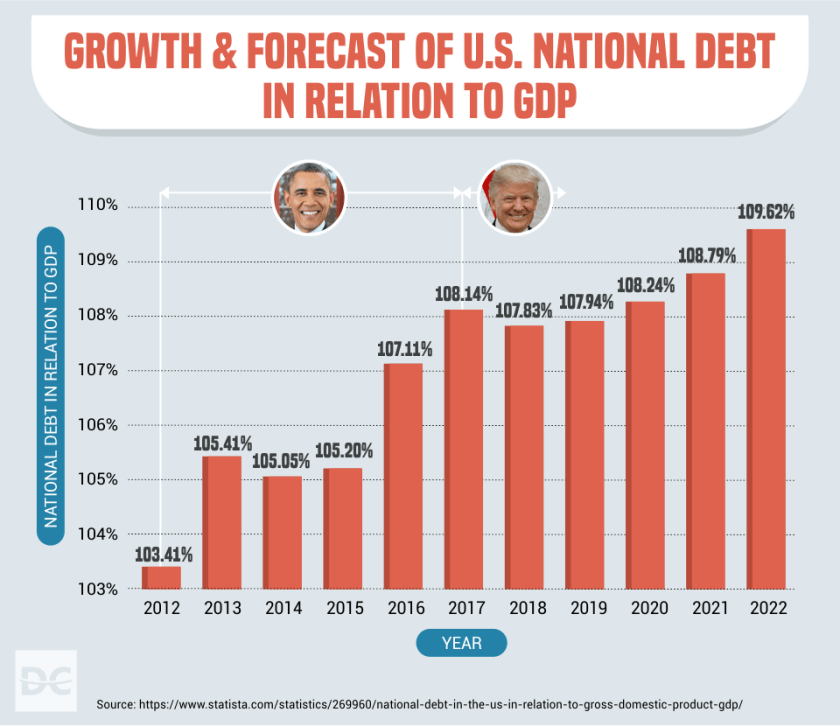
The effect of these tax policy changes is expected to reduce tax revenues by 4 to 5 trillion dollars at a time when America’s debt has never been higher. It is estimated at $38 Trillion dollars today. America’s interest rate on that debt is 3.393%, more than double the rate of five years ago. The increasing rate is related to the believed risk of U.S. default which will most likely rise with Trump’s tax breaks. U.S. debt has never been higher. Interest at its present rate will consume 14% of the federal government’s outlay in 2028. That 14% could help pay for the Affordable Care Act that is opposed by the Republican majority. The Trump tax policy implies continued heavy borrowing, an inflated optimism that threatens bank collapses, high inflation, and currency devaluations. Though the authors are not writing that America is on the verge of economic collapse, their observations infer a crisis is nearing, if not inevitable.

Capitalism should be designed to ameliorate the wealth gap, not exaggerate it to the point of people going hungry in one of the richest countries in the world. Capitalism is the greatest economic system in the world, but equality of opportunity remains a work in progress that is made worse by poor government policies and the inherent faults of human nature.

BALANCE

It is ironic that Trump has suffered so much from America’s legal system and is unable to see NIMBY mentality and a return to the past will not “Make America Great”.

Books of Interest
 Website: chetyarbrough.blog

Breakneck (China’s Quest to Engineer the Future)

AuthorDan Wang

Narrated By:  Jonathan Yen

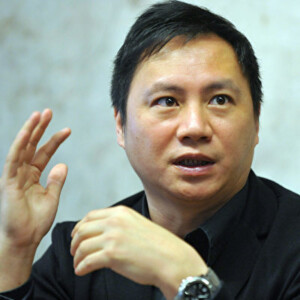
Feng Chen Wang aka Dan Wang (Author, Canadian technology analyst and writer, visiting scholar at Yale Law School.)

Dan Wang is a highly credible author of the 21st century economies of China and the United States. Mr. Wang’s mother and father were born in China when the one child policy was the law of the land. Mr. Wang was born in Canada in either 1991 or 1992. Though Mr. Wang may be an only child, his parents advised him that living in China was challenging because of its state control and family planning that restricted their human rights.

Dan Wang has lived in Canada, America, and China.

From 2017 to 2023 he worked as a technology analyst in Hong Kong, Beijing, and Shanghai. As a young man, Wang bicycled across China with young friends. Having been educated in Canada and the United States, growing up in Toronto and Ottawa and going to high school in Philadelphia, he has a broad understanding of the economies of all three nations. Of course, his specialty is technology which gives him a unique understanding of what is happening in America and China today. He graduated from the University of Rochester in 2014, studying philosophy and economics.

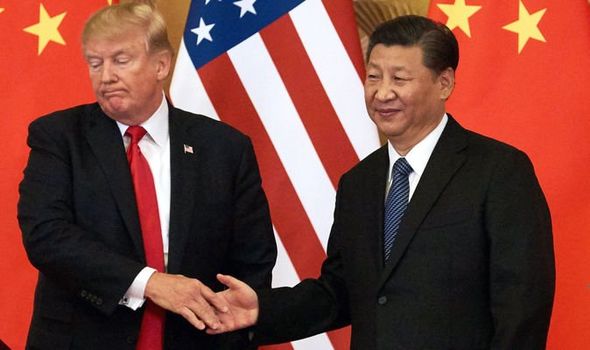
Trump’s apparent view of Xi.

After listening to Wang’s book, one begins to understand why President Trump’s perspective is that the world, with emphasis on China, has taken advantage of America’s economic wealth by eviscerating its industrial industries with less expensive product made in other countries. Wang presumes as a person who has an economics education that Adam Smith (the Father of Economics) and Donald Trump are right when they argue tariffs are justified in areas of national defense, or for retaliation. On the other hand, Adam Smith, noted “It is the maxim of every prudent master of a family, never to attempt to make at home what it will cost him more to make than to buy.”

Adam Smith (Father of Economic Theory)

Smith argued if another nation can provide the same product for less cost, a prudent buyer should buy the cheaper product and use money saved to produce a different product. Wang and Trump disagree with Smith because the revenue producer that America turns to is the service industry rather than product development. What is missed by Wang and Trump is that America is the third largest agricultural producer in the world with China and India being the largest. Of course, the difference is that America has 1/3rd the population of China and India, respectively. Lower population and high agricultural production in the United States hugely benefits its economy. More significantly, food, like water, is an essential need of life. The point is that non-food product production is not necessary for living life.

Loss of industrial production to China.

Wang’s and Trump’s argument is that America’s loss of industrial production has made it too dependent on other countries. They either infer or say Americans are forgetting how to manufacture product. They argue American industries are closing because of America’s inability to compete with other nations because of labor and material cost differences. History shows America fails to expand its industries because production of things is provided by other nations at a lower cost. And as Adam Smith noted, “It is the maxim of every prudent master of a family, never to attempt to make at home what it will cost him more to make than to buy.”

Wang decries America’s movement toward a service industry as the basis for economic growth.

America is the richest country in the world, but America has failed to eliminate poverty, house the homeless, feed the malnourished, and provide for the infrastructure needed to improve America lives. One may ask oneself-what is wrong with becoming a service industry nation? Why does America have to return to its past. As Adam Smith noted: “It is the maxim of every prudent master of a family, never to attempt to make at home what it will cost him more to make than to buy.” The future is about being healthy, being housed, fed, and clothed. It should not be about being the richest and fattest minority in the world, particularly when there is an inordinate gap between the rich and poor.

Wang argues America’s economy is diminished, not by reduced industrialization, but by its growth of legalism that reinforces nimby (not in my backyard) litigation.

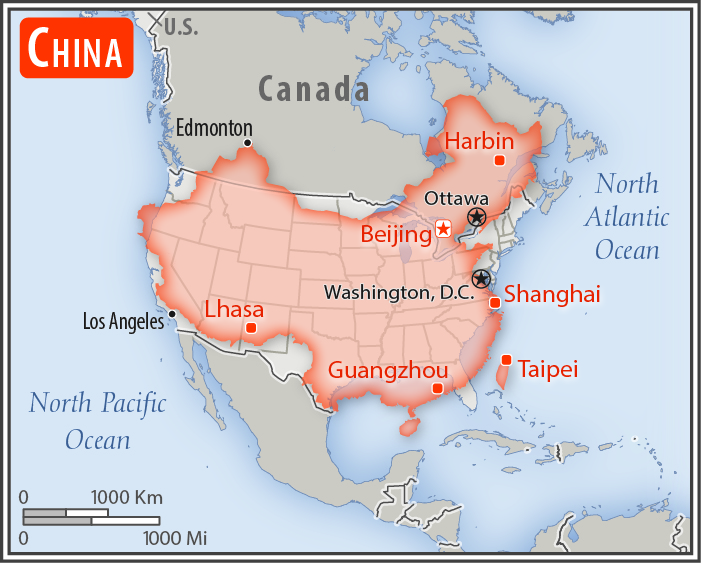
Delays in public improvements in America are restrained by lawsuits that protect the rich and victimize the poor. An example is the long delays in mass transportation improvements which become more costly with every year that passes before completion. The delays are caused by litigation. When China can build rapid transit in 3 years while it takes 15 or more years in America, one wonders why. The huge investments China has made in massive infrastructure improvements have vastly improved their economy. In contrast, America wastes investment resources litigating mass transportation improvements in California, Washington, and other states by increasing costs from delays caused by litigation. It is like throwing the baby out with the bath water because the number of people who benefit from infrastructure improvement are largely discounted or ignored. Equally appalling is homelessness in America because of NIMBY’ objection to low-cost multifamily housing that could get the homeless off the street. Cost benefit analysis should prevail, not litigation based on interest group objection. In Wang’s terms, American infrastructure decisions should be based on science and engineering like, what he argues, China bases their infrastructure decisions upon.

The fundamental point is that America has lost sight of the importance of a balance between benefit to the public and individual rights. Equality of opportunity is split between the rich and poor with the middle class being too complacent while the rich reap unconscionable reward. Where are the Eisenhower-like Presidents who promoted an Interstate Highway System that created a 421,000-mile interstate highway system?

Trump is no Eisenhower because he wishes to return America to a past rather than look to its future. It is ironic that Trump has suffered so much from America’s legal system and is unable to see NIMBY mentality and a return to the past will not “Make America Great”. Wang’s book explains how China has succeeded in improving their economy while America’s economy is failing.

COST/BENFIT

“Apple in China” is a message to the entire world about the risks of technological relocation solely based on reducing costs of labor in a politically and culturally divided world. This is a book every employer should listen to or read.

Books of Interest
 Website: chetyarbrough.blog

Apple in China (The Capture of the World’s Greatest Company)

Author: Patrick McGees

Narrated By:  Fred Sanders

Patrick McGee (Author, technology/business journalist, San Francisco Correspondent for “Financial Times”.)

Patrick McGee has written an important book about world trade. He reveals a shocking story about Apple and the risk of basing a corporation’s economic future on a singular aspect of its success, i.e. cost of manufacturing. This is a story of two companies and the world’s labor market. Foxconn and Apple look to China, Taiwan, South Korea, Ireland, and Asian countries that vie for the role of the cheapest and best labor markets in the world. Foxconn’s and much of Apple’s search and success as a tech company is based on finding the cheapest labor in the world for the manufacture of product. However, McGee explains how that view makes Apple and other international corporations vulnerable to the politics of nation-states that have a mix of economic and political agendas. McGee explains how politics can be a greater cost than benefit to a business enterprise because of nation-state’ politics.

The power of political leadership in business enterprise is on display in America today with Donald Trump and his doomed effort to return America to a 20th century manufacturing behemoth.

McGee’s story is about the impact of China’s government on Apple and Foxconn led by Tim Cook and Terry Gou. Tim Cook is the wunderkind hired by Steve Jobs before his death, and Terry Gou is the Taiwanese billionaire who founded Foxconn which is now headed by Young Liu who was educated in Taiwan and the United States.

Tim Cook (CEO of Apple Inc.)

McGee explains why and how Tim Cook became the CEO of Apple. Jobs who was known as a poor manager of people, needed a manager who emulated Jobs’ drive but understood how to manager an organization to become bigger while remaining profitable. Cook is characterized as someone who has a near photographic memory. His analysis of reports from subordinates could be used to advance company goals or change a subordinate’s understanding of anything they propose that is not practicable or goal focused. What McGee argues is that Tim Cook’s focus on the cost of manufacturing became an Achilles heel when he hires Foxconn to organize Apple’s iPhone manufacturing to be done mostly in one country, China.

To accomplish iPhone manufacture in China, Cook had to transfer thousands of American engineers to train laborers in the assembly of Apple products.

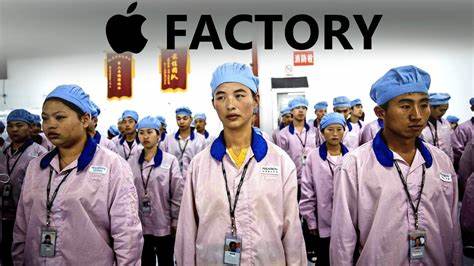
Cook needed a go-between which became Foxconn, a Taiwanese company that is the largest electronics labor contractor in the world. Foxconn is also China’s largest private-sector employer with over 800k employees. Foxconn employees assemble iPhones, semiconductors, and electronics for some of the largest American technology companies in the world, e.g. Apple, Microsoft, and Dell. Foxconn’s relationship with China is further complicated by the international relationship between Taiwan and China. Foxconn has built a lucrative business in the tech industry because of its labor intensity and the desire of tech companies to minimize overhead to improve their profits.

World trade has made Foxconn the leading international labor subcontractor in the world. They employ an estimated 800,000 employees in China alone.

The desire to bring Taiwan under the control of communist China is a background conflict between Xi and Terry Gou. It may be unlikely that Gou would ever be elected President of Taiwan, but his candidacy is a cloud of suspicion to knowledgeable Chinese, Taiwanese, and American leaders. McGee notes Foxconn’s tax audits and land-use investigations by Chinese authorities that some believe are politically motivated. Foxconn has been criticized for poor working conditions because of incidents of worker protests, suicides, and labor strikes. China’s posture on those working conditions is ambiguous and most American businesses are ignorant or uncaring. A China crackdown on labor conditions would have wide effects on the global tech industry.

For Apple to lower costs of iPhone assembly, Foxconn contracted China’s people at low wages, to support what would be unfair labor practices in America, to assemble iPhones.

This benefited Apple in the first years of their association with Foxconn in China. However, later in the transition President Xi spread false reports of poor and unfair warranty practices being offered Chinese consumers of Apple products. Contrary to Xi’s claims, McGee explains that Apple warranties were the same in China as they were throughout the world.

McGee infers politics were behind Xi’s false claims about iPhone warranties.

China’s economy benefited from Apple’s move for cheaper manufacturing costs. China gained an immense technology boost from the retraining of Chinese citizens by Apple’s experienced engineers. With iPhone manufacturing in China, Apple’s revenues rose from $24 billion in 2007 to $201 billion in 2022. Apple invested an estimated $275 billion in China’s economy over 5 years. However, with Xi’s lies and vilification of Apple’s warranty, Chinese smartphone giants like Huawei, Xiaomi, Oppo, and Vivo increased sales. One presumes, Tesla followed a similar cost and benefit reward with its labor and technology transfer to China’s electric vehicle manufacturers.

McGee notes the bad publicity for Apple in the Chinese market threatens Apple’s future in three ways.

One, its loss of sales in China, two, a significant change in low-cost manufacturing advantages with rising Chinese labor cost, and three, Apple’ technology transfer to Chinese companies. Add to those lost advantages is Apple’s relocation costs to another country for iPhone manufacture.

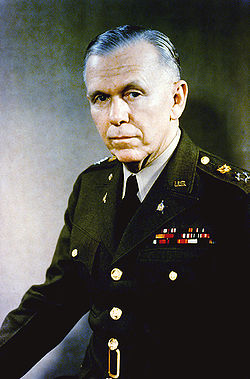
GENERAL GEORGE C. MARSHALL (1880-1959)

An interesting comparison McGee makes between Apple’s $275 billion investment in China for iPhone assembly is that it is more than double the amount used in the Marshall Plan to rebuild Europe after WWII.

McGee notes Apple has a supply chain vulnerability from the Chinese government’s relationship with key suppliers of iPhone components wherever they are assembled. “Apple in China” is a message to the entire world about the risks of technological relocation solely based on reducing costs of labor in a politically and culturally divided world. This is a book every employer should listen to or read.

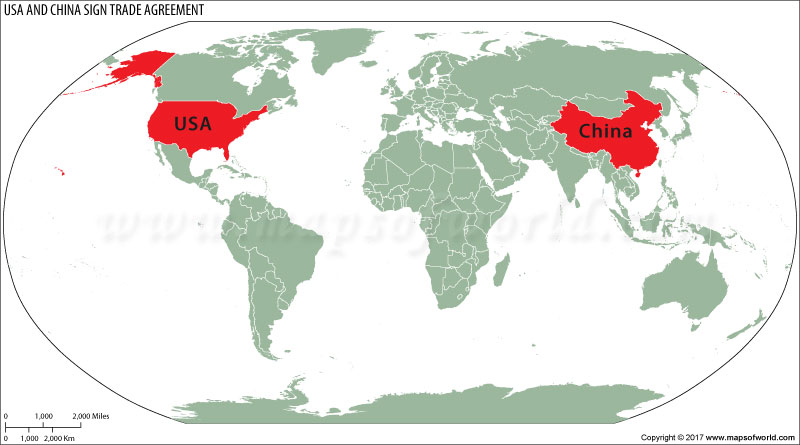
US/CHINA

The inference one draws from Rudd’s book is that peaceful co-existence will only come from a recognition and acceptance of the cultural differences between American democratic capitalism and Chinese authoritarian capitalism.

Books of Interest
 Website: chetyarbrough.blog

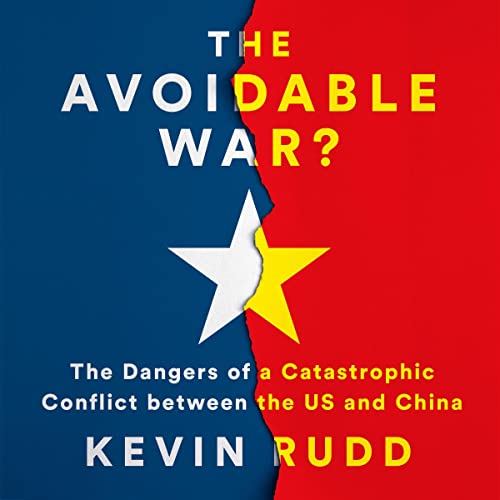
The Avoidable War? (The Dangers of a Catastrophic Conflict between the US and China)

By: Kevin Rudd

Narrated By: Kevin Rudd, Rafe Beckley

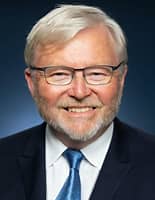
Kevin Rudd (Author, Australian diplomat and former politician who served as the 26th prime minister of Australia. He is fluent in Mandarin and received honors in Chinese studies from the Australian National University.)

Kevin Rudd’s title, “The Avoidable War?” is a provocative book, evidenced by its audiobook title’s question mark. The greatest part of Rudd’s book has a neutral and non-committal view that almost makes one put the book down. However, Rudd’s knowledge of the languages of Chinese and English and his many diplomatic contacts with politicians in both cultures entice one to keep listening for a solution to fundamental differences. The last chapters of Rudd’s book are enlightening and have the ring of truth but imply irreconcilable cultures that make a question mark after the title of the book correct but unsatisfying.

Spheres of Influence.

The first part of Rudd’s book puts one off because it reinforces the aggressive warlike foreign policy beliefs of China and the U.S.

Rudd emphasizes China’s military buildup and its intent to expand its sphere of influence in the Pacific theater. Xi’s intention is to expand China’s power and influence. That intent gives one a sense of impending doom. One has to put that feeling aside to get to the last chapters of the book. Rudd explains the vulnerabilities of both America and China may avoid a nuclear war and its cataclysmic consequence but not offer peace.

XI JINPING (GENERAL SECRETARY OF THE COMMUNIST PARTY OF CHINA AND PRESIDENT OF THE PEOPLE’S REPUBLIC OF CHINA.)

Rudd explains the history of Xi Jinping’s rise to power and his actions assure his continuation as the General Secretary of the Chinese Communist Party and President of the People’s Republic of China. Xi served in the People’s Liberation Army for three years, beginning in 1979. Xi earned a bachelor’s degree in chemical engineering in 1979. He pursued a Doctorate in Marxist Theory and Law while working in the government. Xi rose to power in 2012 with his appointment as General Secretary of the Chinese Communist Party. He was elected by the National People’s Congress to the Presidency in 2013.

Rudd infers Xi is a committed believer in a socialist form of communism.

The picture of Xi that Rudd creates is of a leader who acknowledges the value of economic growth while firmly believing in a classless society that melds the strength of government authoritarianism with the skills of Chinese entrepreneurs. Xi maintains the direction of China’s economic growth by eliminating any political opposition from party members or influential entrepreneurs that get in the way of authoritarian socialist communism. Rudd believes Xi will be in power for many years to come.

The tariff war started by President Trump undoubtedly troubles Xi, but one doubts it will change Xi’s international frame of mind.

History has changed since Rudd wrote his book. In contrast to Xi who will likely be President for many years, America limits the office to two terms. This is particularly relevant to the authoritarian influence of Donald Trump in the next three plus years of his second term. Xi recognizes Trump will be replaced by a different President at the end of his last term in office. There will be negotiation on the tariffs, but Trump’s position is weakened by the limit of his term in office.

The faltering reduction of income for Chinese workers and families.

As noted by Rudd, the most important issues facing Xi’s administration is the reduction of income for Chinese workers and families. The immense improvements in average incomes of families in China came from its opening to capitalism which created a more socialist form of communism. That capitalist opening increases pressure on Xi to ameliorate Trump’s U.S. tariff policy. Putting aside President Trump’s false reasoning on creating an international tariff war, one hopes Xi’s need to grow the Chinese economy will aid Trump’s negotiation on tariffs.

Much of Rudd’s book is about China’s economic growth and its intent to acquire Taiwanese territory.

As is well known, the U.S. is ambivalent about Taiwan with many Americans who say “who cares” about their fate and others who believe every nation should be free to choose their own form of government. Now that China has experienced the value of introducing capitalism to communism, Taiwan would be a valuable addition to the Chinese economy. In the history of Mao’s defeat of Chiang Kai-shek in the Chinese Civil War, Taiwan became an island nation in 1949. The nation of Taiwan was built by refugees from mainland China who chose to become an independent capitalist country that eschews communism.

CHIANG KAI-SHEK (CHAIRMAN OF THE NATIONAL GOVERNMENT OF CHINA 1943-1948)

Taiwan’s growth as a tech giant has made them a capitalist economic success. Xi undoubtedly sees the potential of Taiwan’s economic benefit to China’s faltering economy. One concludes from Rudd’s book that the history of Chiang Kai-shek’s followers and their departure from China irks Xi, both from an historical as well as economic perspective.

The primary subject of Rudd’s book is the issue of war with China.

What Rudd is driving for is a rational appreciation of what America should do with the growing international power of China. Rudd implies China will become the equal, if not superior, of the American economy. He believes China will return to its former hegemonic influence, like that of its former dynasties. Rudd acknowledges Xi faces the immense task of returning China’s economy to its recent economic success. He implies Xi will succeed by carrying on with his view of how economic success can be returned with prudent authoritarian control of capitalism with the objective of creating a classless society idealized by communism.

The fundamental point Rudd is making is that China has a culture founded on authoritarianism and chooses to use capitalism in a way that is not democratic.

The surveillance technology of today allows Xi and future China rulers to influence Chinese culture in ways beyond the theoretical interest of democratic governments. The inference one draws from Rudd’s book is that peaceful co-existence will only come from a recognition and acceptance of the cultural differences between American democratic capitalism and Chinese authoritarian capitalism.

HUMAN HOPE

Migration is the movement of people to new areas of the world for work, better living conditions, and safety. In that process the world economy is strengthened. .

Books of Interest
 Website: chetyarbrough.blog

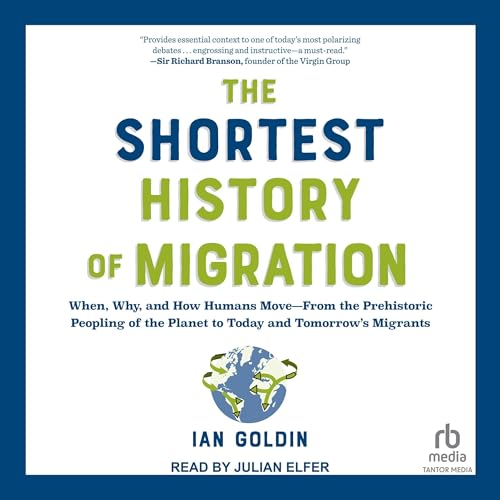
The Shortest History of Migration

By: Ian Goldin

Narrated By: Julian Elfer

Ian Andrew Goldin (South African born professor at the University of Oxford, specializes in globalization and development.)

Professor Goldin has written a history of migration that reminds one of the well-known phrases attributed to Socrates: “I know that I know nothing”. Goldin is born in South Africa to a Lithuanian father who fled his home country to escape political and social upheaval in Europe during the early 20th century. In retrospect, that migration saved the future of the Goldin’s from Stalinist suppression after WWII. It is ironic that Ian Goldin is raised in South Africa where white suppression of native South Africans was common. “The Shortest History of Migration” is no apologia, but it is a forthright history of the ubiquity of world migration.

Migration is an essential characteristic of civilization believed to have begun in Africa.

The obvious irony of human origin is the darker skin tone of our first ancestors who had higher levels of skin melanin to protect them from the harsh effects of the sun. Humanity began as a species of a black ancestor, an estimated 6 to 7 million years ago.

Neanderthal precursor of human beings.

Goldin implies humans moved from Africa to explore the world. They may have left to escape the harshness of their existence or because of the nature of species’ curiosity. Their change in environment led to changes in their physiognomy (facial features and expressions) caused by the evolutionary nature of life and the exigencies of environment. The point is that migration has been a part of history since the beginning of life on earth.

What may be forgotten by some is that migration was largely unregulated until WWI according to Goldin.

That seems largely true except the United States passed the Naturalization Act of 1790 that established rules for citizenship and an Immigration Act of 1891 that created the U.S. Bureau of Immigration; both of which implied regulation. Nevertheless, the fundamental point is that migration has been a part of society from the beginning of human life.

WWI generated many new laws and policies about migration.

Wartime measures required passports and border crossing cards to manage migration. National security increased scrutiny of immigrants. Broader societal and political concerns about migration spread across the world. Migration became more complicated.

Goldin argues the benefit of migration is misunderstood and misrepresented by leaders like Donald Trump.

Goldin suggests the economic impact of Trump’s anti-migrant beliefs and policies will undermine both the world and American economies. In 2023, an estimated 18% of the economic output of the American economy came from migration. The two industries most impacted are agriculture and construction but many immigrants work in caregiving and medical professions, all of which will be impacted by labor shortages. Goldin notes that migrants working in other countries send money back to their home countries that amount to more revenue than is provided by tourism and foreign aid. Many, if not most, economists would argue migration is a cornerstone of economic growth and stability. Trump’s false statements about migrant criminality are overblown and unsupported by economic statistics that show migrants contributed an estimated $25.7 billion in 2022 to the Social Security system in taxes that benefit aged American citizens (like myself).

Trump policies will not return American to the manufacturing prosperity of the twentieth century but to a possible depression like that of the 1930s or, at the very least, a recession like that of 2007-2009.

Migration is the movement of people to new areas of the world for work, better living conditions, and safety. In that process the world economy is strengthened.

INDUSTRY GREED

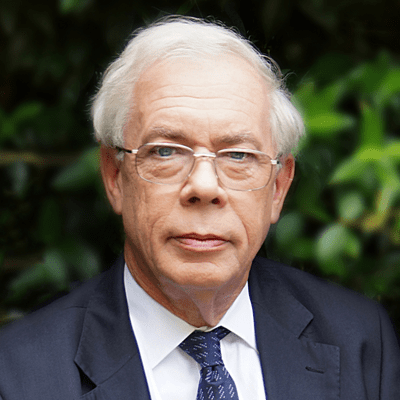
Sir John Anderson Kay calls for more training in ethical behavior and fiduciary responsibility in the financial industry. Kay believes “too big to fail” financial institutions should be broken up to reduce risk and encourage competition.

Books of Interest
 Website: chetyarbrough.

Other People’s Money  (The Real Business of Finance)

By: John Kay

Narrated By: Walter Dixon

Sir John Anerson Kay (Author, CBE, FRSE, FBA, FAcSS, British economist, dean of Oxford’s Said Business School.)

John Kay explains how the world’s finance system was designed to support national economies and international trade. However, he argues the world’s financial system, though designed to improve the lives of everyone, has evolved into a system that primarily benefits those within the financial industry, not everyone.

Kay offers the example of Ponzi schemes like that created by Bernie Madoff, and mortgage derivatives created by financial quants. Unlike Madoff’s personal enrichment, the financial industry’s’ mortgage derivatives enriched mortgage lenders, banks and brokers who sold them to other financial institutions like hedge funds, investment banks, mutual funds, foreign and retail investors. Mortgage derivatives were a national Ponzi scheme, greater than Madoff’s, that only enriched the financial industry. In 2008, the financial industry nearly bankrupted the world. The finance managers served no jail time while poorly qualified homeowners were thrown into the street because they could not afford their home mortgages.

What is puzzling is how so many people lost their homes in 2008 despite government regulation of the financial industry, which was ostensibly designed to protect consumers and stabilize the housing market.

“Other People’s Money” is managed by financial institutions that have nothing to lose if other people’s money is lost. A poor finance industry manager might lose his/her job because of poor sales received for selling financial products to other financial companies. However, if their sales are good, huge bonuses are given to top earners. Kay notes three faults in this system. One, it is a closed system that primarily feeds on itself as an industry. Two, the product of sale can as easily be worthless as valuable. And three, the money that is being used is primarily the public’s money, not the financial industries’ money. Mortgage derivatives became weapons of mass financial destruction. The public suffered more than the financial industry for the obvious reason that it was the public’s money.

In theory client funds are kept separate from a firm’s own assets. Though that may be true, the equity of lenders is small in relation to the loans made to others because the loan actually comes from “Other People’s Money”, i.e., those who deposit their paychecks in a financial institution. There are government entities like the SEC in the US that enforce separation of a lender’s equity from other people’s money but so what? Other people’s money is the bulk of what is lent out to others.

An example of the perfidy of the financial industry is the creation of mortgage derivatives that resulted in big bonuses to financial industry employees while many American citizens lost their homes.

Government regulations require record-keeping, transparency and risk management. So why did so many people lose their homes in 2008 while lenders were bailed out? If the Government regulated how other people’s money was being invested, how did the 2008 mortgage crises occur? It occurred because of the way the financial industry is regulated and the greed of financial institutions in selling a product that had less value than realized until it was too late. The fault within the industry grew bigger based on the packaging and resale of other people’s money in a product that became worthless.

The point is that there is little equity from money lenders that use “Other People’s Money” to invest in the economy. Financial institutions are required to have as little as 4.5 percent to 6 percent equity in loans for what they lend to others. The remainder is “Other People’s Money”. Most of the risk of institutionally loaned money is born by the public. Of course, there are insurance guarantees from the government, but they are limited.

Kay notes financial industries are motivated to expand their businesses by capitalizing on short-term gains for profit rather than long-term stability and growth.

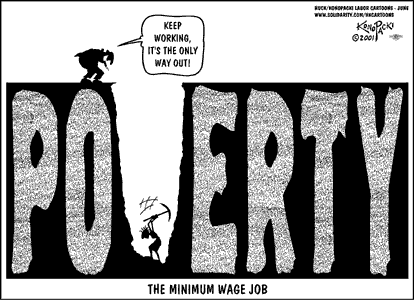
Kay goes on to explain that financial institutions are the biggest contributors to candidates for public office. Just as the Supreme Court’s decision to give corporations personhood, the influence of corporate America distorts the influence of American citizens. Naturally, financial institutions push for favorable regulations designed to benefit owners and managers of the finance industry. He explains how financial risk is designed to fall back on taxpayers and less informed investors. Because financing institution managers are using other people’s money, they are more concerned about lender profit and their bonuses than loan default. Kay suggests there is a lack of transparency that hides the exploitive nature of lending that has minimal personal risk to lending institutions, its managers, and loan officers.

Kay argues financial products and services need to be simplified and made more transparent so consumers can understand how lending institutions and insiders are benefiting from their transactions.

Kay explains the primary functions of the financial industry should be focused on making payments simple with clearer explanations of risks so that capital is efficiently and wisely allocated. Government oversight should be exercised to promote transparency, accountability and long-term stability of the economy. Training in ethical behavior and financial responsibility is needed for agents of the financial industry so that incentives and rewards balance with the needs of the economy.
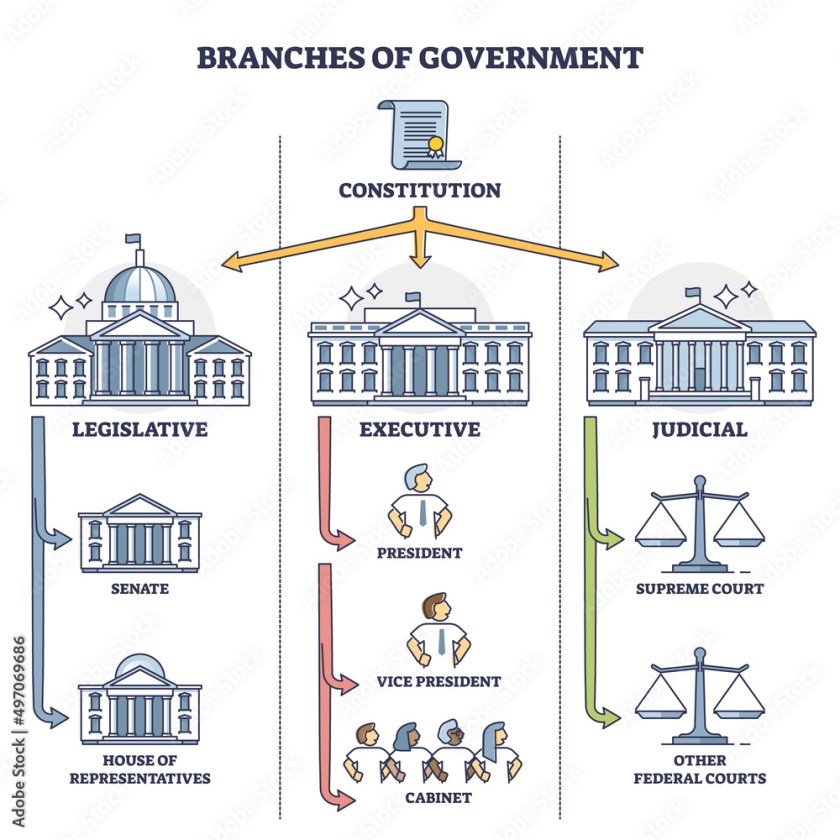
Kay suggests regulatory reform is necessary with greater transparency, and accountability for long term financial stability. He calls for more training in ethical behavior and fiduciary responsibility in the financial industry. Kay believes “too big to fail” financial institutions should be broken up to reduce risk and encourage competition.

FOUR MORE YEARS

Andrew Leigh’s brief history of economics reminds listeners of a threat America faces in the next four years.

Books of Interest
 Website: chetyarbrough.blog

How Economics Explains the World (A Short History of Humanity)

By: Andrew Leigh

Narrated By: Stephen Graybill

Andrew Leigh (Author, Australian politician, lawyer, former professor of economics at the Australian National University, currently serving as Assistant Minister for Competition, Charities and Treasury and Assistant Minister for Employment in Australia.)

Andrew Leigh offers a bird’s eye view of the history of economics. He provocatively explains why the European continent, rather than Africa (the birthplace of the human race) came to dominate the world. He suggests it is because of economics and the dynamics of the agricultural revolution.

Because Africa offered a more conducive environment for natural food production, Leigh infers natives could live off the fruits and nuts of nature. He infers farming and agricultural innovations (like the plow) were of little interest to Africans.

One may be skeptical of that reasoning and suggest the primary cause is sparse arable land for early African inhabitants. Without arable land, there was little advantage from the agricultural revolution.

Nevertheless, Leigh’s history is a wonderful reminder of great economic theories that improved the lives of an estimated 8.2 billion people on this planet. He touches on the lives of Adam Smith, David Ricardo, John Maynard Keynes, and Milton Friedman. Each made great contributions to the history of western economics.

Adam Smith is considered the father of modern economics. (1723-1790)

Leigh notes Smith was a deep thinker who sometimes neglected the world he lived in by forgetting to properly dress himself or falling into a hole while thinking about economic theories. Some of his key theories were “Division of Labor”, the “Invisible Hand”, “Labour Theory of Value”, “Free Markets and Competition”, and “Capital Accumulation”; all of which remain relevant today. One that seems so important today is “Free Markets and Competition” and the disastrous idea of tariffs that are being promoted by the pending Trump administration.

Smith notes natural resources are not equally distributed in the world. Some countries have more raw material than others, more available labor at a lower cost, and can produce product at lower prices. With free trade, all citizens of the world are benefited by lower costs of goods. With tariffs, product costs are artificially increased when they could reflect actual costs of production. Of course, the producer can increase costs, but the market will find an alternative if the costs become too high.

David Ricardo (1772-1823)

Ricardo’s theory of competitive advantage suggests some countries can produce product at less cost than others. This reinforces the critical importance of free trade. Free trade flies in the face of both the Biden’s passing administration and Trump’s future administration; both of which believe tariffs protect jobs in America. They don’t; because tariffs artificially increase product costs while protecting labor inefficiency that increases consumer prices. Tariffs are a lose-lose proposition. It may affect jobs in the short term but there are many jobs that can be created by government and private companies in human and public service industries. Those investments would offset inefficient product production and ensure future jobs.

John Maynard Keynes (1883-1946)

Leigh notes that Keynes was bisexual and a pivotal figure in modern economics. He believed in the theory of Aggregate Demand meaning that “…spending in an economy is the primary driver of economic growth.” He advocated government intervention when demand was low, and that government should increase spending and cut taxes to increase demand when a recession or depression threatens the health and welfare of the public. Interestingly, Trump believes in reducing taxes but objects to government spending that improves employment. The effect of reducing taxes only increases income inequality and does little for employment because the rich are wary of investing in a weakening economy.
Milton Friedman (1912-2006)

Both Keynes and Friedman believe in government intervention, but Friedman exclusively believes in using only monetarism as a tool. Keynes agrees but had the added dimension of government spending that creates jobs. In contrast, Friedman argues there is a natural rate of unemployment and when government intervenes it creates inflation. He strongly agreed with free markets which suggests he would be against tariffs but at the expense of higher unemployment. The cloying part of that argument is it increases income inequality by making the rich richer, the unemployed and middle-class worker poorer.
Leigh’s book is a brief review of western economics. It glosses over much of the science, but it is highly entertaining and worth listening to more than once. Additionally, Andrew Leigh’s brief history of economics reminds listeners of a threat America faces in the next four years.