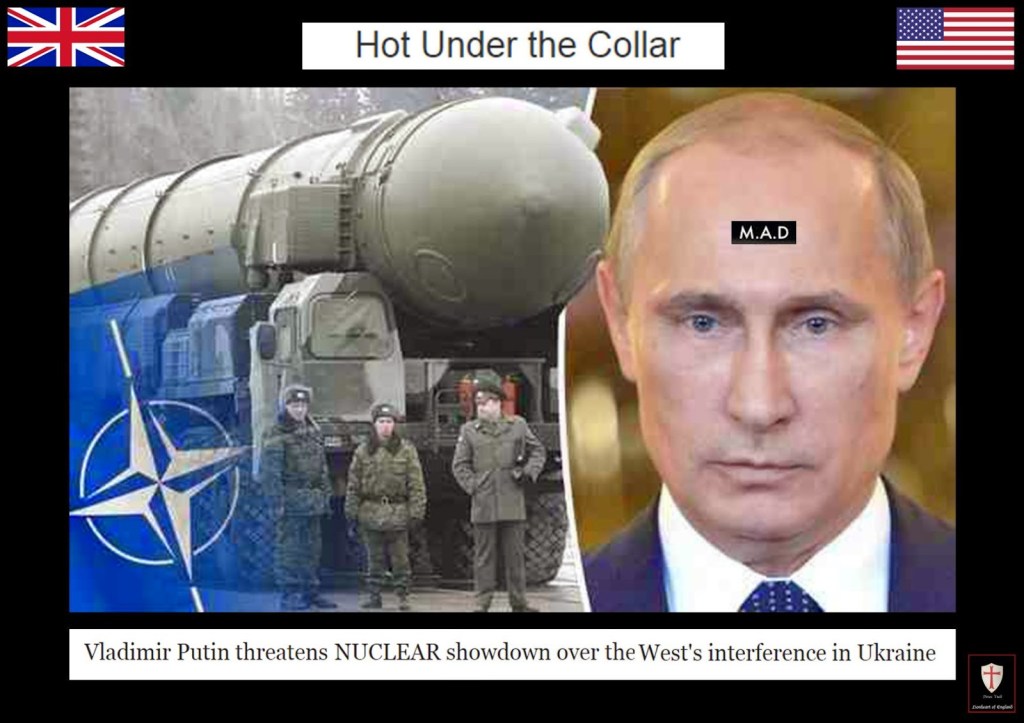
The essence of Rickard’s book is that the use of GPT is a threat to the financial world and to world peace. If the war on Iran continues, there is increased risk of wider conflict, further financial stress, reduced human judgement, and greater potential for world conflagration in a nuclear war.
Books of Interest Website: chetyarbrough.blog
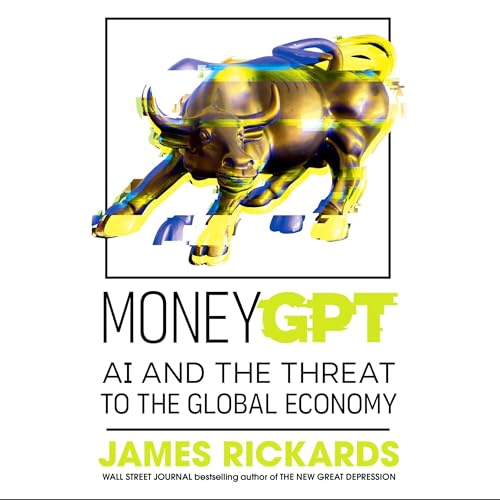
MONEY GPT (AI and the Threat to the Global Economy)
Author: James Rickards
Narration by: James Rickards
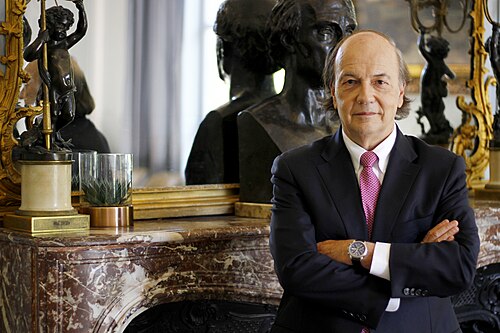
James G. Rickards (Author, American lawyer, investment banker, media commentator.)
Though Mr. Rickards has something valuable to tell his audience, his writing leaves room for improvement. The initials “GPT” stand for “Generative Pre-trained Transformer”. They are an abbreviation for massive datasets gathered by artificial intelligence to aid one’s understanding of complex predictions about finance and military conflict based on collected language used to explain the world.
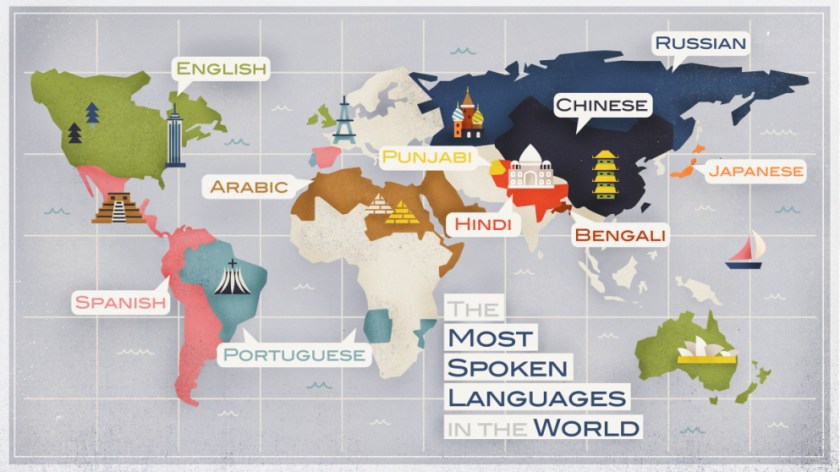
Languages of the world.
What Rickards intellectually recognizes is that collected language about the real world lacks human judgement which can accelerate human actions, weaponize misinformation, and increase conflict because AI lacks human reasoning. Without judgement, facts imparted by language collection may as quickly make wrong as right decisions. Optimum answers to complex problems require human judgement. Optimum answers may be aided by AI collated language, but human judgement is key to appropriate action. Rickards notes how stock market investors who rely on AI for decisions about what to do with their investments can as easily be misled when the market is in crisis because collected language is as likely to lead one further into crisis as toward a reasoned investment response.
Rickard explains a financial decision based on GPT carries the same threat in regard to war. One wonders whether President Trump’s escalation of the war on Iran is not based on GPT that compresses decisions and amplifies the volatility of America’s actions. Is the war escalating because of GPT and inadequate human judgement? America is faced with incomplete information on a purpose for bombing Iran and what goals are intended for ending the conflict. What GPT predicts is more U.S. strikes, further Iranian retaliation, and prolonged conflict that will continue to roil the economies and citizens of the world. Regional war, let alone a World War, is increasingly likely to cause a global shock to financial markets.
Uses of GTP aka GPT.
The essence of Rickard’s book is that the use of GPT is a threat to the financial world and to world peace. If the war on Iran continues, there is increased risk of wider conflict, further financial stress, reduced human judgement, and greater potential for world conflagration in a nuclear war.
“Power tends to corrupt, and absolute power corrupts absolutely”. President Trump exemplifies that truth.
Books of Interest Website: chetyarbrough.blog
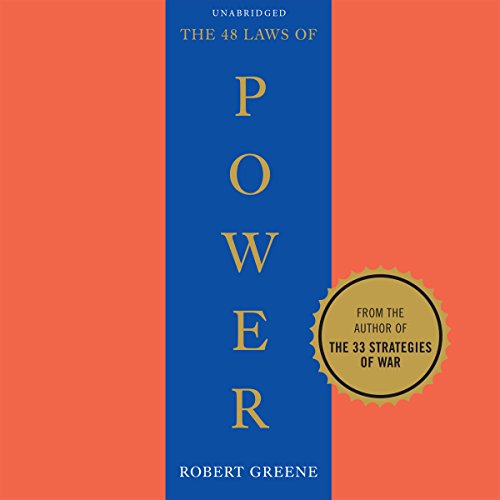
48 Laws of Power
Author: Robert Greene
Narration by: Richard Poe
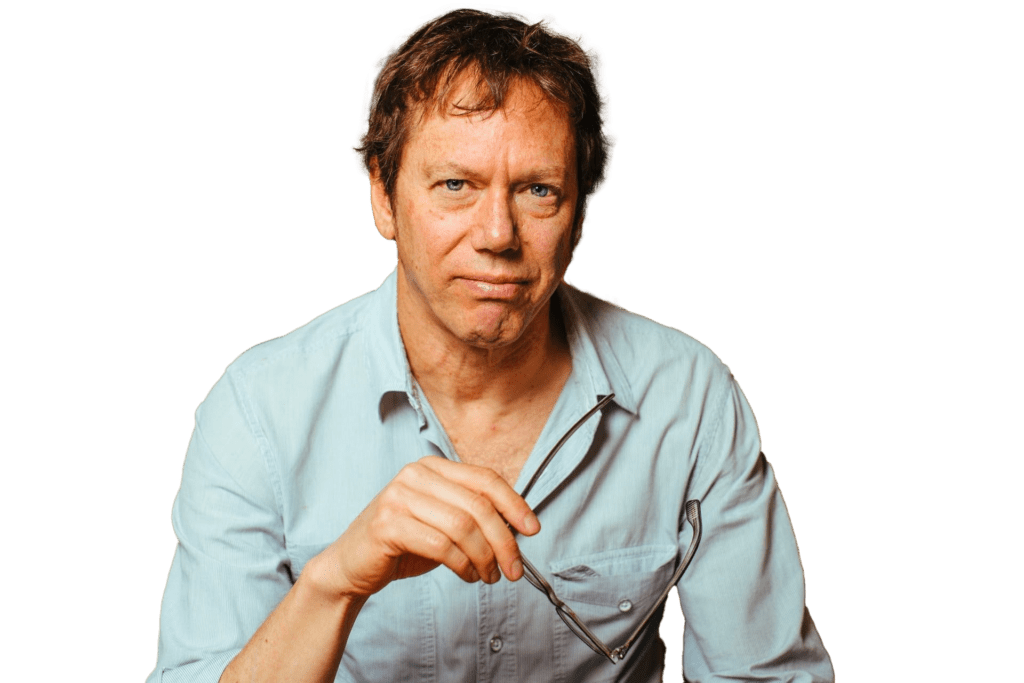
Robert Greene (American author, wrote seven international bestsellers, received his degree from University of Wisconsin-Madison in classical studies.)
This is a long book that shows a breadth of understanding about the history of power. How power and influence is acquired and wielded by human beings. Power and influence ranges from idealism to pragmatism to nihilism. In some sense, the “48 Laws of Power” is a study of emperors, courtiers, generals, con artists, and others who acquired power over others in history. What Greene reflects on is the social and human art of gaining and wielding power over other human beings. Whether one is low or high in the hierarchy of humanity, the general key to having power according to Greene is “never outshine superiors” but “always court attention that gains either respect, influence, or control of others”.
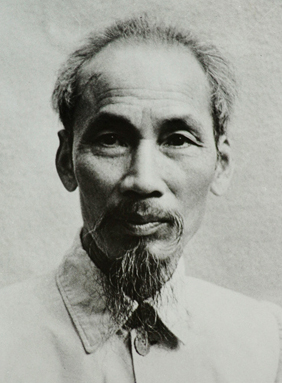
STALIN MAO ZEDONG (1893-1976)ING FATHER OF PEOPLE’S REPUBLIC OF CHINA)Kim Jong-un (CURRENT -DEAR LEADER-OF NORTH KOREA)
Greene brilliantly summarizes many characteristics of leaders in history to support his fundamental beliefs about power. He suggests all humans are primarily self-interested. One may disagree with that belief as a universal truth because there are many examples of social cooperation to achieve a common good or a stable system of governance. However, there is always a prime mover, a powerful person behind the scenes who drives the effort to succeed or fail.
Greene argues power is the result of interpersonal relationships. There is a great deal of truth in Greene’s analysis of power but from an institutional or organizational point of view, power is spread among departments’ leaders who report to a single leader. This is not to contradict Greene’s examples of interpersonal power but to temper belief that all power rests with one wielder of power. There is a great deal more to power than individual human manipulation. Organizations of the modern world are built around individual departments with singular powers beyond singular organizational leaders.
American Capital.
To give an example: regardless of who is President of the United States, there are Constitutional and legal systems that constrain his/her power. The bureaucracy of governance operates within rules set by law and precedent. In the case of business enterprise, shareholders, boards, and regulatory frameworks diminish the power of its executives. Further, even in the marketplace of business, capital limitation, supply chains, national platforms like Google, Amazon, and credit card companies have major influences on power exercised by any singular entity. Power in every human organization is also influenced by religions, social myths, and societal norms.
In this increasingly interconnected world, power has become impersonal, sometimes structural and emergent in ways that are non-intentional but significantly more powerful than one individual.
The weakness of the “48 Laws of Power” is that it fails to address institutionalized power that multiplies the power of individuals. A leader of a government or corporation works within a framework of historically developed departments that have their own powers and influences on public and private functions. The dynamics of power Greene explains apply within departments of government and corporations that go beyond the power of one leader.
This often leads to unintended consequences. ICE and Trump’s power are a current example of unintended consequence because of the murder of two Minneapolis American citizens who demonstrated against the President’s immigration policy. One doubts that the President of the United States wishes for the murder of American citizens who disagree with his immigration policies. However, power of the individual still matters as is demonstrated by today’s American President. Greene precisely explains how one person gains power over another despite a modern world that complicates individual power.
ICE murder of American citizens in Minneapolis who are protesting Trump immigration policy.
President Trump demonstrates his power over education, government employment, health and human services, birth control, and immigration policy. However, both good and bad government policy is magnified by Departments of Government that report to the President, i.e., bad policy coming from a President’s power is only made worse through implementation by subordinates who create their own power structures.
It is not that Greene’s analysis of power is wrong but that it applies to individual relationships without addressing distortions of power exercised by departments of business and government that have developed their own hierarchies of power.
One doubts any President of the United States who orders elimination of illegal immigration wishes to have ICE agents murder American citizens. This is not to absolve President Trump but to suggest the ICE employees on the ground bare the weight of two unjustified murders in Minneapolis.
Greene’s explanation of power is spot on, but it is about every person’s rise to power, not the reality of one leader’s power. Organizations are made up of many other managers using the same laws of power as their presumed superior. The end result is a level of unintended consequence. Or as Lord Acton noted: “Power tends to corrupt, and absolute power corrupts absolutely”. President Trump exemplifies that truth.
Fugelsang preaches to the choir in writing about Trump’s ignorant Immigration policy. It is not a matter of being or not being Christian but a matter of having a pragmatic and compassionate immigration policy that serves the needs of America’s future.
Books of Interest Website: chetyarbrough.blog
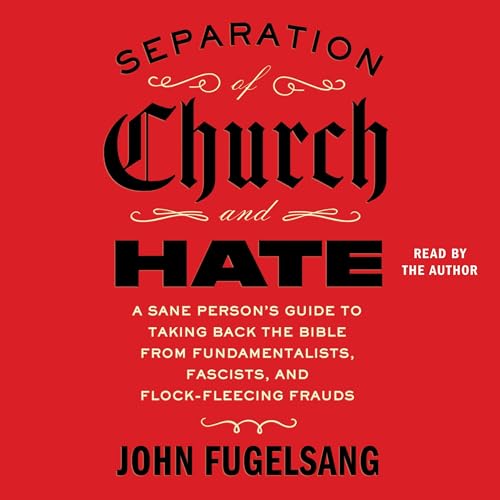
Separation Church and Hate (A Sane Person’s Guide to Taking Back the Bible from Fundamentalists, Fascists, and Flock-Fleecing Frauds)
Author: John Fugelsang
Narration by: John Fugelsang
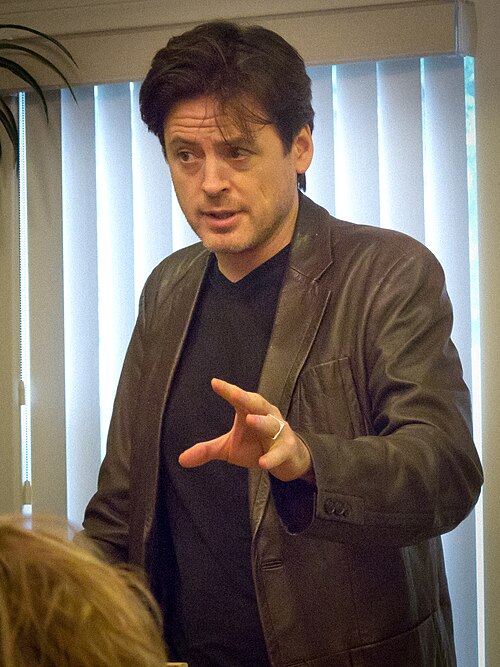
John Fugelsang (Author, American actor, comedian, television host, political commentator.)
John Fugelsang argues President Trump’s immigration policies are unjust, hypocritic, and unchristian. Fugelsang, as the son of a mother and father who have deep religious backgrounds, appears to have carefully read the Bible. In his Christian’ beliefs about humanity, Fugelsang argues Trump distorts Christian teaching, has no compassion for immigrants, and pursues an immoral immigration policy that exemplifies a false relationship between “…Church and Hate”.
Good government, not religion, is what is needed to solve America’s immigration problem.
As one who is not raised with any particular religious beliefs, much of what Fugelsang argues makes sense. The gestapo tactics of the Trump administration are appalling. Whether one is a Christian or not, the terrorism created by Trump’s policy of home, school, and street attacks on people who may or may not be immigrants is un-American and, according to Fuigelsang, contrary to the teachings of Jesus. Where Fugelsang is off the mark in his criticism is in attacking presumed motives of the President as opposed to the substantive reasons for managing illegal immigration. Trump’s methodology is cruel and unjust. The point of being Christian is superfluous. Fugelsang’s knowledge of the Bible is exemplary but who cares? It is not whether one is following Christian beliefs but whether one with power is acting with compassion and good judgement in addressing what is wrong with America’s immigration policy.
America needs immigration reform.
It is easy to agree with much of what Fugelsang has to say but it is not addressing the complexity of the problem of immigrants’ desire to have a better life. Trump is making the same mistakes past Presidents have made with native Americans. Rather than addressing the reasonable needs of human beings, past American Presidents made deals for Indian land, broke promises, murdered native populations and rejected inherent human rights. Trump is doing the same with today’s immigrants.
The starting point for correcting the problem of illegal immigration is in the creation of a fair, compassionate, and workable immigration policy.
Money is being wasted on gestapo-like actions by our government that terrorizes the public with armed ICE officers who continue to send the wrong message to the world about American democracy. We are not a police state. We are the nation that said, “Give me your tired, your poor, your huddled masses yearning to breathe free”.
Trying to turn back time is a waste of American revenue and manpower.
Trump, Congress, and the Judiciary need to back-off from a show of power. Our government needs to get to work on practical solutions that help American gain control of immigration. A show of power will not solve illegal immigration. It is only Trump’s theatrical way of making it look like he is doing something about illegal immigration. What he is doing is making America look like Hitler’s Germany. This is not America or what it stands for.
Fugelsang may be right from a Christian’s perspective about Trump’s lack of Christian belief but that is the easy part. The hard part is creating a compassionate solution by the American government for immigrants that have entered the country illegally. America needs an immigration policy that works for the future. Immigrants made America. American power and prosperity will decline without the help of immigrants. Modernization and a falling birth rate in America will reduce available labor for its future.
Fugelsang preaches to the choir in writing about Trump’s ignorant Immigration policy. It is not a matter of being or not being Christian but a matter of having a pragmatic and compassionate immigration policy that serves the needs of America’s future.
Like all world changing inventions and discoveries, iPhone came with costs ranging from children’ and adults’ addiction, to rare minerals depletion, to environmental pollution. The long-term effect of iPhones has changed the world with unexpected, often unforeseen, consequences.
Books of Interest Website: chetyarbrough.blog
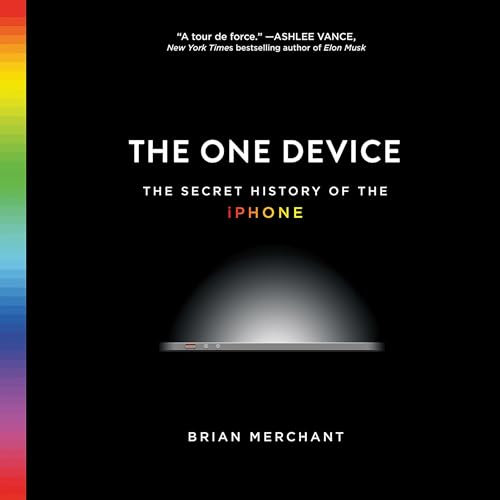
The One Device (The Secret History of the iPhone)
Author: Brian Merchant
Narration by: Tristan Morris
Brian Merchant (Author, American technology journalist, writes for The New York Times, Wired, Slate, The Atlantic, and the Guardian.)
Brian Merchant works around the tech world but never quite in it. His understanding of today’s technology has made him a popular writer for national news outlets. Never having been employed by a tech company, his analysis of iPhone history, the role of Jobs, and the history of its development is as an outsider to the process of invention. As a writer about technology, there is a level of objectivity but also reservation about an outsider’s details. Merchant reports what others tell of iPhone’s history rather than as a person being there as a part of its development.
Merchant’s investigation explains the iPhone’s creation is a messy human process entailing the dangers of mining, involvement of other companies and individuals, patent questions, and labor struggles. The impact of the iPhone’s invention is world changing. In a fundamental way, Merchant discounts the mythology of iPhone’s invention by one person or company. There were decades of prior invention before the iPhone became more than an idea, let alone a world changing device.
The mining industry and assembly line development were in place before the raw material and labor that would be needed for iPhone development. Merchant suggests Apple became the central orchestrator rather than singular inventor of the iPhone. Merchant argues the iPhone is a synthesis of decades of technological improvement, unnamed engineers, labor and organizations of miners and factory workers, and innovations needed to produce Apple’s revolutionary product.
Genius and invention go hand in hand. However, Merchant explains in the early 20th century, much of the technology that became a part of the iPhone’s foundation were already invented. He notes touchscreens, voice recognition tools, motion tracking, and early iterations of what became Artificial Intelligence had already been discovered. Merchant’s intent is not to diminish the genius of Apple, Jobs, or its employees but to show the public that every extraordinary human invention has precursors and essential earlier discoveries. It took Apple’s leadership and employees to integrate the many technologies that had been discovered earlier to create what has become a handheld window to the world. Merchant explains no great inventions are created out of thin air. He suggests every invention of the present is dependent on thought, labor, experience, and invention of the past.
Merchant discounts the idea of the “lone genius” because every genius depends on insight and events of the past to correlate what she/he invents in the present. The iPhone unifies decades of technological progress. The iPhones’ invention reorganizes global behavior, creates a new economic and industrial model, and gives the world a pocket supercomputer. The geniuses of Apple earned their reputations, but they relied on discoveries of the past.
Thinking of Curie, Einstein, Newton, and other giants of science, one wonders how Merchant’s belief about genius is valid. He would argue the brilliance of Curie, Einstein, and Newton are built on prior knowledge, their predecessors, and the tools of their time. Their genius is in connecting past knowledge and discovery of others with the present. Their genius is dependent on predecessors. Merchant is not diminishing Jobs’ or Apple’s genius, but their breakthroughs could only come from groundwork established by others.
INDUSTRIAL POLLUTION ON A BAD DAY IN BEJING,, CHINA
Like all world changing inventions and discoveries, iPhone came with costs ranging from children’ and adults’ addiction, to rare minerals depletion, to environmental pollution. The long-term effect of iPhones has changed the world with unexpected, often unforeseen, consequences.
In the book “A Marriage at Sea”, one wonders how a husband or wife would respond in a crisis. Who would take command and who would follow? Is it a matter of nature or nurture?
Books of Interest Website: chetyarbrough.blog
A Marriage at Sea (A True Story of Love, Obsession, and Shipwreck)
Author: Sophie Elmhirst
Narration by: Marisa Calin
Sophie Elmhirst (Author, British journalist who wrote the story of Maurice and Maralyn Bailey who survived 118 days on a life raft in 1973.)
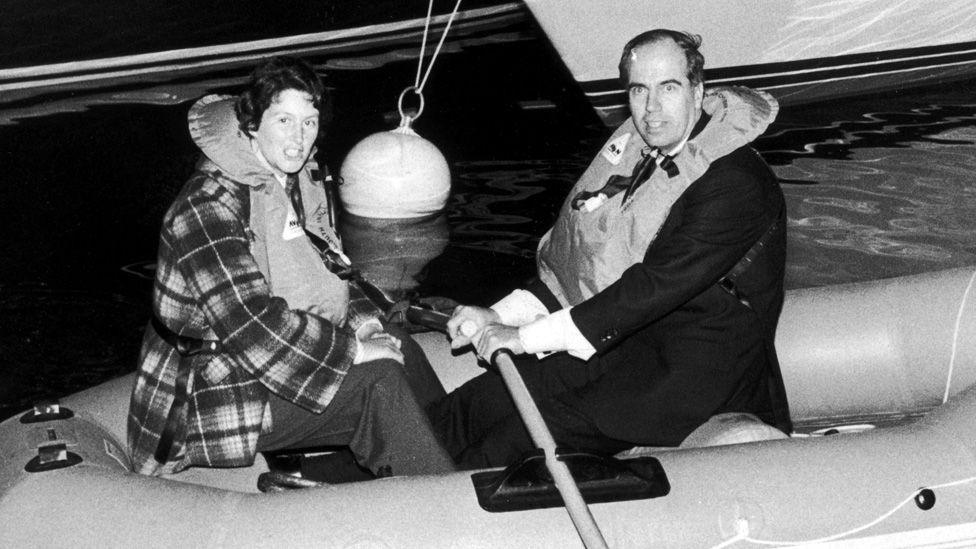
Surprisingly, Elmhirst writes about marriage in telling the story of a shipwreck that left Maurice and Maralyn Bailey on a life raft in the Pacific Ocean for 118 days. The Baileys had been married for 9 and a half years when their yacht was struck by what is presumed to be a dying whale.
The Baileys.
The Baileys were a middle-class British couple who fell in love with an idea to buy a small yacht and sale the sea to visit the Galapagos islands and beyond, a fantasy both adopt. Maurice’s strict childhood had prepared him to master the technical skills of a seafarer, but Maralyn seems to have the determination to make their dream real. They sold all their possessions, including their home, and contracted with a boatbuilder in Southampton who began the long process of building a yacht for their voyage at sea.
Maralyn Bailey using a sextant on their sailboat.
They set sale in June 1972 in a 31-foot yacht named Auralyn. They crossed the Atlantic and reached Panama in February 1973 and headed for the Galapagos islands in the Pacific, expecting it to take ten days. At dawn on March 4, 1973, their vessel was struck by a whale in the Pacific Ocean. They were 300 miles from the Galapagos islands when their vessel sank. Water filled the hold, and they abandoned ship on a raft with a small dinghy they used to store supplies they gathered from their sinking boat.
Maralyn and Maurice on a rubber raft before their sea adventure.
On the one hand, the knowledge of Maurice’s navigation skill aided their eventual rescue, but it seems Maralyn’s will and determination saves their lives. Their slim provisions would only last for a few days before dehydration and starvation. To last for their 118 days adrift, they improvised. They caught and ate raw turtles, fish, and seabirds while collecting rainwater for their sustenance. They had no fishing hooks and had to bend safety pins. They had to make fishing line for the hooks from thread, cord, twine, or maybe the yacht’s emergency kit. Whatever they caught had to be killed, cleaned, and eaten raw.
Seven ships passed the Baileys who were lost at sea.
Seven ships passed the Baileys but did not see their raft and dinghy. Even though they were in the “Sea Lane”, it is easy to understand why they were missed. They had flares that did not ignite which made their being seen unlikely, particularly with the immense size of sea transport vessels. Their hope for rescue rose and fell with each vessel sighting. Their boat, the size of the ships, and the distance from sea-going vessels must have been too far for anyone on board to see them.
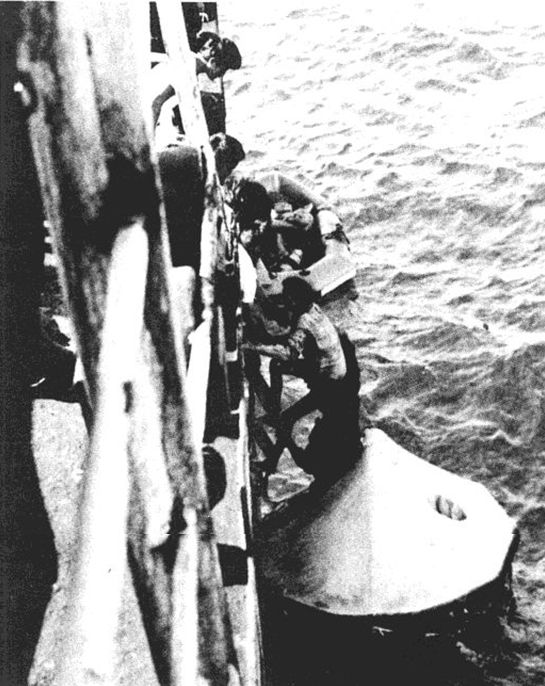
Vessel that found the Baileys.
It is a South Korean fishing boat that spots them. They had drifted over 1800 miles from the Galapagos Islands when they were rescued. Fortunately, the Bailey’s voyage is within the fishing routes of the Pacific. South Korean fishing boats would travel hundreds of miles from shore to catch tuna, billfish, mahi-mahi and other marketable fish. The South Korean boat was a deep-sea commercial fishing vessel. Its smaller size undoubtedly helped them see the Baileys.
The Bailey’s after their recovery from 117 days on the sea.
The Baileys were severely emaciated. Both had lost over 40 pounds. They could barely walk because of malnutrition and saltwater sores from skin irritation. It is hard to conceive of how exhausted they must have been. The Baileys were taken to Honolulu, Hawaii for medical care and recovery. Without doubt, the South Koreans saved the Baileys lives but it was a 1500-mile trip to Honolulu for the fishing vessel which would take 5 to 8 more days.
Sexual equality.
Elmhirst’s story suggests survival is largely because of Maralyn’s tough-mindedness and attention to her husband’s strengths and weaknesses.
In a marriage, one wonders how any husband and wife might respond in a crisis. Who would take command and who would follow in a crisis? Is it a matter of nature or nurture? In the case of the Bailey’s crisis, it appears Maralyn took command. The cost of that command is unknown, but parenthetically one notes Maralyn died at 61 while Maurice lived into his 80s.
Without a competent Chief of Staff, democracies are subject to authoritarian tyranny.
Books of Interest Website: chetyarbrough.blog
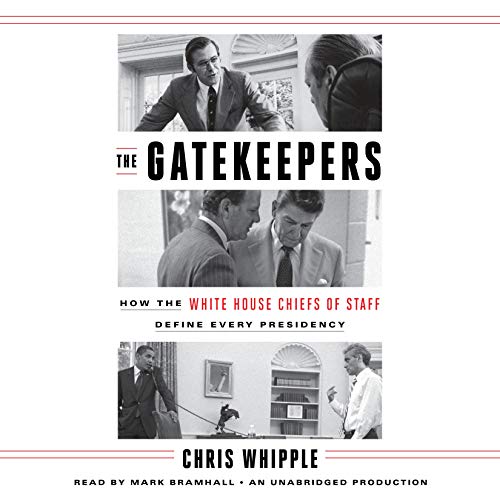
The Gatekeepers (How the White House Chiefs of Staff Define Every Presidency)
Author: Chris Whipple
Narration by: Mark Bramhall
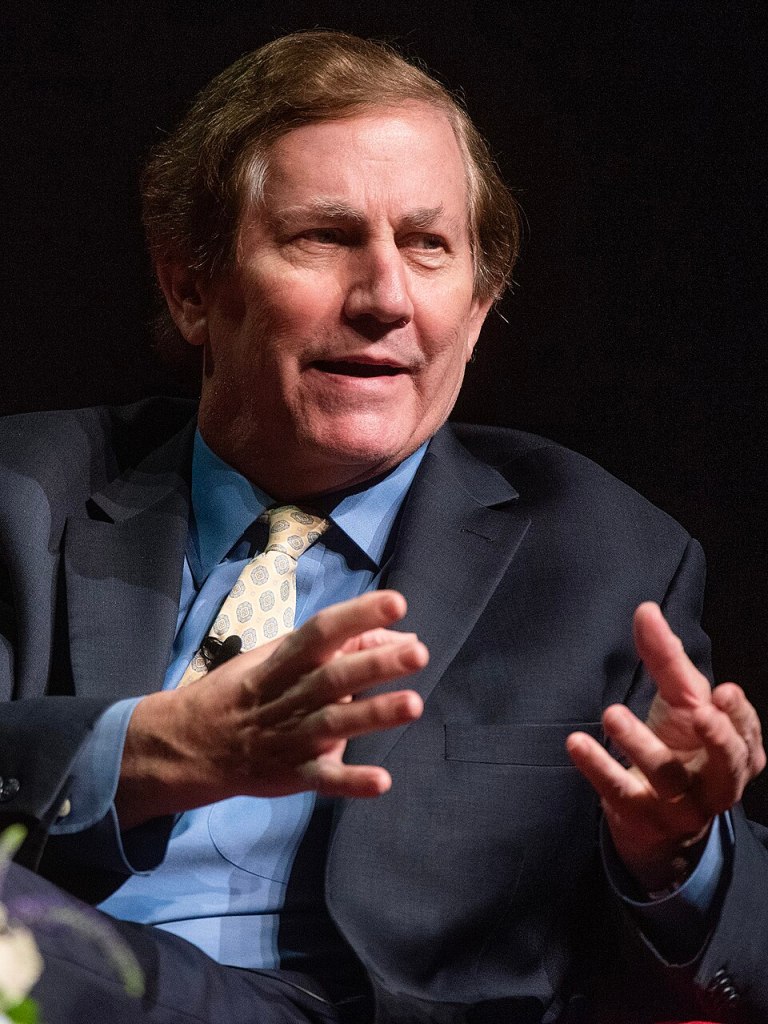
Chris Whipple (Author, political analyst, documentary film maker, journalist.)
Democratic government is complicated and messy, but decisions are made based on an understanding of the interests of many as opposed to the dictate and judgement of one.
“The Gatekeepers” may be viewed by most as an historical account of White House Chiefs of Staff based on many interviews of former government officials. However, one is inclined to see this history as a chronical of American government effectiveness. The facts and incidents reported give reader/listeners a view of America’s government function. Whipple details a series of relatively prudent and sometimes bad decisions made by late twentieth and twenty-first century presidents. Whipple’s history suggests the decision-maker for pursuit of government policy is America’s elected President. However, the road to policy approval or rejection is paved by White House’ Chiefs of Staff.
Whipple covers Nixon’s, Ford’s, Carter’s, Reagan’s, both Bush’s, Clinton’s, Obama’s, and Trump’s first administration. It does not address Biden’s Presidency or the Chief of Staff for Trump’s second term. The many interviews Whipple bases his history on offer a credible and enlightening history of American government. It is H. R. Haldeman, Cheney, Rumsfeld, Baker, Panetta, Card, and Rahm Emanuel that are the most prominent examples of effective and consequential Chiefs of Staff in Nixon’s, Ford’s, Reagan’s, Clinton’s, first and second Bush’s, and Obama’s administrations. The definition of effective is their ability to achieve a desired result whether good or bad for America. This is where one’s personal political beliefs come into question. It is always easy to see the errors of the past retrospectively. Whipple is careful to report facts and results without much judgement about their consequences.
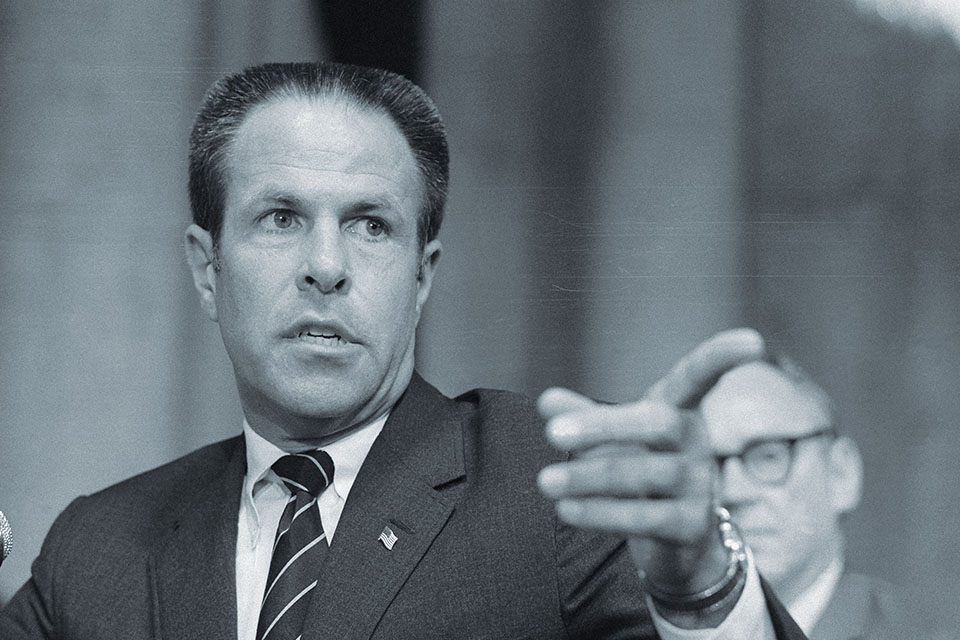
H.R. Halderman (1926-1993, former Chief of Staff for President Nixon.)
Haldeman was Nixon’s Chief of Staff. There is no evidence that he had anything to do with the planned or ordered Watergate break-in, but Whipple shows he participated in a Watergate cover-up. Though Haldeman’s actions after the Watergate scandal are reprehensible, the point made by Whipple is that Haldeman set the table for what an effective Chief of Staff should be for a President. Haldeman acts as a consummate gatekeeper. One can criticize Haldeman’s bad decision to try and coverup Watergate, but he defined the role of a President’s Chief of Staff. Whipple shows Haldeman manages access to the President, understands where the power of government lies, has a good understanding of staff members surrounding the President, protects the President’s time, and balances a President’s policies with the politics of his party.
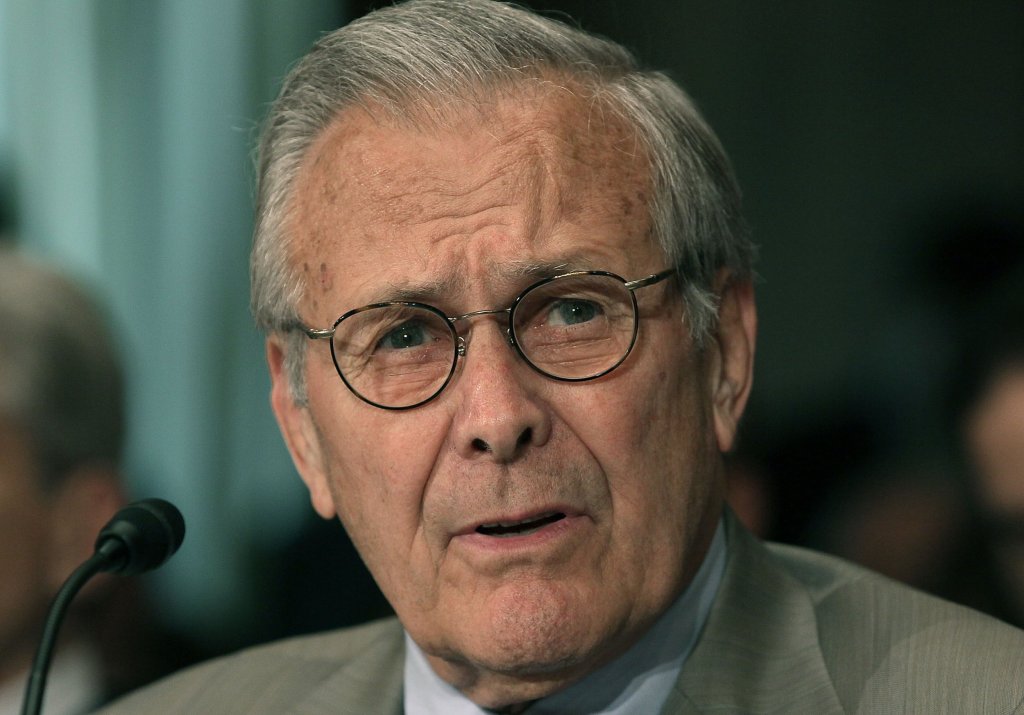
Donald Rumsfeld (1932-2021, Secretary of Defense and former Chief of Staff for President Ford.)
President Ford’s Chief of Staff is Donald Rumsfeld with Dick Cheney as Deputy Chief of Staff. Rumsfeld is characterized as a mentor to Cheney. They had a close relationship according to Whipple. Ford’s political decision to give a full pardon to Nixon and clemency for Vietnam draft dodgers were hot potato issues that were abetted (if not endorsed) by Rumsfeld and Cheney. Most significantly Ford ended America’s war in Vietnam. Ford endorses tax increases to reduce inflation while supporting tax cuts to stimulate the economy. Ford increases congress’s role in foreign policy.
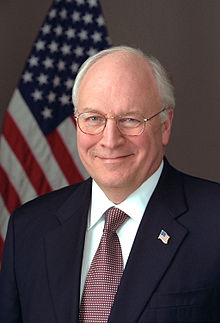
Dick Cheney (1921-2025, second Chief of Staff for President Ford.)
In a cabinet reorganization Cheney becomes the Chief of Staff and Rumsfeld switches to Secretary of Defense. Rumsfeld and Cheney, in their roles as Chiefs of Staff, control access to President Ford, coordinate policy actions, shape internal decision-making, and advise Ford on strategy to influence people who accomplish these acts. The two Chiefs influenced Ford to replace Kissinger as National Security Advisor, promote George Bush as CIA Director, and prepare Ford for the next election which is ultimately lost to Jimmy Carter.
Hamilton Jordan (1944-2008, Chief of Staff of President Carter.)
When elected, President Carter felt he did not need a Chief of Staff. However, he relented in 1979, when he found the job was needed. Carter hired Hamilton Jordan who had been his campaign strategist when he ran for President. Whipple notes that appointment became a mistake because of Jordan’s lack of discipline. Though the Ford administration fought the idea of promoting Reagan for President, the public felt otherwise.
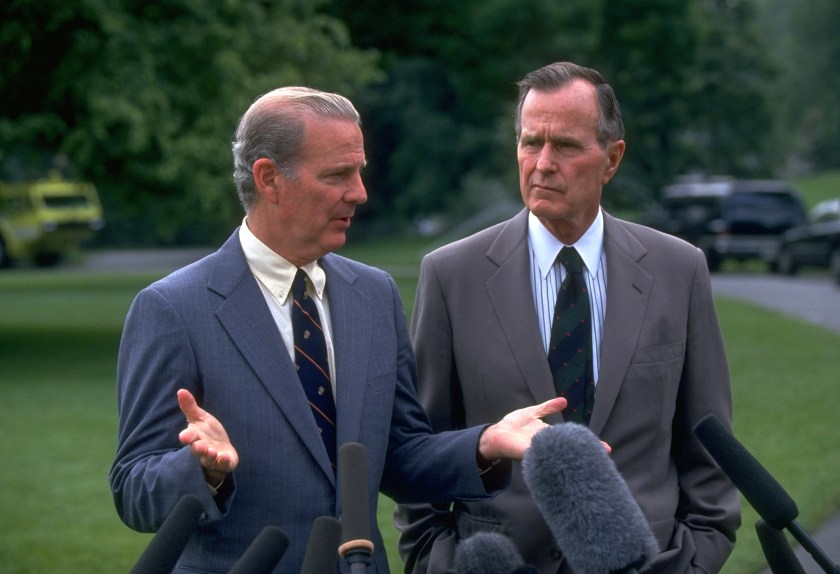
James Baker (1930-, Chief of Staff for President George H.W. Bush.)
After Carter, when Reagan is elected, he chooses James Baker as his Chief of Staff. Whipple suggests Baker is the quintessential model of a great Chief of Staff which all could be measured against. Baker is characterized by Whipple as an expert at managing the White House, the press, and Capitol Hill. Baker understood the process, the politics, communication, and presidential management requirements of the job. He never confused himself with the power of the President. He became manager of what is called the Reagan Revolution. The political and social movement revolves around ideas of smaller government, deregulation, cutting taxes, and endorsement of free enterprise. Whipple infers the success of the Reagan Revolution is largely due to the skill of James Baker.
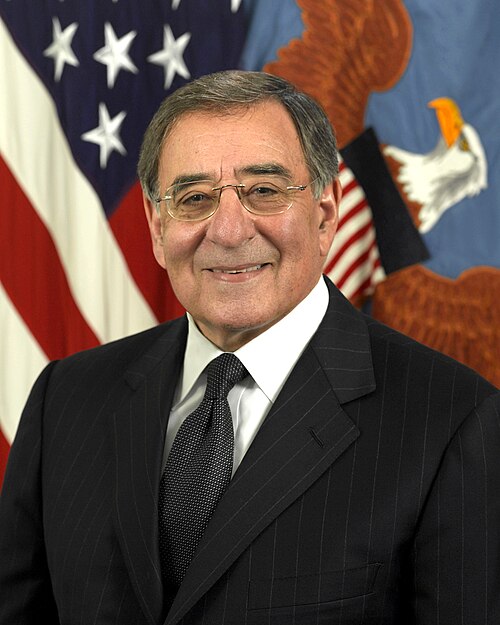
Leon Panetta (1938-, Chief of Staff for President Clinton.)
One may argue Reagan caused America’s 1990-91 recession. Unemployment had risen to 7.8%. This set the table for a Democratic President named Bill Clinton. The initial Chief of Staff for Clinton is John Podesta who served from 1998-2001 and is replaced by Leon Panetta who, in the author’s opinion, rivals James Baker as a great Chief of Staff. Whipple infers that, without Panetta, Clinton would not have been reelected after the Monica Lewinsky affair. Panetta brought discipline and structure to the Clinton White House. Panetta could say “no” to the President, at least, in private. Panetta gained a reputation for being an honest broker as a negotiator for the President.
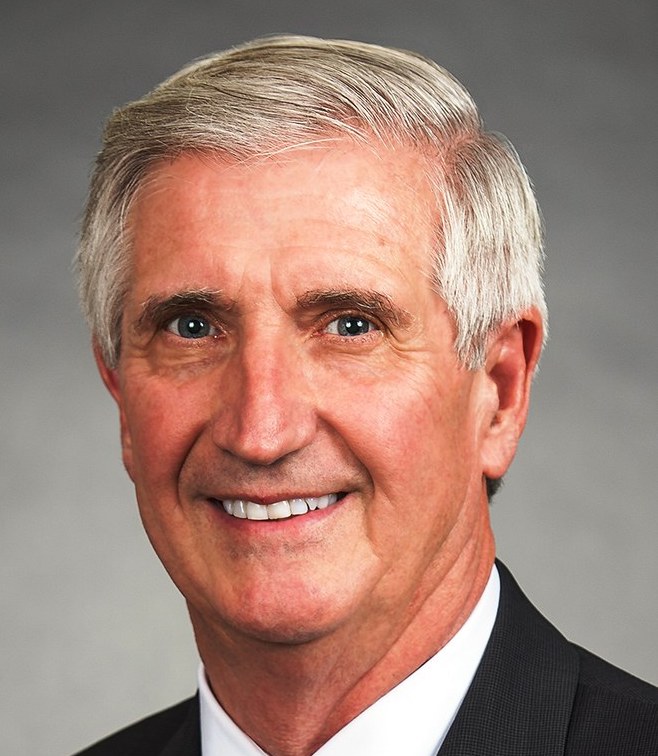
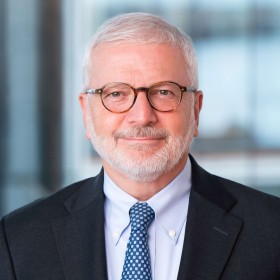
Andrew Card on the left. Joshua Bolten on the right.
George W. Bush, the next President, is noted to have two Chief’s of Staff during his two terms as President. It appears both Andrew Card and Joshua Bolten were more soldiers than Chiefs of Staff for George W. Bush. The policy decider is certainly George W. Bush but the influence of Dick Cheney as Bush’s V.P. seem a major influence on George W.’s decisions. Bush’s two Chief’s of Staff may have been effective as screeners but not as Chiefs of Staff that could say no to a President influenced by his cabinet and personal opinions. The entry to the wars in Afghanistan and Iraq suggests Card and Bolten were unduly influenced by others in the administration.
No one seems inclined to say no to President Bush in private. In retrospect, President Bush seems let down by his Chief’s of Staff and the research and judgement of his Department Heads. Both Afghanistan’s and Iraq’s invasions by the American military are retrospectively shown by most (if not all) histories as American mistakes, if not tragedies.
Rahm Emanuel (1959-, Chief of Staff for President Obama.)
The final chapters address Chief’s of Staff for Obama and Trump. Obama became President when the American economy is in an economic crisis that threatens the financial industry, the general economy, and the mortgage market for many American homeowners. He asks Rahm Emanuel to become his Chief of Staff. Emanuel is a tough Chicago politician who recognizes the pressure of the office and has some level of fear about the future of the American economy. He understood the gravity of the job he is being asked to take. However, his reputation as a tart tongued fighter for what he believed as right made him the best Chief of Staff that could be found. His role as gatekeeper gave Obama the support needed to pass the Obama Health Care plan and work through the economic crisis that nearly bankrupted America.
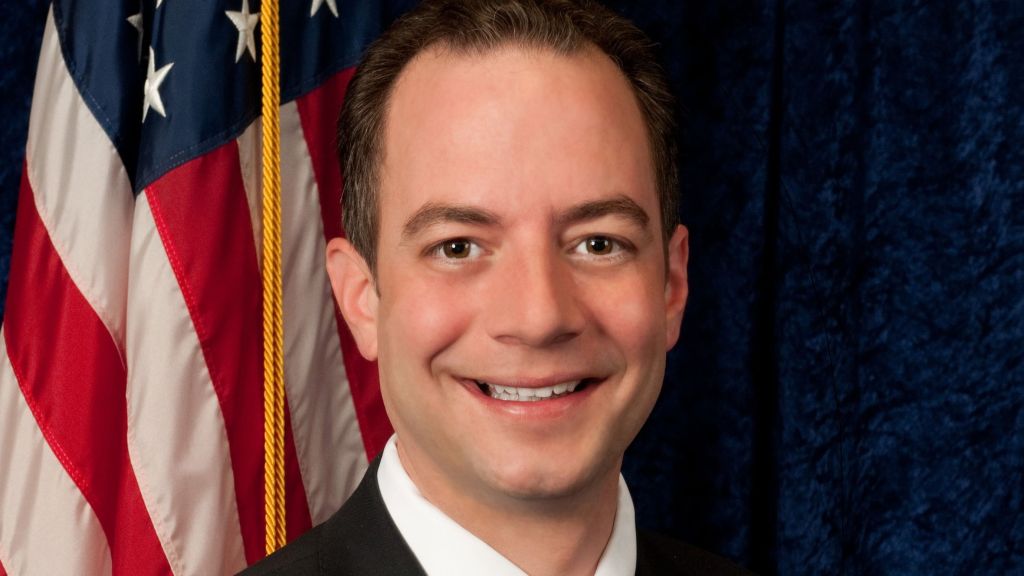
Reince Priebus (1972-, Chief of Staff for President Trump.)
Trump’s choice of Reince Priebus as his first Chief of Staff is short lived and lasts for less than 8 months. His short tenure is not evaluated, and history shows he is replaced three times in the remaining years of Trump’s first term. A pro-Trump person will have one opinion about those facts while an anti-Trump person will have another.
Whipple convinces reader/listeners that a competent Chief of Staff is critically important for any organization that approaches the complexity of a nation-state government. Without a competent Chief of Staff, democracies are subject to authoritarian tyranny.
Sorkin’s “1929” makes one think about 20th and 21st century American Presidents who may have set a table for a second economic crisis. As the Turkish proverb says “…fish stinks first at the head.”
Books of Interest Website: chetyarbrough.blog
1929 (Inside the Greatest Crash in Wall Street History–and How It Shattered a Nation)
Author: Andrew Ross Sorkin
Narration by: Andrew Ross Sorkin
Andrew Sorkin (American author, journalist, and columnist for The New York Times.)
“1929” is a history of the build-up to the stock market crash and the advent of the depression with opinions about how today’s economy compares and what should be done to keep it from happening again. Though Sorkin is not an economist, he has written an interesting history of the build-up to the 1929 depression.
Faltering economies.
There is a sense of danger being felt by some today when reading/listening to Sorkin’s history of the 1920s. Few seem to have a clear understanding of world market forces and whether we are heading for an economic catastrophe or a mere hiccup in the growth of the economy. Neither bankers, regulators, nor politicians in the 1920s (or for that matter now) seem to have a clue about the economy’s trouble and what can be done to ameliorate risks. Like 1929, today’s insiders, power brokers, and rich have more options to protect themselves than most of the world’s population.
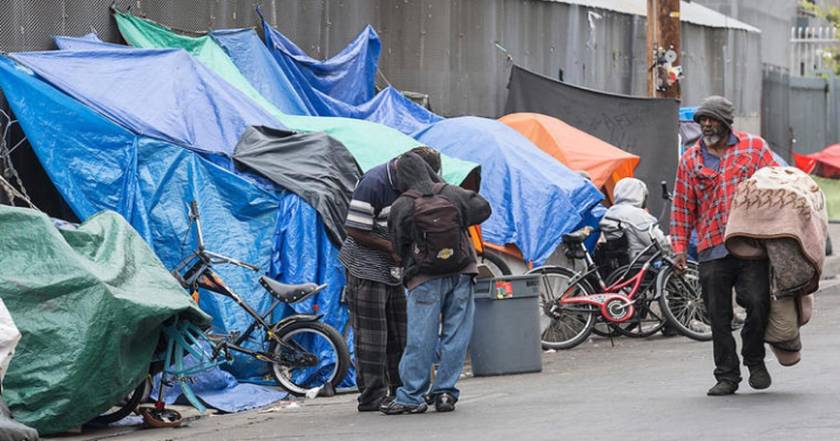
Increasing homelessness in America.
In America, it seems those in power have no concern about the rising gap between rich and poor or the immense increase in homelessness. Without a plan by those in power, there seems little concern about reducing inequality, the common denominator for the wealth gap and homelessness. Sorkin’s book outlines the reality of 1929 that gives reader/listeners a feel of history that may repeat itself.
Sorkin’s history seems credible as he notes human nature does not change.
Today’s leaders are like yesterday’s leaders. Not because they are venal but, like most if not all human beings, leaders in power are concerned about themselves and what there is in life that serves their personal needs and wants. Of course, the difference is that leaders that are power brokers affect others that do not have the same influence or options to protect themselves. We all have blinders that keep us from seeing the world as it is because human nature is to ask what is in it for me, i.e., whatever “it” is. The 1920s had a merger bubble in manufacturing and communication that is fed by the industrial revolution. Today, we have a merger bubble with mega-corporations like Tesla, Apple, Amazon and others that are mega-corporations capitalizing on a new revolution coming with A.I., the equivalent of the Industrial Revolution. Some critics argue mega-corporations, like what happened with the oil industry could be broken up to increase competition which is the hallmark of improved production, cost reduction, and lower consumer prices.
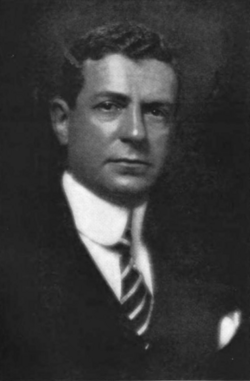
Charles E. Mitchell (American banker, led the First Nation City Bank which became Citibank.)
What makes this history interesting is Sorkin’s identification of the most responsible power brokers who bore responsibility for the stock market crash. Charles Mitchell of Nation City Bank is identified as the central driver of the stock market bubble. Mitchell denied the reality of the financial systems fragility. His ambition and unfounded optimism magnified the systemic risk of the financial crises. He openly defied the Federal Reserve’s warning to curb margin lending that risked other people’s money and their financial stability. He continued to promote purchase of stocks on credit that were fueling the stock market bubble. Mitchell appears to have misled the public in order to increase his power and protect his personal wealth by creating the illusion of market stability and his bank’s profitability. Though Mitchell is not the sole villain, he became the most powerful banker in the nation while breaking the financial backs of many Americans. In general, it is the self-interest of those who listened to him that have responsibility for their financial collapse, but it is always hard to know who is lying to you. Part of the blame is the hesitation of the Federal Reserve Board to act because the people in charge could not agree but that was more a matter of omission than commission which Mitchell was charged with but not convicted. Of course, the political leaders of that time also failed but hindsight is a lot easier than foresight.
Artificial Intelligence is today’s equivalent of the Industrial Revolution of the twentieth century.
Similar to the corporate mergers and investment from growing industrialization of the 1920s, today’s mania is mega corporation’ investment in Artificial Intelligence. Sorkin notes the ease of trading stocks, expectations of crypto investments, and A.I. hype may well move the market beyond its value. He argues for stronger guardrails on speculative investments, more limits on margin lending, and transparency on high-risk investments. He cautions easier credit as seen this Christmas season with buying based on delayed payment incentives and increasing credit card availability, card balance increases, and more liberal repayment terms. In general, Sorkin wants to see more, and better government oversight and regulation of credit offers. He believes too many lenders are overly optimistic about the future with the gap between rich and poor widening and trending to get worse. That inequality threatens the success of capitalism as a driver for shared prosperity, and economic growth.
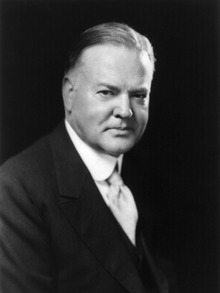
Herbert Hoover (President 1929-1933, though characterized as the primary villain for the depression, Sorkin identifies his role as one of omission rather than commission.)
The Presidents shown below carry some responsibility for where the American economy is today but that would be another book.
Sorkin’s “1929” makes one think about 20th and 21st century American Presidents who may have set a table for a second economic crisis. As the Turkish proverb says “…fish stinks first at the head.”
America’s next President needs to forcefully change the economic direction of America in the same way Timothy Egan shows Franklin Roosevelt and the Secretary of Agriculture, Henry Wallace, did during the Dust Bowl and Depression era.
Books of Interest Website: chetyarbrough.blog
THE WORST HARD TIME (The Untold Story of Those Who Survived the Great American Dust Bowl)
Author: Timothy Egan
Narration by: Jacob York
Timothy Egan (Author, American journalist, former op-ed columnist for The New York Times, won the National Book Award in 2006 for “The Worst Hard Time”.)
Timothy Egan wrote an interesting history of America during the dust bowl years that resulted in the Great Depression that lasted from 1929 to the early 40s. “The Worst Hard Time” has concerning parallels to today’s economy. Timothy Egan notes the Dust Bowl is caused by climate change, water scarcity, and energy transition, i.e. all conditions of the year 2025.
Contrary to Trump’s belief that global warming is a cycle of nature, most scientists argue the earth is warming because of the world’s burning of fossil fuels.
Clean potable water is a growing threat to a rising world population.
American Oil Refineries.
Transition from fossil to renewable energy sources is being delayed by the Trump administration.
Agricultural markets dramatically rose and fell in the 1920s and 30s. Wealth and greed created by wheat farming blinded farmers to the harm they were doing to the Nebraska, Oklahoma, and Texas panhandle plains of middle America. With the scarification of soil and seasonal planting and harvesting of wheat, millions of acres of grass land were left barren between crop seasons.
Trump is a sad reminder of the political blindness of Herbert Hoover.
Herbert Hoover (31st President of the United States.)
Tariffs and anti-immigration policies were instituted by the Hoover administration as a response to declining prosperity caused by excessive wheat farming cultivation. This is reminiscent of President Trump’s response today with tariffs, militant immigration policies, and his rejection of science that warns of the impact of global warming.
Trump’s modus vivendi.
Artificial Intelligence in today’s economy has increased investment of billions of dollars in today’s money like that spent to grow and harvest wheat in the 1920s. Investment in farmland skyrocketed in the 1920s with farming as a way to increase wealth with cultivation of land that was nearly free in Nebraska, Oklahoma, and the Texas panhandle. Today, massive investments in A.I. are being made by wealthy tech company owners. Without pragmatic and careful implementation of A.I. to America’s economy, tech company’ investments may have the same consequence to its investors as the farming collapse had to the wheat farmers.
A.I. will become the engine of American economic improvement just as Industrial Revolution changed agricultural production.
Today, A.I., rather than industrialized agriculture, has become the great economic engine of America. Today’s massive investments are in A.I. rather than wheat harvesting. The collapse of wheat prices because of oversupply disrupted the American economy because workers were not needed. A.I. will have a similar impact on all industries which may lead to the next world-wide depression.
1933 Depression bread lines.
Trump’s idea of Making America Great Again is a twentieth century idea that may lead to economic collapse rather than economic prosperity. His tariff policies set a table for damaging the world economy in the same way they did when Hoover became President. America needs to embrace the inevitable decline of human manufacturing and focus on transitioning America to a service economy. America needs more doctors, nurses, social workers, educators, house builders, scientists, and ecologically minded politicians rather than investors and manufacturers of disposable conveniences. At the same time, regressive tax policies that penalize the poor and enrich the wealthy need to be changed. Tax revenue needs to be focused on America’s economic transition from a disposable manufacturing economy to service and ecological preservation industries.
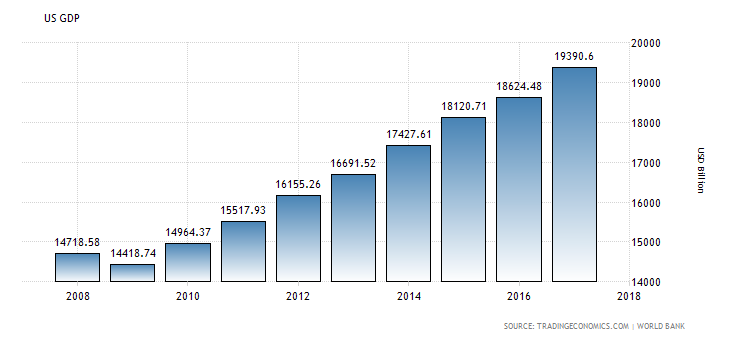
The hope for GDP growth in America’s future depends on a change in economic direction.
America’s next President needs to forcefully change the economic direction of America in the same way Timothy Egan shows Franklin Roosevelt and the Secretary of Agriculture, Henry Wallace, did during the Dust Bowl and Depression era. The reversal of Trump’s mistakes will take more than one four-year-term for correction, but the next election needs to set a different course for the American economy.
Harris’s tough mindedness and potential are well illustrated in “107 Days”. America is ready for a woman to be President, but Ms. Harris may have too much baggage to be a successful candidate for President in 2028.
Books of Interest Website: chetyarbrough.blog
107 DAYS
Author: Kamala Harris
Narration by: Kamala Harris
Kamala Harris (Author, former V.P. of the United States and former California attorney general.)
The obvious message of Kamala Harris’s book “107 Days” is that the Democratic Party lost the presidency because of the compressed time for Harris to mount her campaign. There are many reasons noted for Harris’s failure to get elected as President of the United States. She notes Biden’s weak candidacy, party disorganization, misinformation and disinformation, foreign policy controversies and protests, polarization and turnout problems, and cultural/generational messaging gaps. “107 Days” is a well written and narrated story of the difficulties that Harris had in her political race against Donald Trump. Her book is a compelling argument. However, it seems her most likely cause of defeat is time.
Donald Trump (President of the U.S., politician, media personality, born into a wealthy New York City family, has a B.A. in Economics from University of Pennsylvania.)
Retrospectively, Harris’s story makes many think she would have been a better President than Donald Trump. The story of her book reinforces that belief. However, that is misleading in the sense that Harris is faced with two burdens that are difficult, if not impossible, to overcome. One, America has never had a woman President and two, Harris is too closely associated with the administrations cover-up of Biden’s intellectual decline. There are many causes one can give to understand why Harris is defeated but time to know who she is seems the most crucial.
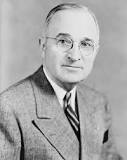
Vice President Harry Truman became President with the death of Franklin Roosevelt.
It seems most Vice Presidents of the United States are viewed as figure heads or pawns to increase votes for the person who is running for President. The duties of a Vice President today seem more like “gopher” jobs that give little visibility to the character of the person chosen to be Vice President. Only when that person becomes President, does the world find out who the Vice President is and what capabilities he (before Harris, they were all men) brings to the office. (For example, Trump’s successor, if it was his V.P., is unknown and unpredictable.) Harry Truman, retrospectively, is one of the great Presidents of the United States but no one thought a part owner and proprietor of a grocery store could be a competent President of the United States.
Five V.P.’s in history became Presidents of the United States.
Though there have been several Vice Presidents (John Adams, Thomas Jefferson, Martin Van Buren, Richard Nixon, and Biden) who have successfully become Presidents of the United States their election was determined by campaigning. Regardless of whether time was the determining factor in Harris’s loss of the Presidency, her book shows she has the intelligence and ability to be America’s President. What that means to her and the future of America is unknown. One presumes Harris will consider running for President, but one suspects the burden of her loss to Trump is likely to diminish her chance of getting enough political support for her candidacy.
Presidents of the United States.
Harris’s tough mindedness and potential are well illustrated in “107 Days”. America is ready for a woman to be President, but Ms. Harris may have too much baggage to be a successful candidate for President in 2028.
“Radical Candor” about a creative idea can discourage employee creativity. Scott’s counsel on building trust is her magic potion, but potions can kill as well as heal.
Books of Interest Website: chetyarbrough.blog
Radical Candor (Be a Kick-Ass Boss Without Losing Your Humanity)
Author: Kim Scott
NarratedBy: Kim Scott
Kim Scott (Author, former executive at Apple and Google, coach for tech companies like Dropbox and Twitter)
The agricultural revolution dates back to 10,000 BCE, 1760 marks the beginning of the industrial revolution, the 1950s evolves into an age of expertise and work knowledge with computerization, in the 1990s connectivity and automation begins the information age. Today, Kim Scott addresses the 2020s along with the advent of artificial intelligence. Beginning when the industrial revolution takes hold, organization management evolves into a social science. In the industrial age training changes from demonstrating how to make things to managing people’s work in making things. Jumping to the Information Age managers of people become ringmasters for employee’s creativity.
Despite many changes in purpose for organizations a common thread is managerial skill which entails political and personal skills. Managers pursue understanding, influence, ability, and sincerity of purpose to elicit and manage human creativity.
Scott outlines management skills in “Radical Candor”. Her book is a useful tool for aspiring managers. Even reaching back to the agricultural age, there is relevance in Scott’s belief in “Radical Candor”. She defines radical candor as “Caring personally while challenging (organization employees) directly.” By personally caring, Scott explains good managers must gain the trust of people who report to them. My personal experience as a former manager in different careers shows that no manager knows everything about the company or organization they manage. The one thing a good manager must know is how to develop trust with people who report to her or him. Without trust between managers and workers, organizations are likely to fail.
Trust between managers and employees is even more true today because worker’ creativity drives technological invention and utility.
Being vulnerable by understanding you know nothing about people you manage is the starting point of your role as a manager. Scott explains the first thing a new manager must do is personally meet with each direct report to hear what they do for the organization, what they like and dislike about what they do, and what obstacles get in their way that impede accomplishment. The two-fold purpose of these meetings is first to listen, not judge or criticize what is being reported. The second is to build trust.
(I believe A.I. will always be a technological tool, not a controller, of society, contrary to those who believe human existence will be erased by machines. As a technological tool of humanity, the creativity of human minds is at the frontier of management change.)
Scott explains how important it is to let employees know their manager is interested in an employee’s goals and growth in an organization.
A manager must be both physically and emotionally present when building trust with an employee. There is a need for a manager to explain one’s own vulnerability and responsibility in managing others. Scott’s point is that gaining trust of an employee requires more than knowing their birthday. A good manager will ask for feedback about what an employee is doing and what support a manager can offer to improve their performance. A manager should be curious, not furious when things are not going well. It is important that a sense of respect be given for an employee’s effort to get their job done. With development of respect, it becomes possible to use radical candor to constructively criticize or complement an employees’ performance.
Scott notes there are many reasons for an employee’s failure to perform beyond expectations.
Those reasons include incompetence but also the failure of management to have a clear understanding of an employees’ strengths and weaknesses. Through development of trust between manager and employee, a different job may be in order. With reassignment and a performance plan, a manager may be able to tap a human resource that has been wasted. The performance plan is instituted with “Radical Candor” and offers either opportunity or, if performance improvement fails, dismissal.
Every organization has distinctive operational idiosyncrasies that a manager may not precisely understand.
This has always been true. It is even more true in the tech age because project uniqueness and employee creativity is more difficult to measure and manage. Kim Scott has worked with the most iconic tech companies of modern times, e.g. Apple, Google, Twitter. There are a number of anecdotes about famous tech giants and officers of Facebook, Apple, and Google, like Sandberg, Cook, and Page. Kim has also started her own businesses, some of which failed, and others that prospered. Her experience offers credibility to her arguments.
From personal experience as a manager of others, no manager ever knows all there is to know.
As Scott notes, this is not to say that geniuses like Steve Jobs did not know more than his Apple employees, but the iPhone idea came from a group of employees before approaching Jobs with a clunky mock-up of the idea. Jobs had a reputation for being a tough audience for people with creative ideas. This is the reason Kim Scott explains trust must be created between manager and employee so that candor about needs and expectations can be usefully employed to improve probability of personal and organizational success.
One takes Kim Scott’s counsel on “Radical Candor” with some reservation because misused “Radical Candor” about a creative idea can discourage employee creativity. Scott’s counsel on building trust is her magic potion, but potions can kill as well as heal.












































 REVIEWS AND VIEWS OF LIFE