Graduate Oregon State University and Northern Illinois University,
Former City Manager, Corporate Vice President, General Contractor, Non-Profit Project Manager, occasional free lance writer and photographer for the Las Vegas Review Journal.
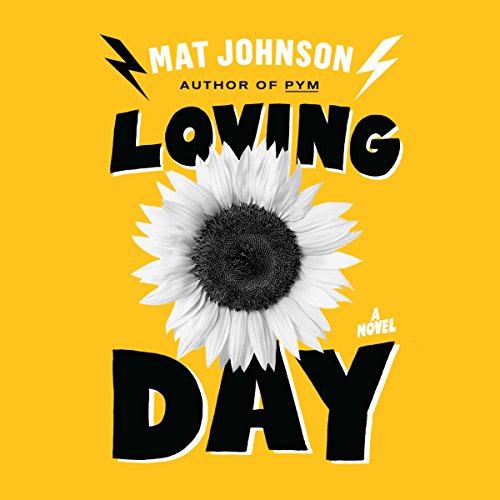
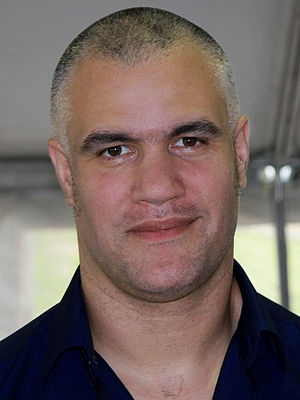
“Loving Day” is a rambling novel about discrimination. Mat Johnson’s main character, a son of a white father and black mother, inherits a dilapidated mansion from his father who dies during its renovation. The house has many doors. Johnson creatively assembles a variety of characters who figuratively knock on those doors to define and find a way to erase discrimination.
Johnson’s novel sets a table for understanding the many forms of discrimination hidden behind closed doors.
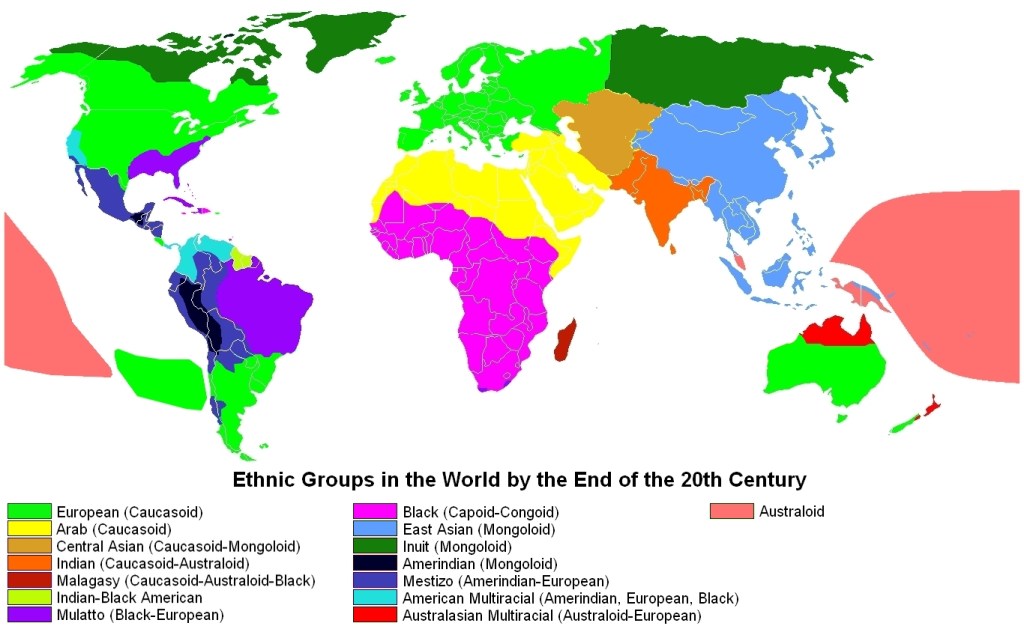
Every human has an ethnic and sexual identity whether recognized or not. Johnson’s story illustrates the inequality of the sexes while sidestepping any solution or answer for societal accommodation to ethnic difference. His host of characters range from transexual to sexual, from black to white, to mixed race, from married to divorced, from Jew to gentile. Each character might be classified as ethnic, but still a part of larger society that is burdened by inequality and discrimination.
Though Johnson’s primary focus is on discrimination, his many examples are a hot mess. There are too many to list in one review. There are many causes of discrimination. Children of unwed mothers are unerasable consequences of unsafe or forced conjugal relations. Children of un-wed mothers often become latch-key kids because their single parent has to work to pay rent and put food on the table. Some are sent to grandparents who may or may not be able to handle the responsibility of another person to feed, clothe, and educate. Homelessness is a consequence of many human causes, ranging from economies in crises to discrimination to medical or mental disability.
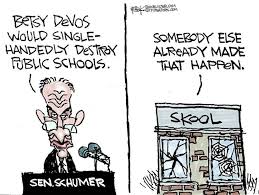
Schools created out of heart felt belief in eradication of inequality create an atmosphere of privilege that exacerbates discrimination.
A marker for discrimination is illustrated by the author’s character named “One Drop”. One Drop is a human label associated with birth of a child from parents with different ethnicities. One drop of blood or semen between a black person and a white person, in the eyes of some, makes that person Black. In Nazi Germany, a gentile who marries a Jew identifies their children as Jewish. A man or woman may have conjugal relationships with others while married and are judged untrustworthy as future monogamous partners.
Society organizes itself without understanding or constructively dealing with inequality engendered and perpetuated by poor judgement.
Genetic/Socio/ethnic differences are the thematic subject of Johnson’s story. Society judges human difference as good or bad. The author’s conclusion is that people are people. Society should accept people for what they are; until then, discrimination and unequal treatment will be like an unrenovated house that will either be moved from one place to another or destroyed.
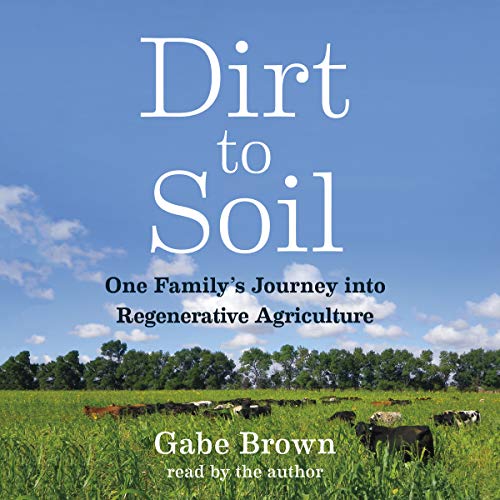
Dirt to Soil (One Family’s Journey into Regenerative Agricultural
By: Gabe Brown
Narrated by: Gabe Brown
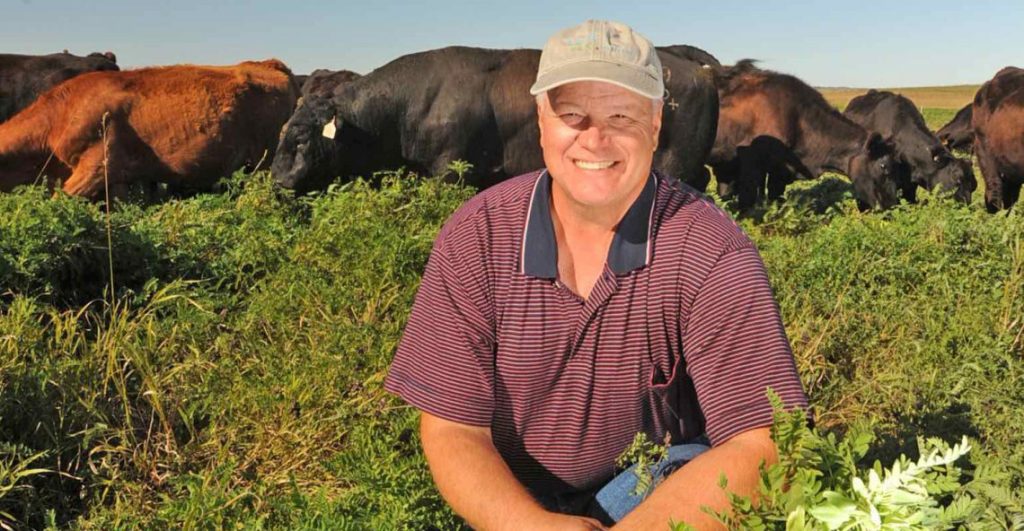
Gabe Brown (Author, farmer.)
“Dirt to Soil” offers a glimpse of a farmer’s life. Gabe Brown’s family manages a 5000-acre farm in North Dakota. Brown and his son’s farming experience offer insight to a branch of biology that addresses the relationship of a farm environment’s organisms. Brown is not a scientist or academic. He is a farmer.
Gabe Brown became an expert in soil conservation based on experience and insatiable curiosity. Though he went to college, it is four years of hardship that gave Brown an understanding of farming. From that experience, Brown reordered his practice of farming based on five principles.
No soil disturbance (no-till, no-synthetics).
Reinforce Soil’s Natural Defenses (the outer layer of soil protects all life)
Promote biodiversity (marry species nature’s way to keep soil healthy)
Keep living roots in the ground as long as possible and use cover crops with seasonal diversity.
Animal & Insect integration (both predator and protector) to promote natural diversity.
Brown’s journey to understand and practice these farming principles increased the profitability and durability of farmland. “Dirt to Soil” is a record of Gabe Brown’s personal farming and educational journey. Though Brown admits to being a city boy, his experience in 4H, some academic classes, and visits to his future wife’s farm sparked a lifelong interest in farming. When his wife’s parents retired from their 1700-acre farm, Gabe Brown and his wife took over management.
Gabe Brown’s farming education came from 4 years of weather-related catastrophes that nearly ended his career as a farmer. He notes his wife appeared ready to give up farming life, but he refused to give up. His experience in those years re-focused his attention on the intimate relationship between nature and farming.
Brown explains, in “non-wilding” words, how it is necessary to rewild his farm. By watching how nature preserves itself, he changes his farming practices. Without plowing, furrowing, and fertilizing with chemicals designed by farming industry, Brown rejects practices that artificially enhance dry soil that exposes it to natural diseases and the exigencies of weather. He turns to observing nature to find how it replenishes soil’s natural nutritional condition. His objective is to turn “Dirt to Soil”.
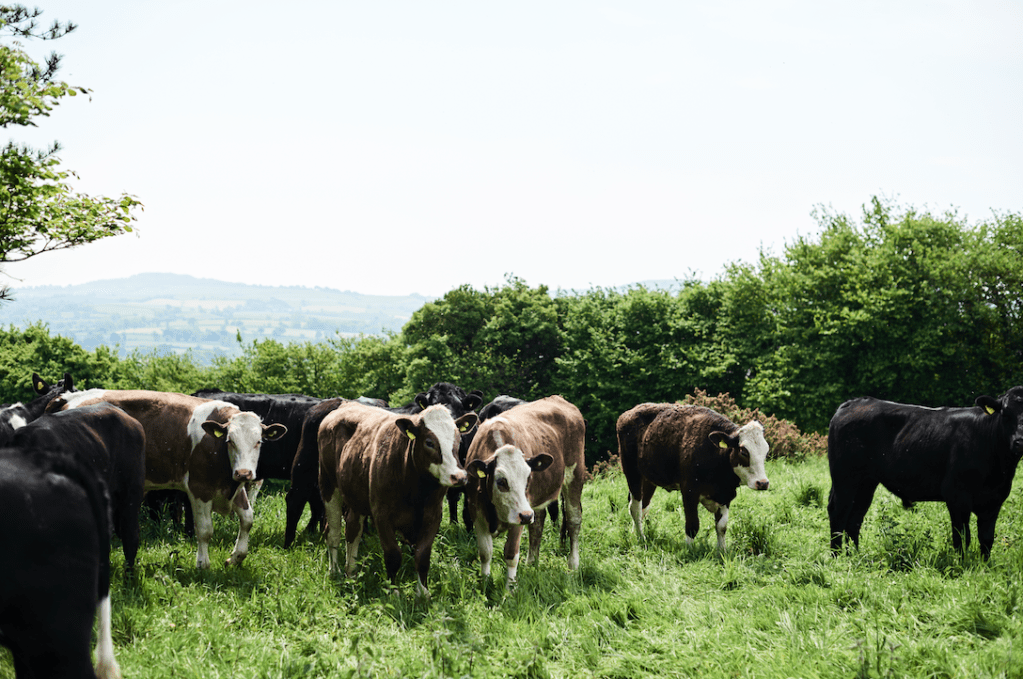
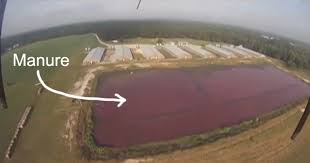
Brown reasons that raising cattle on the farm would fertilize its soil. (A caveat to Brown’s observation is that fertilization by cow manure requires frequent grazing rotation, not industrial manure concentration.)
(There is a concern about carbon dioxide increase and ground water contamination from livestock. In a 2019 overnight stay with a farm family in New Zealand, there was objection to the former Prime Minister’s attempt to burden farmers with the cost of better livestock control.)
With natural fertilizer and cultivation of different plant species, Brown finds soil nutrient value improves. That soil improvement is absorbed by newly planted crops that benefit both livestock and consumers. The planting is done without tilling the ground but planting seedlings in unplowed ground. After experimentation, Brown begins rotating crops based on soil enrichment objectives.
Brown experiments with different species of plants to find which types replenish the soil in his area of North Dakota. With these discoveries and changes in practice, Brown’s farm prospers.
Brown notes change in farming practices is a slow process because of a false belief that high productivity is more important than nutritive value. When a film crew interviews Brown, one of the film’s producers is asked to buy a dozen eggs at the market and bring them to the farm to show the difference between eggs from “free range” chickens vs. caged chickens.
This is a comparison of a cracked egg from a free-range farm and an egg from a caged chicken farm. Brown notes his rewilded farm shows a brighter yellow yoke.
“Dirt to Soil” goes on to become a teaching facility for future farmers. Brown’s son works on the farm and will inherit it when his mother and father pass. In the meantime, an internship program is started to pass on the educational experience of Gabe Brown’s farming life. Rewilding farms means paying attention to the diversity and value of nature. Brown explains the nutritive value of food has fallen in America because artificial fertilizers have replaced the natural processes of nature.
Brown’s story about eggs reminds one of a trip to a Norwegian fish farm last year. One of our fellow travelers asked the employee of the farm if there is any difference between fish-farm’ salmon and a wild salmon. His answer is there are very few wild salmon left in the sea. However, he notes wild salmon have more Omega-3 per serving than farmed salmon which have less protein.
Gabe Brown explains his goal has always been to make a good living at farming and pass that skill on to his family and every American interested in that life. He concludes the success of farmers should not be based on crop yield but on profitability. His experience shows there are many ways to make a profit in farming.
Brown explains that high crop yield is not a measure of success. With the creation of alternative income practices, he believes a small farm is as capable of making a profit as a large farm. Observing nature and farm diversity (both human and ecological) is Brown’s guide for farming success and profitability.
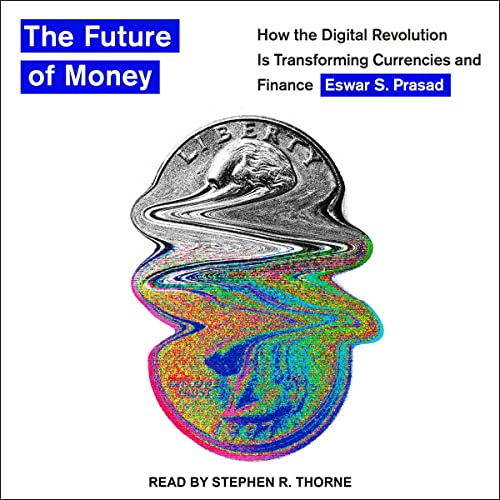
The Future of Money (How the Digital Revolution is Transforming Currencies and Finance.)
By: Eswar S. Prasad
Narrated by: Stephen R. Thorne
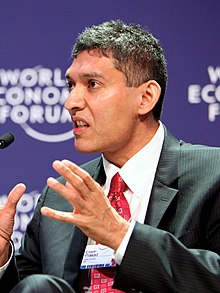
Eswar Prasad (Author, Economist.)
“The Future of Money” offers a short history and long explanation of the strengths and weaknesses of filthy lucre.
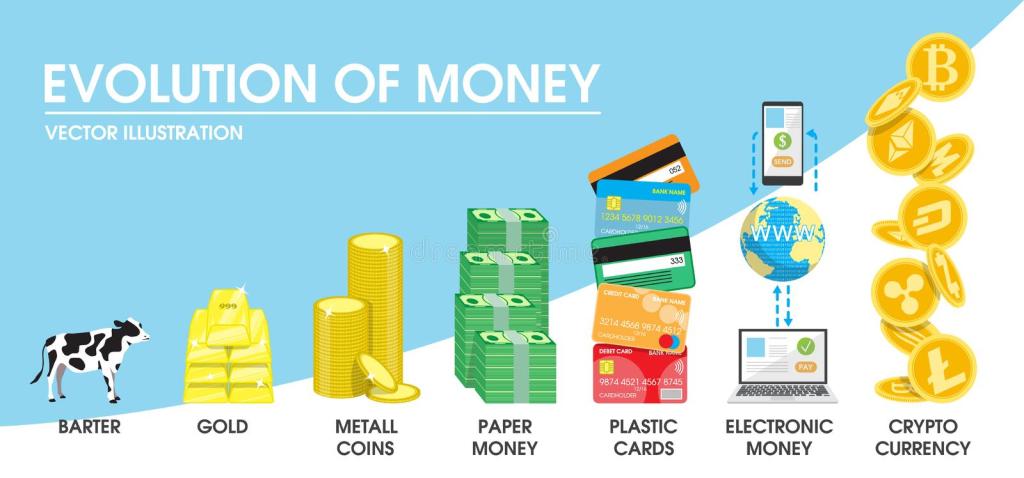
Prasad begins with the often-told story of how money began as a precious metal transforming to paper for easier exchange between seller and purchaser. The value of money has always been malleable. Its value changed in early times based on authoritarian rule and later in ways Prasad’s book explains as an evolutionary trust of money.
Genghis Khan is at one end of the spectrum where currency value is based on the value set by the ruler. If one disagrees with money’s mandated value, you are executed. Later the value of money is supported by full faith and credit of respective governments, inferring execution is less likely.
In modern times, value of money is turning to technology. Still, in every case, Prasad notes money’s value is based on trust.
Eswar Prasad explains money’s transformation from coin to paper to digital exchange. Prasad shows digital money is less tactilely filthy, but its form and value is as impactful as ever. In the remainder of Prasad’s long book, reader/listeners find how difficult it is to provide foundational legitimacy for digital currencies.
A number of chapters of Prasad’s book reveals the many financial transaction rails (electronic payment methods) that have been created with the widening use of the internet.
A cashless society began with credit cards and has proliferated to where “coin of the realm” is not accepted by some vendors. Prasad explains transaction fees on credit cards have led to alternative payment rails to reduce costs to both vendors and buyers.
As of 2021, the most commonly used alternative methods of payment are PayPal, Apple Pay, Google Pay, Bizum, WeChat, and Alipay. The number of users of these payment rails is increasing because of credit card’ fees.
Two with the most customers, WeChat and Alipay have over a billion users each.
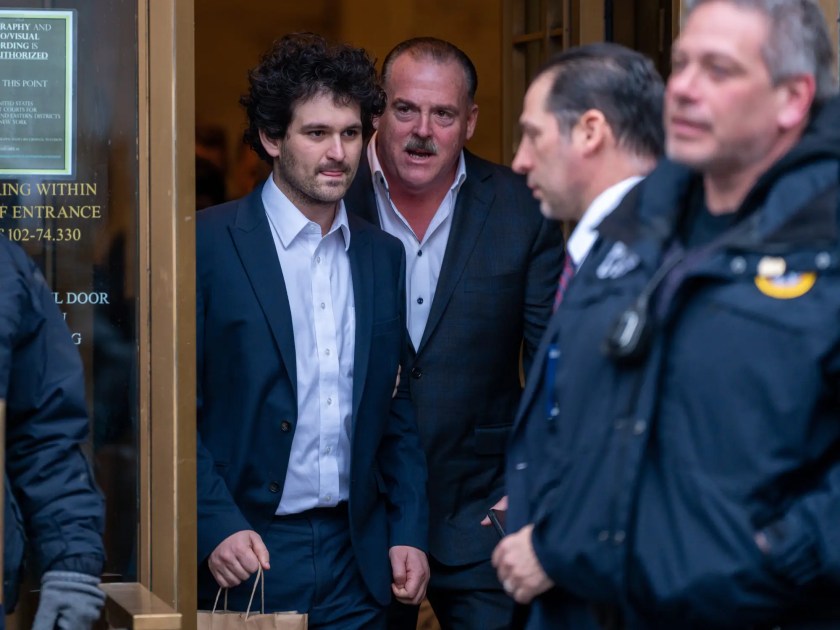
Today, particularly after the FTX fiasco, digital money’s value has lost trust. All forms of value in money are subject to human fallibility. The fallibility of any form of money is in humankind’s nature which is subject to ignorance, greed, and power.
An attempt is made to mitigate greed and power with bitcoin. One suspects ignorance of digital currency remains for most of the public. Anyone can access the bitcoin platform. Theoretically no one can identify a singular person’s account without that person’s personal access code that can only be entered from the owner’s computer device. However, there remain fundamental reasons for one to be skeptical of a bitcoin owner’s security. Trust continues to be a concern for cryptocracy’s utility and value.
Aside from business ineptitude, having one’s own key to a bitcoin entity is no guarantee of security, even if any entry from another computer cannot use the key? What keeps a hacker from capturing a user’s code in blockchain and cloning a bitcoin computer to use the key to steal bitcoin value?
Theft of passwords and private keys is hackable if information is kept anywhere in a computer file. This is not to mention the capability of social engineering by smooth-talking hackers.
FTX is in court today. Value of bitcoin assets has fallen to the point of FTX’s possible bankruptcy. It is unclear if the FTX collapse is from weakness of bitcoin transparency or its founder’s ineptitude. In any case, there is a precipitous loss of trust in bitcoin value.
How is bitcoin blockchain security significantly different in today’s tech-savvy world? One argument is that its control is decentralized rather than centralized. So what? Decentralized control carries its own set of risks.
The reality is bitcoin’ blockchain use and creation is part of what has led to the FTX mess. The so-called strength of not having centralized regulation of digital currency is shown to be a weakness. The pitch is that bitcoin is designed and intended not to require government regulation because of the mystical belief that regulation magically appears because of user transparency. Blockchain security does not appear to be any more trustworthy than a paper dollar in a tech-savvy world.
Another issue raised by Prasad is value instability of bitcoin.
Crypto currency is being tested by different governments around the world. These governments are trying to widen crypto currencies trust and value through greater diversification of support from nation-state’ assets. The idea may reduce instability, but there remains a question of oversight. Yes, oversight–that dreaded function labeled government regulation. User transparency is not enough as is proven by the failure of FTX.
Prasad tackles the complexity of inflation and the difficulty of controlling its negative impact on public welfare and economic health. Inflation often leads to a cycle of impoverishment that hits those who are poorest the most.
When inflation occurs, the cost of living (particularly food and shelter) is disproportionally lost by the poor. What is called helicoptering of money to families below a certain income level mitigated the worst consequence of unemployment during Covid in the United States. Covid’s impact and the decision to helicopter money caused a cycle of inflation in America, but it also reduced hardship and stabilized the economy.
Prasad notes inflation is being mitigated by Federal Reserve’s tightening of monetary policy by raising interest rates. The risk of that action is that those at the lowest end of the income market may lose their jobs because of industry layoffs. Prasad explains rising interest rates reduce business investment which can trigger a downward spiral in the economy.
It seems no coincidence that homelessness has become a national problem in America at the time of monetary policy disruption. Some argue change in monetary policy and Covid recovery have nothing to do with homelessness. Some argue citizens have just lost their motivation to work. Believing it is a loss of motivation seems ridiculous when one looks at conditions in which the homeless live. Whatever the cause, America is the wealthiest nation in the world and can reduce homelessness by acting responsibly.
Though not addressed by Prasad, homelessness is a national problem that should be funded by the national government at a local level so cities can adequately attack its multiple causes.
Prasad notes helicopter funding is only one arrow in monetary policies government quiver. Digital currency has made some people rich, but its control needs to be regulated to serve the needs of society more broadly.
One idea Prasad explains is the idea of a central bank digital currency (aka CBDC), presently being studied by the Federal Government.
Bitcoin, under the supervision of government, is a contradiction of the original inventor’s intent. However, the idea of blockchain, technology, and bitcoin opens a door to improving economic conditions of the poor around the world. The potential for CBDC, in concert with today’s access to internet payment rails, is a growing 21st century economic opportunity. It is not because of the idea of CBDC alone, but CBDC in concert with the internet and mobile phones could change the course of economic history. The evidence Prasad points to is Africa and the creation of a mobile phone service that offers the poor a way to pay bills without a checking account and collect income for product created for sale.
Prasad explains how people in the lowest economic classes have gained access to money for pay and income by using features of mobile phones.
Prasad explains the many experiments with digital currency are changing the world’s economy. Prasad notes the general concern is the amount of influence and regulation a government digital currency might have on its country of origin. On the one hand it offers opportunity for economic improvement. On the other, it creates a vehicle for an intrusive invasion of privacy. Anything entered into a computer potentially becomes public knowledge.
Further, Prasad notes the American dollar is already the most influential currency in the world. The idea of an American controlled digital currency is threatening to many countries, both in western and eastern blocs.
One who reads Prasad’s book is likely to conclude America will eventually create a digital currency. FTX shows digital currency cannot regulate itself without oversight. Whether America will remain the big dog in currency influence depends on an unknown future. No government’s digital currency has been successful as of this date.
A Life on Our Planet (My Witness Statement and Vision for the Future)
By: SirDavid Attenborough, Jonnie Hughes
Narrated by: Sir David Attenborough
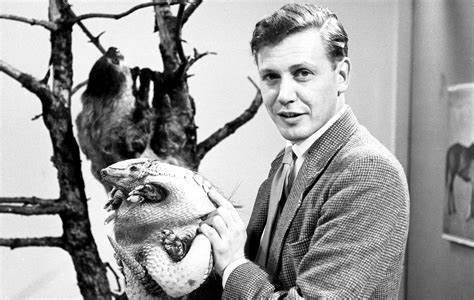
Sir David AttenboroughDavid Attenborough in his youthJonnie Hughes (Ecologist, teacher, science journalist)
In a memoir of one man’s life, David Attenborough (with the help of Jonnie Hughes) reviews earth’s degraded environment and humanity’s future. Sir Attenborough tells a personal story of his life as an English broadcaster, biologist, natural historian, and author.
Attenborough recalls his education as a naturalist, BBC commentator, and program producer of travels, the environment, and species decline around the world. His career spans over 50 years of experience–from meeting famous conservationists like Jane Goodall to exploring remote islands in search of native culture.
In nearly a century of life, Attenborough reflects on what he has personally experienced on earth with a life-long interest in environment. The first half of the book is about the beginning of civilization and environmental despoliation. The last half of Attenborough and Hughes’ story is about their “…Vision for the Future”.
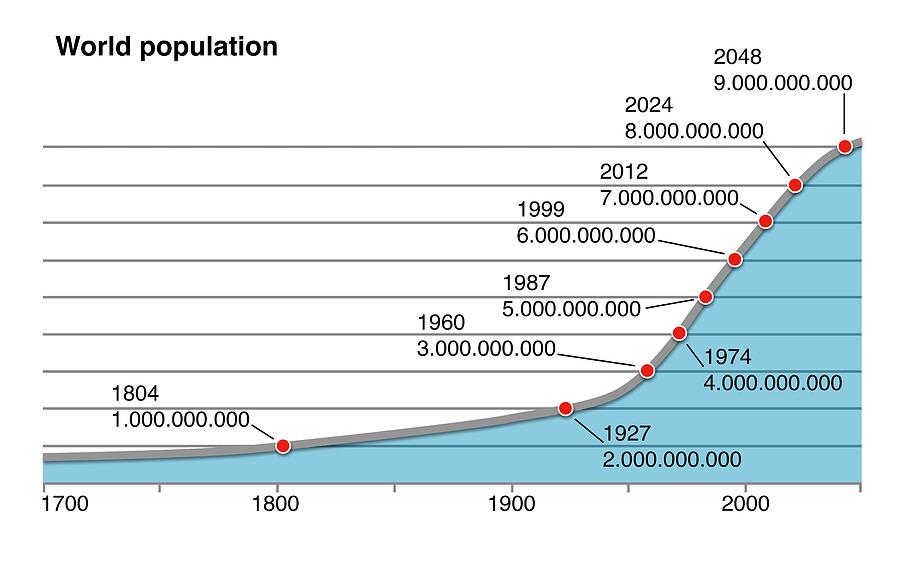
From recollections of the 1950s to the present, “A Life on Our Planet” is earmarked by population growth and wilderness decline.
Attenborough and Hughes describe earth as a closed system. His analogy is that earth is a petri dish that grows bacteria that will consume the world if humans fail to change their ways. Interspecies dependance is challenged and changed by environmental degradation caused by human activity. From the destruction of whales in the era of whale hunting to deforestation of land by farming and industry, the authors argue the earth is being murdered by humanity.
Global warming from industrialization and deforestation accelerates earth’s death by warming oceans. Just as the cycle of life in the sea is disrupted by global warming–removing forests, overhunting, and species extinction disrupt life on land.
Coral turns from a living, colorful paradise to a dead and crumbling, bleached underwater forest.Great Barrier Reef in Australia
Listening to “A Life on Our Planet”, one holds their breath to hear the last half of Attenborough and Hughes’ book for their “…Vision for the Future.” So many authors decry the fate of humanity, one becomes jaded by dire predictions of ecologists and environmental experts.
Is there a solution that does not end with the extinction of human life? Life on earth is unlikely to end from human environmental mistakes, but human beings are one of many species on earth that will disappear if humanity fails to respond to the environmental crises of its own making.
The author’s “…Vision for the Future” gives one hope.
Except for their mistaken belief that measuring GDP (gross domestic product) as success, there is an underlying singular cause of the world’s environmental disaster. They offer the idea of re-wilding the world. GDP will always be a part of societies’ measurement of success. However, the idea of re-wilding earth is a realistic solution to human life’s environmental Armageddon.
The principle of re-wilding the world is a practical solution that does not deny the natural instincts of humankind. The authors are suggesting countries of the world need to focus on bio-diversity policies that re-introduce lost species and promote current species of life.
A big step would be international agreement on fishing restrictions in different areas of the world (for enforced periods of time) that will allow ocean and waterway fish and mammal species to naturally propagate.
Similar to that is happening with Western Australia Fishing Restrictions.
According to science and experimental proof of established fishing area restrictions, food availability for a rising human population will improve.
A second point made by the authors is that women around the world must be liberated.
Repression of women has kept half the world from realizing its full potential. With free choice, women will be able to make their own decisions about work, family, and productivity. It is no coincidence that population growth in America slowed with the liberation of women who chose to have or not have children.
A third visionary idea is a nation’s choice on sources of energy.
Geothermal energy in New Zealand as an example.
Choosing to abandon fossil fuels will improve the air we breathe and reduce overheating of land and sea. In choosing renewable energy sources, the authors note two small countries have abandoned fossil fuels. Surprisingly, one is Albania. Having traveled there a few years ago, one could see how enterprising and vibrant the economy of Albania appears to be. The other fossil fuel independent country is Iceland which uses earth’s thermal energy to warm their homes from a sustainable, pollution free energy source.
A concern is raised about an aging population like that in Japan where women have chosen not to have children. What is unwritten by the authors is that many countries fail to open their borders to young people from other countries that have no work and limited opportunity in their home countries. There needs to be a growing understanding that all people of the world are on the same spaceship. In a perfect world, all people would be treated equally. It is not a perfect world, but GDP can drive countries to be more open to immigration.
“Dallas, Texas, United States – May 1, 2010 a large group of demonstrators carry banners and wave flags during a pro-immigration march on May Day.”
Attenborough has lived a long and interesting life. He offers listeners wisdom from being a witness to the truth about the world in which we live. This is not a story of the end of “…Life on Our Planet” but a formula for humanity’s continuation.
Humans can continue to despoil the environment. The consequence only makes human habitation impossible. Trees and wildlife are rewilding Chernobyl. Only humankind is unable to return.
The Metaverse (And How It Will Revolutionize Everything)
By:Matthew Ball
Narrated by: Luis Moreno
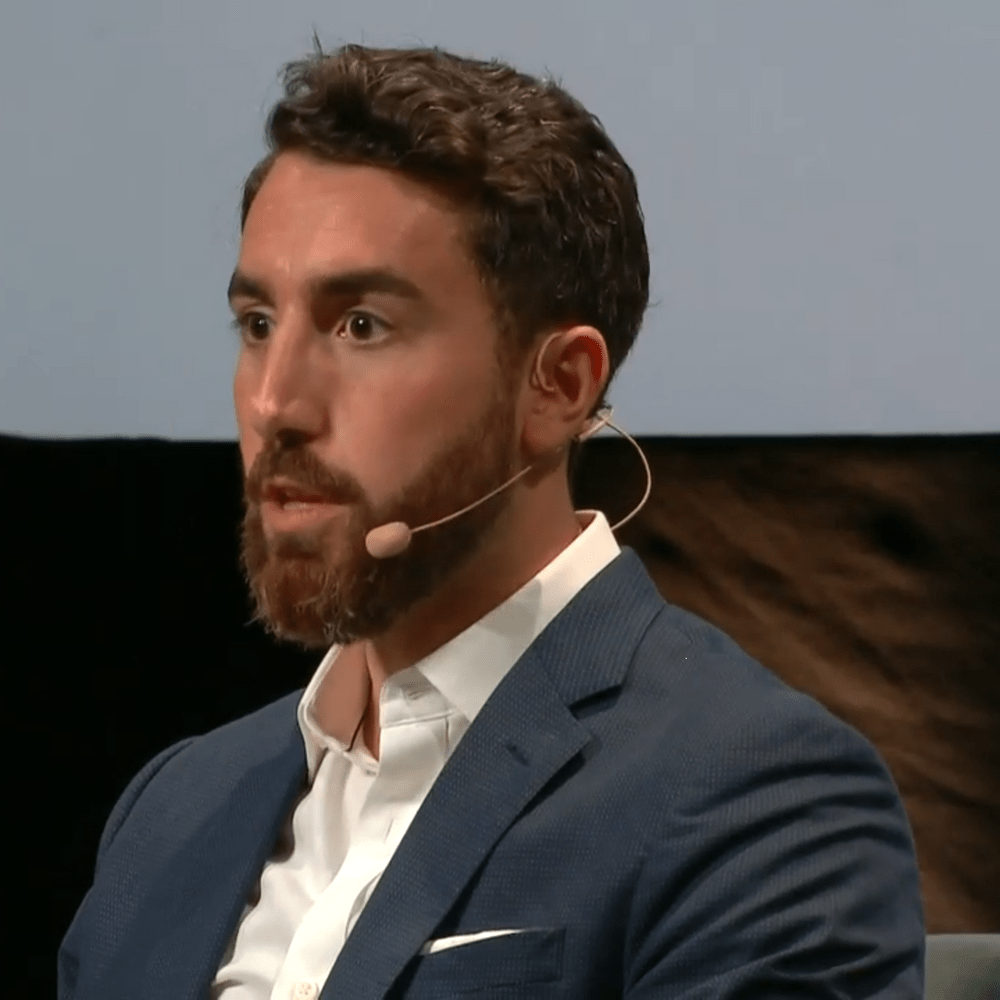
Matthew Ball (Author, Managing Partner Epyllion Industries.)
“The Metaverse” is widely talked about but little understood by the public. In Matthew Ball’s densely packed review of todays and tomorrow’s tech future. Listeners will be surprised to find how far the metaverse is from today’s world but how life-changing it will be in the future. The metaverse has not achieved its potential but when fully developed, Ball implies the metaverse will be the most revolutionary societal change since the industrial revolution.
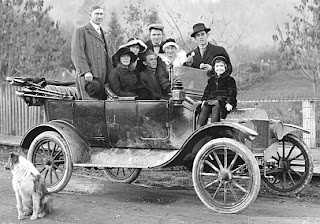
Ball infers metaverse’ virtual and augmented reality are at a “model T” stage of development.
Model T Ford built in October 1908.
For we who are ignorant of the inner workings of coding and computer hardware, Ball implies metaverse’ virtual and augmented reality are at a “model T” stage of development. Having to use a cumbersome headset or computer aided eyeglasses are far from accurately creating or recalling reality. Ball explains, to achieve reality in the metaverse, hardware and software development is many years from success. The computer power and coding requirements, not to mention political regulation, of a metaverse are limited by current human capability and knowledge. However, Ball notes that capability and knowledge are works in progress.
Today’s metaverse is constrained by headset utility and code limitations.
The metaverse is an expansion of the internet. Once a metaverse reaches its full potential, it will create a three-dimensional network that will be different, if not new, reality. It will encompass the world as it was, as it is, and as it will be. Ball’s explanation of the metaverse is optimistic but burdened by an unlikely change in human nature.
The internet, Facebook, Apple, Amazon, Google, and Microsoft seem at the head of the class for today’s metaverse.
Facebook creates social connection. Apple creates hardware with IPhone portability, Amazon creates a marketplace, Google and Microsoft create software. They all capitalize on internet use. They coordinate lesser-known businesses and code creators to chip away at the complexity of creating a virtual 3D world. Because five mega-corporations are at the center of metaverse’ research, they are an indicator of a political danger. Having singular controllers of the metaverse threaten societal independence and choice. Later chapters suggest a key to containing that danger is block chain computing.
Block chain is a list of interconnected records that everyone can see but cannot change. It offers transparency that theoretically allows one to judge its validity. What it does not consider is the oversight of records and how information may be hacked to distort reality or steal value.
The collapse of FTX in 2022/2023 is a prime example of block chain risk.
As coding achieves the goal of three-dimensional creation, the idea of augmented reality becomes real. The simple idea of replicating a 3D piece of clothing requires reams of ones and zeros written by teams of coders. No singular company can hire enough coders to create three dimensional animate and inanimate objects. Ball explains the key to successful metaverse creation is capitalist freedom. Coders are media users, some of which become independent contractors who create ones and zeros that detail characteristics of the world for established internet companies. They are compensated for code that details objects like a shoe with shoelaces, eyelets, a corrugated sole, colors for its various parts and everything that makes a shoe a real thing.
The roadblock to achieving virtual reality is in the laborious task of coding to replicate details of life in three dimensions.
Ball explains gaming is at the front end of today’s metaverse because it is a first step that does not require the massive input needed to create a three-dimensional world.
The irony of this observation is that the best future coders are today’s youth who are captured by the gaming industry. As these young people mature, their coding experience reinforces the future of the metaverse. Ball notes the gaming industry opens the door to a two-dimensional world which infers potential for creating the third dimension, i.e., the world in which we live.
Ball argues a key to create the metaverse is capitalism and its practice in a free society.
The wealth of nations owes its prosperity to the industrial revolution. Ball’s argument for “capitalism in a free society” as the prime mover for the metaverse is weakened by recorded history.
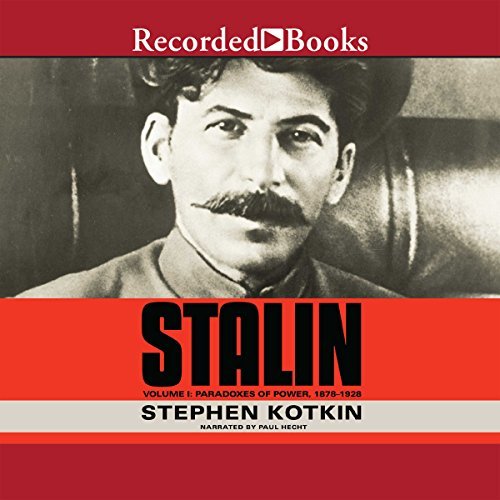
Authoritarian leaders like Joseph Stalin used force to industrialize Russia into the U.S.S.R. Not just capitalism in a free society is a prime mover for the metaverse. Authoritarianism is an equivalent (much harsher) prime mover for the potential of the metaverse.
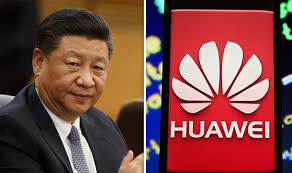
President Xi in the 21st century appears to be heading in a more Stalinist authoritarian direction.
The metaverse may be the equivalent of the industrial revolution but whether that will be a good or ill omen is as difficult to know as whether A.I. will be an enhancement or threat to society.
Will the metaverse change human nature–doubtful. Money, power, and prestige have ruled the world since the beginning of history.
The metaverse is unlikely to change human nature. What Ball makes clear is the metaverse is here in a two-dimensional, gaming and internet sense. It will only become more powerful as the third dimension is added.
Maurice Carlos Ruffin (Author, fiction writer, finalist for the PEN-Faulkner Award and others.)
Maurice Carlos Ruffin’s story is about understanding discrimination and where it stands in America today. Ruffin’s creativity as a writer of fiction is on display in “We Cast a Shadow”.
Though Ruffin’s imagination rambles too far at the end of his story, he offers a strong opinion about his generation’s view of 21st century America.
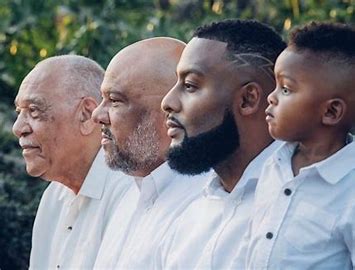
The book title and the author’s characters flood a listener with thoughts of history, worry, and hope. Ruffin writes a story about four generations of a fictional black family. He reaches back to the main character’s grandfather, his father, the main character (a successful lawyer practicing law), and his young son. Worry comes from how far social and economic equality must go to be real. Hope comes from believing America will get there.
Ruffin creates a family in a southern community. The father is a black lawyer struggling for partner in a successful southern white law firm. His wife works in a hospital.
They live a middle-class life in a white suburban community. The son has a birthmark on his face that is slightly darker than the rest of his skin. The birth mark turns darker when exposed to the sun. The father is obsessed with the birthmark and wishes to have it surgically removed to give his son a more even Mediterranean appearance. The boy’s red headed mother views her husband’s concern as an absurd obsession.
The father of the black lawyer in Ruffin’s story is raised in a lower-income black community in the south. His father is serving time in prison. His mother owns and runs a restaurant in which he worked while growing to manhood. His father is highly educated with a PhD received in his 21st year of life. His grandfather is described later in the story and reflects on the age of slavery that gives weight to the author’s perception of America’s generational change in discrimination.
The professional lawyer’s young life exposes him to good and bad influences in a low income, minority neighborhood. He possesses the intelligence of his father and expositive experience to become a successful lawyer. A part of his experience is to use drugs as a way of coping with life’s stress. He is deeply influenced by the loss of his father’s guidance because of an interminable prison sentence based on unequal treatment by the police.
Ruffin’s main character is the only black lawyer in the southern firm.
At an annual review of the firm’s lawyers, one person may be promoted to partner, while others may be fired. Ruffin’s main character is neither fired nor made partner but is taken under the wing of an ambitious white woman law partner who promotes him to a newly formed Diversity Division in the firm. The woman’s ambition is to become leading partner of the firm by increasing its revenue with a broader appeal to all ethnicities in the firm’s market. She recognizes the competence and potential of the rising black lawyer.
Ruffin somewhat comically sets this table but prepares one for a meal of many tastes. “We Cast a Shadow” reflects on what it means to be black in America and married to a white woman with a son who has a symbolic birthmark.
The “…Shadow” Ruffin casts is discrimination’s continuation in both black and white America. Discrimination is different today than when the lawyer’s grandfather lived. Through four generations, black perception of discrimination changes from a grandfather who says the way for black folks to get along is by making white America feel guilty for discrimination. In contrast, the lawyer’s father (serving an interminable prison sentence) raises his son to understand he is as smart and capable as any white person. However, due to circumstances of his era, his father is thrown in jail for talking back to the police while standing up for his rights as a citizen of the country. (Of course, this is a part of the unequal treatment that exists in today’s America.)
The jailed father’s son resents the absence of his father despite his father’s principled stand that led his father to jail. In spite of that resentment, the lawyer is shown to feel and exhibit both his grandfather’s and father’s influence.
The lawyer feels trapped by his profession and beholding to white people in the firm. He recognizes (just as his father taught him) he is as good as any lawyer in the firm and better than some.
The generational change between the grandfather, the father of a successful black lawyer, the father and his son show an evolution occurring in America. The lawyer’s son represents today’s generation that rejects his grandfather’s belief, accepts his innate ability and equality, and proffers hope for equal treatment in life that is not based on the color of one’s skin.
The irony of the lawyer’s belief is his obsession with his son’s birthmark. The birthmark is a reminder to the lawyer of unequal treatment in America. The lawyer is discriminating against his own son because of a birthmark that identifies him as something less than white.
In the end, a conclusion one draws from “We Cast a Shadow” is that every parent comes to a point of realizing Glory Gaynor’s truth—“I am what I am.”
Lyrics
I am what I am
I am my own special creation
So come take a look
Give me the hook or the ovation
It’s my world that I want to have a little pride in
My world, and it’s not a place I have to hide in
Life’s not worth a damn till you can say
“I am what I am”
Every parent makes mistakes in raising their children. This father’s mistake is to obsess over a birth mark without recognizing what is most important, i.e., a parent must love a child, while allowing them to become who they choose to be.
Mad Enchantment: Claude Monet and the Painting of the Water Lilies
By:Ross King
Narrated by: Joel Richards
Ross King (Canadian Author of books on Italian, French and Canadian Art and History.)
Ross King refreshes one’s interest in the history of WWI while revealing much of the mystery and appeal of Claude Monet and his art. Monet’s diminutive size contrasts with his giant impact on impressionism. As a founding father of impressionism, Monet’s passion is to show the effect of light on life and nature.
Monet lived in Giverny, France in a modest house with a well-maintained lily pond and garden that served as a subject of his art.
Having read biographies of Leonardo da Vinci and Caravaggio, Monet is certainly not the first to have had a passion for the effect of light on a subject. Monet produces light that moves an admirer from objective observation to subjective pleasure.
In 1874, Monet exhibited “Impression Sunrise” that received hostile reviews. That painting exemplified the beginning of Impressionism. King shows Monet insists on his vision and the era of modern art is born.
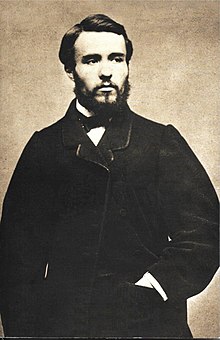
YOUNG MONET AND MATURED MONET AS PAINTED AND LATER PHOTOED.
Portrait of Claude Monet 1867 (oil on canvas) Carolus-Duran, Charles Emile Auguste (1837-1917) MUSEE MARMOTTAN MONET, PARISOscar Claude Monet (Artist, founder of impressionist painting revealing how he perceived nature. 1840-1926)
King recounts Monet’s relationship with Clemenceau, known in France as the tiger before WWI, and the Father of Victory at its end. King explains Clemenceau is a duelist in his early years who becomes a physician, newspaper writer/publisher, and then politician.
Clemenceau at Age 24 in 1865.
Clemenceau is recognized as a great orator and leader of men by no less than Winston Churchill.
Clemenceau becomes prime minister of France during WWI.
Clemenceau cheers French resistance to the German assault of France. At defeat of Germany, Clemenceau presses for German reparations, including return of the Alsace-Lorraine region of France. He insists on full compensation for German destruction from WWI.
King offers a Eurocentric view of WWI. France is not a great fan of America’s reluctance to join the war when France is pummeled by Germany. Though Clemenceau appreciates the ideal of Wilson’s 14-point plan, he objects to the League of Nations and insists on German reparations that set the table for WWII.
Monet is also not a great admirer of America. He considers American buyers of his art as profligate and ignorant of fine art and their value. King notes both Clemenceau and Monet admire Japanese artists and collect many of their works. Many of Monet’s paintings are sold to Japanese buyers.
Clemenceau and Monet are close friends until death. Monet is the first to go but Clemenceau is ill and soon to die. Both were of a similar age. Both were hard working Frenchmen in their respective professions. Monet’s art is sold or bartered during his life to private and public museums. Many of Monet’s works are donated to the French government at his death. A government financed museum is created for an exclusive exhibit of Monet’s paintings.
Mussee Marmottan in Paris
King notes Monet loses much of his eyesight in later years, but he perseveres with the help of eye surgery that returns some vision to one eye. Clemenceau plays a large part in convincing Monet to donate his art to France. As both are approaching death, Monet’s penchant for procrastination nearly fractures their close relationship. Part of the fracturing is related to the government’s problems with creating a museum that would meet Monet’s requirements. Some of his canvases were huge and Monet wished to have them displayed in an oval shaped museum. Additionally, King notes Monet is often dissatisfied with a painting and would destroy it and start over. Monet is also noted to dawdle when nearing a paintings completion by leaving a detail that is planned but never executed. King explains Monet’s work ethic is phenomenal. He wakes at dawn and works through the night until his energy is spent.
Clemenceau is a significant character in King’s biography of Monet. In some respects, the two men are alike. They are both relentlessly energetic in their respective professions. Though Clemenceau is a doctor, his passion is in publishing and politics. He travels the world. Monet restricts his travel to France, mostly between Paris and Giverny but with a passion for work equal to Clemenceau’s. Monet’s passion is for impressionist renderings of the natural world.
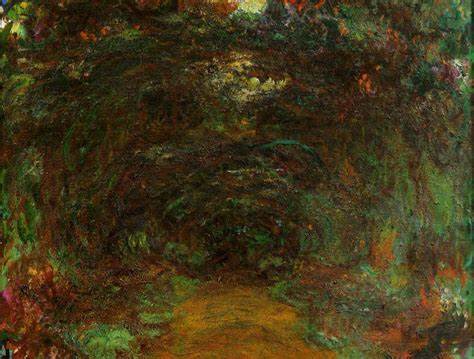
As Monet’s vision deteriorates, later work reimagines impressionism based on failing vision–but more poignantly, it seems Monet’s later paintings reflect on the trials of a long life.
Water Lillies 1919 at The Met Fifth Avenue in New York.
King suggests looking at one of Monet’s water lilies paintings long enough gives one’s imagination free reign to see something more than a pond. Some see figures of women, others–spirits of the dead. A lily pond seems as much a tribute to life as to decay.
Rose Trellises in Giverny 1922
In King’s epilogue, Monet is glorified in a review and contrast of early and late impressionist paintings. King reminds listeners of Monet’s initial vilification by the art world, his resurrection, demise, and reification in modern times. What Monet could see with younger eyes, before cataracts obscured his vision, King recognizes as a new era of art. King offers tribute to two great men, Clemenceau’s political renown which revels in his time and Monet’s art celebrated for all time.
Indochina is changing based on its own history. America’s war is only a small part of that history. Sadly, that small part killed more than 50,000 Americans and indirectly resulted in deaths of many more Indochina citizens.
Website: chetyarbrough.blog
Written by Chet Yarbrough
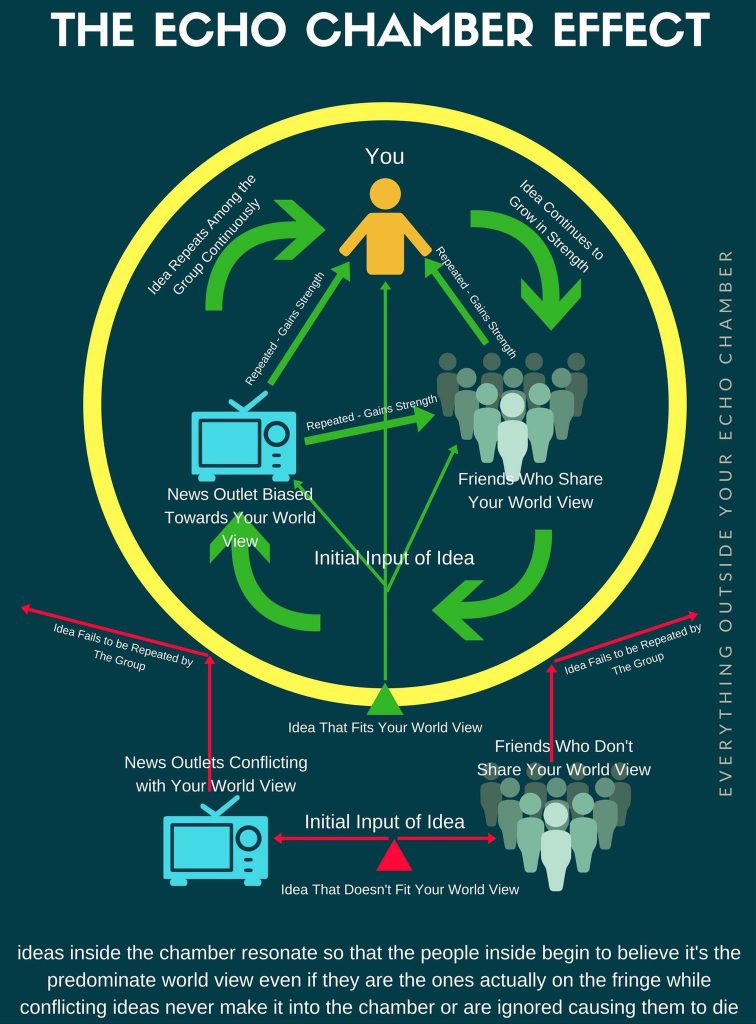
There are no excuses for one to be uninformed about the world in this era of “phone-net” access. However, what is at issue is an echo chamber that traps unwary reader/listeners and fellow travelers in false beliefs.
An echo chamber is a media repeater that only reaffirms one’s beliefs, whether true or false.
An echo chamber is populated with tailored information that only reinforces what one already believes.
Facts of an echo chamber are tailored to its audience, rather than to truth.
To avoid the echo chamber trap, one must diversify what they read and hear. One must become a skeptic. Personal experience, reading of other’s experience, and listening to different news sources are essential requirements of the skeptic. Diversification begins by reading books of history, and periodicals with different political views. Like all books of history, truth is distorted by a writer’s chosen facts. It is impossible to precisely contextualize the complexity of the past.
History is infected by experiences of the present and fact-choices of the past.
Television news reports, local and national newspapers, and news magazines offer subtlety different views of world events. They may report on the same issue but often show different facts and perspectives. Those differences refine and expand one’s understanding of events. Few writers or news reports are perfectly right but each have a perspective that can be measured by the education and experience of reader/listeners.
Diversification of information does not guarantee truth, but it gives reader/listeners choice. In that choosing, we become ourselves.
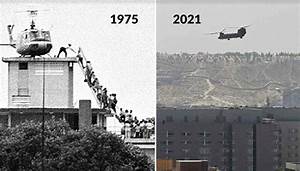
A case in point is Jim Webb’s interview in the Wall Street Journal, 1/21/23. The title of the article is “Echoes of Vietnam”. Webb is a veteran of America’s Vietnam war. The interviewer asks Webb if the war was worth fighting. The reported response is “…America won–only a different way. We stopped communism, which didn’t advance in Indochina any further than it reached in 1975. We enabled other countries to develop market economic and governmental systems that were basically functional and responsive to their people. The model stayed and I like to think it will advance in Vietnam.”
Jim Webb (Former U.S. Senator from Va., 66th U.S. Secy. of the Navy, Age 76.)
This is a powerful statement by Webb with a view based on Vietnam war experience and the interviewee’s reported Vietnamese language skill. However, it seems Webb’s and the interviewer’s truth is only a snapshot of Indochina from the perspective of one who risked his life in America’s war.
Having traveled recently to Indochina (specifically Vietnam, Cambodia, Laos, and Thailand) what Webb quoted seems partly true. What the interview does not reveal is an uneasiness felt by Laos and Cambodia about a Vietnamese communist threat to borders of adjacent countries.
Communism and Democracy are changing.
As Webb notes communism has elements of capitalism throughout Indochina. Democracy’s form of capitalism is becoming more socialist, which is particularly true in Scandinavian countries and to a lesser extent America.
The striking concern expressed by Vietnam’ and Cambodian’ guides is the fear of China and its authoritarian form of communism, even though it incorporates elements of capitalism.
It seems the American war in Vietnam had little to do with today’s Indochina’ governments. America’s war seems to have had some effect on Indochina’s governmental evolution but not as much as their own history.
Indochina has its own history of authoritarianism, ranging from monarchy to colonialization to its present form of authoritarian capitalism.
Indochina is changing based on its own history. America’s war is only a small part of that history. Sadly, that small part killed more than 50,000 Americans and indirectly resulted in deaths of many more Indochina citizens.
Ferguson’s book is an excellent biography of an American WWII veteran, a hero, an intellectual giant, and a flawed human being. Ferguson shows Henry Kissinger certainly is the first three, but also a flawed human being-just like the rest of us.
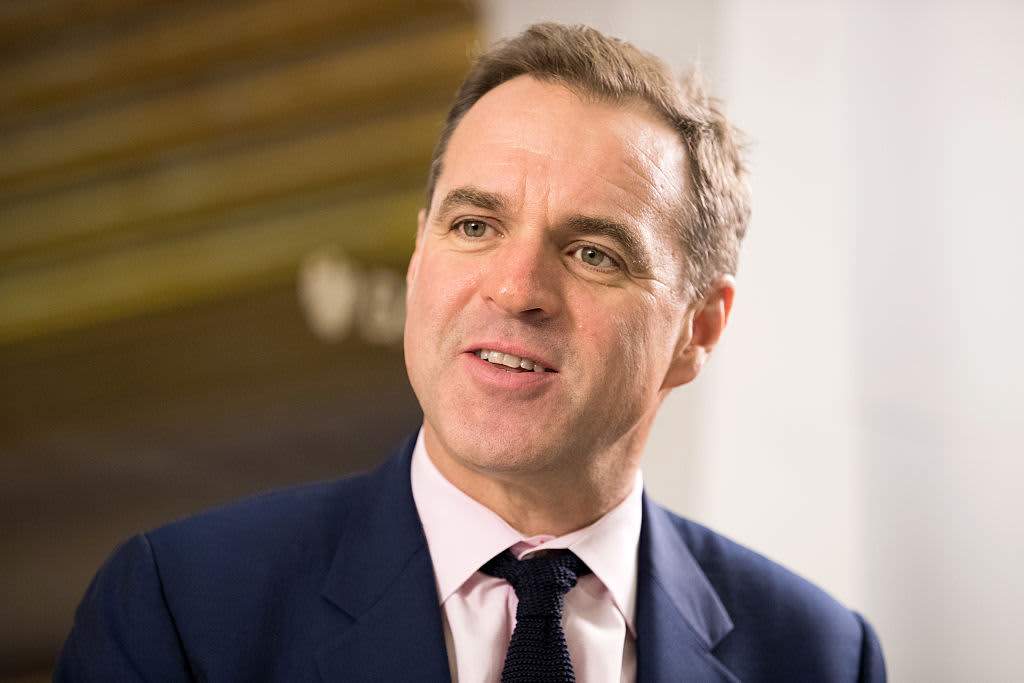
Niall Ferguson (Author, Scottish American historian, former professor at Harvard University, London School of Economics, and New York University.)
It is a tribute to Kissinger’s intelligence to have chosen Ferguson as his biographer. However, in some ways Ferguson’s story reminds one of Shakespeare’s characterizations of Marc Anthony’s speech at the burial of Caesar. “I came to bury Caesar, not to praise him”.
“Kissinger: Volume I” is as objective as seems possible for the biography of an important man of history. It is written by an historian of erudition and intellect.
Niall Ferguson’s biography begins with Volume I that covers Henry Kissinger’s life from 1923 to 1968.
Ferguson’s erudite assessment of Kissinger seems so comprehensive that little is left to be known for a second volume.
One’s view of Kissinger will be changed by this detailed biography. Many who lived through the 60s and the Vietnam war think of Kissinger as a primary influence in Nixon’s withdrawal from war and America’s belated welcome of communist China.
Ferguson reinforces belief in Kissinger’s influence but implies Nixon is the prime mover. Nixon directs the end of the American war in Vietnam and opens communist China to the world of diplomacy and trade.
Kissinger is revealed as a brilliant teenage boy who lives in and experiences the beginnings of WWII in Germany. Along with his immediate family, he escapes Nazi Germany before the holocaust. When he returns as a soldier in the U.S. Army, he bares the consequence of relatives lost in his home country.
HOLOCAUST MEMORIAL IN BERLIN
Ferguson shows Kissinger to be a good soldier. He is promoted to staff sergeant and awarded a medal for his work in exposing Nazi sympathizers in post-war Germany. Many believe Kissinger’s recommendations as adviser to American politicians is Machiavellian in the sense that fear is the best form of diplomatic control of adversaries. Ferguson suggests that labeling is a mischaracterization of Kissinger’s view of diplomacy.
Ferguson infers Kissinger’s experience in Germany were formative in respect to what is characterized as an idealized view of power in the politics of diplomacy. That experience is reinforced by Kissinger’s research and education at Harvard, after the war.
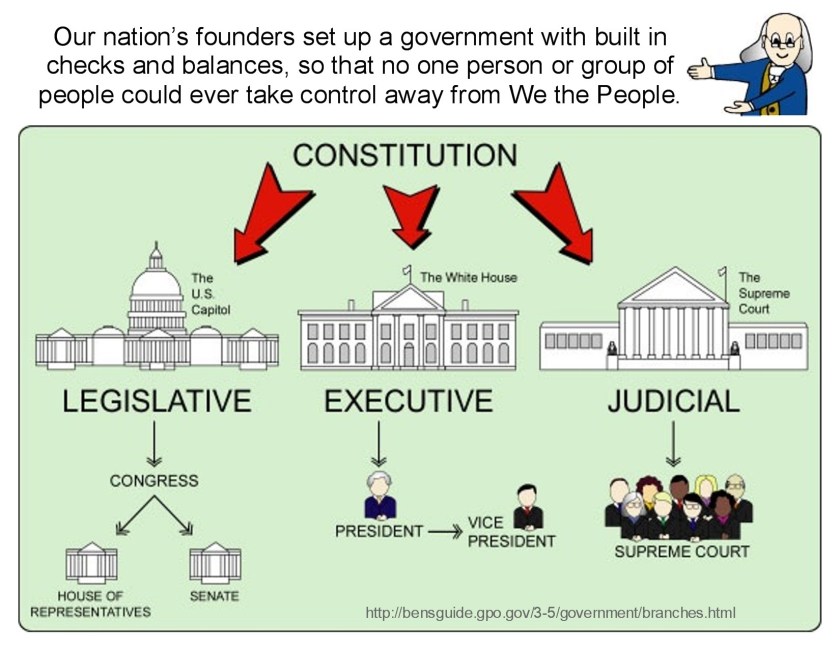
Ferguson explains Kissinger is an idealist. Like the founding fathers envision the structure of American government, Kissinger focuses on balance of power. Kissinger advises American leaders to adopt international policies based on balance of power among adversaries.
Ferguson’s evidence is Kissinger’s doctoral thesis on the history of Metternich and the Austro-Hungarian empire in the mid-19th century. In Kissinger’s thesis, he explains Metternich withstood Russian and Ottoman incursions by using censorship, a spy network, and armed suppression against rebellion to maintain a balance of power between opposing forces interested in dismantling the Austrian empire. When Bonapart and Russia covet the Austrian empire, Metternich influences Napoleon to marry Austrian archduchess Marie Louise rather than the sister of the Russian Tsar. Ferguson explains the approach Kissinger uses in nation-state diplomacy is Metternich’s balance of power idea, not Machiavellian fear.
Kissinger, like Metternich, looks at balancing power among vying nations to achieve stability within one’s own state.
However, Ferguson infers there is a flaw in Kissinger’s reliance on balance of power diplomacy. America’s support of Pol Pot makes some sense in respect to Kissinger’s “balance of power” argument, but its cost exceeds its value. Cambodia fell to communism whether either warring party would prevail. America’s support of Pol Pot did not stabilize or improve America’s position in Vietnam.
Some might characterize America’s support of Pol Pot is Machiavellian. However, another way of looking at it is America’s support balanced two warring factions (the Vietnamese army and the Khmer Rouge who are both opposed to American hegemonic influence) to maintain America’s national stability. If anything, it increased American instability by inflaming anti-war demonstrations in the U.S.; not to mention the horrific human consequence of Pol Pot’s directed murder of 1.5 to 2 million Cambodians. Pol Pot is never tried or executed for these crimes against humanity.
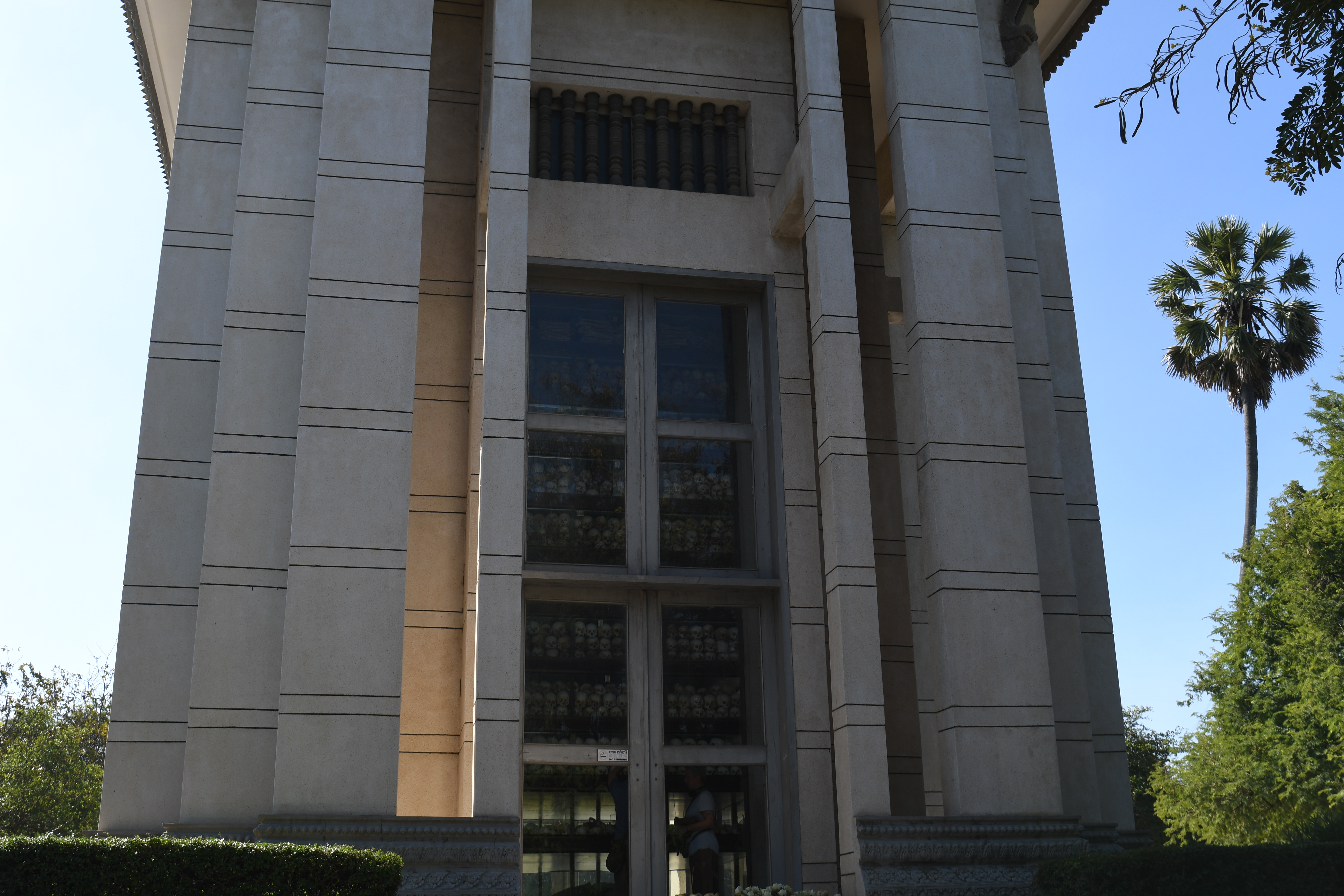
A memorial is filled with the skulls of men, women, and children murdered by Pol Pot in the Cambodian “killing fields”.
What Ferguson makes clear is Kissinger focuses on the ideal of “balance of power” when recommending actionable political policy to American leaders. Kissinger focuses on stability, not equity or fairness when recommending American political policy. Cambodian massacre of its own citizens shows the weakness of Kissinger’s idealization.
Where “balance of power” becomes even more difficult as a diplomatic tool is in a nuclear age where annihilation of a nation becomes a zero-sum game. There is no balance of power. There is only mutual destruction and end times.
Ferguson shows Kissinger believes there is a place for limited nuclear bombing in war. Ferguson infers Kissinger agrees with those who believe nuclear weapons can be used as a strategic weapon. Kissinger believes diplomacy based on “balance of power” can ameliorate Armageddon. It seems a faith-based conclusion from a diplomat who is driven by intellect, not emotion. The problem is political leadership is often driven by emotion, not intellect.
Is Putin driven by emotion or intellect? Western support of Ukraine is a test that will answer the question.
Human emotion makes the idea of “balance of power” in a nuclear age chimerical and useless.
Ferguson shows, like all great leaders in history, there is education, experience, and often a mentor that influence one’s intellect. Education and experience are clearly evident in Ferguson’s story of Kissinger’s life. Ferguson reveals two influential people, one clearly identified as a mentor: the other as a great influencer.
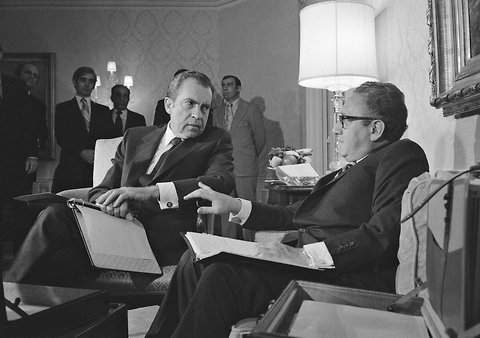
Kissinger’s early mentor is Fritz Kramer whom he met when serving in the U.S. Army (Kramer is pictured below in a conference with President Nixon). Ferguson explains, Nelson Rockefeller, the governor of New York, former V.P. of the U.S., and candidate for President becomes a great influence in Kissinger’s life. Rockefeller’s influence is personal as well as professional.
Kissinger promotes the idea of limited nuclear war as a tool for balance of power. This is an argument inferred by Putin in Ukraine’s invasion. To some Americans, and to Ferguson, that seems a slippery slope.
Ferguson’s book is an excellent biography of an American WWII veteran, a hero, an intellectual giant, and a flawed human being. Ferguson shows Henry Kissinger certainly is the first three, but also a flawed human being-just like the rest of us.
Southeast Asia 2023, Thailand, Laos, Cambodia, Vietnam
Written by Chet Yarbrough
Over Christmas 2022 and New Year’s 2023, America’s storied history in Southeast Asia is vivified in a 20-day trip to Thailand, Laos, Cambodia, and Vietnam.
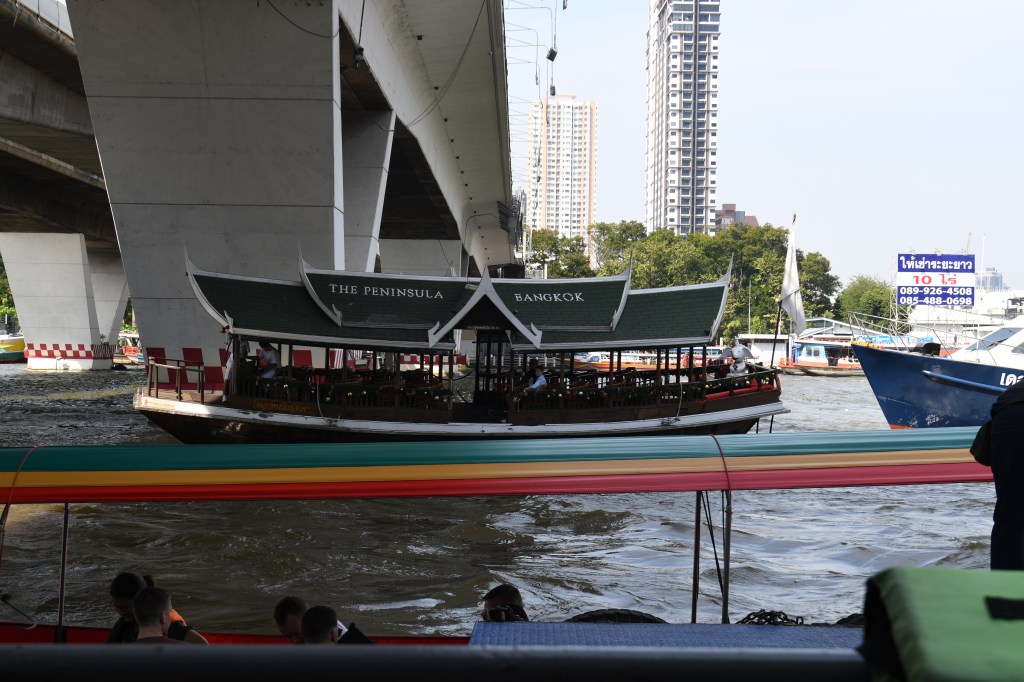
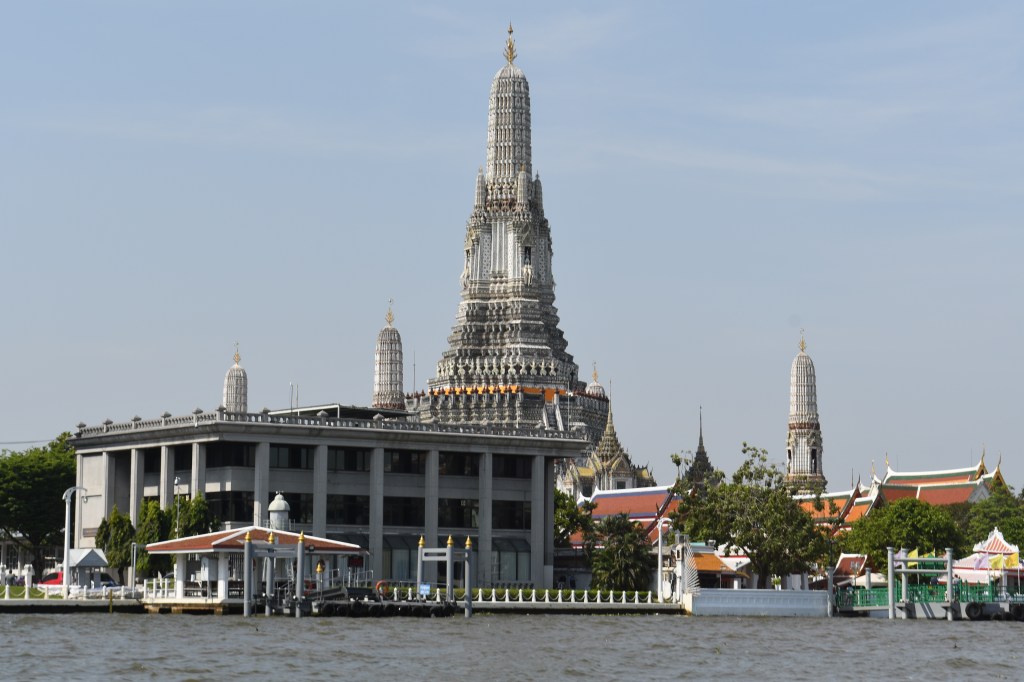
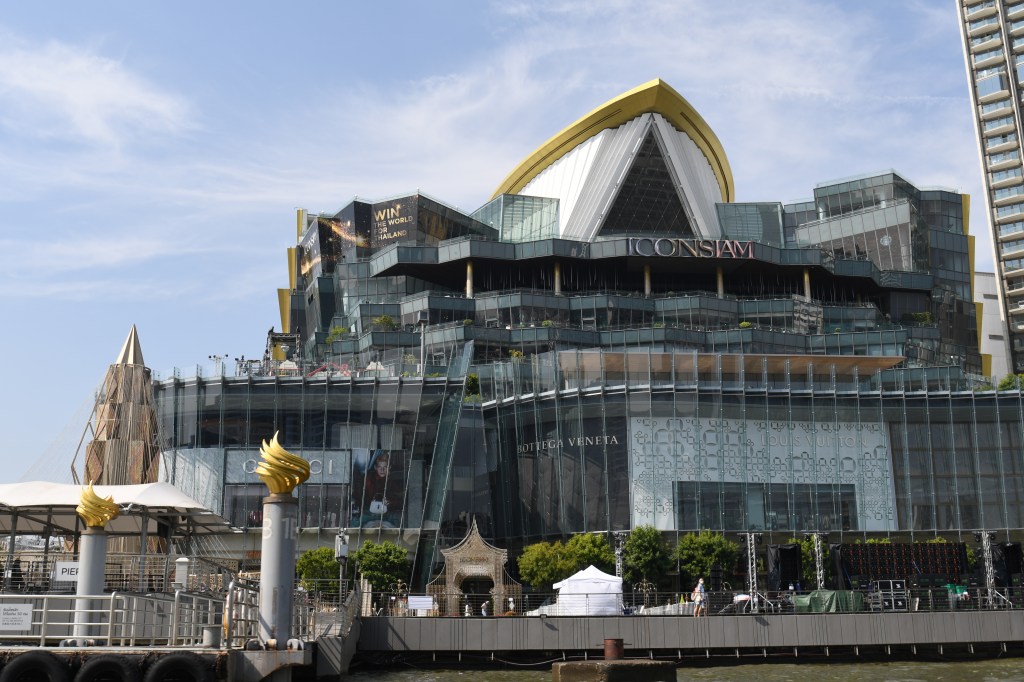
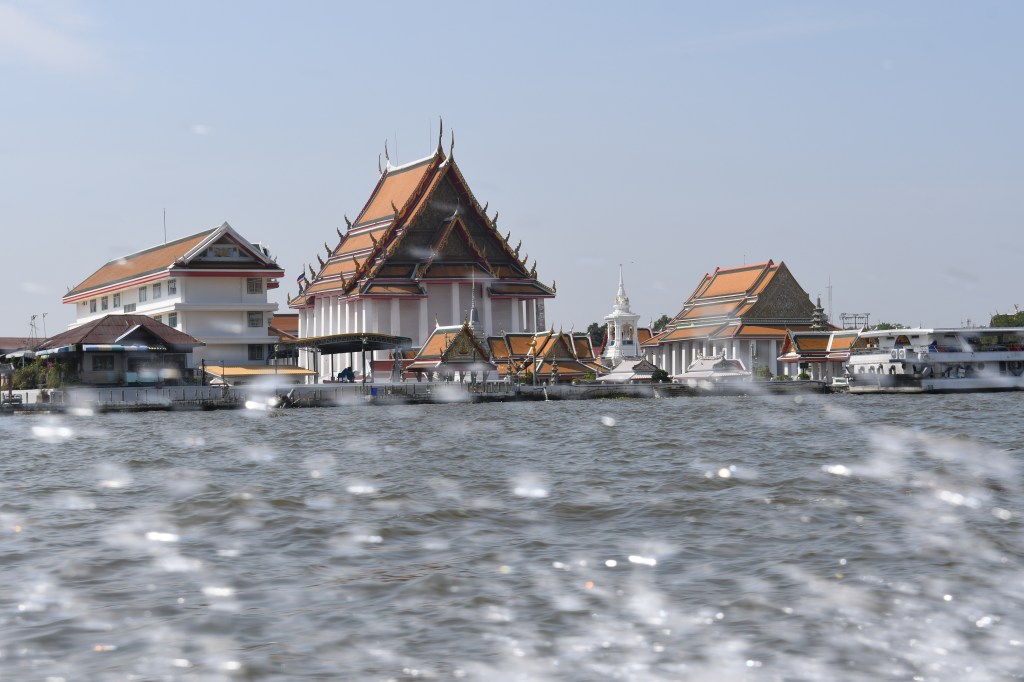
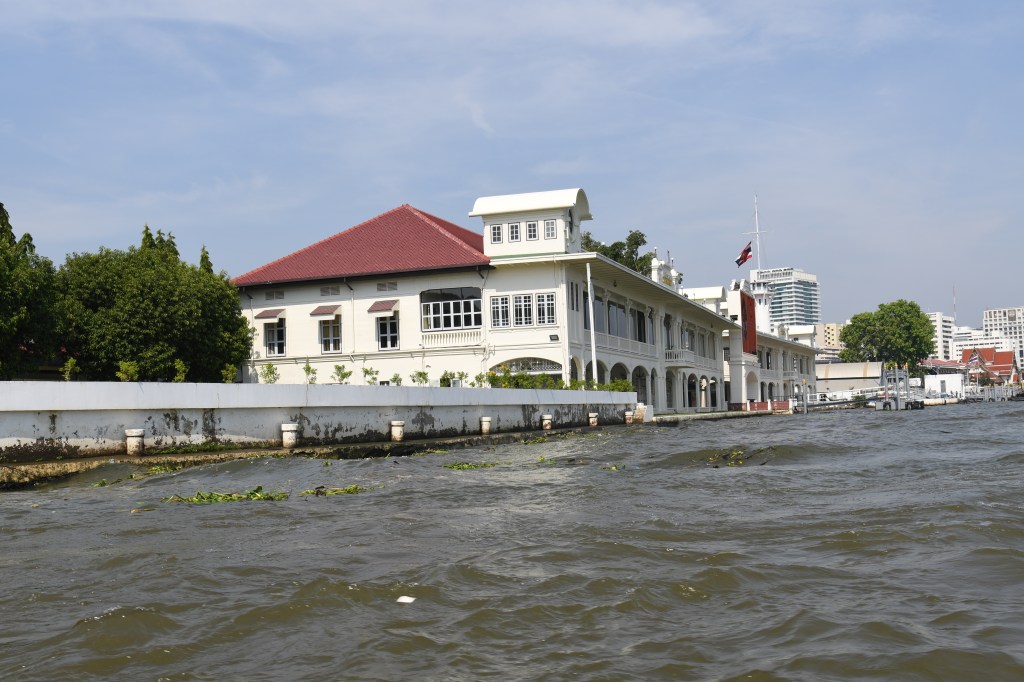
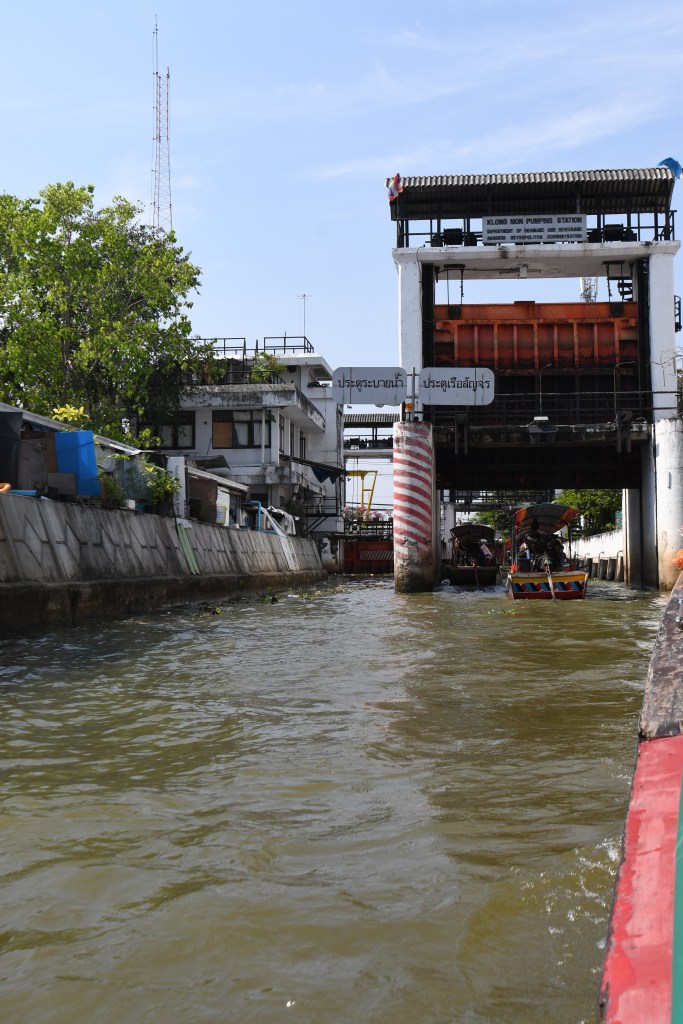
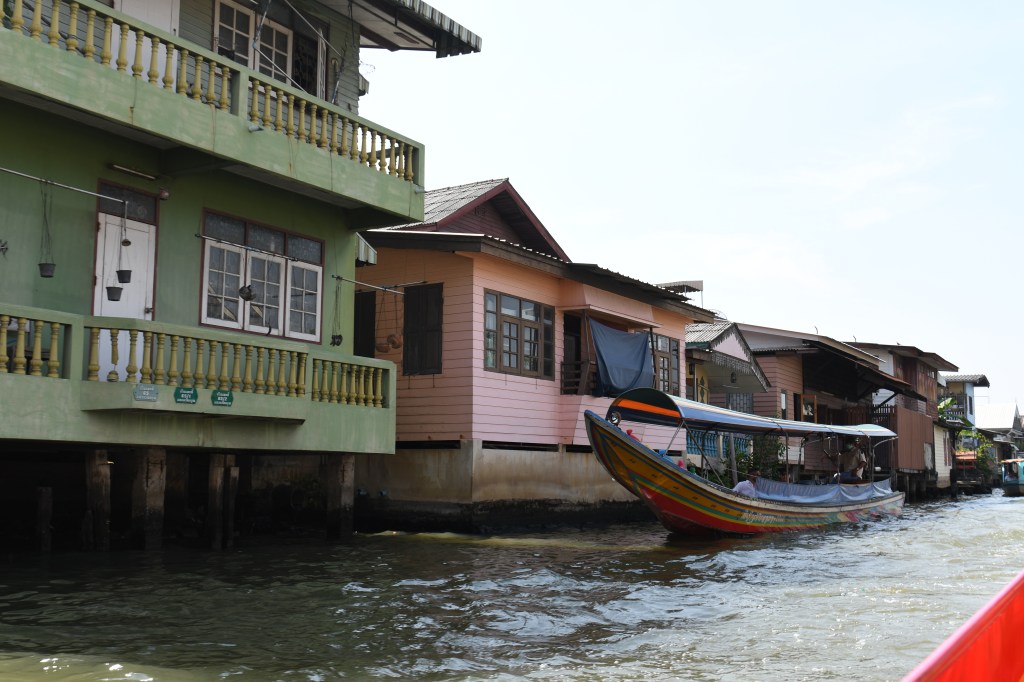
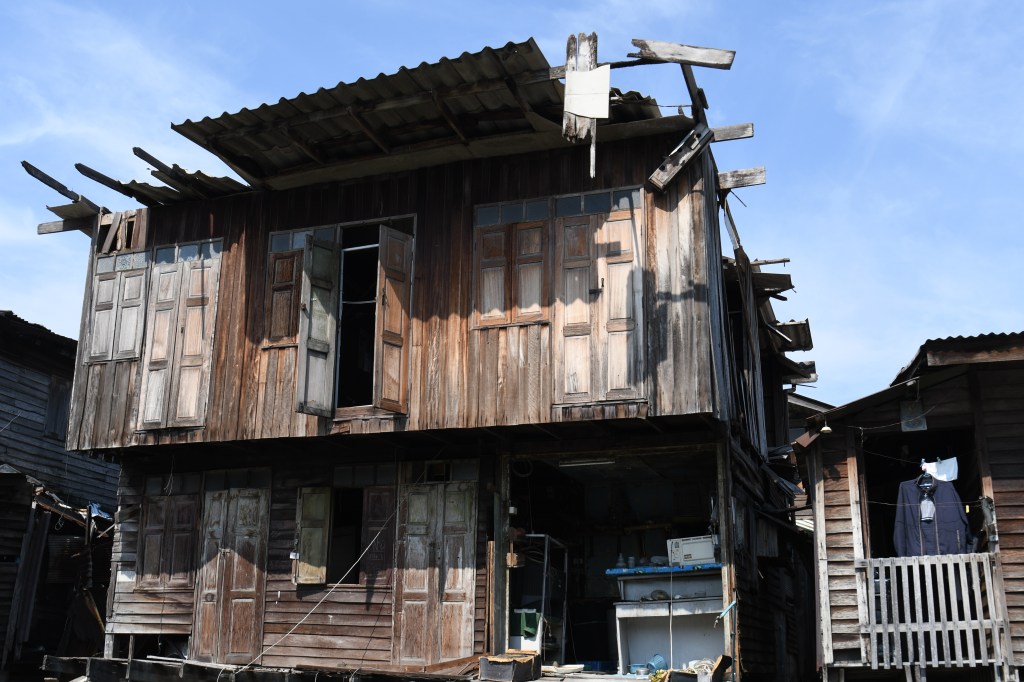
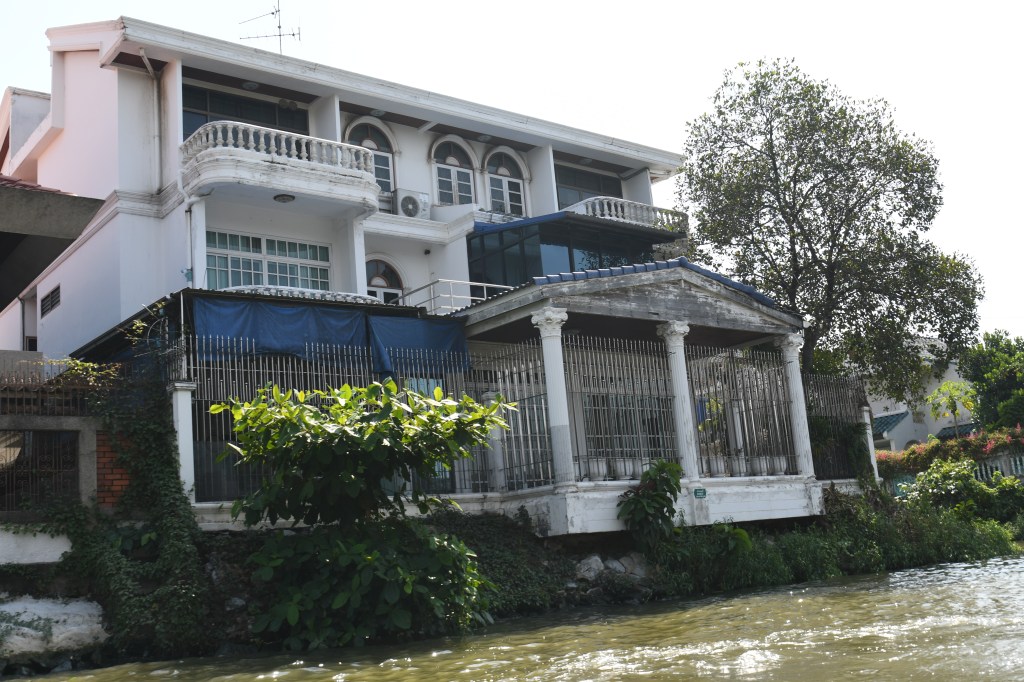
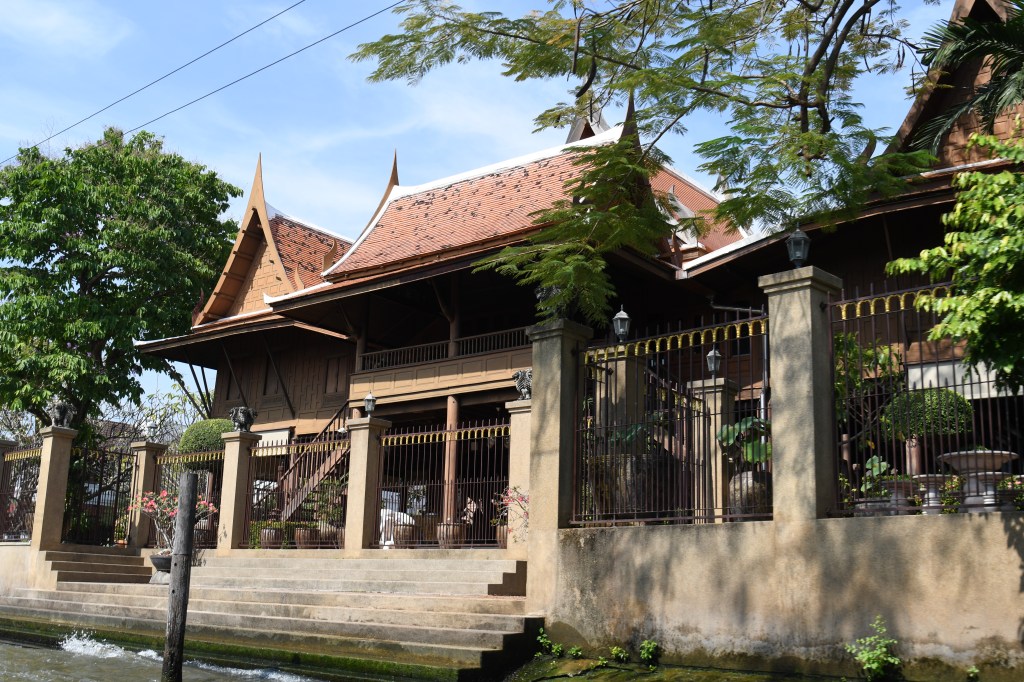
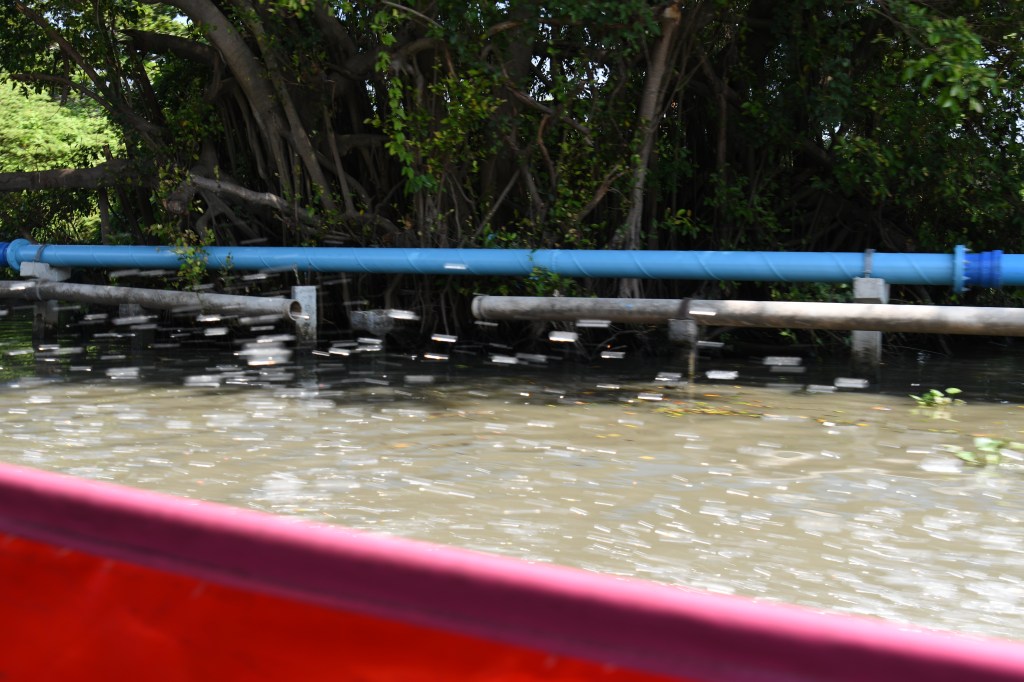
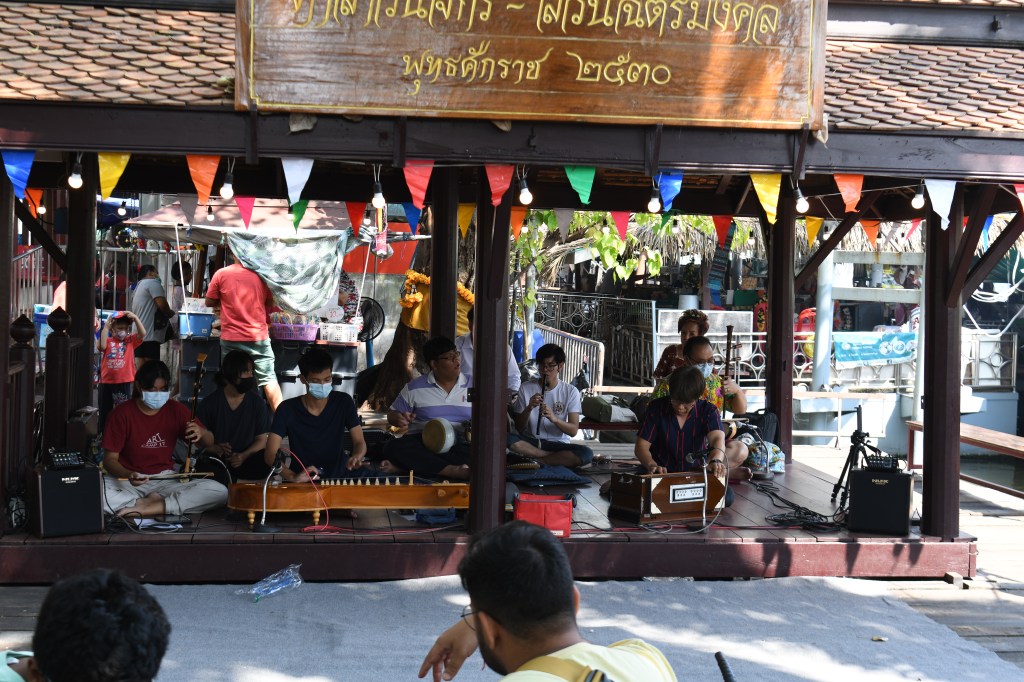
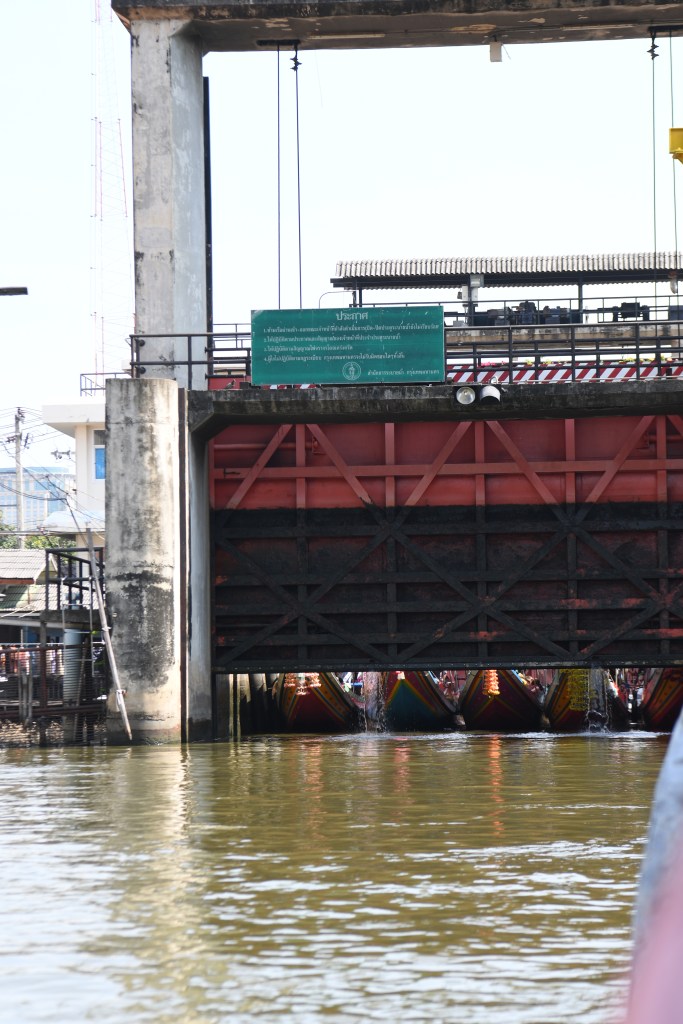
THAILAND BOAT TRIP
Chaopraya River in Bankok
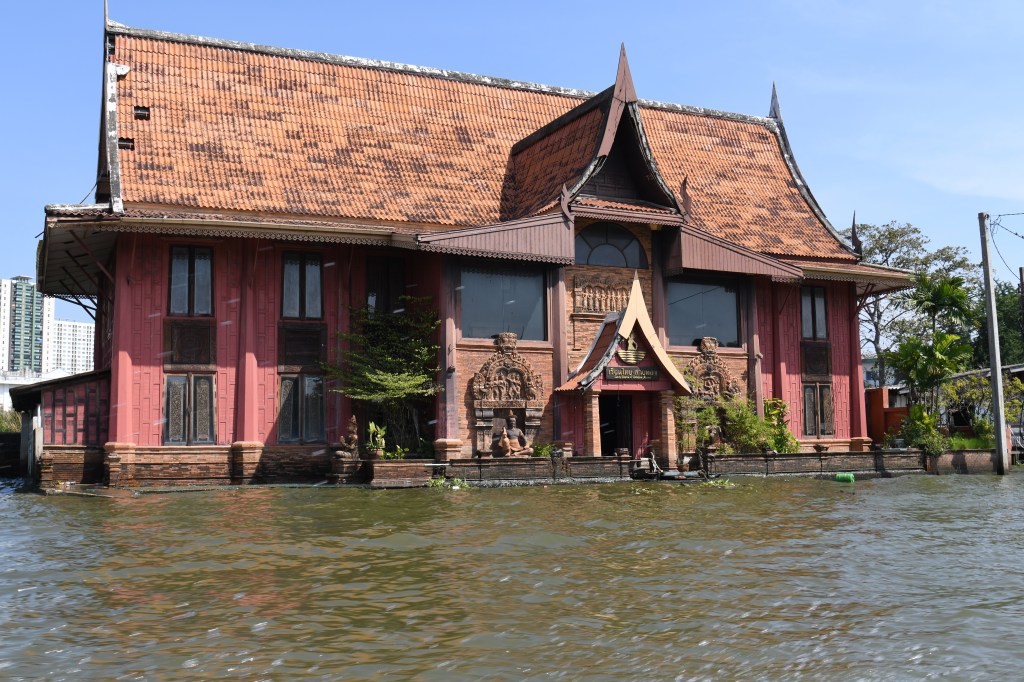
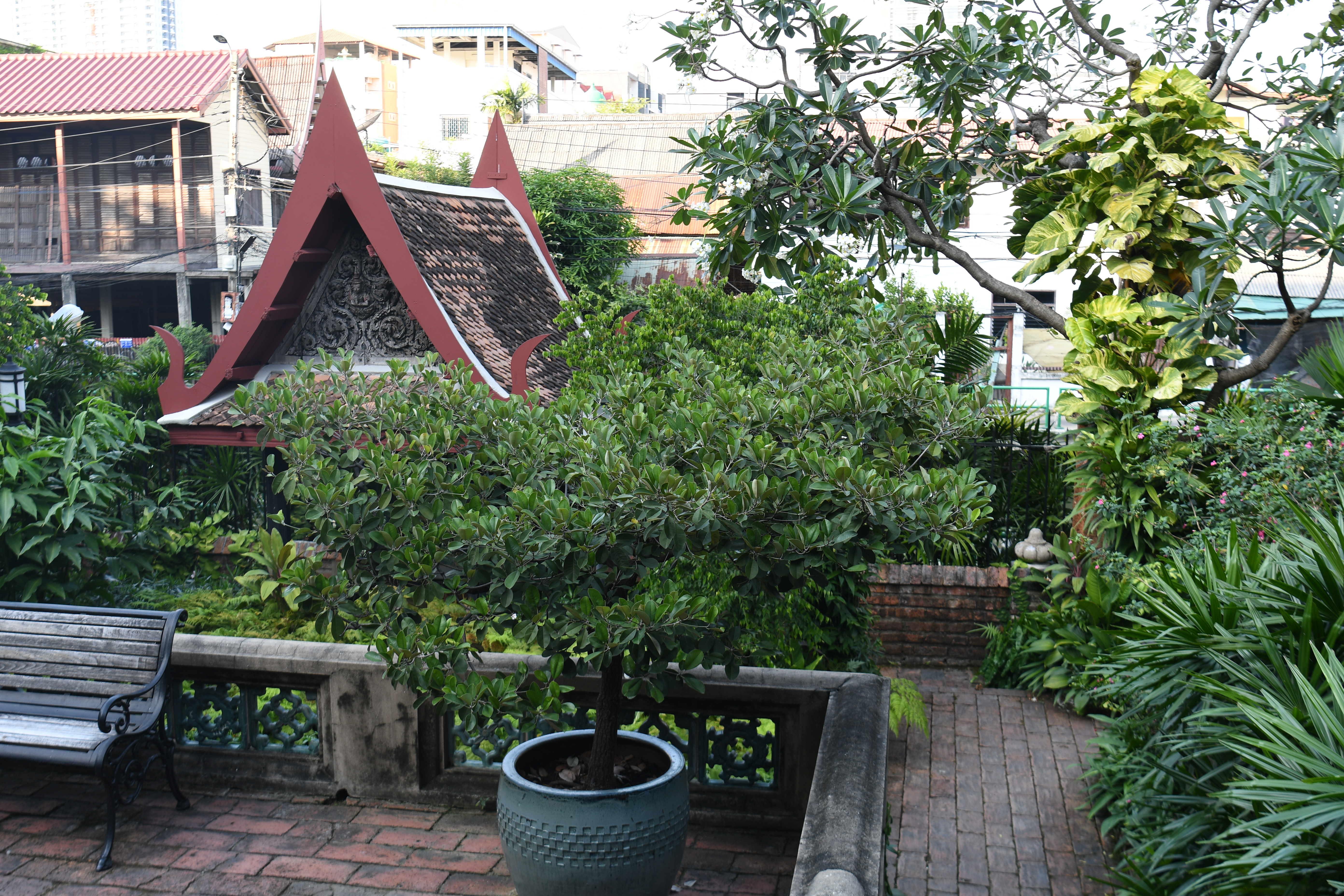
Visting the Thompson house in Thailand is quite a treat. The mystery of Thompson’s disappearance remains unsolved but the tour through his custom home, built from sections of different houses, is a remarkable display of architectural ingenuity. As an architect, Thompson designed a unique house with tapered doors to each room. Every room is protected from evil spirits by traditional high wood partitions at the bottom of each entry door.
The mystery surrounding Thompson has to do with his background as a former CIA agent. Some suggest CIA association might have something to do with his disappearance. Others suggest he was kidnapped for ransom. Still others suggest he just got lost and was eaten by the jungle. His real story is about the beginning of the silk trade for which he became well known. In any case, his home is a monument to East Asian art and a fitting end to a well-lived life.
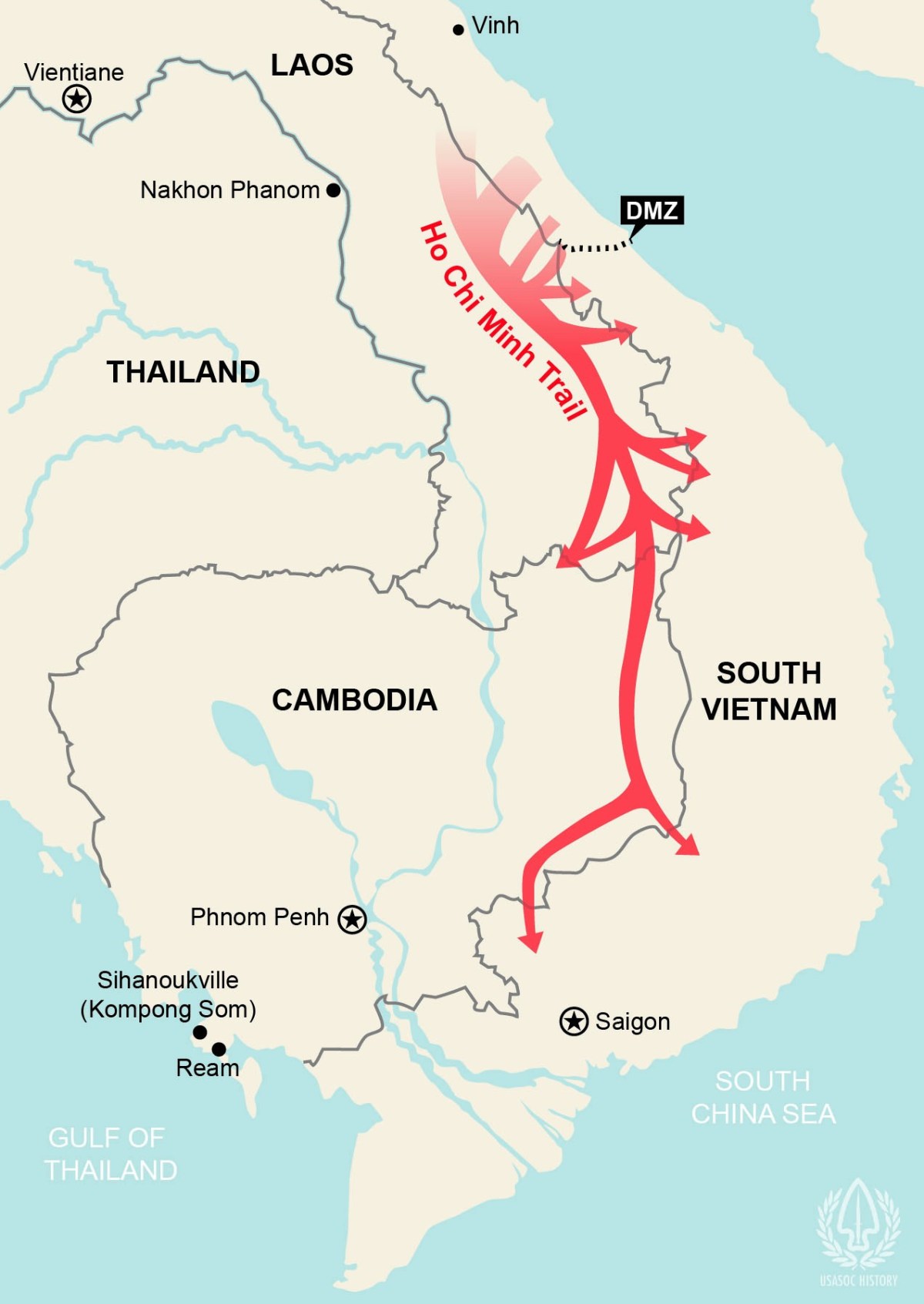
Recalling America’s war in Vietnam, one becomes reacquainted with America’s carpet bombing of the Ho Chi Minh trails. The trails extend through Laos, Cambodia, and Vietnam. Hearing of mid-20th century and Asia’s ancient history of Hinduism and Buddhism, some Southeastern Asia’ travelers will leave with a sense of guilt, shame, or sadness.
HO CHI MINH TRAIL
Feeling guilt comes from hubris in believing American Democracy is desired by all people of the world.
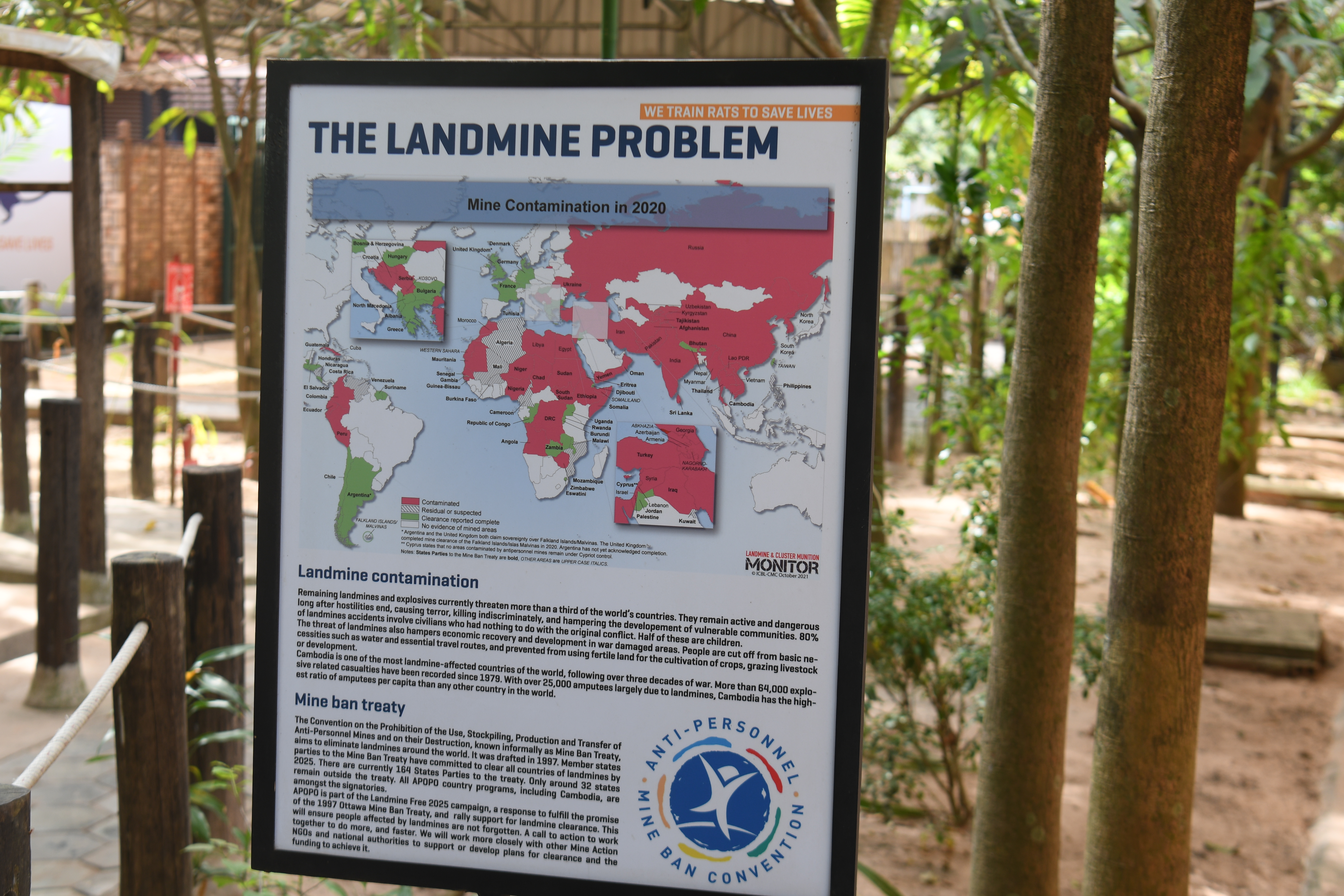
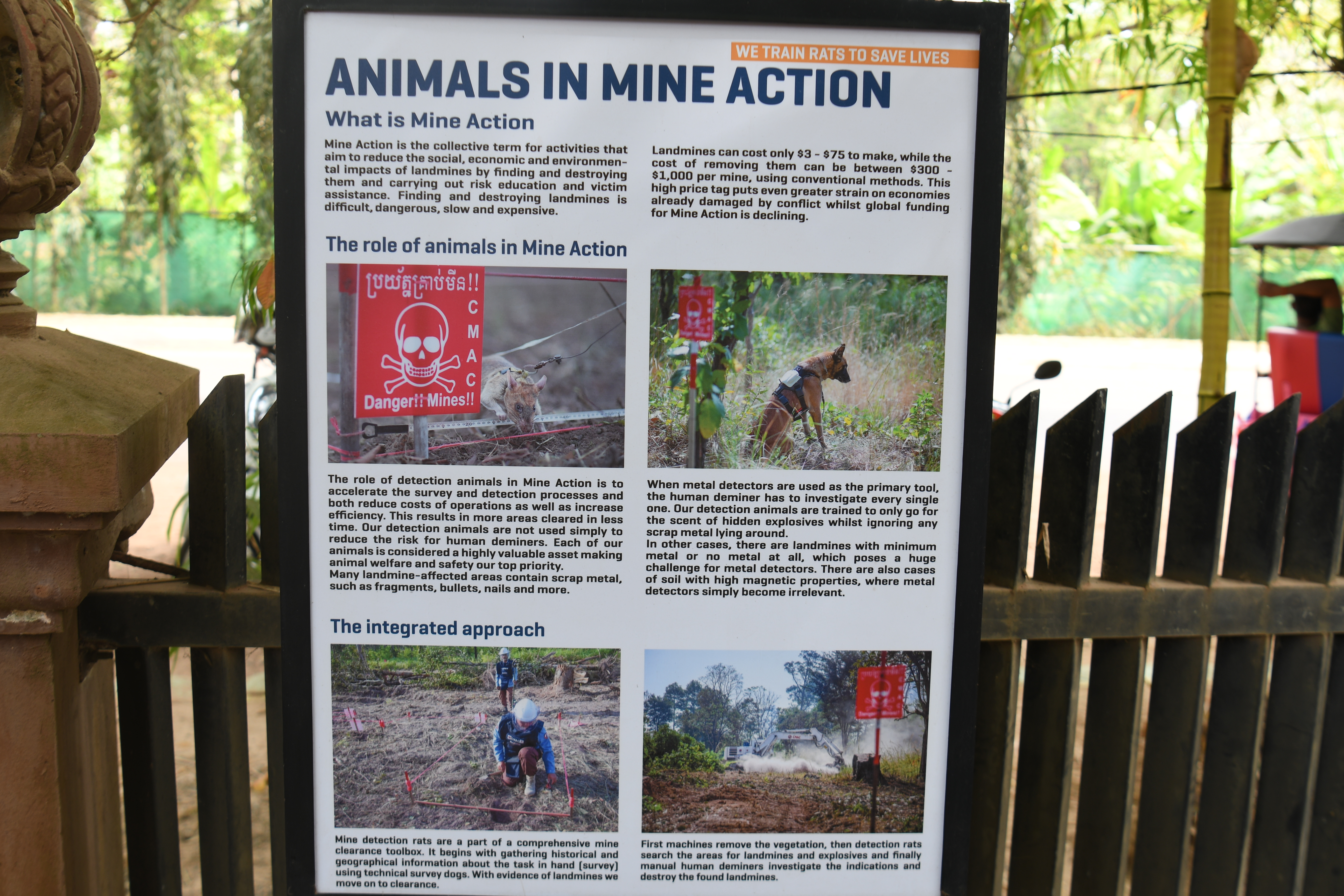
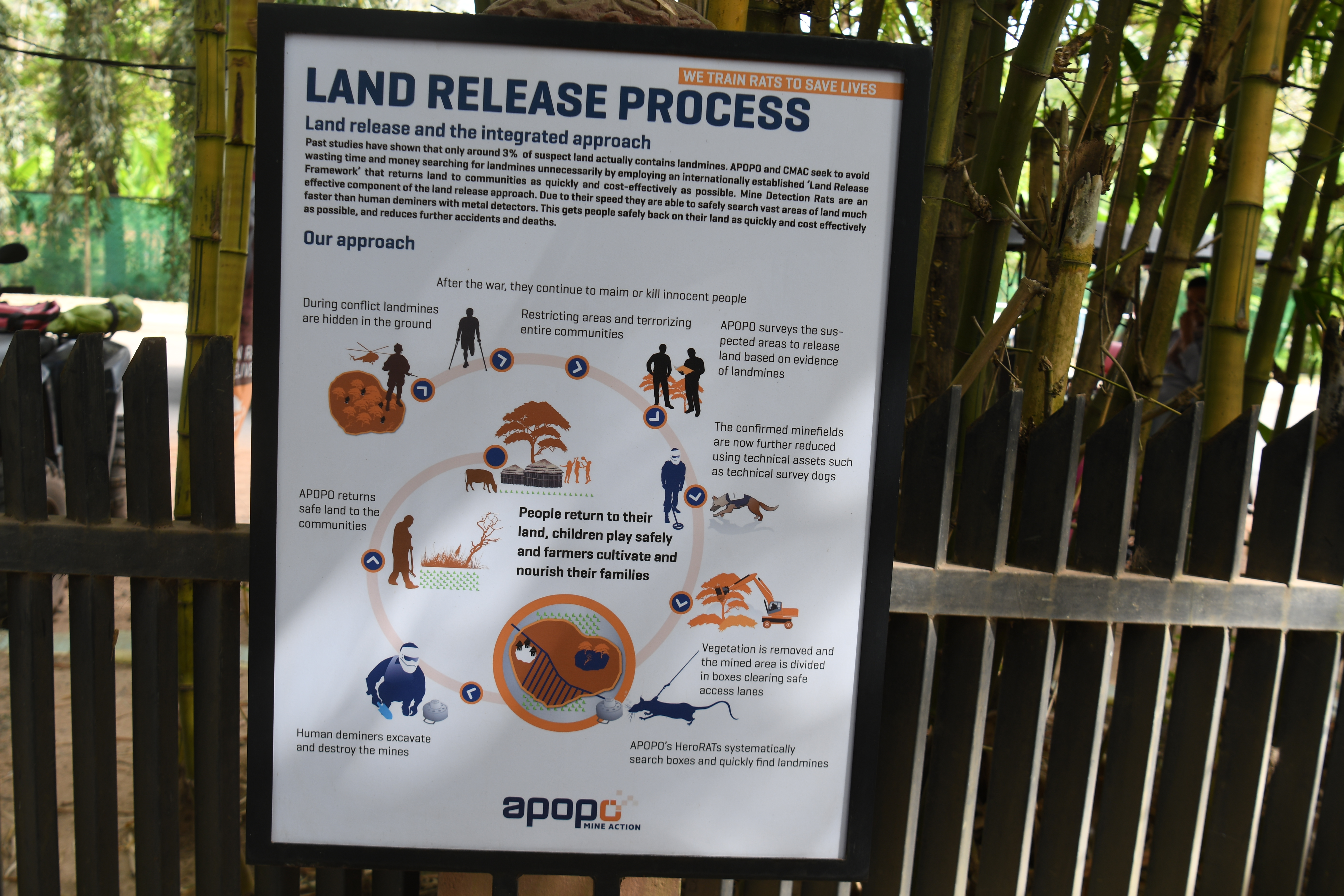
Shame is in the reality of continued loss of lives from America’s undetonated cluster bombs in Laos, Cambodia and Vietnamese farm fields.
Sadness comes from the many Asian believers in non-violent Hindu’ and Buddhist’ teaching that are diminished by war.
The atrocity of war in Cambodia spits in the face of humanity. The Khmer Rouge gather together to enforce Pol Pot’s demented idea of forcing farmers to join communal farms under one leader’s bureaucratic control. Such an idea was tried and shown to be a failure by Mao in China. America supports Pol Pot’s genocidal attack on citizens who resisted Pol Pot’s forced indenture and relocation. 1.5 to 2 million Cambodians were murdered.
The Nixon/Kissinger administration supports Pol Pot in part because of their belief in the domino theory of communism (Vietnam, Cambodia, Laos, and Thailand would become communist if one became communist).
The irony of America’s support of Pol Pot is that Vietnam’s communist army, not America, liberates Cambodia from Pol Pot’s atrocity.
The Nixon/Kissinger policy of Pol Pot support is compounded by America’s decision to carpet bomb the southern route of the Ho Chi Minh trail. America’s hope is to interrupt the communist takeover of Vietnam. Of course, this is taken out of the context of a sincere belief in the domino theory of one country falling to communism leading to more countries falling to the same fate.
To some Americans, the support of Pol Pot is justified because communism did gain some level of control of Vietnam, Laos, Cambodia, and Thailand. What seems clear is the southern part of Vietnam, and all of Laos, Cambodia, and Thailand have endorsed a form of communism. However, all four countries show a level of economic competition and prosperity that suggests capitalist influence exists in every sector of the economy.
No communist party in these four countries appear in complete control. All four governments seem more like a work in progress than an inevitable probability of either communism or democracy. Corruption is alleged in all four countries we visited but that is a refrain one hears in every form of government, including America.
A level of discontent is exhibited by a young college graduate in Thailand. He explains his ambition to become less controlled by government, with freedom of speech, and a right to pursue an independent career. Student protest is rising in Thailand.
In Laos, our local guide (ironically named Lao) explains how he chose to walk 13 miles to school every day to become the first formally educated person in his family. Lao belongs to a Hmong minority in Laos.
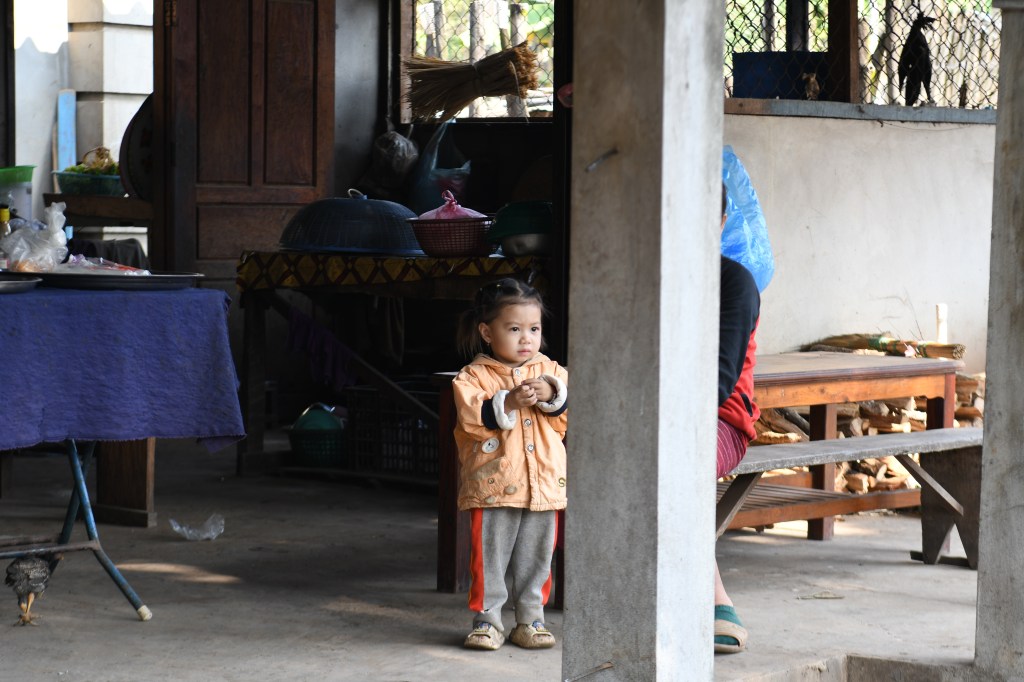
The Hmong were recruited by the CIA during America’s Vietnam war. A few of the fighters were evacuated to American after the war, but many were left to fend for themselves. Laos is the least developed of the four countries visited on this trip. However, some small villages seem to have done well for their residents.
Our local guide suggests there is a threat to this rural life. An elevated train system has been built by China that crosses the river near this local community. China approached local residents with a proposal to relocate their village. China wishes to build a casino on their land for the entertainment of Chinese tourists.
Elevated rail from China to Cambodia
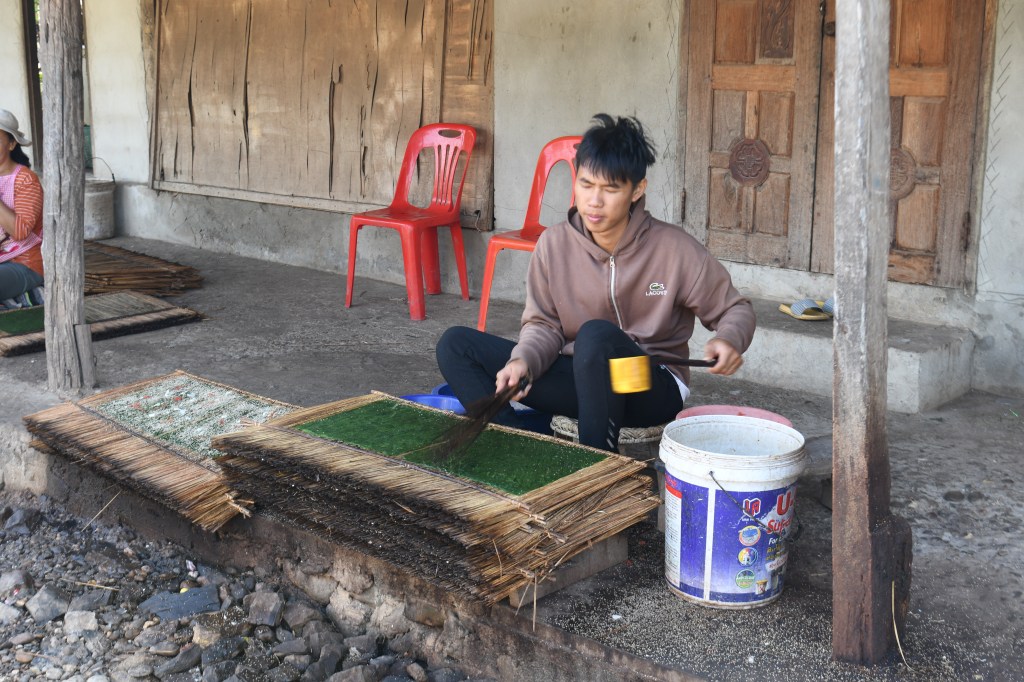
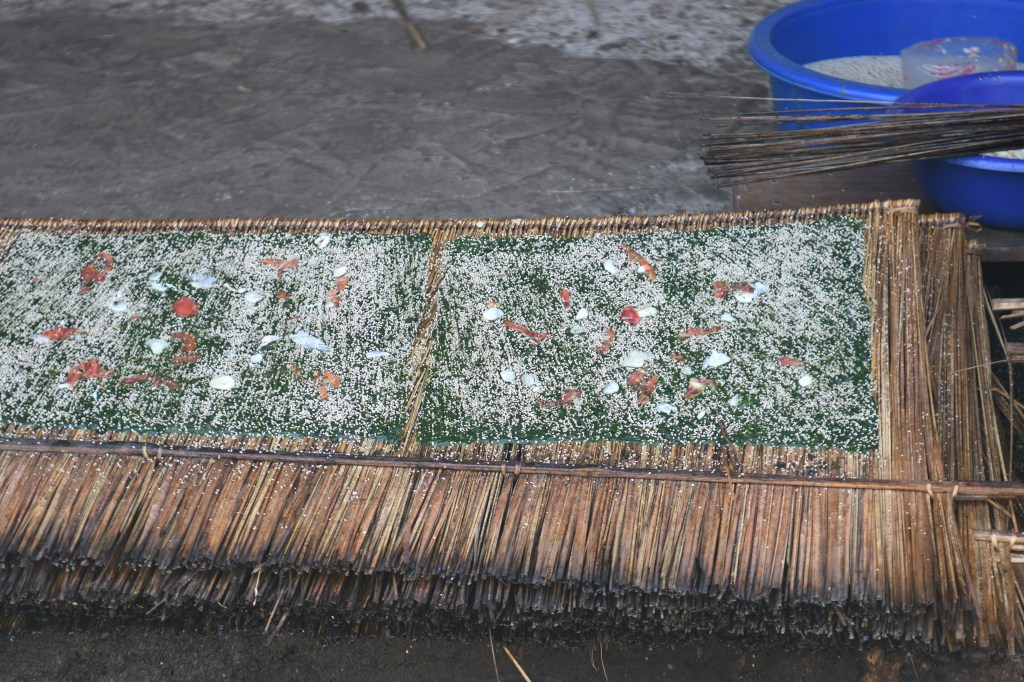
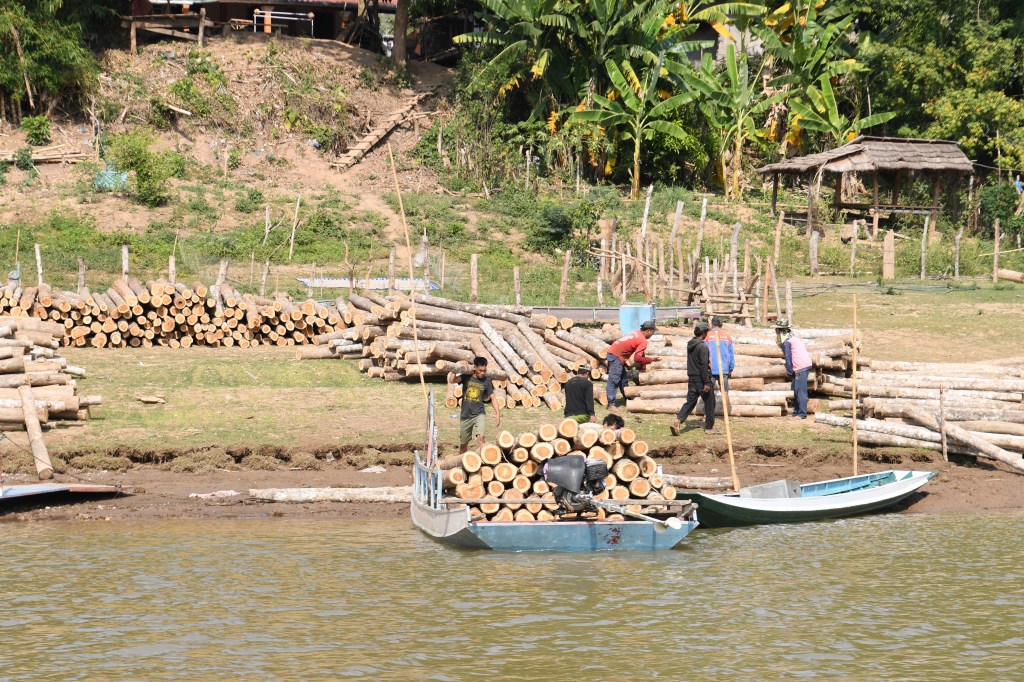
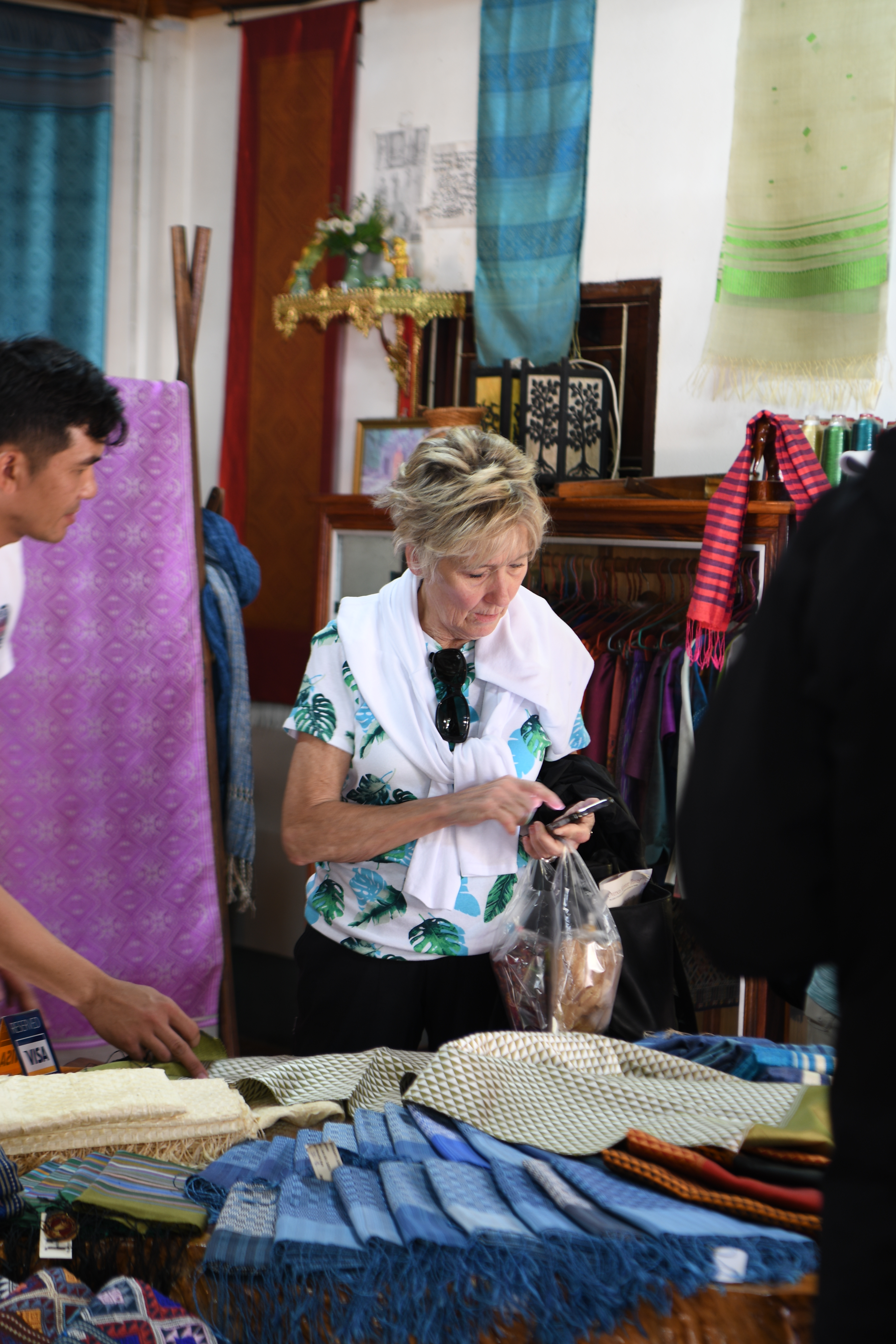
On one of several village visits in Laos, we visit local artisans plying their trade.
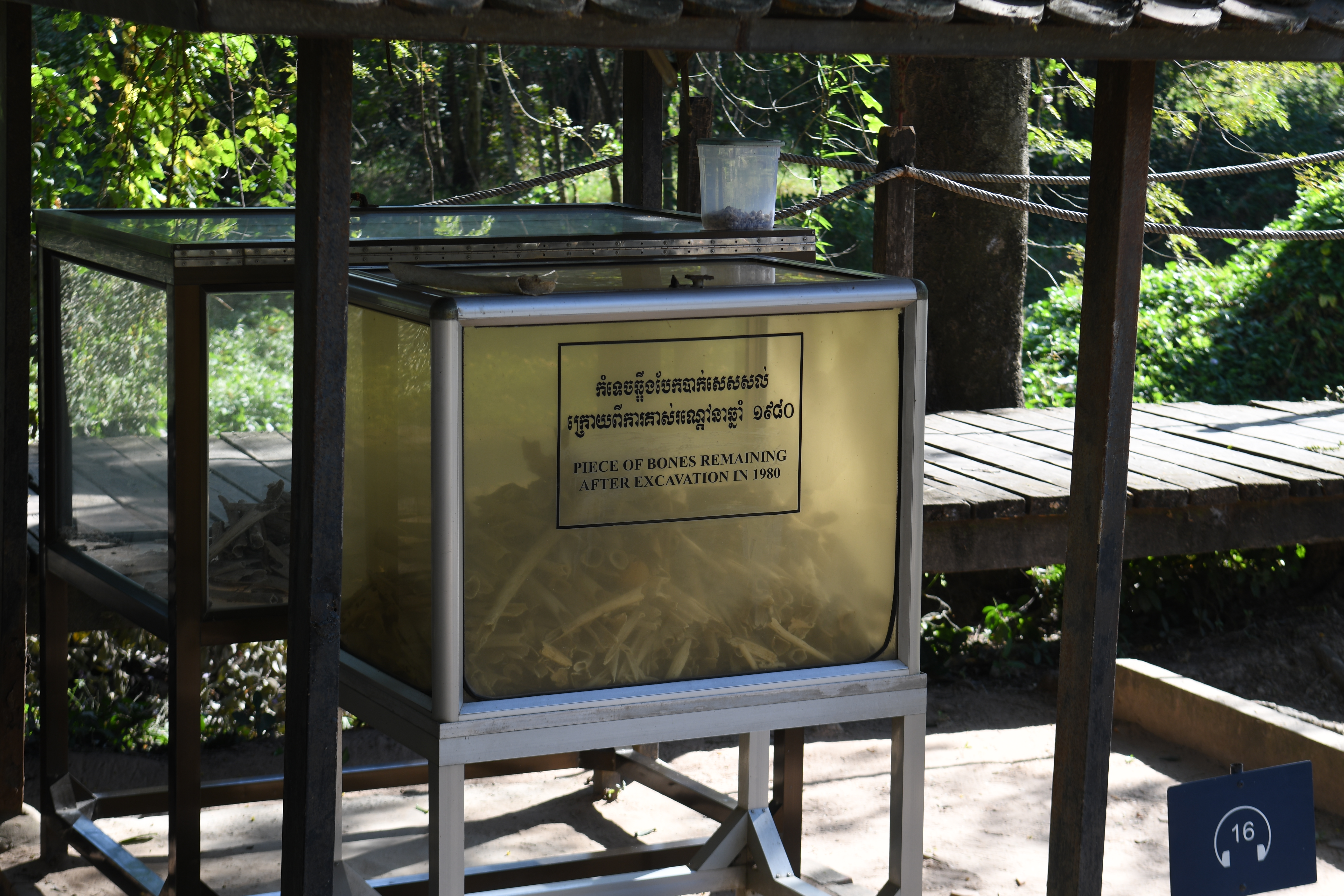
Later, visiting the Cambodian “killing fields” one recognizes the atrocity citizens lived through. No thoughtful Cambodian would want to return to a Pol Pot authoritarian government. Cambodia’s monument to Pol Pot’s atrocity is a reminder of his misanthropic idea of an agricultural utopia.
The first two pictures are of a vertical tower filled with the skulls of the “killing field”, victims from Pol Pot’s reign of terror.
Southeast Asia is undoubtedly influenced by communism. However, resistance to authoritarianism is apparent in every nation we toured. What is striking in all four countries is the continued investment in ancient Hindu and new Buddhist temples. An equally surprising realization is that the younger generation places much less faith in these dominant religions than seems warranted by the investment.
In a dinner in Thailand with the son of our guide, the son explains he is 50/50 on belief in Buddhism. The inference one draws is that the value of investment in Hindu’ and Buddhist’ temples is for its tourism value more than belief in religious doctrine. On the other hand, one cannot discount a fundamental belief in these religions that have a “let be” attitude about life that offers a level of social stability beyond any government influence on life.
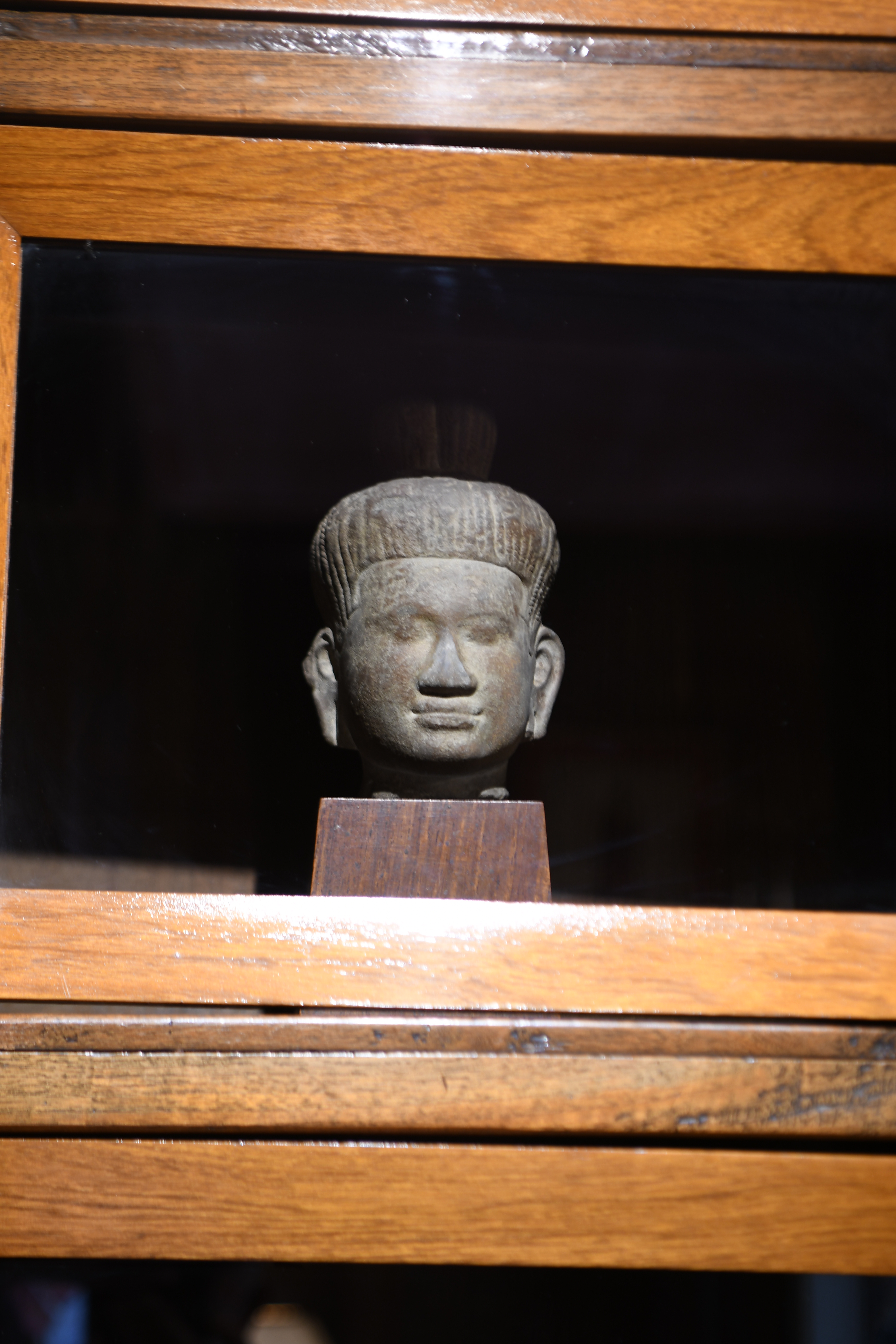
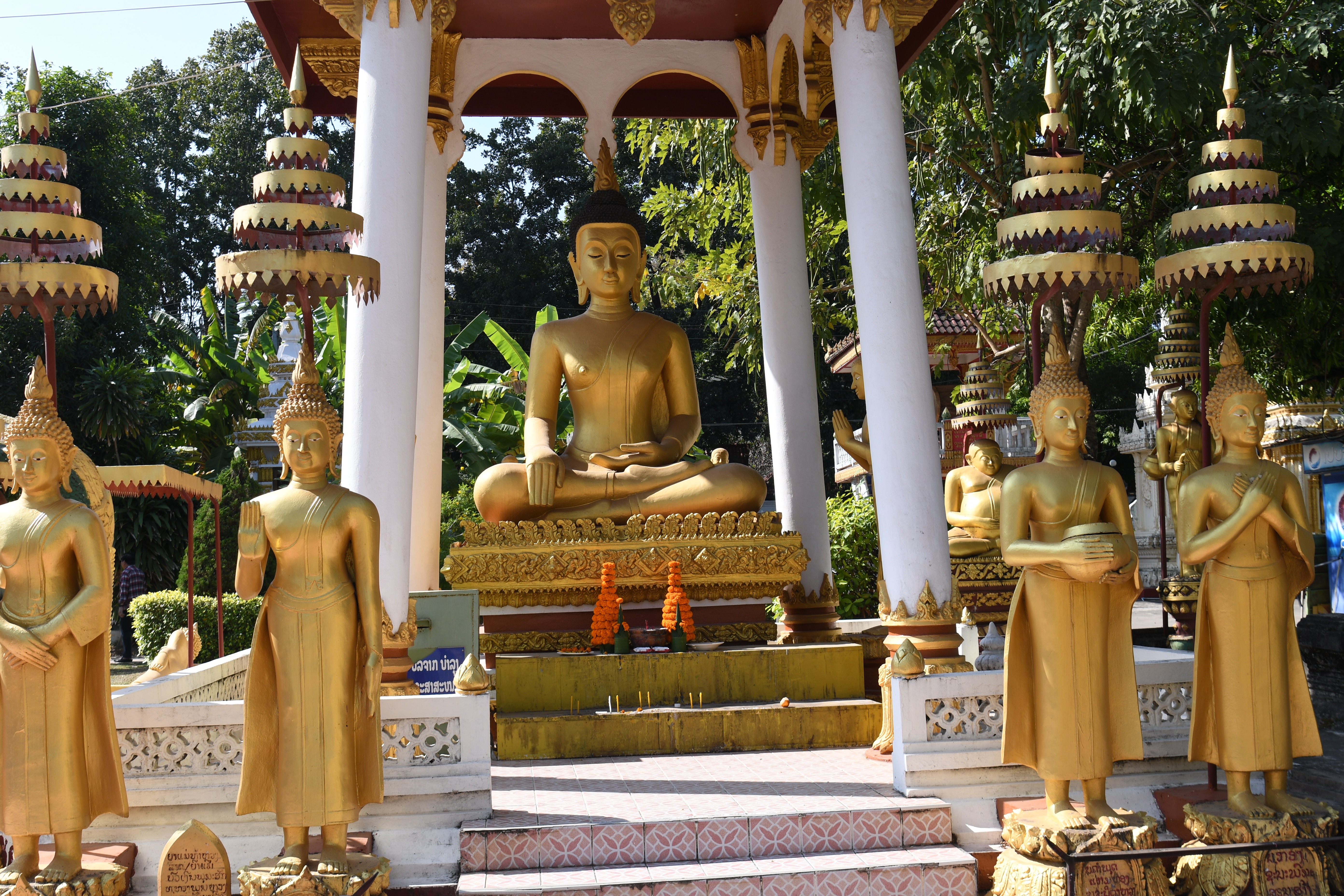
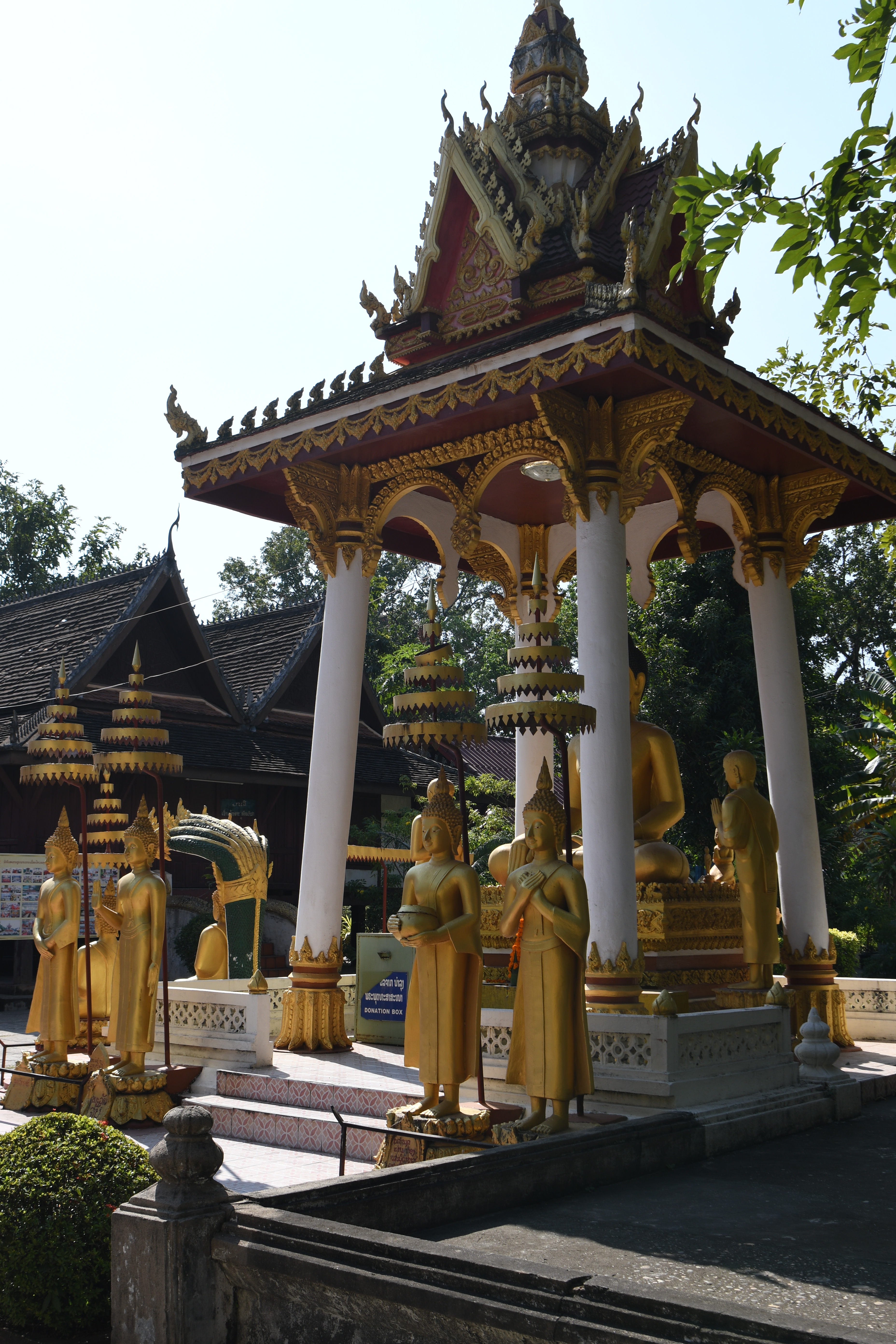
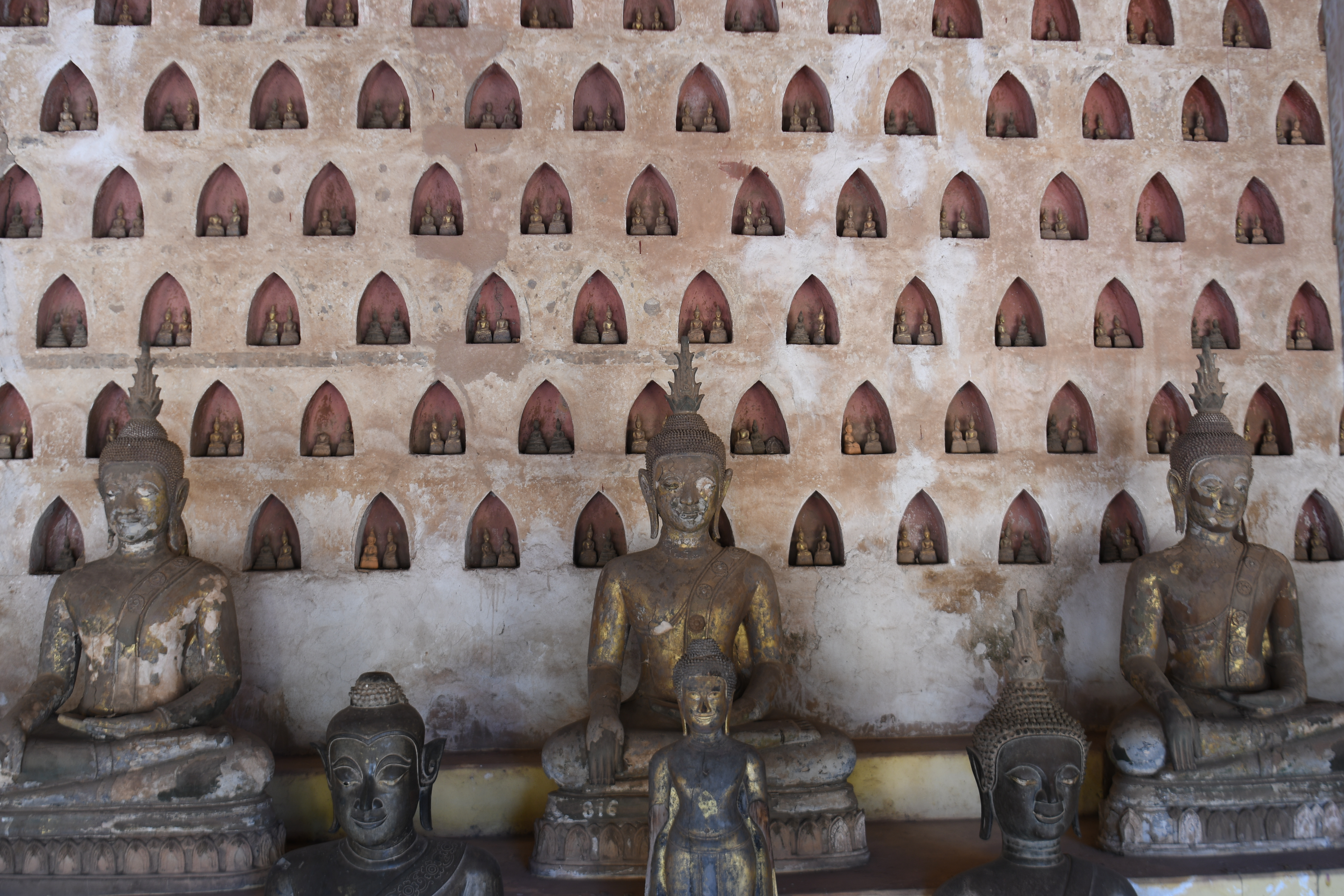
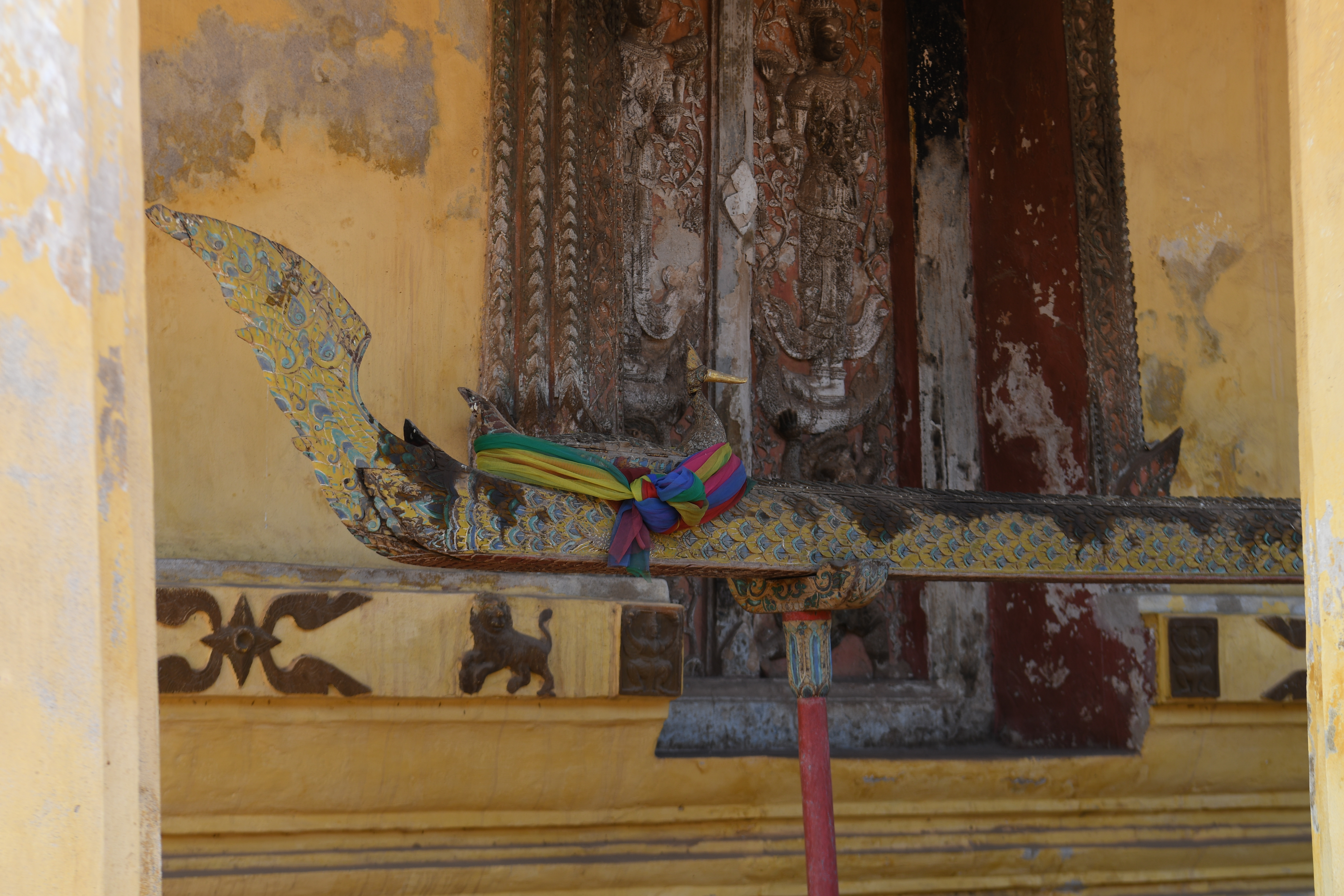
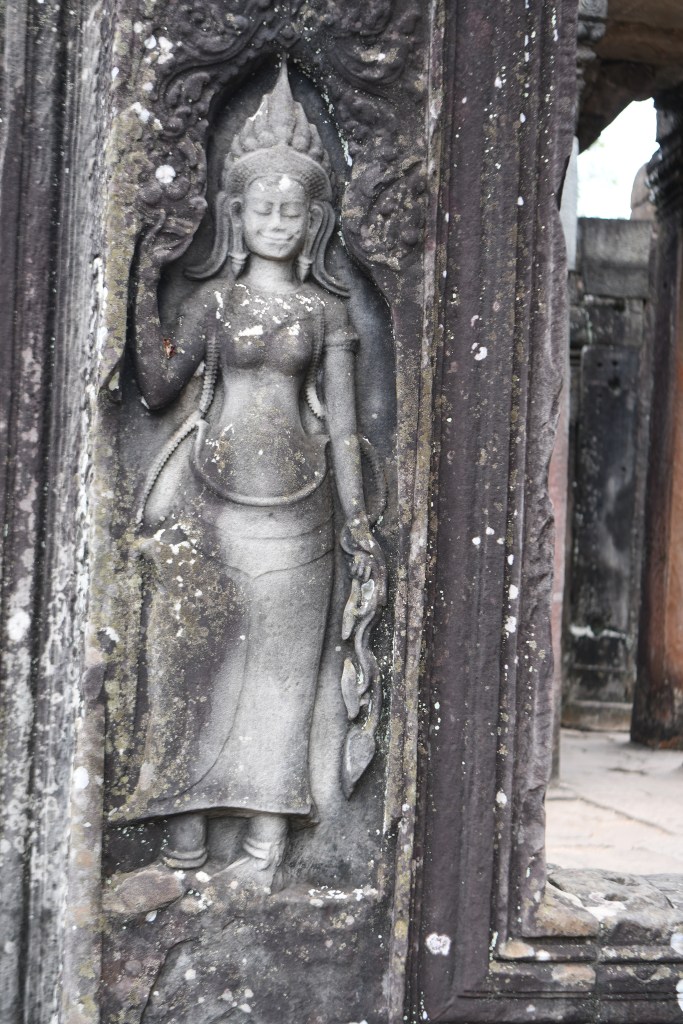
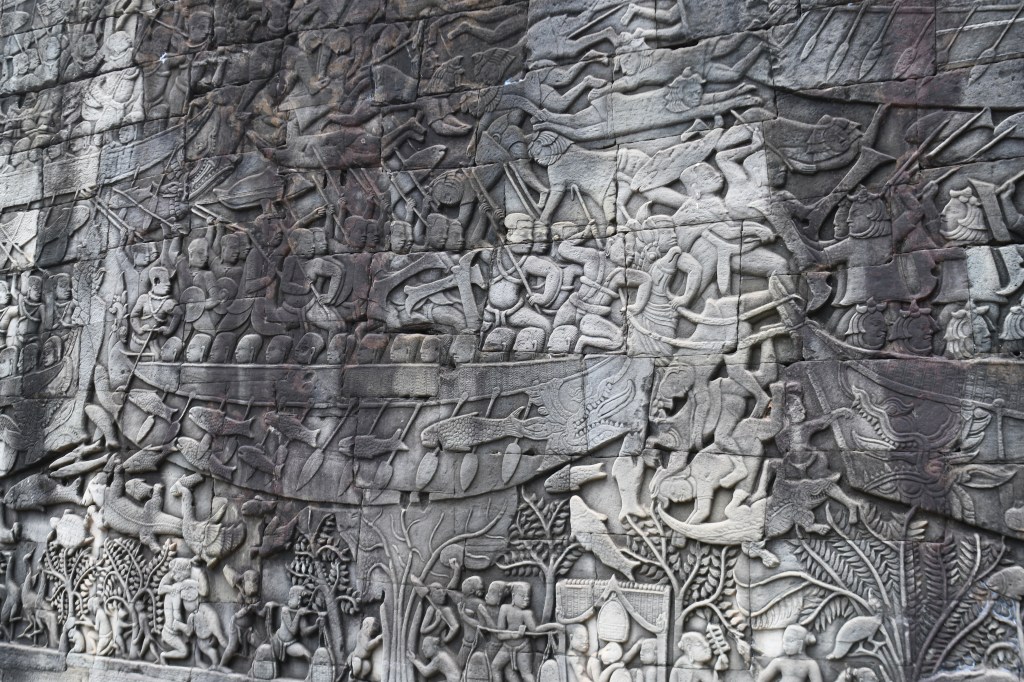
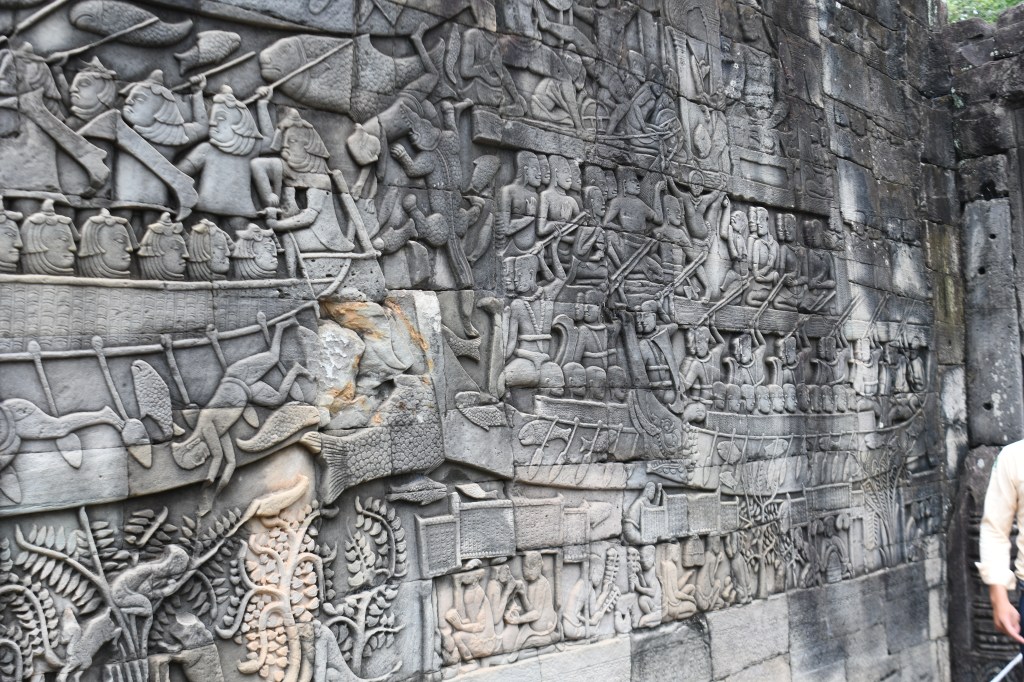
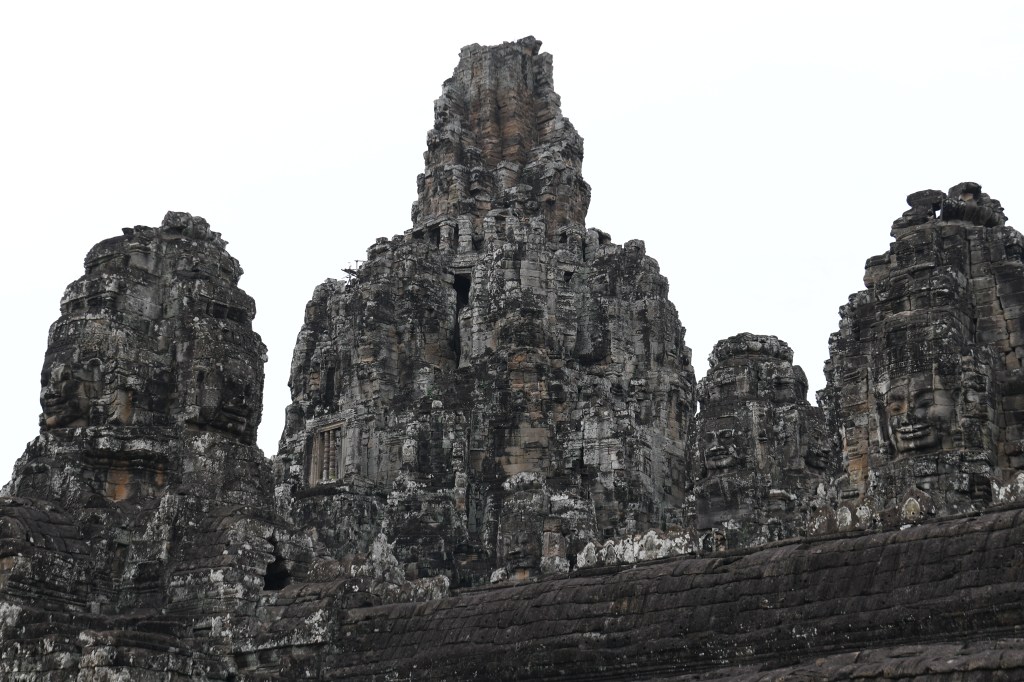
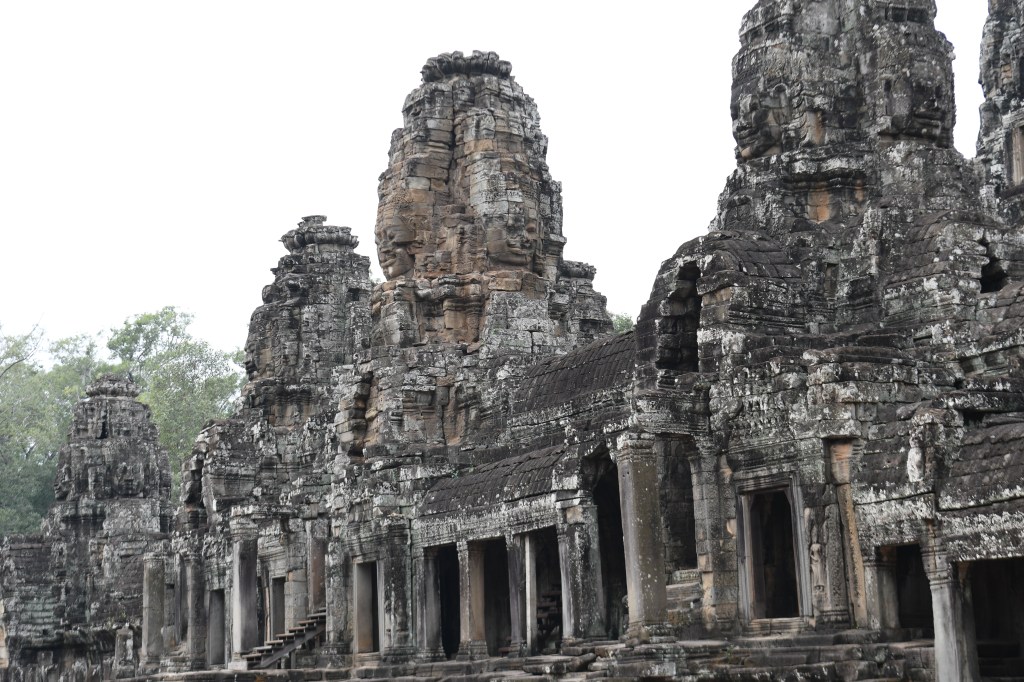
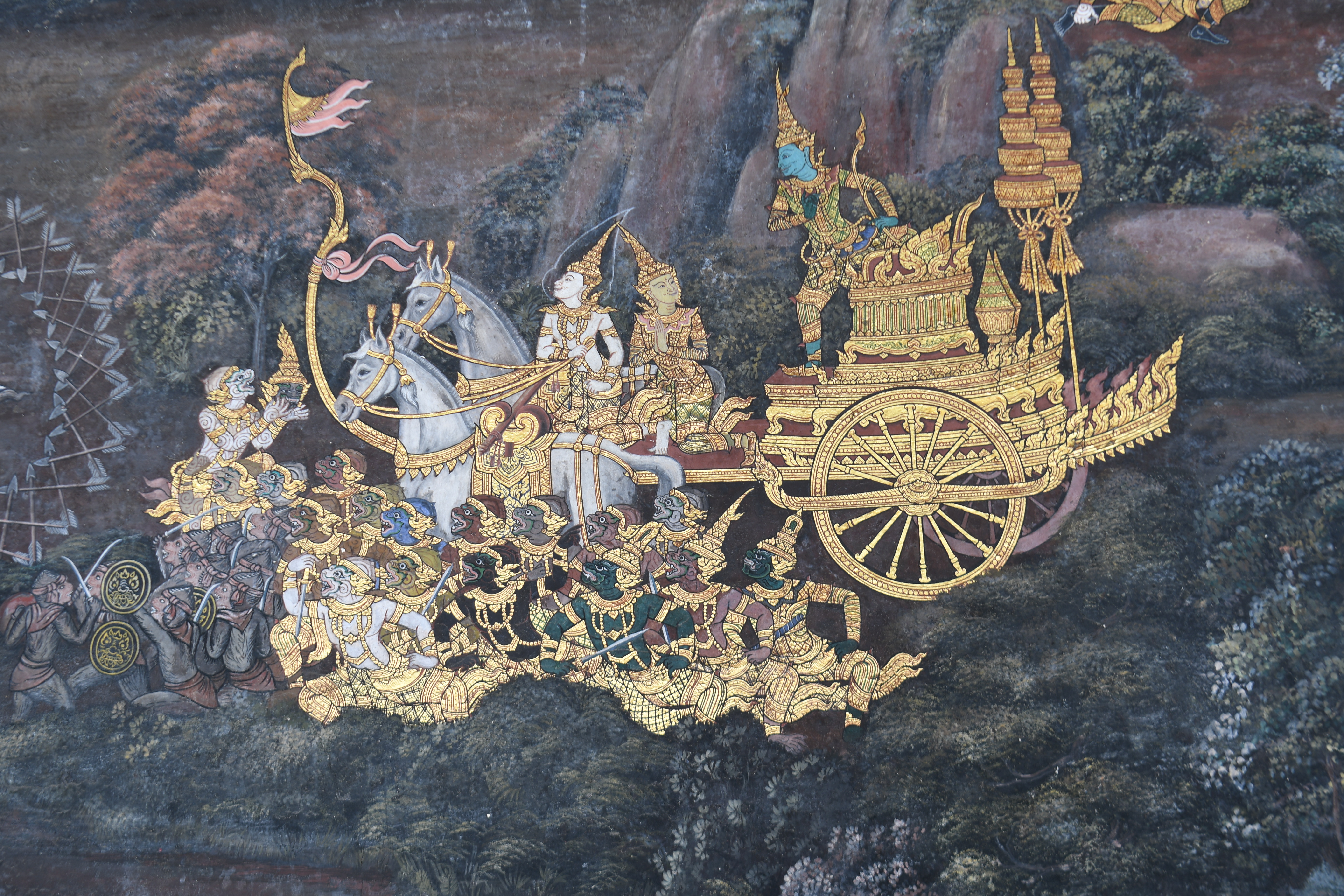
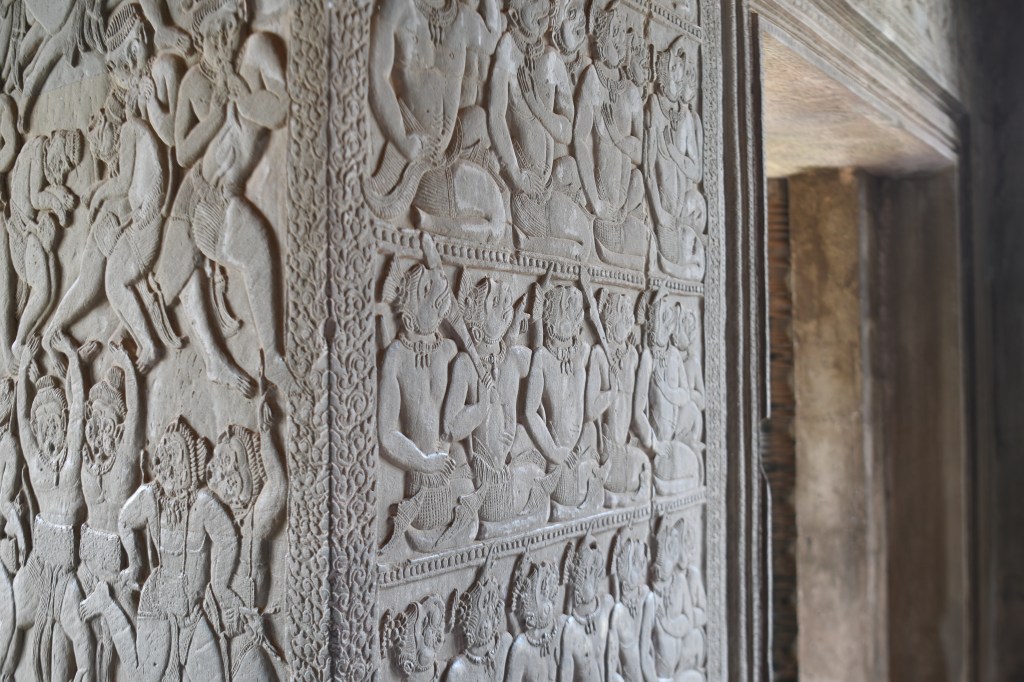
Details are depicted on Cambodia Temple walls that offer ancient stories of their civilization.
There is a sense of uneasiness in Thailand, Laos, and Cambodia in regard to Vietnam encroachment. Vietnam seems the “big dog” in the kennel. Though our local guide in Vietnam believes there is no chance of war, there seems fear of invasion or dominance by a stronger, more experienced military in Vietnam than in the other peninsula countries we visited. However, the greater concern in all four countries seems to be the potential for domination by China. Though relations appear quiescent at the moment, the authoritarian character of China’s current leadership seems worthy of some concern. In Vietnam, our local guide, who is 30 years of age, explains neither he nor the older Vietnamese generation wish any war in Southeast Asia but express guarded concern about China’s intention.
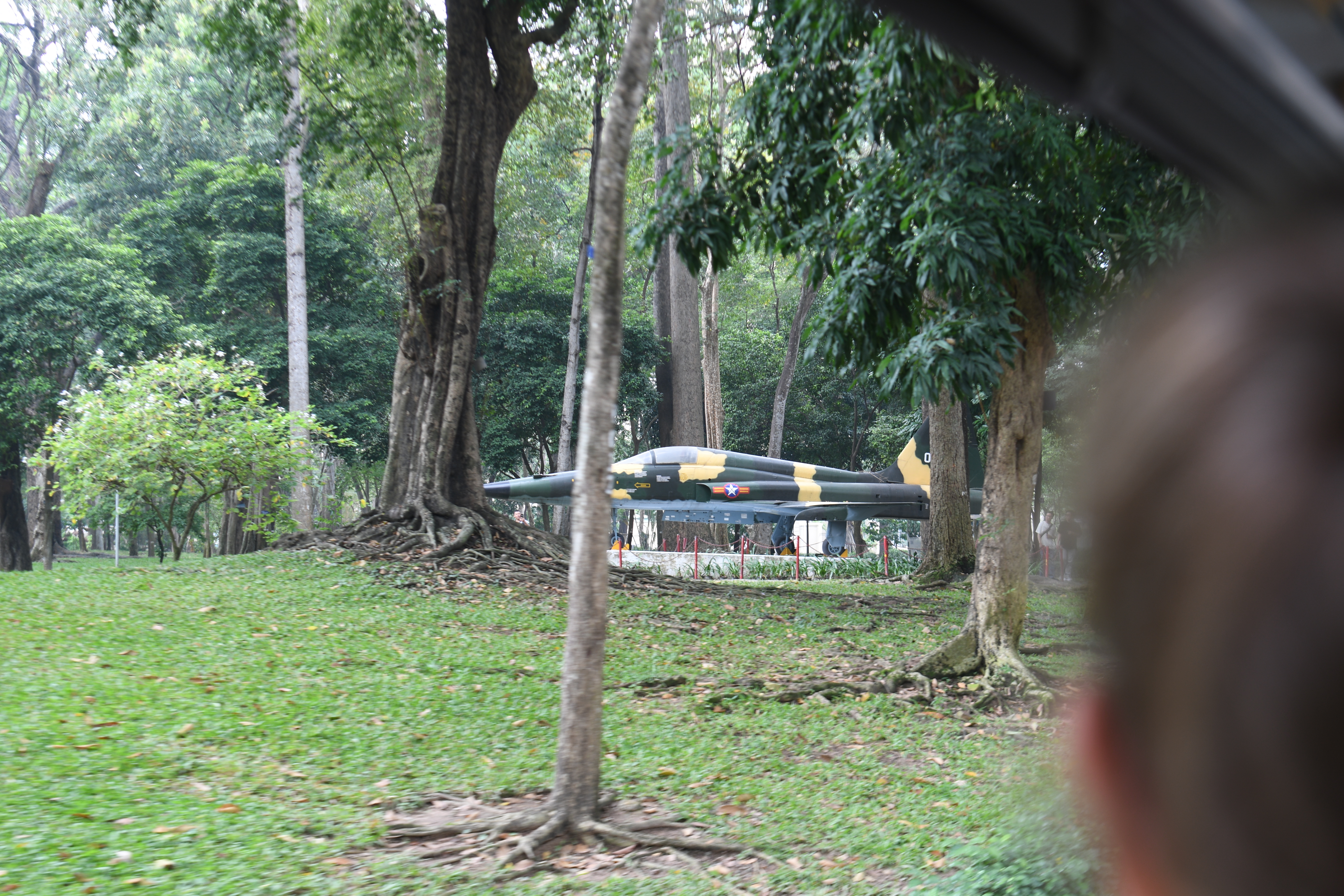
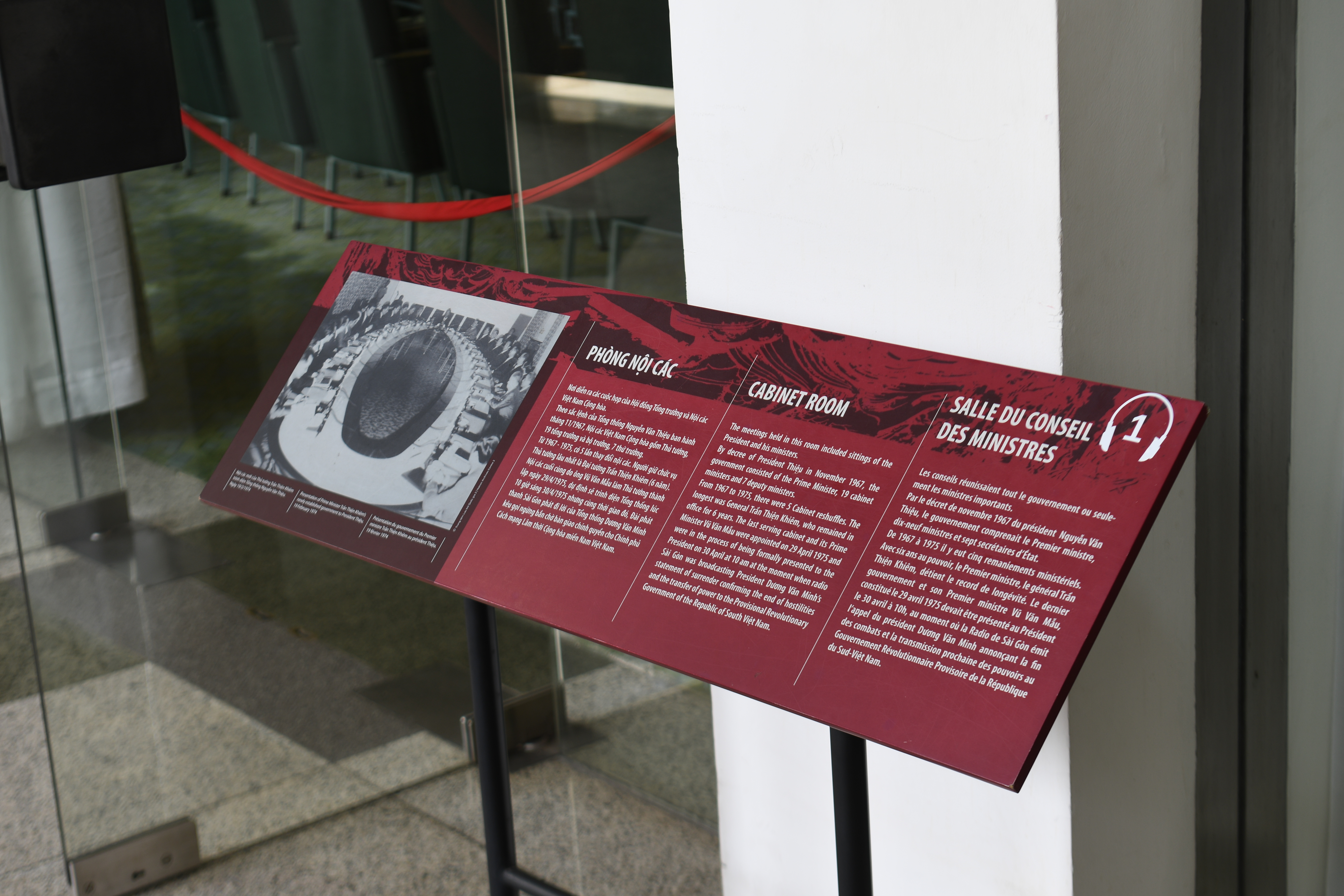
The following pictures are of the seat of power in Ho Chi Minh city (formerly Saigon) Vietnam during the American war. It is now a museum showing the government offices and a bunker in the event of an attack.
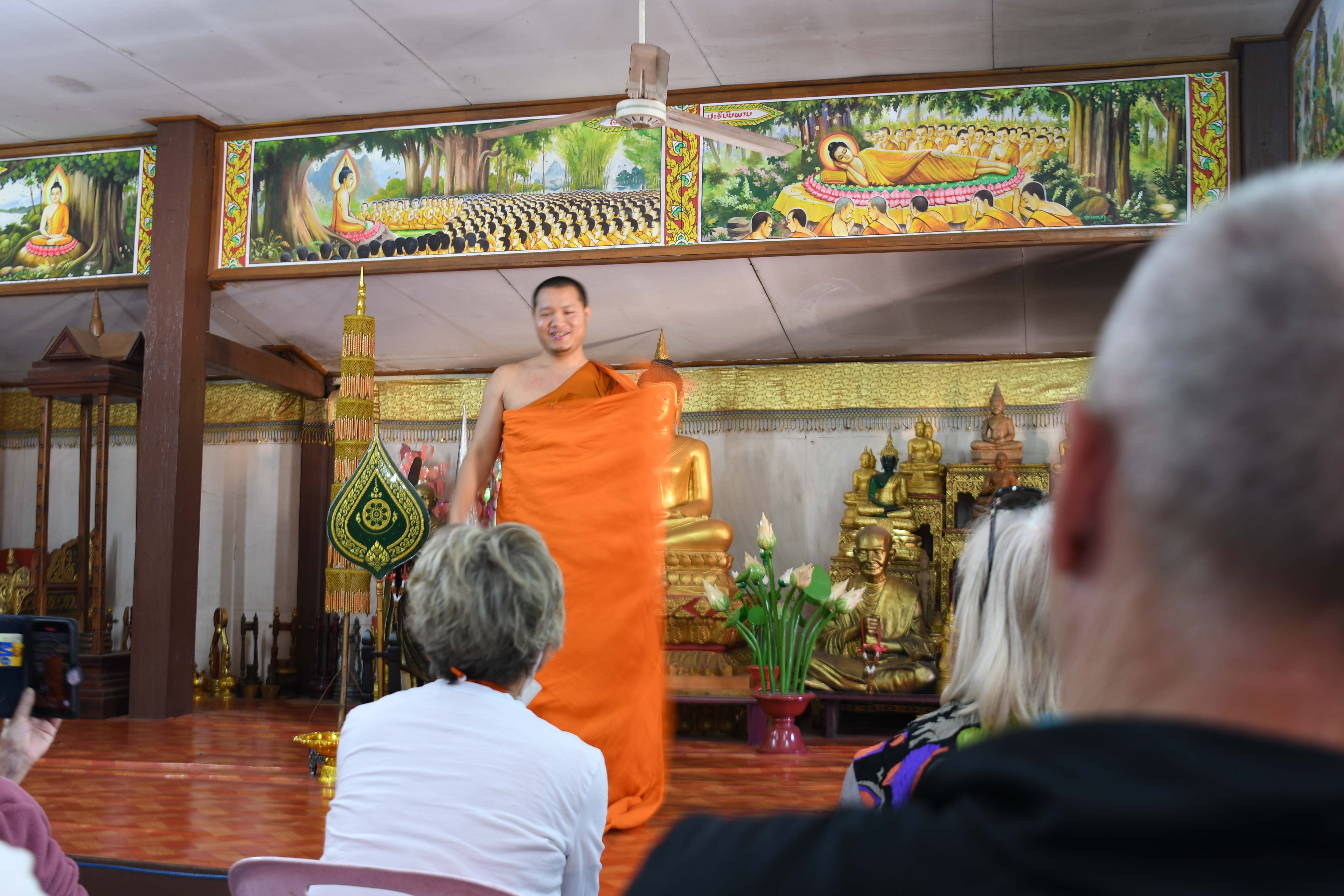
All our guides in Southeast Asia were excellent. Our primary guide, Lucky, practiced for a short time as a novice monk. As a part of the tour, we were able to ask questions of a monk that exemplifies the resilience and strength of Buddhism and its teaching. Questions were answered with grace and intelligence that reinforce one’s un-schooled understanding of Buddhism and its place in world religions.
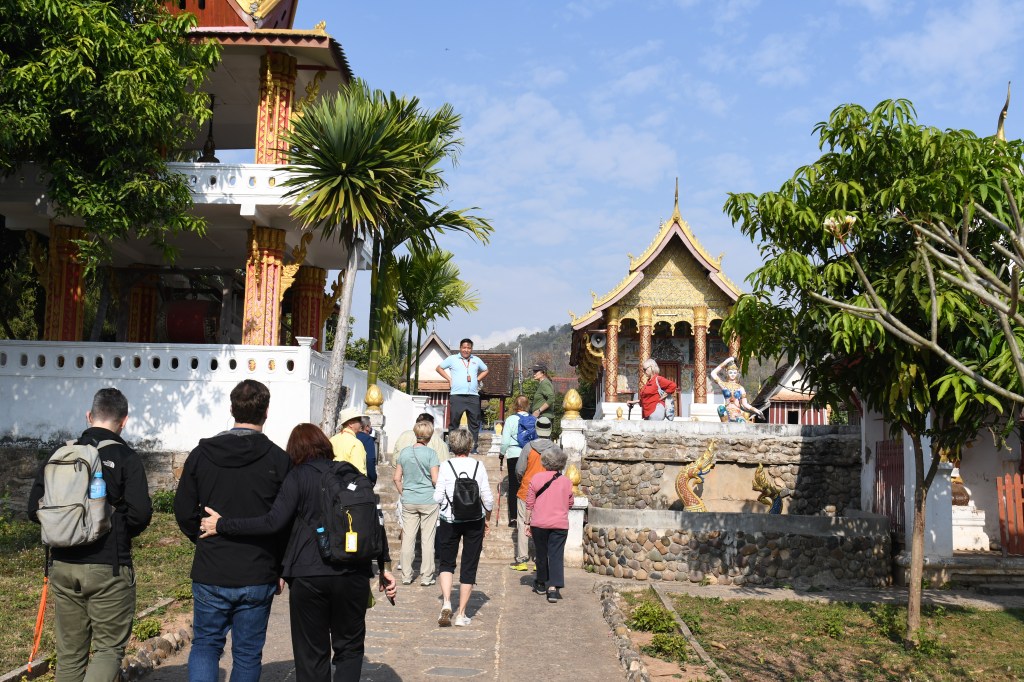
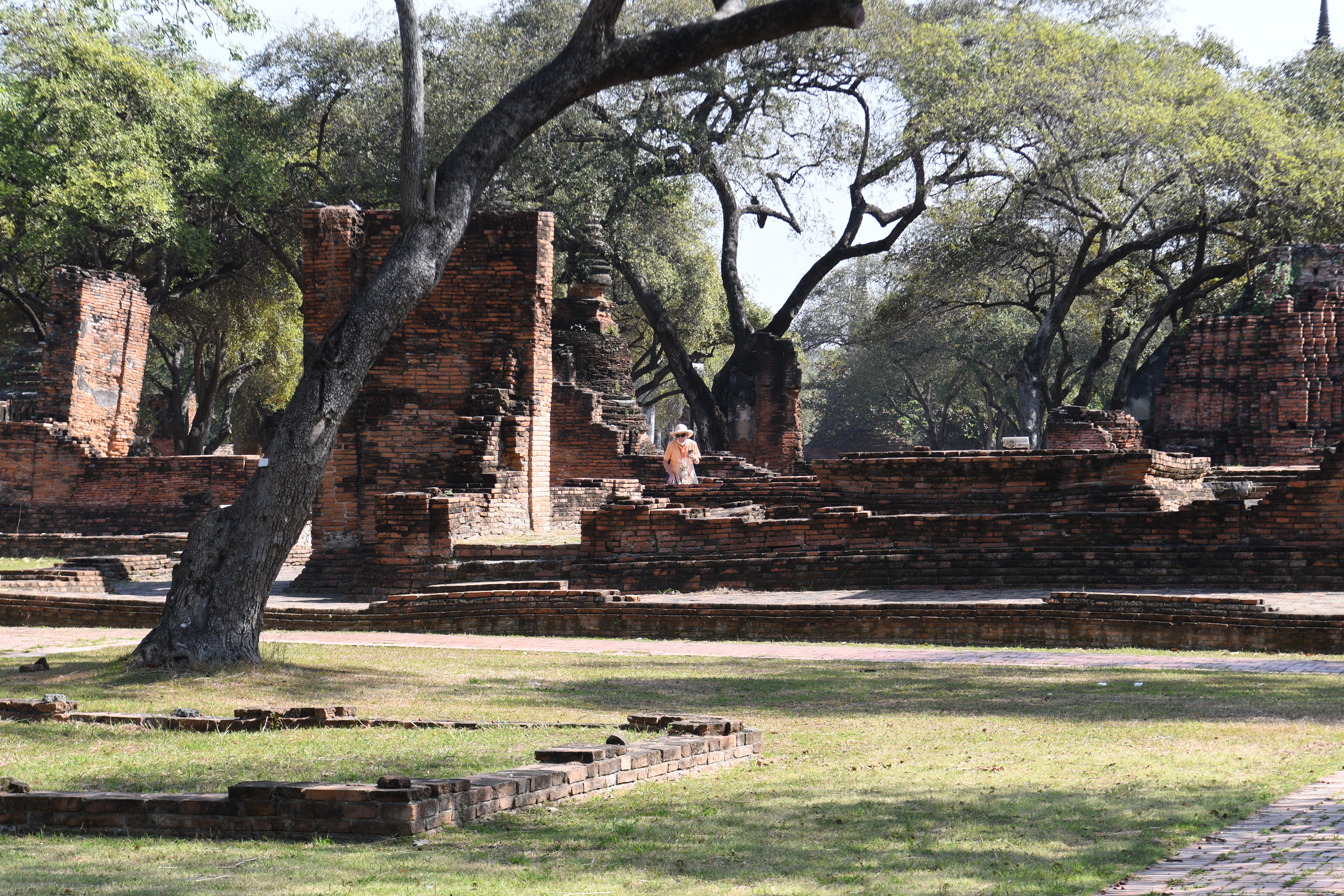
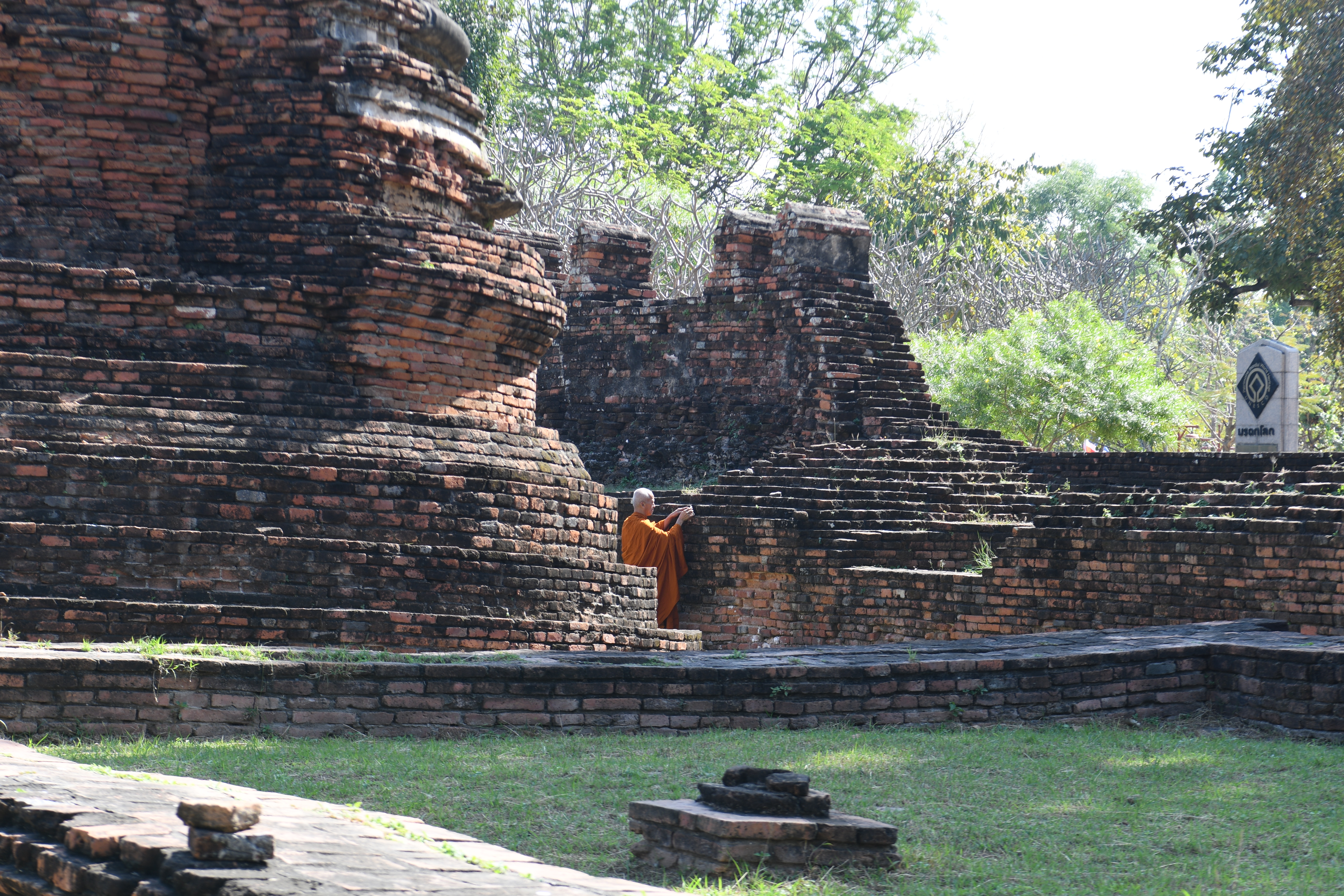
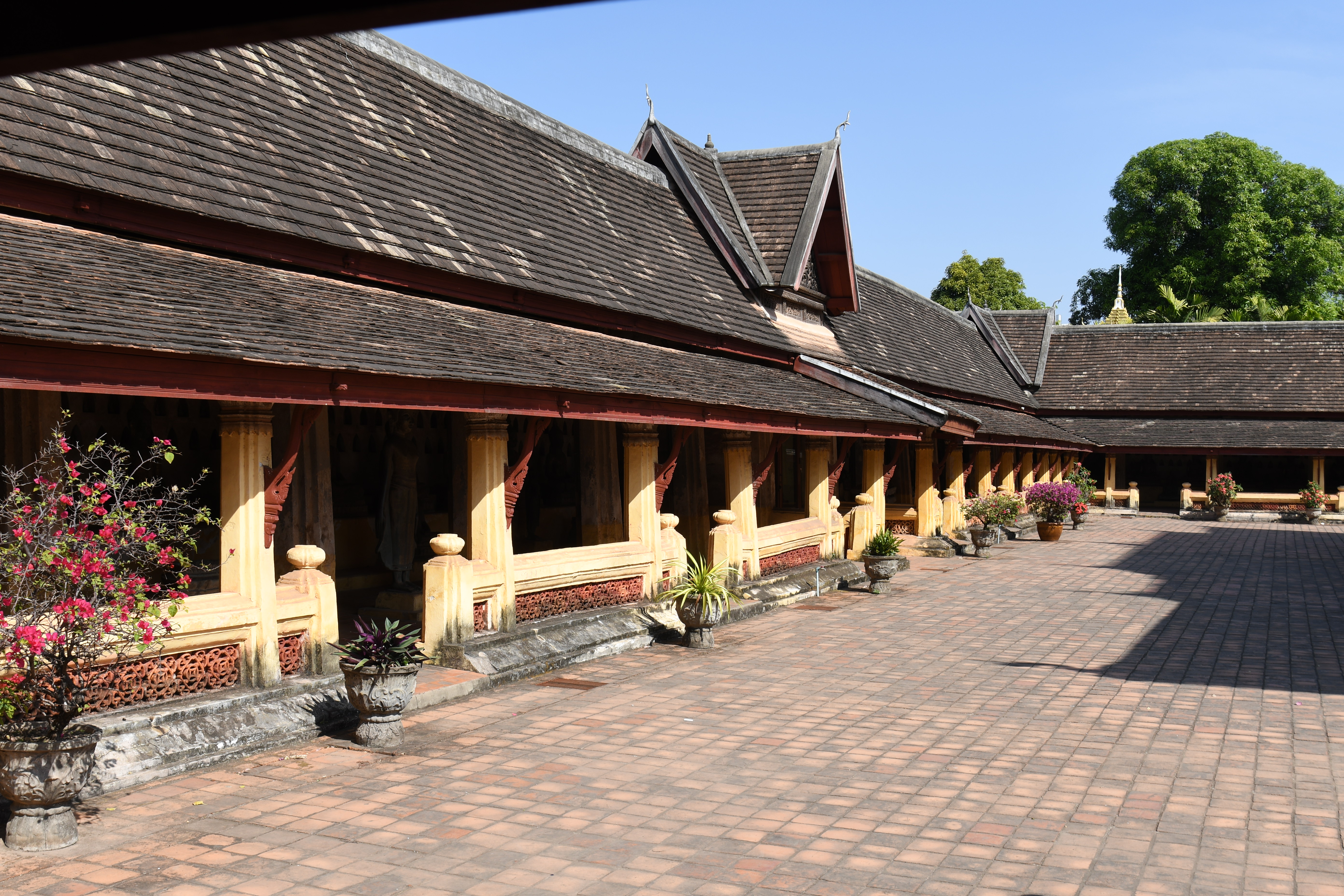
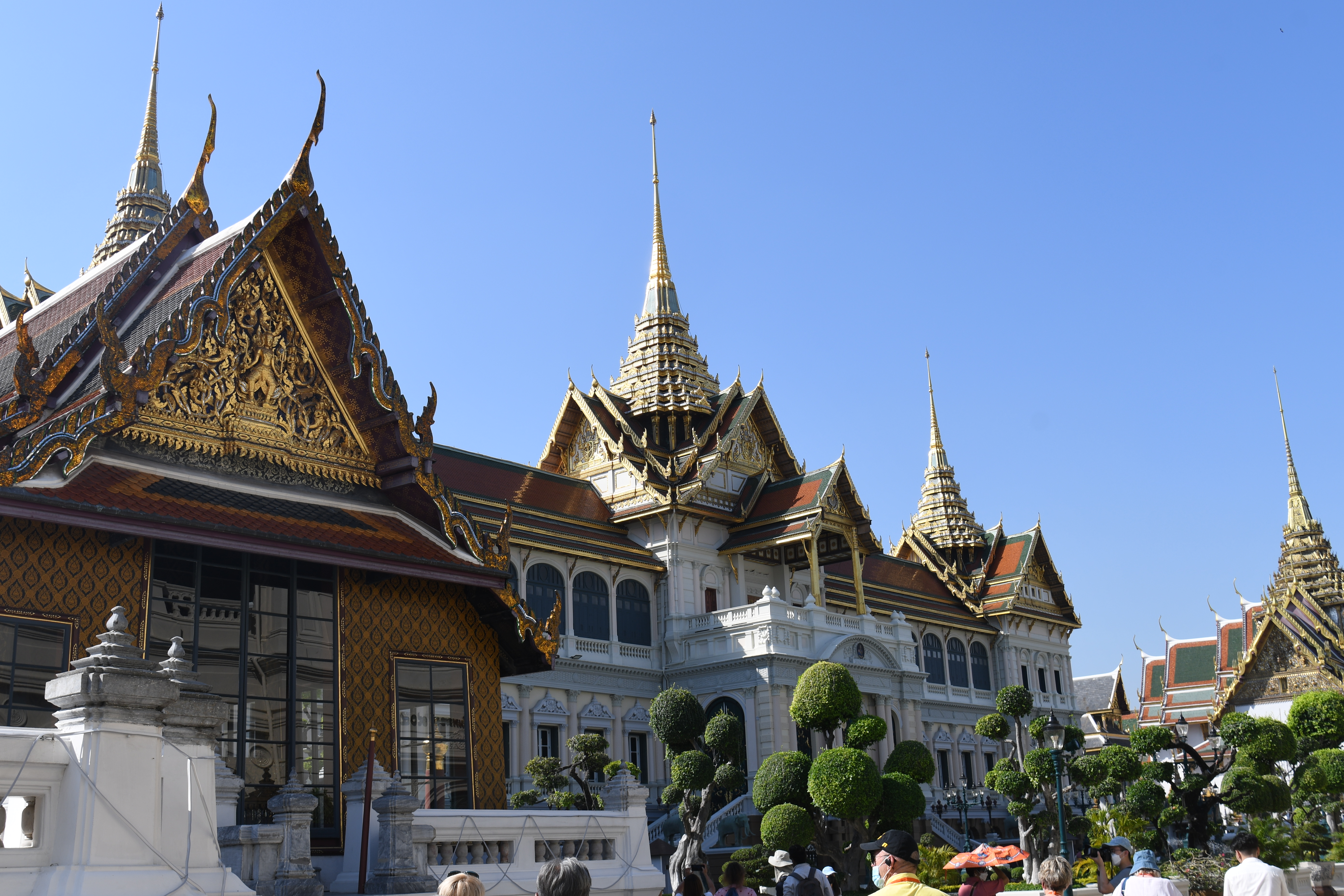
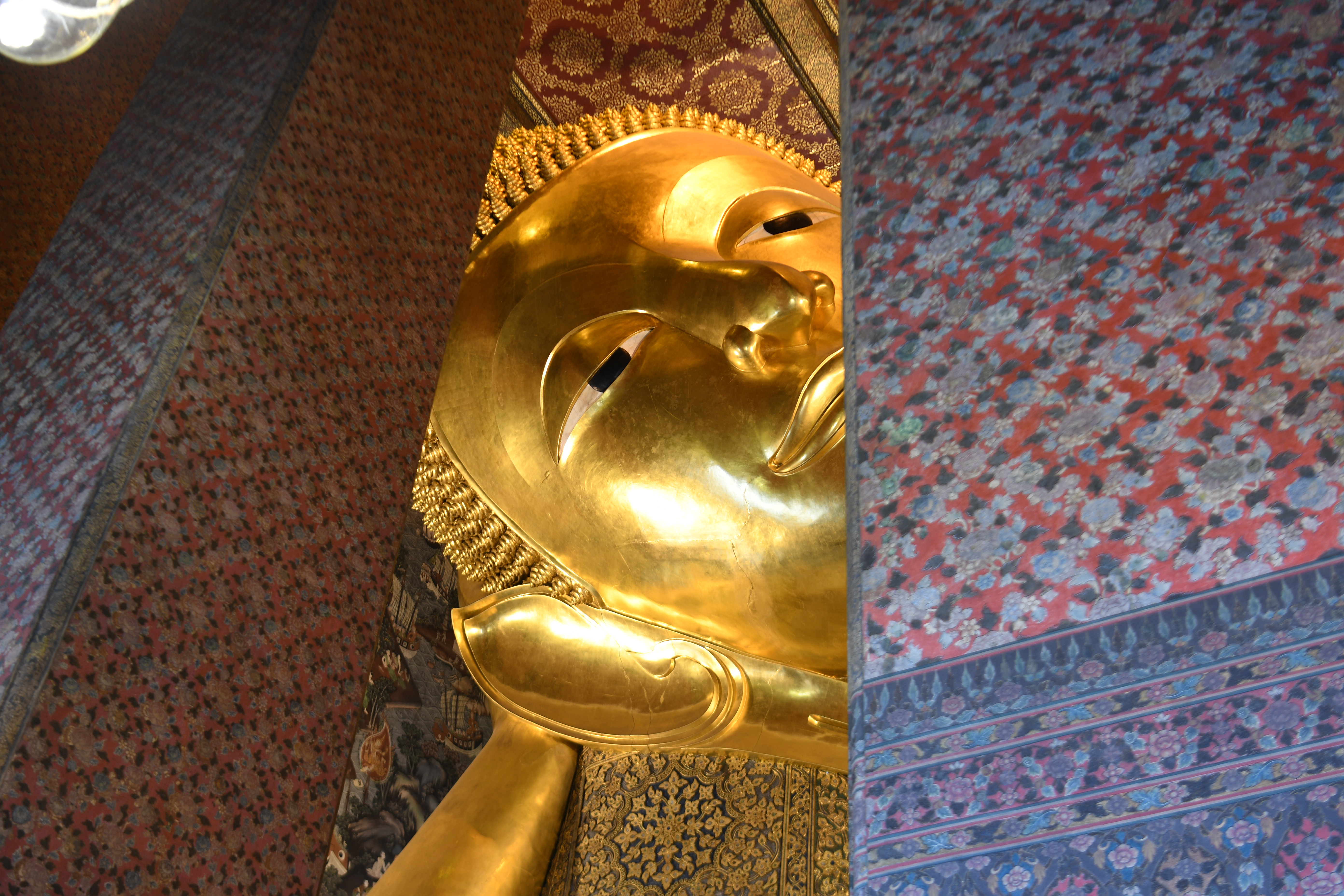
MONUMENTS TO THE HINDU AND BUDDHIST RELIGION THROUGHOUT SOUTHEAST ASIA.
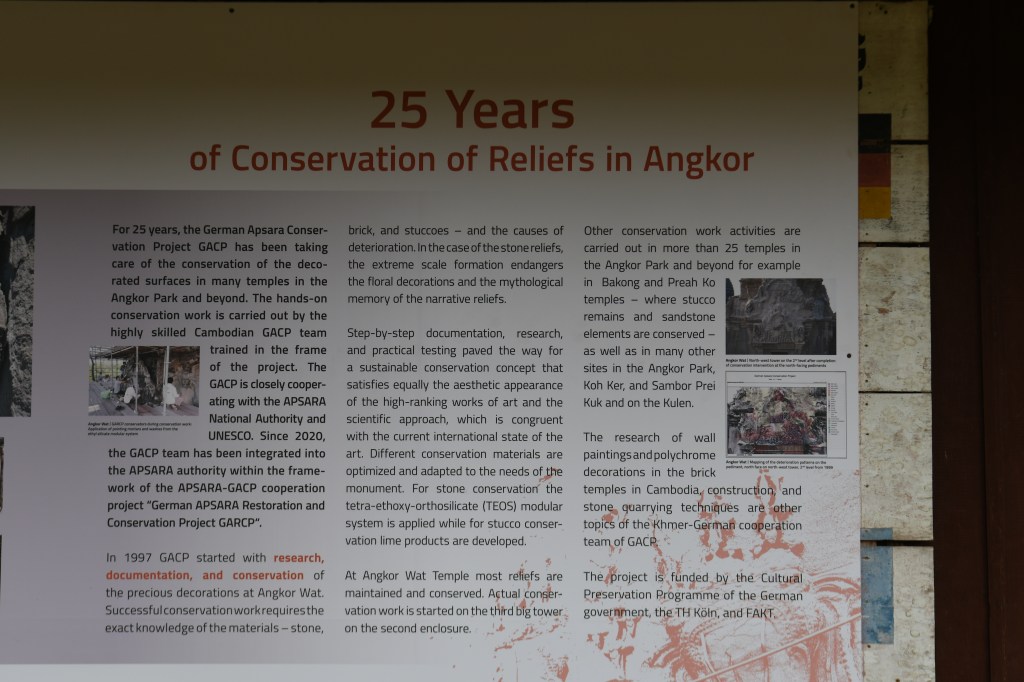
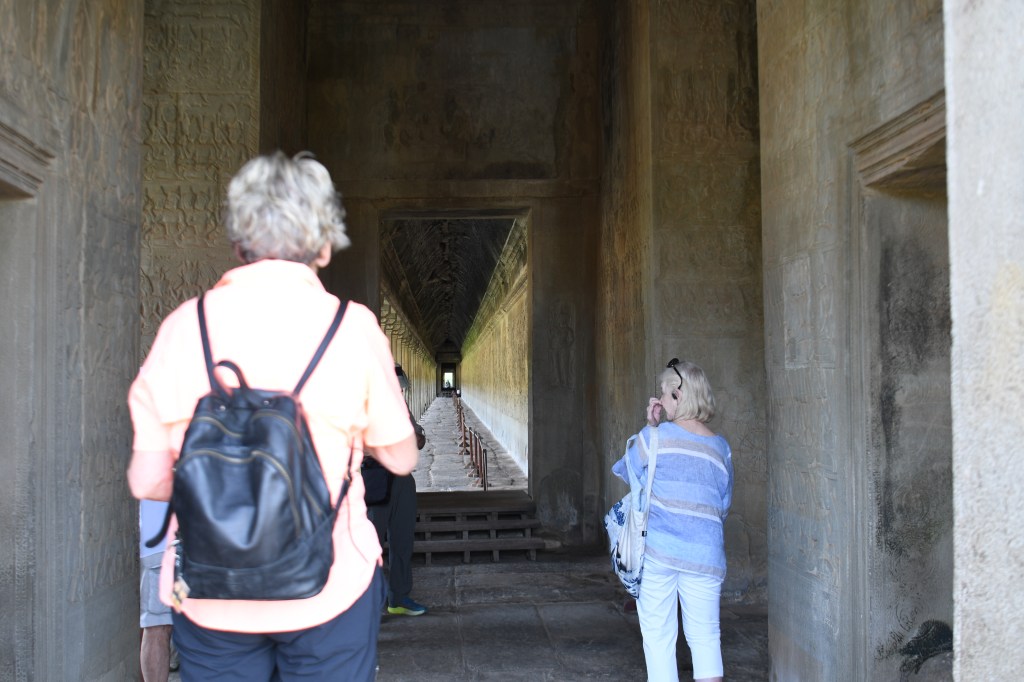
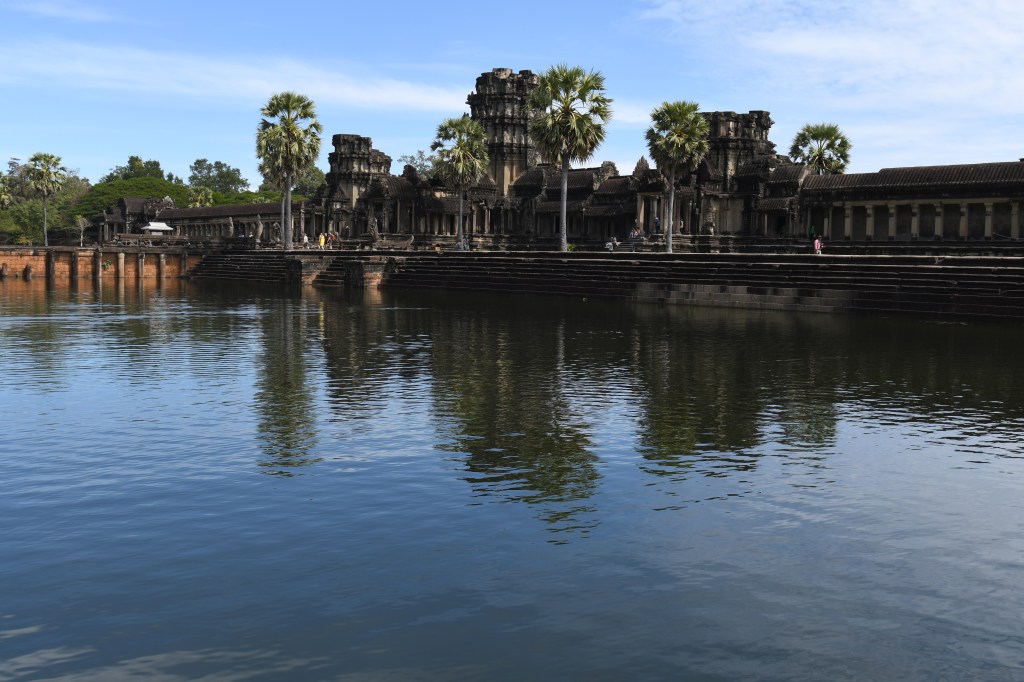
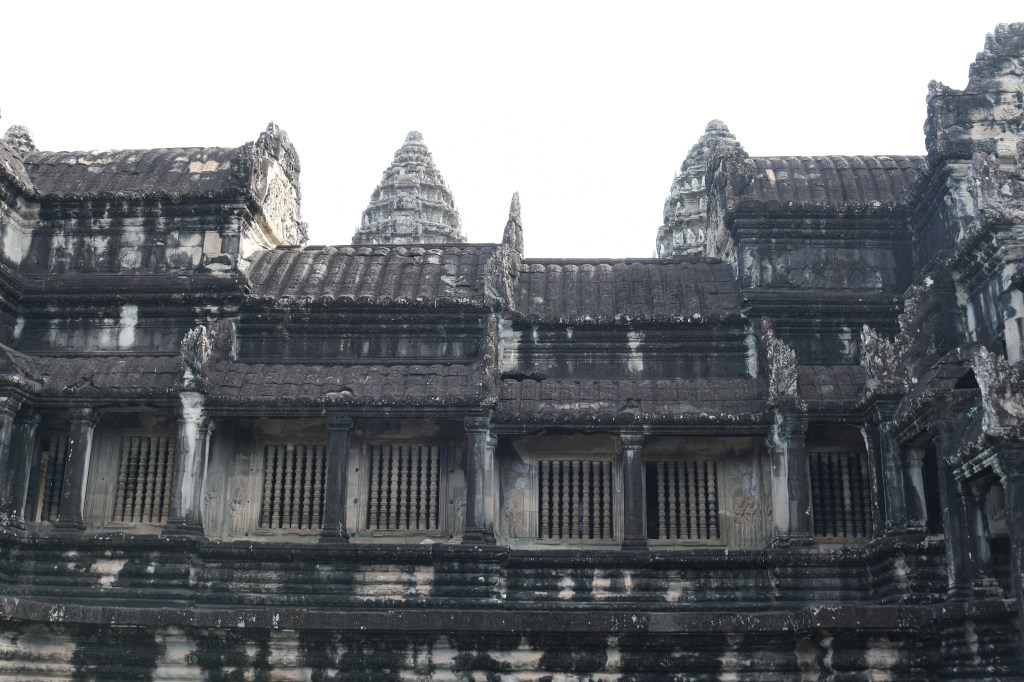
And, of course, no one can leave Cambodia without a visit to Angkor Wat the largest religious monument in the world, built in the 12th century.
Many personal conversations with Lucky, our primary guide, gave insight to the strength of Buddhism and a way of life that eschews conflict and promotes peace. Lucky believes in the traditions of his Thailand upbringing with acceptance of things as they are with the hope that the traditions of his country will continue.
In a sense, Lucky is a royalist who believes in the importance of the blood line of royalty as a moral compass for the country. The many experiences we had on this brief trip suggest Lucky’s hope for a limited monarchy is possible but with reservation. History never repeats itself in the same way.








































































































 REVIEWS AND VIEWS OF LIFE