Schweizer presents a book that has little substantiated proof about immigration in America. His book has become popular. “The Invisible Coup” has improved his economic well-being at the expense of knowledge based on verifiable fact.
Books of Interest Website: chetyarbrough.blog
The Invisible Coup (How American Elites and Foreign Powers Use Immigration as a Weapon)
Author: Peter Schweizer
Narration by: Charles Constant
Peter Franz Schweizer (American political consultant and writer. Editor-at-large for far-right media organization Breitbart News. Former fellow of the Hoover Institution.)
“The Invisible Coup” is a popular book that explains why world peace is a pipe dream in today’s world. Schweizer shows why Donald Trump has a popular following that continues to support his Presidency despite ICE tactics to identify immigrants based on the color of their skin, and his attack on Iran without authorization from Congress or cooperation from America’s allies.
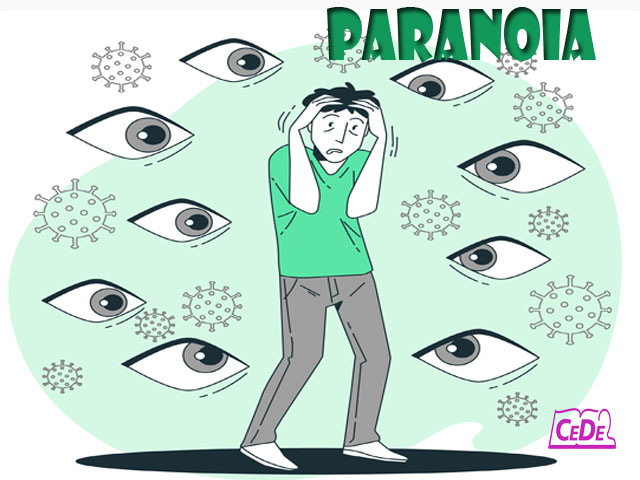
Schweizer has written a paranoid polemic on the causes and purpose of immigration to the United States by non-white immigrants.
Schweizer argues immigration is a coordinated “weapon” of foreign governments and American power brokers to influence and ultimately overthrow America’s way of life. He refuses to note people come to America to create a better life for themselves and their families. This is not to suggest there is no effort by immigrants to sneak into the U.S. or to game the American welfare system but to realize abuse of welfare is a problem whether American citizens or immigrants abuse the system. This is an American welfare management problem, not an immigrant issue.
America is founded on immigration.
Schweizer argues immigrants from China, Venezuela, Cuba, Mexico, and Brazil are gaming America’s welfare system and undermining the national purpose of a democratic government at the direction of foreign government leaders. He suggests the purpose of these foreign government’s leaders is to weaken the national character of America and destabilize its government. Schweizer writes of anonymous U.S. intelligence officials that say China encourages Chinese nationals with military intelligence to cross into America to gather intelligence. He offers no documentary evidence, no named officials, or verifiable data. He cites anonymous sources for all these countries to make his arguments totally unverifiable
Immigrants are seeking a better life in America.
To believe there is a coordinated foreign attack on American democracy by foreign governments through the use of illegal immigration is a distortion of a primary truth, i.e., immigrants are seeking a better life. Conspiracy to destroy American democracy through illegal immigration is absurd on its face. This is not to say some foreign governments would like to see America fail but for reasons of money, power, and world domination which have nothing to do with emigration. Schweizer generalizes real incidents of immigrant criminals to make the absurd argument that a cabal of foreign governments are using illegal immigration to undermine American institutions. His arguments are based on confidential documents and unnamed sources. He writes of “leaked intelligence” or “internal government documents” that are classified and cannot be produced to prove his point. Anonymous intelligence and law-enforcement officials are frequently used to substantiate his claims. Schweizer makes evidence-free assertions with political points that have no basis in verifiable fact.
Immigrant crime rates.
The history of immigration in America has improved economic growth. America is a nation of immigrants. The truth is immigrants commit crime at lower rates than native-born Americans. There is no denying the U.S. immigration system is flawed. Cartels do exploit illegal immigration to make money and some governments pressure America by increasing migration from their countries to the United States. Immigration is a regulatory problem but viewing it as foreign nation-states’ geopolitical attack is ridiculous on its face. The troubling part of Schweizer’s view is that world peace is an ideal that may never be achieved because of the nature of human beings. Mistakes are made when people correlate undocumented facts with causes. Truth has little value without independent verification of facts.
Schweizer presents a book that has little substantiated proof about immigration in America. His book has become popular. “The Invisible Coup” has improved his economic well-being at the expense of knowledge based on verifiable fact.
Does American Democracy have the resilience to adjust to a massive change in its economy from Artificial Intelligence? That is the essence of Turley’s concern about “The Unfinished Story of the American Revolution”.
Books of Interest Website: chetyarbrough.blog
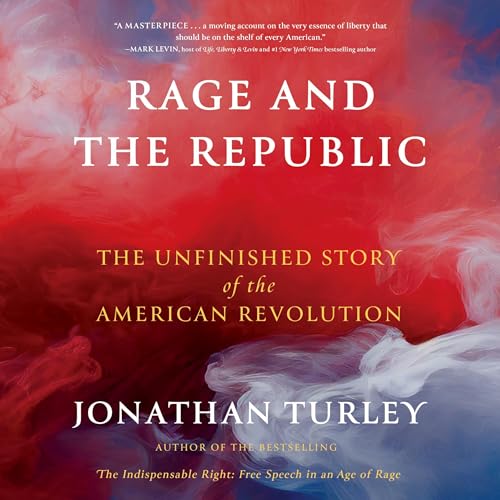
Rage and the Republic (The Unfinished Story of the American Revolution)
Author: Jonathan Turley
Narration by: Jonathan Turley
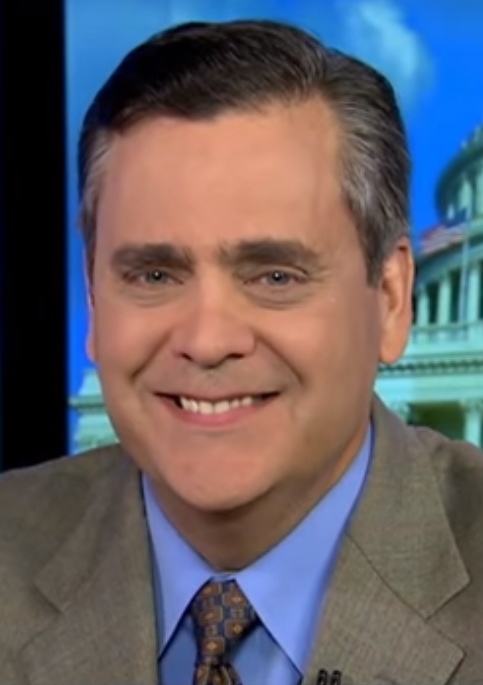
Jonathan Turley (Author, American attorney, legal scholar, commentator, professor at George Washington University Law School.)
As George Santayana wrote in “The Life of Reason” in 1905, “Those who cannot remember the past are condemned to repeat it.” Jonathan Turley served on the board that judged whether Clinton and Trump should be impeached. His history in “Rage and the Republic” is a scholarly assessment of America’s struggle with democracy and “rule of the many” rather than the “One”. Turley reviews the histories of the American and French revolutions to show how they were fundamentally different and what that difference shows in the present and implies for the future.
President Trump is testing the limits of democracy.
Trump is not the first nor the last President who has taken liberties with the ideals of Democracy. President Franklin Roosevelt was heavily criticized for his public works decisions during the depression just as President Trump is heavily criticized for his imperial actions on immigration and the bombing of Iran. As one listens/reads to Turley’s “Rage and the Republic”, one is comforted by the history of America’s struggle with the framework of democracy as it is defined by the Declaration of Independence and Constitution. Democracy has been challenged by many in the history of its establishment but has managed to right itself from the trials it presents for belief in liberty and equality for all.
An inherent difficulty of Democracy is in balancing freedom with authority.
Turley reminds listener/readers of the early days of American independence and men (because they were mostly men) like Thomas Paine who railed against abuse of power by Governors of independent States like Pennsylvania, and the government of the early American states. Paine’s history is of a flawed human being who rose to be an American patriot. Paine reinforced belief in Democracy with his political actions and beliefs reported in his publication of “Common Sense”. Paine railed against the Governor of Pennsylvania for profiting from his role as a head of state just as many criticize Trump today for doing the same as President of the United States.
Despite Paine’s “Rights of Man”, every President, Republican or Democrat, has sided with corporate interests. Some Presidents undoubtedly benefited from those interests.
Turley explains Paine’s imprisonment in France during the French revolution. The irony of Paine’s imprisonment in France is America’s neglect of his predicament, and the rage of the French Revolution which may be harbingers of a future for American citizens. Just as “Trump’s induced” riot of January 6, 2021, and today’s public reactions to ICE’ immigration and Iran’s bombing, public reactions may be warnings of America’s future.
One hopes America’s rage does not devolve into anything like the French revolution.
America remains a land of immigrants. In today’s world, Turley notes it is common for Americans to have more than one citizenship. He notes a French citizen who becomes an American farmer in the United States. Despite being a French citizen, he adapts to a different way of life and grows to identify himself as an American. That adaptation will be greater for all Americans in the 21st century.
Turley’s interesting history of public rage is a warning about the massive transition governments will have to make because of Artificial Intelligence and its impact on employment. Does American Democracy have the resilience to adjust to a massive change in its economy from Artificial Intelligence? That is the essence of Turley’s concern about “The Unfinished Story of the American Revolution”.
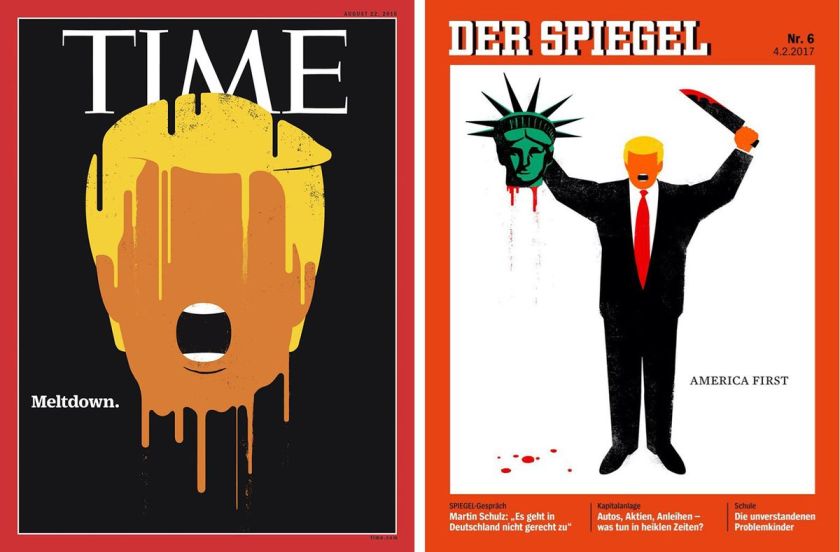
“Power tends to corrupt, and absolute power corrupts absolutely”. President Trump exemplifies that truth.
Books of Interest Website: chetyarbrough.blog
48 Laws of Power
Author: Robert Greene
Narration by: Richard Poe
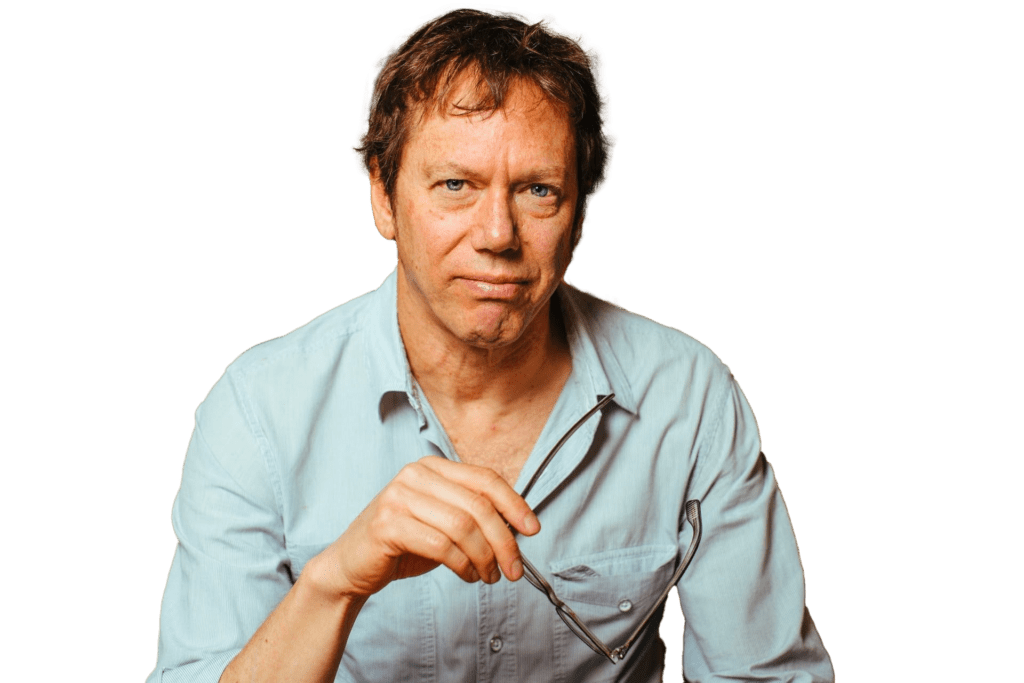
Robert Greene (American author, wrote seven international bestsellers, received his degree from University of Wisconsin-Madison in classical studies.)
This is a long book that shows a breadth of understanding about the history of power. How power and influence is acquired and wielded by human beings. Power and influence ranges from idealism to pragmatism to nihilism. In some sense, the “48 Laws of Power” is a study of emperors, courtiers, generals, con artists, and others who acquired power over others in history. What Greene reflects on is the social and human art of gaining and wielding power over other human beings. Whether one is low or high in the hierarchy of humanity, the general key to having power according to Greene is “never outshine superiors” but “always court attention that gains either respect, influence, or control of others”.
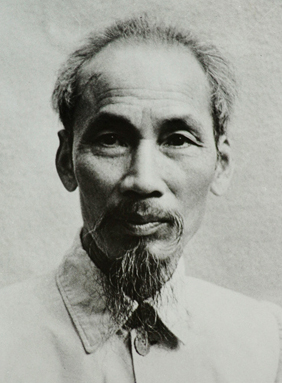
STALIN MAO ZEDONG (1893-1976)ING FATHER OF PEOPLE’S REPUBLIC OF CHINA)Kim Jong-un (CURRENT -DEAR LEADER-OF NORTH KOREA)
Greene brilliantly summarizes many characteristics of leaders in history to support his fundamental beliefs about power. He suggests all humans are primarily self-interested. One may disagree with that belief as a universal truth because there are many examples of social cooperation to achieve a common good or a stable system of governance. However, there is always a prime mover, a powerful person behind the scenes who drives the effort to succeed or fail.
Greene argues power is the result of interpersonal relationships. There is a great deal of truth in Greene’s analysis of power but from an institutional or organizational point of view, power is spread among departments’ leaders who report to a single leader. This is not to contradict Greene’s examples of interpersonal power but to temper belief that all power rests with one wielder of power. There is a great deal more to power than individual human manipulation. Organizations of the modern world are built around individual departments with singular powers beyond singular organizational leaders.
American Capital.
To give an example: regardless of who is President of the United States, there are Constitutional and legal systems that constrain his/her power. The bureaucracy of governance operates within rules set by law and precedent. In the case of business enterprise, shareholders, boards, and regulatory frameworks diminish the power of its executives. Further, even in the marketplace of business, capital limitation, supply chains, national platforms like Google, Amazon, and credit card companies have major influences on power exercised by any singular entity. Power in every human organization is also influenced by religions, social myths, and societal norms.
In this increasingly interconnected world, power has become impersonal, sometimes structural and emergent in ways that are non-intentional but significantly more powerful than one individual.
The weakness of the “48 Laws of Power” is that it fails to address institutionalized power that multiplies the power of individuals. A leader of a government or corporation works within a framework of historically developed departments that have their own powers and influences on public and private functions. The dynamics of power Greene explains apply within departments of government and corporations that go beyond the power of one leader.
This often leads to unintended consequences. ICE and Trump’s power are a current example of unintended consequence because of the murder of two Minneapolis American citizens who demonstrated against the President’s immigration policy. One doubts that the President of the United States wishes for the murder of American citizens who disagree with his immigration policies. However, power of the individual still matters as is demonstrated by today’s American President. Greene precisely explains how one person gains power over another despite a modern world that complicates individual power.
ICE murder of American citizens in Minneapolis who are protesting Trump immigration policy.
President Trump demonstrates his power over education, government employment, health and human services, birth control, and immigration policy. However, both good and bad government policy is magnified by Departments of Government that report to the President, i.e., bad policy coming from a President’s power is only made worse through implementation by subordinates who create their own power structures.
It is not that Greene’s analysis of power is wrong but that it applies to individual relationships without addressing distortions of power exercised by departments of business and government that have developed their own hierarchies of power.
One doubts any President of the United States who orders elimination of illegal immigration wishes to have ICE agents murder American citizens. This is not to absolve President Trump but to suggest the ICE employees on the ground bare the weight of two unjustified murders in Minneapolis.
Greene’s explanation of power is spot on, but it is about every person’s rise to power, not the reality of one leader’s power. Organizations are made up of many other managers using the same laws of power as their presumed superior. The end result is a level of unintended consequence. Or as Lord Acton noted: “Power tends to corrupt, and absolute power corrupts absolutely”. President Trump exemplifies that truth.
Fugelsang preaches to the choir in writing about Trump’s ignorant Immigration policy. It is not a matter of being or not being Christian but a matter of having a pragmatic and compassionate immigration policy that serves the needs of America’s future.
Books of Interest Website: chetyarbrough.blog
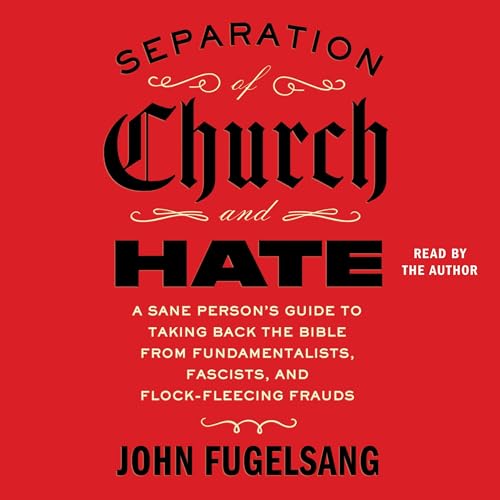
Separation Church and Hate (A Sane Person’s Guide to Taking Back the Bible from Fundamentalists, Fascists, and Flock-Fleecing Frauds)
Author: John Fugelsang
Narration by: John Fugelsang
John Fugelsang (Author, American actor, comedian, television host, political commentator.)
John Fugelsang argues President Trump’s immigration policies are unjust, hypocritic, and unchristian. Fugelsang, as the son of a mother and father who have deep religious backgrounds, appears to have carefully read the Bible. In his Christian’ beliefs about humanity, Fugelsang argues Trump distorts Christian teaching, has no compassion for immigrants, and pursues an immoral immigration policy that exemplifies a false relationship between “…Church and Hate”.
Good government, not religion, is what is needed to solve America’s immigration problem.
As one who is not raised with any particular religious beliefs, much of what Fugelsang argues makes sense. The gestapo tactics of the Trump administration are appalling. Whether one is a Christian or not, the terrorism created by Trump’s policy of home, school, and street attacks on people who may or may not be immigrants is un-American and, according to Fuigelsang, contrary to the teachings of Jesus. Where Fugelsang is off the mark in his criticism is in attacking presumed motives of the President as opposed to the substantive reasons for managing illegal immigration. Trump’s methodology is cruel and unjust. The point of being Christian is superfluous. Fugelsang’s knowledge of the Bible is exemplary but who cares? It is not whether one is following Christian beliefs but whether one with power is acting with compassion and good judgement in addressing what is wrong with America’s immigration policy.
America needs immigration reform.
It is easy to agree with much of what Fugelsang has to say but it is not addressing the complexity of the problem of immigrants’ desire to have a better life. Trump is making the same mistakes past Presidents have made with native Americans. Rather than addressing the reasonable needs of human beings, past American Presidents made deals for Indian land, broke promises, murdered native populations and rejected inherent human rights. Trump is doing the same with today’s immigrants.
The starting point for correcting the problem of illegal immigration is in the creation of a fair, compassionate, and workable immigration policy.
Money is being wasted on gestapo-like actions by our government that terrorizes the public with armed ICE officers who continue to send the wrong message to the world about American democracy. We are not a police state. We are the nation that said, “Give me your tired, your poor, your huddled masses yearning to breathe free”.
Trying to turn back time is a waste of American revenue and manpower.
Trump, Congress, and the Judiciary need to back-off from a show of power. Our government needs to get to work on practical solutions that help American gain control of immigration. A show of power will not solve illegal immigration. It is only Trump’s theatrical way of making it look like he is doing something about illegal immigration. What he is doing is making America look like Hitler’s Germany. This is not America or what it stands for.
Fugelsang may be right from a Christian’s perspective about Trump’s lack of Christian belief but that is the easy part. The hard part is creating a compassionate solution by the American government for immigrants that have entered the country illegally. America needs an immigration policy that works for the future. Immigrants made America. American power and prosperity will decline without the help of immigrants. Modernization and a falling birth rate in America will reduce available labor for its future.
Fugelsang preaches to the choir in writing about Trump’s ignorant Immigration policy. It is not a matter of being or not being Christian but a matter of having a pragmatic and compassionate immigration policy that serves the needs of America’s future.
Without a competent Chief of Staff, democracies are subject to authoritarian tyranny.
Books of Interest Website: chetyarbrough.blog
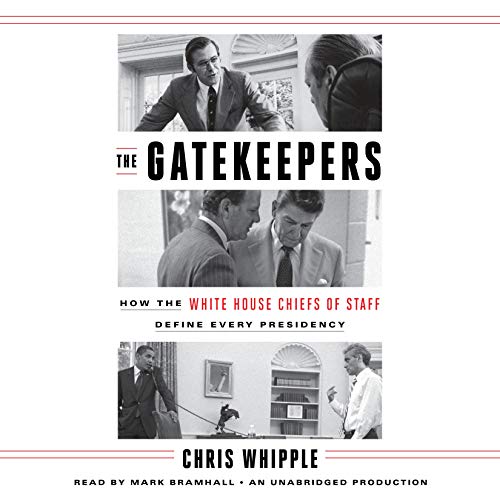
The Gatekeepers (How the White House Chiefs of Staff Define Every Presidency)
Author: Chris Whipple
Narration by: Mark Bramhall
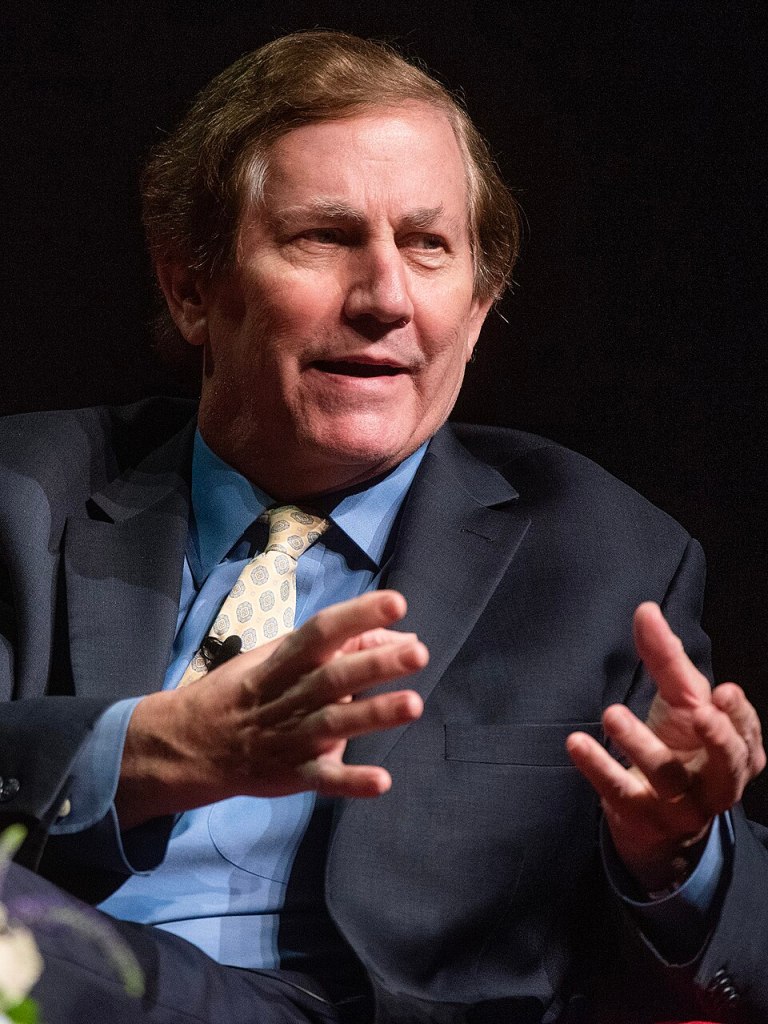
Chris Whipple (Author, political analyst, documentary film maker, journalist.)
Democratic government is complicated and messy, but decisions are made based on an understanding of the interests of many as opposed to the dictate and judgement of one.
“The Gatekeepers” may be viewed by most as an historical account of White House Chiefs of Staff based on many interviews of former government officials. However, one is inclined to see this history as a chronical of American government effectiveness. The facts and incidents reported give reader/listeners a view of America’s government function. Whipple details a series of relatively prudent and sometimes bad decisions made by late twentieth and twenty-first century presidents. Whipple’s history suggests the decision-maker for pursuit of government policy is America’s elected President. However, the road to policy approval or rejection is paved by White House’ Chiefs of Staff.
Whipple covers Nixon’s, Ford’s, Carter’s, Reagan’s, both Bush’s, Clinton’s, Obama’s, and Trump’s first administration. It does not address Biden’s Presidency or the Chief of Staff for Trump’s second term. The many interviews Whipple bases his history on offer a credible and enlightening history of American government. It is H. R. Haldeman, Cheney, Rumsfeld, Baker, Panetta, Card, and Rahm Emanuel that are the most prominent examples of effective and consequential Chiefs of Staff in Nixon’s, Ford’s, Reagan’s, Clinton’s, first and second Bush’s, and Obama’s administrations. The definition of effective is their ability to achieve a desired result whether good or bad for America. This is where one’s personal political beliefs come into question. It is always easy to see the errors of the past retrospectively. Whipple is careful to report facts and results without much judgement about their consequences.
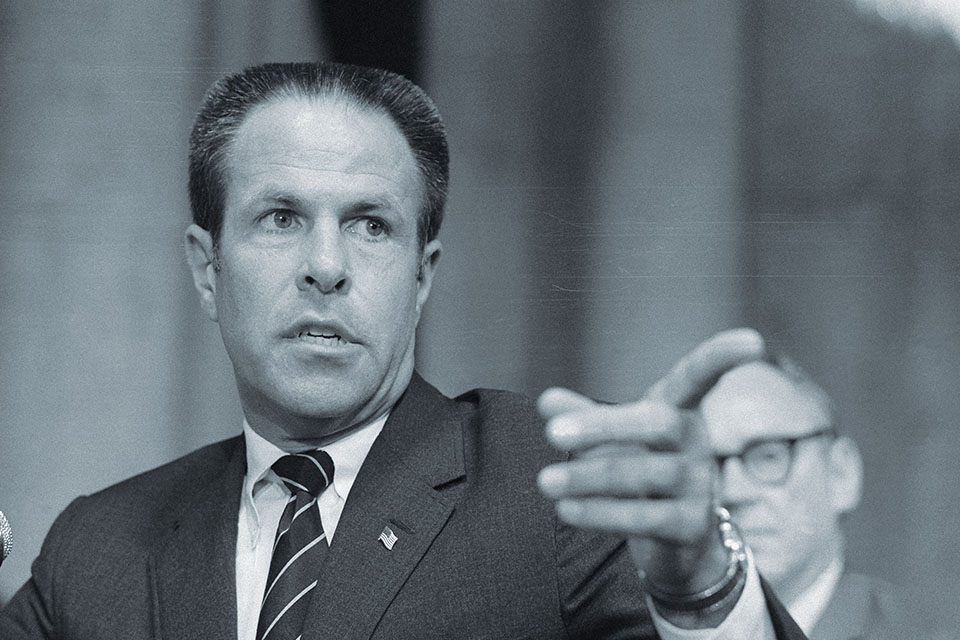
H.R. Halderman (1926-1993, former Chief of Staff for President Nixon.)
Haldeman was Nixon’s Chief of Staff. There is no evidence that he had anything to do with the planned or ordered Watergate break-in, but Whipple shows he participated in a Watergate cover-up. Though Haldeman’s actions after the Watergate scandal are reprehensible, the point made by Whipple is that Haldeman set the table for what an effective Chief of Staff should be for a President. Haldeman acts as a consummate gatekeeper. One can criticize Haldeman’s bad decision to try and coverup Watergate, but he defined the role of a President’s Chief of Staff. Whipple shows Haldeman manages access to the President, understands where the power of government lies, has a good understanding of staff members surrounding the President, protects the President’s time, and balances a President’s policies with the politics of his party.
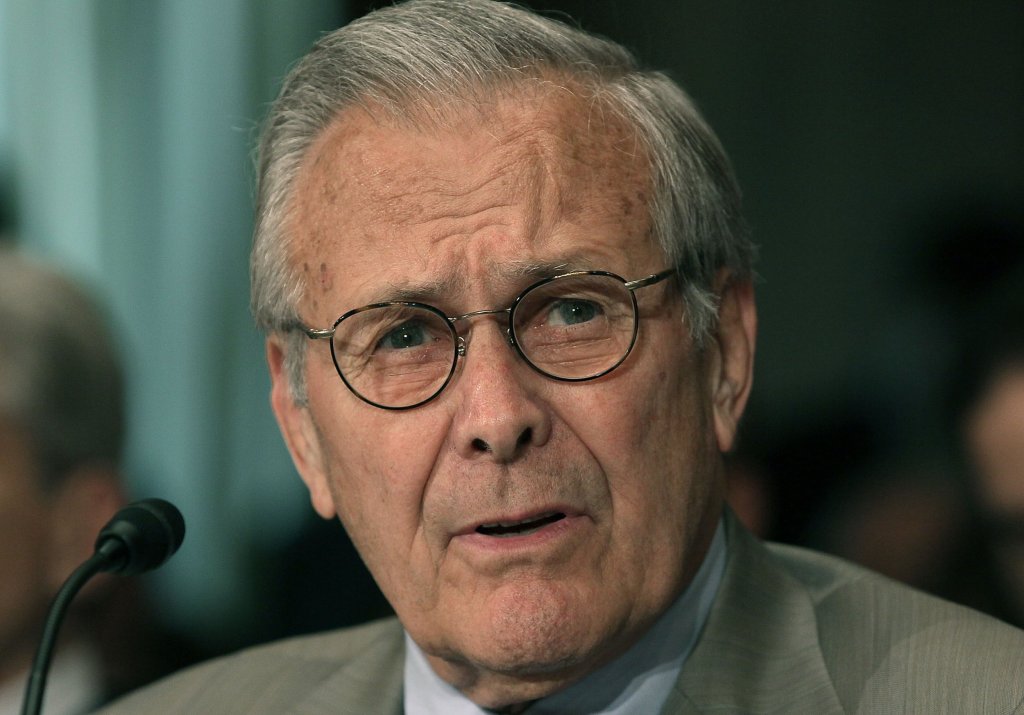
Donald Rumsfeld (1932-2021, Secretary of Defense and former Chief of Staff for President Ford.)
President Ford’s Chief of Staff is Donald Rumsfeld with Dick Cheney as Deputy Chief of Staff. Rumsfeld is characterized as a mentor to Cheney. They had a close relationship according to Whipple. Ford’s political decision to give a full pardon to Nixon and clemency for Vietnam draft dodgers were hot potato issues that were abetted (if not endorsed) by Rumsfeld and Cheney. Most significantly Ford ended America’s war in Vietnam. Ford endorses tax increases to reduce inflation while supporting tax cuts to stimulate the economy. Ford increases congress’s role in foreign policy.
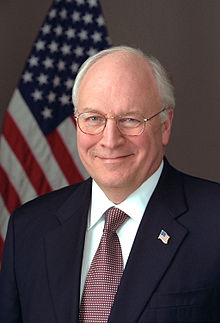
Dick Cheney (1921-2025, second Chief of Staff for President Ford.)
In a cabinet reorganization Cheney becomes the Chief of Staff and Rumsfeld switches to Secretary of Defense. Rumsfeld and Cheney, in their roles as Chiefs of Staff, control access to President Ford, coordinate policy actions, shape internal decision-making, and advise Ford on strategy to influence people who accomplish these acts. The two Chiefs influenced Ford to replace Kissinger as National Security Advisor, promote George Bush as CIA Director, and prepare Ford for the next election which is ultimately lost to Jimmy Carter.
Hamilton Jordan (1944-2008, Chief of Staff of President Carter.)
When elected, President Carter felt he did not need a Chief of Staff. However, he relented in 1979, when he found the job was needed. Carter hired Hamilton Jordan who had been his campaign strategist when he ran for President. Whipple notes that appointment became a mistake because of Jordan’s lack of discipline. Though the Ford administration fought the idea of promoting Reagan for President, the public felt otherwise.
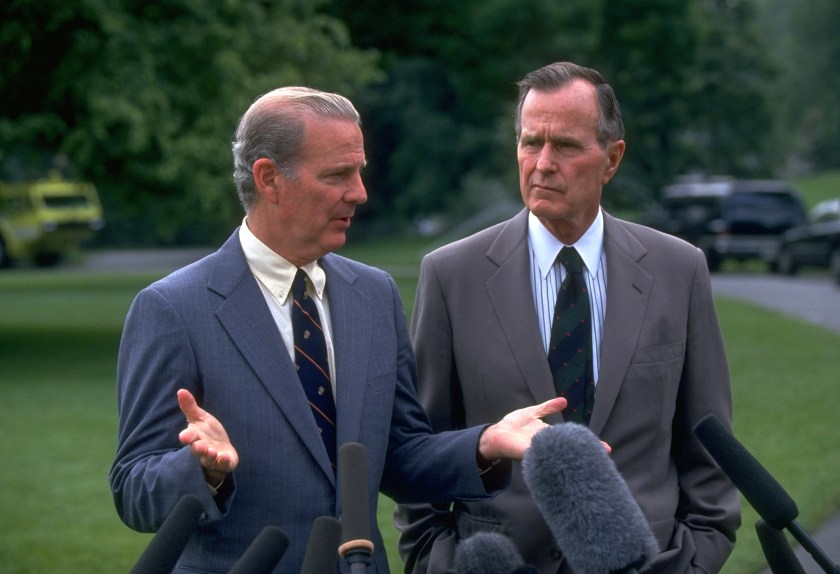
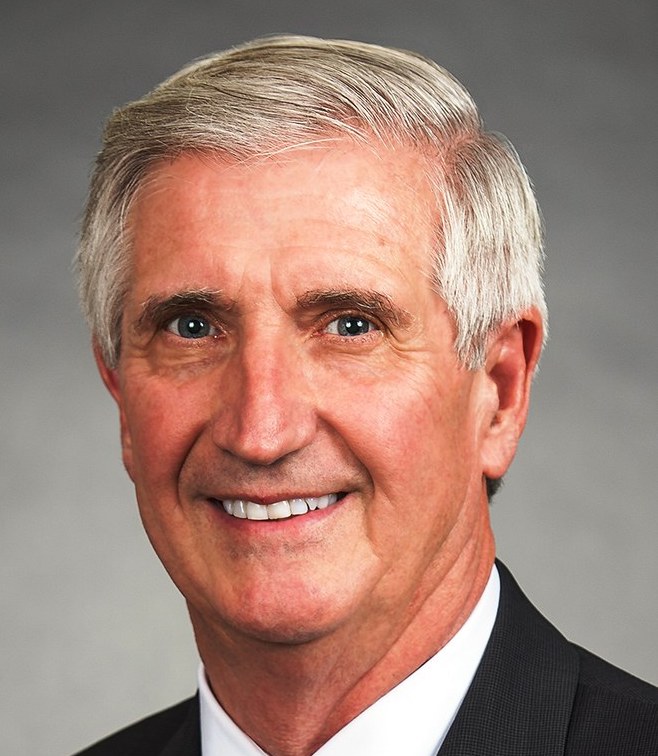
James Baker (1930-, Chief of Staff for President George H.W. Bush.)
After Carter, when Reagan is elected, he chooses James Baker as his Chief of Staff. Whipple suggests Baker is the quintessential model of a great Chief of Staff which all could be measured against. Baker is characterized by Whipple as an expert at managing the White House, the press, and Capitol Hill. Baker understood the process, the politics, communication, and presidential management requirements of the job. He never confused himself with the power of the President. He became manager of what is called the Reagan Revolution. The political and social movement revolves around ideas of smaller government, deregulation, cutting taxes, and endorsement of free enterprise. Whipple infers the success of the Reagan Revolution is largely due to the skill of James Baker.
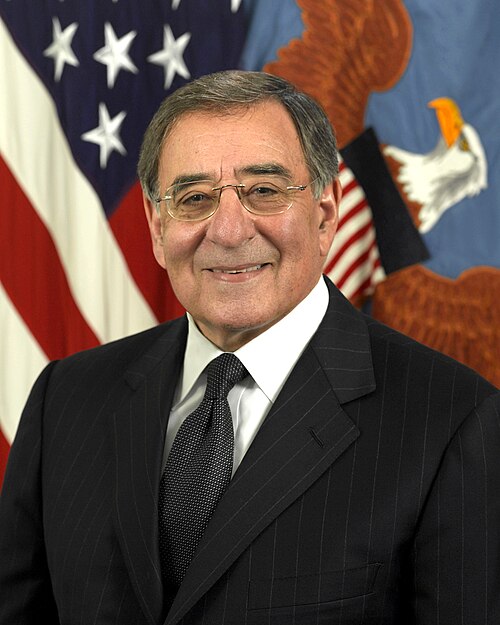
Leon Panetta (1938-, Chief of Staff for President Clinton.)
One may argue Reagan caused America’s 1990-91 recession. Unemployment had risen to 7.8%. This set the table for a Democratic President named Bill Clinton. The initial Chief of Staff for Clinton is John Podesta who served from 1998-2001 and is replaced by Leon Panetta who, in the author’s opinion, rivals James Baker as a great Chief of Staff. Whipple infers that, without Panetta, Clinton would not have been reelected after the Monica Lewinsky affair. Panetta brought discipline and structure to the Clinton White House. Panetta could say “no” to the President, at least, in private. Panetta gained a reputation for being an honest broker as a negotiator for the President.
Andrew Card on the left. Joshua Bolten on the right.
George W. Bush, the next President, is noted to have two Chief’s of Staff during his two terms as President. It appears both Andrew Card and Joshua Bolten were more soldiers than Chiefs of Staff for George W. Bush. The policy decider is certainly George W. Bush but the influence of Dick Cheney as Bush’s V.P. seem a major influence on George W.’s decisions. Bush’s two Chief’s of Staff may have been effective as screeners but not as Chiefs of Staff that could say no to a President influenced by his cabinet and personal opinions. The entry to the wars in Afghanistan and Iraq suggests Card and Bolten were unduly influenced by others in the administration.
No one seems inclined to say no to President Bush in private. In retrospect, President Bush seems let down by his Chief’s of Staff and the research and judgement of his Department Heads. Both Afghanistan’s and Iraq’s invasions by the American military are retrospectively shown by most (if not all) histories as American mistakes, if not tragedies.
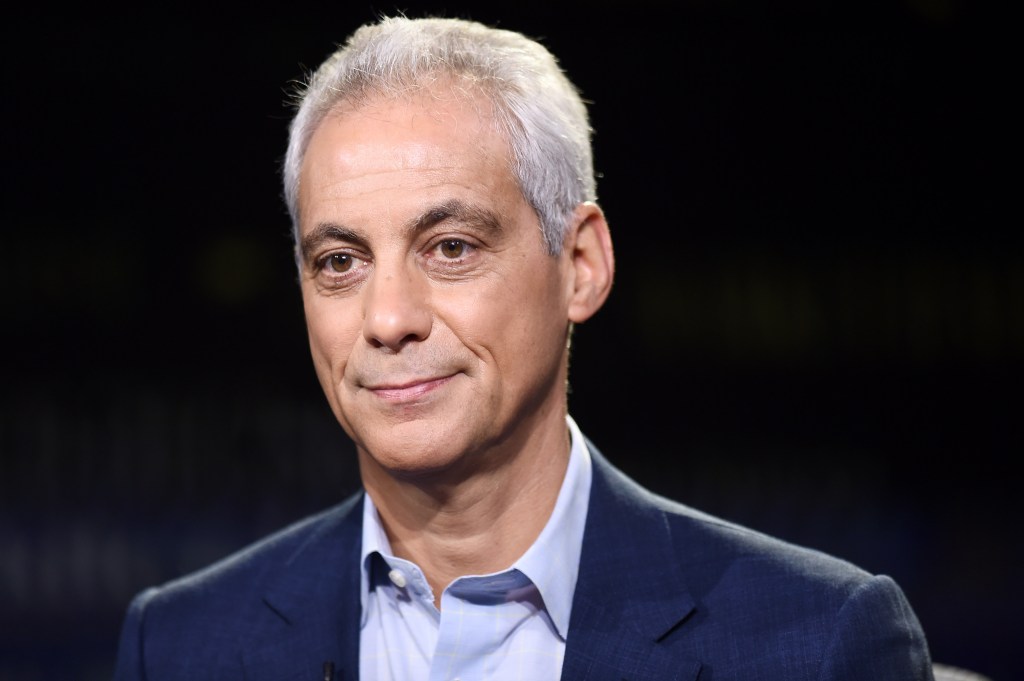
Rahm Emanuel (1959-, Chief of Staff for President Obama.)
The final chapters address Chief’s of Staff for Obama and Trump. Obama became President when the American economy is in an economic crisis that threatens the financial industry, the general economy, and the mortgage market for many American homeowners. He asks Rahm Emanuel to become his Chief of Staff. Emanuel is a tough Chicago politician who recognizes the pressure of the office and has some level of fear about the future of the American economy. He understood the gravity of the job he is being asked to take. However, his reputation as a tart tongued fighter for what he believed as right made him the best Chief of Staff that could be found. His role as gatekeeper gave Obama the support needed to pass the Obama Health Care plan and work through the economic crisis that nearly bankrupted America.
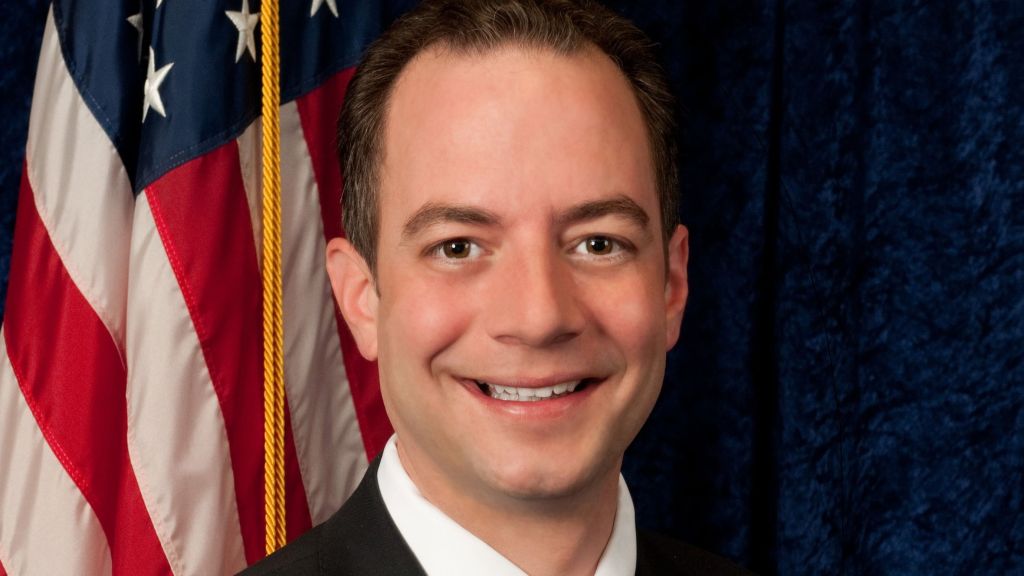
Reince Priebus (1972-, Chief of Staff for President Trump.)
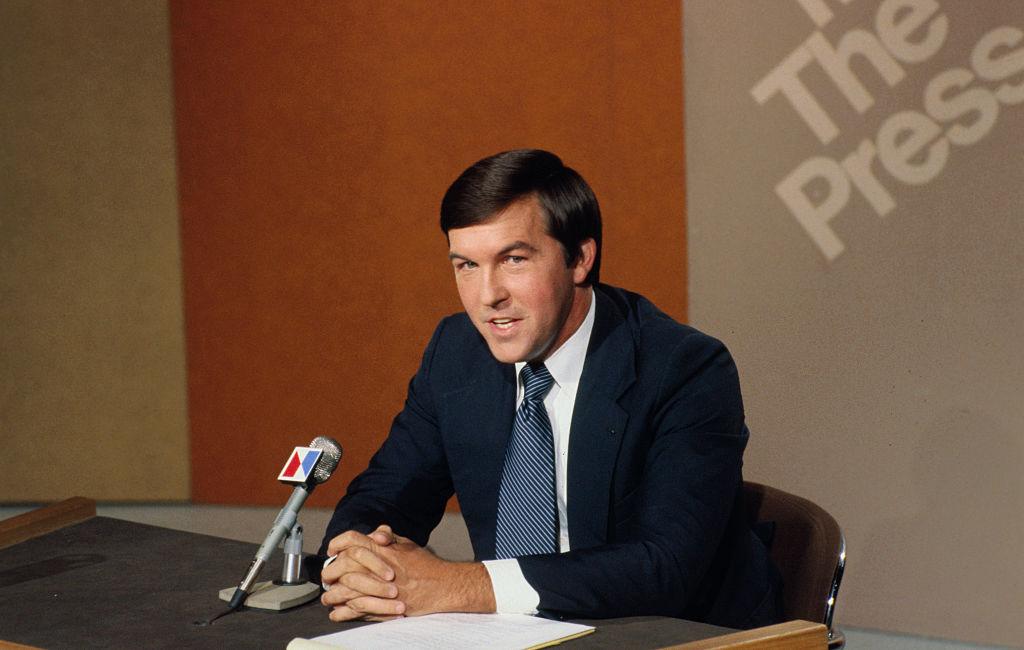
Trump’s choice of Reince Priebus as his first Chief of Staff is short lived and lasts for less than 8 months. His short tenure is not evaluated, and history shows he is replaced three times in the remaining years of Trump’s first term. A pro-Trump person will have one opinion about those facts while an anti-Trump person will have another.
Whipple convinces reader/listeners that a competent Chief of Staff is critically important for any organization that approaches the complexity of a nation-state government. Without a competent Chief of Staff, democracies are subject to authoritarian tyranny.
Despite John Kennedy’s anti-liberal leaning and conservative populism, his autobiography will make one pay more attention to what he says as a Senator of the United States.
Books of Interest Website: chetyarbrough.blog
HOW TO TEST NEGATIVE FOR STUPID (And Why Washington Never Will)
Author: John Kennedy
Narration by: John Kennedy
Senator John Kennedy of Louisiana
“How to Test Negative for Stupid” is an excellent autobiography of Senator John Kennedy. Not the John Kennedy who became President of the United States but a southerner who represents the great state of Louisiana. Having worked and lived for a couple years in New Orleans, experience reminds me of the extraordinary people I met who were as friendly as any strangers I have met around the world. Celebrating a Mardi Gras, seeing Elizabeth Taylor in a local theatre performance, and listening to Al Hirt live at a local bar were experiences one could not forget.
In my mind, Louisiana is an unusual State for Kennedy to represent as a Senator because of its colorful and diverse history.
In the 17th century it was claimed by France but ceded to the Spanish in the 18th century after the Seven Years’ War. France never really left Louisiana with some settling in New Orleans which became a vital port and, at least in my mind, a cultural representative of the State.
Half the state is enslaved by 1860. It joins the Confederacy at the beginning of the Civil War. After the Civil War, Louisiana endures Reconstruction and military occupation, while endorsing Jim Crow Laws that represent legalized segregation. This history is not to vilify or disrespect John Kennedy, but to give some context to the complex society John Kennedy ably represents in Congress.
Louisiana Emancipation Proclamation in 1863 declares the Confederate states “forever free”.
John Kennedy shows himself to be a well-educated, intelligent academic, and honest forthright politician. He is an erudite representative of the Louisiana’ Republican Party. This autobiography is a pleasure to listen to with one great reservation which is his defense of Donald Trump. Trump, like Senator Kennedy, represents a diverse constituency but, to this voter, President Trump is a risk to the health and welfare of America.
Trump’s anti-immigration policies are being enforced in legally suspect ways that should be and are being challenged by the judiciary.
Kennedy is reluctant to criticize Trump because of his belief that when one is elected to office in the United States, the position should be respected because of the election process. The absurdity of that belief is that Kennedy writes of the dishonesty and crookedness of some Louisiana Governors that got away with their corruption like it was just part of life in Louisiana.
Unfair political campaigning.
Kennedy is right about the Democratic Party unfairly vilifying Trump with false stories about Russian interference with electoral process and false reports of sexual activity (the Steele report) in Russia for which he could be blackmailed. False accusations have always been a part of the American election process. Every election for President has had true and false accusations made by opposing parties. None of these accusations kept Trump from being elected.
Presidents of the U.S.
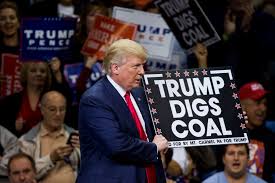
Trump will be our President for the next three years of his second term. He is not the first or last President to abuse the office of the Presidency. His conflicts of interest are in his bond buying spree in 2025, his links to cryptocurrency, his appointments of cabinet members and advisors that have corporate ties, his use of the Presidency for personal branding, his gifts received like a $400 million plane from Qatar as Air Force One, and his personal empire building while being President of the United States.
Trump is not the first President to be accused of conflicts of interest.
George Washington had vast land holdings as the western parts of America that were being acquired by the government. Jefferson supported agriculture while being a large plantation owner dependent on slave labor. Bill and Hilliary Clinton were invested in the Whitewater real estate collapse in Arkansas, meant to sell vacation homes to the public. It went bankrupt and cost taxpayers an estimated $73 million. George Bush’s ties to the oil industry and his V.P.s recommendation to use Cheney’s former employer, Halliburton, to contract for work in Iraq seem questionable.
Migration is the movement of people to new areas of the world for work, better living conditions, and safety. In that process the world economy and American industry are arguably strengthened, not damaged.
Trump’s unadjudicated arrests and deportation of alleged immigrants is appalling. Trump’s anti-immigration policies are being enforced in legally suspect ways that should be and are being challenged by the judiciary. He is not the only President to have instituted policies that are contrary to the interests of America’s citizens. Many opposed Franklin Roosevelt’s New Deal with history vindicating many of those decisions as appropriate for the circumstances of that time. Like Roosevelt, Trump tests the limits of his authority. What is appalling about Trump’s supported policies are issues like denying subsidized health care for the poor while maintaining tax reduction for the rich. Of course, history will be the final arbiter of Trump’s presidency.
Despite disagreeing with Kennedy’s support of Trump, the story of John Kennedy’s life is entertaining and enlightening. One comes away with admiration for a person who speaks his mind and who acts in the interests of his constituency and the country with honesty about what he believes to be right or wrong.
Despite John Kennedy’s anti-liberal leaning and conservative populism, his autobiography will make one pay more attention to what he says as a Senator of the United States.
Harris’s tough mindedness and potential are well illustrated in “107 Days”. America is ready for a woman to be President, but Ms. Harris may have too much baggage to be a successful candidate for President in 2028.
Books of Interest Website: chetyarbrough.blog
107 DAYS
Author: Kamala Harris
Narration by: Kamala Harris
Kamala Harris (Author, former V.P. of the United States and former California attorney general.)
The obvious message of Kamala Harris’s book “107 Days” is that the Democratic Party lost the presidency because of the compressed time for Harris to mount her campaign. There are many reasons noted for Harris’s failure to get elected as President of the United States. She notes Biden’s weak candidacy, party disorganization, misinformation and disinformation, foreign policy controversies and protests, polarization and turnout problems, and cultural/generational messaging gaps. “107 Days” is a well written and narrated story of the difficulties that Harris had in her political race against Donald Trump. Her book is a compelling argument. However, it seems her most likely cause of defeat is time.
Donald Trump (President of the U.S., politician, media personality, born into a wealthy New York City family, has a B.A. in Economics from University of Pennsylvania.)
Retrospectively, Harris’s story makes many think she would have been a better President than Donald Trump. The story of her book reinforces that belief. However, that is misleading in the sense that Harris is faced with two burdens that are difficult, if not impossible, to overcome. One, America has never had a woman President and two, Harris is too closely associated with the administrations cover-up of Biden’s intellectual decline. There are many causes one can give to understand why Harris is defeated but time to know who she is seems the most crucial.
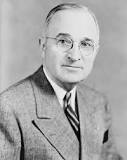
Vice President Harry Truman became President with the death of Franklin Roosevelt.
It seems most Vice Presidents of the United States are viewed as figure heads or pawns to increase votes for the person who is running for President. The duties of a Vice President today seem more like “gopher” jobs that give little visibility to the character of the person chosen to be Vice President. Only when that person becomes President, does the world find out who the Vice President is and what capabilities he (before Harris, they were all men) brings to the office. (For example, Trump’s successor, if it was his V.P., is unknown and unpredictable.) Harry Truman, retrospectively, is one of the great Presidents of the United States but no one thought a part owner and proprietor of a grocery store could be a competent President of the United States.
Five V.P.’s in history became Presidents of the United States.
Though there have been several Vice Presidents (John Adams, Thomas Jefferson, Martin Van Buren, Richard Nixon, and Biden) who have successfully become Presidents of the United States their election was determined by campaigning. Regardless of whether time was the determining factor in Harris’s loss of the Presidency, her book shows she has the intelligence and ability to be America’s President. What that means to her and the future of America is unknown. One presumes Harris will consider running for President, but one suspects the burden of her loss to Trump is likely to diminish her chance of getting enough political support for her candidacy.
Presidents of the United States.
Harris’s tough mindedness and potential are well illustrated in “107 Days”. America is ready for a woman to be President, but Ms. Harris may have too much baggage to be a successful candidate for President in 2028.
Arresting people based on their appearance without judicial review puts America on the slippery slope of authoritarian tyranny.
Opinion Page Website: chetyarbrough.blog
Chet Yarbrough
Today, the idea of Aryan endorses the absurd belief in white, Anglo-Saxon supremacy. Research shows a French aristocrat (de Gobineau), and a British-German philosopher named Chamberlain, defined Aryans as a superior white race.
However, there are many ideas and speculations revealed by the Durants’ history of civilization.
In the Durrants’ research, the word Aryan was originally used as a descriptive word for the Brahmin class in ancient India. The Durants noted the word Aryan in their history of civilization meant “noble” or “distinguished”. The criteria of India’s Brahmin class are reprehensible to one who believes in “equality of opportunity” professed by America but not practiced by Americans.
Class identity in ancient India does deny the truth of equal opportunity but not based on the color of one’s skin, but on ritual status, occupation, and social custom.
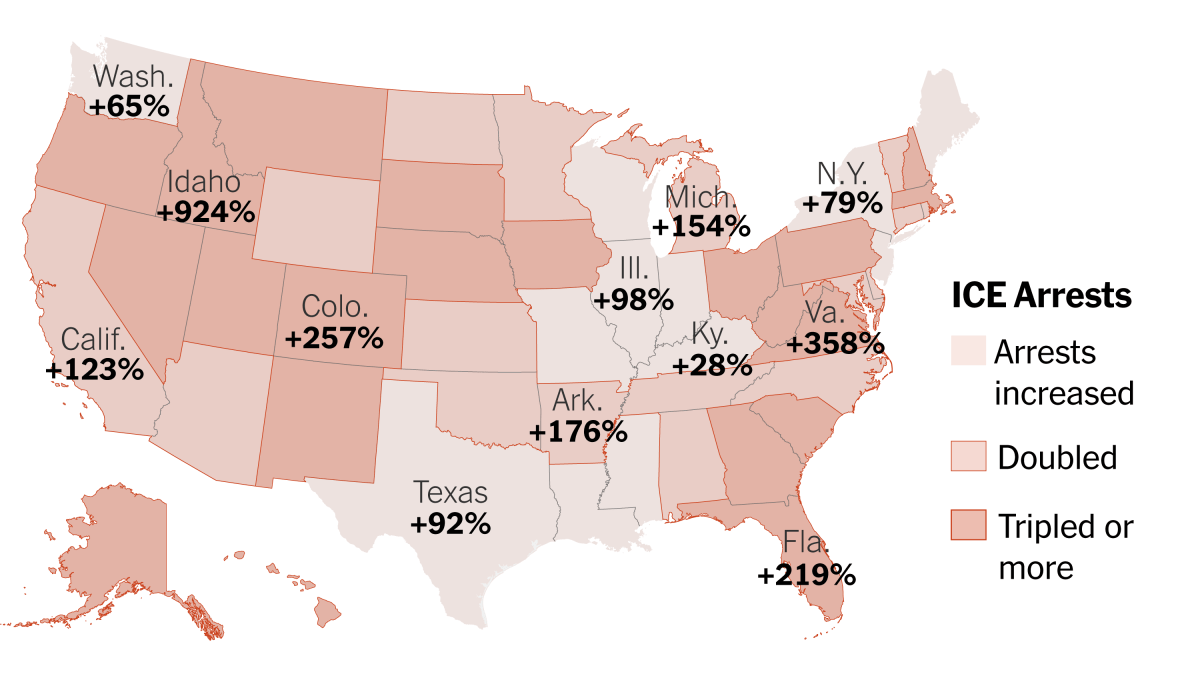
ICE’s accosting citizens because of the difference in the color of their skin is reprehensible. Of course, that has been the criteria for American Blacks before and after the Civil War.
Emigrant injustice is compounded by the failure to adjudicate immigration status before deportation.
The Administration’s use of force is a reminder of Nazi Germany when Jewish German citizens were being rounded up for believed difference and/or opposition to the government.
This is a picture of the beginning of Jewish discrimination in Nazi Germany with broken windows of businesses owned by Jews.
ICE arrests in America based on his non-white appearance.
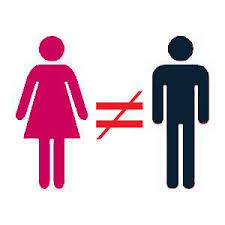
Being able to easily identify difference based on physical appearance amplifies the probability of discrimination.
THREE ASIAN AMERICANS BRUTALLIZED IN 2025 BY AMERICAN RACISTS.
What has happened to the principle of “separation of powers” meant to provide a system of checks and balances on the Legislative and Executive branches of the American government? Have we abandoned Separation of Powers, Checks and Balances, power sharing between federal and state governments, the Bill of Rights, Judicial Review, and Electoral Safeguards? The idea of our Constitution is to stop a single branch of the government from dominating our system of government. Have we become a third world country? Today’s “NO KINGS” turn-out offers hope that others agree with the sentiment of this disappointed supporter of American Democracy.
Where is the Supreme Court in this injustice?
Arresting people based on their appearance without judicial review puts America on the slippery slope of authoritarian tyranny.
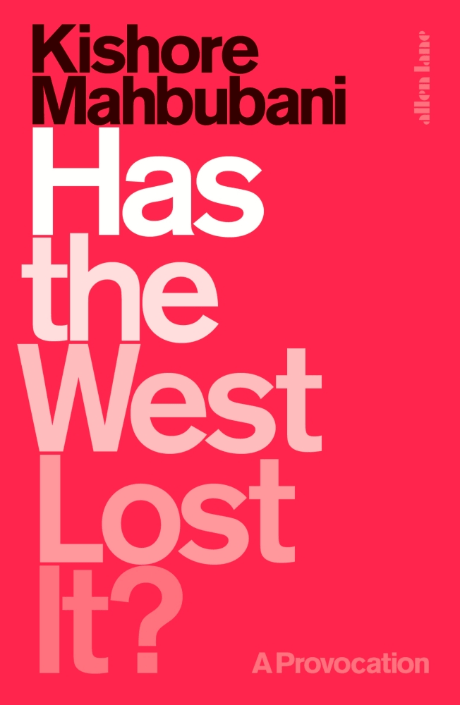
Though Mahbubani’s book is quite provocative, it is short and interesting. “How the West Lost It” is certainly worth reading/listening to, but few Presidents of the United States have reversed the admittedly slow improvement of “equality of opportunity” in America.
Books of Interest Website: chetyarbrough.blog
How the West Lost It (A Provocation)
Author: Kishore Mahbubani
NarratedBy: Jonathan Keeble
Kishore Mahbubani (Author, Singaporean diplomat and geopolitical consultant, former Fellow at Harvard University’s Center for International Relations, formally served as the United Nations Security Council President.)
Mr. Mahbubani’s short book suggests the highly provocative belief that the West’s dominance of the world is giving way to Asia, particularly China and India. To mitigate the West’s decline, Mahbubani argues–the West needs to develop a more “coherent and competitive global strategy”. Paul Kennedy of Yale University praises Mahbubani’s assessment. The public commentator Fareed Zakaria endorses Mahbubani’s belief, and Hilton Root of “The Independent Review” acknowledges Mahbubani’s inference that “the West’s overperformance was a historical aberration and the East’s rise reflects a rebalancing of history”. Despite Root’s measured support of Mahbubani’s book, his analysis is nuanced. Root argues the decline of the West is oversimplified and that Mahbubani underestimates the resilience of Western economies.
Mahbubani argues Great Britain’s Brexit and Trump’s re-election are reactions to the West’s economic decline.
Edwad Luce argues Western liberalism needs to be reinvented by investment in a technological revolution for all Americans, not just those who have benefited from the industrial revolution. However, China seems to have read the future better than the West by building up their reserves of rare metals needed for advanced computer chips. In contrast, President Trump chooses to antagonize allies as well as competitors with a foolish trade war.
Root believes the innovative capacity and adaptability of the West will make adjustments to remain competitive, if not the dominant economic power of the world. Trump’s trade war suggests otherwise. Trump’s attitude is to ignore the years of built-up trust with Western allies and attack the world with destructive economic tariffs meant to right wrongs that are figments of real-politic’ imagination. However, some believe Mahbubani discounts political freedom and the drive of both the West and East to improve citizens’ living standards. That seems somewhat plausible, but Trump is attacking Americas most highly regarded universities with specious concerns with what he considers overactive recruitment of immigrants and minorities. The truth is American education for immigrants aids the strength and influence of Democracy in the world.
Yale University (American education for immigrants aids the strength and influence of Democracy in the world.)
The long cultural, educational, and technological influence of the West may be diminished by some of today’s political leaders but the trend over the last 200 years is unlikely to be reversed by Trump’s misguided authoritarianism. Trump’s significant risks are partially mitigated by publicly ingrained western democratic values. Though democracy is messy, it has demonstrated long-term stability and innovation that equals or exceeds the worst of what Trump’s authoritarianism is doing to the American economy and its institutions. Three more years of Trump’s presidency will not erase America’s legacy or destroy its future.
Though Mahbubani’s book is quite provocative, it is short, impactful, and interesting. “How the West Lost It” is certainly worth reading/listening to, but few Presidents of the United States have reversed the admittedly slow improvement of “equality of opportunity” in America. Mahbubani argues for a more diplomatic American policy with rising nations in the East because he believes China will ultimately replace America as the leading economy in the world.
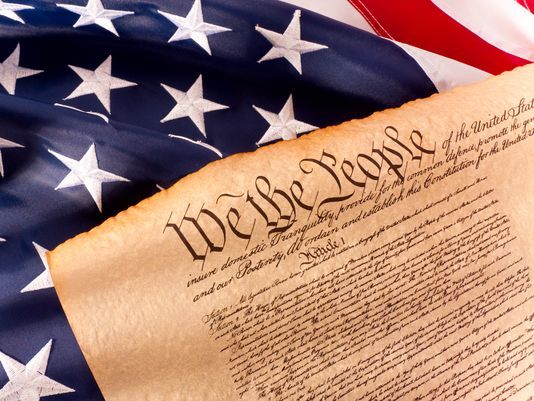
The interpretation of the Constitution has changed over the last 200 years, but it stands for continuity for America’s present and future.
The direction of American society remains true to the fundamental beliefs of liberty, equality, sovereignty, rule of law, separation of powers, federalism, checks and balances, and individual rights. Trump is challenging some of those rights, but balance of power and term limits will ultimately rescue America from his misbegotten domestic and international blunders. These rights have been challenged at different times in America’s history but never permanently reversed.
Age is an existential risk that can only be managed by the checks and balances of others which is why America’s government has survived and prospered despite good and ethically or morally corrupt Presidents.
Books of Interest Website: chetyarbrough.blog
Original Sin (President Biden’s Decline, Its Cover-Up, and His Disastrous Choice to Run Again)
Author: Jake Tapper, Alex Thompson
NarratedBy: Jake Tapper
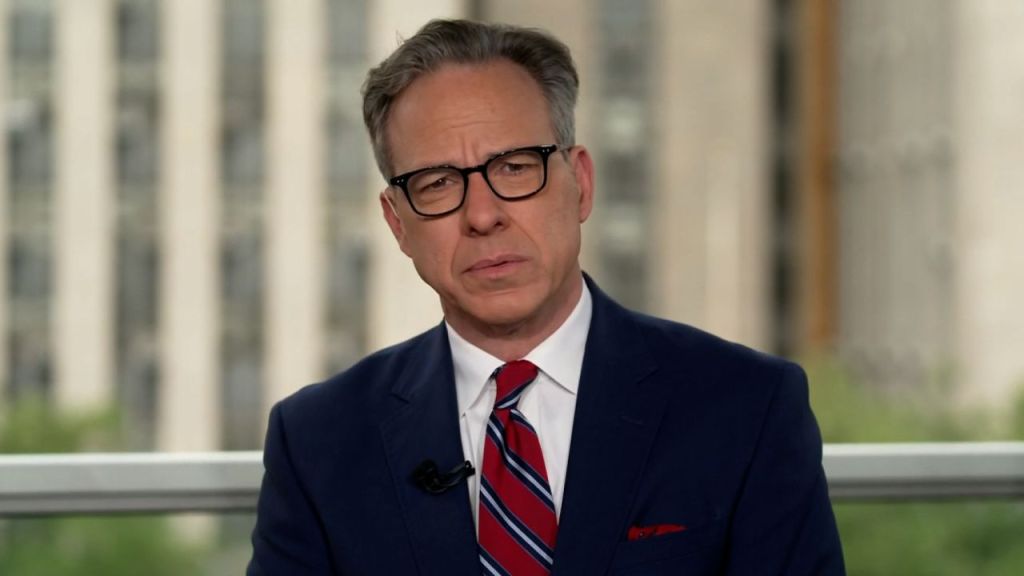
Jake Tapper (Washington anchor for CNN.)Alex Thompson (CNN political analyst.)
“Original Sin” is a hard-hitting expose by two tough minded reporters that convincingly explain President Biden did not have the cognitive ability to be America’s President in the last two years of his Presidency. This is a particularly hard pill to swallow because the current President of the United States is old while being at the opposite end of the political spectrum. At 74, this book reviewer is old. Age undoubtedly has an impact on this reviewer’s cognitive abilities and the cogency of what he thinks and writes. President Trump is 79 years old. The difference is that what a critic writes means nothing in respect to governance of the United States and the impact it has on American citizens and world events.
Trump’s decisions and actions have had great impact on U.S. relationship with other countries, American public policy, and the economic future of Americans.
Trump has directed the firing of thousands of government employees. Because of Trump’s authoritarian characteristics, he surrounds himself with sycophants who are more interested in pleasing him than managing the government’s responsibility for America’s welfare and role in the world. Authoritarianism is untrue of Biden who throughout his public career has been a consensus builder, not an autocrat. This is not to suggest Biden is not fundamentally wrong in not immediately supporting an alternative candidate for the Presidency. The authors of “Original Sin” clearly explain Biden fails America by waffling on his candidacy for a second term.
Old age is a risk for every manager of other people’s lives and opportunities.
Biden is not at fault for getting old but people who worked with him are guilty of negligence in their service to the American people. Tapper and Thompson offer numerous examples of Biden’s intellectual decline. The importance of their assessment of Biden’s failing capabilities is a warning to all managers of other people’s lives, employment, and family responsibilities. Age is a life circumstance that affects every human being. One who is losing their cognitive ability cannot see it in themselves. It is the responsibility of others to help older people relinquish responsibility for those things they can no longer handle.
Relinquishment by a man or woman who has great responsibility is a hard thing to accept. Age effects people in different ways. The catch 22 is that loss of cognitive ability is unseen by the person who loses it. It is the responsibility of those who rely on one who is losing their reasoning ability to manage the circumstance of that decline.
Putting politics of government aside, President Trump is old. The concern one has is the risk of relying on those who work for Trump, like many who worked for Biden, may see loyalty as more important than the public interest of America. Age is an existential risk that can only be managed by the checks and balances of others which is why America’s government has survived and prospered despite good and ethically or morally corrupt Presidents.
America will survive Trump but it will take time to reset America’s relationship with the world. America has had good and bad Presidents in both political parties but its foundation of checks and balances have kept it on course for the betterment of society. It is nations with leaders that have no checks and balances that threaten social and economic equality.








































 REVIEWS AND VIEWS OF LIFE