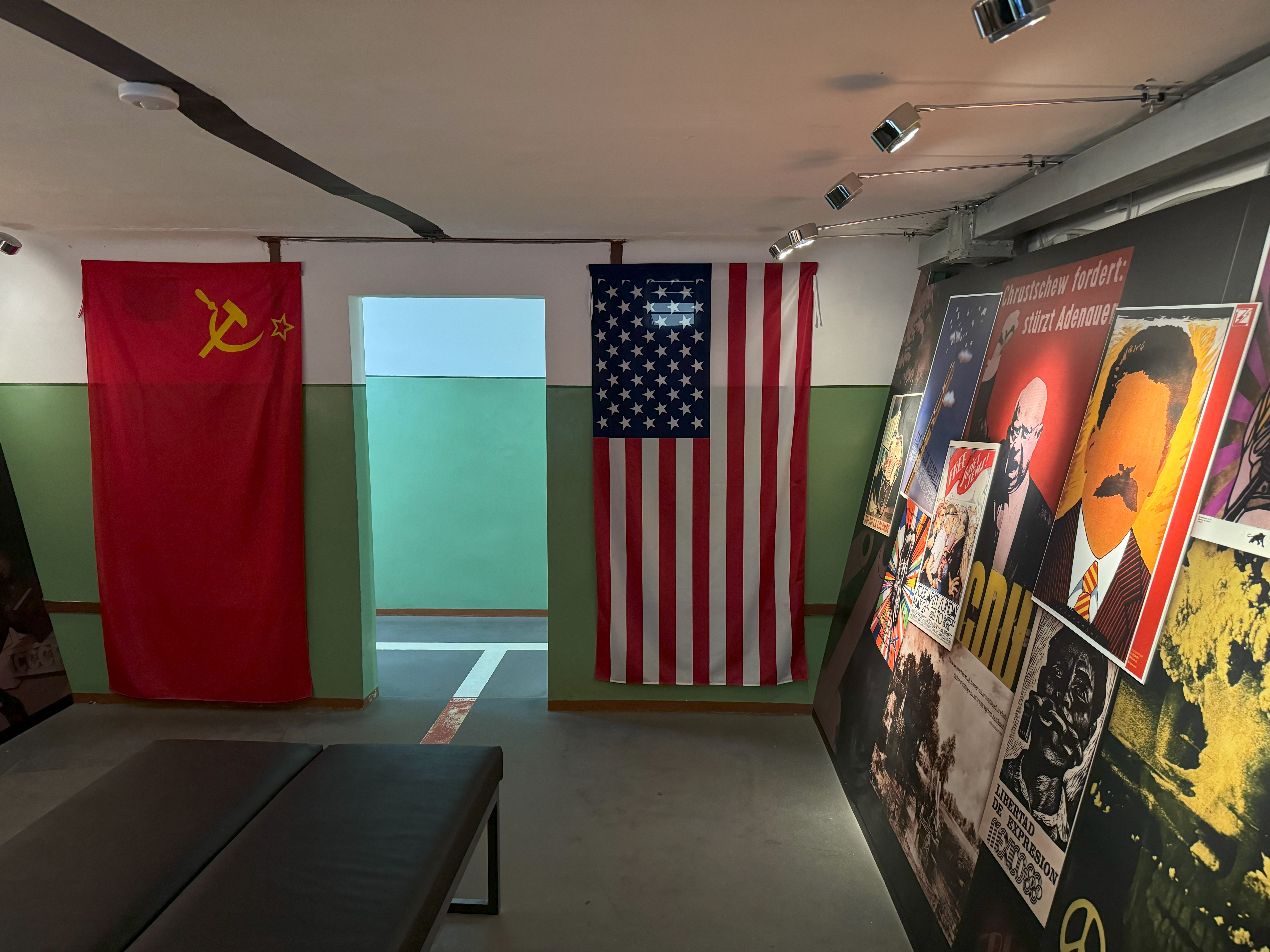
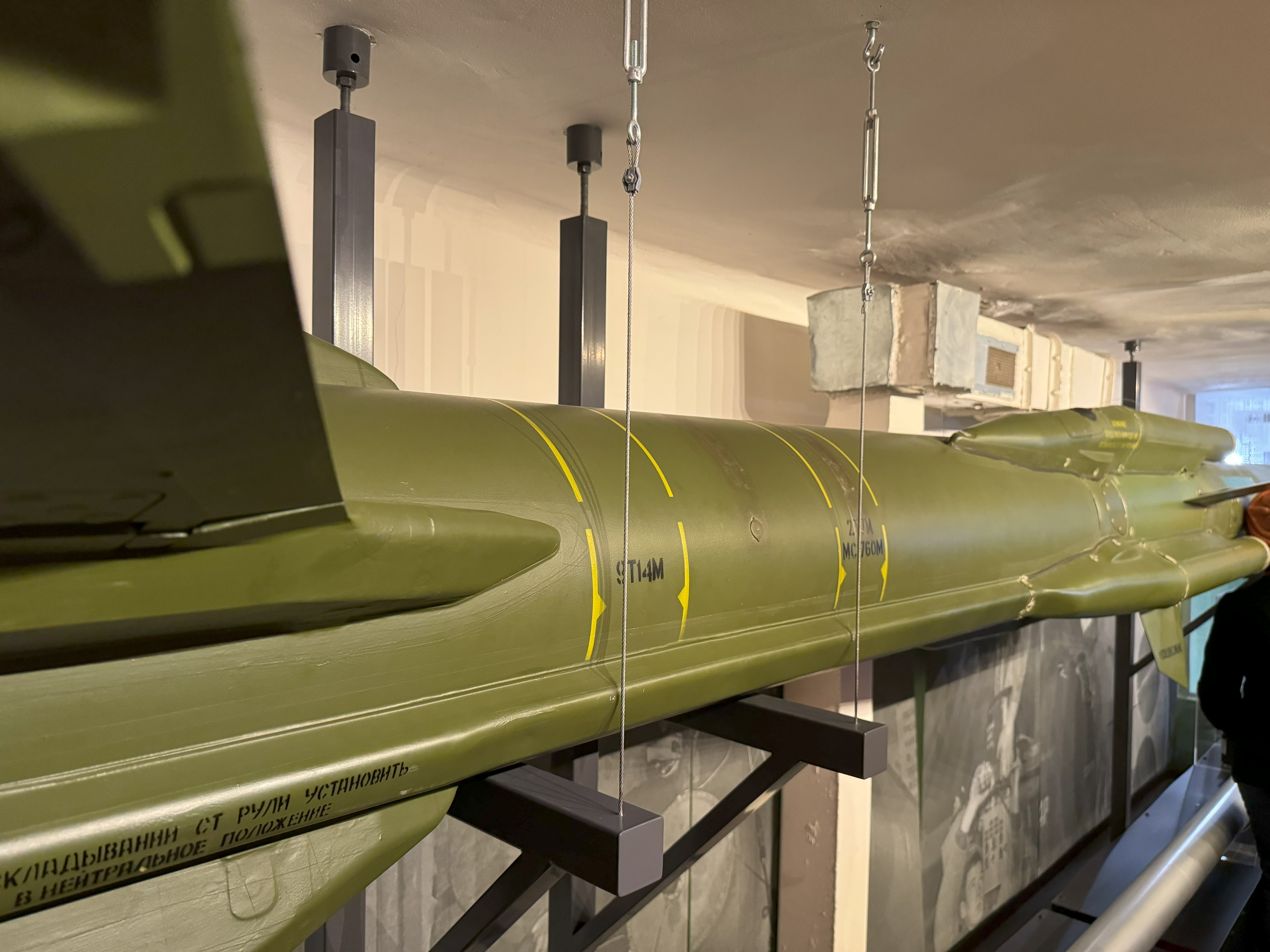
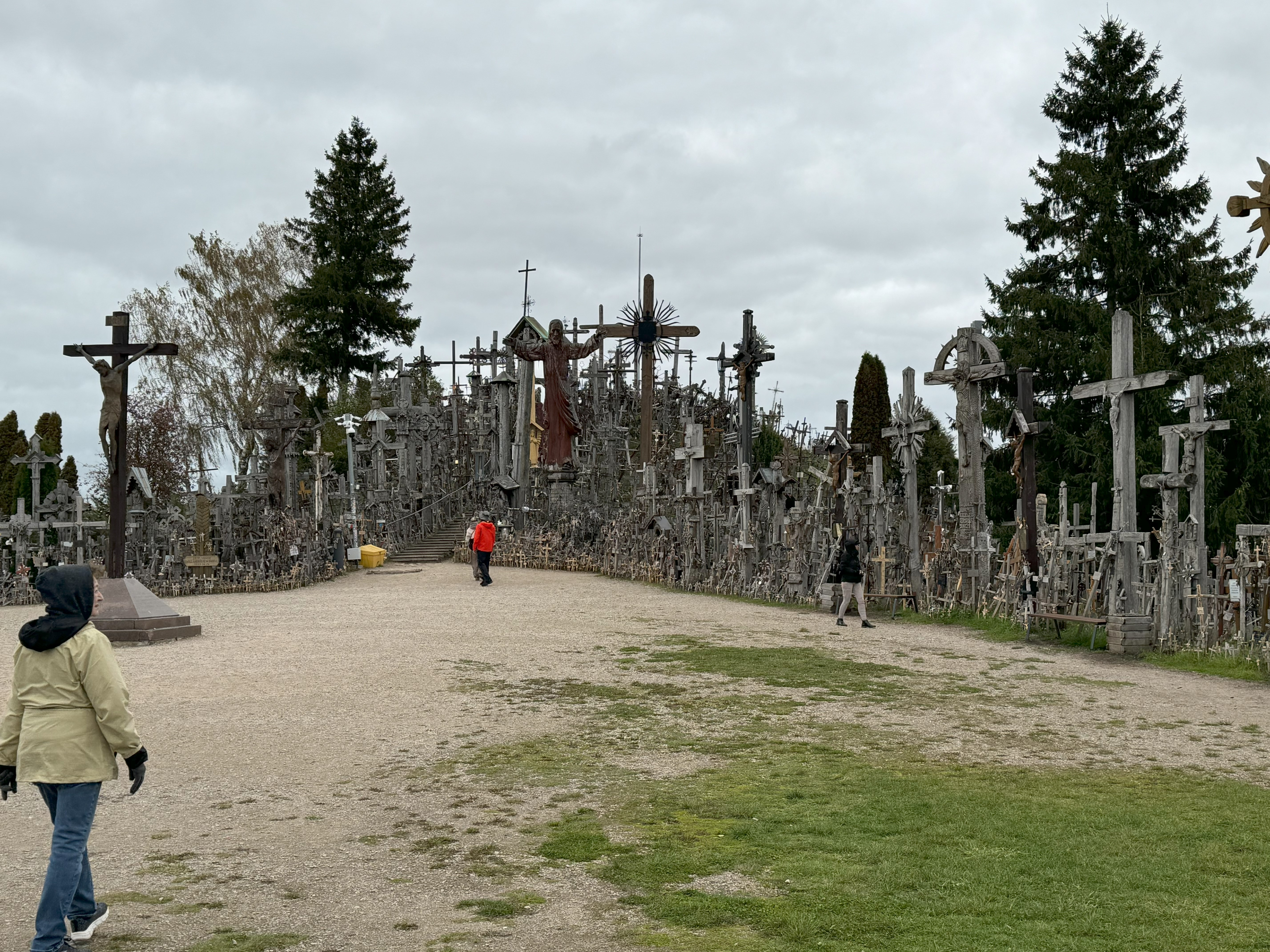
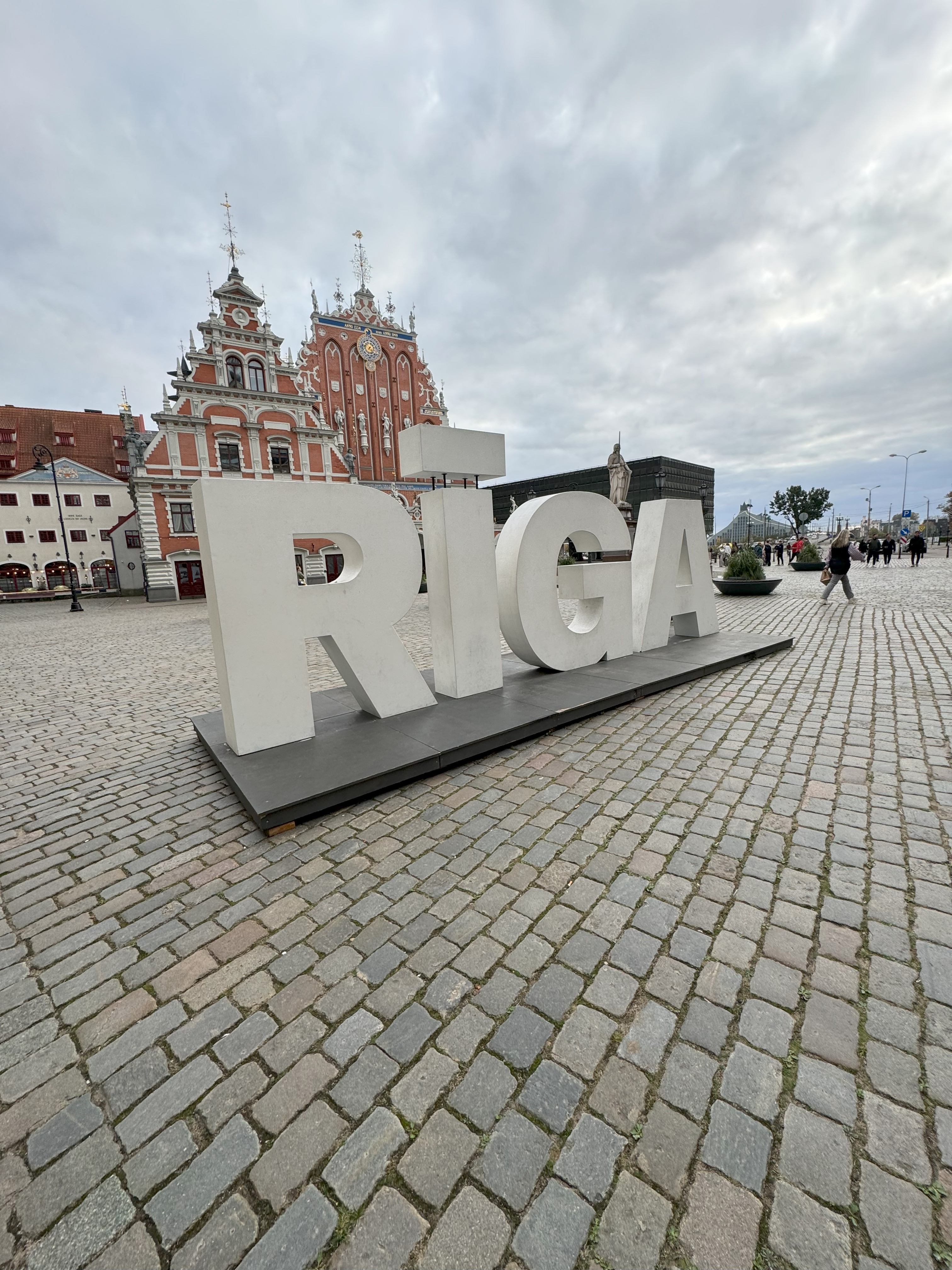
IN THE ROOM

How close is the world to its next world war? The character of today’s leaders seems as threatening as Stalin and as unpredictable as Churchill.

Books of Interest
 Website: chetyarbrough.blog

The Stalin Affair (The Impossible Alliance That Won the War)

By: Giles Milton

Narrated By: Giles Milton

Giles Milton (Author, British writer and historian.)

Giles Milton offers a fascinating and well written account of the dynamics of the relationship between Churchill and Stalin with a brief analysis of Franklin Roosevelt that shows a difference of opinion about Stalin. There are some surprises in Milton’s history of the beginning and ending of WWII and the role of Joseph Stalin.

As is well known, Stalin and Hitler made a pact at the beginning of the war that made them allies with a plan to divide Europe between their two countries.

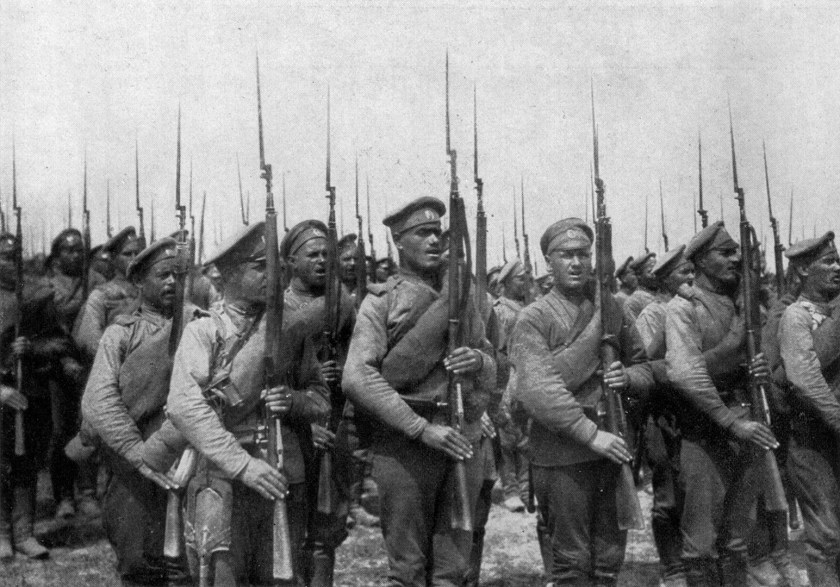
The pact falls apart when Hitler chooses to invade Russia on June 22, 1941. Germany made rapid progress and was nearing Moscow when winter struck, and Germany’s wheels of war were stuck in the mud. Stalin was psychologically paralyzed by Germany’s decision to turn against Russia. He hid in his dacha, his second home in the Russian countryside. A delegation of Russians went to the Stalin’s dacha and pleaded with him to direct the defense of Russia against Germany’s onslaught. Stalin is surprised that the delegation wanted him to return to the leadership of Russia in Milton’s telling of the story. One presumes that reluctance is because of Stalin’s mistake in believing Hitler could be a reliable ally in their mutual desire to expand their territories.

Milton’s history has a particular interest to me because of a planned personal visit to the Baltics next month.

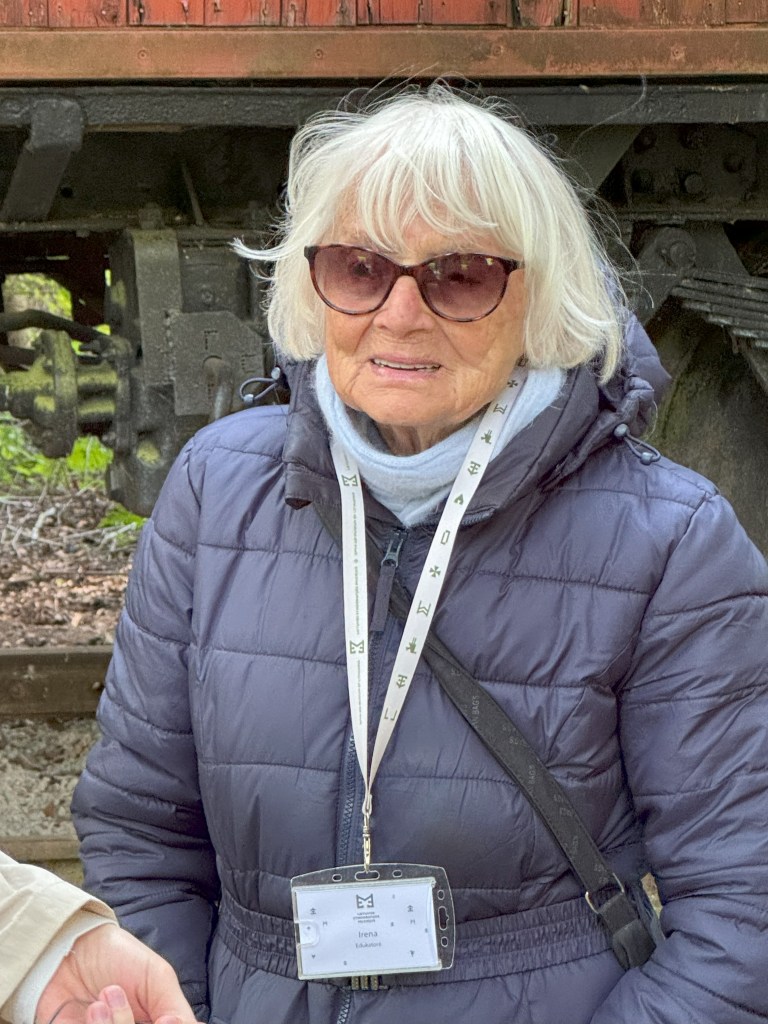
In reading a book about the Baltics during WWII, there seems some confusion among the Baltic countries because their sovereignty is being usurped by Russia while the instigator of WWII is Germany. The guide on the trip suggests we read “between shades of gray”, a book written by Rusa Sepetys, a Lithuanian born American writer. Sepetys story is of Lithuania intellectuals being arrested by Stalin’s troops and carted off to Siberia. Brief mention of the Germans is mentioned but implies the Germans were not the enemy but an opposing force of the Russian attack on the Baltics. Having visited Finland last year, it is interesting to find the Finns allied themselves to Germany during WWII because of their fear of Russia’s aggression. Now, having read Sepetys novel of Russian aggression in early 1941, one begins to understand the complexity of which side of the war the Baltics chose to be on.

Ruta Sepetys (Lithuanian born American writer.)

It tells the story of Russia’s invasion of the Baltics soon after Hitler’s decision to attack Russia.

WWII in the Baltics is not Milton’s history, but Sepetys offers a footnote on its consequence in the Baltics.

Milton makes one feel they are in the room when decisions are made about the progress and ending of WWII. It is a fascinating story. Stalin is a villain in sheep’s clothing. His lust for power is unquenchable. Winston Chruchill is shown to be more aware of Stalin’s intent than Franklin Roosevelt. At Yalta, where the peace plan is agreed to and signed, Milton explains Roosevelt is feeble. The Yalta conference took place in February 1945. Roosevelt dies in April, two months later. Stalin’s ambition is the expansion of the U.S.S.R. and anything that gets in the way of that ambition is an obstacle to be overcome or removed.
Milton’s access to historical documents, reveals the many important roles of government leaders during WWII and after.

Of course, the most obviously impactful leaders are Churchill and Stalin, but the author notes the roles of lesser-known participants like Averell Harriman, Kathy Harriman, and Vyacheslav Molotov. There is also the role of Lavrentiy Beria, Stalin’s head of the NKVD (the Soviet secret police).

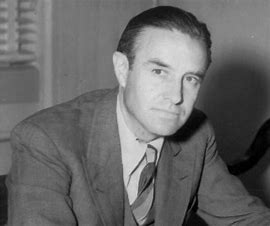
W. Averell Harriman (1891-1986, American politician, businessman, and diplomat.)

Averell Harriman, as the son of a wealthy railroad baron, becomes the founder of Brown Brothers Harriman & Co., an investment company. He became one of the richest men in America.

Harriman is asked by Roosevelt to become the America’s diplomatic contact with Great Britain to manage the Lend-Lease Program before America enters the war. As a personal envoy, he strengthens the alliance between Britain and America. Later he becomes Ambassador to the Soviet Union after Hitler’s betrayal of Stalin. Milton touches on the married Harriman’s attraction to women and his extramarital affairs. However, Harriman was revered by Churchill, and later Stalin, for the aid he coordinated for both countries during the war.

Kathleen Harriman (1917-2011, died at age 93.)

A lesser-known role is of Harriman’s daughter, Kathy Harriman. In the first years of contact between her father and Stalin, Ms. Harriman smooths America’s relationship with the Russian administration.

Ms. Harriman leaned to speak Russian and aided her father in his diplomatic contact with Soviet officials. She became a correspondent for the International News Service and Newsweek during her time in Russia. In 1944, Ms. Harriman exposes the mass murder of 22,000 Polish officers by the NKVD, at the order of Stalin. She plays a role in the Yalta Conference in assisting the American delegation with logistics and management.

Milton makes a listener feel like they are in the room at a dinner table with Stalin and Churchill when they exchange harsh words about the creation of a western front to aid the Russian army in the fight with German soldiers.

Stalin demeans the British army for their early failures in the war when they were outnumbered and outgunned by the Germans. Churchill is deeply offended by the disparagement and is on the verge of canceling a dinner with Stalin before leaving Russia. His anger is quelled by Harriman. Churchill changes his tone with the Russian leader and mends their relationship over cigars and alcohol. However, there is little doubt about their continued acrimony and Churchill’s unshaken belief in Stalin’s intent to expand his empire.

Milton offers the same “in the room” understanding of what happens at the Yalta Conference.

Germany is divided into four occupation zones which ended up being East and West Germany. The groundwork for the United Nations is formed with the aid of promoting international cooperation and prevention of future conflicts. A zone of influence is created between Eastern European Countries which were added to the U.S.S.R., to expand a buffer zone between Russia and the Western Powers. This iron curtain results in the cold war. The table is set at Yalta for the Nuremberg Trials of Nazi and Japanese leaders and for future reparations to rebuild Europe.

“The Stalin Affair” is an excellent reminder of WWII that makes one think about what is happening today with Russia in Ukraine and Israel in Gaza. How close is the world to its next world war? The character of today’s leaders seems as threatening as Stalin and as unpredictable as Churchill.

THE BALTICS

Traveling to other countries is more interesting because of what writers of fiction and history have to say.

Books of Interest
 Website: chetyarbrough.blog

“The Dogs of Riga” A Kurt Wallander Mystery

By: Henning Mankell, Laurie Thompson-translation

Narrated By: Dick Hill

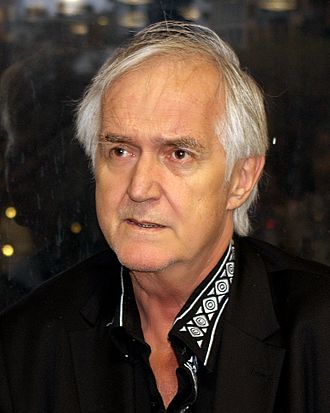
Henning Georg Mankell (1948-2015, deceased Swedish author, social critic, and playwriter.)

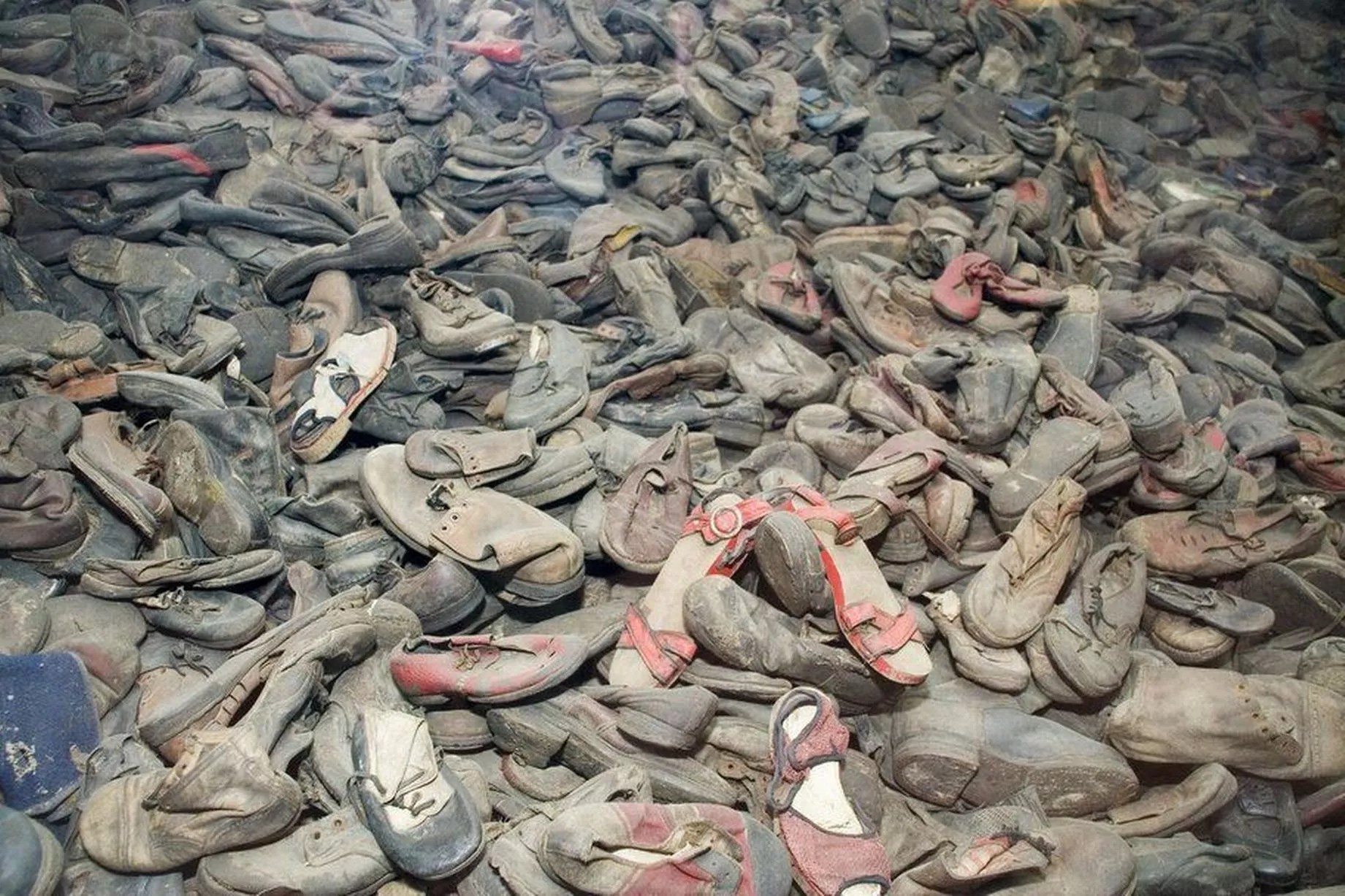
We are planning a trip to the Baltics in October of 2024. As in previous trips, this blog has been used to memorialize former travel experiences and this American’s view of other countries. Prior to traveling, some books are recommended by tour guides as introductions to other cultures. “The Dogs of Riga” and “The Lilac Girls” are two that offer some information about the Baltics. “The Lilac Girls” is a history of incarcerated women at Ravensbrück concentration camp in Germany during WWII. The Nazis were researching the efficacy of drug treatment and prosthesis for injured soldiers by amputating arms and legs of imprisoned women to study regeneration of bone and the utility of prosthesis for lost arms or legs. Many of these young women were from the Baltics, though the largest number came from Poland.

Having heard of Henning Mankell’s mysteries (of which there are many), Kurt Wallander is a reoccurring character as an investigative Swedish detective.

The relevance of “The Dogs of Riga” is in the transition that was occurring when Latvia, Lithuania, and Estonia achieved independence from the U.S.S.R. The Baltics had been a part of and controlled by the U.S.S.R. since 1940. Mankell’s book was first published in 1992, one year after the 1991′ dissolution of the U.S.S.R.

Riga Technical University (Engineering Center in the Baltics)

It is interesting to find in “The Dogs of Riga” that Wallander’s daughter chooses to go to Riga for her college education which makes one wonder why Riga would be chosen. Is it because of the quality of education or just to be further away from family? In any case, the reason these books are recommended is to give some perspective to new visitors of other countries. An interesting observation one makes about “The Dogs of Riga” is a sense of resentment from the Latvians about Russia and their former domination of the Baltic States.

Season 3, Episode 2 of “The Dogs of Riga” on Masterpiece Theater.

Going back to the story, two Russians were shot in the heart, and set adrift on a raft in Swedish waters. Autopsy shows the Russians were well dressed indicating wealth. It was found they had high concentrations of amphetamine in their bodies. In investigating the murders, Wallander finds they came from Riga, the capitol of Latvia. An officer from Latvia goes to Sweden to talk to Wallander. After the visiting officer returns to Riga, he is murdered and Wallander is asked to come to Riga to investigate his death.

With the opening of Latvia to the western world, freedom from communist controls is a mixed blessing.
Mankell begins to tell listener/readers something about Latvia and its suspicion of Russian residents in their country. Along with more freedom to pursue economic growth is the rise of a drug trade and criminal activity. Mankell’s story infers illegal activity is exacerbated by Russians who resent Latvia’s independence from the U.S.S.R. However, with greater freedom comes crime as well as improved economic opportunity. One reserves judgement about whether Russians are the primary cause of drug activity in Latvia because breaking the law is characteristic of all nationalities under all forms of government. The characterization of Russians as the cause of the illegal drug trade in Riga is possible. However, it is the same question one must ask themselves about America and the origins, causes, and persistence of its drug trade.

Freedom entails the pursuit of what one wants out of life. Money, power or prestige are goals of most (if not all) human beings.

However, those goals need to be based on equal opportunity. This is not to say those goals should include criminal activity, but only education offers a chance for all to understand the difference between right and wrong. When equal educational opportunity is available to every person in the world, they may pursue what they think is in their interests. This, of course, is not a world that exists or can exist because personal interest is not the same for everyone.
Getting back to Mankell’s story, Latvia is challenged by its new freedom from the U.S.S.R. The suspicion of Russians is undoubtedly a truth about Latvian culture based on Latvia’s former life as a part of the U.S.S.R. Whether Russians are the criminal master minds of the drug trade is not the point. The point is that human nature requires a reason for everything that happens in a culture. The bad experience of repression by the U.S.S.R. may make Latvians suspicious of every Russian in Latvia. It is similar to Trump’s vilification of immigrants and how that ignorance resonates with some Americans.

Mankell and the author of “The Lilac Girls” are worth reading or listening to if you plan a trip to the Balkans. Traveling to other countries is more interesting because of what writers of fiction and history have to say.

TRAVEL

Understanding our place in the world as a democratic nation is the real value of travel.

Books of Interest
 Website: chetyarbrough.blog

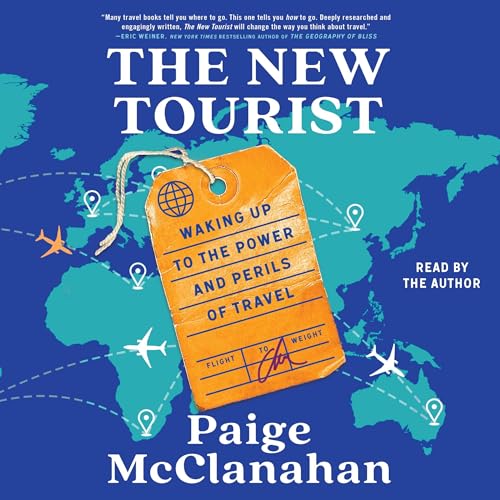
“The New Tourist” Waking Up to the Power and Perils of Travel

By: Paige McClanahan

Narrated By: Paige McClanahan

Paige McClanahan (Author, journalist, world traveler.)

“The New Tourist” offers a mixed message about travel outside of one’s own country. As a journalist, paid for her travel, Paige McClanahan explains the power and peril of travel in a way that misses the point. She explains the power of travel as an economic benefit to travel writers and countries which travelers visit. One peril she notes is the destruction from tourists who damage pristine natural environments because citizens of a host country are often not accustomed to crowds of travelers. One who travels and writes of their adventures encourages travel to exotic places that may or may not be prepared for high tourist traffic. Unpreparedness is partly due to host countries interest in the economic benefit of tourist visits but are disinclined to spend potential profits on preparation for high tourist traffic that may not arrive.

Like the Maui wildfires in 2o23, better Hawaiian’ preparation may have saved 102 lives and the beautiful town of Lahaina.

Ironically, travel writers like McClanahan are partly to blame for writing of great travel experiences they have had as tourists. They make a living by writing about their travels around the world.

There is a balance between tourist satisfaction and host countries’ benefit but finding the balance is a work in progress that may not begin before damage is done.

What McClanahan misses in her book, is the great benefit of traveling to learn about other cultures.

From personal experience, I have been surprised by natives of other countries who know so much about life and what their personal experiences have meant to them. In Africa, a native guide explains the night sky in a way that reminds one of a college astronomy course. In the former Yugoslavia, an older person explains how much she misses Tito as the ruler of her country. Visiting Turkey’s Cappadocia, one visits an underground “city” meant to protect Christians from people of another faith. In China, the incident of Tiananmen Square is told by a young man in a way that makes one understand authoritarianism carries a threat. In India, one is overwhelmed by the gap between the rich and poor, the monuments of a great nation’s antiquity, and the remnants of British colonization. In Thailand, you find there are citizens who admire their king, others that revile the army that is running the country, and youth that want change. A traveler learns of the killing fields of Cambodia and the mine fields left behind by America and Vietnam as a reminder of America’s folly in believing the lie of falling dominoes. These are a few examples of what can be learned by travel to other countries.

McClanahan briefly alludes to some of cultural benefits of travel, but her book focuses more on travels’ economic benefits for writers and host countries.

Understanding our place in the world as a democratic nation is the real value of travel.

IMPERIAL ELITE

Kaplan’s last chapters make a powerful statement about what America should do to meet today’s and tomorrow’s challenges.

Books of Interest
 Website: chetyarbrough.blog

“Earning the Rockies” (How Geography Shapes America’s Role in the World)

By: Robert D. Kaplan

Narrated by: William Dufris

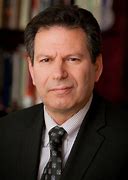
Robert Kaplan (American Author, freelance journalist and foreign correspondent.)

The first chapters of Robert Kaplan’s “Earning the Rockies” are a travel memoir about America’s growth from 13 colonies to 50 states, but the last two chapters are a considered view of America’s turbulent history and what its role should be in the world.

Kaplan explains he comes from a working-class family born in New York City.

Kaplan was raised on the East Coast. His father was a local truck driver. However, his son became a world traveler who served in the Israeli Army and worked as a freelance writer for major publications. His travels and professional reporting experience undoubtedly influence his opinions about America’s role in the world.

Kaplan’s book begins with memories of his beloved father who talked to him about many things, one of which is a belief that “Earning the Rockies” requires one to work to make a living before traveling across the country.

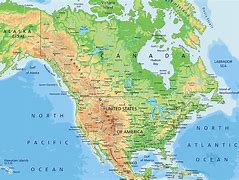
Kaplan writes an apocryphal story of traveling from the east to west coast of America. In reflecting on his journey, he recalls the history of America’s growth as a nation state. He writes of white settler’s displacement of Indian tribes, a journey to the northwest by leaders of the Mormon church, and America’s growth and assembly of 50 states.

In his travels, Kaplan recalls:

1) America’s territorial growth with the Louisiana purchase,

2) confrontation with Mexico to expand America’s southwestern border,

3) Civil War for union rather than separation, and

4) Mormon and other pioneer travels on the Oregon Trail to see and settle the Northwest.

America becomes an economic giant, protected from foreign interference by two oceans.

In the creation of this American geographic giant, many territorial, political, and economic conflicts were resolved. Kaplan’s suggests America’s economic growth is based on force and compromise, the keys to America’s future in the world.

Kaplan’s American heroes are George Washington, Abraham Lincoln, Theodore Roosevelt, and George H.W. Bush. He adds the extraordinary insight of Ambassador George Kennan in his analysis of Russia. Kaplan notes other great leaders, but these four Presidents and one diplomat are examples of how American leaders use force and compromise to enhance the power and prestige of democracy in the world.

Kaplan explains prudent use of force and compromise is how the west was won and how America became an economic hegemon, a power and influence in the world.

Union of America’s States was perpetuated with force, while compromise continues to ameliorate the wrongs done to Indians and Blacks in America. Those wrongs will never be removed but compromise inures to the benefit of future generations.

Kaplan argues there is an imperial elite in America, similar to what were the elite and influential intellectuals of ancient Greece.

Many of these elites graduated from Harvard or other ivy league schools. (There is an “echo chamber” risk when too many leaders are educated in the same ivy league school.) Along with this imperial elite, he suggests America’s sea power is as important today as it was for the Greeks in antiquity. Sea power widened the influence of Greece just as it widens the influence of America today.

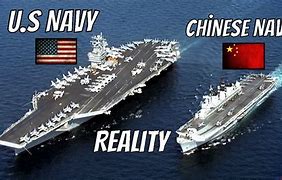
China is working toward a similar goal with its expansion of aircraft carrier and warship production.

Prudent use of power and compromise will expand the influence of every country that has hegemonic ambition. The operative word is “prudent”, i.e., navigating life with a thoughtful eye toward the future. Of course, there is a difference between China’s and America’s political prudence, but each is able to draw on resources that can change the course of history. The question becomes which has a system of government that can prudently use force and compromise to achieve peace and prosperity?

China’s and Russia’s education system leans toward communism which has not had the same level of success as capitalism.

America’s imperial elite is largely educated in American’ ivy league schools. Kaplan suggests, to the extent that these elitists grasp the importance of using force and compromise through democratic capitalism, the world has a chance for peace and prosperity.

Kaplan notes there is less geographic advantage for America today because of technological interconnectedness.

However, interconnectedness cuts both ways. Force and compromise have wider influence with technological interconnectedness. Whether today’s imperial elitists are prudent in their use of force and compromise is most important. Kaplan strongly suggests America should build the Navy to be a symbol of force and presence around the world. However, leadership of the many as opposed to the one as in in China, Russia, or any autocracy seems equally important.

Kaplan’s last chapters make a powerful statement about what America should do to meet today’s and tomorrow’s challenges.

TRAVELING

Steve Hely’s travels give one a sense of adventure and camaraderie.

Books of Interest
 Website: chetyarbrough.blog

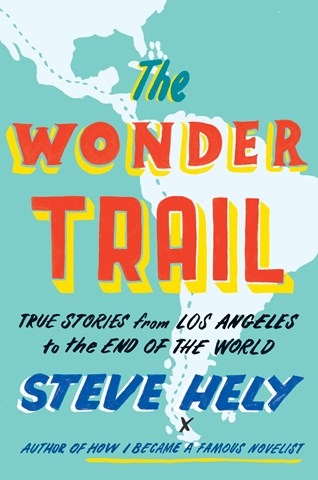
“The Wonder Trail”

By: Steve Hely

Narrated by: Steve Hely

Steve Hely (Author, screen writer, co-executive producer for the Veep tv series, also appeared as an actor on tv sitcoms like “The Office” and “30 Rock”.)

“The Wonder Trail” is an entertaining tale by a sitcom television writer who chooses to take a trip south. He travels through Mexico, the Panama Canal, and South America. He travels on the cheap to give the young an idea of what to do on a summer vacation. Hely’s writing profession is on display as he offers a “being there” experience and a laugh.

Traveling away from the U.S. should be in every young or old American’s experience. Those who visit other countries give perspective to life and how people are more alike than different.

“The Wonder Trail” shows human nature is the same, though the color of life is hued by the cultures in which we live. The desires of life or death are closely related, if not the same. As Hely travels, he recalls books he has read to give perspective and depth to the experiences of his journey. From Mexico, down through Chile and the southern tip of the Western Hemisphere, Hely tells of fellow travelers, the sites he visits, and the native citizens he meets. Every nation visited is accompanied by vignettes about its history. From the Mexican city of Oaxaca to Mayan ruins in Central America, to Patagonia, listeners are introduced to many of America’s southern border countries.

Hernan Cortes (1485-1547, died at the age of 61 or 62.)

Hely notes Hernan Cortes’s ruthless reputation for destroying temples of what was the Aztec capitol. Cortes became a ruthless symbol of conquest and European colonization.

Mexico City came from a city-state called Tenochtitlan which was a spec of land in the middle of a lake in 1325. Cortes, an infamous Spanish conquistador, razed Tenochtitlan to the ground in 1521 and created a Spanish colonial capital he named Mexico City.

Hely reflects on the lost language of the Aztecs and the many ruins buried beneath Mexico City’s thriving metropolis. Translators have deciphered some of the texts of the Aztecs that reveal the sophisticated pagan culture that was lost when Cortes colonized the country. Hely notes the Aztecs practiced human sacrifices to their gods.

Hely’s travels give one a sense of adventure and camaraderie. He notes how his favorite experiences are with other people, particularly Australian groups and some adventurous unattached women who choose to travel alone. Having traveled with an Aussie guide in Australia, I would agree with Hely’s suggestion that Aussies are among the best travelling companions.

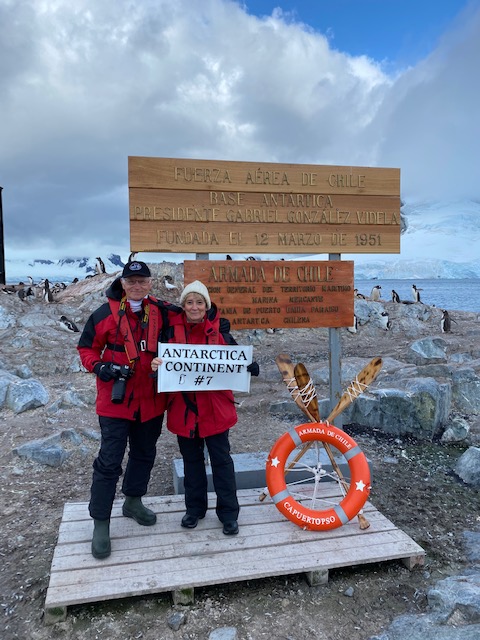
Hely’s journey ends in Patagonia, a territory under the control of Argentina and Chile. Having personally traveled to Antarctica, the point of debarkation is Ushuaia, the capital of Tiera del Fuego in Patagonia. Ushuaia is not mentioned in Hely’s book, but it is a beautiful village/city on the southernmost port of the world. The Drake Passage to Antarctica is not for the faint of heart because of the rolling sea. It’s worth the voyage because of the grandeur of ice flows, whale watching, and penguin excursions.

THE LOUVRE

Audio-book Review
 By Chet Yarbrough

Blog: awalkingdelight)
 Website: chetyarbrough.blog

The Louvre (The Many Lives of the World’s Most Famous Museum)

By: James Gardner

Narrated by: Graham Halstead

James Gardner (Author, art and literary critic.)

James Gardner is an art and literary critic based in New York and Buenos Aires. His writing has appeared in publications including the “New York Times”, the “Wall Street Journal”, and the “New Republic”.  

View from the top of Louvre Museum in a beautiful sunrise over Paris

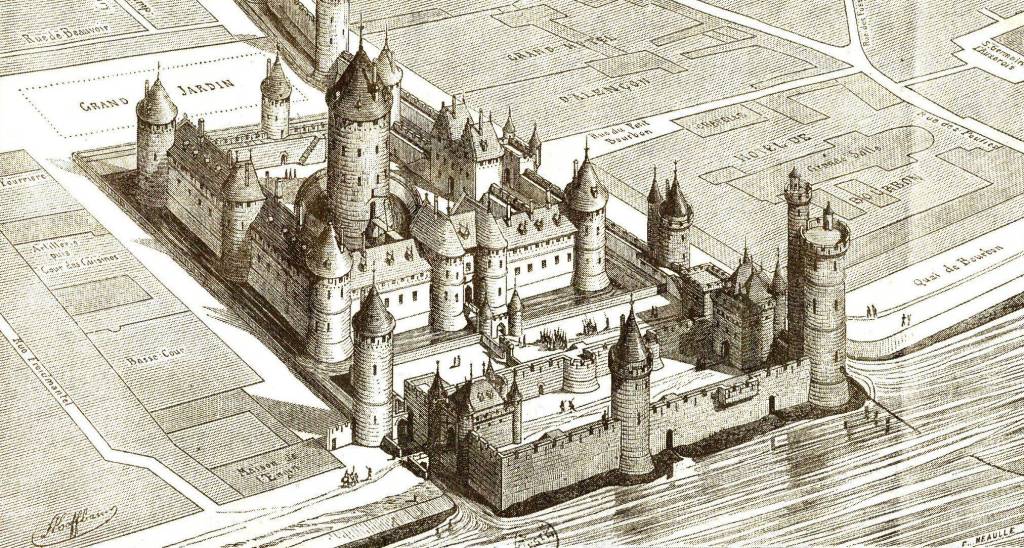
Having visited the Louvre a few years ago, it seems worth listening to James Gardner’s book about one of the world’s greatest museums. It is a surprise to find the Louvre dates to the 12th century. It began as a walled fort to protect Paris but was expanded when King Philippe Auguste decided to build a castle at the wall next to the Seine River.

The Louvre was originally planned as a fortress to protect Paris.

The origin of the name Louvre is a mystery. Gardner notes some thought it came from an association with a wolf hunting den; others thought it came from a Saxon word for watchtower (lauer) but no one knows for sure. The Louvre was neglected for several years after Louis XIV moved to Versailles. Some work was done, but King Louis’s architect spent most of his time on the new Versailles residence.  

Gardner explains the remains of King Auguste’s castle foundation can still be seen today.

The Louvre became the home of King Francois I in 1528.

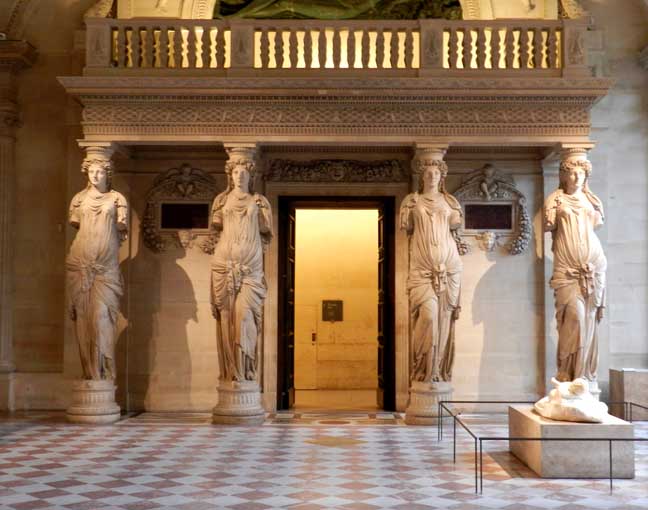
In 1550, the sculptor Jean Goujon created the caryatids (sculpted female figures as column supports) inside Francois I’s Louvre Palace.

The Louvre remained a royal residence until 1682 when Louis XIV moved to Versailles.

Gardner notes, it is after the French Revolution that the Louvre becomes classified as a museum.

The National Assembly of the nascent government republic opened the eight-acre site as a museum in 1793 with a collection of 537 paintings. Most of these paintings were from royal residences or church-property’ confiscations. Famous paintings like the Mona Lisa were not exhibited until 1797, just as Napoleon rises to power.

It is not until Napoleon Bonaparte’s 1799 coup d’état that a serious renovation of the Louvre is undertaken.

Bonaparte makes the Louvre his royal residence in Paris. Vivant Denon became the first director of the Louvre. He was a diplomat under the bourbon kings, Louis XV and Louis XVI, and then appointed director of the Louvre by Napoleon after his Egyptian campaign (1798-1801). Denon had been with Napoleon in Egypt. Denon was displaced during the Bourbon Restoration because of his association with Napoleon. Not much was done on the Louvre during the Bourbon Restoration.

Vivant Denon (1747-1825. artist, writer, diplomat, author, and archaeologist.)

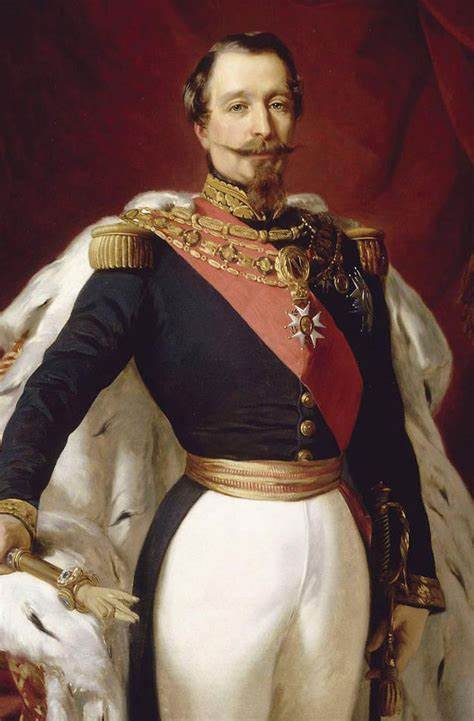
Napoleon III (1852-1870 reign, first president of France, became last emperor of France–deposed in exile. Nephew of Napoleon Bonaparte.)

Napoleon III undertakes a grand renovation of the Louvre with the building of its two major wings. The “Pavilion Denon” is dedicated at the Louvre by Napoleon III in the 1850s. Napoleon III employs Louis Visconti to design the Louvre renovation but he dies in 1853. The Visconti plan is executed by Hector Lefuel. It connects the old Louvre Palace around the Cour Carree with the Tuileries Palace to the west. The two major wings and their galleries and pavilions are completed during Napoleon III’s reign.

Francois Mitterrand (President of France 1981-1995)

WWII may have been the death nell of the Louve if it had not been for the cleverness of the French and the tacit cooperation of a German officer. The final chapters address today’s view of the Louvre and the renovations made by French President, Francois Mitterrand. Mitterrand carries the torch of French freedom and appreciation of art in the most elaborate Louvre addition since Napoleon III’s grand renovation. Mitterrand hires I.M. Pei to design the Louvre addition.

I.M. Pei (1917-2019, world renown American architect.)

It is known as the Grand Louvre Modernization project which is most noticeable because of the glass pyramid that becomes the primary Louvre entry. The pyramid seems incongruous to this tourist but is reminiscent of the Napoleonic history of France. Napoleon is more than a conqueror of countries. His political ambition entails more than power, though power is certainly a large part of his hegemonic ambition.

Gardner notes Napoleon’s inspired interest in other nation’s traditions, history, and art. His ambition in Egypt entails a consuming passion for understanding its historic rise to power and hegemonic power’s correlation with prominence in the world.

I.M. Pei’s decision is to create a symbol of the power and permanence of Egypt with a pyramid. The Louvre’s entrance is representative of Egyptian and French ambition in the world. As history shows, Egypt and France were hegemons of the world at different times.

Gardner’s book, “The Louvre”, should be on every tourist’s list before visiting the center of Paris. Gardner shows how much there is to see and how little one will understand without spending more than a day, let alone a few hours, at the Louvre.

SOUTHEAST ASIA

Yarbrough (Blog:awalkingdelight)
Website: chetyarbrough.blog

Southeast Asia 2023, Thailand, Laos, Cambodia, Vietnam

Written by Chet Yarbrough

Over Christmas 2022 and New Year’s 2023, America’s storied history in Southeast Asia is vivified in a 20-day trip to Thailand, Laos, Cambodia, and Vietnam.

THAILAND BOAT TRIP

Chaopraya River in Bankok

Visting the Thompson house in Thailand is quite a treat. The mystery of Thompson’s disappearance remains unsolved but the tour through his custom home, built from sections of different houses, is a remarkable display of architectural ingenuity. As an architect, Thompson designed a unique house with tapered doors to each room. Every room is protected from evil spirits by traditional high wood partitions at the bottom of each entry door.

The mystery surrounding Thompson has to do with his background as a former CIA agent. Some suggest CIA association might have something to do with his disappearance. Others suggest he was kidnapped for ransom. Still others suggest he just got lost and was eaten by the jungle. His real story is about the beginning of the silk trade for which he became well known. In any case, his home is a monument to East Asian art and a fitting end to a well-lived life.

Recalling America’s war in Vietnam, one becomes reacquainted with America’s carpet bombing of the Ho Chi Minh trails. The trails extend through Laos, Cambodia, and Vietnam. Hearing of mid-20th century and Asia’s ancient history of Hinduism and Buddhism, some Southeastern Asia’ travelers will leave with a sense of guilt, shame, or sadness.

HO CHI MINH TRAIL

Feeling guilt comes from hubris in believing American Democracy is desired by all people of the world.

Shame is in the reality of continued loss of lives from America’s undetonated cluster bombs in Laos, Cambodia and Vietnamese farm fields.

Sadness comes from the many Asian believers in non-violent Hindu’ and Buddhist’ teaching that are diminished by war.

The atrocity of war in Cambodia spits in the face of humanity. The Khmer Rouge gather together to enforce Pol Pot’s demented idea of forcing farmers to join communal farms under one leader’s bureaucratic control. Such an idea was tried and shown to be a failure by Mao in China. America supports Pol Pot’s genocidal attack on citizens who resisted Pol Pot’s forced indenture and relocation. 1.5 to 2 million Cambodians were murdered.

The Nixon/Kissinger administration supports Pol Pot in part because of their belief in the domino theory of communism (Vietnam, Cambodia, Laos, and Thailand would become communist if one became communist).

The irony of America’s support of Pol Pot is that Vietnam’s communist army, not America, liberates Cambodia from Pol Pot’s atrocity.

The Nixon/Kissinger policy of Pol Pot support is compounded by America’s decision to carpet bomb the southern route of the Ho Chi Minh trail. America’s hope is to interrupt the communist takeover of Vietnam. Of course, this is taken out of the context of a sincere belief in the domino theory of one country falling to communism leading to more countries falling to the same fate.

To some Americans, the support of Pol Pot is justified because communism did gain some level of control of Vietnam, Laos, Cambodia, and Thailand. What seems clear is the southern part of Vietnam, and all of Laos, Cambodia, and Thailand have endorsed a form of communism. However, all four countries show a level of economic competition and prosperity that suggests capitalist influence exists in every sector of the economy.

No communist party in these four countries appear in complete control. All four governments seem more like a work in progress than an inevitable probability of either communism or democracy. Corruption is alleged in all four countries we visited but that is a refrain one hears in every form of government, including America.

A level of discontent is exhibited by a young college graduate in Thailand. He explains his ambition to become less controlled by government, with freedom of speech, and a right to pursue an independent career. Student protest is rising in Thailand.

In Laos, our local guide (ironically named Lao) explains how he chose to walk 13 miles to school every day to become the first formally educated person in his family. Lao belongs to a Hmong minority in Laos.

The Hmong were recruited by the CIA during America’s Vietnam war. A few of the fighters were evacuated to American after the war, but many were left to fend for themselves. Laos is the least developed of the four countries visited on this trip. However, some small villages seem to have done well for their residents.

Our local guide suggests there is a threat to this rural life. An elevated train system has been built by China that crosses the river near this local community. China approached local residents with a proposal to relocate their village. China wishes to build a casino on their land for the entertainment of Chinese tourists.

Elevated rail from China to Cambodia

On one of several village visits in Laos, we visit local artisans plying their trade.

Later, visiting the Cambodian “killing fields” one recognizes the atrocity citizens lived through. No thoughtful Cambodian would want to return to a Pol Pot authoritarian government. Cambodia’s monument to Pol Pot’s atrocity is a reminder of his misanthropic idea of an agricultural utopia.

The first two pictures are of a vertical tower filled with the skulls of the “killing field”, victims from Pol Pot’s reign of terror.

Southeast Asia is undoubtedly influenced by communism. However, resistance to authoritarianism is apparent in every nation we toured. What is striking in all four countries is the continued investment in ancient Hindu and new Buddhist temples. An equally surprising realization is that the younger generation places much less faith in these dominant religions than seems warranted by the investment.

In a dinner in Thailand with the son of our guide, the son explains he is 50/50 on belief in Buddhism. The inference one draws is that the value of investment in Hindu’ and Buddhist’ temples is for its tourism value more than belief in religious doctrine. On the other hand, one cannot discount a fundamental belief in these religions that have a “let be” attitude about life that offers a level of social stability beyond any government influence on life.

There is a sense of uneasiness in Thailand, Laos, and Cambodia in regard to Vietnam encroachment. Vietnam seems the “big dog” in the kennel. Though our local guide in Vietnam believes there is no chance of war, there seems fear of invasion or dominance by a stronger, more experienced military in Vietnam than in the other peninsula countries we visited. However, the greater concern in all four countries seems to be the potential for domination by China. Though relations appear quiescent at the moment, the authoritarian character of China’s current leadership seems worthy of some concern. In Vietnam, our local guide, who is 30 years of age, explains neither he nor the older Vietnamese generation wish any war in Southeast Asia but express guarded concern about China’s intention.

The following pictures are of the seat of power in Ho Chi Minh city (formerly Saigon) Vietnam during the American war. It is now a museum showing the government offices and a bunker in the event of an attack.

All our guides in Southeast Asia were excellent. Our primary guide, Lucky, practiced for a short time as a novice monk. As a part of the tour, we were able to ask questions of a monk that exemplifies the resilience and strength of Buddhism and its teaching. Questions were answered with grace and intelligence that reinforce one’s un-schooled understanding of Buddhism and its place in world religions.
MONUMENTS TO THE HINDU AND BUDDHIST RELIGION THROUGHOUT SOUTHEAST ASIA.

And, of course, no one can leave Cambodia without a visit to Angkor Wat the largest religious monument in the world, built in the 12th century.

Many personal conversations with Lucky, our primary guide, gave insight to the strength of Buddhism and a way of life that eschews conflict and promotes peace. Lucky believes in the traditions of his Thailand upbringing with acceptance of things as they are with the hope that the traditions of his country will continue.

In a sense, Lucky is a royalist who believes in the importance of the blood line of royalty as a moral compass for the country. The many experiences we had on this brief trip suggest Lucky’s hope for a limited monarchy is possible but with reservation. History never repeats itself in the same way.

NORWAY AND FINLAND

Travel

Written by Chet Yarbrough

Having Finnish grandparents made traveling to Norway and Finland more interesting. Because of little information about Hannah and Matt Savela, there is little prospect of finding anything about their lives in Finland or their arrival in the U.S. However, a tour of Finland, dinner with a Finish family, and a well-informed Nordic guide made one appreciate what it might have been like to be born and raised in a Nordic nation.

My grandfather arrived in Minnesota in the early 1900s. My grandmother may have already been in Minnesota. They moved to Oregon. My grandfather worked for the railroad and was gifted a watch at retirement. They raised four daughters and two sons. All their children married. All the daughters had children of their own. Some stayed married, others did not. Both male children served in the armed forces. All four girls worked outside their families, in addition to raising their children. One of the boys retired from the military, the other retired from some unknown employment.

Landing in Norway, after a long flight from Seattle, we were greeted by an Overseas Adventure Travel driver to take us to our hotel. At the hotel, we met our Swedish guide who gave us the next day’s itinerary and sent us off for a sleep. Our guide is a philosophy major with a doctorate in ethics. Her education is a great reward that helps uninformed travelers better understand the unique Nordic democratic culture.

The capital of Norway, Oslo, is our first stop. We tour The Vigeland Park with hundreds of sculptures that represent the circle of life. It is considered the world’s largest sculpture park made by a single artist, Gustav Vigeland. Depending on how you enter the park, gates open to a sculpture of intertwined humans in a circle, or from the other entry, a giant obelisk festooned with naked bodies of men, women, and children. The sculptures reflect life from birth to death. The park is beautifully landscaped showing autumn colors if you arrive in October.

The most well-known sculpture is the oft-photographed angry baby boy on the Vigeland Park bridge. The scowling baby is made famous around the world by post card illustrations.

Leaving Oslo, we visit the second largest city in Norway. Bergen has a population of approximately 285,900. It is on the west coast, occupying most of the district of Midthordland. Its history reaches back to the 11th century. One of many beautiful sites is at the top of Mount Floyen. Visitors are carried by funicular to a view of the harbor. In autumn the view is great but a short hike further up the hill at the funicular’s end reveals a beautiful lake, surrounded by fall colors.

Before leaving the Bergen area, we visit Oygarden’s salmon farm to view another source of income from the North Sea. After a brief introduction by a local guide, we are motorboated to an inlet across from an asphalt batching plant to view a salmon fish farm. Two things come to mind. One, why would the government authorize a dirty industry next to a fish farm, and two, why is it necessary to farm fish when one lives on the North Sea? Of course, the answer is the same for both questions. It provides employment and income to a country that serves its citizens more equitably than the rest of the world.

Wild salmon are nearly extinct. Without farming, salmon would disappear from dining room tables. The asphalt issue is little less explainable except in the sense of all countries being hooked on the carbon industry.

In Norway, we reach the farthest north one can reach by automobile. At this northern most point, a museum, a restaurant, and outdoor monuments memorialize one’s arrival. And, of course, there are the elusive and varied northern lights.

Discovery of oil in 1967 changed Norway and influenced its socialist objectives as a democratic nation. Traveling through the countryside one sees the impact of oil wealth with well-groomed towns with few residents but the newest mechanical conveniences for agriculture and public utility services.

Contrary to most Americans understanding of Scandinavia, our guide explains Finland is not a Scandinavian country. Finland is a Nordic country which includes Scandinavia, Iceland, the Faroe Islands, Aland, and Greenland. Finland was once a part of Sweden but gained independence in 1917. Ironically, that independence occurs during the Eastern Bloc revolution that is won by the Bolsheviks (the Reds) who were competing with the Whites for hegemonic control of Russia. The Whites lost to the Reds in Russia but gained control in Finland. The irony is in the relative quiescence of the Reds and Whites historic conflicts and the Whites ability to maintain a level of independence from what became the U.S.S.R.

Our first stop in Finland is Kirkenes. The long porous border between Russia and Finland demands a great deal of compromise for Finland to remain independent. As we learned from one of WWII’s Finnish survivors, Russians are people with the same ambitions of all peoples of the world. Residents of Kirkenes refuse to be bogged down by political differences between Russians, Finns, or the Germans which they allied themselves with during WWII. Every relationship is measured by personal behavior, not government politics. Conflict arises from the politics of competing governments. The Finns did not want to live in a communist, particularly Stalinist, country. The Finns relished their independence and pursued it in ways a long border with Russia would allow.

During WWII Finland sides with the Germans, largely with the objective of insuring their independence from Russia. The Finns did not accept Hitler’s antisemitism or his horrendous “final solution”. What Finnish soldiers fought for is independence, not German hegemony or racial purity.

Tax rates of up to sixty percent are levied with money collected by a democratically elected governments in Scandanavia and Finland.

Today, a traveler notes the striking difference between Nordic countries’ and Russia’s vision and action to secure “common good” for their citizens. Scandinavia and Finland are heavily taxed, socialist countries. Collected taxes provide provably excellent educational and social/medical services at lower to no direct cost to all Nordic citizens. In contrast Russia (the former U.S.S.R.) is controlled by an appointed government body (the communist party) that focuses on building its national reputation in the world by demanding work from its citizens. Any benefit inuring to citizens is secondary to Russian leadership’s industrial or hegemonic plans.

The standard of living in Norway and Finland rivals the best educated and wealthy countries of the world. That cannot be said for the majority of Russian citizens. The principals of low-cost education and health services is a wonderful dream to many Americans, but Nordic success is a function of factors quite different from those in America.

Approximately 21 million people live in Scandinavia with Finland adding another 5.5 million. America’s population is 332.4 million. Though all are democratic, consensus building is more difficult in more populated democratic countries than smaller countries. The bureaucracy needed to provide educational and medical services are naturally larger and more expensive with bigger populations.  Though both areas of the world are classified as secular, America has a strong religious base that influences public policy.

Our guide suggests religion is more of a tradition than “belief in God” in Nordic countries. Though the majority of Nordic residents identify themselves as Lutheran, they generally do not believe in God.

In Norway, oil revenues have become a major source of wealth for the country. Every year, an estimated 20% of the national budget comes from an oil industry’ self-perpetuating investment fund. It is used to support programs like social security, unemployment, education, and health benefits for all Norwegians. An ethics board reviews and regulates use (beyond the aforementioned) of the oil industries’ contribution to the national budget. That board outlines the ethical standards that must be met to use funds from the oil industries’ 20% contribution. Finland does not have Norway’s oil wealth but is politically organized to provide a similar safety net for its citizens.

Aside from oil wealth, there is a societal difference between Norway and Finland. Finland’s border with Russia entails a more intimate connection with Finnish culture. Trade between Russia and Finland is more important because of proximity and the need for food and household goods. Norway has enough wealth and separation to keep Russia at arm’s length. Another difference is that Finland has an indigenous population called the Suomi that is highly regarded and supported by the education system. The Suomi culture reverences reindeer in the same way an American cattle rancher reveres cattle. However, reindeer are exclusively owned and regulated by Suomi descendants.

The natural environment in Scandinavia and Finland is harsh. Water surrounds the peninsula and outlying Nordic countries. The frigid winter seasons isolate small communities throughout Norway and Finland which compel population concentration in a few cities. It is common to see small communities of a few hundred (or less) citizens living on a Fjord many miles from a major city. Self-reliance and independence are consequences of that isolation.

Despite that isolation and independence, one finds both Norwegians and Finns are personable when meeting outsiders. One senses the same assessment of outsiders that is referred to by the Finnish WWII survivor that explains her relationship with Russians. Outsiders are measured by their personal interaction with Nordic citizens, not by their nationality.

The most striking difference between American Democracy and what we experienced in Norway and Finland is in their success in melding democratic values with social welfare. America could benefit from understanding how Norway and Finland have managed to reach consensus on social policies that provide a more comprehensive safety net for its citizens. Many Americans may wonder how these two countries manage to achieve such benefit without compromising the human desire for freedom. One suspects it has something to do with how consensus is achieved through political discourse but there seems an underlying social understanding of “common good” in Nordic countries that is missing from American society.

Like America, Norway and Finland are not perfect societies. They have experienced some of the same right-wing violence that has occurred in America. One wonders how democratic cultures can as easily breed Norwegian murderers like Anders Behring Breivik or American murderers like Timothy McVeigh when so many great leaders have led their countries out of societal darkness.

These same democratic cultures create leaders like Jens Stoltenberg and Erna Solberg in Norway, and Abraham Lincoln and Franklin Roosevelt in America.

Jens Stoltenberg, former prime minister of Norway, now serving as the 13th secretary general of Nato since appointment in 2014.

Erna Solberg, 2nd female and former prime minister of Norway, current leader of the opposition as Leader of the Conservative Party.

Abraham Lincoln, President of the U.S. during the Civil War, author of the Emancipation Proclamation to end American slavery.

Franklin Roosevelt, President of the U.S. during the Great Depression and WWII.

Political leaders are not perfect nor, for that matter, always right. They are human beings who choose to lead their countries to the best of their ability. The difference is the culture and structure of the government in which these leaders lead. Even in the most autocratic countries, leaders must have followers. It is in a process of consensus, whether in autocracy or democracy, that public policy becomes real.

After our trip to Norway and Finland, one cannot help but believe there is much for America to learn. On the other hand, neither Nordic nor American cultures have found the perfect balance between freedom and common good that ensures an equal opportunity for citizens to be sad or happy.

SCANDINAVIA

Audio-book Review
By Chet Yarbrough

(Blog:awalkingdelight)
 Website: chetyarbrough.blog

The Almost Nearly Perfect People

By: Michael Booth

 Narrated by: Ralph Lister

Michael Booth (British Author, food and travel writer.)

Later this month, we will travel to Scandinavia and Finland. As a suggestion by our guide, “The Almost Nearly Perfect People” is a fascinating introduction to Denmark, Norway, Finland, Sweden, and Iceland. To be fair to indigenous people of the Nordic countries, one might keep in mind the author is British while living for ten or more years in Denmark with his Danish wife and family. The author notes they moved from Denmark for a short time, but his wife convinces him to return.

Booth is a travel and food writer. He explains that an extra motive for writing this book is because a wide part of the world knows little about Scandinavia and much of what they think they know is wrong. I am more in the first than second category but have an interest in the subject because of my Finnish grandparents.
On a per capita basis, Norway is among the ten richest nations in the world. America is around 11th. Sweden and Denmark are not far behind.

In contrast Finland is a laggard at 21st position but Booth claims Finland is his favorite among the five countries.

For public education systems, Finland is historically ranked among the best in the world while Norway, Sweden, and Denmark are among the top ten. To give perspective, America is around 27th place.

The Danish-Swedish company Arla Foods is the 7th largest dairy company in the world. The industrial transportation and shipping company Maersk is a Danish company. IKEA, Volvo, Assa Abloy (key card locking systems for hotels), Electrolux, Ericsson, and H&M are Swedish conglomerates. Denmark and Sweden are industry power houses in the world.

Booth notes Norway became rich with the discovery of oil. Denmark’s and Sweden’s wealth lies in different strengths and weaknesses revolving around their respective international businesses.  

What makes Booth’s book interesting, and entertaining is his view and contrast of Nordic societies. Booth suggests both Danes and Swedes are somewhat cliquish and standoffish but act differently among themselves. Both prefer working with their own countrymen and women. Danes revel in individualism whereas Swedes are more clannish. Neither particularly welcome outsiders but Swedes like working together with fellow Swedes as teams with common purpose. In contrast, Danes work within a hierarchical structure that relies on positional direction. Finns are characterized as less ambitious with a live and “let be” view of life. A Finn works to live rather than lives to work. Booth suggests Norwegians appear standoffish to many but its more from a wish to be self-reliant and reserved. The idea is to preserve personal space among themselves and to have respect for others who may or may not be Norwegian.

Iceland is not a part of the trip we are taking, and Booth only skims Icelandic culture but suggests Danish influence is the predominant characteristic of their population. (Iceland was founded by Danes.) Booth’s primary story of Iceland is in their errant decision to rely on banking system managers that nearly collapse the economy in the 2008 economic crises. Belief in hierarchal structure and positional direction nearly bankrupted Iceland because of unwise risks taken by bank managers.

A listener’s general impression from Booth’s book is that the Nordic countries are uniquely different but generally socialist with the highest tax rates in the world.

Those tax rates provide the best education and health systems in the world. However, their socialism does not impede their innovative entrepreneurial and capitalist interests. In Booth’s opinion, the Nordic countries represent the future of the world by melding capitalism with socialism.

Booth infers the success of Nordic countries begins with their education system. Teaching is an honored profession that is difficult for potential employees to join.

Teaching positions and teachers are highly educated and respected by the general population. Contrary to what one would presume, classes for students are medium size (20 to 23 students), teacher salaries are middle class, class days are limited to 4 hours, and every family has access to any school in their area. Tutoring is widely practiced for students needing help. There are no private schools.

As is true in all countries of the world, immigration is being horribly mishandled. Fair immigration policy in Norway and the world remains a work in progress.

Booth notes Nordic countries have not achieved perfection. With the threat of authoritarianism that diminishes the value of human life, histories of these countries show mistakes were made in WWII and are still being made in the 21st century. On the other hand, Booth shows native Nordic residents endorse and practice equal rights for men and women, a laudable example for the rest of the world.

COVID19, (From the Strip to the City of Las Vegas to Sammy Davis Jr. Park.)

As many know, the City of Las Vegas is different from the Las Vegas Strip. The City is the city. The Strip is outside the city but in the same county, connected by extensions of north/south streets.

ON THE LEFT IS THE FREMONT STREET EXPERIENCE. IT IS IN THE CITY OF LAS VEGAS. ON THE RIGHT IS LAS VEGAS BOULEVARD WHICH RUNS THE FULL LENGTH OF THE STRIP. BOTH DESTINATIONS ARE IN CLARK COUNTY.

During the pandemic, some take a walk through the city. With Covid19, some residents visit the park.

Like the Strip in Clark County, Fremont Street is deserted. (The distance from the Strip to Fremont Street is 5.4 miles.)

Not far from the City is Sammy Davis Jr. Park. Sammy Davis Jr. Park is 3.2 miles from Fremont Street.

Las Vegas is a destination city for the world. How long it will remain a capital of entertainment is solely based on belief in personal safety. Las Vegas is the capital of the gambling industry in America but few want to risk their lives on Covid19 in April of 2020.